Skip to content
Custom Dress Manufacturer for Mature Womenswear Labels
Custom dress development and manufacturing for established womenswear labels managing seasonal dress lines, core silhouettes, repeat styles, bestseller restocks, fabric continuity and long-term production standards.
Duolan supports commercially mature womenswear labels across new collection development, sample revision, PP approval, fit memory, fabric and color records, bulk QC, repeat color planning and reorder-ready production files.
- 3,000–8,000 styles developed monthly support seasonal dress lines, repeat styles, new color updates and multi-style collection development.
- 15,000–35,000 samples monthly support first samples, fit samples, photo samples, PP samples and repeat development reviews.
- 300 sewing lines plus 50+ flexible lines support mature dress labels across collection launches, repeat color orders and bestseller restock.
- 4 long-term production records protect repeat orders: approved sample, fabric card, color reference and fit notes.
- 5 mature label dress categories can be supported: occasion, party, resort, work-to-evening and repeat core dresses.
- 6 continuity checkpoints guide production: fit standard, fabric route, color standard, PP approval, QC notes and packing rule.
- 20,000–80,000 pieces per brand order can support mature dress programs requiring stable bulk execution across multiple styles.
Mature Womenswear Labels Duolan Works With
Established Womenswear Labels
Dress-focused Fashion Labels
Premium Ecommerce Dress Brands
Regional Established Fashion Brands
Occasionwear and Partywear Labels
Product, Sourcing, Technical and QC Teams
Why Mature Womenswear Labels Need a Different Dress Manufacturer
Mature womenswear labels do not need a factory learning brand standards from zero every season. They need a manufacturing partner able to preserve fit, fabric, color, construction, finish, packing and reorder logic across multiple collections.
A mature label already has commercial evidence: core silhouettes, proven lengths, preferred fabric weights, return feedback, top-selling colors, size chart logic and existing product expectations. Losing these records creates slow development, repeated revisions and weaker bulk outcomes.
Duolan supports established dress labels through brand fit memory, fabric card archives, color references, sample-to-PP records, first-piece review, category-specific QC, packing rule control and repeat order files.
- Brand fit memory: Core measurements, length preferences, sleeve shapes, neckline depth, waist placement and garment ease need preserved records.
- Product-line continuity: New styles should extend the label’s established dress language instead of shifting into unrelated silhouettes.
- Fabric and color memory: Fabric cards, shade references, handfeel notes, shrinkage records and substitute reviews protect repeat production.
- PP-to-bulk accuracy: Approved samples need production handover through first-piece checks, inline QC, final inspection and packing review.
- Restock readiness: Bestseller dresses, repeat colors and seasonal updates need clear files before reorder pressure begins.
- Team continuity: Production standards should remain available even after staff, merchandiser or factory-line changes.
How Mature Womenswear Labels Choose a Dress Manufacturer
01|Can the Manufacturer Preserve Brand Fit Memory?
- Preserve core fit blocks for bodycon, occasion midi, resort maxi, satin slip and day-to-evening dresses.
- Record critical POMs for bust, waist, hip, length, armhole, strap, sleeve and slit.
- Link fit notes with fabric behavior, lining, stretch and shrinkage.
- Use historical fit comments during repeat color, restock and seasonal refresh.
02|Can New Styles Follow the Label’s Existing Dress Language?
- Check whether silhouette, length, neckline and fabric mood match label identity.
- Separate trend details suitable for the brand from details likely to create confusion.
- Keep proven dress families visible during new collection development.
- Protect consistent quality level across core, campaign and seasonal styles.
03|Can PP Standards Carry into Bulk Production?
- Use PP sample as reference for cutting, sewing, finishing and packing.
- Check first pieces against approved sample and previous records.
- Apply category-specific QC points during production.
- Confirm garment presentation before shipment release.
04|Can Repeat Orders Avoid Drift?
- Archive approved sample, fabric card, color reference and fit notes.
- Review substitute fabrics before repeat production begins.
- Compare repeat color against approved shade and previous bulk.
- Preserve label, hangtag, packing and carton rules by style.
05|Can New Development and Restock Run in Parallel?
- Separate first development, PP approval, repeat color and restock tasks.
- Track bestsellers apart from experimental seasonal styles.
- Keep reorder files available while new samples move forward.
- Prevent old and new style comments from mixing during production.
06|Can Fabric and Color Continuity Be Protected?
- Preserve weight, composition, handfeel, stretch, drape, opacity and shrinkage notes.
- Compare dye lots, print scale, lace tone, satin shine and lining match before bulk.
- Review alternate materials through fit impact, care route and production risk.
- Keep fabric decisions connected with PP and reorder files.
07|Can the Manufacturer Support Long-term Production Records?
- Archive sample status by style, season and production stage.
- Keep measurement changes and approval reasons visible.
- Record QC issues and prevention steps for future orders.
- Preserve packing and label rules for repeat production.
Where Mature Dress Label Programs Usually Break Down
The First Sample Looks Right, Reorders Drift
A sample or first bulk order may look strong, but later batches can shift in color, length, handfeel, pressing, label placement or packaging.
Duolan response: Reorder records include approved sample, fabric card, color reference, fit notes and packing rule before repeat production begins.
- Compare repeat bulk with original PP and approved bulk reference.
- Review fabric and color before cutting.
- Check first-piece garment before volume expands.
- Keep packing and label files tied to style code.
Brand Fit Standard Is Not Recorded
A mature label may have a proven fit, yet repeated supplier questions slow development and create avoidable revisions.
Duolan response: Fit memory is recorded by style family, critical POM, garment length, body balance and sample comments.
- Preserve core fit blocks for repeat dress families.
- Record fit decisions by body area and fabric type.
- Keep size specs available for new development and restock.
- Use previous comments before new sample correction begins.
New Collection Loses Brand Consistency
Trend-led updates can pull a mature label away from its own product identity. New styles may feel unrelated to established bestsellers.
Duolan response: Development starts with brand dress language, core silhouettes, fabric route and commercial style boundaries.
- Review new ideas against proven silhouettes.
- Keep material quality level consistent across the collection.
- Control trend details such as cut-outs, mesh, slits, sleeve shapes and surface shine.
- Preserve familiar fit logic while adding seasonal freshness.
PP Approval Does Not Protect Bulk
PP approval can lose value when production teams do not receive enough context. Bulk then differs from the approved sample.
Duolan response: PP locking, first-piece review, inline QC, final inspection and packing review connect approved samples with production.
- Convert PP comments into production checkpoints.
- Compare first piece with PP sample before line speed increases.
- Inspect fabric surface, measurements, trims and labels during production.
- Review final packing against approved garment presentation.
Fabric Substitution Changes the Product Feel
Substitute fabric can look similar but behave differently. Drape, stretch, opacity, shrinkage, shine and garment weight may change the whole product.
Duolan response: Alternative materials are reviewed through handfeel, weight, stretch, shrinkage, opacity, drape and fit impact.
- Compare substitute fabric against archived fabric card.
- Test how material affects length, fit and seam behavior.
- Review lining, trim and care compatibility.
- Approve substitute fabric before bulk cutting.
Restock and New Development Compete for Attention
New development and restock require different workflows. Mixing them can cause missed comments, wrong fabric use or unclear delivery timing.
Duolan response: New development, repeat style, repeat color, bestseller restock and seasonal update receive separate status control.
- Mark style status before sample or bulk tasks begin.
- Keep repeat orders tied to approved records.
- Keep experimental new styles separate from replenishment orders.
- Review delivery risk by project type.
Production Knowledge Stays with One Person
When standards live only in one merchandiser’s memory, personnel changes can damage brand continuity.
Duolan response: Sample archives, fabric records, fit notes, QC points, label files and packing files make production knowledge transferable.
- Keep approved sample and PP records available beyond one order.
- Record claim causes and prevention actions.
- Preserve label, hangtag and packing versions.
- Use documented standards during every reorder review.

Long-term Dress Development System for Mature Labels
Brand Fit and Product History Review
Development starts with what already works. Mature labels often hold valuable history in bestsellers, return notes, size specs, fabric choices and seasonal sales.
- Review core dress shapes, recurring fit comments and strongest style families.
- Identify return patterns linked with length, bust, waist, hip, sleeve or stretch.
- Preserve fabric and color preferences behind proven styles.
- Use product history before new sketch or sample correction begins.
New Collection and Existing Line Alignment
New styles should expand a label’s world, not erase it. Collection updates need enough novelty without losing familiar fit, handfeel and quality level.
- Align new silhouettes with established dress language.
- Review trend details against target product identity.
- Keep fabric quality level consistent across old and new styles.
- Build seasonal updates from proven bodies where suitable.
Sample-to-PP Development Path
Sample stages need clear roles. First sample, fit sample, photo sample and PP sample should not carry the same approval logic.
- Use first samples for direction, structure and fabric route.
- Use fit samples for measurements, movement and comfort.
- Use photo samples for imagery and product presentation.
- Use PP samples for bulk standard, QC points and packing rules.
Reorder and Repeat Color File Setup
Reorders need files ready before urgency rises. Repeat color and bestseller restock depend on approved references, not repeated explanations.
- Archive approved samples, fabric cards and color references by style.
- Keep label, hangtag and packing rules connected with each reorder.
- Record fit notes and critical POMs for repeat production.
- Review material availability before repeat color planning.
Seasonal Update and Bestseller Extension
Mature labels often extend successful styles through new color, new fabric, new sleeve, new length or adjusted surface.
- Use proven silhouettes as controlled seasonal assets.
- Test new fabrics against original fit and drape.
- Review updated colors with existing lining and trims.
- Preserve original quality standards during refresh.
Dress Programs Duolan Can Support for Mature Womenswear Labels
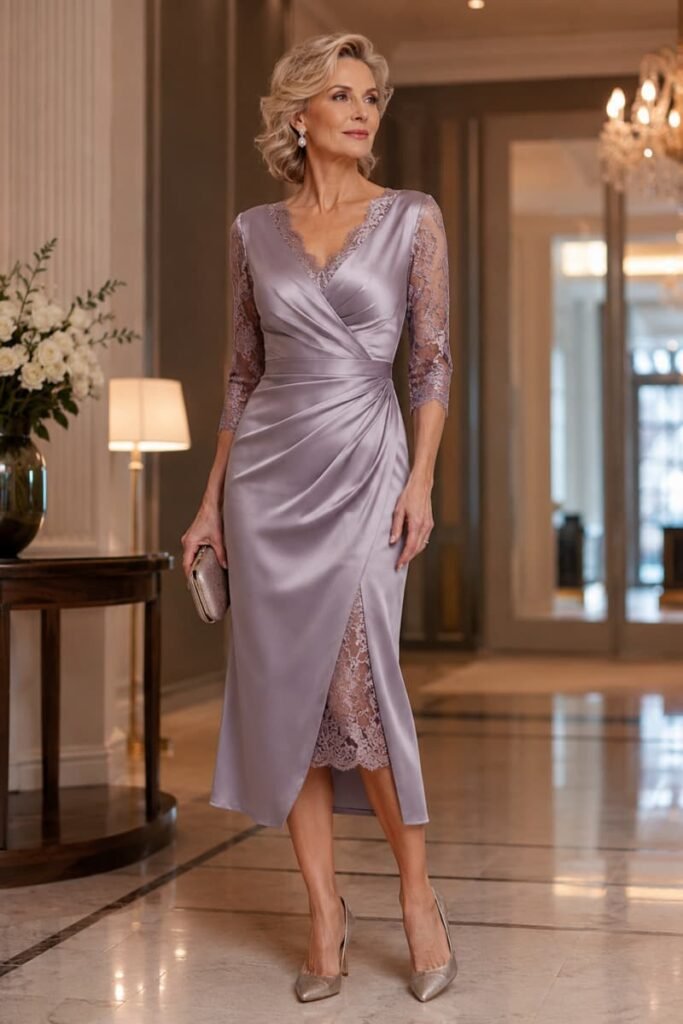
Core Occasion Dress Lines

Repeat Party Dress Programs

Resort Dress Refreshes

Wedding Guest Dress Collections

Work-to-Evening Dress Lines

Holiday Dress Updates

Satin Mature Label Dresses

Lace Occasion Dresses

Mesh and Sheer Statement Dresses

Printed Maxi and Resort Dresses

Bodycon and Fit-sensitive Dresses

Bestseller Restock Dresses
Brand Fit Memory and Size Continuity
Core Fit Blocks
- Preserve bodycon base, occasion midi base, resort maxi base, satin slip base and work-to-evening base where applicable.
- Keep silhouette, ease, length, neckline and waist placement records by style family.
- Use core blocks as development references, not rigid templates.
- Review base fit before adding seasonal design changes.
Critical POM Records
- Track bust, waist, hip, garment length, sleeve opening, armhole, neck drop, strap length and slit height.
- Record tolerance-sensitive zones for fitted, satin, mesh, bodycon and maxi styles.
- Compare POMs across sample, PP and bulk stages.
- Use previous POM notes during reorder first-piece review.
Fabric-to-Fit Relationship
- Record how fabric stretch affects bodycon and cut-out styles.
- Review drape and weight for satin, crepe and resort maxi dresses.
- Check lining impact on comfort, opacity and movement.
- Compare substitute fabrics against original fit behavior.

Size-set Review
- Check grading on bust, waist, hip, length, sleeve and slit areas.
- Review larger sizes for support, coverage and comfort.
- Review smaller sizes for proportion and strap or neckline stability.
- Keep size-set comments available for future repeat colors.
Fit Notes for Reorder
- Attach fit comments to each approved style.
- Record correction reasons, not only final measurements.
- Compare reorder first pieces against fit archive.
- Use previous return feedback when planning repeat production.
Fabric, Color and Handfeel Continuity
Fabric Card Archive
- Archive composition, weight, handfeel, stretch, drape, opacity and shrinkage notes.
- Link fabric cards with approved samples and PP records.
- Preserve lining, trim and care-route details.
- Use archived cards before substitute materials are proposed.
Color Reference and Batch Review
- Preserve approved color references by style and season.
- Review dye lot, print batch, lace tone and satin shine before cutting.
- Check lining match where transparency or light color matters.
- Record batch differences for future reorders.
Alternative Fabric Evaluation
- Compare handfeel, weight, stretch, drape and opacity.
- Review shrinkage, care behavior and seam performance.
- Test substitute fabric against the existing pattern.
- Approve replacement route before PP or reorder production.
Repeat Color Control
- Check new color against fabric base, lining and trims.
- Review color impact on opacity, surface shine and photo appearance.
- Preserve naming and reference standards for future use.
- Compare repeat color sample before bulk cutting.
Fabric Behavior in Bulk
- Review bulk fabric shade, handfeel and weight before cutting.
- Check shrinkage and stretch where fit sensitivity is high.
- Inspect surface defects before production expands.
- Record bulk material notes for reorder and claim prevention.

PP-to-Bulk Consistency for Established Dress Lines
PP Sample Locking
PP samples lock approved production standards. They should carry final fabric, trims, measurements, workmanship, labels, packing and QC points.
- Confirm PP sample after fit, fabric and construction comments are resolved.
- Attach fabric card, color reference and label files to PP records.
- Record category-specific QC points before bulk starts.
- Use PP sample as main reference for production handover.

First-piece Review
- Compare first piece with PP sample and historical records.
- Check measurements, fabric behavior, trim placement and finish.
- Review category risks before line speed increases.
- Correct interpretation early to prevent full-batch issues.

Inline QC by Style Family
- Satin: surface, shine, zipper waves, seam tension and pressing.
- Bodycon: stretch recovery, opacity, side seam balance and POMs.
- Lace: motif placement, lining tone, edge finish and transparency.
- Maxi: length, hem sweep, shrinkage, print scale and packing recovery.

Final Inspection by Brand Standard
- Review fit, handfeel, color, finish, label and packing condition.
- Check repeated issues recorded from prior orders.
- Compare final bulk with PP and approved production references.
- Confirm garment presentation before shipment.
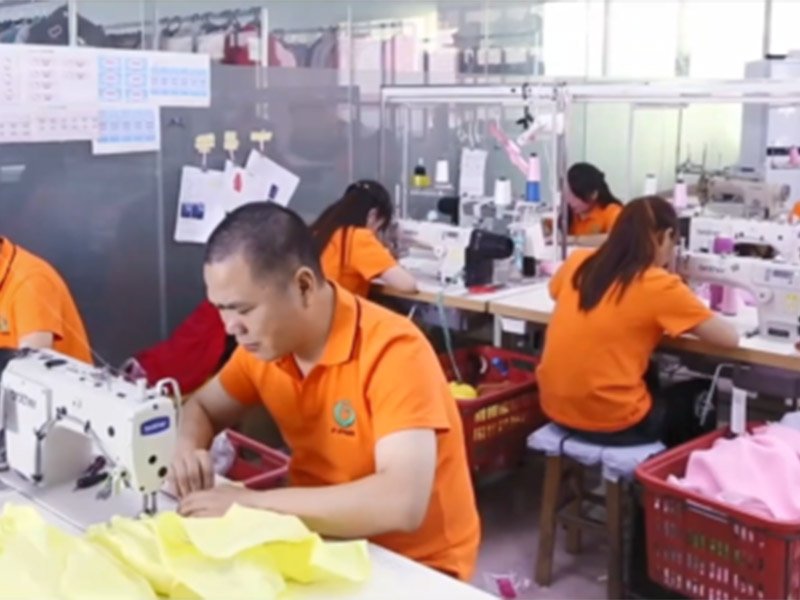
Packing Review Before Shipment
- Check folding, hanger option, polybag, sticker and tag placement.
- Match size, color and style records before carton release.
- Review carton pressure for satin, lace, mesh, velvet and sequin.
- Archive packing notes for future reorders.

New Collection Development Without Losing Brand DNA
Core Dress Language
Core dress language defines what a label should feel like across seasons. It may include proportion, fabric mood, length, color, neckline, sleeve shape or detail strength.
- Review bestsellers and long-running dress families before new development.
- Identify recurring design signals loyal shoppers recognize.
- Preserve quality level across new and repeat styles.
- Keep brand fit memory visible during sample comments.
Trend Filtering
- Review cut-outs, mesh, slits, shine, ruching and sleeve details against existing product identity.
- Avoid trend details creating fit, return or brand-confusion risk.
- Convert high-risk details into controlled commercial versions.
- Keep trend adoption tied to proven silhouettes where suitable.
Product Role Planning
A balanced mature collection includes different garment roles, not only newness.
- Define hero styles for campaign or launch energy.
- Select commercial styles for stable sales and broader fit.
- Keep repeat styles available for continuity and confidence.
- Mark seasonal updates built from proven bodies.
Fabric Route Consistency
Fabric changes can make one collection feel uneven. Mature labels need consistent quality tier across materials.
- Match new fabrics with established handfeel and price level.
- Review substitute fabrics before sample approval.
- Keep satin, lace, mesh, crepe and printed woven quality tier aligned.
- Prevent one style from feeling below the rest of the line.
Collection Balance
- Mix core dress families with seasonal updates.
- Preserve fit blocks while introducing new color or detail.
- Keep restock candidates visible during new collection review.
- Build future repeat color options into early fabric planning.
Bestseller Restock and Repeat Color Management
Bestseller File Review
- Review approved sample, sales feedback, fit notes, return notes and fabric record.
- Check label, hangtag, sticker and packing rule before reorder starts.
- Identify prior QC issues and prevention steps.
- Confirm whether the restock should match the original or update specific details.
Repeat Color Planning
- Test new color on the original fabric base.
- Check lining, trim, zipper and label compatibility.
- Review opacity and shine changes under different colors.
- Preserve color references before bulk cutting.
Material Availability Check
- Confirm original fabric availability and lead time.
- Review substitute route before urgent production begins.
- Check packaging material continuity for repeat orders.
- Record any approved replacement for future use.
Reorder First-piece Review
- Compare first piece with approved sample and previous bulk.
- Review measurements, fit, surface, color and construction.
- Check repeated-risk areas before volume expands.
- Update reorder notes after review.
Restock QC and Packing Consistency
A restock should feel like part of the same product family. QC and packing need continuity as much as fabric and fit.
- Inspect color, handfeel, measurements, finish and label placement.
- Match packing method with original approved rule.
- Review carton pressure and arrival condition.
- Archive final restock notes for future cycles.
Production Records for Long-term Supplier Relationships
Approved Sample Archive
- Preserve first sample, fit sample, photo sample, PP sample, bulk reference and reorder sample records.
- Mark sample role and approval status clearly.
- Keep sample comments linked with style code and season.
- Use archives during restock and seasonal update review.

Fit and Measurement Record
Fit and measurement records preserve the reasoning behind garment standards.
- Store critical POMs, tolerance points and correction reasons.
- Record size-set findings and grading notes.
- Link fit comments with fabric behavior.
- Use records when adjusting proven bodies for new seasons.

Fabric and Color Record
- Preserve fabric cards, color cards, bulk batch notes and approved substitute routes.
- Record shade variation and handfeel differences.
- Track suppliers and availability where relevant.
- Compare new material against past records before approval.

QC and Claim Record
QC and claim records prevent repeated mistakes. Mature labels benefit when past issues lead to future control points.
- Record defect type, style, batch, cause and correction.
- Add prevention points to next PP and first-piece review.
- Track recurring risks by fabric or construction.
- Use claim history during reorder planning.
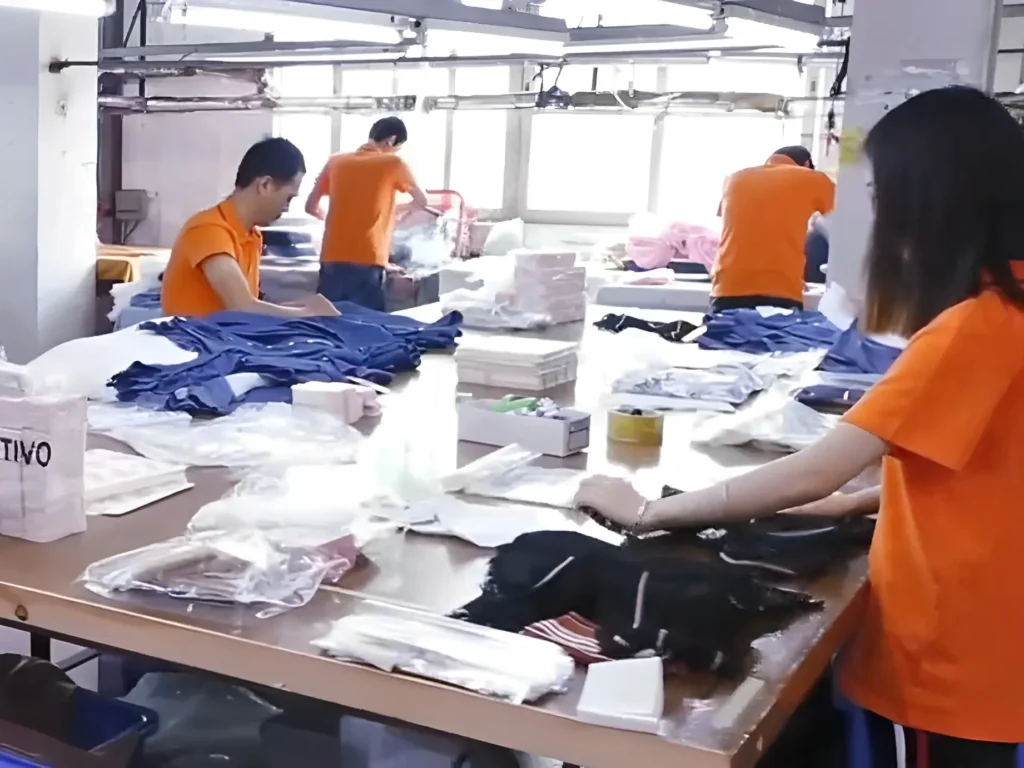
Packing and Reorder Record
- Store label, hangtag, sticker, polybag and carton rules.
- Link packing files with style, color and size.
- Record delivery, restock and repeat color notes.
- Keep shipment learnings available for future programs.
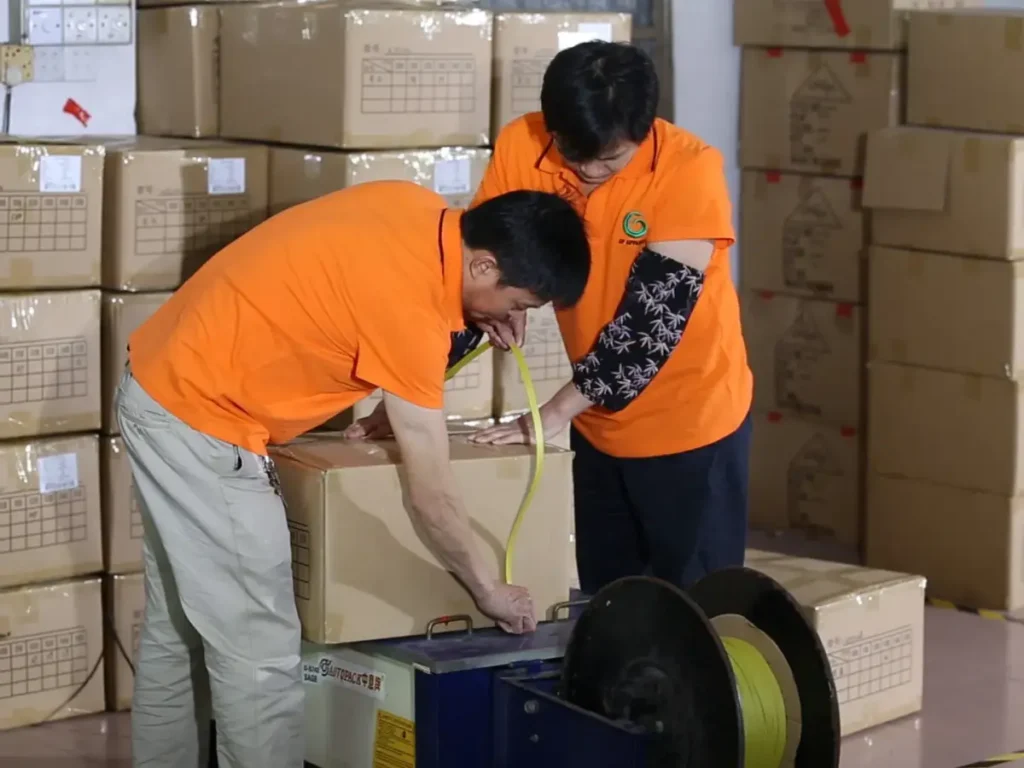
Mature Womenswear Label Dress Program Risk Control Matrix
Mature womenswear label dress programs combine brand fit memory, fabric continuity, color control, PP standards, seasonal updates, restock planning and long-term records. Duolan reviews these risks before development and repeat production begin.
| Mature Label Dress Risk | Common Breakdown | Duolan Control Focus |
|---|---|---|
| Fit Drift | Repeat orders no longer match brand fit | Brand fit memory and POM records |
| Fabric Change | Replacement fabric changes handfeel or drape | Fabric card and substitute review |
| Color Drift | Repeat color differs from approved shade | Color reference and batch review |
| PP-to-Bulk Gap | Bulk weaker than approved sample | PP locking and first-piece review |
| New Collection Misfit | New styles lose brand identity | Brand dress language review |
| Reorder Confusion | Old and new projects mixed together | Reorder file and style status control |
| QC Inconsistency | Same defects repeat across orders | QC record and claim prevention |
| Packing Drift | Labels, tags or packing change by batch | Packing rule archive |
| Knowledge Loss | Standards depend on one person’s memory | Long-term production records |
Anonymous Mature Womenswear Label Project Evidence

United States|Established Occasionwear Dress Line
- Label Focus: Maintain a polished occasionwear line with stable fit, refined fabric feel and repeat color potential.
- Continuity Challenge: Fit memory, satin handfeel, lace placement, PP-to-bulk consistency and repeat color planning needed close control.
- Duolan Response: Duolan archived fit notes, reviewed fabric cards, mapped lace placement, locked PP samples and recorded repeat color references.
- Program Value: Occasionwear development gained stronger fit and fabric continuity across new styles and repeat orders.

United Kingdom|Mature Partywear Label Restock Program
- Label Focus: Protect bestseller restock across fit-sensitive partywear categories.
- Continuity Challenge: Stretch recovery, size consistency, cut-out placement, repeat bulk and packing consistency required disciplined control.
- Duolan Response: Duolan reviewed critical POMs, tested stretch recovery, checked reorder first pieces and preserved packing rules.
- Program Value: Repeat partywear orders stayed closer to approved standards across fit, surface and packing.

Australia|Resort Dress Seasonal Update
- Label Focus: Refresh resort dress assortment while preserving print identity, fit comfort and fabric softness.
- Continuity Challenge: Print scale, shrinkage, halter fit, repeat color and seasonal refresh timing created development risk.
- Duolan Response: Duolan reviewed artwork placement, confirmed fabric batches, checked halter fit, recorded color references and tested packing recovery.
- Program Value: Resort seasonal update gained stronger fabric control, fit stability and repeat color readiness.

Europe|Long-term Dress Line and Repeat Color Program
- Label Focus: Support long-term dress-line continuity across repeat styles, seasonal colors and core fit families.
- Continuity Challenge: Color continuity, fabric replacement, PP standard, QC memory and reorder archives needed structured control.
- Duolan Response: Duolan maintained approved sample archives, reviewed substitute fabrics, preserved color references, recorded QC points and prepared reorder notes.
- Program Value: Long-term dress-line development gained clearer production memory across repeat and seasonal programs.
Send Your Mature Womenswear Label Dress Brief
A strong mature label dress program starts with product history, fit standards, fabric references, bestsellers, repeat styles, PP comments, QC records, packing rules and reorder goals. Duolan can review existing dress lines, new development plans and repeat production needs once project files are ready.
Share Your Existing Dress Line
- Brand position, target market, core dress categories, bestsellers, repeat styles, size chart, fit issues, current supplier pain points and reorder plan.
- Program type, such as occasionwear line, partywear restock, resort refresh, wedding guest collection, work-to-evening line, holiday update or repeat core dress program.
- Development priorities, such as fit continuity, fabric handfeel, color consistency, PP-to-bulk accuracy, restock speed or long-term production records.
Share Your Style, Fit and Fabric Files
- Style list, tech packs, reference images, approved samples, fit notes, size specs, fabric cards, color references, PP comments and QC history.
- Sample stage, such as first sample, fit sample, photo sample, PP sample, approved bulk reference, reorder sample or repeat color sample.
- Product concerns around length, bust fit, waist placement, stretch recovery, satin shine, lace placement, shrinkage, opacity, color drift or packing condition.
Share Your Bulk and Reorder Needs
- Order quantity, style count, colorways, size range, PP approval window, QC standard, packing rule, delivery target, repeat color plan and bestseller restock plan.
- Production details, including new development status, reorder status, material availability, label files, hangtag files, carton rules and shipment target.
- Long-term needs, including seasonal update, repeat core style, fabric substitute route, fit archive, claim prevention and future restock planning.