 Skip to content
Sustainability in Womenswear Manufacturing
Responsible womenswear development and manufacturing for fashion brands building better material, audit, quality and production systems.
Duolan supports fashion dress programs where sustainability must move beyond brand language and become a controlled manufacturing process. Our work connects material requirement review, sample development, PP confirmation, audit-related coordination, quality checkpoints, production routing, packaging information and repeat delivery. With 16 owned womenswear factories, 20+ satellite factories, 300 sewing lines, 50+ quick-response lines and a SMETA 2-Pillar audit record, Duolan helps established fashion teams develop dresses with clearer documentation, stronger manufacturing discipline and fewer preventable production risks.
What Sustainability Means in Womenswear Manufacturing
Sustainability Starts Before Fabric Cutting
Responsibility Includes Social and Production Discipline
Sustainability in apparel sourcing also includes factory responsibility, communication records, production planning and quality control. A responsible supplier must help fashion teams evaluate audit readiness, production transparency, material documentation, third-party inspection needs and delivery coordination. A dress program with 18 styles and 48,000 pieces needs a clear internal route, not only a confirmed unit price. Duolan’s manufacturing background supports brand-level supplier evaluation. Our factory system has a SMETA 2-Pillar audit record and can coordinate buyer-specified review needs involving BSCI, ISO 9001, AATCC, ASTM, OEKO-TEX?, EN, China GB standards, GOTS-related material requests and specific brand manuals. Our role is to support organized project review, material requirement coordination, sample-to-bulk transition and responsible production execution.
Built for Established Fashion Teams
Global Fashion Brands
- Factory system with SMETA 2-Pillar audit record
- Support for buyer-specified testing and document coordination
- Multi-factory production routing for scalable dress programs
- Confidential communication for collection files and original samples
Fast Fashion Product Teams
- Strong focus on mini, midi, maxi, party, occasion and going-out dresses
- Monthly sample development capacity of 15,000–35,000 pieces or style attempts
- 50+ quick-response lines for controlled development and test production
- Sample notes, revision summary and PP direction support
Sourcing Offices
- 16 owned womenswear factories
- 20+ long-term satellite factories
- Regional production bases in Guangxi, Guizhou, Sichuan and Jiangxi
- Production route planning for multi-style and repeat order programs
Brand Procurement Teams
Procurement teams need manufacturing partners able to balance compliance, product result, delivery control and repeat production. A responsible supplier should not separate sustainability from bulk consistency. Duolan’s approach connects fabric review, pattern correction, sample confirmation, production path design, inline QC, final inspection and packing review, helping brands lower preventable production and launch risks.
- 300 sewing lines across the group system
- Regular monthly production capacity around 6,500,000 pieces
- Peak monthly production capacity up to 10,000,000 pieces
- Bulk Readiness Review before production start
Responsible Sourcing Challenges
Fashion teams need suppliers able to turn sustainability requirements into controlled materials, samples, production records and delivery discipline.
Claim Risk
Material Proof
Audit Readiness
Bulk Consistency
Production Visibility
Launch Pressure
Duolan Sustainability Framework
Material Alignment
Audit Support
Development Control
Quality Discipline
Production Transparency
Long-term Supply
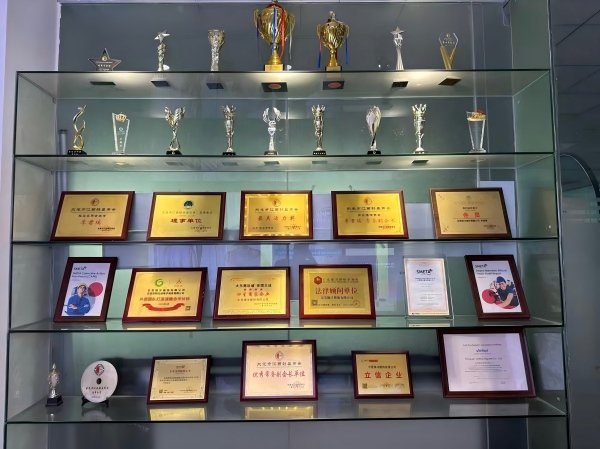
Audit and Compliance Coordination
Duolan supports brand-level supplier evaluation through audit-related records, material coordination, testing communication and controlled manufacturing documents.
Factory Responsibility Review for Fashion Brands
Sustainability programs often begin with supplier qualification. A fashion team may ask whether the supplier has social audit records, quality management awareness, factory details, production capability data, inspection flow and documentation support. Duolan’s factory system has completed SMETA 2-Pillar audit and maintains SMETA social audit record support for responsible sourcing discussions.
For brand programs requiring further review, Duolan can coordinate communication around BSCI, ISO 9001, AATCC, ASTM, OEKO-TEX?, EN, China GB standards, GOTS-related material requests and specific brand requirements. The correct wording is important: some standards may apply to factories, some to materials, some to finished products, and some to buyer-nominated procedures. Duolan helps organize requirement review before claims, labels or bulk requirements are confirmed.
Project support may include:
- Supplier capability profile
- Factory information sheet
- Audit-related record coordination
- Production process overview
- QC checkpoint explanation
- Third-party inspection communication
- Material requirement review
- Label and packaging requirement review

Document Coordination Before Bulk Start
Audit and compliance work should not happen only at final shipment stage. For dress programs with 20,000–80,000 pieces across multiple styles, documentation must be connected to material confirmation, PP sample approval, workmanship standard and packing requirement. Duolan reviews project records before production starts, especially when sustainability wording, certified material requests or brand-specific manuals are involved.
The factory system can support inspection communication for fabric, trims, cutting, sewing, special process, finishing, packing and shipment preparation. A structured document flow helps fashion teams understand what has been reviewed, what still needs confirmation and what must be locked before bulk production.
Sustainable Material Requirement Support
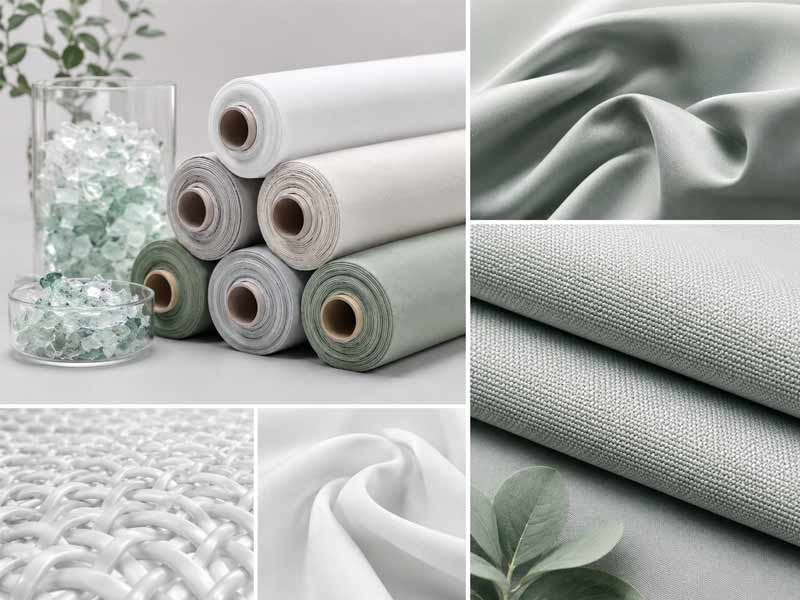
Recycled Polyester
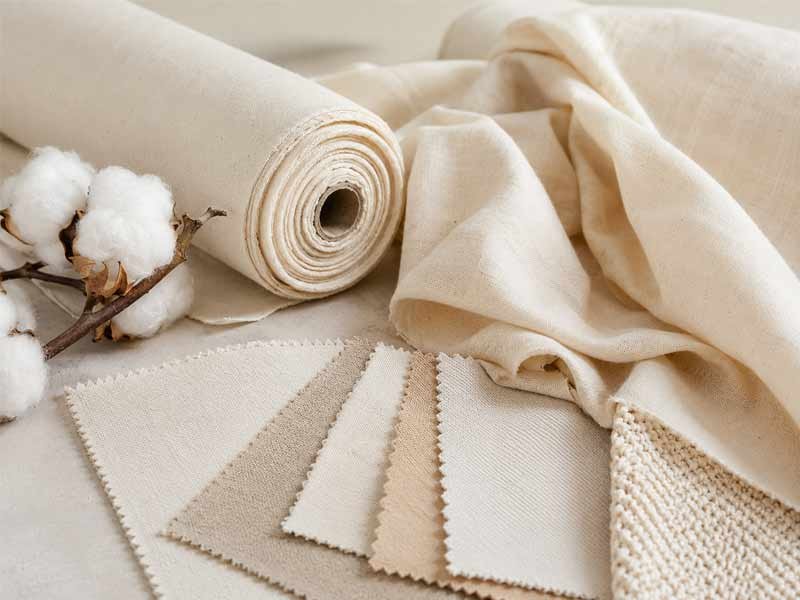
Certified Cotton

Viscose Blends

Responsible Linings

Lace and Mesh

Trim Selection

Paper Packaging

Nominated Materials
Material-to-Dress Feasibility Guide
Satin, Chiffon and Soft Draping Materials
- GSM and thickness suitable for silhouette
- Drape and recovery after hanging
- Lining need and opacity control
- Needle size, stitch density and seam response
- Packing pressure and crease recovery
- Bulk color consistency and lab dip review
Stretch, Mesh and Body-fit Materials
Bodycon, cut-out, mesh, jersey and fitted dress styles need stronger attention to stretch recovery, transparency, skin comfort and seam stability. A material direction may pass a composition review, yet fail during fit test if recovery is weak, lining is too tight, seam thread is unsuitable or transparent areas do not match brand requirements. For body-fit garments, sustainability also means fewer avoidable returns caused by poor fit, show-through or discomfort. Duolan reviews:
- Stretch percentage direction and recovery behavior
- Fabric torque and side seam balance
- Lining coverage and compression feel
- Overlock, coverstitch and seam elasticity
- Size grading across fitted silhouettes
- Skin contact risks from trims or embellishment
Recommended visual evidence: stretch test image, lining overlay, bodyform fitting scene, close-up of seams and recovery comparison.
Fabric-to-Dress Development Control
Duolan reviews fabric behavior, silhouette needs, workmanship route and bulk repeatability before materials enter serious sampling.

Control for Satin and Occasion Dresses

Control for Mesh, Lace and Transparent Areas
Mesh and lace dresses require careful balance between visual effect and wearing coverage. A mesh dress may need power mesh, soft mesh, printed mesh, embroidered mesh or lining mesh depending on silhouette. For lace, pattern placement, cutting direction, edging, lining and seam finishing decide whether the garment looks refined or unfinished. Sustainability claims lose value when construction creates discomfort, return risk or unstable production. Duolan reviews mesh and lace programs by coverage area, stretch direction, lining color, seam allowance, print placement, embroidery density and skin contact. For bodycon mesh or illusion details, pattern balance and size grading must be reviewed carefully. For lace panels, repeat placement and cutting loss should be considered before costing and bulk commitment.
Sustainable Dress Product Directions

Mini Dresses

Midi Dresses
Midi dresses depend on clean body proportion, drape and walking comfort. Duolan reviews fabric fall, side seam balance, slit position, lining length, waist placement and hanger appearance. For responsible material use, pattern correction and fabric matching help avoid repeated sampling and reduce preventable production revisions before PP approval.

Maxi Dresses
Maxi dresses use more fabric and expose drape, shrinkage and length tolerance risks. Duolan checks fabric width, marker efficiency, hem control, seam strength, lining weight and packing fold lines. For vacation, resort or occasion collections, a stable maxi dress requires fabric behavior review before order costing and bulk routing.

Party Dresses

Occasion Dresses

Vacation Dresses
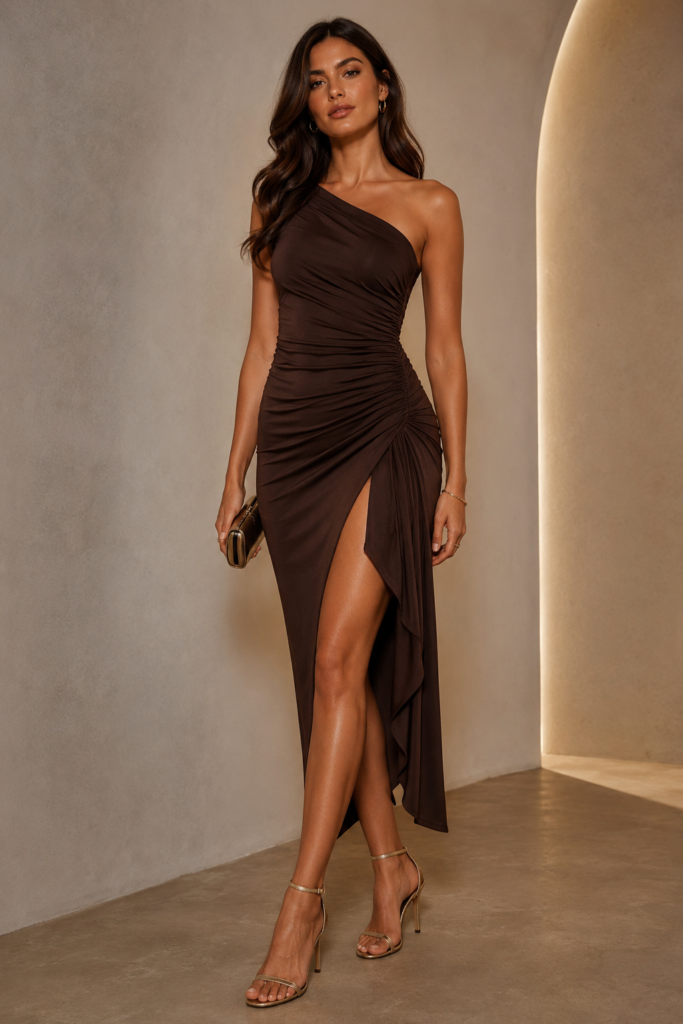
Going-out Dresses

Resort Dresses

Satin Dresses

Mesh Dresses
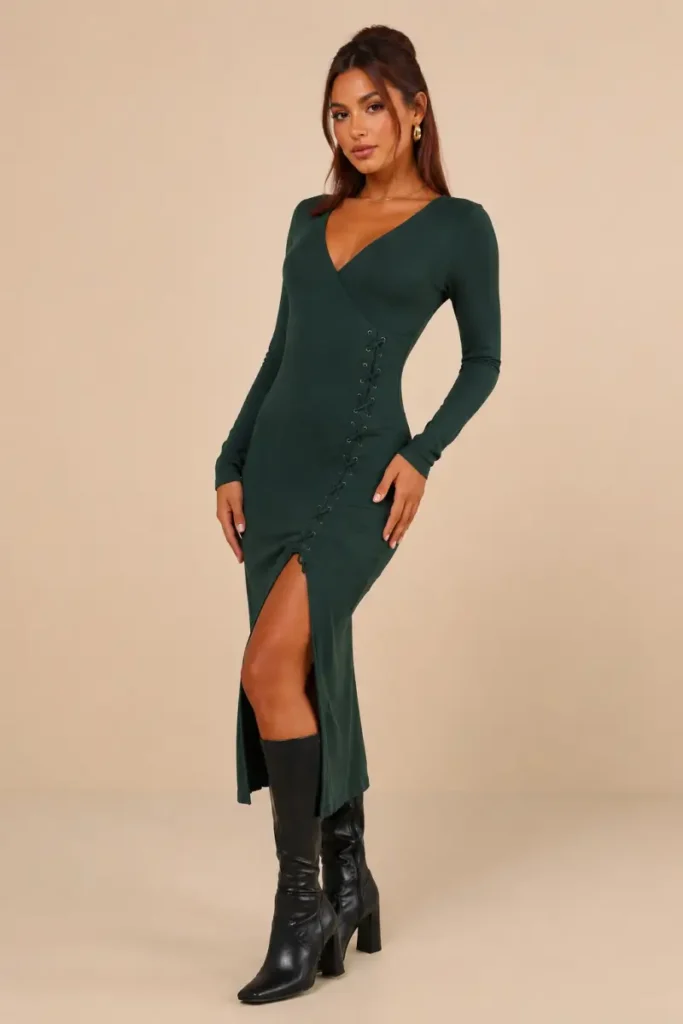
Jersey Dresses

Sequin Dresses
Design Decisions That Reduce Waste
Fabric Matching
Pattern Balance
Workmanship Route
Packable Finish
Sample Development with Lower Rework Risk
From Brief to Production-ready Sample
- Project brief review
- Fabric and trim direction
- Pattern development
- First sample creation
- Fit and visual review
- Sample comments translation
- Revision summary
- PP sample direction
- Bulk readiness note
Sample Data for Better Bulk Decisions
Sample development creates useful records for bulk control. Measurements, fabric direction, lining choice, seam method, trim route, pressing method and packaging notes should be captured before production starts. Duolan can help summarize changes after fit comments, especially when a style moves from first sample to revised sample or PP sample. For established fashion teams, the value lies in decision clarity. A sample should answer whether the dress is visually aligned, fit-reviewed, material-suitable and ready for bulk planning. If the sample still needs refinement, Duolan can identify the pending points before production commitment. Sample efficiency is part of responsible manufacturing because it reduces fabric waste, schedule pressure and avoidable bulk risk.
Bulk Readiness Before Production
Bulk Readiness Review
- Fabric locked or still under review
- Lining confirmed
- Trims, zippers, elastic, boning or embellishment approved
- Color, lab dip or bulk fabric shade aligned
- Measurements and tolerance ready
- Workmanship points documented
- Packaging requirement confirmed
- Launch order, test order, repeat order or scale-up order clarified
- Single-factory, multi-line or multi-factory route selected
Production Path Design
After order confirmation, Duolan breaks production into a structured route. The order is divided by style, color, size, quantity, fabric risk, workmanship level and delivery requirement. A satin dress with delicate seams, a mesh bodycon style, a sequin party dress and a woven vacation dress may require different production paths even within the same collection. Duolan considers whether the order needs:
- Independent trial production
- Special process support
- Printing, embroidery, washing or rhinestone coordination
- Quick-response line allocation
- Owned factory control for core styles
- Satellite factory routing for repeat or scale-up items
- Internal timeline by cutting, sewing, finishing, QC and packing
The output can be a Production Path & Timeline Plan, helping brand teams understand how a multi-style dress program moves from confirmed sample to controlled delivery.
Workmanship Control for Responsible Dresses
Responsible dress manufacturing requires controlled workmanship details that protect fit, appearance, comfort and repeatable bulk result.

Seam Control

Lining Control

Zipper Control

Support Structure
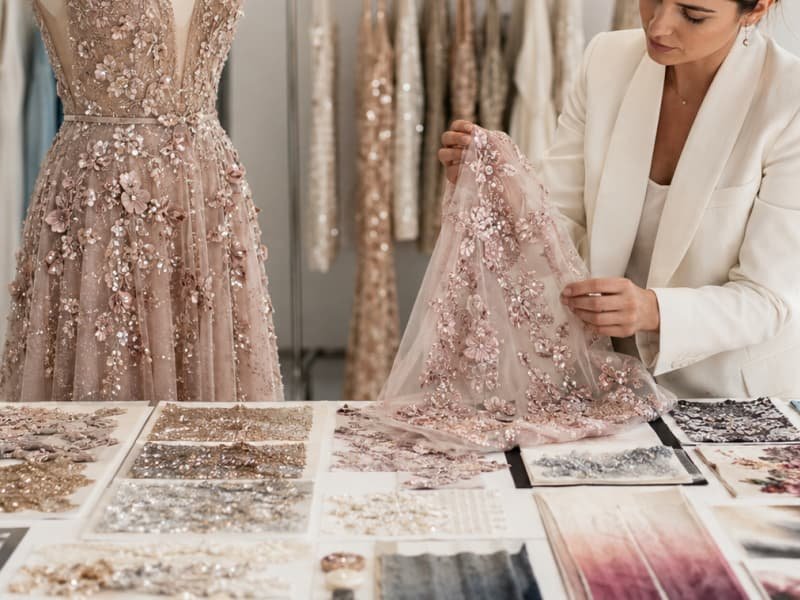
Embellishment Control

Finishing Control
Quality Control for Responsible Bulk Delivery
Quality control reduces avoidable repair, replacement, return risk and material loss across fashion dress production.
Dress-specific QC Checkpoints
- Satin: seam marks, shine change, scratches, pressing lines, packing creases
- Mesh: transparency, lining coverage, stretch recovery, seam comfort
- Bodycon: measurement tolerance, recovery, hem wave, show-through
- Sequin: shedding, skin irritation, trim loss, lining protection
- Corset: cup placement, boning position, zipper strength, support balance
- Vacation woven: shrinkage, print alignment, hem level, colorfastness
QC Records and Communication
For multi-style dress orders, QC communication needs structure. A 16-style production order may involve different fabrics, linings, colors, trims and finishing methods. Duolan organizes inspection communication around style number, color, size, quantity, workmanship point, defect category and packing requirement. Clear records help reduce misunderstanding during final approval and shipment planning. QC evidence can include:
- Fabric inspection photos
- Cutting table photos
- Inline sewing review
- Measurement records
- Final inspection snapshots
- Packing confirmation
- Carton mark review
- Third-party inspection coordination
Packaging, Labels and Verified Claims
Hangtag Wording
Care Labels
Polybag Planning
Carton Marks
Barcode and SKU
Claim Approval
Sustainability claims should not be printed only because a project uses a preferred material. Duolan recommends reviewing claim wording against approved material documents and brand standards before hangtag, packaging or online product language is finalized.
Social Responsibility and Factory Visit Support
Duolan supports responsible supplier review through audit record coordination, factory visibility and structured project communication.
Audit Record Support
Supplier Review Meetings
Factory Visit Support
Confidential Project Handling
Smarter Delivery Planning
Responsible supply planning balances launch timing, shipping method, packing protection, cost control and production readiness.
Delivery Method by Launch Requirement
Packing Protection Before Shipping
Packing affects sustainability because damaged, wrinkled or poorly presented garments may require re-steaming, repacking, replacement or rejection. Duolan reviews folding route, garment size, polybag size, carton capacity, hanger requirement, carton mark, barcode, packing list and shipment preparation before ex-factory release.
Dress categories require different packing decisions:
- Satin dresses need crease and surface pressure control
- Sequin dresses need trim protection and lining coverage
- Corset dresses need support area protection
- Mesh dresses need snag reduction
- Maxi dresses need length folding review
- Occasion dresses may need hanger packing or careful carton loading
Responsible Program Examples
Duolan supports confidential fashion dress programs where material review, production readiness and delivery discipline matter.

US Fashion Dress Program|22 Styles|58,000 Pieces

UK Occasionwear Program|16 Styles|42,000 Pieces

Australian Resortwear Program|28 Styles|76,000 Pieces
Duolan vs Transactional Apparel Vendors
Transactional Vendor Model
A transactional apparel vendor usually focuses on quote response, sample execution and order acceptance. Sustainability discussion may stay at material names or general factory statements. Development risk, material suitability, PP sample discipline, audit coordination, packing review and repeat order records may not be deeply connected. For complex dress programs, such a model can create hidden problems when styles move from sample approval to bulk production.
Common limitations include:
- Material selection without dress feasibility review
- Weak sample revision records
- Limited production readiness discussion
- Unclear factory routing for multi-style orders
- QC only emphasized near final inspection
- Packaging and claim review handled late
- Limited support for long-term program learning
Duolan Brand-level Model
Duolan’s strengths include:
- 30+ years of womenswear development background from the leadership system
- 16 owned womenswear factories and 20+ satellite factories
- SMETA 2-Pillar audit record support
- 300 sewing lines and 50+ quick-response lines
- Bulk Readiness Review before production
- Dress-specific QC for satin, mesh, sequin, jersey, corset and occasionwear
- Support for recurring development and repeat order programs
Downloadable Sustainability Support Files
Supplier Capability Pack
Audit Information Checklist
Material Requirement Sheet
Sample-to-Bulk Checklist
QC Process Overview
Packaging Checklist
The packaging checklist helps teams prepare hangtag, care label, barcode, SKU, polybag, carton mark, sustainability wording, folding method and shipment packing requirements before production reaches final packing stage.
Frequently Asked Questions About Sustainability
Yes. Duolan supports responsible dress manufacturing through material requirement review, audit-related coordination, sample control, production readiness, QC checkpoints, packaging review and long-term production planning for fashion dress programs.
Duolan can work with buyer-nominated certified fabrics and can coordinate material document review when certification requirements are part of the project brief. Material suitability still needs sample validation.
Yes. Duolan can develop dresses using nominated fabrics, trims or packaging suppliers. Our team reviews behavior, bulk availability, construction risk, sewing method and production route before final confirmation.
Duolan’s factory system has a SMETA 2-Pillar audit record. We can coordinate supplier evaluation information, audit-related records, factory details, QC process explanation and brand-specific compliance communication.
Duolan can help review whether hangtag or packaging wording aligns with material documents and brand requirements before printing. Final legal approval should follow the brand’s internal review process.
Duolan reviews fabric direction, pattern basis, fit priority, workmanship route and bulk feasibility before sampling. After comments, revision summaries help translate feedback into controlled sample improvement.
Before production starts, Duolan runs Bulk Readiness Review covering fabric, lining, trims, color, measurements, workmanship points, packaging and production route. QC continues through production and packing.
Yes. Duolan can coordinate third-party inspection communication according to brand requirements, including inspection timing, product information, packing status and relevant production records.
Please send tech pack, reference images, fabric requirements, certification requests, target quantity, size range, launch date, destination market, packaging files and any internal supplier evaluation checklist.
Duolan focuses on mini dresses, midi dresses, maxi dresses, party dresses, occasion dresses, vacation dresses, going-out dresses, satin dresses, mesh dresses, jersey dresses and sequin styles.

Send Your Sustainability Requirements
Duolan can review your responsible womenswear development requirements before sampling, supplier evaluation or bulk production planning. Share your dress category, collection direction, material requirement, certification request, target quantity, launch window, market destination and packaging rules. Our team can evaluate fabric suitability, sample route, audit-related document needs, PP confirmation points, quality control focus and production path.
For a clearer review, please prepare the most relevant files available. Complete files help us respond with a more accurate development route, production feasibility direction and document support plan.
Please include:
- Tech pack, reference image or original sample
- Fabric requirement, composition direction or nominated material files
- Certification or audit review requirements
- Target styles, colors, size range and total quantity
- Launch date, delivery destination and shipment preference
- Label, hangtag, barcode, packaging and sustainability wording files
- QC manual, inspection standard or supplier evaluation checklist

