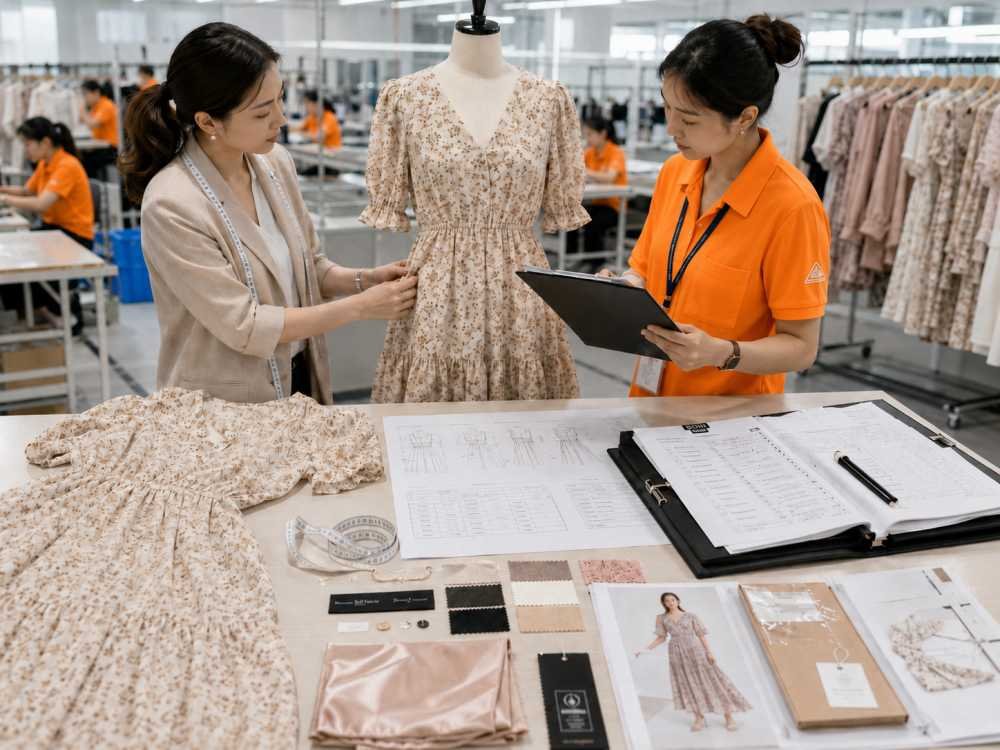
...

Product Development for Fashion Dress Brands | Women Clothing Manufacturer

Dress-focused womenswear product development for fashion brands, buying teams, product teams and sourcing offices.

Duolan helps fashion teams move from style direction to production-ready dress programs with controlled development, sampling and bulk planning.

  • Fashion dress product development from reference, sketch, tech pack, original sample or collection brief
  • Fabric, trim, pattern, fit, workmanship and PP sample coordination before bulk production
  • Support for party dresses, occasion dresses, vacation dresses, going-out dresses, bodycon, satin, mesh, sequin and corset styles
  • 16 owned womenswear factories, 20+ satellite factories, 300 sewing lines and 50+ quick-response lines behind development and production
  • SMETA 2-Pillar audit record with brand-level quality and compliance coordination

What Product Development Means in Fashion Dresses

Product development connects design direction, material behavior, fit decisions, sample standards and scalable production planning.

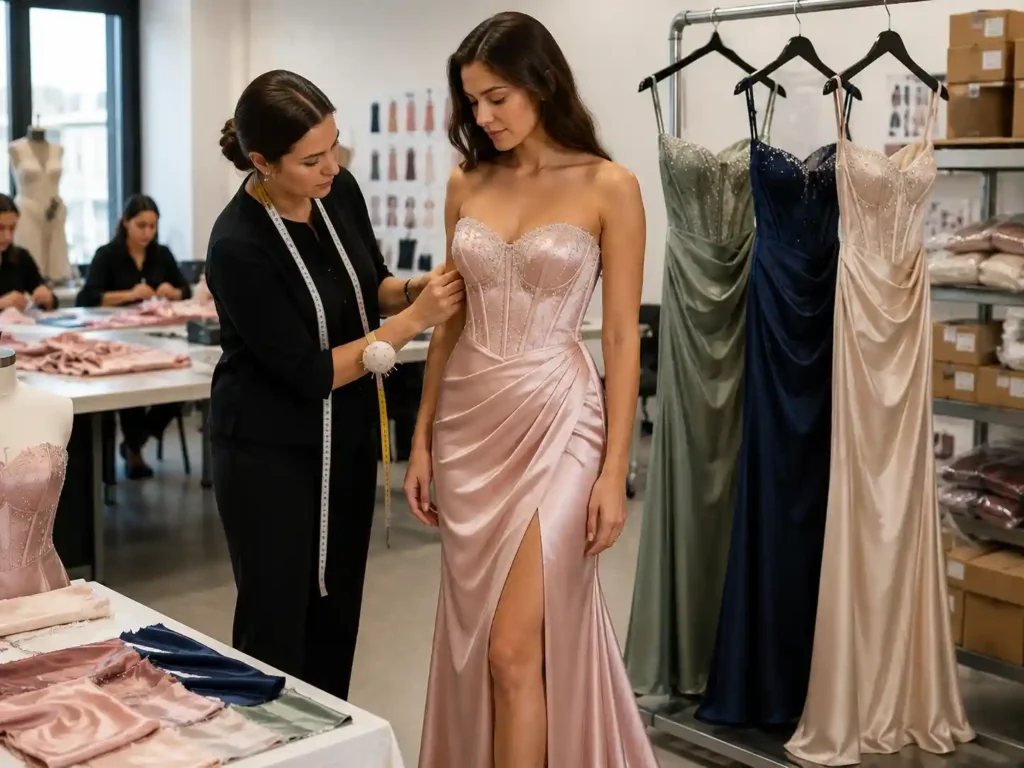
In fashion dress manufacturing, product development is not only sketching, sampling or quoting. It is the controlled route from a brand’s creative direction to a garment version ready for internal review, photo shooting, sales planning, PP approval and bulk production.

For Duolan, product development starts with reading the style purpose. A party dress, vacation dress, fitted bodycon dress, satin slip dress, mesh layered dress or corset dress carries different risks. Fabric drape, stretch recovery, lining coverage, seam pressure, bust support, zipper position, decoration density and packing method can change the final garment effect.

A strong development process should answer several questions before the first sample begins: What product scene will the dress serve? Which fabric behavior supports the silhouette? Where will fit comments likely appear? Which details may affect bulk stability? Which sample type should come first? Which points must be locked before PP approval?

Duolan builds development around those decisions, then connects sampling with production planning. A sample becomes useful only when it can guide measurement, workmanship, fabric confirmation, cost structure, quality control and future reorder standards.
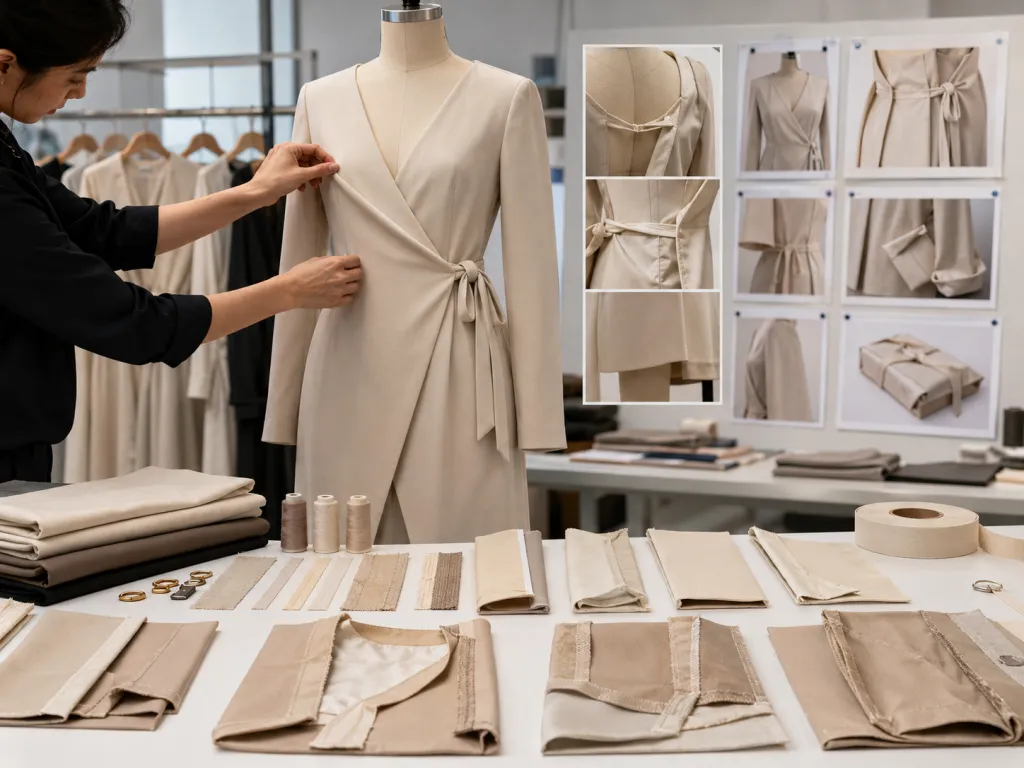
Product Development Stage Map

General product development becomes more valuable when translated into dress-specific development actions and control points.

Development StageGeneral MeaningFashion Dress Development MeaningDuolan Control Point
Idea DirectionEarly product conceptScene, silhouette, length, wearing occasion and collection roleReview style purpose, target market and visual reference
Product DefinitionDefine product scopeConfirm dress category, fabric direction, size range, color plan and sample targetBuild a development basis before sampling
PrototypeFirst physical versionInitial sample, fit sample or reference-led sampleCheck fabric behavior, proportion, construction and visible risk
Design RefinementAdjust design detailsRevise neckline, bust, waist, hip, length, slit, strap, lining, trims and closuresConvert comments into pattern, construction and workmanship actions
ValidationTest feasibilityFit review, measurement review, fabric matching, workmanship check and PP pathDecide whether style can move toward production-ready version
CommercializationPrepare launchPhoto sample, sales sample, PP sample, launch order planning and bulk productionLock fabric, BOM, measurements, workmanship, packing and QC nodes
Repeat SupportPreserve standardsReorder file, pattern record, material reference and bulk quality basisSupport repeat orders, multi-style planning and future style extensions


Built for Brand Product Teams

Duolan supports established fashion teams with clear product direction, sample planning and bulk production goals.

Fashion Brands

Fashion brands often need more than garment production. They need a supplier able to read dress direction, understand selling scenes, evaluate fabric behavior and support sample development without losing brand identity. Duolan fits teams developing party, occasion, vacation and going-out dress programs with multiple styles, colorways and launch windows. The work starts from product direction and moves toward samples ready for internal selection and bulk planning.

Buying Teams

Buying teams compare suppliers through product understanding, sample accuracy, communication discipline, production stability and delivery coordination. Duolan supports structured review before sampling and bulk production, so price discussion is linked with fabric, trims, construction, quantity, size ratio and timeline. Development work becomes easier when every comment, material point and production risk is handled in a clear order.

Product Teams

Product teams care about how design intention becomes a garment. Duolan can work from tech packs, reference images, original samples, fabric ideas or collection briefs, then review silhouette, fit priority, construction difficulty and sample purpose. For dress-heavy programs, product teams gain a clearer path from style concept to first sample, revision, PP basis and bulk-ready standards.

Sourcing Offices

Sourcing offices need suppliers capable of entering formal evaluation, not only sending photos and prices. Duolan can provide company information, manufacturing capability details, sample development route, QC logic, audit-related coordination and production planning details. For multi-style dress programs, sourcing offices can discuss style split, factory allocation, risk points and delivery rhythm before order confirmation.

Multi-brand Groups

Multi-brand groups often manage several labels, regions, price bands and launch calendars. Duolan’s manufacturing structure allows different dress programs to be reviewed by complexity, fabric direction, quantity, workmanship and timeline. Core styles can stay under tighter factory control, while repeat or scalable orders can be supported through coordinated factory resources and production planning.

Dress-led Labels

Dress-led labels need depth in silhouettes, not broad category noise. Duolan focuses on fashion dresses, occasion dresses, party dresses, fitted dresses, fashion sets and refined fashion tops. Development work can cover satin drape, mesh coverage, corset support, sequin stability, lining control, stretch recovery and visual finish needed for dress-focused collections.

Development Risks Before Sampling

Many dress problems begin before fabric, pattern or sample direction is properly locked.

Unclear Sample Goal

A sample can serve fit approval, photo shooting, showroom selection, PP confirmation or production planning. Mixing those goals creates confusion. Duolan first clarifies what the sample must prove: silhouette, fit, workmanship, fabric direction, color, trims, decoration method or bulk readiness. A sample plan becomes stronger when the purpose is clear before cutting fabric.

Fabric Style Mismatch

A reference style may look strong online, but fabric behavior decides whether the dress can hold shape, drape well, stretch safely or cover correctly. Duolan reviews satin, mesh, lace, jersey, sequin fabric, woven fabric, lining and trims based on style purpose. Fabric decisions affect fit, cost, sewing difficulty, transparency, packing and bulk consistency.

Fit Comment Confusion

Fit comments can lose meaning when translated only as measurements. A neckline issue may involve shoulder slope, strap length, bust support or fabric tension. A waist issue may involve pattern balance, zipper behavior, lining or stretch recovery. Duolan links comments to pattern and construction actions, helping revisions move toward clarity rather than repeated trial.

Bulk Readiness Gap

A good-looking sample may still be weak for bulk if BOM, fabric batch, measurements, lining, zipper, sewing method and packing details are not locked. Duolan reviews bulk readiness before production starts, especially for fitted, satin, mesh, corset, sequin and occasion dresses where small changes can create large visual differences.

Development Inputs Duolan Can Review

Different project inputs can start development, but every input must become a clear sample basis.

Tech Pack

A complete tech pack gives strong direction, but Duolan still reviews fabric, trims, measurements, workmanship, sample purpose and bulk feasibility before sampling. Dress tech packs often need extra checking around neckline, bust, waist, hip, slit, lining, zipper, strap length and decoration placement. Technical files become more useful when reviewed against fabric behavior and production route.

Reference Image

Reference images can begin a development discussion when no full specification exists. Duolan reviews silhouette, construction clues, fabric possibilities, visible fit logic, likely lining structure and production-sensitive details. The goal is not blind copying. A reference should become a brand-owned dress direction with clearer materials, measurements, workmanship and sample route.

Original Sample

Original samples help compare proportion, fabric handfeel, inner construction, seam finish and wearer fit. Duolan can review what should be preserved, improved or adjusted for a new program. A physical sample also helps clarify hidden structure, lining, zipper quality, trims, weight, stretch, finishing and packing risk before development starts.

Fashion Sketch

Sketches need technical translation before sampling. Duolan reviews shape, length, neckline, strap, sleeve, waistline, skirt volume, closure and decoration method, then connects the sketch with fabric and pattern direction. Sketch-based development is strongest when artistic detail becomes measurable garment construction, not only an attractive drawing.

Collection Brief

A collection brief helps Duolan understand launch season, scene, number of styles, color story, key silhouettes, fabric family and expected quantity range. For 10–30 style programs, development planning can separate hero styles, commercial styles, fabric-sharing styles and higher-risk styles, making sampling and bulk planning easier to manage.

Fabric Direction

Fabric direction may begin from swatches, composition notes, GSM target, handfeel, surface texture, stretch level, shine, transparency, print direction or color references. Duolan reviews whether the fabric can support the dress shape, fit, price band, sewing method and final presentation. Fabric choice should serve both design and production.

Size Chart

Size charts guide pattern, grading and measurement control. Duolan can review brand measurement standards, base sample size, size range, tolerance priorities and fit comments. For fitted dresses, bodycon silhouettes, corset structures and stretch fabrics, size logic must be reviewed early because grading and material behavior can change wearer comfort.

Launch Timeline

Timeline affects sample route, fabric sourcing, lab dip, trim matching, PP approval, bulk production, QC, packing and shipping. Duolan reviews launch windows before promising a path. Standard dress styles, complex decorated styles and multi-style programs need different planning, especially when photo samples, fit revisions or launch orders must run in sequence.

From Design Direction to Development Path

Duolan turns creative ideas into a controlled route for sampling, review, PP approval and bulk production.

A strong development path begins before fabric is cut. Duolan first reads the product direction: dress category, scene, silhouette, target market, price band, expected quantity, size range, fabric idea and launch timing. After the brief review, the development team decides which route fits the project.

A tech-pack-led style can move into specification-based sampling. A reference-image-led style needs visual analysis, construction interpretation, fabric matching and measurement building. An original-sample-led style may need redevelopment, fabric replacement, fit improvement or cost adjustment. A collection-led program needs style grouping, priority setting and shared fabric planning.

Duolan normally reviews the following points before sampling:

  • Dress type: party, occasion, vacation, going-out, formal, bodycon, satin, mesh, sequin, corset, halter or backless
  • Fabric behavior: drape, stretch, transparency, weight, shine, recovery, shrinkage and handfeel
  • Structure: bust, waist, hip, strap, neckline, slit, lining, zipper, boning, cups and seam pressure
  • Sample purpose: proto, fit, photo, sales, PP or bulk reference
  • Production route: single style, multi-style program, repeat order, scale-up order or seasonal launch
  • Risk level: standard, fit-sensitive, fabric-sensitive, decoration-heavy or complex construction

A clear route helps the brand team understand what will be sampled, which points need confirmation and how the sample can move toward production-ready status.

Product Development Risk Review

Every serious development problem should connect to a control action before sampling or production.

Risk AreaCommon Dress ProblemDuolan Control ActionExpected Development Output
Design TranslationReference looks strong but lacks construction logicReview silhouette, seams, closure, lining, support and trim needsDevelopment direction note
Fabric MatchingFabric cannot support shape, drape or coverageCheck drape, stretch, shine, transparency, recovery and sewing behaviorFabric and trim questions
Fit BalanceSample looks right on hanger but weak on bodyReview bust, waist, hip, strap, length, slit and stretch tensionFit comment action list
Complex WorkmanshipSequin, mesh, corset or satin details create production riskCheck sewing method, inner structure, decoration density and handling needsWorkmanship feasibility note
Sample RouteWrong sample type slows reviewDefine proto, fit, photo, sales, PP or bulk reference purposeSample proposal
Bulk DifferenceSample is approved without production standardLock BOM, fabric, measurements, workmanship, PP basis and packingBulk readiness note
Timeline PressureLaunch window leaves little room for revisionReverse-plan sample, revision, PP, production, QC and shipping nodesDevelopment calendar
Reorder DriftRepeat orders lose original standardPreserve pattern, material reference, comments, packing and QC recordsReorder reference file


Fashion Dress Categories for Development

Duolan develops dress programs around silhouette, scene, fabric behavior, fit control and scalable production needs.

Mini Dresses

Mini dresses require more control than simple short length. Proportion, hem balance, lining coverage, body movement, zipper placement and fabric recovery decide whether the garment feels sharp or unstable. Duolan reviews mini dress projects by scene, wearer fit, fabric weight, inner finishing and size grading before sampling. For party or going-out mini dresses, short length must work together with neckline, waistline and stretch behavior.

Midi Dresses

Midi dress development depends on proportion and fabric flow. A midi length can look refined in satin, jersey, mesh, lace or woven fabric, but each material changes movement and body line. Duolan reviews skirt shape, slit position, hip ease, waist balance, lining length and packing risk. For occasion or work-related midi dresses, fit control and seam finish become especially important.

Maxi Dresses

Maxi dresses need attention to weight, drape, hem consistency, lining, movement and shipping presentation. Long length can expose fabric twisting, uneven cutting, seam dragging and poor pressing. Duolan reviews fabric width, cutting layout, skirt sweep, waist seam, strap strength, lining control and packing method before bulk planning. Vacation, resort and occasion maxi programs benefit from early fabric and silhouette matching.

Party Dresses

Party dresses often carry stronger visual pressure: fitted silhouettes, shine, sequin, mesh, satin, ruching, cut-outs or statement straps. Duolan reviews style impact with wearer comfort, sewing stability and bulk feasibility. Development normally includes fabric behavior review, fit priority, decoration handling, inner finishing and photo sample readiness. Party dress programs usually need clear color, size and launch planning across multiple styles.

Occasion Dresses

Occasion dresses need polished structure, reliable fit and balanced visual finish. Wedding guest, cocktail, graduation, homecoming and semi-formal styles often require stronger detail control than casual dresses. Duolan reviews neckline stability, bust coverage, waist balance, skirt shape, lining quality, seam finish and fabric elegance. A production-ready occasion dress should look consistent across colorways, sizes and repeat orders.

Vacation Dresses

Vacation dresses need lighter fabric, movement, comfort, packing recovery and strong visual appeal for travel scenes. Duolan reviews breathable fabric direction, print placement, strap comfort, elastic tension, wrinkle sensitivity, lining needs and color fastness requirements based on market expectations. Vacation programs may include maxi dresses, sundresses, two-piece sets and lightweight occasion styles sharing fabric families or color stories.

Going-out Dresses

Going-out dresses often combine fitted shapes, cut-outs, asymmetric details, stretch fabrics, mesh panels, ruching or metallic surfaces. Duolan reviews wearer confidence, garment stability and construction strength together. Fabric stretch, transparency, seam pressure, zipper comfort and neckline security must be considered before sampling. For multi-style going-out drops, development planning should separate easier commercial styles from higher-risk statement styles.

Bodycon Dresses

Bodycon dresses are fit-sensitive products. Fabric stretch, recovery, opacity, lining choice, seam position, hem tension and size grading decide whether the garment flatters or fails. Duolan reviews stretch direction, GSM, handfeel, measurement tolerance and wearer movement before bulk planning. Development should avoid over-tight samples that cannot scale across sizes or repeated production.

Satin Dresses

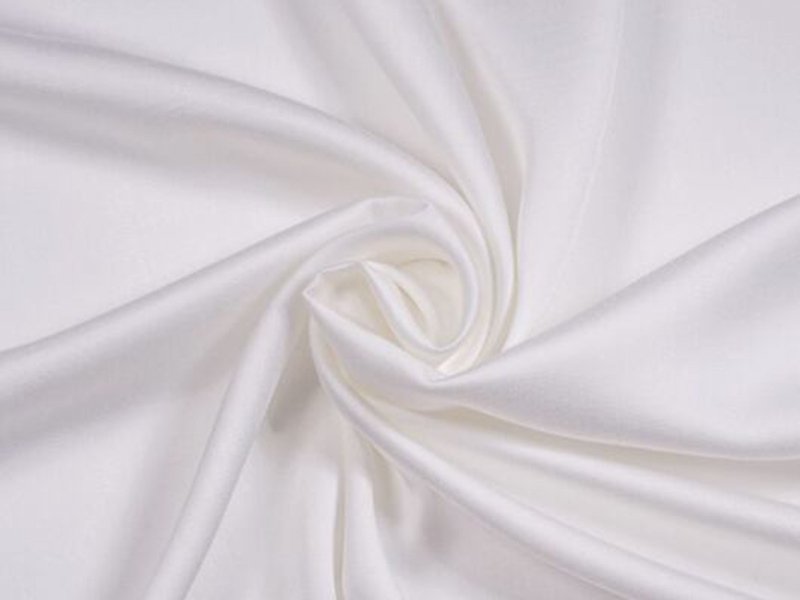
Satin dress development requires control of drape, shine direction, seam marks, pressing, lining, zipper pressure and packing creases. Duolan reviews satin weight, bias behavior, cutting layout, inner seams and final presentation before sampling. Slip dresses, party satin minis, bias-cut midis and occasion styles each need different handling. A satin sample should prove both visual elegance and production feasibility.

Mesh Dresses

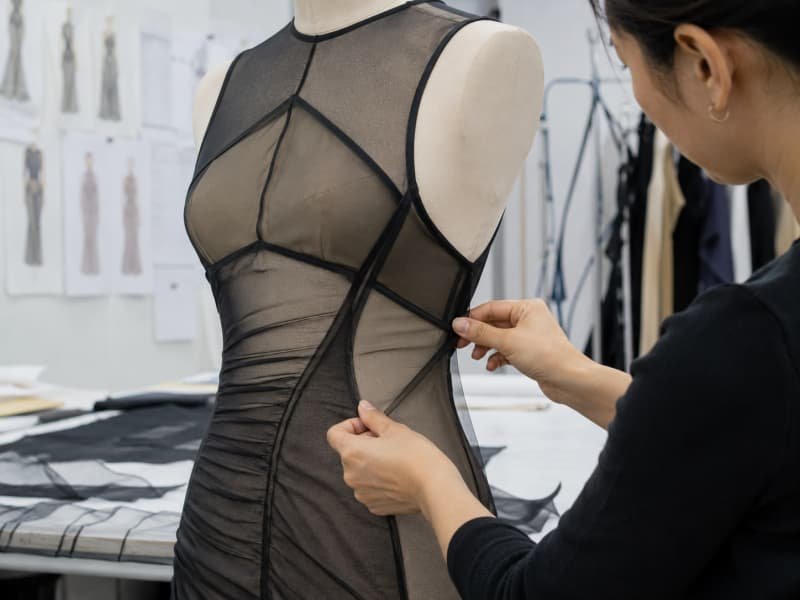
Mesh dresses need coverage control, lining strategy, stretch recovery, print or embroidery placement and seam strength. Duolan reviews whether mesh is decorative, structural, layered or body-skimming. Lining length, transparency zones, edge finishing and size grading must be clear before sampling. For layered mesh dresses, sample review should confirm appearance under natural light and photo shooting conditions.

Sequin Dresses

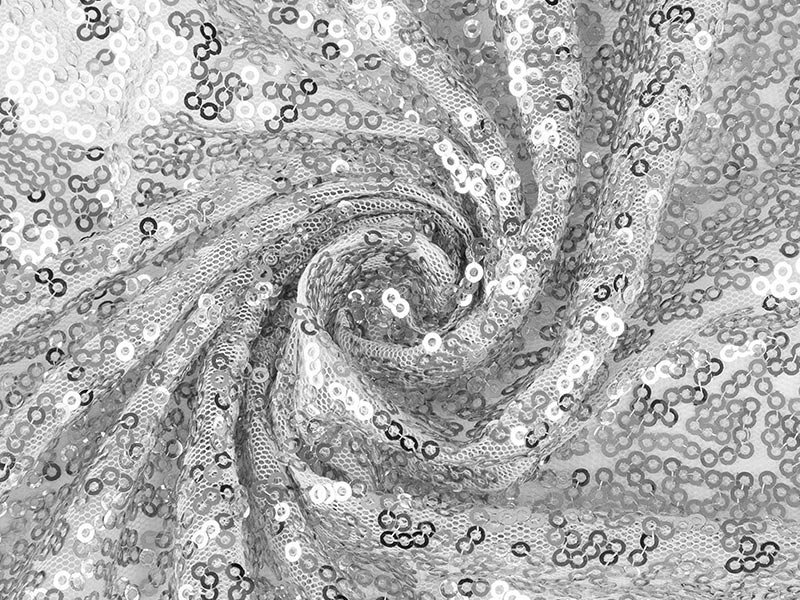
Sequin styles carry decoration weight, skin comfort, seam bulk, cutting loss, needle handling and packing risk. Duolan reviews sequin size, base fabric, layout direction, lining, edge finishing, zipper position and wearer contact points. Sequin dress development should confirm visual density and production handling early because decoration-heavy garments can change cost, lead time and QC requirements.

Corset Dresses

Corset and bustier dresses require cup position, boning placement, inner structure, back closure, neckline security, waist balance and wearing comfort. Duolan reviews whether support comes from fabric, lining, interlining, boning, cups or seam engineering. A corset dress sample must prove structure and body fit before bulk planning. PP control is essential because small placement shifts can change garment performance.

Halter Dresses

Halter dresses must balance neck pressure, bust support, armhole coverage, back exposure, strap strength and fabric stretch. Duolan reviews tie method, hardware, seam reinforcement, neckline height and wearer movement before sampling. For satin, jersey or mesh halter styles, fabric behavior affects neckline stability. Development should make the garment secure without making the neck uncomfortable.

Backless Dresses

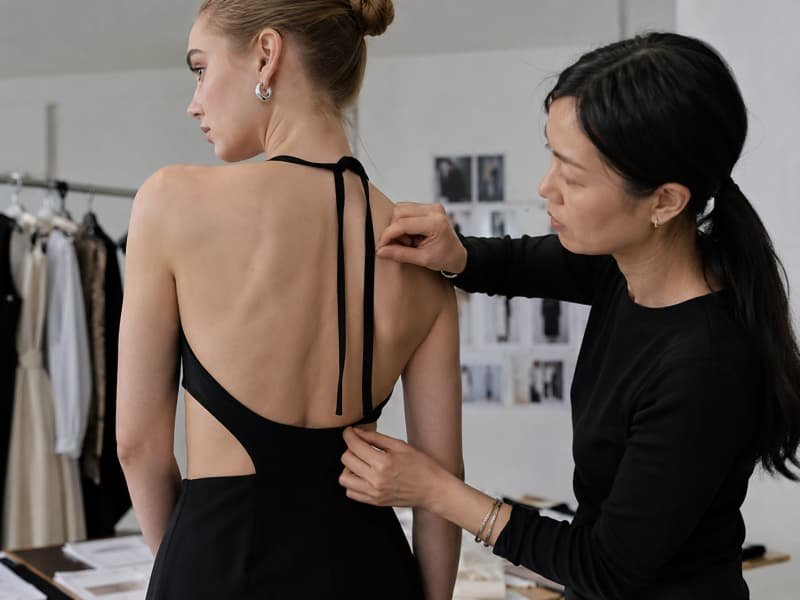
Backless styles need careful support engineering. A beautiful back view can fail if strap angle, side seam tension, waist grip, lining, zipper and fabric recovery are not controlled. Duolan reviews coverage, inner support, strap construction, neckline balance and wearer movement. For occasion or going-out backless dresses, the sample must prove both visual effect and wearability.

Two-piece Sets

Two-piece fashion sets require balance between top and skirt, fabric sharing, color consistency, waistline proportion and packing presentation. Duolan reviews crop length, skirt rise, elastic or zipper method, lining needs and size grading relationship. Sets often work well for capsule drops because multiple silhouettes can share fabric, color and trim direction while offering wider styling options.

Collection Planning for Fast Fashion Drops

Duolan supports dress programs built around launch calendars, style grouping, fabric families and repeat potential.

A strong fashion dress program is rarely built from one isolated style. Mature brands often develop 10–30 styles per launch window, then divide them into hero styles, commercial styles, test styles and repeat candidates. Duolan supports collection planning by connecting style direction with fabric sourcing, sample route, factory allocation and production readiness.

For a party season drop, the development plan may include fitted minis, satin midis, sequin statement dresses, mesh layered pieces and backless silhouettes. For resort or vacation programs, planning may focus on lightweight maxi dresses, sundresses, two-piece sets, printed fabrics and packable finishes. For occasionwear, development may center on cocktail, wedding guest, graduation and homecoming styles with stronger fit and presentation requirements.

Duolan reviews the collection through several lenses:

  • Style structure: mini, midi, maxi, fitted, halter, backless, corset, satin, mesh, sequin, lace or two-piece
  • Fabric family: shared fabrics, special fabrics, trims, lining, color groups and sourcing risk
  • Sample priority: hero styles first, high-risk styles early, commercial styles grouped by fabric
  • Quantity logic: style count, color count, size ratio, launch order and repeat order potential
  • Timeline path: development review, fabric confirmation, first sample, revision, photo sample, PP sample, bulk production, QC, packing and shipping
  • Production path: core factory, quick-response line, special process partner or multi-factory coordination

Collection planning helps avoid scattered sampling. The goal is to build a development rhythm where the brand team can review styles in a useful order and move approved products into bulk production with fewer uncontrolled changes.

Fabric and Trim Development Support

Fabric decisions shape drape, fit, cost, production route, quality control and final dress presentation.

Satin

Satin needs careful review before dress development because shine direction, weight, bias behavior and seam pressure affect the final appearance. Duolan checks drape, lining needs, zipper pressure, pressing marks, color depth and packing creases. Satin can work beautifully for slip dresses, party minis and occasion midis when material choice matches the silhouette and production handling route.

Mesh

Mesh may serve as a transparent layer, stretch body fabric, printed surface or decorative panel. Duolan reviews coverage zones, lining length, seam finish, recovery, embroidery or print placement and skin comfort. Mesh styles require early discussion around opacity, photo effect, wearer movement and size grading because the fabric exposes construction decisions more than many solid fabrics.

Lace

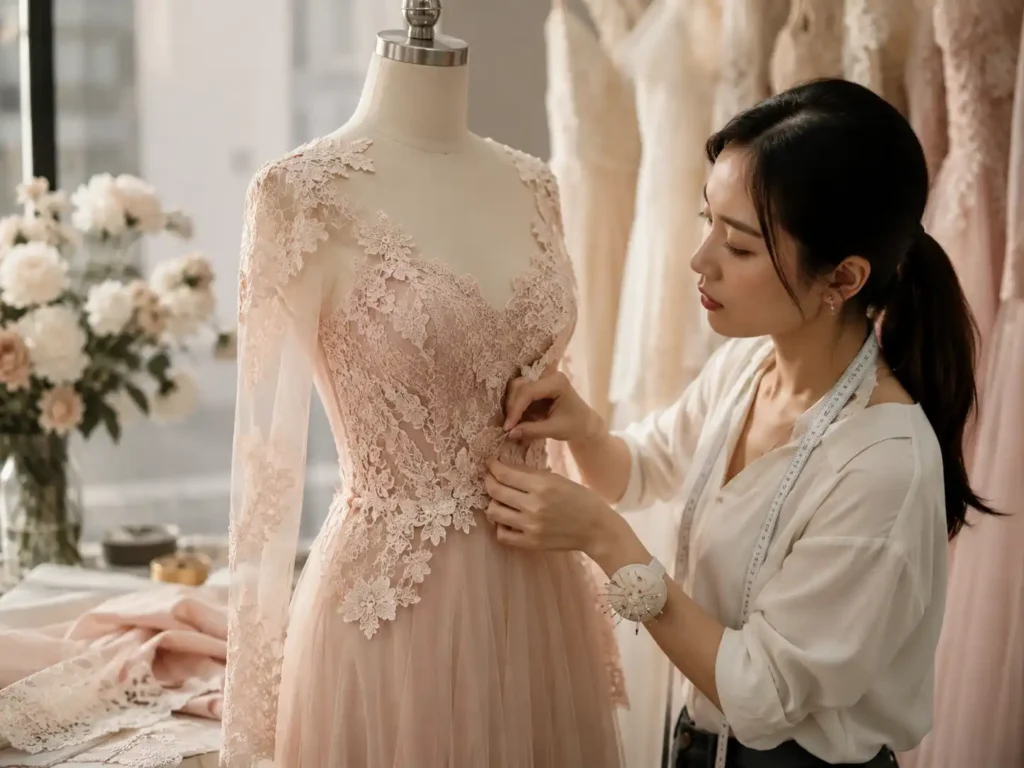
Lace development depends on motif scale, placement, stretch, lining, edge finish and seam mapping. Duolan reviews whether the lace supports the target dress scene, from refined occasionwear to party silhouettes. Lace placement must respect neckline, waist, bust, hem and side seams, especially when visual symmetry or scalloped edges are part of the design.

Jersey

Jersey is often used for bodycon, going-out and casual fashion dresses. Development must check stretch direction, recovery, opacity, handfeel, weight and seam pressure. Duolan reviews whether fabric returns after wear, whether lining is needed and whether size grading works across fitted silhouettes. Jersey development becomes stronger when measurement and fabric behavior are reviewed together.

Woven Fabric

Woven dresses need structure, drape, seam allowance, shrinkage control, cutting stability and pressing management. Duolan reviews fabric handfeel against silhouette, from shirt dresses and refined tops to fitted dresses and structured occasion pieces. Woven fabric can provide clean shape, but pattern balance and movement ease must be handled carefully before sampling.

Sequin Fabric

Sequin fabric changes weight, sewing method, cutting loss, comfort and packing. Duolan reviews sequin size, base cloth, density, direction, skin contact, lining, zipper area and hem finish. For sequin dresses, early feasibility review is important because decoration affects cost, lead time, workmanship and QC. Development should confirm whether the visual effect can survive bulk handling.

Embroidery

Embroidery can strengthen brand identity when placement, density, base fabric and stitching method are properly planned. Duolan reviews embroidery artwork, stitch density, fabric support, placement tolerance, backing needs and production sequence. Embroidery on mesh, satin, lace or woven fabric requires different handling, especially around neckline, bodice, sleeve and hem positions.

Prints

Print development needs artwork scale, color standard, fabric compatibility, placement, cutting waste and bulk color consistency review. Duolan can coordinate digital print, screen print, heat transfer and other applicable routes based on fabric and effect. For dress collections, print direction should match garment panels, size grading and final wearing scene.

Lining

Lining is not only an inner layer. It affects coverage, comfort, structure, opacity, drape and garment weight. Duolan reviews lining fabric, length, stretch compatibility, color matching, seam method and wearer contact. Satin, mesh, lace, sequin and corset dresses often need lining decisions early, because lining can change fit and visual finish.

Zippers

Zippers influence fit, comfort and garment reliability. Duolan reviews zipper type, length, placement, color, strength, seam pressure and wearer movement. For fitted, satin, corset and backless styles, zipper position must match fabric behavior and pattern balance. A poorly planned zipper can distort the silhouette even when the front view looks correct.

Elastic

Elastic supports comfort and fit in waistlines, backs, sleeves, straps, ruching and stretch-sensitive designs. Duolan reviews width, recovery, sewing method, tension and fabric compatibility. For bodycon, vacation, halter or ruched dresses, elastic must help the garment fit the body without creating pressure lines or bulk production instability.

Decorative Trims

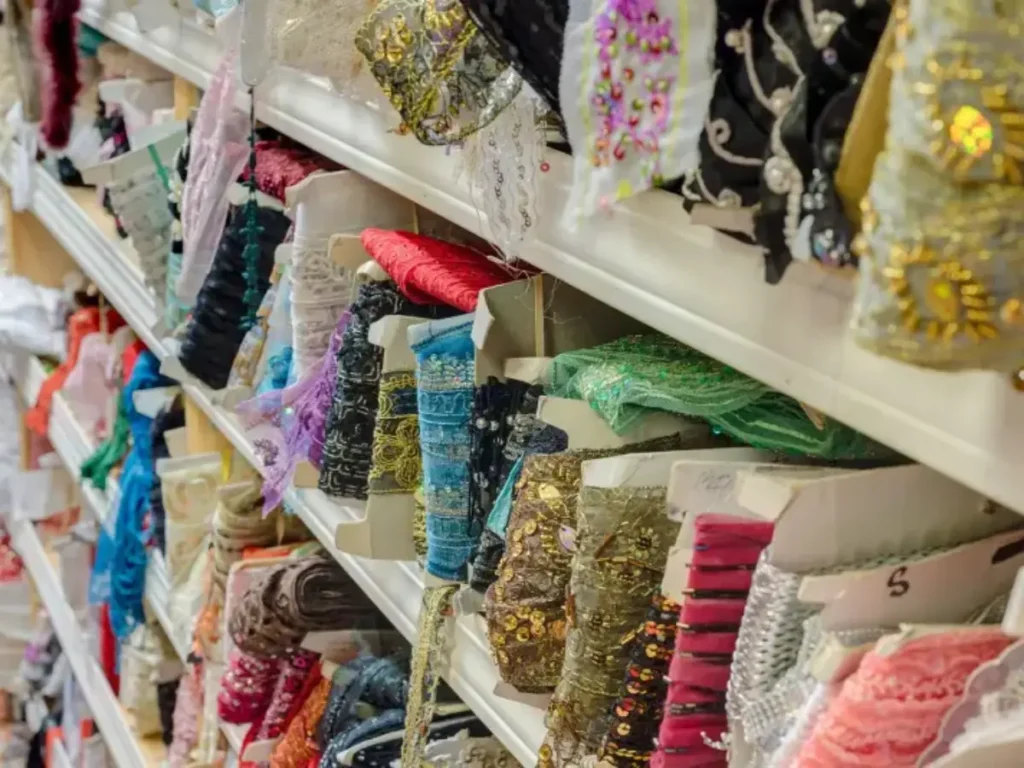
Pearls, beads, rhinestones, metal details, straps, buckles and appliqués can upgrade visual value, but also add weight, labor, QC and packing requirements. Duolan reviews trim placement, attachment strength, wearer comfort, production sequence and inspection method. Decoration-heavy dresses should be sampled with bulk feasibility in mind from the beginning.

Pattern, Fit and Silhouette Development

Dress development depends on body balance, fabric response, structure and repeatable pattern decisions.

Pattern and fit work decide whether a dress becomes a sellable product or only an attractive sample. Duolan treats fit as a relationship between fabric behavior, body proportion, construction and size standard. A bodycon dress depends on stretch and recovery. A satin dress depends on drape and seam control. A corset dress depends on support and placement. A halter dress depends on neckline and neck pressure. A backless dress depends on body security without visible support.

Before making or revising a sample, Duolan reviews the dress around key control zones:

  • Neckline: depth, coverage, gaping risk, binding method and shoulder balance
  • Bust: cup position, support need, dart or seam structure, lining and wearer comfort
  • Waist: balance, placement, shaping, zipper pressure and seam strength
  • Hip: ease, stretch, pattern curve and size grading risk
  • Skirt: length, sweep, slit, hem stability, lining and movement
  • Back: closure, strap angle, exposure level, support and wearer security
  • Side seams: fabric tension, shape transition and possible distortion
  • Size range: base sample size, grade rule, measurement priority and tolerance logic

For product teams, the most valuable sample is not only close to the reference. It should explain what needs to be corrected and whether the garment can move into PP standard. Duolan’s pattern and fit review helps turn comments into measurable actions, so each revision has a clearer purpose.
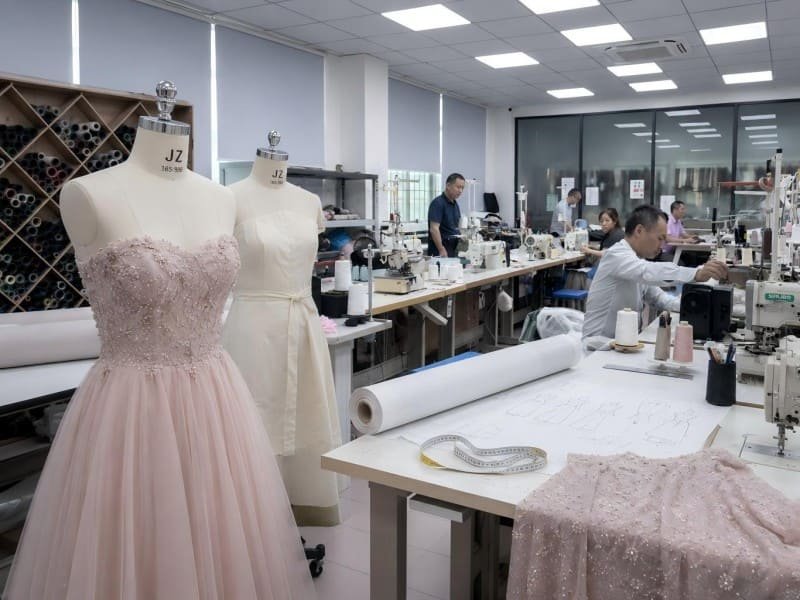
Complex Dress Development Details
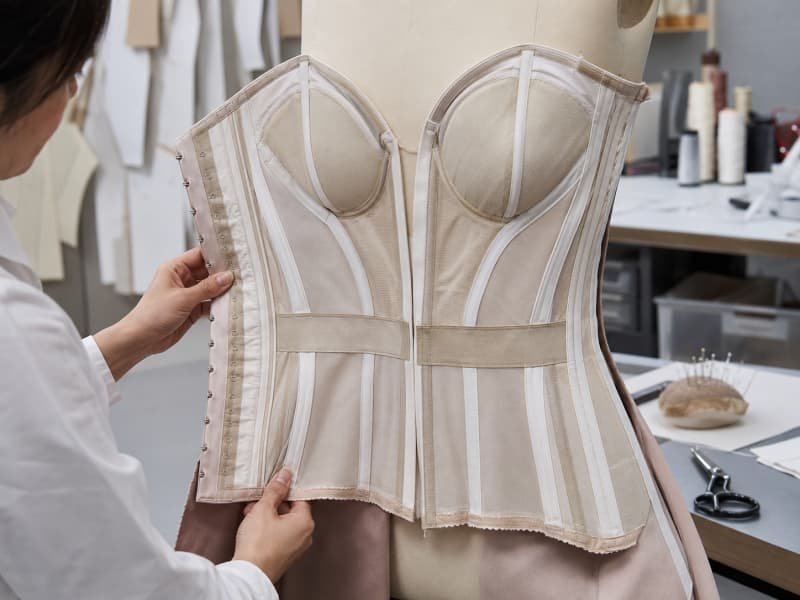
High-risk dress styles require technical review before sampling, PP approval and production release.

Corset Support

Corset support depends on cup placement, boning route, inner lining, back closure, fabric strength and wearer movement. Duolan reviews the support system before sampling so the dress can hold shape without distorting the neckline or waist. For bulk planning, boning, cup, seam, lining and closure details must be locked before production release.

Backless Balance

Backless designs need support without visible coverage. Duolan reviews strap angle, side seam tension, waist grip, fabric recovery, lining and closure method. A sample must prove wearer security, not only back-view appeal. Backless dresses become risky when fabric slips, straps pull, or the waist cannot stabilize the garment across sizes.

Halter Neck Fit

Halter dresses concentrate tension around the neck, bust and upper back. Duolan reviews tie method, strap width, neckline height, armhole coverage and fabric stretch before sampling. A good halter fit should feel secure without neck discomfort. For satin, jersey or mesh halters, construction and fabric behavior must work together.

Satin Drape

Satin can expose every seam, pressing mark and cutting imbalance. Duolan reviews fabric weight, shine direction, bias behavior, lining, zipper pressure and packing method. Satin development is strongest when drape and construction are reviewed together before bulk. Final sample review should include garment-on-body appearance and presentation after packing.

Mesh Coverage

Mesh dresses need controlled transparency. Duolan reviews lining length, coverage zones, layer sequence, stretch recovery, seam strength and decorative placement. Development should confirm appearance under natural light, studio light and movement. Mesh can look elegant when coverage and structure are planned early, but careless lining can weaken the whole garment.

Sequin Stability

Sequin dresses require review around decoration density, edge finish, skin contact, zipper area, seam bulk and packing. Duolan checks whether sequin placement supports production and wearer comfort. A sequin sample should confirm visual density, lining, seam method and handling before bulk, because decoration-heavy styles can affect time and inspection workload.

Lace Placement

Lace placement affects symmetry, neckline finish, hem detail and overall value. Duolan reviews motif scale, seam interruption, scallop usage, lining color and panel matching before sampling. Lace dresses become stronger when placement is planned by garment structure rather than simply cutting fabric from the roll.

Ruched Construction

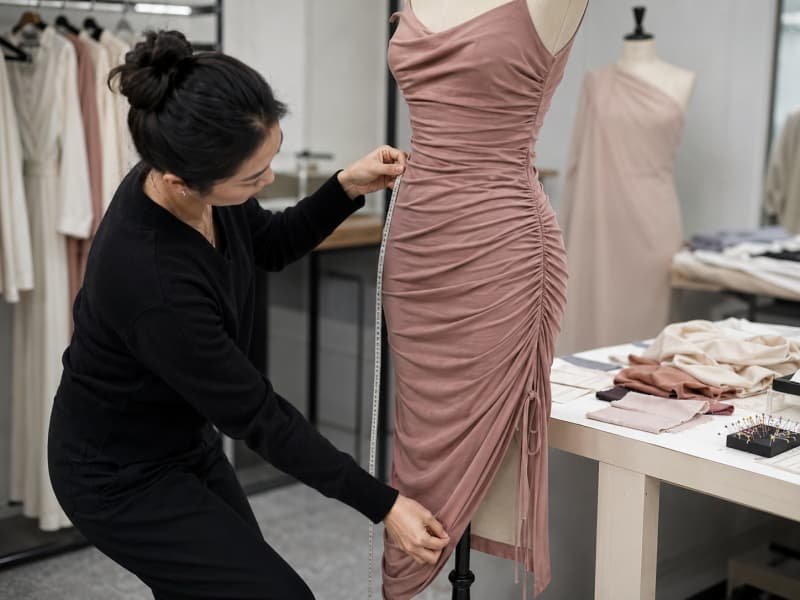
Ruching can improve fit and visual shaping, but poor tension creates twisting, uneven gathers or uncomfortable pressure. Duolan reviews fabric stretch, gather distribution, seam length, elastic use and wearer movement. For bodycon or party dresses, ruching should support the silhouette while remaining consistent across size grading.

Lining Control

Lining affects comfort, opacity, structure, drape and quality perception. Duolan reviews lining fabric, stretch compatibility, color, length, attachment method and inner seam finish. For satin, mesh, lace, sequin and corset dresses, lining should be developed as part of the garment structure rather than treated as a final add-on.

Sample Development Path

Different sample types serve different decisions, from fit review to PP confirmation and bulk planning.

Proto Sample

A proto sample helps verify the early garment direction. It may focus on silhouette, construction, proportion and major design logic rather than final fabric or decoration. Duolan uses proto sampling when a reference or sketch needs technical translation. The goal is to reveal issues early, especially around shape, closure, lining, support and fabric choice.

Fit Sample

A fit sample checks how the garment sits on the body. Duolan reviews measurements, balance, neckline, bust, waist, hip, length, strap, sleeve, lining and wearer movement. Fit samples matter heavily for bodycon, corset, halter, backless and occasion dresses. Comments are translated into pattern and construction actions for the next version.

Photo Sample

A photo sample must support visual campaign needs. Duolan reviews fabric appearance, drape, color, surface finish, pressing, decorative details and garment presentation. For satin, sequin, mesh and lace dresses, photo sample preparation should include close attention to light reflection, inner structure, wrinkles, lining and fit consistency on model or mannequin.

Sales Sample

Sales samples help internal selection, showroom review or market testing. Duolan reviews whether the sample represents a version close enough to cost, production and quality expectations. Sales samples may need stronger attention to trims, fabric handfeel, finishing and size choice. A sales sample should help decision-making, not create a version impossible to produce.

PP Sample

The PP sample is the production basis. Duolan reviews confirmed fabric, trims, measurements, workmanship points, lining, labels, packing and quality expectations before bulk starts. PP sample control is essential for complex dresses, multi-color programs and orders split by style or factory. A clear PP basis reduces confusion during production.

Bulk Reference

A bulk reference sample supports production line, QC and repeat order control. Duolan preserves garment standard, measurements, material reference, trims, workmanship points and packing details. For repeat programs, the reference helps maintain consistency when styles return after launch or quantities grow across later production rounds.

Sample Review and Revision Control

Revision work becomes valuable when comments are organized, translated and connected to the next sample action.

Sample revision should not become a vague conversation. Duolan works to convert comments into specific actions: pattern adjustment, measurement change, fabric replacement, trim change, lining correction, seam update, decoration modification, pressing improvement or PP readiness review.

A brand team may say the bust feels loose, the waist looks high, the hem feels heavy, the mesh feels too transparent, the satin shows pulling, or the corset does not support enough. Duolan separates visual comments from fit comments, construction comments from fabric comments, and sample comments from bulk-related risks.

A controlled revision process may include:

  • Fit comment: neckline gaping, bust balance, waist placement, hip tension, strap length, back support
  • Measurement comment: garment length, chest, waist, hip, sleeve, strap, slit height, hem sweep
  • Fabric comment: drape, shine, opacity, stretch, recovery, GSM, lining compatibility
  • Workmanship comment: seam finish, zipper, boning, ruching, embroidery, sequin edge, lace placement
  • Visual comment: proportion, color, finish, styling, press effect, photo-readiness
  • Production comment: BOM, PP basis, QC point, packing risk, repeat file need

After review, the brand team should understand what changed, why the change matters and which sample stage comes next. Strong revision control makes the development path more accurate with every round.

CTA 1: Send Sample Comments
CTA 2: Review Revision Plan

Workmanship Standards for Dress Development

Dress workmanship must protect appearance, comfort, strength and repeatability before bulk production.

Fashion dresses expose workmanship more quickly than many basic garments. A satin seam can leave visible pressure. A mesh edge can look rough under light. A bodycon side seam can twist if stretch tension is wrong. A corset seam can move support away from the body. A sequin edge can scratch skin. A lace panel can lose value if placement is not controlled.

Duolan reviews workmanship based on garment type and final use. For fitted dresses, the team checks side seam balance, stretch recovery, hem tension and measurement control. For satin dresses, seam smoothness, pressing method, lining and packing are reviewed together. For mesh and lace dresses, transparency, edge finish, layer control and motif placement matter. For corset and bustier styles, inner structure, boning, cup, closure and support must be reviewed before PP approval.

Key workmanship points may include:

  • Sewing: seam type, stitch tension, seam allowance, inner finish and reinforcement
  • Structure: boning, cups, lining, interlining, zipper, strap, closure and support
  • Decoration: sequin, pearl, bead, rhinestone, lace, embroidery, print or appliqué
  • Pressing: satin surface, seam marks, garment shape and final presentation
  • Inspection: measurements, workmanship points, loose threads, stains, needle control and packing appearance
  • Repeat file: confirmed sample, BOM, measurements, workmanship notes and QC reference

Workmanship control is not only about quality inspection at the end. It starts during development, because many bulk risks are created by early material and construction decisions.

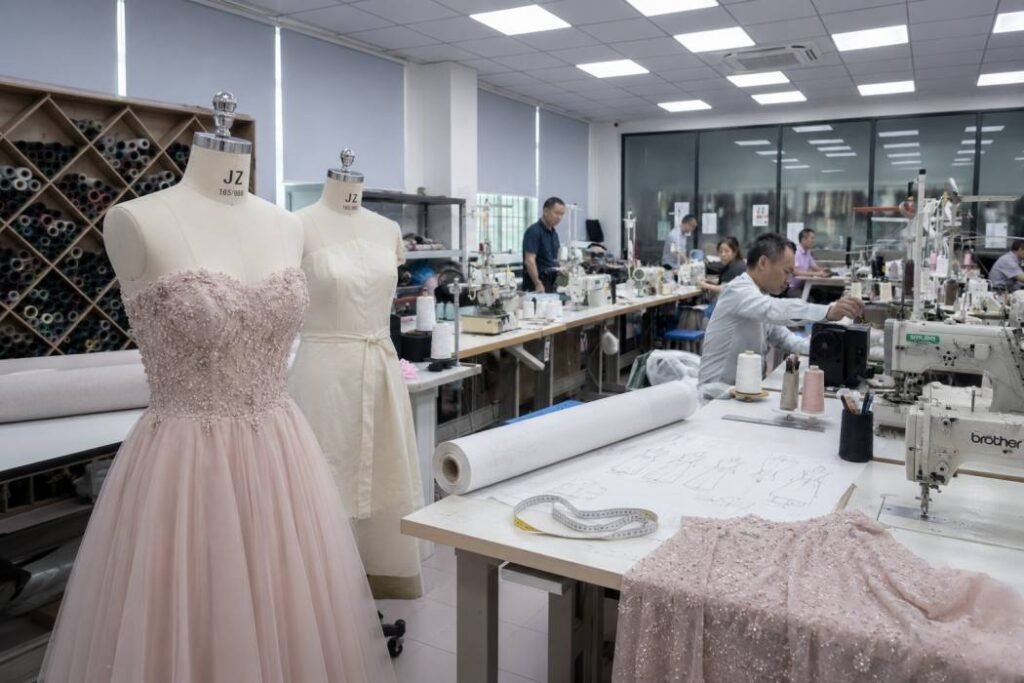
Production-ready Sample Standard

A sample becomes valuable when it can guide production, QC, packing and repeat order control.

A production-ready dress sample must do more than look close to a reference image. It should provide a reliable basis for bulk production. Before moving forward, Duolan reviews whether the approved version has enough clarity for factory teams, QC teams, packing teams and future reorder files.

A production-ready standard normally includes:

  • Fit status: approved, pending minor adjustment or still under review
  • Visual status: silhouette, length, color, fabric handfeel and presentation confirmed
  • Material status: fabric, lining, trims, zipper, buttons, elastic, thread and decoration locked
  • Measurement status: base size, grade rule direction, tolerance priorities and key control points reviewed
  • Workmanship status: seam method, inner structure, finish, decoration, pressing and reinforcement clarified
  • PP basis: sample version, BOM, pattern file, trim board and QC checkpoints aligned
  • Packing status: folding, hanging, polybag, carton, label, barcode, hangtag or warehouse requirement reviewed
  • Production path: single factory, quick-response line, special process support or coordinated factory allocation considered

Sample-to-bulk gaps often appear when a sample is approved visually but not technically. Duolan’s production-ready review helps reduce uncontrolled changes before material purchasing, line planning and bulk release.

Manufacturing System Behind Development

Duolan combines development depth, factory scale, quick-response lines and coordinated production resources for dress programs.

Duolan’s product development is backed by a multi-layer womenswear manufacturing system. The structure includes 16 owned fashion womenswear factories, 20+ long-term satellite factories, regional production bases in Guangxi, Guizhou, Sichuan and Jiangxi, and more than 12,000 workers across coordinated resources.

Equipment and production support include approximately 12,000–20,000 sets of group-level equipment across fabric inspection, cutting, sampling, sewing, printing, embroidery, finishing, packing and auxiliary systems. Core sewing equipment includes about 7,000–9,000 machines, supported by 300 garment sewing lines, 50+ quick-response and flexible production lines, multiple sample pilot lines, printing lines, embroidery lines, washing and finishing lines, and automatic cutting support.

Development capacity is built for high-frequency fashion work. The group structure supports 15,000–35,000 sample developments per month and 3,000–8,000 style development and sampling processes per month. Stable monthly production capacity is about 6,500,000 pieces, with peak capacity reaching about 10,000,000 pieces when production resources are scheduled for high-volume periods.

For fashion dress programs, scale has meaning only when it supports control. Owned factories can handle core styles and higher-control projects. Satellite factories can support repeat orders, scale-up programs and elastic capacity. Special process partners support print, tie-dye, embroidery, washing and finishing needs. Production planning can match style complexity, material route, order quantity and launch timing before bulk starts.

Quality Control Points in Development

Dress quality control begins from fabric review, pattern decisions and PP standards, not only final inspection.

Fabric Inspection

Fabric inspection protects the development base. Duolan reviews fabric surface, color, handfeel, stretch, drape, shrinkage direction and visible defects before cutting. For satin, mesh, lace, jersey and sequin fabrics, fabric behavior must match the dress silhouette. Material problems caught early reduce sample confusion and bulk production surprises.

Pattern Check

Pattern check connects design intention with wearer fit and production repeatability. Duolan reviews neckline, bust, waist, hip, strap, sleeve, hem, slit, lining and closure points before or during sample development. For fitted, corset, halter and backless styles, pattern decisions affect comfort, structure and grading stability across sizes.

Sample Measurement

Measurement review helps convert fit comments into controlled data. Duolan checks base size measurements, key tolerance points, garment length, bust, waist, hip, sleeve, strap and slit placement. For stretch and fitted dresses, measurement review must work together with fabric recovery and wearer movement, not only flat garment numbers.

PP Sample Review

PP sample review aligns the approved garment with production needs. Duolan checks fabric, lining, trims, measurements, workmanship, labels, packing and QC points before production release. For multi-style programs, PP control helps factory teams understand which details are locked and which require special attention during sewing and inspection.

Inline QC

Inline QC catches issues while production is still adjustable. Duolan reviews sewing quality, size control, decoration placement, seam balance, fabric handling, pressing and workmanship points during production. For satin, mesh, sequin and corset dresses, inline inspection is especially important because problems can grow quickly once volume increases.

Final Packing Check

Final packing protects the garment before shipment. Duolan reviews labels, hangtags, folding, polybags, carton marks, size-color ratio, barcode requirements and garment presentation. Satin crease risk, sequin protection, mesh snagging and structured dress shape may require different packing attention. Packing should support warehouse handling and launch timing.

Brand-level Compliance Readiness

Duolan supports social audit, testing coordination, quality standards and formal supplier evaluation needs.

SMETA Record

Duolan’s manufacturing system has completed SMETA audit and SMETA 2-Pillar audit record. For global fashion teams, social responsibility and supplier review often come before long-term production cooperation. Duolan can support formal evaluation by providing relevant company, factory, production and audit-related information based on project requirements and qualification stage.

Testing Coordination

Different markets and product categories may require different testing attention. Duolan can coordinate with brand requirements related to fabric quality, color fastness, shrinkage, composition, labeling, workmanship and relevant standards. For fashion dresses, testing needs may depend on fabric, trims, decoration, lining, target market and sales channel.

Quality Standard

Duolan can work with requirements connected to BSCI, ISO 9001, AATCC, ASTM, OEKO-TEX, EN, China GB standards, GOTS-related material requirements and specific brand standards when project details require such coordination. Quality readiness is handled as part of development and production planning, not left only to shipment stage.

Supplier Evaluation

Formal sourcing teams may request company profile, factory capability, development process, sample control, QC process, compliance record, production capacity, logistics coordination and communication structure. Duolan can prepare supplier evaluation materials for qualified projects, helping brand teams review whether the manufacturing system fits product development and production needs.

Project Management and Communication System

Development moves faster when comments, materials, timelines and production decisions are managed in sequence.

Product development fails when information moves without structure. Duolan organizes development communication around project stage, sample purpose, material direction, fit priority, production risk and next action. The goal is not frequent messages alone. The goal is useful communication that helps the project move from brief review to sample, revision, PP approval and production planning.

A structured development process may include:

  • Project brief review: category, reference, target market, quantity, size range, fabric direction and launch window
  • Feasibility review: silhouette, construction, fabric behavior, trims, lining, decoration and bulk risk
  • Sample plan: sample type, sample purpose, material needs, cost factors and lead time discussion
  • Sample update: cutting, sewing, special process, finishing and review schedule
  • Revision record: comments grouped by fit, measurement, fabric, workmanship, visual and production points
  • PP alignment: fabric, trims, measurements, workmanship, labels, packing and QC checkpoints
  • Production path: style-color-size breakdown, line allocation, special process coordination and timeline planning
  • Delivery support: packing, carton, document, forwarder and shipment method coordination

Duolan can communicate through email, WhatsApp, WeChat, voice call, video meeting and formal project files. For high-value dress programs, project records matter because development decisions must remain clear when styles move from sample room to production lines.

Product Development Examples

Duolan shares project-style examples without exposing brand names, logos or confidential collection details.

US Going-out Dress Program

  • Region: United States
  • Project Scope: 18 styles, 42,600 pieces, 5 core silhouettes, XS–XL size range
A US fashion team planned a going-out dress drop with fitted minis, ruched bodycon dresses, mesh panel styles and satin halter designs. The main difficulty was not producing one garment; the team needed fast style screening, fabric matching and a sample route across multiple silhouettes. Some references required stretch fabrics, while others needed satin drape, mesh coverage or stronger neckline support. Duolan reviewed the style board and divided the program into standard fitted styles, mesh-sensitive styles and satin-sensitive styles. Fabric direction was grouped to reduce sourcing confusion, while high-risk silhouettes entered sample review first. Fit comments were separated by neckline, bust, waist, hip, strap and hem control. Before bulk, Duolan prepared PP alignment around fabric, trims, measurements, workmanship and packing. Outcome: the project moved into a launch order with 18 styles, multiple colorways and a structured production path. The brand team received clearer development priorities, fewer mixed comments and a stronger sample-to-bulk basis. CTA 1: Discuss Similar Program CTA 2: Send Going-out Styles

UK Occasionwear Collection

  • Region: United Kingdom
  • Project Scope: 24 styles, 68,000 pieces, cocktail, wedding guest and graduation edit
A UK occasionwear team needed a polished dress collection covering cocktail dresses, wedding guest styles, satin midis, lace details, refined minis and semi-formal silhouettes. The challenge came from visual consistency across multiple fabrics. Satin needed crease control and seam smoothness; lace needed placement review; fitted styles needed stable measurements; occasion pieces needed strong finishing and packing presentation. Duolan helped organize the collection by fabric family and difficulty level. Satin styles received early drape and lining review. Lace styles were checked for motif placement and neckline treatment. Fit-sensitive styles were prioritized for sample review, while commercial silhouettes were planned around more stable fabrics. Before bulk production, the team reviewed PP standards, workmanship points, packing method and inspection focus for each style group. Outcome: the order was planned across 24 styles with clearer fabric grouping, controlled sample stages and production notes for factory teams. The development process supported a polished occasionwear line rather than disconnected single-style sampling. CTA 1: Review Occasionwear Line CTA 2: Plan Style Groups

Australian Resort Dress Drop

  • Region: Australia
  • Project Scope: 15 styles, 31,800 pieces, vacation dresses and two-piece sets
An Australian fashion label prepared a resort drop including lightweight maxi dresses, printed vacation styles, sundresses, halter dresses and two-piece sets. The team cared about movement, packability, color story and summer-wear comfort. The main risk was fabric selection: some references looked good visually but would wrinkle heavily, lose drape, show through, or fail color consistency in bulk. Duolan reviewed fabric handfeel, drape, opacity, print placement, strap comfort, lining needs and packing recovery. Styles were divided into print-led pieces, solid fabric pieces and set-based styles sharing fabric and trim direction. Sample planning focused first on fabric-to-style matching and base fit, then moved into color and packing review. For two-piece sets, top length, skirt rise and size relationship were checked together. Outcome: the project moved into 15 styles with a clearer fabric plan and sample sequence. The brand team gained better control over resort presentation, photo sample readiness and bulk production planning. CTA 1: Develop Resort Drop CTA 2: Share Fabric Direction

Product Development Supplier Comparison

Strong fashion development suppliers connect design, material, sampling, production and quality control in one system.

Supplier TypeProduct UnderstandingFabric & Fit SupportSample-to-Bulk ControlManufacturing BaseBest Fit
Basic Sewing FactoryUsually follows provided fileLimited fabric or fit reviewDepends heavily on client instructionSingle production point or narrow capacitySimple styles with complete files
Trading Sourcing AgentCan source options across factoriesVaries by partner factoryLess direct control over factory executionExternal factory networkPrice comparison and sourcing coordination
Sample StudioStrong for prototype or creative sampleGood for early design trialLimited bulk production abilityUsually sample-focusedDesign exploration before factory transfer
DuolanDress-focused development for fashion teamsFabric, trim, pattern, fit, workmanship and PP reviewBulk readiness review, PP control, QC and repeat file support16 owned factories, 20+ satellite factories, 300 sewing lines, 50+ quick-response linesMulti-style dress programs, launch orders and repeat production


Download Product Development Brief

Prepare clearer project information before sending dress references, tech packs, samples or collection ideas.

A strong development brief helps product teams reduce unclear sampling, repeated comments and production-readiness gaps. Duolan can review a project more accurately when the brand team shares the right information early.

Recommended brief sections include:

  • Dress category: party, occasion, vacation, going-out, bodycon, satin, mesh, sequin, corset, halter, backless or two-piece
  • Project purpose: first sample, fit sample, photo sample, sales sample, PP sample, launch order or repeat order
  • Style references: images, sketches, original samples, previous collection links or moodboard
  • Fabric direction: composition, handfeel, GSM target, stretch level, drape, shine, transparency or swatch photos
  • Color plan: Pantone, lab dip needs, color count, print artwork or seasonal palette
  • Size range: base sample size, size chart, grade rule, fit priority and measurement tolerance
  • Quantity plan: style count, color count, size ratio and expected order quantity
  • Timeline: target sample review date, photo shooting date, PP approval window and launch window
  • Quality points: workmanship concerns, lining needs, packing requirements and compliance needs
  • Files: tech pack, BOM, label file, packing manual, artwork file or inspection standard

A downloadable brief can also help internal teams prepare clearer information before contacting Duolan.

Product Development Frequently Asked Questions

Yes. Duolan can review reference images, original samples, sketches, fabric direction or collection briefs. A complete tech pack helps, but development can begin from different inputs. Before sampling, Duolan will clarify missing information such as measurements, fabric, trims, lining, sample purpose, target quantity and timeline.

Duolan focuses on fashion dresses, occasion dresses, party dresses, body-conscious dresses, fitted dresses, fashion sets and refined fashion tops. Common development directions include mini, midi, maxi, satin, mesh, sequin, lace, corset, halter, backless, vacation, going-out and wedding guest dresses.

Sample time depends on fabric readiness, style complexity, trim sourcing, decoration, special process and comment rounds. Standard fashion dress samples are usually planned faster than sequin, embroidery, corset, special dye or fabric-development styles. Duolan reviews sample timing after checking design files, material needs and sample purpose.

Yes. Duolan is suitable for dress programs with multiple styles, colorways and launch windows. Programs with 10–30 styles can be reviewed by silhouette, fabric family, sample priority, complexity, quantity and bulk path. Style grouping helps sampling and production planning stay more controlled.

Duolan reviews bulk readiness before production starts. Fabric, lining, trims, measurements, workmanship, PP sample, packing and QC points should be aligned before bulk release. For complex styles, Duolan may recommend first-piece confirmation or pilot-stage verification before full production runs.

Yes. Duolan works with fabric, accessory, trim and special process resources. Fabric direction may start from swatches, reference garments, composition targets, handfeel, drape, stretch level, color or surface texture. The review focuses on garment effect, production feasibility and quality stability.

Yes. Qualified brand teams can request company profile, factory capability details, development process, sample control, QC process, compliance information and production capacity details. Duolan’s manufacturing system has SMETA audit and SMETA 2-Pillar audit record.

Helpful files include tech pack, reference images, original sample photos, sketch, fabric idea, target quantity, size chart, color plan, launch date and packing requirements. Clearer files help Duolan review sample route, fabric questions, risk points and bulk feasibility faster.

Yes. Duolan can support corset, bustier, bodycon, satin, mesh, sequin, lace, halter, backless and ruched dress development. Complex styles need early review around fabric, structure, fit, lining, support, decoration, sewing method, PP control and QC checkpoints.

Send your development brief, reference images, tech pack, original sample photos, fabric direction, target quantity and launch timeline. Duolan will review product direction, missing information, sample path, fabric and trim questions, bulk feasibility and next-step planning.

Start a Development Review

Share your fashion dress development project with Duolan for a structured review. You may send a tech pack, reference image, original sample photo, fashion sketch, fabric direction, collection brief, target quantity, size range, color plan, packing requirement and launch timeline.

Duolan will review the product direction, fabric and trim questions, pattern and fit priorities, sample type, development risk, PP control needs and bulk production path before responding. For multi-style programs, please include style count, color count, expected quantity per style, target market and preferred sample review window.

Useful information to submit:

  • Dress category and style references
  • Tech pack, BOM, size chart or sample photos
  • Fabric direction, color plan and trim details
  • Target quantity, size range and launch timeline
  • Required sample type: fit, photo, sales, PP or bulk reference
  • Quality, compliance, packing or warehouse requirements

Start Your Apparel Development Project

OEM/ODM Manufacturing Support for Fashion Brands

Share your collection details, estimated quantities, target market, development timeline, and technical requirements. The production team will review your request and provide a tailored manufacturing solution based on your product category, fabric selection, construction needs, and delivery schedule.

Fashion Manufacturing Support with Scalable Production Capacity

From sample development to bulk production, Duolan supports fashion brands with confidential OEM/ODM manufacturing, stable quality management, flexible production planning, and coordinated multi-factory execution for seasonal and capsule collections.

Need Direct Assistance?

Seraphinite AcceleratorOptimized by Seraphinite Accelerator
Turns on site high speed to be attractive for people and search engines.