 Skip to content
Custom Dress for High-Standard Product Teams
Custom dress development and manufacturing for high-standard product teams managing technical files, sample comments, fit revisions, PP approvals, QC standards and multi-style dress programs.
Duolan supports mature fashion brand teams through tech pack review, BOM and spec execution, fabric route planning, sample revision, PP sample locking, production handover, inline QC, packing and bulk delivery coordination.
- 6 product-team execution points guide project review: tech pack, BOM, size spec, sample comments, PP sample and QC points.
- 5 sample gates support development: first sample, fit sample, revised sample, photo / sales sample and PP sample.
- 7 dress control zones shape approval: fabric, fit, lining, zipper, surface, measurement and packing.
- 4 team interfaces support mature workflow: design, product development, sourcing and QC teams.
- 3 production handover references guide bulk execution: PP sample, workmanship notes and QC checklist.
- 10–30 styles per order match current cooperating brand development rhythm.
- 20,000–80,000 pieces per brand order support multi-style dress production for mature fashion brands.





Product Teams Duolan Works With
Duolan works with mature fashion brand teams managing dress development through technical files, sample comments, approval records and production standards. Strong alignment comes from teams with clear product direction, style lists, QC expectations, launch calendars and bulk delivery plans.
Product Development Teams
Product development teams need suppliers able to move technical files into sample action, then move approved samples into PP standards. Duolan supports development decisions around fabric route, fit correction, construction review, sample stages and production readiness.
Technical Design Teams
Technical design teams focus on measurement accuracy, POM control, grading logic, garment structure, lining, support, movement and sample accuracy. Duolan connects technical comments with pattern updates, spec review and workmanship standards.
Sourcing Offices
Sourcing offices need supplier information, order evaluation, material planning, lead time review, risk feedback and trade coordination. Duolan supports sourcing teams with structured project review, fabric-route discussion and production communication.
QC Teams
QC teams need approved PP standards, critical measurements, fabric checks, workmanship points, packing requirements and shipment review. Duolan supports QC preparation through production-stage checkpoints, inline feedback and final inspection logic.
Merchandising and Buying Teams
Merchandising and buying teams care about launch timing, style priority, color plans, delivery windows and repeat potential. Duolan supports program planning across style count, colorways, sample status and production rhythm.
Premium Dress Collection Teams
Dress collection teams often manage party, occasion, resort, holiday, satin, lace, mesh, sequin and bodycon styles together. Duolan supports multi-style coordination through fabric-route review, sample tracking, PP standard control and bulk production planning.
Why High-Standard Product Teams Need a Different Dress Manufacturer
High-standard product teams are not looking for a factory able to “make dresses” from pictures. They need a supplier able to work inside a structured development system, where every file, comment, sample and approval point becomes clear production action.
A product team may send tech packs, BOMs, size specs, construction callouts, fit photos, sample comments, label standards and packing instructions. A basic supplier may understand the style visually, yet miss the execution logic inside those files. Execution gaps create repeated sample errors, late material risks, weak PP standards and unstable bulk production.
Duolan supports product teams by treating custom dress manufacturing as a technical workflow. The goal is to reduce repeated explanations, avoid loose interpretation and help approved samples become production standards.
Execution standards product teams usually need
- Technical file execution: Tech packs, BOMs, size specs, construction callouts, label and packing instructions need structured review before sampling.
- Comment-to-action conversion: Fit and sample comments need measurable corrections, not vague workshop instructions.
- Sample-stage clarity: First sample, fit sample, photo sample, sales sample and PP sample need separate approval purposes.
- Material risk awareness: Fabric behavior should be reviewed before risk moves into late sampling or bulk production.
- PP sample discipline: PP approval must lock material, measurements, workmanship, trims, labels, packing and QC points.
- Production feedback: High-risk issues need reporting during production, not only after final inspection.
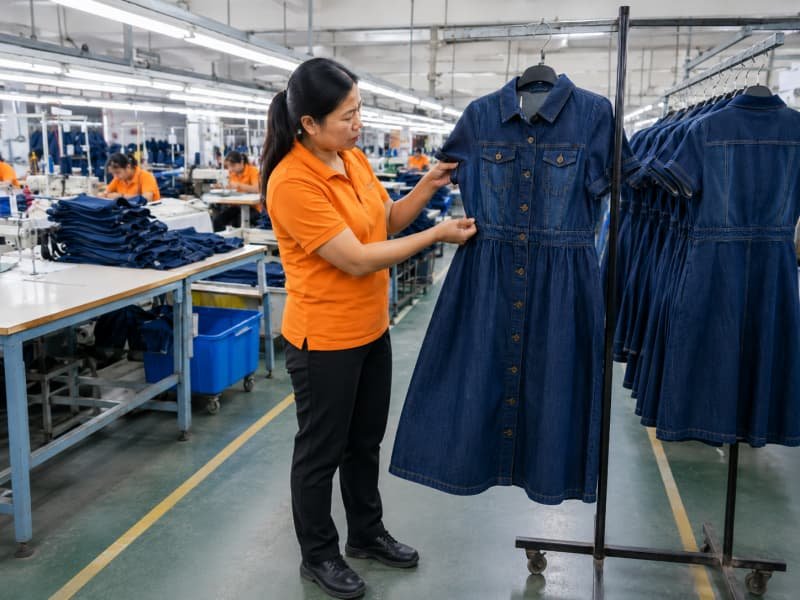
How High-Standard Product Teams Choose a Dress Supplier
High-standard product teams choose suppliers through execution evidence. Price, order quantity and sample speed may matter, yet those factors rarely decide long-term cooperation alone. The deeper decision is whether a supplier can reduce internal management burden, prevent repeated sample errors, protect PP standards and keep bulk production aligned with approved samples.
A mature product team looks for a partner able to understand files, interpret comments, manage sample stages, communicate across departments and report production risk early. Duolan is positioned for dress programs where technical execution, sample discipline and bulk consistency carry more value than basic cut-and-sew capacity.
Can the Supplier Read Technical Files Correctly?
Product teams first check whether a supplier understands the full tech pack, not only the sketch. A dress tech pack can contain technical flats, BOM, size spec, construction details, trims, labels, packing and tolerance requirements. Every section affects cost, timing, sampling and bulk execution.
Duolan reviews technical files by separating style structure, fabric route, trim usage, measurement risk, construction complexity, label needs, packing standard and QC points before development begins.
- Review technical flats beyond visual shape.
- Check BOM items by material, color, placement and function.
- Identify critical POMs before sample evaluation.
- Clarify construction callouts before pattern and sample work.
Can the Supplier Turn Comments into Measurable Revisions?
Product teams do not need suppliers who only “understand” comments verbally. They need measurable changes. A loose waist, unstable neckline, tight armhole, wrong drape or poor lining relation must become pattern, measurement, construction or material action.
Duolan organizes sample comments by correction type. Fit issues, fabric issues, workmanship issues, surface issues, trim issues and packing issues are treated separately, so revised samples can be checked against clear targets.
- Convert “waist too loose” into pattern and measurement updates.
- Convert “neckline unstable” into structure, lining or support review.
- Convert “fabric feels wrong” into weight, drape, stretch or handfeel review.
- Track comment status across revised samples.
Can the Supplier Manage Multiple Sample Stages?
High-standard teams often use different samples for different decisions. A first sample checks direction. A fit sample checks body balance. A photo sample supports visual review. A sales sample may support internal or channel evaluation. A PP sample becomes the production standard.
Duolan separates sample purpose before approval. A photo-ready garment should not replace a PP sample, and a first sample should not be judged as final production proof. Clear sample logic prevents confusion before bulk release.
- Define sample purpose before development.
- Separate fit approval from photo approval.
- Record pending changes before PP stage.
- Use PP sample as production benchmark.
Can the Supplier Lock PP Standards Before Bulk?
Product teams judge suppliers by PP discipline. A PP sample should not be a final-looking sample with unclear standards. It should lock fabric, trims, pattern, measurements, construction, label, packing and QC requirements for production.
Duolan connects PP approval with production handover. PP sample, workmanship notes, size spec, BOM and QC checklist work together so production teams can execute with less interpretation.
- Lock bulk material and trim standards.
- Confirm measurement and tolerance points.
- Connect PP sample with first-piece review.
- Prevent production drift through documented standards.
Can the Supplier Communicate Across Teams?
Product teams rarely work alone. Design, product development, sourcing, QC, merchandising and buying teams may all be involved. A capable supplier knows which information belongs to which team.
Duolan separates creative direction, technical corrections, sourcing questions, QC standards and delivery planning. Clear communication reduces repeated questions and helps each team receive useful information at the right stage.
- Keep design comments separate from production decisions.
- Support sourcing review with material and timing information.
- Support QC preparation with measurable checkpoints.
- Keep sample status organized by style.
Can the Supplier Keep Bulk Aligned with Approved Samples?
The final decision is bulk reliability. High-standard teams want to know whether approved samples can be repeated across sizes, colors, fabrics and styles. One good sample does not prove program capability.
Duolan uses first-piece review, inline QC, final inspection and packing review to keep bulk production aligned with PP standards. For multi-style programs, style code, fabric route, risk level and approval status are managed together.
- Compare first pieces against approved PP samples.
- Check high-risk areas during production.
- Track fabric, fit and workmanship consistency.
- Protect bulk quality before final shipment.
Where High-Standard Dress Development Usually Breaks Down
High-standard dress development usually breaks down when suppliers treat technical work as simple sampling. The product team sends files, comments and standards, yet the supplier handles them as loose references. The result is repeated sample errors, late material risk, unclear PP standards and production surprises.
Duolan uses common breakdown points to structure project review. The purpose is to reduce repeated explanations and move each style from technical file to bulk-ready standard with fewer avoidable errors.
Tech Pack Is Read, But Not Executed
Some suppliers look at a tech pack and still build the dress from visual interpretation. Key information inside BOM, POM, tolerances, construction callouts, labels and packing can be missed.
Duolan response: Review technical files by execution category: fabric, BOM, size spec, construction, trims, label, packing and QC points. Each part is linked to sampling or production action.
Sample Comments Repeat Across Rounds
Product teams may write detailed comments, yet the next sample repeats the same problem. Repeated comments usually mean sample feedback was not converted into pattern, spec or workmanship updates.
Duolan response: Classify sample comments and track correction status by style. Fit comments become measurable pattern or spec changes. Material comments become fabric-route decisions. Workmanship comments become construction updates.
Fabric Risk Appears Too Late
Fabric risk often appears after time has already been lost. Satin may fold poorly. Lace may need placement control. Mesh may be too transparent. Bodycon fabric may lose recovery. Resort woven fabric may shrink or wrinkle.
Duolan response: Review fabric route before sampling, including drape, stretch, transparency, shrinkage, shade, surface behavior, QC difficulty and packing impact.
PP Sample Is Not Treated as Production Standard
A PP sample can look approved but still fail as a production reference if material, trims, measurements, workmanship, labels, packing and QC points are not locked.
Duolan response: Turn PP approval into production handover, linking PP sample, BOM, size spec, workmanship notes, QC checklist and packing standard.
Multi-style Programs Become Confused
A mature dress program may include 10–30 styles, multiple fabrics, several colorways, different sample stages and overlapping deadlines. Without structure, approvals, materials and comments become hard to manage.
Duolan response: Organize programs by style code, sample stage, fabric route, approval status, risk level and launch window.
QC Finds Problems Too Late
Late QC discovery creates rework, delays, air freight pressure or missed launch windows. Product teams need feedback during production, not only final inspection.
Duolan response: Use first-piece review, inline QC and critical zone checks to identify measurement, fabric, workmanship, surface and packing risks earlier.
Supplier Adds Internal Management Work
High-standard product teams do not want suppliers who require constant reminders. Repeated explanation, unclear updates and missing follow-through create hidden internal cost.
Duolan response: Use structured sample tracking, PP handover, production updates and QC communication to reduce repeated management from the brand side.
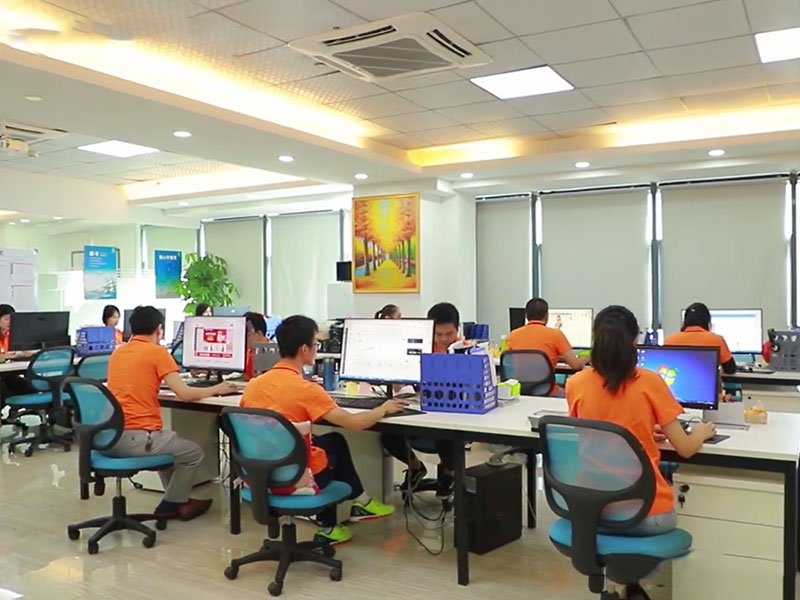
Tech Pack, BOM and Spec Sheet Execution
High-standard product teams treat technical files as the starting point for manufacturing control. A tech pack is not a mood board. A BOM is not a rough shopping list. A size spec is not optional guidance. Each file tells the supplier how the dress should be developed, sampled, approved and produced.
Duolan reviews technical files through garment execution logic. The purpose is to identify missing information, clarify risk, reduce sampling confusion and connect every approved detail with production handover.
Technical Flats Review
Technical flats show the front, back and sometimes internal structure of the garment. They help confirm seam lines, panels, openings, sleeves, straps, pockets, darts, pleats, slits, hems, zippers, trims and visible construction.
Duolan reviews technical flats to understand how the dress is built, not only how it looks. Technical flat review identifies pattern complexity, sewing sequence and high-risk construction areas before development begins.
- Check front and back garment structure.
- Identify construction zones requiring clarification.
- Review zippers, slits, straps, openings and panel lines.
- Connect visual details with sewing feasibility.
BOM Review
The BOM defines materials and components. Main fabric, lining, interlining, zipper, buttons, elastic, lace, mesh, labels, hangtags and packing materials all affect cost, timing, sample accuracy and bulk execution.
Duolan reviews BOM details by material, specification, color, usage position, supplier source and production risk. Missing or unclear BOM information can create sample errors and bulk mismatches.
- Check shell fabric, lining and trim specifications.
- Review color, size, placement and function.
- Identify substitute risks before sample work.
- Connect BOM decisions with costing and lead time.
Size Spec and POM Review
Size specs and POMs define how a sample should be measured. Critical POMs vary by dress type. A satin slip dress, lace midi, bodycon mini, cut-out party dress and resort maxi do not share the same fit-risk points.
Duolan reviews bust, waist, hip, length, sleeve, armhole, neckline, strap, hem, slit, lining and garment opening points according to style risk.
- Identify critical POMs before sample review.
- Check measurement logic against silhouette and fabric.
- Review sample size and grading concerns.
- Keep POM review connected to fit comments.
Construction Callouts Review
Construction callouts explain how the garment should be made. They may include seam type, lining attachment, zipper method, edge finish, binding, topstitching, boning, slit reinforcement, inner facing or hem finish.
Duolan reviews construction callouts to create a clear path for sample room and production teams. Strong callouts reduce interpretation gaps between product team, sample development and bulk sewing.
- Clarify stitch type and seam finish.
- Review lining, facing and closure methods.
- Identify high-stress construction zones.
- Convert construction notes into workmanship standards.
Label and Packing Review
Labels and packing affect delivery accuracy, warehouse receiving and product presentation. Care labels, main labels, hangtags, barcodes, size stickers, polybags, folding methods and carton marks should be reviewed before production reaches packing stage.
Duolan treats label and packing requirements as production information, not last-minute additions.
- Review label placement and content requirements.
- Confirm barcode, size and colorway logic.
- Connect packing method with garment fabric and surface risk.
- Check carton and shipment preparation needs.

Sample Comment Tracking and Revision Discipline
High-standard product teams need sample comments to move forward, not circulate endlessly. Duolan organizes sample feedback by category, impact and approval status so each revised sample has a clear purpose.
Comment Classification
Sample comments are separated into fit, fabric, construction, surface, trim, label and packing categories. Comment classification prevents broad feedback from becoming vague workshop instruction.
- Fit comments affect pattern, POM and body balance.
- Fabric comments affect material route or supplier source.
- Construction comments affect sewing method and workmanship.
- Packing comments affect final garment presentation.
Pattern Revision
Pattern-related comments are converted into measurable updates. Waistline, bust, hip, sleeve, armhole, neckline, length, slit, strap and hem corrections are checked against the garment’s fabric and silhouette.
- Translate comments into pattern action.
- Check whether one correction affects other zones.
- Review revised samples against the previous comment list.
Material Revision
Material comments are reviewed by fabric behavior. Weight, drape, stretch, transparency, shrinkage, color, shine, surface touch and packing recovery may all affect the final result.
- Separate fabric problems from fit problems.
- Review fabric alternatives when needed.
- Confirm material impact on cost and timing.
Workmanship Revision
Workmanship comments cover zipper smoothness, lining relation, seam finish, edge treatment, hem quality, slit reinforcement, sleeve finish, strap attachment and surface handling.
- Convert workmanship comments into sewing standards.
- Review high-risk zones before PP approval.
- Keep changes visible for production handover.
Approval Status Tracking
Each comment should have a status: approved, revised, pending, requires brand confirmation, affects cost, affects lead time or ready for PP. Clear status helps product teams manage many styles at once.
- Track comments by style code and sample stage.
- Avoid repeating unresolved issues.
- Keep PP approval clean and traceable.
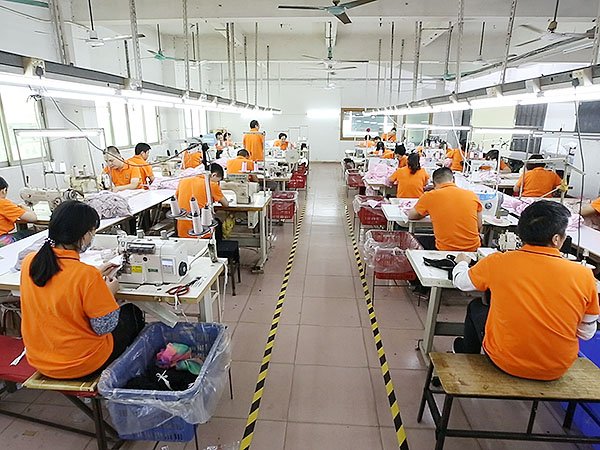
Dress Programs High-Standard Product Teams Usually Manage
Product teams usually manage dress programs by technical risk, sample stage and launch role. Duolan supports dress categories often handled by mature fashion brand teams, with attention to file execution, sample review and production standards.

Occasion Dress Programs
Product teams focus on fit, lining, comfort and final presentation. Duolan reviews body proportion, fabric route, zipper, sleeve, hem and packing standards.

Party Dress Programs
Product teams focus on movement, exposure, surface and support. Duolan reviews bodycon fit, cut-outs, mini length, mesh, sequin and strap stability.

Resort Dress Programs
Product teams focus on fabric comfort, print scale, transparency and packing recovery. Duolan reviews lightweight woven bases, lining decisions and travel-ready presentation.

Cocktail Dress Programs
Product teams focus on clean proportion and refined workmanship. Duolan reviews bust-waist-hip balance, zipper smoothness, hem level and lining.

Holiday Dress Programs
Product teams focus on timing, festive fabric and surface protection. Duolan reviews sequin, velvet, satin, lace, metallic and packing-sensitive details.

Limited Edition Dress Drops
Product teams focus on material locking, confidentiality, special labels and launch timing. Duolan reviews exclusive materials, PP standards and limited packaging control.

Satin Dress Programs
Product teams focus on shine, seam tension and fold marks. Duolan reviews surface, zipper, lining and packing recovery.
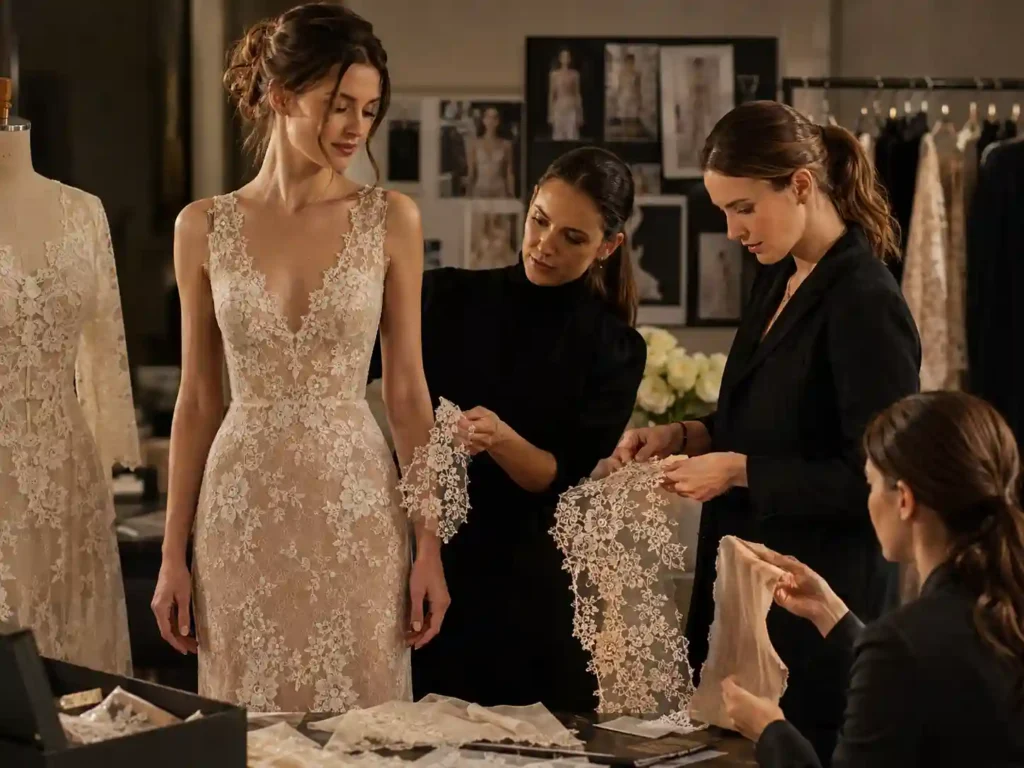
Lace Dress Programs
Product teams focus on motif placement, lining tone and transparency. Duolan reviews lace mapping, symmetry and edge finish.

Mesh Dress Programs
Product teams focus on coverage, comfort and seam visibility. Duolan reviews lining map, transparency and movement.

Sequin Dress Programs
Product teams focus on direction, surface, lining and scratch points. Duolan reviews sequin handling, inner comfort and packing protection.

Bodycon Dress Programs
Product teams focus on stretch, opacity and measurement stability. Duolan reviews recovery, side seam balance and size grading.

Cut-out Dress Programs
Product teams focus on placement, support and exposure control. Duolan reviews edge stability, reinforcement and movement.
Fabric Route Review Before Sampling
Fabric route review should happen before the first sample absorbs time and cost. Product teams need suppliers able to identify material risks early and explain how fabric choices affect sample accuracy, PP approval, bulk QC and packing.

Satin and Satin-touch Route
Satin supports party, cocktail and occasion dresses but exposes seam tension, zipper waves, shade variation and fold marks.
- Before sampling: Review shine, drape, weight and lining need.
- Tech file impact: Confirm zipper, seam, hem and packing requirements.
- Bulk risk: Puckering, fold marks and shade drift.
- QC focus: Surface marks, seam smoothness and packing recovery.

Lace and Lace-placement Route
Lace supports occasion and cocktail dresses but requires motif control, transparency review and lining color approval.
- Before sampling: Review lace scale, edge use and lining tone.
- Tech file impact: Clarify placement and cutting requirements.
- Bulk risk: Motif inconsistency and wrong lining effect.
- QC focus: Symmetry, coverage and edge finish.

Mesh and Sheer Route
Mesh supports party, bodycon and layered dresses but needs coverage and lining discipline.
- Before sampling: Review transparency, stretch and coverage zones.
- Tech file impact: Confirm lining map and seam visibility.
- Bulk risk: Snags, rolling edges and overexposure.
- QC focus: Transparency, comfort and lining stability.

Sequin and Embellished Route
Sequin and embellished fabrics create visual impact but increase surface and comfort risk.
- Before sampling: Review direction, density, weight and lining.
- Tech file impact: Clarify seam handling and packing protection.
- Bulk risk: Missing sequins, scratch points and surface damage.
- QC focus: Attachment, lining comfort and protected packing.

Crepe and Compact Woven Route
Crepe and compact woven bases support refined cocktail, midi and tailored dress programs.
- Before sampling: Review body, drape and pressing response.
- Tech file impact: Confirm seam, sleeve, zipper and lining needs.
- Bulk risk: Stiff movement, puckering or measurement drift.
- QC focus: Pressing, seam stability and measurements.

Jersey / Stretch Bodycon Route
Stretch fabrics require recovery and opacity review before fit approval.
- Before sampling: Review stretch direction, recovery and opacity.
- Tech file impact: Confirm fit, tolerance and grading logic.
- Bulk risk: Size drift, twisting and transparency.
- QC focus: Recovery, measurements and side seam balance.

Resort Woven / Viscose / Linen-like Route
Lightweight woven bases support resort and vacation dresses but require shrinkage, transparency and packing review.
- Before sampling: Review drape, print scale, shrinkage and transparency.
- Tech file impact: Confirm lining, hem and packing method.
- Bulk risk: Wrinkles, shrinkage and weak presentation.
- QC focus: Fabric batch, print placement and packing recovery.
Fit, Pattern and Size Spec Control
Fit control for high-standard product teams depends on clear POMs, accurate sample review and disciplined pattern updates. Duolan reviews fit as a garment system, where fabric, construction, lining and movement affect measurements.
POM Clarity
POMs should reflect garment risk. A bodycon mini needs different control points from a resort maxi or lace midi. Duolan reviews critical points before sample evaluation.
- Bust, waist, hip and length.
- Sleeve, armhole and shoulder.
- Neckline, strap and back opening.
- Hem, slit, lining and closure.
Sample Size Review
Sample size should match the brand’s review standard. Duolan checks whether the sample size supports accurate evaluation and whether critical areas need additional review.
- Confirm sample-size expectations.
- Review body balance from front, side and back.
- Separate measurement issues from fabric issues.
Fit Comment Impact
One fit comment can affect several zones. Raising a waistline can change length, slit, lining and zipper relation. Tightening bust may affect neckline and armhole.
- Review correction impact before revision.
- Track changes across sample rounds.
- Keep fit updates measurable.
Size Set Review
Size set samples help protect fit across range. Product teams may need extra review for bodycon, fitted, structured or extended-size styles.
- Check grading across critical POMs.
- Review proportion across size range.
- Avoid mechanical grading for fit-sensitive styles.
Movement Review
Movement can reveal hidden fit problems. Duolan reviews sitting, walking, arm lifting or side-profile balance where style risk requires it.
- Check sleeve and armhole comfort.
- Review slit, mini length and lining.
- Confirm garment stability before PP locking.
PP Sample Locking and Production Handover
PP sample locking is the key moment when development becomes production. High-standard product teams need a supplier able to turn the approved garment into a clear production system. Duolan treats PP approval as a gate before bulk release, not a casual final sample.
PP Sample Locking
The PP sample locks all production references: pattern, bulk fabric, trims, measurements, workmanship, labels, packing and QC points. Each approved element should be ready for production handover.
- Lock pattern and measurement standards.
- Confirm bulk fabric and trim references.
- Review workmanship and finishing details.
- Connect label and packing requirements.
Production Handover
Production handover translates PP approval into factory execution. Duolan connects PP sample, BOM, size spec, workmanship notes and QC checkpoints for production teams.
- Prepare style-specific production references.
- Highlight high-risk garment zones.
- Clarify sewing and finishing requirements.
- Align production teams before volume sewing.
First-piece Review
First-piece review checks whether production interpretation matches the PP sample. Errors discovered here can be corrected before volume expands.
- Compare first piece with PP sample.
- Check measurements, fabric, trims and workmanship.
- Review fit-sensitive and surface-sensitive zones.
- Correct interpretation before bulk sewing continues.
Inline QC
Inline QC helps identify problems during production. For dress programs, Duolan reviews fabric batch, measurements, seam quality, zipper, lining, surface, hems, labels and packing-related details.
- Inspect critical areas before final QC.
- Report production-stage risks early.
- Keep standards aligned across colorways and sizes.
Bulk Standard Archive
Approved samples, fabric cards, color references, production notes and QC points support repeat orders and future development. Duolan keeps production memory to reduce future drift.
- Preserve approved references for repeat styles.
- Support color extensions and reorder programs.
- Keep garment standards available for review.

Multi-style Dress Program Management
High-standard product teams often manage several dress styles at the same time. Current cooperating brand orders usually include 10–30 styles per order, with total quantity per brand order often around 20,000–80,000 pieces. Multi-style programs require structure because sample stages, fabrics, trims, comments and approvals move in parallel.
Style Code Management
Each style needs a clear code, name, version and approval status. Duolan uses style-level organization to reduce confusion across files, samples and production references.
- Track style code and sample stage.
- Keep comments linked to each style.
- Separate similar styles with clear records.
Sample Stage Management
One program may include first samples, revised samples, photo samples and PP samples at the same time. Duolan organizes sample status so product teams can see which styles are pending, approved or under revision.
- Separate sample purposes.
- Track approval readiness.
- Avoid mixing visual samples and PP samples.
Fabric Route Management
Different fabrics need different timing and risk control. Satin, lace, mesh, sequin, stretch and resort woven styles cannot follow one generic process.
- Group styles by fabric risk.
- Review material-sensitive styles early.
- Keep fabric references connected to each style.
Approval Status Management
Approval status affects production planning. Duolan tracks whether styles are approved, pending comments, waiting for material confirmation, ready for PP or ready for production.
- Clarify next action by style.
- Identify styles blocking production.
- Reduce unclear handover risk.
Launch Window Management
Product teams often work backward from launch dates. Duolan reviews style priority, sample timeline, PP window, production period, packing needs and shipment target.
- Prioritize launch-critical styles.
- Align sample stages with production windows.
- Prepare delivery planning before final rush.
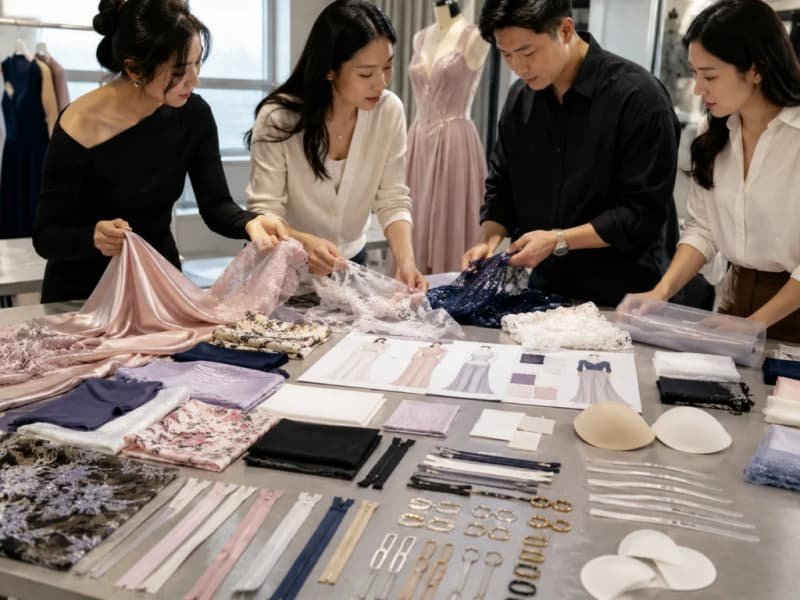
Inline QC Feedback and Production-stage Risk Control
High-standard product teams need production feedback before final inspection. Duolan uses production-stage checks to keep dress programs aligned with approved PP samples and technical standards.
| Production Risk Area | What Product Teams Usually Check | Duolan Control Focus |
|---|---|---|
| Fabric Batch | Shade, handfeel, shrinkage, surface | Fabric and color reference review |
| Measurement | Bust, waist, hip, length, sleeve | Size spec and POM checks |
| Fit-sensitive Areas | Neckline, armhole, lining, slit, support | Fit and movement checkpoints |
| Workmanship | Zipper, seam, hem, lining, trims | First-piece and inline review |
| Surface Quality | Satin, lace, mesh, sequin, print | Fabric-specific QC points |
| PP Consistency | Bulk follows approved PP sample | PP comparison and production handover |
| Packing | Labels, barcodes, folding, carton | Packing standard and shipment check |
| Feedback Timing | Risks reported before final inspection | Production-stage communication |
Communication Workflow with Product, Design, Sourcing and QC Teams
High-standard product teams need clear communication across multiple functions. Duolan supports project communication by separating creative review, technical execution, sourcing questions, QC requirements and delivery planning.
Design Team
Design teams need suppliers to understand silhouette, reference images, visual details, fabric feeling and brand direction. Duolan reviews style intention before turning design files into sample action.
Product Development Team
Product development teams manage tech packs, comments, fit samples, revised samples and PP approval. Duolan supports sample tracking and revision discipline across each stage.
Technical Team
Technical teams focus on POMs, grading, construction, lining, support, movement and workmanship feasibility. Duolan connects technical comments with pattern and production standards.
Sourcing Team
Sourcing teams review cost, fabric sourcing, trims, lead time, payment, trade terms and supplier information. Duolan supports sourcing evaluation with project details and production planning.
QC Team
QC teams need measurable checkpoints. Duolan supports QC review around measurements, fabric, workmanship, surface, labels, packing and shipment readiness.QC teams need measurable checkpoints. Duolan supports QC review around measurements, fabric, workmanship, surface, labels, packing and shipment readiness.
Merchandising / Buying Team
Merchandising and buying teams care about style priority, launch timing, color plans, order structure and repeat potential. Duolan supports communication around program rhythm and delivery needs.
Custom Dress for High-Standard Product Teams case studies
Duolan supports high-standard product teams through technical file review, sample revision, material-route planning, PP approval, production handover and QC communication. Project details can be discussed by country, program scale, execution challenge and Duolan response without exposing private brand information.
United States|High-standard Product Team Dress Program
A US fashion brand product team developed a dress program covering satin minis, lace midis, cocktail dresses and fitted party styles. The program included 18 styles and approximately 54,000 pieces.
- Product Team Focus: Build a premium dress range with photo-ready samples, fit revisions and PP standards across several material routes.
- Execution Challenge: Tech pack details, sample comments, satin surface, lace placement and PP timing needed coordinated review.
- Duolan Response: Duolan tracked comments style by style, reviewed fabric routes separately, locked PP standards and checked packing before shipment.
- Program Value: The product team reduced repeated sample clarification and moved approved styles into bulk production with clearer handover.

Australia|Resort Dress Product Development Program
An Australian product team developed printed maxis, halter dresses and linen-like midis for a resort dress program. The program included 22 styles and approximately 76,000 pieces.
- Product Team Focus: Manage print, fabric comfort and packing recovery across a resort launch.
- Execution Challenge: Print scale, transparency, shrinkage, lining and folded appearance affected sample and bulk approval.
- Duolan Response: Duolan reviewed fabric batches, confirmed lining decisions, checked artwork placement and tracked sample status by style.
- Program Value: The team received clearer material decisions before PP approval and stronger packing preparation before delivery.

United Kingdom|Technical Fit and PP Sample Program
A UK product team developed lace cocktail dresses, long sleeve dresses and satin occasion styles. The program included 14 styles and approximately 38,000 pieces.
- Product Team Focus: Improve fit accuracy and PP sample clarity before bulk production.
- Execution Challenge: Sleeve comfort, lace placement, lining tone, satin zipper waves and PP handover required close review.
- Duolan Response: Duolan tracked fit revisions, reviewed lace mapping, confirmed lining choices and checked first pieces against PP samples.
- Program Value: The team gained cleaner production standards and reduced interpretation risk between sample approval and bulk sewing.

Europe|Repeat Dress Program with Product Team Standards
A European product team managed repeat dress programs across several seasons, using approved core silhouettes with new colors and fabric updates. The program included 12–20 styles per season and approximately 28,000–68,000 pieces per season.
- Product Team Focus: Maintain consistency across repeat colors, seasonal updates and approved core shapes.
- Execution Challenge: Shade drift, fit drift, fabric feel changes and missing production memory could weaken repeat quality.
- Duolan Response: Duolan maintained approved sample references, color standards, fabric notes, production records and reorder checkpoints.
- Program Value: Future developments could start from existing standards instead of rebuilding decisions from the beginning.

Custom Dress Manufacturing FAQs for Product Teams
Duolan supports custom dress programs for mature fashion brand teams managing occasion dresses, party dresses, resort dresses, cocktail dresses, holiday dresses, satin dresses, lace dresses, mesh dresses, sequin dresses, bodycon dresses, cut-out dresses and multi-style seasonal collections.
Each program is reviewed through technical files, fabric route, sample comments, fit revisions, PP approval, QC standards and bulk delivery requirements.
A product team can prepare tech packs, BOMs, size specs, POMs, construction callouts, sample comments, fit photos, fabric direction, trim details, label standards, packing requirements and delivery timelines.
If some information is still incomplete, Duolan can first review the project structure, material risks, sample stage and key production concerns before sampling begins.
Duolan reviews a tech pack by separating the information into execution categories: garment structure, fabric route, BOM, size spec, construction details, trims, labels, packing requirements and QC points.
The goal is not only to understand the design visually, but to convert every technical detail into sample, production and inspection action.
A BOM defines the materials and components used in the garment, including shell fabric, lining, interlining, zippers, buttons, elastic, lace, mesh, labels, hangtags and packing materials.
Duolan reviews BOM details by specification, color, placement, function, sourcing risk, cost impact and lead time, so sample accuracy and bulk consistency can be better controlled.
Duolan organizes sample comments by category, such as fit, fabric, construction, surface, trim, label and packing.
Fit comments are converted into pattern or measurement updates. Fabric comments are reviewed through material behavior. Workmanship comments are translated into sewing and finishing standards. This helps revised samples move forward with clearer correction targets.
Duolan can support first samples, fit samples, revised samples, photo samples, sales samples, PP samples and golden samples, depending on the brand’s development workflow.
Each sample stage has a different purpose. A first sample checks direction, a fit sample checks body balance, a photo sample supports visual review, and a PP sample becomes the production benchmark.
PP sample approval means the final production standard is confirmed before bulk manufacturing begins.
At this stage, Duolan helps lock the approved pattern, bulk fabric, trims, measurements, workmanship, labels, packing method and QC points. The PP sample, BOM, size spec, workmanship notes and QC checklist then become production handover references.
Repeated sample errors often happen when comments are understood verbally but not converted into measurable action.
Duolan tracks comments by style, sample stage and correction status. This helps product teams see which issues are approved, revised, pending, affecting cost, affecting lead time or ready for PP approval.

Send Your Product Team Dress Program Brief
A strong product-team dress program starts with clear technical files, sample status and production expectations. Duolan can review tech packs, BOMs, size specs, sample comments, PP requirements, QC points, packing standards and delivery needs once the core project information is available.
Share Your Product Team Context
- Brand type, target market, product team role, dress program type, style count, launch calendar and current supplier challenge.
- Program direction, such as occasion dresses, party dresses, resort dresses, cocktail dresses, holiday dresses, limited edition drops, satin programs or bodycon programs.
- Internal workflow needs, such as design review, product development tracking, sourcing evaluation, QC coordination or merchandising timeline support.
Share Your Technical Files
- Tech pack, BOM, size spec, POMs, construction callouts, sample comments, fit photos, fabric direction, trim list, label standard and packing standard.
- Current sample stage, such as first sample, fit sample, revised sample, photo sample, sales sample or PP sample.
- Key concerns around fit, fabric, construction, lining, zipper, surface, measurement, packing or previous supplier execution.
Share Your Production and QC Needs
- Style count, colorways, size range, order quantity, PP approval window, QC requirements, packing standard, shipment method and repeat order plan.
- Critical control points, such as fabric batch, POMs, tolerance, workmanship, surface quality, inline QC, final inspection, barcode, label and carton requirements.
- Timeline details, including sample deadline, revised sample window, PP approval date, bulk production period, shipment target and launch calendar.


