Skip to content
Custom Satin Dress Manufacturer
Custom satin dress development and manufacturing for established fashion brands.
Duolan supports fashion brands developing satin dresses where clean shine, fluid drape, smooth surface, lining balance, seam control, fit accuracy, pressing method, packing protection and repeatable bulk execution decide garment value across party, cocktail, evening, wedding guest and occasion programs.
- Founder-led fashion dress development knowledge traces back to 1996.
- Satin, crepe, lace, mesh and decorative dress programs are core development directions.
- South China textile resources support satin fabric, lining and trim matching.
- Humen trim resources support zippers, straps, labels, hardware and decorative details.
- 3,000–8,000 monthly style workflows support multi-style satin launch development.
- SMETA 2-Pillar audit record supports formal supplier evaluation.
- Typical cooperating brand orders cover 10–30 styles and 20,000–80,000 pieces.








Satin Dresses Look Simple, But Production Is Not Simple
Satin creates instant visual value through shine, smooth handfeel and fluid drape, yet the same clean surface exposes every weak production decision. Needle marks, seam puckering, side seam twisting, zipper waves, hard pressing marks, water spots, fabric pulls, lining drag and packing creases become more visible on satin than on textured fabrics. A satin slip dress, cowl neck midi, halter mini, backless party dress or high-slit evening gown can lose premium value when surface handling is not controlled from fabric review to final packing.
Duolan develops satin dresses through garment behavior, not only fabric selection. Satin weight, shine level, bias direction, stretch recovery, lining route, seam tension, pressing method and packing route are reviewed before bulk production. The goal is not only a beautiful first sample, but a satin dress standard able to move from fit sample, photo sample and PP approval into consistent bulk production.
Built for Established Satin Dress Programs
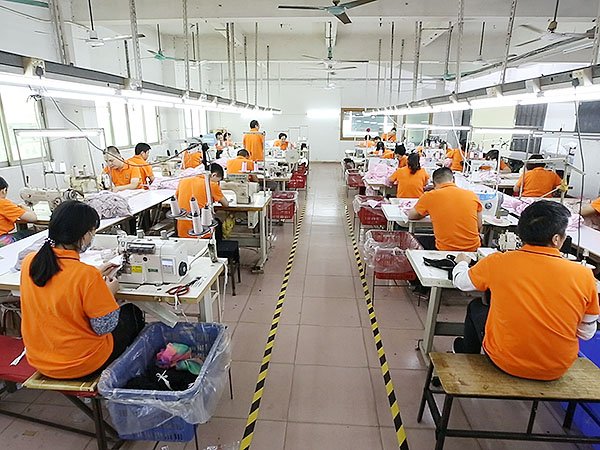
Duolan works with fashion brands, product teams and sourcing offices managing satin dress programs with launch plans, formal product standards, sample approval needs and repeat production value. Satin dress manufacturing requires stronger coordination between fabric behavior, fit, surface protection, lining, pressing and packing than ordinary dress production.
Contemporary Dress Brands
Contemporary dress brands need refined satin styles with clean surfaces, restrained shine and controlled drape. Duolan supports matte satin, satin-back crepe, slip dresses, midi styles and polished silhouettes where fabric quality and fit discipline matter more than excessive decoration.
Occasionwear Brands
Occasionwear brands need satin dresses for weddings, events, formal dinners and seasonal social moments. Duolan reviews satin weight, lining, neckline security, slit movement, zipper smoothness and packing protection before bulk planning.
Party Dress Brands
Party dress brands often develop satin mini, bodycon, halter, cowl neck, wrap and backless styles. Strong visual effect must stay connected to fit safety, strap strength, surface protection and size consistency.
Cocktail Dress Teams
Cocktail dress teams need satin midi, asymmetric, wrap, one-shoulder and clean formal silhouettes. Duolan controls proportion, seam position, lining, pressing and final presentation for polished eventwear programs.
Wedding Guest Lines
Wedding guest lines often rely on satin colors, soft shine and elegant silhouettes. Duolan supports colorway review, light shade opacity, lining color, fit grading and repeat production records.
Sourcing Offices
Sourcing offices evaluate satin dress suppliers through sample accuracy, PP transfer, QC discipline, packing method, compliance readiness and repeat execution. Duolan supports structured sample-to-bulk control across multi-style programs.
Satin Dress Types Duolan Can Develop
Satin dress programs often combine fluid slip silhouettes, polished midi dresses, party minis, evening maxis and occasion-ready formal styles. Duolan groups satin dresses by fabric weight, shine level, cut direction, neckline risk, lining route and production control so each style receives the correct sample path.

Satin Slip Dresses
Satin slip dresses need fluid drape, clean neckline and stable strap balance.
- Bias direction and fabric weight affect side seam stability, hem fall and body line.
- Strap length, bust coverage and back height should be checked during fit review.
- Lining should protect opacity without blocking the relaxed satin fall.

Satin Cowl Neck Dresses
Satin cowl neck dresses need controlled drape volume and secure front coverage.
- Cowl depth should look soft without collapsing or exposing too much.
- Fabric direction, neckline curve and bust balance decide final front view.
- PP photos should record cowl placement before bulk production starts.

Satin Midi Dresses
Satin midi dresses need polished proportion, smooth waist shaping and clean hem balance.
- Midi length should be reviewed from front, side and back before approval.
- Side seams and zipper areas must stay flat because satin reflects distortion quickly.
- Crease recovery and packing route affect final retail appearance.

Satin Maxi Dresses
Satin maxi dresses need long-line drape, hem control and surface protection.
- Long panels require grainline review, side seam balance and careful handling.
- Lining length should support movement without pulling the outer shell.
- Packing should reduce hard fold marks across large satin surfaces.

Satin Mini Dresses
Satin mini dresses need confident length, coverage and clean construction.
- Short length increases demand for lining, hem finish and movement review.
- Body fit should prevent riding, twisting or pulling at side seams.
- Satin mini styles often need extra attention around zipper, straps and bust coverage.

Satin Wrap Dresses
Satin wrap dresses need overlap control, waist tie placement and movement safety.
- Front overlap should remain secure during walking, sitting and turning.
- Tie tension can pull satin across waist and side seam areas.
- Lightweight satin may need hidden internal attachment for better stability.

Satin Halter Dresses
Satin halter dresses need neck comfort, bust security and back-view balance.
- Neck strap load should be reviewed under movement, not only on a hanger.
- Satin surface around neckline can wrinkle when tension is uneven.
- Reinforcement should remain clean from the outside and soft against skin.

Satin Backless Dresses
Satin backless dresses need front support and smooth back-edge finishing.
- Front neckline, side coverage and back opening must work as one fit system.
- Back ties, elastic zones or straps require tension and comfort checks.
- Edge finishing should stay smooth without visible pulling or rippling.

Satin Bodycon Dresses
Satin bodycon dresses need fabric recovery, lining match and seam stability.
- Stretch satin should be checked for opacity, recovery and side seam balance.
- Fit should shape the body without creating horizontal stress lines.
- Elastic seams, zipper route and lining stretch must work together.

Satin High-slit Dresses
Satin high-slit dresses need elegant movement and secure reinforcement.
- Slit height should be checked during walking, sitting and turning.
- Slit endpoint needs reinforcement without thick visible bulk.
- Lining and hem finish should not interrupt the clean satin fall.

Satin One-shoulder Dresses
Satin one-shoulder dresses need asymmetric balance and neckline stability.
- One-sided tension can shift bust, waist and zipper alignment.
- Shoulder angle, underarm coverage and bodice support need fit review.
- PP records should lock neckline shape from multiple views.

Satin Occasion Dresses
Satin occasion dresses need formal polish, color discipline and repeat-ready records.
- Color, shade, lining and surface quality affect perceived garment value.
- Formal satin styles need strong PP standards for pressing, hem and packing.
- Repeat programs benefit from approved swatches, pattern files and trim cards.
Satin Fabric Types and Selection Logic
Satin selection should begin with garment purpose, not fabric shine alone. A fabric suitable for a cowl neck slip dress may fail in a structured occasion dress. A high-shine satin may photograph strongly, yet reveal creases and pressure marks more easily. Duolan reviews satin through weight, drape, opacity, stretch, surface response, lining compatibility and packing recovery.

Lightweight Satin
Lightweight satin supports slip dresses, cowl neck styles and fluid party silhouettes.
- Soft drape creates elegant movement but may reveal transparency, seam pull and body marks.
- Bias or fluid cuts need hanging review before hem approval.
- Lining should remain light enough to preserve flow while protecting coverage.

Heavy Satin
Heavy satin supports formal, occasion and structured satin dress styles.
- Stronger body can create premium formality, but excess weight may reduce comfort.
- Thick seams, zipper areas and hem folds need careful workmanship planning.
- Pressing and packing should protect smooth shine without hard lines.

Stretch Satin
Stretch satin supports bodycon, fitted party and contour-based styles.
- Recovery, opacity and seam elasticity need review before pattern confirmation.
- Too much stretch can create unstable fit; too little may restrict movement.
- Lining must match stretch behavior to avoid pulling or twisting.

Matte Satin
Matte satin works well for contemporary and refined dress programs.
- Softer shine can feel more premium for modern midi, slip and cocktail styles.
- Clean surface still requires strong handling control to avoid visible marks.
- Color depth, drape and seam flatness should be checked under different lights.

High-shine Satin
High-shine satin creates strong party, campaign and eveningwear impact.
- Bright reflection highlights wrinkles, puckering, pressing marks and surface scratches.
- Color and light response should be reviewed for photo sample approval.
- Packing needs stronger crease prevention than many duller fabrics.

Satin-back Crepe
Satin-back crepe supports refined dresses with stronger surface stability.
- Crepe side and satin side give different design routes for occasion styles.
- Weight, drape and seam behavior should match the intended silhouette.
- It can support polished midi and evening dresses with better control than ultra-light satin.
Surface Shine, Drape and Camera-facing Effect
Satin dress value is built through controlled surface behavior. A strong satin garment should look smooth in person, clean in campaign images and stable across production. Duolan reviews shine, drape and photo sample effect as technical development points because camera-facing satin easily exposes uneven seams, compression marks and incorrect fabric choice.

Shine Level
Shine should match brand positioning and product scenario.
- Matte satin works for contemporary polish, while high-shine satin suits party and evening impact.
- Champagne, ivory, black, red and pastel satin shades reflect light in different ways.
- Shine direction and batch comparison should be reviewed before bulk cutting.

Drape Line
Drape decides whether a satin dress feels fluid, heavy, refined or unstable.
- Lightweight satin supports movement but can cling to the body without correct lining.
- Heavy satin creates formal weight yet may lose ease in slip or wrap silhouettes.
- Bias direction and seam placement strongly affect final body line.

Camera Review
Photo sample review should include lighting, angle and surface condition.
- Satin can look different under studio light, natural light and ecommerce lighting.
- Side seams, zipper waves, crease marks and neckline tension appear quickly in photos.
- Approved photo sample standards should move into PP records.

Body Proportion
Satin magnifies proportion, especially around bust, waist, hip and hem.
- Cowl necks need controlled front drape and bust coverage.
- Bodycon styles need smooth side seam and stretch recovery.
- Maxi and midi styles need balanced length and hem fall.

Surface Cleanliness
Surface quality depends on handling across cutting, sewing, pressing and packing.
- Scratches, pulls, water spots and pressure marks should be avoided through process discipline.
- Rework should be limited because satin surfaces can keep visible needle traces.
- Final inspection should check the garment after pressing and after packing simulation.

Sample-to-bulk Effect
Approved satin effect should become a production standard.
- Fabric swatch, shade card, PP sample, pressing notes and packing reference should stay connected.
- First-piece comparison should check shine, drape, surface and fit before bulk continues.
- Repeat orders need approved records for fabric, lining, color and packing.
Satin Surface Risk Matrix
Satin dress value is built through controlled surface behavior. A strong satin garment should look smooth in person, clean in campaign images and stable across production. Duolan reviews shine, drape and photo sample effect as technical development points because camera-facing satin easily exposes uneven seams, compression marks and incorrect fabric choice.
| Satin Risk | Why It Happens | Duolan Control |
|---|---|---|
| Needle marks | Rework or unsuitable needle damages clean surface | Needle, thread and stitch review before bulk |
| Seam puckering | Satin reacts strongly to tension and seam balance | Sewing route, seam tension and first-piece check |
| Pressing marks | Heat, pressure or steam affects shine | Pressing notes, protection cloth and temperature control |
| Packing creases | Fold pressure marks smooth satin panels | Fold route, tissue, hanger option and carton planning |
| Lining drag | Outer satin and lining move against each other | Lining weight, attachment and movement review |
| Transparency | Lightweight or light-color satin exposes body | Opacity, lining shade and light-condition checks |
| Shade shift | Satin reflects light differently across batches | Shade review, batch separation and lightbox check |
| Surface scratches | Handling friction damages shine | Cutting, sewing, finishing and packing protection |
Pattern, Bias Cut and Fit Control
Satin fit cannot be judged by measurements alone. Fabric shine and drape exaggerate side seam imbalance, hip pull, bust tension, neckline collapse and uneven hems. Duolan reviews satin pattern work through fabric behavior, body proportion, movement and final presentation.

Bias Cut Control
Bias cut can create elegant drape, yet it also introduces instability.
- Slip dresses and cowl neck satin styles need hanging review because hems can drop unevenly.
- Side seams can twist when fabric direction and body balance are not controlled.
- PP sample records should include hanging time, hem correction and final length review.

Cowl Neck Balance
Cowl neck satin dresses depend on controlled fabric volume.
- Too little fabric can look tight or flat; too much can expose chest or collapse.
- Neckline curve, bust point and strap length should be reviewed together.
- Photo sample approval should record final front drape from multiple angles.

Body Fit Review
Satin shows body tension more clearly than many textured fabrics.
- Hip, waist and bust areas should be checked for horizontal stress lines.
- Bodycon satin needs stretch, recovery and lining decisions before final fit approval.
- Waist darts, side seams and zipper route should remain smooth during movement.

Strap and Back Structure
Thin satin straps and backless structures require controlled support.
- Strap connection points should withstand movement without visible reinforcement.
- Back opening edges should stay flat against the body.
- Front support should be checked before backless styles move forward.

Slit and Hem Control
High slits and satin hems need both elegance and safety.
- Slit height should be checked during walking and sitting.
- Hem lines should remain clean after hanging, pressing and packing.
- Long satin panels require front, side and back length review before PP approval.

Size Grading
Satin grading should preserve visual balance across the size range.
- Neckline depth, strap length, bust coverage, hip fit and slit height may shift during grading.
- Larger sizes may need adjusted support, lining and coverage review.
- Approved tolerance points should focus on fit-critical and surface-critical areas.
Satin Sewing, Seam and Edge Control
Satin workmanship must be planned before production, because surface damage and seam distortion are difficult to hide after sewing. Duolan controls satin sewing through needle choice, seam tension, stitch quality, edge finishing, zipper smoothness and reinforcement at movement areas.
Needle and Thread Selection
Needle and thread choices affect surface cleanliness.
- Fine satin surfaces can show needle holes, pulled yarns and rework traces.
- Thread color, thickness and tension should match fabric weight and shine.
- Test sewing helps confirm seam appearance before production begins.

Seam Tension
Seam tension decides whether satin looks smooth or wavy.
- Side seams, waist seams and bust darts should remain flat without puckering.
- Lightweight satin needs careful control to avoid dragged or rippled seams.
- Stretch satin needs seam elasticity without losing a clean outer appearance.

Edge Finishing
Satin edges must stay clean, soft and stable.
- Neckline, armhole, strap edge, back opening, slit edge and hem need suitable finishing.
- Binding, facing, narrow hem or lining turn-back should match fabric weight.
- Edge decisions affect comfort, durability and final visual polish.

Zipper Smoothness
Satin zipper areas expose poor alignment quickly.
- Invisible zippers can wave when fabric tension, lining or waist seam balance is wrong.
- Back and side zippers need smooth installation with correct seam allowance.
- First-piece checks should compare zipper area with approved PP sample.

Slit Reinforcement
High slit styles need strength without bulky reinforcement.
- Slit endpoints should withstand movement while keeping a clean outer surface.
- Lining and seam allowance should not distort the slit opening.
- QC should check both sitting safety and walking appearance.

Strap Connection
Straps carry fit, support and visual refinement.
- Spaghetti straps, halter straps and tie straps need secure attachment.
- Reinforcement should remain soft against skin and invisible from outside.
- Strap length and placement should be confirmed across fit and photo sample stages.

Lining, Zipper and Interior Finish
The inside of a satin dress often decides the outside appearance. Lining can protect coverage, reduce static and improve comfort, yet wrong lining can pull the outer shell, create bulk, show through light colors or distort drape. Duolan reviews lining, zipper and interior finishing as part of satin dress development, not as final production afterthoughts.

Lining Choice
Lining should support satin fabric rather than fight against it.
- Same-tone, skin-tone, stretch or lightweight lining should be selected by fabric and silhouette.
- Satin slip dresses and bodycon styles may need different lining stretch and weight.
- Light shades need opacity review under natural and studio light.

Lining Weight
Lining weight changes drape and comfort.
- Heavy lining can pull lightweight satin and reduce fluid movement.
- Thin lining may cling, twist or reveal seam allowance.
- Lining should move with the outer shell during walking and sitting.

Lining Attachment
Attachment points affect fit and surface smoothness.
- Neckline, waist, side seam, zipper and hem attachment should be planned by style.
- Loose lining can ride up; overly tight lining can create surface drag.
- PP notes should record lining length and fixing method.

Zipper and Back View
Zipper installation influences the clean satin back view.
- Back zippers should stay flat from neckline to hip or waist.
- Side zippers should not distort body line or create pulling.
- Lining and zipper tape should stay controlled inside the garment.
Interior Seam Comfort
Interior finishing affects wear confidence and brand perception.
- Skin-contact areas should avoid rough edges, thick seams and loose threads.
- Slit interiors, underarm seams and neckline interiors need clean finishing.
- Embellished or high-shine satin styles may need added comfort review.

Light Color Satin
Light satin colors need extra control.
- Ivory, champagne, blush, sage and pale blue shades often reveal lining and seam shadows.
- Lining color should be chosen with fabric shade, not selected generically.
- Final inspection should check transparency, shadowing and inner construction visibility.
Satin Dress Scenarios Brands Usually Develop
Satin dress programs serve multiple commercial scenarios, from polished cocktail dressing to evening launches, wedding guest edits and party collections. Duolan reviews each scenario by fabric weight, shine level, silhouette, support, lining, pressing and packing route.

Satin Party Dresses
- Strong shine, secure fit and strap reinforcement protect satin party styles during movement.
- Mini, bodycon, halter and backless shapes need bust coverage and zipper smoothness.
- High-shine satin requires surface protection through cutting, sewing, pressing and final packing.
- Photo samples should record shine, fit, crease behavior and surface condition clearly.

Satin Cocktail Dresses
- Satin cocktail dresses need polished midi proportions, refined necklines and clean seam finish.
- Cowl neck, wrap and one-shoulder styles require controlled drape and balanced coverage.
- Zipper smoothness, lining weight and pressing quality decide final eventwear presentation.
- Matte satin and satin-back crepe often suit contemporary cocktail dress programs.

Satin Evening Dresses
- Satin evening dresses need long-line drape, formal proportion and careful surface protection.
- Maxi, high-slit and off-shoulder styles require hem balance and secure structure.
- Lining length, slit reinforcement and pressing route should be locked before production.
- Packing plans must reduce hard fold marks across large satin surface areas.

Satin Wedding Guest Dresses
- Satin wedding guest dresses need elegant color, soft shine and refined fit.
- Champagne, sage, blush and pastel shades require careful lining color review.
- Neckline comfort, movement safety and coverage should suit long social occasions.
- Repeat colorways need approved swatches, shade records and PP sample references.

Satin Bridesmaid Styles
- Satin bridesmaid programs require color control, size consistency and lining comfort.
- Coordinated color groups need batch review to reduce visible shade differences.
- Slip, cowl neck, wrap and maxi silhouettes require stable grading standards.
- Repeat orders benefit from retained patterns, trim cards and packing references.

Satin Resort Dinner Dresses
- Satin resort dinner dresses need relaxed elegance with strong packing recovery.
- Lightweight satin and satin-back crepe should balance travel comfort and evening polish.
- Fluid midi silhouettes require clean hems, smooth seams and controlled wrinkle behavior.
- Packing references should protect satin shine during long-distance shipment and storage.
Satin Dress Sample Development Path
Satin sampling should resolve fabric, surface, fit, lining, pressing and packing questions before bulk planning begins. Duolan uses each sample stage to move satin dress ideas into controlled production standards.
Step 1|Satin Direction Review
Duolan reviews target scenario, satin effect, silhouette, reference images, fabric weight, shine level, color direction, size range, style count and production plan. Early review helps decide whether the style needs lightweight satin, heavy satin, stretch satin, matte satin, satin-back crepe, silk-like satin or printed satin before pattern work begins.
Step 2|Fabric and Surface Feasibility
Fabric feasibility review checks drape, opacity, stretch, shrinkage, shine response, surface sensitivity, lining route and pressing risk. Satin fabric should be evaluated under light, movement and handling conditions because clean surfaces can expose marks, wrinkles, color shifts and seam distortion quickly during later stages.
Step 3|First Sample Development
The first sample checks silhouette, neckline, bust coverage, waist balance, hip line, strap position, zipper route, slit height, hem fall, lining relationship and surface condition. A satin first sample should show not only style shape, but also garment behavior after hanging, fitting, movement and light review.
Step 4|Fit and Photo Sample Revision
Fit comments are translated into pattern, seam, lining, strap, zipper, slit, pressing or packing corrections. Photo sample review is especially important for satin because studio light can expose crease marks, surface scratches, side seam puckering, zipper waves and shade differences more clearly than ordinary room inspection.
Step 5|PP Sample and Bulk Preparation
After approval, the PP sample, fabric standard, shade card, BOM, measurement tolerance, lining record, seam standard, pressing notes, QC focus and packing reference are confirmed. Satin programs with multiple styles are grouped by fabric, color, construction and delivery window for more stable bulk execution.
Sample Types for Satin Dress Decisions
Each satin dress sample should answer a clear development question. Duolan connects sample purpose with surface quality, drape, fit, lining, photo effect and bulk readiness.
| Sample Type | Purpose | Satin Dress Focus |
|---|---|---|
| Fabric Test Sample | Confirms fabric suitability before garment sampling | Weight, shine, opacity, drape |
| First Sample | Checks design direction and silhouette | Neckline, seam, hem, surface |
| Fit Sample | Reviews body balance and wearing condition | Bust, waist, hip, strap, slit |
| Photo Sample | Supports campaign or ecommerce review | Shine, drape, crease, color |
| Revised Sample | Confirms correction after comments | Lining, zipper, seam, pressing |
| PP Sample | Becomes the production benchmark | Measurements, workmanship, packing |
Photo Sample to PP Sample Handover
Satin samples often win approval because of shine, drape and photo effect. Bulk production loses value when surface appearance, fabric fall and finishing remain informal. Duolan turns approved satin sample details into PP records, production notes and inspection references.
Surface Standard
Approved satin surface should be recorded before bulk production.
- Shade, shine, handfeel and surface condition should connect to approved swatches.
- Photo sample marks, crease behavior and pressing needs should be reviewed honestly.
- Clean surface expectations should guide handling across production.
Drape Standard
Drape should be visible from front, side and back views.
- Slip, cowl neck and maxi styles need hanging and hem review before PP approval.
- Fit comments should distinguish body fit from fabric fall.
- First-piece comparison should confirm approved drape before bulk continues.
Seam and Structure Standard
Satin seam and structure details need clear production references.
- Side seams, darts, zipper, straps, slits, neckline and hem should be photographed.
- Critical points should be highlighted for sewing and QC teams.
- Rework-sensitive areas should be controlled early to avoid surface damage.
Lining Standard
Lining route should be locked with the PP sample.
- Lining color, weight, stretch, length and attachment points need clear records.
- Light satin styles should include opacity review and lining shadow checks.
- Movement review should confirm lining does not pull or twist the outer shell.
Pressing Standard
Pressing should protect shine while improving final appearance.
- Temperature, pressure, steam level and protection method should be recorded.
- Satin should be inspected after pressing under suitable light.
- Water spots, shine marks and hard creases should be avoided.
Packing Standard
Packing should preserve satin value after shipment.
- Fold route, hanger option, tissue, polybag and carton pressure should match style risk.
- Large satin panels, formal lengths and high-shine fabrics need added protection.
- Packed sample or packing reference helps reduce final arrival issues.
Production Engineering for Satin Dresses
Production engineering turns approved satin samples into repeatable garment standards. Duolan breaks satin styles into material locking, cutting direction, sewing route, pressing method, QC focus and packing plan so production can protect approved sample value across bulk orders.

Material Locking
Material locking protects satin fabric, lining, trims and shade standards.
- Approved satin swatches, color cards, lining references and trim cards should stay connected.
- Shade-sensitive colors need batch review before cutting.
- Substitutions should be reviewed for drape, shine, opacity and surface behavior.

Cutting Direction
Cutting direction affects shine, drape and seam balance.
- Satin panels should follow grainline, shine direction and pattern placement records.
- Bias-cut styles need additional hanging and length review.
- Cut pieces should be protected from friction, creasing and contamination.

Sewing Route
Sewing route should match satin weight, stretch and surface sensitivity.
- Stitch length, thread tension, needle choice and seam allowance need pre-production review.
- Side seams, darts, zippers, slits and straps should be checked against PP sample.
- Critical seams should be reviewed during first-piece confirmation.

Pressing Route
Pressing route protects surface shine and final garment shape.
- Matte satin, high-shine satin, heavy satin and lightweight satin need different handling.
- Pressing should remove wrinkles without creating shine marks or hard lines.
- Final inspection should happen after pressing and before packing.
Packing Route
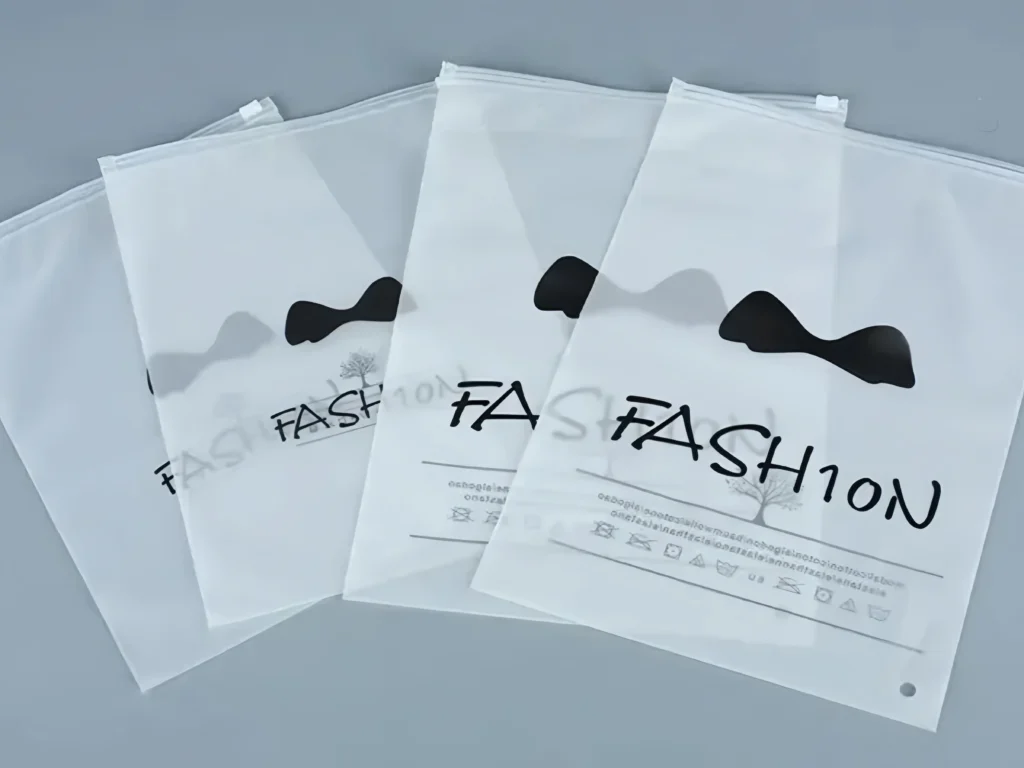
Packing route should be chosen by style, fabric and surface risk.
- Slip and midi dresses may need soft fold planning.
- Formal satin gowns may need hanger or added tissue support.
- Carton pressure should be controlled for high-shine and large-panel styles.

Multi-style Coordination
Satin programs often include related styles across one launch.
- Styles should be grouped by fabric type, shade, construction and delivery window.
- Shared trims, zippers, linings and colorways require clear records.
- Production updates should track sample approval, first-piece status, QC focus and packing route.
QC and Packing Standards for Satin Dresses
Satin dress QC must protect surface, seam, fit, lining, pressing and packed presentation. Duolan checks garment quality from material arrival to packed cartons so approved sample value can move into production.
| QC Area | Satin Dress Risk | What Duolan Checks |
|---|---|---|
| Fabric QC | Shade, shine or handfeel difference | Batch, color, weight, surface |
| Surface QC | Scratches, pressure marks or water spots | Handling, pressing and final inspection |
| Seam QC | Puckering, twisting or visible needle marks | Side seam, darts, zipper and hem |
| Fit QC | Bust exposure, hip pull or strap imbalance | Fit, coverage, movement and size balance |
| Lining QC | Transparency, static or lining drag | Color, length, attachment and comfort |
| Pressing QC | Shine marks, hard creases or fabric damage | Steam, pressure and protection route |
| Packing QC | Fold marks, crushed surface or carton pressure | Fold route, hanger option, tissue and carton |
Manufacturing System and Satin Project Evidence
Duolan supports satin dress programs through dress-focused development knowledge, fabric and trim access, process partner coordination, owned-factory control, compliance readiness and structured PP handover. The strongest fit is a brand program with clear satin direction, sample approval needs, bulk production plan and repeat value.
Manufacturing capacity connected to satin programs
- Founder-led fashion dress development knowledge since 1996 supports satin garment judgment beyond basic sewing.
- Core product focus on fashion dresses and occasion dresses matches satin party, cocktail, evening and wedding guest programs.
- South China textile resources support satin, satin-back crepe, lining, color and trim matching.
- Humen trim resources support zippers, straps, hardware, labels and finishing details.
- Printing, embroidery, dyeing and washing partners support color, surface and decorative options where needed.
- 3,000–8,000 monthly style workflows support multi-style satin collection development.
- SMETA 2-Pillar audit record supports structured supplier evaluation.
- Typical cooperating brand orders cover 10–30 styles and 20,000–80,000 pieces per order.

US Satin Occasion Dress Program
A US fashion brand developed a satin occasion program across midi, cowl neck, halter and high-slit styles.
- Order scope: 19 styles across satin midi, cowl neck, halter and high-slit silhouettes.
- Total program quantity: about 52,000 pieces.
- Main controls: shine level, side seam flatness, lining color, slit reinforcement and packing crease control.
- Duolan actions: fabric route review, fit sample correction, PP surface records, first-piece comparison and packing reference.
- Program focus: polished satin occasion dresses prepared for campaign approval and repeatable production.

Australian Satin Party Drop
An Australian partywear brand developed a satin drop focused on mini, bodycon, backless and wrap directions.
- Order scope: 15 styles across stretch satin mini, wrap, bodycon and backless pieces.
- Total program quantity: about 36,000 pieces.
- Main controls: stretch recovery, bust coverage, zipper smoothness, static control and photo sample surface.
- Duolan actions: fabric test sample, lining review, strap correction, zipper area check and final surface inspection.
- Program focus: camera-facing satin party styles transferred from sample approval into controlled bulk execution.

European Contemporary Satin Line
A European contemporary brand developed a refined satin line with matte satin and satin-back crepe.
- Order scope: 27 styles across slip dresses, midi dresses and clean evening silhouettes.
- Total program quantity: about 76,000 pieces.
- Main controls: restrained shine, drape, color batch review, seam flatness, pressing route and PP handover.
- Duolan actions: material locking, pattern adjustment, pressing notes, first-piece review and packing route planning.
- Program focus: modern satin dresses developed with clean surface and stable repeat standards.

UK Wedding Guest Satin Extension
A UK occasion brand expanded a wedding guest range in champagne, sage, dusty pink and navy satin colors.
- Order scope: 12 styles across slip, wrap, cowl neck and satin maxi directions.
- Total program quantity: about 24,000 pieces.
- Main controls: light shade opacity, lining color, size grading, shade consistency and repeat records.
- Duolan actions: lining shade review, opacity check, grading review, color reference setup and PP sample retention.
- Program focus: elegant satin color stories prepared for repeat seasonal development.

FAQ|Custom Satin Dress Manufacturing
Fashion collection manufacturing involves style roles, fabric planning, sampling, PP standards, bulk production, QC, packing and delivery. These questions help brand teams understand how Duolan supports collection-level programs instead of single-style production.
A custom satin dress manufacturer develops and produces satin dresses according to brand direction, fabric standard, silhouette, fit comments, size range and production plan. Duolan supports satin slip dresses, cowl neck dresses, midi dresses, maxi dresses, mini dresses, halter dresses, wrap dresses, backless styles, bodycon dresses and occasion satin programs.
Duolan supports satin slip dresses, satin cowl neck dresses, satin midi dresses, satin maxi dresses, satin mini dresses, satin wrap dresses, satin halter dresses, satin backless dresses, satin bodycon dresses, satin high-slit styles, satin one-shoulder dresses and satin occasion dresses. Each style is reviewed by fabric, fit, lining, seam, surface and packing needs.
Satin fabric selection depends on silhouette and brand positioning. Lightweight satin suits slip and cowl neck dresses. Heavy satin suits formal and structured styles. Stretch satin supports bodycon fits. Matte satin works well for contemporary lines. High-shine satin creates party impact. Satin-back crepe can support refined midi and evening dresses.
Duolan reviews satin weight, needle choice, thread tension, stitch length, seam allowance, pressing method and first-piece quality before bulk production continues. Satin seams are checked around side seams, darts, zipper areas, neckline, straps, slit endpoints and hems because surface distortion becomes visible quickly.
Duolan reviews packing route by satin type, garment length, surface shine and construction. Fold route, hanger option, tissue support, polybag method and carton pressure are planned according to style risk. High-shine satin, large-panel maxi dresses and formal satin pieces may need added packing protection.
Yes. Duolan develops satin slip and cowl neck dresses with attention to bias direction, neckline curve, bust coverage, strap length, side seam stability, hem balance, lining and photo sample effect. These styles require careful fabric selection because drape and body line decide final value.
Yes. Duolan supports satin party and cocktail programs across mini, midi, bodycon, wrap, halter, backless, one-shoulder and high-slit styles. Development review covers shine, fit, movement, lining, zipper smoothness, surface handling, pressing and packing for multi-style launch programs.
Approved satin photo samples are converted into PP sample records, fabric standards, shade references, BOM files, seam notes, lining standards, pressing method, QC focus and packing instructions. First-piece comparison helps confirm whether bulk production preserves approved shine, drape and surface condition.
Cost and planning are influenced by satin type, fabric weight, colorways, lining, size range, style count, silhouette complexity, seam sensitivity, pressing route, packing method and delivery window. Satin programs should be reviewed as full garment projects rather than fabric quotations alone.
A brand should prepare reference images, tech packs, fabric direction, target satin effect, colorways, size range, sample purpose, style count, target quantity, launch date, label and packing requirements. Original samples, previous production notes or approved fabric references can improve review accuracy.

Send Your Satin Dress Project
Duolan works best with established fashion brands developing satin dress programs with clear product direction, sample approval needs and planned bulk production. Share satin dress references, tech packs, fabric direction, target shine level, color story or upcoming launch plan, and our team will review fabric route, sample path, surface risks, production readiness and packing needs before sampling or bulk planning.
Share your project details
- Satin dress type: slip, cowl neck, midi, maxi, mini, halter, wrap, bodycon, backless, one-shoulder or high-slit.
- Target scenario: party, cocktail, evening, wedding guest, bridesmaid, resort dinner, occasionwear or contemporary line.
- Fabric direction: lightweight satin, heavy satin, stretch satin, matte satin, high-shine satin, satin-back crepe, silk satin or printed satin.
- Surface requirement: clean shine, soft matte effect, pearl sheen, fluid drape, photo sample finish or formal presentation.
- Structure needs: lining, zipper, strap, slit, cowl neck, back opening, bias cut, stretch fit or long hem.
- Project stage: first sample, fit sample, photo sample, revised sample, PP approval, bulk production or repeat order.
- Program information: style count, target quantity, colorways, size range, target launch date and delivery window.
- Production needs: fabric sourcing, pattern development, sample correction, QC, pressing, packing, labels, barcodes or repeat records.