 Skip to content
ODM Clothing Manufacturing for Fashion Dress Brands|women’s apparel factory
Dress-focused ODM development, sampling and bulk production support for fashion brands with clear product direction and launch plans.
Duolan helps fashion brands turn dress ideas, reference styles, fabric directions and collection briefs into production-ready womenswear programs.
- Dress-focused ODM and OEM development
- 30+ years fast fashion womenswear background
- 16 owned womenswear factories
- 20+ satellite factories
- 50+ quick-response lines
- SMETA 2-Pillar audit record
What ODM Clothing Manufacturing Means
ODM clothing manufacturing connects design development, sampling, fabric planning and production into one structured apparel supply process.
ODM Definition
ODM clothing manufacturing means the manufacturer supports product development before production begins. A brand may provide a design direction, reference image, original sample, target market, fabric idea or collection moodboard. Duolan then reviews the garment structure, fabric behavior, fit direction, workmanship feasibility and bulk production path before sample development.
- From idea to sample
- From sample to bulk
- From style direction to controlled production
Apparel ODM Reality
Clothing ODM is different from hard goods ODM because fabric movement, body fit, size tolerance, lining, trims, pressing and packing all affect the final garment. A dress can look similar in a photo but fail in stretch recovery, bust support, lining coverage or bulk consistency. Duolan reviews these risks before sample making.
- Fabric and fit must match
- Sample cannot stay only visual
- Bulk standards must be planned early
Brand Use Case
Fashion brands use ODM when they need faster product development, more sourcing support or stronger manufacturing input. ODM is useful for new seasonal drops, partywear lines, occasionwear capsules and repeatable dress programs where the brand owns the market direction, while Duolan supports development execution, sample refinement and production readiness.
- Faster development path
- Clearer sample decisions
- Better production preparation
ODM, OEM and Private Label Compared
Clear manufacturing model selection helps brands control development depth, timeline, cost and product differentiation.
| Manufacturing Model | Brand Provides | Manufacturer Supports | Best For | Main Risk |
|---|---|---|---|---|
| ODM Clothing Manufacturing | Design direction, reference image, fabric idea, original sample or collection brief | Product development, fabric review, pattern, sampling, production path and bulk delivery | Brands needing development support before production | Requires a supplier with real development judgment |
| OEM Clothing Manufacturing | Complete tech pack, BOM, size spec, artwork, fabric requirement | Sample making, production, QC and delivery according to files | Brands with finished product files | Limited correction if files are incomplete |
| Private Label Clothing | Existing base style, label direction, packaging requirement | Label, hangtag, packaging and minor style adjustments | Simple brand application projects | Low product uniqueness |
| CMT Production | Fabric, trims, patterns and full production instructions | Cutting, sewing and finishing | Brands controlling materials and development internally | Higher coordination burden for the brand |
Who Should Use ODM Clothing Manufacturing
Duolan ODM support is designed for brands with product direction, development needs and repeat production potential.
Fashion Brands
Established fashion brands often need more than sewing capacity. They need a supplier able to read design direction, understand commercial dress styles and convert reference ideas into samples with production logic. Duolan supports seasonal dress programs, occasionwear capsules, going-out styles and fashion-led womenswear development where sample accuracy and bulk consistency both matter.
- Suitable for defined brand direction
- Supports repeatable dress programs
- Better for planned launches
Buying Teams
Buying teams need suppliers that understand product risk, delivery discipline and approval flow. Duolan supports project review, sample comments, PP sample confirmation, production planning and QC communication. For teams managing many styles at once, a structured ODM process helps reduce unclear comments, delayed revisions and sample-to-bulk gaps.
- Clear production checkpoints
- Structured sample communication
- Stronger launch control
Product Teams
Product development teams care about fit, fabric, proportion, construction and commercial value. Duolan can review reference styles, fabric direction, silhouette balance, lining, trims and workmanship feasibility before sampling. The goal is not only to make a sample, but to build a sample that helps internal teams make approval decisions.
- Design intent translation
- Fit and fabric review
- Revision-ready samples
Sourcing Offices
Sourcing offices evaluate supplier capability, risk control, factory structure, compliance readiness and delivery stability. Duolan provides a multi-factory womenswear manufacturing base supported by owned factories, satellite factories, fabric resources, special process partners and SMETA 2-Pillar audit record, helping sourcing teams assess long-term cooperation potential.
- Supplier capability review
- Compliance-oriented cooperation
- Multi-factory capacity support
Multi-brand Groups
Fashion groups managing different brands need suppliers able to separate styles by fabric, complexity, price range and production path. Duolan can support multi-style planning, sample tracking, bulk readiness review and reorder preparation across different women’s dress categories, from fitted partywear to vacation and occasionwear lines.
- Multi-style development
- Category-based planning
- Reorder memory support
Dress Brands
Partywear, occasionwear and going-out dress brands need suppliers familiar with satin, mesh, jersey, sequin, corset, halter and backless structures. Duolan focuses on fashion dresses where drape, stretch, bust support, lining, opening position, zipper placement and workmanship details directly affect selling quality.
- Dress-focused expertise
- Complex structure support
- Production-ready development
What Brands Expect From ODM Suppliers
Strong ODM suppliers help brands reduce development uncertainty before sampling, production and repeat orders begin.

Design Understanding
Brands expect an ODM supplier to understand the visual direction behind a reference style, not only copy the surface. Duolan reviews neckline, length, proportion, body fit, fabric direction, color mood and target wearing occasion before sample development. This helps avoid samples that look close in photos but fail in brand positioning or commercial fit.
- Style direction review
- Occasion and silhouette reading
- Brand-level interpretation

Fabric Direction
Fabric choice affects drape, stretch, opacity, lining, weight, cost and bulk stability. Duolan reviews fabric direction before sampling and may suggest alternatives when a target material is too unstable, costly or unsuitable for the garment structure. This is important for satin, mesh, jersey, lace, chiffon and sequin dress projects.
- Drape and stretch review
- Bulk availability check
- Alternative fabric support

Pattern Development
A strong ODM project needs pattern development that matches body shape, fabric behavior and target fit. Duolan supports pattern making, fit correction, size spec review and grading for fashion dress programs. For fitted dresses, corset dresses and backless styles, small pattern errors can create major wearing problems.
- Fit-based pattern work
- Measurement control
- Grading preparation
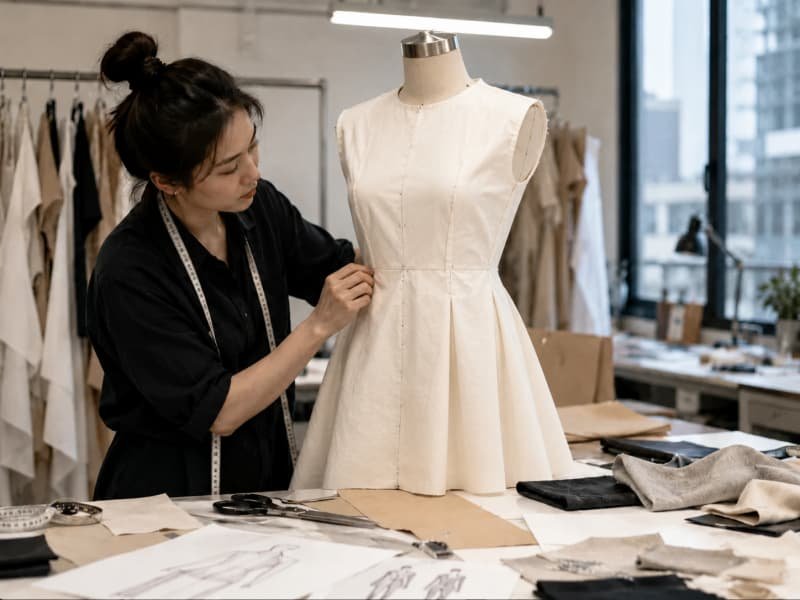
Sample Accuracy
Brands expect samples that support internal review, photoshoot decisions, sales meetings and bulk planning. Duolan treats samples as development evidence, not isolated prototypes. Each revision should clarify fabric, fit, structure, workmanship and production feasibility so the approved sample can move toward PP and bulk standards.
- First sample review
- Revision summary
- Bulk-ready direction
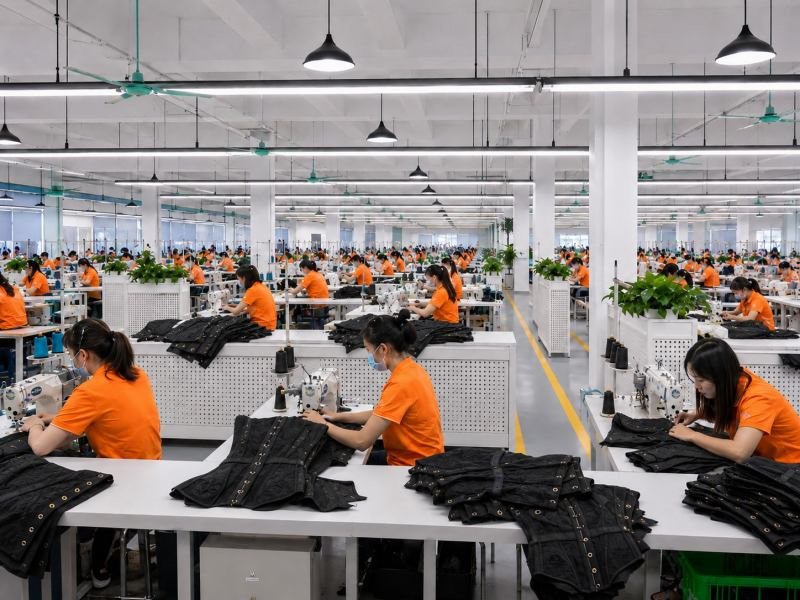
Bulk Consistency
ODM value is lost when approved samples cannot be repeated in bulk. Duolan reviews sample-to-bulk risks before production starts, including fabric locking, trim confirmation, color approval, lining, measurements, workmanship details and packing requirements. These controls help protect visual consistency across colorways, sizes and repeat orders.
- Material locking
- PP confirmation
- Inline QC control

Timeline Discipline
Fast fashion brands need realistic timelines, not vague promises. Duolan reviews project complexity, fabric availability, sample revision needs, production line planning and delivery window before confirming schedules. Typical sample development may take 7–15 days depending on style complexity, fabric readiness and revision requirements.
- Sample path planning
- Launch window review
- Production schedule control
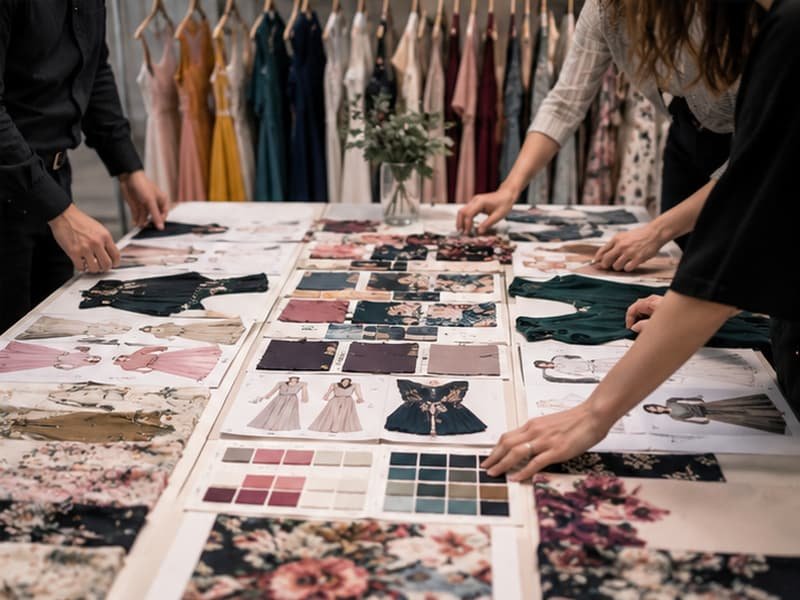
Multi-style Handling
ODM dress programs often include several silhouettes, colors and fabric directions at the same time. Duolan can separate styles by complexity, material, workmanship and production path. This helps teams manage partywear drops, occasionwear capsules and seasonal collections without mixing sample standards or delaying approvals.
- Style grouping
- Complexity planning
- Parallel development support

Reorder Support
Long-term ODM cooperation should create production memory. Duolan can retain approved sample references, pattern basis, fabric direction, trim records, workmanship notes, QC points and packing requirements for repeat orders. This makes future development, replenishment and seasonal updates more stable and easier to manage.
- Style record keeping
- Repeat order basis
- Better production continuity
Why ODM Is Harder for Fashion Dresses
Fashion dresses need stronger control over fabric behavior, body fit, construction and bulk repeatability.
Satin Dresses
Satin dress development requires careful review of drape, shine, seam marks, pressing and packing crease. A fabric may look premium on a swatch but reveal needle marks, puckering or pressure lines after sewing. Duolan reviews fabric weight, lining need, seam position and packing method before moving toward sample and bulk production.
- Drape and shine balance
- Seam mark control
- Lining and packing review
Bodycon Dresses
Bodycon dresses depend on stretch, recovery, opacity and body balance. Too much stretch may distort shape; too little stretch may affect comfort and size tolerance. Duolan reviews fabric GSM, elastane content, recovery, lining coverage and measurement control so fitted styles can keep shape across sizes and colorways.
- Stretch recovery check
- Opacity review
- Fit tolerance control
Mesh Dresses
Mesh styles require control over transparency, lining, print placement, stretch and skin comfort. A strong visual concept can fail if lining coverage, seam placement or print positioning is not planned early. Duolan reviews mesh density, lining construction, panel layout and production feasibility before sample approval.
- Coverage planning
- Print placement review
- Lining structure control
Corset Dresses
Corset dresses need stable bust support, cup position, boning, waist balance and back closure control. Duolan reviews structure before sampling because support details affect comfort, fitting and production repeatability. For fashion corset dresses, decoration and support must work together without creating bulky seams or unstable wearing results.
- Cup and boning review
- Waist balance control
- Closure stability check
Sequin Dresses
Sequin dress ODM development involves weight, skin irritation, cutting loss, sequin shedding, seam allowance and lining comfort. Duolan reviews decoration density, fabric base, panel cutting, inner construction and packaging method so the garment can achieve visual impact while remaining wearable and production-friendly.
- Sequin loss control
- Lining comfort review
- Cutting wastage planning
Backless Dresses
Backless and halter dresses require strap tension, neckline stability, bust balance and opening structure. A backless design may look clean on a model but fail if support, closure and fabric recovery are not aligned. Duolan reviews wearing stability, strap width, seam reinforcement and size grading before production.
- Support structure review
- Strap tension control
- Opening balance check
Start ODM Development From Different Inputs
Brands can start a Duolan ODM project from files, samples, references or collection direction.
Tech Pack
A complete tech pack helps Duolan move faster into feasibility review, sample quotation and production preparation. We review construction details, measurements, BOM, artwork, label placement, fabric information and packing requirements before sample development. If any section is missing, we identify the gap and explain how it affects sample timing, quotation or bulk planning.
- Construction details
- Measurement review
- BOM and trims check
Reference Image
Reference images are useful when a brand has a visual target but not complete technical files. Duolan reviews silhouette, neckline, length, fabric direction, fit level, lining need and workmanship details from the image. We may ask for target size, fabric preference, market position and expected quantity before confirming the sample path.
- Visual direction review
- Structure interpretation
- Sample path suggestion
Original Sample
A strong ODM project needs pattern development that matches body shape, fabric behavior and target fit. Duolan supports pattern making, fit correction, size spec review and grading for fashion dress programs. For fitted dresses, corset dresses and backless styles, small pattern errors can create major wearing problems.
- Fit-based pattern work
- Measurement control
- Grading preparation
Sample Accuracy
Brands expect samples that support internal review, photoshoot decisions, sales meetings and bulk planning. Duolan treats samples as development evidence, not isolated prototypes. Each revision should clarify fabric, fit, structure, workmanship and production feasibility so the approved sample can move toward PP and bulk standards.
- First sample review
- Revision summary
- Bulk-ready direction
Bulk Consistency
ODM value is lost when approved samples cannot be repeated in bulk. Duolan reviews sample-to-bulk risks before production starts, including fabric locking, trim confirmation, color approval, lining, measurements, workmanship details and packing requirements. These controls help protect visual consistency across colorways, sizes and repeat orders.
- Material locking
- PP confirmation
- Inline QC control
Timeline Discipline
Fast fashion brands need realistic timelines, not vague promises. Duolan reviews project complexity, fabric availability, sample revision needs, production line planning and delivery window before confirming schedules. Typical sample development may take 7–15 days depending on style complexity, fabric readiness and revision requirements.
- Sample path planning
- Launch window review
- Production schedule control
Multi-style Handling
ODM dress programs often include several silhouettes, colors and fabric directions at the same time. Duolan can separate styles by complexity, material, workmanship and production path. This helps teams manage partywear drops, occasionwear capsules and seasonal collections without mixing sample standards or delaying approvals.
- Style grouping
- Complexity planning
- Parallel development support
Reorder Support
Long-term ODM cooperation should create production memory. Duolan can retain approved sample references, pattern basis, fabric direction, trim records, workmanship notes, QC points and packing requirements for repeat orders. This makes future development, replenishment and seasonal updates more stable and easier to manage.
- Style record keeping
- Repeat order basis
- Better production continuity
ODM Review Before Sample Development
A controlled review helps turn unclear garment ideas into sample-ready development instructions.
Duolan Reviews Style, Fabric, Fit and Production Feasibility
Before sampling begins, Duolan reviews the real development basis of each ODM clothing project. A reference image or moodboard may show the visual direction, but it does not always define fabric weight, stretch, lining, closure, measurement tolerance or production risk. For fashion dress projects, these details decide whether the sample can become a useful approval version.
Key review areas:
- Style category: Duolan identifies whether the project belongs to partywear, occasionwear, vacation dresses, going-out dresses, fitted dresses or another dress-led category.
- Fabric behavior: We review drape, stretch, shine, transparency, recovery, shrinkage risk and bulk availability.
- Fit priority: We clarify whether the style is body-hugging, relaxed, structured, corset-based, waist-focused, bust-supportive or movement-oriented.
- Production risk: We check decoration, lining, special process, zipper, boning, print position and seam placement before sample cost and timeline are confirmed.
This step helps prevent generic sampling. A sample should not only look close to a reference; it should help the brand evaluate fit, fabric result, workmanship and future production path.

ODM Sample Development Path
A clear sample path helps brands move from style direction to production-ready approval.
| Step | Development Action | Duolan Review Focus | Output |
|---|---|---|---|
| 1 | Project brief review | Product type, target market, reference files, order plan | Development basis |
| 2 | Fabric and trim direction | Drape, stretch, lining, zipper, decoration, color | Material direction |
| 3 | Pattern development | Fit, proportion, key measurements, support structure | First pattern |
| 4 | First sample making | Workmanship, garment balance, visual effect | First sample |
| 5 | Fit review | Bust, waist, hip, length, straps, opening, movement | Fit comments |
| 6 | Revision summary | Material, pattern, trim and workmanship changes | Revision plan |
| 7 | Production-ready review | PP basis, bulk risk, QC points, packing needs | Bulk path |
What Brands ExFabric and Trim Sourcing for ODMpect From ODM Suppliers
Strong ODM suppliers help brands redDuolan reviews material choices by garment result, price range, delivery window and bulk stability.uce development uncertainty before sampling, production and repeat orders begin.

Satin
Satin is often used for occasionwear, cocktail dresses and elevated partywear. Duolan reviews shine, weight, drape, seam marks, lining need and pressing tolerance before sampling. A suitable satin should support the target silhouette without creating puckering, visible needle marks or heavy packing creases during shipment.
- Shine and drape review
- Lining suggestion
- Packing crease control

Mesh
Mesh supports fitted, layered, printed and semi-sheer dress styles. Duolan checks transparency, stretch, recovery, skin comfort, print placement and lining coverage. For mesh ODM projects, panel layout and seam position must be reviewed early because small placement errors can affect both appearance and wearability.
- Transparency control
- Lining coverage review
- Print placement check

Velvet
Velvet can create strong visual depth for party dresses and holiday collections, but pile direction, shade variation and pressing marks require careful handling. Duolan reviews fabric handfeel, weight, stretch, nap direction, sewing method and packing pressure before sample and bulk production planning.
- Nap direction control
- Shade consistency review
- Pressing mark prevention

Sequin Fabric
Sequin fabric adds strong shelf impact but increases cutting loss, sewing difficulty, garment weight and skin comfort risk. Duolan reviews sequin density, backing fabric, panel placement, lining requirement and seam construction. For bulk production, decoration stability and packaging protection need early planning.
- Cutting loss planning
- Decoration stability
- Lining comfort review
- Material locking
- PP confirmation
- Inline QC control

Jersey
Jersey supports bodycon dresses, fitted tops, casual dresses and stretch styles. Duolan reviews GSM, elastane content, recovery, shrinkage, opacity and measurement stability. For fitted womenswear, fabric recovery directly affects size accuracy and repeat order consistency, especially across multiple colors.
- GSM and recovery check
- Opacity review
- Size stability control

Crepe
Crepe works well for draped dresses, office-to-evening styles and clean occasionwear. Duolan reviews texture, thickness, drape, seam behavior, color performance and pressing result. Crepe selection should match the target price range and silhouette because lightweight crepe and heavy crepe create different garment results.
- Drape review
- Texture and handfeel
- Seam behavior check

Chiffon
Chiffon is suitable for vacation dresses, overlay details, soft sleeves and layered occasionwear. Duolan reviews transparency, lining, seam finishing, gathering, pleating and edge treatment. Chiffon requires careful production planning because unstable cutting or poor finishing can create uneven hems and weak visual quality.
- Layering control
- Hem finishing review
- Lining direction
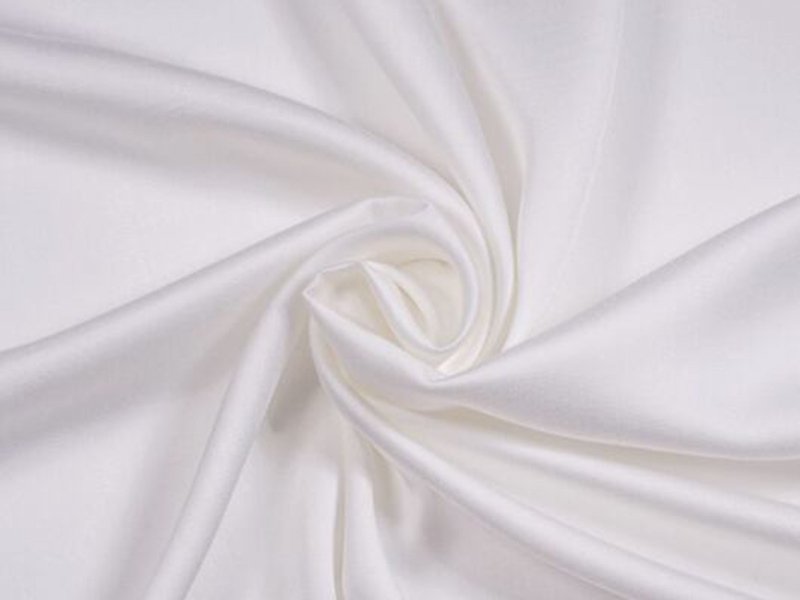
Lining
Lining affects comfort, opacity, structure and inner garment quality. Duolan reviews lining fabric based on outer fabric, body contact, stretch level and dress purpose. For satin, mesh, sequin and corset dresses, lining is not secondary; it can decide wearing comfort and bulk acceptability.
- Opacity support
- Skin comfort review
- Structure assistance
Trims
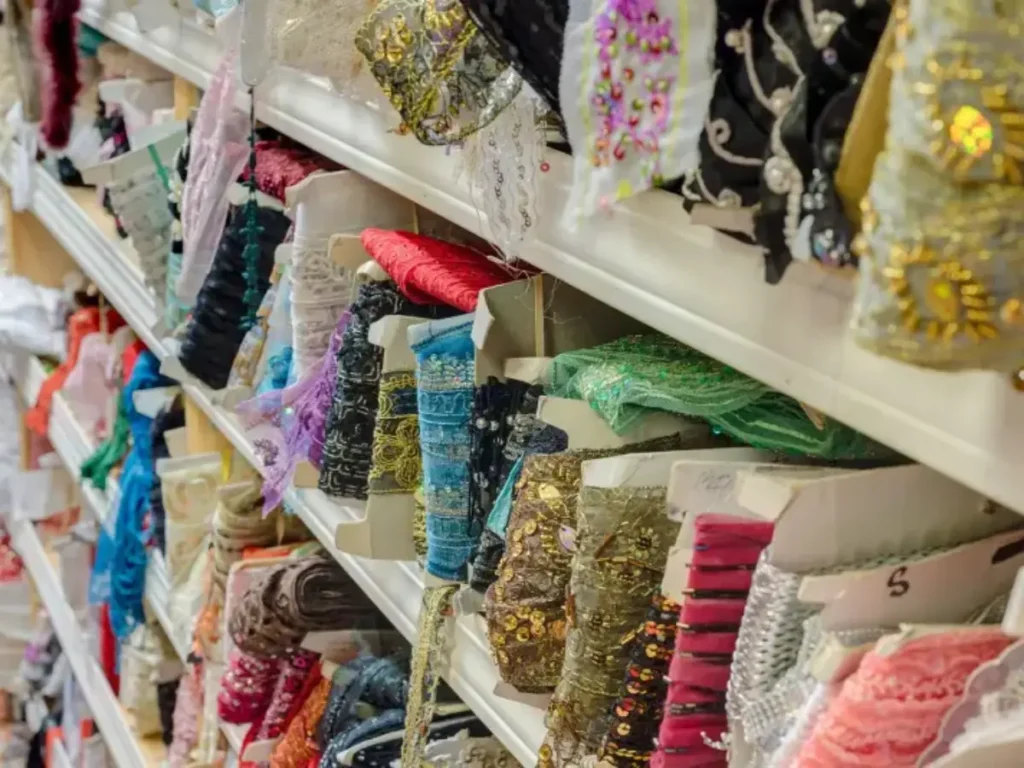
Zippers, hooks, boning, cups, elastic, labels and decorative trims must match the dress structure and production plan. Duolan reviews trim quality, placement, strength, color matching and bulk availability. For fitted and corset styles, trim selection can affect both appearance and wearing stability.
- Closure strength
- Color matching
- Bulk trim availability
Pattern, Fit and Structure for ODM Dresses
Duolan turns dress ideas into wearable samples through pattern control, fabric adjustment, size grading, support structure and fit-focused development.
Pattern Making
Duolan develops dress patterns according to silhouette, fabric behavior, body proportion and production requirements. For fitted, satin, mesh, corset, halter and backless dresses, pattern accuracy affects comfort, visual balance and bulk consistency. Our team reviews waist position, bust line, hip curve, strap angle, slit height, zipper placement and seam distribution before sample making, reducing unnecessary revision rounds.
Fit Correction
Fit correction is handled as a development process, not a simple measurement change. Duolan checks front balance, back balance, side seam position, neckline stability, bust coverage, waist shaping and wearing comfort. For bodycon dresses, stretch recovery and opacity matter. For occasion dresses, drape, support and movement must stay aligned with brand expectations.
Size Grading
A strong ODM dress program needs controlled size expansion from base size to full size range. Duolan can review size charts, grading rules and measurement tolerance for common ranges such as XS–XL, 0–12, 2–14 or brand-specific sizing. Grading focuses on proportion, length balance, bust shaping, waist-to-hip relationship and fabric stretch response.
Support Structure
Many fashion dresses require hidden support, especially corset, bustier, halter, backless and fitted evening styles. Duolan reviews boning, cups, elastic, lining, inner tape, zipper strength and strap tension before sample confirmation. Support structure must feel secure on body while staying clean outside, especially for photo sample, salesman sample and PP sample stages.
Fabric Adjustment
The same pattern cannot perform equally across satin, mesh, jersey, crepe, velvet or sequin fabric. Duolan adjusts patterns according to drape, stretch, thickness, transparency, recovery and seam behavior. Satin may need cleaner seam planning; mesh may need coverage review; jersey may need shrinkage and recovery checks before grading and bulk production.
Production Feasibility
A beautiful sample still needs a clear path into bulk production. Duolan reviews whether sewing methods, seam allowances, trims, lining, embellishment density and pressing method can remain stable at volume. Risk points are recorded before PP sample confirmation, helping brands avoid sample-to-bulk deviation during launch orders, test orders, repeat orders and scale-up orders.
Production-ready Sample Standards for ODM Clothing
Duolan develops samples for fit review, fabric decision, workmanship confirmation and bulk production readiness, not only visual approval.
Fit-reviewed Sample
A fit-reviewed sample helps the brand judge body proportion, key measurements, neckline position, bust support, waist shaping, hip comfort and dress length. Duolan checks sample purpose before revision: showroom review, photo shooting, internal approval, salesman presentation or PP confirmation. Standard dress samples may take around 5–7 days; complex embellished or structural styles often require 7–15 days.
Fabric-checked Sample
Fabric selection decides whether a dress feels premium, hangs correctly and stays consistent in bulk. Duolan reviews fabric weight, drape, stretch, recovery, transparency, lining match, color direction and shrinkage risk. Satin, mesh, jersey, velvet and sequin fabrics each need different handling. Material notes are kept for quotation, sample revision and bulk readiness review.
Workmanship-reviewed Sample
Workmanship review covers seam quality, zipper insertion, lining finish, strap attachment, neckline cleanliness, slit opening, hem balance, decoration stability and pressing result. For sequin, beadwork, embroidery or corset structures, Duolan checks whether the method can be repeated during bulk production. A sample must look clean outside and remain stable inside after fitting and handling.
Bulk-ready Direction
After sample revision, Duolan helps convert the confirmed version into a bulk-ready direction. Key points include fabric lock, trim lock, color confirmation, measurement tolerance, workmanship notes, packing requirement and PP sample basis. Before production starts, the goal is clear: reduce interpretation gaps between approved sample, production line, QC team and packing team.
From ODM Sample to Controlled Bulk Production
Duolan checks sample status, material lock, workmanship points and production path before a dress project moves into bulk manufacturing.
Bulk Readiness Review Before Production
Before bulk production starts, Duolan normally runs a production-readiness check to make sure the approved sample, material direction, workmanship points and launch requirements are aligned for manufacturing. The review confirms whether the sample is fit confirmed, visually confirmed, PP-ready or still pending refinement. It also identifies the order purpose: test order, launch order, repeat order or scale-up order.
Key points are locked before production: fabric, lining, trims, color, measurements, workmanship points, label details and packaging requirements. For fitted dresses, special attention goes to stretch, grading and measurement tolerance. For satin dresses, seam marks, pressing and packaging crease risk need review. For sequin or embellished styles, decoration loss, inner comfort and cutting wastage require earlier control.

Production Path and Timeline Planning
After order confirmation, Duolan does not treat production as one single block. The order is divided by style, color, size, quantity, material status, workmanship level and delivery deadline. Each dress style is reviewed as regular, complex, quick-response, high-risk workmanship or multi-process production. Based on the result, Duolan decides whether the order should stay in one factory, move through one quick-response line, or be divided across several coordinated production lines.
For seasonal launches, the timeline can be planned backwards from target launch date. The planning may include fabric arrival, lab dip approval, trim confirmation, PP sample, cutting, sewing, inline QC, final inspection, packing and shipment preparation. A structured production path helps reduce confusion when multiple silhouettes, colorways or size ranges move together.

Sample Standard Transfer to QC
A strong sample-to-bulk process must transfer sample details into inspection language. Duolan records the approved sample standard, size spec, key measurement points, workmanship notes, fabric and trim requirements, label placement and packing instructions. QC teams then use the approved sample and production notes during inline and final inspection.
For ODM clothing manufacturing, the risk is often not only sewing quality. The real risk may come from fabric substitution, wrong lining, poor recovery, unstable support, neckline movement, decoration loss, color difference or packaging pressure marks. Duolan’s sample-to-bulk transition helps turn a development sample into a controlled manufacturing reference.
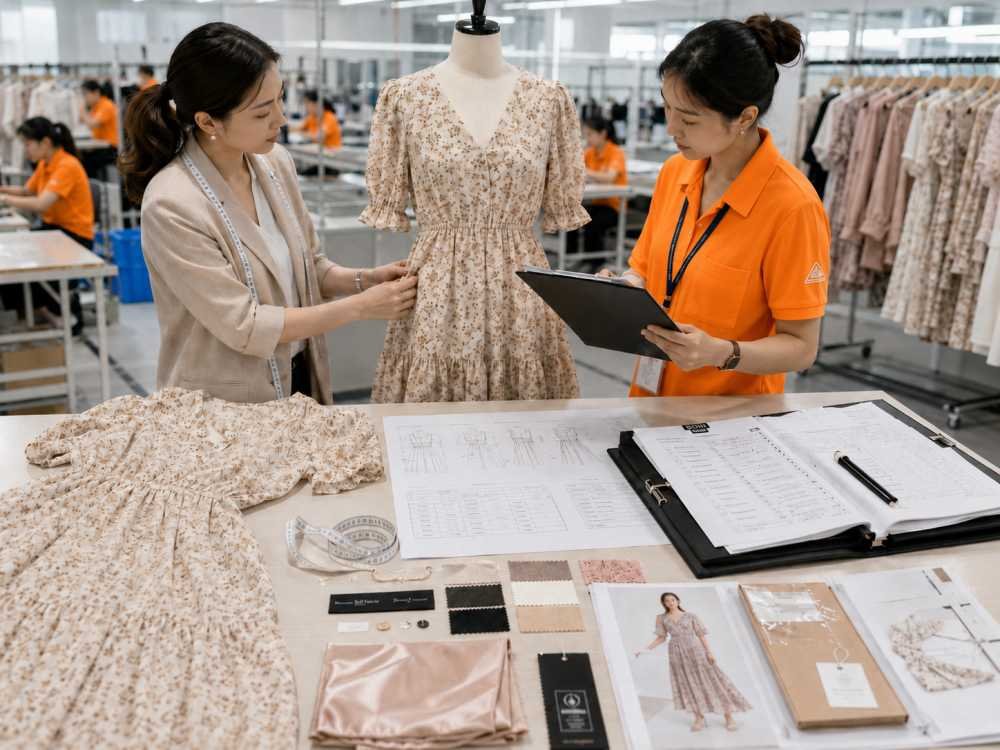
Multi-factory Manufacturing System for Fashion Dresses
Duolan combines owned factories, satellite capacity, quick-response lines and special-process partners for ODM dress production.

Owned Factories for Core Control
Duolan is supported by 16 owned womenswear factories focused on fashion dress development and production. Core factories are suitable for styles requiring closer control, including fitted dresses, party dresses, occasion dresses, satin dresses, mesh dresses, corset dresses and embellished styles. These factories help keep sample knowledge, workmanship details, pattern requirements and PP sample standards closer to the production team.
For brand-level ODM programs, owned factory control matters because development decisions cannot disappear after sampling. A dress may involve multiple hidden details: lining coverage, bust support, zipper strength, slit balance, seam placement, neckline cleanliness and decoration density. Keeping key projects within controlled production teams helps protect the approved development direction during bulk manufacturing.

Satellite Capacity for Scale and Reorders
Alongside owned factories, Duolan works with 20+ long-term satellite factories and supporting production bases in Guangxi, Guizhou, Sichuan and Jiangxi. Related supporting teams include more than 12,000 workers across the broader manufacturing network. This structure helps Duolan handle seasonal pressure, repeat orders, volume growth and multi-style production without forcing every project into one production point.
Satellite capacity is most valuable when a brand has several drops, color expansions, reorder programs or large launch quantities. Core styles can remain under tighter owned-factory control, while repeat or volume styles can be coordinated through suitable production resources. Production planning still needs style-level review, especially when fabric, trims, workmanship and delivery dates differ.

Special-process Support for Dress Details
Fashion dress ODM programs often need more than sewing. Duolan’s supply chain can coordinate fabric, trims, accessories and special processes such as printing, dip dyeing, embroidery and washing. For several key processes, Duolan works with 2–3 mature suppliers that can support different style requirements, lead times and workmanship levels.
Special-process control helps improve development flexibility. A vacation dress may need print placement and shrinkage review. A party dress may need sequin density and lining comfort. A satin occasion dress may need fabric sourcing, color approval and careful pressing. A corset dress may need boning, cups and inner construction support. Duolan connects these details before bulk production begins.
Quick-response Capacity for Seasonal ODM Programs
Duolan supports launch orders, test orders, repeat orders and scale-up orders through flexible lines and structured planning.
Quick-response Lines
Duolan is supported by 50+ quick-response and small-batch flexible lines for fashion dress programs requiring faster development and controlled launch timing. These lines are useful for test orders, photo-ready samples, first launches, influencer-driven drops and urgent seasonal windows. Speed is managed together with fabric status, sample readiness, workmanship risk and QC checkpoints, not through rushed sewing alone.
Bulk Production Scale
The broader Duolan manufacturing system combines owned factories, satellite factories and regional production bases. This allows different styles to be allocated according to complexity, quantity, workmanship and timeline. A simple jersey dress, a structured corset dress and an embellished party dress should not be planned in the same way. Scale only works when production path matches product reality.
Multi-style Planning
ODM dress collections often include mini, midi, maxi, bodycon, satin, mesh, halter and occasion styles within one launch. Duolan breaks orders down by style, color, size, quantity, fabric readiness and workmanship level. Internal planning can reduce cross-style confusion, especially when several PP samples, trims, labels, packaging files and inspection standards move at the same time.
Reorder Support
Repeat production becomes stronger when patterns, BOM, sample notes, workmanship standards, QC tolerance and packing instructions are stored from previous orders. Duolan can help brands extend proven styles into new colors, lengths, sleeve options, fabric directions or seasonal capsules. Production memory reduces communication waste and helps maintain fit and appearance across recurring orders.
ODM Dress Categories Duolan Supports
Duolan focuses on fashion dress categories where fit, fabric, structure, workmanship and production consistency shape brand value.
Mini Dresses
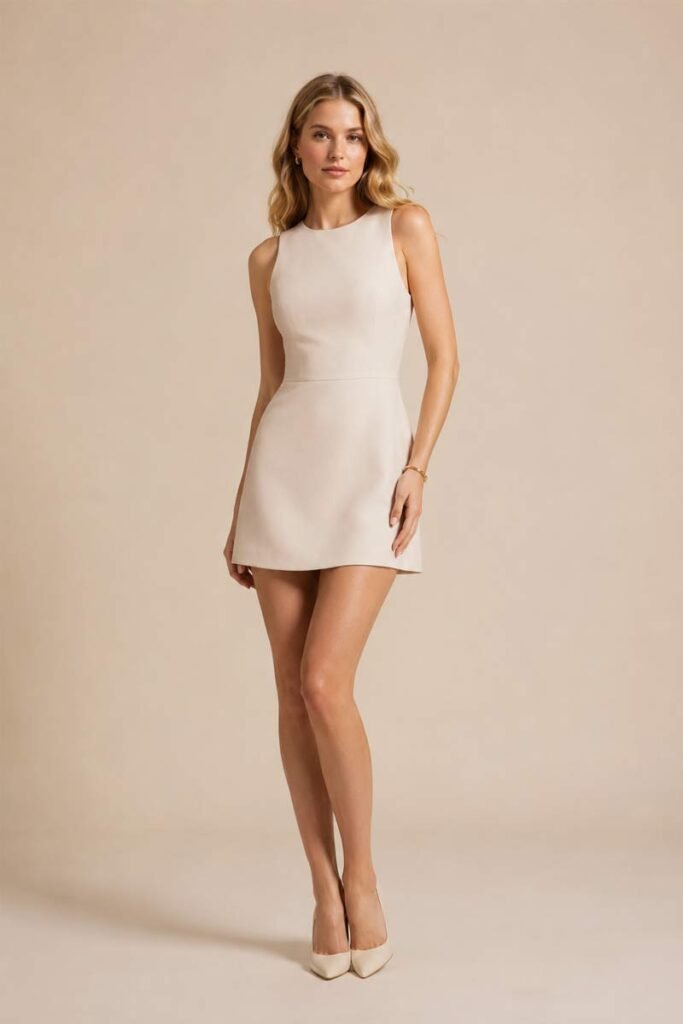
Mini dresses require careful control of body proportion, skirt length, hip comfort and movement. Duolan reviews fabric stretch, hem balance, lining coverage and size grading before sample approval. For going-out or party mini styles, neckline stability, zipper quality and short-length wearability are especially important during fit review.

Midi Dresses
Midi dresses depend on clean drape, waist balance, length proportion and walking comfort. Duolan checks fabric weight, hem movement, side seam balance and slit placement. Satin, crepe, jersey and mesh midi styles require different pattern adjustments so the final garment feels polished without losing comfort during daily or occasion wear.

Maxi Dresses
Maxi dresses need stronger control over fabric fall, skirt volume, lining, seam weight and packing recovery. Duolan reviews full-length proportion, shrinkage risk, print placement and hem finishing. For resort, vacation or occasion programs, maxi dress development must balance visual impact, shipping efficiency and consistent length grading across sizes.

Party Dresses
Party dresses often combine fitted silhouettes, shine, mesh, sequins, cut-outs or special trims. Duolan reviews decoration density, inner comfort, stretch recovery, support structure and seam durability. These styles cannot rely only on appearance approval; they need workmanship testing, lining decisions and bulk feasibility checks before production.
Occasion Dresses
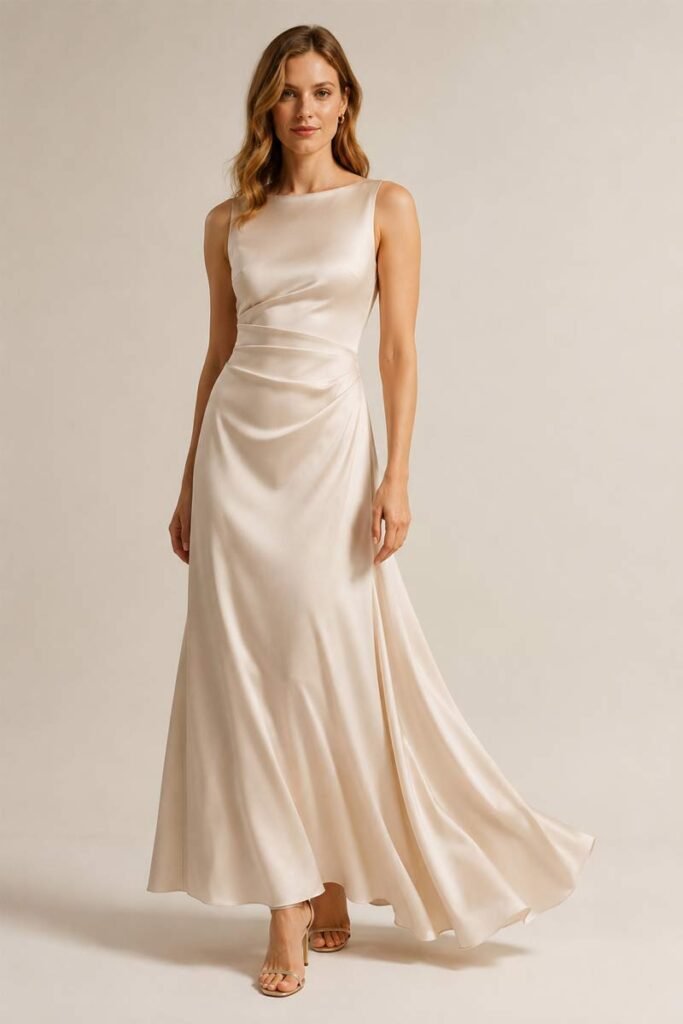
Occasion dresses require elevated finishing, clean shape, stronger fitting control and stable visual quality. Duolan supports cocktail, wedding guest, graduation and event-focused designs through fabric sourcing, pattern refinement, sample revision and PP sample control. Satin drape, lining choice, zipper placement and pressing result often decide final product value.

Cocktail Dresses
Cocktail dresses usually sit between commercial fashion and elevated occasionwear. Duolan reviews body shape, neckline, waist position, skirt volume, lining comfort and fabric texture. For brands developing cocktail capsules, our process helps align visual direction with production-ready construction, especially for satin, velvet, lace, mesh and embellished designs.

Wedding Guest Dresses
Wedding guest dresses need elegance without bridal positioning. Duolan focuses on refined color, drape, lining, comfort, size consistency and photography-ready finishing. Fabrics may include satin, chiffon, crepe, mesh, lace or printed woven materials. Development should consider event styling, movement, packaging recovery and repeat order potential.

Vacation Dresses
Vacation dresses often require lightweight fabrics, breathable comfort, print accuracy, shrinkage control and relaxed movement. Duolan reviews fabric transparency, lining need, color fastness, print placement and packing volume. Resort and vacation programs may include mini, maxi, halter, backless and printed styles within one coordinated seasonal drop.
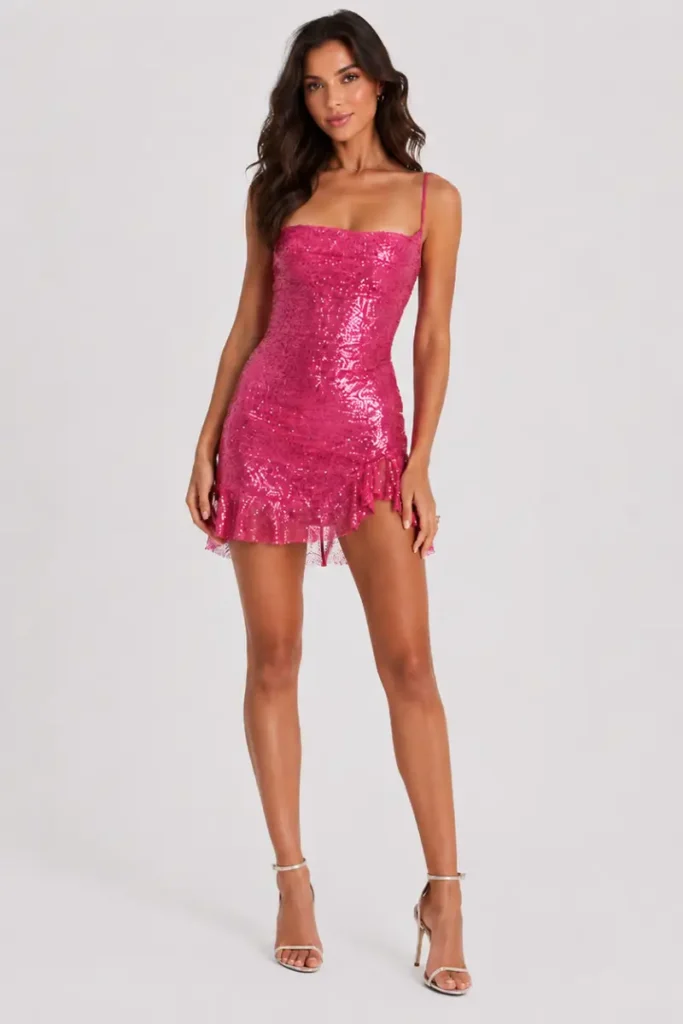
Going-out Dresses
Going-out dresses require stronger attention to fitted shape, stretch, support, cut-outs, mesh panels and visual impact. Duolan reviews how the garment behaves on body, not only on hanger. Bodycon fit, bust security, side seam stability, opacity and recovery are key points before sample approval and bulk production.

Bodycon Dresses
Bodycon dresses depend on stretch recovery, opacity, seam strength and size grading. Duolan reviews fabric GSM, elasticity, lining need, side seam balance, bust fit and hip comfort. For close-fitting styles, measurement tolerance must be realistic because small differences can affect comfort, appearance and return risk.
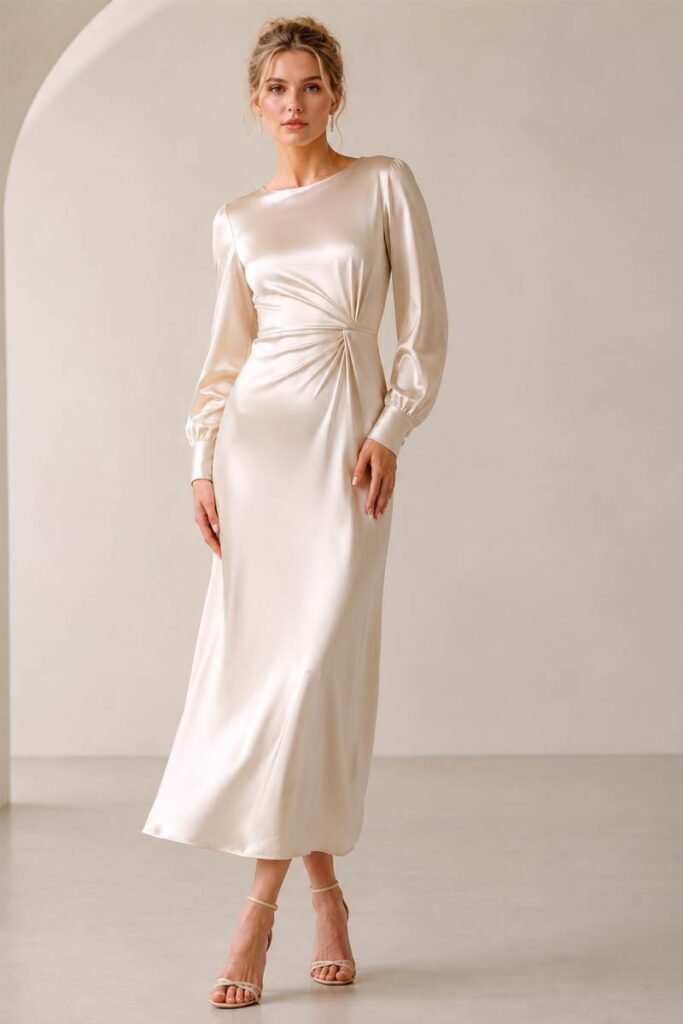
Satin Dresses
Satin dresses expose every seam, wrinkle and pressing issue. Duolan reviews fabric weight, bias cut risk, lining match, seam planning, zipper insertion and packing method. For occasion or wedding guest programs, satin must deliver smooth drape, refined shine and controlled crease recovery after transport.

Mesh Dresses
Mesh dresses require coverage planning, lining decisions, print placement and elasticity control. Duolan reviews inner layer color, transparency, recovery, seam comfort and panel alignment. For printed mesh or ruched mesh styles, pattern placement and cutting accuracy matter before sample approval and repeat production.

Corset Dresses
Corset dresses need structure, support and comfort at the same time. Duolan reviews cup position, boning, inner lining, waist balance, zipper strength and bust stability. A corset sample must be tested for wearing security and bulk repeatability, not only front-view appearance.
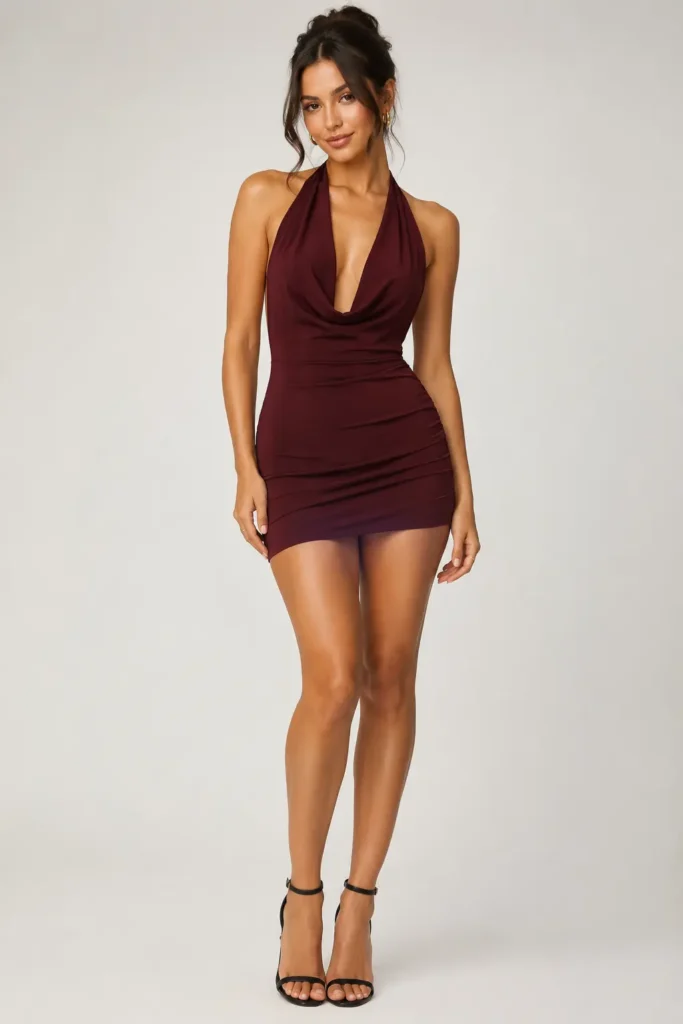
Halter Dresses
Halter dresses require neckline stability, strap strength, bust balance and back shaping. Duolan reviews strap angle, closure method, inner support, fabric stretch and wearing pressure around the neck. For satin, jersey or mesh halter styles, pattern correction can decide whether the garment feels secure and elegant.

Backless Dresses
Backless dresses depend on support hidden inside the garment. Duolan reviews bust coverage, strap tension, side seam position, back opening, lining and closure stability. These styles require careful balance between visual openness and wearing security, especially for occasion, party and vacation collections.
Collection-based ODM Development for Fashion Brands
Duolan supports multi-style dress programs built around seasonal launches, occasion edits, resort drops and repeatable collection planning.
Partywear Collection
Partywear collections often combine bodycon, mesh, sequin, satin, cut-out and mini dress styles. Duolan reviews each style according to fabric behavior, stretch, lining, decoration stability and launch timing. For multi-style drops, we help organize sample priorities, PP sample sequence, production path and QC focus so visual impact does not sacrifice bulk consistency.
Occasionwear Collection
Occasionwear programs need refined fabric, polished finishing and reliable fit. Duolan supports cocktail, wedding guest, graduation and event dress collections through fabric direction, color planning, sample revision and production readiness review. Satin, crepe, lace, mesh and chiffon styles require separate development logic because drape, support and lining differ greatly.
Resort Collection
Resort collections often include lightweight maxi dresses, vacation minis, halter silhouettes, printed styles and relaxed occasion pieces. Duolan reviews transparency, shrinkage, print placement, packing recovery and fabric comfort. Development should support travel-friendly styling while keeping production details stable for repeated colorways, capsules and seasonal online launches.
Vacation Drop
Vacation drops need fast development, flexible styling and careful material choice. Duolan can help brands review reference styles, print direction, fabric weight, lining need and size range before sampling. For fast-moving channels, a controlled sample-to-bulk path matters because launch windows are short and reorders may arrive quickly after market testing.
Going-out Line
Going-out lines require strong silhouette recognition and confident body fit. Duolan supports fitted mini, bodycon, halter, backless, mesh and cut-out styles with pattern correction, stretch review and support planning. These garments are often judged by photo performance and wearing confidence, so sample quality must connect directly with bulk execution.
Holiday Capsule
Holiday capsules often bring pressure around shine, texture, color and delivery timing. Duolan can support velvet, satin, sequin, metallic, mesh and embellished dress development with early workmanship risk review. Timeline planning matters because fabric confirmation, photo sample, PP sample, QC, packing and shipment need enough buffer before peak selling windows.
ODM Customization Options for Dress Programs
Duolan customizes dress projects through silhouette, fabric, color, trims, workmanship, branding and packaging details aligned with production feasibility.
Silhouette Adjustment
Duolan can adjust neckline, sleeve, waistline, skirt shape, hem length, slit, cut-out and back opening according to brand direction. Each change is reviewed with fit, fabric, comfort and bulk production in mind, especially for fitted, halter, corset, satin and backless dresses.
Fabric Selection
Fabric selection can include satin, mesh, jersey, crepe, chiffon, lace, velvet, sequin and lining materials. Duolan reviews drape, stretch, opacity, thickness, recovery, skin feel and bulk availability before sample development, helping brands avoid material choices that look good but fail during production.
Color Matching
Color development may include Pantone reference, lab dip review, shade band control and colorway planning. Duolan helps confirm whether the chosen fabric supports stable color performance. For satin, mesh, chiffon and printed fabrics, color approval should happen early to protect sample and bulk consistency.
Print Development
Print development may cover floral, abstract, vacation, placement, digital or screen print directions. Duolan reviews print scale, fabric base, color sharpness, shrinkage, panel alignment and cutting position. For maxi, resort and mesh dresses, print placement can strongly affect visual balance.
Embroidery
Embroidery adds texture and brand detail, but it needs careful placement, backing, density and fabric compatibility. Duolan reviews whether embroidery may affect drape, comfort, transparency or seam construction. For occasionwear and party dresses, embroidery must look refined while remaining production-friendly.
Sequin Work
Sequin and beadwork require review of weight, density, cutting wastage, skin irritation, lining comfort and decoration loss. Duolan helps assess whether the intended effect can remain stable during sewing, fitting, packing and shipping. Production feasibility matters before bulk quantity confirmation.
Lining
Lining affects comfort, opacity, support, drape and finishing. Duolan reviews lining color, weight, stretch compatibility and coverage area for satin, mesh, lace, sequin, corset and occasion dresses. A wrong lining choice can change the entire appearance and wearing experience.
Zippers and Closures
Duolan reviews zipper strength, invisible zipper quality, hook-and-eye placement, button loops, ties, back closures and side openings. Closure decisions must match fabric weight, body tension and garment structure. For fitted dresses, zipper performance can directly affect comfort and return risk.
Boning and Cups
Boning, cups, elastic and inner support are important for corset, bustier, halter and backless styles. Duolan reviews placement, stability, comfort and appearance before sample approval. Hidden support should improve wearing confidence without damaging outside silhouette.
Labels
Duolan can support main labels, size labels, care labels and compliance labels according to brand requirements. Label position, sewing method, fabric feel and legal content should be confirmed before bulk production, especially for export programs with specific market standards.
Hangtags
Hangtags can include brand story, size information, QR code, barcode, care note or collection message. Duolan helps coordinate hangtag placement, string method and packing compatibility. Earlier confirmation prevents packing confusion when many styles, colors and sizes ship together.
Packaging
Packaging may include polybag, barcode label, carton marking, folding method, tissue paper, garment bag or retailer-specific packing instructions. Duolan reviews packaging according to fabric sensitivity, wrinkle risk, shipment method and warehouse requirement, especially for satin, sequin and occasionwear programs.
Quality Control for ODM Dress Manufacturing
Duolan controls quality from fabric inspection and PP sample review to inline checks, final inspection and packing confirmation.
Fabric Inspection
Fabric inspection checks visible defects, color variation, shrinkage risk, weight, stretch, opacity and hand feel before cutting. Satin, mesh, jersey, sequin and printed fabrics need different inspection focus. Early fabric review helps prevent bulk issues that cannot be solved by final inspection, especially color mismatch, poor recovery and unstable drape.
Color Review
Color review may include lab dip, bulk fabric shade, lining match and colorway comparison. Duolan checks whether approved color direction stays consistent across fabric, lining, trims and decoration. For multi-color dress programs, shade control is important because inconsistent color can affect online photography, retail presentation and repeat order accuracy.
Pattern Check
Pattern and measurement control protect fit during bulk production. Duolan reviews base pattern, grading, key measurement points and tolerance before cutting. For fitted dresses, a small measurement change can affect comfort. For maxi and midi styles, length grading and hem balance need earlier confirmation to avoid visible inconsistencies.
Inline Inspection
Inline inspection checks production while sewing is still in progress. Duolan reviews seam quality, construction accuracy, zipper insertion, lining attachment, strap position, decoration stability and measurement consistency. Inline control reduces late-stage corrections, especially when several styles, colors and sizes move through production at the same time.
Workmanship Check
Workmanship inspection covers threads, seam tension, stitch density, neckline finish, armhole cleanliness, hem balance, slit opening, lining finish and decoration attachment. Dress-specific risks are also reviewed: satin seam marks, mesh coverage, corset support, sequin loss, bodycon recovery and halter strap tension.
PP Sample Confirmation
PP sample confirmation helps lock the manufacturing reference before bulk production. Duolan checks whether fabric, trims, measurements, workmanship, labels and packaging match the approved direction. The PP sample becomes an important bridge between development, production line and QC team, reducing different interpretations during bulk execution.
Final Inspection
Final inspection reviews finished garments against approved sample, size spec, workmanship standard, label file, packing instruction and client-specific requirements. Inspection may include appearance, measurements, sewing quality, fabric defects, trim placement and packaging accuracy. For larger orders, AQL-based inspection or third-party inspection coordination can be discussed.
Packing Check
Packing check verifies folding method, polybag, barcode, carton marking, size ratio, color ratio, label position and shipment preparation. For satin, sequin, velvet or structured dresses, packing method can affect crease marks and product appearance after arrival. Earlier packaging confirmation helps reduce warehouse errors and launch delays.
Compliance Support for Brand-level ODM Programs
Duolan supports audit readiness, product standards, testing coordination and client-specific requirements for international fashion dress programs.
SMETA 2-Pillar
Duolan’s manufacturing system has SMETA audit experience and SMETA 2-Pillar social audit record, supporting brands that require supplier responsibility review. For mature fashion programs, audit readiness is more than documentation. It shows whether a manufacturing partner understands social responsibility, factory management, worker conditions and brand supply chain expectations.
BSCI-related Support
Duolan can coordinate according to BSCI-related supplier review needs when required by brand programs. Different sourcing teams may ask for factory profile, audit history, production photos, process records or improvement communication. These materials help procurement teams evaluate whether a supplier can enter a more structured supply chain relationship.
ISO 9001 Awareness
Quality management awareness matters in ODM clothing manufacturing because development, sampling, production and inspection need shared standards. Duolan supports structured communication around sample approval, measurement tolerance, QC checkpoints, production notes and shipment requirements. A quality system mindset helps reduce random interpretation across different styles and production lines.
AATCC / ASTM
For US-oriented programs, fabric and garment requirements may involve AATCC, ASTM or client-specific test standards. Duolan can support communication around colorfastness, shrinkage, fabric performance, seam strength, labeling and inspection expectations when required. Testing needs should be discussed before bulk production, especially for special fabrics or retail programs.
OEKO-TEX / GOTS
Some brands may require material-related documentation such as OEKO-TEX® or GOTS coordination, depending on fabric source and collection positioning. Duolan can help review material direction and supplier documentation needs during development. Sustainable or certified materials should be confirmed early because availability, MOQ, lead time and color options may vary.
Brand Requirements
Many fashion groups have internal standards covering measurement tolerance, label content, packaging, carton marks, inspection method, restricted substances, social compliance or third-party testing. Duolan can work around these requirements when details are provided before sampling or production. Clear brand standards help shorten communication and protect bulk consistency.





ODM Dress Cost Structure and Quotation Logic
Duolan evaluates ODM dress cost through fabric, structure, workmanship, quantity, sampling needs, packing requirements and production risk.
| Cost Factor | What Duolan Reviews | Why It Matters |
|---|---|---|
| Main Fabric | Satin, mesh, jersey, crepe, chiffon, velvet, lace, sequin, print base, GSM, stretch and availability | Fabric decides drape, comfort, opacity, recovery, cost range, lead time and bulk stability |
| Lining | Stretch lining, woven lining, partial lining, full lining, color match and skin comfort | Lining affects coverage, support, hand feel, transparency, finishing and wearing confidence |
| Trims | Zipper, buttons, hook-and-eye, ties, cups, boning, elastic, label and hangtag | Small trim decisions can affect fit, durability, production efficiency and brand presentation |
| Workmanship | Ruching, corset structure, sequin work, embroidery, print placement, cut-outs and slit details | Complex workmanship increases sample time, sewing time, QC focus and bulk production risk |
| Size Range | XS–XL, 0–12, 2–14 or brand-specific size charts | Wider size range requires grading review, measurement control and higher fit consistency |
| Quantity | Test order, launch order, repeat order or scale-up order | Quantity affects fabric buying, line planning, unit cost, inspection method and delivery path |
| Sample Stage | First sample, fit sample, photo sample, salesman sample, PP sample | Different sample purposes require different finishing levels, timing and revision control |
| Colorways | One color, multiple colorways, lab dip, print version or seasonal palette | More colors require stronger material tracking, color approval and packing accuracy |
| Packaging | Folding, polybag, barcode, carton marking, garment bag or retailer instruction | Packing protects garment appearance and reduces warehouse, shipment and launch errors |
| Timeline | Sample window, PP approval, bulk production, QC, packing and shipment | Tight schedules may require quick-response planning, earlier material lock and clear approvals |
Multi-factory Manufacturing System for Fashion Dresses

Case 1|US Going-out Dress Brand
Region: United States
Use Scenario: Multi-style seasonal drop including bodycon, mesh, and halter dresses for online retail launch.
Pain Points: Previous suppliers delivered samples with inconsistent bust support, transparency issues, and uneven stretch recovery; multi-style coordination caused delays and misaligned bulk production.
Duolan Solution: Duolan reviewed reference images and fabric choices, adjusted patterns for bodycon fit, reinforced lining for mesh dresses, and created structured sample-to-bulk transition documentation. Inline QC points were established to prevent deviations during production.
Result: First batch achieved 99% fit accuracy compared to approved samples; launch order of 5,200 units across 12 styles delivered on schedule with no returns due to fit issues. Repeat orders utilized pattern and BOM memory, reducing sample revision by 30%.
Data Support: Sample-to-bulk deviation reduced by 75%; production cycle for multi-style drop shortened from 21 to 18 days; 100% inline QC compliance.

Case 2|UK Occasionwear Label
Region: United Kingdom
Use Scenario: Capsule collection for wedding guest and cocktail dresses with satin midi and draped mini silhouettes.
Pain Points: Clients faced satin seam puckering, lining mismatch, and packaging crease issues; color consistency across multiple shades was difficult to maintain.
Duolan Solution: Duolan implemented fabric substitution strategy, lining adjustments, and pre-pressing evaluation. PP sample confirmations were conducted, and bulk production instructions integrated decorative detail placement, color matching, and packing notes.
Result: Capsule collection delivered 3,800 units across 8 styles with 100% approved color matching and fabric consistency. Packaging defect rate dropped from 4% to under 1%.
Data Support: Fabric wastage reduced by 12%; average PP sample revision rounds decreased from 3 to 2; inline QC pass rate achieved 99%.

Case 3|Australian Partywear Retail Group
Region: Australia
Use Scenario: Seasonal multi-style partywear drop including sequin, mesh, and fitted mini dresses for retail and e-commerce channels.
Pain Points: High complexity with embellishments and concurrent styles caused production delays; inconsistent workmanship and packing quality threatened launch dates.
Duolan Solution: Duolan divided production by complexity, assigned quick-response lines for intricate styles, and scheduled multi-stage QC inspections. Special care applied to sequin density, lining placement, and structural fit. Bulk production roadmap ensured timely delivery for multiple SKUs.
Result: 6,400 units across 10 styles delivered on time with zero reported fit issues; decorative stability maintained across all units; client satisfied with repeat order efficiency.
Data Support: Inline QC defect rate reduced from 5% to 1.2%; turnaround time for complex sequin mini dresses shortened by 20%; repeat order cycle reduced from 25 to 18 days.
Start an ODM Dress Project
Share your dress project details with Duolan for a focused development review. You may submit a tech pack, reference images, original sample photos, fabric direction, collection moodboard, target quantity, size range, colorways, launch date and packaging requirements. Complete files help us review quotation, sampling route, fabric suitability, fit risk, workmanship difficulty and bulk production readiness more accurately. Incomplete files can still begin an early evaluation when the product direction is clear. Duolan is best suited for fashion brands, buying teams, sourcing offices and product teams with real development plans, sample needs, launch orders or repeat production goals.

