Skip to content
Sample Development for Fashion Dress Brands
From tech pack, reference image, or original sample to fit-reviewed, fabric-tested, production-ready fashion dress samples.
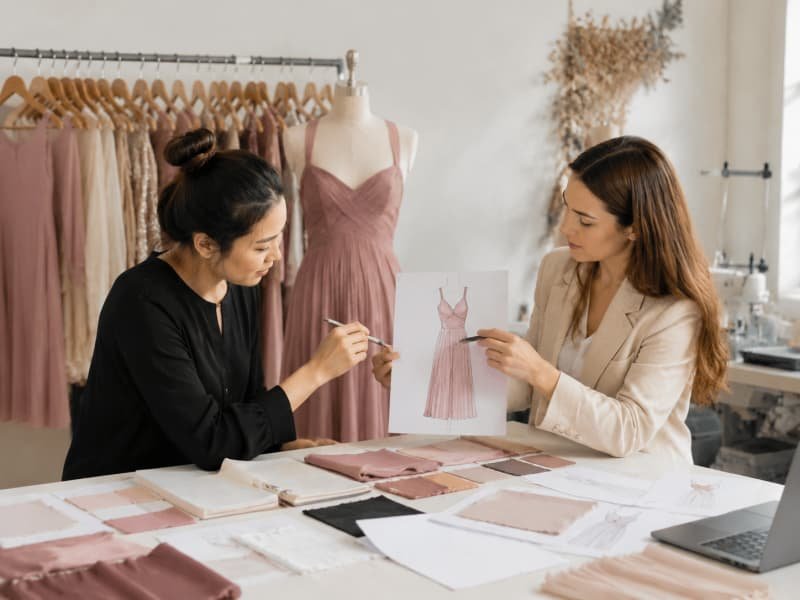
Duolan supports fashion brands, product teams, and sourcing offices with structured sample development for dress-focused collections. Our work covers fabric review, trim matching, CAD pattern development, first sample making, fit correction, revision control, PP sample preparation, and bulk production readiness. Each project starts with a development review, not blind sample cutting, helping teams reduce fabric mismatch, fit deviation, construction errors, and sample-to-bulk inconsistency before production begins.
Built for Serious Fashion Dress Programs
Sample development works best when product direction, launch timing, and production plans are already connected.
Product Development Teams
Fashion Brand Teams
Sourcing Offices
Buying Teams
What Sample Development Means at Duolan
Sample development is the controlled process of turning design information into a dress sample ready for review, correction, approval, and bulk production planning.
| Development Stage | What Duolan Reviews | Output for Brand Teams |
|---|---|---|
| Project Brief Review | Product type, style direction, size range, sample purpose, launch timing, target quantity | Clear development path before sample cutting |
| Fabric & Trim Review | Drape, stretch, weight, opacity, lining, zipper, buttons, boning, cups, decoration | Material direction and sourcing suggestion |
| Pattern Development | CAD pattern, proportion, seam position, fit balance, construction logic | First pattern and sample basis |
| First Sample Making | Sewing method, shape, fabric behavior, workmanship, finishing | Physical sample for fit and visual review |
| Revision Control | Fit comments, measurement comments, fabric comments, construction comments | Revised pattern, updated notes, second sample direction |
| PP / Bulk Readiness | Final fabric, trims, measurements, workmanship, packing, sample standard | Production-ready sample handover |
Real Problems Behind Sample Development Requests
Most sample requests are not about making one garment. They are about reducing wrong decisions before production.
Design Translation
Fabric Matching
Fit Control
Revision Accuracy
Launch Timing
Bulk Readiness
A beautiful sample is not enough when it cannot be reproduced. Duolan reviews whether the sample can move into PP approval and bulk production: final fabric availability, trim supply, workmanship repeatability, seam tolerance, size grading, color consistency, decoration process, packing method, and production line suitability. Sample development ends with a production path, not only a finished garment.
Dress-focused Sample Development with Bulk Production Thinking
A Development Partner, Not a Sample Room Only
Duolan focuses on fashion dress development for brands that need samples connected to production. Many sample studios are strong at quick prototypes but may not manage bulk consistency. Many traditional factories can sew garments but may not review fabric, fit, silhouette, decoration, and sample purpose deeply enough before cutting. Duolan sits between product development and manufacturing execution: the sample is developed as a future production standard from the beginning.
The company is supported by a womenswear manufacturing system with 16 owned fashion garment factories, more than 20 long-term satellite factories, 300 sewing lines, and 50+ quick-response and flexible production lines. Monthly sample development capacity reaches 15,000–35,000 pieces or style-times, supporting around 3,000–8,000 style development and sample-making workflows per month. For fashion dress teams managing multiple launches, the value is not only sample speed. The deeper value is organized development capacity, fabric access, pattern support, production feasibility review, and controlled handover into bulk.
Duolan’s development background comes from long-term work in fast fashion womenswear and dress-focused manufacturing. The team works across mini dresses, midi dresses, maxi dresses, party dresses, occasion dresses, vacation dresses, going-out dresses, fitted dresses, satin dresses, mesh dresses, sequin dresses, corset dresses, halter dresses, and fashion sets. Each sample is reviewed as a commercial product: how the dress looks, how it fits, how it feels, how it photographs, how it can be produced, and how it can stay consistent during repeat production.
Send the Files You Already Have
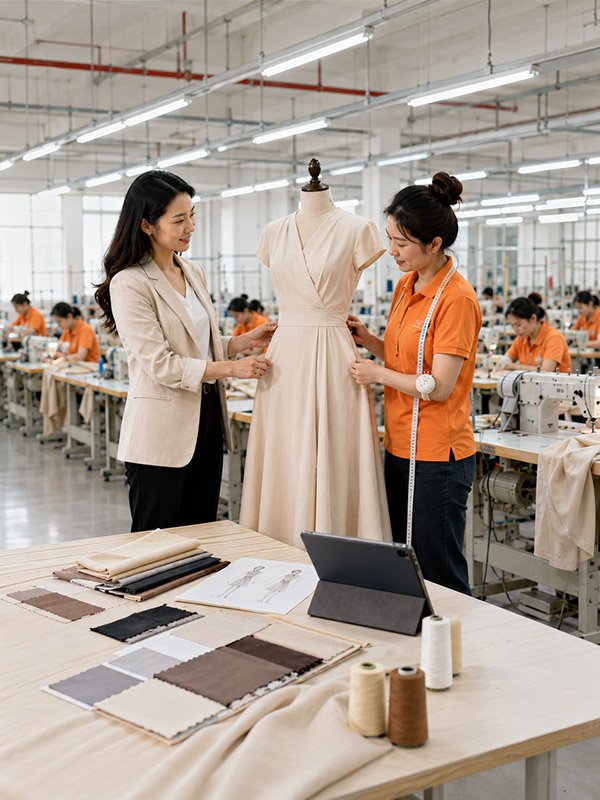
Duolan can start from different levels of product information, then organize the next development step.
Tech Pack
Reference Image
Original Sample
Fabric Idea
Collection Moodboard
Size Chart
Fit Comments
Launch Schedule
Feasibility Review Before First Sample Cutting
Fabric, Fit, Structure, and Production Path Are Checked Early
Duolan does not treat sample development as a simple sewing request. Before first sample cutting, the team reviews whether the design direction can be developed into a wearable, repeatable, production-ready dress.
- A satin dress may need seam control, lining selection, and packing attention.
- A bodycon dress may need stretch recovery, opacity review, and pattern tension balance.
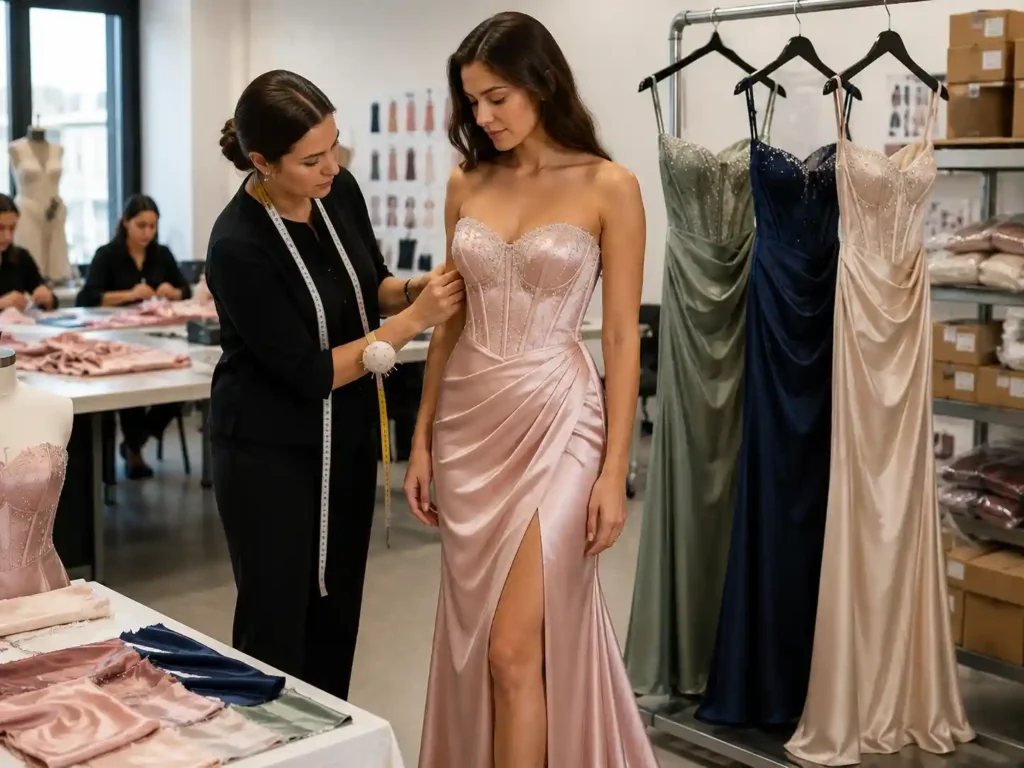
- A corset dress may need cup position, boning layout, back closure, and support testing.
- A mesh dress may need lining coverage, print placement, seam visibility, and skin comfort.
- A sequin dress may need weight control, edge protection, needle planning, and decoration loss control.
The review also checks sample purpose. A fit sample does not need the same finishing level as a photo-ready sample. A PP sample needs confirmed materials, color, trims, construction, size spec, label details, and packing direction. A salesman sample must look commercially convincing for internal and market review. When the purpose is unclear, teams waste time judging the wrong details. Duolan helps define the sample role before work begins.
Development review also helps control cost direction. Fabric substitutes, lining upgrades, zipper changes, boning structure, printing method, embroidery density, sequin placement, and finishing process all affect sample accuracy and future production cost. Early review allows brand teams to see which details are essential for design value and which details may need adjustment for production stability.

Dress Samples Developed for Collection Programs
Each dress type has different sample risks, fit priorities, material behavior, and production requirements.

Mini Dresses

Midi Dresses

Maxi Dresses

Party Dresses

Occasion Dresses

Cocktail Dresses

Going-out Dresses

Vacation Dresses

Bodycon Dresses
Corset Dresses

Halter Dresses

Satin Dresses
Different Samples Serve Different Decisions
A sample should be judged by its purpose. Duolan helps define the correct sample type before development starts.
First Sample
Fit Sample
Proto Sample
Photo-ready Sample
Salesman Sample
Size Set Sample
Revised Sample
PP Sample
Golden Sample
Fabric, Lining, and Trim Decisions Shape the Sample
Material Direction Must Match Silhouette and Production Reality
Many dress samples fail before sewing begins because the material direction does not support the intended shape. A fitted jersey dress needs controlled stretch and recovery. A satin slip dress needs clean drape and seam control. A mesh dress needs coverage and lining decisions. A sequin dress needs weight balance and comfort protection. A corset dress needs stable outer fabric, lining, boning, cup structure, zipper or lace-up closure, and reinforced seam planning. Duolan reviews fabric and trim decisions before sample development to reduce wrong turns.
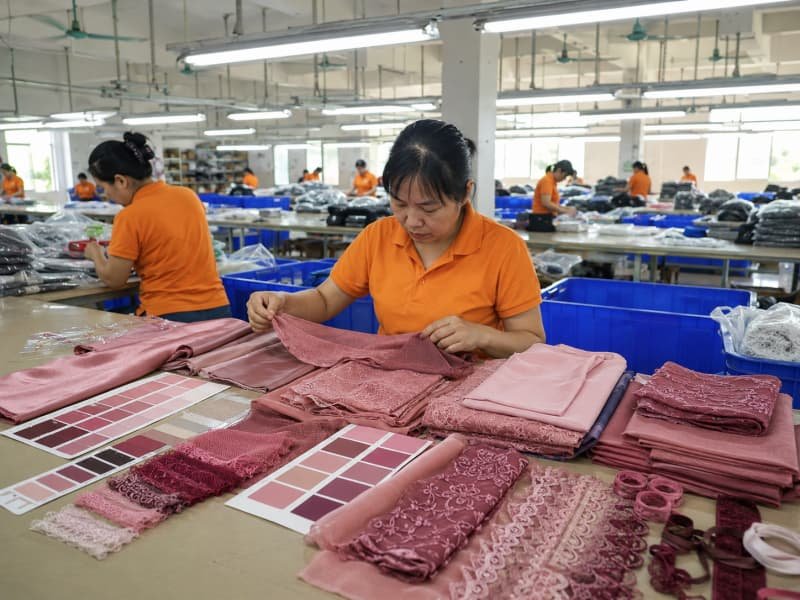
Duolan works with dress-relevant materials such as satin, mesh, velvet, jersey, rib knit, crepe, chiffon, lace, jacquard, sequins, embroidery fabric, printed woven, stretch woven, bandage knit, lining, fusible interlining, elastic, zipper, hooks, cups, boning, eyelets, beads, rhinestones, pearls, and decorative trims. Each material is reviewed according to style use. The key question is not whether the fabric looks attractive on a swatch, but whether it can support the desired silhouette, comfort level, sewing method, photo effect, and bulk stability.
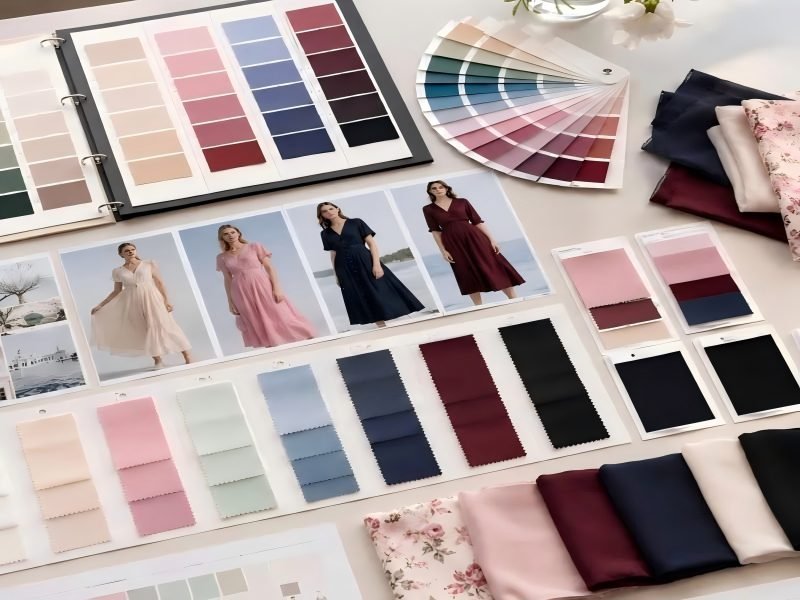
For fashion dress programs, Duolan can support fabric sourcing, trim matching, color direction, lab dip discussion, lining suggestions, alternative material options, and production feasibility review. The company benefits from access to South China fabric market resources, Dongguan Humen trim market resources, and long-term special process partners for printing, dip dyeing, embroidery, washing, and decorative applications. Fabric development is connected to sample purpose and bulk direction from the start.
Pattern Development for Wearable Dress Samples
Fit Must Be Engineered Before It Can Be Approved
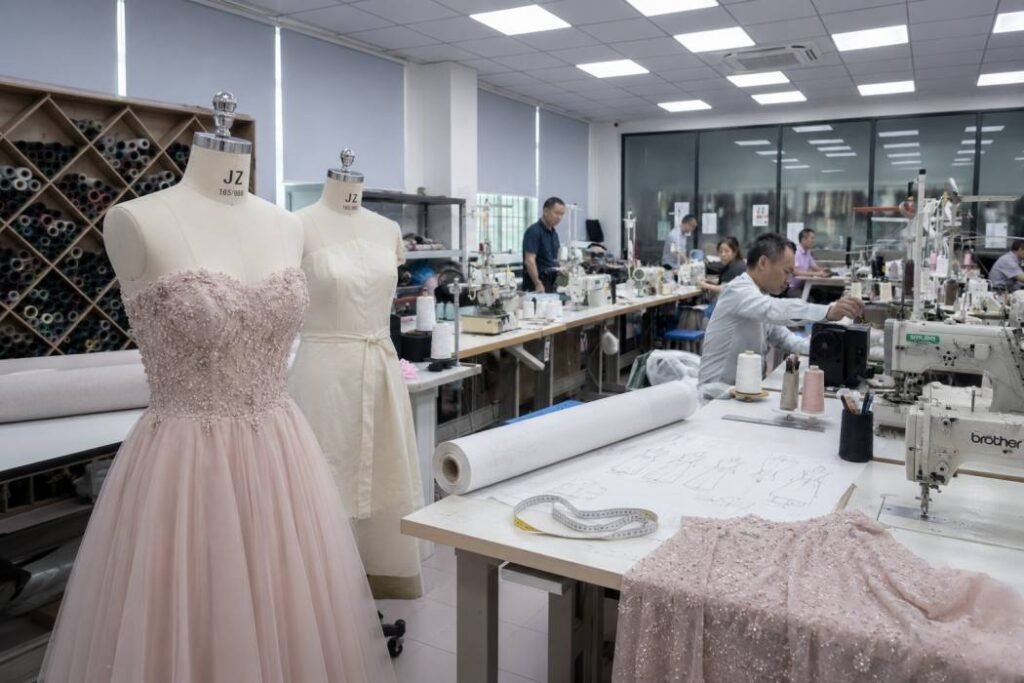
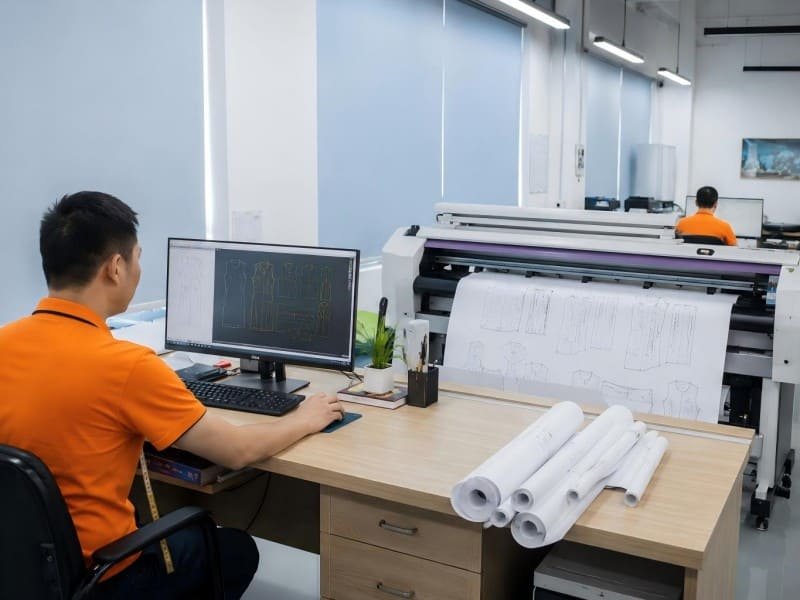
A dress sample is judged on the body, not only on a hanger. Duolan’s pattern and fit work focuses on turning visual design into wearable shape. The development team reviews neckline balance, bust position, waist control, hip ease, strap angle, sleeve movement, zipper placement, back exposure, hem fall, lining length, seam shaping, and size spec logic. CAD pattern systems, paper pattern output, sample sewing machines, overlock machines, coverstitch machines, cutting tables, sample pressing tables, and related development equipment support sample workflow across multiple style categories.
Fitted dresses require extra attention. Bodycon styles need stretch allowance and recovery control. Corset dresses need cup and boning logic. Halter dresses need strap tension and neckline stability. Backless dresses need hidden support and closure planning. Satin dresses need bias control and seam position. Mesh dresses need coverage, lining, and transparency balance. Sequin dresses need panel planning to reduce discomfort and sewing loss. Each design direction demands a different pattern decision.
Duolan treats fit comments as technical data. Instead of using general phrases such as “make it better,” comments are converted into measurable changes: reduce neckline gape, raise waist seam, adjust cup height, add hip ease, shorten strap length, move zipper, increase lining coverage, change seam allowance, or modify hem sweep. A revised sample should show visible progress based on recorded correction points. For teams managing 10–30 styles, organized fit engineering helps control parallel sample rounds without losing approval history.
Sample Risks Duolan Reviews Early
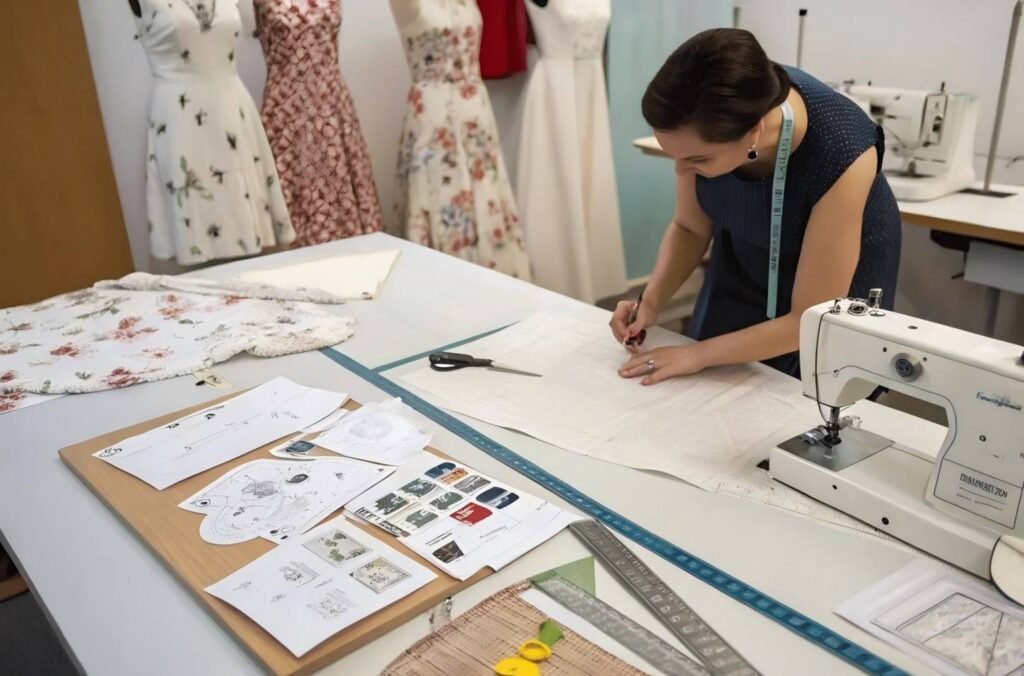
Different dress categories fail for different reasons. Duolan connects risk points with control actions before sample development goes too far.
| Dress Direction | Common Sample Risk | Duolan Control Action |
|---|---|---|
| Satin Dresses | Seam puckering, pressing marks, weak drape, visible lining edge, packing crease | Fabric direction review, needle and seam planning, lining check, pressing method, packing test direction |
| Bodycon Dresses | Poor stretch recovery, transparency, tight hip, waist rolling, uneven hem | Stretch review, opacity check, fit allowance, size spec control, hem recovery review |
| Corset Dresses | Cup misplacement, weak boning, unstable back, uncomfortable support | Cup position check, boning layout, lining reinforcement, closure review, fit sample correction |
| Mesh Dresses | Exposure risk, lining mismatch, print position error, seam visibility | Coverage review, lining selection, print placement check, seam location planning |
| Sequin Dresses | Heavy garment, skin irritation, falling sequins, rough seams, high sewing loss | Decoration density review, lining protection, seam planning, trimming allowance, bulk process review |
| Halter Dresses | Neck tension, bust instability, strap pulling, back imbalance | Strap angle review, bust support check, neckline pattern correction, closure stability review |
| Backless Dresses | Poor support, gaping back, unstable zipper, weak neckline hold | Hidden support planning, pattern balance, zipper placement review, lining and tape reinforcement |
| Vacation Dresses | Shrinkage, unstable drape, color variation, loose finishing | Fabric behavior check, pre-shrinkage direction, color review, seam and hem method planning |
Turning Visual Direction into a Real Dress Sample
Image-led Development Needs Technical Interpretation
Many fashion dress projects begin with a reference image rather than a full technical file. Duolan can support image-led sample development by translating visible design signals into material, pattern, construction, and production decisions. The process begins with visual reading: neckline, length, silhouette, sleeve, strap, waist seam, back detail, closure method, fabric surface, lining possibility, decoration placement, and intended occasion. The team then identifies missing information that must be confirmed before sampling.
A reference image may show a satin mini dress, but not fabric weight, lining method, zipper type, hem finish, seam allowance, bust support, or measurement spec. A mesh dress image may show transparency, but not lining coverage or print placement. A corset dress may show a structured front, but not cup height, boning position, or back closure. Duolan fills the technical gap through development questions, fabric suggestions, pattern planning, and sample purpose definition.
The workflow can move from reference review to fabric direction, initial pattern, first sample, fit review, revision, and production-ready sample. For programs with 10–30 styles, image-led development must be organized by style code, fabric group, sample purpose, and target launch window. Clear records allow each sample to be tracked from first interpretation to final approval.
Revision Control for Faster Approval
Comments Become Pattern, Fabric, and Construction Actions
Sample development becomes expensive and slow when comments are vague or unmanaged. Duolan separates sample feedback into clear categories:
- fit comments
- measurement comments
- fabric comments
- construction comments
- visual comments
- trim comments
- lining comments
- production feasibility comments
Each comment is reviewed against the sample purpose. A fit sample may focus on body shape and measurement correction. A photo-ready sample may prioritize visible finishing and fabric appearance. A PP sample must confirm production standards.
Revision control begins with understanding the issue. A tight waist may require pattern adjustment, fabric change, seam allowance review, or zipper relocation. A poor bust shape may involve cup position, lining structure, strap length, neckline angle, or fabric stretch. A satin seam issue may require needle choice, seam method, fabric direction, pressing control, or lining adjustment. Duolan’s team records the correction path before the next sample round begins.
For brand teams handling multiple samples at once, revision summaries are essential. They keep style code, comment date, change point, responsible area, and next sample action clear. Strong revision control reduces repeated corrections and helps samples move toward PP approval. The goal is not endless sampling. The goal is controlled improvement until the dress can become a reliable production reference.
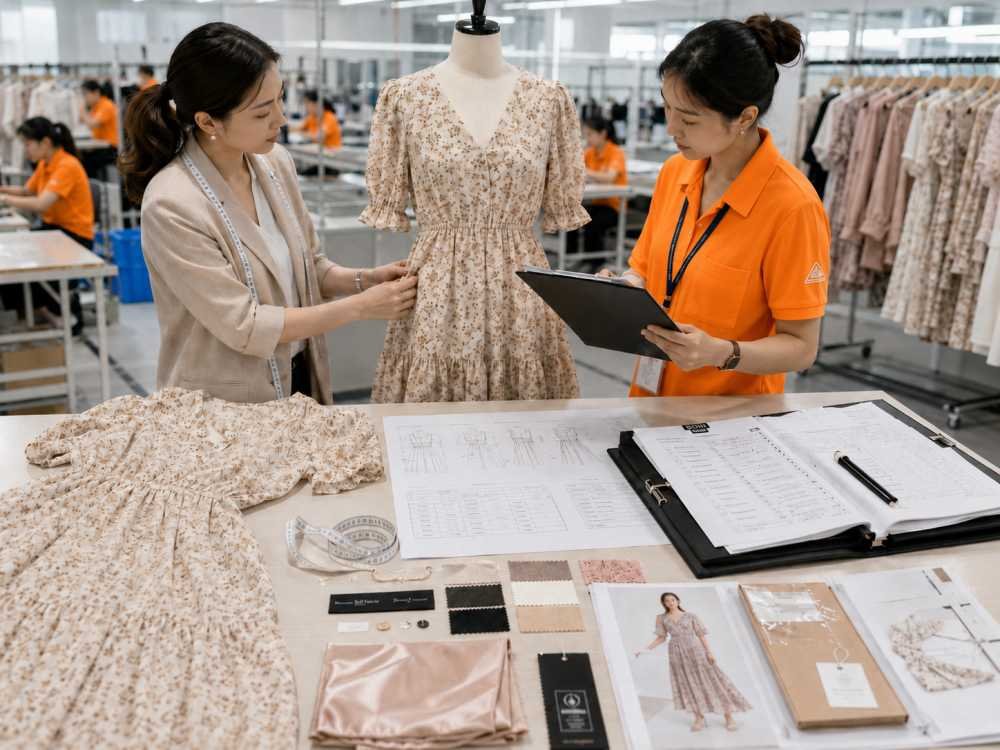
Sample Approval Checklist
Sample approval should cover more than appearance. Duolan helps teams confirm the details needed for production handover.
Fabric Approval
Fit Approval

Construction Approval
Color Approval

Trim Approval
Next-stage Approval
A Sample Should Be Ready for Bulk Decisions
From Good-looking Garment to Production Reference
A photo-ready sample can look strong in a campaign, but a production-ready sample must do more. It needs confirmed fabric, lining, trims, color, measurements, construction, fit, finishing, labels, and packing direction. Duolan develops samples with future production standards in mind, especially for dress programs expected to move into test orders, launch orders, and repeat production.
Production-ready sample review includes fit stability, measurement spec, pattern update, fabric direction, bulk fabric availability, trim confirmation, sewing method, workmanship standard, decoration process, pressing requirement, and packaging consideration. For satin dresses, seam and packing control may be added. For corset dresses, boning and cup structure must be confirmed. For bodycon dresses, stretch and recovery must be checked. For mesh or sequin dresses, lining, comfort, and process loss must be reviewed.
Duolan’s strength lies in connecting sample teams with manufacturing teams. The sample is not isolated in a development room. It becomes a communication tool for production planning, line instruction, QC reference, and reorder consistency. When a sample reaches production-ready status, it can support PP sample approval, bulk readiness review, fabric booking, trim preparation, size grading, and production schedule planning.
For fashion dress programs containing 10–30 styles and 20,000–80,000 total pieces, production-ready samples are essential. They allow teams to approve more styles with fewer surprises during bulk.

Sample Development Connected to Production
Approved Samples Become Production Instructions
Duolan does not treat sample approval as the end of development. Once the dress sample is accepted, the team reviews whether the style is ready for bulk planning.
- Fabric must be available in production quantity
- Trims must be confirmed
- Pattern and size spec must be updated
- Sewing points must be clear
- Decoration methods must be repeatable
- Packing direction must protect the garment
- QC points must be visible to production teams
The transition from sample to bulk is especially important for fast fashion dress programs. A brand may approve 15 satin, mesh, corset, bodycon, and occasionwear styles in one development cycle, then place a launch order across 30,000–60,000 pieces. If sample standards are not translated into production controls, bulk issues can appear in fit, color, seam finish, lining coverage, decoration stability, or packing wrinkles.
Duolan’s manufacturing structure supports the transition. Core styles can stay under owned factory control for stronger development and quality management. Repeat or volume styles can be planned through satellite factory collaboration when suitable. Special processes such as printing, dip dyeing, embroidery, washing, or decorative applications can be matched with long-term partners. The sample record becomes the base for production route planning, first-piece confirmation, inline QC, final inspection, and shipment preparation.
Development Capacity Backed by Manufacturing Scale
Sample development becomes more valuable when the supplier can also support production planning.
16 Owned Factories
20+ Satellite Factories
300 Sewing Lines
50+ Quick-response Lines
12,000+ Workers Network
15,000–35,000 Monthly Samples
Sample Development Supported by Real Factory Equipment
Development Work Requires Systems, Not Only Sewing Skills
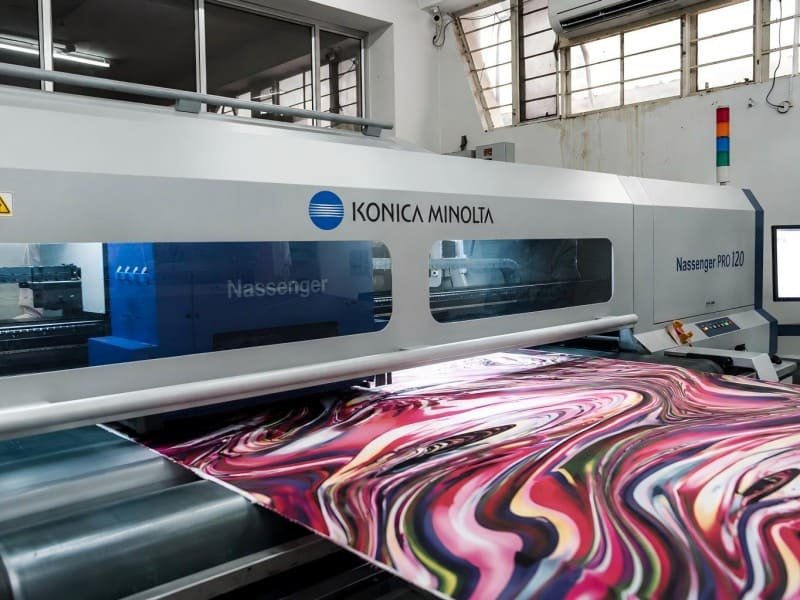
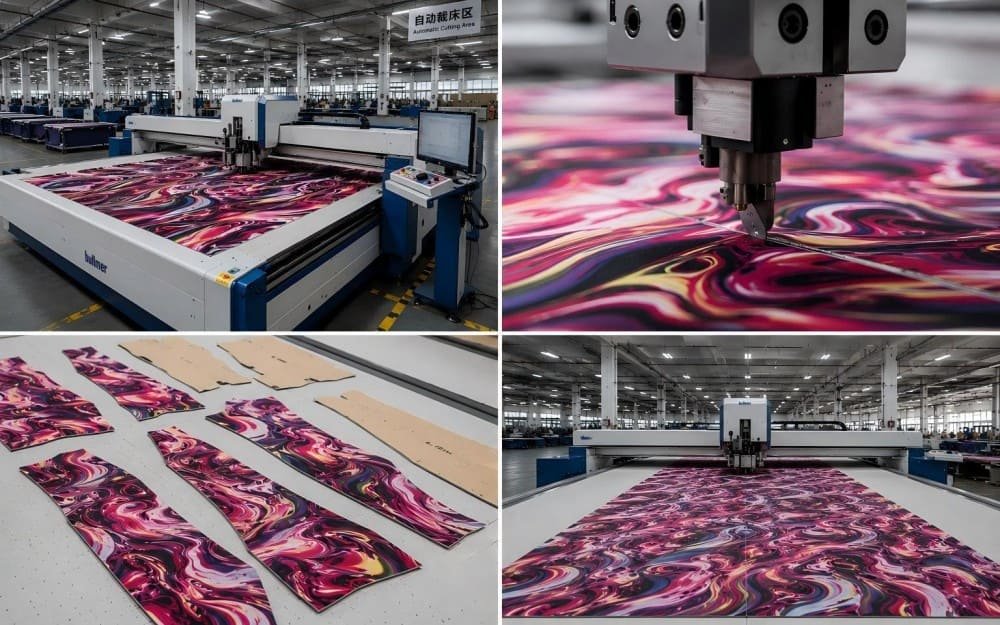
Duolan’s sample development is supported by a manufacturing group equipped for fabric inspection, pattern development, cutting, sewing, special processes, pressing, and quality review. Across the group, total equipment scale reaches around 12,000–20,000 sets. Fabric inspection, spreading, cutting, and preparation equipment includes shrinking machines, fabric rolling machines, fabric inspection machines, GSM testing machines, needle detection machines, color light boxes, automatic spreading machines, automatic cutting machines, computerized cutting beds, cutting tables, straight-knife cutters, end cutters, punching machines, and numbering machines, with around 1,100–2,000 sets in the group.
Pattern, sample, and development equipment includes CAD pattern systems, marker systems, pattern plotters, sample-room lockstitch machines, overlock machines, coverstitch machines, electric cutters, and sample pressing tables, with around 650–1,200 sets. Core sewing equipment includes single-needle and double-needle lockstitch machines, overlock machines, coverstitch machines, double-needle machines, four-needle six-thread machines, bartack machines, buttonhole machines, button attaching machines, special machines, elastic machines, pattern sewing machines, blindstitch machines, chainstitch machines, automatic template machines, and related equipment, with around 7,000–9,000 sets.
These numbers matter because fashion dress sample development is not only creative interpretation. It needs fabric preparation, accurate cutting, pattern correction, sample sewing, pressing, finishing, and measurement review. For satin, mesh, sequin, corset, and fitted dresses, equipment support helps the sample stage reflect real production conditions more closely.
Quality Control During Sample Development
Duolan reviews sample quality through fabric, measurement, construction, fit, record, and production-readiness checkpoints.
Fabric Check
Measurement Check
Construction Check
Fit Note Review
Sample Record
Pre-bulk Check
Sample Timing Depends on Project Readiness
Duolan plans sample timing according to file quality, fabric availability, style complexity, revision scope, and approval purpose.
Tech Pack-ready Sample
Reference-led Sample
Fabric-sourcing Sample
Complex Structure Sample
Revision Sample
PP Sample
Choosing the Right Sample Development Partner
Different supplier types can support different stages. Duolan is strongest when sample development must connect with dress-focused bulk production.
| Supplier Type | Strong Point | Common Limitation | Best Use |
|---|---|---|---|
| Local Sample Studio | Close communication, fast fitting, local review | Limited bulk production connection, higher development cost | Early prototype, showroom review, local fit check |
| Global Sourcing Company | Broad supplier network, multi-country coordination | Less hands-on control over each dress sample detail | Large sourcing programs, vendor consolidation |
| Traditional Garment Factory | Sewing capacity and production access | Weak fabric-fit review and revision structure | Simple production after clear sample approval |
| Duolan | Dress-focused sample development, fabric-fit-pattern review, production-ready sample, bulk transition | Best suited for teams with clear product direction and order planning | Fashion dress samples, PP approval, test orders, launch orders, repeat production |
Sample Development Projects Similar to Brand Programs
Duolan protects project privacy while sharing development situations common in fashion dress supply.
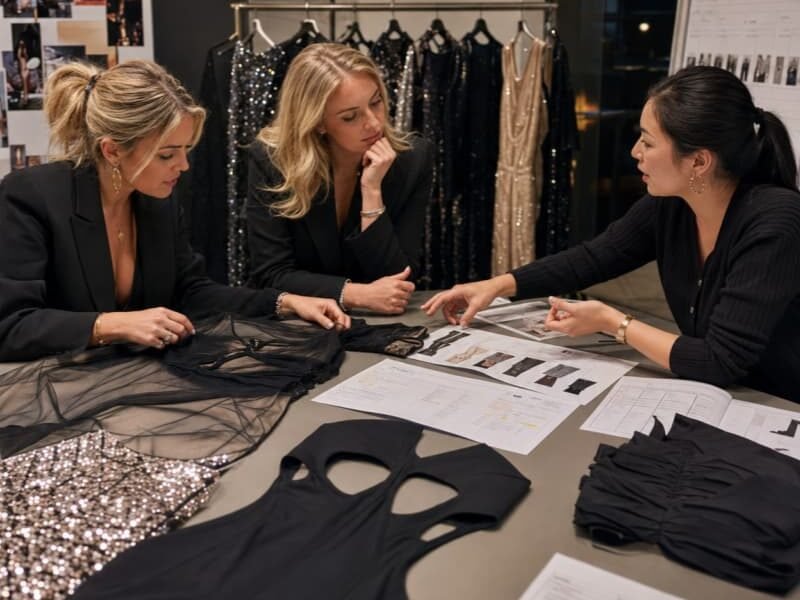
United States Partywear Program

United Kingdom Occasionwear Line

Australia Resort-to-going-out Drop
Frequently Asked Questions About Sample Development
You can send a tech pack, reference image, original sample photos, fabric direction, size chart, fit comments, target quantity, and launch schedule. A complete tech pack is helpful, but Duolan can also review image-led dress projects when the product direction is clear.
Yes. Duolan can review reference images and translate visible design details into fabric direction, pattern logic, construction method, lining needs, and sample planning. Missing technical details will be clarified before first sample development begins.
Duolan supports mini dresses, midi dresses, maxi dresses, party dresses, occasion dresses, cocktail dresses, going-out dresses, vacation dresses, bodycon dresses, corset dresses, halter dresses, satin dresses, mesh dresses, sequin dresses, and fashion sets.
Timing depends on file readiness, fabric availability, trim sourcing, construction difficulty, and revision scope. Tech pack-ready samples usually move faster, while fabric sourcing, corset structure, heavy decoration, special prints, and major fit correction require more planning time.
A first sample checks design direction, fabric behavior, pattern, and early construction. A PP sample confirms production standards, including final fabric, trims, measurements, workmanship, labels, packing direction, and approved sample reference for bulk production.
Yes. Duolan can support fabric sourcing, lining selection, trim matching, lab dip discussion, alternative material suggestions, zipper, cup, boning, lace, mesh, sequin, rhinestone, pearl, bead, label, and packaging component direction based on style needs.
Duolan separates comments into fit, measurement, fabric, construction, trim, lining, visual, and production feasibility sections. Comments are translated into pattern correction, material adjustment, sewing update, or revised sample action.
Only after production readiness review. Duolan checks final fabric, trims, color, measurements, size grading, construction, workmanship, label details, packing method, and QC reference before moving an approved sample into bulk planning.
Yes. Duolan’s monthly sample development capacity reaches 15,000–35,000 pieces or style-times, supporting around 3,000–8,000 style development and sample-making workflows per month. Multi-style programs can be organized by style code, fabric group, and approval stage.
Yes. Approved samples, PP samples, golden samples, measurements, construction notes, fabric direction, trims, and QC points can be used as references for repeat production and reorder consistency.

Start a Sample Development Review with Duolan
Send Duolan your dress development files and project direction. Our team will review the product type, sample purpose, fabric direction, fit priority, style complexity, target quantity, and launch schedule before recommending the right development path. Strong sample development begins with clear technical judgment, not rushed cutting.
Please include:
- Tech pack, reference image, or original sample photos
- Target product category and style count
- Fabric direction, trims, lining, and special process needs
- Base size, size range, and fit comments
- Sample purpose: first sample, fit sample, photo sample, PP sample, or size set
- Expected launch timing and production quantity
- Any current sample issue needing correction
Duolan is suitable for fashion dress teams planning structured sample development, PP approval, test orders, launch orders, and repeat production across dress-focused programs.