Skip to content
Product Development for Fashion Dress Brands | Women Clothing Manufacturer
Dress-focused womenswear product development for fashion brands, buying teams, product teams and sourcing offices.
Duolan helps fashion teams move from style direction to production-ready dress programs with controlled development, sampling and bulk planning.
- Fashion dress product development from reference, sketch, tech pack, original sample or collection brief
- Fabric, trim, pattern, fit, workmanship and PP sample coordination before bulk production
- Support for party dresses, occasion dresses, vacation dresses, going-out dresses, bodycon, satin, mesh, sequin and corset styles
- 16 owned womenswear factories, 20+ satellite factories, 300 sewing lines and 50+ quick-response lines behind development and production
- SMETA 2-Pillar audit record with brand-level quality and compliance coordination
What Product Development Means in Fashion Dresses
Product development connects design direction, material behavior, fit decisions, sample standards and scalable production planning.
In fashion dress manufacturing, product development is not only sketching, sampling or quoting. It is the controlled route from a brand’s creative direction to a garment version ready for internal review, photo shooting, sales planning, PP approval and bulk production.
For Duolan, product development starts with reading the style purpose. A party dress, vacation dress, fitted bodycon dress, satin slip dress, mesh layered dress or corset dress carries different risks. Fabric drape, stretch recovery, lining coverage, seam pressure, bust support, zipper position, decoration density and packing method can change the final garment effect.
A strong development process should answer several questions before the first sample begins: What product scene will the dress serve? Which fabric behavior supports the silhouette? Where will fit comments likely appear? Which details may affect bulk stability? Which sample type should come first? Which points must be locked before PP approval?
Duolan builds development around those decisions, then connects sampling with production planning. A sample becomes useful only when it can guide measurement, workmanship, fabric confirmation, cost structure, quality control and future reorder standards.
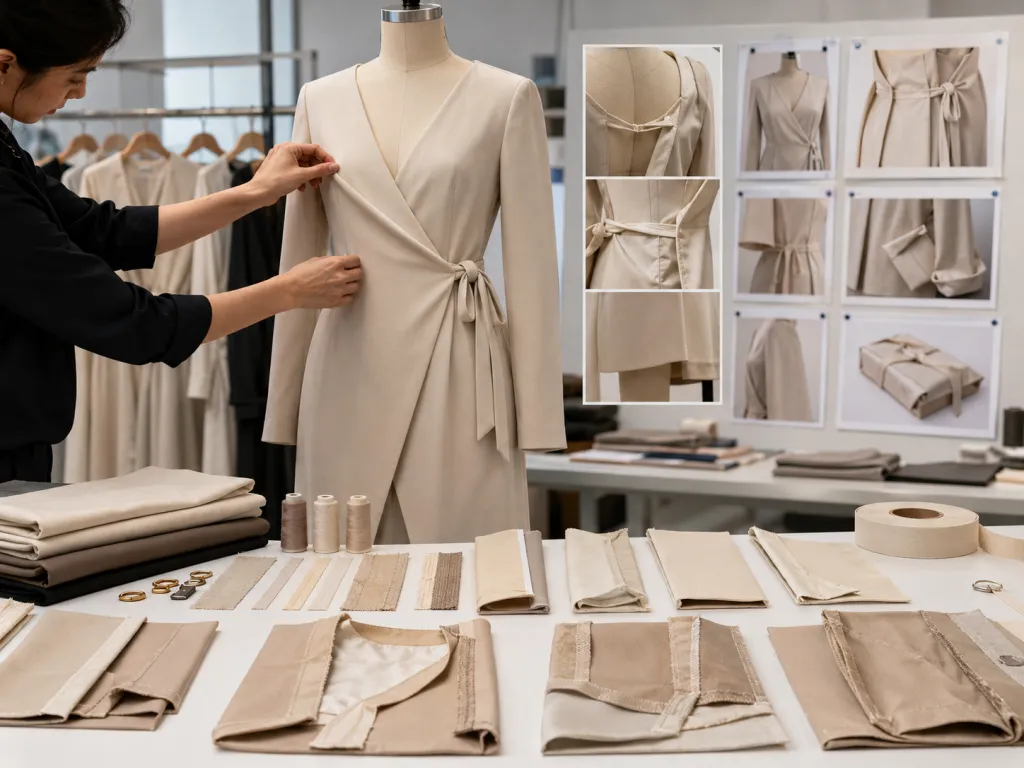
Product Development Stage Map
General product development becomes more valuable when translated into dress-specific development actions and control points.
| Development Stage | General Meaning | Fashion Dress Development Meaning | Duolan Control Point |
|---|---|---|---|
| Idea Direction | Early product concept | Scene, silhouette, length, wearing occasion and collection role | Review style purpose, target market and visual reference |
| Product Definition | Define product scope | Confirm dress category, fabric direction, size range, color plan and sample target | Build a development basis before sampling |
| Prototype | First physical version | Initial sample, fit sample or reference-led sample | Check fabric behavior, proportion, construction and visible risk |
| Design Refinement | Adjust design details | Revise neckline, bust, waist, hip, length, slit, strap, lining, trims and closures | Convert comments into pattern, construction and workmanship actions |
| Validation | Test feasibility | Fit review, measurement review, fabric matching, workmanship check and PP path | Decide whether style can move toward production-ready version |
| Commercialization | Prepare launch | Photo sample, sales sample, PP sample, launch order planning and bulk production | Lock fabric, BOM, measurements, workmanship, packing and QC nodes |
| Repeat Support | Preserve standards | Reorder file, pattern record, material reference and bulk quality basis | Support repeat orders, multi-style planning and future style extensions |
Built for Brand Product Teams
Fashion Brands
Buying Teams
Product Teams
Sourcing Offices
Multi-brand Groups
Dress-led Labels
Development Risks Before Sampling
Unclear Sample Goal
Fabric Style Mismatch
Fit Comment Confusion
Bulk Readiness Gap
Development Inputs Duolan Can Review

Tech Pack

Reference Image
Reference images can begin a development discussion when no full specification exists. Duolan reviews silhouette, construction clues, fabric possibilities, visible fit logic, likely lining structure and production-sensitive details. The goal is not blind copying. A reference should become a brand-owned dress direction with clearer materials, measurements, workmanship and sample route.

Original Sample

Fashion Sketch

Collection Brief

Fabric Direction

Size Chart

Launch Timeline
From Design Direction to Development Path
Duolan turns creative ideas into a controlled route for sampling, review, PP approval and bulk production.
A strong development path begins before fabric is cut. Duolan first reads the product direction: dress category, scene, silhouette, target market, price band, expected quantity, size range, fabric idea and launch timing. After the brief review, the development team decides which route fits the project.
A tech-pack-led style can move into specification-based sampling. A reference-image-led style needs visual analysis, construction interpretation, fabric matching and measurement building. An original-sample-led style may need redevelopment, fabric replacement, fit improvement or cost adjustment. A collection-led program needs style grouping, priority setting and shared fabric planning.
Duolan normally reviews the following points before sampling:
- Dress type: party, occasion, vacation, going-out, formal, bodycon, satin, mesh, sequin, corset, halter or backless
- Fabric behavior: drape, stretch, transparency, weight, shine, recovery, shrinkage and handfeel
- Structure: bust, waist, hip, strap, neckline, slit, lining, zipper, boning, cups and seam pressure
- Sample purpose: proto, fit, photo, sales, PP or bulk reference
- Production route: single style, multi-style program, repeat order, scale-up order or seasonal launch
- Risk level: standard, fit-sensitive, fabric-sensitive, decoration-heavy or complex construction
A clear route helps the brand team understand what will be sampled, which points need confirmation and how the sample can move toward production-ready status.
Product Development Risk Review
Every serious development problem should connect to a control action before sampling or production.
| Risk Area | Common Dress Problem | Duolan Control Action | Expected Development Output |
|---|---|---|---|
| Design Translation | Reference looks strong but lacks construction logic | Review silhouette, seams, closure, lining, support and trim needs | Development direction note |
| Fabric Matching | Fabric cannot support shape, drape or coverage | Check drape, stretch, shine, transparency, recovery and sewing behavior | Fabric and trim questions |
| Fit Balance | Sample looks right on hanger but weak on body | Review bust, waist, hip, strap, length, slit and stretch tension | Fit comment action list |
| Complex Workmanship | Sequin, mesh, corset or satin details create production risk | Check sewing method, inner structure, decoration density and handling needs | Workmanship feasibility note |
| Sample Route | Wrong sample type slows review | Define proto, fit, photo, sales, PP or bulk reference purpose | Sample proposal |
| Bulk Difference | Sample is approved without production standard | Lock BOM, fabric, measurements, workmanship, PP basis and packing | Bulk readiness note |
| Timeline Pressure | Launch window leaves little room for revision | Reverse-plan sample, revision, PP, production, QC and shipping nodes | Development calendar |
| Reorder Drift | Repeat orders lose original standard | Preserve pattern, material reference, comments, packing and QC records | Reorder reference file |
Fashion Dress Categories for Development

Mini Dresses

Midi Dresses

Maxi Dresses

Party Dresses

Occasion Dresses

Vacation Dresses

Going-out Dresses

Bodycon Dresses

Satin Dresses

Mesh Dresses

Sequin Dresses
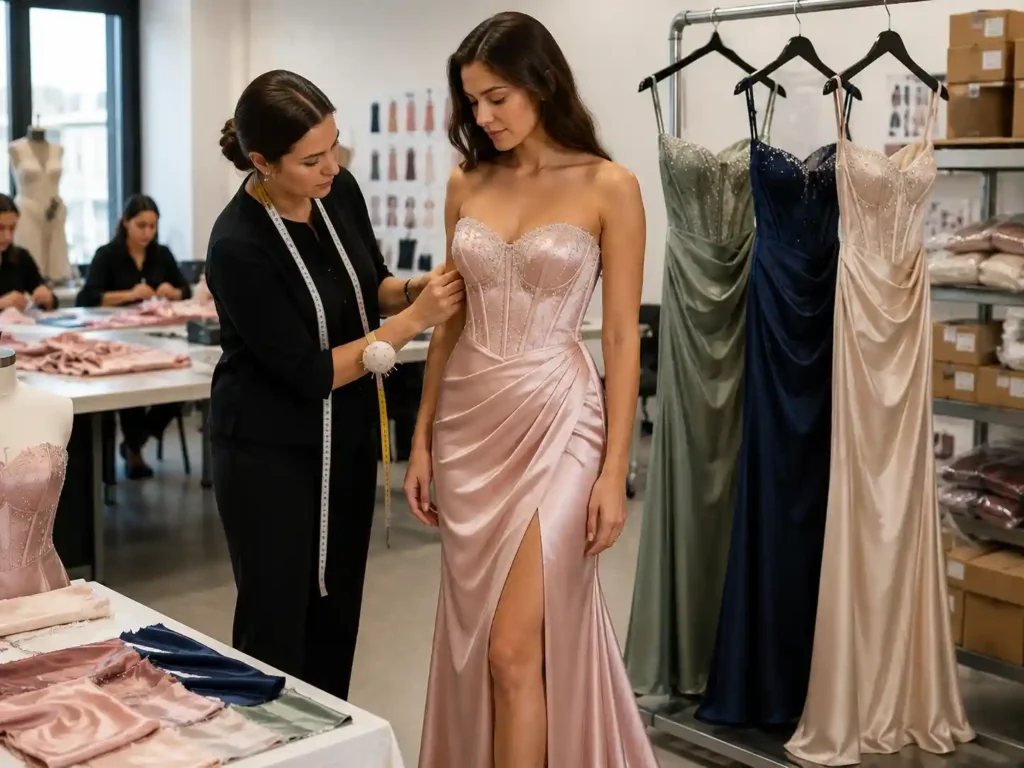
Corset Dresses

Halter Dresses

Backless Dresses

Two-piece Sets

Collection Planning for Fast Fashion Drops
Duolan supports dress programs built around launch calendars, style grouping, fabric families and repeat potential.
A strong fashion dress program is rarely built from one isolated style. Mature brands often develop 10–30 styles per launch window, then divide them into hero styles, commercial styles, test styles and repeat candidates. Duolan supports collection planning by connecting style direction with fabric sourcing, sample route, factory allocation and production readiness.
For a party season drop, the development plan may include fitted minis, satin midis, sequin statement dresses, mesh layered pieces and backless silhouettes. For resort or vacation programs, planning may focus on lightweight maxi dresses, sundresses, two-piece sets, printed fabrics and packable finishes. For occasionwear, development may center on cocktail, wedding guest, graduation and homecoming styles with stronger fit and presentation requirements.
Duolan reviews the collection through several lenses:
- Style structure: mini, midi, maxi, fitted, halter, backless, corset, satin, mesh, sequin, lace or two-piece
- Fabric family: shared fabrics, special fabrics, trims, lining, color groups and sourcing risk
- Sample priority: hero styles first, high-risk styles early, commercial styles grouped by fabric
- Quantity logic: style count, color count, size ratio, launch order and repeat order potential
- Timeline path: development review, fabric confirmation, first sample, revision, photo sample, PP sample, bulk production, QC, packing and shipping
- Production path: core factory, quick-response line, special process partner or multi-factory coordination
Collection planning helps avoid scattered sampling. The goal is to build a development rhythm where the brand team can review styles in a useful order and move approved products into bulk production with fewer uncontrolled changes.
Fabric and Trim Development Support
Fabric decisions shape drape, fit, cost, production route, quality control and final dress presentation.

Satin

Mesh

Lace

Jersey

Woven Fabric
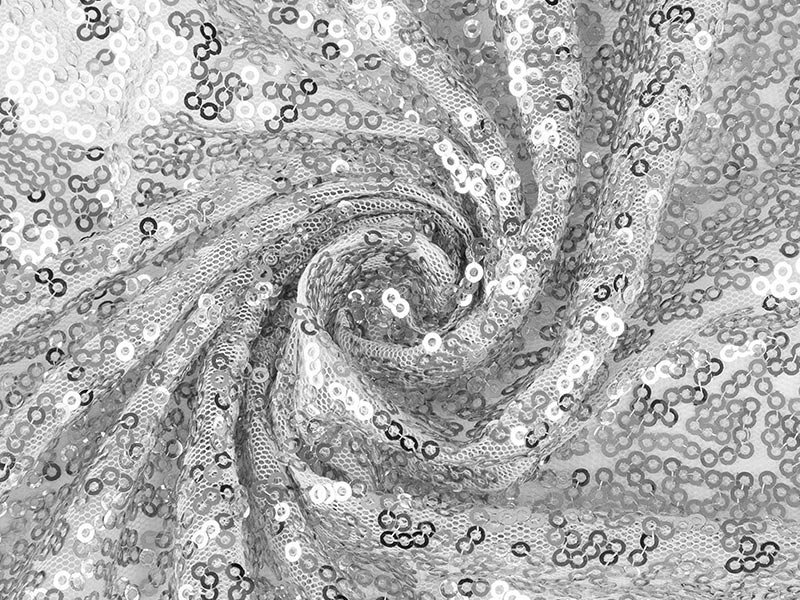
Sequin Fabric

Embroidery

Prints
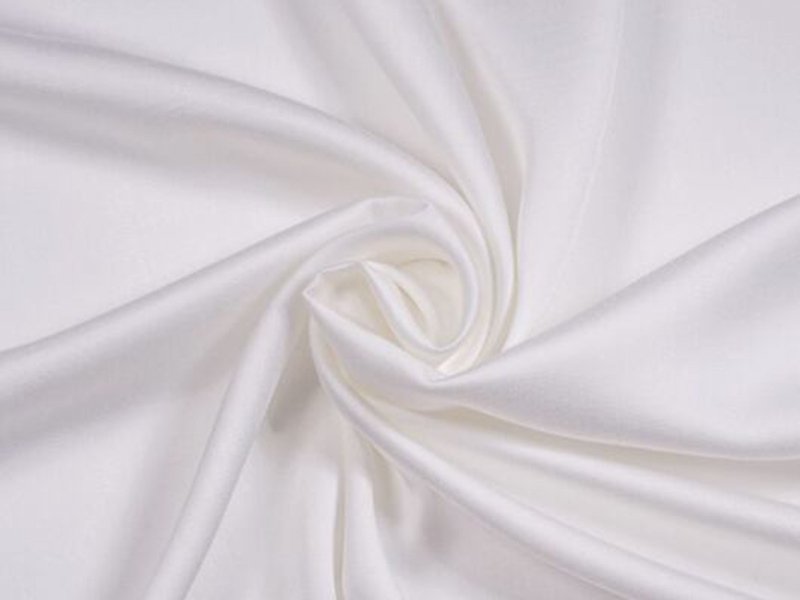
Lining

Zippers

Elastic
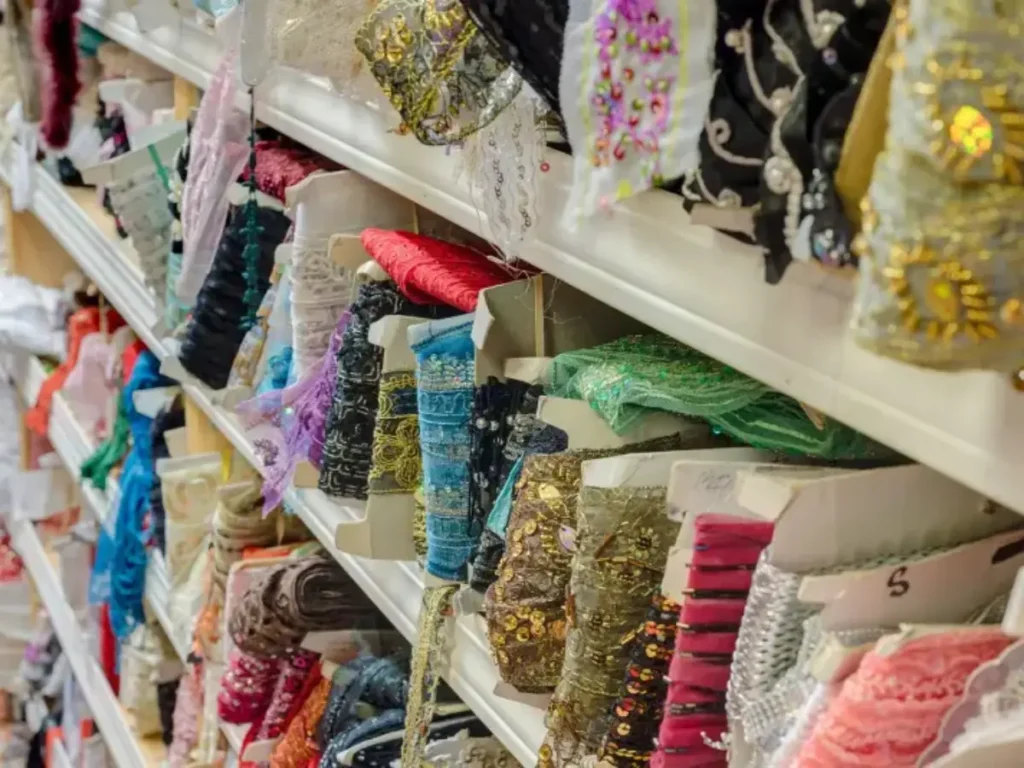
Decorative Trims
Pattern, Fit and Silhouette Development
Dress development depends on body balance, fabric response, structure and repeatable pattern decisions.
Pattern and fit work decide whether a dress becomes a sellable product or only an attractive sample. Duolan treats fit as a relationship between fabric behavior, body proportion, construction and size standard. A bodycon dress depends on stretch and recovery. A satin dress depends on drape and seam control. A corset dress depends on support and placement. A halter dress depends on neckline and neck pressure. A backless dress depends on body security without visible support.
Before making or revising a sample, Duolan reviews the dress around key control zones:
- Neckline: depth, coverage, gaping risk, binding method and shoulder balance
- Bust: cup position, support need, dart or seam structure, lining and wearer comfort
- Waist: balance, placement, shaping, zipper pressure and seam strength
- Hip: ease, stretch, pattern curve and size grading risk
- Skirt: length, sweep, slit, hem stability, lining and movement
- Back: closure, strap angle, exposure level, support and wearer security
- Side seams: fabric tension, shape transition and possible distortion
- Size range: base sample size, grade rule, measurement priority and tolerance logic
For product teams, the most valuable sample is not only close to the reference. It should explain what needs to be corrected and whether the garment can move into PP standard. Duolan’s pattern and fit review helps turn comments into measurable actions, so each revision has a clearer purpose.
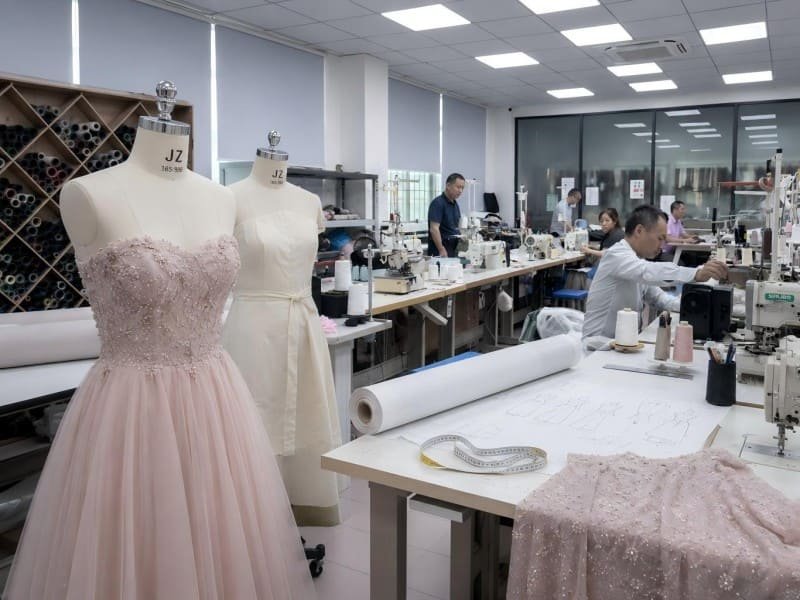
Complex Dress Development Details
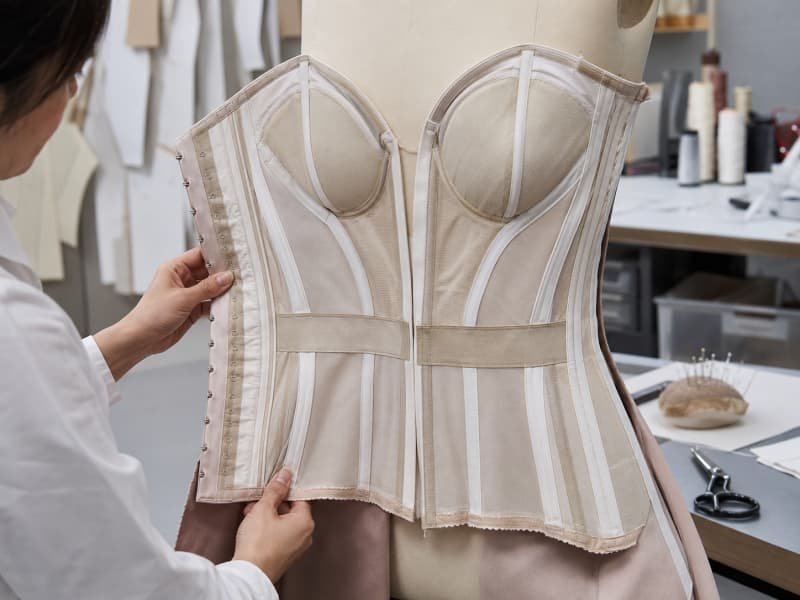
Corset Support
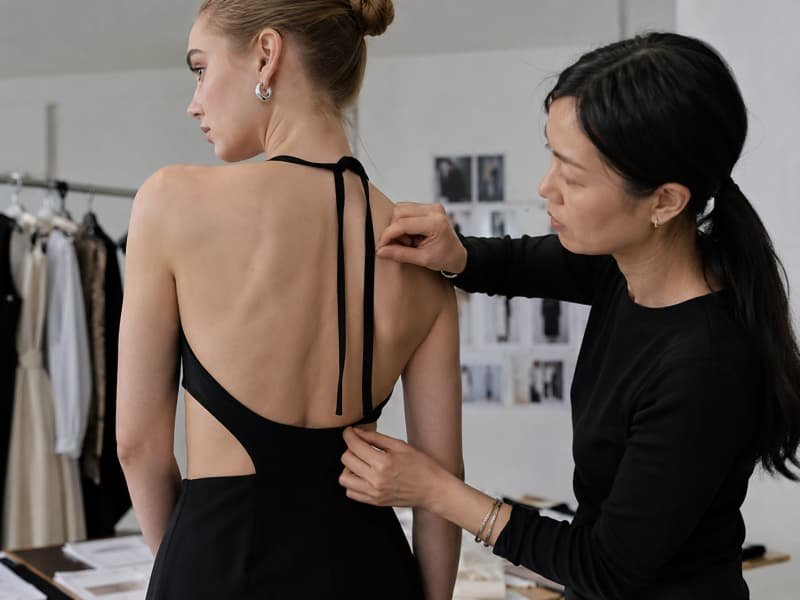
Backless Balance

Halter Neck Fit

Satin Drape
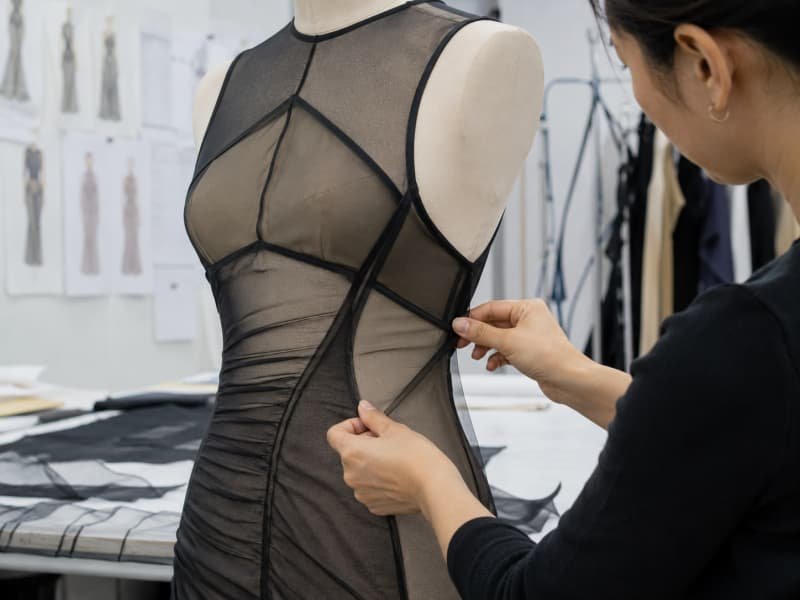
Mesh Coverage

Sequin Stability
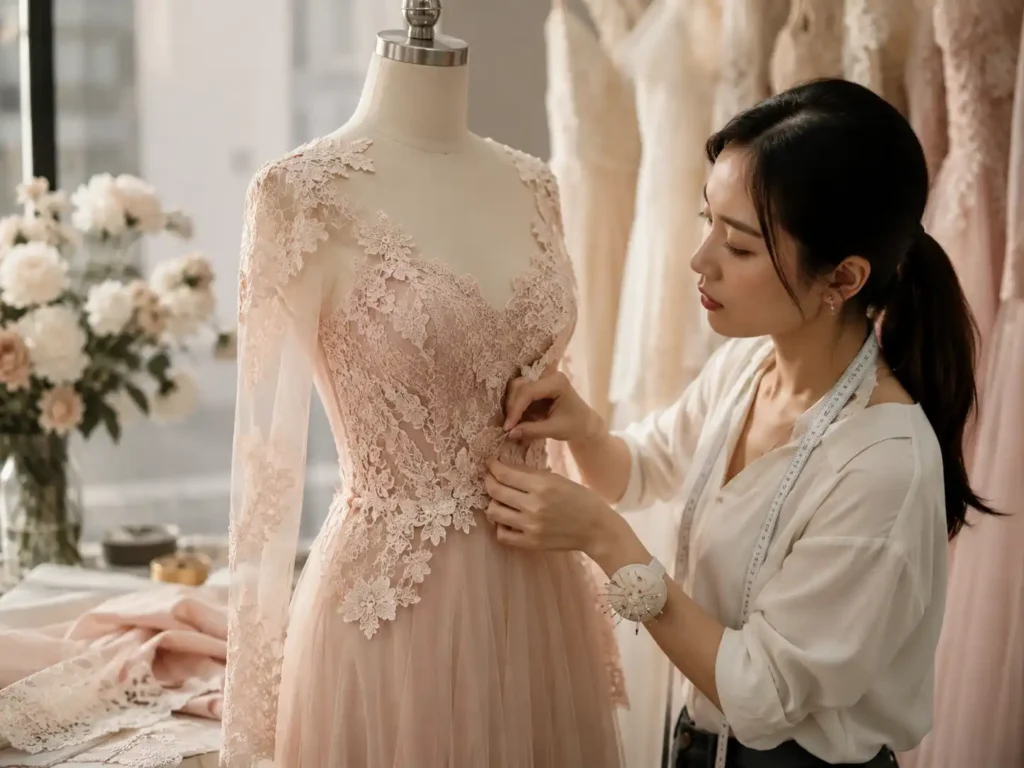
Lace Placement
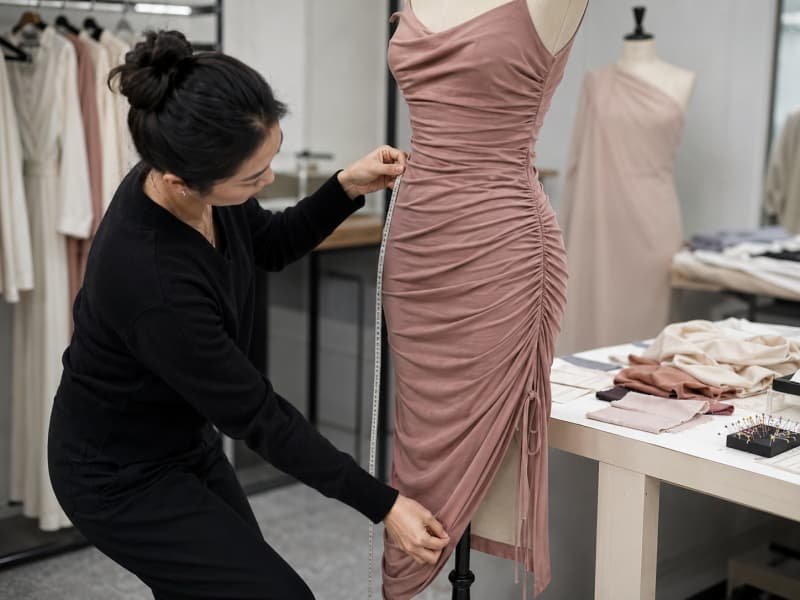
Ruched Construction

Lining Control
Sample Development Path
Proto Sample
Fit Sample
Photo Sample
Sales Sample
PP Sample
Bulk Reference
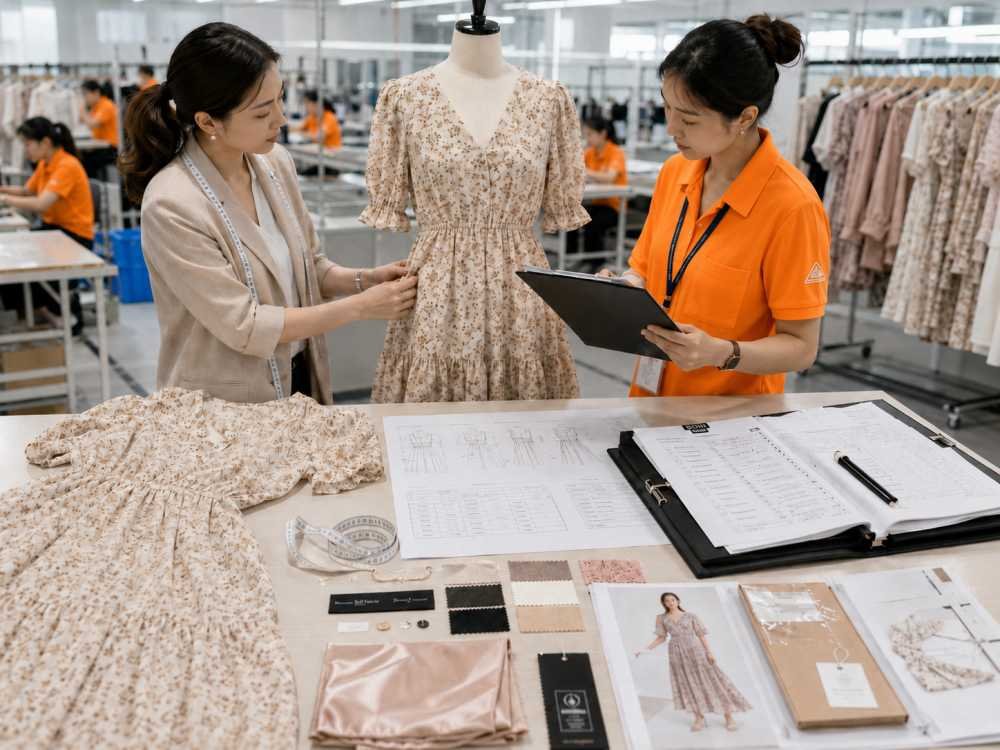
Sample Review and Revision Control
Revision work becomes valuable when comments are organized, translated and connected to the next sample action.
Sample revision should not become a vague conversation. Duolan works to convert comments into specific actions: pattern adjustment, measurement change, fabric replacement, trim change, lining correction, seam update, decoration modification, pressing improvement or PP readiness review.
A brand team may say the bust feels loose, the waist looks high, the hem feels heavy, the mesh feels too transparent, the satin shows pulling, or the corset does not support enough. Duolan separates visual comments from fit comments, construction comments from fabric comments, and sample comments from bulk-related risks.
A controlled revision process may include:
- Fit comment: neckline gaping, bust balance, waist placement, hip tension, strap length, back support
- Measurement comment: garment length, chest, waist, hip, sleeve, strap, slit height, hem sweep
- Fabric comment: drape, shine, opacity, stretch, recovery, GSM, lining compatibility
- Workmanship comment: seam finish, zipper, boning, ruching, embroidery, sequin edge, lace placement
- Visual comment: proportion, color, finish, styling, press effect, photo-readiness
- Production comment: BOM, PP basis, QC point, packing risk, repeat file need
After review, the brand team should understand what changed, why the change matters and which sample stage comes next. Strong revision control makes the development path more accurate with every round.
CTA 1: Send Sample Comments
CTA 2: Review Revision Plan
Workmanship Standards for Dress Development
Dress workmanship must protect appearance, comfort, strength and repeatability before bulk production.
Fashion dresses expose workmanship more quickly than many basic garments. A satin seam can leave visible pressure. A mesh edge can look rough under light. A bodycon side seam can twist if stretch tension is wrong. A corset seam can move support away from the body. A sequin edge can scratch skin. A lace panel can lose value if placement is not controlled.
Duolan reviews workmanship based on garment type and final use. For fitted dresses, the team checks side seam balance, stretch recovery, hem tension and measurement control. For satin dresses, seam smoothness, pressing method, lining and packing are reviewed together. For mesh and lace dresses, transparency, edge finish, layer control and motif placement matter. For corset and bustier styles, inner structure, boning, cup, closure and support must be reviewed before PP approval.
Key workmanship points may include:
- Sewing: seam type, stitch tension, seam allowance, inner finish and reinforcement
- Structure: boning, cups, lining, interlining, zipper, strap, closure and support
- Decoration: sequin, pearl, bead, rhinestone, lace, embroidery, print or appliqué
- Pressing: satin surface, seam marks, garment shape and final presentation
- Inspection: measurements, workmanship points, loose threads, stains, needle control and packing appearance
- Repeat file: confirmed sample, BOM, measurements, workmanship notes and QC reference
Workmanship control is not only about quality inspection at the end. It starts during development, because many bulk risks are created by early material and construction decisions.

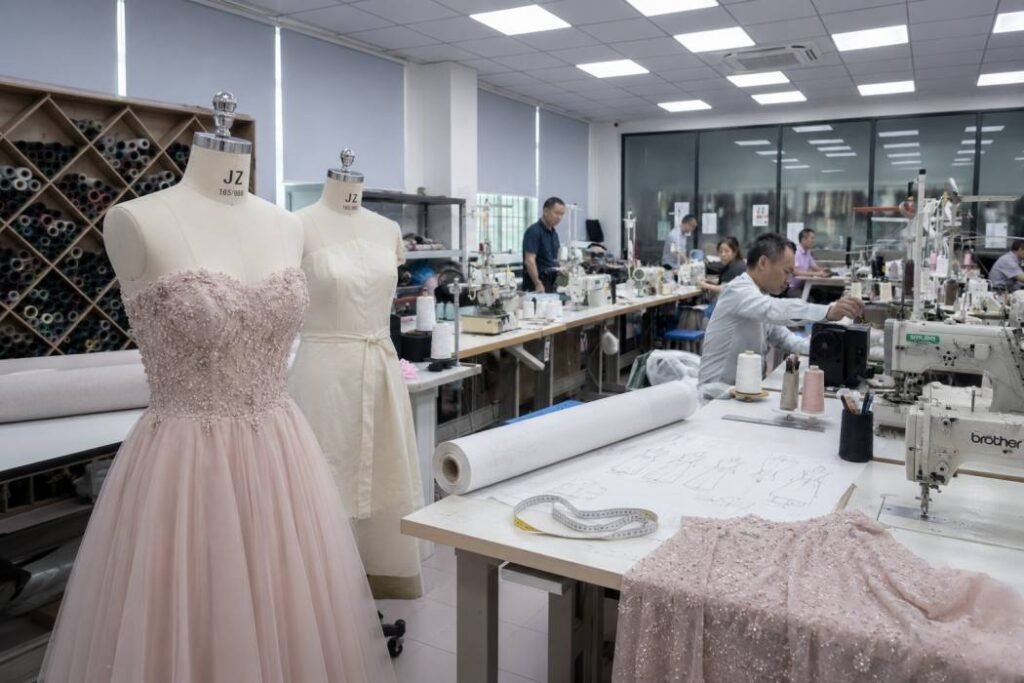
Production-ready Sample Standard
A sample becomes valuable when it can guide production, QC, packing and repeat order control.
A production-ready dress sample must do more than look close to a reference image. It should provide a reliable basis for bulk production. Before moving forward, Duolan reviews whether the approved version has enough clarity for factory teams, QC teams, packing teams and future reorder files.
A production-ready standard normally includes:
- Fit status: approved, pending minor adjustment or still under review
- Visual status: silhouette, length, color, fabric handfeel and presentation confirmed
- Material status: fabric, lining, trims, zipper, buttons, elastic, thread and decoration locked
- Measurement status: base size, grade rule direction, tolerance priorities and key control points reviewed
- Workmanship status: seam method, inner structure, finish, decoration, pressing and reinforcement clarified
- PP basis: sample version, BOM, pattern file, trim board and QC checkpoints aligned
- Packing status: folding, hanging, polybag, carton, label, barcode, hangtag or warehouse requirement reviewed
- Production path: single factory, quick-response line, special process support or coordinated factory allocation considered
Sample-to-bulk gaps often appear when a sample is approved visually but not technically. Duolan’s production-ready review helps reduce uncontrolled changes before material purchasing, line planning and bulk release.
Manufacturing System Behind Development
Duolan combines development depth, factory scale, quick-response lines and coordinated production resources for dress programs.
Duolan’s product development is backed by a multi-layer womenswear manufacturing system. The structure includes 16 owned fashion womenswear factories, 20+ long-term satellite factories, regional production bases in Guangxi, Guizhou, Sichuan and Jiangxi, and more than 12,000 workers across coordinated resources.
Equipment and production support include approximately 12,000–20,000 sets of group-level equipment across fabric inspection, cutting, sampling, sewing, printing, embroidery, finishing, packing and auxiliary systems. Core sewing equipment includes about 7,000–9,000 machines, supported by 300 garment sewing lines, 50+ quick-response and flexible production lines, multiple sample pilot lines, printing lines, embroidery lines, washing and finishing lines, and automatic cutting support.
Development capacity is built for high-frequency fashion work. The group structure supports 15,000–35,000 sample developments per month and 3,000–8,000 style development and sampling processes per month. Stable monthly production capacity is about 6,500,000 pieces, with peak capacity reaching about 10,000,000 pieces when production resources are scheduled for high-volume periods.
For fashion dress programs, scale has meaning only when it supports control. Owned factories can handle core styles and higher-control projects. Satellite factories can support repeat orders, scale-up programs and elastic capacity. Special process partners support print, tie-dye, embroidery, washing and finishing needs. Production planning can match style complexity, material route, order quantity and launch timing before bulk starts.

Quality Control Points in Development
Dress quality control begins from fabric review, pattern decisions and PP standards, not only final inspection.
Fabric Inspection
Pattern Check
Sample Measurement
PP Sample Review
Inline QC
Final Packing Check
Brand-level Compliance Readiness
SMETA Record
Testing Coordination
Quality Standard
Supplier Evaluation
Project Management and Communication System
Development moves faster when comments, materials, timelines and production decisions are managed in sequence.
Product development fails when information moves without structure. Duolan organizes development communication around project stage, sample purpose, material direction, fit priority, production risk and next action. The goal is not frequent messages alone. The goal is useful communication that helps the project move from brief review to sample, revision, PP approval and production planning.
A structured development process may include:
- Project brief review: category, reference, target market, quantity, size range, fabric direction and launch window
- Feasibility review: silhouette, construction, fabric behavior, trims, lining, decoration and bulk risk
- Sample plan: sample type, sample purpose, material needs, cost factors and lead time discussion
- Sample update: cutting, sewing, special process, finishing and review schedule
- Revision record: comments grouped by fit, measurement, fabric, workmanship, visual and production points
- PP alignment: fabric, trims, measurements, workmanship, labels, packing and QC checkpoints
- Production path: style-color-size breakdown, line allocation, special process coordination and timeline planning
- Delivery support: packing, carton, document, forwarder and shipment method coordination
Duolan can communicate through email, WhatsApp, WeChat, voice call, video meeting and formal project files. For high-value dress programs, project records matter because development decisions must remain clear when styles move from sample room to production lines.

Product Development Examples
US Going-out Dress Program
- Region: United States
- Project Scope: 18 styles, 42,600 pieces, 5 core silhouettes, XS–XL size range
UK Occasionwear Collection
- Region: United Kingdom
- Project Scope: 24 styles, 68,000 pieces, cocktail, wedding guest and graduation edit
Australian Resort Dress Drop
- Region: Australia
- Project Scope: 15 styles, 31,800 pieces, vacation dresses and two-piece sets
Product Development Supplier Comparison
Strong fashion development suppliers connect design, material, sampling, production and quality control in one system.
| Supplier Type | Product Understanding | Fabric & Fit Support | Sample-to-Bulk Control | Manufacturing Base | Best Fit |
|---|---|---|---|---|---|
| Basic Sewing Factory | Usually follows provided file | Limited fabric or fit review | Depends heavily on client instruction | Single production point or narrow capacity | Simple styles with complete files |
| Trading Sourcing Agent | Can source options across factories | Varies by partner factory | Less direct control over factory execution | External factory network | Price comparison and sourcing coordination |
| Sample Studio | Strong for prototype or creative sample | Good for early design trial | Limited bulk production ability | Usually sample-focused | Design exploration before factory transfer |
| Duolan | Dress-focused development for fashion teams | Fabric, trim, pattern, fit, workmanship and PP review | Bulk readiness review, PP control, QC and repeat file support | 16 owned factories, 20+ satellite factories, 300 sewing lines, 50+ quick-response lines | Multi-style dress programs, launch orders and repeat production |
Download Product Development Brief
Prepare clearer project information before sending dress references, tech packs, samples or collection ideas.
A strong development brief helps product teams reduce unclear sampling, repeated comments and production-readiness gaps. Duolan can review a project more accurately when the brand team shares the right information early.
Recommended brief sections include:
- Dress category: party, occasion, vacation, going-out, bodycon, satin, mesh, sequin, corset, halter, backless or two-piece
- Project purpose: first sample, fit sample, photo sample, sales sample, PP sample, launch order or repeat order
- Style references: images, sketches, original samples, previous collection links or moodboard
- Fabric direction: composition, handfeel, GSM target, stretch level, drape, shine, transparency or swatch photos
- Color plan: Pantone, lab dip needs, color count, print artwork or seasonal palette
- Size range: base sample size, size chart, grade rule, fit priority and measurement tolerance
- Quantity plan: style count, color count, size ratio and expected order quantity
- Timeline: target sample review date, photo shooting date, PP approval window and launch window
- Quality points: workmanship concerns, lining needs, packing requirements and compliance needs
- Files: tech pack, BOM, label file, packing manual, artwork file or inspection standard
A downloadable brief can also help internal teams prepare clearer information before contacting Duolan.

Product Development Frequently Asked Questions
Yes. Duolan can review reference images, original samples, sketches, fabric direction or collection briefs. A complete tech pack helps, but development can begin from different inputs. Before sampling, Duolan will clarify missing information such as measurements, fabric, trims, lining, sample purpose, target quantity and timeline.
Duolan focuses on fashion dresses, occasion dresses, party dresses, body-conscious dresses, fitted dresses, fashion sets and refined fashion tops. Common development directions include mini, midi, maxi, satin, mesh, sequin, lace, corset, halter, backless, vacation, going-out and wedding guest dresses.
Sample time depends on fabric readiness, style complexity, trim sourcing, decoration, special process and comment rounds. Standard fashion dress samples are usually planned faster than sequin, embroidery, corset, special dye or fabric-development styles. Duolan reviews sample timing after checking design files, material needs and sample purpose.
Yes. Duolan is suitable for dress programs with multiple styles, colorways and launch windows. Programs with 10–30 styles can be reviewed by silhouette, fabric family, sample priority, complexity, quantity and bulk path. Style grouping helps sampling and production planning stay more controlled.
Duolan reviews bulk readiness before production starts. Fabric, lining, trims, measurements, workmanship, PP sample, packing and QC points should be aligned before bulk release. For complex styles, Duolan may recommend first-piece confirmation or pilot-stage verification before full production runs.
Yes. Duolan works with fabric, accessory, trim and special process resources. Fabric direction may start from swatches, reference garments, composition targets, handfeel, drape, stretch level, color or surface texture. The review focuses on garment effect, production feasibility and quality stability.
Yes. Qualified brand teams can request company profile, factory capability details, development process, sample control, QC process, compliance information and production capacity details. Duolan’s manufacturing system has SMETA audit and SMETA 2-Pillar audit record.
Helpful files include tech pack, reference images, original sample photos, sketch, fabric idea, target quantity, size chart, color plan, launch date and packing requirements. Clearer files help Duolan review sample route, fabric questions, risk points and bulk feasibility faster.
Yes. Duolan can support corset, bustier, bodycon, satin, mesh, sequin, lace, halter, backless and ruched dress development. Complex styles need early review around fabric, structure, fit, lining, support, decoration, sewing method, PP control and QC checkpoints.
Send your development brief, reference images, tech pack, original sample photos, fabric direction, target quantity and launch timeline. Duolan will review product direction, missing information, sample path, fabric and trim questions, bulk feasibility and next-step planning.

Start a Development Review
Share your fashion dress development project with Duolan for a structured review. You may send a tech pack, reference image, original sample photo, fashion sketch, fabric direction, collection brief, target quantity, size range, color plan, packing requirement and launch timeline.
Duolan will review the product direction, fabric and trim questions, pattern and fit priorities, sample type, development risk, PP control needs and bulk production path before responding. For multi-style programs, please include style count, color count, expected quantity per style, target market and preferred sample review window.
Useful information to submit:
- Dress category and style references
- Tech pack, BOM, size chart or sample photos
- Fabric direction, color plan and trim details
- Target quantity, size range and launch timeline
- Required sample type: fit, photo, sales, PP or bulk reference
- Quality, compliance, packing or warehouse requirements