Skip to content
Fabric & Trim Sourcing for Fashion Dress Brands
Fabric and trim sourcing for fashion dress development, sampling, bulk production and repeat order consistency.
Duolan helps fashion brands, product teams and sourcing offices connect material decisions with real dress development outcomes.
- Fabric direction review before sample development
- Lining, zipper, boning, cup, label and packaging trim coordination
- Material behavior review for fit, drape, support, transparency and workmanship
- Fabric-to-style matching for party, occasion, fitted, satin, mesh and embellished dresses
- Bulk material locking, PP sample alignment and production readiness review
Development Sourcing for Fashion Dress Brands
Material sourcing becomes valuable only when fabrics and trims support the target garment, sample path and production standard.
Duolan approaches fabric and trim sourcing as a development decision. A material may look correct on a swatch card, yet fail once sewn into a fitted dress, satin slip, mesh layered piece, corset silhouette or embellished party style. Weight, stretch, recovery, opacity, surface finish, lining coverage, seam behavior and trim compatibility all influence whether a sample can become a reliable production standard.
For fashion dress programs, Duolan reviews material decisions together with:
- Dress category: party, occasion, fitted, resort, vacation, going-out or fashion set
- Silhouette requirement: body-hugging, structured, draped, layered, lined or embellished
- Fabric behavior: handfeel, GSM, stretch direction, transparency, shrinkage and surface stability
- Trim function: support, closure, comfort, branding, decoration and packaging presentation
- Production route: sample, revised sample, PP sample, launch order, repeat order and scale-up order
Duolan’s value sits between sourcing and manufacturing. The team does not stop at “available fabric.” The internal review connects fabric, trims, pattern, sample purpose, workmanship method, BOM accuracy and bulk readiness. For mature fashion brands, the goal is not simply finding materials. The goal is making material choices strong enough for development approval, production transfer, QC inspection and future repeat orders.
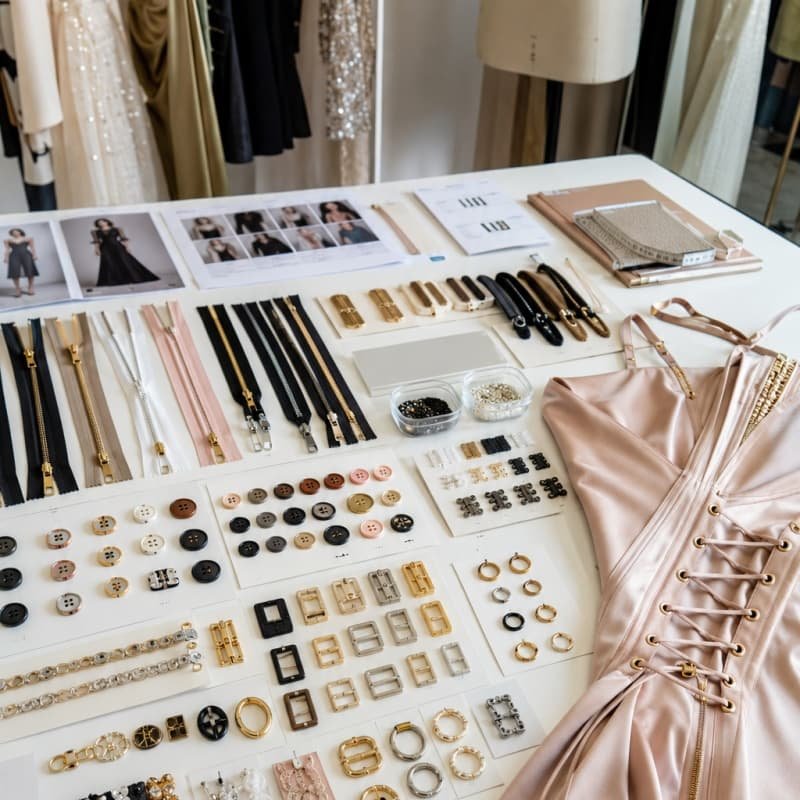
Built for Structured Fashion Teams
Duolan works best with teams managing clear product direction, launch calendars, sampling standards and planned production growth.
Fashion Brands
Fashion brands need material sourcing aligned with style identity, price band, collection rhythm and quality expectation. Duolan helps review fabric and trim direction before sampling, so satin, mesh, jersey, lace, sequin or crepe decisions match the intended dress effect. The team can also support label, packaging and repeat order material preservation for future drops.
Product Teams
Sourcing Offices
Buying Groups
Fabric & Trim Categories Duolan Coordinates
From main fabrics to structure trims, Duolan connects material decisions with dress development and bulk production execution.

Main Fabrics

Lining Fabrics

Invisible Zippers

Boning Trims

Cups and Padding

Elastic Components

Straps and Tapes

Buttons and Closures
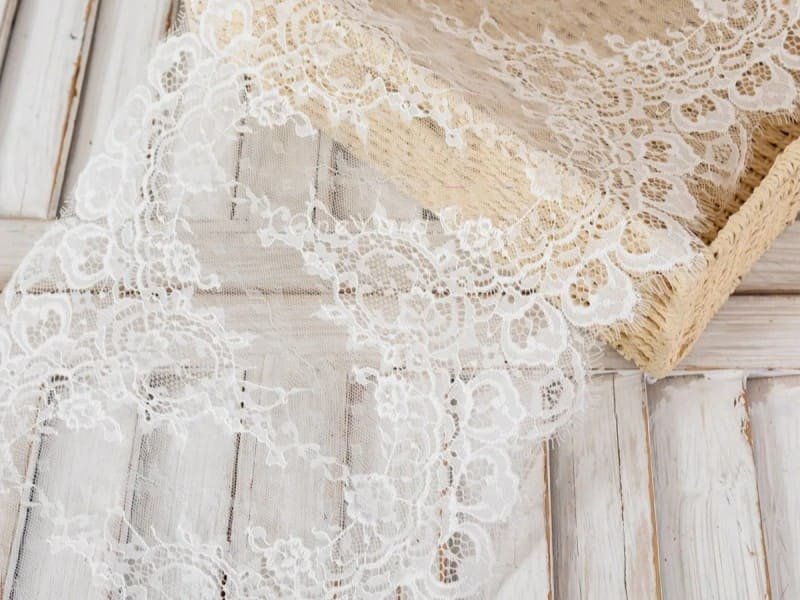
Lace and Edge Trims

Labels and Care Tags

Hangtags and Branding
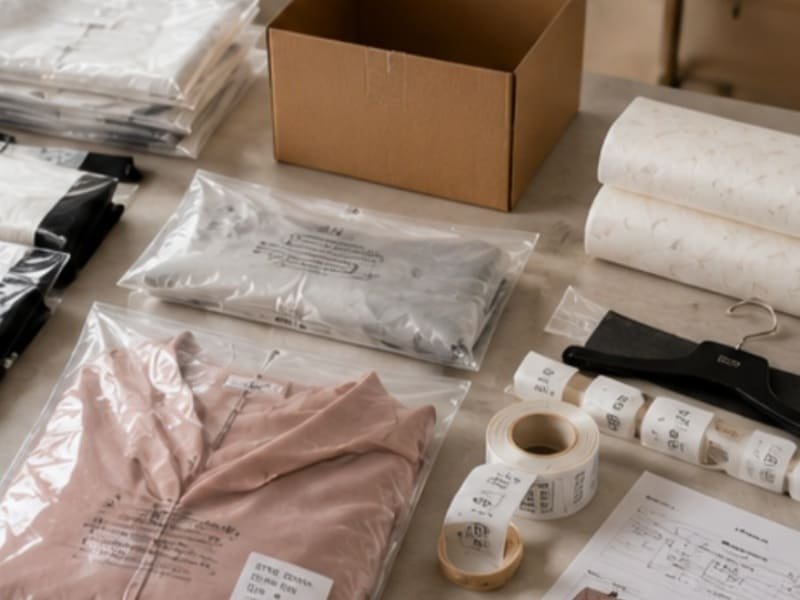
Packaging Trims
Dress Categories Requiring Material Judgment
Fabric and trim decisions differ across dress categories. Duolan reviews materials according to silhouette, fit, structure and market use.

Satin Dresses

Mesh Dresses

Bodycon Dresses
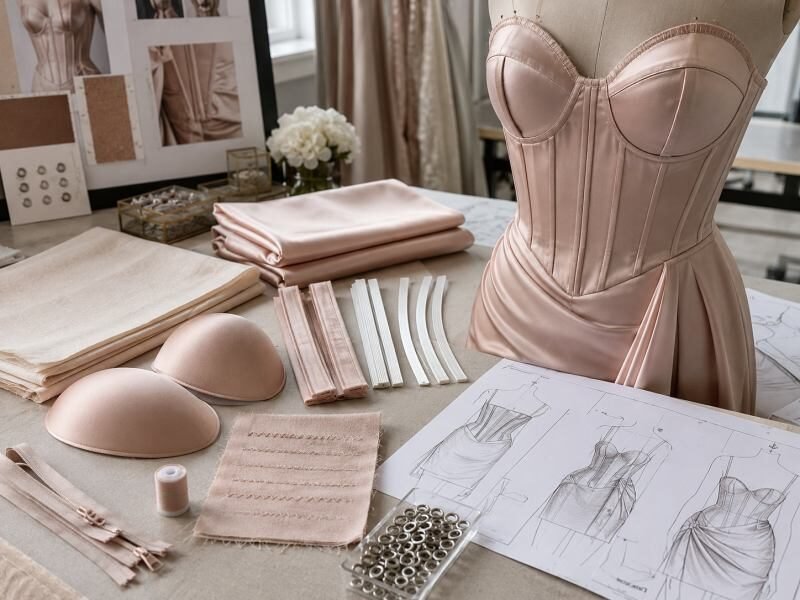
Corset Dresses
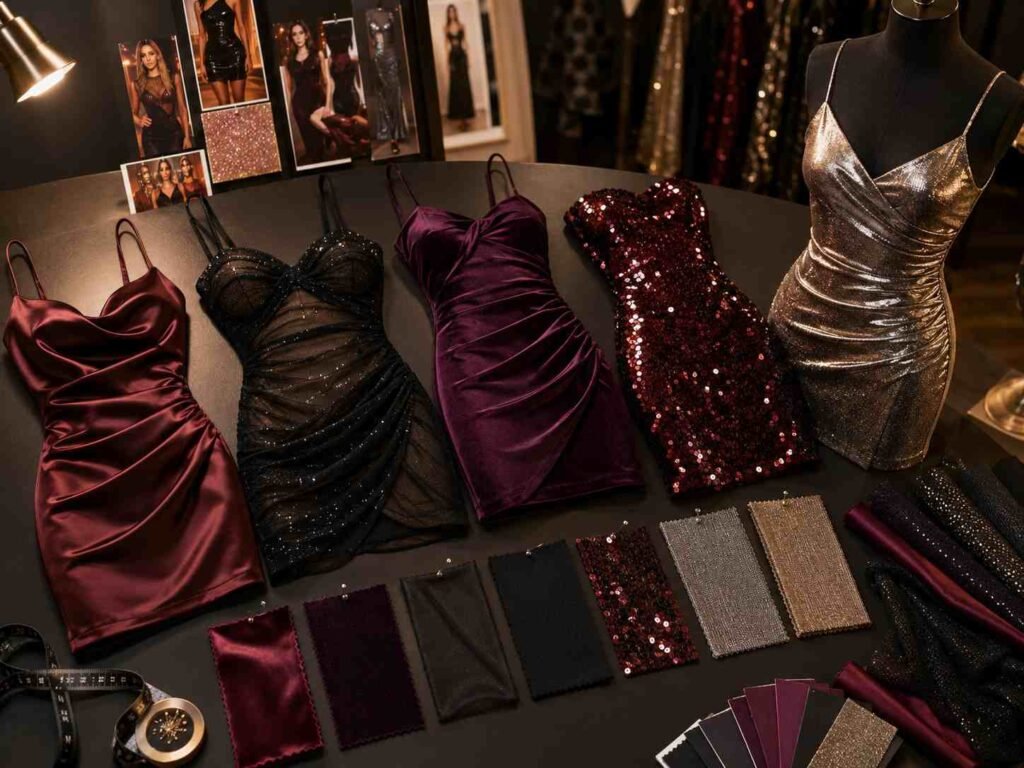
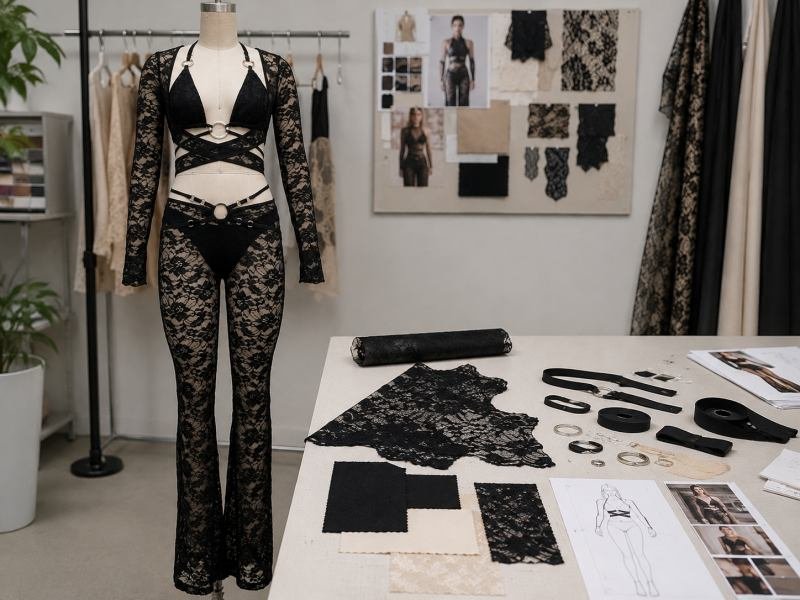
Corset and bustier dresses require fabric, lining, boning, cups, eyelets, zipper and stitching to work together. Duolan reviews bust support, waist control, cup placement, neckline security, boning casing and bulk sewing stability before PP sample approval.
Party Dresses

Occasion Dresses

Vacation Dresses

Going-out Dresses
Mini Dresses

Midi Dresses

Maxi Dresses
Fashion Sets
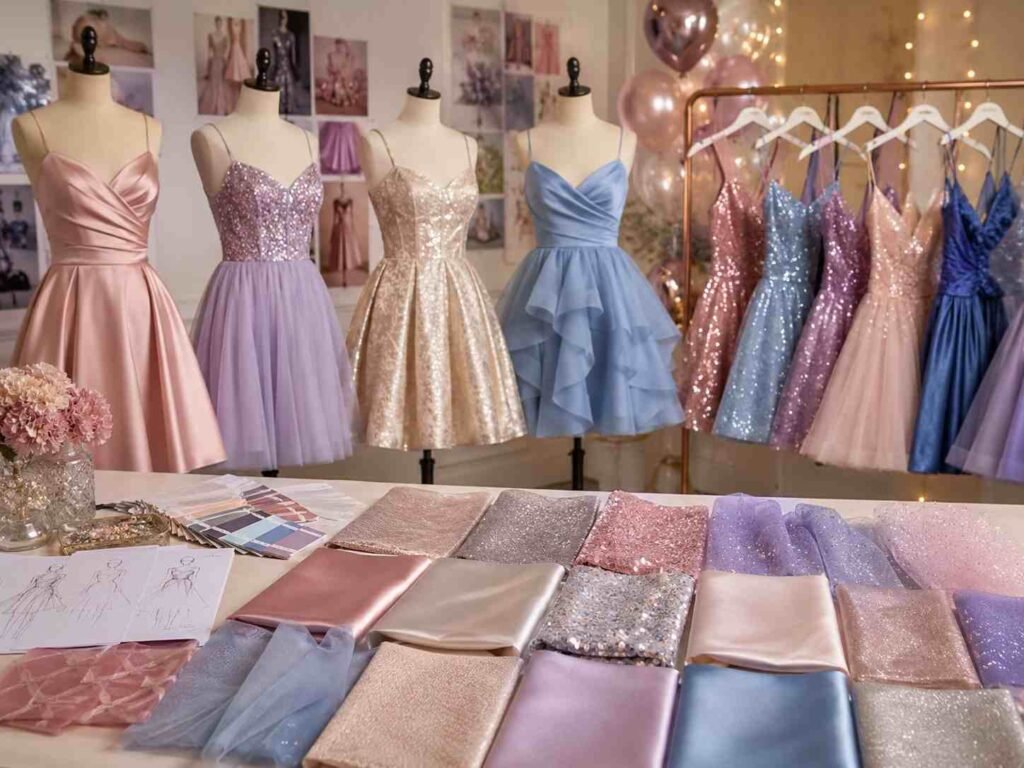
Fashion sets require fabric consistency across top and skirt, or top and pants. Duolan reviews shrinkage, color, surface texture, lining choice, elastic trims and packing method so matching pieces remain visually consistent.
Fabric Directions for Dress Development
Each fabric family creates different fit, drape, comfort, workmanship and bulk control requirements.

Satin
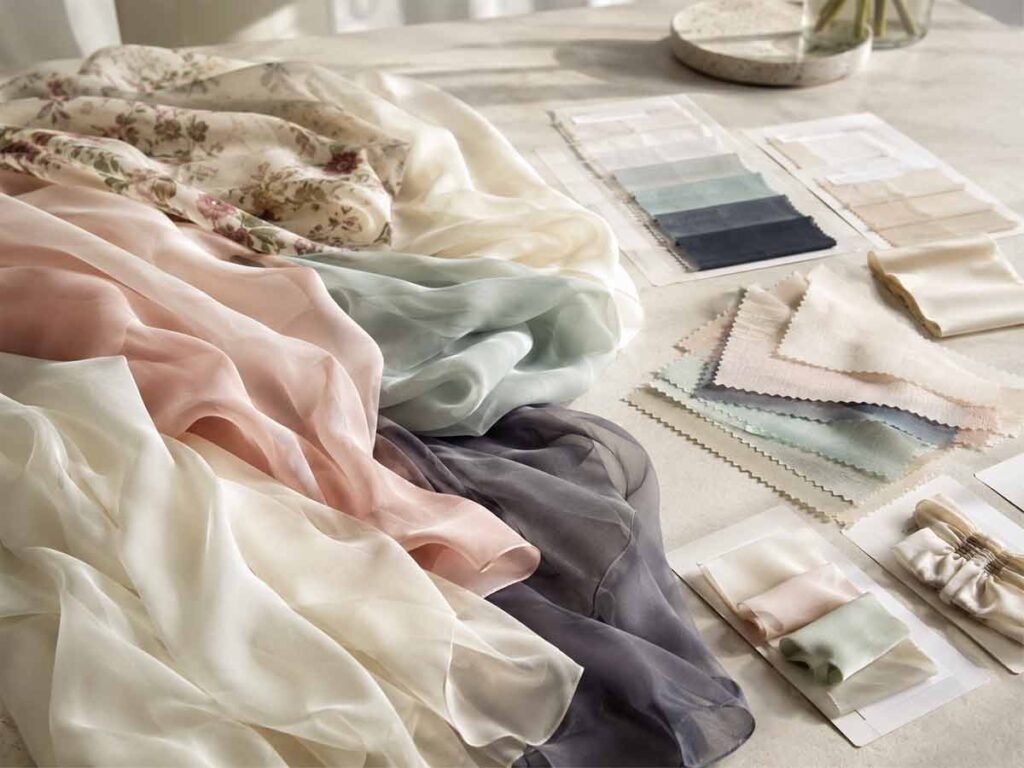
Satin requires attention to surface marks, needle lines, seam puckering, drape and shine direction. Duolan reviews satin weight, backing, lining tone, cutting method and pressing control before sample approval.
Chiffon

Crepe

Jersey

Mesh
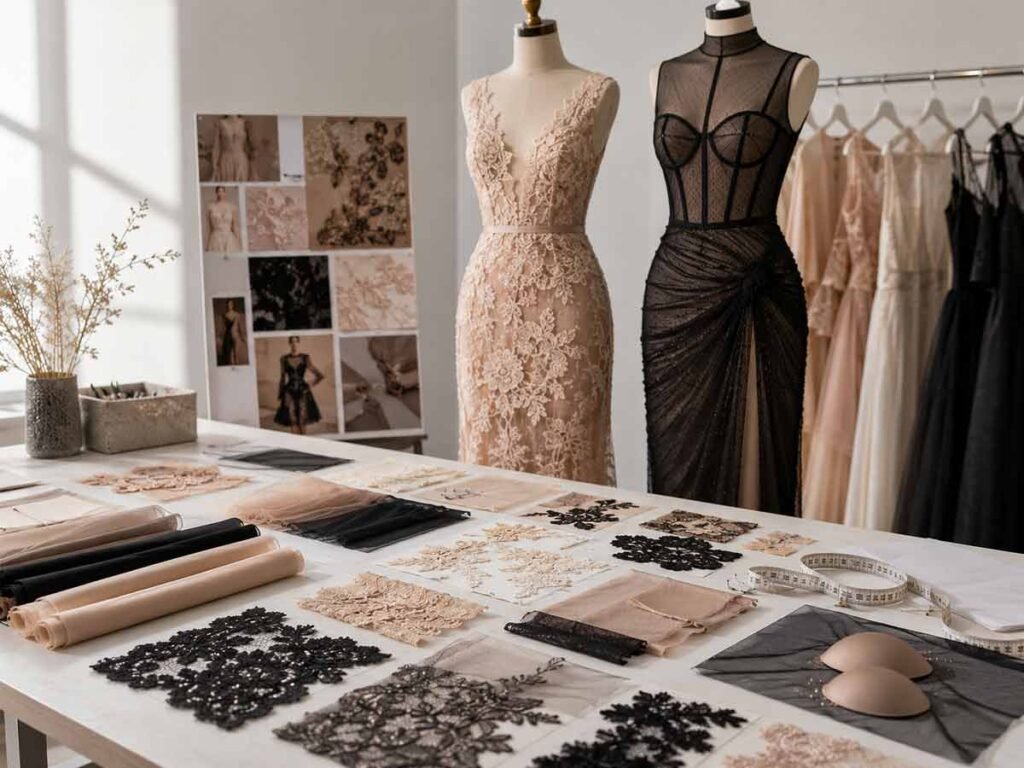
Lace
Velvet

Sequin

Jacquard

Tulle

Printed Wovens

Embellished Fabrics
How Fabric Behavior Affects Dresses
A fabric decision should be reviewed through garment effect, not only composition or color.
| Fabric Behavior Point | What Duolan Reviews | Risk If Ignored | Dress Types Most Affected |
|---|---|---|---|
| Drape | Fall, movement, body, skirt flow | Flat, stiff or heavy silhouette | Satin, chiffon, occasion, maxi |
| Stretch Direction | Width stretch, length stretch, recovery | Poor fit, twisting, loose shape | Bodycon, mesh, jersey |
| Opacity | Transparency under light and stretch | Lining exposure or coverage complaints | Mesh, white, jersey, chiffon |
| Surface Stability | Needle marks, snagging, pile, sequin loss | Visible defects after sewing | Satin, velvet, sequin |
| Weight | GSM, lining relation, seam load | Dragging, bulky seams, weak structure | Maxi, corset, embellished |
| Shrinkage | Pre-treatment, wash behavior, panel movement | Size change, twisted seams | Jersey, cotton blends, viscose |
| Color Behavior | Lab dip, shade band, batch consistency | Shade difference across styles | Collection programs |
| Skin Feel | Scratch, stiffness, heat, lining comfort | Wearing discomfort or return risk | Sequin, tulle, lace, corset |
Trim Matching for Dress Performance
Trims are not small finishing items. They often decide comfort, closure, support, branding and production stability.
Lining Match
Zipper Match
Support Trims
Closure Trims
Decorative Trims
Brand Trims
Packing Trims
Replacement Trims
Fabric-to-Silhouette Review Before Sampling
Fitted and Bodycon Styles Need Recovery Control
- Width and length stretch direction
- Recovery after pulling and fitting
- Opacity under tension
- Seam strength and needle selection
- Lining or power mesh need
- Elastic trim compatibility
- Size grading sensitivity
Structured Dresses Need Material and Internal Trim Balance
- Bust support and neckline security
- Waist structure and boning route
- Cup size and padding thickness
- Back closure strength
- Skin-facing lining comfort
- PP sample approval basis
Draped Dresses Need Weight and Movement Control
Satin slip dresses, chiffon dresses, crepe midi dresses and resort styles depend on drape. Duolan reviews fabric weight, bias movement, seam placement, lining relation and pressing response. Too heavy can drag the silhouette. Too light can expose structure or reduce premium feel. The right fabric must move with the garment while remaining stable in production.

Inputs Needed for Material Review
Clear inputs help Duolan review material direction, trim function, development risk and bulk feasibility earlier.
Tech Pack
Reference Image
Original Sample
Fabric Swatch
Color Standard
Order Plan
Material Library for Dress Development
Duolan uses material references to compare handfeel, drape, trims, lining and production suitability before sampling.
A Development Tool, Not a Stock Display
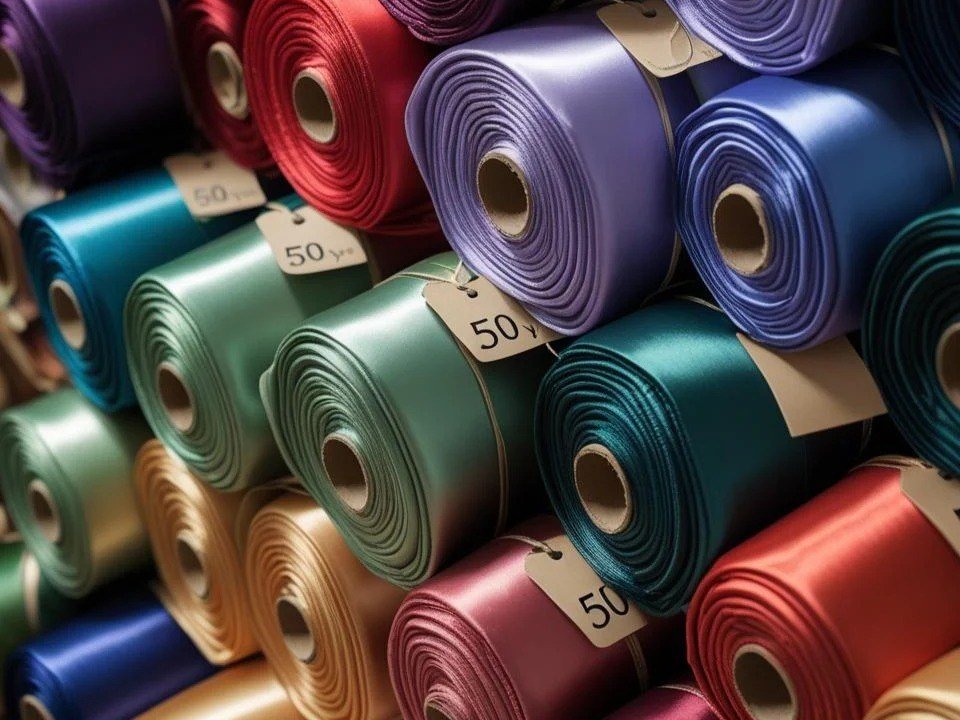
Duolan’s material library supports project review. It helps the team compare fabric families, trim options, color direction, lining solutions, surface finish, weight and garment application before sample work begins. The library is useful for brands developing multi-style dress programs because material choices can be compared against silhouettes rather than viewed as isolated swatches.
The library can support review of:
- Satin weights and shine levels for slip, midi and occasion styles
- Mesh types for layered, printed or fitted dresses
- Jersey and stretch fabrics for bodycon and fitted silhouettes
- Lace, tulle and embellished surfaces for party and occasion pieces
- Lining options for coverage, comfort and color balance
- Zipper, boning, cups, elastic, straps and decorative trims
- Label and packaging trim coordination
Material references also help internal teams communicate clearly. Development, pattern, sourcing, sampling, production and QC teams can refer to approved material direction instead of relying on vague descriptions. When a project later moves to PP sample or repeat order, stored material notes can help preserve approved standards.

Alternative Fabric & Trim Strategy
When original materials create cost, timing or bulk risks, Duolan can review alternatives without losing dress direction.
Alternative Does Not Mean Lower Standard
Fashion dress projects often begin with a reference fabric, supplier swatch, runway image, retail sample or target handfeel. During development, the original material may create challenges: long sourcing time, unstable shade, difficult minimum purchase quantity, limited color availability, high shrinkage, weak recovery, surface damage risk or poor compatibility with intended structure. Duolan can review alternatives based on garment performance, not visual similarity alone.
Alternative review considers:
- Visual match: color, shine, surface texture and styling effect
- Physical behavior: weight, stretch, drape, opacity and recovery
- Construction relation: seam response, lining need, closure type and support trim
- Cost structure: fabric consumption, cutting loss, decoration process and trim cost
- Production route: sample availability, bulk repeatability and supplier stability
- Compliance need: destination market, testing request and documentation requirement
For example, replacing satin may require seam and pressing review. Replacing mesh may affect lining and coverage. Replacing jersey may require pattern adjustment due to stretch recovery. Replacing sequin fabric may change seam cleaning, lining softness and garment weight. Duolan’s role is to protect the product direction while making the material route more suitable for sample approval and production transfer.
CTA Buttons: Review Alternatives, Protect Dress Effect
Color Review for Fabric & Trim
Color control affects collection consistency, trim matching, sample approval and repeat order confidence.
Shade Review Before Production Commitment
Color may look close on screen, but fabric surface, fiber content, shine direction and lighting condition can change the final garment effect. Satin reflects light differently from crepe. Mesh can look darker when layered over lining. Velvet changes tone with nap direction. Lace and lining may need tonal balance rather than exact flat color matching. Duolan reviews color as part of garment development, especially when multiple materials sit in one style.
Color review can include:
- Pantone or brand color reference
- Fabric lab dip direction
- Main fabric and lining color relation
- Zipper tape, thread, button and trim matching
- Color behavior under indoor and outdoor light
- Shade band review for bulk material
- Color continuity across multi-style programs
Color control also supports repeat order management. When a style returns in another batch, material records, approved swatches and trim references help reduce variation. For multi-style collections, Duolan can review whether one color family works across satin, mesh, lace, lining and trims without creating visual inconsistency.
Sample-to-Bulk Material Control
Approved fabric and trim standards must move into production through clear records, not memory.
From Approved Swatch to Production Standard
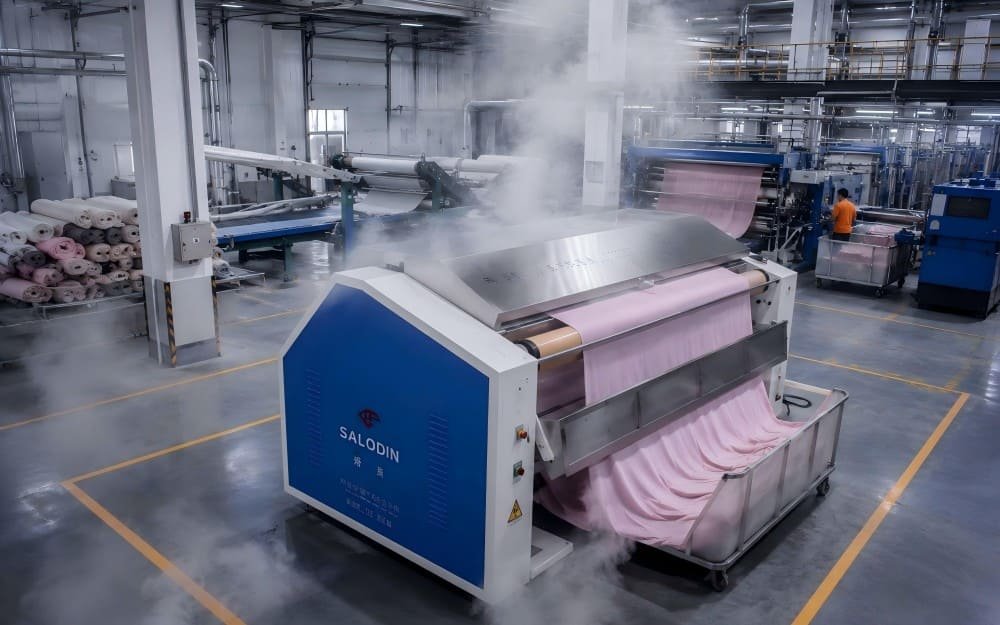
A strong sample is not enough for brand-level production. The approved fabric, lining, zipper, support trim, label and packaging details must be translated into production standards. Duolan normally treats material locking as part of production readiness, especially for dress programs with several styles, colors, fabrics or delivery windows.
Material control can include:
- Approved fabric swatch and color record
- Lining, zipper, trim and label confirmation
- BOM review and material description alignment
- PP sample material check
- First-piece confirmation for sensitive styles
- Bulk fabric arrival review
- Cutting approval before full release
- Inline QC focus based on material risks
For structured and fitted dresses, material locking is linked with measurements and fit. For satin and velvet, it connects with surface protection and pressing. For mesh and lace, it connects with transparency, lining and placement. For sequin and embellished dresses, it connects with decoration strength, seam cleaning and packing protection.
Duolan’s production-readiness review helps align approved sample, material direction, workmanship points and launch requirements before bulk production starts. The goal is a shared reference for development, sourcing, pattern, sewing, QC and packing teams.
CTA Buttons: Lock Bulk Materials | Review PP Standard
Workmanship Decisions Linked to Materials
Fabric and trim choices influence seam method, needle selection, lining construction, finishing and inspection priorities.
Stitching, Seam and Finish Must Follow Material Behavior
Workmanship cannot be separated from fabric sourcing. A delicate satin needs different handling from crepe. Stretch jersey needs controlled sewing tension. Lace and mesh need clean edge finish and placement review. Sequin fabrics may need cleared seam allowance and softer lining. Corset dresses require boning casing, cup placement and internal seam control. Duolan reviews workmanship direction once material behavior becomes clear.
Key workmanship points include:
- Seam type: plain seam, French seam, binding, overlock, coverstitch or enclosed seam
- Needle and thread: chosen according to fabric sensitivity and garment stress
- Lining method: full lining, partial lining, body lining, cup lining or inner panel
- Edge finish: hem, binding, rolled edge, lace edge or clean finish
- Trim attachment: zipper, cup, boning, eyelet, bead, pearl, rhinestone or strap
- Pressing and packing: surface protection for satin, velvet and embellished pieces
- QC focus: measurement, seam strength, shade, trim security and fabric defects
Workmanship decisions also influence cost and timeline. Decorative trims, dense embellishment, structured internal construction and sensitive fabrics often need more sampling care and stronger PP sample control. Duolan reviews these points before production release, so a style does not move into bulk with unresolved material or construction risk.

Special Processes for Fashion Dresses

Printing
Dip Dyeing

Embroidery

Washing

Beading

Heat Transfer
From Material Brief to Bulk Production
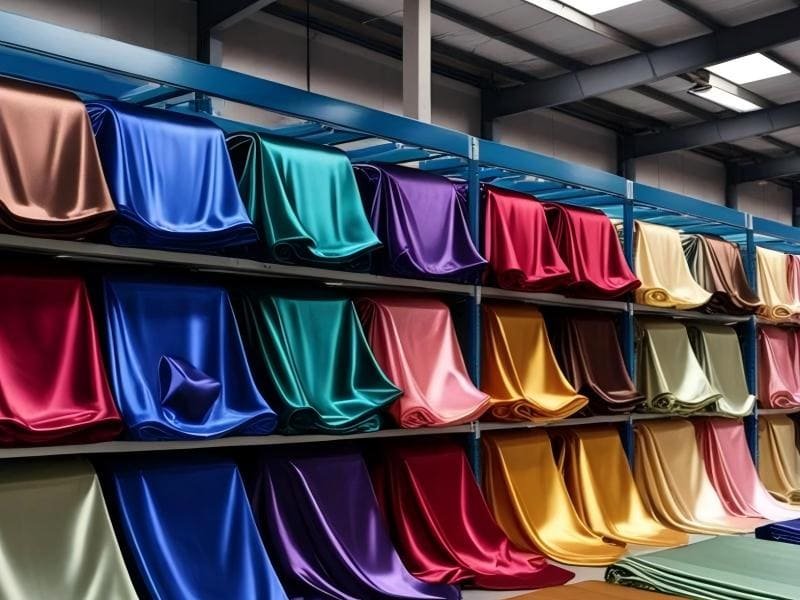
Duolan organizes sourcing, sampling and production through linked steps, so materials support final garment execution.

Brief Review

Feasibility Check
Sourcing Direction

Swatch Matching
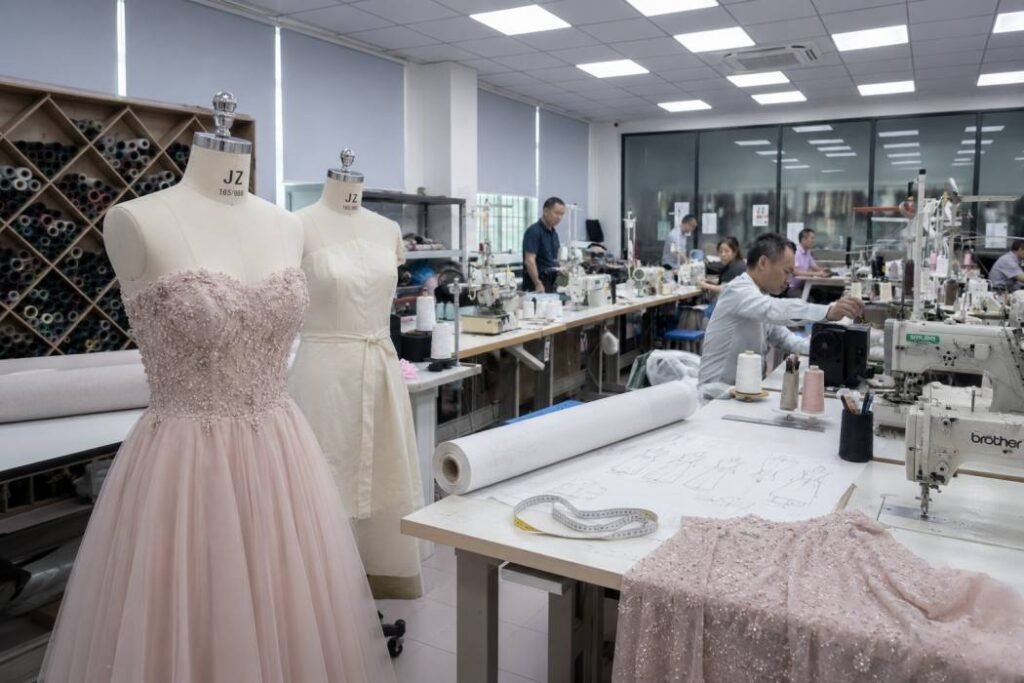
Sample Development

BOM Alignment

PP Review

Bulk Follow-up
Manufacturing Strength Behind Material Sourcing
Duolan connects material sourcing with a multi-factory dress manufacturing system and structured development teams.
Material Decisions Are Supported by Real Production Infrastructure
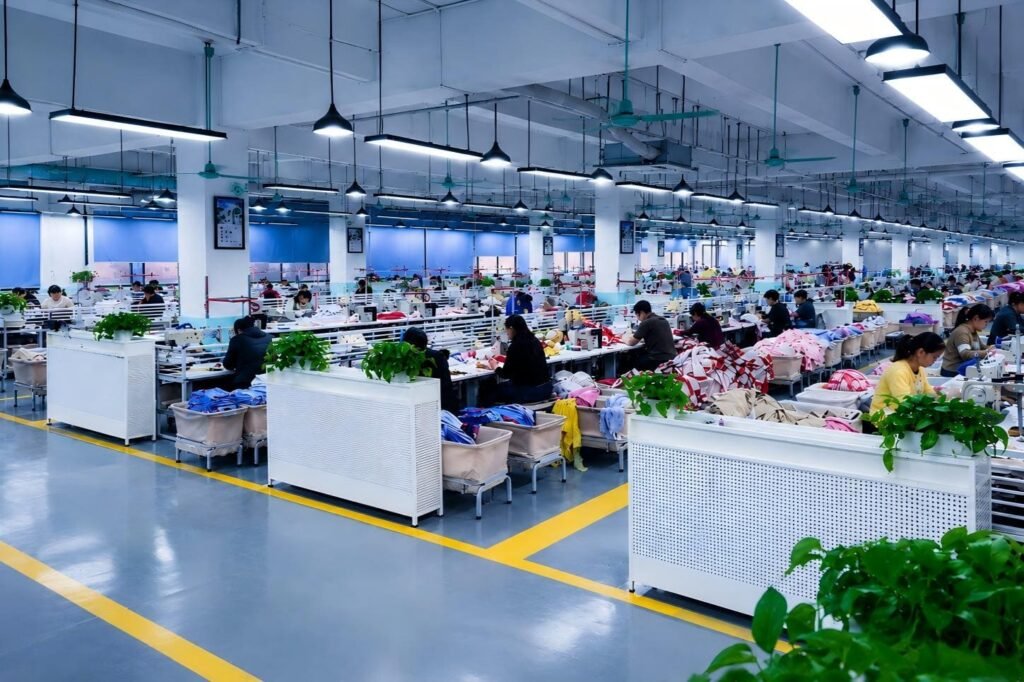
Duolan is backed by a womenswear manufacturing system built for fashion dress development, sampling, bulk production and long-term supply coordination. The system includes 16 owned womenswear factories, 20+ satellite factories and regional production bases with 12,000+ workers across coordinated manufacturing resources. For fashion brands, the value is not only scale. The value is the ability to connect material sourcing, sample development, production planning, QC and repeat order support.
Group-level infrastructure includes:
- Approx. 12,000–20,000 equipment units across the manufacturing system
- Approx. 1,100–2,000 fabric inspection, spreading and cutting equipment units
- Approx. 650–1,200 pattern, sample and development equipment units
- Approx. 7,000–9,000 sewing equipment units
- Approx. 150–400 printing equipment units
- Approx. 150–300 embroidery equipment units
- 300 sewing production lines
- 50+ quick-response and flexible production lines
- Regular monthly capacity around 6,500,000 garments
- Peak monthly capacity up to 10,000,000 garments
- Additional monthly capacity space around 1,000,000–2,000,000 garments
- Monthly sample development capacity around 15,000–35,000 style/sample instances
- Monthly support for around 3,000–8,000 style development and sampling flows
Duolan also has fabric and trim development teams, pattern and sample teams, process development teams, procurement coordination teams, production follow-up teams and QC support teams. Material sourcing becomes more reliable when development, manufacturing and production follow-up can work together under one coordinated structure.
Compliance Support for Material Decisions
Fabric and trim sourcing can be aligned with audit, testing, labeling and market requirements when required by brand programs.
Material Review With Documentation Awareness
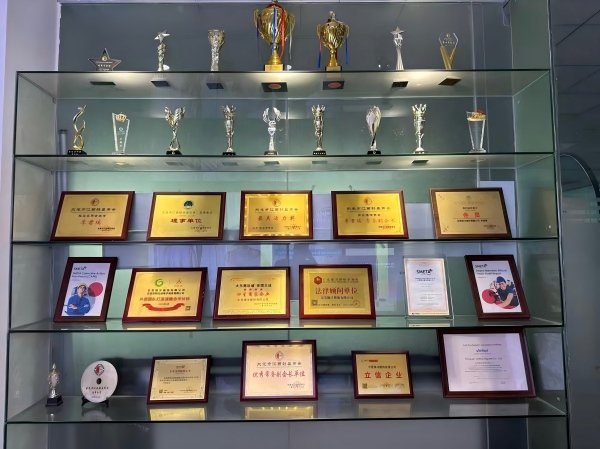
Fashion brands often need suppliers able to understand product standards, social responsibility expectations, testing requests and documentation structure. Duolan’s manufacturing system has SMETA audit experience, SMETA 2-Pillar audit record and social audit documentation. For material and product requirements, the team can coordinate according to brand and market needs involving BSCI, ISO 9001, AATCC, ASTM, OEKO-TEX?, EN, China GB standards, GOTS-related requirements and specific brand requirements.
Compliance-related material review may cover:
- Fiber content and care label information
- Fabric and trim documentation request
- Colorfastness, shrinkage or physical performance test coordination
- Destination market label and packaging notes
- Lining, elastic, zipper and metal trim requirements
- Material standard review for nominated suppliers
- Third-party inspection support when required
- Audit and supplier evaluation document preparation
For brand-level sourcing, documentation is part of material discipline. A fabric choice can influence label accuracy, testing route, wash instruction, packing risk and inspection priorities. Duolan can support the project team by connecting material sourcing with garment development, PP sample approval, QC focus and shipment preparation.
CTA Buttons: Request Audit Support | Review Material Standard
Material Factors Affecting Cost and Timing
| Factor | Why It Matters | Duolan Review Direction |
|---|---|---|
| Fabric Availability | Available fabric, nominated fabric and custom fabric follow different timing paths | Review swatch source, color needs and bulk stability |
| Custom Color | Lab dips and shade approval can affect sample and bulk schedule | Confirm color standard, lab dip route and shade band |
| Lining Requirement | Lining changes cost, comfort, opacity and workmanship | Match lining to fabric, coverage and garment structure |
| Support Trims | Cups, boning, elastic and closures affect fit and internal sewing | Review support function before sample development |
| Embellishment Density | Sequins, beads, pearls and rhinestones affect labor, weight and QC | Check density, attachment method and packing protection |
| Special Process | Printing, embroidery, dip dyeing and washing need supplier coordination | Review process route before pricing and sampling |
| Fabric Consumption | Length, flare, bias cut, print repeat and cutting loss influence cost | Review marker logic and style structure |
| Testing Request | Testing and documentation can affect timeline | Confirm destination market and required standards |
| Multi-style Program | Several styles or colorways need material consistency planning | Group fabric, lining and trim standards by style family |
| Repeat Order Plan | Future orders need records and stable material routes | Preserve swatch, BOM, PP and supplier references |
Fabric & Trim Sourcing Project Examples
Case 1|US Partywear Brand
A US partywear brand planned a 16-style fitted dress drop with satin, mesh, ruched jersey and embellished styles. The total launch order was around 48,000 pieces across multiple colors and sizes. The main challenge was material inconsistency across prototypes: satin was too prone to seam marks, mesh lining looked too dark, and several zippers created waves on fitted silhouettes.
Duolan reviewed fabric handfeel, lining tone, zipper tape, thread shade and stretch recovery before sampling. The team separated styles into satin, mesh, fitted jersey and embellished groups, then built fabric and trim boards for each group. Satin styles received revised lining and seam handling direction. Mesh styles received lining color adjustment. Fitted styles received zipper and elastic tension review.
The project moved into sample approval with clearer BOM references and fewer open material questions. PP sample review focused on zipper smoothness, lining coverage, drape, measurement and packaging protection. After launch, the brand retained material records for a repeat order discussion.
Case 2|UK Occasionwear Label
A UK occasionwear label developed a 22-style capsule covering midi dresses, corset dresses, satin gowns and lace overlay pieces. The first production plan was around 62,000 pieces. The challenge was keeping a polished occasionwear look while controlling support trims, lining, lace placement and color consistency across several fabric families.
Duolan reviewed the style group by silhouette instead of treating each dress separately. Corset styles were checked for cup, boning, lining and back closure compatibility. Satin styles were reviewed for drape, pressing and shade control. Lace styles were checked for motif placement, backing fabric and edge finishing. Duolan also prepared trim matching guidance for invisible zippers, hooks, bars, labels and packing trims.
The development route helped the brand confirm which styles needed fit sample, which styles required PP sample with full trims, and which styles could move faster after material confirmation. Bulk planning was arranged by complexity, allowing structured styles and lighter dresses to follow different production paths while sharing approved material records.
Case 3|Australian Resort Dress Program
An Australian fashion brand prepared a vacation and resort dress program with 12 styles and around 26,000 pieces in the first order. The collection included printed woven dresses, chiffon cover-up styles, lightweight midi dresses and matching fashion sets. The challenge was balancing lightweight handfeel, travel-friendly packing, print placement and lining coverage.
Duolan reviewed print scale against panel shape, lining weight, strap comfort, seam finish and shrinkage risk. The team recommended separating flowing dresses from fitted styles during sample development because fabric behavior, hem control and packing requirements were different. For printed styles, Duolan reviewed repeat placement across bust panels, waist seams and skirt sections. For lighter styles, lining and transparency were checked under bright light conditions.
The program moved into bulk with confirmed print direction, lining notes, trim positions and packing method. The brand used the records for later color refresh planning and style extension.
Why Choose Duolan for Material Sourcing
Beyond Fabric Vendors
Beyond Trim Suppliers
Beyond Sampling Studios
Beyond Vendor Lists
Frequently Asked Questions
Yes. Duolan can review and coordinate fabrics for fashion dresses, occasion dresses, party dresses, fitted dresses, satin styles, mesh styles, corset silhouettes and fashion sets. Review starts from garment effect, not fabric name alone.
Yes. Brand-nominated fabric can be reviewed for garment suitability, bulk consistency, lead time, color, lining compatibility, shrinkage, stretch and production feasibility. Duolan can also review alternatives when needed.
Yes. Alternative recommendations can be reviewed when original fabric creates timing, cost, shade, availability, bulk stability or workmanship risk. Alternatives are assessed by visual effect, handfeel, drape, stretch, opacity and production reliability.
Yes. Duolan can coordinate lining, zippers, cups, boning, elastic, straps, buttons, closures, lace trims, labels, care labels, hangtags, packaging trims and barcode-related packing items.
Trims affect support, closure, comfort, tension, structure and appearance. For corset, bodycon, halter, backless and fitted styles, cups, boning, elastic, zipper tape and lining can change the whole wearing result.
Yes. Duolan can coordinate color review based on Pantone, approved swatch, fabric card, lab dip or brand color standard. Shade review becomes important across satin, mesh, lace, lining and trims.
Materials can be locked through approved swatches, BOM alignment, trim confirmation, PP sample review, first-piece confirmation, bulk fabric inspection and QC checkpoints related to fabric and trim risks.
Helpful files include tech pack, reference images, original sample photos, fabric swatches, trim list, Pantone reference, label artwork, packing requirement, target quantity, size range, market and launch timing.
Yes. Duolan can review sequin, bead, pearl, rhinestone, embroidery, printing, dip dyeing, washing and heat transfer directions. Review covers decoration density, attachment strength, skin comfort, seam cleaning and packing protection.
Yes. Timing depends on fabric availability, custom color, trim development, special process, lab dip approval, sample purpose and PP requirements. Early material review helps reduce avoidable revision rounds.
Start a Fabric & Trim Review
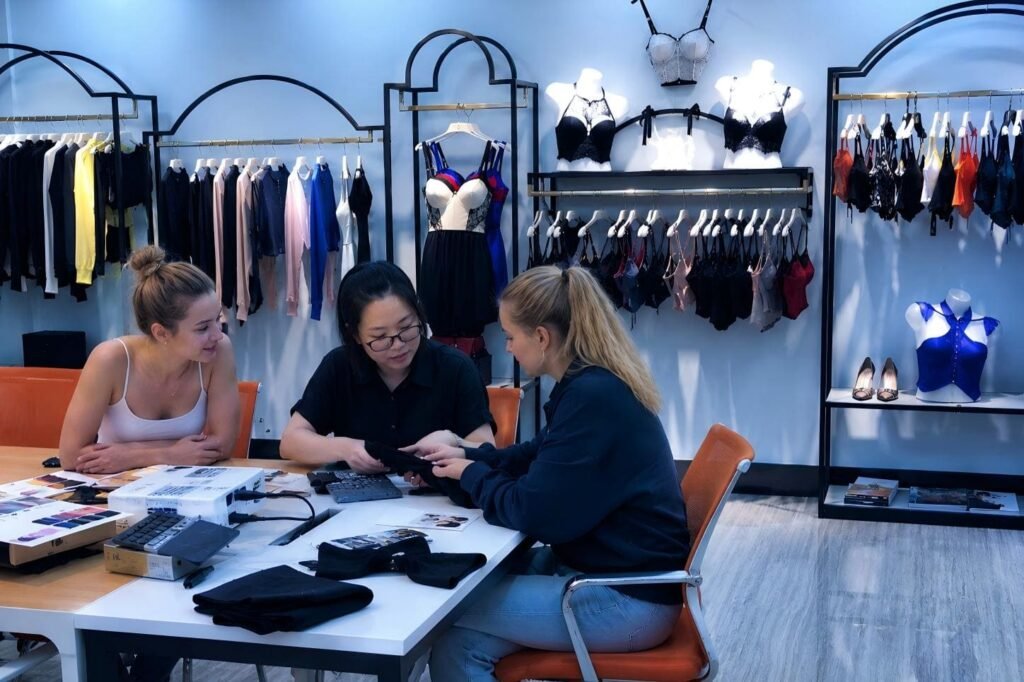
Duolan can review your fabric and trim direction before sample development, PP approval or bulk production planning. Share your current project details, even if the material route is not fully locked yet. Our team can review the dress category, reference images, fabric direction, lining needs, support trims, zipper plan, label requirements, color standard, target quantity and production timing, then advise which points should be clarified before sampling or bulk release.
For the strongest review, please include:
- Dress category and style quantity
- Tech pack, sketch, reference image or original sample photos
- Target fabric direction, swatch or supplier material reference
- Lining, zipper, cup, boning, elastic, label and packaging requirements
- Pantone, lab dip or approved color standard
- Target quantity, color count and size range
- Destination market and testing requirements
- Sample purpose, launch timing and production plan