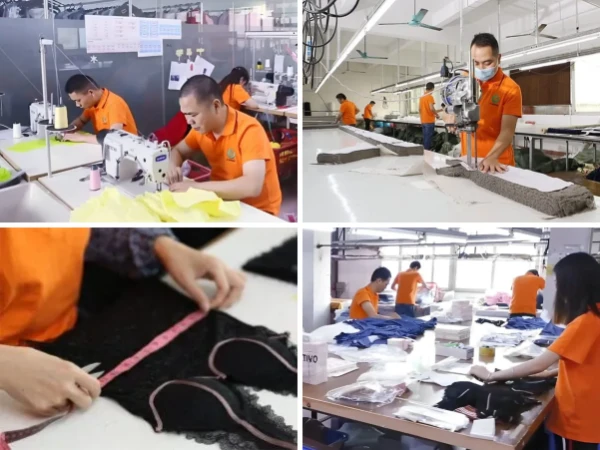
...

Custom Dress Manufacturer for Merchandising-Led Fashion Brands

Custom dress development and manufacturing for fashion brands planning dress assortments around style roles, price bands, fabric direction, colorways, size ranges, launch timing, production volume and repeat order potential.

Duolan supports merchandising-led dress programs through range plan review, multi-style sampling, fabric and trim matching, PP sample control, SKU-ready packing, bulk QC, shipment planning and repeat production records.

  • 16 owned fashion factories support core styles, controlled bulk runs and key launch programs.
  • 20+ satellite factories add flexibility for replenishment, seasonal peaks and multi-style allocation.
  • 300 sewing lines support launch orders, repeat programs and parallel dress production.
  • 50+ flexible lines support test styles, urgent updates and color extension programs.
  • 15,000–35,000 monthly samples support range reviews, PP samples and multi-style development.
  • 3,000–8,000 monthly style workflows support frequent launches and structured sampling calendars.
  • 6.5 million monthly stable capacity supports growth from test order to scaled production.

Merchandising-led Brands Need a Different Dress Manufacturer

Merchandising-led fashion brands do not build dress lines style by style. Each range carries a commercial structure: hero styles for campaign impact, core styles for volume, trend styles for freshness, price-entry styles for access, premium styles for margin, repeat styles for replenishment and event styles for seasonal demand. A manufacturer must understand how those roles affect sampling order, fabric choice, trim planning, color depth, size range, production schedule and reorder preparation.
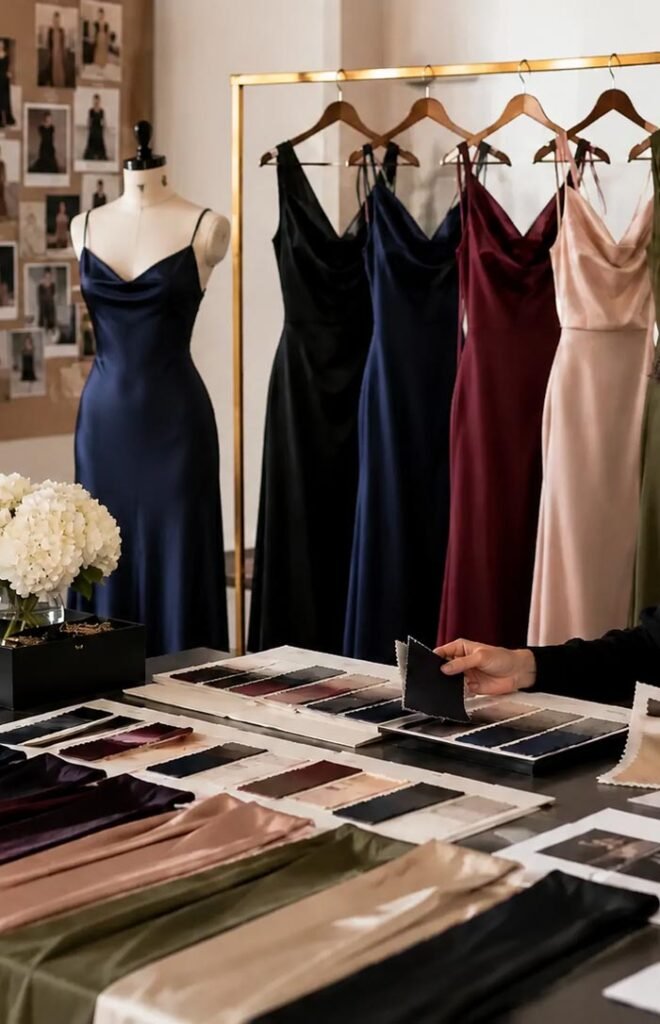
A normal sewing supplier may respond to every sketch in the same way: quote, sample and wait for approval. A stronger partner helps convert range plans into development priorities. Duolan reviews dress roles, launch timing, fabric risk, target price bands, sample purpose, packing needs and future repeat value before production starts. For merchandising teams, the goal is not only making attractive dresses; the goal is building a dress assortment ready for launch, sales review, replenishment and long-term continuity.

  • Range structure: Hero, core, trend, premium, event and repeat styles need different sampling priorities and different production discipline.
  • Price-band control: Fabric, trims, construction, finishing and packing choices must support the target selling position without weakening product value.
  • SKU discipline: Colorways, sizes, labels, barcodes, cartons and packing records must stay organized before the range reaches bulk production.
  • Launch timing: Samples, PP approval, fabric booking, cutting, sewing, QC, packing and shipment need planning around the launch calendar.
  • Reorder potential: Proven styles need PP memory, fabric cards, measurement records and packing standards for replenishment and color extensions.


Fashion Teams Supported in Merchandising-led Programs

Merchandising-led dress programs involve more than design approval. Duolan works with teams responsible for range planning, product development, category growth, sourcing coordination, launch timing, channel readiness and repeat production. Each team needs clear records from sample review to bulk delivery.

Merchandising Teams

Merchandising teams need a manufacturer able to read the role of each dress inside the range. Duolan reviews hero styles, commercial core styles, trend pieces, event launches, repeat styles and color extensions with development priority, sample timing, production risk and future replenishment in mind. Range planning becomes easier when samples, fabrics, quantities and delivery windows are connected early.

Buying Teams

Buying teams need clear quotation basis, product capability, sampling calendar, material route, production timeline, QC process and shipment coordination. Duolan supports dress programs with BOM review, PP sample approval, inline QC, final inspection, packing confirmation and delivery records. The focus is not low price; the focus is controlled commercial execution.

Product Development Teams

Product development teams need feedback translated into technical and production actions. Duolan connects design direction, tech packs, sample comments, fabric cards, trims, measurement standards, construction notes, PP samples and bulk handover. Multi-style dress programs require organized style files so revisions, approvals and production standards do not become scattered.

Dress Category Managers

Dress category managers need category growth without losing product focus. Duolan supports mini, midi, maxi, bodycon, satin, corset, mesh, resort, occasion and party dress programs through style role review, fabric route planning, fit and construction review, sample priorities and repeat-ready production records.

Premium Ecommerce Brands

Premium ecommerce brands need photo-ready samples, stable colorways, size consistency, SKU-ready packing and launch timing aligned with online drops. Duolan supports photography samples, fit samples, PP samples, color approvals, packing rules, carton records and replenishment plans for dress programs built around ecommerce performance.

Multi-brand Fashion Groups

Multi-brand fashion groups often run multiple dress lines, markets, price bands and launch calendars at the same time. Duolan’s owned factory network, satellite factory coordination, sample capacity and production planning support parallel programs while keeping style roles, brand standards, QC points and shipment schedules separated.

Commercial Assortment Problems Duolan Helps Control

A merchandising-led dress range can fail even when individual styles look strong. The problem may sit in the assortment: too many visual styles, weak price layering, uncontrolled colors, no core replenishment base, unclear sample priority or fabric choices that do not match the selling position. Duolan reviews commercial risk before a dress line moves into bulk.

Too Many Visual Styles, Not Enough Commercial Core

A range filled only with high-impact dresses may look strong in campaign planning, yet lack styles with stable sales, easier replenishment and broader wearability. Duolan helps separate visual statement pieces from commercial core styles before sampling consumes time and material.
  • Hero styles can carry stronger structure, premium fabrics or special details, but may not deserve the deepest color plan.
  • Commercial core dresses need fit consistency, stable materials and repeat-ready production standards.
  • Trend pieces should be tested with controlled quantity and clear delivery timing.
  • Repeat potential should be identified before PP records and fabric references are archived.

Weak Price-band Planning

A dress range needs price architecture. Satin, lace, mesh, sequin, corset construction, lining, embroidery, trims and packing all influence cost and final selling position. Without price-band planning, the range may lose margin, brand balance or commercial clarity.
  • Entry-level styles need controlled construction without looking cheap.
  • Premium styles need fabric, structure, detail and finishing strong enough to support higher positioning.
  • Core styles should balance cost, repeat potential and product recognition.
  • Fabric substitutions need review against price, handfeel, drape and bulk risk.

Colorway Overload

Too many colors can create material complexity, shade risk, barcode mistakes, packing confusion and inventory pressure. Merchandising-led planning should treat color depth differently for hero, core, trend and repeat styles.
  • Hero styles may need fewer colors with stronger visual impact.
  • Core styles can carry deeper color plans when repeat potential is proven.
  • Trend styles should avoid excessive shade complexity before sales validation.
  • Color extensions should use fabric cards, shade references and color PP samples.

Unclear Hero and Core Style Roles

A dress line becomes harder to develop when every style carries the same urgency. Hero styles, commercial core styles, trend styles, event styles and reorder styles require different sample priority, fabric treatment and production planning.
  • Campaign styles need photo-ready sample timing and close-up finishing review.
  • Commercial styles need fit, cost, QC and repeat production discipline.
  • Event styles need calendar-driven sampling and delivery preparation.
  • Reorder styles need PP memory, fabric records and size consistency.

Poor Fabric-to-Product Matching

A fabric may look right on a swatch but fail inside the range plan. Stretch jersey, satin, mesh, crepe, lace, sequin and lightweight printed fabrics each carry different price, lead time, QC and repeat risks.
  • Satin may support premium perception, yet requires surface, zipper and packing control.
  • Mesh creates trend value, yet needs lining, coverage and edge stability review.
  • Sequin and lace support margin styles, yet increase workmanship and inspection pressure.
  • Lightweight prints work for resort ranges, yet require placement, opacity and wrinkle recovery checks.

No Reorder Preparation

A successful launch can become difficult when production records are incomplete. Reorders need more than a previous invoice. PP samples, BOMs, fabric cards, shade references, measurement records, trim details, packing rules and QC notes protect future replenishment.
  • Bestselling styles should be marked early for repeat production preparation.
  • Fabric and shade references must remain linked to style codes.
  • New color programs need approval records separate from first-run production.
  • Reorder QC should compare new bulk output against approved standards.

Dress Line Structures for Merchandising-led Brands

A merchandising-led dress line is not a product list. Each style has a role inside the range, and each role affects fabric selection, sampling priority, color depth, cost control, QC focus and reorder planning. Duolan supports dress programs by organizing product roles before production decisions become locked.

Hero Dresses

Hero dresses create campaign impact and range identity. They often use stronger silhouettes, statement details, premium surfaces or more distinctive styling. Duolan reviews hero styles through photo-ready sample timing, fabric expression, close-up workmanship, structure and packing presentation. The goal is visual strength without uncontrolled production risk.

Commercial Core Dresses

Commercial core dresses support stable sell-through. They are often fitted minis, satin midis, black bodycon styles, versatile occasion dresses or repeatable silhouettes. Duolan reviews fit consistency, fabric continuity, cost position, size range, PP standards and reorder records so core styles can move beyond a single launch.

Repeatable Bestsellers

Repeatable bestsellers need long-term memory. Once a style proves demand, Duolan keeps PP sample standards, fabric cards, shade notes, measurement records, trim references and packing rules connected. New color programs, replenishment orders and seasonal returns become more stable when the original production standard remains accessible.

Trend-led Dresses

Trend-led dresses bring freshness, but shorter selling windows demand fast and controlled development. Mesh, cut-out, ruched, asymmetric, metallic, sequin and illusion styles need feasibility review before sampling. Duolan checks whether the trend can be produced within the target calendar, price position and quality expectation.

Price-entry Dresses

Price-entry dresses create access inside a range without lowering brand perception. Duolan reviews simpler structures, cost-aware fabrics, controlled trims, efficient construction and clean finishing. The goal is to support lower price layers while keeping fit, color, workmanship and packing aligned with the brand standard.

Premium Margin Dresses

Premium margin dresses justify higher selling positions through material, structure, detail and presentation. Satin, lace, corset, sequin, embellished or polished occasion styles need stronger fabric review, inner construction, close-up QC and protective packing. Duolan reviews cost drivers against perceived value before bulk decisions.

Event-driven Dresses

Event-driven dresses answer seasonal demand: holiday party, graduation, homecoming, wedding guest, vacation, cocktail or formal edits. Duolan reviews event timing, sample priority, fabric readiness, color planning, size depth, packing and shipment windows so launch programs can reach market before the selling period closes.

Color Extension Dresses

Color extension dresses reduce development risk by using validated silhouettes with new shades, materials or seasonal updates. Duolan reviews lab dips, shade records, lining color, trim matching, PP sample updates and SKU packing so color extensions support growth without weakening repeat consistency.

Assortment Planning Matrix for Dress Programs

A planned dress range needs clear roles before sample and production resources are assigned. The matrix below shows how merchandising decisions translate into Duolan’s development focus, from campaign styles to repeat-ready commercial programs.

Dress RoleMerchandising PurposeDuolan Development Focus
Hero DressCampaign impact and collection identityStrong silhouette, refined details, photo-ready sample
Core Commercial DressStable sales and repeat potentialFit consistency, fabric continuity, PP standard
Trend-led DressFast market responseFeasibility review, sample speed, controlled risk
Price-entry DressAccessible assortment layerCost-aware fabric and trim planning
Premium DressHigher margin and visual valueStructure, surface finish, QC and packing
Event DressSeasonal or occasion-driven launchLaunch calendar, sample timing, delivery control
Color ExtensionLower development riskShade control, fabric card, repeat file
Reorder StyleLong-term replenishmentBOM, PP memory, measurement and QC record

Fabric and Price-band Matching for Dress Assortments

Fabric choice shapes price band, margin, fit, photo value, production timing and repeat potential. Duolan reviews fabrics not as isolated swatches, but as commercial tools inside a dress range. Each material route should support the intended style role, cost structure, quality standard and future production plan.
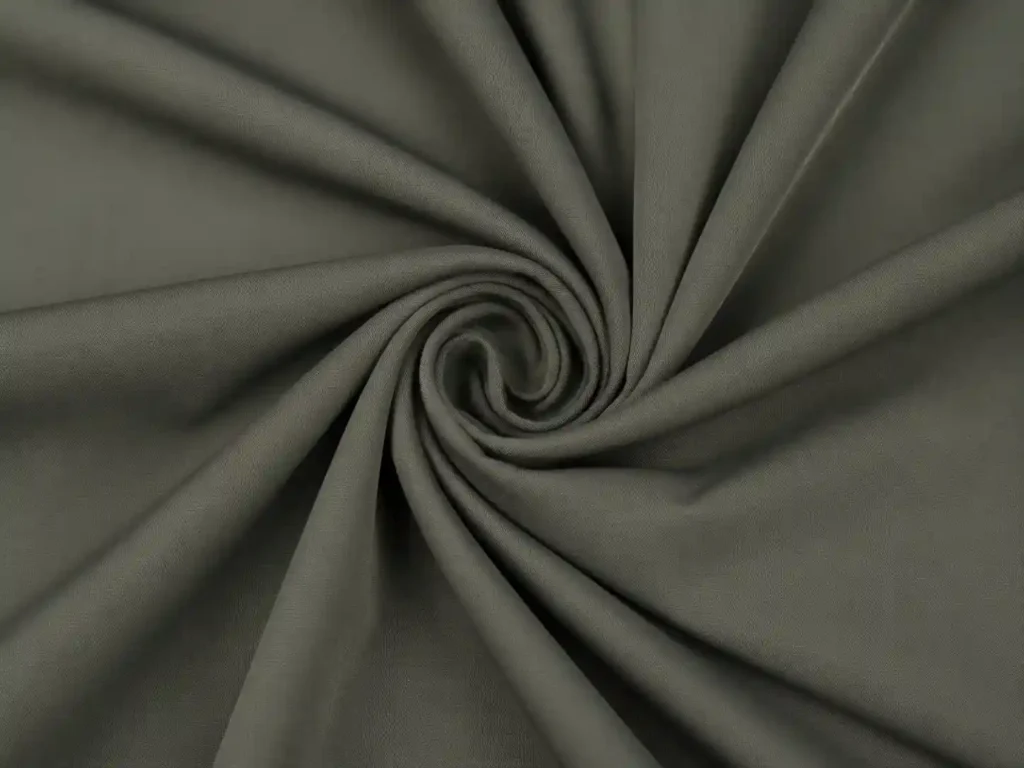
Stretch Jersey and Ponte for Core Styles

Stretch jersey and ponte often work well for bodycon, fitted and day-to-night dresses. They can support commercial core programs when weight, recovery, opacity and color consistency are controlled.

  • Recovery must support repeated wear, fit stability and size confidence.
  • Opacity matters for light colors, ecommerce photography and fitted silhouettes.
  • Ponte can raise structure, yet may change comfort and drape.
  • Repeat programs need stable handfeel, shade and measurement tolerance.

Satin and Satin-touch Fabrics for Premium Value

Satin and satin-touch fabrics help create polished occasion, cocktail and party dresses. They support higher visual value, but require careful handling around drape, surface marks, zipper waves, pressing and packing.
  • Lightweight satin can look premium in photos, yet needs controlled seam tension.
  • Lining choices affect comfort, opacity and final price position.
  • Zipper and side seam areas need smoothness review before bulk.
  • Protective packing helps reduce fold marks and arrival damage.

Mesh and Sheer Layers for Trend Styles

Mesh, power mesh and sheer layers support cut-out, illusion, party and social-event dresses. These fabrics create freshness, but bring risk around coverage, lining, transparency and edge stability.

  • Lining maps must match intended exposure and comfort.
  • Stretch mesh can distort cut-out placement and neckline shape.
  • Edge finishing must prevent curling, pulling and weak seam areas.
  • Trend-led mesh programs should carry controlled color and quantity plans.

Crepe and Structured Wovens for Polished Lines

Crepe and structured woven fabrics support polished occasion, office-to-evening and refined dress programs. They help build cleaner silhouettes, but require more precise pattern and measurement control.
  • Woven structures need enough body ease without losing shape.
  • Surface and handfeel should match the intended price band.
  • Pressing and seam quality influence perceived value.
  • Size range review matters because stretch forgiveness is limited.

Sequin, Lace and Embellished Fabrics for Margin Styles

Sequin, lace and embellished fabrics can support premium margin styles for holiday, party and occasion edits. They also increase cutting, sewing, lining, inspection and packing pressure.

  • Sequin weight affects straps, neckline stability and comfort.
  • Lace placement influences visual proportion and close-up quality.
  • Embellished fabrics need inside comfort and snag control.
  • Margin styles need QC planning before production cost rises.

Printed Lightweight Fabrics for Resort Lines

Printed lightweight fabrics support resort, vacation, sundress and maxi programs. Commercial success depends on print balance, opacity, drape, wrinkle recovery and packed presentation.
  • Print placement and scale must match silhouette and size range.
  • Lightweight materials need transparency and lining review.
  • Hem balance requires fabric behavior checks before final approval.
  • Packing method should protect drape and reduce wrinkle pressure.

Sample Planning Around Merchandising Calendars

Sample planning for merchandising-led brands should follow launch priorities, not only design order. Duolan reviews range plans, sample purposes, fabric timing and production windows so each sample supports a clear commercial decision before bulk production begins.

Range Plan Review

Duolan reviews the planned dress category, style roles, price bands, colorways, target launch date, size range and target quantity. A stronger range plan shows which styles carry campaign value, which styles support volume, which styles need testing, and which styles may return as replenishment programs. Early range review helps align sampling effort with commercial purpose.

Sample Priority Mapping

Not every style should enter sampling with the same urgency. Hero styles may need photo-ready samples early for campaign planning. Core styles may need fit and PP review first. Trend-led styles may need feasibility checks before material booking. Event styles need calendar-driven development. Duolan helps organize sample priority so development time supports the selling calendar.

Fabric and Trim Direction

Fabric and trims are reviewed according to price band, visual value, lead time, MOQ pressure, color planning and repeat potential. Satin, mesh, crepe, lace, sequin, lightweight prints and stretch fabrics each require different risk review. Duolan links material decisions with fit, cost, QC and future reorder value before sample approval.

Photo, Fit and PP Sample Planning

Photo samples, fit samples, salesman samples and PP samples serve different decisions. A photo-ready sample supports campaign and ecommerce review. A fit sample confirms body balance. A salesman sample supports range presentation. A PP sample locks bulk standard. Duolan separates sample purpose so approval files remain clear before production handover.

Bulk Readiness and Launch Timing

Bulk readiness connects approved samples with BOMs, fabric cards, trim references, measurements, QC points, packing rules and shipment plans. Duolan reviews whether the launch date allows enough time for fabric booking, production allocation, inline QC, final inspection, packing and freight. Range timing becomes stronger when production risk is addressed before late-stage pressure builds.
sewing7 duolan

SKU, Colorway and Size Range Control

A merchandising-led dress program turns one approved style into many operational details. One style with five colors and six sizes becomes thirty SKUs before packing, labeling, carton marks and shipment documents are added. Duolan helps organize those details before production begins, reducing avoidable errors during bulk, packing and delivery.

SKU Planning Starts Before Bulk

SKU structure should be considered during range planning, not after garments are finished. Each colorway, size, fabric choice, lining update, label requirement and channel rule increases coordination pressure. Duolan reviews SKU needs against production complexity, especially for multi-style dress launches, ecommerce drops, retail-ready shipments and replenishment programs.
  • Style codes, color codes and size range should be confirmed before PP approval.
  • Barcode, hangtag, polybag and carton mark needs should be reviewed before packing.
  • Color extensions need updated references, not informal shade decisions.
  • Multi-style drops require style matrix control to avoid sample, bulk and packing confusion.

Color Depth Should Match Style Role

Color planning should follow commercial role. A hero style may need fewer colors with stronger visual impact. A core commercial style can support deeper color selection if fit and fabric are stable. Trend-led pieces should avoid excessive color exposure before sales validation. Repeat styles can use new colors to extend product life.
  • Core dresses benefit from proven colors and stable fabric supply.
  • Event styles need shades aligned with seasonal selling windows.
  • Premium colors require stronger shade and surface review.
  • New color approvals should stay linked to lab dips, fabric cards and PP samples.

Size Range Changes Production Risk

Wider size ranges increase fit, grading, measurement, fabric usage and QC complexity. A structured corset mini, stretch bodycon midi or mesh cut-out dress may require size set review before bulk approval. Duolan connects size range planning with pattern review, measurement tolerance and inspection priorities.
  • Broader size ranges need clear key measurement points.
  • Stretch and woven dresses require different tolerance thinking.
  • Structured dresses need support zones reviewed across sizes.
  • Final inspection should focus on fit-sensitive measurement areas.

SKU-ready Packing Protects Launch Accuracy

Packing discipline matters when a range includes multiple colors, sizes and styles. Duolan reviews hangtags, care labels, polybags, SKU stickers, carton marks, packing lists and shipment coordination. Correct packing protects warehouse receiving, ecommerce fulfillment and retail channel handover.

  • Satin, lace, mesh, sequin and chiffon need fabric-specific packing care.
  • Carton separation should match receiving and launch priorities.
  • Barcode and label files need confirmation before packing starts.
  • Packing records support future replenishment and channel consistency.

From Test Order to Launch Order and Reorder

Merchandising-led brands rarely view a dress program as a single order. A style may begin as a test, move into a launch order, return through replenishment, expand through new colors and reappear in a future season. Duolan supports each stage with different records and production controls.

Test Order

A test order can validate a new silhouette, material direction, price band, event category or trend story. Duolan reviews development risk before sampling and production, including fabric availability, construction difficulty, fit risk, color plan, cost structure and delivery timing. Test programs work best when the goal is clear: sales validation, channel feedback, fit review or future range expansion.

Launch Order

A launch order needs stronger production discipline. PP sample approval, BOM confirmation, fabric cards, trim references, measurement standards, QC points, packing rules and shipment plans must be aligned before cutting starts. Duolan reviews whether the launch calendar allows enough time for production allocation, inline inspection, final QC, packing and freight.

Reorder

A reorder should not restart development from the beginning. Duolan protects repeat production through PP memory, fabric records, shade notes, measurements, trim specifications, packing standards and QC records. Reorders are especially important for core commercial dresses, fitted bestsellers, black occasion styles, satin midis and proven party silhouettes.

Color Extension

Color extensions can grow a proven style with lower development risk. Duolan reviews lab dips, shade references, lining color, trim matching, PP updates and SKU packing before bulk. A color extension still needs approval discipline because new shades can change opacity, surface, handfeel and perceived quality.
Colorway Extension

Seasonal Return

A seasonal return brings a proven style back for a new calendar window. Holiday party, resort, wedding guest, graduation and summer dress programs often benefit from recurring silhouettes. Duolan supports seasonal returns with production file review, updated fabric availability, price review, order planning, QC focus and shipment coordination.

Commercial Cost Drivers in Dress Development

Cost control in a merchandising-led range is not only negotiation. Fabric, construction, color depth, size range, trims, labels, packing and launch timing all influence cost, margin, delivery risk and future reorder stability. Duolan reviews cost drivers with the product role in mind, because a hero style, core style, event style and price-entry style should not follow the same costing logic.

Fabric Choice

Fabric drives more than unit cost. Composition, weight, stretch, drape, surface, print, lace, sequin, embroidery, washing and lining can change sampling speed, production difficulty, QC pressure and repeat stability. Duolan reviews material choices against the intended price band and style role before bulk decisions become fixed.

Construction Complexity

Corset structure, cut-outs, ruching, backless support, halter tension, boning, cups, lining, pleats, slits and complex closures all add process time. Higher complexity may support premium value, but it also requires stronger sample review, production instruction and QC planning. Duolan connects construction decisions with cost, risk and perceived value.

Colorway Count

More colorways increase lab dip work, shade control, fabric booking, cutting separation, packing complexity and inventory exposure. Duolan reviews color depth according to style role. A core style may justify deeper color planning, while a trend style may perform better with controlled colors until sales feedback supports expansion.

Size Range

Wider size ranges influence grading, fit samples, fabric consumption, measurement checks and production tolerance. Bodycon, corset, backless, halter and cut-out dresses often require deeper size review because support and exposure can shift across sizes. Duolan connects size range planning with fit and production control.

Trim and Packing Standard

Main labels, care labels, hangtags, barcodes, polybags, carton marks, cups, zippers, straps, elastic, eyelets and closure parts influence both product cost and channel readiness. Duolan reviews trim and packing details early so launch preparation does not become a late-stage production problem.

Launch Timing

Short timelines can raise production pressure if samples, materials, PP approval and packing are not locked early. Duolan reviews launch timing against fabric lead time, sample revisions, production allocation, QC windows, packing work and freight options. A stronger calendar protects both delivery and margin discipline.

Merchandising Plan to Production Control Matrix

Merchandising decisions create production risks when color depth, size range, price level, style role and delivery timing are not connected with manufacturing control. Duolan links commercial planning with production actions before the range reaches bulk.

Merchandising DecisionProduction RiskDuolan Control
More colorwaysShade drift and SKU confusionFabric cards, shade references, color PP samples
Wider size rangeFit and grading inconsistencySize set review, measurement tolerance, QC
Higher price bandSurface and finishing expectationsFabric review, workmanship QC, packing control
Trend-led stylesShort selling windowFeasibility review, sample priority, quick-response planning
Core commercial stylesRepeat order dependencyPP memory, BOM records, reorder QC
Event launchLate delivery riskLaunch calendar review, production timeline, shipment planning
Premium detailsHigher defect visibilityClose-up QC, trim control, final inspection
Multi-style dropCoordination gapsStyle matrix, sample tracking, production allocation

QC, Packing and Channel-ready Dress Delivery

Merchandising-led dress programs often move through ecommerce drops, retail receiving, showroom presentations, marketplace channels or multi-brand delivery plans. QC and packing must support the commercial plan, not only the garment. Duolan connects PP standards, inspection points, SKU separation, packing rules and shipment preparation before final delivery.

PP Sample Locking

PP sample approval sets the standard for bulk production. Duolan links PP samples with fabric cards, trim references, construction notes, measurements, label requirements, packing rules and QC focus areas. For multi-style launches, each approved style needs clear records so production teams and QC teams work from the same standard.

First-piece Review

First-piece review checks whether production understands the approved sample before output increases. Duolan reviews measurements, fabric behavior, trims, seam quality, lining, closure, surface finish and packing-related requirements early. Early correction reduces repeated defects across larger quantities and protects launch timing.

Inline and Final QC

Inline QC catches recurring issues during sewing, trimming, pressing and finishing. Final inspection confirms measurements, workmanship, labels, hangtags, color separation, packing and carton information before shipment. Multi-style drops need special attention because errors often come from style overlap, color confusion or incomplete handover records.

SKU Separation

SKU discipline matters when a dress program includes multiple colors, sizes and packing requirements. Duolan reviews style codes, color codes, size markings, labels, polybags, carton marks, barcode files and packing lists. Strong SKU control supports warehouse receiving, ecommerce fulfillment and future replenishment.

Fabric-specific Packing

Different dress materials need different packing rules. Satin can develop fold marks. Mesh can snag. Sequin can catch. Chiffon and lightweight prints can wrinkle. Lace can distort under pressure. Duolan reviews folding, polybag choice, carton pressure and separation rules according to fabric and channel needs.

Shipment Coordination

Duolan supports shipment planning across express, air freight, sea freight, FOB, CIF, DDP, split shipments and appointed forwarder coordination. Delivery planning is reviewed against launch timing, packing completion, inspection status, shipping documents and destination requirements, supporting organized handover for mature brand teams.

Manufacturing System for Multi-style Dress Programs

Multi-style dress programs need organized manufacturing resources. Duolan’s system combines owned factories, long-term satellite factories, regional production bases, sample capacity, fabric and trim resources, production planning and QC coordination. The value is not factory count alone; the value is controlled allocation by style complexity, timing, volume and quality risk.

Owned Factory Control

Owned factories support core programs, complex styles and key launch orders where closer control is needed. Structured dresses, fitted silhouettes, satin surfaces, mesh styles, corset details and premium occasion pieces often benefit from stronger sample-to-bulk handover. Approved samples, BOMs, measurements and QC notes remain closer to the project team.

Satellite Factory Flexibility

Long-term satellite factories support replenishment, seasonal peaks, volume expansion and multi-style allocation under Duolan’s coordination. These resources help merchandising-led brands manage launches with many styles, colors or delivery waves. PP samples, BOMs, production notes, QC points and packing rules guide coordinated production.

Style Complexity Matching

Not every dress belongs on the same line. A sequin corset mini, satin midi, stretch bodycon, printed resort maxi and mesh cut-out dress each needs a different production route. Duolan reviews fabric, structure, trims, workmanship risk, QC pressure and delivery timing before allocation.

Fabric and Trim Resource Coordination

Dress assortments require different material routes by price band and style role. Duolan coordinates fabric mills, trim suppliers, accessory partners and special process resources for printing, dyeing, embroidery and washing. Material decisions stay connected to sampling, cost, color planning, production timing and repeat order goals.

Production Planning and QC Alignment

Multi-style production requires clear style matrices, sample approvals, production timelines, QC checkpoints, packing rules and shipment plans. Duolan coordinates sampling, bulk order planning, factory allocation, inspection and delivery so merchandising-led programs can move from range plan to launch without losing control.
Partner with Duolan

Merchandising-led Dress Project Case Studies

Duolan supports dress programs planned around style roles, price bands, launch calendars, colorways, size ranges and repeat potential. The following project records use anonymous brand details, country, style count, order range, commercial goal and Duolan control actions without exposing private partner names.

United States|Party Dress Launch Program

A US fashion brand developed a holiday party dress launch with 18 styles and approximately 58,000 pieces across sequin minis, fitted bodycon dresses, satin midis and black repeat-ready styles.
  • Commercial Goal: Build a holiday drop with campaign impact, commercial core styles and replenishment potential.
  • Duolan Action: The team separated hero styles from core styles, reviewed sequin, satin and stretch fabric routes, then organized sample priority by launch timing.
  • Control Focus: Photo-ready samples, PP standards, shade control, SKU packing, first-piece review and final inspection.
  • Production Direction: Reorder-ready black fitted styles received PP memory, fabric records and packing notes for future replenishment.

United Kingdom|Occasion Dress Assortment Build

A UK occasionwear brand planned a wedding guest and cocktail dress assortment with 14 styles and approximately 42,000 pieces across satin, crepe and lace styles.

  • Commercial Goal: Create a balanced occasion range across refined mid-price styles and higher-value premium looks.
  • Duolan Action: The team matched satin, crepe and lace routes to price bands, then reviewed fit, lining, zipper smoothness and close-up finishing.
  • Control Focus: Fabric handfeel, lining comfort, surface finish, measurement standards, PP approval and packing presentation.
  • Production Direction: Core occasion styles were prepared for new colors after the first launch.

Australia|Resort and Vacation Dress Range

An Australian brand developed a resort and vacation dress range with 22 styles and approximately 72,000 pieces across printed maxis, lightweight midis, vacation minis and set extensions.
  • Commercial Goal: Build a summer-ready assortment with strong visuals, controlled fabric cost and campaign-ready samples.
  • Duolan Action: The team reviewed print placement, opacity, lining, hem balance, drape, wrinkle recovery and packing method before bulk.
  • Control Focus: Strike-off review, color balance, final length, packed recovery, carton separation and shipment timing.
  • Production Direction: Printed maxis and vacation minis were organized by launch priority and reorder potential.

Europe|Bestseller Color Extension Program

A European dress brand extended proven fitted styles with 12 styles and approximately 36,000 pieces across new colors and repeat silhouettes.
  • Commercial Goal: Grow proven styles through new colors without rebuilding the full development path.
  • Duolan Action: The team reviewed PP references, fabric cards, shade records, measurement standards and SKU packing rules before production.
  • Control Focus: Shade consistency, fit continuity, fabric handfeel, packing accuracy and reorder QC.
  • Production Direction: The project created cleaner records for future replenishment and seasonal returns.

Merchandising-led Dress Manufacturer FAQ

Yes. Duolan supports fashion brands planning dress programs around range structure, style roles, price bands, colorways, size ranges, launch timing and repeat potential. Projects can begin from a range plan, tech pack set, reference styles, seasonal calendar, fabric direction or existing bestseller list.
Yes. A range plan helps define style roles, target launch timing, sample priority, color depth, size range and target quantity. Duolan can review the plan and connect each dress role with fabric direction, sample route, PP approval, production allocation, QC points and packing needs.
Yes. Duolan’s sample capacity, production lines, owned factories, satellite factory coordination and project management support multi-style dress programs. Multi-style launches require style matrices, sample tracking, PP records, fabric cards, production timelines, QC checkpoints, packing rules and shipment planning.
Duolan reviews colorways through fabric cards, shade references, lab dips, color PP samples and SKU packing records. Size ranges are reviewed through base measurements, grading logic, size set needs, measurement tolerance and QC checks, especially for fitted, corset, mesh, satin and cut-out dresses.
Yes. Duolan reviews fabric selection according to visual value, cost, lead time, construction risk, color stability, QC pressure and repeat potential. Stretch jersey, satin, mesh, crepe, lace, sequin and lightweight prints each suit different dress roles and price positions.
Test orders can validate new silhouettes, fabrics, price bands or trend directions. Launch orders require stronger PP standards, BOM confirmation, production timelines, QC focus, packing rules and shipment planning. Duolan supports both stages while keeping future reorder preparation in mind.
Yes. Repeat orders and color extensions can be supported through PP memory, fabric cards, shade records, measurement standards, trim references, packing rules and reorder QC. Proven styles become easier to replenish when production records remain organized after the first launch.
Duolan reviews labels, hangtags, care labels, barcode stickers, polybags, carton marks, packing lists and shipment documents before packing starts. SKU-ready packing helps reduce warehouse receiving errors, ecommerce fulfillment confusion and channel handover problems.
Yes. Duolan supports merchandising, buying, product development, sourcing and category teams through structured communication, sample review, BOM confirmation, PP standards, QC updates, packing confirmation and shipment coordination. Email, WhatsApp, video calls, document comments and visual updates can support ongoing collaboration.
Duolan focuses on custom development and bulk production for established fashion brands with clear project plans, sample needs, launch calendars or repeat production goals. One-piece personal custom dresses, POD apparel, ready-stock resale and logo-only requests are not the core direction.

Send Your Merchandising-led Dress Brief

A strong dress program starts with clear commercial structure. Duolan can review your range plan, style roles, price bands, fabric direction, colorway plan, size range, sample priorities, launch timing and production goals before proposing a development and manufacturing path.

Share Your Range Plan

  • Dress category, target season, launch date, style count, product roles and assortment structure.
  • Hero styles, commercial core styles, trend-led styles, premium styles, event styles and repeat candidates.
  • Target price bands, quantity ranges, sample priority, fabric direction and key selling channels.

Share Your Product Details

  • Tech packs, reference samples, original samples, fabric swatches, color palette and size range.
  • Required trims, labels, hangtags, barcodes, polybags, carton marks, packing method and QC expectations.
  • Fit notes, prior production issues, color extension plans or bestseller replenishment needs.

Share Your Production Plan

  • Test order, launch order, replenishment, new color extension or seasonal return program.
  • Target quantity by style, color and size, plus delivery window and shipment preference.
  • FOB, CIF, DDP, split shipment, appointed forwarder or warehouse receiving requirements.

Europe|Portfolio Repeat and Color Extension Program

Start Your Apparel Development Project

OEM/ODM Manufacturing Support for Fashion Brands

Share your collection details, estimated quantities, target market, development timeline, and technical requirements. The production team will review your request and provide a tailored manufacturing solution based on your product category, fabric selection, construction needs, and delivery schedule.

Fashion Manufacturing Support with Scalable Production Capacity

From sample development to bulk production, Duolan supports fashion brands with confidential OEM/ODM manufacturing, stable quality management, flexible production planning, and coordinated multi-factory execution for seasonal and capsule collections.

Need Direct Assistance?

Seraphinite AcceleratorOptimized by Seraphinite Accelerator
Turns on site high speed to be attractive for people and search engines.