 Skip to content
Custom Dress Manufacturer for Margin-Conscious Fashion Brands
Custom dress development and manufacturing for fashion brands balancing product value, cost structure, target retail pricing, wholesale margin, launch timing and repeat production stability.
Duolan helps established fashion teams review fabric, trims, construction, sample stages, MOQ logic, bulk production and reorder records before dress programs move into cost-sensitive production decisions.
- 6.5M stable monthly garment capacity supports planned launch orders and repeat dress production.
- 10M peak monthly capacity supports seasonal demand, replenishment cycles and larger order windows.
- 50+ flexible production lines support test launches, commercial styles and repeat-order transition.
- 15,000–35,000 monthly sample cycles support costing review before PP approval and bulk release.
- 3,000–8,000 monthly style development flows support multi-style dress programs and cost comparison.
- 200–280 procurement coordination staff support fabric, trim, supplier and material option control.
- 500–630 bulk merchandising staff support order follow-up, production tracking and reorder management.








Margin-Conscious Fashion Brands Duolan Works With
Established Ecommerce Dress Brands
- Sample development is reviewed against launch timing, photo use and bulk readiness.
- Fabric and fit decisions are connected with return-risk control and product reviews.
- Reorder records help preserve approved materials, trims, measurements and packing standards.
Wholesale and Showroom Labels
Wholesale and showroom labels need margin balance across salesman samples, wholesale pricing, boutique delivery and later bulk orders. Duolan supports dress programs where sample appearance must persuade retail partners while production cost remains commercially realistic.
- Salesman sample quality is reviewed beside fabric, trim and construction cost.
- Wholesale pricing pressure is considered before expensive details move into production.
- PP approval protects production consistency after showroom or line review.
Occasionwear and Partywear Brands
Occasionwear and partywear brands often use satin, lace, mesh, sequin, corset, bodycon and cut-out details. Visual impact sells, but heavy surface work, difficult fit and complex trims can quickly weaken margin.
- Hero styles and commercial styles can carry different cost structures.
- Lace, sequin, mesh and corset details are reviewed before sampling cost grows.
- Bulk QC reduces profit loss from rework, surface damage or fit failure.
Resort and Seasonal Dress Brands
- Print placement is reviewed with fabric width, shrinkage and length.
- Colorway decisions are checked against fabric MOQ and cutting efficiency.
- Packing and delivery windows are planned around seasonal selling periods.
Product and Sourcing Teams
Product and sourcing teams need cost structure clear enough for internal approval. Duolan helps connect design intent, material options, sample stage, bulk quantity, color split, packing and production method into a cost review path.
- Early estimates are separated from sample-based and final bulk quotation.
- Main cost drivers are explained before expensive revisions enter development.
- BOM, sample notes and PP standards support clearer internal decision-making.
Repeat-Order Fashion Brands
- Approved fabric, trims and construction notes remain attached to each style.
- Reorder planning reduces repeated development work and late material changes.
- Previous QC comments guide future production, color updates and style extensions.
Why Margin-Conscious Brands Need a Different Manufacturer
Margin-conscious fashion brands do not need a cheap dress factory. They need a manufacturer able to explain why a dress costs what it costs, where waste enters the project, which details protect selling value and which decisions create avoidable margin pressure.
A satin midi may look simple until seam tension, lining, zipper waves, pressing time and packing method enter the cost model. A sequin mini may command a strong retail price yet lose margin through surface loss, slow sewing, inner lining, carton protection and rework. A printed maxi may appear commercially strong until print scale, fabric width, shrinkage and cutting waste change the actual garment cost.
Duolan reviews dress programs through cost drivers, not random discount requests. Fabric choice, lining, trims, construction complexity, sample rounds, quantity per style, colorways, size split, QC, packing and repeat potential are reviewed together before bulk decisions are made. The goal is to protect product value while reducing avoidable development and production waste.
- Cost driver clarity: Fabric, trims, labor, construction, surface work, packing and QC are reviewed separately.
- Design-to-cost thinking: Style direction is checked against target retail, wholesale and production range.
- Material option review: Fabric and lining choices are compared for visual result, availability and bulk stability.
- Sample efficiency: Each sample stage needs a clear purpose to avoid unnecessary revision costs.
- MOQ logic: Quantity is explained through fabric, color, trim, process and production efficiency.
- Repeat stability: Pattern, BOM, fabric, trim and QC records protect cost continuity across future orders.
How Margin-Conscious Brands Choose a Manufacturer
1|Can the Manufacturer Explain Cost Drivers?
- Main fabric is reviewed by consumption, width, finish, shrinkage and availability.
- Trims are reviewed by function, version, placement and reuse potential.
- Construction is reviewed by sewing time, difficulty, reinforcement and fit risk.
- Packing is reviewed by channel, fabric sensitivity and delivery presentation.
2|Can Design Be Reviewed Against Target Price?
A dress design may be beautiful but commercially weak if cost exceeds the intended price structure. Duolan reviews style direction, fabric selection, detail level, sample route and order structure against the target cost range early.
- Expensive details are separated from value-driving details.
- Hero styles can carry stronger design investment than commercial support styles.
- Fabric substitutions are reviewed only when visual value can remain strong.
- Cost pressure is handled before product identity is weakened.
3|Can Fabric Options Protect Value and Margin?
- Satin options may differ in shine, weight, crease risk and sewing difficulty.
- Printed fabrics are reviewed by width, repeat, shrinkage and placement.
- Stretch fabrics are reviewed by recovery, opacity and grading stability.
- Lace and mesh options are reviewed by close-up finish, lining need and cutting waste.
4|Can Trims and Construction Be Optimized?
- Functional trims are preserved where fit, support or durability depends on them.
- Decorative details are reviewed for cost, labor time and visual return.
- Construction routes are adjusted when a simpler method can protect the same look.
- Trim reuse across styles can improve ordering and production efficiency.
5|Can MOQ Logic Be Explained by Project Structure?
MOQ should not be a marketing slogan. It is shaped by fabric MOQ, dyeing, printing, trims, special processes, cutting efficiency, colorways, size split, production setup and QC effort. Duolan explains MOQ through project structure, helping established brands understand cost allocation.
- Single-color quantity affects fabric buying and cutting efficiency.
- Many colors with small quantities increase material and packing complexity.
- Special trims or processes may require separate minimums.
- Repeat orders can improve planning when records are preserved.
6|Can Sample Approval Improve Quotation Accuracy?
Early estimates cannot replace sample-based cost review. Duolan can provide a cost direction from references, quantity and material idea, then refine costing after pattern, fabric, trims, workmanship and PP details are confirmed.
- First samples reveal fabric use and construction difficulty.
- Fit samples expose pattern correction and support requirements.
- Photo samples clarify visual finishing expectations.
- PP samples support more reliable bulk quotation and QC planning.
7|Can Repeat Orders Keep Cost More Stable?
A margin-conscious brand gains value when a confirmed style becomes a production asset. Pattern, BOM, fabric, trims, PP sample, QC notes and packing method should support future orders, new colors and scaled volume.
- Reorder files reduce repeated development work.
- Approved trims and fabric records reduce late sourcing changes.
- Previous QC notes guide next production.
- Cost communication becomes clearer when standards are already locked.
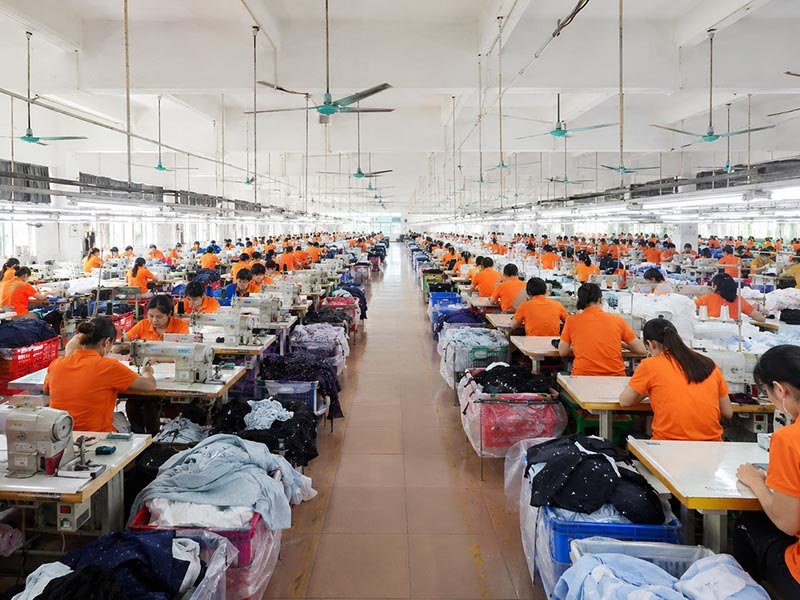
Where Margin-Conscious Dress Programs Break Down
Low Early Quote Creates False Margin
A low early quote can make a dress program look profitable before core assumptions are confirmed. Fabric base, lining, trims, packing,QC level and delivery window may still be open. Once these parts become real, margin can disappear through revised pricing or weaker product choices.
- Separate early cost direction from sample-based and bulk-ready quotation.
- Confirm fabric, trims and packing before margin planning.
- Review missing details before accepting a quote as a production cost base.
- Build quotation updates around confirmed sample, BOM and PP standard.
Fabric Choice Pushes Cost Too High
Fabric cost drift can come from width, shrinkage, dyeing, print method, finish, bulk availability or cutting waste. A fabric with a better meter price may still raise total garment cost when yield is poor or quality creates higher rework.
- Compare fabric options by garment effect, width use, yield and stability.
- Review printed, satin, lace, mesh and stretch fabrics against production risk.
- Check lining needs before judging main fabric price alone.
- Preserve approved swatches and bulk notes for repeat production.
Design Details Add Hidden Labor
- Separate value-driving details from low-impact complexity.
- Review construction time and defect risk before sample approval.
- Adjust decorative density or placement where visual strength can remain.
- Add garment-specific QC points for labor-heavy details.
Sampling Rework Burns Margin Before Launch
- Define sample purpose before development starts: first, fit, photo, PP or golden.
- Translate comments into pattern, trim, fabric or construction actions.
- Record revision reasons and next-stage goals after each sample.
- Use PP sample approval as the bridge into reliable bulk costing.
Color and Size Complexity Reduces Efficiency
- Review quantity per style, color and size before quotation is finalized.
- Group colors around shared fabric and trim standards where possible.
- Check single-color quantity against fabric and process requirements.
- Plan color extensions with repeat potential, not only launch variety.
Quality Issues Become Margin Loss
Poor QC can cost more than a higher unit price. Rework, late corrections, rejected pieces, returns, claims, lost launch windows and urgent replacements can erase planned profit.
Duolan response: PP sample locking, first-piece review, inline QC and final inspection reduce avoidable margin loss.
- Link QC checks with garment-specific risk.
- Review fit, surface, measurements, labels and packing before release.
- Address defects before output grows.
- Keep QC findings for future production.
Duolan Margin-to-Production Review System
Step 1
Target Price and Style Brief Review
A margin-aware project starts with commercial context. Brand teams may share target retail price, wholesale price, intended cost range, channel, style count, quantity range, fabric direction, launch timing and sample stage. Duolan reviews whether the dress program has a realistic development base before giving cost direction. The first goal is not a rushed price. The first goal is understanding which styles need stronger visual investment, which styles require commercial efficiency and which assumptions must be confirmed before costing becomes reliable.
Step 2
Cost Driver Mapping
After the brief is clear, Duolan maps cost drivers by style. Main fabric, lining, trims, hardware, lace, mesh, sequin, embroidery, construction difficulty, sample route, size range, colorways, packing and timeline are reviewed separately. A satin slip, sequin mini, printed maxi and corset midi carry different cost pressures. Mapping helps brand teams see where money enters the garment and where early decisions can prevent waste.
Step 3
Design-to-Cost Suggestions
Design-to-cost review protects product value while reducing avoidable cost. Duolan may suggest fabric alternatives, lining adjustment, trim simplification, process change, color grouping, style prioritization or packing method refinement. The aim is not to remove meaningful design. The aim is to keep visual value, fit and commercial strength while avoiding cost spent in places end consumers, retail partners or brand imagery will not reward.
Step 4
Sample-Based Cost Review
Sampling changes cost understanding. A first sample reveals fabric consumption and construction route. A fit sample reveals pattern, support and size risks. A photo sample confirms visual finish. A PP sample locks material, trims, workmanship, labels, packing and QC points. Duolan updates cost review as the product becomes clearer, helping prevent a gap between early estimate and final bulk quotation.
Step 5
Bulk Quotation and Production Planning
Bulk quotation should be based on confirmed garment details. Duolan reviews sample standard, BOM, fabric, trims, quantity per style and color, size split, packing method, QC requirement, testing needs, delivery window and shipping terms before production planning. A reliable quotation needs garment clarity, not only an image and expected quantity. Production route, capacity window and quality checks are planned around the approved dress standard.
Step 6
Reorder Cost Stability
After shipment, approved pattern, BOM, fabric card, trim records, PP notes, QC findings and packing method remain valuable. Duolan keeps production memory available for repeat orders, new colors, core shapes and future collection updates. Repeat order costing becomes clearer when earlier decisions remain documented. Strong reorder records help reduce repeated sampling, late trim changes, sourcing uncertainty and avoidable time loss.
Margin-Conscious Dress Programs Duolan Supports

Commercial Satin Dresses

Margin-Aware Bodycon Dresses

Cost-Controlled Sequin Dresses

Lace Occasion Dresses

Printed Resort Maxis

Corset and Bustier Dresses

Multi-Style Dress Capsules

Repeat-Order Core Dresses
Dress Cost Driver Matrix
A strong dress quotation should show where cost comes from. Duolan reviews the main cost drivers before sample and bulk decisions, so brand teams can protect product value while reducing avoidable margin pressure.
| Cost Driver | What Raises Cost | How Duolan Reviews It |
|---|---|---|
| Main Fabric | High consumption, special finish, shrinkage, narrow width | Fabric suitability, width use, yield and bulk stability |
| Lining | Coverage, stretch match, comfort, color tone | Lining necessity and matching review |
| Trims | Zippers, boning, pads, eyelets, labels, hardware | Functional need, version control and trim reuse |
| Construction | Corset, cut-outs, ruching, complex seams | Workmanship path and labor time review |
| Surface Work | Sequin, lace, embroidery, beading, printing | Process risk, loss rate and visual value |
| Quantity | Low pieces per style or color | Cost allocation and production efficiency |
| Colorways | Many colors with small units | Fabric MOQ, dyeing, cutting and packing complexity |
| Packing | Hanger, tissue, polybag, barcode, retail packing | Channel requirement and arrival protection |
Design-to-Cost Review Before Sampling
Silhouette Review
- Mini styles may reduce fabric use but increase fit and detail sensitivity.
- Maxi styles may increase fabric consumption and packing considerations.
- Corset shapes need support materials and fit sample discipline.
- Backless and cut-out styles need secure tension and edge control.
Fabric Review
- Satin options are compared by shine, weight, crease risk and sewing behavior.
- Printed fabrics are reviewed by repeat, width, shrinkage and cutting yield.
- Stretch fabrics are reviewed by recovery, opacity and grading stability.
- Lace and mesh are reviewed by visual value, lining needs and waste risk.
Detail Review
- Preserve details shaping brand identity or garment performance.
- Simplify hidden complexity where visual value is limited.
- Review decorative process before expensive sample rounds begin.
- Add QC focus for labor-intensive details before bulk.
Color and Size Review
- Group colorways around shared fabric and trim standards where possible.
- Review single-color quantity before final cost expectation.
- Match size range with fabric behavior and fit risk.
- Preserve color and size logic for repeat orders.
Sample Purpose Review
Sample cost becomes waste when every sample tries to serve every purpose. Duolan separates first sample, fit sample, photo sample, PP sample and golden sample. Each stage answers a different question. Strong sample planning can reduce repeated correction and prevent production cost surprises.
- First sample checks design direction and material behavior.
- Fit sample checks body balance, size and movement.
- Photo sample checks visual finish and campaign readiness.
- PP sample locks production standard and cost basis.
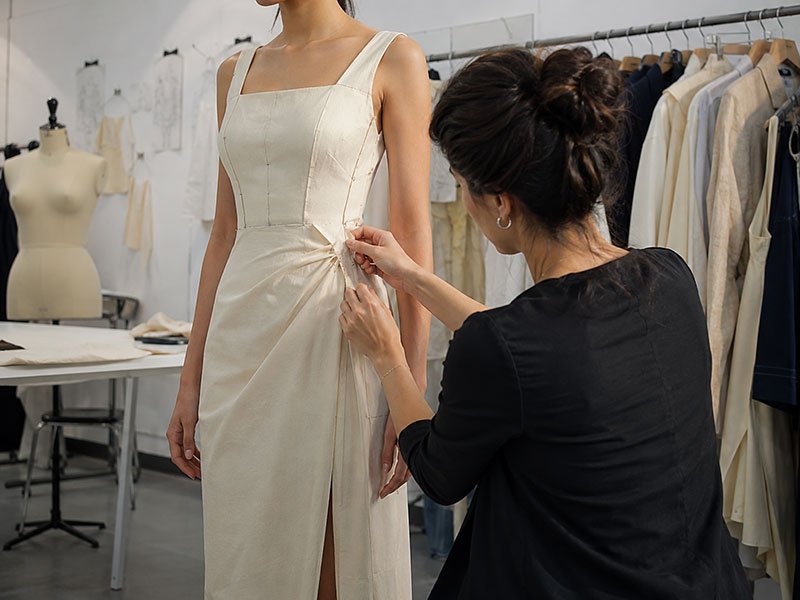
Fabric, Trim and Construction Cost Options

Fabric Options Without Visual Downgrade
Fabric substitution should protect the intended look, not simply reduce price. Duolan compares fabric options by drape, handfeel, opacity, stretch, width, shrinkage, color performance and bulk availability. For satin, lace, mesh, chiffon, jersey and printed woven styles, the better option may be the one reducing risk, not the one with the lowest fabric price. Fabric width, cutting yield and stability often matter as much as meter price.

Lining and Inner Structure Choices

Trim and Hardware Control
Zippers, eyelets, rings, sliders, hooks, buttons, drawcords, elastics, labels, hangtags and packing materials can multiply cost across multi-style programs. Duolan reviews trim versions, color matching, minimums, durability and reuse potential. Shared trim standards across related styles can improve ordering efficiency and reduce late version confusion.
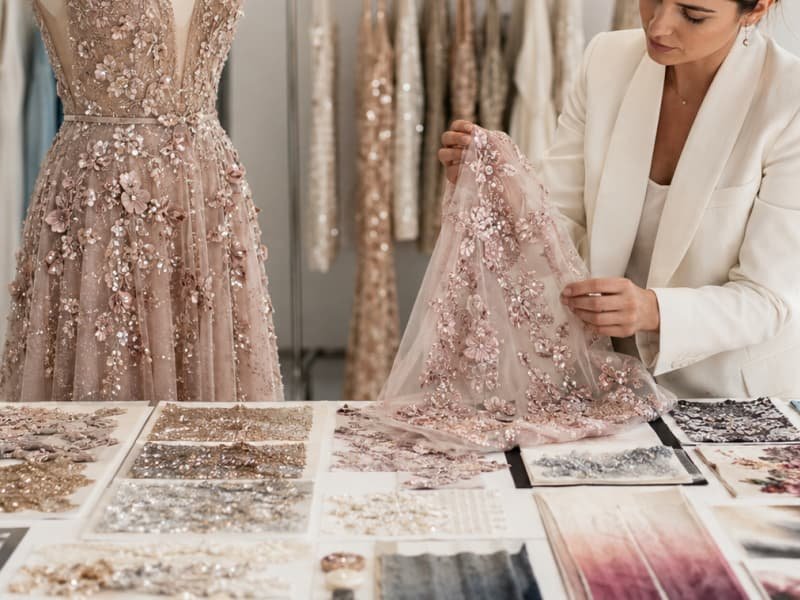
Decorative Process Cost Review

Construction Complexity Review
Complex construction is not a problem when cost and risk are understood early. Ruching, cut-outs, corsets, layered panels, asymmetry, pleats, slits and back ties need labor review before sample approval. Duolan checks sewing path, fit risk, reinforcement, seam bulk and inspection points so the garment can be costed with fewer surprises.
MOQ, Colorways and Size Split Logic
MOQ by Fabric and Process
- Fabric base, color and finish affect ordering requirements.
- Printed or dyed fabrics may create separate minimums.
- Special trims can raise setup and procurement cost.
- Surface processes may need minimum production runs.
Quantity Per Style and Color
- Single-color quantity affects fabric yield and line setup.
- More colors can increase packing and label separation.
- Small split orders may carry higher coordination cost.
- Repeat plans can improve future material booking.
Size Split and Grading
- Fitted styles require stronger grading and recovery review.
- Larger size ranges may alter fabric consumption.
- Complex styles need consistent fit across sizes.
- Measurement tolerance should match garment type.
Launch Order to Repeat Order
A mature brand may start with a launch order before moving into repeat production. Duolan supports a structured route: development review, sample approval, launch quantity, reorder review and scaled production. Early orders should create useful records, not isolated production runs.
- Launch orders create pattern, BOM and QC records.
- Repeat orders can reuse approved standards.
- Scaled production improves planning when demand is confirmed.
- Reorder timing supports better fabric and trim preparation.
Quotation Stages from Sample to Bulk
Initial Cost Direction
Sample-Based Cost Review
Final Bulk Quotation
Cost Change Control
Hidden Margin Loss After Production Approval
QC Loss Before Shipment
- PP sample locks fabric, trims, measurements, workmanship and packing focus.
- First-piece review catches construction drift before full output expands.
- Inline inspection reduces repeated defects across colors and sizes.
- Final inspection protects shipment acceptance and brand trust.
Packing Damage Cost
Packing can turn approved garments into markdown stock. Satin may crease, lace may snag, mesh may stretch, sequins may scratch, velvet may crush and corset structures may deform. A margin-conscious dress program needs packing decisions connected with fabric surface, garment structure and retail channel.
- Select folded, hanger or protected packing according to garment risk.
- Keep hangtags and stickers away from delicate fabric zones.
- Review carton density for embellished, velvet or structured dresses.
- Preserve packing method for repeat orders and retail handover.
Delivery Window Pressure
- Confirm production timing beside launch, campaign or showroom dates.
- Keep QC and packing buffer before cargo handover.
- Plan shipment method according to margin impact, not urgency alone.
- Track production milestones before delay becomes a selling-window issue.
Label and Data Errors
- Match label versions with style, color, size and channel requirements.
- Check barcode, hangtag and polybag sticker pairing before packing.
- Review carton mark and packing list against physical carton contents.
- Archive label and packing records for future production.
Repeat Order Reset
- Preserve pattern version, BOM, fabric card and trim records.
- Keep PP notes, QC issues and packing method attached to the style.
- Review previous production comments before reorder approval.
- Use repeat records to reduce late changes and quotation uncertainty.

Repeat Order Cost Stability System
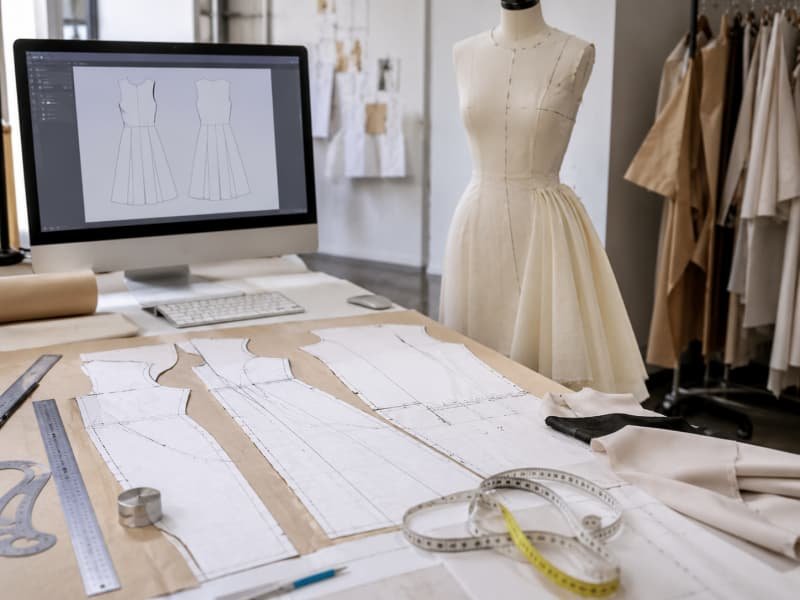
Pattern Lock

BOM Reuse

Fabric and Color Archive

Trim Standardization

Reorder QC Notes
Scaled Production Planning
Margin-Conscious Dress Program Case Studies

United States|Occasion Dress Cost Review Program
A US occasionwear brand developed satin midis, lace cocktail dresses, corset styles and slit-detail dresses across 22 styles and approximately 62,000 pieces. The program needed polished appearance while keeping fabric, lining, zipper and construction costs close to the planned range.
- Cost Focus: Satin surface, lace placement, lining choice, zipper method, slit detail and packing protection.
- Project Challenge: Early styles carried strong visual value, but several details added higher sewing time and surface risk.
- Duolan Response: Duolan reviewed fabric alternatives, lining options, zipper method, PP standards and packing method before bulk release.
- Program Result: The line kept a refined occasionwear look with clearer cost structure and fewer late-stage corrections.

United Kingdom|Partywear Design-to-Cost Program
- Cost Focus: Sequin density, mesh coverage, ruching method, lining, cut-out edges and QC workload.
- Project Challenge: Several hero styles needed strong surface detail, while commercial styles needed more efficient construction.
- Duolan Response: Duolan separated hero styles from commercial support styles, adjusted detail density and reviewed lining and workmanship paths.
- Program Result: The dress program gained a stronger balance between visual impact, sewing complexity and bulk cost control.

Australia|Printed Resort Margin Program
An Australian resort brand developed printed maxis, halter dresses and vacation midis across 24 styles and approximately 72,000 pieces. Print identity drove the collection, while fabric width, artwork placement and garment length affected cost.
- Cost Focus: Print scale, fabric width, shrinkage, maxi length, colorways, fold recovery and carton preparation.
- Project Challenge: Artwork placement and long silhouettes created higher fabric consumption and cutting sensitivity.
- Duolan Response: Duolan reviewed print scale, placement, cutting plan, color grouping and packing recovery before production.
- Program Result: Fabric waste and placement risk became easier to manage while the resort visual direction remained strong.

Europe|Repeat Core Dress Cost Stability Program
- Cost Focus: Pattern reuse, BOM stability, fabric records, trim standards, label versions and reorder QC.
- Project Challenge: New colors and updated trims needed to enter production without rebuilding every cost assumption.
- Duolan Response: Duolan used pattern records, BOM files, PP notes, fabric cards, trim versions and previous QC comments.
- Program Result: Repeat preparation became smoother, and cost discussion stayed clearer across new colors and seasonal edits.
Send Your Margin-Conscious Dress Brief
A strong margin-conscious dress program starts with clear commercial context. Duolan can review your target retail price, wholesale structure, target cost range, dress direction, style count, quantity plan, sample stage, launch timing and main cost concerns before recommending a development and production route.
Share Your Price and Margin Context
- Target retail price, wholesale price, intended cost range, sales channel, market, launch plan, markdown risk, repeat order plan and commercial priority.
- Margin concerns around fabric cost, lining, trims, workmanship, surface process, sample rounds, packaging, QC, delivery timing or reorder stability.
- Product role in the collection, such as hero style, commercial core style, repeat style, showroom sample, ecommerce launch style or seasonal capsule.
Share Your Dress Program
- Tech packs, reference images, fabric direction, style count, colorways, size range, sample stage, target quantity, delivery window and packing needs.
- Dress categories such as satin occasion dresses, printed resort maxis, mesh party styles, corset dresses, sequin event dresses, lace cocktail dresses or bodycon minis.
- Fit and construction details affecting cost, including lining, boning, cups, cut-outs, ruching, slit height, zipper method, embellishment or surface handling.
Share Your Cost Concerns
- Highest-cost areas already known: fabric, trims, lining, construction, color count, size split, sampling, packing, QC, logistics or repeat order continuity.
- Current project stage, such as design review, first sample, fit sample, photo sample, PP approval, supplier transition, repeat order or bulk preparation.
- Available files for review, including BOM, costing sheet, sample comments, approved sample photos, trim files, color cards, packaging rules or previous QC notes.


