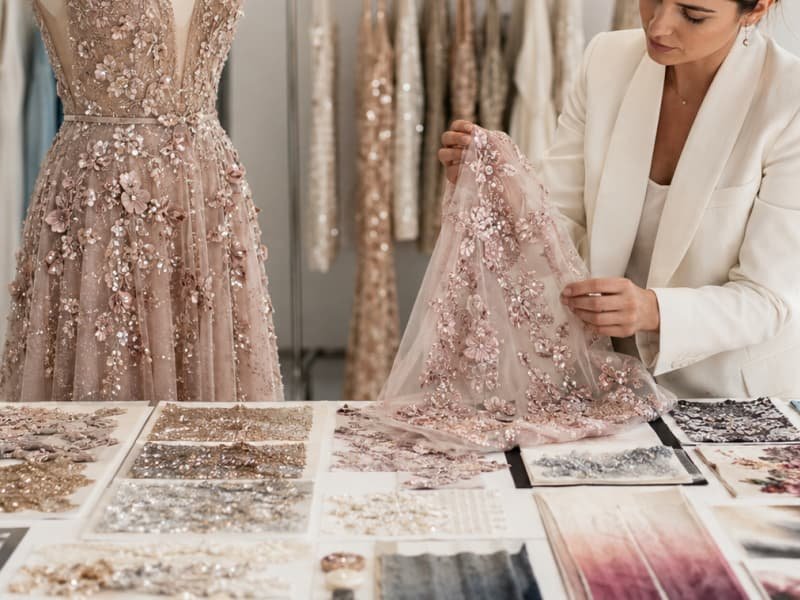
...

Sustainability in Womenswear Manufacturing

Responsible womenswear development and manufacturing for fashion brands building better material, audit, quality and production systems.

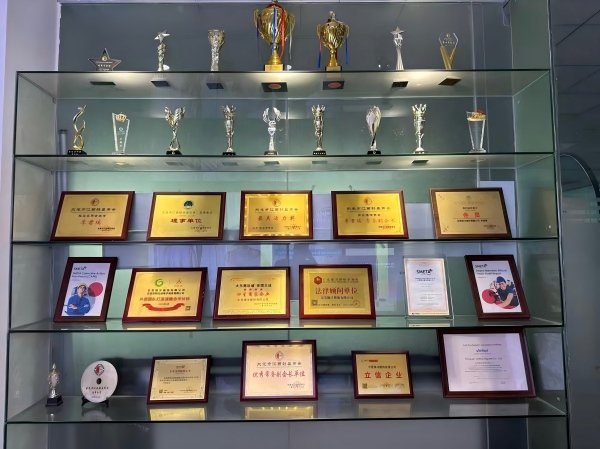
Duolan supports fashion dress programs where sustainability must move beyond brand language and become a controlled manufacturing process. Our work connects material requirement review, sample development, PP confirmation, audit-related coordination, quality checkpoints, production routing, packaging information and repeat delivery. With 16 owned womenswear factories, 20+ satellite factories, 300 sewing lines, 50+ quick-response lines and a SMETA 2-Pillar audit record, Duolan helps established fashion teams develop dresses with clearer documentation, stronger manufacturing discipline and fewer preventable production risks.

What Sustainability Means in Womenswear Manufacturing

Responsible dress manufacturing needs more than fabric claims. It requires documented materials, controlled development, audit readiness, quality discipline and scalable production.

Sustainability Starts Before Fabric Cutting

For a fashion dress program, sustainability begins before the first fabric roll reaches the cutting table. A responsible manufacturing partner should review whether the selected material can support the target silhouette, price position, wearing scene, visual language and bulk production path. A recycled satin, certified cotton blend, mesh, jersey, chiffon or lace material may look suitable on a swatch card, yet fail during sample review if drape, opacity, shrinkage, stretch recovery, seam response or lining need has not been checked. Duolan handles sustainability as a development control system. Before sampling, our team reviews available project information: tech pack, reference image, original sample, fabric direction, target quantity, launch window, market destination and packaging requirement. The review helps clarify whether a material direction can support a production-ready sample, whether extra lining or structure is required, and whether a special process could increase bulk risk. A better decision at material review stage can reduce repeated sample rounds, unnecessary fabric consumption and preventable bulk corrections.

Responsibility Includes Social and Production Discipline

Sustainability in apparel sourcing also includes factory responsibility, communication records, production planning and quality control. A responsible supplier must help fashion teams evaluate audit readiness, production transparency, material documentation, third-party inspection needs and delivery coordination. A dress program with 18 styles and 48,000 pieces needs a clear internal route, not only a confirmed unit price. Duolan’s manufacturing background supports brand-level supplier evaluation. Our factory system has a SMETA 2-Pillar audit record and can coordinate buyer-specified review needs involving BSCI, ISO 9001, AATCC, ASTM, OEKO-TEX?, EN, China GB standards, GOTS-related material requests and specific brand manuals. Our role is to support organized project review, material requirement coordination, sample-to-bulk transition and responsible production execution. 

Built for Established Fashion Teams

Duolan supports mature fashion teams with defined product direction, launch planning, development requirements and long-term supply expectations.

Global Fashion Brands

Global fashion brands need sustainability support beyond material selection. Their teams often evaluate supplier audit records, product safety standards, factory structure, production visibility, sample discipline and documentation flow before approving a manufacturing partner. Duolan supports structured review from development brief to production readiness, especially for dress programs requiring multiple styles, repeated launches and controlled bulk delivery.
  • Factory system with SMETA 2-Pillar audit record
  • Support for buyer-specified testing and document coordination
  • Multi-factory production routing for scalable dress programs
  • Confidential communication for collection files and original samples

Fast Fashion Product Teams

Fast fashion product teams work under short development calendars, frequent drop planning and high style density. Sustainability becomes stronger when development decisions reduce rework, sampling confusion and unstable bulk execution. Duolan helps convert reference images, tech packs, fabric ideas and collection mood into samples reviewed for fit, fabric behavior, workmanship feasibility and production readiness.
  • Strong focus on mini, midi, maxi, party, occasion and going-out dresses
  • Monthly sample development capacity of 15,000–35,000 pieces or style attempts
  • 50+ quick-response lines for controlled development and test production
  • Sample notes, revision summary and PP direction support

Sourcing Offices

Sourcing offices need supplier information clear enough for internal screening. Sustainability review often includes factory information, audit-related records, material requirements, QC structure, production capacity, packing control and shipment planning. Duolan supports organized supplier evaluation by providing capability details, development process explanation, quality checkpoints and project-specific feasibility review.
  • 16 owned womenswear factories
  • 20+ long-term satellite factories
  • Regional production bases in Guangxi, Guizhou, Sichuan and Jiangxi
  • Production route planning for multi-style and repeat order programs

Brand Procurement Teams

Procurement teams need manufacturing partners able to balance compliance, product result, delivery control and repeat production. A responsible supplier should not separate sustainability from bulk consistency. Duolan’s approach connects fabric review, pattern correction, sample confirmation, production path design, inline QC, final inspection and packing review, helping brands lower preventable production and launch risks.

  • 300 sewing lines across the group system
  • Regular monthly production capacity around 6,500,000 pieces
  • Peak monthly production capacity up to 10,000,000 pieces
  • Bulk Readiness Review before production start

Responsible Sourcing Challenges

Fashion teams need suppliers able to turn sustainability requirements into controlled materials, samples, production records and delivery discipline.

Claim Risk

Sustainability statements on hangtags, care labels, product descriptions and packaging must match material documents and brand rules. Duolan does not treat sustainability wording as decoration. We help teams review whether a claim should be supported by nominated fabric documents, certified material requests, packaging specifications or internal approval notes before bulk packing starts.

Material Proof

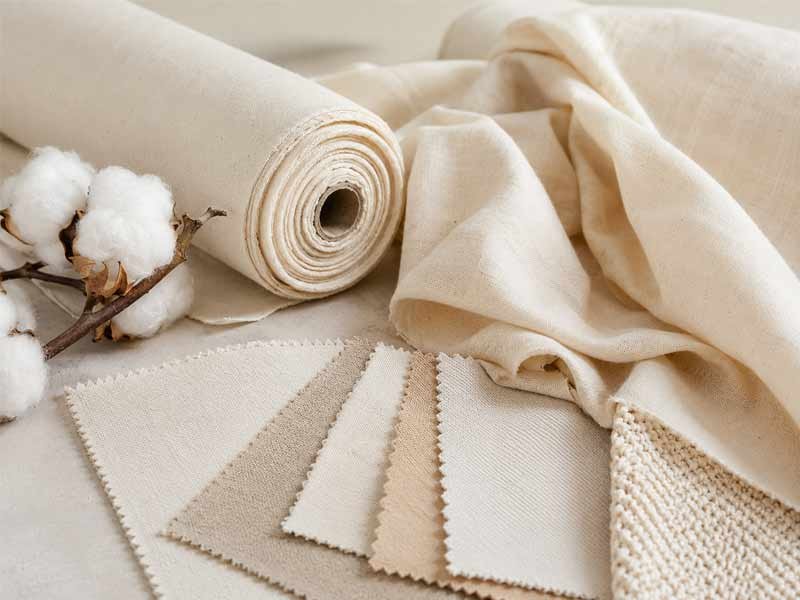
A fabric direction needs more than a name. Recycled polyester, certified cotton, viscose blend, organic cotton direction, responsible lining and paper packaging must be reviewed against composition, GSM, handfeel, stretch, transparency, width, color stability and available documents. Duolan helps organize material review before sampling and before bulk locking.

Audit Readiness

Large fashion programs often require supplier evaluation before production. Duolan’s factory system has a SMETA 2-Pillar audit record and can coordinate audit-related document review, factory information, production process explanation, social compliance communication and brand-specific requirements. Audit readiness becomes part of supplier qualification, not an afterthought.

Bulk Consistency

A sample can look responsible, yet bulk delivery can fail if fabric, lining, trims, measurements, workmanship points, color and packaging are not locked. Duolan runs Bulk Readiness Review before production to confirm whether a sample is fit confirmed, visual confirmed, PP basis or still pending refinement.

Production Visibility

Responsible manufacturing needs internal records. For multi-style dress orders, Duolan breaks production down by style, color, size, quantity, fabric risk, workmanship level and production route. The aim is to avoid uncontrolled production handoff when 10–30 styles move from sample approval into bulk at the same time.

Launch Pressure

Fast fashion calendars compress development, approval and delivery windows. Sustainability cannot mean slow communication or unclear next steps. Duolan supports structured project flow: brief review, sample route, revision summary, PP sample direction, production timeline, inspection coordination and shipment planning by express, air or sea according to launch urgency.

Duolan Sustainability Framework

Our sustainability framework connects dress development, responsible material coordination, audit support, production control and long-term delivery.

Material Alignment

Duolan reviews material direction against dress structure, fabric behavior, target market and bulk availability. Satin, mesh, jersey, lace, chiffon, woven blends and sequin fabrics are checked for drape, transparency, recovery, lining need, seam response and packaging sensitivity before moving deeper into sample development.

Audit Support

Responsible sourcing needs supplier records. Duolan can support supplier evaluation with factory information, SMETA 2-Pillar audit record coordination, social audit communication, quality process overview, factory visit arrangement and brand-specific compliance file review according to project needs.

Development Control

A responsible dress program should avoid endless sampling caused by wrong assumptions. Duolan reviews tech packs, reference images, original samples, fabric ideas and collection mood before sampling, then translates comments into pattern correction, material adjustment, workmanship improvement and PP direction.

Quality Discipline

Quality control directly reduces waste, return risk and production loss. Duolan checks fabric, trims, cutting, measurements, workmanship, lining, zipper, embellishment, packing and shipping preparation. Key dress risks include satin seam marks, mesh coverage, sequin irritation, bodycon transparency and corset support.

Production Transparency

For bulk orders, Duolan does not treat production as one block. Orders are broken down by style, color, size, quantity, fabric risk, workmanship difficulty and delivery stage. Production path planning helps match owned factories, quick-response lines, satellite factories and special process partners.

Long-term Supply

Sustainability improves when a supplier understands repeat production and collection rhythm. Duolan supports recurring development, test launch, scale-up order, repeat order and seasonal dress programs. Records from approved samples, material direction and workmanship points can support more stable future cooperation.

Audit and Compliance Coordination

Duolan supports brand-level supplier evaluation through audit-related records, material coordination, testing communication and controlled manufacturing documents.

Factory Responsibility Review for Fashion Brands

Sustainability programs often begin with supplier qualification. A fashion team may ask whether the supplier has social audit records, quality management awareness, factory details, production capability data, inspection flow and documentation support. Duolan’s factory system has completed SMETA 2-Pillar audit and maintains SMETA social audit record support for responsible sourcing discussions.

For brand programs requiring further review, Duolan can coordinate communication around BSCI, ISO 9001, AATCC, ASTM, OEKO-TEX?, EN, China GB standards, GOTS-related material requests and specific brand requirements. The correct wording is important: some standards may apply to factories, some to materials, some to finished products, and some to buyer-nominated procedures. Duolan helps organize requirement review before claims, labels or bulk requirements are confirmed.

Project support may include:

  • Supplier capability profile
  • Factory information sheet
  • Audit-related record coordination
  • Production process overview
  • QC checkpoint explanation
  • Third-party inspection communication
  • Material requirement review
  • Label and packaging requirement review

Document Coordination Before Bulk Start

Audit and compliance work should not happen only at final shipment stage. For dress programs with 20,000–80,000 pieces across multiple styles, documentation must be connected to material confirmation, PP sample approval, workmanship standard and packing requirement. Duolan reviews project records before production starts, especially when sustainability wording, certified material requests or brand-specific manuals are involved.

The factory system can support inspection communication for fabric, trims, cutting, sewing, special process, finishing, packing and shipment preparation. A structured document flow helps fashion teams understand what has been reviewed, what still needs confirmation and what must be locked before bulk production.

Sustainable Material Requirement Support
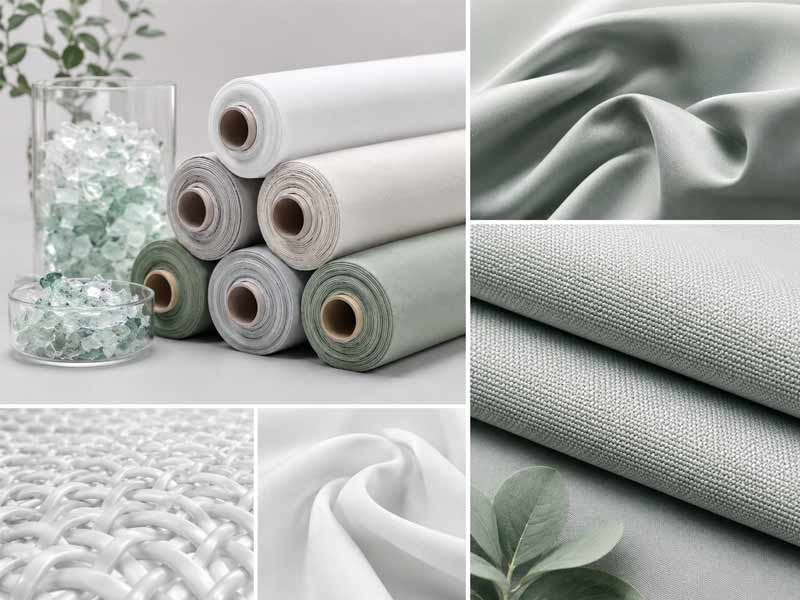
Duolan helps fashion teams review sustainable material directions against dress result, certification needs, bulk availability and production control.

Recycled Polyester

Recycled polyester directions are often used for satin, chiffon, mesh, lining, jersey and woven dress programs. Duolan reviews composition, GSM, fabric width, surface shine, color depth, shrinkage, handfeel, drape, seam response and certification document requirements before recommending sample use. For satin or occasion dresses, recycled content alone is not enough; the fabric must still support smooth seams, controlled pressing, stable color and bulk repeatability.

Certified Cotton

Certified cotton or cotton-blend requests can suit casual dresses, resortwear, shirt dresses and relaxed woven programs. Duolan checks shrinkage, wrinkle level, handfeel, opacity, washing response, fabric stability and colorfastness before sample development. Cotton-rich dress programs often require careful pattern adjustment because natural fiber behavior can affect length balance, hem shape, waist fit and post-wash appearance.

Viscose Blends

Viscose and viscose-blend materials can create soft drape for midi, maxi, vacation and resort dresses. Duolan reviews fabric weight, slippage risk, shrinkage, seam strength, lining need and garment hanging behavior. A responsible decision must consider whether the fabric supports the target silhouette after cutting, sewing, pressing and packing, not only how the swatch feels on the table.

Responsible Linings

Lining selection strongly affects comfort, opacity, garment weight and perceived quality. Duolan reviews lining composition, thickness, static risk, color matching, skin comfort, seam bulk and transparency control. For mesh, lace, chiffon, satin and sequin dresses, responsible lining selection can reduce return risk, improve wearing experience and stabilize visual result during photography and retail display.

Lace and Mesh

Mesh and lace directions need a careful review of coverage, stretch, print placement, embroidery density, lining relationship and seam finishing. Duolan checks whether the fabric can support bodycon, illusion, long sleeve, overlay or panel designs without causing discomfort, transparency issues or unstable bulk appearance. For large programs, repeatable placement and cutting control are key.

Trim Selection

Responsible trim review covers zipper quality, hook-and-eye, elastic, boning, cups, straps, buttons, beads, rhinestones, sequins and thread. Duolan evaluates whether trims match fabric behavior, garment weight, skin contact, care instructions and production speed. For embellished dresses, trim choice can influence comfort, needle risk, packing pressure and long-term product perception.

Paper Packaging

Packaging sustainability is often connected to paper hangtags, paper belly bands, paper mailer direction, carton marks and reduced unnecessary packaging. Duolan can support packaging requirement review and print file coordination, including barcode, SKU, size, color, care, origin, material note and verified sustainability wording. Claim wording should match approved material and brand documentation.

Nominated Materials

Many established fashion teams nominate their own certified fabric mills, trims or packaging suppliers. Duolan can work with buyer-nominated material directions, review dress feasibility, prepare samples, coordinate fabric behavior testing and confirm bulk handling requirements. Nominated material programs still need sample validation, because a certified material may behave differently across silhouettes and construction methods.

Material-to-Dress Feasibility Guide

Sustainable material choices must be reviewed against real dress construction, not only composition, certificate request or swatch appearance. For fashion teams, the main question is not whether a fabric sounds sustainable, but whether it can become a stable commercial dress across sample, PP and bulk production.

Satin, Chiffon and Soft Draping Materials

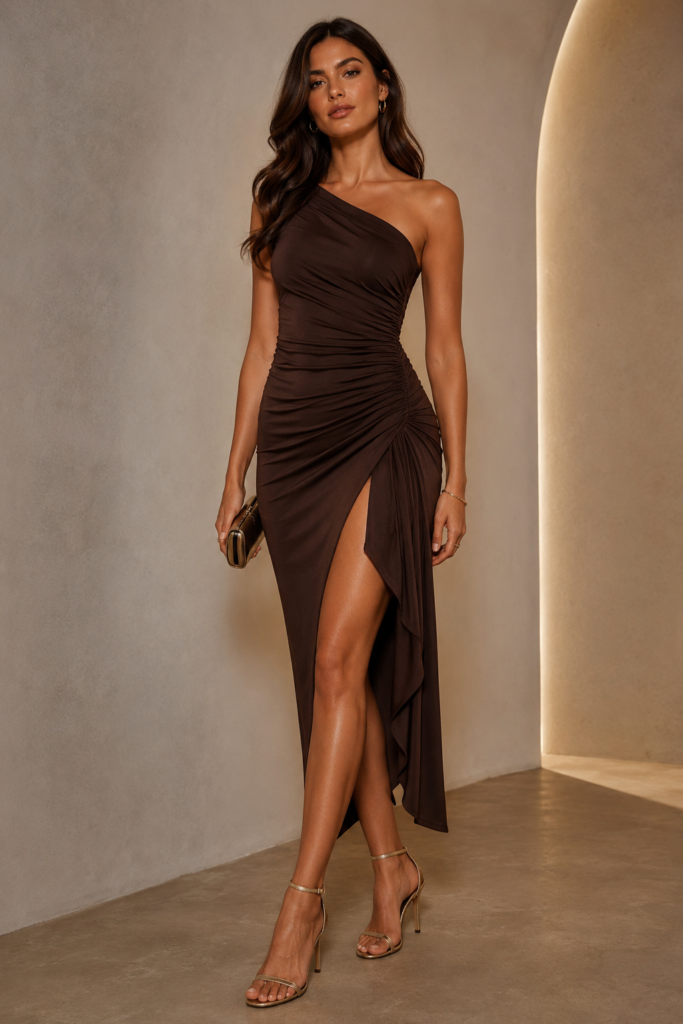
Satin, chiffon and soft draping fabrics can create an elevated visual effect for slip dresses, wedding guest dresses, vacation dresses and formal occasion programs. They also expose development risks quickly. Satin may show needle marks, seam waves, pressing shine, scratches and packing pressure. Chiffon may shift during cutting, reveal seam allowance, need lining adjustment and require soft finishing. Recycled or certified material directions must still meet the visual and technical requirements of the dress. Duolan reviews:
  • GSM and thickness suitable for silhouette
  • Drape and recovery after hanging
  • Lining need and opacity control
  • Needle size, stitch density and seam response
  • Packing pressure and crease recovery
  • Bulk color consistency and lab dip review

Stretch, Mesh and Body-fit Materials

Bodycon, cut-out, mesh, jersey and fitted dress styles need stronger attention to stretch recovery, transparency, skin comfort and seam stability. A material direction may pass a composition review, yet fail during fit test if recovery is weak, lining is too tight, seam thread is unsuitable or transparent areas do not match brand requirements. For body-fit garments, sustainability also means fewer avoidable returns caused by poor fit, show-through or discomfort. Duolan reviews:

  • Stretch percentage direction and recovery behavior
  • Fabric torque and side seam balance
  • Lining coverage and compression feel
  • Overlock, coverstitch and seam elasticity
  • Size grading across fitted silhouettes
  • Skin contact risks from trims or embellishment

Recommended visual evidence: stretch test image, lining overlay, bodyform fitting scene, close-up of seams and recovery comparison. 

Fabric-to-Dress Development Control

Duolan reviews fabric behavior, silhouette needs, workmanship route and bulk repeatability before materials enter serious sampling.

Control for Satin and Occasion Dresses

Satin dresses look simple from a distance, but production control is demanding. A responsible satin program requires review of fabric weight, surface shine, color depth, seam visibility, needle marks, ironing temperature, lining thickness, zipper behavior and packing creases. If a satin fabric is too thin, the dress may look transparent or unstable. If too heavy, drape and movement may change. If the seam route is wrong, side seams can look wavy under light. Duolan’s development team reviews satin direction according to dress use: cocktail, wedding guest, evening, slip, party or formal occasion. The team considers whether the dress needs bias cutting, lining, facings, invisible zipper, adjustable straps, soft boning, draped cowl, gathered panel or back tie. Before bulk, key details can be locked through lab dip, PP sample, measurement spec, seam standard and packing method.

Control for Mesh, Lace and Transparent Areas

Mesh and lace dresses require careful balance between visual effect and wearing coverage. A mesh dress may need power mesh, soft mesh, printed mesh, embroidered mesh or lining mesh depending on silhouette. For lace, pattern placement, cutting direction, edging, lining and seam finishing decide whether the garment looks refined or unfinished. Sustainability claims lose value when construction creates discomfort, return risk or unstable production. Duolan reviews mesh and lace programs by coverage area, stretch direction, lining color, seam allowance, print placement, embroidery density and skin contact. For bodycon mesh or illusion details, pattern balance and size grading must be reviewed carefully. For lace panels, repeat placement and cutting loss should be considered before costing and bulk commitment.

Sustainable Dress Product Directions

Duolan connects responsible material choices with real dress categories, fit requirements, workmanship routes and repeat production needs.

Mini Dresses

Mini dresses require careful balance between length, proportion, coverage and movement. For sustainable development, Duolan reviews fabric weight, lining need, hem stability, stretch recovery and size grading before bulk planning. A mini dress program may include fitted, A-line, ruched, corset, satin or sequin styles, each needing a different control route.

Midi Dresses

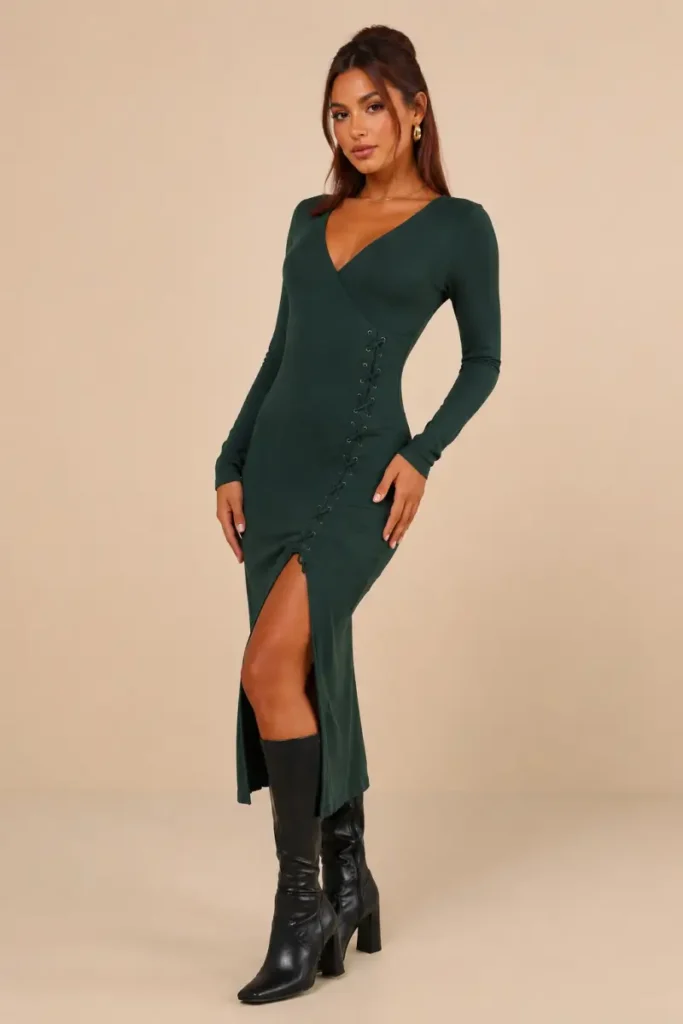
Midi dresses depend on clean body proportion, drape and walking comfort. Duolan reviews fabric fall, side seam balance, slit position, lining length, waist placement and hanger appearance. For responsible material use, pattern correction and fabric matching help avoid repeated sampling and reduce preventable production revisions before PP approval.

Maxi Dresses

Maxi dresses use more fabric and expose drape, shrinkage and length tolerance risks. Duolan checks fabric width, marker efficiency, hem control, seam strength, lining weight and packing fold lines. For vacation, resort or occasion collections, a stable maxi dress requires fabric behavior review before order costing and bulk routing.

Party Dresses

Party dresses often include bodycon fits, satin surfaces, mesh panels, cut-outs, sequins, rhinestones, beads or boning. Duolan evaluates trim weight, skin comfort, seam stretch, lining coverage, embellishment attachment and packing pressure. Sustainability improves when visual effects are developed for repeatable bulk execution, not only sample appeal.

Occasion Dresses

Occasion dresses must hold shape under photography, event lighting and movement. Duolan reviews fabric shine, lining, zipper stability, cup position, bust support, waist balance, slit safety and finishing. Responsible production means controlling visual consistency across size range, colors and repeat orders without avoidable rework.

Vacation Dresses

Vacation dresses often use lightweight woven, viscose, cotton blend, chiffon, linen-look or soft printed fabrics. Duolan reviews breathability, shrinkage, print clarity, wrinkle behavior, washing response and seam strength. For resort capsules, material selection should support comfort, retail display and packing recovery.

Going-out Dresses

Going-out dresses require strong style recognition and reliable fit. Duolan reviews stretch, recovery, transparency, body shaping, cut-out placement, shoulder support and hem behavior. For sustainable programs, development decisions should reduce fit complaints and support repeatable production for core selling silhouettes.

Resort Dresses

Resort dresses need movement, color, print or relaxed elegance. Duolan reviews fabric handfeel, print placement, lining need, wash response, skirt volume and packing method. Responsible resort development often combines fabric choice, pattern planning and delivery timing for seasonal launch windows.

Satin Dresses

Satin dresses require surface protection, controlled stitching, pressing discipline and suitable lining. Duolan evaluates matte satin, stretch satin, heavy satin, lightweight satin and satin-back crepe according to silhouette. Before bulk, needle size, seam allowance, ironing route and packing fold method should be confirmed.

Mesh Dresses

Mesh dresses need control over transparency, stretch, lining and print placement. Duolan reviews mesh type, recovery, color matching, seam elasticity, body coverage and edge finishing. For fitted mesh styles, size grading and lining tension should be checked before PP sample confirmation.

Jersey Dresses

Jersey dresses depend on stretch recovery, weight, drape, opacity and seam elasticity. Duolan reviews fabric torque, shrinkage, stitch type, hem wave, neckline recovery and body fit. For responsible bulk delivery, jersey programs require stable fabric lots and clear measurement tolerance.

Sequin Dresses

Sequin dresses require careful review of sequin density, base fabric strength, skin comfort, lining, zipper route, needle risk, shedding and packing pressure. Duolan checks whether decoration level matches production efficiency, wearing comfort and order quantity. Bulk control should include trim locking and workmanship standard confirmation.

Design Decisions That Reduce Waste

Better design decisions reduce repeated sampling, fabric mismatch, bulk correction and avoidable production loss.

Fabric Matching

A responsible dress begins with material-to-silhouette matching. Duolan reviews whether the fabric can support drape, support, stretch, coverage, surface finish and production timing. A satin cowl dress, mesh bodycon dress, cotton resort dress and sequin party dress cannot share the same development logic.

Pattern Balance

Pattern decisions influence fabric consumption, fit, visual proportion and bulk consistency. Duolan reviews bust, waist, hip, length, slit, cup, boning, strap, armhole and back balance before moving into production-ready sample direction. Better pattern correction reduces unnecessary sample rounds.

Workmanship Route

Every design detail needs a route: sewing method, seam allowance, lining attachment, zipper insertion, boning placement, hem finish, edge clean-up and special process control. Duolan evaluates whether a workmanship plan is suitable for bulk execution across 10–30 styles.

Packable Finish

Sustainable development also considers how the dress leaves the factory. Satin, sequins, mesh, pleats and structured bodices can suffer from packing pressure. Duolan reviews folding, hanger packing, polybag size, carton loading and final steam requirements before shipment planning.

Sample Development with Lower Rework Risk

Duolan treats sample development as a controlled decision process, not a one-off prototype.

From Brief to Production-ready Sample

A responsible sample should help a fashion team judge fit, fabric behavior, proportion, workmanship and bulk feasibility. Duolan can work from tech pack, reference image, original sample, fabric idea or collection mood. Before sampling starts, the team reviews garment purpose, fabric direction, key construction points, size basis, visual priority and expected order path. The aim is not only to make a sample close to the image, but to create a version suitable for internal review, revision and future production. A typical controlled sample path may include:
  • Project brief review
  • Fabric and trim direction
  • Pattern development
  • First sample creation
  • Fit and visual review
  • Sample comments translation
  • Revision summary
  • PP sample direction
  • Bulk readiness note
For complex dresses, such as corset, satin, mesh, bodycon and sequin styles, Duolan may recommend checking fabric behavior before finalizing the pattern. A stable sample route helps reduce repeated changes caused by unsupported design details.

Sample Data for Better Bulk Decisions

Sample development creates useful records for bulk control. Measurements, fabric direction, lining choice, seam method, trim route, pressing method and packaging notes should be captured before production starts. Duolan can help summarize changes after fit comments, especially when a style moves from first sample to revised sample or PP sample. For established fashion teams, the value lies in decision clarity. A sample should answer whether the dress is visually aligned, fit-reviewed, material-suitable and ready for bulk planning. If the sample still needs refinement, Duolan can identify the pending points before production commitment. Sample efficiency is part of responsible manufacturing because it reduces fabric waste, schedule pressure and avoidable bulk risk. 

Bulk Readiness Before Production

Before bulk starts, Duolan reviews whether the sample, materials, workmanship and delivery path are ready for controlled manufacturing.

Bulk Readiness Review

Duolan does not move from approved sample into bulk blindly. Before production starts, our team normally runs a Bulk Readiness Review to confirm the sample status and production basis. A dress may be fit confirmed, visual confirmed, PP basis or still pending refinement. Each status leads to a different production decision. The review checks:
  • Fabric locked or still under review
  • Lining confirmed
  • Trims, zippers, elastic, boning or embellishment approved
  • Color, lab dip or bulk fabric shade aligned
  • Measurements and tolerance ready
  • Workmanship points documented
  • Packaging requirement confirmed
  • Launch order, test order, repeat order or scale-up order clarified
  • Single-factory, multi-line or multi-factory route selected
For a 24-style order with 62,000 pieces, Bulk Readiness Review can help identify which styles are routine, which need special process coordination, and which need stricter PP locking before the cutting stage.

Production Path Design

After order confirmation, Duolan breaks production into a structured route. The order is divided by style, color, size, quantity, fabric risk, workmanship level and delivery requirement. A satin dress with delicate seams, a mesh bodycon style, a sequin party dress and a woven vacation dress may require different production paths even within the same collection. Duolan considers whether the order needs:

  • Independent trial production
  • Special process support
  • Printing, embroidery, washing or rhinestone coordination
  • Quick-response line allocation
  • Owned factory control for core styles
  • Satellite factory routing for repeat or scale-up items
  • Internal timeline by cutting, sewing, finishing, QC and packing

The output can be a Production Path & Timeline Plan, helping brand teams understand how a multi-style dress program moves from confirmed sample to controlled delivery. 

Workmanship Control for Responsible Dresses

Responsible dress manufacturing requires controlled workmanship details that protect fit, appearance, comfort and repeatable bulk result.

Seam Control

Duolan reviews stitch type, thread selection, seam allowance, seam elasticity and surface appearance according to fabric. Satin seams need smooth handling; jersey needs stretch; mesh needs soft finishing; sequin styles need protected seam paths. Controlled seams reduce garment rejection and repair work.

Lining Control

Lining affects coverage, comfort, garment weight and inner finish. Duolan checks lining length, color match, static behavior, attachment route and transparency control. For mesh, lace, satin and occasion dresses, lining decisions strongly influence wearability and brand perception.

Zipper Control

Invisible zippers, back zippers, side zippers and decorative zippers require different handling. Duolan reviews zipper strength, smoothness, seam bulk, lining relationship and top edge finish. Poor zipper control can affect fit, comfort, sample approval and bulk inspection results.

Support Structure

Corset, bustier, cut-out, halter and backless dresses may need cups, boning, elastic, tape, facing or internal support. Duolan reviews support placement, body balance, skin comfort and production repeatability before bulk production to avoid unstable wearing performance.

Embellishment Control

Sequins, beads, rhinestones, pearls, embroidery and trims need attachment review, density planning, skin contact protection and packing control. Duolan evaluates whether decoration supports the garment’s visual purpose without creating unacceptable loss, irritation or production instability.

Finishing Control

Final finishing includes pressing, trimming, thread cleaning, measurement check, label placement, stain review, packing and carton loading. For satin, pleated, embellished or structured dresses, finishing method can decide whether the garment arrives ready for retail review.

Quality Control for Responsible Bulk Delivery

Quality control reduces avoidable repair, replacement, return risk and material loss across fashion dress production.

Dress-specific QC Checkpoints

Responsible production requires quality control from fabric arrival to shipment preparation. Duolan reviews fabric inspection, shrinkage direction, color shade, trims, cutting accuracy, bundle numbering, sewing quality, inline findings, final measurements, finishing, packing and shipment readiness. Quality work is not limited to final inspection; early-stage control reduces larger loss later. Dress-specific risks require special attention:
  • Satin: seam marks, shine change, scratches, pressing lines, packing creases
  • Mesh: transparency, lining coverage, stretch recovery, seam comfort
  • Bodycon: measurement tolerance, recovery, hem wave, show-through
  • Sequin: shedding, skin irritation, trim loss, lining protection
  • Corset: cup placement, boning position, zipper strength, support balance
  • Vacation woven: shrinkage, print alignment, hem level, colorfastness
Duolan can coordinate in-house checks and third-party inspection support according to brand requirements. Inspection notes can be used to align internal production teams and overseas review teams before shipment release.

QC Records and Communication

For multi-style dress orders, QC communication needs structure. A 16-style production order may involve different fabrics, linings, colors, trims and finishing methods. Duolan organizes inspection communication around style number, color, size, quantity, workmanship point, defect category and packing requirement. Clear records help reduce misunderstanding during final approval and shipment planning. QC evidence can include:

  • Fabric inspection photos
  • Cutting table photos
  • Inline sewing review
  • Measurement records
  • Final inspection snapshots
  • Packing confirmation
  • Carton mark review
  • Third-party inspection coordination

Packaging, Labels and Verified Claims

Duolan helps align packaging, label information and sustainability wording with approved materials and brand requirements.

Hangtag Wording

Hangtags may include fabric information, care notes, brand story, QR code or sustainability wording. Duolan helps review whether the wording should match fabric composition, nominated material documents, brand manual or legal review before printing.

Care Labels

Care labels must align with fabric, lining, trims, washing behavior and market requirements. Duolan coordinates label placement, size, language, composition information and care symbols according to brand files and garment construction.

Polybag Planning

Polybag planning affects packing volume, presentation and product protection. For satin, sequin, pleated or structured dresses, Duolan reviews bag size, folding route, hanger option and packing pressure to reduce crease or trim damage.

Carton Marks

Carton marks, SKU, size ratio, color code and quantity information must match order records. Duolan reviews carton labeling and packing list alignment to reduce warehouse receiving confusion and shipment communication errors.

Barcode and SKU

Barcode, style code, color code, size code and channel-specific labels can be coordinated according to brand requirements. Duolan helps align label application with packing stage so garment and carton records remain consistent.

Claim Approval

Sustainability claims should not be printed only because a project uses a preferred material. Duolan recommends reviewing claim wording against approved material documents and brand standards before hangtag, packaging or online product language is finalized.

Social Responsibility and Factory Visit Support

Duolan supports responsible supplier review through audit record coordination, factory visibility and structured project communication.

Audit Record Support

Duolan’s factory system has completed SMETA 2-Pillar audit and can coordinate relevant social audit record communication for qualified brand review. When brands require additional standards or internal supplier manuals, Duolan can help clarify what applies to factory, material, process or finished product level.

Supplier Review Meetings

Supplier review often requires detailed conversation before sampling or bulk commitment. Duolan can support video meetings, project calls, file review and capability discussion covering product focus, material requirements, sample flow, production path, QC control, packing and shipment planning.

Factory Visit Support

For approved business discussions, Duolan can coordinate factory visit arrangements to review sample room, production lines, QC area, packing process and project communication flow. Factory visits help brand teams evaluate real capability instead of relying only on website statements or price sheets.

Confidential Project Handling

Fashion dress projects often involve unreleased designs, private artwork, reference samples and seasonal launch plans. Duolan treats project files, samples, brand manuals and communication records with confidentiality. Anonymous evidence and cropped process images can be used for capability discussion without exposing private designs.

Smarter Delivery Planning

Responsible supply planning balances launch timing, shipping method, packing protection, cost control and production readiness.

Delivery Method by Launch Requirement

Fashion dress delivery should match launch stage. Sample shipments, urgent review items, campaign pieces, small approval sets and final pre-production references may move by express. Express delivery usually takes around 3–7 days depending on destination, customs and courier route. Air shipment can support time-sensitive bulk items, often around 5–8 days after cargo arrangement. Sea shipment is more suitable for larger volume when launch calendar allows, often around 20–35 days depending on port, route and destination. Duolan can support FOB, CIF and DDP discussion according to project requirement. For complex programs, split shipment may be considered when approved styles, production dates or launch windows differ. Delivery planning should be discussed before bulk packing, especially for satin, sequin, structured, embellished or hanger-packed garments.

Packing Protection Before Shipping

Packing affects sustainability because damaged, wrinkled or poorly presented garments may require re-steaming, repacking, replacement or rejection. Duolan reviews folding route, garment size, polybag size, carton capacity, hanger requirement, carton mark, barcode, packing list and shipment preparation before ex-factory release.
Dress categories require different packing decisions:

  • Satin dresses need crease and surface pressure control
  • Sequin dresses need trim protection and lining coverage
  • Corset dresses need support area protection
  • Mesh dresses need snag reduction
  • Maxi dresses need length folding review
  • Occasion dresses may need hanger packing or careful carton loading

Responsible Program Examples

Duolan supports confidential fashion dress programs where material review, production readiness and delivery discipline matter. 

US Fashion Dress Program|22 Styles|58,000 Pieces

A US fashion dress brand planned a party and going-out dress program across 22 styles, including satin minis, mesh bodycon dresses, ruched jersey dresses and two sequin hero styles. The team wanted stronger material clarity and fewer late-stage fit revisions because launch samples had to move quickly into production planning. Pain points included inconsistent fabric direction, unclear lining decisions for mesh styles, and concern over satin seam marks during bulk sewing. Duolan reviewed fabric swatches, recommended lining adjustments, separated styles by risk level, and prepared a sample-to-bulk route. Satin styles were checked for fabric weight, seam response, zipper route and packing pressure. Mesh styles were reviewed for opacity, recovery and lining tension. Sequin styles required skin comfort and trim attachment review. Result: the program moved into a structured bulk plan across core and higher-risk styles. Production quantity reached about 58,000 pieces. Duolan prepared production route suggestions, PP basis notes and QC focus points before bulk start, helping the brand reduce confusion between sample approval and production execution.

UK Occasionwear Program|16 Styles|42,000 Pieces

A UK occasionwear team developed a seasonal dress program with 16 styles, including satin midi dresses, lace overlay dresses, one corset silhouette, slip dresses and long-sleeve mesh styles. The brand needed better control over visual consistency, especially for satin surface, lining color, bust support and final packing condition. The main risks were satin creases, lace placement inconsistency, unstable cup position and unclear final label requirements. Duolan reviewed fabric direction, lining color, zipper position, internal support structure and packaging route before bulk planning. For corset styles, cup, boning and back structure were checked during sample revision. For satin styles, pressing and packing methods were reviewed before final carton loading. Result: the program was organized into routine styles, support-structure styles and surface-sensitive styles. Total production volume was about 42,000 pieces. Duolan prepared workmanship control points and inspection focus notes so the brand team could review key production risks before shipment.

Australian Resortwear Program|28 Styles|76,000 Pieces

An Australian fashion brand prepared a resort and vacation dress capsule with 28 styles, including printed woven dresses, viscose-blend maxis, cotton-look minis, wrap dresses, matching sets and lightweight occasion pieces. The team needed better material suitability review because several styles depended on soft drape, print position and packing recovery. Pain points included fabric shrinkage, print placement risk, hem distortion on long dresses, and tight launch timing across multiple delivery windows. Duolan reviewed fabric width, marker efficiency, shrinkage direction, print repeat, lining need and size range. Styles were divided by construction type: simple woven, print-sensitive, drape-sensitive and maxi-length styles. Production planning included multiple routes for cutting, printing coordination, sewing, finishing and packing. Result: the order reached about 76,000 pieces across several delivery batches. Duolan helped the brand lock key material and workmanship points before production, then coordinated packing and delivery planning according to launch timing. The record summary from the project supported follow-up development for repeat silhouettes.

Duolan vs Transactional Apparel Vendors

Duolan is structured for brand-level dress development, production readiness, responsible sourcing support and repeatable manufacturing collaboration.

Transactional Vendor Model

A transactional apparel vendor usually focuses on quote response, sample execution and order acceptance. Sustainability discussion may stay at material names or general factory statements. Development risk, material suitability, PP sample discipline, audit coordination, packing review and repeat order records may not be deeply connected. For complex dress programs, such a model can create hidden problems when styles move from sample approval to bulk production.
Common limitations include:

  • Material selection without dress feasibility review
  • Weak sample revision records
  • Limited production readiness discussion
  • Unclear factory routing for multi-style orders
  • QC only emphasized near final inspection
  • Packaging and claim review handled late
  • Limited support for long-term program learning

Duolan Brand-level Model

Duolan works as a dress-focused development and manufacturing partner for mature fashion teams. The work begins with project brief review, fabric direction, pattern planning, sample route and bulk feasibility. Sustainability is treated as part of responsible material coordination, audit support, sample control, production visibility, QC discipline and repeat production.
Duolan’s strengths include:
  • 30+ years of womenswear development background from the leadership system
  • 16 owned womenswear factories and 20+ satellite factories
  • SMETA 2-Pillar audit record support
  • 300 sewing lines and 50+ quick-response lines
  • Bulk Readiness Review before production
  • Dress-specific QC for satin, mesh, sequin, jersey, corset and occasionwear
  • Support for recurring development and repeat order programs

Downloadable Sustainability Support Files

Prepare better supplier evaluation files before starting responsible dress development or bulk production with Duolan.

Supplier Capability Pack

A concise supplier capability pack can include Duolan’s company background, product focus, manufacturing system, factory structure, production capacity, sample development capability, QC overview and contact details. It is suitable for internal supplier screening and sourcing office review.

Audit Information Checklist

The audit checklist helps teams organize supplier evaluation needs before discussion. It may include SMETA-related record review, factory information, social compliance questions, visit requirements, third-party inspection expectations and market-specific requirements.

Material Requirement Sheet

The material sheet helps fashion teams submit fabric direction clearly. Recommended inputs include composition, GSM, width, handfeel, stretch, transparency, color, certification request, lining need, nominated supplier and target dress category.

Sample-to-Bulk Checklist

The checklist helps align sample approval with production readiness. It includes fabric, lining, trims, color, measurements, fit status, visual standard, workmanship points, label, packaging and pending refinements.

QC Process Overview

The QC overview explains major control points from fabric inspection to shipment preparation. It can help internal teams understand how Duolan reviews cutting, sewing, special processes, finishing, measurement, packing and final inspection.

Packaging Checklist

The packaging checklist helps teams prepare hangtag, care label, barcode, SKU, polybag, carton mark, sustainability wording, folding method and shipment packing requirements before production reaches final packing stage.

Frequently Asked Questions About Sustainability

Yes. Duolan supports responsible dress manufacturing through material requirement review, audit-related coordination, sample control, production readiness, QC checkpoints, packaging review and long-term production planning for fashion dress programs.

Duolan can work with buyer-nominated certified fabrics and can coordinate material document review when certification requirements are part of the project brief. Material suitability still needs sample validation.

Yes. Duolan can develop dresses using nominated fabrics, trims or packaging suppliers. Our team reviews behavior, bulk availability, construction risk, sewing method and production route before final confirmation.

Duolan’s factory system has a SMETA 2-Pillar audit record. We can coordinate supplier evaluation information, audit-related records, factory details, QC process explanation and brand-specific compliance communication.

Duolan can help review whether hangtag or packaging wording aligns with material documents and brand requirements before printing. Final legal approval should follow the brand’s internal review process.

Duolan reviews fabric direction, pattern basis, fit priority, workmanship route and bulk feasibility before sampling. After comments, revision summaries help translate feedback into controlled sample improvement.

Before production starts, Duolan runs Bulk Readiness Review covering fabric, lining, trims, color, measurements, workmanship points, packaging and production route. QC continues through production and packing.

Yes. Duolan can coordinate third-party inspection communication according to brand requirements, including inspection timing, product information, packing status and relevant production records.

Please send tech pack, reference images, fabric requirements, certification requests, target quantity, size range, launch date, destination market, packaging files and any internal supplier evaluation checklist.

Duolan focuses on mini dresses, midi dresses, maxi dresses, party dresses, occasion dresses, vacation dresses, going-out dresses, satin dresses, mesh dresses, jersey dresses and sequin styles.

Send Your Sustainability Requirements

Duolan can review your responsible womenswear development requirements before sampling, supplier evaluation or bulk production planning. Share your dress category, collection direction, material requirement, certification request, target quantity, launch window, market destination and packaging rules. Our team can evaluate fabric suitability, sample route, audit-related document needs, PP confirmation points, quality control focus and production path.

For a clearer review, please prepare the most relevant files available. Complete files help us respond with a more accurate development route, production feasibility direction and document support plan.

Please include:

  • Tech pack, reference image or original sample
  • Fabric requirement, composition direction or nominated material files
  • Certification or audit review requirements
  • Target styles, colors, size range and total quantity
  • Launch date, delivery destination and shipment preference
  • Label, hangtag, barcode, packaging and sustainability wording files
  • QC manual, inspection standard or supplier evaluation checklist

Start Your Apparel Development Project

OEM/ODM Manufacturing Support for Fashion Brands

Share your collection details, estimated quantities, target market, development timeline, and technical requirements. The production team will review your request and provide a tailored manufacturing solution based on your product category, fabric selection, construction needs, and delivery schedule.

Fashion Manufacturing Support with Scalable Production Capacity

From sample development to bulk production, Duolan supports fashion brands with confidential OEM/ODM manufacturing, stable quality management, flexible production planning, and coordinated multi-factory execution for seasonal and capsule collections.

Need Direct Assistance?

Seraphinite AcceleratorOptimized by Seraphinite Accelerator
Turns on site high speed to be attractive for people and search engines.