...

Custom Dress Manufacturer for Retail-Polished Fashion Brands

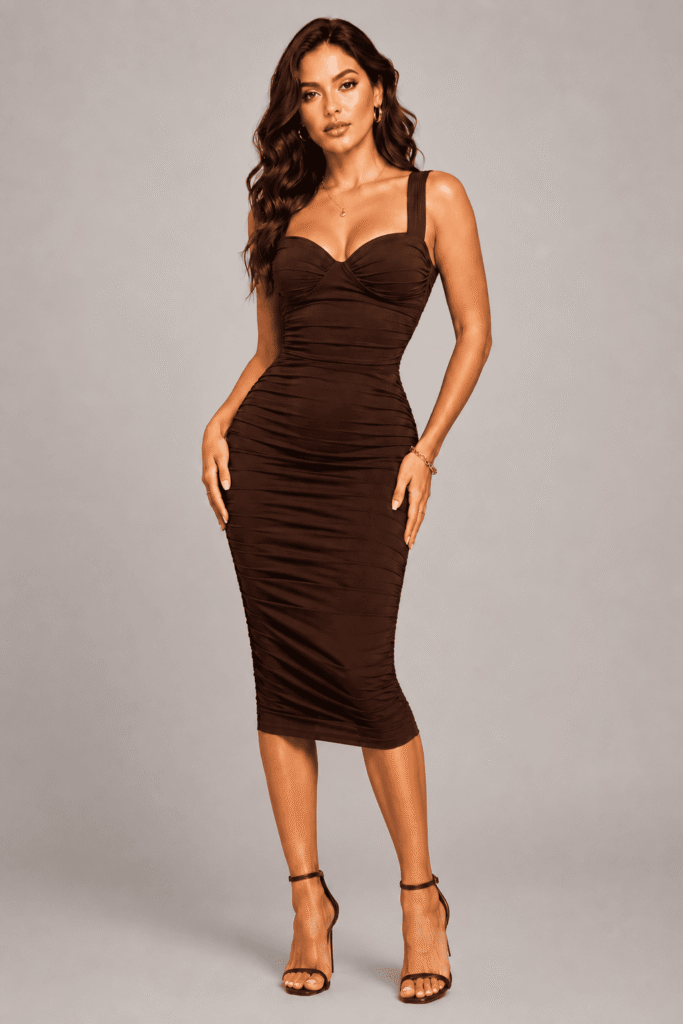
Custom dress development and manufacturing for fashion brands requiring refined garment finishing, clean close-up workmanship, fabric-specific packing, label accuracy, SKU control and retail-level presentation.

Duolan supports retail-polished dress programs through sample review, workmanship standards, fabric handling, PP sample approval, label and hangtag checks, packing QC, carton control, shipment planning and repeat production records.

  • 30+ years of womenswear development background support stronger dress finishing and product judgment.
  • 16 owned fashion factories support core styles, controlled bulk runs and repeat standards.
  • 20+ satellite factories add flexibility for replenishment, seasonal peaks and multi-style allocation.
  • 300 sewing lines support parallel production for launch orders and repeat programs.
  • 50+ flexible quick-response lines support sample corrections, urgent updates and replenishment.
  • 15,000–35,000 monthly samples support photo, showroom, PP and packing sample review.
  • 6.5 million monthly stable capacity supports mature brands from launch to scaled delivery.

Retail-Polished Brands Need More Than Sewing

Retail-polished fashion brands judge a dress by how it looks after production, packing, shipping and unpacking. A strong garment must be clean at close range, stable on body, pressed correctly, packed for the fabric, labeled accurately and ready for ecommerce photography, showroom review, retail receiving or boutique presentation. A dress may be sewn correctly yet still feel unfinished because of loose threads, weak pressing, poor label placement, surface marks or carton pressure.

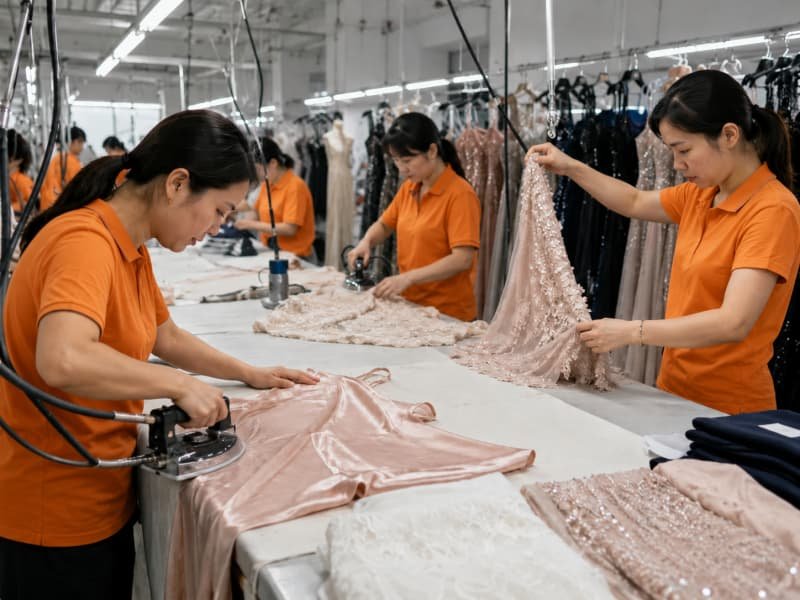
Duolan reviews retail polish as part of dress manufacturing, not as a final decoration step. Satin, mesh, lace, sequin, chiffon, corset and fitted dresses each need different handling before bulk release. Workmanship, fabric surface, inside finish, labels, hangtags, barcodes, polybags, carton marks and shipment documents are connected before delivery. Mature fashion brands need garments arriving as finished retail products, not pieces requiring repair, sorting or repacking after arrival.

  • Close-up finish: Necklines, straps, zippers, hems, linings, seams and inside areas need clean inspection before packing.
  • Fabric protection: Satin, lace, mesh, sequin, chiffon and structured dresses require fabric-specific folding, pressure and surface control.
  • Label accuracy: Main labels, care labels, size marks, hangtags and barcode stickers must match style, color, size and channel rules.
  • Packing discipline: Polybags, carton marks, SKU separation and packing lists need organized checks before shipment handover.
  • Arrival condition: Pressing, folding, carton pressure and fabric recovery influence first impression after unpacking.

Fashion Brands Supported for Retail-Polished Dress Programs

Retail-polished dress development works best for fashion brands with clear retail presentation standards, product channels, label systems, packing rules and delivery expectations. Duolan supports teams preparing dresses for ecommerce launches, showroom presentations, retail receiving, multi-channel delivery and repeat programs.

Premium Ecommerce Brands

Premium ecommerce brands need garments ready for product photography, PDP close-ups, model styling, unpacking, size selection and consumer review. Duolan reviews photo samples, PP samples, final pressing, surface condition, label placement, barcode accuracy and packing rules before bulk delivery. A dress should support brand image from product images to first unpacking experience.

Retail and Omnichannel Brands

Retail and omnichannel brands need bulk garments ready for warehouse receiving, ecommerce fulfillment, store allocation and channel handover. Duolan supports PP standards, size and color separation, label files, hangtag placement, barcode stickers, carton marks, packing lists and shipment coordination so dress programs arrive with organized retail information.

Showroom-led Fashion Labels

Showroom-led labels rely on close viewing, handfeel, rack presentation and sample credibility. Duolan reviews salesman samples, photo samples, fabric surface, inside finish, hanging shape, neckline stability, zipper smoothness, labels and packing details. Dresses prepared for showroom review need to look convincing under close inspection, not only in full-body images.

Occasion and Party Dress Brands

Occasion and party dresses often use satin, lace, mesh, sequin, chiffon, corset construction and fitted silhouettes. Duolan reviews surface marks, lining comfort, zipper waves, sequin friction, lace trimming, mesh snagging, pressing, folds and protective packing. High-visual dresses lose value quickly when close-up finish looks weak.

Product and Buying Teams

Product and buying teams need garments, labels and packaging aligned before production shipment. Duolan connects PP samples, BOM records, fabric cards, label files, hangtags, care labels, barcode rules, carton marks, inspection notes and packing lists. Organized handover supports internal review, receiving and future reorder planning.

Supplier-upgrading Brands

Brands replacing weak suppliers often need better finishing, packing and delivery control. Duolan can review previous bulk samples, issue photos, labels, packing instructions, carton marks and retail complaints before rebuilding production standards. The goal is cleaner workmanship, safer fabric handling, better packing accuracy and stronger repeat records.

Retail-Polished Problems That Lower Brand Perception

Retail polish can disappear through small details. A dress may match the style concept yet fail under close review because stitching looks uneven, satin shows pressure marks, lace edges are poorly trimmed, hangtags feel inconsistent or SKU packing creates receiving problems. Duolan treats these problems as brand presentation risks, not minor afterthoughts.

Close-up Workmanship Looks Unfinished

Close-up workmanship affects how a dress feels in hand, on rack and in product photography. Loose threads, uneven topstitching, rough binding, visible lining, weak zipper setting or poor strap finishing can make a premium dress look lower grade.
  • Neckline, strap, zipper, lining and hem areas need close-range review before packing.
  • Inside finish matters for comfort, appearance and perceived product care.
  • Surface-sensitive styles require extra checking around seams, closures and edges.
  • Final inspection should compare bulk output with approved PP workmanship standards.

Fabric Surface Arrives Damaged

Satin pressure marks, mesh snagging, lace distortion, sequin friction and chiffon wrinkles can reduce retail value before a garment reaches the selling floor. Surface risk often comes from handling, folding, pressing, packing and carton pressure.

  • Satin requires smooth pressing, controlled folding and pressure review.
  • Mesh and lace need separation from rough trims, hooks or sequin surfaces.
  • Chiffon and lightweight wovens need wrinkle recovery and hem balance checks.
  • Sequin garments may need inside comfort review and protective packing layers.

Poor Pressing and Shape Recovery

Pressing affects first impression. Uneven hems, flattened corset cups, distorted bust seams, wrinkled satin, heavy fold lines or crushed skirts can make a dress feel unfinished even when sewing is acceptable.

  • Structured dresses need protection around cups, boning and top edges.
  • Satin and chiffon need pressing standards suited to fabric behavior.
  • Hem, slit and skirt fall should be reviewed after pressing.
  • Packed recovery must be considered before carton closure.

Labels and Tags Feel Inconsistent

Retail polish depends on a consistent brand information system. Main labels, care labels, hangtags, size stickers and barcodes must appear intentional, accurate and aligned with product records.
  • Main label placement should be consistent across sizes and styles.
  • Care label information must follow confirmed composition, lining and order details.
  • Hangtag material, attachment and position should fit the brand presentation.
  • Barcode and size stickers must match style, color, size and channel rules.

SKU and Packing Errors

Multi-style, multi-color and multi-size dress orders create packing risk. A mixed color, wrong size sticker, unmatched barcode or incorrect carton mark can create receiving delays, fulfillment errors and extra sorting work.
  • Style, color and size matrices should guide packing before final carton sealing.
  • Polybag stickers and barcode files need checking against approved records.
  • Carton marks should match PO, quantity, destination and packing list.
  • Packing QC must confirm both garment condition and information accuracy.

Arrival Condition Needs Rework

Extra steaming, relabeling, sorting, repacking or barcode correction after arrival adds cost and slows launch. Retail-polished production aims to reduce post-arrival rework through better standards before shipment.
  • Packing method should protect garment shape and fabric surface.
  • Labels and hangtags should be checked before final packing.
  • Carton pressure should match garment structure and fabric risk.
  • Shipment handover should include accurate packing and document information.

Dress Categories Where Retail Polish Matters Most

Retail-polished dress programs require category-specific control. A satin mini, mesh cut-out dress, lace midi, sequin party style, chiffon maxi or corset dress should not follow the same finishing and packing route. Duolan reviews each dress type by surface risk, close-up workmanship, inside comfort and arrival condition.

Satin Dresses

Satin dresses show finishing problems immediately. Duolan reviews seam tension, zipper waves, pressing shine, surface marks, lining relation, fold direction and carton pressure. Satin minis, midis and slip-inspired dresses need careful handling because light reflection makes every seam, crease and pressure mark more visible.
Mesh Long Sleeve Dresses

Mesh and Sheer Dresses

Mesh and sheer dresses need clean edge control, stable lining and snag prevention. Duolan reviews transparency, lining maps, stretch recovery, seam strength, label placement, packing separation and friction points. Mesh styles can look refined or cheap depending on edge finish, coverage and surface condition.

Lace Dresses

Lace dresses need clean motif placement, trimming, lining comfort and close-up presentation. Duolan reviews lace direction, seam relation, zipper setting, inside finish, thread trimming and packing pressure. Poor trimming or crushed lace can weaken an occasion style before the garment reaches showroom or retail review.

Sequin Dresses

Sequin dresses carry surface weight, friction and inside comfort risks. Duolan reviews sequin security, reverse-side comfort, lining, seam thickness, strap pressure, fold direction and protective packing. Party and holiday styles need visual shine without loose pieces, rough edges or surface damage during transit.

Chiffon and Lightweight Dresses

Chiffon and lightweight dresses need wrinkle control, hem balance and packed recovery. Duolan reviews transparency, lining length, skirt fall, folding, static, final pressing and carton pressure. Resort, vacation and event dresses lose polish quickly when hems fall unevenly or fabric arrives heavily wrinkled.

Corset and Bustier Dresses

Corset and bustier dresses require structure protection. Duolan reviews cup shape, boning route, top edge, lining, back closure, inside seam comfort and carton support. A corset dress may pass fit review yet lose retail polish if cups flatten, boning twists or top edges become distorted.

Bodycon and Fitted Dresses

Bodycon and fitted dresses need smooth side seams, clean surface, stable measurements and recovery after packing. Duolan reviews stretch, opacity, waist and hip lines, zipper areas, seam smoothness, size labels and polybag pressure. Fitted garments should arrive without twisting, pulling or visible distortion.

Occasion and Cocktail Dresses

Occasion and cocktail dresses carry high close-up expectations. Duolan reviews lining, zipper smoothness, neckline finish, hem, pressing, labels, hangtags, polybags and carton presentation. These styles often move through ecommerce images, showroom racks or event edits, so final appearance must support premium perception.

Retail Finish Zones Duolan Reviews Before Bulk

Retail polish is built area by area. Duolan reviews garment zones where sewing quality, fabric behavior, comfort, labels and packing decisions meet. Strong bulk delivery begins when these zones are checked during sample and PP approval, not only after production has finished.

Bust and Neckline Balance​11

Neckline and Strap Finish

Necklines and straps are often the first close-up areas visible in product photography and try-on review. Duolan checks edge smoothness, topstitching, binding, strap length, strap attachment, halter pressure, underarm comfort and lining relation. Halter, backless, one-shoulder and corset styles need extra control because small finishing flaws affect both appearance and wearing stability.

Zipper and Closure Area

Zippers and closures can decide perceived quality. Duolan reviews invisible zipper smoothness, back zipper setting, hook and eye placement, eyelet security, lace-up tension, buttonholes, snaps and closure alignment. Satin, corset, fitted and lace dresses often require closer inspection because zipper waves, pulling or uneven closures show quickly under retail lighting.

Lining and Inside Finish

Inside finish affects comfort, quality perception and repeat wear. Duolan checks lining attachment, seam allowances, loose threads, raw edges, care label placement, inside friction and whether internal construction touches skin uncomfortably. Mesh, sequin, lace, corset and bodycon dresses need inside review because decorative surfaces can create irritation or visible bulk.

Hem and Slit Finish

Hems and slits shape final garment movement. Duolan reviews rolled hems, lockstitching, slit reinforcement, hem level, thread trimming, pressing and length balance after fabric behavior has been checked. Maxi, midi, chiffon, satin and resort dresses need stronger hem review because uneven fall can make a garment look unfinished.

Surface and Pressing

Surface condition determines first impression after unpacking. Duolan reviews satin shine, lace motif condition, mesh snagging, sequin smoothness, chiffon wrinkles, crepe pressing and finished garment shape. Pressing and packing should work together so garments arrive ready for presentation, not crushed by carton pressure.

Label and Packing Presentation

Labels and packing complete the retail product system. Duolan checks main labels, care labels, hangtags, barcodes, size stickers, polybags, folding, carton marks and packing lists. The garment and information system must match, especially for multi-style, multi-color and multi-size dress orders.

Retail-Polished Development Path from Sample to Delivery

A retail-polished dress program needs finishing and packing decisions built into development. Duolan connects sample review, fabric handling, label planning, PP approval, bulk QC, packing trial and shipment preparation so retail presentation does not become a late-stage correction task.

Retail Standard Review

Duolan reviews the intended channel, garment presentation level, label requirements, packing method, sample purpose and launch timing before sample or bulk planning. Ecommerce photography, showroom review, boutique delivery and retail receiving often require different preparation. Early review helps define whether the dress needs a photo sample, showroom sample, PP sample, packing sample or final channel-ready standard.

Fabric and Finish Risk Review

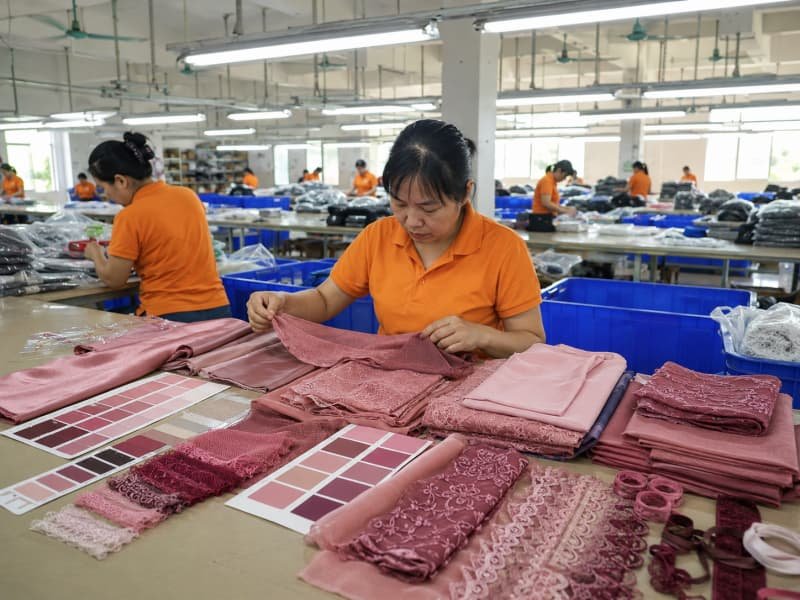
Fabric behavior guides finishing decisions. Satin may need pressure control and careful folding. Mesh may need snag prevention and lining checks. Lace needs trimming and motif review. Sequin needs friction protection and inside comfort. Chiffon needs wrinkle recovery. Corset structures need shape protection. Duolan reviews these risks before bulk, not after defects appear.

Photo, Showroom and PP Sample Review

Different samples support different decisions. A photo sample must look strong under camera. A showroom sample must stand up to close inspection and handling. A PP sample must lock fabric, trims, construction, measurements, labels and packing rules. Duolan separates sample purpose so final production standards remain clear for each style.

Bulk QC and Packing Trial

Before large-scale packing, Duolan reviews garment condition, label placement, hangtag rules, barcode stickers, polybag size, folding method, carton pressure and SKU separation. A packing trial is especially useful for satin, lace, sequin, chiffon and structured dresses because poor packing can damage presentation even after strong sewing.

Final Inspection and Channel Handover

Final inspection covers workmanship, measurements, fabric surface, pressing, labels, hangtags, barcodes, polybags, carton marks, packing lists and shipment documents. Duolan prepares handover information for the receiving side, appointed forwarder or warehouse arrangement. The goal is clean garments, accurate information and organized delivery.

Retail-Polished Standard Matrix

Retail-polished execution connects garment finishing with label accuracy, packing discipline and shipment readiness. The matrix below shows key areas mature fashion brands usually check before a dress program reaches retail channels, ecommerce launch or showroom review.

Retail-polished AreaBrand ExpectationDuolan Control
Close-up WorkmanshipClean seams, trims and inside finishPP standard, workmanship QC, final inspection
Fabric SurfaceNo visible pressure marks, snags or damageFabric-specific handling, packing review
Pressing and ShapeReady for photo, rack or retail displayPressing check, folding method, carton pressure control
Label SystemMain label, care label and size information alignedBOM, label file review, bulk label QC
Hangtag and BarcodeCorrect style, color, size and scan informationBarcode check, SKU matching, packing list review
Polybag and PackingClean, consistent and channel-readyFolding rule, polybag standard, sticker placement
Carton and MarkingCorrect quantity, PO, SKU and destination detailsCarton mark review, packing QC
Shipment HandoverReady for receiving or channel reviewFinal inspection, packing list and document support

Fabric-Specific Finishing and Packing Control

Retail polish depends heavily on fabric handling. A dress can be cut and sewn correctly, then lose value through poor pressing, folding, surface protection or carton pressure. Duolan reviews finishing and packing routes according to each material, garment structure and channel requirement.

Satin and Satin-touch Fabrics

Satin needs surface protection from sampling through shipment. Duolan checks seam tension, zipper waves, shine marks, pressing temperature, fold direction, polybag pressure and carton compression. Satin dresses often require smoother folding and careful packing because glossy surfaces show every crease, drag line and pressure mark.

  • Zipper and side seam areas need smoothness review before packing.
  • Pressing should remove wrinkles without leaving shine or hard marks.
  • Folding method should reduce visible front-panel pressure.
  • Carton packing should avoid heavy compression on high-shine surfaces.

Mesh and Sheer Fabrics

Mesh and sheer fabrics need snag prevention, lining stability and friction control. Duolan reviews stretch, coverage, edge finish, print or embroidery placement, label position and packing separation. Sheer garments should arrive clean, flat and undamaged, with lining still aligned to the intended coverage map.
  • Rough trims, hooks or sequins should not rub directly against mesh.
  • Edge finishing must stay smooth after folding and packing.
  • Lining should not shift during handling or shipment.
  • Transparent areas need final review before polybag sealing.

Lace and Embroidered Fabrics

Lace and embroidered dresses require close trimming, motif control and pressure protection. Duolan checks lace placement, loose threads, zipper relation, seam thickness, lining comfort and packing recovery. A lace garment can lose premium value when motifs are distorted, edges are poorly trimmed or folds crush raised surface details.

  • Motif placement should remain consistent across visible zones.
  • Inside comfort matters where lace touches skin.
  • Trimming should be checked before final packing.
  • Packing should avoid crushing raised embroidery or lace texture.

Sequin and Embellished Fabrics

Sequin and embellished fabrics need friction and weight control. Duolan reviews sequin attachment, reverse-side comfort, lining, seam thickness, strap pressure, fold direction and protective packing. These garments often require extra attention because surface shine, inside comfort and delivery protection must work together.
  • Sequin loss and rough edges need inspection before packing.
  • Inside lining should protect skin from scratchy surfaces.
  • Heavy decorated panels need structural support and folding care.
  • Packing may require separation or protective layering to reduce friction.

Chiffon and Lightweight Wovens

Chiffon and lightweight wovens are sensitive to wrinkles, static, transparency and hem imbalance. Duolan reviews drape, lining, final length, pressing, folded recovery and carton pressure. Resort, vacation and event dresses need soft presentation after unpacking, not heavy creases from poor packing.

  • Hem level should be checked after pressing.
  • Lining length and transparency require final review.
  • Folding should avoid deep creases across front panels.
  • Carton pressure should allow fabric recovery after arrival.

Corset and Structured Dresses

Corset and structured dresses need shape protection. Duolan checks cup shape, boning route, top edge, back closure, lining, pressing and carton support. Structured garments can lose retail polish when cups flatten, boning twists or top edges bend during packing.
  • Internal support should stay aligned after folding.
  • Top edges and cups need protection from heavy pressure.
  • Back closures and lace-up areas require smooth packing.
  • Final inspection should include shape recovery after packing trial.

Label, Hangtag and Barcode Control

Retail-polished dress production needs a complete information system. Labels, hangtags and barcodes are not small accessories added at the end. They connect brand presentation, product information, compliance details, SKU control, warehouse receiving and consumer experience. Duolan reviews these items as part of production handover.

Main Label

Main labels carry brand identity inside the garment. Duolan reviews label material, size, color, placement, sewing method and consistency across styles and sizes. Placement should support the garment structure and wearer comfort. Satin, mesh, lace and lightweight garments may require label position review to avoid pulling, irritation or visible distortion.

Care Label

Care labels connect fabric content, lining information, country of origin, size, washing symbols, language requirements and garment responsibility. Duolan reviews care label details against confirmed fabric composition, BOM records, material information and order files. Placement should avoid discomfort, visible show-through, conflict with zippers or disruption of delicate fabrics.

Hangtag

Hangtags communicate brand presentation and product identity. Duolan reviews artwork, material, hole position, attachment method, string, pin, barcode, style code, color, size and placement. A premium dress can lose retail polish when hangtags are attached poorly, positioned inconsistently or mismatched with style information.

Barcode and Size Sticker

Barcode and size stickers must match style, color, size, PO and channel requirements. Duolan checks barcode files, sticker placement, scan readability, polybag position and packing list relation. Accurate barcode control supports warehouse receiving, ecommerce fulfillment, retail allocation and future replenishment.

Bulk Label QC

Bulk label QC checks content, placement, sewing quality, barcode accuracy, hangtag attachment, size stickers, polybag marks and carton records. Duolan reviews label systems during packing, not only during sample approval. Multi-style dress launches require extra checking to prevent style, color or size mismatches.

QC Workflow for Retail-Polished Dress Orders

Retail-polished QC reviews more than garment measurements. Duolan checks close-up workmanship, fabric surface, pressing, labels, hangtags, barcodes, packing, SKU separation and shipment documents through multiple production stages. Strong inspection protects product presentation before garments leave the factory.

PP Sample Lock

PP sample approval defines the standard for bulk production. Duolan connects approved fabric, trims, construction, workmanship, measurements, labels, hangtags, barcode rules, packing method and QC focus areas. For retail-polished programs, the PP sample should represent both garment appearance and channel preparation.

First-piece Review

First-piece review confirms whether the production line understands the approved standard. Duolan reviews seam quality, neckline, zipper, lining, surface condition, pressing direction, label placement and high-risk fabric zones early. Early correction prevents repeated issues from spreading across a full order.

Inline Workmanship Check

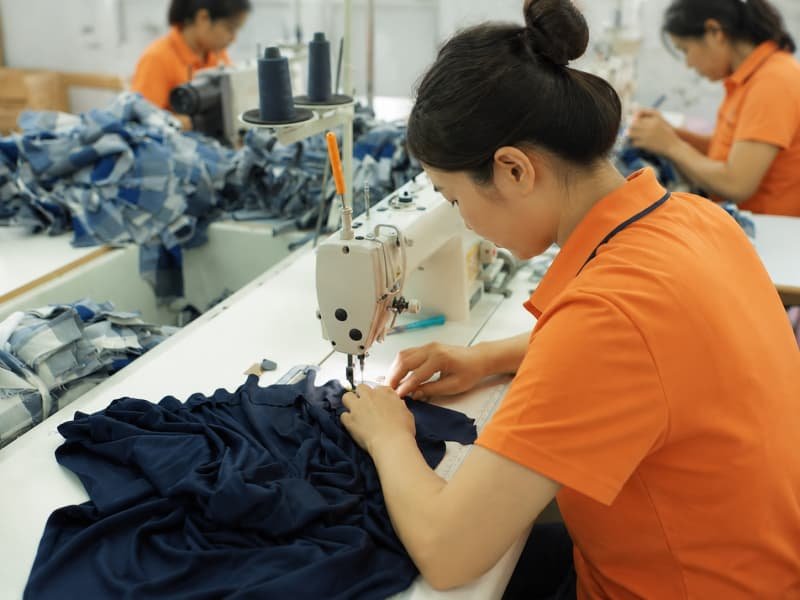
Inline inspection monitors repeated production issues during sewing, trimming, pressing and finishing. Duolan checks loose threads, stains, seam consistency, strap finish, slit reinforcement, zipper smoothness, lining exposure and garment shape. Satin, mesh, lace, sequin and chiffon programs receive route-specific attention according to fabric risk.

Packing QC

Packing QC checks hangtags, care labels, size stickers, barcodes, polybags, folding method, carton marks, SKU separation, packing quantities and style-color-size accuracy. Packing mistakes can damage warehouse receiving, ecommerce fulfillment and retail presentation, even when garments are well sewn.

Final Inspection and Shipment Review

Final inspection checks finished garment condition, measurements, surface, pressing, labels, packing, carton information and shipment documents before handover. Duolan reviews packing lists, invoice information, carton details, forwarder requirements and shipment readiness so the delivery record matches the physical goods.

SKU Separation, Carton and Warehouse Handover

Multi-style dress orders often fail in the final mile through SKU confusion, barcode mismatch, packing inconsistency or carton marking errors. Duolan treats SKU separation and carton control as part of retail-level manufacturing because receiving accuracy affects launch speed, inventory control and channel confidence.

SKU Separation Before Packing

Each style, color and size needs a clear record before final packing. Duolan reviews style codes, color codes, size codes, barcode files, polybag stickers and packing list structure. Multi-color satin dresses, occasion ranges, resort programs and fitted core styles all require organized SKU preparation before carton sealing.

Barcode and Polybag Matching

Barcode stickers should match the garment inside the polybag. Duolan checks sticker placement, scan information, style code, color, size and packing list relation. For ecommerce and retail receiving, incorrect barcode information can create fulfillment mistakes, delayed receiving and manual sorting work after arrival.

Carton Mark Accuracy

Carton marks should reflect PO, style, color, size, quantity, carton number, gross weight, net weight, destination and any receiving rule provided by the brand team. Duolan reviews carton mark layout and packing records before shipment handover. Clear cartons support warehouse receiving and reduce communication problems.

Fabric-Specific Carton Control

Carton packing should consider fabric risk. Satin may need reduced pressure. Mesh and lace may need separation from rough surfaces. Sequin garments may need protective layering. Chiffon may need fold rules for recovery. Structured corset dresses may need shape protection. Duolan connects garment type with carton strategy.

Shipment Handover Records

Accurate handover records help receiving teams understand what has shipped. Duolan can support packing lists, carton details, shipment ready information, invoice coordination, forwarder communication and appointed freight arrangements. Strong records make delivery more predictable for launches, reorders and split shipments.

Retail Risk to Duolan Control Matrix

Retail-polished dress programs involve small risks that can create visible damage, receiving delays or brand presentation problems. The matrix below connects common retail risks with Duolan control actions across finishing, packing, labeling and shipment preparation.

Retail RiskWhat It DamagesDuolan Control
Satin pressure marksPhoto quality and premium perceptionPressing review, folding method, carton pressure control
Mesh snaggingClose-up product qualitySurface check, packing separation, fabric-specific handling
Label mismatchBrand consistency and channel complianceLabel file review, care label QC, bulk check
Barcode errorWarehouse receiving and fulfillmentBarcode matching, SKU separation, packing list review
Poor hangtag placementRetail presentationHangtag standard, position review, final packing check
Mixed color or sizeInventory and shipping accuracyStyle-color-size matrix, carton QC, packing record
Weak pressingRack and showroom presentationFinal pressing check, garment shape review
Poor carton markingReceiving delaysCarton mark confirmation, shipping document support

Manufacturing System for Retail-Polished Bulk Orders

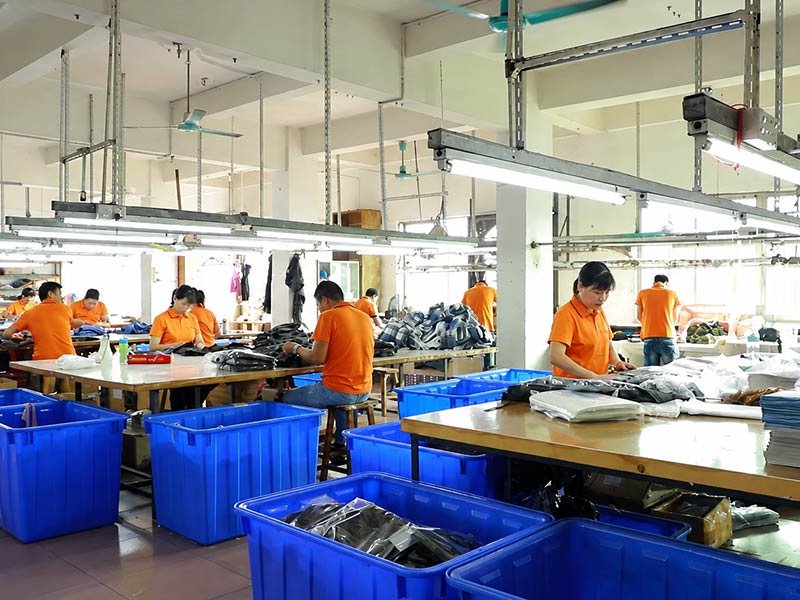
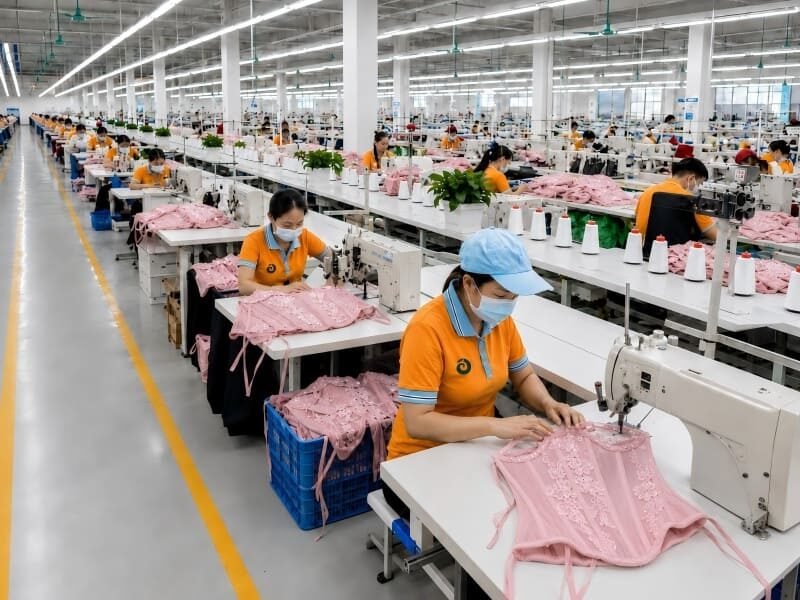
Retail-polished bulk production needs more than a single sewing line. Duolan’s manufacturing system connects owned factories, satellite factory coordination, material resources, special process support, QC teams, packing control and logistics coordination. The goal is not only volume; the goal is controlled presentation across multi-style dress programs.

Owned Factory Control

Owned factories support core styles, complex garments and bulk orders requiring closer standard control. Retail-polished programs often involve satin surfaces, lace placement, mesh coverage, sequin finishing, corset structures, premium labels and careful packing. Duolan keeps approved samples, BOMs, labels, QC notes and packing rules connected to production handover.

Satellite Factory Coordination

Long-term satellite factories add flexibility for replenishment, seasonal peaks and multi-style programs. These resources operate under Duolan’s project coordination, with PP samples, workmanship standards, label files, packing requirements and QC instructions guiding production. Flexibility should not reduce retail consistency.

Material and Special Process Resources

Retail polish depends on fabric, trims and finishing. Duolan coordinates fabric, trim, accessory and special process resources for printing, dyeing, embroidery, washing and related techniques. Satin, lace, mesh, sequin, chiffon and embellished dress programs require material decisions connected with surface quality, construction and packing protection.
QC and Packing Alignment
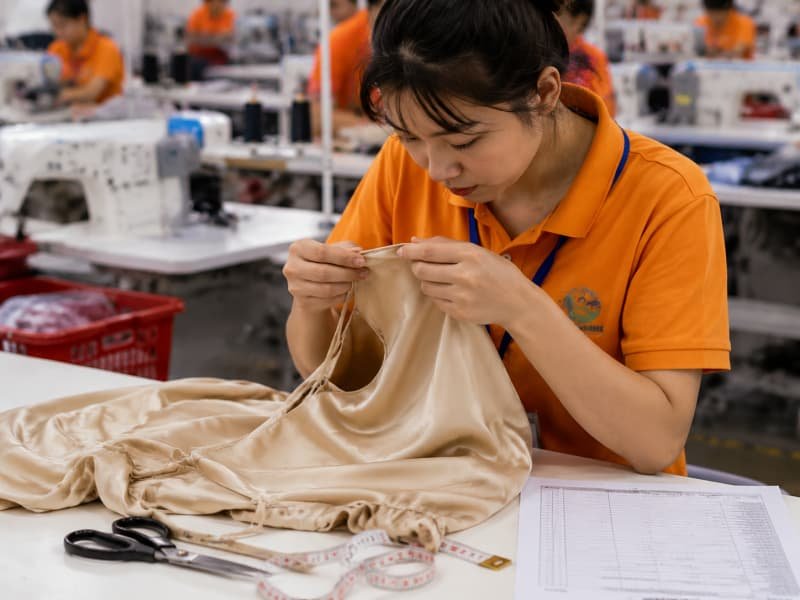
QC and packing teams review garment condition, fabric surface, measurements, labels, hangtags, barcodes, polybags, carton marks and packing lists before shipment. Retail-polished production needs garment inspection and packing accuracy working together, especially for multi-style, multi-color and multi-size dress programs.

Shipment and Document Coordination

Duolan supports express, air freight, sea freight, FOB, CIF, DDP, split shipment and appointed forwarder coordination. Shipment preparation includes carton details, gross weight, net weight, CBM, packing lists, invoice support, carton marks and ready-date communication. Accurate information reduces handover friction before goods leave the factory.

Retail-Polished Dress Project Case Studies

Duolan supports retail-polished dress programs across fabric handling, workmanship review, labels, packing, SKU separation and delivery preparation. The following project records use anonymous brand information, country, style count, order volume, issue focus and Duolan actions without exposing private partner names.

United States|Premium Ecommerce Satin Dress Launch

A US fashion brand developed a satin-focused ecommerce launch with 18 styles and approximately 56,000 pieces across satin minis, fitted midis and occasion dresses.
  • Finish Issue: Satin pressure marks, zipper waves and front-panel wrinkles affected photo sample and bulk presentation.
  • Duolan Action: The team reviewed PP standards, zipper areas, pressing process, folding direction, hangtag position and carton pressure before final shipment.
  • Control Focus: Satin surface, zipper smoothness, pressing shine, polybag pressure and final appearance after packing.
  • Production Direction: Approved folding and packing records supported follow-up color extensions.

United Kingdom|Occasion Dress Retail Finish Program

A UK occasionwear brand needed cleaner close-up finish across 14 styles and approximately 42,000 pieces, covering lace midis, satin cocktail dresses and structured occasion styles.
  • Finish Issue: Lace trimming, lining comfort, zipper smoothness and inside finish needed stronger control for close-range review.
  • Duolan Action: The team reviewed lace placement, lining attachment, zipper routes, thread trimming, care labels and protective packing.
  • Control Focus: Close-up workmanship, inside comfort, lace surface, final inspection and retail label accuracy.
  • Production Direction: PP standards created clearer follow-up guidance for future occasion ranges.

Australia|Resort Dress Arrival Condition Control

An Australian brand prepared a resort range with 22 styles and approximately 72,000 pieces across printed maxis, lightweight midis and vacation minis.
  • Finish Issue: Lightweight dresses needed better wrinkle recovery, hem balance, print position and packed presentation after transit.
  • Duolan Action: The team reviewed strike-offs, lining length, hem fall, folding method, carton separation and packed recovery.
  • Control Focus: Print placement, transparency, final length, wrinkle recovery and carton pressure.
  • Production Direction: Shipping preparation was organized around launch timing and garment recovery after unpacking.

Europe|Retail Label and SKU Packing Program

A European fashion brand managed a retail packing program with 12 styles and approximately 36,000 pieces across fitted dresses, satin colorways and repeat silhouettes.
  • Finish Issue: Multi-color and multi-size packing required stronger control over barcodes, labels, style codes and carton separation.
  • Duolan Action: The team used style-color-size matrices, barcode checks, label file review, carton mark review and packing records.
  • Control Focus: SKU accuracy, barcode matching, care label consistency, carton marking and packing list alignment.
  • Production Direction: Cleaner SKU records supported replenishment and later color extension planning.

Retail-Polished Dress Manufacturer FAQ

Yes. Duolan supports fashion brands needing refined garment finishing, close-up workmanship control, fabric-specific packing, label accuracy, barcode control, SKU separation and channel-ready delivery. Projects can begin from tech packs, PP samples, packing instructions, label files, barcode rules or previous bulk issue records.

Yes. Duolan reviews necklines, straps, zippers, lining, hems, slits, seams, trim placement, thread trimming, surface marks and inside finish through PP standards, inline checks and final inspection. Satin, lace, mesh, sequin, chiffon and structured dresses receive fabric- and style-specific review.

Satin dresses need careful pressing, smooth folding, reduced pressure and surface checks before packing. Duolan reviews zipper areas, seam tension, front-panel marks, shine marks, fold direction, polybag pressure and carton compression. Packing records can support repeat runs and color extensions.

Yes. Duolan can review main labels, care labels, hangtags, size stickers, barcode stickers and placement rules according to provided artwork and order files. Care label information should match confirmed fabric composition, size, origin, washing symbols, style code and bulk order details.

Yes. Duolan can check style, color, size, barcode stickers, polybag placement, carton marks and packing lists before shipment. Multi-style and multi-color dress orders benefit from style-color-size matrices and packing QC before carton sealing.

Duolan reviews fabric risk before packing. Satin needs pressure control, mesh needs snag prevention, lace needs motif and surface protection, sequin needs friction control, chiffon needs wrinkle recovery and corset structures need shape protection. Packing rules are adjusted according to garment and channel needs.

Yes. Duolan can support showroom samples, photo-ready samples, PP samples and packing samples depending on project purpose. Showroom-ready dresses need close-up workmanship, clean pressing, correct labels, stable hanging shape, fabric handfeel and presentation strong enough for review.

Yes. Duolan can support label files, hangtags, barcodes, polybags, carton marks, packing lists, final inspection, appointed forwarder coordination and shipment document preparation. Ecommerce, showroom, boutique and retail programs may require different packing and handover details.

Yes. Duolan can coordinate with inspection requirements when provided by the brand team. PP standards, workmanship points, measurement tolerances, packing rules, labels, barcodes, carton details and shipment documents can be prepared for review before goods are released.

Duolan focuses on custom development and bulk production for established fashion brands with clear product plans, sample needs, launch calendars or repeat production goals. One-piece personal custom dresses, POD apparel, ready-stock resale and logo-only requests are not the core direction.
Send Your Retail-Polished Dress Brief

A stronger retail-polished program starts with clear garment standards, label files, packing rules and channel requirements. Duolan can review your dress styles, fabric risks, PP sample needs, close-up finish expectations, SKU structure and shipment plan before proposing a development and production path.

Share Your Garment Standard

  • Tech packs, reference samples, PP samples, fabric direction, close-up workmanship needs and finish priorities.
  • Dress types such as satin, mesh, lace, sequin, chiffon, corset, bodycon, occasion, cocktail, resort or party styles.
  • Past issues such as pressure marks, zipper waves, loose threads, lace trimming, mesh snagging, weak pressing or poor arrival condition.

Share Your Label and Packing Files

  • Main label, care label, hangtag, barcode, size sticker, polybag artwork, carton mark and packing instruction files.
  • Style code, color code, size range, SKU rules, PO details, carton quantity, packing list format and receiving requirements.
  • Fabric-specific packing rules for satin, lace, mesh, sequin, chiffon or structured garments.

Share Your Delivery Plan

  • Style count, order quantity, launch date, required delivery window, shipment terms and appointed forwarder information.
  • Ecommerce, showroom, boutique, retail, marketplace or warehouse receiving requirements.
  • Inspection expectations, shipment documents, split shipment needs and repeat order or color extension plans.

Start Your Apparel Development Project

OEM/ODM Manufacturing Support for Fashion Brands

Share your collection details, estimated quantities, target market, development timeline, and technical requirements. The production team will review your request and provide a tailored manufacturing solution based on your product category, fabric selection, construction needs, and delivery schedule.

Fashion Manufacturing Support with Scalable Production Capacity

From sample development to bulk production, Duolan supports fashion brands with confidential OEM/ODM manufacturing, stable quality management, flexible production planning, and coordinated multi-factory execution for seasonal and capsule collections.

Need Direct Assistance?

Seraphinite AcceleratorOptimized by Seraphinite Accelerator
Turns on site high speed to be attractive for people and search engines.