 Skip to content
Custom Dress Manufacturer for Production Directors
Custom dress manufacturing support for production directors managing approved samples, PP standards, bulk readiness, multi-style dress production, factory allocation, inline issue control, packing readiness, shipment timing, reorder continuity and color extension programs.
Duolan supports production teams with structured sample-to-bulk handover, material status review, production calendar coordination, dress-specific QC points, packing records, shipment preparation and repeat production files for mature fashion brands managing launch orders and long-term dress programs.
- 5 sample-to-bulk gates cover fit sample, photo / salesman sample, PP sample, bulk readiness review and shipment release.
- 7 production checkpoints cover fabric, trims, cutting, sewing, finishing, QC and packing.
- 6 production risks controlled cover fit drift, shade change, material delay, line inconsistency, packing damage and shipment delay.
- 3,000–8,000 monthly style workflows support multi-style dress production coordination.
- 15,000–35,000 monthly samples support fit, photo, salesman, PP, size set and revision cycles.
- 300 sewing lines plus 50+ flexible lines support launch orders, replenishment, color extensions and selected repeat programs.
- 16 owned factories plus 20+ coordinated satellite factories support allocation planning, seasonal volume and long-term continuity.








Production Directors Need More Than a Custom Dress Factory
Production directors need more than a supplier able to make dresses. A sample can pass review while bulk production still carries risk. The real pressure begins after approval: PP standard clarity, material arrival, factory allocation, line execution, inline correction, packing release and shipment timing.
Duolan supports dress production teams by connecting approved samples, BOM files, spec sheets, fabric cards, trim records, QC notes, packing requirements and shipment milestones. A custom dress program becomes safer when every approved detail can move from development into production without losing fit, fabric behavior, shade, finish or packing condition.
- Clear PP-to-bulk handover: approved samples must become line-ready standards, not visual references only.
- Calendar visibility: material status, cutting readiness, sewing progress, QC timing and packing release should stay trackable.
- Multi-style coordination: seasonal dress programs need priority mapping, factory allocation and style-by-style status control.
- Early issue control: neckline, zipper, lining, hem, surface and measurement risks should appear before bulk grows too far.
- Repeat production memory: reorders need PP records, shade notes, measurement comments, issue history and packing files.
Production Team Roles Duolan Supports
Production Directors
Production Managers
Technical Production Leads
Dress Category Production Owners
Operations and Supply Chain Teams
Multi-vendor Production Teams
Production Risks Duolan Helps Directors Reduce
Approved Sample Does Not Translate Into Bulk
- PP approval should lock material, fit, tolerance, finish and packing.
- Fabric card and trim records protect material consistency.
- Sewing and pressing notes should enter production handover.
- Bulk readiness review should happen before cutting grows.
Multi-style Production Loses Control
- Style priority should be clear before bulk release.
- Material status should stay connected with cutting plan.
- Factory allocation should match fabric and construction risk.
- Production updates should separate style-level progress.
Production Calendar Breaks After Material Delay
- Fabric and trims should be reviewed before line booking.
- Lining and zipper color need early confirmation.
- Cutting readiness should follow material inspection.
- Delay signals should appear before shipment pressure rises.
Inline Issues Are Found Too Late
- First output should confirm fit, measurement and finish.
- Inline measurement review should cover fit-sensitive styles.
- Surface and pressing issues need early review.
- Corrections should happen before full-line repetition.
Packing Readiness Is Treated as Final-step Work
- Satin-crepe needs pressure mark protection.
- Chiffon and lace need friction control.
- Structured styles may need shape preservation.
- Carton pressure should match fabric and garment value.
Reorders Repeat Old Problems
- PP memory protects approved fit and finish.
- Shade notes guide repeat and new color runs.
- Issue history turns old problems into QC focus.
- Packing records protect arrival consistency.
Dress Production Programs Duolan Helps Execute

Launch Dress Programs

Multi-style Seasonal Dress Programs

Core Style Replenishment Programs

Color Extension Programs

Fabric-sensitive Dress Programs
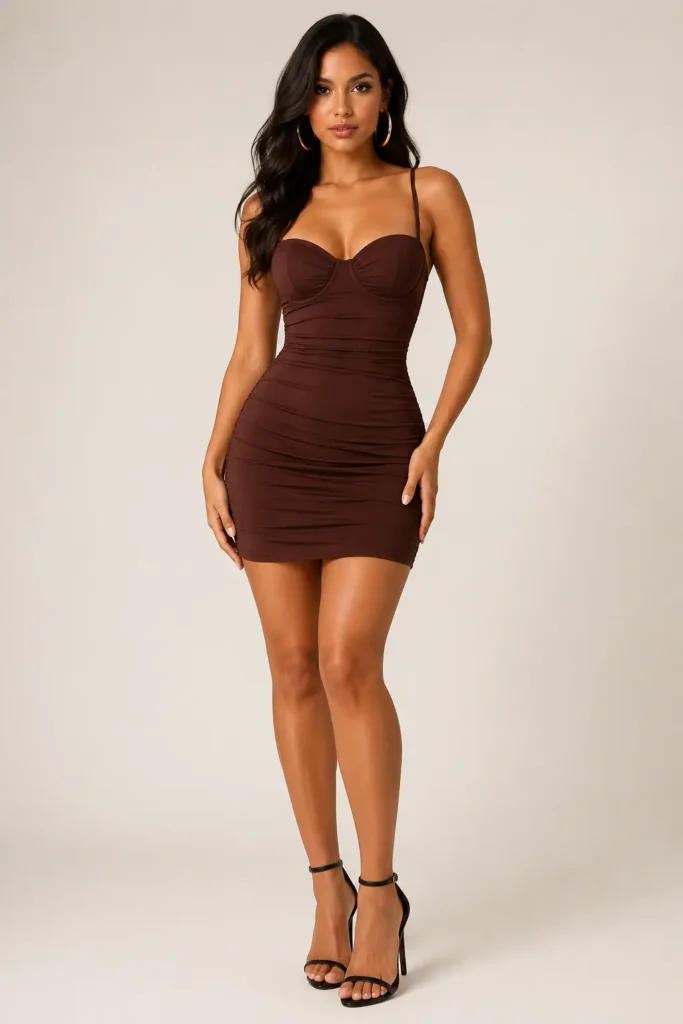
Fit-sensitive Dress Programs

Retail-channel Dress Programs

Cross-season Carryover Programs
Production Director Dress Program Planning Matrix
Production directors need a clear link between program type, production goal and control focus. Duolan supports dress programs through PP handover, factory allocation, line progress, packing readiness and repeat records.
| Production Program | Production Goal | Duolan Control Focus |
|---|---|---|
| Launch Dress Program | Move approved styles into first bulk run | PP lock, calendar, factory allocation |
| Multi-style Seasonal Program | Control 10–30 styles in parallel | Style priority, material status, line progress |
| Core Replenishment Program | Repeat proven styles consistently | PP memory, measurement, packing records |
| Color Extension Program | Add new colors without fit drift | Lab dip, shade note, lining / zipper match |
| Fabric-sensitive Program | Protect drape and surface | Fabric card, sewing tension, packing method |
| Fit-sensitive Program | Maintain size and body fit | Size set, tolerance, inline measurement QC |
| Retail-channel Program | Prepare channel-ready delivery | Label, barcode, carton, packing readiness |
| Carryover Program | Preserve cross-season continuity | BOM, QC history, reorder review |
PP-to-Bulk Transition Control
PP Sample Lock
A PP sample should lock more than appearance. Fabric, lining, trims, fit, measurement tolerance, sewing construction, pressing, label placement, packing and QC risks should be confirmed before bulk release. Duolan connects PP approval with written production notes so line teams know which details require control.
- PP sample should use confirmed bulk fabric and trims.
- Fit and finish should match approved standards.
- Style-specific QC risk points should be recorded.
- Packing method should be part of PP release.

BOM and Material Confirmation
Fabric, lining, zipper, buttons, elastic, boning, labels, hangtags, polybags and carton materials must be confirmed before line release. Material substitution during production can create fit, shade and finish drift. Duolan reviews material status and approved references before cutting readiness.
- Fabric lot and shade should be checked.
- Lining and zipper colors need matching.
- Trim details should follow approved BOM.
- Packing materials should be ready before finishing stage.

Spec Sheet and Tolerance Review
- Fit-sensitive styles need tighter control points.
- Soft fabrics need fabric-aware tolerance review.
- Size set comments should enter PP records.
- Measurement notes should guide reorders.
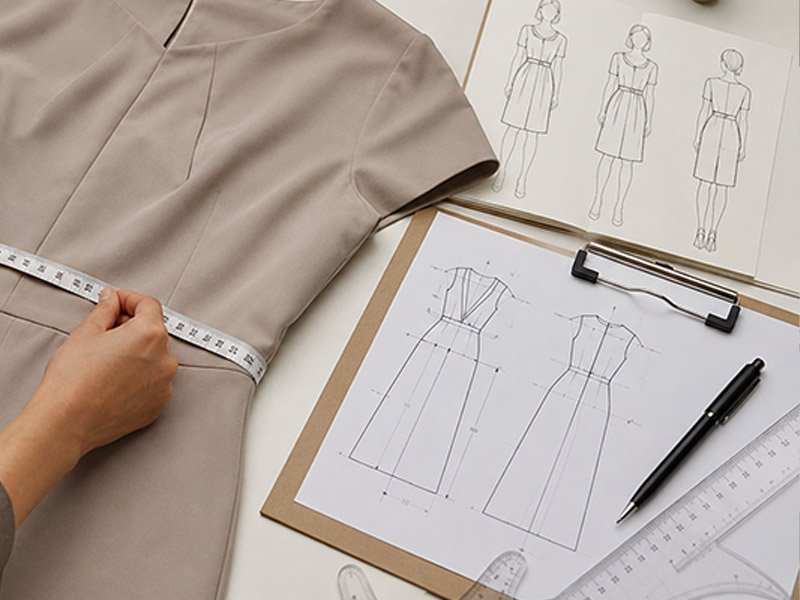
Sewing Construction Handover
Dress construction details must become line-ready standards. Neckline, zipper, lining, slit, pleats, waist seam, boning, binding, drape points and hem method need clear production notes. Duolan translates approved construction into sewing and QC focus points before line start.
- Neckline and armhole finishing need clear instructions.
- Zipper setting should follow approved sample.
- Lining attachment should match comfort and appearance goals.
- Hem and slit construction should be reviewed before bulk grows.

First Output Review
- First output should be checked against PP sample.
- Measurement and fit points need early review.
- Surface and pressing should be confirmed before bulk continues.
- Packing trial should reveal crease and pressure risk.

PP Memory for Reorders
PP files should support more than the current order. Duolan keeps PP memory, fabric cards, measurement records, shade notes and packing files for reorders, replenishment and color extensions. A repeat order becomes stronger when approved production memory remains available.
- PP memory protects fit continuity.
- Fabric records guide handfeel and drape.
- Measurement records support repeat tolerance.
- Packing notes protect arrival consistency.

Production Calendar and Multi-style Coordination
Style Priority and Calendar Mapping
- Higher-risk styles should receive earlier readiness review.
- Launch-critical styles should have clearer milestone tracking.
- Fabric-sensitive styles need extra buffer.
- Replenishment styles can follow retained production records.
Material Arrival Tracking
Production calendar depends on fabric, lining, trims and packing materials. Late or mismatched materials can delay cutting and disrupt line booking. Duolan reviews material arrival, color approval, trim matching and packing material readiness before production release.
- Fabric inspection should happen before cutting.
- Lining and zipper match should be confirmed early.
- Labels and polybags should not be left until final stage.
- Material delay should trigger schedule adjustment.
Cutting and Line Start Plan
Cutting starts only after fabric inspection, shrinkage review, marker, size ratio, color lot and cutting direction are clear. Line start needs PP sample and construction notes available to production teams. Duolan links cutting readiness with PP files and factory allocation.
- Fabric lots should be separated clearly.
- Marker and size ratio should match order plan.
- Cutting direction should protect drape and print.
- Line start should follow approved PP handover.
Multi-line Coordination
- Line teams should follow the same PP standard.
- QC notes should stay consistent across production locations.
- Packing rules should not change by factory.
- Status updates should remain style-specific.
Issue Escalation
- Issue reports should describe root cause.
- Correction direction should be clear.
- Timing impact should be visible.
- Brand confirmation should be requested when needed.
Shipment Window Protection
- Calendar milestones should connect with shipment date.
- Packing readiness should occur before freight booking pressure.
- QC release should happen before carton sealing.
- Delivery planning should support launch schedule.
Factory Allocation and Capacity Planning for Dress Programs

Owned Factory Allocation for Core and Risk Styles
- Core styles can receive stronger PP memory control.
- High-risk fabrics can follow tighter handling notes.
- Fit-sensitive styles can receive focused measurement review.
- Launch-critical orders can receive closer milestone tracking.

Satellite Capacity for Seasonal Volume
- Volume styles can follow approved PP files.
- Repeat styles can use retained QC notes.
- Packing rules can remain aligned across factories.
- Production records can support later comparison.

Flexible Lines for Replenishment and Color Extensions
- Replenishment can use existing construction records.
- New colors can follow approved fit and sewing standard.
- Carryover styles can keep measurement continuity.
- Adjusted runs can stay linked to approved files.
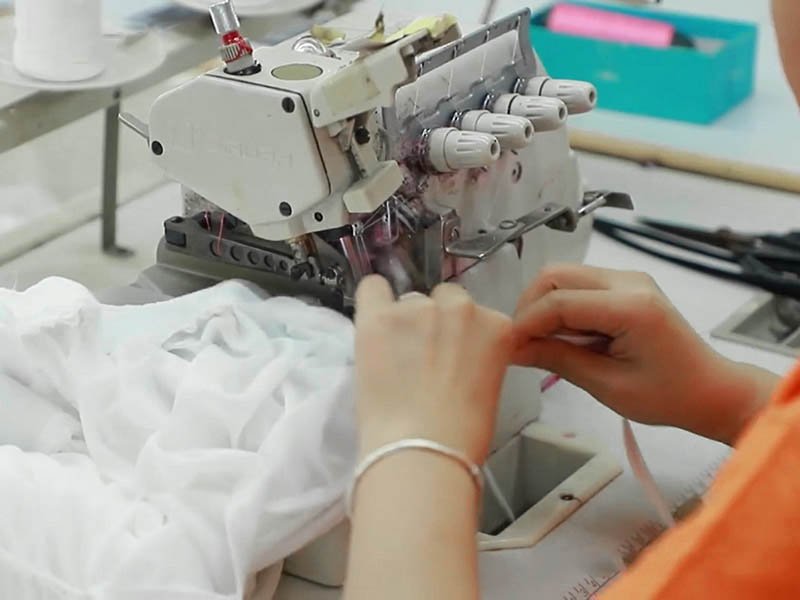
Line Matching by Fabric and Construction
- Satin-crepe needs smooth zipper and surface handling.
- Chiffon needs tension and hem balance control.
- Knit needs side seam and recovery review.
- Jacquard needs motif placement and carton pressure awareness.
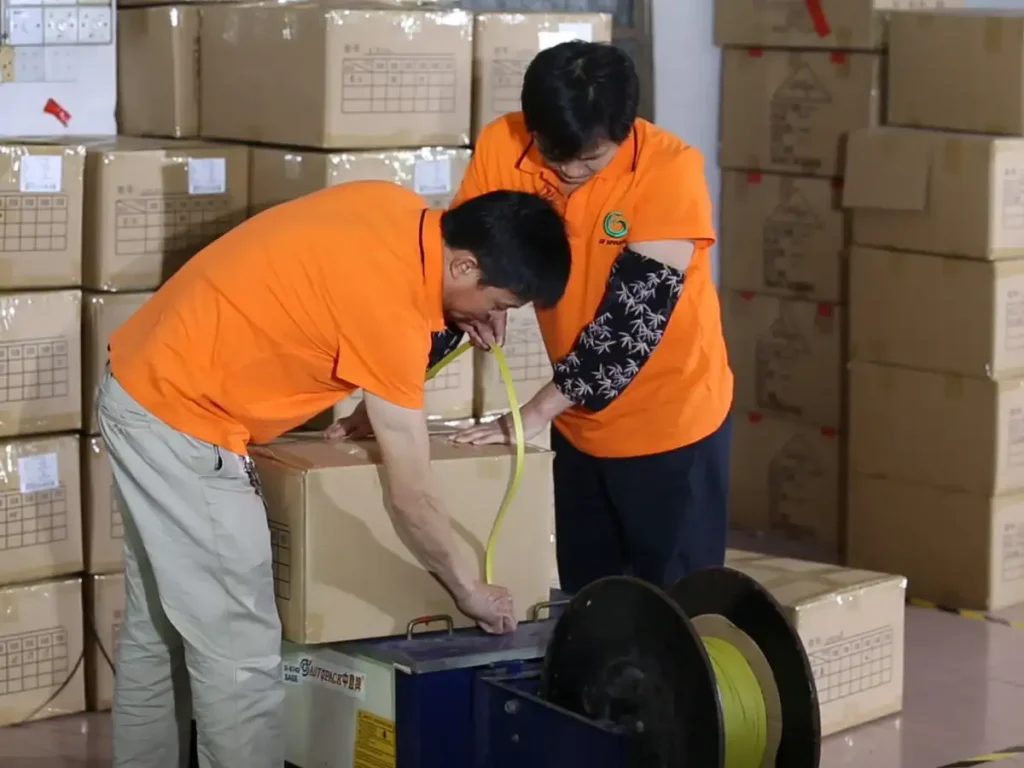
Capacity Planning for Launch Calendar
- Style count should guide factory allocation.
- Risk styles should receive earlier production slots.
- Material readiness should guide cutting sequence.
- Packing needs should be planned before final production stage.
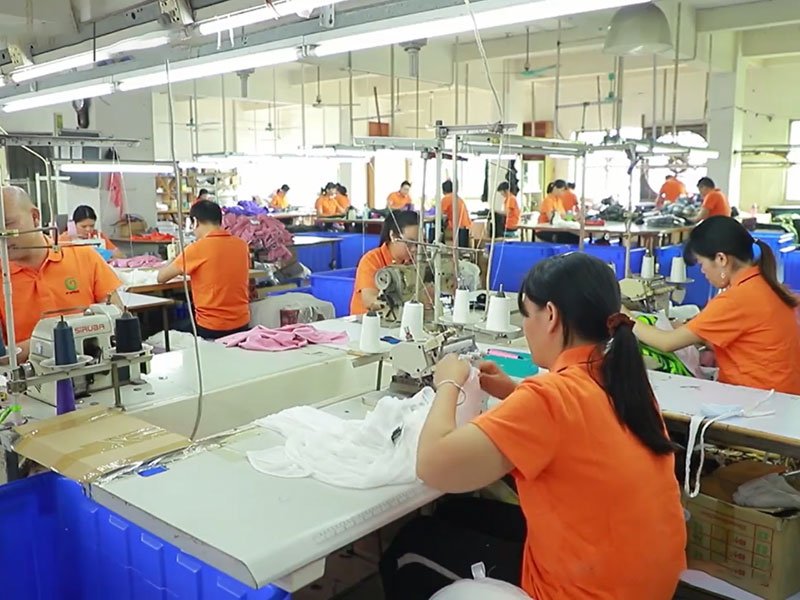
Production Record Continuity
- Style files should stay centralized.
- Factory-specific notes should remain visible.
- Issue history should guide future QC.
- Reorder records should protect consistency.
Inline Issue Control and Bulk QC Reporting
First Output and Inline Review
- First output should compare against PP sample.
- Sewing and measurement should be reviewed early.
- Pressing and surface response should be checked.
- Packing trial should happen before carton build.
Dress-specific Risk Points
- Neckline and armhole fit should remain stable.
- Zipper waves need early correction.
- Lining pull should be checked during movement.
- Hem and slit balance should be reviewed after pressing.
Measurement Control During Production
- Fit-sensitive styles need inline measurement checks.
- Soft fabrics need relaxation awareness.
- Size set notes should guide tolerance focus.
- Measurement findings should be recorded by style.
Surface and Pressing Issue Control
- Satin-crepe needs pressure mark review.
- Chiffon needs wrinkle and static review.
- Crepe needs shine mark control.
- Textured fabrics need pressure protection.
Issue Report and Correction
- Reports should separate defect type and affected quantity.
- Correction direction should be specific.
- Timing impact should be communicated early.
- Approval needs should be raised before delay grows.
Final QC Before Packing Release
- Garment QC should happen before carton sealing.
- Packing should follow approved method.
- Channel labels and barcodes should match order files.
- Shipment release should follow QC and packing status.
Packing Readiness and Shipment Coordination
Packing Method by Dress Type
- Satin-crepe needs visible panel protection.
- Chiffon and lace need friction control.
- Knit dresses need shape protection.
- Structured dresses may need folding or hanging decisions.

Label, Hangtag and Barcode Readiness
Retail, ecommerce, showroom and department store channels may require different labels, hangtags, SKU stickers, barcodes, size marks, color names and packaging details. Duolan checks label and barcode readiness before packing stage.
- Label files should match style, color and size.
- Barcode placement should follow channel rules.
- Hangtags should be attached consistently.
- SKU and color naming should match packing files.

Carton and Packing Record
- Carton marks should align with order records.
- Size and color breakdown should be clear.
- Packing lists should match actual cartons.
- PO details should stay consistent across documents.

Packing Recovery Review
Packing recovery affects arrival presentation. Hard creases, pressure marks, distorted hems, wrinkled lining and crushed details can create channel complaints even when sewing is correct. Duolan reviews packed recovery by fabric and packing method.
- Fold lines should be tested on visible panels.
- Carton pressure should not damage surface.
- Linings should not twist or crush.
- Hem and drape should recover after unpacking.

Shipment Document Coordination
- Packing list should reflect final carton count.
- Invoice details should match order records.
- Freight contacts should be clear before release.
- Shipment timing should align with production calendar.

Launch Window and Delivery Priority
Production directors care about launch readiness, not only finished goods. Shipment release should support the brand calendar, campaign timing, ecommerce upload, showroom date or retail delivery window. Duolan coordinates production milestones, packing release and shipment preparation with the launch window.
- Launch-critical styles need priority tracking.
- Packing release should happen before freight pressure.
- Shipment status should remain visible.
- Reorders should learn from previous delivery records.

Reorder, Replenishment and Color Extension Continuity
Reorder Readiness Review
- Approved PP records should guide repeat production.
- Material availability should be confirmed again.
- Previous QC issues should become control points.
- Packing method should follow retained records.
PP Memory and Measurement Record
- Fit-sensitive points should remain visible.
- Size grading notes should guide repeats.
- Measurement tolerance should follow fabric behavior.
- PP samples should guide new runs.
Fabric and Shade Continuity
- Core colors need shade depth review.
- New colors need color PP samples when needed.
- Lining and zipper colors should match approved plan.
- Fabric handfeel should be compared with retained records.
Repeat QC Based on Previous Issues
- Old problems should become new checkpoints.
- Correction methods should be retained.
- Repeat inspection should compare with past findings.
- Reorder approval should include risk review.
Core Replenishment Programs
- Core styles can use approved construction records.
- Replenishment can follow retained packing method.
- Material lead time should guide calendar planning.
- Production status should remain style-specific.
Cross-season Production Records
Cross-season updates need more than a new order file. Pattern notes, BOM, spec, QC, packing, shade and shipment records help production directors manage long-term supply reliability. Duolan keeps production records aligned across sample, bulk, shipment and repeat runs.
- Pattern notes should remain linked to style codes.
- BOM and spec files should guide future updates.
- QC history should support risk prevention.
- Shipment records should support calendar planning.
Production Director Risk to Duolan Control Matrix
Production directors manage risk across PP clarity, material readiness, calendar flow, inline issues, measurement stability, packing release, shipment timing and reorder memory. Duolan connects these risks with manufacturing controls from approval to repeat production.
| Production Director Risk | What It Affects | Duolan Control Direction |
|---|---|---|
| PP standard unclear | Bulk execution stability | PP lock, BOM, spec, QC notes |
| Material delay | Production calendar | Material status, cutting readiness, escalation |
| Multi-style flow loses control | Launch schedule | Style priority, line progress, factory allocation |
| Inline issues found too late | Rework and delay | First output review, inline QC, issue report |
| Measurement drift | Fit consistency | Size set, tolerance, inline measurement review |
| Packing not ready | Channel delivery | Label, barcode, folding, carton records |
| Shipment window missed | Launch timing | Production milestones, packing release, freight coordination |
| Reorder repeats old problems | Long-term reliability | PP memory, issue history, reorder QC |
Duolan Manufacturing System for Production Directors
Owned Factory Control for Higher-risk Dress Styles
- Higher-risk styles can receive closer PP control.
- Fit-sensitive dresses can keep stronger measurement notes.
- Fabric-specific handling can stay attached to style files.
- Reorders can retain approved construction standards.
Coordinated Satellite Capacity for Volume and Repeat Programs
- Volume styles can follow approved PP files.
- Repeat styles can use retained production records.
- Packing rules stay aligned across production routes.
- QC focus can follow issue history.
Sampling Capacity for Production Preparation
- Fit samples support comfort and measurement review.
- Photo samples support campaign and PDP timing.
- Salesman samples support range review.
- PP samples support bulk and QC standards.
Flexible Lines for Replenishment and Adjusted Runs
- Replenishment can use approved construction records.
- Color extensions can use retained shade notes.
- Carryover styles can keep fit continuity.
- Adjusted runs can move with clear PP files.
Central Coordination for Production Records
Duolan coordinates sample files, BOM, spec sheets, fabric cards, QC notes, packing records, shipment details and reorder files through one project route. Production directors can use these records for launch execution, production review, vendor comparison and future reorders.
- Style files stay connected from sample to bulk.
- Fabric notes support handling and shade control.
- QC records guide repeated production.
- Packing files support shipment and reorders.

Production Director Project Case Studies

United States|Multi-style Dress Launch Program
A US womenswear brand launched 18 styles and approximately 58,000 pieces across satin-crepe dresses, chiffon styles, tailored midis and refined occasion pieces.
- Production Goal: Move approved styles into first bulk run under a fixed launch calendar.
- Duolan Action: PP lock, bulk readiness review, style priority planning, inline QC, packing records and shipment coordination were organized.
- Control Focus: Satin-crepe surface, chiffon drape, zipper waves, lining comfort, measurement tolerance and packing recovery.
- Repeat Direction: Core dress files gained PP memory for future replenishment.

United Kingdom|Seasonal Occasion Dress Production Run
A UK occasionwear brand produced 14 styles and approximately 42,000 pieces across multiple fabrics, colors and event dress silhouettes.
- Production Goal: Deliver a seasonal occasion dress run across several materials under one launch schedule.
- Duolan Action: Material tracking, factory allocation, first output review, surface QC and carton records were prepared.
- Control Focus: Material readiness, shade consistency, neckline finish, hem balance and carton accuracy.
- Repeat Direction: Selected styles gained shade notes and issue history for next season.

Australia|Resort and Travel Dress Capsule
- Production Goal: Control fabric recovery, packing condition and shipment timing for a seasonal travel capsule.
- Duolan Action: Photo sample alignment, PP sample approval, packing recovery review and shipment window planning were coordinated.
- Control Focus: Crease recovery, opacity, lining movement, hem behavior, polybag sizing and carton pressure.
- Repeat Direction: Hero resort styles gained packing files for seasonal color extensions.

Europe|Core Style Reorder and Color Extension
- Production Goal: Repeat approved styles while adding new colors without fit or shade drift.
- Duolan Action: PP memory, shade notes, fabric cards, measurement QC, issue history review and reorder packing files were prepared.
- Control Focus: Fit continuity, bulk shade, lining color, zipper match, measurement tolerance and repeat packing.
- Repeat Direction: Production files supported later replenishment and cross-season updates.
Production Director FAQ

Send Your Production Brief
A stronger dress production program starts with clear sample status, PP files, material readiness, calendar needs, QC standards, packing rules and shipment windows. Duolan can review your approved styles, tech packs, BOM, spec sheets, sample comments, production risks and reorder expectations before proposing a bulk execution route.
Share Your Program Status
- Dress category, production program type and style count.
- Quantity by style, color and size range.
- Approved sample status: fit sample, photo sample, salesman sample, PP sample or pending revision.
Share Your Technical and Material Files
- Tech packs, BOM, spec sheets, fabric cards, trim records and tolerance notes.
- Fabric and trim status, lab dip approval, bulk fabric timing and material risk notes.
- Construction points such as neckline, zipper, lining, slit, hem, drape point, boning, pleats, surface or packing concerns.
Share Your Calendar and Delivery Requirements
- Target PP approval date, production calendar, shipment window and launch priority.
- QC standard, inspection requirements, measurement focus and issue history from previous runs.
- Label, hangtag, barcode, polybag, carton mark, packing method, freight plan and warehouse receiving needs.
- Reorder expectations, color extensions, carryover styles and previous production issues to avoid.


