Skip to content
Fabric Guide for Dress Development
Fabric direction, dress development and bulk production support for fashion brands building structured, repeatable womenswear collections.
What a Fabric Guide Should Decide
Fabric knowledge becomes valuable only when it helps a brand make better dress development decisions.
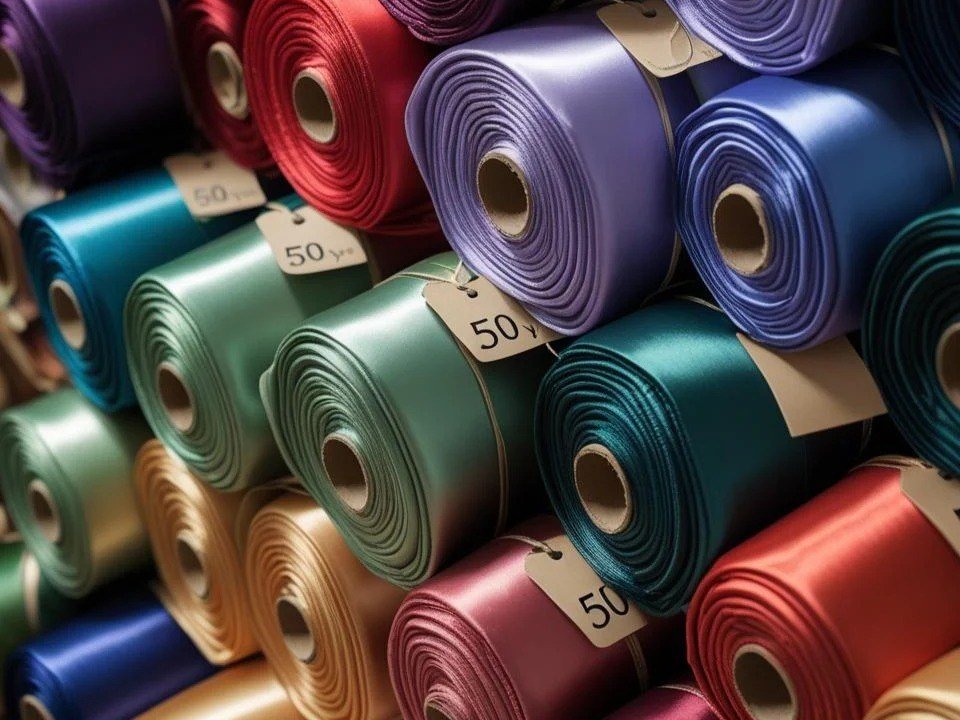
A fabric guide for fashion dress programs should not stop at fiber names or basic definitions. Product teams need to understand how each material behaves once cut, stitched, lined, fitted, packed and repeated in bulk production. A satin may look refined in a swatch but show needle marks on a tight seam. A mesh may look elegant on a mood board but need careful coverage, stretch balance and lining color control. A sequin fabric may photograph beautifully but increase cutting loss, sewing time, lining requirements and packing pressure.
For dress-focused development, Duolan reviews fabric direction from several angles: silhouette, target wearing scene, fit requirement, color range, order volume, process complexity, production feasibility and delivery calendar. A fabric decision should help the brand answer one key question: can the chosen material support the intended dress effect from sample review to bulk delivery and repeat order?
Built for Brand-level Dress Teams
Designed for teams that manage collection planning, material decisions, sample reviews and scalable production.
Fashion Brands
- Fabric effect against target style
- Matching with brand price band
- Sample feasibility and bulk repeatability
- Suitable alternatives when original fabric risk is high
Product Development Teams
- Fabric-to-silhouette review
- Fit and drape assessment
- Lining and trim matching
- Production-ready sample direction
Buying Teams
- Bulk fabric availability
- Cost impact review
- Delivery path assessment
- Repeat order record support
Sourcing Offices
- Swatch and sample records
- PP sample control
- Bulk lot checking
- Inspection communication

Fabric Selection Is a Manufacturing Decision
A fabric choice can decide whether a dress looks refined, fits correctly and remains stable in bulk production.
For fashion dresses, fabric selection is not a purchasing step at the end of design. It belongs at the beginning of development. Material behavior affects how a pattern should be drafted, where seams can sit, how much support a garment needs, whether lining is required, how the dress hangs on body, how it performs after pressing and how it arrives after packing.
- A satin party dress may require more attention to seam marks, lining friction, crease control and packing method.
- A bodycon dress needs stretch recovery, opacity, seam strength and size grading discipline.
- A mesh or lace dress needs coverage planning, skin comfort, inner layer color and placement accuracy.
- A sequin dress needs weight control, lining comfort, cutting loss review and needle path planning.
Duolan connects fabric selection with dress development, sample correction, workmanship feasibility and bulk control. The goal is not to push more fabric options, but to protect the intended garment result before material issues become sample delays or bulk quality risks.
Fabric Decision Framework for Dress Development
| Decision Point | What Teams Should Check | Why It Matters | Duolan Review Focus |
|---|---|---|---|
| Drape | Soft fall, body movement, hanging shape | Controls elegance, length balance and visual flow | Match fabric fall with mini, midi, maxi or slip silhouettes |
| Stretch | Two-way or four-way stretch, tension level | Affects fit, comfort and size grading | Review bodycon, corset, fitted and ruched styles early |
| Recovery | Return after stretching | Prevents bagging at waist, hip or bust | Compare sample wear behavior with bulk fabric direction |
| Opacity | Transparency under light and stretch | Reduces return risk and lining issues | Check lining, double layer or color-matching needs |
| GSM / Weight | Fabric density and thickness | Influences structure, cost, shipping weight and comfort | Balance premium handfeel with season and style target |
| Handfeel | Skin touch, softness, stiffness | Directly affects wearing experience | Match outside effect with inner comfort and lining |
| Shrinkage | Wash or steam dimensional change | Protects final garment measurements | Review before sample approval and bulk cutting |
| Color Stability | Shade, lab dip, transfer risk | Supports multi-color programs and reorders | Confirm lab dips, color standards and bulk lot checks |
| Lining Match | Stretch, color, friction, coverage | Improves comfort, opacity and garment finish | Match outer fabric with lining structure and wearing scene |
| Bulk Availability | Stock depth, lead time, reorder possibility | Protects production calendar and repeat orders | Check fabric source, lot control and alternative material path |
Common Fabric Types for Fashion Dresses

Satin

Chiffon

Mesh

Lace

Sequin Fabric

Velvet

Crepe

Jersey

Rib Knit

Scuba

Tulle
Cotton Blend
Fabric Choices by Dress Style
| Dress Style | Recommended Fabric Directions | Key Effect | Common Risk | Duolan Suggestion |
|---|---|---|---|---|
| Mini Dresses | Satin, crepe, jersey, scuba, sequins | Sharp shape, strong styling, fast visual impact | Short length exposes fit and hem balance issues | Check waist, hip, hem and lining before approval |
| Midi Dresses | Crepe, satin, jersey, mesh, rib knit | More refined proportion and stronger daily wear value | Fabric may hang too heavy or cling too much | Review drape and body line in sample fitting |
| Maxi Dresses | Chiffon, satin, viscose blend, printed polyester | Flow, movement and vacation-ready styling | Long panels may twist, pull or show shade difference | Confirm fabric fall, print direction and hem control |
| Party Dresses | Satin, sequin, mesh, velvet, scuba | Strong surface effect and photo-ready finish | Weight, lining comfort and seam pressure | Balance visual effect with wearability and packing |
| Occasion Dresses | Satin, lace, chiffon, crepe, tulle | Elevated appearance for event settings | Lining mismatch or weak construction can reduce value | Review inner structure, finishing and fit comments |
| Bodycon Dresses | Jersey, rib knit, scuba, power mesh | Close fit, stretch and body contour | Poor recovery, transparency, seam stress | Test stretch, recovery and opacity early |
| Vacation Dresses | Chiffon, cotton blend, viscose blend, linen blend | Lightweight, breathable and relaxed movement | Wrinkle, shrinkage, transparency and print inconsistency | Select stable fabrics suitable for travel packing |
| Going-out Dresses | Mesh, satin, jersey, sequin, metallic knits | Trend-driven styling and fitted silhouettes | Fabric may look good online but uncomfortable on body | Check handfeel, stretch, lining and seam placement |
| Wedding Guest Dresses | Satin, chiffon, lace, crepe, tulle | Soft elegance, color depth and dressy appearance | Color, drape and lining can affect perceived value | Confirm color standard, movement and inner finish |
| Cocktail Dresses | Satin, velvet, crepe, sequin, scuba | Structured elegance and occasion balance | Fabric weight may affect silhouette and comfort | Review body structure, seam finish and pressing |
Fabric Choices by Selling Scenario
Party / Club

Cocktail

Wedding Guest
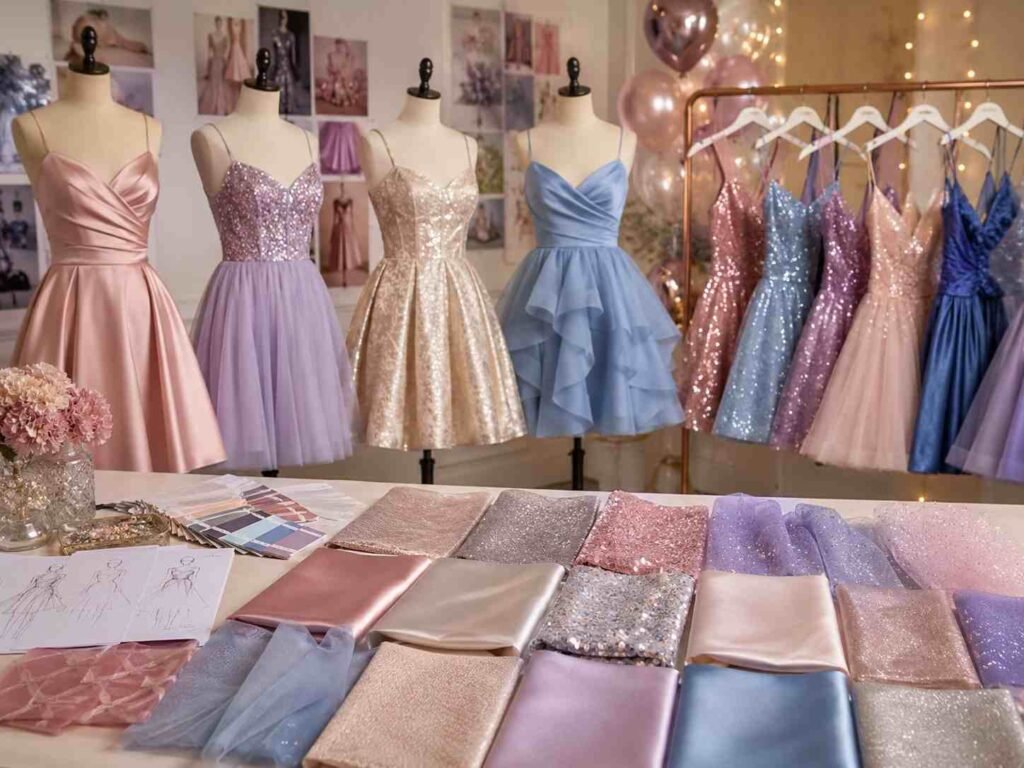
Wedding guest dresses often use satin, chiffon, lace, tulle and crepe. The main focus is drape, color refinement, lining quality and comfort for longer wearing time. Shade control and fabric handfeel matter because event dresses are often compared closely in photos.
Homecoming

Vacation

Resort

Office / Work

Day Dresses
Satin Fabric Development Review
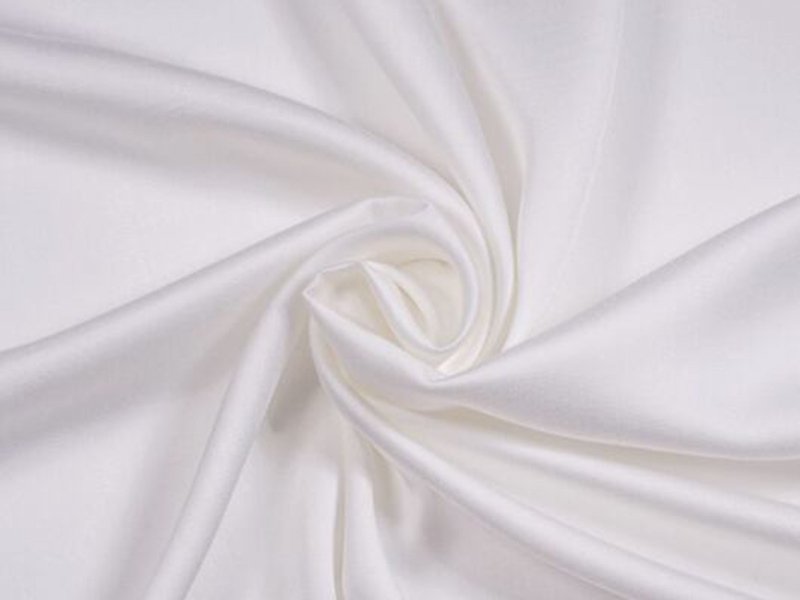
Duolan reviews weight, surface shine, fabric density, drape direction, stretch or non-stretch structure, cutting behavior, needle mark sensitivity, lining match, seam position and packing risk. Lightweight satin may suit soft slip dresses, while heavier satin can support more structured cocktail silhouettes. Stretch satin may work for fitted dresses, but recovery and opacity must be checked before grading.
During sampling, satin should be reviewed on body or mannequin, not only as a flat fabric. Important checkpoints include bust coverage, side seam smoothness, hip line, hem fall, zipper area, neckline stability and pressing effect. For bulk production, lab dip approval, fabric lot control, shade check, lining confirmation and packing method become part of material control. Duolan’s dress-focused workflow helps brand teams decide whether satin can support the intended silhouette, price band and delivery plan before production begins.


Mesh and Lace Fabric Guide
Transparent and decorative fabrics require more control than ordinary surface materials because coverage, lining and placement decide the final dress value.
Mesh and lace are widely used across going-out dresses, partywear, occasion dresses, wedding guest capsules, sleeves, waist panels, overlays and fitted silhouettes. Their development risk often comes from visibility, stretch direction, lining color, motif placement and seam stability. A mesh dress can look modern and refined, but poor lining choice may create uncomfortable transparency. Lace can look elegant in a photo, but incorrect motif direction or high cutting loss can affect cost and bulk consistency.
For mesh, Duolan reviews stretch, recovery, hole density, transparency, skin touch, print position, seam strength and inner layer match. Power mesh may be used for support or shaping, while softer mesh may suit overlays and sleeves. For lace, review focuses on pattern repeat, scallop edge, motif layout, embroidery density, shrinkage, lining tone and cutting efficiency. Embroidered lace and special lace trims often need earlier cost and lead time evaluation.
A strong mesh or lace dress program should define outer fabric, inner fabric, seam standard, coverage zone, color matching and comfort points before the first sample is approved. Duolan helps teams confirm whether the visual effect can be repeated across sizes, colorways and production lots. The aim is to keep decorative value without losing fit, comfort or manufacturing discipline.
Core Performance Requirements for Bodycon Dress Stretch Fabric
Stretch fabric selection is central to bodycon dresses, fitted midi dresses, ruched dresses, cut-out dresses and going-out styles. The most important question is not whether a fabric stretches, but how it returns after stretching, how it behaves across different body zones, and whether opacity remains acceptable under tension. Poor stretch recovery can cause bagging at waist, hip or bust. Weak opacity may create return risk. Incorrect GSM may make the dress feel either flimsy or too heavy.


Sequin Fabric Guide for Party Dresses
Embellished fabrics can create high-value party dresses, but weight, comfort, cutting loss and workmanship control must be planned early.
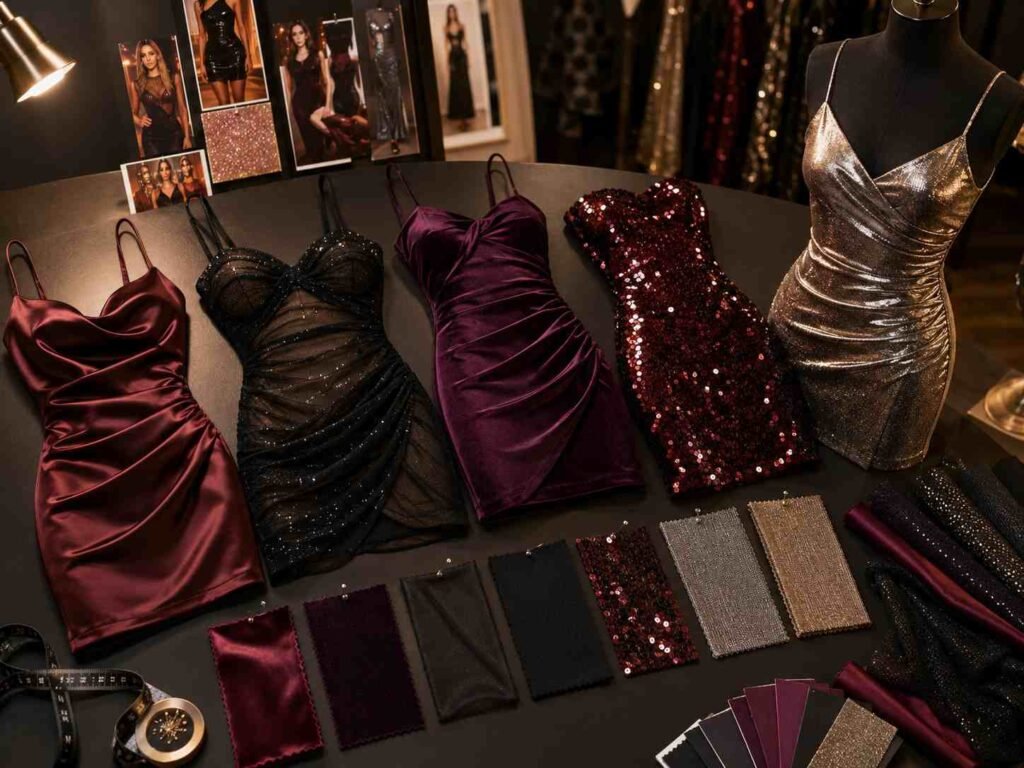
Sequin, beaded, pearl, rhinestone and embellished fabrics are powerful materials for party dresses, holiday dresses, event styles and statement capsules. They help brands create stronger shelf impact and stronger visual recognition. Yet embellished fabrics also increase development complexity. Weight affects drape and comfort. Decorative density affects cutting loss. Rough edges may irritate skin. Heavy seams can distort shape. Packing pressure may damage surface decoration.
Duolan has long experience with decorative dress processes, including pearl dress workmanship, bead decoration, rhinestone application and combined surface effects suitable for fashion dress programs. For embellished fabrics, Duolan reviews decoration density, base fabric stability, motif direction, cutting loss, lining comfort, seam bulk, needle route, edge finishing, repair standard and packing method.
For party dress development, lining is not optional in many embellished styles. The inner surface must protect comfort, reduce friction and improve structure. Production planning should include realistic sewing time, special machine use, handwork needs, QC checkpoints and packing protection. A sequin dress program may look simple on a sketch, but professional development must calculate surface direction, panel placement, decoration breakage risk and final garment weight. Duolan helps brands keep strong visual value while controlling production risk.
Lightweight Fabrics for Resort and Vacation Dresses

Chiffon

Viscose Blend
Rayon Blend

Linen Blend

Cotton Voile

Printed Polyester
Fabric and Lining Matching for Dresses
Many dress problems begin when the outer fabric and lining are selected separately.
Lining affects comfort, opacity, structure, movement, static control and perceived garment quality. A satin dress may need a smooth lining that does not grab the outer fabric. A mesh dress may need tone-matched lining or power mesh to balance coverage and support. A sequin dress needs lining that protects the skin from rough decoration. A fitted dress may require stretch lining so movement remains natural.
Duolan reviews lining together with the main fabric before sampling whenever the dress structure requires coverage, support or comfort improvement. Key review points include lining composition, stretch level, color tone, GSM, friction, breathability, anti-static performance, seam compatibility and shrinkage. Lining color should be tested under the outer fabric because even a slight mismatch can change the final dress shade. Stretch mismatch may cause twisting or pulling. Too much friction can make satin or chiffon sit poorly on body.
For brand-level dress development, lining is a technical decision, not only a cost item. A suitable lining can make a dress look cleaner, feel better and survive bulk production with fewer complaints. Duolan helps teams decide whether a dress needs full lining, partial lining, double layer, power mesh, cup lining, bodice lining or no lining based on silhouette and fabric behavior.

Fabric and Trim Coordination

Zipper

Hook & Eye

Boning

Cup

Elastic

Adjuster
Adjusters help improve fit in straps and back details. Metal or plastic choice should match garment value and fabric delicacy. Duolan checks color, size, strength and possible fabric abrasion.

Lace Trim

Label & Care Label
Fabric Compatibility with Special Processes
A fabric suitable for plain sewing may not be suitable for printing, embroidery, washing, pleating or decorative application.
Special processes can transform a simple fabric into a strong fashion dress, but they also introduce risk. Printing may change handfeel or require colorfastness review. Dip dye can create shade variation that must be controlled. Embroidery adds weight and may affect drape. Washing can change measurements and surface texture. Pleating requires heat response and stable memory. Rhinestone, pearl and sequin applications require base fabric strength and careful packing.
Duolan’s supply chain supports common dress-related processes such as printing, dip dye, embroidery, washing and decorative applications through mature partner resources. Process selection is matched to garment style, fabric behavior, delivery timing and bulk order structure. For example, a chiffon vacation dress may need print clarity and soft drape. A satin party dress may need rhinestone placement without damaging shine. A denim-inspired dress may need washing control. A mesh style may require print placement accuracy and stretch recovery.
Before a special process enters sampling, Duolan reviews base fabric composition, GSM, surface structure, heat sensitivity, shrinkage, color behavior, process lead time, testing needs and production loss. Process compatibility helps protect sample accuracy and prevents costly changes after approval.

How Duolan Reviews Fabric Direction
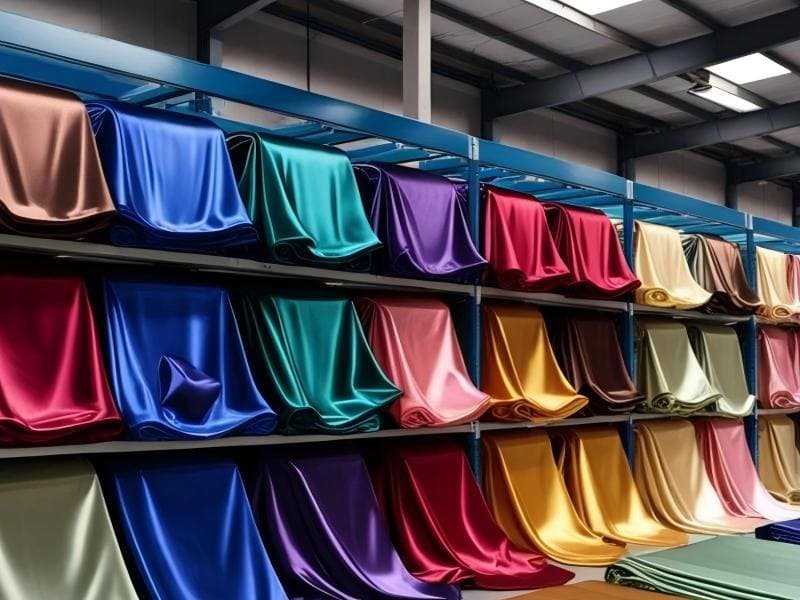
Fabric sourcing starts with garment result, not a fabric shelf.
Duolan reviews fabric direction through a structured path for dress-focused programs. The process usually begins with a tech pack, reference image, original sample, fabric swatch photo, mood direction or collection brief. The development team reviews the intended silhouette, wearing scene, target handfeel, expected drape, stretch requirement, color range, trim needs, order structure and launch timing.
After the initial review, Duolan can source swatches, compare alternative fabrics, check suitable linings, review color development and recommend a sample fabric path. For complex dresses, fabric review may include shrinkage, color stability, stretch recovery, seam behavior, transparency and special process compatibility. Once the sample direction is approved, fabric records are kept for later PP sample, bulk material locking and repeat order reference.
A clear fabric sourcing process helps reduce random sampling. Instead of sending too many unrelated swatches, Duolan narrows material direction around the actual garment outcome. The goal is to help brand teams move faster from concept to sample, and from approved sample to controlled bulk production.
From Sample Fabric to Bulk Fabric Control
An approved sample has limited value unless the fabric standard can be carried into bulk production.
Sample-to-bulk consistency is one of the most important control points in dress manufacturing. A fabric chosen for the first sample must be recorded clearly before bulk production begins. Duolan keeps attention on fabric composition, weight reference, handfeel, color standard, shrinkage behavior, lining match, trim match and special workmanship points. For color-sensitive programs, lab dips and bulk shade checks help reduce visible inconsistency across styles and colorways.
Before bulk cutting, Duolan reviews fabric lot status, width, shade range, surface defects, shrinkage reference and compatibility with the approved PP sample. Lining, trims, zippers, elastic, cups, boning and labels are also checked against the approved standard. For multi-style dress programs, records help keep fabric direction consistent across 10–30 styles and support later repeat orders.
Bulk fabric control should start before production, not after quality issues appear. Once cutting begins, fabric decisions become expensive to correct. Duolan’s project workflow connects fabric records, sample comments, PP sample approval, production planning and QC checkpoints, giving brand teams a more stable path from fabric idea to delivered garments.

Fabric Testing and Quality Risks
Shrinkage Review
Colorfastness Review
Stretch Recovery
Seam Slippage
Pilling Risk
Transparency Control
Sustainable Fabric Options for Dress Brands

Recycled Polyester

Organic Cotton

TENCEL / Lyocell

Recycled Nylon

Linen Blend

Certified Lining
Manufacturing System Behind Fabric-led Dress Projects
Duolan connects fabric review with sample development, production planning and scalable dress manufacturing.
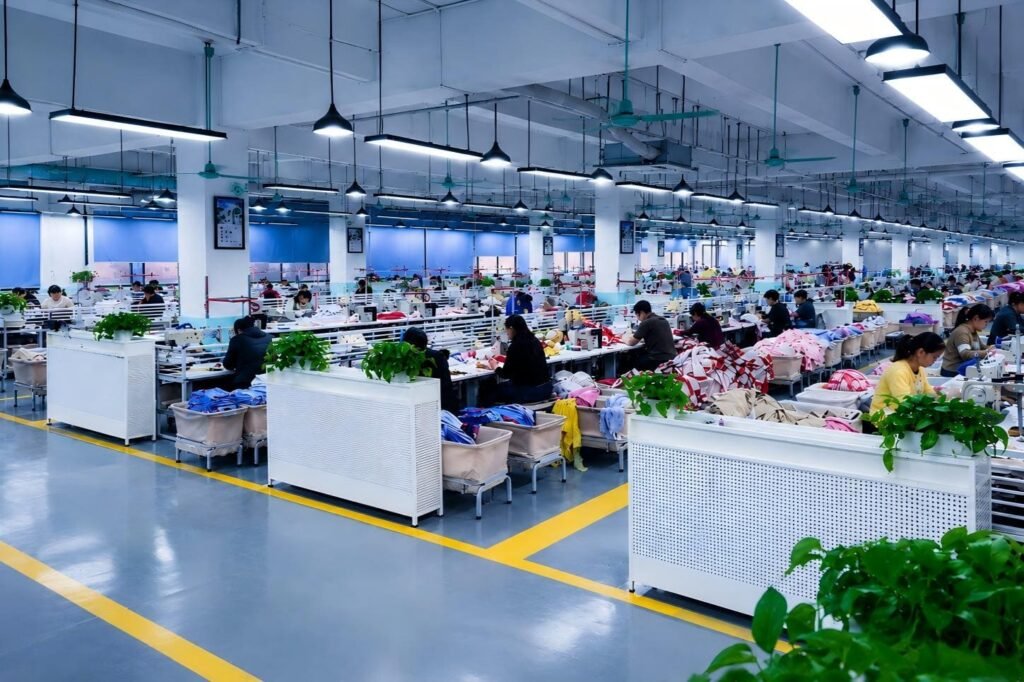
Duolan is a dress-focused womenswear development and manufacturing partner for fashion brands that manage product development, sampling, bulk production and repeat orders. The company’s manufacturing background includes 16 owned womenswear factories, 20+ long-term satellite factories and regional production support across Guangxi, Guizhou, Sichuan and Jiangxi. The wider coordinated production base includes more than 12,000 workers through related factory resources.
For fabric-led dress projects, manufacturing structure matters because different materials need different production routes. A satin dress needs fabric handling, seam control and packing discipline. A sequin dress needs decorative workmanship, lining and QC attention. A stretch bodycon dress needs tension control and size discipline. A printed vacation dress needs color and pattern consistency across multiple styles.
Duolan’s system combines fabric and trim sourcing, pattern development, sample rooms, bulk sewing capacity, special process partners, QC coordination and delivery communication. Owned factories support core control and key programs. Satellite factories support repeat orders, volume expansion and flexible production when aligned with approved standards. Mature fabric, trim and special process resources help Duolan respond to dress programs with multiple styles, colorways and material directions.
Fabric Quality Control Before Delivery
Quality control starts with fabric behavior and ends with finished garment consistency.
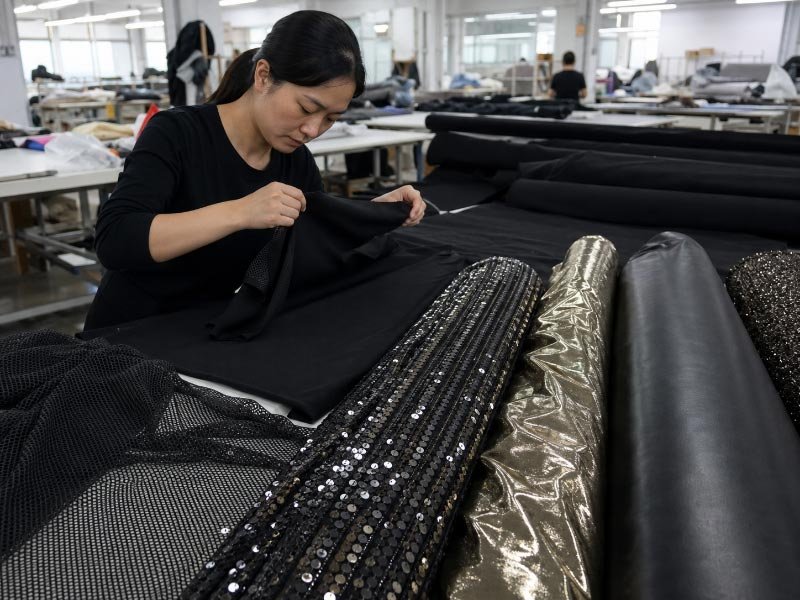
A dress cannot be controlled only at final inspection. Fabric risk must be reviewed from the beginning of the project. Duolan checks incoming fabric, shade difference, surface defects, width, shrinkage reference and fabric direction before cutting. For delicate fabrics such as satin, chiffon, mesh, lace, velvet and sequins, handling standards need extra attention because damage can appear during spreading, cutting, stitching, pressing or packing.
During production, Duolan follows workmanship points connected with the approved sample and PP standard. These may include seam quality, lining match, zipper area, neckline shape, hem balance, decorative placement, stretch tension and pressing effect. For multi-style programs, inspection communication should also confirm style version, colorway, size range, fabric lot and packaging requirements.
Final checking focuses on garment appearance, measurements, fabric defects, loose threads, stains, lining issues, trim placement, label accuracy and packing result. For dress programs shipped to brand warehouses, retail channels or online distribution, packing should protect surface fabric and reduce crease or decoration damage. Duolan’s fabric quality path helps keep approved material decisions connected with finished garment delivery.
Fabric Cost Factors in Dress Manufacturing
Fabric Composition
Fabric Width
GSM / Weight
Dyeing / Lab Dip
Print / Embroidery
Sequin / Bead Density
Lining Requirement
Cutting Loss
Fabric Supplier, Platform or Dress Manufacturer?
A strong fabric decision often requires more than a material source. It needs garment development judgment.
Fabric suppliers are useful when a brand already knows fabric type, color, performance requirement and production route. Material platforms help sourcing teams discover swatches, compare suppliers and collect material data. Fiber suppliers provide upstream material credibility, especially for branded fibers and responsible sourcing programs. Large apparel groups may support broad production capacity across several categories.
A dress-focused development manufacturer plays a different role. The work is not limited to finding fabric. It connects fabric with silhouette, lining, trims, pattern, sample corrections, workmanship, bulk feasibility and delivery control. For fashion dress brands, fabric choice must be reviewed through final garment outcome. A satin selected without seam and packing review can fail in bulk. A mesh selected without lining control can miss comfort and coverage goals. A sequin fabric selected without workmanship planning can increase defect risk and production time.
Duolan fits brands that need fabric-to-dress judgment, not only fabric access. The team supports fabric direction review, trim coordination, pattern and sample development, PP standard, bulk material control and QC communication for dress-focused programs.

Fabric-led Dress Project Examples

US Partywear Brand

UK Occasionwear Brand

Australian Resortwear Brand
An Australian resortwear brand prepared a 30-style vacation dress collection with printed lightweight woven fabrics, chiffon overlays, viscose blends and cotton blends. The order plan covered about 76,000 garments across maxi dresses, day dresses and relaxed mini silhouettes. The challenge was print consistency, shrinkage control and packing performance for travel-friendly products. Duolan reviewed fabric width, print repeat, shrinkage reference, lining needs and hem behavior before sample approval. Printed styles were grouped by base fabric to improve production coordination. Lightweight fabrics were checked for transparency and seam stability, while packing methods were adjusted to reduce crease risk. The program achieved a clearer fabric library for later reorder planning and new seasonal development.
Fabric Guide Frequently Asked Questions
Satin, sequin fabric, mesh, velvet, scuba and stretch jersey are common for party dresses. The best choice depends on silhouette, shine level, stretch need, lining comfort, target price and bulk production plan. Duolan reviews visual effect, fit, decoration risk and packing before recommending a sample fabric path.
Bodycon dresses usually need stretch fabrics with strong recovery, stable opacity and suitable GSM. Jersey, rib knit, scuba, stretch satin and power mesh may work depending on design. Duolan checks stretch direction, recovery, seam strength, lining needs and size grading risk before sample approval.
Yes. Duolan can review fabric direction, source swatches, compare alternatives and support fabric decisions for dress development. The team works from tech packs, reference images, original samples, fabric swatch photos or collection briefs.
Yes. If a brand has nominated fabric, Duolan can review garment suitability, shrinkage, cutting behavior, lining match, production feasibility and bulk handling needs. The review helps confirm whether the nominated material can support the intended dress result.
Yes. Alternative fabrics may be suggested when the original fabric is too costly, unstable, unavailable, difficult to sew or unsuitable for the target silhouette. Alternatives are reviewed against drape, stretch, weight, handfeel, color and production feasibility.
Yes. Standard dress sampling may move faster when fabric and trims are already clear. Custom dyeing, print development, special lace, sequins, embroidery, new trims or complex lining structures may require more review time before sample completion.
Duolan can support lab dip review, shade reference, bulk lot checking and color communication based on project needs. Color control is especially important for satin, chiffon, lace, printed fabrics and multi-style capsule programs.
Fabric can be checked for shade, width, surface defects, shrinkage reference, handfeel, lot consistency and suitability against approved sample standards. For delicate or decorative fabrics, handling, cutting and packing risks are reviewed early.
Yes. Duolan can help review recycled polyester, organic cotton, lyocell, linen blends, certified linings and selected responsible material directions. Certification needs, availability, cost, color and bulk continuity should be confirmed before sampling.
Useful details include fabric name, composition, GSM, handfeel, stretch direction, color reference, swatch photo, target dress style, lining expectation, quantity plan, colorways, size range, launch timing and any required testing or certification.
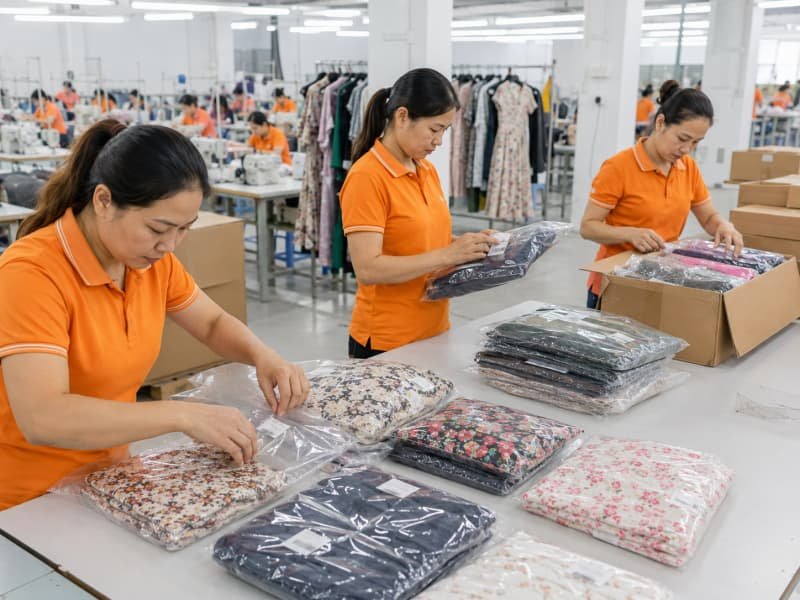
Send Your Fabric and Dress Brief
Duolan helps fashion brands turn fabric direction into production-ready dress development. Share your tech pack, reference image, original sample, fabric swatch photo or collection brief, and the team can review material suitability, lining needs, trim matching, sample path, workmanship risk and bulk feasibility. For multi-style dress programs, Duolan can also support fabric records, PP sample standards, production planning and quality communication across 10–30 styles per launch.
Please include useful project details when possible:
- Dress category and target selling scene
- Fabric name, composition, GSM or handfeel target
- Reference photos, tech pack or original sample
- Colorways, size range and label requirements
- Estimated order quantity and launch schedule
- Sampling, bulk production or supplier evaluation needs