Skip to content
Custom Dress Manufacturer for Merchandising Directors
Custom dress development and manufacturing for merchandising directors managing dress assortment architecture, seasonal range building, hero styles, core silhouettes, line-review samples, campaign pieces, color extensions, channel-ready delivery, replenishment programs and cross-season category continuity.
Duolan helps brand teams turn dress line plans into development-ready, sample-ready, bulk-ready and reorder-ready programs across hero dresses, core midis, entry styles, margin styles, occasion pieces, resort styles, campaign looks and replenishment silhouettes.
- 8 dress assortment roles cover hero dresses, core midis, entry styles, margin styles, campaign styles, occasion styles, replenishment styles and color extension styles.
- 6 merchandising control points focus on style role, fabric route, price band, sample purpose, channel need and reorder logic.
- 5 sample purposes support line-review samples, photo samples, salesman samples, PP samples and size set / color samples.
- 3,000–8,000 monthly style workflows support multi-style dress development and seasonal range execution.
- 15,000–35,000 monthly samples support line review, photo, salesman, PP, size set, color and revision sample cycles.
- 300 sewing lines plus 50+ flexible lines support launch orders, replenishment, color extensions and selected repeat programs.
- 16 owned factories plus 20+ coordinated satellite factories support seasonal allocation, core styles, volume styles and category continuity.
Merchandising Directors Need More Than a Custom Dress Factory
Merchandising directors need more than dress production. A strong dress category needs clear assortment architecture, defined style roles, fabric routes, sample purposes, price-band alignment, channel requirements, launch rhythm and replenishment logic.
Duolan supports dress category execution by connecting line plans with fabric direction, sample cycles, PP standards, bulk QC, packing records, shipment planning and repeat production files. A hero dress, core midi, entry style, campaign piece, occasion dress, resort style and replenishment silhouette each needs a different development path while staying within one commercial range.
What Merchandising Directors Usually Need
- Assortment clarity: every dress should carry a clear role inside the range.
- Style role execution: hero, core, entry, margin, campaign, occasion and reorder styles need different sample and production priorities.
- Price-band alignment: material, construction, finish and QC focus should match each commercial tier.
- Channel readiness: ecommerce, showroom, wholesale and department store programs need different samples, packing and delivery files.
- Replenishment continuity: core styles need PP memory, fabric cards, shade notes, fit records and packing files for repeat programs.
Merchandising Team Roles Duolan Supports
Merchandising Directors
Dress Category Merchandising Leads
Merchandise Planning Directors
Product Line Managers
Premium Ecommerce Merchandising Teams
Wholesale / Department Store Dress Teams
Merchandising Risks Duolan Helps Directors Reduce
Merchandising risk appears when a dress range lacks commercial structure, hero styles fail in bulk, core styles cannot replenish or channel requirements arrive too late. Duolan reviews these risks early so dress assortment plans can move from line review to production with stronger continuity.
The Dress Range Looks Like Unconnected Styles
A dress range can lose commercial direction when each style works alone but lacks connection inside the assortment. One style may feel occasion-led, another resort-led, another work-to-weekend, while no clear visual, color, fabric or price architecture connects the full range.
Duolan reviews style roles, fabric routes, color stories, sample purposes and production planning before the range moves too far. A balanced assortment should show clear hero moments, repeatable core styles, accessible entry options, margin contributors and channel-ready pieces.
- Style role should be defined before sample release.
- Fabric routes should support the intended price tier.
- Color story should connect hero, core and seasonal styles.
- Production planning should protect launch timing and reorder potential.
Hero Styles Cannot Move Into Bulk Safely
Hero dresses often carry the strongest visual value. They may use delicate fabrics, drape details, special trims, complex silhouettes or high-visibility colors. A strong campaign sample can still fail when bulk fabric, sewing tension, surface quality or pressing changes.
Duolan separates photo sample, salesman sample and PP sample purpose. Hero styles receive fabric behavior review, close-up QC focus, PP-to-bulk control and packing checks before the garment becomes a high-risk launch item.
- Photo sample should represent real material direction.
- PP sample should lock fit, fabric, finish and packing.
- Surface and drape should be reviewed before bulk grows.
- Hero styles should receive style-specific QC notes.
Core Styles Are Not Built for Replenishment
Core dresses generate long-term category value only when repeat production is protected. A successful midi, wrap, shirt dress, resort silhouette or occasion style can lose performance if later orders drift in fit, handfeel, shade or packing.
Duolan keeps PP memory, fabric cards, shade notes, measurement records, QC comments and packing files linked to style codes. Core styles can then move into replenishment, new colors and carryover ranges with stronger control.
- PP memory protects fit and finish.
- Fabric cards protect handfeel and recovery.
- Shade notes guide new colors and repeat shades.
- Packing records protect arrival presentation.
Price Bands Do Not Match Product Execution
Entry styles, margin styles, premium pieces and campaign dresses require different material and construction strategies. A lower price style can become too costly when construction is overbuilt. A higher price style can lose value when finish does not match brand expectation.
Duolan reviews fabric, trim, construction, labor sensitivity and QC focus according to price tier. Price-band alignment helps the range protect both perceived value and production feasibility.
- Entry styles need clean execution without over-engineering.
- Margin styles need efficient construction with controlled quality.
- Premium styles need stronger surface and close-up finish.
- Campaign pieces need photo finish and bulk repeatability.
Color Extensions Create Inconsistency
A new color is not just a color replacement. Lining, zipper, bulk shade, lab dip, trim match, PDP output and packing appearance may change the garment’s final value. Color extensions can damage a proven style when shade, lining or trim decisions are rushed.
Duolan reviews lab dips, color samples, color PP samples, lining color, zipper matching, shade notes and reorder QC. Approved silhouettes can extend into new colors without losing identity.
- Lab dips should match fabric route and style role.
- Lining and zipper color need renewed approval.
- Dark and pale shades need different surface review.
- Reorder shade notes should stay linked to style files.
Channel Requirements Are Added Too Late
Ecommerce, showroom, wholesale and department store channels need different sample, packing and delivery standards. Late barcode files, label errors, carton mark changes, polybag mismatches or packing method changes can disrupt launch flow.
Duolan connects channel requirements with sample planning, packing readiness and shipment preparation. Line-review and sales samples should not be separated from channel execution needs.
- Channel packing rules should be confirmed before bulk finish.
- Barcode and label files should match style, color and size.
- Carton records should support warehouse receiving.
- Packing method should protect garment presentation.
Dress Assortment Roles Duolan Helps Execute
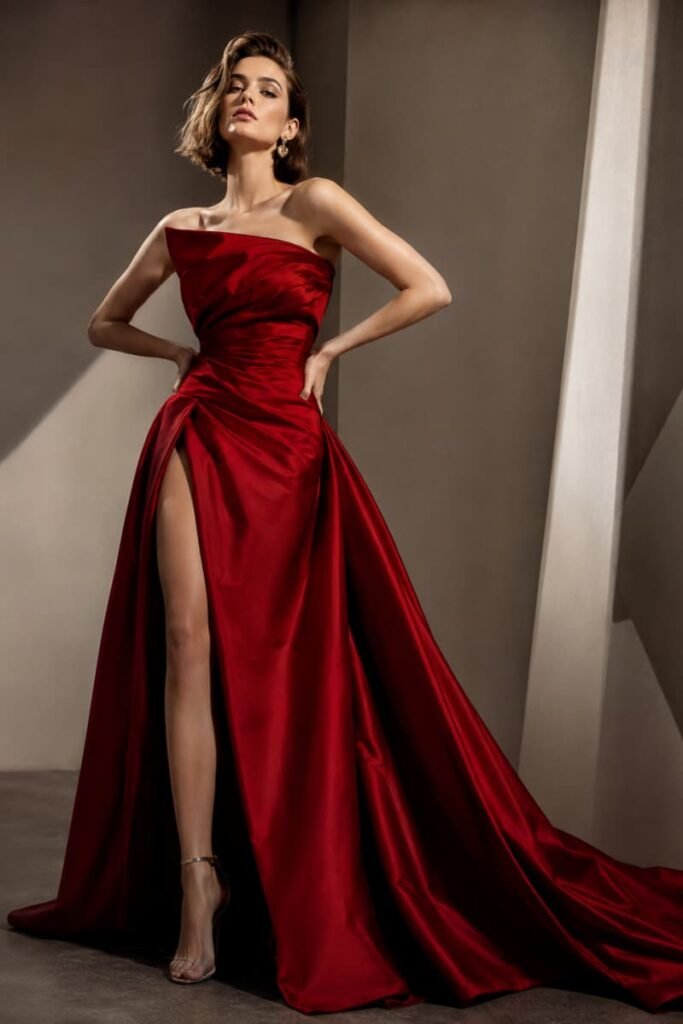
Hero Dresses
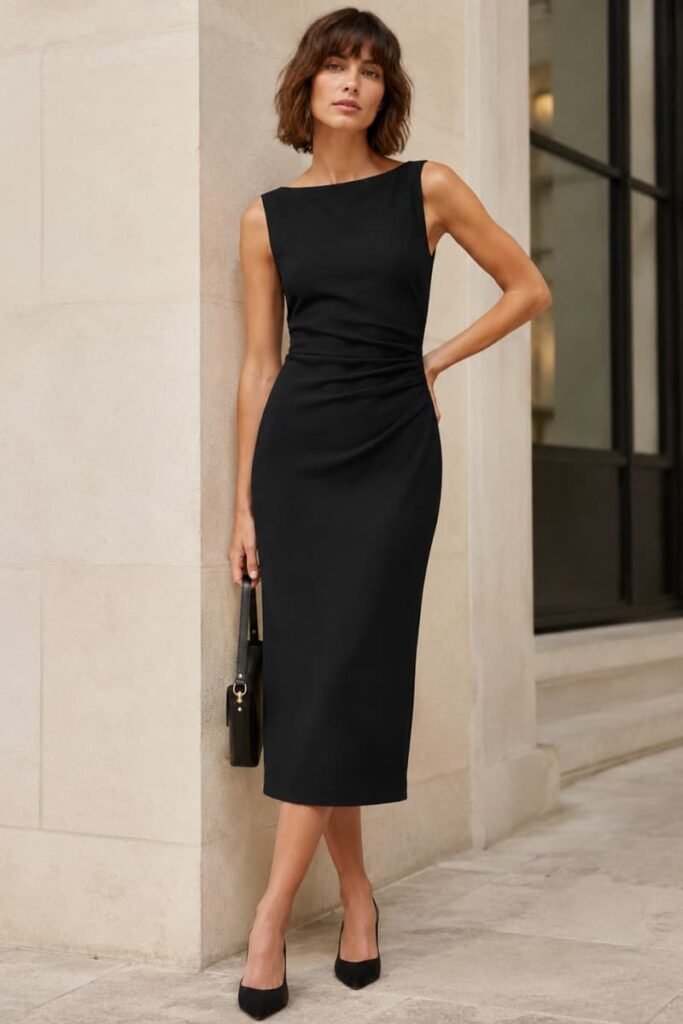
Core Midi Dresses

Entry Price Dresses

Margin Styles
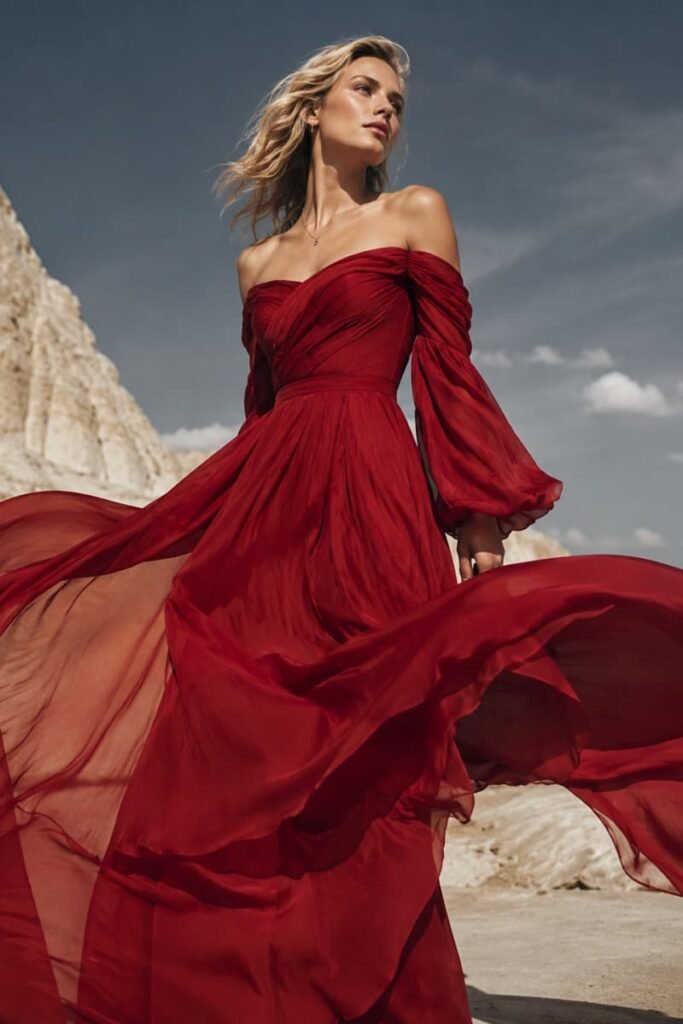
Campaign / Photo Styles

Occasion and Event Dresses

Resort / Lifestyle Dresses

Replenishment and Color Extension Styles
Merchandising Director Dress Assortment Planning Matrix
Merchandising directors need a clear link between assortment role, commercial goal and manufacturing control. Duolan supports each role with sample planning, fabric review, PP control, QC focus and repeat records.
| Assortment Role | Merchandising Goal | Duolan Manufacturing Focus |
|---|---|---|
| Hero Dress | Create collection impact | Fabric expression, photo sample, PP-to-bulk control |
| Core Midi Dress | Build repeatable category volume | Fit consistency, core colors, reorder records |
| Entry Price Dress | Support accessible price architecture | Cost-aware fabric, clean finish, stable fit |
| Margin Style | Improve profitability | Construction efficiency, material control, QC focus |
| Campaign Style | Support brand imagery | Photo finish, color accuracy, surface control |
| Occasion Dress | Serve event-driven demand | Lining, zipper, drape, close-up finish |
| Resort / Lifestyle Dress | Build seasonal lifestyle value | Opacity, packing recovery, color story |
| Color Extension Style | Extend proven silhouettes | Shade notes, trim matching, reorder QC |
Line-review Sample, Photo Sample and Salesman Sample Planning
Line-review Samples
- Style role should be visible from sample review.
- Fabric should match price and channel plan.
- Color story should work across the full range.
- Fit direction should support target consumer needs.
Photo Samples
Photo samples support PDP, campaign, lookbook, homepage and social content. Color accuracy, surface finish, garment movement, drape, pressing and close-up detail matter because visual assets shape demand. Duolan reviews fabric surface, color, neckline, zipper, hem balance, pressing and movement before photo sample approval.
- Photo samples need real fabric direction.
- Colors should be checked under lighting.
- Surface and drape should support close-up imagery.
- Bulk standards should stay connected to sample comments.
Salesman Samples
- Salesman samples should show true fabric and trim direction.
- Color groups should support assortment storytelling.
- Construction should represent bulk feasibility.
- Style files should remain organized by line plan.
PP Samples
- PP sample should use confirmed fabric and trims.
- Measurement tolerance should match style risk.
- QC focus should reflect garment role.
- Packing rules should enter production records.
Size Set Samples
- Size set review should support core volume styles.
- Fit risk should be identified before production release.
- Grading comments should enter PP records.
- Size consistency should support replenishment confidence.
Color Samples
Color samples guide core colors, seasonal palette and new color extensions. Lab dip, bulk shade, lining color, zipper matching, photo output and shade notes all affect final assortment quality. Duolan supports color samples and color PP samples for style-level approval and future reorder reference.
- Core shades need retained shade notes.
- Seasonal colors need fabric-specific review.
- Lining and trim color should match garment value.
- Color records should guide future extensions.
Fabric Route and Price-band Alignment
Entry Price Fabric Routes
Entry styles need accessible pricing without a low-value feel. Lightweight woven fabrics, simple jersey, cotton blends or stable synthetics can work when opacity, handfeel, washing behavior and construction quality are controlled. Duolan reviews cost-sensitive fabrics for clean finish, stable fit and acceptable channel presentation.
- Fabric should not become sheer or flimsy.
- Construction should stay efficient and clean.
- Finish should not reduce value perception.
- Packing should protect simple silhouettes.

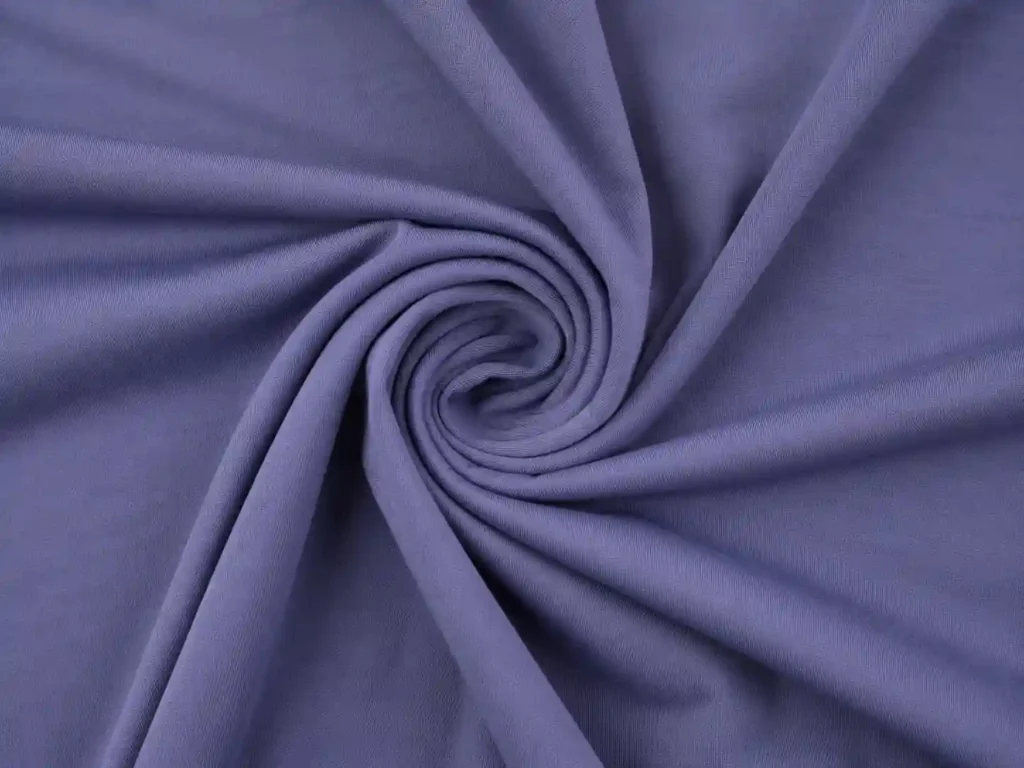

Core Style Fabric Routes
Core styles need repeatable fabrics. Crepe, ponte, compact jersey, cotton blends and stable woven routes can support long-term replenishment when fabric supply, shade records and handfeel stay consistent. Duolan reviews fabric cards, shade notes, recovery, pilling, shrinkage and packing behavior for core silhouettes.
- Core fabrics should remain available for repeat runs.
- Handfeel should stay consistent across batches.
- Measurement behavior should remain predictable.
- Packing method should repeat reliably.

Premium Style Fabric Routes
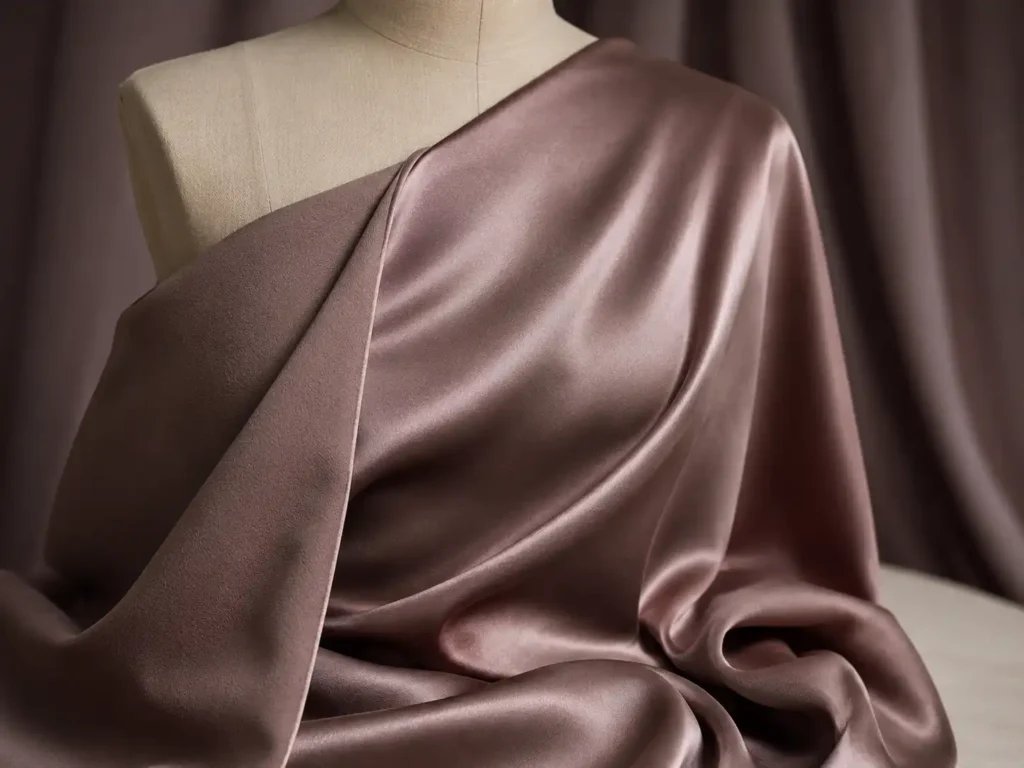
- Drape should support garment silhouette.
- Surface should stay clean after pressing.
- Lining should improve comfort and coverage.
- Close-up finish should match price tier.
Campaign Fabric Routes
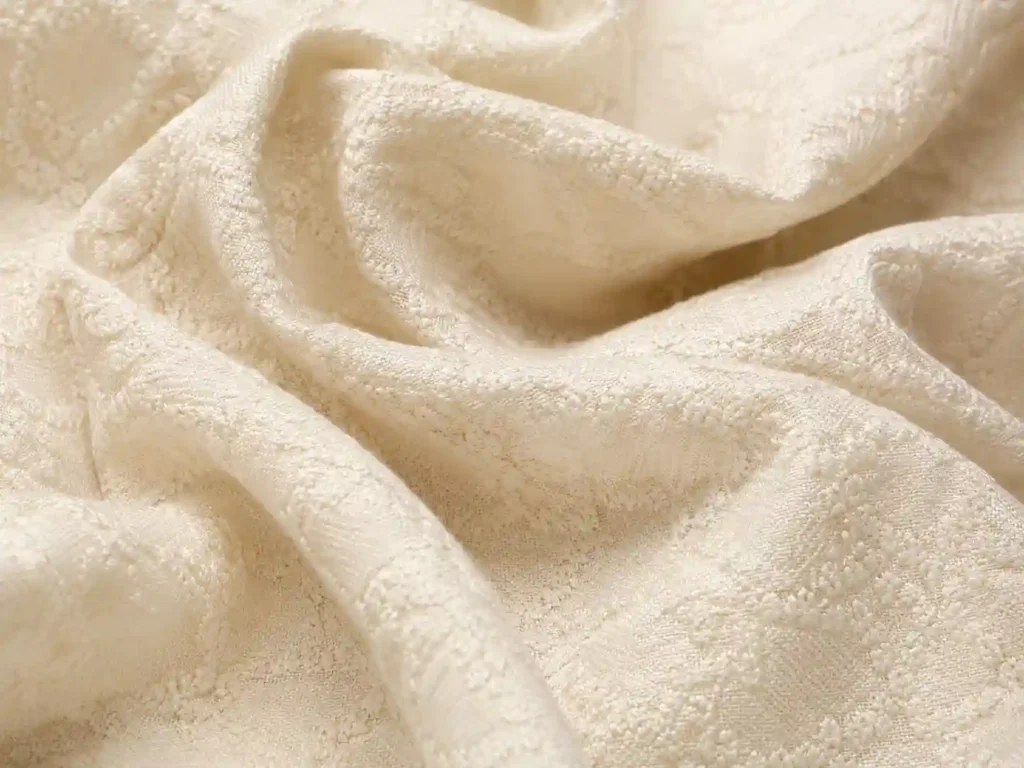
Campaign pieces need strong visual output but still need bulk feasibility. Fabric should photograph well, hold color, move cleanly and avoid surface problems under lighting. Duolan reviews photo sample behavior, drape, color response, surface marks and PP-to-bulk repeatability.
- Color should perform under shoot lighting.
- Surface should support close-up content.
- Drape should create movement without losing shape.
- Bulk fabric should match approved sample direction.

Occasion Fabric Routes
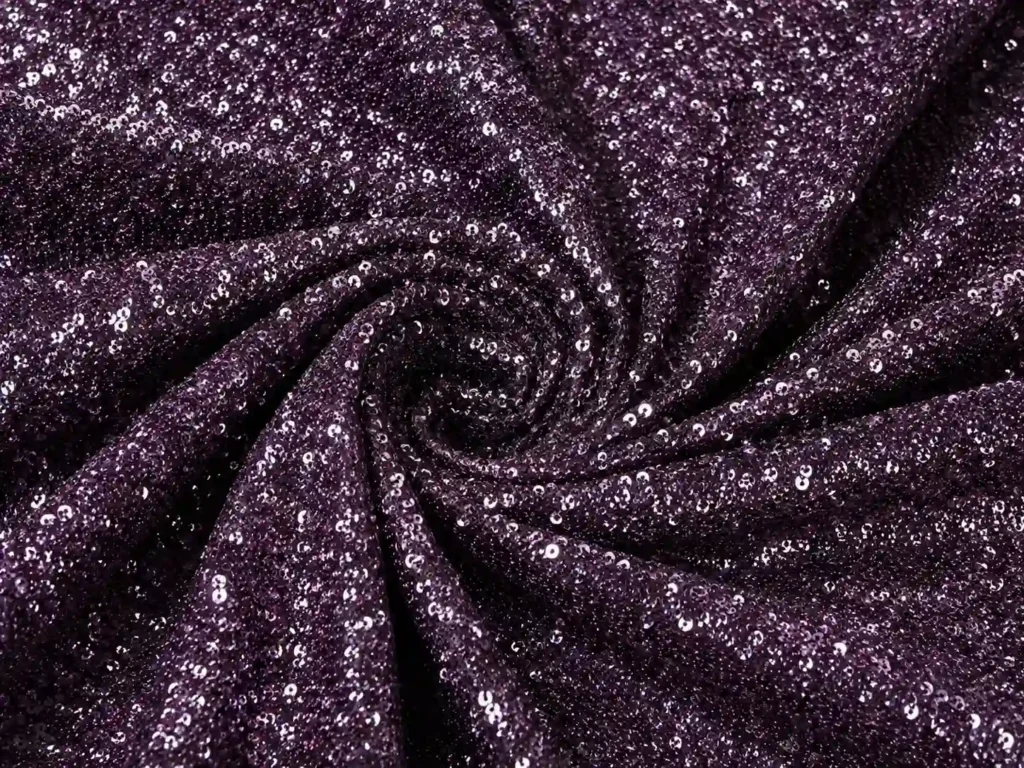
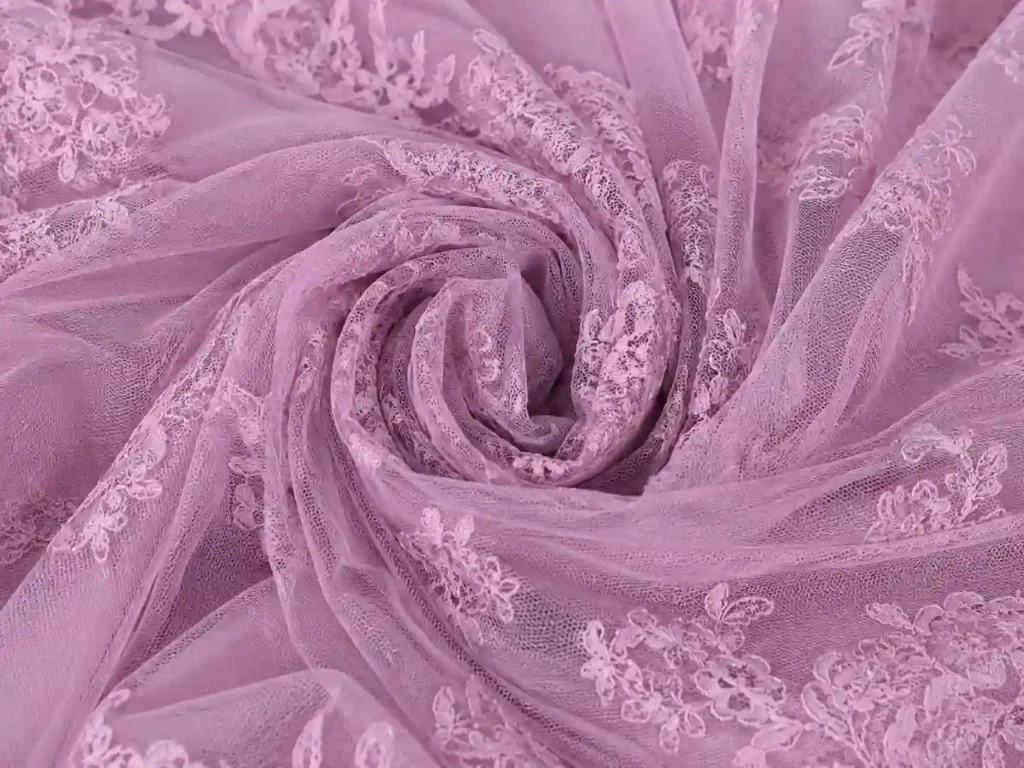
Occasion dresses often use chiffon, satin-crepe, lace, mesh, crepe, jacquard and embellished fabrics. Each material carries sewing, lining, zipper, hem, drape, surface and packing risks. Duolan reviews material-specific construction and QC points before bulk release.
- Chiffon needs lining and hem control.
- Satin-crepe needs pressure mark protection.
- Lace and mesh need edge and seam review.
- Jacquard needs motif and packing pressure control.


Reorder Fabric Routes
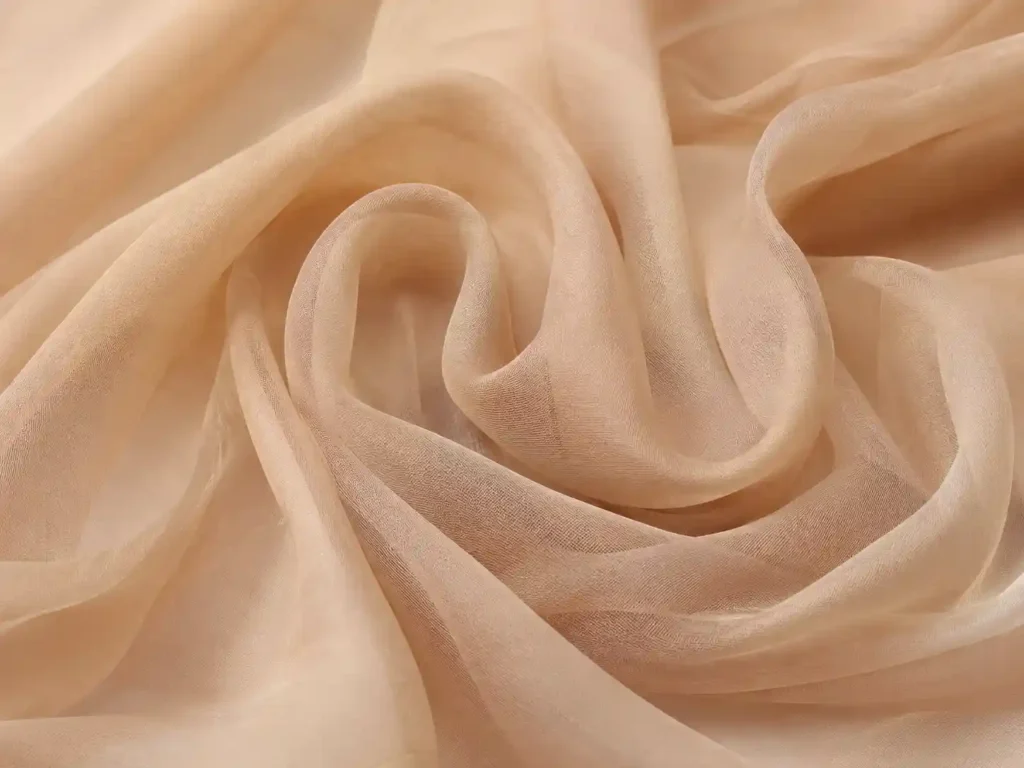
Reorder styles need fabric continuity. Fabric cards, shade notes, supplier records, trim matching and bulk lot comparison help protect repeated styles. Duolan reviews new fabric lots against retained references before replenishment or color extension production.
- Fabric cards should stay linked to style codes.
- Shade notes should guide repeat colors.
- Trim match should be renewed for new runs.
- Supply continuity should be checked before reorder planning.

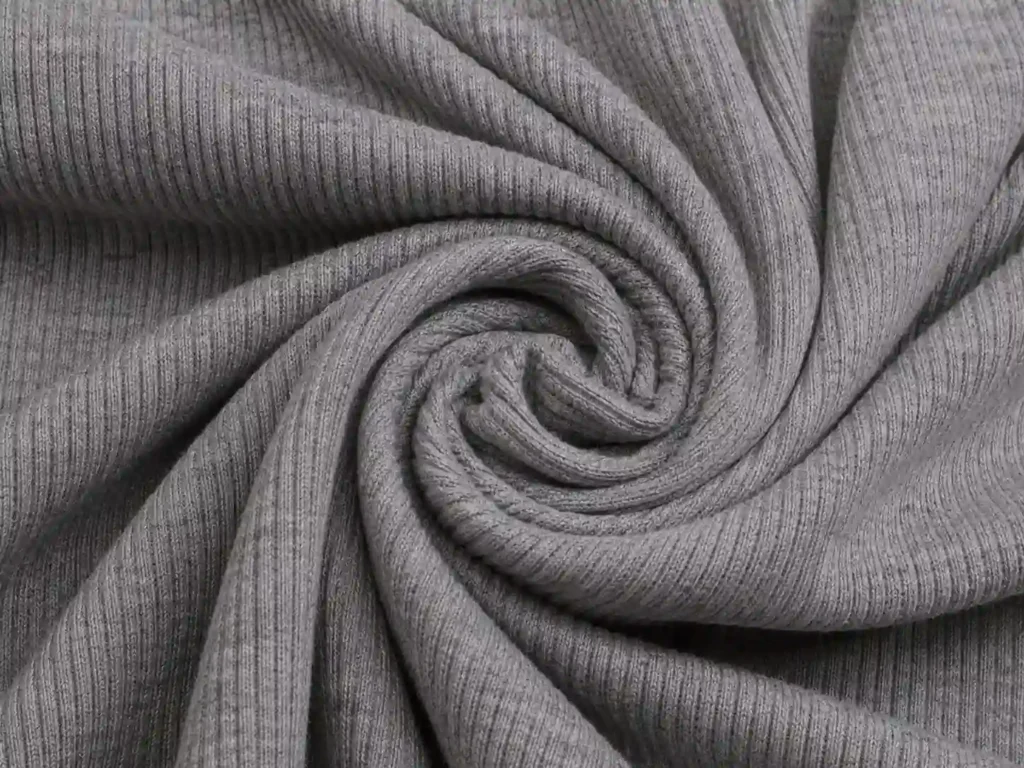
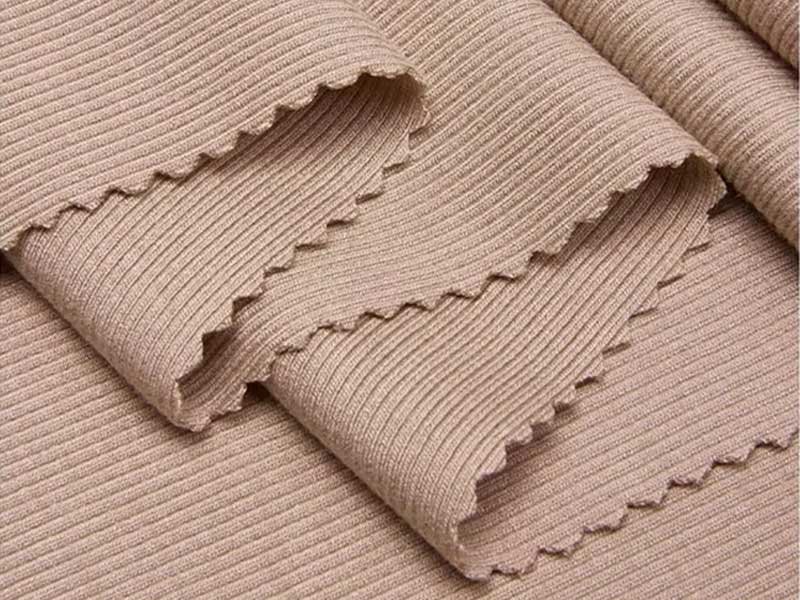
Seasonal Range Building and Style Role Execution
Seasonal Capsule Structure
- Hero styles should support range impact.
- Core styles should support repeat volume.
- Newness styles should refresh without overloading risk.
- Occasion and lifestyle styles should serve real demand windows.
Style Priority Planning
Not every style deserves the same priority. Campaign pieces, key account styles, reorder silhouettes and test styles need different timelines, sample cycles and production attention. Duolan supports priority planning by reviewing fabric risk, channel need, quantity, launch date and sample purpose.
- Campaign styles need early photo sample attention.
- Core replenishment needs retained PP records.
- Test styles need careful risk review.
- Channel-critical styles need timeline protection.
Color Story Execution
A strong color story connects core shades, seasonal colors, resort tones, holiday colors and event shades. Color choices must work across fabric types, linings, zippers, trims, photo output and packing appearance. Duolan reviews lab dips, color samples, shade notes and trim matching by style role.
- Core colors need stable shade depth.
- Seasonal colors need fabric-specific review.
- Pale tones need opacity and lining checks.
- Dark shades need lint and surface review.
Channel Timing
- Ecommerce needs PDP-ready sample timing.
- Showroom and wholesale need salesman samples.
- Department store programs need packing and barcode readiness.
- Production timelines should follow launch calendar needs.
Bestseller Replenishment Logic
- Bestseller styles should retain full production memory.
- Quality notes should guide future runs.
- Color extension potential should be reviewed early.
- Packing records should support repeat presentation.
Cross-season Carryover
Carryover styles can refresh through color, sleeve, fabric, length or small detail updates. Identity should remain stable across updates. Duolan protects carryover styles through fit memory, BOM files, fabric cards, shade notes and QC history.
- Pattern and fit should remain consistent.
- Fabric changes need renewed behavior review.
- New colors need shade and trim checks.
- Carryover records should support future range planning.
Channel-ready Dress Execution
Ecommerce-ready Dresses
- PDP samples should align with bulk standards.
- Color should match approved sample direction.
- Fit-sensitive points should receive size set review.
- Packing should protect garment appearance after shipment.
Wholesale / Showroom Samples
- Samples should show true fabric route.
- Color groups should support line storytelling.
- Fit direction should represent production intent.
- Sample files should support later PP approval.
Department Store Programs
- Labels and barcodes should match style, size and color.
- Carton marks should follow receiving requirements.
- Packing lists should match carton contents.
- Garment finish should suit retail handling.
Regional Market Adaptation
- Color choices should match regional demand.
- Sleeve and length options need fit review.
- Fabric weight should match climate and channel.
- Packing should follow receiving expectations.
Campaign and Content Support
- Photo samples should use approved material direction.
- Surface and drape should be checked before shoot.
- PP samples should lock production standards.
- Bulk QC should protect campaign-facing details.
Channel Packing Requirements
- Folding should protect dress surface.
- Barcode placement should follow channel rules.
- Carton breakdown should support receiving.
- Packing records should support repeat programs.
Bulk Execution for Merchandising Plans

Assortment-to-Bulk Handover
- Style role should guide QC focus.
- Fabric route should guide handling and pressing.
- Price band should guide construction decisions.
- Channel need should guide packing and labeling.

Style-level Bulk Readiness
- Hero styles need photo-to-PP consistency.
- Core styles need reorder records.
- Entry styles need stable fit and clean finish.
- Occasion styles need surface, lining and close-up QC.
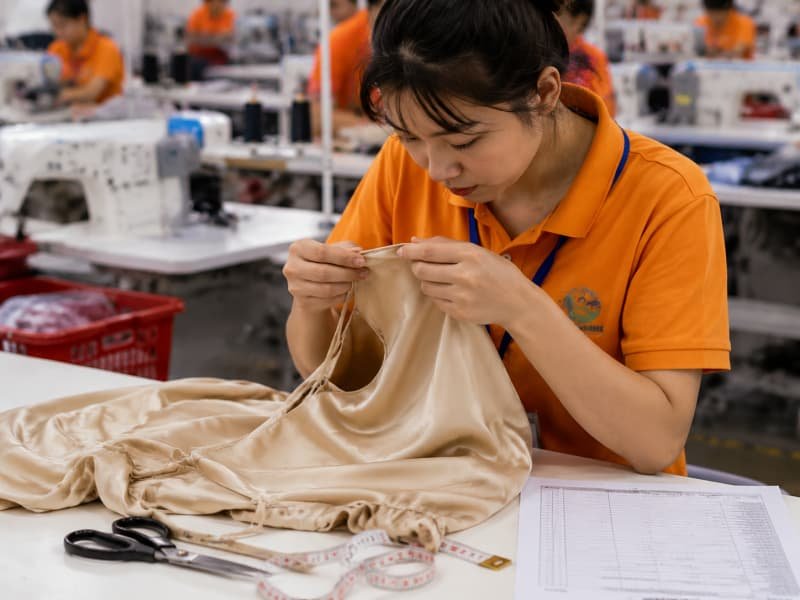
Margin-aware Production Control
- Construction should match commercial purpose.
- Materials should be confirmed before cutting.
- QC focus should prevent large-scale remake.
- Packing should avoid damage after production is complete.

Bulk Consistency Across Style Groups
- Core proportions should remain visible across the range.
- Color families should feel intentional.
- Finish level should match brand position.
- Packing should create consistent arrival presentation.

Replenishment File Setup
- Core styles should keep PP memory.
- Fabric and trim records should be retained.
- QC findings should guide repeat inspection.
- Packing files should support repeat delivery.
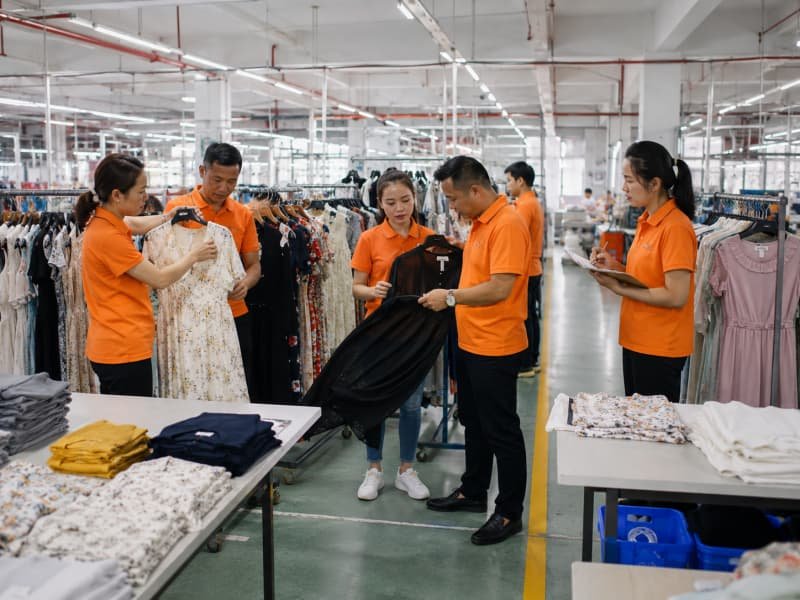
Production Feedback for Merchandising Decisions
- High-risk construction can be refined next season.
- Fabric behavior can guide future material choices.
- Packing results can guide channel planning.
- Reorder performance can guide assortment strategy.
Core Style Replenishment and Color Extension Planning
Core Silhouette Identification
- Core styles should receive full PP records.
- Fit and measurement notes should remain attached.
- Fabric cards should be retained for future comparison.
- Packing method should be documented for repeat runs.
Replenishment Readiness
- Previous issue history should guide new QC.
- Material availability should be checked early.
- Measurement tolerance should follow approved fit.
- Packing method should follow retained records.
Color Extension Strategy
- New colors should not change fit or construction.
- Lining and zipper matching should be approved.
- Pale shades need opacity review.
- Dark shades need surface and lint review.
Carryover Style Protection
- Fit memory should guide future seasons.
- Fabric changes need renewed testing.
- QC history should guide repeat inspection.
- Packing files should protect arrival consistency.
Seasonal Newness Without Full Redevelopment
- Pattern base can remain unchanged when possible.
- Fabric changes should receive behavior review.
- Trim updates should receive bulk feasibility review.
- New colors should follow shade and packing records.
Reorder QC Based on Previous Sell-through and Quality Notes
- Previous issues should become repeat checkpoints.
- Style-level notes should guide QC teams.
- Channel feedback should inform packing updates.
- Reorder performance should support future line planning.
Merchandising Director Risk to Duolan Control Matrix
Merchandising directors manage risk across range balance, hero style execution, core replenishment, price-band alignment, color extension, channel readiness, sample purpose and carryover continuity. Duolan connects these risks with manufacturing controls across development and bulk production.
| Merchandising Risk | Brand Outcome | Duolan Control Direction |
|---|---|---|
| Range feels unbalanced | Category performance | Style role review, assortment mapping |
| Hero style fails in bulk | Brand image and launch | Photo sample, PP lock, fabric risk control |
| Core style cannot replenish | Long-term volume | PP memory, fabric card, reorder QC |
| Price band mismatch | Margin and value perception | Fabric route, construction and QC alignment |
| Color extension drifts | Seasonal continuity | Lab dip, shade notes, trim matching |
| Channel requirements missed | Delivery and selling flow | Label, barcode, packing and carton records |
| Samples do not support line review | Range decision quality | Line-review, salesman and photo sample planning |
| Carryover style loses identity | Cross-season category value | Fit memory, BOM, measurement and QC history |
Duolan Manufacturing System for Merchandising Directors
Owned Factory Control for Hero and Core Styles
- Hero styles can receive closer PP-to-bulk control.
- Core styles can keep stronger fit and fabric records.
- High-risk fabrics can follow tighter handling notes.
- Reorders can retain approved construction standards.
Coordinated Satellite Capacity for Seasonal Range Volume
- Volume styles can follow approved PP files.
- Seasonal ranges can use retained fabric records.
- Packing rules stay aligned across production routes.
- QC focus can follow style role and issue history.

Sampling Capacity for Line Review and Campaign Needs
- Line-review samples support assortment decisions.
- Photo samples support PDP and campaign timing.
- Salesman samples support wholesale and showroom review.
- PP samples support bulk and QC standards.
Flexible Lines for Replenishment and Color Extensions
- Replenishment can use approved construction records.
- Color extensions can use retained shade notes.
- Carryover styles can keep fit continuity.
- Adjusted runs can move with clear PP files.
Central Coordination for Category Continuity
- Style files stay connected from line review to bulk.
- Fabric notes support handfeel and shade control.
- QC records guide repeated production.
- Packing files support channel delivery and reorders.








Merchandising Director Project Case Studies
Duolan supports merchandising teams managing seasonal dress assortments, line-review samples, hero styles, core silhouettes, channel-ready delivery, replenishment and color extensions. The records below use anonymous brand details, country, style count, order range, assortment goal and Duolan actions.
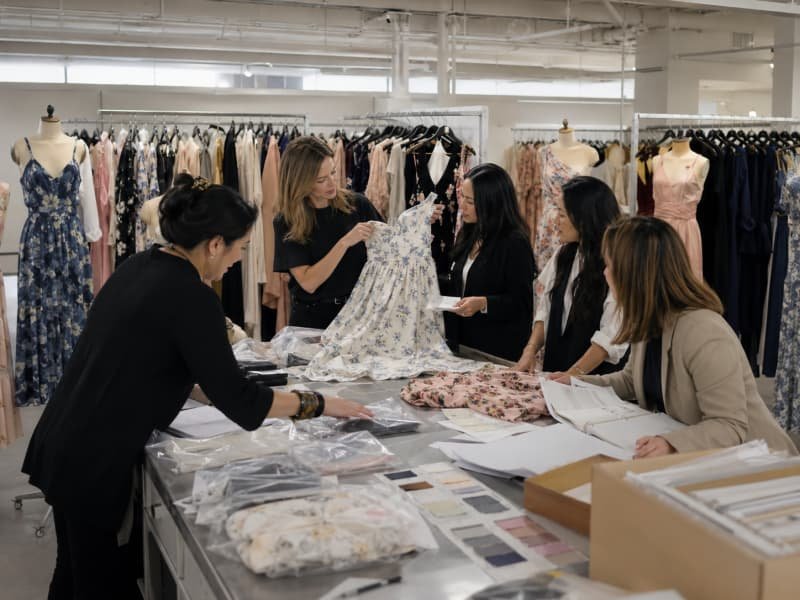
United States|Seasonal Dress Assortment Launch
- Assortment Goal: Build a balanced seasonal dress range with hero impact, core volume and event-driven styles.
- Duolan Action: Line-review samples, photo samples, PP locks, fabric route review, bulk QC and packing records were organized.
- Control Focus: Hero fabric expression, core midi fit, satin-crepe surface, occasion lining, color accuracy and packing recovery.
- Replenishment Direction: Core styles gained PP memory for future color extensions.
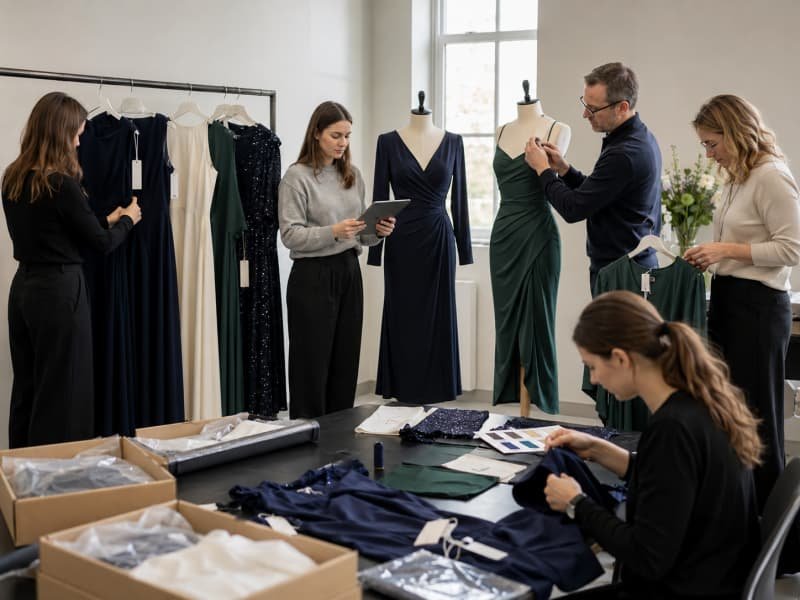
United Kingdom|Core Midi and Occasion Dress Range
A UK dress brand produced 14 styles and approximately 42,000 pieces across core midis, occasion dresses, refined wraps and soft evening styles.
- Assortment Goal: Strengthen dress category structure across ecommerce and wholesale channels.
- Duolan Action: Salesman samples, size set review, color story execution and retail packing support were prepared.
- Control Focus: Core fit continuity, wholesale sample presentation, zipper finish, lining comfort and carton accuracy.
- Replenishment Direction: Core navy and deep green styles gained shade records for repeat runs.

Australia|Resort and Lifestyle Dress Capsule
- Assortment Goal: Build a seasonal lifestyle dress capsule with resort, travel and soft occasion roles.
- Duolan Action: PDP-ready samples, opacity review, packing recovery, color extension planning and shipment coordination were completed.
- Control Focus: Linen blend transparency, chiffon drape, dusty blue shade, hem movement and protective packing.
- Replenishment Direction: Hero resort styles were prepared for seasonal color extensions.

Europe|Replenishment and Color Extension Program
- Assortment Goal: Extend approved silhouettes into new core and seasonal colors.
- Duolan Action: PP memory, shade notes, fabric cards, measurement QC and reorder packing files were prepared.
- Control Focus: Fit continuity, bulk shade, lining color, zipper match, surface finish and repeat packing.
- Replenishment Direction: Repeat files supported later replenishment and cross-season carryover planning.
Merchandising Director FAQ

Send Your Line Plan Brief
A stronger dress assortment starts with clear style roles, fabric routes, price bands, sample needs, channel requirements and replenishment plans. Duolan can review your seasonal line plan, tech packs, reference samples, fabric direction, fit concerns, QC standards, packing rules and color extension strategy before proposing a manufacturing route.
Share Your Dress Assortment Direction
- Dress category direction, seasonal line plan and launch timing.
- Style count, target quantity and quantity split by style / color.
- Style roles such as hero dress, core midi, entry style, margin style, campaign piece, occasion dress, resort style, replenishment style or color extension style.
Share Your Product and Sample Needs
- Tech packs, reference samples, fabric swatches, trim direction, lining needs and fit notes.
- Target price band by style group.
- Sample needs such as line-review sample, photo sample, salesman sample, PP sample, size set sample, color sample or revision sample.
Share Your Channel and Reorder Requirements
- Channel needs: ecommerce, wholesale, department store, showroom or regional market.
- Color story, core colors, seasonal palette and new color extension plan.
- Label, hangtag, barcode, polybag, carton mark, packing method and shipment requirements.
- Core style plan, replenishment expectations, carryover styles and previous sell-through, fit or quality issues to avoid.