...

Special Embellishment Dress Development & Manufacturing

Dress-focused embellishment development for fashion brands needing sequins, beading, pearls, rhinestones, embroidery, appliqué and bulk-ready production.

Duolan helps fashion brands turn special embellishment ideas into production-ready dress programs. From party dresses and occasionwear capsules to going-out collections and holiday launches, our team reviews fabric behavior, trim selection, decoration weight, lining needs, workmanship sequence and bulk feasibility before production begins.

  • Dress-focused development and bulk manufacturing system
  • 16 owned womenswear factories and 20+ satellite factories
  • 12,000+ workers across supporting production bases
  • 30+ years garment R&D background led by Jerry Li
  • SMETA 2-Pillar audit record
  • Support for multi-style dress orders from 20,000 to 80,000 pieces

More Than Decorative Details

Special embellishment changes not only surface beauty, but also fit, cost, weight, comfort, production sequence and repeat order stability.

Embellishment Must Work as a Dress System

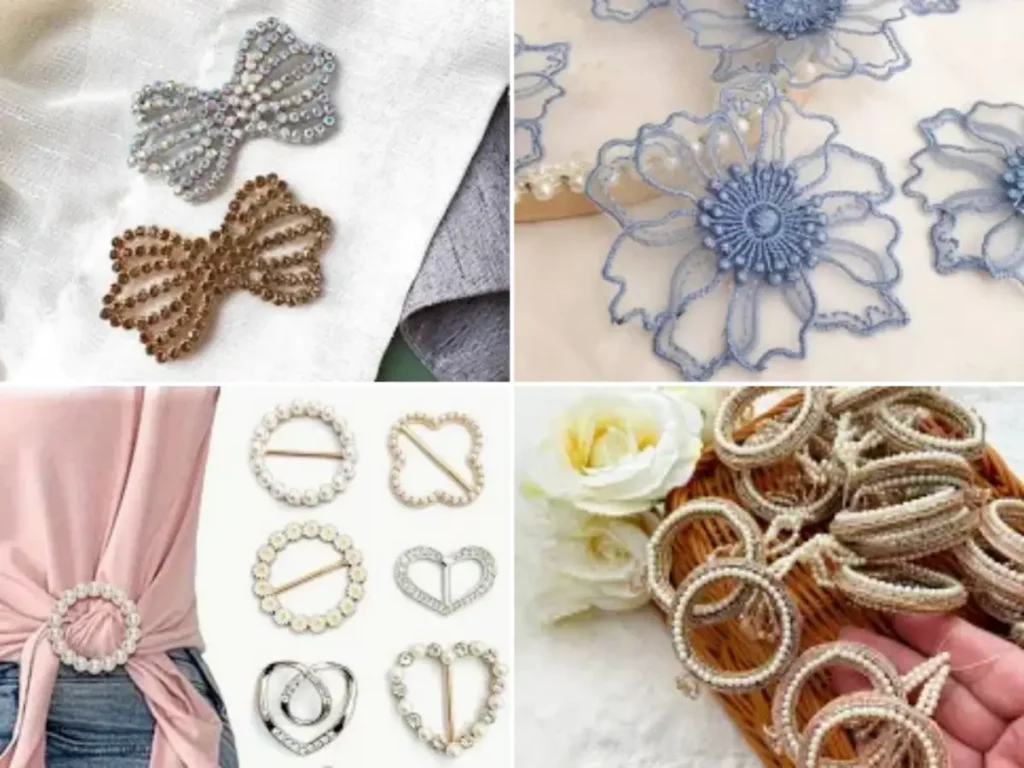
Special embellishment in fashion dresses refers to decorative surface work, trim effects, texture details or craft processes added to a garment to create stronger visual identity and occasion value. For dress programs, embellishment can include sequins, beads, pearls, rhinestones, embroidery, lace appliqué, fabric flowers, metallic trims, printed details, heat-set stones, fringe, tassels, pleating and mixed surface effects.

For a fashion brand, decoration alone is not enough. A rhinestone line may look strong in a photo but fail if the base fabric stretches unevenly. A sequin panel may catch light beautifully but scratch skin without proper lining. Heavy beadwork may create premium value, yet distort a lightweight silhouette if weight distribution is not reviewed early.

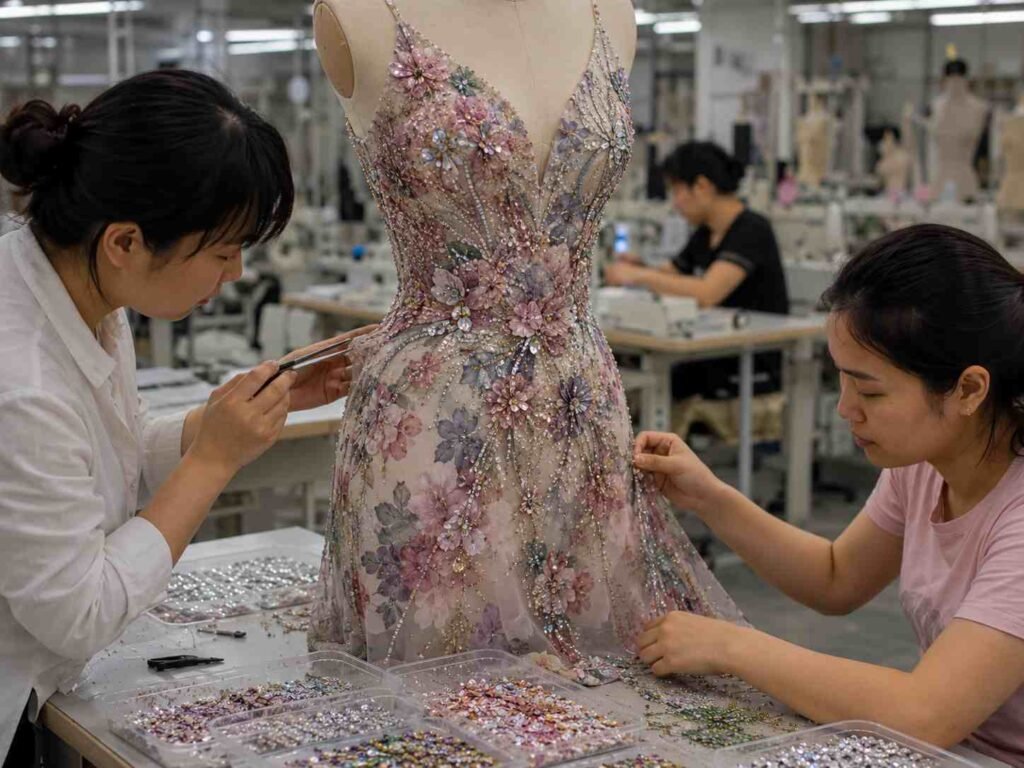
Duolan treats embellishment as part of the whole dress development path. Before sampling, our team reviews fabric drape, stretch recovery, transparency, placement, handwork density, lining coverage, sewing sequence, pressing tolerance, packing pressure and bulk repeatability. The goal is not one beautiful sample only. The goal is a dress style ready for internal brand review, PP approval, launch order and repeat production.
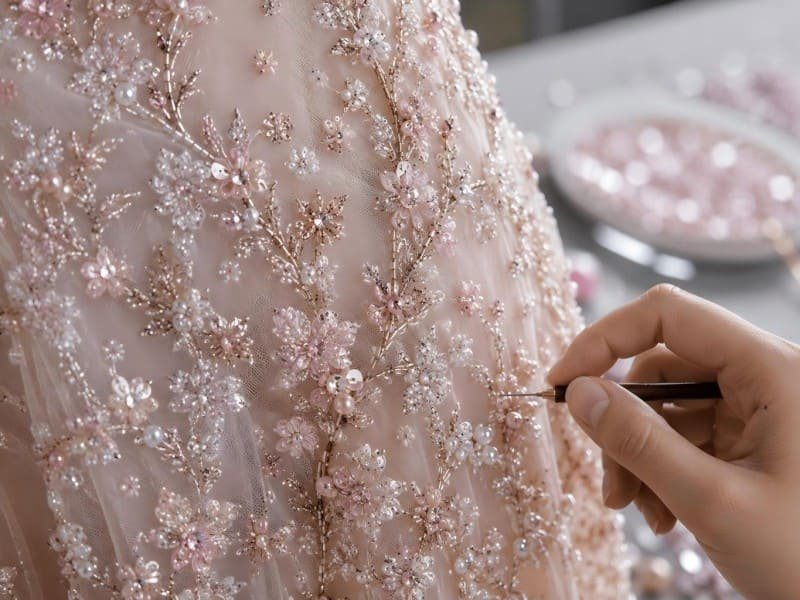
Built for Brand-level Dress Programs

Duolan is structured for fashion teams with clear product direction, seasonal plans, sample needs and scalable production goals.

Established Fashion Brands

Fashion brands running seasonal dress programs need more than a factory capable of sewing decorative fabric. They need a partner able to read product direction, understand style hierarchy and protect launch rhythm. Duolan supports embellished dress lines where visual impact must meet production stability, brand price architecture and repeat order possibility. Key support:
  • Party, occasion, holiday and going-out dress development
  • Multi-style programs across mini, midi and maxi silhouettes
  • Decoration planning connected with fabric, lining and fit
  • Sample comments, PP direction and bulk readiness support

Product Development Teams

Product teams often begin with moodboards, reference photos, trim ideas, original samples or partial tech packs. Duolan helps convert early visual direction into workable dress construction. Our team checks where embellishment should sit, how density affects fabric behavior, whether lining is required and how sampling should move toward a production-ready version. Key support:
  • Reference image and tech pack review
  • Fabric and trim matching suggestions
  • Sample revision notes
  • Production feasibility feedback

Buying Teams

Buying teams need decorated dresses that work commercially, not only visually. A style may look attractive, yet be difficult to price, pack, inspect or repeat. Duolan helps review construction, workmanship risk, trim cost, size range, colorway plan, production timeline and inspection points before launch orders move forward. Key support:
  • Style-level cost review
  • Embellishment risk control
  • First-piece and inline QC support
  • Repeat order documentation

Sourcing Offices

Sourcing offices need clear communication, document flow and production discipline. Duolan can support supplier evaluation, development discussion, video meetings, sample tracking, QC communication and shipment preparation for embellished dress projects that require multi-step coordination across fabric, trim, craft and sewing teams. Key support:
  • Factory and capability information
  • Sample and bulk workflow
  • Audit and compliance support
  • Project updates by email, WhatsApp and meeting

Special Embellishment Options for Dresses

Each embellishment method changes fabric behavior, workmanship sequence, cost structure and bulk inspection standards.

Sequin Embellishment

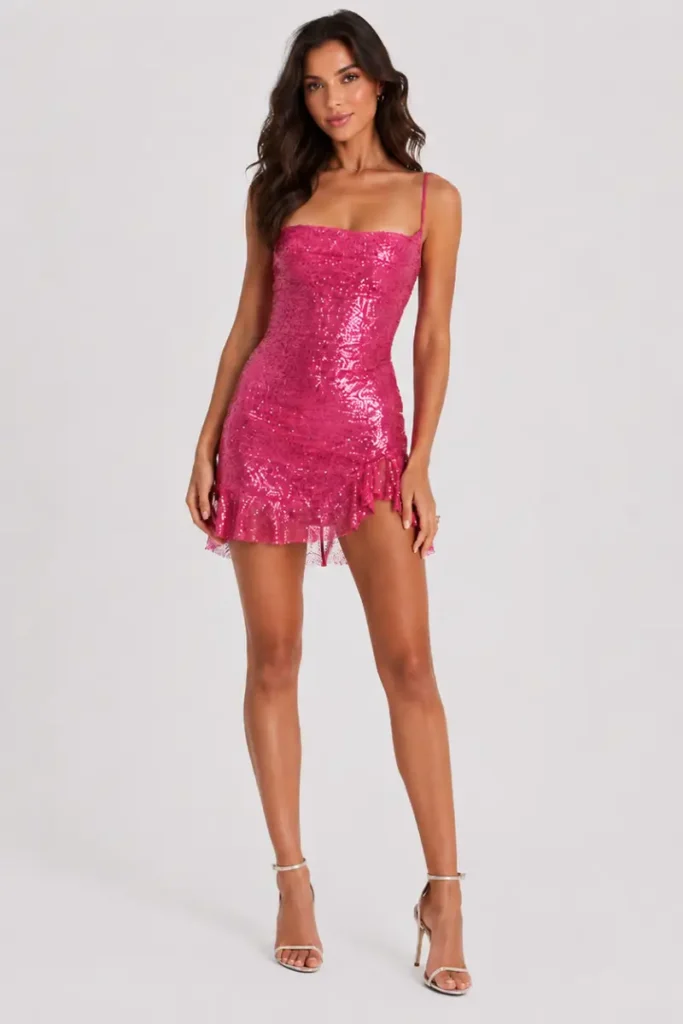
Sequin work is often used for holiday dresses, party dresses, cocktail dresses and going-out styles. Development should review sequin size, base fabric, lining coverage, seam allowance, body contact area and packing pressure. Duolan checks decoration weight, cutting loss, sewing difficulty and skin comfort before moving a sequin look into sample or bulk direction.

Beaded Details

Beading can create premium value for occasion dresses, fitted minis, neckline details, waist emphasis and photo-ready party styles. The main risks are uneven density, heavy weight, handwork time, thread security and inconsistent placement. Duolan reviews bead type, placement map, base fabric strength, lining method and inspection points before production scheduling.

Pearl Decoration

Pearl details work well on romantic party dresses, occasion pieces, social-event minis and statement straps. Pearl size, attachment method, spacing and fabric tension must be considered early. Duolan focuses on balance between visual softness and attachment security, especially for neckline, bust, sleeve, waist and hem areas.

Rhinestone Application

Rhinestones add strong light reflection for partywear and event dresses. Heat-set stones, hand-applied crystals and trim-based stones require different process controls. Duolan reviews temperature tolerance, adhesion method, washing expectation, fabric surface, placement accuracy and packing protection before bulk approval.

Embroidery Work

Embroidery can create decorative identity without excessive shine. It is suitable for vacation dresses, resort dresses, mesh panels, lace-inspired effects and branded motifs. Duolan checks stitch density, thread color, fabric shrinkage, artwork scale, embroidery placement and seam matching so the embroidered design works with the final silhouette.

Lace Appliqué

Lace appliqué supports feminine occasion dresses, mesh dresses, corset-inspired silhouettes and formal event pieces. Development must review edge finishing, transparency, lining coverage, symmetry and appliqué placement across sizes. Duolan treats lace appliqué as a construction detail, not just decoration, because position and coverage directly affect dress balance.

Fabric Flowers

Fabric flowers can add dimensional detail to mini dresses, shoulder details, waist features and party statement pieces. The key is keeping volume attractive without creating packing damage or uncomfortable weight. Duolan reviews flower material, attachment method, placement, compression tolerance and carton packing before production.

Metallic Trims

Metallic trims, chains, rings and hardware accents work well for going-out dresses, cut-out dresses and party styles. Risks include weight, skin contact, rust, sharp edges and fabric pulling. Duolan checks trim compatibility, reinforcement points, wear comfort and inspection standards before adding metal details into a production program.

Fringe Details

Fringe can create movement for party, festival and social-event dresses. It needs careful review of length, density, shedding, sewing strength and garment balance. Duolan checks whether fringe sits on the hem, sleeve, bust, waist or panel line, then reviews cutting, sewing and inspection methods for repeatable bulk output.

Tassel Details

Tassels can support resort, vacation, holiday and social-event dress lines. They may appear at straps, ties, waist belts, hems or decorative panels. Duolan reviews cord strength, color consistency, knot security, bulk tolerance and packing risk so tassel details stay clean, aligned and comfortable in finished dresses.

Print + Embellishment

Printed dresses with added stones, sequins, embroidery or bead details can create richer visual depth. The process sequence matters. Duolan reviews print artwork, color tolerance, embellishment placement, heat setting, fabric shrinkage and cutting alignment before sampling, reducing conflict between print process and decoration work.

Mixed Surface Effects

Complex styles may combine sequins, embroidery, pearls, rhinestones, lace, pleating, washing or printing. Mixed embellishment needs process planning before quotation and sampling. Duolan evaluates sequence, cost drivers, factory matching, QC checkpoints and bulk repeatability to avoid beautiful but unstable samples.

Dress Categories Where Embellishment Sells

Decoration performs differently across party, occasion, vacation, going-out and seasonal dress categories.

Party Dresses

Party dresses need visual impact under evening light, phone cameras and social settings. Sequins, rhinestones, metallic trims, pearls and beadwork can turn a simple body shape into a stronger commercial style. Duolan reviews stretch, lining, weight and shine placement so decoration supports movement and wear comfort.

Occasion Dresses

Occasion dresses need a polished finish for dinners, celebrations, homecoming, events and formal social moments. Embroidery, beading, lace appliqué, pearls and rhinestones can lift perceived value. Duolan controls symmetry, lining coverage, seam finish and trim position to keep the dress refined across sizes.

Going Out Dresses

Going-out styles often rely on cut-outs, fitted shapes, mesh panels, satin shine, straps and special trims. Embellishment should sharpen the look without making the garment heavy or unstable. Duolan reviews bust support, strap reinforcement, stone placement, lining coverage and body contact areas.

Cocktail Dresses

Cocktail dresses need balance between elegance and commercial appeal. Beading, lace, embroidery, pearls and subtle rhinestones can create a premium feel without overloading construction. Duolan focuses on clean seam lines, neckline execution, zipper handling, hem balance and embellishment alignment.

Holiday Dresses

Holiday launches often depend on sparkle, metallic shine, festive textures and strong product photography. Sequin panels, crystal trims, pearl details and metallic embroidery work well when production timing is planned early. Duolan supports multi-style holiday programs with craft review, PP approval and delivery path control.

Homecoming Dresses

Homecoming and event-focused dresses require strong photo effect, fitted proportions and comfort for movement. Rhinestones, sequins, beads and appliqué details can build selling points. Duolan reviews strap strength, bust fit, lining, decoration security and size grading before styles move toward bulk.

Vacation Dresses

Vacation styles can use embroidery, lace, fringe, tassels, appliqué and lightweight embellishment to create resort value. Heavy decoration may reduce comfort, so Duolan reviews fabric softness, breathability, drape, wash expectation and packing method before choosing the final detail direction.

Mini Dresses

Mini dresses rely on proportion and instant visual attraction. Embellishment can highlight neckline, bust, waist, hem or straps. Duolan reviews decoration placement across different sizes so the final bulk pieces keep intended balance rather than shifting too high, too low or too heavy.

Maxi Dresses

Maxi dresses have larger surface area, so embellishment planning affects cost, weight and production time. Embroidery panels, appliqué, beaded neckline details, fringe hems and rhinestone accents must be reviewed with drape and packing in mind. Duolan controls placement, fall, lining and process sequence.

Design Details Before Sampling

Better embellished samples begin with clear design judgment before fabric cutting, trim ordering and craft testing.

Design Direction Review

Duolan reviews each embellished style from design intention, target scene, body silhouette, fabric direction and commercial role within the range. A heavy beaded neckline may fit an occasion dress but may not suit a lightweight vacation mini. A large rhinestone motif may perform well in photography but create tension on stretch mesh. A sequin panel may improve party impact but require lining and adjusted seam sequence. Before sampling, our team can review:
  • Target dress type: party, occasion, vacation, going-out, holiday or event
  • Key body area: bust, waist, hip, sleeve, strap, hem, panel or full surface
  • Decoration purpose: shine, texture, structure, romantic effect or brand motif
  • Visual priority: runway-like statement, commercial bestseller or capsule highlight
  • Production concern: cost, comfort, packing, inspection and repeat order
The aim is to move from attractive reference images to workable dress development. Brand teams can send sketches, tech packs, original samples, moodboards or trim direction. Duolan then helps judge which detail route has better sample value, production logic and launch order potential.

Placement and Proportion Planning

Placement decides whether embellishment improves a dress or creates production risk. Neckline stones, bust pearls, waist beads, sleeve embroidery, hem fringe and back strap trims all behave differently during cutting, sewing, fitting and packing. Duolan reviews placement against body movement, size grading, seam allowance, lining edge, zipper position and fabric stretch. Key review points include:
  • Decoration map for front, back and side view
  • Position relation with seam, dart, strap, zipper and cut-out
  • Symmetry requirement for left and right body panels
  • Size grading effect on motif placement
  • Visual balance between decorated area and clean fabric area
  • Packing pressure on raised stones, pearls, flowers or dimensional trims
A decoration layout should remain attractive not only on one sample size, but also across approved size range and colorways. Duolan helps build placement standards so production teams know what must stay locked during bulk.

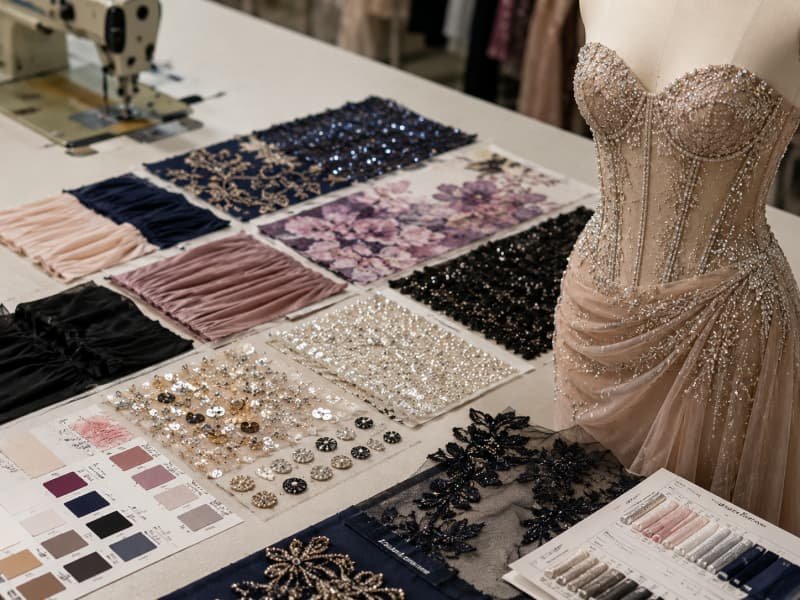
Fabric and Embellishment Matching

Fabric DirectionSuitable EmbellishmentMain RiskDuolan Review Focus
SatinRhinestones, pearls, embroidery, appliquéNeedle marks, pulling, pressure lines, packaging creasesNeedle choice, seam route, trim weight, lining, pressing and carton protection
MeshEmbroidery, rhinestones, appliqué, bead detailsTransparency, stretch loss, motif distortion, skin contactLining coverage, stitch density, elastic recovery, placement and edge finishing
VelvetRhinestones, embroidery, metallic trimsPile crushing, color direction, heat sensitivitySurface pressure, trim attachment, steaming method, shade direction and packing
JerseyLight sequins, small stones, heat-set decorationStretch restriction, waviness, recovery lossDecoration weight, elastic test, seam support, size grading and wear comfort
ChiffonEmbroidery, lace, beads, light appliquéPulling, tearing, sagging under trim weightBase stability, backing method, trim density, seam sequence and hanging balance
CrepeBeads, pearls, appliqué, embroideryAdded thickness, drape change, thread tensionDecoration area, stitch tension, lining match, pressing and hem balance
Sequin FabricLining, edge trims, mixed appliquéScratchy handfeel, falling sequins, bulky seamsCutting direction, lining coverage, seam cleaning, QC and packing protection
LacePearls, beads, rhinestones, appliqué layersMotif mismatch, fragile edges, uneven coveragePattern placement, motif cutting, backing, join lines and size symmetry
TulleBeads, sequins, embroidery, 3D flowersSnagging, uneven tension, visibility of seamsReinforcement, stitch density, motif mapping, lining and storage method
Metallic KnitStones, small sequins, trim accentsHeat damage, stretch loss, uneven shineTemperature control, elastic recovery, decoration density and seam strength

Craft Process Planning

Special embellishment requires process sequencing before sample cutting, PP approval and bulk scheduling.

Craft Route Before Bulk

Duolan does not treat embellishment as an afterthought. The craft route is reviewed before sampling or bulk preparation, especially when a dress combines embroidery, sequins, stones, lace, pleating, washing, printing or handwork. Process order affects shrinkage, color, seam behavior, decoration position and delivery planning. For embellished dress programs, our team may review:
  • Whether decoration should be applied before or after garment sewing
  • Whether embroidery needs panel-level work before assembly
  • Whether stones or pearls may be damaged during pressing
  • Whether washing, printing or dyeing should happen before trim attachment
  • Whether lining must be added before final decoration inspection
  • Whether dimensional details need special packing before shipment
Duolan’s supporting resources include fabric suppliers, trim partners, accessory suppliers and special process partners for printing, dip dyeing, embroidery, washing and related finishing work. Process coordination matters for party, occasion and fashion dress programs where visual detail, fit and delivery schedule must work together.

Strike-off and Craft Trial

A craft-heavy style should not move directly from artwork to bulk cutting. Duolan can arrange a strike-off, trim trial, embroidery panel, stone placement test or sample detail review depending on project need. Such small tests help confirm color, scale, density, attachment and surface feel before full sample or PP sample approval. Typical trial items may include:
  • Embroidery stitch scale and thread color
  • Rhinestone size and placement spacing
  • Sequin density and lining interaction
  • Pearl attachment method and spacing
  • Lace appliqué edge finish
  • Print and decoration alignment
  • Fringe or tassel length and shedding review
A proper craft trial helps reduce avoidable revisions. It also gives brand teams a clearer view of cost, handwork time and production feasibility before a multi-style order enters scheduling.

Sample-to-Bulk Control Details

Embellished dresses need locked standards before launch order, repeat order and multi-style production begin.

Bulk Readiness Review

After sample approval, Duolan normally runs a bulk readiness review before production starts. The purpose is to confirm whether the approved sample, material direction, workmanship points and launch requirements are aligned for manufacturing. For special embellishment styles, the review is more detailed because trim position, density, comfort and attachment method influence bulk results. Items to lock before bulk:
  • Approved sample or PP sample reference
  • Fabric lot, lining and trim record
  • Decoration placement map
  • Bead, sequin, pearl or stone density
  • Embroidery artwork and color reference
  • Workmanship points and seam cleaning method
  • Size range and grading impact
  • Packing method for raised decoration
  • Inspection checkpoints and shipment notes
A decorated dress can fail even when sewing looks clean. A stone line may shift, a beaded area may feel heavy, or a sequin seam may scratch skin. Duolan prepares production references so factory teams understand which details are visual-critical, comfort-critical or production-critical.

First-piece and Inline Review

For embellished dresses, first-piece review helps catch risks before full-line production continues. Duolan checks whether decoration position, sewing sequence, lining coverage, trim attachment and finishing method match the approved standard. Inline review then monitors repeated execution during bulk production. Control focus may include:
  • Decoration position against sample reference
  • Left-right symmetry and motif alignment
  • Attachment strength for stones, pearls, beads and trims
  • Clean seams around decorated areas
  • Comfort at skin-contact zones
  • Lining coverage and transparency control
  • Pressing marks and packing pressure
  • Colorway consistency across style groups
This control path is especially important for multi-style orders with 10 to 30 styles, where each style may use a different decoration route. Duolan organizes review by style-level risk rather than treating the whole order as one simple production batch.

Workmanship Behind Embellished Dresses

Good workmanship protects shine, fit, comfort, seam quality and brand value after decoration is added.

Clean Construction Around Decoration

Embellishment often creates sewing difficulty. Sequins can make seam allowance bulky. Beads can pull lightweight fabric. Rhinestones may create pressure points. Embroidery may shrink mesh or chiffon if density is not controlled. Duolan reviews construction around decorated areas so the final dress remains wearable, clean and aligned. Workmanship priorities include:
  • Smooth seam handling near thick decoration
  • Clean lining coverage behind scratchy areas
  • Reinforcement around straps, bust and cut-outs
  • Correct needle and thread choice for base fabric
  • Balanced tension around embroidery or appliqué
  • Secure attachment for dimensional trims
  • Reduced bulk around zipper and side seams
  • Neat inside finish for comfort and inspection
A decorated dress must look strong on front-facing product photography and still pass physical handling. Duolan’s development and sewing teams review how decoration changes seam route, pressing method, turning method and final inspection.

Comfort and Wearability

A special detail can help sell a dress, but poor comfort can damage repeat order potential. Party dresses and going-out styles may use sequins, stones, metal trims or tight silhouettes, so skin contact must be reviewed early. Occasion dresses may use beadwork and lace, requiring inner construction that feels stable and refined. Comfort checks include:
  • Scratch risk at underarm, bust, waist, neckline and hem
  • Lining softness and coverage
  • Trim weight distribution
  • Stretch recovery after decoration
  • Strap pressure and reinforcement
  • Closure comfort around zipper or hook area
  • Sitting and movement tolerance for fitted styles
Duolan considers decoration, fit and fabric as one development problem. A style should remain commercially attractive, production feasible and comfortable enough for brand standards.

Manufacturing System for Embellished Programs
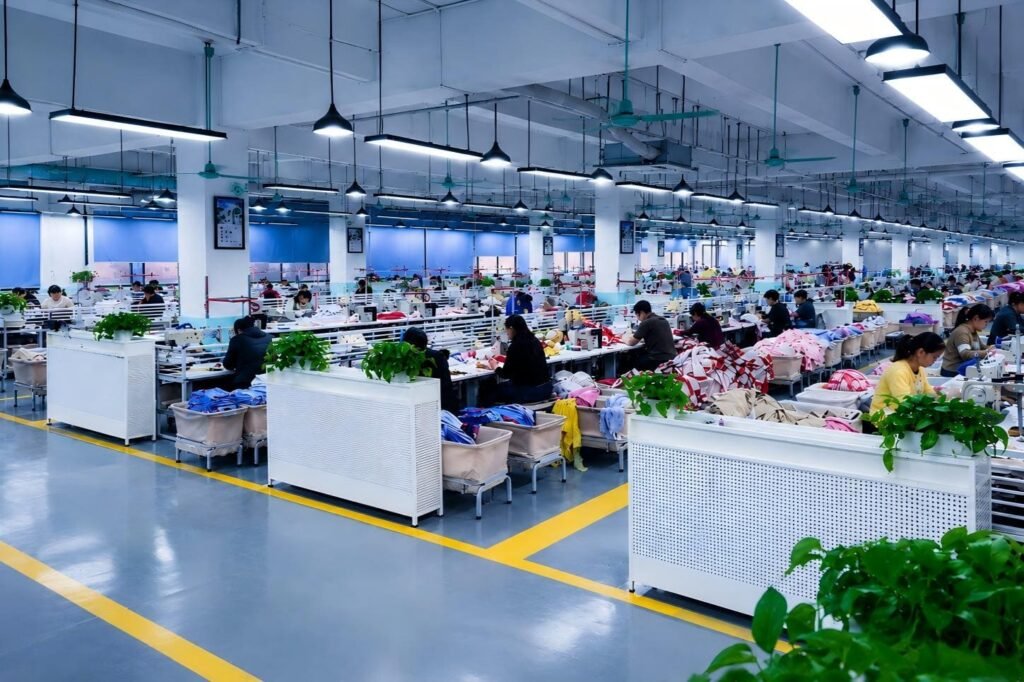
Duolan combines dress development, factory coordination, craft resources and production control for scalable programs.

Factory Structure and Capacity Logic

Duolan is backed by a multi-layer womenswear manufacturing system rather than one isolated sewing point. The structure includes 16 owned womenswear factories, 20+ long-term satellite factories and supporting production bases in Guangxi, Guizhou, Sichuan and Jiangxi, with more than 12,000 workers across the wider supporting network. For embellished dress programs, factory matching matters. A style with heavy beadwork should not be scheduled the same way as a clean satin slip dress. A holiday sequin launch needs different line planning from an embroidered resort capsule. Duolan reviews style complexity, craft route, quantity, colorways, size range, target date and QC needs before assigning production path. Production resource logic:
  • Core factories for high-control styles and key launch items
  • Satellite factories for repeat orders, volume split and scalable production
  • Supporting bases for regional capacity buffer
  • Special process partners for embroidery, printing, washing, dip dyeing and finishing
  • Project coordination for multi-style, multi-color and multi-size programs
This structure helps fashion brands manage 20,000 to 80,000-piece orders across 10 to 30 styles without relying only on one line or one workshop.

Equipment and Development Support

Duolan’s wider group system includes approximately 12,000 to 20,000 sets of equipment across fabric inspection, cutting, sample development, sewing, printing and finishing-related operations. Fabric inspection and cutting-related equipment covers shrinkage machines, rolling machines, fabric inspection machines, GSM testing tools, needle detectors, light boxes, spreading machines, cutting machines and cutting tables. Development equipment includes CAD pattern systems, marker systems, plotters, sample sewing machines, overlock machines, coverstitch machines, electric scissors and sample pressing tables. Relevant equipment groups include:
  • Fabric inspection and cutting equipment: approximately 1,100 to 2,000 sets
  • Pattern, sample and development equipment: approximately 650 to 1,200 sets
  • Core sewing equipment: approximately 7,000 to 9,000 sets
  • Printing-related equipment: approximately 150 sets
The value is not only equipment volume. The value is the ability to connect design review, material preparation, sample development, cutting, sewing, special process coordination, QC and packing into a clear production route for embellished dress programs.

Production Planning for Multi-style Orders

Embellished dress programs need scheduling by complexity, material readiness, craft route and launch deadline.

Style-level Scheduling

Duolan does not schedule bulk orders only by available capacity. Special embellishment orders are reviewed by style-level complexity. A 20-style partywear launch may include clean satin dresses, sequin minis, rhinestone mesh styles, pearl straps, embroidery panels and appliqué details. Each route has different material lead time, sample approval path, QC requirement and line suitability.
Before scheduling, Duolan reviews:
  • Order quantity by style and colorway
  • Fabric readiness and trim readiness
  • Special process route
  • Craft-sensitive areas
  • Size range and grading impact
  • Packing method
  • QC requirement
  • Delivery deadline
  • Factory and line suitability
A decorated collection may be arranged by stages. Fabric-sensitive and craft-sensitive styles may start earlier. Repeat styles can reuse previous pattern, BOM, workmanship records and experienced lines. Heavy handwork styles may need separate tracking so they do not delay cleaner silhouettes.

Launch Order and Repeat Order Planning

For fashion brands, embellished dresses often sit in launch calendars: holiday drops, party capsules, eventwear edits, birthday collections or seasonal occasion lines. Duolan helps separate the program into sample stage, PP sample stage, material lock, bulk start, inline review, final inspection and packing window.
Typical production planning outputs may include:
  • Style-level production path
  • Material readiness update
  • Craft process timing
  • PP sample confirmation points
  • First-piece review schedule
  • Critical path notes
  • Packing and shipment preparation
For orders between 20,000 and 80,000 pieces, production planning should protect the whole collection, not only one hero style. Duolan’s role is to help move decoration-heavy styles through development without blocking the full delivery rhythm.

Cost and Production Factors

FactorWhat Changes Cost or TimingTypical Review DirectionDuolan Control Approach
Fabric BaseSatin, mesh, velvet, chiffon, jersey, lace and sequin fabric behave differentlyDrape, stretch, transparency, shrinkage, surface pressureFabric swatch review, test sample, lining suggestion and cutting route
Decoration MaterialSequins, beads, pearls, rhinestones, lace and metal trims vary in price and availabilityTrim size, finish, source, durability and color matchingTrim card confirmation, replacement option and production record
Handwork DensityHeavy beading or hand-applied stones increases labor timePlacement area, density, complexity and repeatabilityPlacement map, density standard and craft trial before bulk
Construction ComplexityCorset panels, cut-outs, lining, zipper and fitted shapes add difficultyFit risk, seam cleaning, reinforcement and wear comfortPattern review, sample revision and PP readiness check
ColorwaysMore colors require shade, trim and material matching per colorColor consistency and material lead timeColorway tracking and swatch approval before material lock
Quantity Structure10–30 styles across 20,000–80,000 pieces needs production splitStyle priority, volume balance and line matchingStyle-level scheduling and resource matching
Sample StageEmbellished samples generally need 7–15 working days after material readiness; craft-heavy styles may need 15–25 working daysTrim availability, craft test and revision roundsFeasibility review, sample route planning and revision notes
Bulk ProductionCommon bulk timeline ranges from 30–45 days after PP approval and material lock; complex mixed-process programs may need longerMaterial arrival, craft route, QC depth and delivery planBulk readiness review, first-piece check, inline QC and packing control
Packing RequirementRaised stones, pearls, flowers and sequins need better protectionPressure marks, crushing, snagging and carton compressionFold method, tissue, protective layers and carton test review
Inspection DepthDecoration-heavy styles need more checkpointsAttachment, alignment, comfort, lining and finishInline check, final inspection and style-level QC notes

Quality Checks for Embellished Dresses

Decoration-heavy dresses need inspection beyond basic sewing, measurements and thread trimming.

Decoration Position

Duolan checks motif position, trim placement, front-back alignment and left-right balance against sample references. Placement matters across sizes, especially for bust, waist, hip, neckline, strap and hem details. Production records help reduce style drift during bulk.

Attachment Strength

Pearls, stones, beads, sequins, metal trims and dimensional appliqués require attachment checks. Duolan reviews method, stitch security, adhesion, reinforcement and risk points near movement areas such as underarm, waist, neckline, sleeve and side seam.

Skin Comfort

Decorated dresses may touch skin at neckline, bust, underarm, waist, hip or hem. Duolan checks scratch risk, lining coverage, seam cleaning and inner finishing so shine and comfort work together, especially for party and going-out silhouettes.

Color Consistency

Decoration color must align with fabric shade and collection tone. Duolan reviews fabric lot, trim card, thread color, stone tone, pearl finish and embroidery color before bulk. Colorway tracking is important for multi-style capsule orders.

Fabric Damage

Embroidery, stones and dense beadwork can damage lightweight fabrics if tension, backing or process order is wrong. Duolan checks pulling, puckering, holes, fraying, crushed pile and heat marks before bulk continues.

Lining Coverage

Lining is often needed behind sequins, beadwork, mesh, lace or rough trim areas. Duolan reviews lining softness, opacity, seam connection, edge finishing and movement. Lining decisions affect comfort, quality and production cost.

Measurement Tolerance

Decoration can affect fit and measurement. Heavy trim may pull fabric downward, while embroidery may reduce stretch. Duolan checks measurements after decoration and finishing, not only after basic sewing, for better bulk consistency.

Packing Protection

Raised decoration may be crushed, scratched or marked during packing. Duolan reviews folding method, protective tissue, polybag size, carton height and inner pressure so embellished garments arrive in better condition.

From Reference to Production-ready Sample
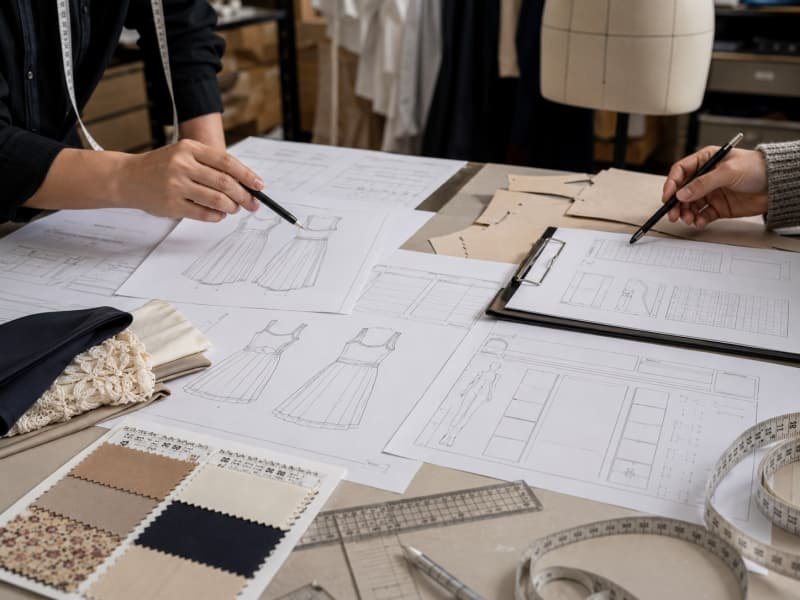
Duolan turns sketches, tech packs, photos or original samples into reviewable embellished dress samples.

Development Path

Fashion teams may start with different materials: a runway reference, a competitor sample, a moodboard, a tech pack, a trim idea or a previous bestseller needing a new embellished version. Duolan can review available information and suggest a development path based on project maturity. Common development steps:
  • Design brief or reference review
  • Fabric and trim direction check
  • Embellishment feasibility review
  • Pattern and construction planning
  • Craft trial or strike-off when needed
  • First sample development
  • Fit and visual review
  • Revision summary
  • PP sample direction
  • Bulk readiness preparation
For simpler embellished styles, first sample timing may be around 7–15 working days after fabric and trim readiness. For heavy beading, custom embroidery, mixed-process appliqué or new trim development, sample timing may extend to 15–25 working days. Duolan gives a more accurate plan after reviewing artwork, material direction and decoration density.

Sample Review Output

A strong sample should help brand teams make decisions. Duolan does not treat sample making as isolated sewing. A sample should show whether the embellishment method supports fabric behavior, silhouette, target cost, wear comfort, internal review needs and production path. Sample-related outputs may include:
  • Fabric and trim comments
  • Decoration risk notes
  • Pattern or fit adjustment basis
  • Workmanship feasibility notes
  • Revision direction
  • PP sample preparation suggestions
  • Bulk-sensitive detail reminder
The result should be a sample ready for brand review, not a decorative prototype with no production logic.

Collection Scenarios for Embellished Dresses

Special embellishment works best when planned around launch calendar, scene, visual role and repeat potential.

Holiday Party Drop

Holiday party drops often need sequins, metallic shine, rhinestones, pearls and dramatic trims. Duolan helps organize different shine levels across hero styles, commercial styles and support styles so the line feels complete without every piece becoming craft-heavy or costly.

Going-out Collection

Going-out collections often use fitted silhouettes, cut-outs, mesh, satin, straps and special trim accents. Duolan reviews decoration placement, stretch, lining and body contact so designs look strong while staying wearable for nightlife and social occasions.

Occasionwear Capsule

Occasionwear capsules need polished detail for dinners, events, homecoming and formal social moments. Beading, lace appliqué, pearls and subtle stones can raise value. Duolan focuses on fit balance, clean finish, lining and visual consistency across sizes.

Resort Embroidery Line

Resort and vacation lines can use embroidery, appliqué, fringe, tassels and lightweight decoration. Duolan reviews fabric softness, thread density, drape and packing. Details should feel relaxed, not heavy or stiff, especially for warm-weather collections.

Birthday Event Dresses

Birthday and social-event dresses need instant visual appeal in photography. Rhinestones, sequins, pearls and 3D accents can create strong selling points. Duolan reviews comfort, decoration security and size grading before a launch order moves forward.

Festival Social Collection

Festival or social-media-driven styles often combine fringe, metallic trims, stones, mesh or mixed surface effects. Duolan helps assess which details create commercial value and which add complexity without enough product benefit.

Duolan vs Decoration-only Workshops

Embellishment should be developed with dress fit, fabric behavior, bulk production and repeat order in mind.

Why Supplier Type Matters

Decoration-only workshops may create beautiful embroidery panels, beadwork samples, appliqués or trims, but many cannot manage dress pattern, fit, grading, sewing, lining, QC and bulk delivery as a full garment program. General garment factories may sew dresses well, yet may lack experience in decoration weight, craft sequencing, handwork density and attachment inspection.

Duolan sits between product development and manufacturing execution. Our team reviews the decorated style as a complete garment: silhouette, fabric, trim, lining, sewing sequence, comfort, production routing, cost and delivery. For brand teams managing 10 to 30 styles, supplier coordination becomes as important as craft capability.

Duolan’s difference:

  • Dress category focus rather than loose decoration service
  • Fabric and trim matching before sample route
  • Pattern and sample connection to embellishment
  • Bulk readiness review after sample approval
  • Factory matching for clean, fitted, decorated and craft-sensitive styles
  • QC points for decoration position, strength, comfort and packing
  • Support for launch orders and repeat production

The final goal is not only surface beauty. The goal is an embellished dress program fit for brand review, production and scalable collaboration.

Dress Project Examples

Successful examples show how Duolan handles decoration, sampling, bulk planning and delivery for brand programs.

US Partywear Brand

A US partywear brand planned a holiday-going-out drop with 18 embellished dress styles across fitted minis, sequin panels, rhinestone mesh and metallic strap details. The launch order reached 46,000 pieces across several colorways. The main risk was sample beauty versus bulk comfort: some trims created scratch risk around underarm and neckline areas. Duolan reviewed lining, trim placement, seam cleaning and packing before PP confirmation. Several sequin styles were adjusted with cleaner inner finish and protected folding. The project moved through sample review, PP approval, first-piece check and bulk inspection under a style-level production schedule.

UK Occasionwear Label

A UK occasionwear label developed 22 styles for event and social occasion dressing, with beaded midi dresses, pearl straps, rhinestone waist details and lace appliqué panels. The total order reached 58,000 pieces. The brand needed visual refinement but also wanted cleaner cost control across a wide style mix. Duolan separated styles by craft sensitivity, built placement maps for bead and stone details, checked lining coverage and locked trim cards before bulk. Handwork-heavy styles started earlier, while cleaner silhouettes moved through standard production. The program created a repeatable route for later occasionwear capsules.

Australian Resort-party Retailer

An Australian brand planned a 12-style resort-party capsule using embroidery, appliqué, fringe and tassel details across mini and maxi dresses. The first launch order reached 28,000 pieces. The key issue was keeping decoration light enough for vacation wear while still giving each style visible product value. Duolan reviewed fabric softness, embroidery density, tassel attachment, appliqué edges and carton packing method. Samples were developed after fabric and trim direction were approved, then refined for lighter handfeel and cleaner finishing. Bulk production was scheduled by process route so embroidery and sewing timelines stayed aligned.

Audit and Compliance Support

Brand-level embellished programs often need audit records, material notes, testing coordination and inspection documentation.

SMETA 2-Pillar Record

Duolan’s factory system has SMETA audit experience and SMETA 2-Pillar audit record. For sourcing teams, audit background helps supplier evaluation move beyond product photos. It supports more formal review of social responsibility and factory cooperation readiness.

Brand Requirement Support

Different fashion brands may have different internal standards for trims, labels, packaging, inspection, workmanship and documentation. Duolan can communicate around specific brand requirements and organize project notes so sample, PP and bulk expectations are clearer across departments.

Testing Coordination

Embellished dresses may require review of skin contact, metal trims, colorfastness, attachment, sharpness risk, fabric behavior or market-specific expectations. Duolan can coordinate testing discussion and third-party inspection support according to program need and brand instruction.

Documentation Flow

For complex projects, documents matter. Duolan can support material records, trim cards, sample comments, PP references, QC notes, packing requirements and shipment preparation. Better records help protect bulk consistency and future repeat orders.

Download Embellished Dress Checklist

A clearer brief helps Duolan review craft feasibility, sample route, production risk and delivery planning faster.

What the Checklist Helps Prepare

An embellished dress project becomes easier to evaluate when the core information is clear before sampling. Duolan recommends preparing a development checklist for styles involving sequins, beads, pearls, rhinestones, embroidery, appliqué, lace, fringe, tassels, metallic trims or mixed surface effects.

Checklist can include:

  • Front, back and side reference images
  • Tech pack or measurement notes
  • Target dress type and wearing scene
  • Fabric direction and preferred handfeel
  • Decoration type, size and placement
  • Trim density, spacing or artwork reference
  • Lining and comfort requirements
  • Colorway plan and size range
  • Target quantity by style
  • Launch date or delivery window
  • Packing requirement
  • Testing or inspection requirement

A well-prepared checklist reduces unclear assumptions. It also helps Duolan provide more useful comments on fabric choice, decoration method, sample timing, cost drivers and production route.

Special Embellishment Frequently Asked Questions

Special embellishment refers to decorative garment details such as sequins, beads, pearls, rhinestones, embroidery, appliqué, lace, fringe, tassels, metallic trims and mixed surface effects. In dress manufacturing, embellishment also affects fabric behavior, comfort, lining, sewing sequence, cost and bulk inspection.

Yes. Brand teams can send reference photos, tech packs, sketches, original samples, trim ideas or collection boards. Duolan reviews fabric direction, embellishment method, placement, workmanship risk and sample path before development begins.

Duolan can support sequin work, beading, pearls, rhinestones, embroidery, lace appliqué, fabric flowers, metallic trims, fringe, tassels, print plus embellishment and mixed surface effects through dress development and manufacturing coordination.

Many embellished samples need 7–15 working days after fabric and trim readiness. Heavy beading, custom embroidery, new trim sourcing or mixed-process styles may need 15–25 working days. Final timing depends on artwork, material readiness and revision scope.

Yes. Duolan uses approved samples, trim cards, placement maps, PP sample direction, first-piece review, inline QC and packing checks to control decoration position, attachment, comfort and appearance during bulk production.

Duolan reviews attachment method, fabric compatibility, decoration density, seam route, body movement areas and inspection standards. For bulk, we check high-risk areas such as underarm, waist, neckline, hem, zipper and straps.

Yes. Lining is important for sequins, beadwork, mesh, lace, stones and rough trims. Duolan reviews transparency, scratch risk, softness, stretch, weight and seam construction before recommending lining direction.

Main cost drivers include base fabric, decoration material, handwork density, artwork size, placement area, lining, construction complexity, colorways, quantity structure, packing method and inspection depth.

Yes. Duolan can support multi-style dress programs, especially orders with 10–30 styles and 20,000–80,000 pieces. Production is reviewed by style complexity, material readiness, craft route and delivery window.

Please send tech packs, reference images, original samples, target fabric, embellishment direction, quantity by style, colorways, size range, launch date, packing requirements and any brand standards for inspection or testing.

Start an Embellished Dress Project

Send Duolan your embellished dress direction for a professional development and production review. You can share a tech pack, reference image, original sample, moodboard, fabric direction, trim idea, decoration placement, target quantity, colorways, size range, launch date, target price band, packing request or inspection standard. Our team will review the style type, fabric behavior, embellishment route, workmanship risk, sample path, bulk feasibility and production schedule before suggesting the next development step.

For party dresses, occasionwear, going-out styles, holiday capsules, vacation lines and multi-style embellished programs, clearer project information helps reduce revision rounds and improves sample-to-bulk control.

Please include:

  • Product type and collection direction
  • Reference images or tech pack
  • Fabric and trim preference
  • Embellishment type and placement
  • Target quantity by style
  • Colorways and size range
  • Launch date or delivery window
  • Label, packing or compliance requirements

Start Your Apparel Development Project

OEM/ODM Manufacturing Support for Fashion Brands

Share your collection details, estimated quantities, target market, development timeline, and technical requirements. The production team will review your request and provide a tailored manufacturing solution based on your product category, fabric selection, construction needs, and delivery schedule.

Fashion Manufacturing Support with Scalable Production Capacity

From sample development to bulk production, Duolan supports fashion brands with confidential OEM/ODM manufacturing, stable quality management, flexible production planning, and coordinated multi-factory execution for seasonal and capsule collections.

Need Direct Assistance?

Seraphinite AcceleratorOptimized by Seraphinite Accelerator
Turns on site high speed to be attractive for people and search engines.