Skip to content
Custom Dress Manufacturer for Quality Assurance Managers
Custom dress development and manufacturing for quality leaders managing PP standards, fabric review, inline QC, AQL inspection support, defect classification, corrective action, packing accuracy and repeat quality records.
Duolan supports quality assurance teams through sample-to-bulk standards, fabric and trim checks, dress-specific inspection points, measurement control, final inspection preparation, label and packing QC, corrective action review and reorder quality memory.
- 8 QA checkpoints connect fabric review, trim check, PP sample lock, cutting check, first-piece review, inline QC, final inspection and packing QC.
- 6 high-risk dress material groups receive style-specific review: satin, mesh, lace, sequin, chiffon and structured corset fabrics.
- 5 quality files align PP sample, BOM, spec sheet, measurement tolerance and packing instruction.
- 3 defect levels support severity review across critical, major and minor defect discussions.
- 15,000–35,000 monthly samples support fit, photo, PP, size set and correction sample review.
- 300 sewing lines plus 50+ flexible lines support bulk quality control, correction work and repeat programs.
- SMETA 2-Pillar audit record supports supplier review, quality discussion and compliance coordination.








QA Managers Need More Than Final Inspection
Quality assurance managers do not rely on final inspection alone. Strong dress quality begins before cutting, continues during sewing and finishing, and remains visible after packing, shipment and repeat production. A final inspection can identify defects, but a stronger quality system prevents repeated problems from spreading across bulk output.
Duolan treats quality as a process built around approved standards. PP samples, BOM records, fabric cards, measurement tolerances, workmanship notes, label files and packing rules are reviewed before bulk release. Satin marks, mesh snags, lace trimming, sequin loss, chiffon wrinkles, corset structure, bodycon recovery, zipper smoothness and SKU packing accuracy all need earlier inspection points.
- PP standard clarity: Approved samples need measurable files, not only visual approval.
- Material control: Fabric, lining, trims, labels and packing items should be reviewed before production pressure grows.
- Inline defect prevention: Repeated sewing, measurement or surface problems need correction during production.
- Defect classification: Critical, major and minor issues need clear severity logic by dress type and channel.
- Reorder quality memory: Past defects, corrective actions and approved standards should guide later batches.
Quality Roles Duolan Supports
Quality Assurance Managers
QA / QC Managers
Product Quality Managers
Technical Quality Managers
Third-party Inspection Coordinators
Brand-side Quality Teams
Quality Risks QA Managers Need to Prevent in Dress Manufacturing

PP Sample Standard Is Not Clear Enough
- PP sample approval should link directly to BOM, spec sheet and measurement tolerance.
- Workmanship focus areas should be marked for each dress style.
- Fabric surface, lining, zipper, hem, strap, cut-out and structure points need review notes.
- Packing instructions should be included before final production release.
Fabric Problems Enter Cutting Stage
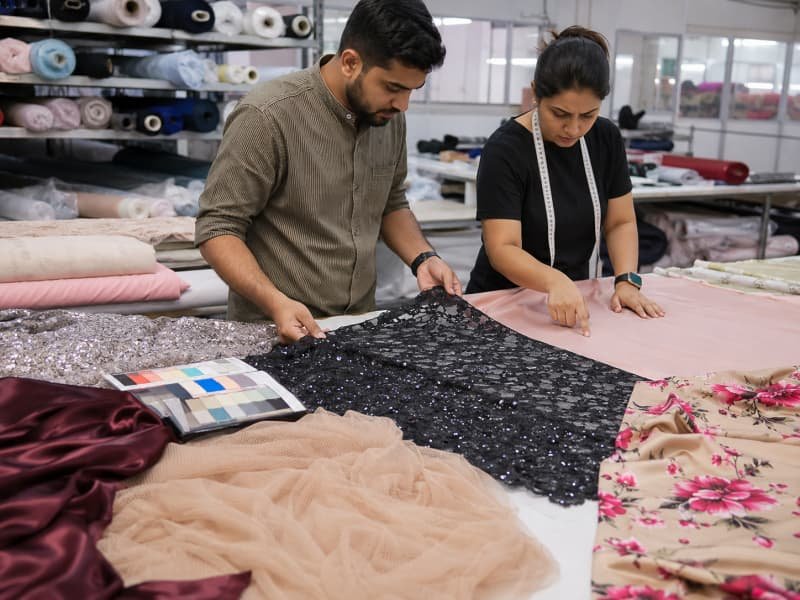
- Fabric cards and shade references help align material with approved samples.
- Satin, mesh, lace, sequin and chiffon require surface checks before cutting.
- Stretch fabrics need recovery and shrinkage awareness.
- Printed fabrics need placement and scale review before bulk cutting.

Inline Defects Repeat Across Bulk
Repeated defects can spread across production when inline checks are late or vague. Zipper waves, skipped stitches, lining exposure, measurement drift, strap inconsistency, seam puckering or surface damage should be found while correction remains possible.
- First-piece review confirms line interpretation.
- Inline QC monitors repeated operation-level problems.
- Measurement checks protect fit and tolerance control.
- Surface review catches fabric damage before packing.

Dress-specific Defects Are Misclassified
- Critical defects need immediate escalation and strict control.
- Major defects can affect saleability, fit, function or visible quality.
- Minor defects still need recording for improvement.
- Defect judgment should consider fabric, construction and retail exposure.

AQL Final Inspection Happens Too Late
- Carton access and packing list accuracy should be ready before inspection.
- PP references and measurement charts should be available for review.
- Packing QC should be completed before final inspection.
- Failed checks need correction planning and recheck support.

Reorders Repeat the Same Quality Issues
- PP memory should remain linked to style codes.
- Fabric cards and shade notes support future material review.
- Defect notes should guide renewed QC focus.
- Corrective action records help reduce recurring failures.
QA Control Matrix for Custom Dress Programs
Quality assurance managers need clear control points across samples, materials, production, final inspection, packing and reorders. Duolan connects each QA concern with production-ready quality actions.
| QA Area | QA Manager Concern | Duolan Control |
|---|---|---|
| PP Sample Standard | Approved sample not converted into quality standard | PP file, BOM, spec sheet, measurement tolerance |
| Fabric Inspection | Shade, shrinkage, stretch, stains or surface issues | Fabric card, shade check, material review before cutting |
| Trim and Label Check | Wrong zipper, label, hangtag or barcode | Trim list, label file review, bulk label QC |
| Cutting Control | Wrong grain, print placement or size ratio | Cutting check, marker review, style-specific notes |
| Inline QC | Repeated sewing or workmanship defects | First-piece review, inline inspection, correction feedback |
| Measurement Control | Size drift across bulk garments | Key measurement points and tolerance checking |
| Final Inspection | Shipment with visible defects | Workmanship, measurements, surface and packing review |
| Reorder Quality | Repeated defects in later batches | PP memory, defect notes, corrective action records |
Dress Categories With Higher QA Risk
Quality risk changes by dress category. Satin, mesh, lace, sequin, corset, bodycon, chiffon and cut-out styles require different inspection focus because defects show in different areas and affect saleability in different ways.

Satin Dresses

Mesh and Sheer Dresses

Lace Dresses

Sequin and Embellished Dresses

Corset and Bustier Dresses

Bodycon and Fitted Dresses

Chiffon and Lightweight Dresses

Cut-out and Backless Dresses
PP Sample Lock and Quality Standard Handover
Step 1|Define the Approved Standard
Step 2|Connect PP Sample With BOM
Step 3|Confirm Measurement Tolerance
Step 4|Mark Workmanship Focus
Step 5|Transfer to Production and QC
Fabric and Trim Quality Review Before Cutting
Shade and Color Consistency
Shade control is essential for multi-color dress programs, repeat orders and color extensions. Duolan reviews lab dips, fabric cards, bulk fabric lots, shade bands and approved color references before cutting begins. Shade difference can appear between rolls, between lining and shell fabric, between trims and main fabric, or between first production and reorder lots.
For satin, chiffon, mesh and lightweight printed fabrics, shade variation becomes more visible after sewing and pressing. For bodycon and fitted styles, stretch tension can also make color appear lighter on body. Duolan checks color direction early so shade problems do not move into full production.
- Lab dip, fabric card and PP sample color need alignment.
- Roll-to-roll shade difference should be grouped before cutting.
- Lining color should match shell fabric, transparency level and style purpose.
- New color extensions need shade references and color PP review.
Fabric Handfeel, Weight and Drape
Handfeel, weight and drape affect both quality perception and fit result. A fabric may match the color but fail the approved standard through weaker handfeel, different thickness, poor drape or unstable structure. Duolan reviews material against the approved sample, target price level and dress type before production release.
Satin dresses need enough drape without excessive cling or surface weakness. Chiffon and lightweight fabrics need soft movement without excessive transparency. Crepe and structured woven dresses need body and shape. Jersey and ponte need recovery and opacity. For premium occasion dresses, the fabric must support the intended finish, not only the sketch.
- Fabric weight should support the silhouette and garment structure.
- Handfeel should match approved sample and product position.
- Drape should be reviewed before long dress, slit, hem or lining approval.
- Structured dresses need fabric stability before bulk confirmation.
Stretch, Recovery and Shrinkage
Stretch and recovery affect fit, measurement tolerance and long-term wearing quality. Duolan reviews stretch direction, fabric recovery, shrinkage risk and stability before cutting, especially for bodycon, fitted, mesh, jersey, ponte and corset-related styles.
A stretch fabric can pass flat measurement review but fail after movement if recovery is weak. Shrinkage can shift final length, waist placement, sleeve opening, hem balance or lining relation. QA review needs to consider fabric behavior before bulk cutting begins.
- Stretch percentage should support the garment fit goal.
- Recovery should be checked for body-hugging and fitted silhouettes.
- Shrinkage risk should be considered for length-sensitive styles.
- Measurement tolerance should reflect fabric behavior and finishing method.
Surface Defects and Material Damage
Surface defects are especially serious for retail-polished dresses. Duolan reviews stains, oil marks, pressure lines, snags, pilling, yarn defects, holes, lace damage, sequin loss, embroidery defects and chiffon flaws before cutting. Surface problems become more difficult to remove after panels are sewn or packed.
Satin requires smooth handling because pressure marks and shine lines appear easily. Mesh requires snag prevention. Lace needs motif and edge review. Sequin fabrics need loss and friction checks. Chiffon and lightweight fabrics need stain, wrinkle and pulled-yarn review.
- Satin surface should be checked under light before cutting.
- Mesh and sheer fabrics need snag and hole review.
- Lace and embroidery need motif, loose thread and edge checks.
- Sequin and embellished fabrics need attachment and reverse-side comfort review.
Trim, Closure and Support Material Quality
Trims and support materials influence both function and appearance. Duolan checks zippers, buttons, hooks, eyelets, lace-up cords, cups, boning, elastic, strap adjusters, sliders, rings and decorative parts by size, color, strength, finish and match against approved files.
A zipper can create waves on satin. Boning can twist in corset dresses. Cups can distort bust shape. Eyelets can loosen under tension. Strap hardware can scratch skin or fail during wear. QA review should catch trim mismatch or weak function before production reaches line start.
- Zipper length, color and smoothness need review before sewing.
- Boning, cups and elastic should match PP structure.
- Metal trims should avoid rough edges and color mismatch.
- Decorative parts should be checked for security and comfort.
Label and Packing Material Review
Labels and packing components belong within quality control, not only shipment preparation. Duolan checks main labels, care labels, size labels, hangtags, barcode stickers, polybags, size stickers, carton marks and packing files before packing pressure begins.
Incorrect labels, wrong barcode stickers or poor polybag sizing can become quality failures even when garments are well sewn. For multi-style, multi-color and multi-size programs, label and packing review protects warehouse receiving, ecommerce fulfillment and repeat production accuracy.
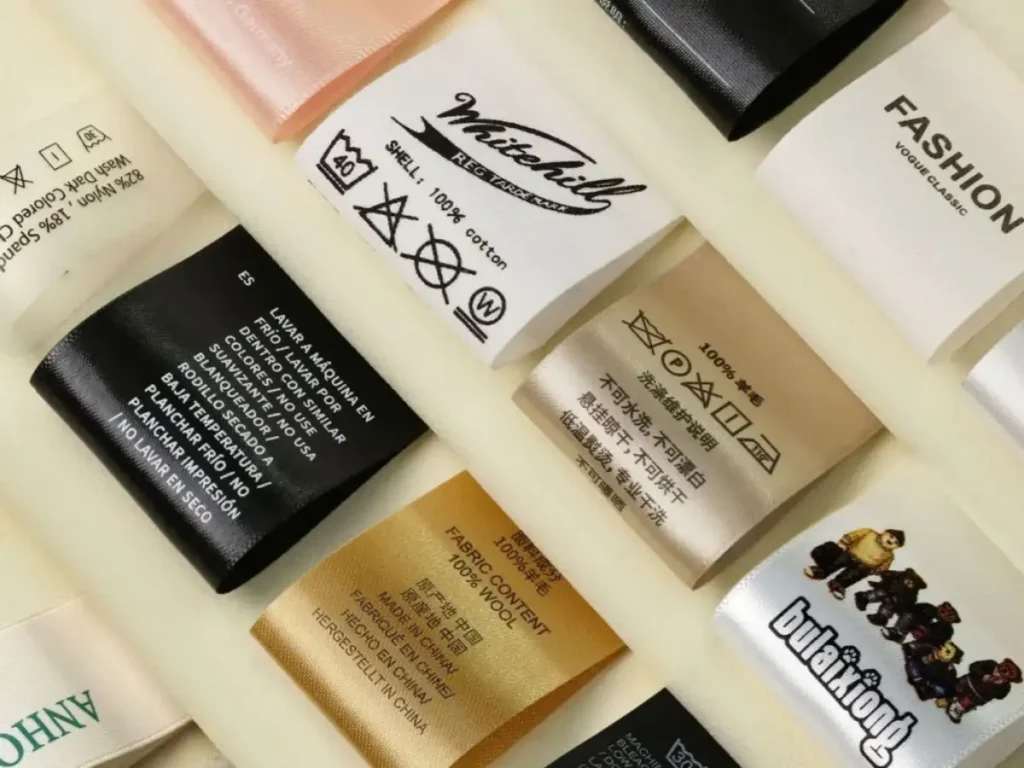
- Care label information should match fabric content and order files.
- Barcode stickers should match style, color, size and SKU records.
- Polybag size should suit garment structure and fabric risk.
- Carton marks and packing lists should align with physical goods.
Inline QC for Dress Production

Cutting Stage
- Fabric rolls should be grouped by shade before cutting.
- Print and lace placement should be checked against approved sample.
- Stretch direction should match garment fit requirements.
- Cutting notes should identify high-risk panels and visible areas.

Sewing Stage
Sewing-stage QC focuses on operation consistency and visible workmanship. Duolan checks stitch quality, seam allowance, needle marks, skipped stitches, seam puckering, zipper setting, lining attachment, strap route, boning position, ruching balance, cut-out edges, lace joining, mesh seams and sequin handling.
Different dress categories need different operation focus. Satin needs seam tension and zipper smoothness. Corset dresses need boning and cup structure. Mesh dresses need edge stability and lining alignment. Sequin dresses need seam trimming and inside comfort. Chiffon needs soft seam handling and hem control.
- Stitch quality should match fabric and style construction.
- Zipper areas need smooth closure and even seam tension.
- Lining should stay clean, comfortable and correctly attached.
- Strap, cut-out and backless areas need security and symmetry checks.

Measurement Stage
- Key measurement points should match garment function and fit risk.
- Stretch garments need tolerance connected with recovery.
- Long dresses need hem and length review after pressing.
- Structured dresses need bust, waist and closure points checked carefully.

Surface Stage
Surface review catches visible material damage before packing. Duolan checks satin pressure marks, shine marks, mesh snags, lace frays, sequin loss, chiffon wrinkles, stains, oil marks, thread contamination and pressing effects. Surface issues often carry higher severity for premium, photo-driven and occasion dresses.
A small surface defect may become highly visible on a high-shine satin front panel. Mesh snags can stand out on sheer areas. Lace damage near a neckline may affect close-up product presentation. Sequin loss on a front panel may reduce saleability. Inline surface review helps catch these issues before garments reach packing.
- Satin should be reviewed after sewing and pressing.
- Mesh and lace need surface checks before folding.
- Sequin garments need loss and friction review.
- Chiffon needs wrinkle, stain and hem review before packing.

Pressing and Finishing Stage
- Pressing marks should be checked under proper light.
- Corset cups and boning should keep shape after finishing.
- Hems and slits need balance review after pressing.
- Garments should recover well after folding simulation.

Correction Feedback
Inline findings should lead to immediate action. Duolan shares defect feedback with production teams, adjusts handling methods, updates operation notes, checks corrected output and keeps records for later inspection. A defect should not only be found; it should guide production correction.
Correction feedback can involve adjusting zipper operation, improving seam tension, changing pressing method, separating fabric rolls, adding surface checks, reinforcing straps, improving lining attachment or revising packing method. Early correction reduces final-stage rework and supports repeat quality memory.
- Defects should be linked to style, operation and production stage.
- Corrected output should be rechecked before regular production continues.
- Repeated defects should be recorded for future QC focus.
- Reorder files should include important correction notes.
Defect Classification for Fit-sensitive and Retail-polished Dresses
Critical Defects
- Sharp or hazardous components require immediate separation.
- Severe garment damage should not enter packing.
- Incorrect required label information needs urgent review.
- Critical defects should trigger production hold or escalation.
Major Defects
- Fit, function and visible appearance drive major defect judgment.
- Surface defects on premium fabrics often carry higher severity.
- Wrong labels or barcodes can become major when they affect receiving or fulfillment.
- Major defects need correction, recheck or shipment decision review.
Minor Defects
- Minor defects should still be recorded and monitored.
- Repeated minor defects may signal operation or finishing weakness.
- Visible zones need stricter judgment than hidden zones.
- Minor issues can inform reorder QC focus.
Dress-specific Severity Review
Severity should reflect garment category and fabric behavior. Satin magnifies pressure marks and seam tension. Mesh makes snags and lining shifts visible. Lace highlights motif and trimming issues. Sequin styles expose loss, friction and surface irregularity. Chiffon shows wrinkles, stains and hem imbalance. Corset styles require structural and comfort review.A small defect can shift severity depending on location. Mesh snagging on a side seam may be manageable, while front-panel snagging may affect saleability. Sequin loss on an inside seam may be less serious than loss on a center front panel. A slight measurement issue on a bodycon dress may affect wearing comfort more than on a loose resort dress.
- Severity should account for visibility, function and fabric type.
- Fit-sensitive zones need stricter measurement judgment.
- Premium and photo-driven styles require stronger surface review.
- Channel requirements may raise severity for label and packing defects.
Corrective Priority
Defect classification should lead to corrective priority. Duolan reviews whether issues require repair, recheck, segregation, packing hold, production correction, material review, line retraining or reorder record updates. The purpose is not only scoring defects; it is preventing repeated quality failure.Critical issues require immediate escalation. Major issues need correction planning and recheck. Minor issues require tracking and process improvement when repeated. A good QA review turns inspection results into production learning, packing updates and future order protection.
- Defect level should guide repair and recheck decisions.
- Root cause should be reviewed for repeated defects.
- Corrective action should be added to production records.
- Reorder quality files should include defect severity notes.
AQL Final Inspection and Third-party Inspection Support
AQL inspection and third-party review work best when goods, documents, cartons, references and standards are ready. Duolan supports final inspection preparation, defect review, measurement checks, packing access and follow-up action according to confirmed brand requirements.
| Inspection Area | QA Review Focus | Duolan Support |
|---|---|---|
| AQL Sampling | Lot size, sample size, defect level | Carton access, packing list, inspection preparation |
| Critical Defects | Safety, compliance, unusable garments | Zero-tolerance review and immediate escalation |
| Major Defects | Saleability, fit, visible quality, return risk | Defect review, correction plan, recheck support |
| Minor Defects | Small visible issues or presentation details | Defect record and improvement tracking |
| Measurement Check | Spec tolerance and key fit points | Measurement chart and bulk sample access |
| Workmanship Review | Sewing, lining, zipper, hem, surface | PP reference and inspection standard alignment |
| Packing Check | Label, barcode, polybag, carton mark | Packing QC and SKU separation support |
| Inspection Follow-up | Fail / pass / recheck / corrective action | Root issue review and reorder prevention notes |
Packaging, Label and Barcode Quality Control
Packaging and labels are part of quality control. A garment can pass workmanship review and still fail channel handover because care labels, barcodes, polybags, size stickers or carton marks are wrong. Duolan reviews packing and label quality before shipment release, especially for multi-style, multi-color and multi-size dress programs.
Label Information Accuracy
- Main label position should remain consistent across sizes.
- Care label content should match confirmed material files.
- Size information should match garment and polybag record.
- Label placement should fit fabric and garment structure.
Hangtag and Barcode Matching
Hangtags and barcodes need to match style, color, size, PO and SKU records. Duolan checks artwork, attachment, string, safety pin, barcode sticker, scan information and polybag placement. Barcode errors can create warehouse receiving, ecommerce fulfillment and retail allocation problems. A dress order may include many colorways and sizes. If hangtag or barcode control is weak, a correct garment can become a logistics and inventory problem. QA review should verify data accuracy as part of final quality, not only as packing work.
- Hangtag artwork and style code should match approved files.
- Barcode stickers should be tested against SKU records.
- Size stickers should match physical garment size.
- Polybag label placement should follow receiving rules.

Polybag and Sticker Control
- Polybag size should match garment volume and structure.
- Folding should reduce pressure on visible panels.
- Stickers should follow style, size and channel requirements.
- Packing method should protect fabric surface and shape.

Carton Mark and Packing List Review
Carton marks and packing lists should match physical goods. Duolan checks style, color, size, quantity, carton number, gross weight, net weight, CBM and destination details before shipment handover. Strong carton records support receiving, inspection and inventory accuracy. For multi-style drops, carton confusion can create warehouse delays even if garments are correct. QA should confirm carton labels, packing list structure and SKU separation before cartons leave the factory. Carton information also supports third-party inspection and internal receiving records.
- Carton marks should match packed goods.
- Packing lists should align with style-color-size records.
- Carton count and quantity should be checked before shipment.
- Destination or receiving requirements should be confirmed early.

Fabric-sensitive Packing Quality
- Satin should avoid heavy front-panel pressure.
- Mesh and lace should avoid friction with rough trims.
- Sequin garments may require protective separation.
- Corset and structured dresses need shape protection.

Corrective Action and Reorder Quality Records
Defect Review
- Defects should be grouped by style and production stage.
- Fabric-related issues should be separated from workmanship issues.
- Packing and label defects should be recorded as quality issues.
- Defect location should be noted for severity review.
Root Cause Discussion
- Root cause should connect defect with production action.
- Material, operation and packing causes should be separated.
- Repeated defects need deeper process review.
- Corrective action should match the actual cause, not only the visible symptom.
Corrective Action
- Operation notes can be revised for repeated sewing issues.
- Extra QC points can be added for high-risk fabric zones.
- Packing methods can be changed when surface damage appears.
- Line teams can receive updated handling or sewing instructions.
Recheck and Confirmation
- Repaired garments should be checked against PP standard.
- Measurement correction should be remeasured.
- Surface correction should be reviewed under proper light.
- Packing correction should be tested before carton sealing.
Reorder Quality Memory
- PP references and defect notes should stay linked to style codes.
- Fabric cards and shade notes should guide new batches.
- Measurement records should support repeat consistency.
- Corrective action notes should inform future QC checklists.
Manufacturing System Supporting Quality Assurance
Owned Factory Control for Key Styles
- Core and complex styles can receive closer PP standard control.
- High-risk materials can follow stronger handling notes.
- First-piece and inline QC can connect with approved records.
- Repeat styles can keep clearer production memory.
Coordinated Satellite Capacity Under Unified Standards
- Satellite production follows approved PP and BOM records.
- QC checkpoints remain tied to the same inspection logic.
- Packing and label requirements stay unified across production routes.
- Reorder programs can use retained quality records.
Sample and Pattern Team Support
- PP samples can lock quality standards before bulk.
- Size sets can reveal grading and measurement concerns.
- Correction samples can test quality improvements.
- Sample notes can become production QC focus points.
Material and Special Process Resource Control
- Fabric cards support material consistency.
- Special processes need approval records and QC notes.
- Surface-sensitive processes require close inspection.
- Reorder programs need process memory and shade records.
Central QA Coordination
- PP standards, BOMs and spec sheets stay aligned.
- QC notes connect production issues with correction actions.
- Packing rules remain part of the quality file.
- Reorder files preserve quality memory for later batches.

QA-focused Dress Project Case Studies

United States|Satin Dress Surface Quality Control
- Quality Issue: Satin pressure marks, zipper waves, pressing marks and carton pressure affected bulk presentation.
- Duolan Action: PP standards, surface review, pressing checks, folding review, packing QC and reorder records were organized.
- QA Focus: Satin surface, zipper smoothness, fold direction, polybag pressure and final appearance after packing.
- Follow-up Direction: Packing and pressing records supported later color extensions.

United Kingdom|Occasion Dress AQL Inspection Support
- Quality Issue: Lace trimming, lining comfort, zipper smoothness and measurement tolerance needed stronger inspection preparation.
- Duolan Action: Inline QC, final inspection, defect classification, recheck support and third-party inspection preparation were arranged.
- QA Focus: Lace surface, lining, zipper, measurement control, label accuracy and final inspection readiness.
- Follow-up Direction: Corrective notes improved later occasion dress programs.

Australia|Mesh and Chiffon Dress Inline QC Program
- Quality Issue: Mesh snagging, chiffon wrinkles, hem imbalance and lining shift appeared as high-risk areas.
- Duolan Action: Fabric handling notes, cutting checks, inline surface QC, hem review and packing recovery checks were used.
- QA Focus: Mesh surface, chiffon recovery, print placement, final length and packed condition.
- Follow-up Direction: Fabric-specific QC notes supported future resort launches.

Europe|Repeat Quality Record for Fitted Dresses
- Quality Issue: Repeat runs needed stronger control over measurements, shade variation and fabric handfeel.
- Duolan Action: PP memory, fabric cards, measurement records, shade notes and reorder QC were organized before production.
- QA Focus: Fit continuity, shade matching, measurement tolerance, handfeel and packing accuracy.
- Follow-up Direction: Reorder records supported later replenishment and seasonal updates.
Quality Assurance Manager FAQ

Send Your Quality Assurance Brief
A stronger quality program starts with clear standards, inspection rules and past issue records. Duolan can review your PP samples, QA manual, AQL requirements, defect classification, fabric inspection needs, inline QC points, packing rules and reorder concerns before proposing a quality-aware production path.
Share Your Quality Standard
- QA manual, inspection checklist, AQL level, defect classification, measurement tolerance and PP sample requirements.
- Tech packs, spec sheets, PP samples, reference samples, fit notes and approved material standards.
- Quality concerns such as satin marks, mesh snags, lace damage, sequin loss, zipper waves, size drift or packing defects.
Share Your Production and Inspection Needs
- Dress types, style count, order quantity, colorways, size range, target delivery date and inspection timing.
- Fabric inspection requirements, trim checks, inline QC points, final inspection focus and third-party inspection needs.
- Critical, major and minor defect examples used by your internal quality team.
Share Your Packing and Reorder Rules
- Main label, care label, hangtag, barcode, polybag, carton mark and packing list requirements.
- SKU separation rules, carton access needs, packing photos, inspection documents and shipment handover details.
- Reorder quality concerns, prior defect records, corrective action expectations and color extension plans.