 Skip to content
Custom Dress Manufacturer for Seasonal Production Planning
Custom dress manufacturing support for seasonal line review, multi-style sampling, fabric readiness, PP approval, bulk allocation, QC timing, and delivery window control.
Duolan helps established fashion brands plan seasonal dress programs around launch dates, sample stages, material readiness, production allocation, QC, packing, shipment timing, and reorder windows. For Spring/Summer, Resort, Wedding Guest, Graduation, Holiday, Occasion, and core dress programs, production planning starts before sampling and continues through delivery.
- 200–280 procurement coordination roles support fabric booking, trim follow-up, color approval, and seasonal material readiness.
- 500–630 bulk order follow-up roles support production tracking, factory coordination, and multi-style order execution.
- 100–130 shipping and document roles support freight timing, shipment files, forwarder updates, and delivery coordination.
- 140–180 quality and data support roles support QC coordination, rework follow-up, replenishment, and order records.
- 3,000–8,000 monthly style workflows support parallel development across seasonal dress programs.
- 15,000–35,000 monthly sample capacity supports first samples, revised samples, PP samples, and seasonal approval needs.
Built for Seasonal Dress Production Teams
Premium Ecommerce Dress Brands
- Duolan supports line review, sample calendar setup, fabric readiness, PP approval, and production tracking for multi-style dress programs.
- Photo-ready samples, sales samples, and PP samples can follow different deadlines, so sample purpose needs clarity from the start.
- Seasonal launch planning works better when hero styles, volume styles, and reorder candidates are separated early.
Occasionwear Brands
Occasionwear brands often rely on wedding guest, graduation, homecoming, cocktail, holiday, party, and social-event windows. Missing a date can mean missing the main sales period.
- Duolan reviews style urgency around occasion calendar, fabric lead time, color approval, PP sample deadline, and delivery window.
- Satin, chiffon, sequin, mesh, lace, crepe, and corset-inspired dresses often need earlier material and sample planning.
- QC timing should be scheduled before final shipment pressure becomes too high.
Resort and Vacation Dress Brands
- Duolan reviews print strike-off, fabric booking, shrinkage, color, garment drape, packing method, and shipping route before bulk release.
- Resort drops benefit from early sample planning because sea freight windows can affect warehouse arrival.
- Printed dresses need clear approval records for color, scale, placement, and bulk fabric behavior.
Contemporary Womenswear Labels
- Duolan supports multi-style line plans involving soft tailoring, slip dresses, wrap dresses, midi dresses, occasion dresses, and core reorders.
- Fabric families, color palettes, and repeat silhouettes can be planned together to reduce material and sample confusion.
- Style priority helps production teams avoid treating every dress as equal when launch timing differs.
Multi-Brand Fashion Groups
Fashion groups managing several labels need stronger coordination across different aesthetics, calendars, quantities, fit standards, and delivery windows. Production plans can easily overlap.
- Duolan can separate style groups by brand line, launch period, product type, material risk, and volume priority.
- Shared fabric programs, trim standards, and production records can reduce confusion across related dress lines.
- Multi-brand planning benefits from clear tracking across sample stage, PP status, bulk release, QC, and shipment.
Product and Sourcing Teams
- Duolan supports review around seasonal calendar, style count, fabric direction, color plan, quantity, delivery window, and packing needs.
- Sample notes, BOM records, PP comments, QC files, and shipment details help keep each style trackable.
- Strong planning helps brand teams judge production readiness before seasonal pressure becomes difficult to recover.

Why Seasonal Planning Needs Manufacturing Discipline
Seasonal dress production is not only order placement and sewing. A launch date must be protected through every earlier decision. A late first sample can delay revised samples. A late lab dip can delay bulk fabric. A late PP sample can compress production. A late packaging file can slow final shipment. One weak link can push an entire dress program away from its selling window.
Duolan treats seasonal planning as a connected production path. Style review, sample priority, fabric booking, trim confirmation, PP approval, capacity allocation, inline QC, final inspection, packing, shipment files, and reorder review need one coordinated rhythm. Mature dress brands need manufacturing partners able to look ahead, flag timing risks, and move several styles through different approval stages without losing control.
Strong seasonal production planning protects campaign dates, warehouse arrival, wholesale delivery, online launches, occasion peaks, and repeat order opportunities. The goal is not only finishing garments. The goal is delivering the right dress styles into the right sales window with approved standards intact.
Seasonal Dress Programs Duolan Supports
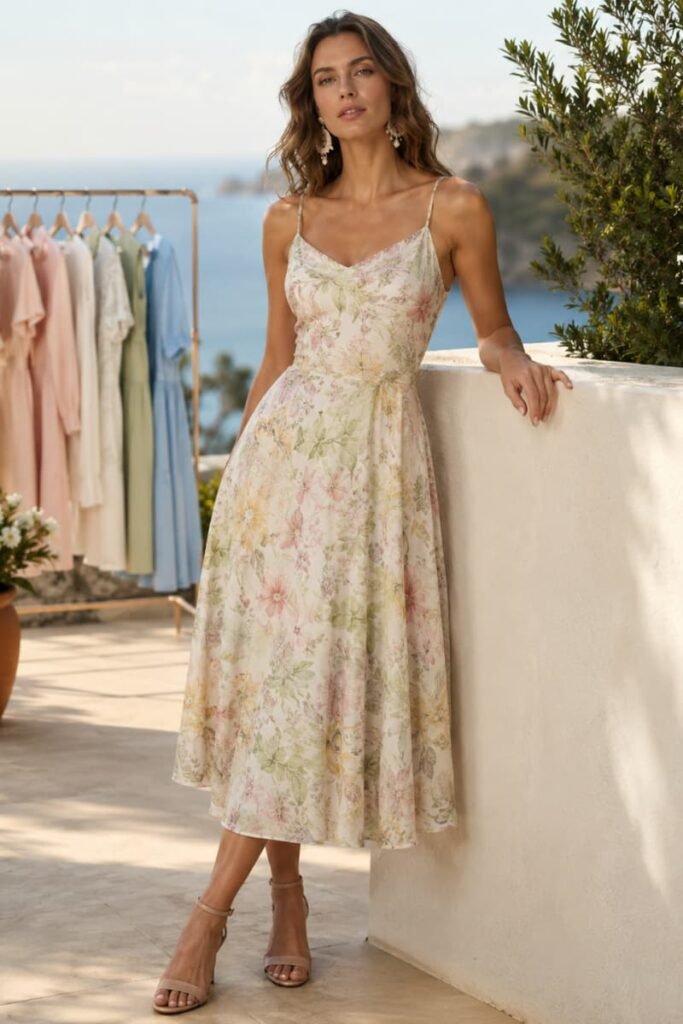
Spring / Summer Dresses
- Suitable for warm-weather capsules, day dresses, resort edits, and premium summer drops.
- Duolan reviews fabric weight, shrinkage, opacity, color, lining, print direction, and packing needs.
- Early fabric booking helps reduce risk from seasonal color shortages and late bulk material arrival.

Resort Dresses
- Duolan reviews print strike-off, fabric drape, color matching, garment length, packing method, and shipping timing.
- Printed styles need early confirmation of scale, placement, fabric behavior, and production loss.
- Resort production works better when photo samples and PP samples are planned separately.

Wedding Guest Dresses
- Duolan reviews color palette, lab dips, lining tone, fit sample needs, PP deadline, and final garment presentation.
- Campaign samples may need earlier completion than production samples.
- Bulk delivery should align with retail calendar, warehouse intake, and promotion timing.

Graduation / Homecoming Dresses
- Duolan reviews sample priority, fit risk, color range, size spread, zipper, straps, lining, and packing method.
- High-volume colors and hero styles need earlier material confirmation.
- Production allocation should be planned before seasonal factory pressure increases.

Holiday / Party Dresses
- Duolan reviews fabric booking, trim readiness, embellishment durability, lining comfort, and packing protection.
- Sequin, mesh, and embellished materials often need earlier approval and stronger inspection planning.
- Holiday delivery may require split shipment or priority allocation when sample approvals move late.

Office-to-Evening Dresses
- Duolan reviews fabric body, wrinkle behavior, fit consistency, size range, color extension, and repeat production records.
- Core styles can be planned across several seasons when pattern, BOM, and PP standards are stable.
- Delivery planning should match workwear drop rhythm and replenishment expectation.

Occasion Capsules
- Duolan reviews hero styles, core commercial styles, high-risk materials, color stories, and production priorities.
- Fabric families and lining standards can be planned together to improve bulk control.
- PP approval should be scheduled by style risk, not only by style order.

Core Reorder Dresses
- Duolan records pattern version, BOM, PP sample, golden reference, QC notes, packing method, and color details.
- Reorder candidates need material continuity and future capacity visibility.
- Strong records help later color extensions, size range updates, and repeat production move faster.
Seasonal Risk Map Before Sampling
Seasonal production risks usually begin before the first sample. Duolan reviews launch timing, style priority, material readiness, approval deadlines, capacity pressure, QC windows, and reorder potential early.
| Planning Area | Common Seasonal Risk | Duolan Control Focus |
|---|---|---|
| Launch Window | Samples, bulk goods, or shipment miss the selling period | Reverse calendar, approval dates, shipment window, priority review |
| Style Count | Too many styles move without clear order | Style grouping, sample priority, development tracking, risk level |
| Fabric Readiness | Late fabric approval slows cutting and bulk allocation | Fabric booking, lab dip, strike-off, bulk fabric timing, backup review |
| Trim Readiness | Zippers, buttons, labels, packaging, or barcodes arrive late | Trim BOM, vendor follow-up, pre-bulk confirmation, packing file review |
| PP Approval | PP sample approval arrives too close to production deadline | PP deadline, sample comments, bulk release standard, approval record |
| Capacity Allocation | Peak-season production space becomes limited | Early capacity reservation, factory allocation, style priority planning |
| QC Timing | Inspection begins too late for rework | Inline QC, mid-production review, final QC, packing review |
| Reorder Window | Fast-selling styles lack future material or capacity planning | Core style record, material reserve, reorder review, repeat schedule |
Seasonal planning succeeds when risks are visible early. Duolan works from launch date backward, then connects each style with sample stage, material status, PP deadline, production route, QC timing, and shipment plan.
Seasonal Collection Structure and Style Priority
Hero Styles
- Duolan reviews fabric effect, fit, styling value, sample deadline, and production risk for hero dresses.
- Campaign samples may need completion before PP samples are locked.
- High-visibility styles benefit from earlier fabric and trim confirmation.
Core Volume Styles
- Duolan reviews fabric availability, size range, workmanship, QC priorities, and repeat potential.
- Core volume dresses should not carry unresolved sample or material risks into bulk.
- Approved standards can support later reorder and color extension.
Occasion Drivers
- Duolan reviews selling season, launch window, color palette, photo sample need, and delivery route.
- Satin, chiffon, sequin, mesh, lace, and corset-inspired styles often need earlier PP deadlines.
- Missing an occasion window can reduce value even when garment quality is strong.
Color Extension Styles
- Duolan reviews lab dip, bulk shade, lining tone, trim matching, and fabric batch.
- Existing patterns and BOM records can shorten development when material direction stays aligned.
- Color extensions need PP confirmation when fabric or lining changes.
Risk-Sensitive Styles
Risk-sensitive styles include sequin, mesh, print, satin, corset, cut-out, pleated, embellished, or special-finish dresses. These should be reviewed early.
- Duolan reviews material lead time, construction risk, QC needs, packing method, and rework difficulty.
- High-risk styles should not wait until late seasonal approval.
- Earlier sample cycles protect delivery windows.
Reorder Candidates
- Duolan records pattern version, BOM, PP sample, QC notes, packing, and shipment review.
- Reorder planning helps brands respond faster when a dress performs well.
- Material continuity and capacity review should begin before inventory runs out.
Sample Calendar for Seasonal Dress Programs
Step 1|Line Plan Review
Step 2|Tech Pack and Reference Check
Tech packs, reference images, original samples, size specs, fabric direction, color plan, trims, labels, packing needs, and delivery windows are reviewed before sample scheduling. Missing files often create silent delays. Duolan separates missing information into pattern questions, material questions, trim questions, packing questions, and approval risks so each style can move forward with fewer blocked points.
Step 3|First Sample Scheduling
Step 4|Revision and Fit Review
Step 5|Photo-Ready and Salesman Samples
Step 6|PP Sample Deadline
Fabric and Trim Readiness Planning

Fabric Booking
- Duolan reviews fabric lead time, color availability, weight, shrinkage, MOQ, bulk timing, and replacement risk.
- Early booking helps protect Spring/Summer, Resort, Holiday, and Occasion delivery windows.
- Risk-sensitive fabrics need backup review before launch timing becomes tight.

Lab Dip and Color Approval
- Duolan reviews core colors, seasonal shades, shade band, bulk tolerance, lining tone, and trim matching.
- Light colors, satin, chiffon, lace, and printed fabrics often need earlier approval.
- Color records support reorders and future shade extensions.

Print and Strike-Off Approval
- Duolan reviews artwork scale, color, placement, fabric absorption, print clarity, and garment positioning.
- Resort, vacation, day dress, and occasion print programs benefit from early strike-off review.
- Bulk print timing should align with sample schedule and cutting plan.

Trim BOM Confirmation
- Duolan builds trim BOM records for pre-bulk confirmation.
- Missing trims can delay sewing, packing, or shipment even when fabric is ready.
- Trim substitutes should be reviewed before production release.

Lining and Support Materials
- Duolan reviews lining color, softness, stretch, opacity, cups, boning, fusing, elastic, shoulder pads, and support tapes.
- Satin, mesh, chiffon, lace, light colors, and corset-inspired dresses need careful inner material planning.
- Support material delays can block PP approval.

Backup Material Review
- Duolan reviews alternate fabric families, similar colors, lining options, and trim substitutes.
- Backup options should preserve style value, fit, price position, and delivery timing.
- Replacement decisions need approval before production pressure forces rushed choices.
Multi-Style Development Tracking
Style Status
- Duolan tracks style movement so delayed approvals are easier to identify.
- Status review helps teams see which styles are ready and which remain blocked.
- Multi-style programs need shared tracking across sample room, production, QC, and shipment teams.
Approval Bottlenecks
- Duolan separates bottlenecks by type and required action.
- Fabric, trim, or PP delays receive earlier follow-up because they affect bulk release.
- Clear bottleneck records help prevent late surprises before shipment.
Risk Level
- Duolan can classify styles by material risk, construction risk, approval risk, and delivery risk.
- High-risk dresses move earlier in sample and material review.
- Risk tracking helps protect launch windows for complex seasonal lines.
Launch Priority
- Duolan reviews launch date, selling importance, campaign need, and order quantity.
- Hero and volume styles need stronger calendar protection.
- Flexible styles can sometimes absorb timeline adjustments without hurting main launch value.
Communication Record
Communication records protect multi-style accuracy. Each style needs clear sample comments, version notes, BOM updates, PP approval records, QC focus, and shipment details.
- Duolan records decisions across development, material, production, QC, and delivery.
- Records reduce repeated questions when styles move between teams.
- Strong records support future reorders and color extensions.
Capacity Reservation and Bulk Allocation
Step 1|Seasonal Volume Review

Step 2|Factory Allocation Plan
Different dress styles need different production paths. Core volume styles, high-control styles, embellished styles, quick repeats, and risk-sensitive styles may require different factory allocation. Duolan reviews construction difficulty, QC needs, delivery urgency, and repeat potential before assigning the most suitable production route. Allocation should follow style risk, not only quantity.
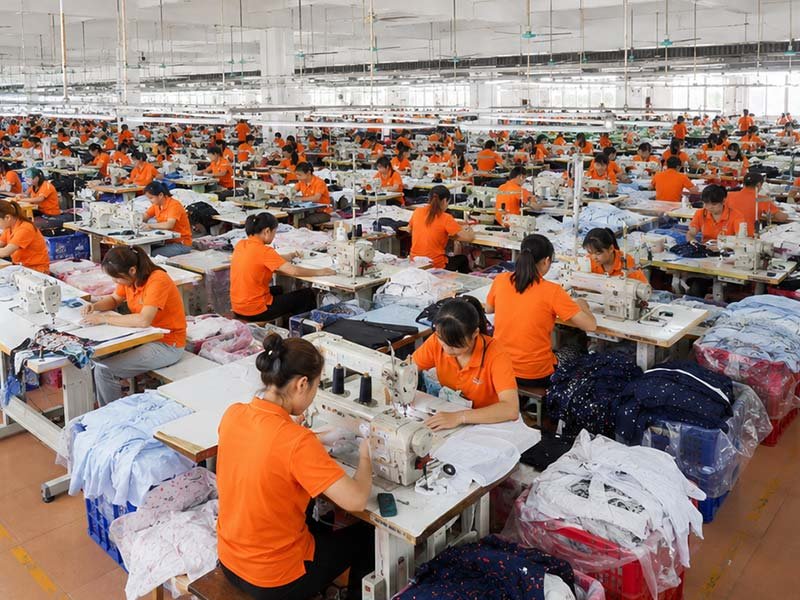
Step 3|Capacity Reservation
Capacity reservation helps protect Resort, Holiday, Graduation, Wedding Guest, and peak occasion periods. Mature brands often need factory time before every sample detail is fully approved. Duolan can review expected volume, approval deadlines, material timing, and launch windows early, helping reduce last-minute pressure near seasonal deadlines.
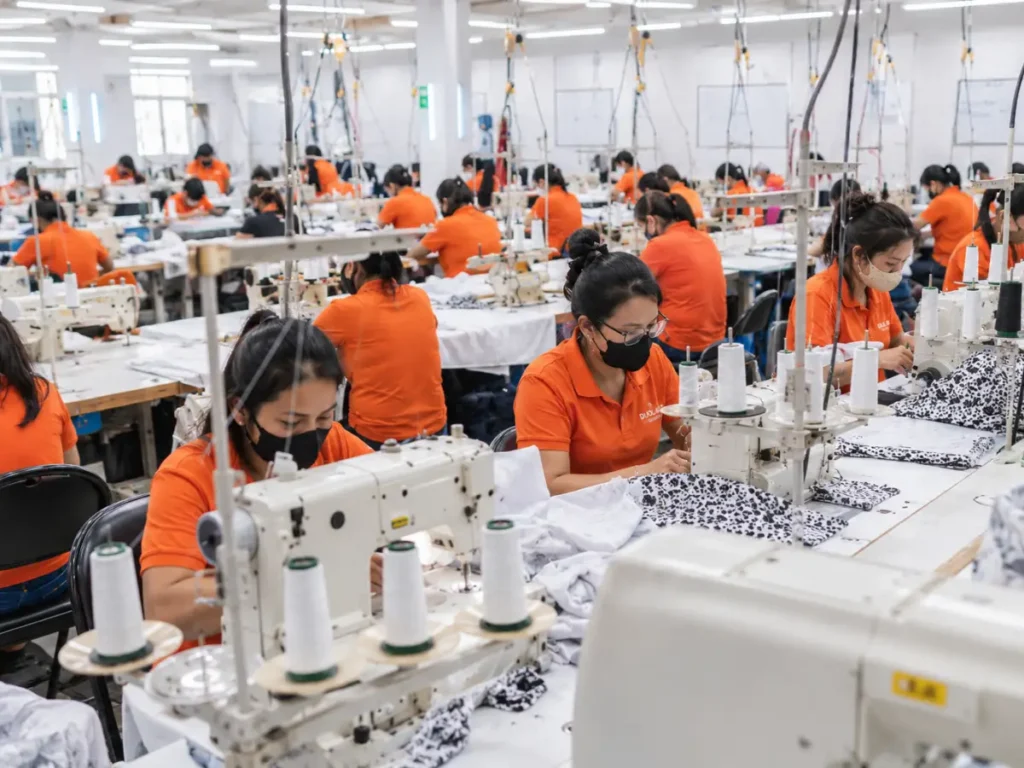
Step 4|Bulk Start Conditions
Bulk production should begin only after PP sample, BOM, fabric, trims, measurement specs, construction method, packing standard, and QC focus are confirmed. Duolan uses bulk start conditions to reduce confusion between sample approval and production release. Seasonal pressure should not push unresolved styles into production too early.

Step 5|Production Progress Tracking
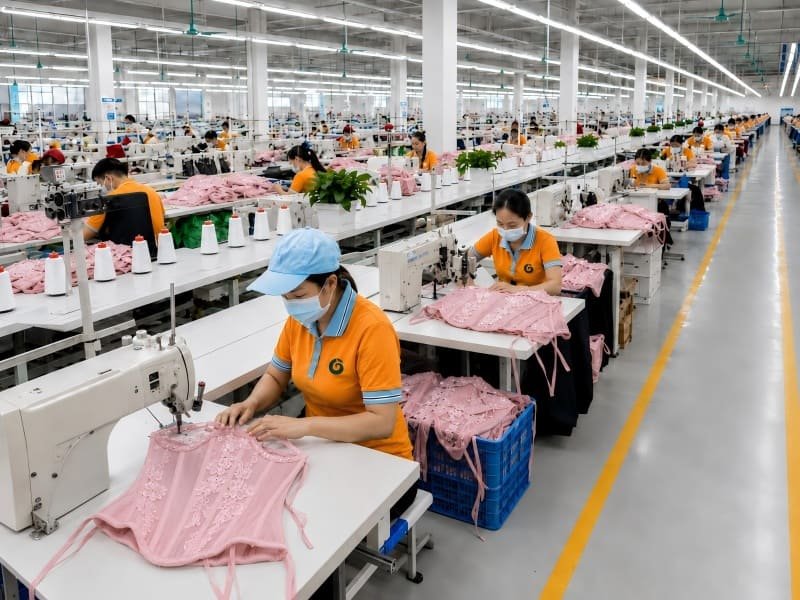
Production progress should be visible across cutting, sewing, inline QC, pressing, packing, final inspection, warehouse handover, and shipment preparation. Duolan tracks style progress to identify delays while correction remains possible. Late discovery of production issues often leads to split shipments, air freight, or missed delivery windows.
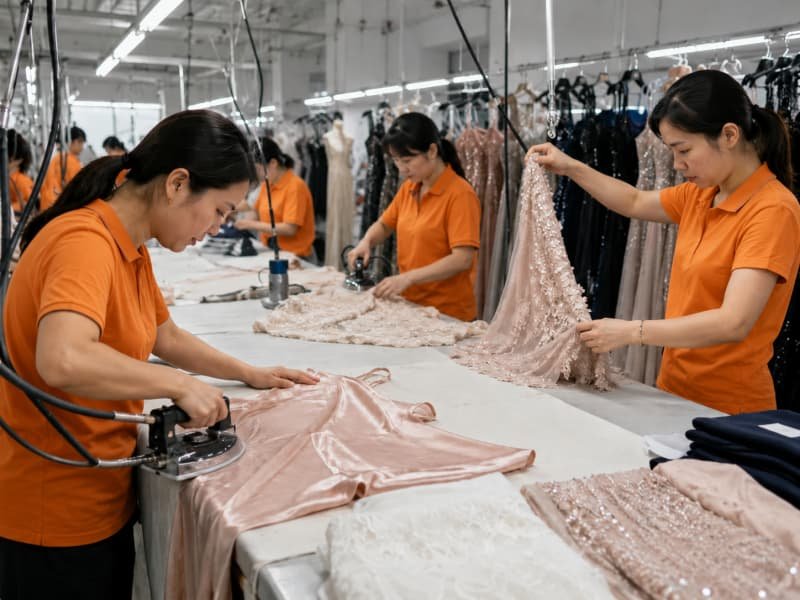
Step 6|Peak Season Adjustment
Seasonal plans may change when samples need extra revision, fabrics arrive late, quantities shift, or urgent styles move forward. Duolan reviews production priority, shipment split, factory route, and QC timing when calendar pressure changes. Adjustment planning protects the strongest launch value instead of treating all delays equally.
PP Sample and Bulk Release Standard
PP approval should create a clear production standard before bulk starts. Duolan reviews each release item so sample decisions, material standards, sewing methods, QC points, and packing instructions move into production with less confusion.
| Bulk Release Item | What Must Be Confirmed | Why It Matters |
|---|---|---|
| Approved PP Sample | Final fit, fabric, trims, measurements, workmanship | Gives production and QC teams one shared garment standard |
| Pattern Version | Final pattern, grading rule, revision record | Prevents size, fit, and shape drift during production |
| Fabric and Color | Bulk fabric, lab dip, shade band, handfeel, shrinkage | Avoids color, drape, and material mismatch against approval |
| Trim BOM | Zipper, buttons, labels, hangtags, packing, barcode | Prevents waiting time caused by missing or incorrect trims |
| Measurement Spec | POM, tolerance, size set notes, high-risk points | Protects fit and inspection consistency across sizes |
| Sewing Method | Seam, lining, zipper, hem, slit, support details | Controls workmanship quality and production speed |
| Packing Method | Folding, hanger, polybag, carton, warehouse mark | Protects arrival condition and receiving requirements |
QC Timing for Seasonal Dress Production
Fabric Inspection
- Review shade, shrinkage, handfeel, weight, defects, stretch, opacity, print, and batch stability after fabric arrives.
- Protects seasonal programs from fabric problems discovered after cutting.
- Important for satin, chiffon, mesh, sequin, crepe, linen blends, prints, and light colors.
Cutting Check
- Review grain direction, size ratio, panel accuracy, print placement, fabric direction, symmetry, and loss control.
- Helps reduce twisting, wrong size balance, mismatched prints, and cutting defects.
- Useful for printed resort dresses, satin slips, chiffon styles, and A-line programs.
Inline QC
- Review key sewing points during production: seams, lining, zipper, neckline, sleeves, straps, slit, hem, trim, and measurements.
- Allows correction before the full order is complete.
- Important for multi-style seasonal orders where later rework can delay shipment.
Mid-Production Review
- Review style progress, rework level, production bottlenecks, QC findings, and packing preparation during production.
- Helps identify styles falling behind schedule before final inspection.
- Useful when several dress styles share the same delivery window.
Final Inspection
- Review measurements, workmanship, fabric surface, trims, labels, barcode, packing, carton, and style ratio before shipment.
- Confirms whether production matches PP sample and order requirements.
- Final inspection should leave enough time for correction if needed.
Pre-Shipment Review
- Confirm quantity, carton details, packing list, commercial invoice, freight route, forwarder contact, warehouse requirements, and dispatch timing.
- Helps reduce shipment confusion after garments are packed.
- Essential for seasonal delivery windows and strict warehouse receiving dates.
Shipping Window and Delivery Coordination
Step 1|Delivery Window Review
Step 2|Shipping Method Planning
Step 3|Packing and Label Preparation
Step 4|Document Coordination
Step 5|Delay Response
Step 6|Arrival Feedback
Anonymous Seasonal Production Program Case Studies
Duolan respects brand confidentiality, so program examples are described by region, product direction, seasonal challenge, Duolan response, order scale, and control focus. Seasonal planning value is best shown through how risks were handled.

US Occasion Season Program
A US occasionwear brand developed wedding guest dresses, satin midis, chiffon occasion styles, and cocktail dresses for a seasonal launch. The selling window depended on campaign timing, sample approvals, color decisions, PP deadlines, and warehouse arrival.
- Project difficulty: Several styles shared similar delivery dates, while satin color approval, chiffon lining tone, and PP comments moved at different speeds.
- Duolan solution: Sample calendar, fabric readiness review, PP approval deadline, bulk progress tracking, and pre-shipment review were managed by style priority.
- Order scale: 12–18 styles with approximately 30,000–50,000 pieces across occasion colors and size ranges.
- Control focus: Lab dips, fit samples, PP approval, inline QC, final inspection, packing files, and warehouse delivery timing.

Australian Resort and Holiday Program
An Australian brand developed printed resort dresses, halter maxis, slip dresses, and party dresses across Resort and Holiday windows. Print timing, fabric booking, photo samples, and shipment planning were key risks.
- Project difficulty: Print strike-off approval, bulk fabric timing, holiday packing needs, and split shipment decisions needed coordination across several product groups.
- Duolan solution: Strike-off review, fabric booking, photo-ready sample planning, bulk allocation, packing protection, and shipping split review were arranged by launch group.
- Order scale: 15–25 styles with approximately 40,000–70,000 pieces across printed, satin, and partywear silhouettes.
- Control focus: Print approval, material timing, photo sample finish, PP standards, QC schedule, and delivery route planning.

UK Multi-Season Core Dress Program
A UK womenswear brand managed office-to-evening dresses, wrap dresses, core midi dresses, and reorder styles across multiple seasonal updates. Core styles needed consistency across color extensions and repeat runs.
- Project difficulty: Repeat styles required stable pattern, BOM, color continuity, size consistency, trim matching, and reorder delivery without slowing new seasonal styles.
- Duolan solution: Pattern record, BOM tracking, PP and golden reference, reorder review, QC file, and logistics record were used to separate repeat programs from new development.
- Order scale: 10–16 styles with approximately 20,000–40,000 pieces across core silhouettes and seasonal color extensions.
- Control focus: Pattern locking, trim BOM, color notes, size set review, replenishment planning, final QC, and shipment records.
FAQ for Seasonal Dress Production Planning

Send Your Seasonal Dress Production Plan
Share your seasonal line sheet, tech packs, launch calendar, delivery window, sample priority, fabric direction, color palette, target quantity, packing requirements, shipment route, and reorder expectation. Duolan can review the plan around sample timing, material readiness, PP approval, capacity allocation, QC windows, shipment coordination, and repeat production potential.
A useful planning brief may include:
- Season, launch date, delivery window, sales channel, and priority styles.
- Dress categories, style count, fabric direction, color plan, and trim requirements.
- Sample goal, PP deadline, target quantity, size range, packing method, and shipment route.
- Reorder expectation, core style list, color extension plan, and future delivery needs.

