 Skip to content
Custom Dress Manufacturer for US DTC Dress Brands
Dress-focused development, sampling and bulk production for US online fashion brands with fast launch calendars.
Duolan supports established US DTC dress brands that need more than garment sewing. Our team helps turn tech packs, reference styles, original samples and collection briefs into production-ready dress programs, covering fabric direction, pattern development, sample review, bulk planning, QC follow-up, branded packing and repeat-order coordination.
- Dress-focused womenswear development and manufacturing system
- 30+ years of fashion dress R&D background
- 16 owned womenswear factories and 20+ satellite factories
- 300 sewing lines and 50+ quick-response lines
- 15,000–35,000 monthly sample development capacity
- SMETA audit record and SMETA 2-Pillar audit completed







Built for US DTC Dress Brands
US DTC dress brands need coordinated development, online-ready product execution, controlled sizing and dependable repeat production.
Online Fashion Brands
US online fashion brands work under selling windows, content schedules and review pressure. A dress must look strong in campaign images, feel correct after delivery and stay consistent across sizes, colors and reorder batches.
Duolan supports dress projects from reference style review, fabric choice and first sample to PP basis, production planning and branded delivery preparation.
Product Teams
Product teams need a manufacturing partner able to understand design direction before cutting fabric. Duolan reviews style intention, target fit, fabric behavior, structure, trim logic, size range and production feasibility.
For fitted, satin, mesh, corset, sequin and occasion dresses, early development judgment helps reduce repeated sampling and protects launch timing.
Procurement Teams
Procurement teams need clear information, not vague promises. Duolan can support capability review, sample path planning, production-readiness discussion, QC checkpoint communication, order breakdown and shipment preparation. For a 10–30 style collection, internal coordination matters as much as sewing capacity because each style may carry different fabric, trim, fit and workmanship risks.
Growth-stage DTC Labels
A dress brand may begin with a focused seasonal drop, then move into color extension, bestseller reorder and larger launch orders. Duolan’s multi-factory structure helps match different product complexity levels with suitable production paths, from sample development and launch order planning to repeat-order standard preservation.
What US DTC Dress Brands Need
A strong dress manufacturer should connect design, fabric, fit, production and delivery into one controlled program.

A Dress Partner, Not Only a Sewing Factory
US DTC dress brands usually judge suppliers through a longer chain than price, MOQ or sewing availability. A strong manufacturing partner should help the brand move from product idea to online-ready stock with fewer uncontrolled decisions.
For dress projects, the core requirement is not only “can make a sample.” A brand needs a team able to review whether the target effect can be achieved through selected fabric, pattern, lining, structure, trim and workmanship. A satin slip dress, mesh bodycon dress, sequin party dress, corset mini dress and vacation maxi dress all require different development logic.
Duolan focuses on dress development and production for fashion brands. The work normally starts from tech pack, reference image, original sample, fabric direction or collection brief. Then the project moves through fabric and trim review, sample proposal, pattern development, fit discussion, revision tracking and production-readiness review.
For online fashion sales, strong product execution affects more than product approval. It influences model shoot quality, size confidence, after-delivery satisfaction, review quality, return pressure, reorder stability and brand reputation. Duolan’s role is to help dress styles become sample-approved, production-ready and repeatable across launch orders and reorder programs.
Supplier Selection Checklist
US DTC dress brands should evaluate how a supplier manages development, fit, production and repeat orders.
Evaluation Area | What Fashion Teams Usually Check | Duolan Support |
Product Focus | Whether the supplier understands fashion dresses instead of only general apparel | Focus on fashion dresses, occasion dresses, party dresses, fitted dresses and seasonal dress programs |
Development Input | Tech pack, reference image, original sample, moodboard or collection brief | Project review before sampling, with fabric, fit, structure and production feasibility notes |
Fabric Direction | Drape, stretch, opacity, weight, hand feel, lining and color direction | Fabric and trim coordination through mature South China supply resources |
Sample Purpose | First proto, fit sample, revised sample, photo sample or PP basis | Stage-based sample planning to avoid unclear approval standards |
Fit Control | Bust, waist, hip, strap, length, slit, support and size grading | Pattern, measurement and revision tracking for fitted and structured dresses |
Bulk Readiness | Whether approved sample can transfer into production | Bulk Readiness Review before launch order or scale-up order |
QC Discipline | Fabric, cutting, first-piece, inline, measurement, packing and final check | QC checkpoints connected to dress workmanship and brand packing needs |
Reorder Stability | Whether repeat production keeps approved standards | Style file, material reference, workmanship points and packing standard preservation |
Why DTC Dress Projects Fail
Most dress project problems begin before bulk production, often inside unclear development decisions.
When Fabric, Fit and Production Standards Are Not Aligned
A dress project can fail even when the first sample looks acceptable in photos. Online dress brands face higher risk because visual appeal, size feel, fabric comfort and delivery consistency all influence online reviews.
Common issues appear in early decisions. Satin may look smooth on a hanger but show seam drag, press marks or weak drape after wear. Bodycon fabric may stretch enough during fitting but lose recovery after repeated try-on. Mesh may need more lining coverage than the design reference suggests. Sequin fabric may add weight, scratch the skin or create zipper pressure. Corset dresses may look sharp but fail if cup placement, boning, back closure or lining support is not stable.
Duolan reduces these risks by reviewing fabric behavior, silhouette logic, construction difficulty and bulk feasibility before moving too quickly. For mature DTC dress brands, a supplier should not simply say “we can make it.” The stronger answer is: which parts are safe, which parts need adjustment, which materials need locking, which sample purpose should come first and which details could affect production timing.
A stable dress project depends on controlled standards. Design direction, material, pattern, lining, trims, measurements, workmanship and packing requirements need clear decisions before launch production.

DTC Dress Risk Matrix
Each dress risk should connect with a control point before sampling, bulk production or reorder.
Project Risk | Impact on DTC Dress Brands | Duolan Control Point |
Design-to-sample mismatch | Photo shoot delay, repeated sample rounds, unclear product approval | Reference review, style effect discussion, sample purpose definition |
Fabric mismatch | Poor drape, transparency, weak stretch, seam drag or wrong hand feel | Fabric behavior review, swatch comparison, lining and trim suggestions |
Fit instability | Higher return risk, inconsistent size feel, negative reviews | Pattern adjustment, measurement priority, fit comment tracking |
Complex structure risk | Corset, strapless, halter or backless styles may lose support | Cup, boning, strap, lining and closure review before sample approval |
Surface process risk | Sequin, embroidery, print, wash or rhinestone details may affect comfort and timing | Craft feasibility review, sample test, process partner coordination |
Sample-to-bulk gap | Approved sample cannot be copied steadily in launch production | PP basis, BOM lock, workmanship notes and first-piece confirmation |
Multi-style confusion | 10–30 styles may move at different speeds with unclear priorities | Style breakdown, timeline planning, material status and production path review |
Reorder variation | Bestseller reorder may differ in color, fit, trim or finishing | Reorder file preservation and material / workmanship reference control |
Duolan Manufacturing System
Duolan is built around dress development, scalable production, special process coordination and repeat-order support.
A Multi-factory Structure for Dress Programs
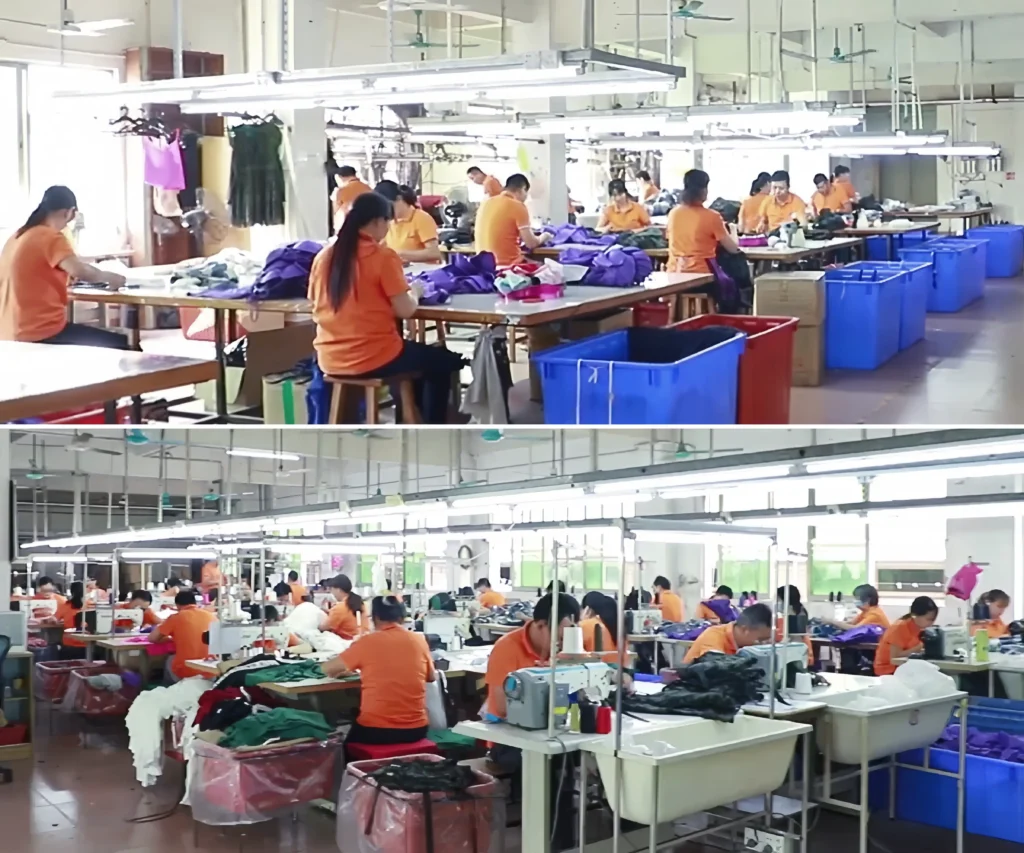
Duolan is backed by a structured womenswear manufacturing system rather than a single production point. The group structure includes 16 owned womenswear factories, 20+ long-term satellite factories, 300 sewing lines and 50+ quick-response lines. Supporting production bases in Guangxi, Guizhou, Sichuan and Jiangxi provide additional manufacturing coordination, with more than 12,000 workers across the extended manufacturing network.
For US DTC dress brands, manufacturing scale is valuable only when it supports better project control. Owned factories can handle core styles, higher-control samples, key launch items and sensitive workmanship points. Satellite factory coordination helps support repeat orders, scale-up orders, seasonal pressure and capacity buffering. Different dresses can be matched with more suitable production paths depending on fabric type, construction complexity, embellishment and delivery timing.
Duolan’s structure also connects with fabric factories, trim suppliers, accessory partners and special process factories. For print, dip dye, embroidery and wash processes, Duolan works with mature process resources that can be matched according to product style, schedule and production requirements.
A DTC dress program may include 10–30 styles and 20,000–80,000 pieces per order cycle. Such programs need style-level breakdown, material tracking, production path planning, QC scheduling and packing coordination. Duolan’s manufacturing system is designed for series development, launch order execution and reorder continuity.
Dress Categories for DTC Drops
Duolan supports dress categories where fabric, fit, structure and online presentation must work together.

Mini Dresses
Mini dresses need balanced proportion, stable hem shape, comfortable lining and accurate length grading. For DTC launches, a mini dress must photograph well while staying wearable across sizes. Duolan reviews waist placement, skirt volume, lining coverage and closure position before sample approval.

Midi Dresses
Midi dresses depend on length accuracy, drape, slit placement and body proportion. A small adjustment in fabric weight or skirt width can change the final look. Duolan helps review fabric fall, pattern balance, walking comfort, side seam stability and packing influence.

Maxi Dresses
Maxi dresses require fabric planning, hem control, size grading and shipment packing attention. Resort and vacation maxi styles often need print scale, wrinkle behavior, lining length and skirt sweep review. Duolan connects fabric choice with travel wearability and online visual impact.

Party Dresses
Party dresses often involve shine, stretch, body fit, cut-outs, straps, slit details or special surface materials. Duolan reviews comfort, strength, lining, zipper stress and production feasibility to help brands avoid styles that look strong in images but create delivery risk.

Occasion Dresses
Occasion dresses need polished finishing, stable fit and fabric with the right weight and formality. For wedding guest, cocktail, graduation and evening edits, Duolan reviews drape, lining, color direction, seam cleanliness, length control and brand-level presentation.

Going Out Dresses
Going out dresses require strong silhouette, body confidence and smooth online styling. Common development points include stretch recovery, transparency, strap security, bust fit, zipper comfort and skirt balance. Duolan helps align visual direction with repeatable production standards.

Vacation Dresses
Vacation dresses need lighter materials, easy packing, breathable lining and strong color or print direction. Duolan reviews fabric hand feel, anti-wrinkle performance, print scale, slit position, hem width and travel-friendly packing before moving into launch planning.

Bodycon Dresses
Bodycon dresses depend on stretch, recovery, opacity, seam behavior and grading. Weak fabric selection can cause fit complaints after delivery. Duolan reviews knit direction, power mesh, lining strategy, measurement tolerance and size ratio needs for fitted programs.

Corset Dresses
Corset dresses need structure, not only appearance. Cup placement, boning, bust balance, lining, back closure and waist control must work together. Duolan reviews support construction before sampling and helps decide which details should be locked before bulk production.

Satin Dresses
Satin dresses require careful drape, seam handling, ironing, lining and packing control. Press marks, puckering or poor bias behavior can affect premium appearance. Duolan reviews satin weight, shine level, seam direction, cutting layout and delivery packing requirements.

Mesh Dresses
Mesh dresses require clear decisions on coverage, stretch, lining, print placement and skin feel. Duolan reviews whether power mesh, soft mesh, stretch lace or lining combinations better suit the target effect, especially for fitted and occasion dress styles.

Sequin Dresses
Sequin dresses need weight balance, lining comfort, zipper strength, seam allowance control and packing protection. Duolan reviews sequin base fabric, edge finish, scratch points, shedding risk and bulk workmanship before scale-up planning.
DTC Collection Scenarios
Duolan helps organize dress projects by launch calendar, product role, fabric direction and reorder potential.
Spring Dress Drop
Spring dress drops often combine light woven fabrics, softer colors, floral prints, midi lengths and feminine trims. Duolan helps review fabric lead time, lining weight, print scale, sample sequence and colorway planning, so multiple styles can move through development without losing collection rhythm.
Summer Vacation Edit
Vacation edits need breathable materials, packable construction, easy styling and strong digital visual appeal. Duolan reviews crepe, chiffon, rayon blends, light satin, printed woven options, adjustable straps, side slits and hem sweep to support resort and travel-related online launches.
Party Season Launch
Party season requires stronger silhouettes, fitted structures, metallic surfaces, sequin, rhinestone, mesh, corset elements and faster production decisions. Duolan helps separate hero styles, commercial styles and reorder candidates, then aligns sample review, material locking and QC focus.
Wedding Guest Line
Wedding guest collections need refined fabrics, polished color direction, elegant length control and stable fit. Duolan reviews satin, lace, crepe, mesh, lining, slit, sleeve, neckline and back details to balance occasion styling with comfort and repeatable production.
Holiday Collection
Holiday dress collections often involve velvet, sequin, satin, metallic yarns, darker colors and high delivery pressure. Duolan helps evaluate surface process difficulty, fabric availability, size ratio, production calendar and packing method before launch timing becomes compressed.
Bestseller Reorder
Reorder programs need preserved standards. Duolan can help maintain approved fabric direction, trims, measurements, workmanship points, packing rules and QC focus. For DTC brands, reorder stability protects product reviews and supports color extension, size replenishment and repeat sales.
From Brief to Sample
Duolan turns product input into sample plans with fabric, pattern, fit and production logic.
Development Starts Before the First Cut
Dress development should not begin with blind sampling. A strong sample starts with understanding why the style exists, how the brand will sell it, which fit points matter and which materials can support the intended look.
Duolan can start from several input formats: tech pack, reference image, original sample, fabric swatch, collection board or seasonal brief. The development team reviews product category, silhouette, fabric direction, trim needs, lining plan, target size range, colorways, quantity, launch date and packaging requirement. For complex styles, the team also reviews whether the target structure can be production-ready.
A sample plan may separate first proto, fit sample, revised sample, photo sample and PP basis. Different sample types serve different decisions. A first proto may confirm overall silhouette. A fit sample may focus on bust, waist, hip, strap, length or lining. A photo sample needs stronger visual accuracy. A PP basis must support bulk production.
Duolan’s sampling communication is designed to help teams see what has been confirmed, what still needs decisions and what may affect bulk. During sampling, staged updates can include development start confirmation, material status, structure notes, fit questions and pre-shipment sample photos or videos.

Fabric and Trim Sourcing
Fabric direction decides dress shape, comfort, fit, cost structure, production stability and online presentation.
Material Judgment for Commercial Dress Development
Duolan’s fabric work is not a fabric catalog exercise. A dress fabric must support the style, target fit, selling price, production timing and final brand presentation. For US DTC dress brands, wrong fabric choice can create returns, poor reviews, weak campaign imagery and unstable repeat production.
Satin programs need careful review of shine level, weight, drape, seam pressure, lining, ironing and packing. Bodycon programs require stretch, recovery, opacity, hand feel, cutting direction and size grading attention. Mesh and lace styles require decisions on coverage, lining, elasticity, print placement, skin feel and seam strength. Sequin and metallic styles require weight, scratch points, zipper pressure, lining comfort, shedding risk and carton packing review. Resort and vacation dresses often need lighter woven fabrics, print scale control, wrinkle behavior and breathable lining.
Duolan works within a mature South China womenswear supply environment, with access to fabric, trim, accessory and special process resources. The team can review fabric swatches, lab dip direction, lining suggestions, zipper options, cup and boning needs, elastic, buttons, hardware, hangtags, main labels, care labels and packing components.
Material decisions should be made before repeated sample rounds become expensive. A strong sample plan locks key material direction early, then adjusts details according to fit, visual effect, cost direction and production feasibility. For DTC dress brands managing 10–30 styles in one drop, material coordination across colorways and silhouettes becomes a major part of project control.

Fit, Pattern and Size Control
DTC dress sales depend on reliable fit, clean proportion, size confidence and repeatable measurement control.

Fit Control for Online Dress Performance
Fit is one of the most important product risks for online dress brands. A dress may look correct on one sample model, but still create return pressure if the size grading, bust support, waist balance, hip fit, strap length or skirt fall does not work across the size range.
Duolan approaches fit through pattern logic, measurement priority and product structure. For bodycon dresses, the team reviews stretch direction, recovery, opacity, seam pressure and size tolerance. For corset dresses, the team reviews cup position, boning placement, waist control, lining strength and back closure. For halter and backless dresses, neck pressure, strap stability, back opening, bust security and zipper position must be considered together. For midi and maxi dresses, length grading, slit position, hem width and walking comfort matter.
The strongest fit process starts with clear comments. Duolan can help translate fit comments into pattern actions rather than treating them as loose opinions. Useful comments may include bust too low, waist seam too high, hip too tight, strap too loose, slit too open, lining too short, hem not falling cleanly or back not sitting flat. Each comment should connect to a pattern correction, material review or construction adjustment.
For DTC dress brands, stable fit supports better product reviews and cleaner reorder decisions. When the same style returns in a new color or second production batch, preserved measurements, pattern basis and workmanship notes help protect brand consistency.
Dress Structure Control Details
Small construction decisions can change support, comfort, fit accuracy and bulk consistency.
Boning Support
Boning must support the intended shape without twisting, poking or creating uneven pressure. Duolan reviews boning channel width, placement, lining strength, seam allowance and wash / wear requirements before corset or structured dresses move into bulk planning.
Cup Placement
Cup placement affects bust balance, photo appearance and wearing confidence. Duolan reviews cup height, cup spacing, lining coverage, fabric stretch and neckline depth, especially for corset, bustier, strapless and backless dress styles.
Lining Coverage
Lining controls opacity, comfort, drape and inside finishing. A lining too short, too heavy or too stiff can change the dress look.
Duolan reviews lining length, weight, stretch, color match and seam interaction with outer fabric.
Invisible Zipper
Invisible zippers must match fabric weight, body tension and seam placement. Duolan reviews zipper length, tape strength, seam stress, lining attachment and top finish, especially for fitted, satin, sequin and corset dress styles.
Lace-up Back
A lace-up back adds adjustability but also requires strength and clean spacing. Duolan reviews eyelet, loop, panel reinforcement, lining, cord material and grading impact, so the back construction remains stable across sizes.
Adjustable Straps
Adjustable straps support fit flexibility and reduce size complaints. Duolan reviews strap width, slider quality, attachment strength, bust support and balance between visual delicacy and wearing security.
Slit Control
A slit changes movement, proportion and risk. Duolan reviews slit height, reinforcement, lining, seam strength, walking comfort and size grading, especially for midi, maxi, satin and occasion dress styles.
Elastic Support
Elastic can improve fit but may create pulling, curling or pressure marks if selected poorly. Duolan reviews elastic width, recovery, seam method, fabric compatibility and final wearing comfort.
back construction remains stable across sizes.
Adjustable Straps
Adjustable straps support fit flexibility and reduce size complaints. Duolan reviews strap width, slider quality, attachment strength, bust support and balance between visual delicacy and wearing security.
Design and Surface Techniques
Decorative dress development requires visual judgment, process matching, comfort review and production discipline.
Sequin Work
Sequin dresses must balance shine, weight, lining comfort, seam strength and packing protection. Duolan reviews sequin base cloth, motif direction, seam allowance, scratch points, zipper pressure and carton packing before production planning.
Embroidery Details
Embroidery can add premium value but may affect fabric drape and seam behavior. Duolan reviews embroidery density, thread color, placement, lining coverage, needle effect and production timing for occasion and party dress programs.
Print Development
Printed dresses require print scale, placement, color direction and fabric compatibility review. Duolan coordinates print direction with silhouette, cut panels, size grading and repeat production needs, especially for resort, vacation and maxi dress drops.
Dip Dye Direction
Dip dye creates strong visual identity but requires process control. Duolan reviews gradient position, fabric absorption, color consistency, seam effect, shrinkage risk and production matching before recommending bulk execution.
Rhinestone Application
Rhinestone details need strong adhesion, clean placement and comfort review. Duolan evaluates heat press conditions, fabric compatibility, pattern density, hand feel and packing method for fitted and evening dress styles.
Pearl Decoration
Pearl decoration can elevate dress appearance but adds weight and handling needs. Duolan reviews attachment strength, spacing, skin contact, lining support and production feasibility for statement dresses and occasion looks.
Wash Effects
Wash processes can affect color, shrinkage, hand feel and measurement.
Duolan reviews fabric composition, wash target, garment structure, seam stability and final press requirements before placing styles into production.
Mixed Process Styles
Some dresses combine print, sequin, embroidery, rhinestone, lace, mesh or washing.
Duolan reviews process order, production routing, QC focus and delivery timing, so decoration supports the brand look without creating uncontrolled risk.

Sample Development Workflow
Sampling should create a decision-ready dress version, not only a piece for appearance checking.
A Clear Sample Path for DTC Dress Programs
Duolan’s sample development process is structured around project purpose. A brand may need a prototype to judge silhouette, a fit sample to confirm body balance, a revised sample to close comments, a photo sample for campaign preparation or a PP sample for bulk standard. Each stage needs different review points.
The workflow usually begins with project input review. The brand shares tech pack, reference image, original sample, fabric swatch, color direction, size spec, quantity, target launch date and label / packing needs. Duolan then reviews fabric direction, construction difficulty, pattern logic, trim needs and production feasibility.
After review, the team prepares a sample proposal. The proposal can clarify sample path, material status, development items, sample lead time, revision lead time, approval points and potential bulk concerns. For complex dresses, a rushed sample without confirmed fabric or construction decisions can waste time. A clearer plan helps protect the full launch calendar.
During sampling, Duolan provides staged updates, especially for styles affected by fit, fabric behavior or structure. After sample completion, photos, videos or shipment arrangements can be provided according to project needs. Fit comments and revision requests are then organized into specific development actions.
When the sample direction becomes close to approval, Duolan can help define the next stage: final revision, test order, launch order, PP sample or bulk readiness planning. The aim is to move a strong sample into a controlled production path.

Production-ready Sample Standard
A useful sample should help the brand judge fit, fabric, construction, workmanship and bulk feasibility.
From Pretty Sample to Production Basis
A sample is not valuable only because it looks close to the reference. For a DTC dress brand, the sample must help internal teams decide whether a style can enter campaign planning, cost review, size approval and launch production.
Duolan separates visual approval from production readiness. Visual approval means the design direction looks close enough for the brand. Fit approval means measurements, body balance and wearing effect are acceptable. PP basis means the garment contains enough confirmed information for bulk production. Some styles may still need refinement even after visual approval, especially satin, corset, mesh, bodycon and sequin styles.
A production-ready sample should connect with fabric reference, lining, trims, color, measurement spec, sewing method, special process notes, packing requirement and QC focus. If a dress includes boning, cups, adjustable straps, invisible zipper, lining, slit, pleat, rhinestone, embroidery or sequin, those points should be clearly confirmed before bulk starts.
Duolan uses the sample stage to collect standards for later production. Style photos, fabric swatches, trim references, measurement notes, workmanship comments and packing needs can become the foundation for bulk order planning. Without this connection, a sample may pass review but still create risk during production.
For US DTC brands managing repeated launches, production-ready sampling helps reduce late-stage confusion. It also supports better reorder control when a style is repeated in a new color, fabric direction or size ratio.

Sample-to-Bulk Transition
Duolan connects approved samples with bulk production through readiness review and production path planning.

From Pretty Sample to Production Basis
A dress project should not move from “sample approved” to “bulk started” without a readiness check. Many production problems come from missing details between sample approval and order launch. Duolan uses a Bulk Readiness Review to confirm whether the sample is fit confirmed, visually confirmed, PP basis or still pending refinement.
Before bulk starts, key points need to be locked: fabric, lining, trims, color, measurements, workmanship points and packaging requirements. The team also reviews order purpose. A launch order, test order, repeat order and scale-up order do not always require the same production plan.
After order confirmation, Duolan breaks the project down by style, color, size and quantity. Each dress can be classified according to complexity: regular style, complex style, quick-response style or high-risk craft style. Then the project team reviews whether the style requires special process support, trial production, embroidery / print / wash coordination, single-factory execution or multi-line planning.
For DTC dress brands ordering 10–30 styles and 20,000–80,000 pieces per cycle, this stage is essential. One order may include satin slip dresses, mesh fitted dresses, corset mini dresses, sequin party dresses and printed vacation dresses. Each style has different material, workmanship and QC needs.
Duolan can provide a Bulk Start Confirmation or Production Readiness Note, helping the brand understand what has been confirmed and what must be watched during production.
Bulk Production Planning
Bulk planning should reflect style complexity, order purpose, launch timing, QC needs and repeat potential.

Production Paths for Different Dress Orders
Bulk dress production is not one single block. A stable program starts with order breakdown and production path design. Duolan reviews style count, colorways, size range, quantity per style, fabric status, trim readiness, process difficulty, launch date, packing rules and shipping needs.
For a launch order, the priority is controlled execution from PP basis to first-piece confirmation, inline inspection, packing check and shipment preparation. For a test order, the priority is to confirm market response while keeping standards ready for reorder. For a repeat order, the priority is material match, measurement consistency, color accuracy and workmanship continuity. For a scale-up order, the priority is capacity allocation, production line matching and QC rhythm.
Duolan’s manufacturing base can support large multi-style programs through owned factories, satellite factory coordination, quick-response lines and process partners. The 300 sewing lines and 50+ quick-response lines provide flexibility for different order structures. Stable monthly production capacity and peak-period capacity support also help brands plan seasonal pressure.
For US DTC brands, production planning should connect with online launch calendars. A strong product plan works backward from selling date, photo shoot date, PP approval, material lock, cutting, sewing, inline QC, packing, final inspection and shipment preparation.
Quality Control Checkpoints
Dress QC must check fabric, cutting, measurements, workmanship, special details, packing and shipment readiness.
QC Built Around Dress Product Risk
Quality control for dress programs should be connected to product type. A general garment checklist is not enough for satin, mesh, bodycon, corset, sequin, lace, vacation or occasion dress production. Each category carries different risk points.
Duolan’s QC communication can include fabric inspection, color direction review, cutting check, first-piece confirmation, inline inspection, measurement check, workmanship review, special process check, packing check and final inspection coordination. For fitted dresses, measurement and stretch recovery deserve extra attention. For satin dresses, seam smoothness, pressing and packing are important. For sequin dresses, lining comfort, edge finish, zipper function and surface shedding need review. For corset dresses, cup placement, boning position and support strength require specific inspection points.
Production quality also depends on early standards. Approved sample, size spec, BOM, material reference, workmanship note, packing rule and order breakdown should be aligned before production. When standards are unclear, QC becomes reactive. When standards are confirmed, QC can protect the production program.
For US DTC brands, QC affects online reviews, refund pressure, reorder confidence and internal procurement trust. Duolan’s role is to make key checkpoints visible and connected to product outcomes, not only to inspect finished garments after problems have already appeared.

Private Label and Packing Support
DTC dress delivery needs brand labels, packing accuracy, carton control and shipment-ready documentation.

Main Label
Main labels should match brand identity, garment fabric and inner construction. Duolan can coordinate woven labels, printed labels or heat transfer labels according to dress type, neckline, lining and brand presentation needs.

Care Labels
Care labels must match fabric content, wash requirements and market expectations. Duolan helps place care labels in suitable positions, avoiding irritation or visual distraction in sheer, fitted, satin or lined dress styles.
Size Labels
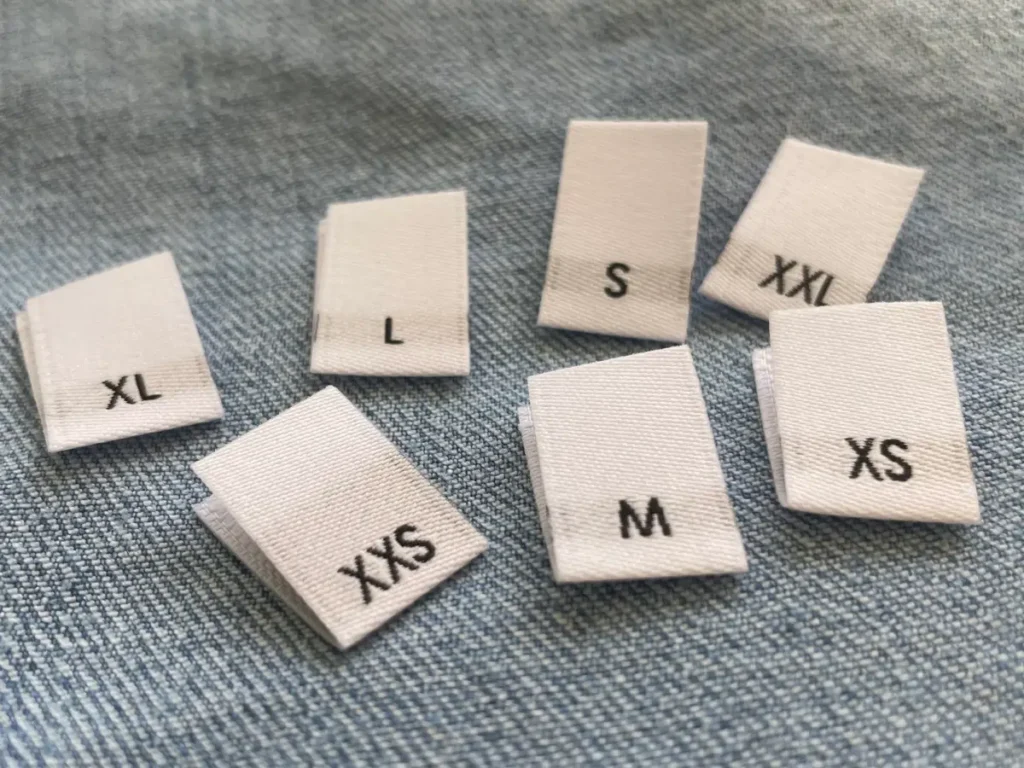
Size labels support fulfillment accuracy and post-delivery clarity. For multi-size DTC programs, correct size label placement, size ratio organization and packing checks reduce avoidable warehouse and consumer confusion.

Hangtags
Hangtags carry brand story, size, price, barcode, collection name or sustainability information. Duolan coordinates hangtag attachment with product positioning, fabric sensitivity and packing method.

Polybag Packing
Polybag size, folding method and sticker placement affect delivery appearance. Satin, sequin, velvet and structured dresses may need special folding or protection to reduce press marks and surface damage.

Carton Marks
Carton marks, size-color ratio, packing list and shipment documents help brands manage inbound receiving and 3PL coordination. Duolan supports clear packing communication for multi-style dress programs.
Communication and Project Management
Dress projects need organized communication across design input, sample comments, material status and bulk milestones.
Keeping Multi-style Projects Under Control
US DTC dress brands often run several styles at once. One capsule may include fitted mini dresses, satin midis, mesh maxis, corset silhouettes, sequin party looks and printed vacation pieces. Each style may move at a different speed because fabric, trim, sample comments, fit approval and craft process differ.
Duolan supports project communication through structured information rather than scattered replies. Early communication can organize product type, project purpose, fabric direction, target quantity, colorways, size range, launch date and packing needs. During sampling, staged updates can clarify which materials are confirmed, which details are pending, which fit points need comment and which sample will ship.
After comments arrive, Duolan can help turn fit and visual feedback into clear actions. A useful revision summary should explain what will be adjusted, what needs brand confirmation and whether changes affect bulk readiness. For production, timeline updates can cover material status, cutting, sewing, inline QC, packing and shipment preparation.
For multi-style programs, communication discipline protects speed. The goal is not constant messages; the goal is clear project movement. When each style has a status, priority and next action, a seasonal drop becomes easier to manage.

US DTC Dress Project Examples
Anonymous project examples show how Duolan supports real dress programs without exposing brand information.
US Partywear Brand
A US DTC partywear brand planned a 24-style holiday launch including satin minis, sequin bodycon dresses, mesh long-sleeve styles and corset party dresses. The main issue was project control: different fabrics arrived at different speeds, several styles required fit correction, and sequin / mesh details created comfort concerns. Duolan reviewed the collection by product risk level and separated styles into regular, fitted, structured and special-process groups. The first order covered about 46,000 pieces across 24 styles. Duolan supported sample revision, fabric locking, PP basis review, inline QC focus and packing notes for sequin and satin styles. The brand kept the approved fit blocks for a later color extension program.

US Vacation Dress Label
A US online vacation dress label prepared a resort drop with printed maxis, halter midis, slip dresses, ruched minis and two-piece fashion sets. The brand needed strong campaign visuals, lighter fabrics and reliable packing for 3PL receiving. Duolan reviewed print scale, lining weight, strap structure, hem sweep, wrinkle behavior and carton packing. The project included 18 styles and about 32,000 pieces, with several colorways per hero style. Duolan coordinated fabric swatches, lab dip direction, sample comments, size range review and packing breakdown. After launch, two maxi dress styles and one halter midi moved into reorder discussion with preserved material and workmanship standards.

US Occasionwear DTC Brand
A US occasionwear DTC brand needed a 12-style wedding guest and cocktail edit, including satin midis, lace-overlay dresses, corset maxis and refined mesh styles. The main challenge was balancing elevated appearance with stable bulk production. Duolan reviewed lining coverage, cup placement, invisible zipper stress, slit height, lace placement and satin pressing requirements. The first launch order reached about 28,000 pieces. Before bulk, Duolan ran a production-readiness review covering fabric, lining, trims, measurements, workmanship notes, packing and QC points. During production, key styles received first-piece confirmation and inline measurement review. The brand later used the same approved structure for a new seasonal color story.

Frequently Asked Questions
Yes. Duolan can review tech packs, size specs, construction notes, fabric direction, trims, colorways, quantity and packing requirements before preparing sample or production discussion.
Yes. Reference images can be used for development review. Duolan checks silhouette, fabric behavior, construction, trims, lining, fit points and production feasibility before sampling.
Duolan supports fashion dresses, mini dresses, midi dresses, maxi dresses, party dresses, occasion dresses, vacation dresses, bodycon dresses, corset dresses, satin dresses, mesh dresses and sequin dresses.
Yes. Duolan is suitable for 10–30 style dress programs where sampling, material coordination, production planning, QC and packing must move together.
Duolan uses approved samples, material references, workmanship notes, measurement points, PP basis, first-piece confirmation and QC checkpoints to support bulk consistency.
Yes. Duolan can coordinate fabric and trim options for satin, mesh, sequin, lace, jersey, crepe, chiffon, lining, boning, cups, zippers and special process needs.
Yes. Duolan can coordinate main labels, care labels, size labels, hangtags, barcode stickers, polybags, carton marks and packing list requirements.
Yes. Repeat production can be supported through preserved style files, material references, workmanship standards, measurement notes and packing requirements.
Duolan can coordinate inspection preparation according to brand requirements, including product status, packing information, QC records and shipment readiness communication.
Send tech pack, reference images, original samples, fabric direction, target quantity, size range, colorways, launch date, label needs and packing requirements.

Start a Dress Project Review
Send your dress project details to Duolan for development and production evaluation. Our team can review your product direction, fabric needs, sample purpose, target quantity, size range, launch calendar, private label requirements and bulk production path. A clear project brief helps us judge the best next step, whether your team needs sample development, fit correction, PP sample preparation, launch order planning, repeat production support or a multi-style dress program.
Please share as much information as available:
- Tech pack, CAD file or measurement spec
- Reference image, original sample or collection board
- Fabric direction, colorways and trim requirements
- Product category and style count
- Target quantity per style / color
- Size range and grading requirements
- Target launch date or selling season
- Label, hangtag, barcode and packing needs
- QC, inspection or compliance requirements
- Current project challenge or supplier concern


