Skip to content
Custom Dress Manufacturer for US Wedding Guest Dress Brands
Dress-focused development and manufacturing support for US wedding guest, occasionwear, cocktail and party dress brand programs.
Duolan helps fashion brands develop wedding guest dress collections from design direction to production-ready samples and controlled bulk delivery. Our work covers fabric review, pattern development, sample revision, workmanship engineering, private label execution, QC checkpoints and repeat production planning. With a dress-focused manufacturing system behind every project, Duolan supports US brand teams that need structured development, multi-style production and stable sample-to-bulk execution.
- 16 owned womenswear factories
- 20+ long-term satellite factories
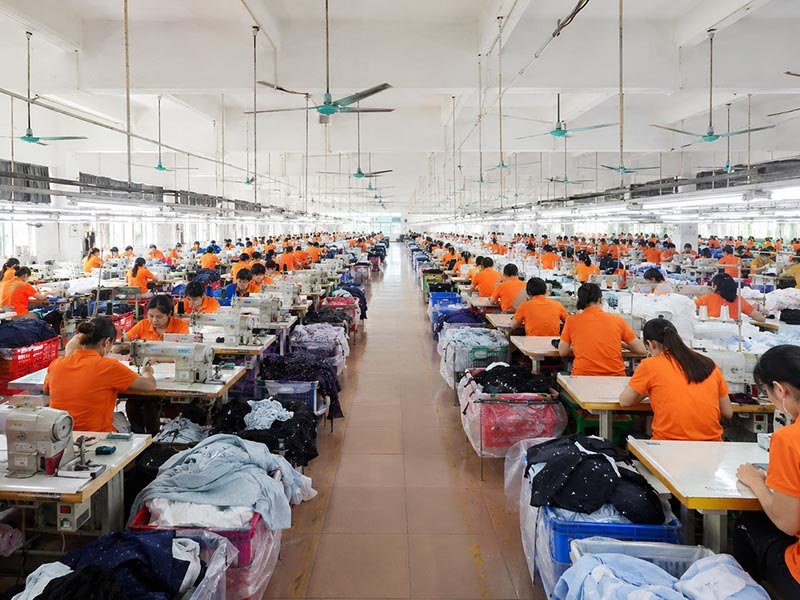
- 300 sewing lines
- 50+ quick-response lines
15,000–35,000 monthly sample development capacity
SMETA 2-Pillar audit record








Built for US Dress Brand Programs
Wedding guest dress development needs brand-level product judgment, not basic garment copying or ready-stock selection.
US Occasionwear Brands
Duolan is suitable for US occasionwear brands developing dresses for wedding guest edits, cocktail events, garden weddings, destination weddings, holiday dinners, graduation parties and formal social occasions. Such programs usually require coordinated silhouettes, controlled fabric direction, stable fit across sizes and production discipline across multiple styles.Duolan supports collection review, sampling, fabric and trim matching, bulk production, QC communication and private label packaging, helping brand teams move from concept boards to production-ready garments with fewer technical gaps.
Product Teams
Product teams often send tech packs, fit comments, reference images, original samples, fabric ideas and launch calendars at different stages.
Duolan reviews style complexity, fabric behavior, construction risk, size specifications, workmanship direction and production readiness before moving forward. For fitted, satin, mesh, corset, halter and backless dresses, small technical decisions can change final wearability.
Our development team translates design language into pattern, sample, revision and bulk execution actions.
Sourcing Offices
Sourcing offices need suppliers able to manage multiple styles, material questions, sample revisions, production planning and shipment coordination with clear internal control.
Duolan’s structure supports multi-style wedding guest dress programs with owned factories, satellite capacity, fabric and trim resources, special process partners and QC checkpoints.
The value is not only production volume, but project order, standard alignment and repeatable execution across seasonal drops.
Wedding Guest Dresses Need Market Precision
US wedding guest dress lines require occasion balance, visual appeal, comfort and controlled production details.
Occasion Balance, Not Bridal Styling
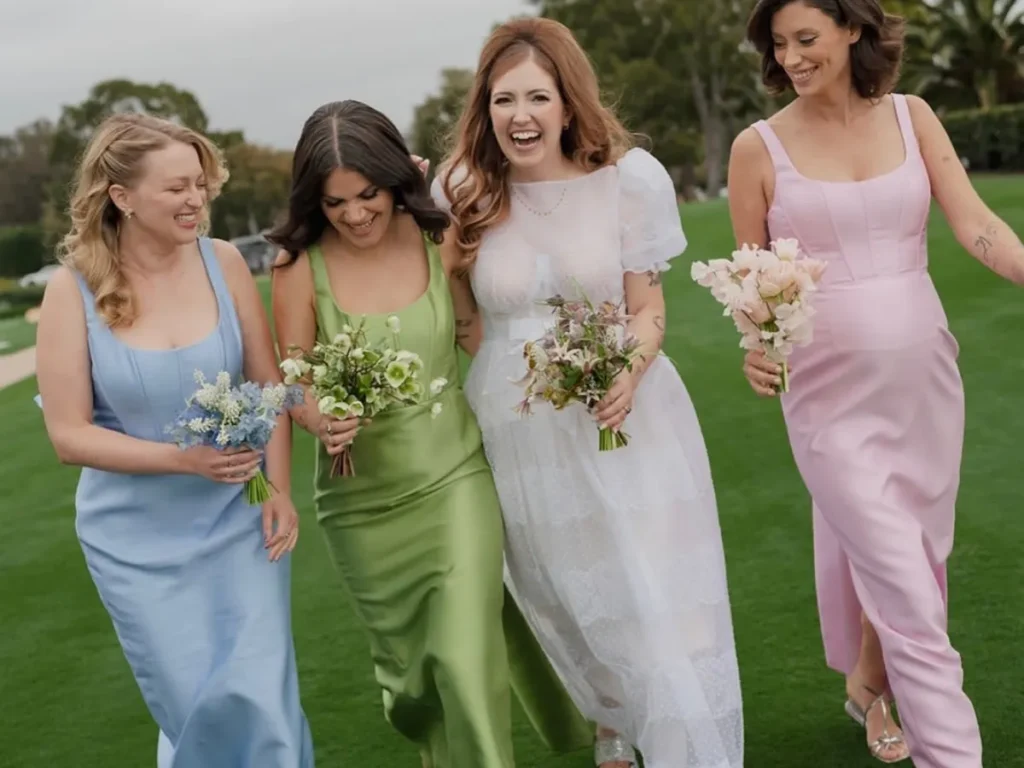
Wedding guest dresses sit between daily dresses and formal gowns. They need enough refinement for social occasions, enough comfort for long wear, and enough visual character for digital merchandising. Duolan does not position wedding guest programs as bridal gown production. Our development direction focuses on cocktail dresses, satin midi dresses, chiffon-style dresses, fitted occasion dresses, printed guest dresses, semi-formal dresses, party dresses and event-ready fashion dresses.
For US wedding guest edits, excessive bridal construction can increase cost, slow down production and reduce commercial flexibility. A strong dress program usually uses balanced design decisions: neckline safety, appropriate slit height, lining coverage, fabric weight, color story, strap stability and graceful movement. Duolan reviews each style against occasion use, target channel and production risk, so a dress can work for campaign images, online detail shots, fitting feedback and bulk execution.

US Seasonal Event Planning
US wedding guest dress demand often moves across spring wedding season, summer garden events, destination weddings, fall formal weddings, holiday parties and graduation-related occasions. Each season changes fabric weight, color direction, silhouette preference and delivery pressure. Spring may need soft florals, lightweight drape and garden-ready color palettes. Summer may need breathable lining, secure straps and wrinkle-aware packing. Fall and holiday edits may need richer tones, satin, velvet-like handfeel, mesh, sequin and structured silhouettes.
Duolan supports brand teams by connecting design direction with production timing. During project review, our team checks expected launch window, sample purpose, fabric readiness, colorway plan, size range, order quantity and bulk path. For a 10–30 style drop, early structure prevents sample delays, fabric mismatches and production confusion later. A wedding guest program becomes easier to manage when hero styles, commercial styles, test styles and repeatable styles are planned together.

Channel-Ready Product Development
US wedding guest dress brands sell through online stores, department store partners, boutiques, marketplace channels, social campaigns and private label programs. Each channel creates different product needs. Online fashion brands need strong images, clear measurements, stable fit and reliable color consistency. Department store programs often need stricter label, packaging, carton and QC documents. Boutique chains may need smaller style clusters with repeat order potential.
Duolan reviews dress projects with channel-readiness in mind. For fitted midi dresses, we look at body balance, stretch recovery and measurement tolerance. For satin styles, we consider seam marks, pressing, lining and packing pressure. For mesh or sequin pieces, we review skin feel, transparency, coverage, seam strength and garment handling. These checks help reduce later problems when samples move into photography, internal review, sales presentation and production.
Wedding Guest Dress Collection Structure
A strong collection needs roles, not random styles. Each dress should support a clear sales and production purpose.
Collection Role | Dress Direction | Development Focus | Duolan Support |
Hero Style | Satin maxi, corset midi, statement print | Campaign image, visual identity, event appeal | Fabric review, construction check, sample refinement |
Commercial Style | Fitted midi, wrap dress, slip dress, halter mini | Stable fit, comfortable wear, repeat potential | Pattern control, size spec review, fabric matching |
Occasion Style | Cocktail, semi-formal, formal guest dress | Drape, lining, proportion, finishing | Workmanship planning, pressing, QC points |
Seasonal Style | Spring floral, summer color, fall jewel tone | Launch window, color story, fabric weight | Lab dip support, production planning, delivery review |
Repeat Style | Proven silhouette, updated fabric or color | Faster reorder path, standard consistency | BOM reuse, pattern memory, PP sample control |
Risk Style | Mesh, sequin, lace, backless, corset | Support, transparency, skin feel, sewing difficulty | Feasibility review, trial sample, bulk readiness note |
Wedding Guest Dress Styles Duolan Develops
Duolan supports wedding guest, occasionwear and social-event dress styles across fabric, fit, silhouette and production needs.

Satin Midi Dresses
Satin midi dresses need controlled drape, clean seams, stable lining and careful pressing. Duolan reviews fabric weight, surface marking, seam puckering risk, zipper placement, hem behavior and packing pressure before sample approval. For US wedding guest programs, satin styles often become hero products, so production readiness matters from the first sample.

Chiffon-Style Dresses
Lightweight chiffon-style dresses require balance between softness, coverage and sewing stability. Duolan checks transparency, lining color, seam finish, gathers, sleeve opening, skirt fall and hem control. For summer and destination wedding edits, lightweight dresses must look elegant while staying wearable, breathable and consistent across size ranges.

Cocktail Dresses
Cocktail dresses usually carry stronger structure than casual dresses and more commercial flexibility than evening gowns. Duolan supports fitted minis, polished midis, asymmetric necklines, one-shoulder shapes and refined trims. Development focus includes neckline security, waist shaping, lining, stretch comfort, closure placement and final garment shape after pressing.

Formal Guest Dresses
Formal wedding guest dresses need refined fabric, clean length control, good movement and stable finishing. Duolan reviews fabric drape, skirt sweep, lining length, slit height, shoulder balance and inside construction. For larger programs, each style must be production-ready enough to move from approved sample to scale with fewer surprises.

Semi-Formal Dresses
Semi-formal dresses are useful for broader event selling because they can cross wedding, dinner, graduation and evening occasions. Duolan develops semi-formal styles with fit security, moderate construction complexity, stable material choices and repeat production potential. These styles often work well as commercial anchors inside a broader wedding guest collection.

Corset Midi Dresses
Corset and bustier dresses need more engineering than basic fitted dresses. Duolan reviews cup position, boning channel, waist support, lining, back closure, zipper tension and seam strength. A beautiful corset sample is not enough; the internal structure must be repeatable in bulk and comfortable enough for real event wear.
Halter Dresses
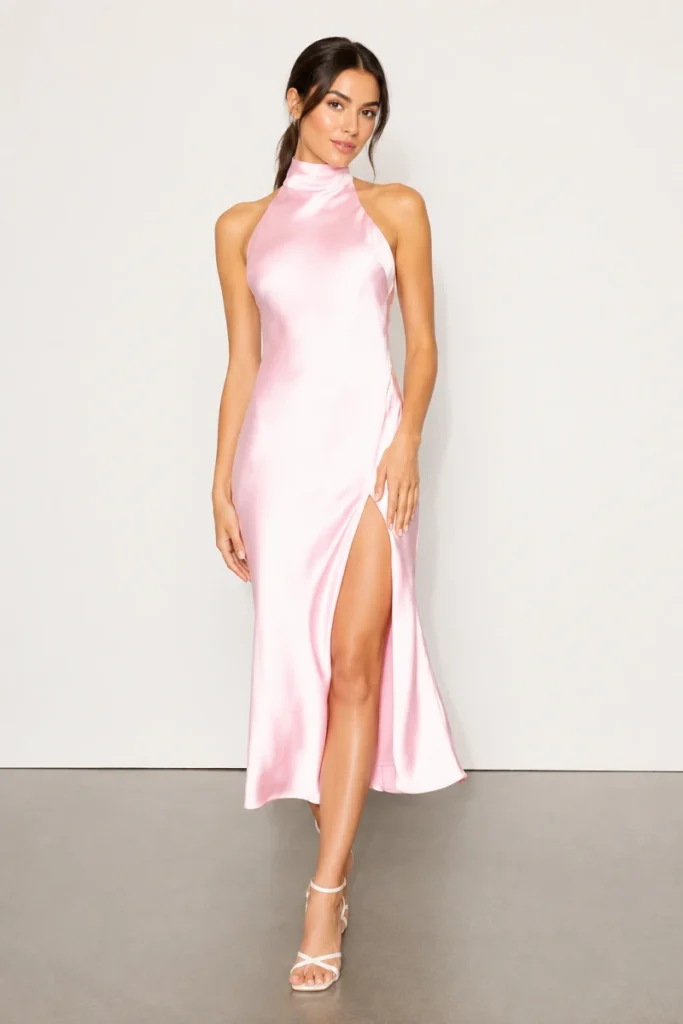
Halter dresses need accurate strap length, neck comfort, bust coverage and back balance. Duolan reviews neckline tension, armhole safety, strap attachment, fabric stretch, lining and zipper access. In wedding guest collections, halter dresses often photograph well, but fit mistakes can affect wear confidence across US size ranges.
Backless Dresses
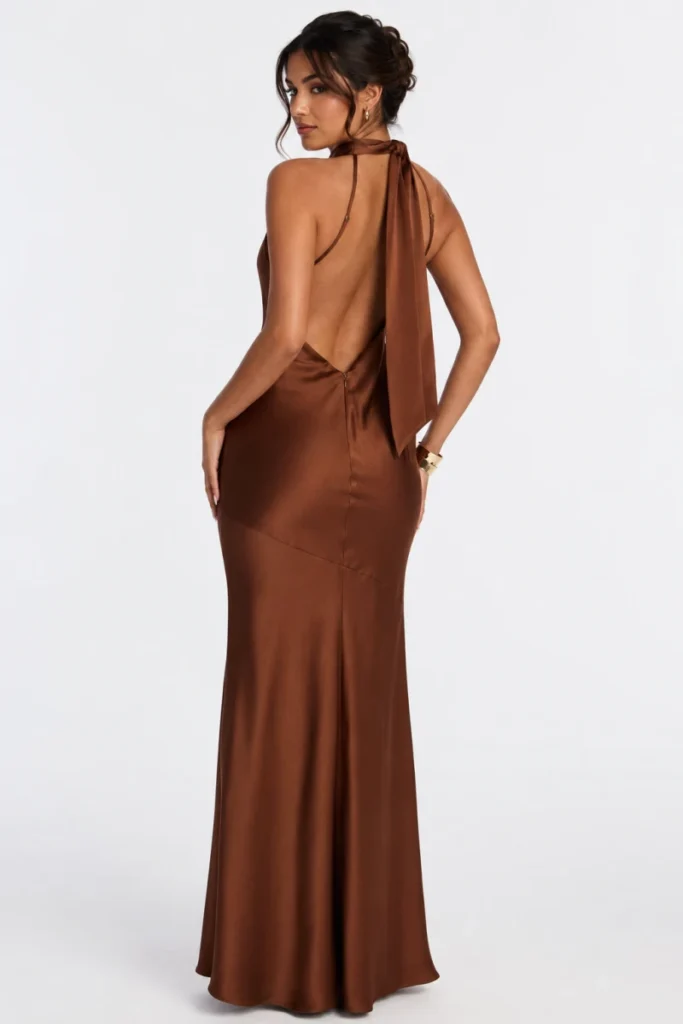
Backless dresses need careful control of support, coverage and movement. Duolan checks back depth, side seam safety, waist anchoring, lining choice, invisible zipper position and strap stability. For fitted or satin backless styles, our team also reviews fabric tension and body movement before bulk readiness confirmation.

Mesh Dresses
Mesh dresses require coverage control, print or embroidery placement, stretch recovery and skin comfort. Duolan checks mesh direction, lining color, seam strength, transparency, neckline finish and garment recovery after wear. For wedding guest styles, mesh can add softness and visual depth, but development must avoid cheap transparency or unstable fit.

Lace Detail Dresses
Lace detail dresses need fabric matching, placement accuracy and soft interior finishing. Duolan reviews lace edge direction, lining coverage, seam position, motif balance and skin-contact areas. For US occasionwear, lace should feel refined and controlled rather than heavy, bridal or costume-like.

Sequin Party Dresses
Sequin dresses need special attention to weight, skin feel, needle damage, seam allowance, lining and edge finishing. Duolan reviews sequin density, trimming method, abrasion risk, packing pressure and sewing loss before bulk planning. Strong sequin styles can lift a wedding guest or holiday collection when production risk is managed early.

Printed Occasion Dresses
Printed dresses depend on fabric base, print clarity, color repeat, panel placement and shrinkage control. Duolan supports print direction review, strike-off checking, color approval, cutting alignment and bulk repeat planning. Printed wedding guest styles are useful for spring and summer collections when color story and production consistency are aligned
Fabric Direction for Wedding Guest Dresses
Fabric decisions shape drape, fit, comfort, production risk and final brand value.

Satin, Crepe and Silky Woven Fabrics
Satin and silky woven fabrics create polished wedding guest looks, but they also expose weak sewing, poor pressing and unstable pattern balance. Duolan reviews fabric handfeel, surface reflection, yarn direction, thickness, drape, seam marking, wrinkle response and lining compatibility before sample direction is locked. For a satin midi or slip-style dress, even a small mismatch between fabric weight and silhouette can change bust coverage, waist fall and hem movement.
Material behavior: We check whether fabric supports the target silhouette without collapsing, twisting or showing seam tension.
Lining relation: We review lining weight and color to avoid transparency, static cling and uneven fall.
Bulk control: We confirm fabric, color, width, shrinkage, cutting direction and pressing method before production starts.
Satin wedding guest dresses often become image-driving styles for US brands, so Duolan treats fabric approval and workmanship review as connected decisions rather than separate purchasing steps.

Mesh, Lace and Transparent-Layer Fabrics
Mesh and lace can create soft, romantic and elevated event dresses, but development risk is high when coverage, stretch and lining are not controlled. Duolan checks mesh recovery, stretch direction, transparency, lining color, seam strength, print or embroidery placement and skin-contact comfort. For US wedding guest collections, transparent layers need enough visual softness without creating fit insecurity or unnecessary returns.
Coverage planning: Bust, waist, hip and back areas need clear lining or panel decisions before sampling.
Placement control: Print, lace motif or embroidery must be reviewed against pattern pieces, seams and body position.
Wear performance: We check whether fabric recovers after stretch and whether seams stay stable during movement.
Mesh, lace and embroidered fabrics can add strong product identity, but they should never be treated as decorative overlays only. Duolan connects fabric behavior with pattern, lining and QC points before bulk planning.

Sequin, Metallic and Decorated Fabrics
Sequin, metallic and decorated fabrics bring strong event value, but production control must be planned early. Duolan reviews sequin density, fabric weight, skin feel, edge trimming, seam allowance, needle damage, lining thickness, zipper position and packing pressure. For party-wedding crossover dresses, decoration should create visual impact without causing uncomfortable wear, heavy garment fall or unstable sewing lines.
Workmanship feasibility: We check whether sequin removal, seam trimming or special stitching is needed.
Comfort control: Neckline, armhole, side seam and hem areas need soft finishing and lining decisions.
Production path: Decorated fabrics may require slower sewing speed, extra inspection, special packing and more careful handling.
A decorated style can become a strong campaign piece, but only when technical cost, sewing route and QC rules are clear before bulk. Duolan treats sequin dresses as engineered garments, not simple embellished cut-and-sew pieces.

Jersey, Stretch and Body-Fit Fabrics
Bodycon and fitted wedding guest dresses depend heavily on stretch, recovery, opacity and pattern correction. Duolan reviews fabric composition, stretch direction, recovery after pulling, fabric weight, skin feel, transparency, print distortion and measurement tolerance. For fitted US-market dresses, a fabric may look acceptable flat but fail after wear, photography, or size grading.
Fit balance: Bust, waist, hip and hem width need to work with fabric stretch, not against it.
Opacity check: Light colors, camera flash and body tension can reveal transparency problems.
Size control: Stretch styles need clear tolerance, grading logic and measurement checkpoints.
Duolan supports fitted dress programs by reviewing fabric behavior together with pattern and construction. The goal is a dress that looks sharp on body, holds shape after wear and can move from sample approval into repeatable production.
Fit Details That Matter in Guest Dresses
A wedding guest dress must photograph well, fit securely and remain comfortable during real event wear.

Bust Coverage
Bust coverage affects wear confidence, photo appeal and return risk. Duolan checks neckline depth, cup position, lining support, strap tension, armhole exposure and fabric stretch before finalizing samples. For corset, halter, satin and backless dresses, coverage decisions must be reviewed together with size spec and target market.

Waist Balance
Waist position controls proportion and comfort. Duolan reviews waist seam level, shaping curve, fabric tension, zipper placement and grading logic. In fitted and semi-formal wedding guest dresses, a misplaced waist can make a strong design look heavy, short or uncomfortable after bulk production.

Hip Fit
Hip fit matters for bodycon, satin, mesh and slip-style dresses. Duolan checks stretch, ease, lining movement, seam strength, transparency and walking comfort. A sample can look clean on a mannequin, while real fit may need pattern adjustment for US size ranges and production consistency.

Slit Position
Slit height changes both elegance and wear safety. Duolan reviews walking ease, lining relation, seam reinforcement, side exposure and event suitability. For formal guest and cocktail dresses, slit design should support movement without creating unstable fit, twisted seams or uncontrolled opening during wear.

Strap Stability
Straps control bust support, neckline balance and back appearance. Duolan checks strap width, length, attachment strength, adjuster quality, halter pressure and fabric stretching after wear. For wedding guest dresses, unstable straps can reduce comfort and affect online review quality after delivery.

Back Opening
Backless and open-back dresses need anchoring. Duolan reviews back depth, side coverage, waist hold, zipper access, elastic use, lining and movement. Open-back styles require more than visual styling; they need a structure that stays secure across size grading and long event wear.

Lining Coverage
Lining decides comfort, opacity and garment value. Duolan checks lining color, weight, softness, static behavior, seam allowance and hem position. For mesh, lace, satin and light-color dresses, lining should support the design without showing through, pulling, twisting or changing drape.

Size Grading
US dress programs require consistent grading rules. Duolan reviews key measurements, bust-waist-hip balance, stretch tolerance, length grading, strap changes and fit priority by silhouette. Good grading protects collection consistency when moving from sample size into multiple size runs.
From Dress Idea to Development Path
Duolan can start from different design inputs and turn them into clear sampling routes.
Starting From Tech Pack or Size Spec
When a brand team sends a tech pack, Duolan reviews more than dimensions. Our team checks silhouette intention, fabric direction, construction details, seam lines, lining, closure, trim placement, workmanship notes, packaging requests and target order plan. For wedding guest dresses, technical review also includes occasion suitability, walking comfort, bust safety, body balance and possible production risk.
A tech pack gives a strong starting point, but each style still needs development judgment. A satin halter dress may require strap stability review. A corset midi may require cup and boning checks. A mesh dress may require lining and transparency decisions. Duolan identifies missing details before sampling so the first sample has a clearer purpose and fewer avoidable revision points.
Starting From Reference Images
Many fashion brands begin with reference images, mood boards or competitor direction rather than complete technical files. Duolan can help convert visual references into a workable development basis. Our team reviews style category, neckline, length, fit level, fabric behavior, lining needs, construction logic, trim direction and realistic production path. The reference is never treated as a blind copy. It becomes a starting point for brand-owned development.
For wedding guest dresses, reference-led development works best when supported by notes on target market, expected price range, fabric preference, size range, quantity plan and launch window. Duolan then suggests sample route, fabric questions, workmanship risks and key details needing confirmation. The goal is to turn visual inspiration into a product direction ready for pattern and sampling.
Starting From Original Sample
Original samples can help speed development, but Duolan still needs to review fit, fabric, measurements, workmanship, trims, lining, wash or pressing behavior and production feasibility. A sample may look good, but may not be suitable for the intended fabric, quantity, price range or delivery window. Our team checks what should be followed, what should be adjusted and what should be rebuilt for production.
For US wedding guest dress brands, original sample review can support repeat silhouettes, proven fit blocks, seasonal fabric updates and colorway expansions. Duolan can study the garment structure, create or adjust patterns, recommend material alternatives and prepare the next sample direction. This approach is especially useful for repeat programs where a successful silhouette needs fresh fabric, trim or styling updates.
Workmanship Details Behind Better Dresses
Wedding guest dresses rely on controlled construction, not only attractive fabric and strong photography.

Neckline, Strap and Opening Construction
Necklines, straps and openings shape the first impression of wedding guest dresses. Duolan reviews neckline depth, facing or lining method, shoulder stability, halter pressure, armhole finish, back opening, zipper position and seam reinforcement. These details are important because event dresses are worn for long hours, photographed often and judged quickly online.
For halter, one-shoulder, corset and backless styles, visual balance must work together with real support. A neckline may look elegant on sample size but become unstable after grading. A back opening may photograph well but create side exposure during movement. Duolan handles these details through pattern correction, material selection, sample review, fit comments and bulk readiness checks.
Workmanship is also linked to sewing efficiency. Complex openings, delicate fabrics, decorated trims and invisible zippers may need slower production speed and extra QC attention. Duolan identifies such points before bulk planning, reducing avoidable problems during production.

Lining, Hem and Inside Finishing
Inside finishing affects comfort, opacity and perceived garment value. Duolan checks lining length, lining color, seam allowance, inside edge softness, static behavior, hem method, slit reinforcement and final pressing. For satin, chiffon-style, lace and mesh dresses, lining can make the difference between refined occasionwear and unstable low-value garments.
Wedding guest dresses often need movement, sitting comfort and camera-ready surfaces. A lining that is too heavy can change drape. A lining that is too light can twist or reveal transparency
. A hem that is not suited to fabric weight can ripple, curl or lose shape after pressing. Duolan connects lining and hem decisions with fabric behavior, silhouette and final garment use.
During sample review, our team records construction decisions that must move into production. These include thread, stitch, lining type, zipper length, seam finish, hem depth and pressing requirements.
Such records help reduce differences between approved sample and bulk delivery.

Decoration, Embroidery and Special Processes
Wedding guest and party dresses often use decoration to create visual impact. Duolan supports development involving sequins, rhinestones, pearl details, embroidery, print, tie-dye, wash effects and combined decorative techniques. Each process is reviewed for placement, density, skin feel, garment weight, sewing impact, production route and QC needs.
Decorative processes should never be added without considering silhouette and wearability. Dense embellishment can change fabric fall. Sequin edges can irritate skin. Rhinestone placement can affect pressing and packing. Embroidery can shrink or distort lightweight panels. Duolan reviews these points early and works with stable process partners for print, tie-dye, embroidery and wash when needed.
For bulk production, decoration requires control documents: approved sample, placement reference, process standard, tolerance level, handling method and inspection checkpoints. Duolan’s experience in decorative dress processes helps brands create visual value while keeping manufacturing risk under control.
Sample Development With Clear Control
A stronger sample route helps dress teams confirm fit, fabric, workmanship and production direction faster.
Brief Review
Duolan starts by reviewing the submitted dress brief, tech pack, reference image, original sample, fabric target, size range, quantity plan and launch date. The goal is to understand the role of the style before sampling. A wedding guest hero dress, repeat style and risk style require different review depth.
Fabric Review
Fabric direction is checked before pattern and sample decisions become fixed. Duolan reviews drape, stretch, opacity, support, surface marks, lining compatibility and delivery readiness. Satin, mesh, lace, sequin and body-fit fabrics need different review logic because each material behaves differently on body and in production.
Pattern Development
Pattern work connects design intention with body fit and fabric behavior. Duolan reviews neckline, bust, waist, hip, hem, slit, strap, back opening and size grading basis. For fitted and occasion dresses, pattern correction is often the difference between a sample that looks close and a dress ready for internal approval.
First Sample
The first sample is used to test style direction, fabric behavior, construction feasibility and visual balance. Duolan checks whether the garment matches the intended occasion, target channel and production path. Notes from the first sample become the foundation for revision, cost review and bulk preparation.
Revision Summary
Comments are organized into fit, measurement, fabric, trim, construction, visual preference, label, packaging and production risk. Duolan turns comments into technical actions, such as pattern correction, BOM update, lining change, zipper adjustment or workmanship improvement. Each revision should move the style closer to production readiness.
Bulk Readiness
Before bulk starts, Duolan reviews approved sample status, fabric, lining, trims, measurements, workmanship points, packaging and order structure. A production-readiness note helps align brand expectations and internal manufacturing steps before cutting, sewing, QC and packing begin.
Comment Management for Sample Revisions
Fit comments and visual notes must become technical actions, not scattered messages.
Comments Become Development Actions
Duolan manages sample feedback as a development loop. Brand teams may send comments through email, PDF notes, fit sheets, annotated images, video calls or internal review documents. Our team classifies feedback into fit, measurement, fabric, trim, construction, visual preference, production risk, label and packaging comments. After classification, each point becomes a clear technical action.
For example, “bust feels unsafe” may require cup position review, neckline adjustment, strap correction, lining change or fabric stretch check. “Fabric feels too thin” may require opacity review, heavier lining, different base fabric or revised silhouette. “Slit feels too high” may require pattern adjustment, reinforcement or movement testing. Duolan avoids treating comments as simple wording changes because dress performance depends on connected decisions.
A structured revision summary helps brand teams see what changed, what remains open and what needs confirmation before the next sample. This reduces repeated errors, internal confusion and sample-to-bulk gaps.
Reducing Gaps Between Teams
Wedding guest dress development often involves design, product, sourcing, merchandising, fitting and production teams. Information can be lost when comments move between teams or time zones. Duolan reduces these gaps by turning feedback into visible records: sample status, open questions, changed measurements, fabric decisions, trim updates, workmanship notes and bulk risk points.
For a 10–30 style collection, feedback control becomes more important than reply speed alone. A satin midi dress may need seam and pressing review, while a mesh halter style may need lining and strap checks.
A corset dress may need internal support adjustments, while a printed occasion style may need placement correction. Duolan keeps each style’s technical path separate while maintaining a collection-level overview.
Clear feedback management helps brands protect launch calendars and internal approval quality. Each round should create a stronger decision basis rather than another unclear sample.
Controlling the Sample-to-Bulk Transition
Approved samples need production discipline before they become real bulk garments.
Production Readiness Before Cutting
Before bulk production starts, Duolan normally runs a production-readiness check. The review confirms sample status, fit approval, visual approval, PP basis, pending refinements, material direction, lining, trims, color, measurements, workmanship points and packaging requirements. The purpose is to prevent a “sample approved, production unclear” situation.
For wedding guest dress programs, this step is especially important because satin, mesh, lace, sequin, corset and backless dresses can change dramatically when production scale increases. A small fabric difference may affect drape. A zipper change may affect fit. A lining change may affect opacity. A packing method may affect pressed garment appearance. Duolan reviews these details before production starts, not after problems appear.
Brand teams can receive a concise production-readiness note or bulk start confirmation. The format may vary by project, but the internal logic remains: approved sample details must become controlled production requirements.
Order Breakdown and Production Path
For bulk orders, Duolan does not treat production as a single block. After order confirmation, our team breaks down the program by style, color, size, quantity, fabric, trims, workmanship complexity and delivery window. Each style is reviewed as a regular style, complex style, quick-response style or high-risk process style. This helps match production path with real garment requirements.
A US wedding guest dress order may include satin midis, mesh bodycon dresses, halter minis, formal maxis and sequin party dresses in one launch. These garments cannot be handled with one identical production rule. Duolan checks whether single-factory production, multi-line coordination, special process support or satellite capacity is more suitable.
Internal production planning may include cutting sequence, sewing route, process coordination, inline QC, pressing, packing and shipment preparation. Clear order breakdown helps maintain delivery discipline when style count, colorways and size ranges increase.
Material Locking and Repeat Stability
Material consistency protects sample-to-bulk quality and repeat production. Duolan reviews fabric source, color approval, lab dip, strike-off, lining, trims, zipper, label, thread and packaging materials before production scale-up. For repeat orders, BOM records and approved sample standards help reduce rework and keep future drops aligned.
Wedding guest dress programs often rely on repeat silhouettes with new colors, fabric updates or seasonal details. If material decisions are not recorded, a repeat style may lose fit, drape or surface value. Duolan supports material memory by keeping key points connected: fabric behavior, pattern adjustment, lining choice, trim standard, workmanship requirement and QC focus.
Repeat stability is valuable for brand teams planning seasonal wedding guest edits, holiday collections and ongoing occasionwear ranges. Each confirmed project can build a stronger production base for the next collection.
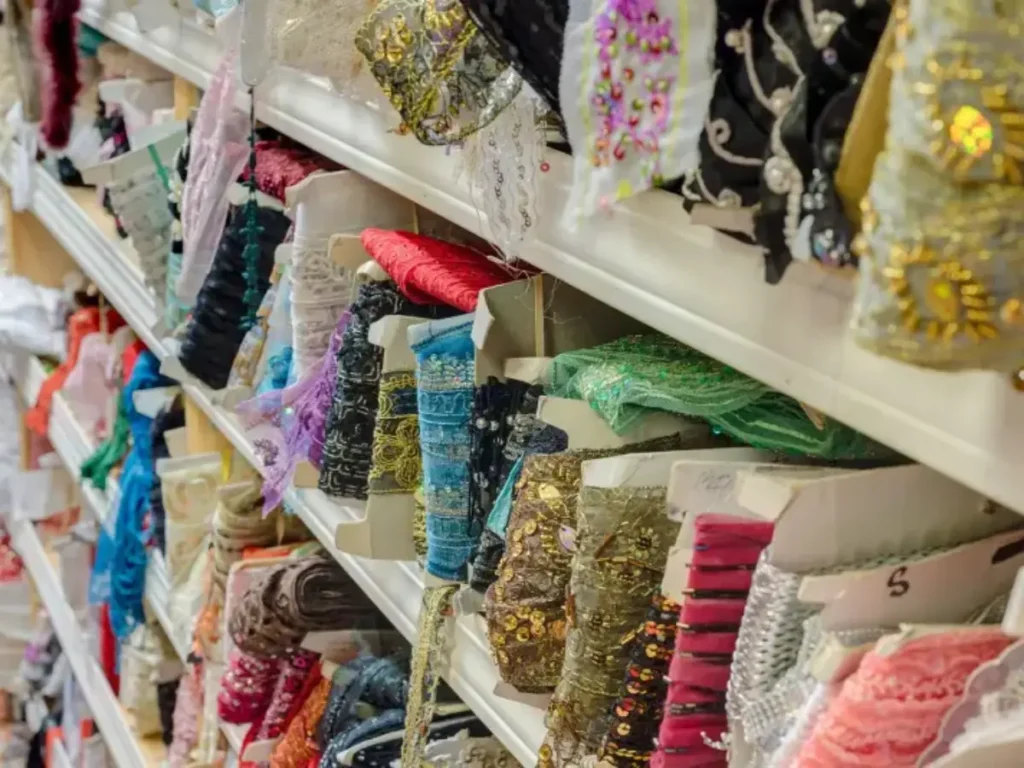
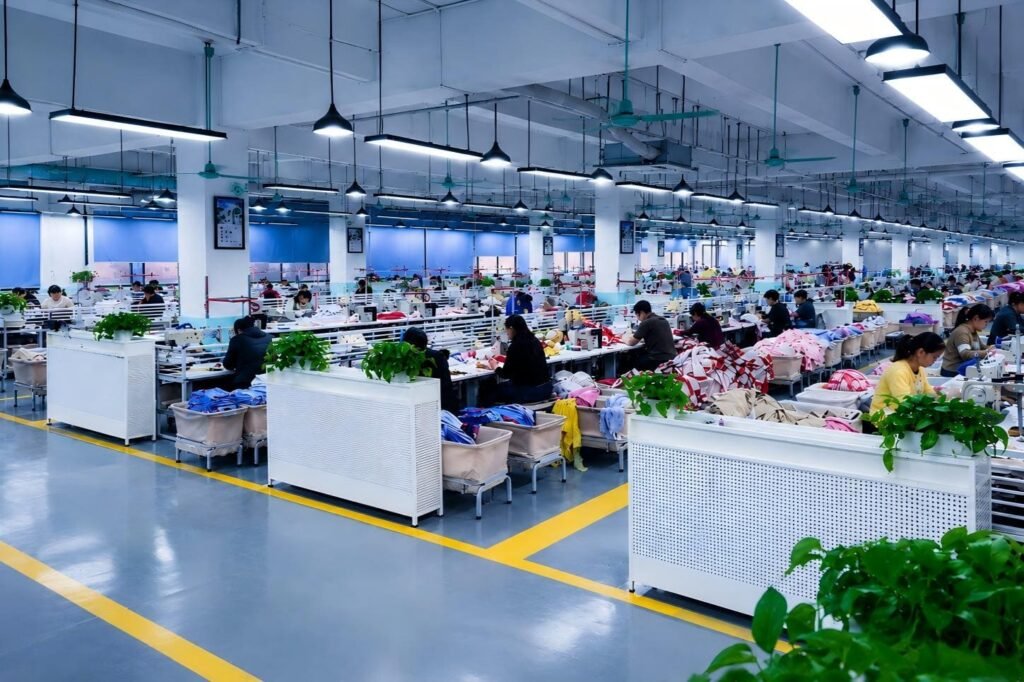
Duolan Manufacturing System for Brand Orders
Duolan combines owned factory control, satellite capacity and dress-focused development resources for multi-style programs
Manufacturing Fact | Duolan Capability | Value for US Wedding Guest Dress Brands |
16 owned womenswear factories | Core development and production control | Better handling of key styles, PP standards and repeat consistency |
20+ satellite factories | Long-term coordinated capacity | Supports repeat orders, seasonal volume and multi-style production |
300 sewing lines | Large-scale garment execution | Helps manage 10–30 style drops and style/color/size breakdowns |
50+ quick-response lines | Flexible production route | Useful for test orders, launch orders and urgent seasonal additions |
6,500,000 pcs monthly stable capacity | Scalable order support | Suitable for brand programs requiring volume and delivery discipline |
10,000,000 pcs peak monthly capacity | Seasonal production buffer | Supports high-pressure event seasons and concentrated launch windows |
15,000–35,000 monthly sample capacity | High development density | Helps manage multiple sample rounds and frequent collection updates |
SMETA 2-Pillar audit record | Social audit foundation | Supports supplier evaluation for structured brand programs |
Print, embroidery, washing, tie-dye partners | 2–3 stable partners per process direction | Supports decorative dresses and special process routing |
South China fabric and trim access | Mature material and accessory resources | Improves fabric sourcing, trim matching and development response |
Production Planning for Multi-Style Dress Drops
Multi-style wedding guest programs need structured production routing, not simple factory allocation.
Style, Color and Size Breakdown
A wedding guest dress program may include 10–30 styles, several colorways and full size runs. Duolan breaks the order down by style complexity, fabric readiness, color approval, size range, workmanship process, trim status and delivery window. This allows the team to identify which styles are ready for regular production, which need special process coordination and which need additional pre-production confirmation.
For example, a satin midi style may need pressing and packing control. A sequin dress may need slower sewing and inspection. A mesh dress may need lining and transparency checks. A corset dress may need structure confirmation before sewing scale-up. Duolan connects these differences with production path instead of forcing every style into one production rhythm.
Clear breakdown helps reduce internal confusion, especially when brand teams prepare launch orders between 20,000 and 80,000 pieces across multiple styles.
Process Routing and Factory Matching
Duolan’s owned factories support core control, while satellite factories help with repeat production, volume support and capacity flexibility under Duolan coordination. Different garments may require different production routes. Fitted stretch dresses, satin occasion dresses, decorated party dresses and printed guest dresses do not always belong on the same sewing line.
Our project team reviews fabric, construction, quantity and delivery pressure before matching styles with suitable production paths. Some styles may stay in owned factories for stronger control. Repeat or commercial styles may be arranged through coordinated capacity. Special process styles may need embroidery, print, washing or decorative process partners before sewing and finishing.
This structure helps Duolan support brand programs without losing discipline when order volume grows. The focus remains standard alignment, production readiness and QC consistency.
Quality Control for Occasion Dress Programs
Wedding guest dresses need QC points connected to fabric, fit, workmanship, finishing and packing.
Fabric Inspection
Duolan checks fabric surface, color, handfeel, defects, shade difference, shrinkage risk and approved swatch consistency before cutting. Satin, mesh, lace, chiffon-style and sequin fabrics require different inspection focus because each material creates different production risks.
Cutting Accuracy
Cutting accuracy affects fit, balance and production consistency. Duolan reviews fabric direction, pattern placement, cutting layers, print alignment, lace motif position, stretch direction and panel control. For fitted dresses and printed occasion styles, cutting mistakes can change the whole garment result.
Measurement Check
Measurements are reviewed against size spec and approved sample standards. Key areas include bust, waist, hip, length, strap, armhole, slit, sleeve, hem and lining. Stretch styles and structured styles may need different tolerance logic and inspection emphasis.
Seam Control
Seam quality influences garment value and wear stability. Duolan checks seam tension, stitch density, puckering, thread match, seam allowance, reinforcement and surface marks. Satin, sequin, mesh and lace fabrics need particular care because weak seams become visible quickly.
Lining Check
Lining is checked for coverage, color, length, softness, static behavior, attachment, twisting and seam relation. For wedding guest dresses, lining should protect comfort and opacity without affecting drape, fit or final garment balance.
Trim Inspection
Zippers, hooks, cups, boning, straps, labels, hangtags, buttons and decorative trims are reviewed against approved standards. For corset, backless, halter and decorated dresses, trim quality directly affects fit safety, comfort and perceived value.
Final Pressing
Pressing affects the first impression of occasion dresses. Duolan checks satin marks, hem shape, seam appearance, wrinkle control, pleat or gathering stability and packing readiness. Pressing requirements should be confirmed before bulk finishing, not improvised at the end.
Packing Review
Packing is checked against brand instructions, size stickers, polybags, hangtags, barcode labels, carton marks and folding method. For satin, sequin and structured dresses, packing method must protect surface appearance and reduce transit-related deformation.
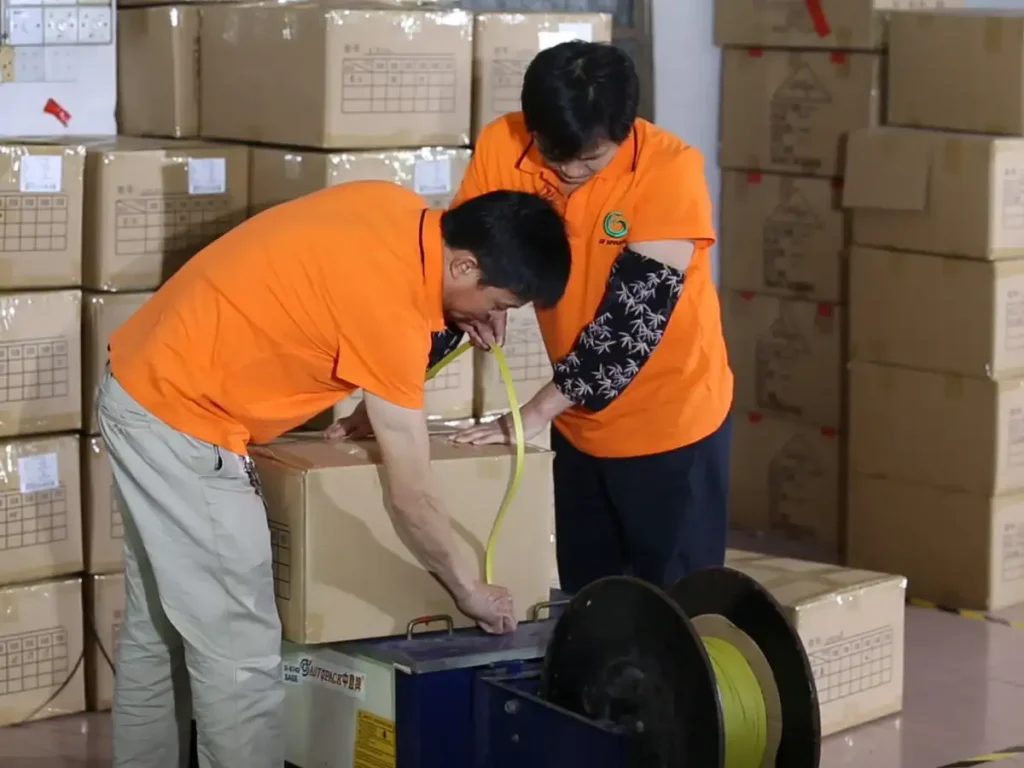
US Brand Label and Compliance Support
Duolan supports label, packaging, testing and documentation needs for structured US dress programs.

Care Labels
Duolan can support care label execution based on brand files, fiber content, care instructions, country of origin requirements and sewing placement. For wedding guest dresses, label position should avoid skin discomfort, transparent areas and visible marks on delicate fabrics

Brand Labels
Private label execution includes main labels, woven labels, printed labels, size labels and label placement review. Duolan checks label size, material, sewing method and placement against garment construction, especially for open-back, mesh, satin and lined dresses.

Hangtags
Hangtags support retail presentation and brand identity. Duolan can follow brand artwork, string type, barcode location, size stickers and attachment instructions. For occasionwear, hangtag execution should look refined without damaging delicate fabric or decorative surfaces.

Testing Coordination
Depending on brand requirements, Duolan can coordinate material or garment-related testing through third parties. Typical concerns may include colorfastness, shrinkage, fabric composition, seam strength, decoration security and market-specific brand standards.
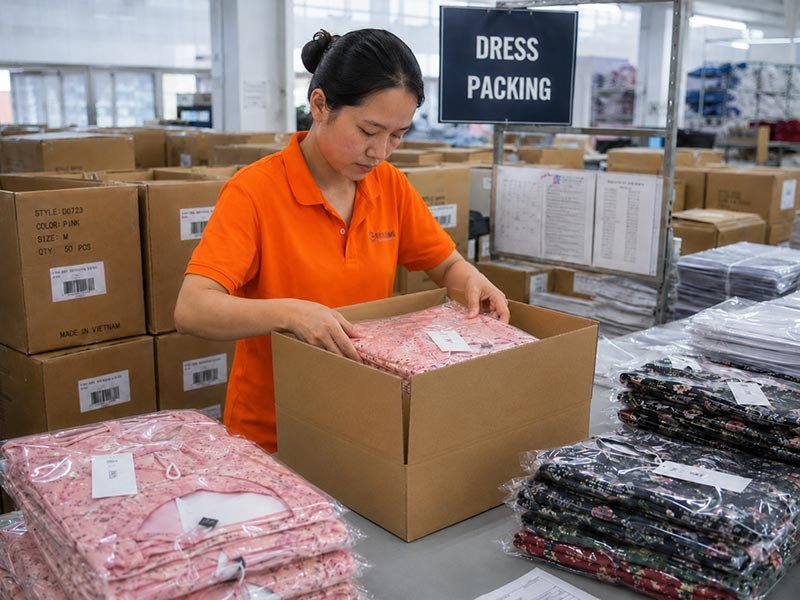
Packaging Rules
Packaging may include polybags, garment bags, size stickers, carton marks, barcode labels, folding method and warehouse instructions. Duolan reviews packing details before shipment preparation, especially for satin, sequin and structured dresses sensitive to pressure.

Audit Foundation
Duolan’s manufacturing system has SMETA audit experience and SMETA 2-Pillar audit record. For brand programs requiring social responsibility or supplier qualification review, Duolan can provide relevant capability information and coordinate standard discussions.
Private Label Details for Dress Programs
Private label execution helps US wedding guest dress brands maintain a consistent retail and delivery experience.

Main Labels
Main labels should match brand identity, garment fabric and inside construction. Duolan reviews label material, size, sewing position and skin-contact comfort. Open-back or sheer-panel dresses may need special placement decisions to avoid visible or uncomfortable labels.

Size Labels
Size labels must support clear warehouse sorting and end-user selection. Duolan follows brand sizing files and placement instructions while checking whether label sewing affects delicate seams, mesh panels, lining or fitted garment areas.
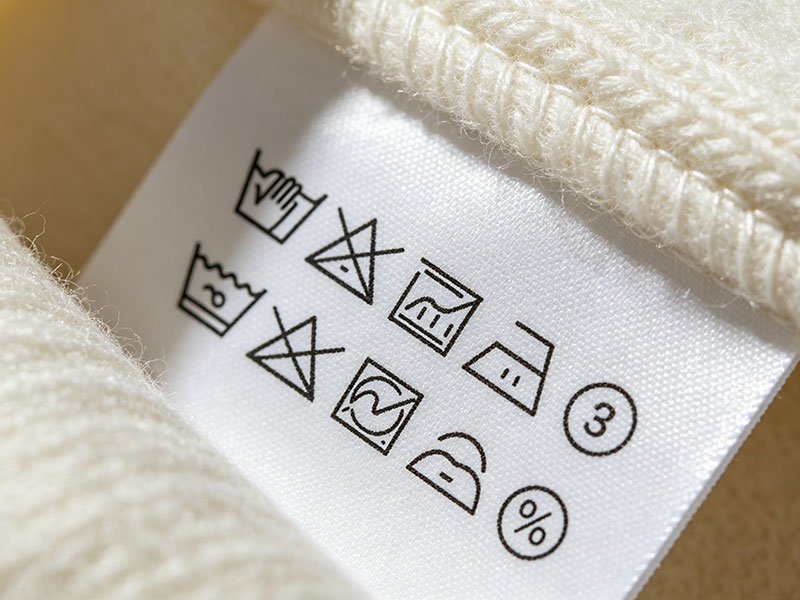
Care Labels
Care labels should be accurate, readable and placed without harming comfort. Duolan checks fiber content, care instructions, country of origin information and sewing location based on garment structure and brand files.

Hangtags
Hangtags support presentation, barcode scanning and retail handling. Duolan can follow artwork, tag size, string, pin, barcode area and attachment point. Delicate dresses need attachment control to prevent fabric pulls or decoration damage.

Barcode Labels
Barcode labels and stickers help warehouse and retail operations. Duolan supports placement on hangtags, polybags or cartons according to brand standards. Clear barcode execution reduces receiving and sorting issues after shipment.

Polybags
Polybags protect garments during storage and delivery. Duolan reviews bag size, warning text, ventilation, sticker placement and folding relation. Satin and sequin dresses may need packaging methods that reduce surface pressure and crease risk.

Garment Bags
Some occasionwear programs require garment bags for higher presentation value. Duolan can support garment bag direction, logo placement, zipper or closure details and packing compatibility for selected dress styles.
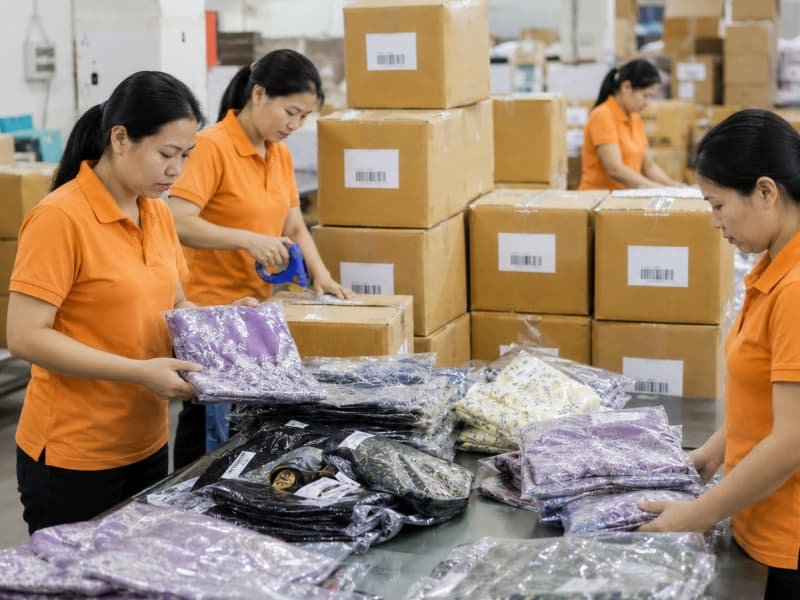
Carton Marks
Carton marks support warehouse receiving and shipment organization. Duolan follows brand instructions for item, style, color, size, quantity, carton number and destination details when required.
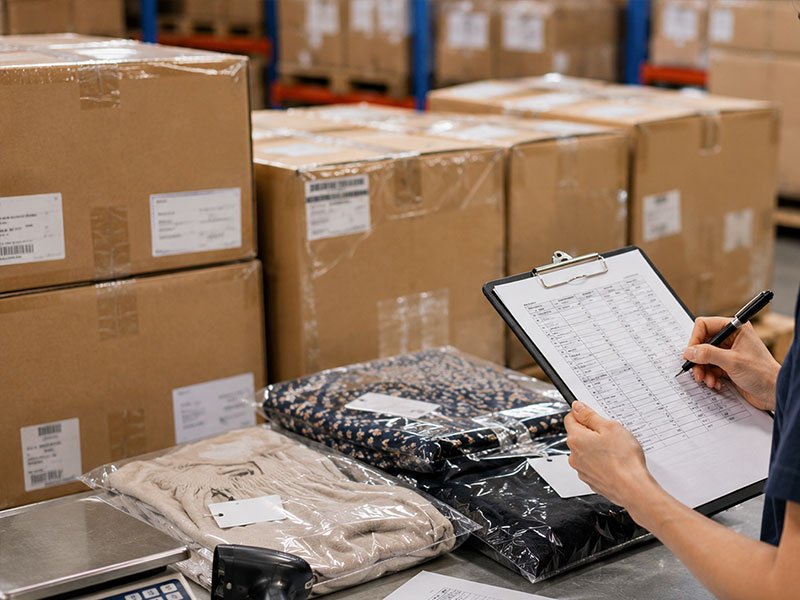
Packing Lists
Packing lists help shipment management and receiving checks. Duolan prepares packing details according to order structure, style, color, size and carton distribution when required by the brand program.
Cost Logic Behind Custom Dress Production
Dress cost depends on fabric, construction, process, size range, colorways and production path.
Fabric and Colorway Decisions
Fabric decisions shape both cost and production risk. Satin, mesh, lace, sequin, chiffon-style, stretch jersey, crepe and decorated fabrics carry different sourcing conditions, cutting loss, sewing difficulty, pressing needs and QC time. More colorways can affect lab dip approval, dyeing control, fabric allocation, cutting plan and production scheduling. Duolan reviews fabric and colorway plans before quotation becomes meaningful.
For wedding guest dress programs, material decisions should match product role. A hero style can justify higher fabric control and more refined finishing. A commercial style may need balanced cost, repeat availability and easier production. A risk style may need a smaller development path before full bulk commitment. Duolan helps brand teams compare these factors during project review.
A quote becomes more accurate when the brand provides target fabric, reference image, size range, expected quantity, color plan, workmanship details and launch timeline.
Construction and Process Complexity
Construction drives labor time and quality risk. A simple lined midi dress, corset satin dress, sequin mini dress, mesh bodycon dress and lace panel dress require different sewing routes. Details such as boning, cups, invisible zippers, lining, slit reinforcement, ruching, gathering, rhinestones, embroidery, print placement and special finishing can change sample time, production speed and inspection requirements.
Duolan reviews construction before confirming a production path. Complex styles may need trial samples, extra fit review, process testing or PP confirmation. The goal is not to avoid complexity, but to make complexity controllable. For US wedding guest brands, a strong style can justify additional construction work when it supports product value, campaign image and repeat potential.
Clear construction notes help Duolan provide better sampling direction, cost logic and bulk planning. Missing details may create later changes in price, timeline or production readiness.
Order Structure and Timing
Order structure affects production planning. A 20,000-piece program across 10 styles is different from an 80,000-piece program across 30 styles. Style mix, color count, size range, fabric readiness, sample approval speed, trim availability and delivery window all shape the final production plan. Duolan evaluates whether a project is a test launch, seasonal launch, repeat order or scale-up order.
Sample timing also depends on project complexity and material status. A simpler dress with available fabric can move faster than a corset, sequin, lace or custom-print style requiring material confirmation. Bulk timing depends on approved sample, locked materials, order breakdown, factory route, special processes, QC requirements and shipment arrangement.
Duolan encourages brand teams to share launch windows early. A realistic timeline protects quality and reduces pressure during late-stage production.
Why US Dress Brands Work With Duolan
Duolan combines dress development judgment, manufacturing scale and controlled execution for occasionwear programs.
Dress-Focused Development
Duolan focuses on fashion dresses, occasion dresses, party dresses, fitted dresses and related fashion sets. This focus helps our team understand dress-specific issues such as drape, support, lining, slit position, bust safety, stretch recovery, zipper control and photo-ready finishing.
Occasionwear Understanding
Wedding guest dress programs require balance between elegance, comfort and production cost. Duolan reviews each style by occasion use, silhouette, fabric behavior, size range, launch timing and channel needs, helping brands avoid treating occasionwear as ordinary cut-and-sew production.
Fabric-Fit Matching
Different fabrics behave differently on different silhouettes. Duolan reviews drape, stretch, recovery, structure, opacity, lining and skin feel before sample direction is locked. This helps reduce the risk of a sample looking weaker than the original design idea.
Production-Ready Sampling
Duolan develops samples to support decision-making, not only visual preview. Samples are reviewed for fit, fabric, construction, workmanship and bulk readiness. Revision summaries and production-readiness checks help bridge approved samples and manufacturing execution.
Scalable Manufacturing
With owned factories, satellite factories, 300 sewing lines, 50+ quick-response lines and strong sample development capacity, Duolan can support multi-style programs, repeat orders and seasonal production pressure while keeping project control visible.
Compliance Support
Duolan supports brand documentation, label execution, packaging instructions, third-party testing coordination and supplier capability discussions. SMETA audit experience and SMETA 2-Pillar audit record help structured brand teams conduct supplier evaluation with more confidence.
Anonymous Brand Project Examples
Selected project examples show how Duolan supports multi-style dress development, sampling and bulk execution.
US Occasionwear Capsule
A US occasionwear brand planned a spring wedding guest capsule with 14 styles and a launch order of about 32,000 pieces. The range included satin midis, floral chiffon-style dresses, halter minis and two structured corset styles. The main issue was sample inconsistency: satin styles showed seam marks, chiffon-style dresses needed better lining coverage, and corset samples needed stronger bust support.
Duolan reviewed fabric behavior, lining direction, neckline safety, waist balance and pressing requirements before revision. The project team created separate notes for satin, lightweight woven and structured styles, then moved approved garments into PP sample confirmation. The bulk route was split by complexity rather than style count alone. Commercial styles entered a faster production path, while corset and satin hero styles received tighter workmanship and pressing review.
The program moved into bulk with clearer fabric, construction and packing standards. The brand used several silhouettes again in a later seasonal color update, supported by retained pattern and BOM records.

US Fast Fashion Dress Drop
A US fast fashion dress brand needed a wedding guest and party crossover drop with 26 styles and about 68,000 pieces across multiple colors. The line included mesh bodycon dresses, one-shoulder cocktail styles, backless satin dresses, printed midis and several sequin statement styles. The challenge was not only production quantity, but revision control across many styles moving at the same time.
Duolan separated comments into fit, measurement, fabric, trim, construction, visual preference and production risk. Mesh styles were reviewed for opacity, lining and recovery. Sequin styles were checked for weight, skin feel and seam trimming. Backless styles went through support and strap stability review. Instead of treating all samples equally, Duolan prioritized high-risk styles for earlier technical confirmation.
Bulk production was planned by style complexity, material readiness and special process needs. The order was organized into production paths so regular commercial dresses, decorated dresses and open-back styles could be controlled with different QC focus. The brand reduced repeated sample comments after the second revision round and moved key styles into launch production with clearer standards.

US Online Fashion Retailer
A US online fashion retailer prepared a holiday wedding guest and cocktail edit with 18 styles and around 44,000 pieces. The collection used jewel-tone satin, ruched mesh, lace panels, fitted midis and two decorated party dresses. The brand needed strong image appeal for online launch, but also needed packing control because satin and decorated styles were sensitive during shipment.
Duolan reviewed each style from photo effect to delivery condition. Satin garments received pressing and folding recommendations. Mesh styles were checked for lining color and stretch recovery. Lace styles were adjusted for placement and seam position. Decorated dresses received additional inspection points for edge comfort and trim security. Label, size sticker, polybag and carton instructions were also reviewed before packing.
The project moved through sample review, PP confirmation, production planning and final packing inspection. The retailer used approved fit blocks and material notes for a later event capsule, shortening development preparation for several repeated silhouettes.

Frequently Asked Questions
Yes. Duolan supports US wedding guest, occasionwear, cocktail, party and formal guest dress programs. Our work includes design review, fabric sourcing support, pattern development, sample revision, PP sample basis, bulk production, QC, private label and packaging support.
Duolan focuses on fashion dresses and occasionwear, not bridal gown production as the main category. Wedding guest dresses are handled as social-event fashion dresses, including satin midis, cocktail dresses, formal guest dresses, mesh styles, lace details, halter dresses and fitted occasion silhouettes.
Yes. Duolan can review reference images, mood boards, original sample photos or partial tech packs. Our team converts visual direction into fabric questions, construction review, pattern basis, sample route and production feasibility notes before development moves forward.
Yes. Duolan can support main labels, care labels, size labels, hangtags, barcode labels, polybags, carton marks and packaging instructions according to brand files. Label and packaging details should be reviewed before bulk packing.
Common directions include satin, crepe, chiffon-style woven, mesh, lace, sequin, stretch jersey, printed woven and decorated fabrics. Duolan reviews drape, stretch, opacity, recovery, lining, skin feel and production stability before sample direction is confirmed.
Yes. Duolan supports corset, bustier, halter and backless dress development. These styles need careful review of bust support, cup position, boning, strap stability, back opening, lining, zipper placement and size grading before bulk production.
Duolan reviews approved sample status, fabric, lining, trims, measurements, workmanship points, packing requirements and production route before bulk starts. PP sample control, material locking, first-piece review and inline QC help reduce sample-to-bulk differences.
Useful information includes tech pack, reference images, original sample photos, target fabric, colorways, size range, expected quantity, delivery window, label files, packaging instructions and target market. Clear files help Duolan review development path faster.
Yes. Duolan’s manufacturing system is suitable for multi-style dress programs. The project team reviews each style by complexity, fabric, color, size range, process risk and delivery window before matching production route and QC focus.
Pricing depends on fabric, colorways, construction, lining, trims, decoration, size range, quantity, special process, sample status and production timeline. Duolan reviews project details before providing a meaningful quotation and production path.

Start Your Dress Project
Duolan can review your wedding guest dress program from design direction, fabric target and sample stage to bulk production and private label delivery. To help our team provide a useful development response, please share available project files and commercial details. Your files do not need to be perfect, but the project should have a clear dress direction, expected order plan and launch purpose.
Please include:
- Tech pack, reference image or original sample photos
- Target fabric direction, colorways and lining requirement
- Expected quantity, size range and delivery window
- Sample purpose: proto, fit sample, sales sample or PP basis
- Brand label, care label, hangtag and packaging instructions
- Special details such as corset, mesh, lace, sequin, print, slit or backless construction
- Target market, sales channel and internal approval timeline