Skip to content
Custom Dress Manufacturer for UK Established Fashion Brands
Dress-focused development and manufacturing support for UK fashion brands managing samples, seasonal collections, bulk production, and repeat orders.
Duolan supports established UK fashion brands with custom dress development from design direction to finished production. Our team works across fabric review, trim coordination, pattern development, sample refinement, PP confirmation, bulk manufacturing, quality inspection, packing, and repeat-order support. Backed by a multi-factory womenswear system, Duolan helps brands manage complex dress programs with clear project control, production discipline, and category-focused dress expertise.
- 16 owned womenswear factories
- 20+ satellite factories
- 12,000+ supporting workers
- 300 sewing lines
- 50+ quick-response lines
- 15,000–35,000 monthly sample development capacity
- SMETA 2-Pillar audit record






Built for UK Fashion Brand Teams
Duolan works best with brand teams needing structured dress development, sample control, production planning, and repeatable supply support.
Established Fashion Brands
UK fashion brands with clear positioning need more than garment sewing. They need a supplier able to understand dress direction, fit priority, fabric effect, size standards, packing requirements, and order rhythm. Duolan supports dress programs where each style must move through development review, sample confirmation, PP approval, controlled production, and later repeat orders. Cooperation is built around project discipline rather than loose garment sourcing.
- Development brief review
- Dress category planning
- Fabric and trim coordination
- Bulk readiness review
- Repeat-order file preservation
Buying Teams
Procurement teams often compare suppliers by much more than unit price.
They need clear communication, confirmed materials, stable workmanship, reliable QC checkpoints, and production records.
Duolan helps buying teams evaluate dress programs before bulk starts, especially when multiple styles, colors, sizes, and delivery windows must be coordinated under one controlled plan.
- Quotation basis review
- Production path planning
- Quality checkpoint alignment
- Packing instruction control
- Shipment preparation support
Product Teams
Product teams care about design intention, garment proportion, body fit, fabric behavior, and sample decision value. A dress sample should not only look close; it should help the team judge whether the silhouette, drape, support, lining, trims, and construction can continue into production. Duolan helps translate comments into development actions, keeping version records clearer during sample rounds.
- Tech pack review
- Reference style interpretation
- Fit comment response
- Pattern adjustment direction
- Sample revision summary
Sourcing Offices
Sourcing offices require suppliers who can support structured work across documents, samples, price review, production timing, inspection, and logistics. Duolan can coordinate through email, WhatsApp, video meetings, project images, marked files, and production updates, helping sourcing teams manage internal brand communication with cleaner project evidence.
- English project communication
- Document-based coordination
- Factory visit support
- Third-party inspection support
- Brand requirement execution
UK Dress Supplier Requirement Matrix
A UK dress program usually requires category focus, development control, supplier qualification, and production discipline, not only garment capacity.
Brand Requirement | Common Concern in Dress Projects | Duolan Response |
Custom dress development | The supplier may copy a reference image without understanding fit, fabric, or construction. | Duolan reviews design basis, fabric direction, pattern needs, workmanship risks, and sample purpose before development. |
UK fashion market fit | Occasionwear, partywear, wedding guest, and going-out dresses require different silhouettes and finish standards. | Duolan supports mini, midi, maxi, satin, mesh, sequin, bodycon, corset, and occasion dress programs. |
Sample decision value | A sample may look finished but fail to support fit approval, photo review, or production preparation. | Duolan separates first proto, fit sample, revised sample, photo sample, and PP sample roles. |
Bulk consistency | Confirmed samples may shift in fabric, trims, measurements, workmanship, or packing during production. | Duolan uses material locking, PP confirmation, first-piece check, inline QC, final inspection, and packing review. |
Scalable production | Multiple styles and seasonal drops need factory allocation, QC coordination, and repeat support. | Duolan operates through 16 owned factories, 20+ satellite factories, 300 sewing lines, and 50+ quick-response lines. |
Supplier qualification | Established brands often require audit readiness, standard awareness, and structured cooperation. | Duolan has SMETA audit experience, including SMETA 2-Pillar record, and can coordinate brand-specific requirements. |
Why Dress Focus Matters
Dress manufacturing requires fit, fabric, lining, support, finishing, and bulk consistency control across real wearing scenarios.
Fit Sensitivity
Dresses expose fit problems more quickly than many other apparel categories. A small issue in bust balance, waist position, hip tension, strap length, side seam angle, cup position, or skirt fall can change the whole garment effect. Duolan treats fit as a development issue, not only a size chart issue. Pattern work, measurement priorities, fabric behavior, and sample comments are reviewed together.
Bust and waist balance
Skirt fall and length control
Bodycon stretch recovery
Size grading stability
Fabric Behaviour
Satin, mesh, sequin, lace, velvet, chiffon, and stretch knit each behave differently during cutting, sewing, steaming, packing, and wearing. A dress fabric cannot be judged only by appearance. Duolan reviews drape, stretch, opacity, handfeel, surface marks, lining needs, seam visibility, and bulk stability before recommending a direction.
Drape and shine
Stretch and recovery
Opacity and lining
Seam and needle marks
Launch Calendar
UK dress brands often work around party season, wedding guest season, summer drops, holiday collections, and promotional calendars. Late sample confirmation can compress bulk production, QC, packing, and shipping. Duolan helps brands review launch timing from design files to sample, PP approval, production, inspection, packing, and delivery planning.
Sample path planning
Photo sample timing
PP confirmation timing
Bulk and shipping buffer
Sample Approval
Established brand teams often need samples for internal meetings, fit review, campaign planning, buying sign-off, and production preparation. A sample must be clear enough to support decisions. Duolan separates sample purposes and keeps comments tied to garment construction, fabric, trims, and measurements.
First proto direction
Fit sample comments
Revised sample records
Photo and PP sample use
Bulk Consistency
Bulk production risk often appears after a sample has already been approved. Color batch, lining, zipper, cup, boning, sequin placement, washing, steaming, carton packing, and measurement tolerance can all affect final output. Duolan uses pre-production confirmation and production checkpoints to reduce drift between sample and bulk.
Material confirmation
Workmanship sheets
First-piece approval
Inline and final QC
Repeat Orders
Repeat orders require preserved standards. A strong dress program should not lose its fit, color, fabric handfeel, trim specification, label placement, packing method, or carton information after the first shipment. Duolan keeps project information organized for replenishment, color extension, style update, and seasonal continuation.
Approved sample reference
BOM preservation
Trim and label records
Reorder production notes
Dress Categories Duolan Supports
Duolan supports dress programs built around UK fashion seasons, commercial silhouettes, fabric direction, and repeatable production needs.
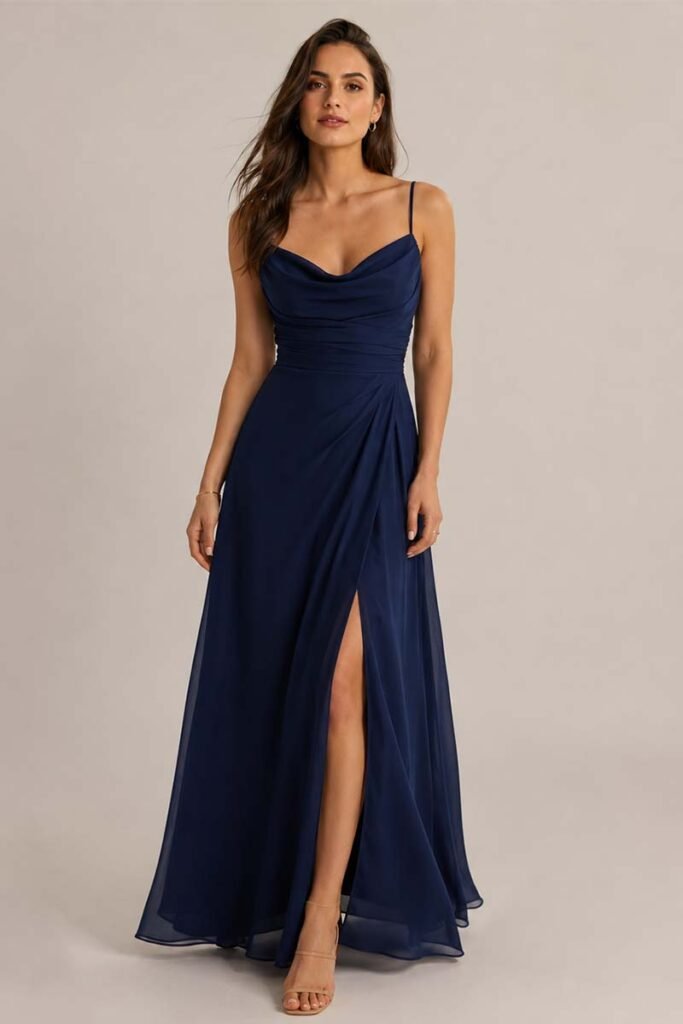
Fashion Dresses
Fashion dresses require a clear balance between trend, wearability, price range, and production feasibility. Duolan helps brand teams review silhouette, fabric, trim, pattern, lining, and finishing before sampling. Styles may include casual dress updates, statement sleeves, cut-out details, adjustable straps, asymmetric hems, or mixed-material construction.
Development focus:
Commercial silhouette
Fabric and fit balance
Production-friendly details
Repeatable workmanship

Occasion Dresses
Occasion dresses need stronger visual completion than basic dailywear. Drape, lining, seam finish, hem balance, zipper placement, and photo-ready appearance all matter. Duolan supports midi, maxi, satin, lace, chiffon, and structured occasion dresses where sample review must connect with production standards.
Development focus:
Elegant garment fall
Lining and coverage
Clean seam finish
PP sample control

Party Dresses
Party dresses often rely on fitted silhouettes, shine, sparkle, mesh, cut-outs, ruching, or bold trims. Visual impact must not create wearing discomfort or production instability. Duolan reviews weight, stretch, support, skin contact, edge finish, lining, and placement control before bulk planning.
Development focus:
Sequin and shine control
Body fit and comfort
Lining coverage
High-risk detail review

Wedding Guest Dresses
Wedding guest dresses need polished appearance, refined color direction, and comfortable event wear. Satin, chiffon, lace, crepe, and soft drape fabrics are common, but each one requires different handling. Duolan helps align fabric choice with skirt fall, opacity, color tone, and packing requirements.
Development focus:
Color and fabric mood
Drape and movement
Elegant finishing
Packing crease review

Going-out Dresses
Going-out dresses must photograph well and fit well. Necklines, cut-outs, mesh panels, ruching, bodycon proportions, strap positions, and back designs require careful sample review. Duolan supports development where visual effect, wearing security, and bulk repeatability need to work together.
Development focus:
Body contour
Cut-out stability
Mesh and lining balance
Photo-ready proportions

Bodycon Dresses
Bodycon dresses depend on negative ease, fabric recovery, opacity, seam placement, and size grading. Too much stretch can lose shape; too little stretch can create tension lines. Duolan reviews fabric weight, recovery, lining options, measurement standards, and construction details before sampling.
Development focus:
Stretch recovery
Opacity control
Waist and hip fit
Size grading stability

Satin Dresses
Satin dresses show surface marks, seam puckering, needle traces, packing creases, and lining issues more clearly than many fabrics. Duolan reviews satin weight, drape, shine, sewing method, lining, pressing, and packing method to help maintain a refined final garment.
Development focus:
Drape and shine
Needle mark reduction
Lining choice
Packing crease control

Mesh Dresses
Mesh dresses require control over transparency, stretch, recovery, print placement, lining coverage, and skin comfort. A mesh dress can look strong on screen but fail during wear if coverage or size stretch is misjudged. Duolan reviews mesh direction with pattern, lining, and placement together.
Development focus:
Coverage and opacity
Print placement
Stretch and recovery
Lining construction

Sequin Dresses
Sequin dresses require control over weight, skin touch, cutting loss, seam bulk, lining, zipper finish, and fallout risk. Duolan reviews sequin density, backing fabric, placement, seam handling, and production workflow before bulk. Complex sequin styles may need special handling before line allocation.
Development focus:
Sequin density
Skin comfort
Edge finish
Production loss control

Corset Dresses
Corset dresses need strong structure and accurate body balance. Cup position, boning length, waist shape, back closure, lining, and outer fabric tension must be checked carefully. Duolan reviews support construction before production so the sample can move toward a controlled PP standard.
Development focus:
Cup position
Boning support
Back structure
Waist balance
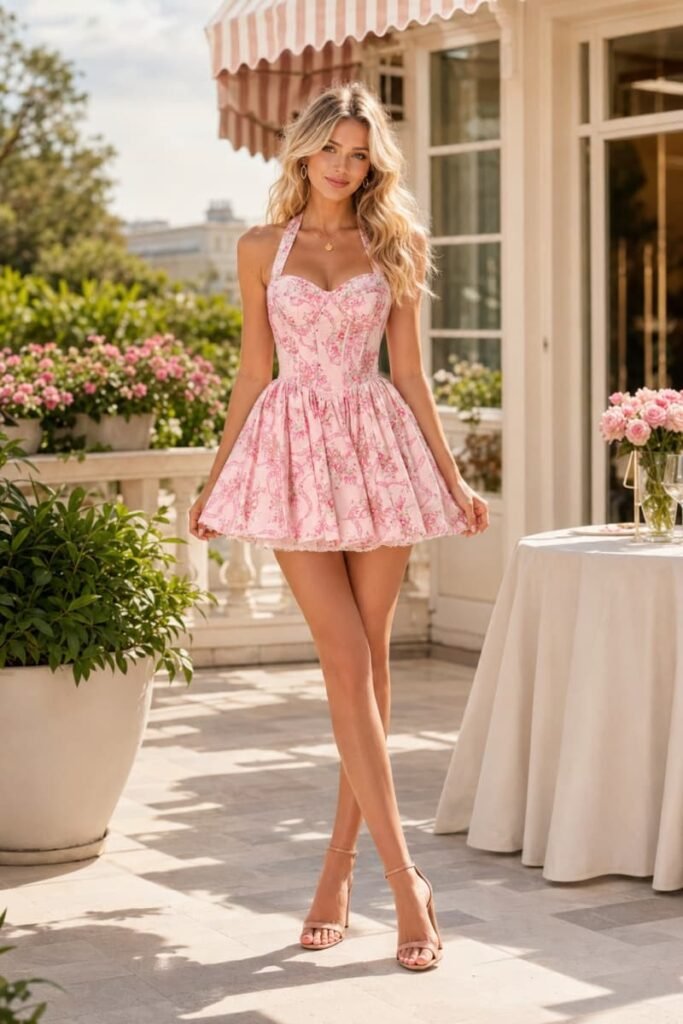
Mini Dresses
Mini dresses need careful length control, coverage, hem stability, and proportion across sizes. Bodycon mini, party mini, satin mini, and structured mini dresses have different fit risks. Duolan reviews length, movement, lining, side seams, and opening stability before sample approval.
Development focus:
Length control
Coverage security
Hem balance
Size proportion

Midi Dresses
Midi dresses rely on proportion, fabric fall, waist position, and hem movement. A midi dress may lose commercial appeal if the waistline, sleeve, neckline, or skirt fall feels heavy. Duolan reviews fabric behavior and pattern balance before moving into revised sample or PP sample.
Development focus:
Waist placement
Skirt fall
Hem movement
Drape control

Maxi Dresses
Maxi dresses require fabric flow, hem consistency, lining planning, shrinkage review, packing control, and size-length grading. Chiffon, satin, mesh, jersey, and printed fabrics each create different bulk handling needs. Duolan reviews garment length and production feasibility early.
Development focus:
Long hem control
Fabric consumption
Lining and opacity
Packing method

Vacation Dresses
Vacation dresses often use lighter fabrics, prints, open backs, halter necks, adjustable straps, resort silhouettes, and easy movement. Duolan reviews fabric cooling feel, colorfastness requirements, print placement, strap stability, and packing method for travel-oriented retail needs.
Development focus:
Lightweight fabrics
Print placement
Strap adjustment
Travel-friendly packing

Dress Sets
Dress sets connect styling with production complexity. Tops and skirts or dresses with matching outer pieces must align in fabric batch, color, trim, size logic, and packing. Duolan reviews matching material, garment proportion, SKU grouping, and production sequence for better collection control.
Development focus:
Color batch control
Set proportion
Trim consistency
SKU packing logic
Collection Development for UK Programs
Duolan supports dress programs built around seasonal calendars, product drops, campaign samples, launch orders, and repeat production.
Occasionwear Lines for Brand Calendars
A UK occasionwear line often includes satin midi dresses, chiffon maxi dresses, lace dresses, refined mini dresses, and event-ready silhouettes. Development must consider more than garment appearance. Internal brand teams usually need samples for fit review, styling review, campaign planning, merchandising selection, and production approval. Duolan helps organize such programs from collection brief to fabric direction, pattern path, sample purpose, PP confirmation, and production allocation.
A stronger occasionwear line usually requires:
Fabric groups: Satin, chiffon, lace, crepe, mesh, and lining combinations should be selected according to garment fall, opacity, color depth, and pressing result.
Sample roles: First proto, fit sample, revised sample, photo sample, and PP sample should not be treated as the same garment stage.
Production planning: Midi and maxi styles, lined styles, and delicate fabrics may need different cutting, sewing, pressing, and packing routes.
Repeat support: Bestseller colors, size curves, and high-demand silhouettes need preserved specifications for replenishment.
Partywear Drops With Multi-style Control
A partywear drop often includes fitted mini dresses, mesh panels, sequin surfaces, cut-outs, ruched details, metallic fabrics, and backless construction. These products need stronger detail control because visual selling points are also production risk points. Duolan reviews fabric stretch, sequin density, lining coverage, zipper stress, neckline stability, and trim placement before sampling and before bulk.
A controlled partywear project usually requires:
Style grouping: Separate high-risk sequin, mesh, corset, and fitted styles from standard woven or knit styles during planning.
Fit priority: Bodycon and cut-out styles need clear bust, waist, hip, neckline, and length priorities.
Production path: Sequin and mesh styles may require special cutting, seam handling, lining review, and extra QC attention.
Launch rhythm: Photo samples, campaign samples, and launch bulk should be planned with approval buffers.
Seasonal Dress Programs and Repeat Planning
Established UK fashion brands often develop 10–30 styles within one dress program. A seasonal program may start with design direction and then move through fabric selection, sample development, fit approval, campaign samples, launch production, and repeat planning. Duolan’s multi-factory system supports programs where order quantity may reach 20,000–80,000 pieces across styles, colors, and size ranges.
A seasonal program usually requires:
Style allocation: Different styles need different factory or line matches according to fabric, workmanship, risk, and delivery timing.
Order breakdown: Bulk planning should split style, color, size, quantity, delivery date, packing method, and inspection requirement.
Material locking: Fabrics, linings, trims, labels, packaging, and cartons must be confirmed before production release.
Future continuity: Approved samples, BOMs, workmanship notes, and packing standards should remain available for repeat orders.

Design Direction Review
Before sampling, Duolan reviews design intention, garment structure, fabric behavior, fit priority, and production feasibility.
From Reference Image to Development Basis
A reference image can show mood, silhouette, neckline, sleeve, skirt length, and styling direction, but it does not automatically create a production-ready dress. Duolan reviews reference materials against real garment construction. Our team checks whether the proposed fabric can support the target shape, whether lining is needed, whether the neckline and back opening remain wearable, and whether key visual elements can be repeated in bulk.
Review points include:
Silhouette: Loose, fitted, A-line, column, wrap, corset, bias, or ruched shapes each need different pattern decisions.
Fabric direction: Satin, mesh, sequin, lace, chiffon, jersey, and woven blends create different drape and sewing challenges.
Fit priority: Bust support, waist balance, hip tension, strap position, and skirt length should be clarified before the first sample.
Production feasibility: Some design details may work in one sample but require adjustment for stable bulk production.
Tech Pack Review for Cleaner Sampling
A tech pack is the bridge between design intention and production control. Duolan reviews flat sketches, measurement charts, grading notes, fabric information, BOM, construction details, trim placement, label files, packing requirements, and target quantity. When information is incomplete, our team can still begin with a development review and identify missing decision points before sample work begins.
Review points include:
Measurement clarity: Bust, waist, hip, length, strap, sleeve, slit, and opening measurements must match garment structure.
Construction detail: Lining, cups, boning, facings, elastic, hook and eye, zipper, openings, and hemming need confirmation.
Material basis: Fabric composition, weight, stretch, color, handfeel, transparency, and shrinkage impact sample accuracy.
Production notes: Packaging, labels, cartons, hangtags, barcode needs, and inspection standards should connect early with development.
Original Sample and Fit Comment Translation
When a brand sends an original sample, Duolan can review construction, seam placement, fabric handfeel, lining method, trim type, measurement tolerance, and workmanship details. If the brand provides fit comments, our team translates those comments into pattern and sewing actions rather than keeping them as loose notes. This helps avoid repeated sample rounds caused by unclear instructions.
Review points include:
Fit comments: Tight bust, loose waist, short length, gaping neckline, strap slipping, or hip tension must become measurable changes.
Garment comparison: Original sample and revised sample should be compared by appearance, measurements, construction, and wear.
Version control: Each sample round should keep clear notes on what changed and what remains pending.
Bulk direction: Fit-approved details should connect with PP sample and production notes.
Development Risk Notes Before Sampling
Complex dresses often carry risk before fabric is cut. A satin bias dress may show seam marks and length distortion. A mesh dress may create coverage issues. A sequin mini may become heavy or uncomfortable. A corset dress may fail if cup position or boning length is wrong.
Duolan gives development guidance before sampling so the first garment has a clearer purpose.
Review points include:
High-risk zones: Bust, waist, side seam, zipper, lining, slit, hem, strap, and neckline receive priority review.
Material match: Fabric selection should support the target silhouette and intended price range.
Sample purpose: A first sample may focus on fit accuracy, visual styling, construction test, or photo preparation.
Approval path: The sample plan should state which points need confirmation before revision or PP stage.
Fabric and Trim Development
Duolan reviews materials by garment result, fit, structure, price range, production path, and bulk stability.

Satin
Satin can create strong dress value, but it also exposes seam marks, needle traces, puckering, shine variation, and packing creases. Duolan reviews satin handfeel, weight, drape, lining, sewing method, pressing, and carton packing before recommending sample and bulk routes.
Review focus:
Drape and shine
Needle mark control
Lining choice
Packing crease risk

Mesh
Mesh needs careful control over transparency, elasticity, recovery, print placement, and lining coverage. For going-out dresses and partywear, the main challenge is keeping the garment visually strong while maintaining wear security. Duolan checks mesh behavior against size grading and construction before sampling.
Review focus:
Transparency control
Stretch recovery
Print placement
Lining coverage

Stretch Knit
Stretch jersey is common for fitted dresses, but poor recovery can affect shape after wear. Duolan reviews stretch direction, fabric weight, opacity, seam type, shrinkage, recovery, and measurement tolerance. Fit comments are especially important for bodycon programs.
Review focus:
Negative ease
Recovery strength
Opacity check
Size stability

Sequin Fabric
Sequin fabric requires special attention during cutting, sewing, lining, and inspection. Density, backing, placement, weight, seam bulk, zipper stress, and skin contact can all affect the final dress. Duolan reviews sequin fabrics before line allocation and QC planning.
Review focus:
Sequin density
Cutting loss
Skin comfort
Edge finish

Lace
Lace dresses need placement control, lining support, edge treatment, and color consistency. Different lace types may need different cutting and seam approaches. Duolan reviews pattern placement, transparency, stretch, trim matching, and lining tone during the development stage.
Review focus:
Placement balance
Lining tone
Edge treatment
Transparency control

Chiffon
Chiffon is light and elegant, but it can shift during cutting and sewing. Hem consistency, lining opacity, seam smoothness, and garment length need careful review. Duolan checks chiffon handling for maxi, midi, resort, and occasion dress programs.
Review focus:
Cutting stability
Soft drape
Hem control
Lining opacity

Velvet
Velvet can create premium occasionwear value, but pile direction, shading, seam pressure, and pressing marks need control. Duolan reviews cutting direction, garment layout, workmanship, pressing method, and packing method before bulk production.
Review focus:
Pile direction
Shade consistency
Pressing control
Packing care

Lining
Lining affects comfort, opacity, structure, and garment fall. A wrong lining can change dress shape or make the garment feel heavy. Duolan reviews lining by fabric compatibility, stretch, color, skin touch, seam method, and movement during wear.
Review focus:
Opacity support
Comfort touch
Stretch match
Garment fall
Functional Trims
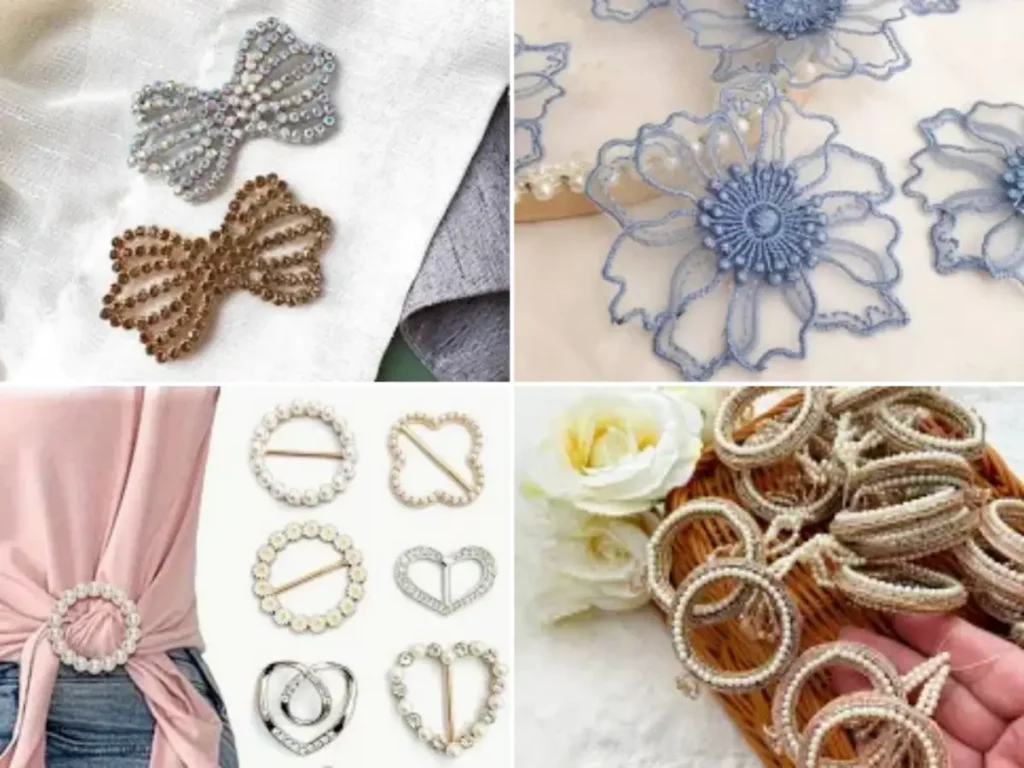
Zippers, cups, boning, hook and eye, elastic, adjustable straps, anti-slip tape, eyelets, and inside support details make fashion dresses wearable. Duolan reviews trim function, color match, strength, placement, comfort, and bulk availability.
Review focus:
Closure strength
Hidden support
Color matching
Bulk availability
Pattern, Fit and Sample Path
Duolan connects pattern work, fit comments, fabric behavior, and sample purpose before moving a dress toward bulk production.
Pattern Development With Dress Structure in Mind
A dress pattern must reflect fabric, support, body shape, and commercial styling.
Duolan does not treat a size chart as a mechanical file. For fitted, corset, satin, mesh, and sequin dresses, pattern work must consider bust support, waist position, hip balance, seam direction, opening stability, lining, and garment length. This is especially important for UK market dress programs with mini, midi, maxi, bodycon, and occasionwear silhouettes.
Pattern review includes:
Measurement base: Bust, waist, hip, length, sleeve, strap, slit, neckline, and back opening points.
Fabric effect: Stretch, drape, opacity, recovery, and shrinkage can change the pattern decision.
Construction path: Cups, boning, lining, zipper, seam allowance, and finishing method should be planned early.
Grading risk: Size extension must keep proportion, support, and garment length stable.
Sample Stages With Clear Purpose
Different sample stages should not be mixed. A first proto checks design direction. A fit sample checks body balance and measurements. A revised sample records corrections. A photo sample supports campaign or wholesale review. A PP sample becomes the reference before bulk. Duolan helps teams define sample purpose early, reducing unclear revisions and making the sample stage more decision-ready.
Sample stages may include:
First proto: Checks garment direction, silhouette, fabric logic, and construction possibility.
Fit sample: Confirms body balance, size spec, comfort, and adjustment points.
Revised sample: Incorporates comments and records approved or pending details.
Photo sample: Supports campaign, selling presentation, or internal range review.
PP sample: Connects approved garment with bulk production standard.
Fit Comments Into Action
Fit comments become valuable only when translated into pattern and workmanship decisions. Comments such as “waist too loose,” “neckline gapes,” “strap slips,” “hip too tight,” or “skirt falls heavy” must become controlled actions. Duolan reviews comments by body position, measurement point, fabric behavior, and garment construction.
Fit response includes:
Pattern change: Adjust seam, dart, panel, waist, neckline, or length as needed.
Material check: Review stretch, recovery, lining, and drape before revising the pattern.
Version record: Mark each revised point so teams can compare sample rounds.
Production relevance: Approved fit must be captured for PP and bulk notes.

Production-ready Sample Standard
A strong sample should help brand teams make decisions and prepare the garment for controlled production.
Fit-reviewed Sample
The sample should show more than surface shape. Bust, waist, hip, neckline, strap, sleeve, slit, hem, and length should be reviewed against the intended fit. Duolan helps record confirmed points and pending refinements so teams can decide whether the sample is ready for revision, photo use, PP review, or production preparation.
Output value:
Confirmed fit points
Pending comments
Measurement priority
Revision basis
Fabric Direction
The sample should prove whether the chosen fabric supports the intended silhouette. A satin dress may need lining adjustment, a mesh dress may need coverage review, and a bodycon dress may require better recovery. Duolan connects fabric direction with final garment effect before bulk.
Output value:
Fabric behavior notes
Opacity review
Drape review
Bulk material direction
Pattern Correction Basis
A sample must create a measurable correction path. Duolan records whether pattern changes involve bust support, waist shaping, hip tension, side seam balance, neckline stability, strap length, skirt fall, or garment length. Pattern notes become especially important before grading and PP confirmation.
Output value:
Pattern correction notes
Size spec reference
Fit comment translation
Grading direction
Workmanship Notes
Workmanship should be recorded before production. Stitch type, seam finish, zipper insertion, lining attachment, boning placement, cup position, hem finish, cut-out edge, and trim details can all affect bulk repeatability. Duolan keeps workmanship notes tied to the approved sample.
Output value:
Construction record
Finishing reference
Special detail notes
Line instruction basis
BOM Alignment
Fabric, lining, zipper, buttons, cups, boning, elastic, labels, packaging, hangtags, and carton details should align before production.
Duolan helps organize BOM information so material changes do not quietly alter the final dress during bulk manufacturing.
Output value:
Material list
Trim list
Label and packing basis
Production purchasing support
Bulk Readiness Path
Before bulk starts, Duolan checks whether the sample is fit confirmed, visually confirmed, PP basis, or still pending refinement.
This helps the team avoid pushing an unready sample into production and later correcting problems during bulk.
Output value:
Bulk readiness note
PP confirmation path
Production risk review
Next-step clarity
Sample-to-Bulk Control Points
Dress programs need clear standards before production release, especially across fabric, trims, measurements, workmanship, QC, and packing
Risk Area | Why It Matters | Duolan Control Method |
Fabric batch | Color, weight, stretch, shine, and handfeel may shift across lots. | Material approval, batch review, swatch confirmation, and fabric inspection before cutting. |
Lining and support | Wrong lining, cups, boning, or inner support can change comfort and structure. | Lining match review, cup and boning placement, support detail confirmation before PP approval. |
Measurements | Dress fit depends on bust, waist, hip, length, strap, sleeve, and opening accuracy. | Size spec review, measurement tolerance control, first-piece check, inline measurement review. |
Workmanship | Sample-room sewing may differ from line production if details are not recorded. | Workmanship sheet, approved sample reference, PP sample, and line instruction before bulk. |
Visual details | Sequin, print, lace, cut-outs, ruching, and trim placement can shift in bulk. | Placement marking, template guidance, special process confirmation, and in-process inspection. |
Packing | Satin, velvet, embellished, and long dresses may crease or deform if packed incorrectly. | Folding review, polybag size, hanger option, carton dimension, and packing check. |
Reorders | Repeat orders can lose earlier standards if records are incomplete. | Approved sample, BOM, color reference, trim record, size spec, packing file, and reorder notes. |
Duolan Manufacturing System
Duolan is supported by a multi-factory womenswear system built for dress development, fast response, scalable production, and repeat orders.
Owned Factories for Core Control
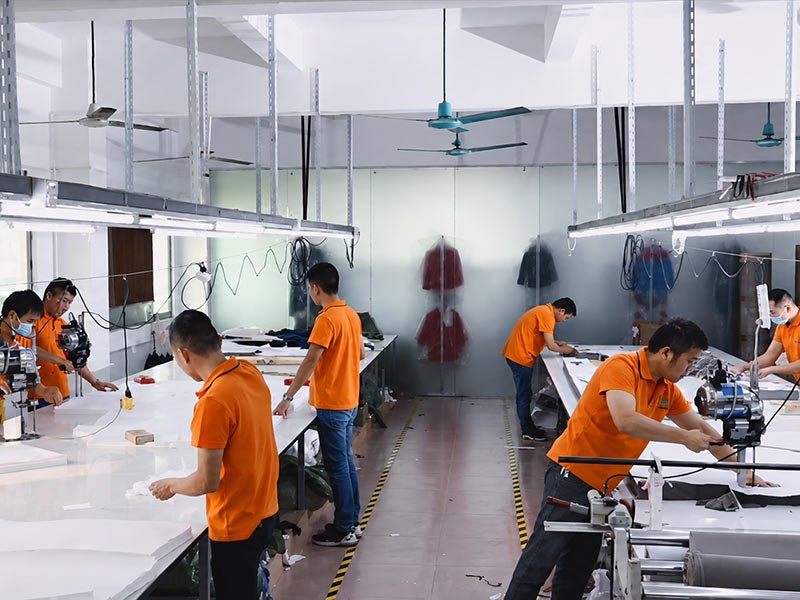
Duolan is supported by 16 owned womenswear factories. Owned factories are important for projects where sample accuracy, workmanship control, material confirmation, and production standards require tighter management. Core dress programs, high-risk styles, and important launch orders can be allocated through controlled production paths rather than treated as loose external processing.
Manufacturing value:
Core style control: Important styles can receive stronger sample-to-bulk alignment.
Production discipline: Workmanship, first-piece approval, inline QC, and packing requirements can be coordinated under clearer standards.
Development continuity: Sample information, approved details, and bulk notes move through a more organized internal system.
Brand cooperation: Established fashion brands need suppliers able to support repeatable cooperation, not only isolated orders.
Satellite Factories for Flexible Scale
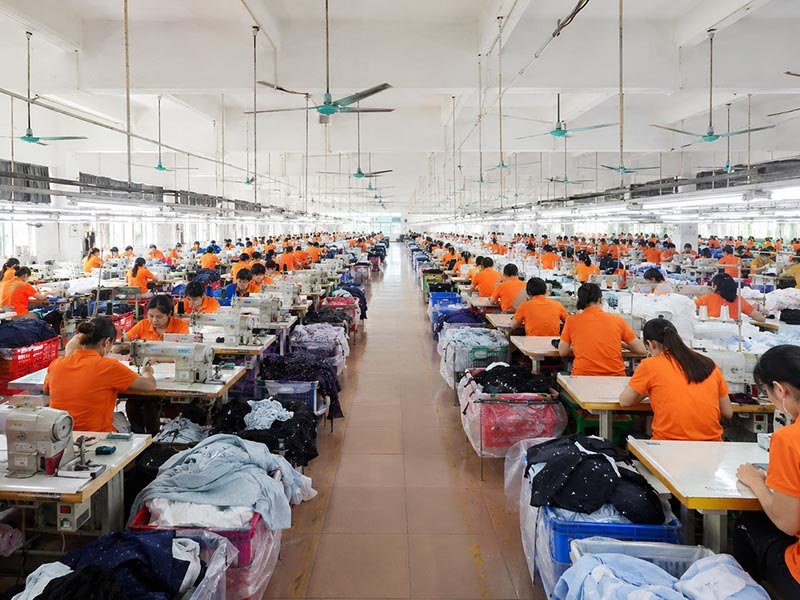
Duolan also works with 20+ long-term satellite factories. These resources help support larger seasonal programs, rolling repeat orders, replenishment, and capacity balancing across different dress styles. Satellite resources are not used as random overflow; they must match style complexity, material type, workmanship requirement, and delivery plan.
Manufacturing value:
Scale support: Multi-style orders can be allocated according to garment difficulty and timeline.
Replenishment flexibility: Bestseller repeats can receive additional capacity planning.
Process matching: Standard styles, complex styles, and special-process styles can follow different production paths.
Delivery planning: Factory and line allocation can be matched against launch windows and inspection timing.
Equipment and Production Infrastructure
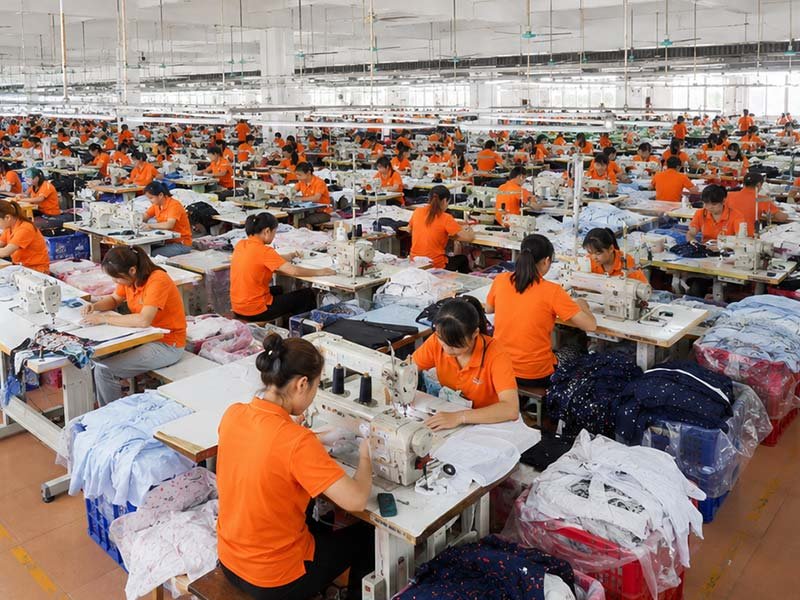
Across the wider manufacturing group, Duolan is supported by a large equipment base covering fabric inspection, spreading, cutting, sample development, sewing, printing, embroidery, finishing, QC, pressing, packing, and warehousing. The group-level equipment base is approximately 12,000–20,000 sets. Core sewing equipment accounts for approximately 7,000–9,000 units. Fabric inspection and cutting-related equipment accounts for approximately 1,100–2,000 sets. Sample and development-related equipment accounts for approximately 650–1,200 sets.
Manufacturing value:
Fabric preparation: Shrinking, inspection, spreading, cutting, and numbering support bulk consistency.
Sample development: CAD, pattern, plotting, sample sewing, and pressing equipment support sample speed and accuracy.
Sewing capacity: Single-needle, overlock, coverstitch, buttonhole, bartack, template, chain-stitch, and special machines support varied dress construction.
Finishing support: Pressing, inspection, needle detection, folding, and packing support shipment readiness.
Regional Capacity and Process Partners

Duolan’s wider manufacturing structure includes regional cooperation in Guangxi, Guizhou, Sichuan, Jiangxi, and the South China garment supply chain cluster.
The system also connects fabric mills, trim suppliers, accessory partners, and special-process factories. Printing, tie-dyeing, embroidery, washing, and related processes have mature cooperative resources.
Manufacturing value:
Material access: South China fabric markets and Humen trim resources support faster sourcing and comparison.
Special process support: Printing, embroidery, washing, and decorative processes can be matched by project need.
Capacity buffer: Regional cooperation helps seasonal orders avoid pressure from a single production point.
Dress category fit: Fabric, trims, special process, sewing, QC, and packing can be coordinated around dress program requirements.
Capacity for Multi-style Dress Orders
Established dress programs often involve multiple styles, colorways, size curves, launch windows, and repeat-order planning.
300 Sewing Lines
Duolan’s wider production system includes 300 sewing lines. For dress programs, line capacity is valuable only when matched to garment complexity. Satin, mesh, sequin, corset, and bodycon styles should not all follow the same production arrangement. Duolan reviews line allocation by fabric, workmanship, quantity, and delivery requirement.
Operational value:
Bulk line planning
Complex style separation
First-piece confirmation
Inline QC support
50+ Quick-response Lines
The system includes 50+ quick-response and flexible lines. These lines are useful for sample-linked development, launch preparation, testing orders, repeat replenishment, and urgent style movement. For UK fashion calendars, fast response matters most when sample approval, material readiness, and production planning are aligned early.
Operational value:
Test order support
Launch order planning
Repeat replenishment
Flexible line matching
Monthly Sample Capacity
Duolan’s monthly sample development capacity reaches approximately 15,000–35,000 pieces or sample-related units across the wider system. This capacity supports high development density, multiple sample rounds, and parallel collection work across different brands and dress categories.
Operational value:
First proto development
Fit sample work
Revised sample rounds
Photo and PP samples
Style Development Volume
Duolan can support approximately 3,000–8,000 style or sample development workflows per month across the wider manufacturing system. For multi-style dress programs, this helps teams move several styles through review, material selection, pattern development, revision, and production preparation at the same time.
Operational value:
Collection development
Multi-style tracking
Fabric and trim coordination
Version record management
Regular Monthly Capacity
The wider manufacturing system supports regular monthly output around 6,500,000 pieces across apparel production. For dress clients, capacity must be translated into style allocation, material planning, line matching, QC readiness, and shipment scheduling rather than treated as a single number.
Operational value:
Bulk order planning
Capacity buffering
Multi-factory coordination
Delivery scheduling
Peak Production Capacity
Peak monthly production capacity can reach around 10,000,000 pieces across the wider system when seasonal demand and production planning are aligned. For established UK brands, peak capacity is most useful when material locking, PP approval, and order breakdown are completed in time.
Operational value:
Seasonal peak support
Order scale-up planning
Repeat order capacity
Launch timing control
Fit, Size and Grading Control
Duolan reviews UK dress size requirements through fabric stretch, garment structure, body balance, and bulk measurement control.

UK Size Standards and Brand Size Charts
Duolan can work from a brand’s own size chart and garment measurement rules. For UK dress programs, size review should not stop at bust, waist, and hip. Neckline opening, strap length, cup position, shoulder drop, sleeve length, slit height, garment length, sweep, back opening, and hem balance can all affect wearing comfort and return risk.
Size review includes:
Brand size chart: UK size range, model size, fit target, and grading rules.
Garment measurement points: Bust, waist, hip, length, shoulder, strap, neckline, sleeve, slit, and sweep.
Fit priority: Tight fit, relaxed fit, structured fit, bodycon fit, corset support, or draped fall.
Production control: Measurement tolerance should be linked to fabric behavior and construction.

Fitted Dress and Bodycon Control
Fitted dresses require deeper size control because stretch, recovery, opacity, and seam position directly affect garment performance.
Bodycon, corset, halter, backless, cut-out, and mesh dresses need special attention to bust support, waist tension, hip balance, coverage, and neckline security.
Duolan reviews size comments together with fabric and pattern logic.
Fit review includes:
Stretch direction: Fabric stretch must match garment shape and size range.
Recovery: Poor recovery can cause shape loss after wear.
Coverage: Mesh, cut-out, and backless styles need secure coverage across sizes.
Tension points: Side seam, zipper, bust, hip, and neckline areas need special checking.

Grading and Bulk Measurement Discipline
Grading should preserve garment proportion across sizes.
A mini dress can become too short, a corset dress can lose cup balance, and a halter dress can change coverage if grading is mechanical.
Duolan reviews grading by style structure and fabric behavior before production. Bulk measurement checks then help keep production aligned with approved standards.
Control points include:
Size jump logic: Key points should scale according to garment purpose.
Critical measurements: Length, bust, waist, hip, strap, sleeve, and opening points receive priority.
First-piece check: Measurements are reviewed before full production movement.
Inline review: Measurement checks during production help catch drift earlier.
Workmanship and Detail Control
Complex dress details should be reviewed for appearance, comfort, durability, production repeatability, and inspection clarity.
Sequin Attachment

Sequin attachment affects weight, shine, skin touch, seam bulk, and fallout risk. Duolan reviews sequin density, backing fabric, cutting allowance, lining, seam handling, and edge finish before bulk. For multi-style partywear orders, sequin styles usually need separate production and QC attention.
Control points:
Density and weight
Edge comfort
Cutting loss
Inline inspection
Boning Structure

Boning supports corset, bustier, strapless, and structured dresses.
Wrong boning length or placement can distort the bust, waist, or back. Duolan reviews boning material, position, casing, lining, end finish, and size grading before PP confirmation.
Control points:
Boning placement
End protection
Waist support
Grading stability
Cup Position

Cup placement affects bust shape, wearing comfort, and visual balance.
Cup size, position, lining, outer fabric tension, and neckline depth must work together. Duolan reviews cup placement during sample fitting and records confirmed positions before production.
Control points:
Cup height
Bust balance
Lining support
Visual symmetry
Zipper Finish

Zipper construction affects fit, durability, and garment appearance. Invisible zippers, back zippers, side zippers, and heavy dress zippers need different methods. Duolan reviews zipper length, tape strength, top hook, seam tension, and surrounding fabric stability.
Control points:
Zipper length
Seam tension
Top security
Bulk consistency
Lining Coverage

Lining controls comfort, opacity, and garment fall.
A wrong lining may make the dress heavy, transparent, tight, or distorted. Duolan reviews lining fabric, stretch match, color tone, attachment method, and movement during wear.
Control points:
Opacity level
Stretch match
Skin comfort
Garment drape
Hem Finishing

Hem finish changes garment value, especially on satin, chiffon, mesh, velvet, and maxi dresses. Duolan reviews hem width, stitch method, pressing, length consistency, and fabric movement. Long dresses require extra attention to grading and packing.
Control points:
Length consistency
Edge stability
Pressing method
Final inspection
Ruching Control

Ruching can improve fit and visual shape, but uneven tension can make production inconsistent. Duolan reviews stitch tension, fabric recovery, placement, symmetry, and bulk handling. Bodycon and mesh dresses often require closer ruching review.
Control points:
Tension balance
Placement marking
Symmetry control
Sewing stability
Cut-out Stability

Cut-outs must remain clean, secure, and wearable. Duolan reviews edge construction, inner support, seam reinforcement, lining, elastic, and size grading. Open back, side cut-out, waist cut-out, and neckline cut-out styles need different control points.
Control points:
Edge finish
Wearing security
Reinforcement
Size coverage
Strap Control

Strap length, width, adjustment, attachment, and color matching affect wear and appearance. Duolan reviews adjustable sliders, bartack points, strap stretch, metal trim, and attachment strength, especially for halter, camisole, and open-back dresses.
Control points:
Length accuracy
Attachment strength
Adjustment hardware
Color matching
Neckline Balance
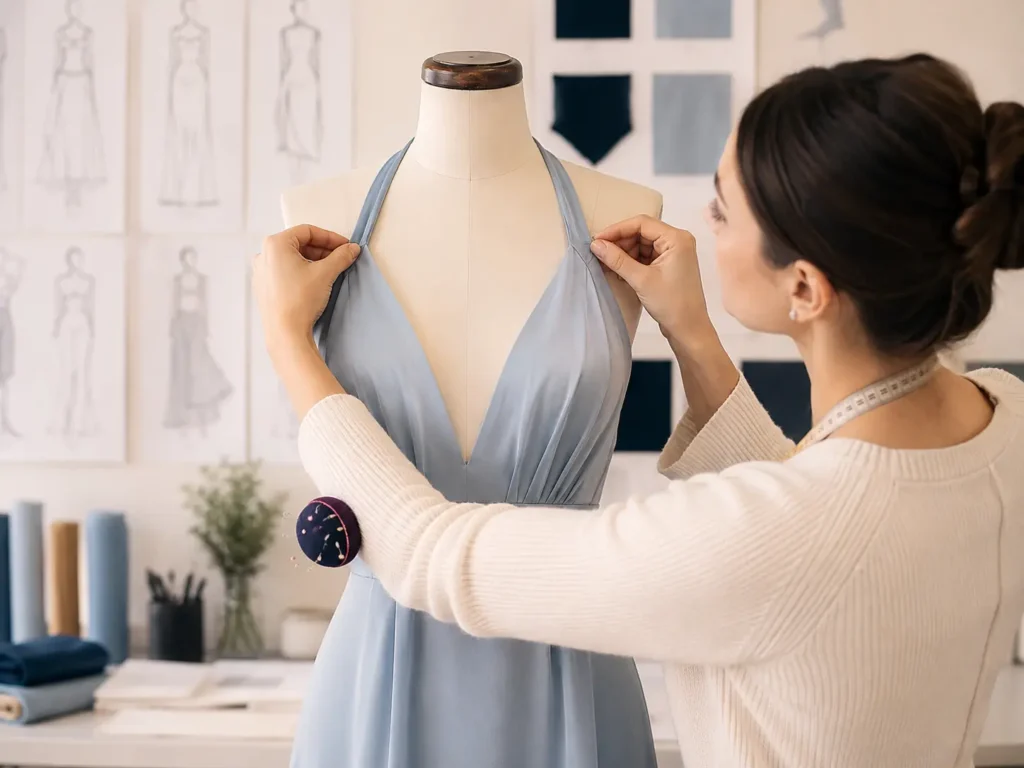
Neckline balance affects garment appeal and wearing confidence. Strapless, halter, sweetheart, cowl, square, plunge, and asymmetric necklines require different sample reviews. Duolan checks neckline shape, gaping, support, lining, and trim stability.
Control points:
Gaping control
Support structure
Lining finish
Visual balance
Slit Position

Slit height and placement affect movement, modesty, and garment proportion.
Duolan reviews slit length, reinforcement, hem treatment, lining split, and size grading. Maxi and midi occasion dresses need special slit review before production.
Control points:
Slit height
Reinforcement
Movement comfort
Lining split
Label and Packing

Labels, care labels, hangtags, barcode labels, polybags, cartons, and folding methods affect retail readiness. Duolan reviews label placement, packing instruction, carton size, SKU separation, color and size ratio, and final packing check before shipment.
Control points:
Label accuracy
SKU packing
Carton marking
Final review
Quality Control for UK Brand Standards
Duolan treats quality control as a controlled path from material review to finished packing, not only final inspection.
Before Cutting: Material and Pre-production Checks
Quality begins before fabric reaches the sewing line. Duolan reviews fabric condition, color batch, shrinkage risk, stretch direction, handfeel, lining match, trim arrival, and approved sample status. For satin, mesh, sequin, lace, velvet, and stretch dresses, early review prevents many later garment defects.
QC actions include:
Fabric inspection: Check visible defects, color variation, width, handfeel, and key material concerns.
Trim confirmation: Review zipper, cup, boning, elastic, hook and eye, buttons, labels, and packaging materials.
PP sample review: Confirm whether fit, visual, workmanship, and packing requirements are ready for production.
Cutting preparation: Ensure fabric direction, placement, numbering, and style separation are clear.
During Production: First-piece and Inline Control
After production starts, Duolan uses first-piece confirmation and inline QC to catch issues before full bulk movement. For dress programs, critical points may include measurements, neckline, zipper, lining, cup placement, boning, sequin position, hem length, thread tension, and pressing effect.
QC actions include:
First-piece confirmation: Review garment against approved sample and production notes.
Inline inspection: Check workmanship, measurements, fabric handling, lining, trims, and visible appearance during production.
Issue feedback: Report defects to line teams early and adjust before problems spread.
Style separation: Keep complex, embellished, or delicate styles under closer process control.
Before Shipment: Final Inspection and Packing Review
Final inspection should confirm garment quality, size, color, workmanship, label, packing, carton marking, and order allocation. Duolan can coordinate internal inspection and support third-party inspection when required. Packing review is especially important for satin, velvet, embellished, long, or structured dresses.
QC actions include:
Final garment review: Check surface, seams, measurements, trims, lining, hems, and overall appearance.
Packing review: Confirm polybag, folding, hanger option, carton size, carton marks, and SKU separation.
Document support: Packing list, shipment photos, inspection communication, and delivery preparation can be coordinated.
Shipping planning: Sample shipments may use express; bulk programs can be reviewed for air, sea, split shipment, or nominated forwarder.
Common shipment references:
Express sample shipping: 3–7 days
Air freight: 5–8 days
Sea freight: 20–35 days

Compliance and Supplier Qualification
Established fashion brands need supplier qualification, audit awareness, documentation support, and brand requirement execution.
SMETA 2-Pillar Record
Duolan’s factory system has SMETA audit experience, including SMETA 2-Pillar audit record. For UK fashion brands, social responsibility and supplier qualification can be part of internal approval before larger cooperation. Duolan can provide available factory qualification information for project review when appropriate.
Support focus:
Audit record communication
Supplier qualification materials
Factory information support
Long-term cooperation readiness
Quality Standard Awareness
Duolan can coordinate around brand-specific quality requirements and recognized textile or garment testing standards when required by the project. Dress programs may need colorfastness, fabric performance, dimensional stability, seam strength, trim safety, or inspection alignment depending on market channel and product type.
Support focus:
Brand manual review
Testing coordination support
Quality file preparation
Inspection standard discussion
Third-party Inspection Support
Some brands require external inspection before shipment. Duolan can support third-party inspection scheduling, sample reference preparation, packing list coordination, carton readiness, and issue follow-up. For multi-style orders, inspection readiness should be planned before final packing is completed.
Support focus:
Inspection booking support
Approved sample reference
Packing list coordination
Issue response
Confidential Project Handling
Established fashion brands often need design confidentiality, pre-launch privacy, and careful sample communication. Duolan can coordinate project files, reference samples, tech packs, revised comments, and production details through structured communication channels, reducing careless information sharing during development.
Support focus:
Design file care
Project communication control
Sample version records
Brand data respect
Production Path After Approval
After sample approval, Duolan reviews bulk readiness, order breakdown, production allocation, QC checkpoints, and shipment planning.
Bulk Readiness Review
Before bulk starts, Duolan normally reviews whether the current sample is fit confirmed, visually confirmed, PP basis, or still pending refinement. The team checks fabric, lining, trims, color, measurements, workmanship points, and packing requirements. The goal is to prevent unconfirmed details from entering bulk production.
Bulk readiness includes:
Sample status: Fit confirmed, visual confirmed, PP basis, or pending refinement.
Material status: Fabric, lining, trims, labels, and packaging should be confirmed before release.
Production risk: Complex styles may need trial production, special-process review, or separated line planning.
Client output: A concise bulk start confirmation or production readiness note can support internal sign-off.
Order Breakdown and Production Planning
For bulk orders, Duolan does not treat production as one block. The order is broken down by style, color, size, quantity, fabric, workmanship level, risk level, factory match, line allocation, QC focus, packing method, and shipment plan. Multi-style dress programs require clear internal production path design.
Production planning includes:
Style classification: Regular style, complex style, fast-response style, or high-risk workmanship style.
Line allocation: Match sewing lines with garment difficulty, quantity, delivery timing, and process demand.
Special process: Printing, embroidery, washing, embellishment, or external process steps should be planned in advance.
Delivery schedule: Production dates should connect with inspection, packing, shipping, and launch requirements.
Production Updates and Issue Handling
During production, Duolan can provide stage updates through photos, videos, documents, marked comments, and online meetings where needed. For complex dress programs, visible updates help the brand team see production movement and handle issues earlier. The goal is orderly communication, not excessive messaging.
Update content may include:
Material arrival: Fabric, trims, lining, labels, and packaging status.
Production progress: Cutting, sewing, inline QC, pressing, packing, and shipment preparation.
Issue feedback: Workmanship issues, material concerns, measurement drift, and packing points can be discussed with action notes.
Final readiness: Inspection status, packing photos, carton details, and shipment documents can be prepared before delivery.

UK Dress Project Examples
Anonymous project examples show how Duolan supports dress programs involving multiple styles, sample control, bulk planning, and repeat support.
UK Occasionwear Program
A UK occasionwear brand planned a satin and chiffon dress capsule for wedding guest and event dressing. The program covered 16 styles, including satin midi dresses, chiffon maxi dresses, lace-trim styles, and lined occasion silhouettes. The planned bulk order reached 36,000 pieces across several colors and sizes.
Project challenge:
Satin showed seam sensitivity and packing crease risk. Chiffon styles needed hem consistency and lining opacity control. Internal brand approval required fit samples and photo samples before bulk.
Duolan solution:
Duolan reviewed satin weight, lining direction, seam finish, pressing, and packing method before the revised sample round. Chiffon styles were separated for cutting and hem control. PP samples were confirmed before production allocation. QC focused on fabric surface, dress length, lining coverage, zipper finish, and final packing.
Project result:
The collection moved from sample revision to launch order under a clearer production path. Key satin and chiffon standards were preserved for a later color extension discussion.

UK Partywear Drop
A UK partywear label developed a multi-style drop for holiday and eveningwear. The program included 22 styles and approximately 58,000 pieces in total. Main categories included sequin mini dresses, mesh bodycon dresses, ruched going-out dresses, and cut-out styles.
Project challenge:
The brand wanted stronger visual impact while keeping wear comfort and bulk consistency. Sequin styles had weight and skin-touch concerns. Mesh dresses needed coverage control. Bodycon styles required better stretch recovery and hip balance.
Duolan solution:
Duolan separated high-risk styles from standard styles during development. Sequin density, lining coverage, zipper stress, seam bulk, and edge finish were reviewed before bulk. Mesh dresses were checked for lining coverage and size grading. Bodycon styles received fit comment translation and revised measurement control.
Project result:
The order was planned by style risk, fabric type, line allocation, and QC focus. The brand received clearer stage updates across material confirmation, sample revisions, PP approval, production, and packing preparation.

UK Going-out Dress Range
A UK online fashion brand developed a going-out dress range for a new seasonal launch. The program included 12 styles and approximately 24,000 pieces, with bodycon, mesh, halter, backless, and cut-out designs. The brand needed samples for internal review, campaign preparation, and launch bulk planning.
Project challenge:
Fit comments from earlier suppliers had been difficult to translate into real pattern changes. Some samples looked acceptable in photos but failed during wear review because neckline security, strap length, and hip tension were not controlled.
Duolan solution:
Duolan locked sample purpose first, then reviewed fit priority for each style. Pattern changes were recorded by bust, waist, hip, neckline, strap, and back opening points. Mesh and cut-out styles were checked for coverage and lining. PP sample notes were prepared before bulk order planning.
Project result:
The brand received a clearer sample-to-bulk path, with stronger records for fit comments, material decisions, and production readiness. Several core silhouettes were kept for repeat order discussion after launch.

Frequently Asked Questions
Yes. Duolan supports custom dress development and bulk manufacturing for UK fashion brands, including occasion dresses, party dresses, going-out dresses, satin dresses, mesh dresses, sequin dresses, corset dresses, bodycon dresses, mini dresses, midi dresses, maxi dresses, and dress sets.
Yes. Duolan is structured for brand teams with defined product direction, sample needs, order planning, quality requirements, and repeat cooperation. The work process covers development review, sampling, PP confirmation, production planning, QC, packing, and shipment coordination.
Yes. Duolan can review tech packs, flat sketches, size charts, BOMs, fabric information, construction details, trims, labels, packing instructions, and inspection standards. When a tech pack is incomplete, our team can identify missing details before sample development.
Yes. Duolan can review reference images together with target fabric, size standard, quantity, launch date, and intended garment result. Reference-image development normally requires extra clarification around fabric, lining, measurements, trims, and construction.
Yes. Original samples help Duolan review construction, fabric handfeel, measurements, lining, trims, zipper, support details, workmanship, and fit. A physical sample often improves sample accuracy and reduces unclear interpretation.
Duolan uses approved sample reference, material confirmation, BOM review, PP sample, workmanship notes, first-piece check, inline QC, final inspection, packing review, and reorder file preservation to reduce sample-to-bulk drift.
Yes. Duolan can review and coordinate fabric, lining, zippers, cups, boning, elastic, labels, hangtags, packaging, and functional trims. Material decisions are reviewed by garment result, fit, price range, production feasibility, and bulk stability.
Yes. Duolan’s system supports multi-style dress programs, including collection development, sample rounds, launch orders, repeat production, and scalable bulk manufacturing. Style allocation is reviewed by fabric, workmanship risk, quantity, delivery timing, and QC needs.
Duolan’s factory system has SMETA audit experience, including SMETA 2-Pillar record. Depending on project requirements, Duolan can coordinate brand-specific quality requirements, third-party inspection support, and relevant documentation communication.
Send your tech pack, reference image, original sample photo, fabric direction, size standard, target quantity, number of styles, launch timeline, and quality concerns. Duolan will review development feasibility, sample path, production risk, and next steps.

Start Your Dress Project
Duolan works with established fashion brands seeking structured custom dress development, sample refinement, controlled bulk production, and repeat-order support. If your team is planning a UK dress program, send your project information for review. Our team can evaluate style complexity, fabric direction, fit priority, sample path, production readiness, quality concerns, delivery window, and required documentation before the project moves forward.
A stronger brief helps us respond with clearer development advice and quotation basis. You can share a complete tech pack, or start with reference images, an original sample, a size chart, fabric ideas, target quantity, colorways, packing requirements, and launch timing. For multi-style programs, please include the number of styles, estimated quantity per style, and expected order purpose, such as sample development, launch order, repeat production, or supplier evaluation.
Please include:
Company name and website
Main dress categories
Number of styles
Target quantity
Target market
Expected launch date
Tech pack or reference images
Original sample photos
Fabric and trim direction
Size chart
Packing and label requirements
Inspection or compliance needs
Preferred shipping terms