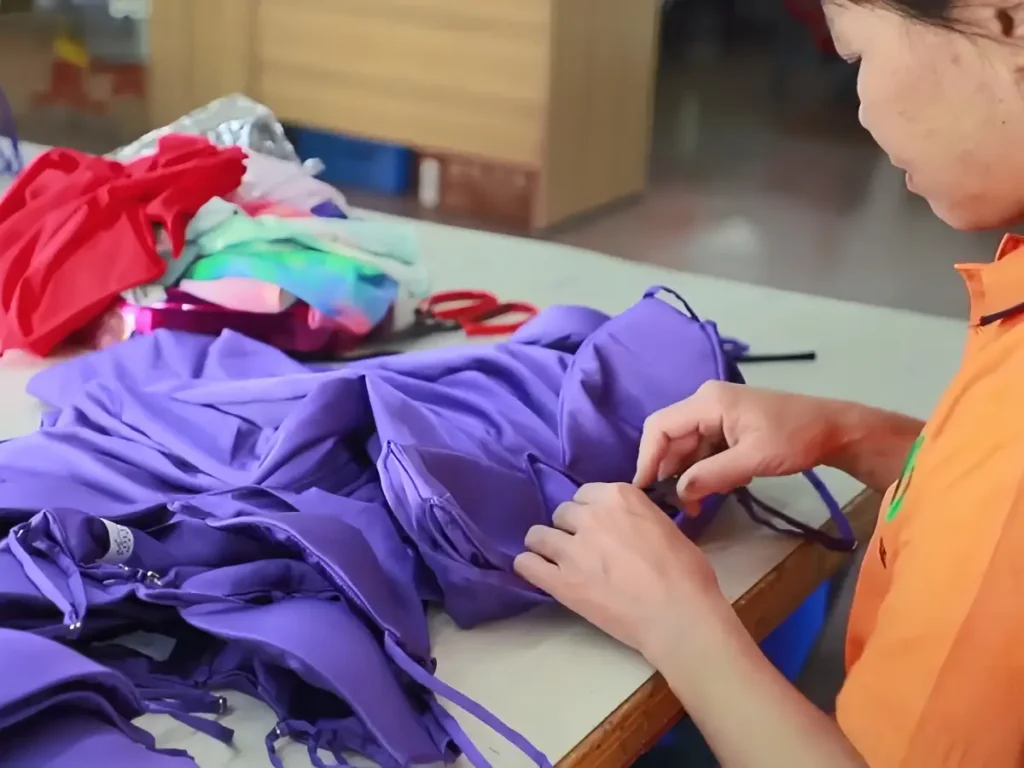
...

Custom Minimalist Dress Manufacturer

Dress-focused development and manufacturing for fashion brands requiring controlled silhouettes, refined workmanship and dependable sample-to-bulk execution.

Duolan develops minimalist dress collections from design direction through controlled bulk delivery. Clean silhouettes rely on fabric behavior, pattern balance, stable sewing, precise pressing and disciplined approval records. For brand teams managing minimalist capsules, workwear edits, contemporary dress lines and resort minimalism programs, Duolan organizes material review, fit development, PP preparation, bulk production and final delivery under one controlled workflow.

  • 30+ years of womenswear development experience behind dress-focused product judgment.
  • 16 owned womenswear factories with 20+ long-term satellite factories for coordinated production allocation.
  • 300 sewing lines and 50+ quick-response lines supporting launch, repeat and scale-up programs.
  • An anonymized US minimalist workwear edit covered 18 styles and 48,600 garments.
  • An anonymized Australian resort minimalist program covered 24 styles and 72,400 garments.

Manufacturing Support for Established Fashion Teams

Duolan works with structured fashion operations requiring product development, documented approvals, multi-style production and repeatable supply coordination.

Established Fashion Brands

Seasonal collections require more than garment assembly. Brand teams need suppliers capable of understanding silhouette language, material direction, price positioning, launch schedules and confirmed quality standards. Duolan supports continuing dress programs where approved patterns, workmanship details, material records and packaging requirements remain reusable across launches, color extensions and repeat orders.

Product Development Teams

Product teams must turn sketches, references and technical files into samples suitable for fit review, line review and production decisions. Duolan coordinates fabric assessment, pattern development, sample comments and revision priorities, helping each style progress toward a controlled PP or bulk-ready standard rather than remaining an isolated prototype.

Buying and Sourcing Teams

Sourcing operations require organized quotations, accurate material assumptions, clear production paths and dependable follow-up. Duolan reviews style complexity, order structure, quality requirements, packaging manuals and delivery targets before production planning, allowing commercial and technical decisions to remain aligned throughout a multi-style program.

Multi-brand Fashion Groups

Groups managing several labels often require different silhouettes, materials, price levels and delivery windows within one supply structure. Duolan’s owned factories, coordinated production bases and specialized supply resources support style allocation, capacity planning, separate standards and repeat-order continuity across multiple brand lines.

Minimalist Dresses Leave Little Room for Error

Clean design makes proportion, material behavior and sewing accuracy more visible, increasing the importance of disciplined development and production control.

Fit Becomes Visible

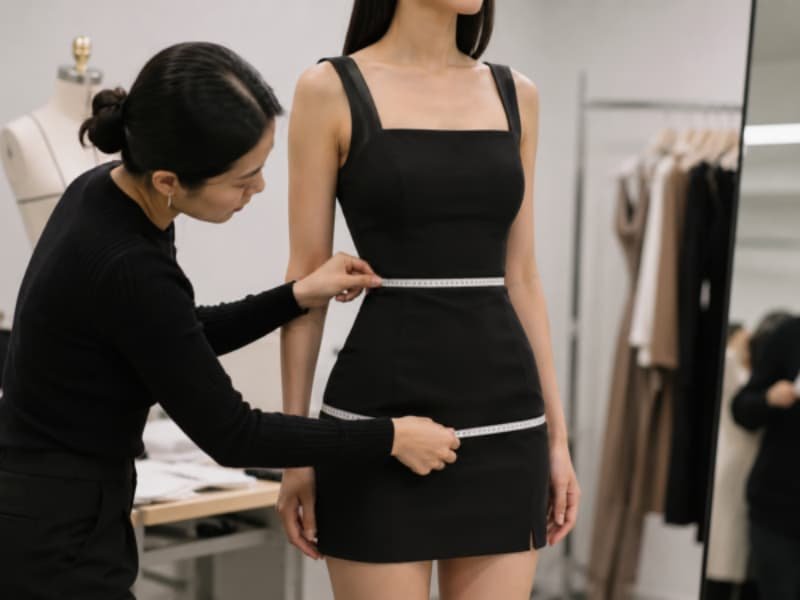
Minimalist silhouettes contain fewer decorative elements capable of distracting from poor balance. Shoulder position, bust shaping, waist level, hip ease, side-seam direction and hem alignment become immediately noticeable. Key controls include:

  • Garment balance on the body
  • Neckline stability
  • Correct bust and waist placement
  • Symmetrical left and right sides
  • Controlled ease across the intended size range

Fabric Defines Silhouette

A clean dress can appear sharp, soft, fluid or flat depending on material weight, stretch, recovery, opacity and drape. Fabric selection must support the intended silhouette before pattern and sample decisions become reliable. Duolan evaluates:

  • Drape against structure
  • Surface finish and visual depth
  • Stretch and recovery
  • Transparency and lining needs
  • Pressing response
  • Bulk availability and shade stability

Workmanship Cannot Hide

Minimalist garments expose sewing and finishing defects more clearly. Wavy seams, zipper bulges, visible needle marks, puckered hems, uneven topstitching and pressing shine can reduce the perceived value of an otherwise strong design. Production standards cover:

  • Stitch formation and tension
  • Clean internal construction
  • Flat neckline and armhole edges
  • Smooth zipper application
  • Balanced hems
  • Controlled final pressing

What Strong Fashion Brands Evaluate

A qualified minimalist dress supplier must combine product understanding, development judgment, production discipline and scalable execution records.

Dress Category Focus

A factory producing every apparel category may lack the pattern, pressing and material experience required for refined dresses. Category focus supports better understanding of garment balance, feminine proportions, lining construction, closures, surface appearance and fit-sensitive areas.

Fabric Judgment

Material selection should consider more than composition and color. A capable manufacturer evaluates weight, drape, stretch, opacity, recovery, shrinkage, seam response, pressing behavior and compatibility with the target silhouette.

Pattern Development

Pattern work determines whether clean design lines look intentional on the body. Evaluation should cover reference interpretation, base-size balance, bust and waist shaping, grain direction, hem level, movement allowance and grading logic.

Sample Discipline

A sample must answer specific development questions. Strong suppliers distinguish first prototypes, fit samples, revised samples, photo-ready samples, salesman samples and PP samples, keeping comments and revision priorities clear at every stage.

Bulk Consistency

Approved samples must be converted into production standards through material locking, measurement specifications, workmanship notes, PP approval, first-piece inspection, inline QC and final appearance checks.

Scalable Coordination

Large fashion programs require capacity beyond a single sewing line. Factory allocation, material readiness, style complexity, order quantities, launch dates and inspection requirements must be coordinated before bulk starts.

Custom Minimalist Dresses We Develop
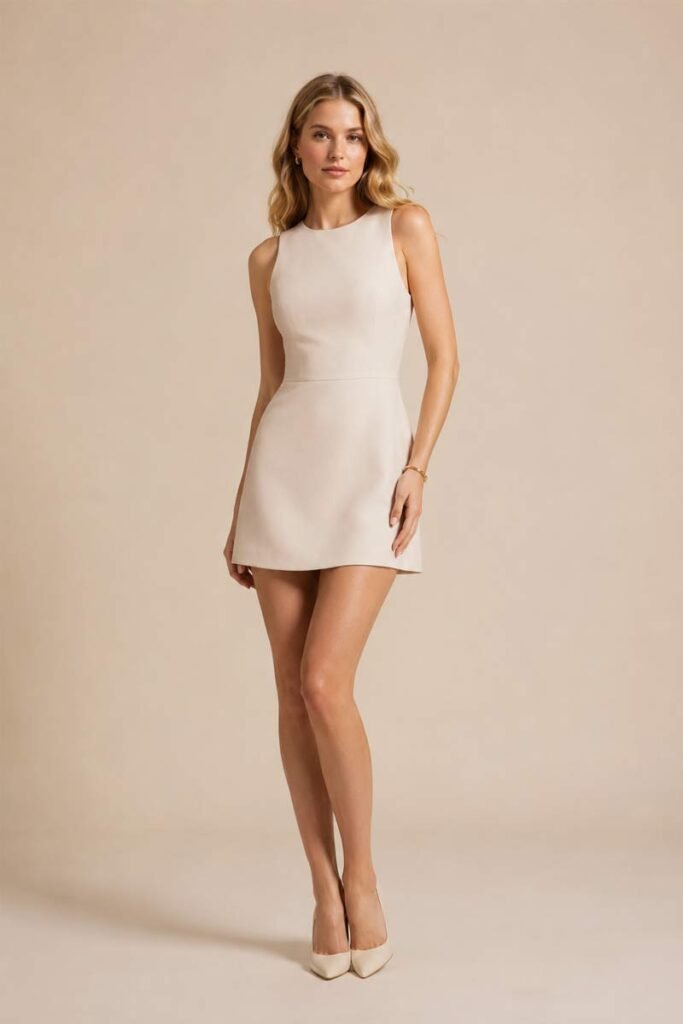
Duolan develops clean, commercially relevant silhouettes across mini, midi and maxi lengths using brand-specific fabrics, proportions, colors and finishing standards.

Mini Dresses

Compact proportions require careful control of body length, waist placement, hem level and movement coverage. Development options include clean A-line, fitted, shift, sleeveless and structured mini silhouettes in crepe, suiting, compact jersey, cotton or linen blends.

Clean Midi Dresses

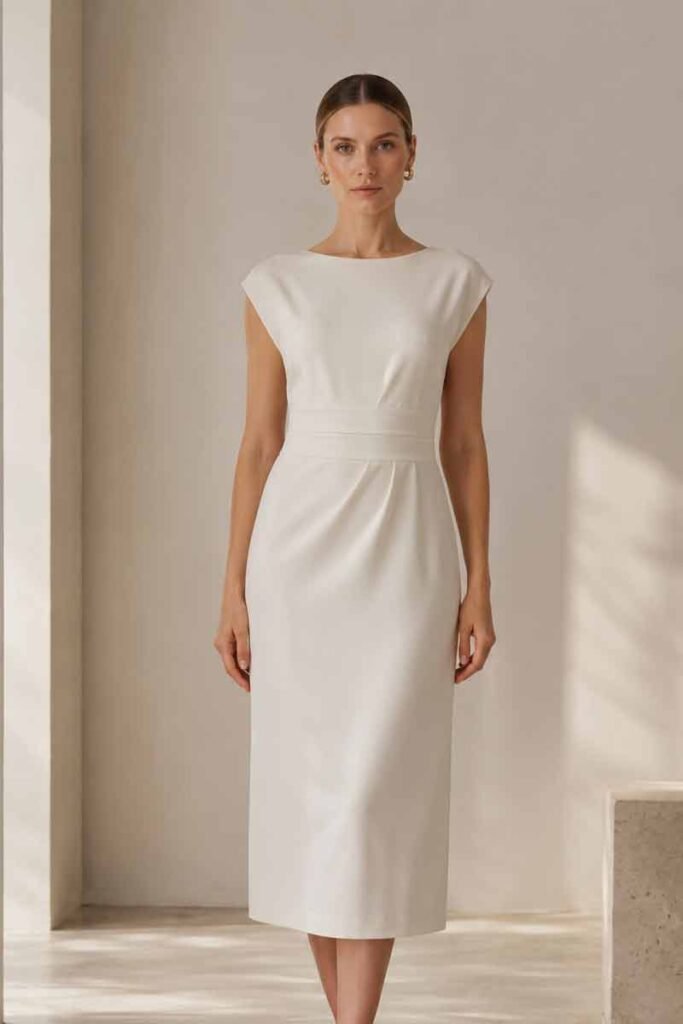
Midi dresses rely on accurate skirt length, body balance and fabric movement. Duolan develops fitted, straight, flared, softly draped and tailored midi styles for workwear, daywear, occasion edits and contemporary capsule collections.

Column Dresses

Column silhouettes demand straight visual lines without restricting movement. Pattern development focuses on shoulder balance, bust and hip ease, side-seam direction, slit placement, lining coverage and controlled hem fall.

Shift Dresses

A strong shift dress requires enough ease for movement while retaining a deliberate silhouette. Neckline, armhole, shoulder width, body width and hem shape must remain balanced across the requested size range.

Sheath Dresses

Sheath dresses depend on close but controlled shaping. Bust darts, waist suppression, hip contour, back balance, zipper placement and lining structure must work together without producing pulling lines or excess fabric.

Slip Dresses

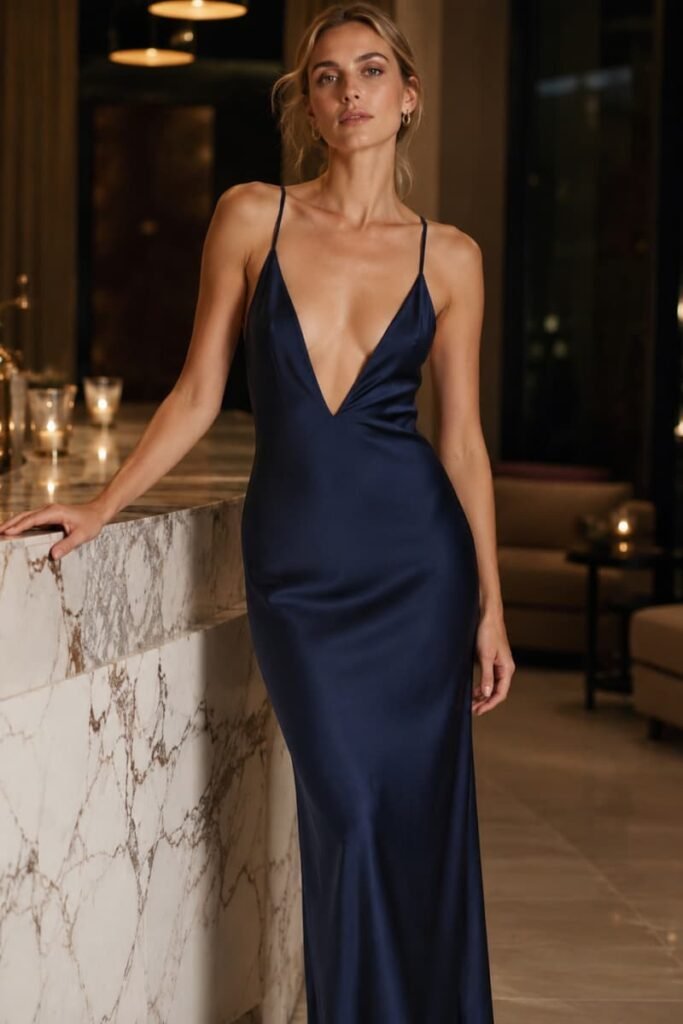
Bias or fluid slip styles require fabric-aware pattern work. Strap position, neckline stability, bust coverage, side-seam movement, lining attachment and hem growth must be evaluated before production standards are locked.

Minimalist A-line Dresses

A-line silhouettes appear simple, yet flare distribution and grain direction strongly affect the result. Duolan controls upper-body fit, waist transition, sweep, side-seam balance and hem leveling for stable bulk reproduction.

Tailored Dresses

Tailored minimalist dresses combine clean appearance with internal structure. Development may involve facings, interfacing, shoulder shaping, darts, panels, welt details, concealed closures and structured fabrics requiring disciplined pressing.

Shirt Dresses

Minimalist shirt dresses need balanced collars, plackets, shoulders, sleeves and waist shaping. Button spacing, front alignment, cuff construction and hem proportion receive close attention during sample and bulk review.

Wrap Dresses

Wrap styles require secure coverage, stable waist placement and controlled overlap. Duolan reviews tie position, neckline behavior, inner fastening, skirt opening, lining needs and movement across the full graded range.

Knit Minimalist Dresses

Compact jersey, ponte and rib structures support clean fitted or straight silhouettes. Stretch direction, recovery, seam stability, neckline retention and measurement allowances must be adjusted to the selected fabric.

Resort Minimalist Dresses

Resort minimalism may combine clean silhouettes with breathable cotton, linen, viscose or lyocell blends. Development focuses on drape, opacity, shrinkage, comfort, packing recovery and a polished appearance after transport.

Building a Commercial Minimalist Dress Collection

A coherent collection balances brand identity, different wearing occasions, material investment, launch priorities and repeat-order potential.

Core Silhouette Planning

A clear collection begins with a limited number of recognizable shape families. Straight, fitted, A-line, column, slip and tailored directions can be assigned different commercial roles without weakening the overall brand language.
Development planning covers:
  • Hero silhouettes
  • Reliable commercial shapes
  • Length extensions
  • Seasonal variations
  • Repeat-order foundations
Length Variation

Length Architecture

Mini, midi and maxi lengths should serve different occasions rather than repeat one idea mechanically. Proportions, openings, lining coverage, movement and footwear styling change with length, requiring separate pattern and fit review.
A balanced range may include:

  • Short social styles
  • Core midi products
  • Long evening or resort options

Color System

Minimalist collections often rely on controlled color stories. Black, ivory, stone, navy, chocolate, olive and seasonal accent colors must be evaluated on actual fabric because surface finish, opacity and lighting can alter visual depth.
Color planning considers:

  • Core continuity shades
  • Seasonal additions
  • Fabric-to-fabric consistency
  • Lining compatibility

Fabric Hierarchy

One collection may combine structured, fluid and stretch materials, yet every material must retain a related visual standard. Fabric sharing across several styles can improve coordination, sourcing clarity and repeat-order continuity without making the range repetitive.
Hero Styles

Hero and Core Styles

Image-led pieces attract attention, while commercially stable styles support volume and reorders. Duolan helps organize development priorities so complex hero products receive earlier material and sample review while core products progress through an efficient approval path.

Reorder-ready Structure

Patterns, BOM records, approved materials, measurement standards, workmanship points and packaging instructions create a foundation for future colors, length variations and repeat production. Each completed program should make the next development round more controlled.

Fabrics Selected for Shape and Movement
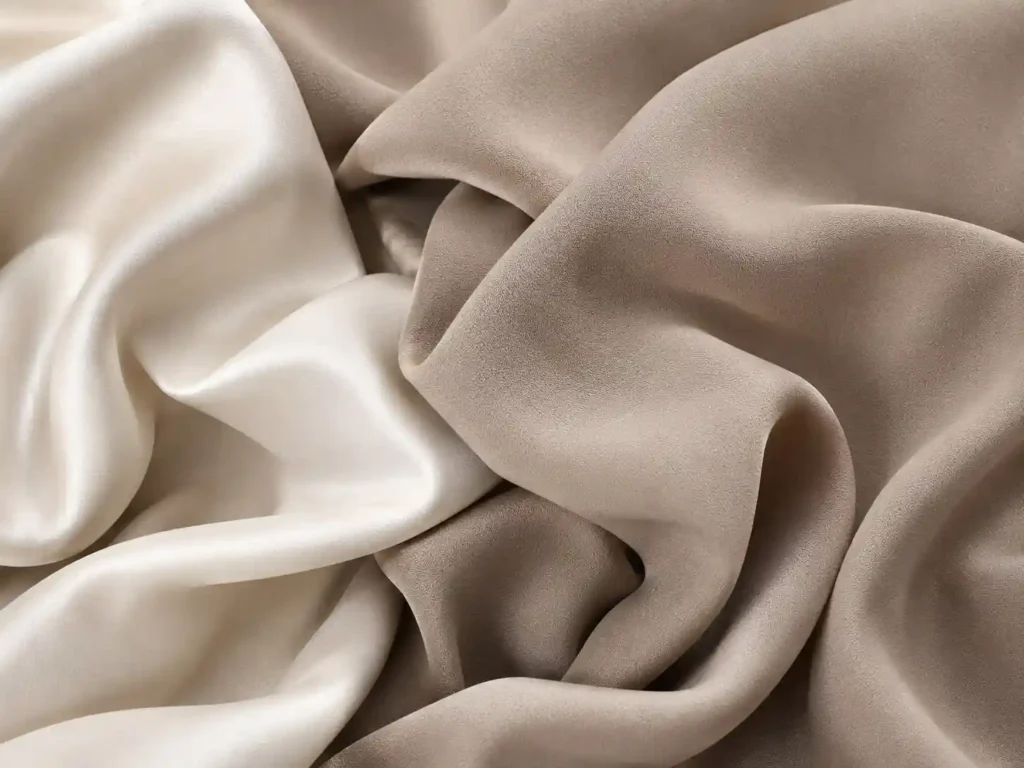
Material choice begins with the intended silhouette, wearing occasion, fit direction, opacity requirement and production method – not fabric name alone.

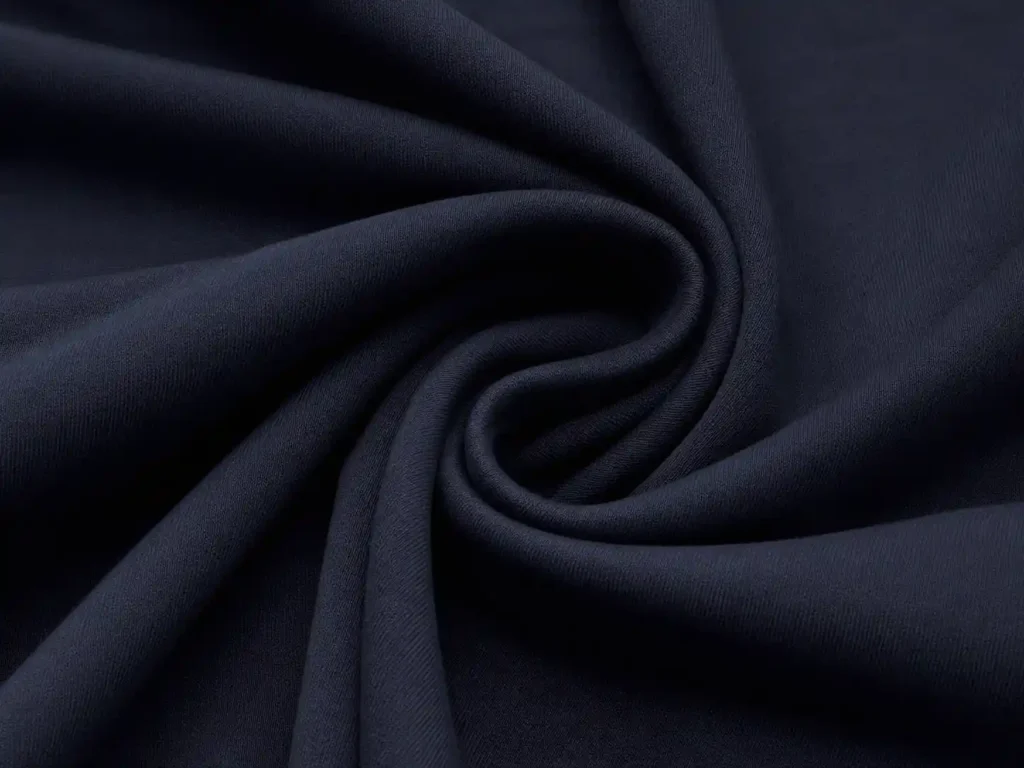
Matte Crepe

Matte crepe supports clean midi, sheath, column and occasion silhouettes with controlled drape and reduced surface glare. Selection should consider weight, stretch, recovery, texture, seam response and opacity. Development checks:

  • Whether the fabric holds the intended line
  • Whether darts and seams press cleanly
  • Whether pale shades require lining
  • Whether bulk lots maintain surface consistency

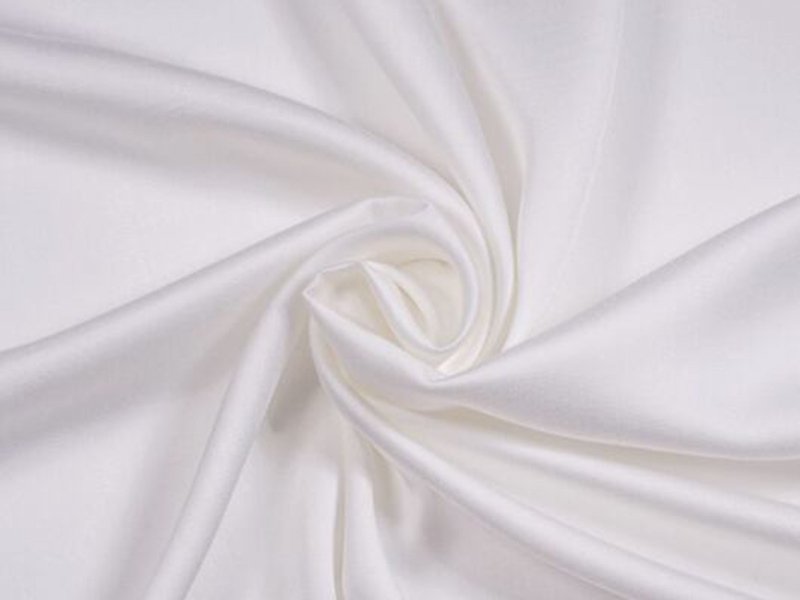
Satin and Satin-back Crepe

Satin creates fluid movement and visual depth but exposes needle marks, seam tension, pressing errors and packing creases. Satin-back crepe offers alternative surface and structure options. Key controls include:
  • Grain and cutting direction
  • Stitch length and thread tension
  • Bias growth
  • Seam puckering
  • Heat and pressure during finishing
  • Protective packing

Viscose and Rayon

Viscose-based fabrics provide soft movement for slip, wrap, midi and resort dresses. Variations in construction can influence shrinkage, distortion, opacity and seam stability. Duolan reviews:

  • Pre-production shrinkage behavior
  • Wet and dry dimensional change
  • Grainline control
  • Hem growth
  • Lining or underlayer requirements

Lyocell Blends

Lyocell and Tencel blends can create smooth, modern silhouettes with comfortable wear and controlled fluidity. Fabric finish, blend ratio and construction affect wrinkle behavior, drape and production handling. Recommended for:

  • Clean shirt dresses
  • Relaxed columns
  • Soft tailored styles
  • Resort midi dresses

Cotton Poplin

Cotton poplin supports crisp shirt dresses, structured mini dresses and clean A-line shapes. Weight, density and finish determine opacity, stiffness and crease recovery. Development priorities include:
  • Shrinkage allowance
  • Collar and placket support
  • Seam smoothness
  • White and pale-color opacity
  • Final pressing method

Linen Blends

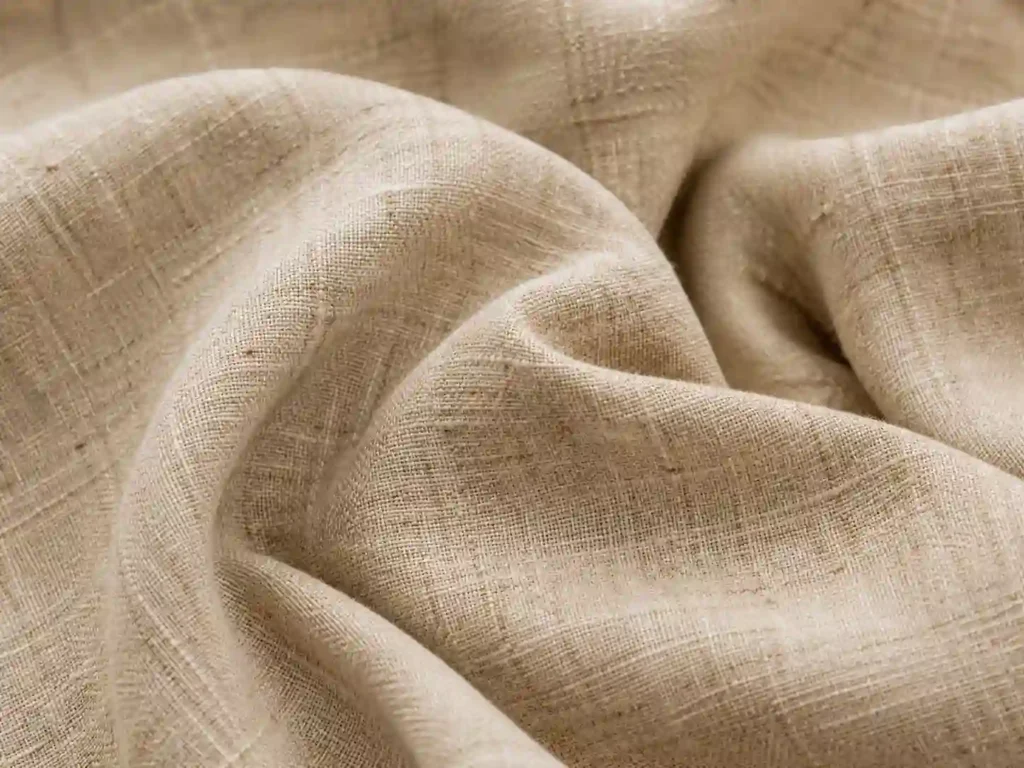
Linen blends offer natural texture and breathable structure for resort and summer programs. Blend composition can improve drape and reduce excessive wrinkling while preserving a clean natural surface. Review points include:
  • Slub consistency
  • Shrinkage
  • Color variation
  • Seam slippage
  • Lining decisions
  • Packing recovery

Ponte and Compact Jersey

Ponte and compact jersey support fitted, straight and sculpted dresses while maintaining clean edges. Stretch and recovery must match pattern reduction and wearing expectations. Production checks cover:
  • Course and wale direction
  • Recovery after stretching
  • Neckline stabilization
  • Seam bulk
  • Hem construction
  • Measurement relaxation

Structured Suiting

Suiting fabrics enable tailored minimalist dresses with sharp lines and controlled body. Weight, weave, elastane content, fusing response and pressing behavior must match the intended structure. Suitable applications include:

  • Tailored mini dresses
  • Office midi dresses
  • Panelled sheaths
  • Structured A-line dresses

Lining Systems

Lining affects opacity, comfort, movement, internal appearance and silhouette. Selection must account for stretch compatibility, static, color, weight and attachment method. Options may include:
  • Lightweight woven lining
  • Stretch lining
  • Partial lining
  • Bodice-only lining
  • Underlining for pale colors
  • Clean facing combinations

Design Details Defining a Clean Dress

Small proportional decisions carry greater visual weight in minimalist styles, requiring coordinated design, pattern and construction review.

Neckline Geometry

Round, square, boat, V, halter and asymmetric necklines must remain stable and visually balanced. Depth, width, shoulder relationship, bust coverage, facing structure and stretch control influence both appearance and wear.

Shoulder Architecture

Shoulder width and angle establish the upper-body line. Sleeveless and extended-shoulder designs require close armhole review, while tailored shapes may need internal support to retain clean structure.

Waist Placement

Natural, raised, dropped and unshaped waists create different proportions. Waist position must correspond with bodice length, skirt start, bust shape, torso balance and the brand’s intended silhouette.

Seam Placement

Princess seams, center seams, side panels and waist seams can shape the body without visible decoration. Placement must appear deliberate, align across joining points and remain balanced through grading.

Closure Integration

Invisible zippers, exposed metal zippers, buttons, concealed plackets and internal hooks must function without interrupting the clean line. Closure selection depends on fabric weight, fit level and entry requirements.

Slit Balance

Front, side and back slits influence movement and visual proportion. Length, overlap, reinforcement, lining connection and opening behavior must remain secure across sizes and during walking.

Lining Coverage

Lining should provide comfort and opacity without becoming visible at necklines, armholes, slits or hems. Length, stretch, attachment and color require coordination with the shell fabric.

Hem Proportion

A clean hem must look level on the body and suit the fabric weight. Hem depth, construction method, stitch visibility, flare and bias growth influence the final fall of mini, midi and maxi dresses.

Pattern Control Behind Minimalist Silhouettes

Pattern development translates clean visual direction into body balance, movement, grading and repeatable manufacturing standards.

Base Pattern Strategy

Development begins by deciding whether to use a brand block, an original sample, a measurement specification or a newly developed base. The selected basis must reflect target market, intended fit and fabric behavior.
Control points include:
  • Base-size balance
  • Measurement priorities
  • Wearing ease
  • Brand-specific proportions
  • Future grading requirements

Bust Shaping

Darts, princess seams, panels, gathers or stretch reduction can shape the bust. Minimalist styles require enough shaping for clean fit without producing unnecessary visible lines, gaping or drag marks.
Review covers:
  • Bust point position
  • Dart length and intake
  • Neckline relationship
  • Cup coverage
  • Fabric stretch

Waist and Hip Ease

Fitted dresses must follow the body without restricting movement, while straight dresses require controlled ease without appearing oversized. Waist suppression, hip contour and seat balance are reviewed together.

Side-seam Balance

A side seam should fall vertically or follow the intended design line. Twisting may result from pattern imbalance, fabric grain, asymmetric tension or poor cutting direction. Fit review identifies the source before revision.

Grainline and Drape

Straight grain, cross grain and bias influence stability and movement. Fluid fabrics may grow after cutting or hanging, while stretch materials may relax after sewing. Pattern allowances and construction methods must reflect actual behavior.

Size Grading

Grading is not uniform enlargement. Neckline depth, strap position, bust shaping, waist level, slit height, hem sweep and closure length require controlled size progression based on the brand’s measurement standard.

Construction Methods Supporting Refined Results

Clean garments often rely on hidden structural and stabilization techniques to retain shape without adding visible decorative weight.

Facing and Binding

Facings and bindings finish necklines, armholes and openings while supporting clean edges. Width, interfacing, seam grading, understitching and attachment must suit fabric thickness and transparency.

Concealed Closures

Invisible zippers, hidden buttons, internal hooks and covered plackets preserve uninterrupted exterior lines. Closure construction must remain secure while allowing comfortable entry and movement.

Internal Stabilization

Interfacing, stay tape, clear elastic, underlining and localized reinforcement help control necklines, shoulders, waists, slits and zipper areas. Stabilization should support the garment without creating stiffness or visible impressions.

Bias Stabilization

Bias-cut panels and slip dresses can lengthen or distort during handling. Controlled cutting, resting, hanging and hem leveling help manage growth before final finishing.

Clean Edge Control

Narrow seams, enclosed seams, binding, baby hems and lining turns require fabric-specific methods. Edge construction must remain smooth and proportionate rather than heavy or visibly rigid.

Shape-setting Pressing

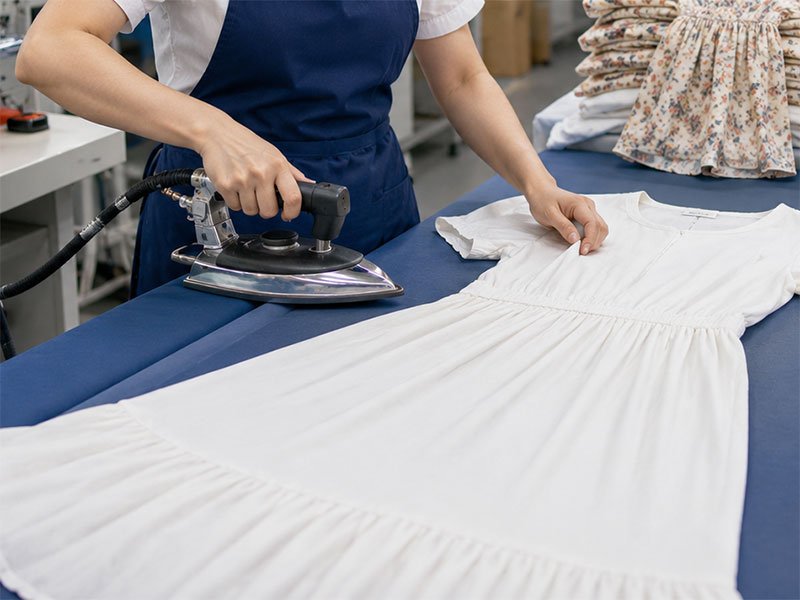
Pressing is used progressively during sewing, not only at final inspection. Darts, seams, facings, hems and structured areas are shaped at controlled stages so the finished dress retains a deliberate silhouette.

Start From the Information You Have

Duolan reviews different project starting points and identifies the additional information required for accurate development, sampling and production planning.

Complete Tech Pack

A complete technical package may include flat sketches, construction details, measurement specifications, BOM, color standards, fabric requirements, labels, packaging and order quantities. Duolan reviews:
  • Missing production information
  • Material feasibility
  • Measurement priorities
  • Critical workmanship points
  • Sample purpose
  • Bulk planning conditions

Reference Images

Reference images can establish silhouette, proportion, finish and visual mood. Additional discussion is usually required around fabric, target market, fit direction, internal construction, size standard, quantities and launch timing.

Original Sample

An original garment or detailed sample photographs can provide a physical development basis. Brand teams should identify which elements must remain, which elements need revision and which details require commercial or production improvement.

Collection Brief

A collection brief can begin with theme, style list, priority products, color direction, material direction, price positioning, target season, quantity plan and launch date. Duolan can then organize development priorities and material review.

Production-focused Minimalist Dress Sampling

Every sample stage should answer defined questions about design, fit, materials, workmanship, presentation or production readiness.

Brief and Purpose Review

Duolan first confirms whether the requested garment is a first prototype, fit sample, revised sample, photo-ready sample, salesman sample or PP sample. Each purpose requires different priorities and finishing standards.

Fabric Behavior Review

Material direction is evaluated against silhouette, drape, structure, transparency, stretch and construction. Where exact fabric is unavailable, any substitute used for early development must be clearly distinguished from the proposed bulk material.

Pattern Development

Patterns are created or adjusted from the available design basis. Pattern work covers garment balance, proportions, ease, grain direction, construction allowances and brand measurement requirements.

First Sample Construction

The first sample translates design and technical information into a physical garment. Development teams review silhouette, fit, material behavior, internal construction and potential production risks rather than judging surface appearance alone.

Fit and Visual Review

Comments are separated into fit, measurement, construction, material and visual categories. Clear classification reduces conflicting corrections and helps pattern, sample and production teams understand revision priorities.

Revision and Readiness

A revised sample should demonstrate whether the main design and fit decisions are moving toward approval. Before bulk, remaining material, measurement, workmanship and packaging points must be converted into confirmed production standards.

Risks Identified Before Bulk Production

Minimalist styles require early control because small deviations in materials, balance, sewing or finishing remain highly visible in finished garments.

Common RiskLikely CauseDuolan Control Direction
Collapsed silhouetteFabric lacks required body or recoveryFabric behavior and silhouette review before sample confirmation
Excess transparencyFabric weight, color or construction provides insufficient coverageOpacity review, lining evaluation and color-specific checks
Wavy seamsNeedle, thread, stitch length or tension does not suit the fabricSewing trial and tension adjustment before line production
Twisted side seamsPattern balance, grain direction or cutting control is incorrectPattern, grainline and cutting-direction verification
Gaping necklinePattern shape, fabric stretch or stabilization is insufficientNeckline correction, stay support and fit review
Visible liningLining length, color, attachment or stretch is incompatibleLining compatibility and connection review
Pressing marksHeat, pressure, seam bulk or packing method damages the surfacePressing trial, protective handling and packing review
Bulk differs from sampleMaterials and workmanship points were not fully lockedPP basis, material confirmation, first-piece inspection and inline QC

Converting Approved Samples Into Production Standards

Bulk production begins only after fit, materials, measurements, workmanship and packaging requirements are organized into a controlled manufacturing basis.

Approval Status

The team confirms whether the current sample is fit approved, visually approved, suitable as a PP basis or still pending refinement. Different approval states require different production actions.

Material Locking

Shell fabric, lining, trims, colors, handfeel, weight direction and critical material properties are confirmed before line allocation. Material substitutions require review rather than silent replacement.

Measurement Locking

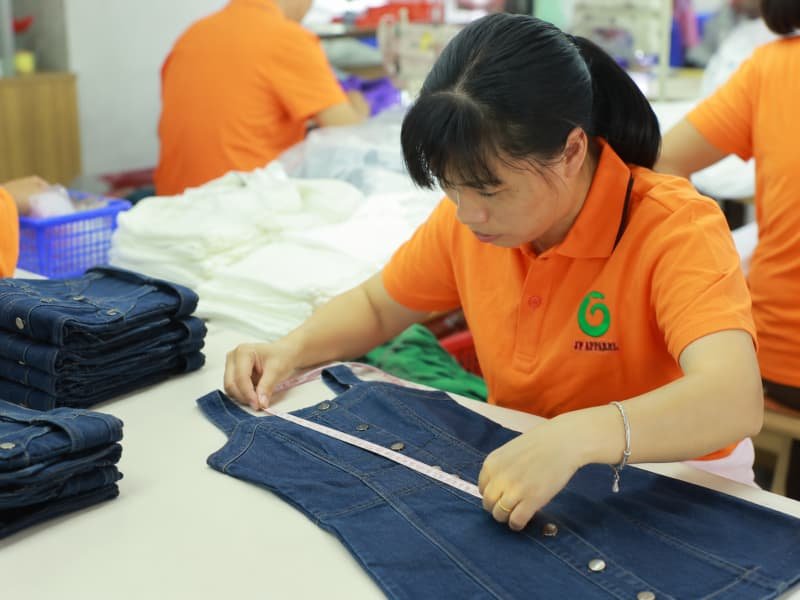
Base measurements, graded specifications, key tolerances and measuring methods are clarified. Fit-sensitive points receive greater attention than dimensions with limited impact on appearance or wear.

Workmanship Locking

Seam construction, neckline finish, zipper method, lining connection, slit reinforcement, hem method, pressing standard and visible stitch requirements are recorded for production teams.

Packaging Locking

Main labels, care labels, hangtags, barcodes, folding, protective materials, polybags, size stickers, carton marks and assortment requirements are confirmed before packing starts.

Production Readiness

Style complexity, quantities, materials, critical operations, delivery targets and inspection requirements are used to determine whether the order should run through one factory, several lines or a coordinated production path.

Structured Planning for Multi-style Dress Orders

Large orders are divided by style, material, complexity, size, color, quantity and delivery priority before the production path is assigned.

Style Classification

Each style is reviewed as standard, fit-sensitive, material-sensitive, quick-response or process-sensitive. Classification helps determine sample approvals, line requirements and QC attention.

Material Readiness

Bulk fabric, lining, trims, labels and packaging must reach the required approval state before production. Material readiness is aligned with cutting and line schedules to reduce idle time or rushed substitutions.

Line Matching

Production lines are selected according to garment construction, fabric handling, order quantity and required finish. A line suitable for compact jersey may not be appropriate for fluid satin or tailored suiting.

Multi-style Scheduling

Programs containing 10-30 styles require priority sequencing, material coordination and separate approval tracking. Key launch products may enter production earlier while later styles complete remaining material or PP approvals.

First-piece Verification

Early production pieces are checked against the approved standard for measurements, construction, appearance and critical workmanship points before full line output progresses.

Delivery Back-planning

Production, inspection, packing and transport are planned backward from the required arrival or launch date. Buffer time is considered for approvals, corrective actions and shipment preparation.

Quality Checks Protecting Clean Presentation

Inspection covers material consistency, measurements, garment balance, visible workmanship, internal construction, pressing and packaging execution.

Incoming Fabric Check
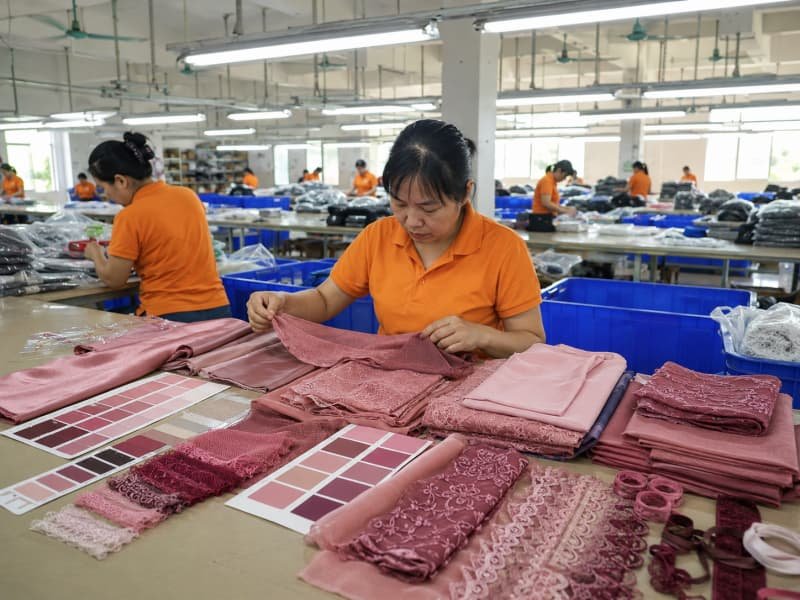
Fabric is reviewed for color, handfeel, width, visible defects, surface consistency and relevant project requirements before bulk cutting. Roll and lot information supports later production tracking.

Shade and Lot Control

Color can vary between lots or rolls, especially on matte, satin and natural-texture materials. Cutting and production arrangements consider shade separation where visual consistency is important.

Cutting Direction Check

Grain direction, nap, face direction, print orientation and panel pairing are checked before cutting. Incorrect direction can create twisting, shade differences or uneven drape.

First-piece Inspection

The first completed production garment is compared with the approved standard. Measurements, balance, zipper position, neckline, seams, lining, slits, hems and visible appearance are reviewed.

Inline Measurement Review

Measurements are checked during production rather than waiting for final inspection. Early identification allows pattern, sewing or process corrections before a larger quantity is affected.

Workmanship Inspection

Inspection covers seam puckering, skipped stitches, needle damage, topstitch alignment, zipper smoothness, lining exposure, hem level, symmetry, loose threads and internal finishing.

Pressing and Appearance

Finished garments are assessed for shine, seam impressions, wrinkles, shape distortion, uneven edges and handling marks. Pressing must improve shape without damaging the surface.

Packing Verification

Style, color, size, labels, hangtags, barcodes, folding, polybags, assortment and carton marks are checked against the confirmed packing requirement before shipment preparation.

Brand-ready Labels and Packing Execution

Labels and packaging are treated as production specifications because errors can affect retail presentation, warehouse receiving and launch schedules.

Main Brand Labels
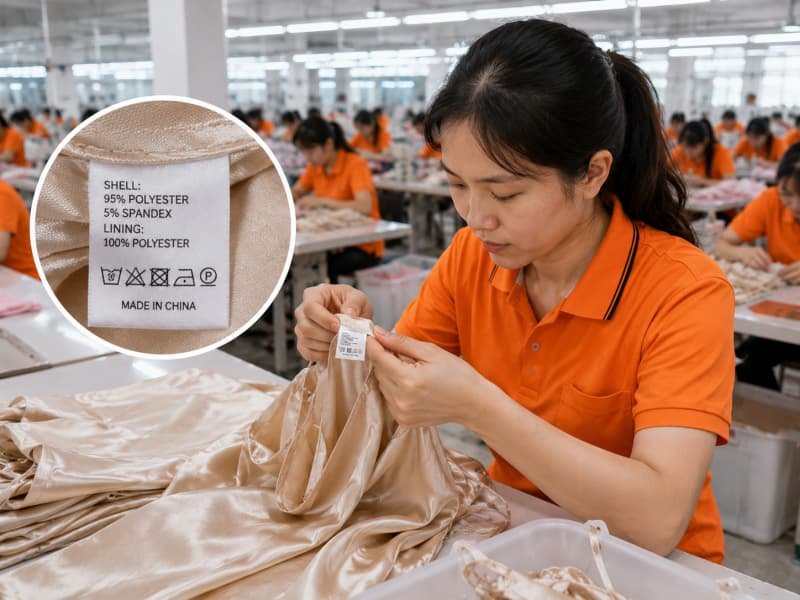
Woven, printed or heat-transfer main labels can be developed or applied according to approved artwork, material, dimensions, color, folding method and placement instructions.

Size and Care Labels

Size, composition, care, country-of-origin and language information should follow the brand’s approved files and destination-market requirements. Label position and orientation are confirmed before production.

Hangtags and Attachments

Hangtags, price tickets, strings, pins and attachments are matched by style and SKU. Placement must avoid damaging delicate or visible fabric surfaces.

Barcode and SKU Labels

Barcode, style, color and size information must remain accurate across multi-style and multi-color programs. Files, print samples and packing lists are checked before final application.

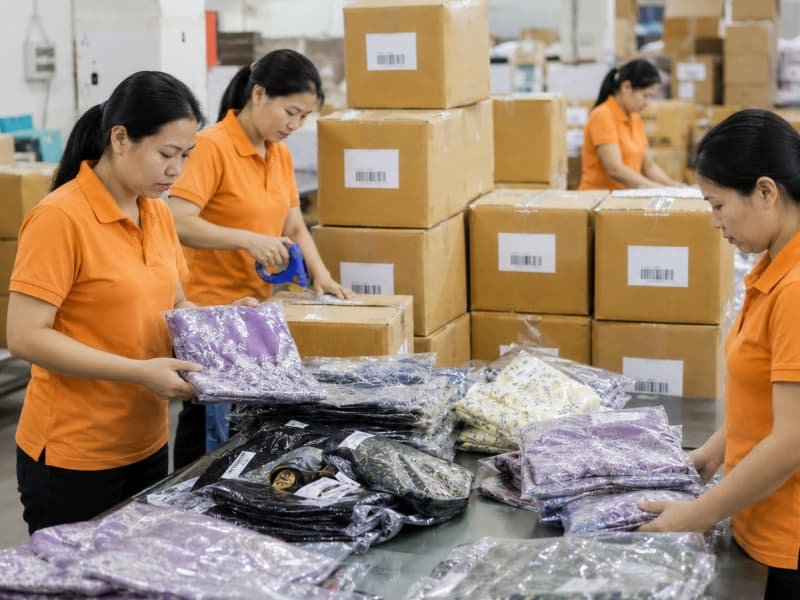
Folding and Protection

Minimalist dresses may require tissue, boards, zipper protection, shoulder support or specific folding methods to reduce pressing marks, creasing and surface damage during transport.

Export Cartons

Carton dimensions, assortment, quantity, carton marks, warehouse labels and shipping information are prepared according to the confirmed packing manual and delivery arrangement.

Planning Reference for Established Brand Programs

Final timing and commercial conditions are confirmed after style, materials, quantities, approvals, packaging and delivery requirements are reviewed.

Project AreaDuolan Reference
Common program structure10-30 styles with total order quantities commonly ranging from 20,000 to 80,000 garments
Size developmentPatterns are graded from an approved base size according to the brand’s measurement specification and fit direction
Sample planningSample and revision timing is confirmed in a written proposal after fabric, pattern basis, sample purpose and style complexity are reviewed
Simple bulk stylesApproximately 15-20 production days after bulk readiness and material preparation
Standard bulk stylesApproximately 20-30 production days after bulk readiness and material preparation
Complex bulk stylesApproximately 30-45 production days depending on materials, construction and approval requirements
Express deliveryApproximately 3-7 days, depending on destination and service
Air freightApproximately 5-8 days, depending on destination and flight arrangements
Sea freightApproximately 20-35 days, depending on port, route and shipping schedule
Standard payment structure30% deposit and 70% payment before shipment; continuing programs may be coordinated according to agreed commercial terms

Prepared for Brand-level Supply Requirements

Compliance planning begins before production so factory records, material testing, labels, packaging and shipment documents can follow the brand’s market requirements.

Audit Readiness

Duolan’s manufacturing system has completed a SMETA 2-Pillar audit and maintains a SMETA social audit record. Additional factory assessment requirements can be reviewed according to the client’s vendor approval process.

Material Testing Support

Testing requirements may involve composition, shrinkage, colorfastness, pH, restricted substances or other brand-specific standards. Required tests, laboratories, sample quantities and approval timing should be confirmed early.

Labels and Packaging

Composition labels, care labels, origin information, size labels, hangtags, barcodes, polybags, carton marks and warehouse labels are prepared according to approved manuals and destination requirements.

Project Documentation

Duolan can coordinate technical files, approval records, packing lists, commercial invoices, inspection information, shipment details and other documents required for structured project execution.

Manufacturing Capacity Supporting Long-term Dress Programs

Scale becomes valuable when factories, lines, materials, project management and quality controls work under a coordinated production plan.

30+ Years

Over 30 years of womenswear development experience support a deeper understanding of dress silhouettes, fabrics, fit, decorative techniques, brand positioning and commercial production requirements.

16 Owned Factories

Owned womenswear factories provide direct control for core developments, priority programs, fit-sensitive products and bulk orders requiring closer sample-to-production coordination.

20+ Satellite Factories

Long-term satellite factory relationships provide added flexibility for repeat orders, seasonal demand, capacity balancing and style allocation according to construction requirements.

12,000+ Workers

A coordinated workforce across supporting manufacturing bases enables cutting, sewing, finishing, inspection, packing and production scaling for multi-style dress programs.

300 Sewing Lines

Multiple sewing lines support production allocation by material, construction, quantity and delivery requirement rather than forcing unrelated garment types through one production path.

50+ Flexible Lines

Quick-response and flexible lines support development-to-order transitions, selected launch programs, repeat production and smaller production phases within larger continuing brand relationships.

Minimalist Dress Programs Managed at Scale

The following anonymized project profiles reflect common Duolan order structures. Brand names and commercially sensitive specifications remain confidential.

United States Workwear Edit

A US contemporary womenswear brand planned an 18-style minimalist dress program totaling 48,600 garments. The range covered tailored mini dresses, clean midi sheaths, column dresses and softly structured workwear styles.
Main challenges:
  • Waist and hip balance varied across several style families
  • Pale crepe showed inconsistent opacity
  • Invisible zippers created raised back seams
  • Three development teams submitted comments in different formats
Duolan actions:
  • Grouped comments into fit, material, construction and visual categories
  • Adjusted base blocks before final grading
  • Compared shell and lining combinations for pale colors
  • Added zipper-area stabilization and first-piece inspection points
  • Divided production by construction type rather than style number alone
Result: All 18 styles entered production under separate readiness records. The 48,600-piece order was planned across coordinated lines, and approved pattern and workmanship records remained available for later color extensions and repeat styles.

European Contemporary Collection

A European contemporary brand developed 12 minimalist satin, crepe and column styles totaling 27,800 garments. Visual quality depended heavily on smooth surfaces, clean seams and refined packing.
Main challenges:
  • Satin seams showed tension marks
  • Bias panels grew during development
  • Deep colors reacted differently to pressing
  • Standard folding created visible impressions
  • Several styles shared similar fabrics but required different construction
Duolan actions:
  • Conducted stitch, tension and pressing trials
  • Added resting and hem-leveling steps for bias pieces
  • Separated pressing instructions by material and color
  • Introduced protective tissue and adjusted folding
  • Created style-specific workmanship notes despite shared materials
Result: The 12-style program moved from revised samples into a controlled 27,800-piece production plan. Surface appearance, hem level, packing protection and material-specific workmanship became defined approval points before line production.

Australian Resort Program

An Australian resort brand prepared a 24-style minimalist collection totaling 72,400 garments. The range used linen-viscose, cotton poplin and fluid rayon across mini, midi and maxi lengths.
Main challenges:
  • Shrinkage differed across material groups
  • Light colors required separate opacity solutions
  • Multiple styles shared fabrics but followed different launch priorities
  • Resort packaging needed reduced creasing after sea transport
  • The delivery plan required staged production and shipment
Duolan actions:
  • Grouped styles by material behavior and production method
  • Applied separate shrinkage and lining decisions by fabric
  • Prioritized campaign and launch products in the production schedule
  • Reviewed folding, tissue and carton arrangement for crease control
  • Coordinated staged inspection, packing and shipment preparation
Result: The 72,400-piece program was divided into controlled production phases across 24 styles. Material standards, pattern records and packing methods created a stronger base for later repeat orders and seasonal color updates.

Minimalist Dress Frequently Asked Questions

Yes. Duolan focuses on dress development, sample progression, bulk production and continuing supply coordination for established fashion brands, product teams, buying teams and sourcing offices. Projects may include single-category dress programs, seasonal capsules, multi-style launches, repeat orders and color extensions.

Yes. Reference images can establish silhouette and visual direction. A development review will also identify required information regarding fabric, fit, internal construction, target market, size standard, quantity, labels, packaging and launch timing before an accurate sample plan is confirmed.

Suitable materials depend on silhouette and wearing purpose. Common directions include matte crepe, satin-back crepe, viscose, lyocell blends, cotton poplin, linen blends, ponte, compact jersey and structured suiting. Weight, drape, opacity, stretch, recovery and pressing behavior are reviewed before selection.

Yes. Brand teams can provide an original sample, sample photographs, measurements and clear comments explaining which features must remain and which require correction. Duolan can review fit, proportion, fabric behavior, workmanship, internal construction and bulk feasibility before proposing revisions.

Fit control begins with an agreed pattern basis and measurement standard. Review areas may include shoulder balance, neckline stability, bust shaping, waist position, hip ease, side-seam direction, slit placement, hem level and grading progression across the requested size range.

Yes. Multi-style programs are divided by fabric, construction, complexity, quantity, approval status and launch priority. Production paths can then be assigned to suitable factories and lines while maintaining separate standards for each style, color and size group.

Sample timing is confirmed after reviewing the design basis, fabric availability, pattern requirements, sample purpose, construction complexity and required approval stages. Duolan provides a sample proposal outlining the development path, included work, required decisions and expected timing.

Before bulk starts, Duolan reviews sample approval status and locks production-critical information covering fabrics, linings, trims, colors, measurements, workmanship and packaging. A bulk start confirmation or production-readiness note can be prepared for structured projects.

Yes. Duolan can coordinate main labels, size labels, care labels, hangtags, barcodes, polybags, protective materials, folding methods and export cartons based on approved artwork, label information, packing instructions and warehouse requirements.

Useful information includes a tech pack, reference images, original sample photographs, fabric direction, style list, colorways, measurement specifications, size range, quantity by style, required quality standards, labels, packaging, launch date and delivery destination.

Start Your Minimalist Dress Development Review

Share your minimalist dress program with Duolan for a structured review covering product direction, fabric suitability, pattern requirements, sampling stages, bulk production feasibility and delivery planning.A complete technical package supports faster evaluation, but development can also begin from reference images, original sample photographs, material ideas or a collection brief. Clear information about style count, quantities, size standards and launch timing helps our team identify the right development and production path.

Please include available information such as:

  • Company or brand website
  • Tech packs, sketches or reference images
  • Original sample photographs
  • Target fabrics, linings and colors
  • Number of styles and colorways
  • Quantity by style
  • Measurement specification or size chart
  • Sample purpose and required approval stage
  • Target launch or delivery date
  • Label, barcode and packaging requirements
  • Quality, testing or inspection requirements
  • Delivery destination and preferred shipping method

Duolan will review the submitted materials before confirming the information still required, proposed sample path, quotation basis, production considerations and next project step.

Start Your Apparel Development Project

OEM/ODM Manufacturing Support for Fashion Brands

Share your collection details, estimated quantities, target market, development timeline, and technical requirements. The production team will review your request and provide a tailored manufacturing solution based on your product category, fabric selection, construction needs, and delivery schedule.

Fashion Manufacturing Support with Scalable Production Capacity

From sample development to bulk production, Duolan supports fashion brands with confidential OEM/ODM manufacturing, stable quality management, flexible production planning, and coordinated multi-factory execution for seasonal and capsule collections.

Need Direct Assistance?

Seraphinite AcceleratorOptimized by Seraphinite Accelerator
Turns on site high speed to be attractive for people and search engines.