Skip to content
Custom Stretch Fabric Dress Manufacturer
Dress-focused development and manufacturing built around stretch performance, fitted silhouettes, stable construction and controlled bulk production for established fashion brands.
Duolan develops stretch fabric dresses as a connected product system rather than treating fabric, pattern and sewing as separate tasks. The workflow connects fabric behavior review, fitted pattern engineering, sample correction, production-readiness confirmation, bulk material control, stretch-seam workmanship, measurement inspection, branded packaging and delivery coordination for structured fashion dress programs.
Manufacturing and stretch-dress program facts:
- 30+ years of womenswear development experience behind dress-focused fabric, fit and workmanship judgment.
- 16 owned womenswear factories and 20+ long-term satellite factories support launch, repeat and scale-up production.
- 300 sewing lines and 50+ flexible lines allow stretch programs to be separated by fabric behavior, construction difficulty and delivery window.
- 15,000-35,000 monthly sample-development capacity supports parallel fit reviews, revisions, size checks and PP confirmations.
- An anonymized North American multi-brand stretch program covered 26 styles and approximately 76,800 garments across jersey, ponte, rib and mesh-overlay dresses.
Built for Established Fashion Dress Programs
Duolan supports organized product teams developing defined collections, repeatable fits and scalable production rather than stock-style or price-led purchasing.
Established Fashion Brands
- Seasonal and continuous dress development
- Brand-specific fit and measurement standards
- Repeat orders using preserved production information
- Coordinated labels, packaging and delivery requirements
Product Development Teams
- Development review before sampling
- Fit comments converted into measurable actions
- Material and workmanship risks identified early
- Revision notes maintained for later stages
Buying and Sourcing Teams
- Structured quotation basis
- Material and trim confirmation
- Production-readiness review
- QC, packaging and shipment coordination
Multi-style Collection Programs
Stretch dress collections commonly contain bodycon, ruched, mesh, jersey, ponte and party silhouettes within one launch. Each style may require a different fabric behavior, pattern allowance and production path.
- Ten to thirty styles can be planned as one organized program
- Core, visual and repeatable styles receive different priorities
- Shared materials can improve color and sourcing consistency
- Production planning follows style complexity and launch timing
What Fashion Brands Need from Stretch Dress Manufacturing
Fabric Behavior Judgment
- Review fabric against wearing position
- Check coverage under normal extension
- Compare recovery after repeated handling
- Match structure with the required visual effect
Accurate Fitted Silhouettes
- Establish the intended body contour
- Define negative or close-fitting ease
- Balance front and back lengths
- Protect movement without losing shape
Production-ready Samples
A visually attractive sample may still be unsuitable for bulk production. Stitching, lining, closures, trims and construction order must remain repeatable.
- Review workmanship feasibility
- Confirm measurable fit points
- Record revision decisions
- Establish a PP or bulk-production basis
Stable Stretch Construction
- Control seam extension
- Reduce edge waving
- Stabilize high-stress areas
- Match finishing with garment use
Bulk Fit Consistency
Fit can change when the production fabric, cutting direction, sewing tension or pressing method differs from the approved sample.
- Lock approved fabric direction
- Control cutting and bundle identification
- Confirm first-piece measurements
- Check critical fit areas during production
Scalable Repeat Production
- Retain approved pattern information
- Record fabric and trim references
- Maintain critical workmanship notes
- Prepare repeat-order improvement records
Common Risks in Stretch Fabric Dress Development
Most costly failures begin before bulk sewing. Fabric selection, pattern tension and construction decisions must be evaluated while changes remain manageable.
Weak Fabric Recovery
A fabric may stretch comfortably during fitting but fail to return to its original shape. Waist, seat, elbow or hem areas can become loose after wear.
- Risk: bagging and permanent distortion
- Review: recovery after repeated extension
- Control: select fabric according to silhouette pressure
- Result: cleaner shape throughout normal wear
Uncontrolled Transparency
- Risk: inconsistent coverage
- Review: opacity at intended garment extension
- Control: adjust fabric weight, color or lining
- Result: coverage aligned with brand positioning
Incorrect Pattern Ease
- Risk: poor fit despite correct flat measurements
- Review: stretch and recovery against body zones
- Control: revise pattern ease by fabric and silhouette
- Result: balanced contour and movement
Wavy Seams and Hems
Stretch fabrics can grow while passing through sewing operations. Side seams, necklines and hems may ripple when feeding, tension or heat is poorly controlled.
- Risk: low visual finish
- Review: seam type and handling method
- Control: stabilize, test and adjust construction
- Result: flatter, cleaner garment lines
Grading Distortion
- Risk: good fit in one size only
- Review: brand size chart and fit priority
- Control: grade by body zone and garment behavior
- Result: more consistent fit across the selected range
Sample-to-Bulk Difference
- Risk: bulk garments no longer match approval
- Review: material and workmanship readiness
- Control: lock production standards before cutting
- Result: stronger sample-to-production consistency
Why Stretch Dresses Need Specialist Manufacturing Control
Four technical disciplines must work together. Strong performance in only one area cannot protect the final fit or production result.
Fabric Engineering
Fabric selection starts with the intended garment result. Duolan reviews structure, weight, stretch direction, recovery, drape, handfeel and opacity before recommending a production path.
- A high-stretch fabric may lack recovery.
- A firm ponte may provide shape but limit draping.
- Stretch mesh may need controlled lining coverage.
- Stretch satin requires careful cutting, sewing and pressing.

Pattern Engineering
Stretch dress patterns distribute tension around the body. Duolan evaluates bust balance, waist shaping, hip contour, side-seam position, neckline security, garment length and movement.
- Pattern decisions follow fabric behavior.
- Negative ease is not applied uniformly.
- High-stress points receive added control.
- Grading follows the brand’s measurement system.

Construction Engineering
Workmanship must allow movement without losing visual quality. Construction planning covers stitch type, seam extension, neckline stability, elastic placement, lining compatibility, closures and finishing.
- Seams are selected by fabric and load.
- Open edges receive suitable stabilization.
- Closures must not interrupt stretch performance.
- Pressing must preserve surface and recovery.

Production Engineering
Bulk production requires more than repeating sewing operations. Fabric rolls, cutting direction, bundle control, seam tension, first-piece approval, inline inspection and final packing all affect consistency.
- Materials are locked before bulk release.
- Critical measurements receive production attention.
- Visual risks are checked during sewing.
- Repeat standards are preserved after shipment.
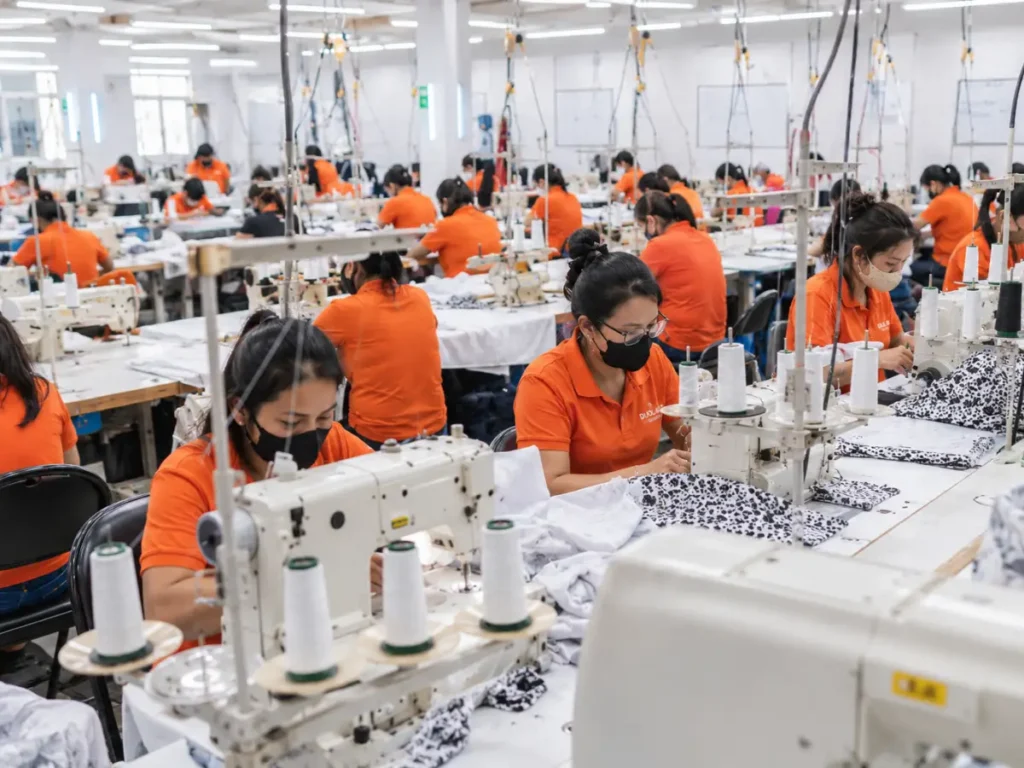
Custom Stretch Dress Styles Developed for Fashion Brands
Each silhouette receives a separate material, pattern and workmanship review rather than one general stretch-dress construction method.
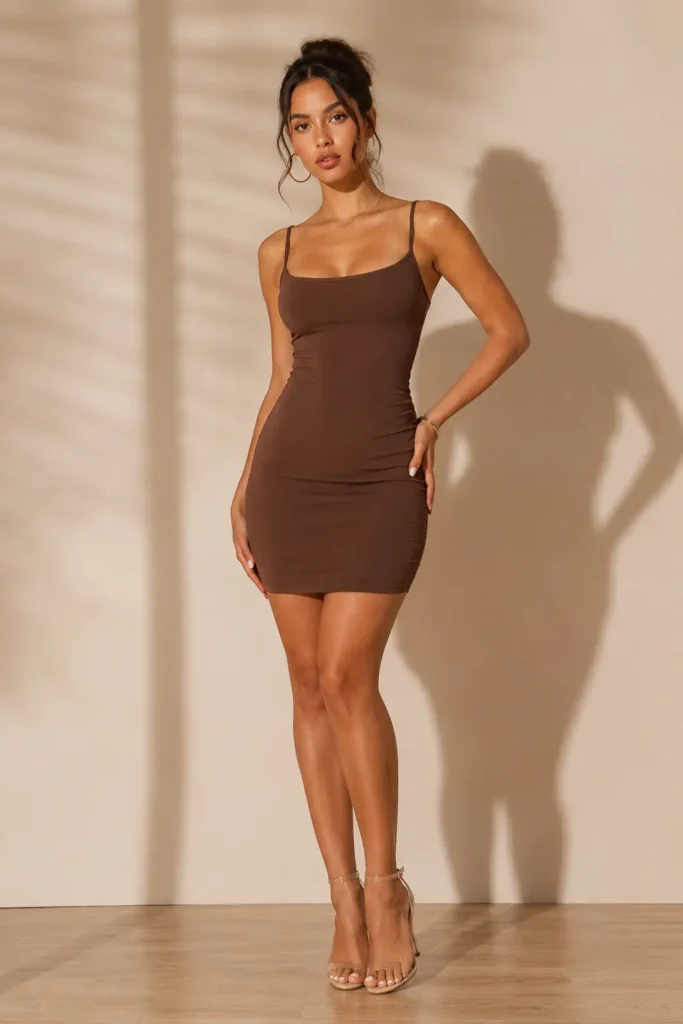
Bodycon Dresses
- Suitable directions: jersey, ponte, scuba and structured blends
- Main risks: transparency, side-seam twisting and uneven tension
- Development focus: contour, movement, hem stability and size grading

Fitted Mini Dresses
- Suitable directions: compact jersey, double knit and stretch crepe
- Main risks: riding up, hem flare and visible lining edges
- Development focus: body length, skirt tension and opening control

Ruched Midi Dresses
- Suitable directions: soft jersey, stretch mesh and fine rib
- Main risks: uneven gathers, twisted seams and inconsistent length
- Development focus: gathering ratio, anchoring and graded placement
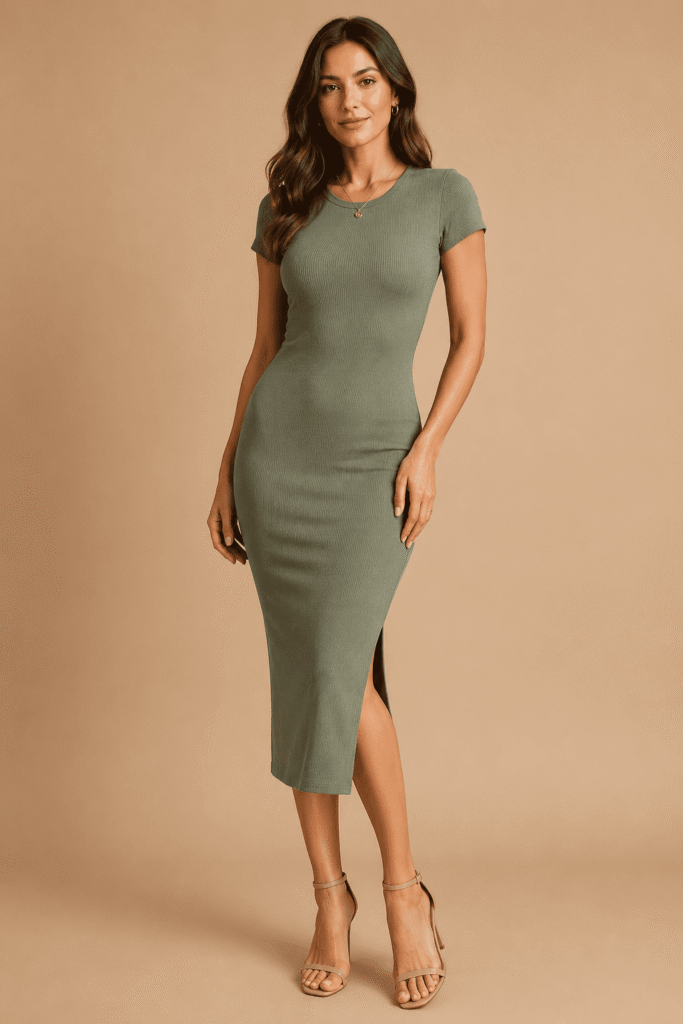
Jersey Dresses
Single and double jerseys support casual, fitted and draped silhouettes. Performance varies considerably by weight, knit density and recovery.
- Suitable directions: everyday mini, midi and long-sleeve dresses
- Main risks: rolling edges, seam growth and body exposure
- Development focus: cutting relaxation, stabilization and pressing

Rib Knit Dresses
Rib structures offer visible texture and strong extension, yet surface growth and recovery must be controlled.
- Suitable directions: fitted midi, tank and long-sleeve dresses
- Main risks: width variation, stretched seams and distorted necklines
- Development focus: rib direction, panel matching and edge recovery

Ponte Dresses
- Suitable directions: fitted midi, panelled and tailored knit dresses
- Main risks: bulk at seams and restricted drape
- Development focus: seam reduction, pressing and shape balance

Stretch Mesh Dresses
Stretch mesh requires decisions around coverage, lining, print placement and edge finishing. Main fabric and lining must move together.
- Suitable directions: layered bodycon, printed mesh and party dresses
- Main risks: transparency, puckering and mismatched extension
- Development focus: panel alignment, lining map and seam softness

Stretch Satin Dresses
Stretch satin combines a polished surface with limited or directional give. Small sewing or pressing errors can remain visible.
- Suitable directions: slip, ruched, draped and fitted occasion dresses
- Main risks: needle marks, seam impressions and shine variation
- Development focus: grain, tension, handling and protective packing

Going-out Dresses
- Suitable directions: cut-out, halter, backless and asymmetric styles
- Main risks: unsupported openings and unstable decorative details
- Development focus: fit security, reinforcement and collection consistency
Stretch Fabrics Selected by Garment Performance
Fabric names provide only a starting point. Duolan evaluates each option according to silhouette, coverage, recovery, construction and production availability.

Single Jersey
- Best for: soft mini, midi and gathered dresses
- Watch for: edge rolling, seam growth and body exposure
- Development approach: relax before cutting, stabilize openings and test hems

Double Jersey
- Best for: cleaner fitted dresses and structured casual silhouettes
- Watch for: seam bulk and reduced fluidity
- Development approach: simplify layered seams, control pressing and confirm desired firmness

Rib Knit
- Best for: tank, long-sleeve and column dresses
- Watch for: garment growth and width inconsistency
- Development approach: align ribs, test neckline recovery and control panel matching

Ponte Roma
- Best for: fitted work dresses, panelled midi dresses and structured mini dresses
- Watch for: heavy seam intersections and stiff drape
- Development approach: reduce bulk and balance shape through pattern lines

Scuba Knit
- Best for: structured mini dresses, skater shapes and sculpted panels
- Watch for: bulky seams, heat marking and limited breathability
- Development approach: choose clean construction and controlled pressing
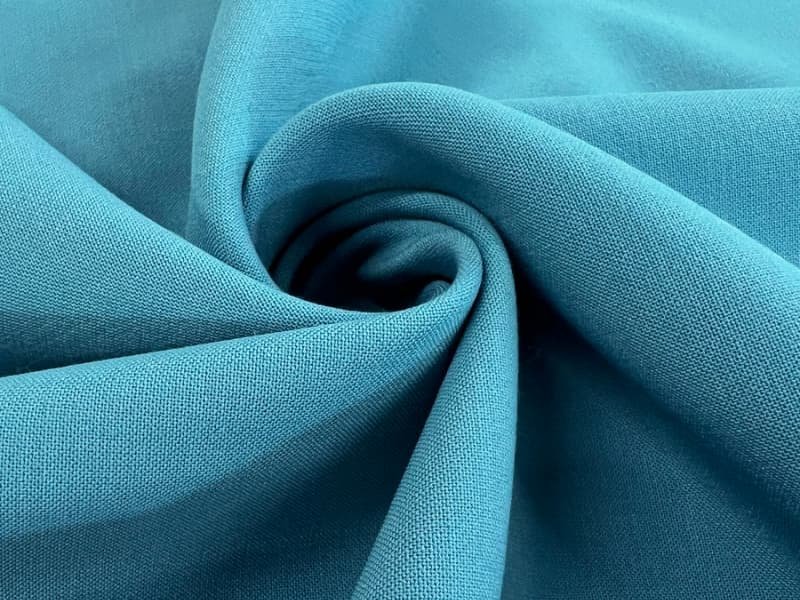
Polyester Elastane
- Best for: bodycon, ruched, printed and going-out dresses
- Watch for: shine, pilling and heat sensitivity
- Development approach: review recovery, surface and intended price positioning

Nylon Elastane
- Best for: close-fitting mini dresses and second-skin styles
- Watch for: surface sensitivity and excessive compression
- Development approach: balance stretch with lining, comfort and seam strength

Stretch Crepe
- Best for: fitted midi, wrap and tailored dresses
- Watch for: directional stretch and seam impressions
- Development approach: confirm drape, recovery and pressing response

Stretch Mesh
- Best for: printed mesh, ruched overlay and party dresses
- Watch for: snagging, edge distortion and different lining extension
- Development approach: map coverage, test seams and lock print direction
Compare Stretch Fabrics by Garment Result
Material selection should follow silhouette, coverage and production needs rather than relying only on composition names or visual swatches.
| Fabric Direction | Structure and Feel | Best Dress Applications | Key Development Risk | Production Control |
|---|---|---|---|---|
| Single Jersey | Soft, fluid and lightweight to medium weight | Casual fitted, ruched and draped dresses | Transparency, rolling edges and seam growth | Fabric relaxation, opening stabilization and controlled hemming |
| Double Jersey | Smoother, firmer and more stable | Clean bodycon, long-sleeve and structured casual dresses | Excessive firmness or bulky seams | Pattern ease review and reduced seam intersections |
| Rib Knit | Textured with strong crosswise extension | Tank, fitted midi and column dresses | Width growth, neckline distortion and rib misalignment | Rib matching, recovery checks and stable edge finishing |
| Ponte Roma | Dense, supportive and opaque | Work dresses, fitted midi and panelled silhouettes | Heavy seam areas and limited fluidity | Seam-bulk reduction, pressing trials and balanced shaping |
| Scuba Knit | Thick, smooth and sculptural | Structured mini, skater and statement silhouettes | Heat marking and bulky construction | Clean seam planning and low-risk finishing |
| Stretch Mesh | Lightweight, transparent and flexible | Layered bodycon, printed mesh and party dresses | Snagging, transparency and lining mismatch | Coverage mapping, soft seams and matched extension |
| Stretch Crepe | Matte, refined and controlled | Occasion, wrap and tailored fitted dresses | Directional stretch and seam impressions | Grain control, fit testing and careful pressing |
| Stretch Satin | Smooth, reflective and dressy | Ruched, slip and fitted occasion dresses | Needle marks, surface damage and visible seam tension | Fine handling, seam trials and protective packing |
The best material is not automatically the softest, strongest or most expensive. A workable fabric must support the intended silhouette, brand price position, wearing occasion, construction method and bulk production plan.
Six Performance Controls Behind Stable Stretch Dresses
Stretch Direction
- Review main stretch direction
- Mark grain and cutting orientation
- Consider panels with different tension
- Confirm direction before bulk cutting
Extension Capacity
- Compare extension with garment opening
- Review bust, waist and hip requirements
- Avoid unnecessary compression
- Confirm comfort in the sample
Recovery Behavior
- Review repeated extension
- Check high-pressure body zones
- Compare sample before and after fitting
- Select structure according to wear duration
Fabric Weight
- Match weight to silhouette
- Review layered construction
- Check seam bulk
- Confirm seasonal suitability
Opacity and Coverage
- Check body-zone coverage
- Review under lighting
- Match lining extension
- Confirm acceptable visual standard
Dimensional Stability
Fabric may grow during cutting, sewing, pressing or care. Stability must be considered before final measurements are approved.
- Allow material relaxation
- Review heat response
- Confirm care method
- Monitor critical dimensions during production
Fabric Sourcing Aligned with Dress Development
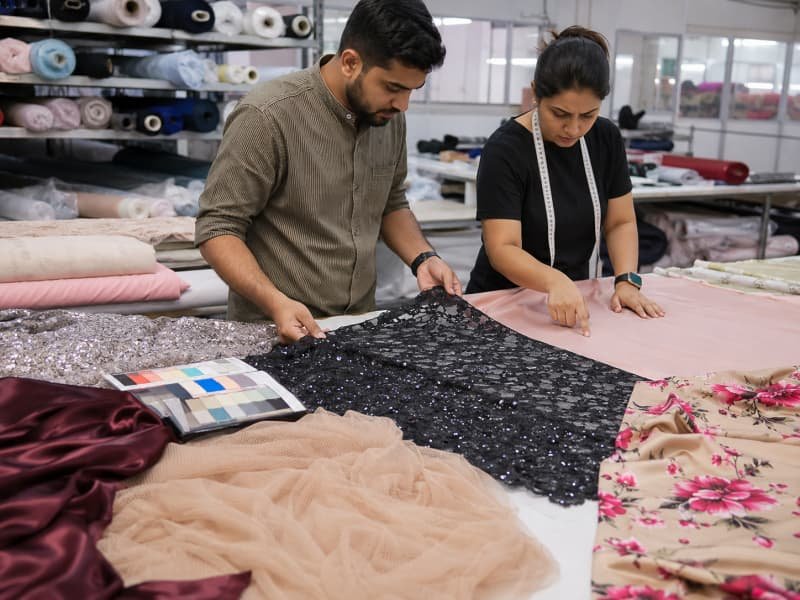
Composition Direction
- Clarify desired wearing experience
- Review target garment category
- Consider care-label requirements
- Compare commercially workable alternatives

Weight and Handfeel
- Review drape and body
- Check transparency under extension
- Consider seam thickness
- Match season and sales channel

Color Development
- Match approved color reference
- Review shade under relevant lighting
- Consider lining and trim coordination
- Lock accepted color before bulk use

Surface and Finish
- Check pilling and snag sensitivity
- Review print or finish compatibility
- Consider heat and pressing response
- Align surface with brand positioning

Lining Compatibility
- Compare stretch direction
- Review opacity and support
- Check seam interaction
- Confirm movement in the fitted sample

Commercial Alternatives
- Preserve required coverage
- Maintain silhouette support
- Retain surface character
- Validate alternatives through sampling
Match Stretch Fabrics with Intended Dress Silhouettes
Sculpted Bodycon
- Prioritize recovery and coverage
- Check side-seam stability
- Review waist and hip tension
- Confirm movement through fitting
Soft Ruched Shapes
- Plan gathering ratio
- Control left-right symmetry
- Stabilize anchoring points
- Grade ruching placement carefully
Structured Fitted Dresses
- Balance firmness with comfort
- Reduce seam bulk
- Plan darts or style lines
- Control pressing and surface appearance
Layered Mesh Dresses
- Match lining extension
- Control transparent zones
- Align prints or panel seams
- Protect soft edges from distortion
Stretch Satin Styles
- Review directional give
- Avoid visible pulling
- Test zipper and seam areas
- Protect shine during packing
Active-inspired Dresses
- Control compression
- Select soft seam construction
- Review breathability and handfeel
- Keep the garment aligned with fashion positioning
Pattern Development Built Around Stretch Behavior

Controlled Negative Ease
- Define the intended fit level
- Allocate tension by body area
- Protect movement and openings
- Confirm results through fitting

Stretch Direction Placement
- Mark stretch direction clearly
- Review asymmetric panels
- Control print and rib alignment
- Preserve orientation during cutting

Bust and Waist Balance
- Balance front length
- Review underbust tension
- Position darts or seams accurately
- Coordinate support and lining

Hip Contour Control
- Review front-to-back distribution
- Control seat extension
- Prevent horizontal drag lines
- Maintain straight side seams

Neckline and Armholes
- Check gaping risk
- Review binding or facing
- Add support where required
- Confirm comfort and security

Brand-specific Grading
- Confirm base size
- Review points of measurement
- Define graded fit priorities
- Prepare size-set checks when required
Fit Engineering Across Six Critical Dress Areas

Bust Fit
- Check compression and coverage
- Review neckline stability
- Balance cup or dart position
- Confirm movement and support

Underbust Control
- Position seams accurately
- Match support to fabric
- Prevent upward movement
- Coordinate lining and elastic

Waist Balance
- Confirm natural or designed waist
- Review front and back balance
- Check side-seam position
- Adjust pattern length where needed

Hip Contour
- Review seat length
- Check cross-body tension
- Control back rise effect
- Preserve garment fall below hip

Back and Side Seams
- Compare front and back tension
- Review zipper placement
- Correct twisting or pulling
- Confirm symmetry during fitting

Hem and Slit
- Review walking and sitting
- Control hem stretch
- Reinforce slit ends
- Match length across sizes
Stretch Sewing Details Controlled for Clean Production
Workmanship trials are selected according to fabric thickness, extension, recovery, garment pressure and the visual finish required by the brand.
Needle and Thread
- Match needle type with knit structure
- Select thread for seam extension
- Review color and surface appearance
- Test before bulk sewing
Overlock Seams
- Control seam width
- Adjust thread balance
- Avoid excessive trimming
- Review strength at high-pressure areas
Stretchable Seams
- Test seam extension
- Review recovery after pulling
- Prevent thread breakage
- Confirm acceptable visual appearance
Coverstitched Hems
- Confirm hem depth
- Control fabric feeding
- Review thread tension
- Test appearance after pressing

Neckline Finishing
- Prevent gaping
- Avoid excessive gathering
- Stabilize shoulder or back areas
- Confirm wearing comfort
Zipper Integration
- Stabilize zipper area
- Control seam allowance
- Align waist and panel seams
- Test opening and closing
Reinforced Stress Points
- Add suitable reinforcement
- Avoid hard or bulky patches
- Review repeated movement
- Maintain clean internal finish
Pressing and Finishing
- Conduct pressing trials
- Avoid surface impressions
- Maintain garment measurements
- Allow cooling before inspection
Lining and Support Integrated with Stretch Performance
Internal materials and closures should strengthen the design without restricting movement or changing the approved fit.
Stretch Lining
- Match stretch direction
- Compare recovery
- Avoid lining drag
- Confirm edge and hem placement
Power Mesh Support
- Place support only where needed
- Check compression level
- Soften seam contact
- Confirm visibility under outer fabric
Elastic Placement
- Specify elastic size
- Define finished length
- Protect against twisting
- Record placement for bulk use
Adjustable Straps
- Match hardware finish
- Control strap stretch
- Reinforce attachment areas
- Confirm adjustment range
Zipper Selection
- Confirm zipper length
- Select suitable tape weight
- Stabilize surrounding fabric
- Test dressing access
Internal Reinforcement
- Use only where required
- Avoid reducing comfort
- Match support with stretch direction
- Document material and placement
Fashion Details Engineered for Stretch Dress Performance
Decorative details must remain stable while the underlying fabric extends, recovers and moves through fitting and wear.
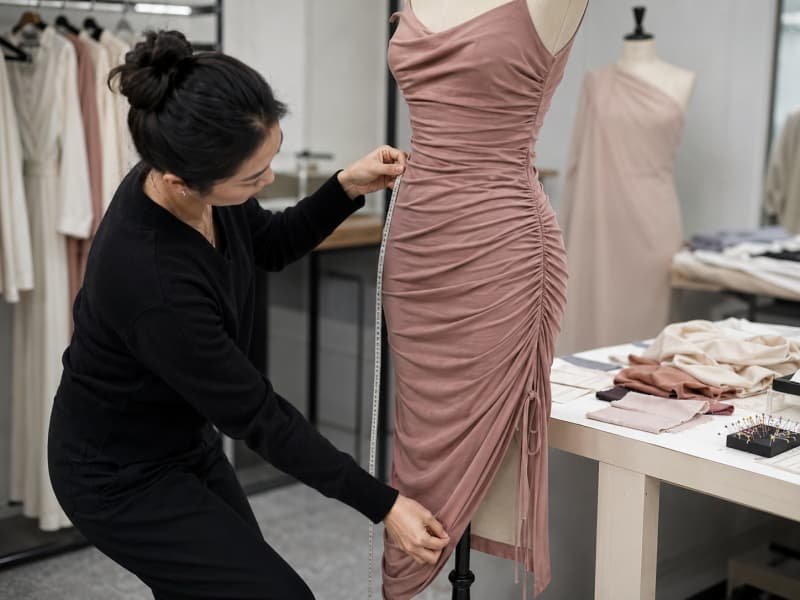
Controlled Ruching
- Define gathering ratio
- Mark start and end points
- Balance both sides
- Grade placement by size

Shirring
- Confirm finished panel size
- Maintain regular spacing
- Review recovery
- Test connection seams

Smocking
- Develop a controlled test
- Define stitch arrangement
- Review edge stability
- Confirm bulk repeatability

Cut-out Construction
- Review opening shape
- Stabilize exposed edges
- Reinforce joining points
- Confirm security during movement

Mesh Paneling
- Match panel tension
- Control seam softness
- Review transparency
- Align panels across sizes

Draped Details
- Establish anchor points
- Control fold depth
- Review length balance
- Confirm production markings

Printed Stretch Fabric
- Review artwork scale
- Test color and surface
- Consider panel placement
- Confirm bulk print direction

Embellished Stretch Areas
- Map non-stretch zones
- Reinforce attachment
- Protect skin contact
- Review packing requirements
Stretch Dress Sample Development in Eight Stages
Step 1|Project Brief Review
- Tech pack, sketch or reference image
- Existing sample or comments
- Commercial and visual priorities
- Missing information identified early
Step 2|Fabric Behavior Review
- Stretch direction and recovery
- Weight and opacity
- Surface and drape
- Lining compatibility
Step 3|Pattern Development
- Base-size measurements
- Negative or close-fitting ease
- Construction allowances
- Critical body areas
Step 4|First Prototype
- Silhouette and proportion
- Fabric suitability
- Construction feasibility
- Visible technical issues
Step 5|Fit and Construction Review
- Bust, waist and hip
- Side seams and openings
- Hem and garment length
- Internal structure
Step 6|Pattern Revision
Confirmed comments are converted into pattern, measurement or workmanship changes.
- Revision priorities recorded
- Pattern pieces updated
- Construction notes clarified
- New risks rechecked
Step 7|Approval Sample
The next stage may serve as a revised, fit, photo-ready or pre-production sample according to the project.
- Intended sample purpose defined
- Approved material direction used
- Critical details confirmed
- Remaining points listed clearly
Step 8|Bulk Readiness Review
- Material and color locked
- Pattern status confirmed
- QC points defined
- Production path prepared
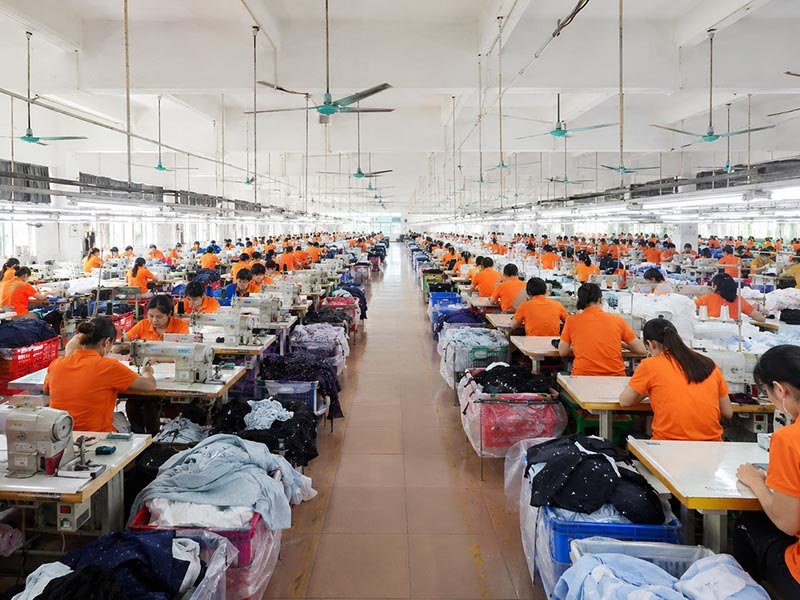
Turning Approved Samples into Bulk Production Standards
Fabric Locking
- Prevent unapproved substitution
- Record accepted standard
- Align lining and trims
- Check bulk availability
Color and Trim Locking
- Confirm size and finish
- Review color matching
- Check function
- Secure supply timing
Pattern Confirmation
The latest corrected pattern must be identified clearly.
- Control version
- Verify graded pieces
- Mark stretch direction
- Retain approval basis
Workmanship Standard
- Define critical construction
- Retain approved appearance
- Prepare reference samples
- Brief production teams
PP Sample Basis
- Review production materials
- Check measurement status
- Confirm labels and packaging
- Identify remaining risks
Production Release
- Issue production instructions
- Confirm timeline
- Set QC checkpoints
- Assign suitable production path
Technical Documents Protecting Bulk Dress Consistency
Clear records connect design decisions with sourcing, sampling, production, inspection, packing and repeat orders.
Tech Pack Review
- Clarify unclear instructions
- Flag construction risks
- Identify missing information
- Align sample purpose
Bill of Materials
- Main fabric and lining
- Elastic and reinforcement
- Closures and hardware
- Labels and packaging
Measurement Specification
- Base-size measurements
- Measurement method
- Critical points
- Brand tolerances where supplied
Workmanship Notes
- Seam type
- Stitch or finish direction
- Reinforcement locations
- Visible quality priorities
Packing Specification
- Folding method
- Hangtags and stickers
- Barcode and SKU
- Carton assortment
Revision Record
- Fit changes
- Material changes
- Workmanship updates
- Approval status
Quality Control Across Stretch Dress Production

Feasibility Review
- Identify critical areas
- Assess material suitability
- Review required processes
- Prepare a workable path
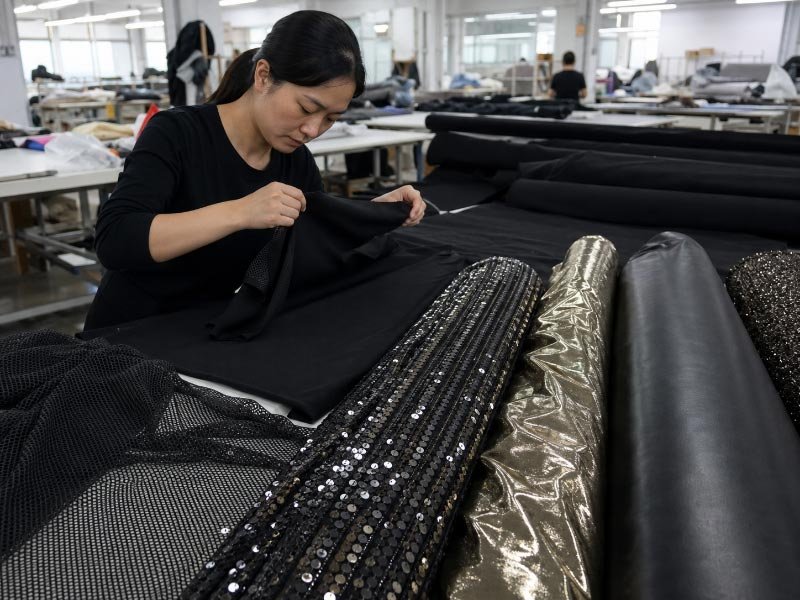
Fabric Inspection
- Visible defects
- Shade and surface
- Width and usable area
- Relevant material references

Stretch Review
- Compare bulk and sample material
- Check directional behavior
- Review opacity
- Identify abnormal growth
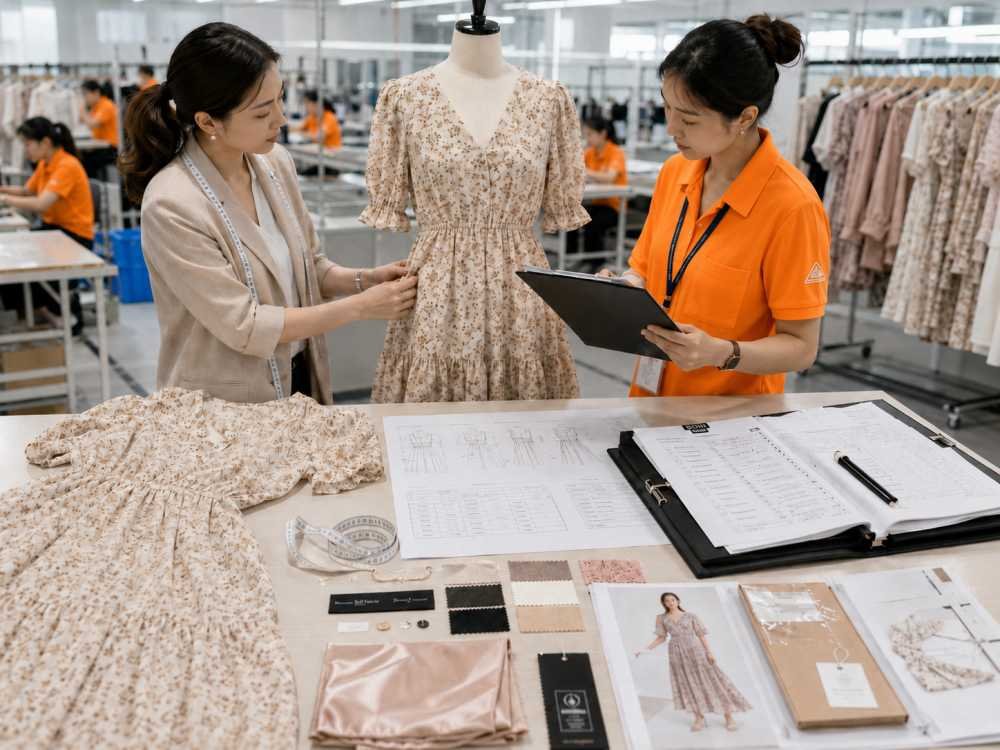
Sample Standard Confirmation
- Version control
- Measurement status
- Workmanship points
- Remaining approvals
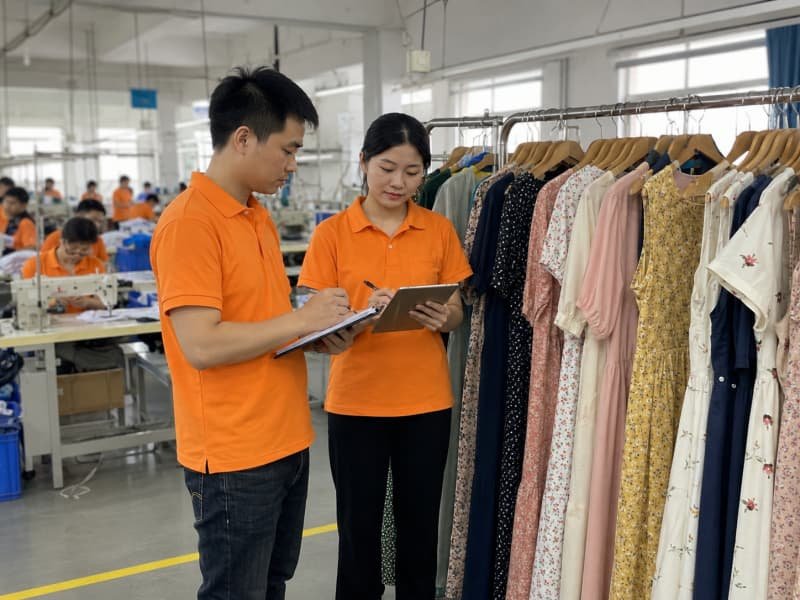
Pre-production Review
- Align production information
- Identify pending items
- Confirm quality focus
- Finalize timeline

First-piece Confirmation
- Check critical measurements
- Compare visual fit
- Review seam behavior
- Correct process where needed
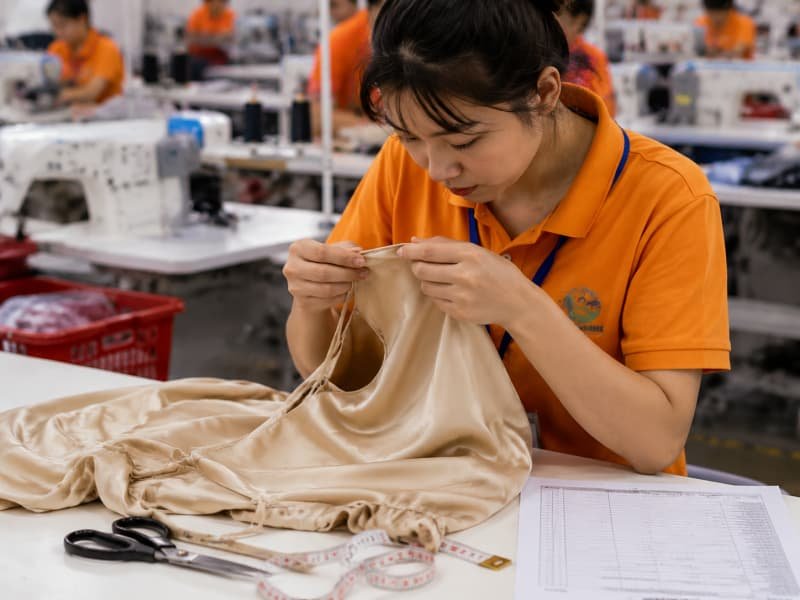
Inline Inspection
- Workmanship consistency
- Critical measurements
- Seam and edge quality
- Color and component use

Final Inspection
- Garment appearance
- Measurement checks
- Closures and trims
- Quantity and assortment

Packing Inspection
- Correct style, color and size
- Label and barcode accuracy
- Polybag and folding
- Carton marks and quantities
Controlled Production from Order Breakdown to Shipment
Bulk orders are divided into manageable stages so materials, styles, sizes, production routes, QC and delivery remain visible.
Order Breakdown
- Identify priority styles
- Separate complex construction
- Review color and size distribution
- Prepare material needs
Production Path Planning
- Regular construction
- Complex fitted styles
- Special craft coordination
- Quick-response or repeat production
Material Locking
- Verify production availability
- Protect approved standard
- Coordinate delivery timing
- Record accepted references
First-piece Review
- Compare approved reference
- Check fit-sensitive points
- Review seam tension
- Adjust line process
Inline Production Control
- Repeated workmanship
- Measurement drift
- Material or trim mistakes
- Appearance consistency
Final Packing and Delivery
- Assortment and labels
- Packaging and cartons
- Shipment documents
- Delivery coordination
Manufacturing Capacity for Multi-style Brand Programs
Duolan’s manufacturing structure supports development density, core production control, flexible allocation and repeat-order growth.
16 Owned Factories
- Direct control for core programs
- Closer alignment with approved samples
- Coordinated production meetings
- Stronger repeat-order continuity
20+ Satellite Factories
- Support volume expansion
- Distribute suitable style categories
- Handle seasonal peaks
- Strengthen repeat and replenishment capacity
12,000+ Supporting Workers
- Greater production allocation options
- Capacity for multi-style orders
- Support for parallel programs
- Scalable delivery planning
300 Sewing Lines
- Separate simple and complex styles
- Plan multiple deliveries
- Support series-level production
- Reduce dependence on one production line
50+ Flexible Lines
- Pilot and first orders
- Repeat-order response
- Smaller style batches within larger programs
- Coordinated style transitions
High Development Density
- Parallel sample projects
- Multiple collection calendars
- Fit and revised samples
- Transition toward formal production
Compliance Support for Formal Brand Supply Programs
SMETA Experience
- Provide available audit information
- Clarify covered facilities
- Support vendor evaluation
- Coordinate follow-up documents
Material Documentation
- Composition information
- Care direction
- Supplier references
- Required supporting records
Testing Coordination
- Define required tests
- Prepare samples
- Communicate with approved laboratories
- Organize reports
Third-party Inspection
- Confirm inspection standard
- Prepare production status
- Support inspector access
- Follow corrective actions
Label Compliance
- Fiber and care content
- Country-of-origin information
- Size and style identification
- Placement and attachment
Confidential Handling
- Controlled internal sharing
- Brand identity protection
- Clear sample references
- Long-term record management
Private Label and Packaging Prepared for Delivery
Labels and packaging are treated as production specifications, supporting brand presentation, warehouse identification, inspection and transport protection.

Main Labels
- Material and dimensions
- Logo and color
- Folding and attachment
- Placement inside garment
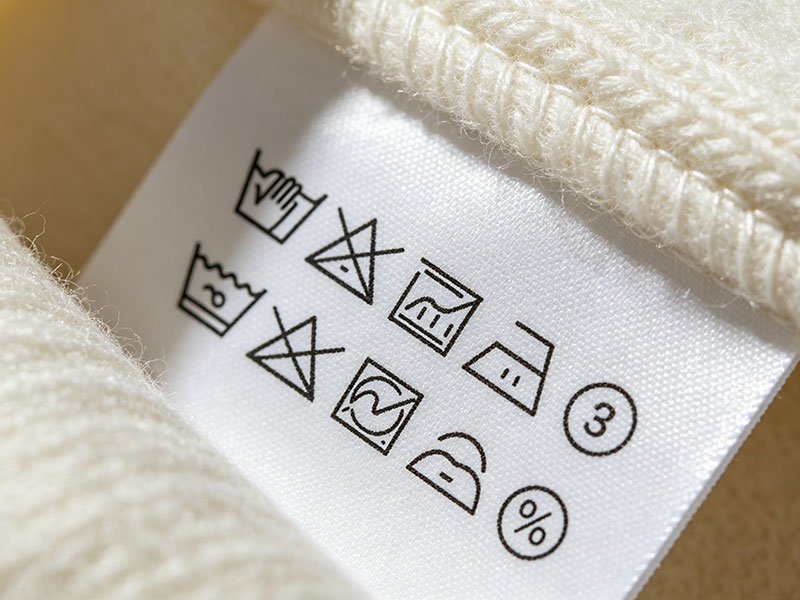
Care Labels
- Approved text
- Language requirements
- Label dimensions
- Attachment position

Size Labels
- Brand size naming
- Label position
- SKU coordination
- Inspection reference

Hangtags
- Artwork and material
- Barcode or price fields
- Attachment method
- Placement protection
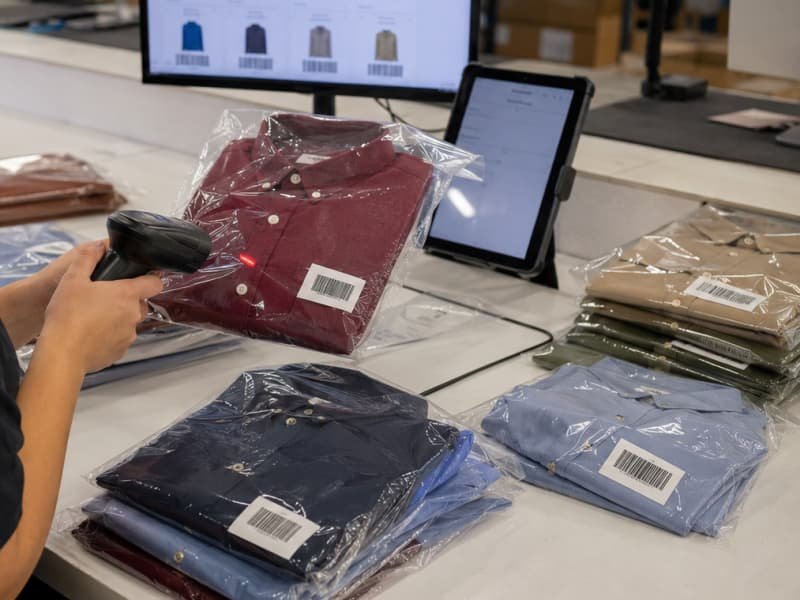
Polybags and Barcodes
- Bag size and warning text
- Style, color and size sticker
- Barcode accuracy
- Folding and presentation

Carton Packing
- Ratio or solid-size packing
- Carton dimensions
- Carton marks
- Packing-list alignment
Project Quantity, Cost and Timing Planning
Commercial planning is reviewed against materials, style complexity, size and color structure, production readiness and the intended launch schedule.
| Project Area | Duolan Planning Basis | Brand Information Needed | Reference Direction |
|---|---|---|---|
| Project Quantity | Fabric MOQ, color split, size split, style complexity, line efficiency and future scale | Quantity by style, color and size; launch and repeat plan | Evaluated by complete program rather than promoted as an ultra-small entry quantity |
| Sample Planning | Design readiness, fabric availability, pattern requirements, workmanship trials and approval stages | Tech pack, reference image, sample purpose, size, fabric direction and required date | A project-specific sample plan is issued after review rather than promising one fixed time for every style |
| Simple Bulk Styles | Confirmed materials, straightforward construction and complete approvals | Approved sample, BOM, measurements, quantity and packing | Common production reference: 15-20 days |
| Standard Bulk Styles | Normal fitted construction, lining, zippers, ruching or standard detail work | Complete production information and material readiness | Common production reference: 20-30 days |
| Complex Bulk Styles | Mesh layering, support structures, difficult fitting, special finishes or multiple processes | Approved PP basis, controlled materials, workmanship standards and sufficient timeline | Common production reference: 30-45 days |
| Express Delivery | Shipment size, destination, customs route and required arrival date | Carton data, destination and delivery term | Common transport reference: 3-7 days |
| Air Delivery | Shipment weight, destination airport and customs arrangement | Destination, delivery term and schedule | Common transport reference: 5-8 days |
| Sea Delivery | Port route, volume, sailing schedule and destination handling | Destination port, delivery term and required receiving window | Common transport reference: 20-35 days |
| Payment Planning | Order type, cooperation history and shipment structure | Company information and order plan | Common basis: 30% deposit and 70% before shipment |
| Delivery Terms | Destination, logistics responsibility and warehouse arrangement | Incoterm and receiving information | FOB, CIF, DDP and split-shipment coordination available |
Final timing begins after relevant sample, materials, order information and payment milestones are confirmed. Rush or phased-delivery planning requires separate feasibility review.
Stretch Dress Projects Managed from Development to Bulk

United States Going-out Collection
The brand entered development with several reference garments and partial specification sheets. Early samples showed waist drag lines, side-seam movement and inconsistent coverage in pale colors. The lining also restricted extension in two mesh styles.
Duolan separated the styles into three fabric and fit groups rather than applying one fitted-dress pattern logic across the collection.
- Increased body and coverage for selected pale-color styles
- Rebalanced front and back pattern lengths
- Matched lining direction with outer mesh
- Standardized ruching placement and anchoring points
- Prepared separate QC checkpoints for bodycon and mesh styles

United Kingdom Partywear Program
Program scope: 12 styles and approximately 27,400 garments across stretch satin, stretch crepe and supportive knit structures.
The main challenge involved visual quality rather than basic sewing. Stretch satin styles showed seam impressions and tension near concealed zippers, while ruched styles varied in finished length because gathering amounts were not sufficiently defined.
Duolan reviewed material direction, pattern balance and workmanship before the second sample round.
- Stabilized zipper areas without creating hard edges
- Adjusted seam sequence and pressing method
- Defined gathering ratios and finished placement
- Separated fit measurements from ruched visual measurements
- Added protective packing requirements for satin surfaces
The collection moved into production with approved fabric, controlled ruching standards and clearer inspection points. Complex satin styles received earlier first-piece review, while standard crepe styles followed a separate production route.

North American Multi-brand Group
Program scope: 26 styles and approximately 76,800 garments covering fitted mini, midi, long-sleeve, ruched and mesh-overlay dresses.
The group needed one manufacturing partner capable of handling several fit blocks and delivery priorities. Earlier sourcing attempts had used one general size progression across fabrics with very different recovery, leading to inconsistent compression and garment length.
Duolan grouped styles by material behavior and commercial function.
- Separate base patterns for soft jersey, ponte and rib
- Different grading priorities for mini, midi and long-sleeve dresses
- Priority sampling for campaign and launch styles
- Shared materials across selected colors to improve coordination
- Production allocation based on complexity and delivery sequence
- Repeat-order files prepared for core silhouettes
The program entered bulk production through planned style groups rather than one undifferentiated order. Fit-sensitive styles received additional first-piece attention, while repeatable core styles were prepared for later replenishment.
Stretch Dress Manufacturing Frequently Asked Questions

Start Your Stretch Dress Development Review
Share your stretch dress program with Duolan for a structured fabric, fit, sampling and production assessment. Our team can review a complete tech pack, reference images, an existing garment, fabric swatches or a multi-style collection brief.
Clear project information allows us to respond with a more useful development path rather than a generic quotation. Please include available details covering:
- Product type and number of styles
- Tech pack, sketch, reference image or original-sample photos
- Preferred fabric, weight, handfeel, stretch direction or garment result
- Target market and brand size specification
- Colorways and quantity by style
- Expected sample purpose
- Launch, campaign or warehouse date
- Main label, care label, hangtag and packaging requirements
- Testing, inspection or compliance instructions
- Destination and preferred delivery term
After receiving the information, Duolan will review style complexity, fabric suitability, fit priorities, sample path, production readiness, quantity logic, cost factors and likely timing. Missing items will be identified before the project advances.