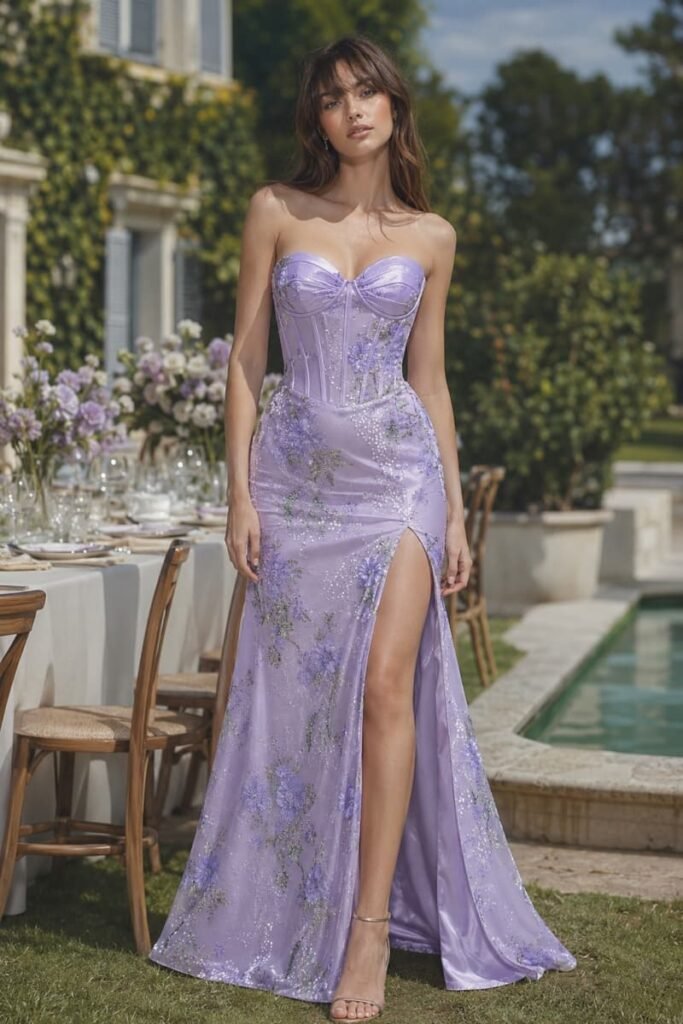
...

Custom Going-Out Dress Manufacturer

Develop fit-led, visually distinctive going-out dress collections from design brief and sample review through controlled bulk production.

  • 10–30 styles per collection program, coordinated across silhouettes, fabrics, colorways and launch priorities.
  • 20,000–80,000 pieces per brand order, allocated by style complexity, material route and delivery window.
  • 8 core product directions, including bodycon, ruched, cut-out, halter, backless, corset, mesh and embellished dresses.
  • 3 production safeguards before full release: PP standard alignment, first-piece verification and process-based quality control.

Dress Development Capacity Built for Collection-Level Programs

Duolan combines long-term fashion dress development knowledge with a structured manufacturing network. Each capability supports a specific requirement: accurate samples, multiple styles, complex workmanship, planned bulk allocation and repeat-order continuity.

Nearly 30 Years

Our product background began in fashion womenswear development in 1996. The accumulated experience covers European and American dress silhouettes, commercial fit, fabric behavior, decorative workmanship and the transition from visual concepts to repeatable production standards.

16 Owned Factories

Owned production facilities provide direct control for core programs, shape-sensitive dresses, priority launches and styles carrying complex construction. Production routes are selected according to product risk rather than assigning every dress to the same line.

20+ Satellite Factories

Long-term satellite partners provide capacity flexibility for repeat orders, volume expansion and seasonal delivery peaks. Core standards remain connected through approved samples, material confirmation, workmanship points, measurement specifications and QC requirements.

12,000+ Workers

A broad manufacturing base supports multi-style programs where development, cutting, sewing, special processes, inspection and packing must progress in parallel. Capacity can be allocated according to silhouette, fabric and launch schedule.

300 Sewing Lines

Multiple sewing lines allow style groups to be planned separately. A satin slip dress, structured corset mini and stretch ruched bodycon require different sewing control, operator skills and production preparation.

50+ Flexible Lines

Quick-response and flexible lines support launch quantities, repeat orders and selected replenishment programs. The operating value lies in moving approved styles into the correct production route without weakening bulk standards.

Manufacturing Support for Established Fashion Teams

Going-out dress programs involve more than sending a design and receiving a finished garment. Duolan works with teams managing product identity, collection balance, commercial fit, market timing and repeat production.

Fashion Dress Brands

Dress-focused brands require a manufacturer that understands silhouette, fabric, coverage, visual impact and wearing stability as one product system. Duolan supports development from individual styles through coordinated seasonal collections.

Product Development Teams

Development teams need clear interpretation of tech packs, references, fit priorities and sample purposes. Comments are classified into fit, measurement, fabric, visual, construction and production-related actions before revision begins.

Buying Teams

Buying teams evaluate cost structure, sample accuracy, bulk consistency, production timing and documentation. Our process connects quotation assumptions with materials, workmanship, order quantity, packaging and delivery requirements.

Sourcing Offices

Sourcing offices need traceable standards across development, production and shipment. Duolan can coordinate approved samples, material records, measurement requirements, inspection points and shipping arrangements.

Multi-Brand Groups

Multi-brand groups often manage different aesthetics, price positions and launch calendars. Styles can be separated by complexity, brand requirements, production route and delivery sequence while preserving individual specifications.

Ecommerce Fashion Teams

Online fashion programs depend heavily on fit, camera appearance, texture close-ups and launch timing. Photo-ready samples, bulk appearance and repeat colorways must remain visually aligned across product photography and delivered stock.

What Makes a Going-Out Dress Commercially Strong
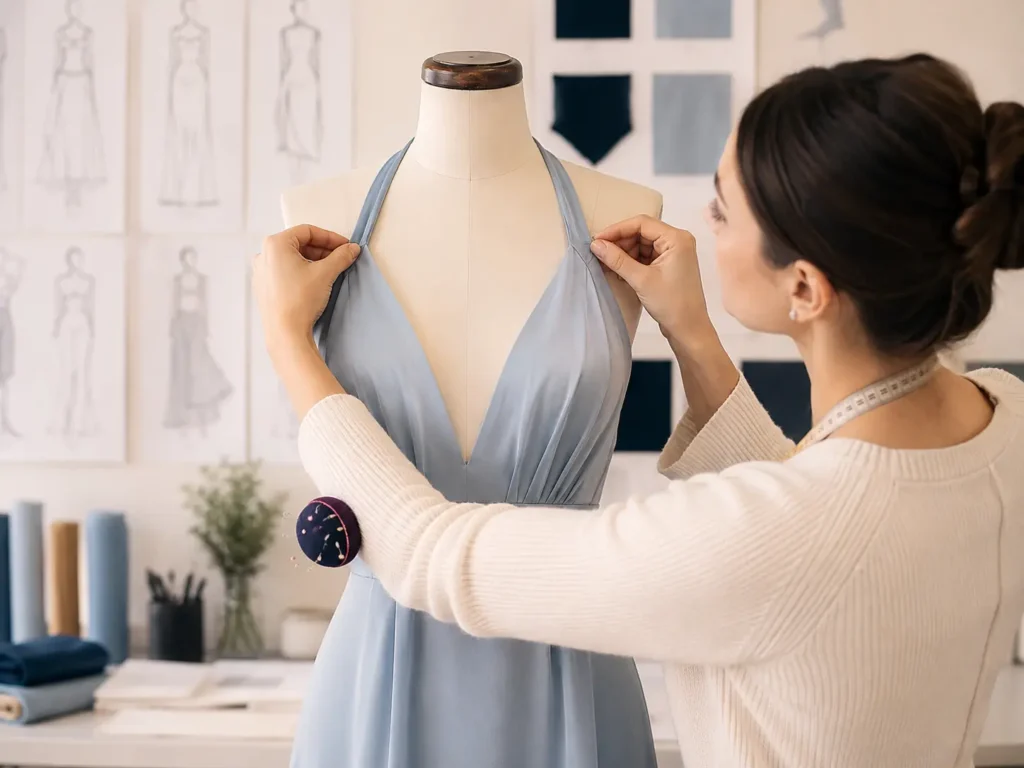
A going-out dress must communicate its silhouette immediately while remaining secure enough for walking, sitting, dining, dancing and social events. Visual appeal alone cannot compensate for unstable fit, poor coverage or bulk inconsistency.

Immediate Visual Identity

The dress needs a recognizable visual point within seconds: a shaped neckline, controlled cut-out, open back, asymmetric drape, corset waist, ruched body or distinctive surface. Every statement detail must remain clear in full-body photography and close-up product images.

Secure Wearing Experience

A low neckline, high slit or backless construction requires deliberate coverage and support. Strap angles, bust position, lining, elastic, boning, closures and skirt length should work together during movement rather than only looking correct on a mannequin.

Repeatable Production Standard

Commercial value depends on whether the approved sample can be reproduced across sizes, colors and production batches. Paper patterns, material specifications, workmanship instructions and measurement priorities must be converted into production controls before bulk release.

What Fashion Teams Expect From a Dress Manufacturer

Strong supplier performance appears in the decisions made before sampling and before bulk production. Going-out dresses require technical interpretation, fabric judgment, fit correction and clear project control across many connected stages.

Design Translation

Convert tech packs, sketches, reference images or original samples into a clear development route. Neckline depth, body contour, opening positions, support, skirt length and intended visual effect must be understood before pattern work begins.

Fabric Direction

Recommend fabrics according to stretch, recovery, weight, drape, opacity, shine, skin feel and construction needs. Material selection should support the silhouette and target price structure without creating avoidable bulk risk.

Pattern Control

Build or adjust patterns around the target market, intended fit and fabric behavior. Bodycon, corset, halter, satin slip and mesh-layered dresses cannot share the same ease, balance or grading logic.

Sample Management

Separate prototype, fit, revised, photo-ready, salesman and PP sample purposes. Each sample should answer a defined commercial or technical question rather than repeating an unclear development round.

Bulk Consistency

Transfer the approved direction into material records, measurement specifications, construction points, PP standards, first-piece checks and inline controls before volume production is released.

Reorder Continuity

Preserve approved patterns, measurements, BOM details, material references, color standards, workmanship notes, packaging specifications and QC feedback for repeat production and future style extensions.

Going-Out Dress Risks and Duolan Control Points

Going-out dress problems often begin before sewing. A clear link between design risk and control action helps product teams decide what should be reviewed during development, sampling and production preparation.

Development or Production RiskLikely Commercial ImpactDuolan Control Point
Fabric stretch does not match the intended bodycon fitLoose recovery, excessive pressure, transparency or inconsistent sizingStretch direction, recovery, weight and lining compatibility review
Halter angle places excessive pressure on the neckPoor wearing comfort and unstable bust positionStrap width, neckline angle, support and closure assessment
Cut-out position shifts between sizesExposure risk and visual imbalancePattern grading review and placement measurement control
Backless construction lacks internal supportSide opening, slipping or limited bra compatibilityInner elastic, cup, tape, side seam and closure planning
Satin shows seam rippling or pressing marksReduced visual finish in photography and delivered stockNeedle, stitch, seam, pressing and packing trials
Mesh coverage is unclearUnexpected transparency and inconsistent lining placementLayer map, lining boundary and stretch compatibility check
Sequin surface damages skin or adjacent panelsWearing complaints, abrasion and visible bulk defectsEdge clearance, seam preparation, lining and surface protection
Approved sample cannot be repeated in bulkColor, fit, trim or workmanship differencesPP alignment, BOM locking, first-piece confirmation and inline inspection

Custom Going-Out Dresses Developed for Distinct Brand Directions
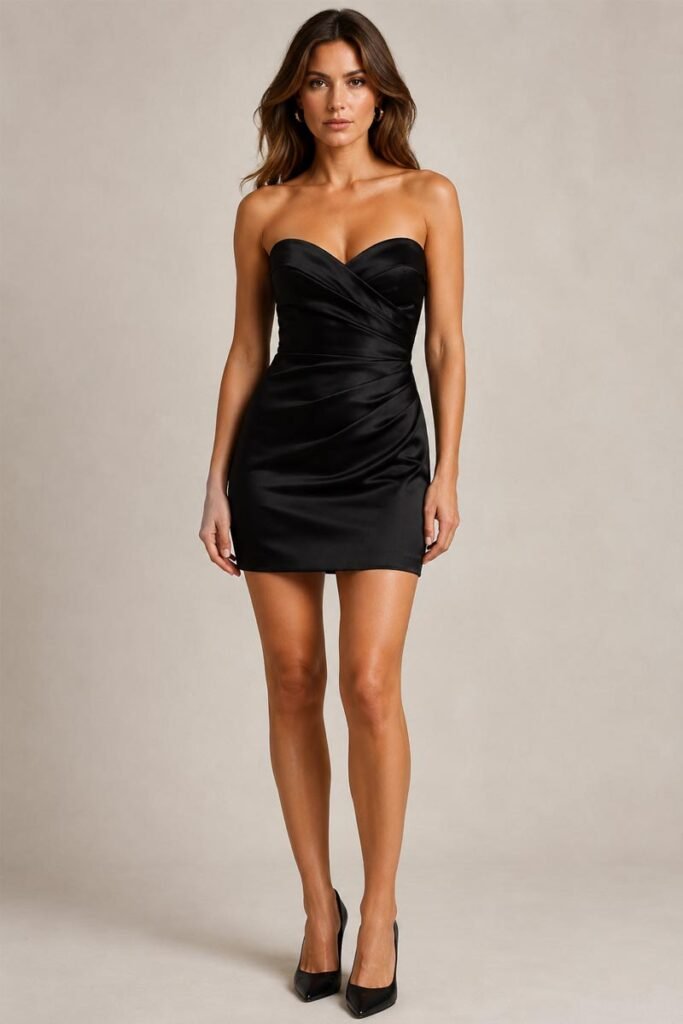
Going-out collections require enough variety to create visual energy without losing fit consistency or production control. Duolan develops individual styles and coordinated programs across eight commercially important dress directions.

Bodycon Mini Dresses

Bodycon minis depend on controlled tension rather than simply using a stretch fabric. Development reviews bust-to-waist balance, hip shaping, side-seam position, hem stability, lining pressure, opacity and recovery after wear. A strong bodycon pattern should shape the garment without creating diagonal drag, excessive compression or upward hem movement. Suitable materials include stretch jersey, ponte, compact rib, double-layer mesh and structured stretch blends. 

Ruched Going-Out Dresses

Ruching can soften body contour, create visual movement and support adjustable styling, but inconsistent gathering produces uneven bulk appearance. Development should define gathering ratio, anchor points, drawstring channels, seam tension, lining relationship and the finished position of each ruched section. For side-ruching and adjustable mini dresses, the pattern must allow the skirt to remain balanced at both minimum and maximum adjustment. 

Cut-Out Dresses

Cut-outs need careful placement around the bust, waist, side body, back and hip. A visually strong opening can become unstable when the wearer moves or when the same pattern is graded into several sizes. Placement should be controlled from stable measurement points rather than copied by proportion alone. Development reviews opening depth, surrounding tension, elastic support, edge finishing, lining boundaries and closure access. High-risk cut-outs may require a fit sample before a photo-ready sample is approved.
Lace and Appliqué Halter Dresses​

Halter Dresses

Halter dresses transfer garment tension toward the neck and upper bust. Strap width, neckline shape, neck drop, bust position and back closure affect both comfort and stability. A narrow strap can create pressure, while an incorrect angle may pull the bodice upward or create gaping. Duolan reviews fabric stretch, strap construction, reinforcement, cup or lining needs, back depth and adjustable options. The goal is a clean neckline that remains stable during movement without relying on excessive neck tension.

Backless Dresses

Backless styles remove part of the structure normally used to stabilize the bodice. Side seams, underbust areas, waist position, shoulder or neck support and closure selection must compensate for the open back. Development may include inner elastic, concealed support, tie systems, lace-up structures, side boning or shaped lining. Pattern balance is reviewed from front, side and back because an attractive back opening cannot weaken front coverage or overall garment position.

Corset Dresses

Corset-inspired dresses require alignment between cup position, underbust shaping, waist suppression, boning, lining, back construction and closure. Decorative seams should follow the intended body shape rather than becoming surface lines without structural value. Different designs may use soft support, partial boning or more structured internal construction. The correct route depends on fabric, price position, size range and expected wearing experience. Complex corset styles should pass first-piece verification before full production.

Mesh Dresses

Mesh can create layered transparency, print effects, body contour and lightweight visual depth. Development needs to define stretch direction, recovery, transparency, print placement, lining coverage and seam behavior. Single-layer, double-layer and lined sections should be mapped clearly. Mesh and lining also need compatible stretch; otherwise the outer layer may twist, sag or pull away from the body. Bulk inspection checks placement, coverage and size stability.

Satin and Sequin Dresses

Satin provides fluid shine and refined evening appeal, while sequins create strong visual impact for party and holiday programs. Both materials carry manufacturing risks. Satin requires control of needle marks, seam rippling, pressing, scratching and packing creases. Sequin fabrics require surface planning, seam clearance, edge comfort, lining and protection during production and packing. Material-specific workmanship should be approved before volume release.

Going-Out Dress Directions by Wearing Occasion

A commercial collection should connect each style to a clear wearing moment. Occasion planning influences silhouette, exposure, material, color, comfort, delivery timing and the expected role of every dress.
Birthday Dresses​

Birthday Collections

Birthday dresses often carry strong focal details such as rhinestones, sequins, corset waists, asymmetric necklines or high-impact colors. Development should balance photography value with secure movement, comfortable lining and reliable decoration.
Date Night and Social Cocktail Dresses​

Date-Night Dresses

Date-night styles often use controlled bodycon fits, satin drapes, low backs, cut-outs and refined mini or midi lengths.

The fit should feel intentional without creating constant adjustment during sitting, walking or dining.

Nightlife Programs

Nightlife dresses need visible silhouettes under changing light and enough construction stability for extended wear.

Mesh, metallic finishes, sequins, stretch fabrics and corset details require abrasion, comfort and movement review.

Holiday Cocktail Dresses​

Cocktail Evenings

Cocktail directions may combine cleaner satin shapes, asymmetric draping, fitted midis, structured minis and elevated trims.

Surface finish, proportion and lining quality carry more importance than excessive decoration.

Holiday Party Drops

Holiday programs frequently use velvet, sequins, metallic fabrics, rhinestones and deeper seasonal colors. Special materials and decoration should enter development early because sourcing and workmanship trials influence the launch calendar.

Concert Styling

Concert dresses often combine body movement, strong photography and distinctive details.

Stretch, seam strength, skirt security, breathable lining and adjustable features become important during long periods of standing and movement.

Resort Night Looks

Resort evening dresses may use printed mesh, fluid satin, open backs, halter necks and draped silhouettes.

Travel packing, wrinkle recovery, lightweight support and climate comfort should be reviewed during material selection.

Social-Event Capsules

A social-event capsule can cover dinners, celebrations, parties and evening gatherings through coordinated colors, fabrics and silhouettes. Commercial balance comes from mixing statement designs with repeatable core fits.

Build a Going-Out Collection With Commercial Balance

A strong going-out collection is not a random group of visually bold dresses. It needs recognizable brand direction, varied product roles, controlled development risk and enough continuity to support replenishment and future extensions.

Visual Leaders and Core Sellers

A 10–30 style program may include two to five visual leaders carrying statement shapes, special materials or campaign value. The remaining styles should provide more repeatable silhouettes, wearable exposure levels and production routes. A balanced structure may include:
  • Statement corset, sequin or dramatic cut-out styles for campaign imagery.
  • Core bodycon, ruched and halter dresses with stable fit blocks.
  • Satin or draped styles for a more elevated evening direction.
  • Color extensions based on proven silhouettes.
  • Selected test styles carrying newer proportions or trims.
Visual leaders attract attention, while core styles support order depth and repeat sales. Both groups need clear roles before sample priorities are set.

Silhouette and Color Planning

Collection balance should cover more than mini, midi and maxi lengths. Necklines, shoulder exposure, waist position, skirt volume, body contour and back treatments need enough variation to avoid internal competition. Color planning may include:

  • Core black, ivory, chocolate, burgundy or navy.
  • Seasonal red, metallic, cobalt, emerald or pastel directions.
  • Neutral colorways for repeatable fits.
  • Limited statement colors for campaign pieces.
  • Material-sensitive colors requiring lab dips or light evaluation.

Silhouettes and colors should also be matched to material availability and production repeatability.

Development and Launch Priorities

Not every style should move through sampling at the same speed. Higher-risk dresses should begin earlier, especially corset, structured backless, heavy sequin, printed mesh and complex satin drape designs. Development priority can follow three groups:

  • Critical-fit styles: bodycon, corset, halter, strapless and backless.
  • Material-sensitive styles: satin, mesh, velvet, sequin and embellished fabric.
  • Commercial core styles: proven fit blocks prepared for faster color or detail extensions.

A clear priority order protects photo-sample dates, PP approval and bulk planning.

Fabric Options Engineered Around Silhouette and Wear

Going-out dress fabric selection should begin with the finished effect, body relationship and production route. Weight, stretch, recovery, drape, opacity, shine and skin feel all influence pattern decisions and bulk consistency.

Stretch Jersey

Stretch jersey works well for bodycon, asymmetric and ruched silhouettes. Development should review weight, four-way or two-way stretch, recovery, surface texture, pilling risk and opacity. Lightweight jersey may require double layering, while heavier compact jersey can provide cleaner contour and more stable seams.

Ponte Knit

Ponte offers controlled stretch and structure for fitted minis, shaped midis and clean-panel dresses. The fabric can support strong seam lines and smooth body contour, but excessive thickness may create bulky intersections or restrict drape. Recovery and pressing behavior should be checked before pattern finalization.

Rib Knit

Rib fabrics create texture and flexible body fit. Rib width, density, vertical recovery and shade appearance can change after cutting and sewing. Patterns should account for relaxation and crosswise stretch, while side seams and hems need protection against twisting or wave formation.

Power Mesh

Power mesh can provide internal support, controlled transparency or layered compression. Its stretch and recovery must match the outer fabric. Excessive tension may distort the dress; insufficient tension can reduce support. Edge finishing and skin contact should also be evaluated.

Printed Mesh

Printed mesh creates high visual value through layered graphics, gradients and placement effects. Print direction, panel matching, lining color and stretch distortion require early review. Placement-sensitive designs need a clear cutting map and approved production reference.

Satin

Satin suits slip, draped, halter, cowl, asymmetric and elevated mini dresses. Shine, fluidity and surface sensitivity vary widely between qualities. Needle choice, stitch density, seam construction, pressing temperature and packing method affect the final visual result.

Velvet

Stretch or woven velvet adds depth for holiday and evening programs. Pile direction must remain consistent across panels. Pressure marks, seam bulk, cutting direction and color appearance under light need control. Stretch velvet also requires recovery and seam elasticity evaluation.

Crepe

Crepe can provide fluid drape with more surface control than satin. Different weights suit fitted, draped or tailored silhouettes.

Grain stability, shrinkage, opacity and seam behavior should be checked before the pattern is locked.

Lace

Lace supports romantic, evening and structured party directions. Development should assess motif scale, border use, symmetry, transparency, seam placement, lining and edge finishing. Placement planning becomes important when motifs must align across the center front, bust or waist.

Sequin Fabric

Sequin fabrics create strong campaign impact but carry weight, abrasion and handling risks. Sequin size, density, base fabric, direction and attachment method determine seam preparation. Sequin clearance around seams may be required to avoid broken needles, rough edges and bulky joins.

Metallic Fabric

Metallic jersey, foil surfaces and coated fabrics create high-impact visual effects. Stretch recovery, surface cracking, heat sensitivity, abrasion and pressing limitations need early testing. Construction should avoid unnecessary seam stress on coated areas.

Embellished Fabric

Rhinestones, pearls, beads and mixed embellishments can raise visual value when density, placement and weight are controlled. Development reviews attachment security, seam clearance, lining protection, garment balance and packing separation.

Match Fabric Performance to Each Dress Silhouette

Fabric selection becomes reliable only when material behavior is connected to the intended silhouette, support level, exposure and wearing movement.

Dress DirectionRequired Fabric BehaviorKey Development ChecksBulk Control Priorities
Bodycon MiniControlled stretch, recovery, opacity and smooth surfaceBust-waist-hip tension, lining pressure, hem movementBatch recovery, cutting direction, seam elasticity
Ruched DressDrapability, controlled stretch and gathering responseGathering ratio, drawstring route, waist and hip balanceRuche position, channel width, anchor consistency
Halter DressStable neckline support with suitable flexibilityNeck pressure, strap width, bust coverage, back closureStrap length, reinforcement, neckline symmetry
Backless DressFront stability and controlled side stretchUnderbust support, side seam, inner elastic, closureOpening shape, support placement, edge stability
Corset DressStructured surface with compatible liningCup position, boning, waist shaping, closureChannel alignment, symmetry, seam strength
Mesh DressBalanced stretch, transparency and recoveryLayer map, lining coverage, print placementPanel orientation, coverage, seam stability
Satin DressFluid drape, clean shine and low surface damageBias behavior, seam rippling, pressing, opacityGrain control, handling, packing and crease prevention
Sequin DressStable base, manageable weight and skin protectionDensity, seam clearance, edge comfort, liningSurface loss, abrasion, zipper area and packing

Bodycon Fit Engineering Beyond Tight Measurements

Bodycon development relies on a relationship between fabric recovery, paper-pattern tension, seam elasticity and body proportion. A dress can match the measurement chart yet still fail on the body when those factors are not aligned.

Balance the Bust, Waist and Hip

The pattern should shape the bust, waist and hip without forcing every body area into equal negative ease. Bust contour, underbust position, waist suppression, hip projection and side-seam direction need separate review.
Key checks include:
  • Bust line remains level from front to side.
  • Side seams do not rotate toward the front or back.
  • Waist shaping remains centered rather than pulling upward.
  • Hip ease allows movement without creating loose folds.
  • Center-back seams and zippers remain straight.
  • Necklines stay stable during arm and body movement.
For styles with cups, cut-outs or underbust seams, measurement and shape must also remain aligned after grading.

Control Stretch, Recovery and Opacity

A bodycon fabric should return close to its original form after extension. Poor recovery can create bagging at the seat, waist or elbows after wear. Excessive compression may create discomfort, seam strain and visible underlayers.
Development should review:
  • Stretch percentage in both fabric directions.
  • Recovery after repeated extension.
  • Fabric weight and color-dependent opacity.
  • Outer fabric and lining stretch compatibility.
  • Seam type and thread elasticity.
  • Relaxation time before measurement.
  • Behavior after pressing or care testing.
Light colors, open-knit ribs and fine jerseys may require an adjusted lining or double-layer construction.

Grade for Real Wearing Conditions

Size grading is not only adding equal increments around the body. Neckline depth, strap position, cut-out placement, waist shaping, skirt length and hem opening often need controlled grading rules.
A fitted mini should be reviewed during standing, sitting, walking and raising the arms. The dress length must remain visually intended while offering enough movement security. Measurement priorities are then transferred into the PP standard and inline inspection plan.

Size Grading​

Control Halter, Backless and Cut-Out Structures

Exposed structures place greater responsibility on pattern balance, internal support and precise placement. Every opening should create visual impact while preserving fit security and production repeatability.

Halter Neck Control

Halter development begins with the neckline angle, bust point and intended back depth. The neck strap should support the bodice without carrying excessive garment weight. Control points include:
  • Strap width and finished thickness.
  • Tie, hook, button or adjustable closure.
  • Neckline reinforcement.
  • Bust coverage and inner support.
  • Armhole and side-body containment.
  • Back opening depth.
  • Strap-length tolerance.
  • Skin comfort at the neck seam.
A fit sample should check movement, not only a front-facing pose. Turning, sitting and raising the arms often reveal neckline or side-opening issues.

Backless Stability

A backless dress needs support from the remaining structure. Depending on the design, stability may come from halter tension, shoulder straps, a fitted waist, inner elastic, side boning, corset construction, lace-up adjustment or a shaped lining. Review points include:
  • Front bodice remains level.
  • Side seams do not collapse.
  • Back opening stays symmetrical.
  • Inner support is concealed.
  • Closure access remains easy.
  • Outer fabric does not ripple around the opening.
  • Support components do not become visible in movement.

Cut-Out Placement

Cut-outs should be positioned from stable body and pattern references. A waist opening may need separate grading rules for width, height and distance from the side seam. A bust cut-out may require support, lining or modesty control. Before sampling, Duolan evaluates:
  • Opening location and visual proportion.
  • Edge finish and reinforcement.
  • Stretch direction around the opening.
  • Movement-related exposure.
  • Relationship with bra or cup construction.
  • Symmetry and placement tolerance.
  • Grading behavior across the size run.

Corset Support Built Into the Dress Structure

Corset-inspired dresses range from softly shaped fashion bodices to structured bustier designs. Support level should be selected according to silhouette, fabric, target size range, comfort expectations and production feasibility.

Cup and Bust Position

Cup shape, cup spacing, underbust line and neckline must follow the intended body position. A visually attractive cup can still fail when it sits too high, too low or too far apart.
Development checks include:
  • Cup dimensions and internal shape.
  • Bust-point location.
  • Underbust seam balance.
  • Neckline coverage.
  • Foam, fabric or molded cup route.
  • Cup attachment to lining.
  • Grading of cup and bodice proportions.
  • Compatibility with straps, halter necks or strapless construction.

Boning and Waist Support

Boning should support the bodice without creating discomfort or visible distortion. Placement usually follows seam lines, center-front panels, side panels or back structures.
The development review considers:
  • Soft plastic, flexible or alternative support options.
  • Boning length and end protection.
  • Channel width and seam allowance.
  • Interaction with the zipper or lace-up back.
  • Waist shaping and body movement.
  • Outer-fabric sensitivity.
  • Lining and internal finishing.
For fashion corsets, support can be adjusted without turning the garment into rigid shapewear.

Lining and Closure System

The lining helps manage support, comfort, opacity and internal cleanliness. Closure choice affects both visual design and fit adjustment.
Options may include:

  • Invisible zipper.
  • Exposed metal zipper.
  • Hook-and-eye support.
  • Lace-up back.
  • Adjustable tie.
  • Elasticated back panel.
  • Combination zipper and lace-up structure.

Each route requires reinforcement and an approved workmanship standard before production.

Shape Ruching, Draping and Asymmetry With Control

Ruching, draping and asymmetric construction create visual movement and body-flattering effects. Their commercial success depends on repeatable placement, balanced pattern volume and material behavior.

Controlled Ruching

Ruching should follow a defined gathering ratio and anchor position. Random gathering produces noticeable differences between samples and bulk garments.
Development defines:
  • Finished ruched length.
  • Original panel length.
  • Gathering distribution.
  • Fixed or adjustable construction.
  • Drawstring channel dimensions.
  • Elastic strength where used.
  • Lining attachment.
  • Maximum and minimum adjustment positions.
Bulk workmanship references should show the approved visual density and direction.

Draped Construction

Draping can soften the waist, create a cowl neckline, form an asymmetric skirt or add volume across the hip. Fabric weight and grain direction strongly affect the final result.
Important checks include:
  • Drape start and end points.
  • Grain or bias direction.
  • Internal tacking positions.
  • Underlayer stability.
  • Seam bulk hidden beneath folds.
  • Hem balance.
  • Behavior after packing and hanging.
A sample should be assessed after resting because some fluid fabrics lengthen or shift.

Asymmetric Balance

One-shoulder, asymmetric neckline and uneven-hem dresses need visual imbalance without structural imbalance. Shoulder tension, side-seam direction, waist line and hem fall should still remain controlled.

Grading must preserve the intended angle and opening position across sizes. For one-shoulder styles, arm movement and neckline stability also need review before approval.

Material-Specific Control for Satin, Mesh and Sequins

Satin, mesh and sequin fabrics create high-value visual effects, yet each material can expose manufacturing weaknesses. Separate control methods are needed from sample development through packing.

Satin Surface Control

Satin reflects light across every seam, press mark and handling crease. A minor construction issue may become highly visible in ecommerce photography. Development and production controls include:
  • Grain or bias direction.
  • Needle size and condition.
  • Stitch density and tension.
  • Seam support where required.
  • Prevention of seam grin or rippling.
  • Pressing temperature and pressure.
  • Clean handling surfaces.
  • Protection from snagging and scratching.
  • Hanging or folding method.
  • Recovery after transport.
Bias-cut satin also requires resting and length review before final hemming.

Mesh Layer Control

Mesh can be decorative, printed, supportive or intentionally transparent. The development file should map where the garment is single-layer, double-layer, lined or reinforced. Key controls include:

  • Stretch direction for every panel.
  • Recovery compatibility with lining.
  • Print or motif placement.
  • Coverage at bust, waist, hip and seat.
  • Seam visibility.
  • Edge finishing.
  • Gathering or draping behavior.
  • Color relationship between mesh and lining.
  • Elastic application without puckering.
  • Transparency under direct lighting.

Sequin Workmanship Control

Sequin dresses need a production route based on the sequin type and base fabric. Heavy or densely covered materials may require sequin removal from seam allowances, while finer sequin mesh may need additional stabilization. Control points include:

  • Direction and density.
  • Seam clearance.
  • Broken or sharp edges.
  • Skin-contact zones.
  • Zipper installation.
  • Hem finishing.
  • Shoulder and armhole comfort.
  • Lining length.
  • Weight distribution.
  • Surface protection in packing.

Feasibility Review Before Pattern and Sample Work

A clear feasibility review identifies missing information, structural risk, material requirements and sample priorities before development costs are committed.

Tech Pack Review

We review measurements, construction notes, stitch requirements, artwork, trims, labels and packaging references. Missing or conflicting information is grouped for confirmation before pattern development.

Reference Analysis

Reference images are reviewed for silhouette, proportion, fabric behavior, internal structure and details that may not be visible. Visual references are translated into technical questions rather than copied without judgment.

Original Sample Review

An original garment can provide construction, fit and material direction. Duolan can record measurements, pattern logic, workmanship and components while also identifying areas requiring improvement or adaptation.

Fabric Feasibility

Material direction is checked against shape, stretch, drape, coverage, support and target finish. Alternative fabrics can be evaluated when the original direction creates cost, supply or production concerns.

Construction Risk

High-risk points may include cups, boning, open backs, cut-outs, high slits, heavy decoration, asymmetric drape and layered transparency. Trial work may be recommended before full sample approval.

Production Readiness

A visually successful design still needs a realistic bulk route. The review considers repeatable workmanship, material availability, size grading, inspection access and packing protection.

Pattern, Measurement and Grading for Consistent Fit
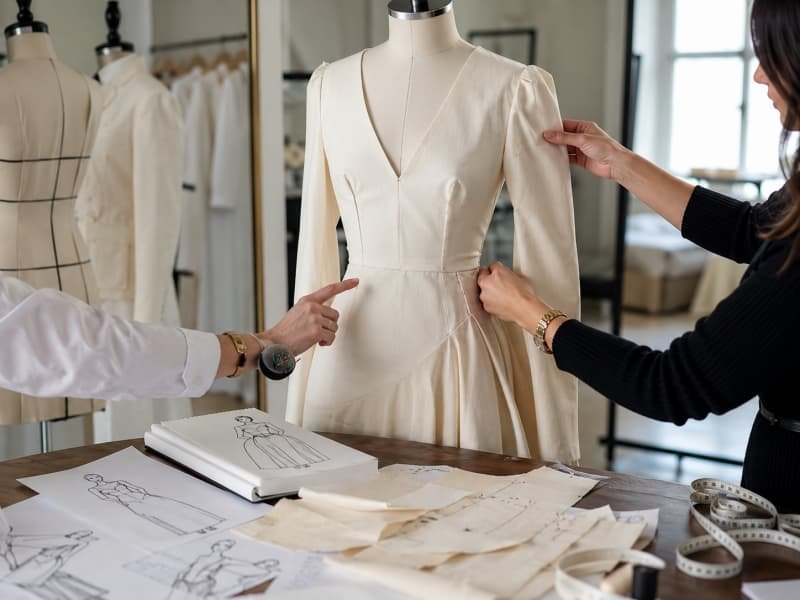
Going-out dress fit begins with pattern architecture and continues through measurement definition, fit review, grading and production inspection. Each step should carry the same intended silhouette.

Pattern Controls the Silhouette

The pattern establishes neckline shape, bust contour, waist position, hip line, side-seam direction, skirt length and hem opening. It also determines where fabric tension or drape appears. Pattern development considers:

  • Target-market fit direction.
  • Intended body contour.
  • Fabric stretch or woven ease.
  • Bust and underbust relationship.
  • Waist shaping.
  • Hip projection.
  • Shoulder and back balance.
  • Opening and slit placement.
  • Lining and internal structure.
  • Seam positions used for visual shaping.

When fit comments require correction, changes should return to the pattern rather than being improvised only on the garment.

Measurement Specifications Create a Shared Standard

A measurement specification should state where and how every critical point is measured. Important POMs for going-out dresses can include:

  • Bust and underbust.
  • Waist and high hip.
  • Full hip.
  • Front and back body length.
  • Neck drop.
  • Strap length.
  • Armhole or side opening.
  • Cut-out width and height.
  • Slit height.
  • Skirt length.
  • Hem opening.
  • Zipper length.
  • Cup position.

Critical points can carry tighter control than non-critical areas, depending on fabric and construction.

Sample Development With Defined Decision Stages

Sampling should create a usable development result. Each stage has a clear purpose, expected evidence and next decision.

Brief Confirmation

Confirm the design basis, target market, sample purpose, size, material direction, quantity plan and launch timing. The sample timeline begins after the development basis is sufficiently clear.

Development Review

Identify fit-sensitive areas, structural risks, missing measurements, special workmanship and material requirements. Complex styles may need a technical trial before a full sample.

Material Preparation

Prepare or source the selected fabric, lining, zipper, cups, boning, elastic, lace, sequin material and other relevant trims. Material availability and approval timing affect the sample schedule.

Pattern Development

Create or adjust the pattern according to silhouette, fabric behavior and the provided measurement standard. Draped, corset, bodycon, halter and backless styles follow different pattern routes.

Sample Sewing

Construct the sample with attention to the intended development questions.

A fit sample may prioritize shape and measurements, while a photo-ready sample also requires strong visual finishing.

Internal Review

Check measurements, silhouette, material response, construction, symmetry, support, coverage and workmanship before presenting the sample.

High-risk issues are identified with photos or notes.

Brand Review

Provide sample images, detail views, measurements and key review points.

The receiving team can assess fit, visual direction, material and production suitability with a clearer basis.

Revision or Approval

Comments are classified into fit, measurement, fabric, construction, visual and production-related actions. The next step may be a revised sample, photo sample, salesman sample, PP sample or bulk-readiness review.

Sample lead time is confirmed in the project proposal after style complexity, material readiness and required sample purpose are reviewed. Generic three-day promises are avoided for complex going-out styles.

Going-Out Dress Workmanship Visible in Every Detail

Workmanship quality is not an abstract promise. Each detail affects appearance, comfort, durability and bulk consistency.

Neckline Finishing

Necklines should remain symmetrical, smooth and stable without gaping, stretching or visible lining. Finishing is selected according to fabric, shape, support and desired edge thickness.

Invisible Zippers

Invisible zippers need straight installation, smooth operation and clean alignment across waist seams or decorative lines. The zipper area should remain flat without puckering or exposed tape.

Mesh Seams

Mesh seams require controlled tension and a finish suitable for transparency and skin contact. Seam allowances, lining and edge methods should not create thick or visible ridges.

Lining Attachment

Lining should support opacity, comfort and silhouette without hanging below the outer layer, twisting or pulling. Attachment points should allow enough movement between layers.

Boning Channels

Boning channels need correct width, alignment and end protection. Boning should support the bodice while remaining concealed and comfortable against the body.

Cup Positioning

Cups should remain centered and securely connected to the bodice and lining. Position and shape must follow the approved fit rather than being attached by visual estimation.

Ruched Seams

Ruched seams require consistent gathering density, anchor position and seam strength. Adjustable versions need smooth drawstring movement and secure channel construction.

Adjustable Straps

Adjustable straps should have stable length, secure sliders and reinforcement at attachment points. Hardware size and finish should match the garment scale and brand direction.

Cut-Out Reinforcement

Cut-out edges need enough stability to hold their shape. Reinforcement, elastic, binding or clean facing can be selected according to fabric and opening position.

Sequin Edges

Sequin edges should be cleared, covered or finished to reduce scratching and bulky seams. Special attention is required around armholes, necklines, zippers and hems.

Hem Finishing

Hem methods depend on fabric, weight and silhouette. Satin, mesh, jersey, sequin and lined dresses require different solutions for clean fall and durable wear.

Bar Tack Reinforcement

High-stress points such as slit tops, strap joins, zipper ends, drawstring openings and lace-up structures can require discreet reinforcement to protect repeated wear.

Quality Control From Design Review to Shipment

Quality is built through confirmed standards and process checks. Final inspection alone cannot correct a wrong pattern, unsuitable fabric or unclear PP basis.

Design Review

Review fit, coverage, structure, material and workmanship risks before sampling. Early decisions reduce avoidable revisions and bulk surprises.

Material Control

Check fabric and trims against approved direction. Relevant points may include shade, weight, stretch, recovery, hand feel, shine, opacity, surface and accessory specifications.

Sample Standard

Use approved samples and revision records to define fit, appearance and workmanship. Comments should be incorporated into the final development basis.

PP Alignment

Confirm material, measurements, construction, labels and packaging before production release. Unresolved points are separated from approved standards.

Pre-Production Review

Communicate style risks, critical measurements, difficult operations, material handling and inspection priorities to the production team.

First-Piece Check

Review early production output for fit, workmanship and material response. Corrections are made before wider line release where needed.

Inline Inspection

Inspect measurements, sewing, symmetry, construction, surface and key details during production. Early findings can be corrected before they affect the entire order.

Final Inspection

Assess appearance, measurements, workmanship, labels, quantity and packing according to the agreed inspection route and project requirements.

Packing Review

Verify folding, garment protection, size stickers, barcode, polybags, carton marks and style-color-size assortment before shipment.

Compliance and Testing Support for Global Dress Programs

Compliance requirements depend on the target market, material, product category and individual brand manual. Duolan coordinates project documentation and testing needs according to confirmed requirements.

SMETA Audit Support

Duolan’s factory system has completed SMETA audit and SMETA 2-Pillar audit requirements, supporting social responsibility review for qualifying projects.

Brand Manual Review

Brand manuals can be reviewed before sampling or bulk production to identify material, workmanship, labeling, chemical, testing and inspection requirements.

AATCC Coordination

AATCC-related testing may be coordinated when a project requires evaluation of colorfastness, dimensional performance or other textile properties.

ASTM Coordination

ASTM requirements can be reviewed according to the product, target market and brand specification. Required tests should be confirmed before production planning.

OEKO-TEX Materials

OEKO-TEX-related material documentation may be requested or coordinated with relevant suppliers according to fabric selection and project requirements.

GOTS Projects

GOTS-related sourcing and documentation require appropriate certified materials and supply-chain conditions. Availability is evaluated for each project rather than assumed across all fabrics.

EN and GB Standards

European EN requirements and China GB standards can be reviewed where relevant to materials, labeling, quality or testing specifications.

Third-Party Inspection

Duolan can coordinate with brand-appointed or independent inspection companies according to agreed inspection timing, standards and access requirements.

A Manufacturing System Organized Around Dress Complexity

Duolan is supported by a layered manufacturing structure rather than a single production point. Core control, flexible capacity and specialized supply-chain resources are matched to each dress program.

Core Factory Control

Owned factories manage priority development, core styles and projects requiring closer fit, workmanship or timeline control. Product standards remain connected from sample review into production preparation.

Flexible Capacity Allocation

Satellite factories support repeat orders, volume increases and seasonal demand under a structured allocation plan. Styles are assigned according to complexity, material, workmanship and delivery requirements.

Fabric and Trim Network

South China textile and trim resources support fabric comparison, lining, zippers, cups, boning, lace, sequins, rhinestones, labels and packaging. Selection focuses on product effect and repeatability.

Special Process Coordination

Long-term resources cover printing, embroidery, washing, dye effects and other special processes. Process trials can be arranged when surface treatment affects appearance or bulk stability.

Multi-Region Support

Manufacturing resources across several regions provide production flexibility and capacity buffering. Core standards are managed through confirmed files, samples and quality checkpoints.

Repeat-Order Preparation

Completed programs create a stronger base for replenishment. Patterns, measurements, material references, workmanship notes, color standards and packaging records can be retained for the next production round.

Going-Out Dress Programs Managed Across Real Order Complexity

The following anonymized programs reflect the scale and development structure of established fashion dress projects. Brand identity and unreleased visual assets remain confidential.

United States Fast-Fashion Drop

  • Program profile
    • 24 styles.
    • 68,400 total pieces.
    • US size run 0–14.
    • Three planned delivery waves.
    • Bodycon, ruched, cut-out, halter, corset and printed-mesh directions.
    • Black, chocolate, burgundy, ivory and seasonal colorways.
  • Development challenge

    The collection used four fabric groups and several shapes with different fit risks. Bodycon styles required controlled stretch and recovery, while cut-out and halter designs needed separate placement and support review.

  • Duolan approach

    The six highest-risk styles entered development first. Fit blocks were grouped by fabric behavior rather than visual similarity. Cut-outs, strap angles and cup positions were recorded as critical measurement points.

  • Program result

    All 24 styles entered planned production routes, with priority styles allocated to the first delivery wave. A total of 68,400 pieces was organized across three shipping windows. Eight core styles were retained as the basis for repeat colors and future neckline extensions.

2Australia|Velvet Wrap and Slip Capsule (1)

United Kingdom Partywear Capsule

  • Program profile
    • 14 styles.
    • 28,600 total pieces.
    • UK size run 6–16.
    • Satin, stretch velvet, ruched jersey, mesh and sequin fabrics.
    • Holiday and evening launch calendar.
  • Development challenge

    Satin styles showed different drape and seam behavior across qualities, while sequin and velvet dresses required separate surface-handling routes. The product team also needed photo-ready samples before final bulk materials were fully available.

  • Duolan approach

    Photo-sample and PP-sample purposes were separated. Approved visual references were carried into production through fabric records, pressing notes and workmanship details. Sequin seam clearance, velvet pile direction and satin packing methods were confirmed before line release.

  • Program result

    Fourteen styles moved through two bulk production groups based on material sensitivity. A total of 28,600 pieces was prepared for two delivery windows. Five silhouettes were later selected for repeat production with updated colors and adjusted sleeve or neckline details.

North American Multi-Brand Program

  • Program profile
    • 29 styles.
    • 79,200 total pieces.
    • XXS–XL size run.
    • Four internal product groups.
    • Bodycon core, corset statement, mesh print and satin evening styles.
  • Development challenge

    The program contained different brand labels, packaging specifications and launch priorities. Several styles shared visual concepts but required different fit, material and price positions.

  • Duolan approach

    Orders were split by brand, style, material, complexity and delivery window. Core bodycon styles used stable fit blocks, while corset and mesh groups followed separate technical reviews. Labels, barcode files, polybag details and carton marks were managed by brand group.

  • Program result

    All 29 styles were organized into four production routes and two principal shipment waves. The full 79,200-piece program retained separate brand standards while sharing selected material and production efficiencies. Eleven core silhouettes were preserved for later repeat or color-extension planning.

Packaging, Delivery and Reorder Standards Preserved Together

Going-out dresses need packaging suited to their surface, structure and future sales channel. Delivery preparation should also protect the information needed for repeat production.

Labels and Branding

Woven labels, printed labels, care labels, size labels and hangtags are checked against approved artwork, placement and market requirements. Brand identity details remain separated by style and program.

Barcode and Stickers

Barcode formats, SKU references, size stickers and carton information are reviewed before packing. Data accuracy is especially important for multi-style, multi-color and multi-brand orders.

Garment Protection

Satin, sequin, rhinestone, velvet and structured bodices may require additional protection against scratching, pressure, transfer or deformation. Packing routes are selected according to garment sensitivity.

Polybag and Folding

Polybag size, warning text, ventilation, adhesive position and folding method can be adjusted according to brand specifications.

Dresses should arrive presentable without creating avoidable creases or decoration damage.

Shipping Coordination

Common delivery references include:
  • Courier: approximately 3–7 days.
  • Air freight: approximately 5–8 days.
  • Sea freight: approximately 20–35 days.
Available arrangements can include FOB, CIF, DDP, staged shipments and coordination with appointed forwarders or overseas warehouses.

Reorder File Preservation

Repeat production can use retained patterns, measurement specifications, BOM references, material details, approved color standards, workmanship notes, QC findings and packaging requirements. Material availability and production timing are rechecked before every reorder.

Frequently Asked Questions About Going-Out Dress Manufacturing

Yes. Reference images are reviewed for silhouette, fabric behavior, structure, fit and details that may not be visible. Additional information such as target size, fabric direction, quantity and launch timing helps create a clearer development basis.

Yes. We can review the tech pack, measurement method, grading, construction notes and critical POMs. Conflicting or missing information is identified before pattern and sample work proceeds.

Suitable options may include stretch jersey, ponte, rib knit, power mesh and other compact stretch blends. Selection depends on required compression, recovery, opacity, surface, lining and target price structure.

Yes. Development reviews neck pressure, bust support, side stability, opening position, edge finishing, closure and grading. Higher-risk designs may need a fit sample before photo-sample or PP approval.

Transparency is managed through mesh density, color, layer count, lining coverage, print, stretch and lighting conditions. The development file should clearly define single-layer, double-layer, lined and reinforced areas.

Sample timing is confirmed after reviewing style complexity, material readiness, pattern basis, sample purpose and required workmanship. The sample proposal identifies development steps, confirmation points and the next decision stage.

Planning references are approximately 15–20 days for simple constructions, 20–30 days for standard fashion dresses and 30–45 days for complex structured or embellished styles after material and PP readiness. Final timing depends on project conditions.

We align the approved sample with material records, measurements, workmanship, labels, packaging and QC checkpoints. Complex styles may also pass first-piece or pilot verification before full release.

Yes. Multi-style orders are separated by style, color, size, quantity, fabric, complexity, production route and delivery window. The planning method supports collection programs with total quantities commonly ranging from 20,000 to 80,000 pieces.

Useful files include a tech pack, sketch, reference image, original sample photos, size chart, target fabric, style list, estimated quantities, intended market, required delivery date, label details and packaging requirements.

Start Your Custom Going-Out Dress Program

Send Duolan the available design and commercial information for an initial development and production review. A complete tech pack is useful, but a structured project can also begin from sketches, reference images, an original sample, a collection moodboard or an existing fit direction.

Our team can review the relationship between silhouette, fabric, fit, structure, workmanship and production scale before confirming the next stage. The objective is to establish a clearer sample route and reduce avoidable changes before bulk production.

Please include as much of the following information as available:

  • Product categories and number of styles.
  • Tech packs, sketches or reference images.
  • Target fabric, color and trim direction.
  • Intended size range and measurement chart.
  • Estimated quantity by style and color.
  • Required sample purpose.
  • Target market and price position.
  • Preferred launch or warehouse date.
  • Label, barcode and packaging requirements.
  • Compliance or inspection manual.
  • Current status: concept, sample, PP, bulk or reorder.
  • Files requiring confidentiality or NDA protection.

Start Your Apparel Development Project

OEM/ODM Manufacturing Support for Fashion Brands

Share your collection details, estimated quantities, target market, development timeline, and technical requirements. The production team will review your request and provide a tailored manufacturing solution based on your product category, fabric selection, construction needs, and delivery schedule.

Fashion Manufacturing Support with Scalable Production Capacity

From sample development to bulk production, Duolan supports fashion brands with confidential OEM/ODM manufacturing, stable quality management, flexible production planning, and coordinated multi-factory execution for seasonal and capsule collections.

Need Direct Assistance?

Seraphinite AcceleratorOptimized by Seraphinite Accelerator
Turns on site high speed to be attractive for people and search engines.