 Skip to content
Custom Homecoming Dress Manufacturer
Dress-focused development and manufacturing for fashion brands building structured, embellished and commercially balanced homecoming collections.
- Develop 10–30 coordinated styles across corset, satin, sequin, bodycon, mesh, lace and A-line directions.
- Support collection orders commonly ranging from 20,000 to 80,000 total pieces across styles, colors and sizes.
- Coordinate fabric sourcing, pattern development, fitting, sample revisions, PP approval, bulk production, quality control and branded packing.
- Backed by 16 owned womenswear factories, 20+ satellite factories and a manufacturing network of more than 12,000 workers.
- Built around almost 30 years of fashion dress development, workmanship research and production experience.
A Dress Manufacturing System Built Around Brand Programs
30+ Years of Development
16 Owned Factories
20+ Satellite Factories
12,000+ Workers
50+ Flexible Lines
South China Resources








Manufacturing Support for Established Fashion Teams
Established Fashion Brands
Occasionwear Brands
Homecoming frequently sits beside prom, cocktail, party, graduation and going-out collections. Occasionwear specialists need stronger control over shine, support, body contour, lining, decorative placement and visual finish than a general casualwear factory usually provides.
Buying Teams
Product Development Teams
Sourcing Offices
Multi-brand Groups
What Homecoming Programs Usually Need From Manufacturing
New Seasonal Collection
Supplier Replacement
Style Expansion
Sample-to-Bulk Transition
Seasonal Capacity Support
Private Label Delivery
Homecoming Risks We Review Before Sampling
Design Translation
Fabric Mismatch
Corset Instability
Mini Length Exposure
Decoration Variation
Fit Comment Loss
Bulk Deviation
Calendar Compression
Homecoming Dress Styles Developed for Fashion Collections

Corset Homecoming Dresses
Corset minis depend on accurate cup position, boning direction, waist contour and stable back construction. Options include fixed cups, underwire, lace-up backs, invisible zippers, power mesh, shaped panels and structured lining.

Sequin Mini Dresses

Satin Homecoming Dresses

Bodycon Dresses

A-line Mini Dresses
A-line homecoming styles combine a fitted upper body with a freer skirt. Waist position, skirt sweep and fabric structure must work together. Corset, halter, strapless and embellished bodices can be developed over this commercial shape.

Mesh Panel Dresses

Lace Dresses
Lace selection affects pattern placement, transparency, stretch and edge treatment. Floral direction, scallop use, motif matching and lining color influence both visual refinement and production cost.

Halter Dresses

Backless Dresses
Backless products require hidden support through side seams, internal elastic, cups, adhesive-compatible areas, cross straps or waist anchoring.
A low back should remain visually clean without sacrificing security.

Ruched Mini Dresses

Rhinestone Dresses

Plus-size Homecoming Dresses
Build a Balanced Homecoming Collection
Campaign Hero Styles
Core Sales Styles
Reorder Styles
Color Story Styles
Price Entry Styles
Fit-inclusive Extensions
Full Customization Across Every Product Layer
Silhouette Direction
Neckline Development
Length and Proportion
Fabric Selection
Color Development
Support Structure
Decorative Treatment
Size Development
Branding and Packing
Fabric Decisions That Shape the Finished Dress
Homecoming dresses are highly sensitive to fabric behavior. Visual similarity at swatch level does not guarantee similar drape, fit, support or performance after cutting and sewing.
| Material | Best Applied To | Main Performance Value | Main Development Risk | Duolan Review Focus |
|---|---|---|---|---|
| Stretch Satin | Corset minis, fitted dresses | Shine with controlled flexibility | Needle marks, seam waves, weak recovery | Weight, stretch direction, lining and pressing |
| Woven Satin | A-line, draped and structured styles | Smooth surface and refined drape | Fraying, puckering, scratches and creases | Needle choice, seam construction and packing |
| Sequin Fabric | Statement minis and bodycon styles | Strong evening visibility | Direction, cutting loss, weight and skin irritation | Base stretch, motif placement and seam clearing |
| Power Mesh | Corsetry and internal support | Compression with low visual bulk | Excess tension or visible reinforcement | Recovery, color, layer position and comfort |
| Illusion Mesh | Cut-outs and transparent panels | Clean visual support | Skin-tone mismatch and seam distortion | Shade, transparency, recovery and edge finish |
| Lace | Romantic and refined party styles | Surface texture and motif identity | Placement waste, transparency and mismatch | Motif direction, scallop use and lining |
| Velvet | Winter and richer occasion looks | Depth, softness and strong color | Nap direction, pressure marks and bulk | Cutting direction, pressing and packaging |
| Stretch Jersey | Ruched bodycon silhouettes | Comfort and close fit | Transparency and poor recovery | GSM, stretch ratio, recovery and lining |
| Chiffon | Draped overlays and soft skirts | Lightweight movement | Sheerness, seam slippage and uneven hems | Layer count, lining and hanging time |
| Organza | Structured skirts and statement volume | Crisp shape with low weight | Scratchiness, seam visibility and crushing | Layering, edge finish and packing |
| Crepe | Clean fitted or draped styles | Refined matte surface | Varying stretch and surface snagging | Composition, weight and pattern adjustment |
| Lining Fabrics | All structured and sheer styles | Coverage, comfort and support | Restricting stretch or changing drape | Compatibility with outer fabric |
Satin Requires Disciplined Development and Handling
Satin appears simple from a distance, yet its smooth surface exposes small production errors. Selection should be based on the required silhouette and manufacturing behavior, not gloss alone.
Lightweight and Draped Satin
Light satin suits cowl necklines, draped skirts and fluid details. It may also reveal seam allowance, underwear lines and uneven tension. Bias-cut areas require controlled pattern handling, while the lining should not pull against the outer layer.
Stretch Satin for Fitted Styles
Stretch satin can support corset and bodycon directions when recovery is strong enough. Excess stretch may weaken support, while limited recovery can cause rippling after wear. Pattern ease, lining stretch and boning structure need to be developed as one system.
Needle and Seam Control
Visible needle holes, puckering and seam waves often come from unsuitable needles, stitch density, tension or repeated unpicking. Construction tests should be completed before bulk sewing standards are released.
Pressing and Surface Protection
High heat, moisture or pressure can leave shine and impressions. Pressing methods should match the satin construction, and work surfaces must remain clean to avoid scratches or marks.
Color and Batch Review
Dark satin can show shade changes under directional light; light satin may become transparent or reveal lining differences. Fabric approval should consider finished garments under both controlled lighting and natural light.
Packing Against Creasing
Folding position, tissue use, garment-bag size and carton pressure influence arrival condition. Packing methods should protect cups, boning and satin surfaces rather than compressing every style identically.

Sequins and Rhinestones Need More Than Visual Approval
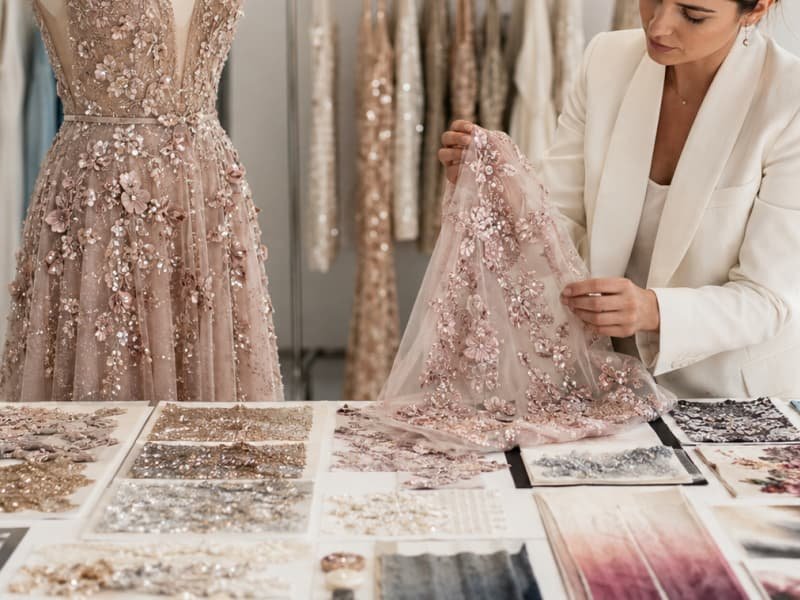
Decoration must remain attractive after cutting, sewing, fitting, packing and repeated handling. Duolan evaluates surface design together with base fabric, seam construction and skin contact.
Sequin Direction and Placement
Directional sequins and repeated motifs need clear cutting layouts. A reversed panel or shifted motif can be obvious even when measurements are correct. Placement references should identify center lines, key joins and acceptable variation.
Seam Area Preparation
Bulky sequins may need removal from seam allowances before stitching. Remaining pieces can then be secured or restored around finished seams. Poor clearing produces broken needles, bulky joins and uncomfortable edges.
Base Fabric Behavior
Many sequin fabrics use mesh or knit bases. Stretch, recovery and weight determine whether a fitted dress holds shape or grows during wear. Lining and pattern ease should be tested with the actual fabric.
Skin-contact Protection
Armholes, necklines, zipper areas and hems can irritate skin when sharp pieces remain exposed. Binding, facing, lining coverage and controlled clearing improve comfort without making edges heavy.
Rhinestone Spacing and Strength
Rhinestone attachment requires stable temperature, pressure and dwell time when heat application is used. Hand-applied layouts require spacing references and attachment checks. Weight concentration should not distort lightweight fabrics.
Final Surface Inspection
Inspection should cover missing pieces, reversed sequins, detached stones, asymmetry, sharp edges and visible adhesive. Finished garments must also be protected from abrasion during packing.
Hidden Structure Makes Homecoming Dresses Wearable
Cup Position and Shape
Boning Placement
Underwire Integration
Underwire affects lift, cup shape and comfort. Channel position, wire length and cup relationship need assessment during fitting.
Decorative fabric should not hide a poorly aligned internal structure.
Power Mesh Support
Power mesh can add control without heavy visible layers. Recovery, shade and cutting direction matter.
Excess tension may pull seams or distort the neckline, while weak mesh adds little support.

Closure Engineering
Invisible zippers, lace-up backs, hooks, eyes and adjustable straps influence both fit and dressing ease.
Closure length and location should support the silhouette rather than simply follow the reference image.
Lining Coverage
Movement Review
Waist and Back Stability
Fit Engineering for Short Structured Occasion Dresses
Homecoming fit is judged through appearance and movement. Pattern development must connect the brand’s measurement chart with fabric behavior, support structure and intended body contour.
Bust Balance
Waist Placement
The visual waist should align with the design and target body proportions.
Corset seams, ruching, cut-outs and skirt joins can make a technically correct waistline look too high or low.
Hip Contour
Fitted skirts need enough shape to follow the hip without diagonal drag lines.
Stretch fabrics also require recovery so the garment returns after sitting and walking.
Mini Length
Armhole and Side Coverage
Strap Tension
Straps should stabilize rather than carry the entire garment. Adjustable hardware, anchoring points and elastic recovery influence comfort and neckline position.
Stretch Allowance
Size Grading
Plus-size Proportion
Tech Packs Turn Fashion Ideas Into Controlled Development
Front, Back and Side Views
Measurement Chart
Construction Notes
Fabric Direction
Trim Specifications
Artwork and Placement
Size and Grade Rules
Branding Information
Quantity and Colorways
From Design Brief to First Homecoming Sample

Project Review
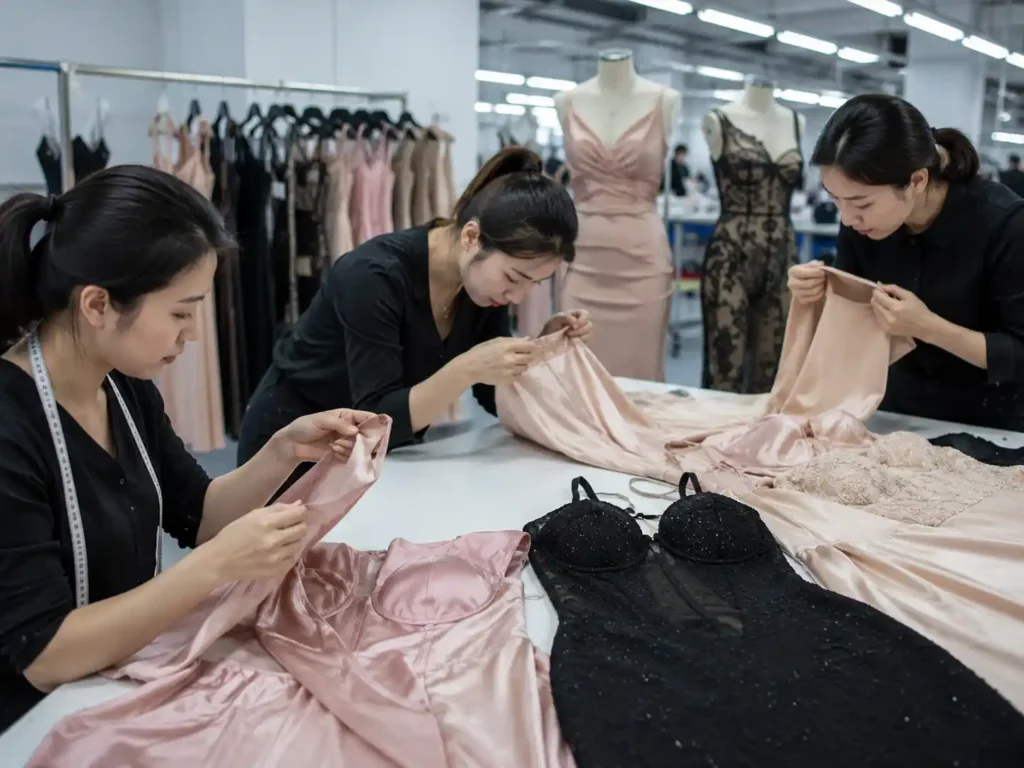
Risk Clarification

Fabric and Trim Direction

Pattern Development

Sample Construction

Internal Review
Completed samples are checked for measurements, visual proportion, support, workmanship and obvious production issues before photos or shipment.
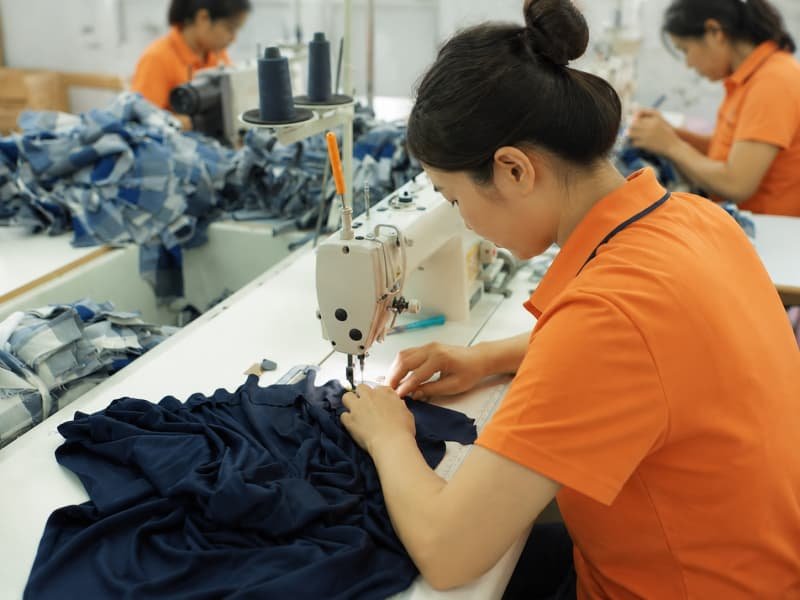
Development Update

Sample Handover
A Production-ready Sample Is More Than a Prototype
Fit-reviewed Basis
Confirmed Material Direction
Pattern Version Control
Workmanship Definition
Approved Appearance Reference
Measurement and Tolerance Basis
Bulk Readiness Review
Repeat-order Record
Sewing Details Behind a Refined Homecoming Dress
Invisible Zipper Installation
Corset Panel Seams
Boning Channels
Cup Attachment
Mesh Edge Finishing
Strap Reinforcement
Sequin Seam Finishing
Hem Balance
Final Pressing
Corset Dress Production Requires Structural Accuracy
Bodice Architecture
Cup Spacing
Princess Seam Control
Boning Selection
Waist Suppression
Back Construction
Symmetry Standards
Grade Development
Pilot Verification
Sample Standards Must Survive Bulk Production
Approved Sample
The approved sample or PP reference defines the intended silhouette, visual finish and important internal details.
Pattern Version
Measurement Chart
Base measurements, grade rules and tolerances should reflect the approved fit. Critical points require clear measuring methods.
Material Specification
Color Standard
Workmanship Points
First-piece Confirmation
Inline Inspection
Final Appearance
Packing Standard
Reorder Preservation

Coordinating Ten to Thirty Styles Without Losing Control
Style Classification
Priority Mapping
Material Grouping
Sample Tracking
Colorway Control
Production Path
Shared Fit Language
Repeat Planning
Plan Backward From the Homecoming Selling Window
A reliable delivery plan is built from the required warehouse or launch date. Fabric confirmation, revisions, PP approval, production, inspection and freight all need protected time.
| Stage | Main Decision | Required Input | Risk if Delayed |
|---|---|---|---|
| Collection Brief | Style mix and target launch | Style list, market, quantities | Wrong priority and weak range balance |
| Feasibility Review | Fabric, structure and craft path | Tech packs or references | Rework begins after sampling |
| Material Direction | Swatches, trims and colors | Fabric goals and price band | Sample and quote remain unstable |
| First Sample | Design translation | Measurements and construction notes | Fit review starts too late |
| Fit Revision | Correct shape and proportion | Consolidated comments | Repeated samples compress the calendar |
| Photo Sample | Campaign-ready appearance | Approved visual direction | Content creation misses launch timing |
| PP Approval | Lock production standard | Final materials and comments | Bulk begins without a reliable basis |
| Bulk Production | Execute style plan | Confirmed quantities and packing | Lines and materials are poorly matched |
| Inspection | Verify product and packing | QC standard and approved reference | Problems surface after shipment |
| Freight Buffer | Protect warehouse arrival | Shipping plan and documents | Selling window is exposed to transit delay |
Sampling and production timing is confirmed after reviewing style count, material status, structural difficulty, decoration, approval rounds and required delivery date. Complex corset, sequin and rhinestone styles should enter development earlier than standard commercial shapes.
Quality Control Designed for Homecoming Dress Risks

Fabric Surface

Measurements

Bust and Waist Balance

Support Structure

Mini Length and Movement

Pressing and Shape

Branding and Packing

Final Reference Comparison
Finished garments are compared with the approved sample, workmanship instructions and material references before shipment release.
Compliance Support for Brand-level Manufacturing Programs
SMETA Audit Foundation
Brand Requirement Execution
Testing Coordination
Third-party Inspection
Quality Documentation
Label and Market Review
Private Label Details Complete the Product Experience

Main Labels
Main labels should match approved artwork, dimensions, folding method, material and attachment position. Label feel matters when placed near the skin.
Care Labels
Fiber content, care symbols, origin information and required language versions should follow approved files and destination rules.
Hangtags
Barcode Tickets
UPC, EAN, SKU, color, size and price information should match order data.
Scan quality and ticket placement should be checked before packing.
Protective Packing
Garment Bags
Bag dimensions should fit the garment without excessive compression.Warning text,recycling marks,adhesive position and ventilation requirements can be customized.
Carton Marks
Style, color, size, quantity, purchase order, destination and carton number must align with the approved shipping specification.
Size Labels
E-commerce Packing
Direct-to-consumer or fulfillment-channel packing may require stronger presentation, barcode placement, size visibility and reduced handling damage.
Retail Distribution
Store-ready delivery can include assortment packing, ticketing, folding standards and carton breakdowns matched to distribution plans.
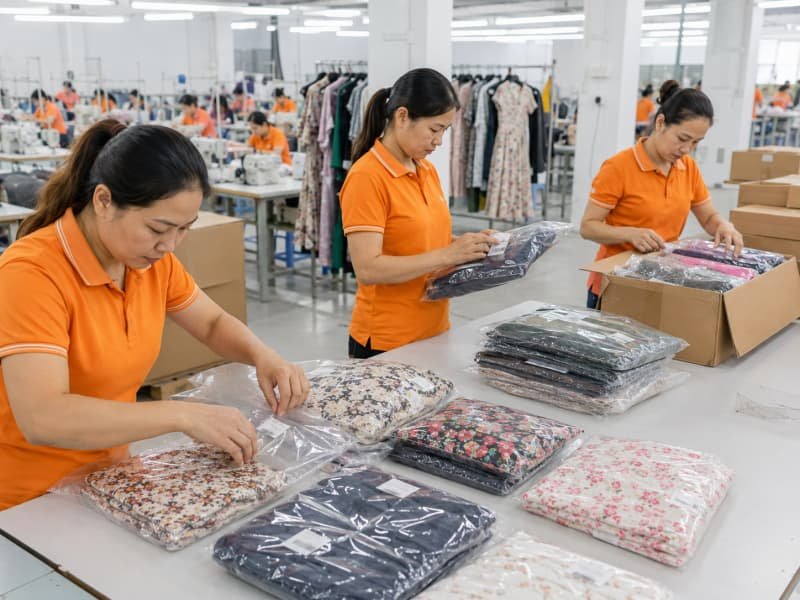
Real Project Structures for Homecoming Programs
US Homecoming Collection
- Classified styles by corset, stretch-fit, sequin and commercial construction.
- Grouped material sourcing without forcing one fabric across incompatible silhouettes.
- Built fit priorities around cup position, waist level, mini length and movement.
- Locked decoration and lining details through approved samples and first-piece checks.
- Separated complex styles from higher-volume commercial lines.

Multi-style Party Program
- Consolidated comments by style and sample stage.
- Converted general fit feedback into measurement, pattern and construction actions.
- Maintained revision records and separated visual approval from bulk readiness.
- Allocated styles according to construction sensitivity and launch priority.
- Preserved approved standards for potential replenishment.

Seasonal Reorder Project
- Retrieved pattern versions, BOM references and approved workmanship points.
- Rechecked available fabric and trims against retained standards.
- Reviewed replacement risks before approving any substitute material.
- Used first-piece comparison for repeat colors and decoration.
- Maintained size and packing requirements from the original program.

Evidence From Development Through Final Packing
Development Brief
Material Board
Pattern Development
First Sample
Fit Comments
Revised Sample
PP Reference
Cutting and Bundling
Sewing and Structure
Decoration Work
Inline Inspection
Packing Review
Frequently Asked Questions About Homecoming Dress Manufacturing

Start Your Homecoming Dress Development Program
Share the information already available for your upcoming homecoming collection. A complete tech pack is helpful, but development can also begin with reference images, design sketches, an original sample, a fabric direction or an organized collection brief.
Duolan will review the product direction before confirming the next step. The review considers style complexity, fabric behavior, fit requirements, corset or support structure, decoration, size range, estimated quantities, sample purpose, production feasibility and required delivery timing.
For a more useful project response, include:
- Company or brand name
- Website or social profile
- Target market and selling channel
- Number of styles
- Tech packs, sketches or reference images
- Fabric and color direction
- Base size and full size range
- Estimated quantity by style
- Planned launch or warehouse date
- Label, barcode and packing requirements
- Sample, quotation or bulk production status
- Important quality or fit concerns


