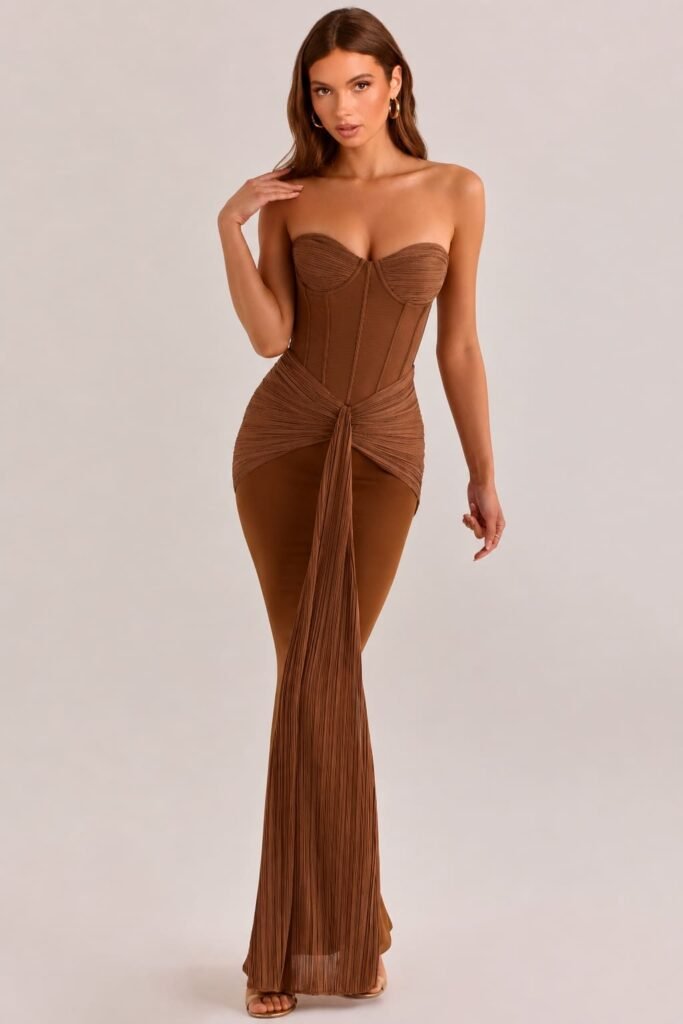
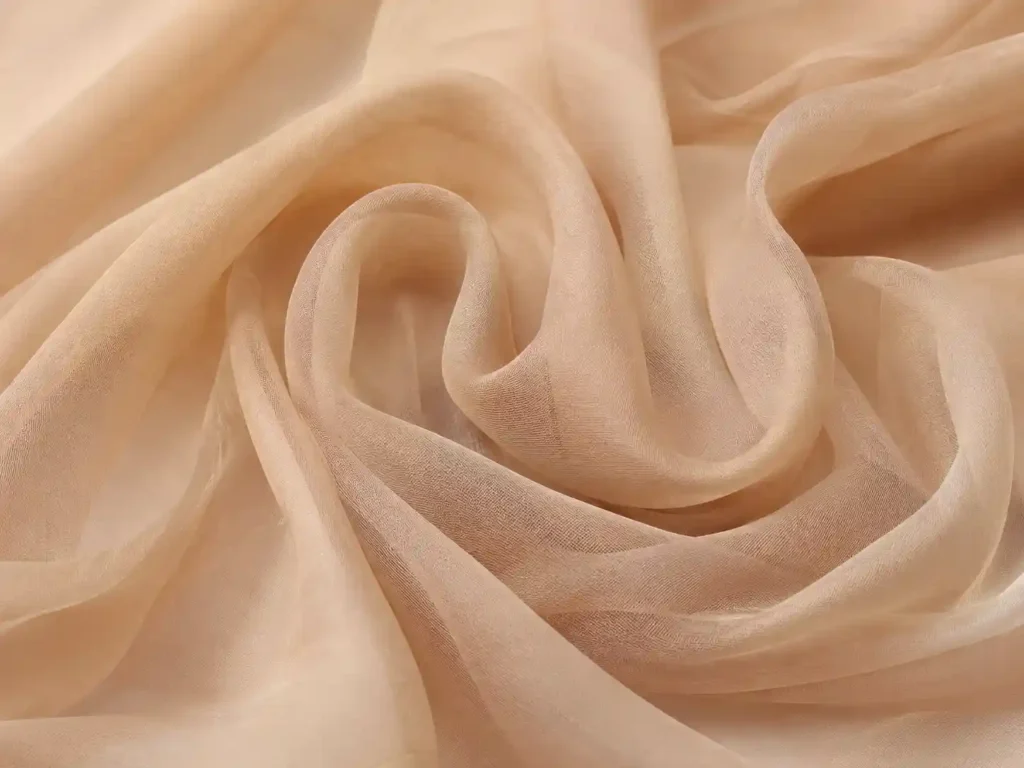
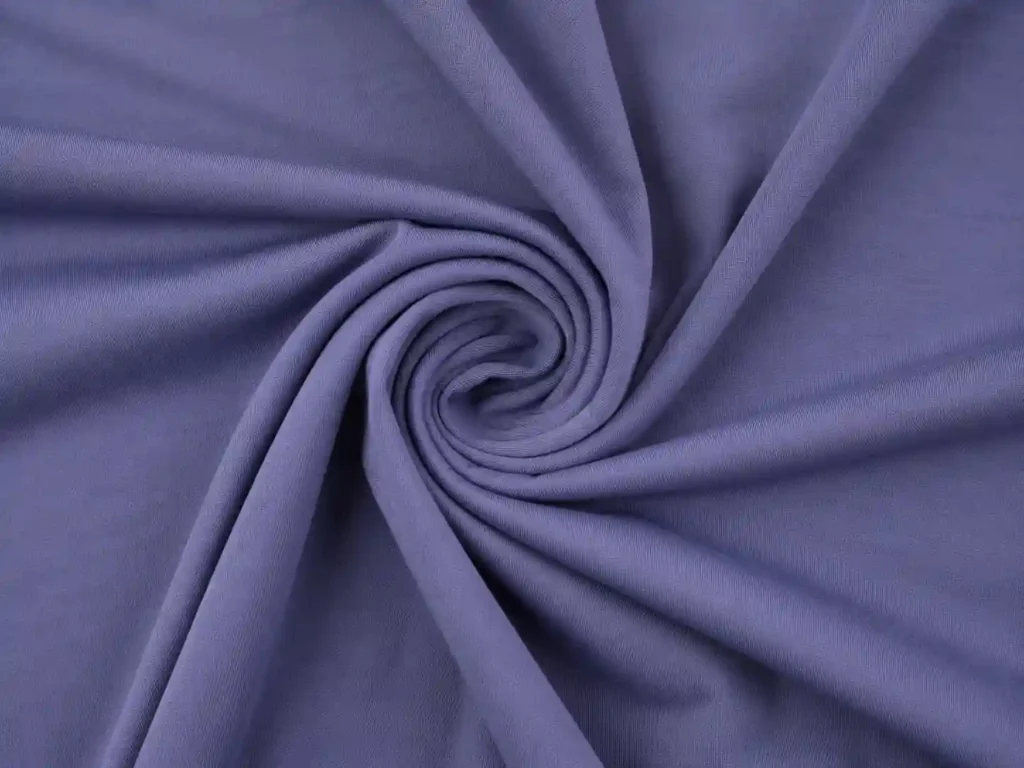
...

Custom Semi-Formal Dress Manufacturer

Dress Development and Production for Established Fashion Brands, Occasionwear Labels and Global Product Teams

Duolan develops semi-formal dress collections built for cocktail events, wedding guest edits, graduation seasons, social occasions and polished evening programs.

  • 12 core semi-formal dress directions covering mini, midi, fitted, draped, structured and layered silhouettes
  • 8 main fabric families reviewed for drape, stretch, opacity, construction and bulk stability
  • 6 production-readiness locks covering fit, fabric, trims, workmanship, BOM and approved sample
  • 16 owned womenswear factories supported by 20+ long-term satellite factories
  • 300 sewing lines and 50+ quick-response lines for multi-style programs, repeat orders and production scaling

A Dress Manufacturing System Built for Brand Programs

Semi-formal collections require more than sewing capacity. Product direction, fabric behavior, fit control, sample accuracy, workmanship, production planning and repeat-order records must move through one coordinated manufacturing system.

30+ Years Development

Duolan’s development background is led by Jerry Li and a womenswear team with more than three decades of experience in fast-fashion dress development. The accumulated knowledge covers European and American dress proportions, fabric behavior, commercial silhouettes, decorative workmanship and the transition from design direction to repeatable production.

16 Owned Factories

Core styles, fit-sensitive dresses and strategically important programs can be managed within the owned factory structure. Direct production control supports clearer communication between development, pattern, sourcing, production and quality teams when silhouettes or workmanship require close supervision.

20+ Satellite Factories

Long-term satellite factories provide controlled production flexibility for repeat orders, seasonal volume, capacity peaks and style allocation. Orders are not distributed only by available space. Fabric category, construction difficulty, workmanship risk, timing and required quality level guide production-path selection.

300 Sewing Lines

The group manufacturing structure includes 300 sewing lines. Line allocation is planned around product construction, operator familiarity, order quantity and delivery sequence, allowing multiple styles and colorways to advance without treating a collection as one undifferentiated production block.

50+ Flexible Lines

More than 50 quick-response and flexible lines support development-to-launch transitions, controlled test quantities, replenishment and time-sensitive repeat production. Flexibility remains connected to approved materials, workmanship standards, measurement control and production records.

Scalable Capacity

Stable monthly production capacity reaches approximately 6.5 million garments, with peak capacity reaching approximately 10 million garments. The wider network retains additional monthly capacity space of about 1–2 million garments for planned growth, production peaks and qualified repeat programs.

What Semi-Formal Dress Manufacturing Covers

Semi-formal dress production sits between everyday fashion and full evening gowns. The category requires refined materials, controlled exposure, polished proportions and event-ready finishing while remaining commercially wearable, size-consistent and suitable for repeat production.

Product AreaIncluded in Duolan ProgramsManufacturing Focus
Cocktail DressesMini and midi silhouettes for dinners, receptions and social eventsFit, proportion, fabric finish, secure closures
Wedding Guest DressesPolished dresses for ceremonies and receptionsAppropriate coverage, movement, color direction, comfort
Graduation DressesWhite, black, pastel and seasonal occasion stylesLength, opacity, sitting comfort, photo appearance
Homecoming DressesFitted, flared and occasion-driven mini dressesSupport, shape retention, movement, secure construction
Spring Formal DressesSeasonal semi-formal dresses for school and social eventsColor, lightweight fabrics, lining, event suitability
Dinner DressesRefined midi and fitted silhouettesDrape, neckline balance, waist definition, finish
Holiday Party DressesVelvet, satin, sequin and embellished stylesSurface protection, lining, trim security, packing
Social Occasion DressesVersatile styles for celebrations and brand occasion editsCommercial fit, repeatable construction, color extension
Full Evening GownsEvaluated only where aligned with Duolan’s dress capabilityStructural complexity and production suitability reviewed
Individual Made-to-MeasureNot positioned as a personal one-piece tailoring serviceDuolan focuses on brand development and production programs

A semi-formal dress manufacturer should be able to interpret the occasion, price position, target wearer, fabric direction, size range and launch calendar before confirming a development path. A visually attractive sample is only one part of the work. The final style must remain wearable, measurable, reproducible and commercially suitable across sizes and production batches.

Manufacturing Support for Established Fashion Teams

Duolan works with organizations that manage defined product calendars, structured development requirements and continuing dress programs. Each organization approaches semi-formal dresses from a different commercial and operational position.

Established Fashion Brands

Established labels need a manufacturing partner capable of working within defined brand language, retail pricing, fit standards, seasonal timing and quality expectations. Duolan supports the progression from a reference, tech pack or collection direction through sample review, production-readiness confirmation, bulk manufacturing and repeat-order preservation.

Occasionwear Labels

Occasionwear specialists need deeper understanding of event appropriateness, body fit, fabric finish, support structures and visual completion. Cocktail, wedding guest, graduation and holiday dresses often appear simple from a distance but require disciplined decisions around lining, exposure, closures, movement and surface appearance.

Product Development Teams

Development teams need clear sample objectives, useful feasibility feedback, organized revision records and accurate translation of comments into pattern, material or construction actions. Duolan works to make every sample round more decision-ready rather than producing repeated versions without a clear technical direction.

Sourcing and Buying Offices

Sourcing teams evaluate more than price. Factory structure, product specialization, documentation, social audit records, material control, quality checkpoints, order visibility and delivery planning all influence supplier approval. Duolan can provide capability information and project-specific manufacturing plans for structured supplier evaluation.

Six Risks Controlled Before They Reach Bulk Production

Most expensive problems begin before sewing starts. Semi-formal dresses combine appearance, fit, occasion suitability and production discipline, so each risk needs an identified control action rather than a general promise of quality.

Design Sample Mismatch

A reference image may not communicate fabric weight, internal support, intended stretch, lining coverage or target body shape. Duolan reviews the design basis and identifies which visual elements depend on material, pattern or construction decisions before sampling begins.

Fabric Silhouette Conflict

A fluid bias midi needs different fabric behavior from a structured strapless mini. Drape, recovery, thickness, surface sensitivity and opacity are reviewed against the intended silhouette so a material does not undermine the shape or create avoidable production problems.

Unstable Size Fit

A sample approved in one size can still fail after grading. Bust position, underbust, waist shaping, hip ease, strap length, armhole depth and slit height need size-specific attention, especially in fitted, halter, strapless and body-conscious dresses.

Sample Bulk Difference

Bulk inconsistency can appear through material substitution, color variation, different seam methods, uncontrolled pressing or missing trim specifications. Duolan connects the approved sample with BOM, measurements, workmanship notes, material standards and PP approval before release.

Mixed Style Confusion

A 10–30 style order can include different fabrics, risk levels, color counts and construction methods. Styles are classified and scheduled separately so high-risk garments receive earlier material review, sample validation or first-piece checks.

Reorder Inconsistency

A successful reorder needs more than the previous physical sample. Pattern versions, approved measurements, BOM, color records, trim specifications, workmanship notes, packaging information and quality findings are retained as production references for the next order.

Semi-Formal Dresses Designed Around Real Occasions

A semi-formal range should not be treated as a group of decorative dresses. Each occasion carries its own standards for length, exposure, fabric, movement, support, photography and seasonal timing.

Cocktail Events

Cocktail dresses usually need a defined silhouette, refined fabric and controlled visual impact. Mini and midi lengths work well, while necklines, slits and cut-outs must remain secure during standing, sitting and movement. Satin, crepe, velvet, lace and structured jersey are commonly evaluated.

Wedding Guest

Wedding guest dresses need polish without reading as bridal or excessively formal. Color sensitivity, lining coverage, ceremony comfort, movement and photo appearance matter. Midi lengths, soft draping, controlled floral direction and refined one-shoulder or halter silhouettes often support the category.

Graduation Season

Graduation dresses need clean proportions and reliable opacity, particularly in white and pastel colors. Garments may be worn beneath gowns, photographed outdoors and used for long periods. Neckline security, sitting comfort, skirt movement and crease behavior deserve early review.

Homecoming Programs

Homecoming dresses often combine youthful mini proportions with fitted waists, corset references, satin surfaces, mesh panels or sequins. Internal support, bust coverage, zipper stability, hem balance and movement must be tested before bulk, especially across extended size ranges.

Spring Formal

Spring formal ranges commonly use lighter colors, chiffon, satin, lace, mesh and refined floral directions. Development must account for transparency, lightweight lining, seasonal material timing and size consistency while preserving an elevated social-event appearance.

Holiday Social Events

Holiday collections may introduce velvet, sequins, metallic details, deeper colors and richer surface textures. Surface protection, color matching, trim attachment, wearer comfort and packing methods become more important when materials mark, crush or abrade easily.

Semi-Formal Dress Categories Developed by Duolan

A commercially balanced collection needs varied silhouettes, fabrication levels and event applications. Duolan can develop individual styles or coordinated programs using mini, midi, fitted, draped, structured and layered construction directions.

Satin Midi Dresses

Satin midi dresses are widely used for cocktail, wedding guest, dinner and holiday programs. Product success depends on more than surface shine. Satin weight, weave, fluidity and bias behavior affect neckline stability, waist fit, side-seam appearance and skirt fall. Duolan evaluates:
  • Whether the fabric carries or collapses the intended silhouette
  • Needle size and stitch balance to reduce visible punctures
  • Seam allowance and pressing methods to limit seam impression
  • Lining weight and attachment for movement without pulling
  • Zipper installation to reduce rippling
  • Folding and packing direction to limit surface marks
Mini Cocktail Dresses​

Cocktail Mini Dresses

Cocktail minis need strong proportions and secure wearability. Short length increases the importance of hem balance, skirt opening, lining control and movement testing. Fitted styles may also require bust shaping, internal support and controlled stretch. Development focuses on:

  • Dress length measured from a consistent high shoulder point
  • Bust, underbust, waist and hip relationship
  • Armhole and neckline security
  • Skirt opening for walking and sitting
  • Zipper position and seam stability
  • Lining length and hem concealment
  • Grading rules that preserve the intended proportion

Draped Midi Dresses

Draping creates visual softness but can hide technical instability. Drape placement, grain direction, fabric stretch, internal tacking and seam location affect whether the garment hangs consistently from size to size. Duolan reviews:

  • The starting and ending point of each drape
  • Distribution of fullness across the body
  • Internal anchoring required to prevent movement
  • Side-seam balance and hem leveling
  • Whether gathered areas add unwanted bulk
  • Fabric recovery after hanging and packing
  • How drape placement changes during grading

Structured Crepe Dresses

Crepe supports clean semi-formal silhouettes with less shine than satin. Weight, stretch direction and recovery determine whether a fitted sheath, square-neck midi or tailored mini keeps its shape after wear. Key controls include:
  • Fabric weight against garment structure
  • Fusible selection and bonding response
  • Bust and waist shaping through darts or panels
  • Clean neckline and armhole edges
  • Invisible zipper installation
  • Hem weight and pressing
  • Recovery testing for stretch crepe
  • Surface consistency across dye lots

Lace Occasion Dresses

Lace can define a wedding guest, graduation or cocktail edit, but commercial production requires controlled motif placement and lining decisions. Pattern layout affects both appearance and material consumption. Duolan checks:
  • Motif direction and left-right balance
  • Border utilization at necklines, sleeves or hems
  • Placement across center front and center back
  • Matching at major seams where required
  • Lining color and transparency effect
  • Skin contact at rough or raised areas
  • Cutting loss created by placement requirements
  • Repeatability when lace lots vary slightly

Chiffon Layered Dresses

Chiffon supports soft movement and layered event dressing, yet instability during cutting and sewing can create uneven seams, twisted panels or inconsistent hems. The underlayer must provide coverage without restricting the outer fabric. Production planning covers:
  • Layer count and opacity
  • Grain control during cutting
  • Narrow hem method
  • Gathering distribution
  • Shoulder and neckline stabilization
  • Lining length and color
  • Hanging time before final hem leveling
  • Packing methods that reduce crushing

Mesh Overlay Dresses

Mesh allows controlled transparency, body contour and surface layering. Stretch percentage, recovery, softness and edge response must match the intended fitted or draped shape. Development control includes:
  • Stretch direction and recovery
  • Lining coverage boundaries
  • Seam placement across transparent areas
  • Edge finishing around necklines and cut-outs
  • Tension balance during sewing
  • Bust and waist support under the mesh
  • Color matching between mesh and lining
  • Puckering risk around zippers or appliqué

Velvet Event Dresses

Velvet offers rich color and texture for fall and holiday programs. Pile direction, pressure marks, seam handling and pressing require controlled processing from cutting through packing. Duolan manages:
  • One-way pile direction
  • Shade appearance under different angles
  • Cutting orientation across all panels
  • Reduced pressure during pressing
  • Seam construction that limits pile crushing
  • Zipper and lining compatibility
  • Surface inspection before packing
  • Folding or hanger packing based on style risk

Ruched Fitted Dresses

Ruching can improve body contour and commercial fit when fullness is distributed consistently. Poor control creates unequal sides, twisting, excessive bulk or unstable garment length. Key standards include:
  • Defined gathering ratio
  • Start and stop positions
  • Internal elastic or seam anchoring
  • Left-right symmetry
  • Stable finished length
  • Recovery after stretching
  • Fit review across waist and hip
  • Grading instructions for each size

Halter Social Dresses

Halter dresses place more load around the neck and upper bodice, making bust support, armhole shape and back construction central to comfort and security.

Duolan evaluates:

  • Neck strap width and reinforcement
  • Closure type and adjustment
  • Bust coverage and center-front stability
  • Armhole depth
  • Back exposure and support
  • Lining and understructure
  • Weight carried by the neckline
  • Fit changes across cup and body sizes

Strapless Structured Dresses

Strapless semi-formal dresses require a stable relationship between bust, underbust, waist and internal support. A visually correct sample can still slip, rotate or create pressure during wear if the structure is not balanced.

Development may include:

  • Cup position and bust shaping
  • Boning length and placement
  • Waist anchoring
  • Gripper tape
  • Internal elastic
  • Center-front stability
  • Zipper reinforcement
  • Size grading of support components

Minimal Evening Dresses

Minimal dresses leave little room for construction defects. Clean necklines, controlled seams, balanced proportions and refined finishing become more visible when decorative elements are limited.

Duolan focuses on:

  • Surface cleanliness
  • Seam alignment
  • Understitching and edge control
  • Precise waist and hip shaping
  • Hem consistency
  • Invisible closure quality
  • Fabric selection appropriate to the silhouette
  • Accurate pressing without shine or impressions

Design Details That Define Semi-Formal Dressing

Semi-formal design works through controlled proportion rather than decoration alone. Length, neckline, sleeve shape, waist position, back exposure and movement need to support the occasion, target age group and commercial price position.

Length and Proportion

Mini, midi and longer lengths communicate different levels of formality. Finished length should be measured from a defined point and reviewed on the intended body height. Slits, curved hems and high-low shapes require separate measurement standards so visual proportion remains stable across sizes.

Neckline Balance

Square, V-neck, sweetheart, cowl, halter, one-shoulder and strapless necklines affect exposure and upper-body proportion differently. Neckline shape must be reviewed with bust position, shoulder width, strap placement, lining edge and intended bra compatibility.

Sleeve Direction

Sleeveless, cap, short, sheer, puff and long sleeves change the formality and seasonal use of a style.

Sleeve cap height, armhole balance, cuff opening, mesh stretch and lining decisions influence both movement and appearance.

Waist Definition

Natural waist, raised waist, dropped waist and corset-inspired shaping create different silhouettes. Waist seams, panel lines, ruching and internal support need consistent positioning so the dress does not appear shortened, elongated or unbalanced after grading.

Back Construction

Open backs, low backs, lace-up backs, cut-outs and concealed zippers need secure edge control and load distribution. Strap position, closure strength, modesty, lining and internal support must work together rather than relying on appearance alone.

Movement and Coverage

Walking, sitting, dancing and raising the arms expose issues that static fitting can miss. Slit opening, skirt sweep, lining length, neckline movement, strap tension and underarm coverage should be reviewed during sample assessment.

Building a Commercial Semi-Formal Dress Collection

A strong collection combines attention-driving styles with repeatable commercial products. Duolan can help organize varied silhouettes, colors and materials into a production program with a clearer development path.

Visual Hero Styles

Hero pieces create campaign impact through directional draping, surface texture, unusual necklines, corset references or statement color. They often require earlier fabric testing, deeper sample review and controlled production allocation because visual features also create manufacturing risk.

Commercial Core Styles

Core styles carry a larger share of sales through wearable fit, recognizable silhouettes and repeatable materials. Clean satin midis, fitted crepe dresses, refined minis and versatile wedding guest styles can support color extension and replenishment when fit and material records are preserved.

Fit-Safe Styles

A collection benefits from silhouettes with wider fit tolerance, such as controlled A-line shapes, soft wrap references, elasticized back details or less body-dependent waist treatments. Fit-safe styles balance higher-risk fitted and structured pieces within a multi-style order.

Reorder-Ready Styles

Reorder candidates should use materials and trims with stable sourcing, clear construction, reliable grading and repeatable color standards. Pattern, BOM, approved sample, workmanship records and quality findings should be retained from the first production run.

Fabrics Selected for Drape, Fit and Production Stability
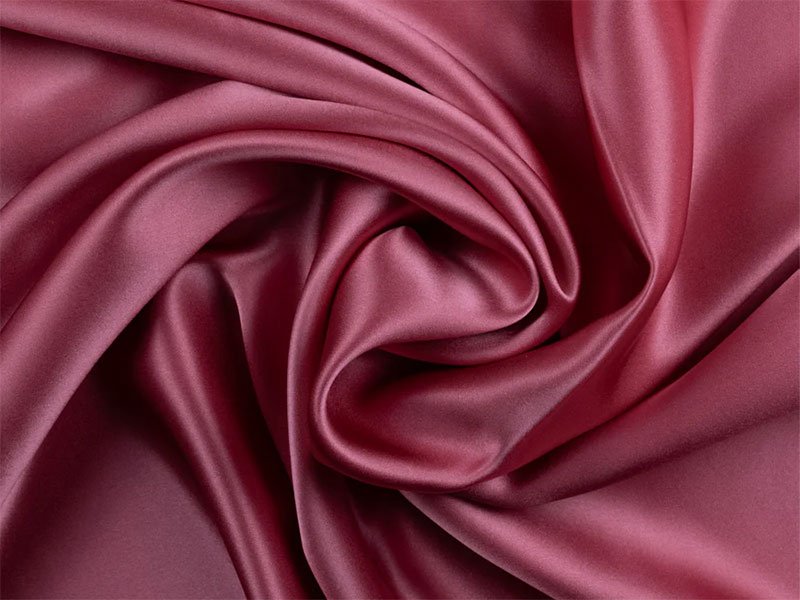
Fabric determines how a semi-formal dress hangs, stretches, reflects light, conceals the body and survives production. Material review therefore begins with the intended silhouette and wearing condition rather than a swatch selected only for appearance.

Satin

Satin varies greatly in weight, weave, shine, fluidity and surface sensitivity. A thin fluid satin may suit bias draping but expose seam tension and body lines. A heavier satin may support structure but create bulk at gathered seams. Control points:
  • Weight and hand feel
  • Bias behavior
  • Seam marking
  • Snagging and abrasion
  • Color consistency
  • Pressing response
  • Lining compatibility
  • Packing sensitivity

Crepe

Crepe provides controlled drape and lower shine for refined occasion dressing. Woven and stretch crepes behave differently in fitted patterns. Stretch percentage, recovery and weight must support the required waist, hip and skirt shape. Control points:
  • Directional stretch
  • Recovery after wear
  • Surface texture
  • Fusible response
  • Shrinkage
  • Seam appearance
  • Hem weight
  • Lot consistency

Chiffon

Chiffon is lightweight, transparent and prone to movement during cutting and sewing. Layer structure, lining and hem treatment require early definition. Color can also appear different when layers overlap. Control points:

  • Layer count
  • Opacity
  • Grain direction
  • Cutting stability
  • Seam finish
  • Narrow hem
  • Color depth
  • Hanging before hemming

Lace

Lace brings pattern, transparency and texture into the garment, making placement part of the design. Motif scale and repeat determine whether a pattern can be centered, mirrored or matched commercially. Control points:

  • Motif direction
  • Border use
  • Placement loss
  • Color matching
  • Lining effect
  • Skin comfort
  • Seam visibility
  • Lot variation

Mesh

Mesh can provide body contour, soft transparency or layered detail. Stretch and recovery need to match lining and support materials. Unequal tension can distort necklines, seams and cut-outs. Control points:

  • Stretch percentage
  • Recovery
  • Softness
  • Transparency
  • Edge response
  • Color matching
  • Puckering
  • Support compatibility

Velvet

Velvet adds visual depth but requires one-way cutting, controlled pressing and surface protection. Pile direction can create visible shade changes even when the dye lot is consistent. Control points:
  • Pile direction
  • Panel orientation
  • Pressure marks
  • Seam crushing
  • Zipper installation
  • Color appearance
  • Inspection lighting
  • Packing method

Jersey

Jersey supports fitted and draped semi-formal dresses where movement and comfort are important. Weight, stretch, recovery and opacity determine whether the fabric holds shape or exposes construction and body lines. Control points:
  • Four-way or two-way stretch
  • Recovery
  • Torque
  • Shrinkage
  • Opacity
  • Seam elasticity
  • Hem method
  • Size grading response

Sequin Materials

Sequin fabrics provide event impact but increase weight, abrasion, seam difficulty and packing risk. Sequin direction, base-fabric stretch and edge preparation affect both appearance and wearer comfort. Control points:

  • Sequin density
  • Attachment strength
  • Base stretch
  • Seam clearing
  • Skin-contact protection
  • Lining
  • Weight distribution
  • Packing abrasion

Linings, Support Structures and Trims Under Control

Small internal components often determine whether a semi-formal dress feels secure and finished. Every lining, closure and support element needs a defined specification inside the BOM rather than an informal production decision.

Lining Coverage

Lining is selected according to opacity, stretch, hand feel, color and garment movement. Coverage boundaries are defined for mesh panels, cut-outs, slits and low backs. Lining length must remain concealed while allowing the outer skirt to fall naturally.

Bust Support

Bust support can include shaped panels, cups, underbust seams, internal elastic, power mesh or layered fabric. Support level is reviewed against the neckline, back exposure, garment weight and target size range.

Boning Structure

Boning may stabilize strapless, corset-inspired or bustier dresses. Material, length, placement and casing need to support the silhouette without creating sharp pressure, visible ridges or distortion during sitting.

Zippers and Closures

Invisible zippers, exposed zippers, hook-and-eye closures, buttons, lace-up systems and neck closures require defined lengths, colors, finishes and strength. Zipper installation is reviewed for rippling, alignment and smooth operation.

Straps and Grippers

Fixed straps, adjustable straps, halter ties and internal gripper tape require width, length, hardware and reinforcement specifications. Strap placement should remain balanced during grading rather than moving mechanically with the side seam.

Decorative Trims

Rhinestone buckles, appliqué, buttons, bows, beads and metal trims need attachment standards, surface checks and replacement approval rules. Weight and edge finish are considered where trims contact the body or pull on lightweight fabrics.

Feasibility Review Before Sample Development Begins

Early assessment helps preserve the design direction while identifying fabric, fit, structure and production decisions that need clarification. Duolan reviews six areas before finalizing the sample proposal.

Design Feasibility

The development team reviews whether proportions, exposure, closure positions and decorative details can work together. High visual impact does not always equal stable wearability, so conflicting design elements are identified before pattern work begins.

Fabric Feasibility

Fabric weight, stretch, opacity, drape and surface sensitivity are compared with the silhouette. Material alternatives may be suggested when a reference fabric cannot support the target structure or expected production result.

Fit Feasibility

Fit-sensitive areas are identified according to garment type. Strapless, halter, fitted, low-back and corset-inspired designs require earlier attention to bust support, waist anchoring, armhole depth and movement.

Construction Feasibility

The team reviews seam access, lining sequence, boning, zipper installation, ruching, lace placement, appliqué and edge finishing. Complex details are assessed for both sample execution and line production.

Bulk Feasibility

A detail that works once in a sample room may remain difficult to repeat across thousands of garments. Repeatability, material availability, operator consistency, inspection method and possible first-piece validation are reviewed before approval.

Cost Timing Feasibility

Fabric minimums, color development, trim tooling, placement loss, workmanship complexity, sample rounds and launch timing influence the production path. Quotation and lead time are confirmed after the relevant variables are understood.

Tech Packs and Measurement Standards Before Sampling

A clear technical basis reduces interpretation gaps between design, pattern, sample, production and quality teams. Final measurement methods and tolerances follow the brand’s approved specification rather than a generic size assumption.

Measurement or FileDevelopment PurposeSemi-Formal Dress Control
High Shoulder Point LengthControls total dress proportionMini, midi and longer lengths need separate visual review
Bust CircumferenceDefines upper-body fitReviewed with darts, cups, neckline and fabric stretch
UnderbustSupports fitted and structured bodicesImportant for strapless, corset and halter styles
Waist CircumferenceControls silhouette and stabilityChecked with seam position, boning and internal support
Hip CircumferenceControls movement and body fitImportant for fitted, ruched and stretch styles
Shoulder WidthSupports upper-body balanceLinked with neckline, sleeve and strap positions
Armhole DepthControls coverage and movementImportant for sleeveless, halter and low-back designs
Strap LengthControls bust position and necklineFixed and adjustable straps require separate standards
Front Neck DropDefines exposureMeasured from a consistent point
Back Neck DropControls back exposure and supportReviewed with closure and internal structure
Slit HeightBalances movement and coverageMeasured from hem or approved reference point
Hem OpeningControls walking and skirt fallImportant in fitted midi and maxi silhouettes
Zipper LengthSupports dressing and constructionMust align with garment opening and seam structure
Size ChartDefines brand fit directionDuolan follows supplied body or garment measurements
BOMLocks all materials and trimsVersion control is required before bulk release
Construction SheetDefines workmanshipSeam, lining, support and finishing methods are recorded

Measurement files should state how each point is measured, whether the garment is relaxed or stretched, and whether the tolerance is critical to fit or primarily cosmetic. During sample review, comments are translated into measurable or construction-related actions whenever possible.

Pattern, Fit and Grading for Event-Ready Dresses

Semi-formal dresses often depend on close body balance. Pattern development therefore considers fabric behavior, structural support and intended visual proportion instead of transferring measurements mechanically onto a generic block.

Pattern Input

Development may begin from a tech pack, reference image, original sample, pattern file or mixed information. Missing details are identified before pattern work proceeds, including stretch direction, lining, closures, support, target size and fit intention.

Silhouette Development

Pattern shape is built around the intended contour, waist position, skirt fall and occasion. A structured crepe dress, bias satin midi and stretch jersey bodycon require different ease, grain and seam-placement decisions.

Critical Fit Areas

Bust position, underbust, waist, high hip, full hip, armhole, strap, neckline, back opening and slit are prioritized according to style. Fit comments should identify which areas affect wearability and which affect visual preference.

Fit Correction

Sample correction may involve pattern shape, seam position, dart intake, strap length, support structure, lining or fabric choice. Changes are recorded by version so one correction does not create an uncontrolled issue elsewhere.

Size Grading

Grading follows the brand’s size chart and fit strategy. Structured bodices, cut-outs, strap positions, cups and slits need more than uniform expansion. Visual proportion and functional coverage are checked as sizes change.

Bulk Pattern Standard

The approved pattern version becomes part of the production standard. Revision date, sample status, measurement file and construction notes should align before cutting begins, reducing the risk of outdated files entering production.

Sample Development With a Defined Decision Purpose

A sample should answer a specific question. Duolan separates visual development, fit approval, sales presentation and production preparation so each round has a clear objective and useful output. Sample lead time is confirmed after reviewing material readiness, structure, embellishment and sample purpose. The proposal separates material sourcing, pattern development, first sample, revision and PP preparation rather than issuing one unsupported completion date.

Project Brief Review

Duolan first confirms product category, design basis, target market, intended occasion, size range, fabric direction and sample purpose. A reference image alone may support an initial assessment, while a complete tech pack allows more detailed planning.

Fabric Trim Direction

The sourcing and development teams review available fabric routes, lining, closure, support and decorative components. Lab dips, swatches or trim references may be required before the sample can represent the intended production direction.

Pattern Development

The pattern is built or adjusted according to silhouette, measurements, fabric behavior and construction. Fit-sensitive points are highlighted so the first sample can be reviewed against defined priorities rather than general appearance alone.

First Sample

The first sample evaluates design interpretation, proportion, fabric response and construction. It may not represent final bulk readiness, especially when substitute materials, temporary trims or unconfirmed colors are used.

Fit Revision

Comments are organized by fit, visual preference, material and production concern. Each change should identify the required action, responsible function and sample version. Revision control helps avoid contradictory comments or repeated corrections.

PP Sample

The PP sample supports bulk approval after key materials, measurements, workmanship, labels and packing direction are sufficiently aligned. Remaining open points are recorded before production release.

Six Locks Before Approved Samples Enter Bulk Production

Bulk production begins only after the sample direction and manufacturing basis are sufficiently aligned. Six production-readiness areas help prevent the approved look from changing during scale-up.

Fit and Measurements

The approved fit, critical POMs, grading logic and tolerance expectations are reviewed together. Any point still awaiting correction is identified before cutting rather than left to line interpretation.

Fabric and Color

Fabric quality, composition, weight, stretch, hand feel, color and lot-control requirements are confirmed. Lab dips, strike-offs, bulk fabric or approved swatches are linked to the order record.

Lining and Trims

Lining, zippers, cups, boning, elastic, hooks, labels and decorative trims are defined through the BOM or approved trim board. Replacements require review instead of informal factory substitution.

Construction Method

Seam type, lining sequence, edge finish, ruching ratio, lace placement, support method, zipper installation and hem construction are aligned with the approved sample and technical notes.

Technical Documents

Pattern version, measurement chart, BOM, construction sheet, artwork, labels, packaging and quality checkpoints must reference the same approved production direction.

PP Approval Basis

The PP or golden sample provides a shared physical reference for production, quality and brand teams. Any approved deviation should be recorded so inspection is based on the same standard.

Workmanship Standards Visible in Every Dress Detail

Semi-formal dresses are judged at close range, in photographs and during movement. Stitch balance, placement, lining, pressing and finishing all affect perceived quality, even when the original design appears simple.
1Satin Seam Control (1)

Satin Seam Control

Satin seams can show needle holes, tension marks, puckering and pressing impressions. Needle selection, thread tension, seam allowance and handling method are tested according to fabric weight. Finished seams are checked under angled light because surface defects may not appear under flat inspection.

Lace Placement

Lace workmanship is reviewed for motif direction, center alignment, left-right balance and border use. Placement requirements are defined before cutting. Where full seam matching is commercially unrealistic, the visible priority zones are identified so appearance remains intentional.

Mesh Edge Finish

Mesh necklines, cut-outs and sleeves can wave or stretch when the edge method is unsuitable. Binding, clean finishing, elastic support or folded edges are selected according to mesh weight and stretch. Finished openings are checked for symmetry, recovery and skin comfort.

Ruched Distribution

Ruching must follow a defined ratio and placement. Operators work from marked start and stop points rather than visual estimation alone. Finished garments are checked for left-right balance, stable length, smooth transition and consistent fullness across the order.

Zipper Installation

Invisible zippers are checked for smooth operation, seam alignment, top-edge level and limited rippling. Lightweight satin and stretch fabric need stabilization to prevent distortion. Zipper length and color are locked in the BOM before production.

Lining Attachment

Lining should support opacity and comfort without pulling the outer garment. Attachment points, hem freedom, slit construction and zipper integration are reviewed. Lining is checked during movement to ensure it remains concealed and does not restrict skirt fall.

Slit Hem Finish

Slits require defined height, reinforcement, seam allowance and lining treatment. Finished slit corners are checked for strength and symmetry. Hem method is selected according to fabric weight, visibility, stretch and desired skirt movement.

Pressing Final Shape

Pressing establishes neckline, seams, darts, waist and hem appearance. Temperature, pressure and contact method must suit the fabric. Satin, velvet and embellished materials require additional protection. Final shape is checked before packing so pressing does not hide construction issues.

Material, Color and BOM Control Across Every Style

Multi-style semi-formal programs can contain dozens of fabrics, colors, linings and trims. Clear material records reduce substitutions, color confusion and repeat-order variation.

Approved Fabric Reference

Every production fabric should link to an approved swatch, bulk reference or documented standard. Composition, weight, stretch, width, color and surface characteristics are recorded where relevant to the style.

Lab Dip Approval

Custom colors are reviewed through lab dips or approved color standards. Fabric composition and finish can affect shade appearance, so approval should use the production-relevant substrate whenever possible.

Fabric Lot Control

Fabric lots may differ in shade, hand feel or stretch. Lot identification and cutting allocation help prevent visible shade mixing within one garment or uncontrolled variation across packed units.

Trim Specification

Zippers, hooks, cups, boning, elastics, buttons and labels require defined dimensions, color, finish and supplier reference. A visually similar replacement may perform differently during wear or washing.

BOM Version Control

BOM revisions should state which version is approved for production. Changes to materials, colorways, size-related components or packaging need a recorded approval path.

Replacement Approval

Where an original material becomes unavailable, the proposed replacement is reviewed for appearance, performance, compatibility and cost before use. Production should not proceed based only on supplier similarity claims.

Production Capacity Matched to Style Complexity

Large production figures matter only when the right garments are placed on the right lines. Duolan plans capacity around style complexity, material, workmanship, timing and order stage.

Core Factory Control

Fit-sensitive, technically complex and strategically important styles can be allocated to owned factories where development, pattern, production and quality teams can maintain closer communication. Strapless, corset-inspired, satin, mesh and shape-dependent styles may require higher control during initial production.

Flexible Line Support

More than 50 flexible and quick-response lines support launch orders, controlled replenishment and repeat production. Flexible lines still work from approved files, materials and quality standards rather than treating speed as permission to bypass control.

Satellite Capacity

More than 20 long-term satellite factories support planned volume and capacity peaks. Allocation follows qualification, product suitability and order requirements.

Satellite capacity is used as an organized extension of the manufacturing system.

Multi-Style Planning

Orders of 10–30 styles are broken down by fabric, color, quantity, construction and risk. Styles do not need to start on the same date. Complex pieces can enter validation earlier while commercially stable styles proceed through a more direct path.

Special Process Coordination

Printing, embroidery, dyeing, washing and other special processes are coordinated through established supporting resources. Timing and quality checkpoints are planned around the external process so the garment schedule remains visible.

Production Scale

The manufacturing network supports approximately 6.5 million garments in stable monthly capacity and up to approximately 10 million garments during peak periods. Additional capacity space can support qualified growth and repeat programs after planning review.

First-Piece Control Before Full Production Release

Fit-sensitive and workmanship-sensitive dresses should not move directly from approval into unrestricted volume. First-piece or controlled pilot validation helps identify line-level issues before they spread across an order.

Order Breakdown

Each order is separated by style, color, size, quantity and delivery sequence. Material readiness, pattern status, risk level and production location are reviewed so one delayed style does not obscure the progress of the full program.

Production Path Matching

Commercial crepe styles, complex satin styles, embellished dresses and structured bodices may require different production paths. Line familiarity, operator skill, special process and inspection needs guide allocation.

First-Piece Validation

The first complete garment from the intended production method is reviewed against the approved sample, pattern, measurements, BOM and construction details. Differences are corrected before broader line release.

Timeline Planning

The production calendar works backward from the required delivery and shipping window. Material arrival, pilot validation, production, inspection, packing and logistics buffer are separated so schedule risk remains visible.

Quality Control for Semi-Formal Dress Production
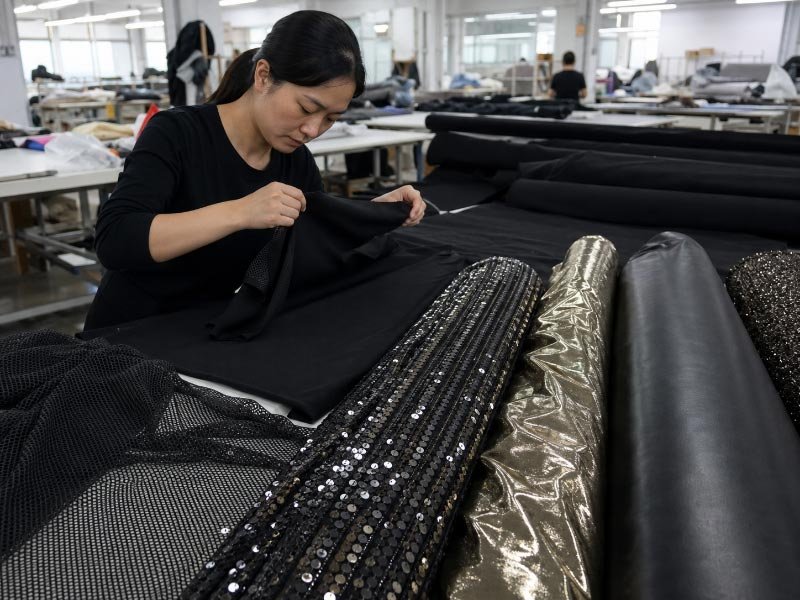
Quality control follows the risks of each garment rather than a single generic checklist. Fabric, construction, fit, surface appearance, trims and packing are reviewed at defined stages.

Fabric Inspection

Fabric inspection checks shade, surface marks, width, visible defects and relevant stretch or hand-feel differences. Satin, velvet, lace, mesh and embellished fabrics receive material-specific review before cutting.
Control evidence may include:
  • Fabric roll or lot identification
  • Shade grouping
  • Defect marking
  • Approved swatch comparison
  • Surface photographs
  • Test or inspection records where required

Cutting Control

Cutting accuracy affects fit, symmetry, motif placement and shade consistency. Grain direction, nap direction, panel marking and bundle identification are checked according to the style.
Key checks include:

  • Pattern version
  • Size and color identification
  • Lace or print placement
  • Velvet pile direction
  • Shade grouping
  • Cut-part completeness
First-piece Confirmation​

First-Piece Review

The first complete production garment is compared with the approved basis. Fit-sensitive points, construction, workmanship and appearance are checked before volume release.
Review areas include:
  • Measurements
  • Neckline and bust position
  • Lining
  • Zipper
  • Slit
  • Support structure
  • Pressing
  • Label placement

Inline Workmanship

Inline inspection catches problems while correction remains manageable. Inspectors focus on critical construction steps rather than waiting until garments are fully finished.
Semi-formal priorities include:
  • Ruching distribution
  • Lace alignment
  • Mesh tension
  • Zipper rippling
  • Boning placement
  • Seam puckering
  • Trim attachment
  • Lining assembly

Measurement Checks

Measurement inspection follows the approved POM method and tolerance file. Critical fit points receive greater attention than low-impact measurements.
Common priorities include:
  • Bust and underbust
  • Waist and hip
  • Strap length
  • Armhole
  • Body length
  • Slit height
  • Hem opening
  • Neck drop

Fit-Sensitive Inspection

Some fit issues cannot be understood through flat measurements alone. Garment form, dress form or approved fit references may be used for structured and body-dependent styles.
Focus areas include:
  • Bust balance
  • Waist anchoring
  • Strap position
  • Side-seam direction
  • Back exposure
  • Skirt fall
  • Movement
  • Coverage

Final Inspection

Final inspection checks overall appearance, workmanship, measurements, color, labels and packing readiness. Defects are classified according to impact, allowing repair, isolation, escalation or approval decisions.
Review includes:

  • Surface appearance
  • Loose or broken stitching
  • Symmetry
  • Trim function
  • Pressing
  • Odor or contamination
  • Label accuracy
  • Quantity status

Packing Shipment Check

Packing QC confirms style, color, size, barcode, polybag, folding, carton quantity and shipping marks. Sensitive satin, velvet and embellished dresses receive extra surface-protection review.
Records may cover:

  • Hangtag and care label
  • Barcode match
  • Size sticker
  • Polybag warning
  • Carton assortment
  • Shipping mark
  • Carton count
  • Packed-garment condition

Audit, Testing and Brand Compliance Support

Supplier approval often requires social audit information, quality standards, material testing and market-specific documentation. Duolan reviews the required standard before development or bulk production begins.

Social Audit Records

The Duolan manufacturing system has completed SMETA audit work, including SMETA 2-Pillar audit records. Relevant reports and validity information can be reviewed during formal supplier evaluation, subject to document access and confidentiality requirements.

Quality Standards

Projects can be aligned with applicable quality frameworks and inspection requirements, including brand manuals, ISO-related quality expectations and defined production control procedures. Compliance wording is confirmed according to the actual factory, order and required document.

Product Testing

Fabric and garment testing may be arranged according to market, material and end-use requirements. Relevant areas can include colorfastness, dimensional stability, seam performance, restricted substances and other standards specified by the brand.

Specific Requirements

Duolan can work with requirements linked to AATCC, ASTM, OEKO-TEX?, EN, China GB, GOTS and brand-specific manuals where applicable. The project team should provide the latest RSL, testing protocol, inspection standard and packaging manual before production.

Confidential Semi-Formal Dress Programs Managed by Duolan

Client names, labels and unreleased designs remain confidential. The following project profiles show the order structure, development challenges and production controls used for programs comparable to Duolan’s ongoing brand work.

United States Occasionwear Program

Project Scope:
A U.S. occasionwear label developed an 18-style semi-formal collection covering satin midis, fitted crepe minis, draped one-shoulder dresses, mesh-panel styles and wedding guest silhouettes. The launch order totaled 42,600 garments across 6 colors and a multi-size range.

Development Challenge:
The collection mixed fluid satin, stretch crepe and mesh, creating different fit and production risks. Several styles shared a visual color direction but used different fabric bases. The brand also needed the collection ready for one coordinated online launch.

Duolan Review:
The team classified styles by fit sensitivity, material risk and construction complexity. Strapless, low-back and heavily draped styles entered development earlier. Color approval was separated by fabric base rather than assuming one shade would appear identical across satin, crepe and mesh.

Production Action:

  • Separate fabric and fit review by style family
  • Defined bust, waist, strap and slit priorities
  • Material and trim board locked before PP approval
  • First-piece validation for 6 higher-risk styles
  • Production split by construction suitability
  • Inline QC photographs shared at key stages
  • Packing controlled by style, color, size and barcode


Result:
The 18-style order moved through staged production rather than one simultaneous release. Approved standards were retained for repeat planning, including patterns, BOM versions, color references, workmanship points and packing details.

European Wedding Guest Collection

Project Scope:
A European fashion group placed a 24-style wedding guest and cocktail program totaling 68,400 garments. The range included lace midis, chiffon layered dresses, satin cowl styles, structured crepe dresses and selected velvet options for a later seasonal delivery.

Development Challenge:
The collection required polished event dressing without crossing into bridal or heavy evening-gown styling. Transparency, lining color, lace placement, sitting comfort and midi proportion were major concerns. The order also included multiple colorways with different material bases.

Duolan Review:
Each style was reviewed according to event use, fabric behavior and visual priority. Lace motif placement was planned in visible zones. Chiffon styles were given hanging and hem-leveling requirements. Satin styles were reviewed for seam marking, zipper rippling and packing pressure.

Production Action:
  • 24 styles grouped into 5 construction families
  • Separate lining standards for lace, chiffon and mesh
  • Critical POMs defined for bust, waist, hip and length
  • Lab dip approval managed by material base
  • PP samples linked with construction notes and BOM
  • First-piece review applied to lace-placement and draped styles
  • Final inspection included movement, coverage and surface checks

Result:
The complete program was delivered through phased production planning. Reorder-ready styles were identified based on material availability, fit stability, production efficiency and quality history.
2.Multi-style Party Program-black commercial mini (1)

Multi-Market Party Dress Program

Project Scope:
A multi-brand group developed 27 semi-formal and party styles for North American, European and Australian channels. The total order reached 76,800 garments across satin, jersey, mesh, sequin and velvet categories.

Development Challenge:
Market requirements varied. North American styles required stronger fitted proportions and wider size grading. European styles prioritized refined midi silhouettes. Australian delivery required seasonal timing different from the Northern Hemisphere. Sequin and velvet pieces also needed protective packing.

Duolan Review:
The project was separated by market, material and production risk. Common styles retained shared construction where possible, while market-specific lengths, colors and grading were controlled by separate files.

Production Action:
  • 27 styles divided by market and production path
  • 9 fitted styles received additional grading review
  • 5 embellished styles used first-piece or pilot validation
  • Satin and velvet received separate surface-protection standards
  • Color, style and market codes were controlled in the order breakdown
  • Production and QC updates followed phased delivery groups
  • Reorder files retained market-specific measurements and packaging

Result:
The group obtained a structured production route without forcing all markets into one garment specification. Repeat orders could use preserved pattern, BOM and quality records while maintaining regional differences.

Branded Packaging and Repeat-Order Preparation

Packaging is part of the final product standard. Labels, barcodes, folding, garment protection and carton information must match the approved order breakdown and distribution requirements.

Main Labels

Main-label size, material, fold, color and placement are confirmed before production. Attachment method should avoid visible stitching, skin irritation or distortion on lightweight dress fabrics.

Care Labels

Care labels follow the required fiber content, care symbols, country language and market information. Label location and seam insertion are checked so the label remains secure without affecting wearer comfort.

Hangtags

Hangtags may include brand identity, style number, price, size, season or sustainability information. String, pin or attachment method is reviewed for fabric safety, particularly on satin, mesh and delicate surfaces.

Barcode Polybags

Barcode data must match style, color and size. Polybag dimensions, warning text, ventilation and adhesive placement are confirmed. Sensitive garments may require tissue, protective covers or adjusted folding.

Carton Shipping Marks

Carton assortment, quantity, dimensions, weight, shipping marks and destination information are checked against the packing list. Mixed style or size assortments require clearly controlled carton plans.

Reorder Records

Patterns, measurement files, BOM, material references, labels, packaging and QC findings are retained as reorder support. Before repeat production, the team reviews material availability, color continuity and any required specification updates.

Custom Semi-Formal Dress Frequently Asked Questions

Duolan develops cocktail dresses, wedding guest dresses, graduation dresses, homecoming dresses, spring formal dresses, dinner dresses, holiday party dresses and related occasion styles. Product directions include satin midis, fitted crepe dresses, lace styles, mesh overlays, draped dresses, halter silhouettes, strapless structures, jersey dresses, velvet dresses and selected embellished styles.
Yes. OEM work can follow supplied tech packs, patterns, samples and specifications. ODM support can include product-direction review, fabric and trim sourcing, silhouette development, pattern work, sample revision and production preparation. The development scope is confirmed according to the project files, target market and required level of design support.
Yes. Reference images, sketches, original sample photographs, moodboards and fabric ideas can support an initial review. More complete information improves evaluation accuracy. Before sampling, Duolan identifies missing points such as measurements, fabric behavior, lining, closures, support, target size and sample purpose.
Sample timing is confirmed after material availability, pattern complexity, structure, embellishment and sample purpose are reviewed. A sample proposal separates sourcing, pattern development, first sample, revisions and PP preparation. Complex satin, corset, mesh, sequin and embellished styles normally require more validation than clean crepe or jersey silhouettes.
Duolan follows the approved brand size chart, measurement method and fit direction. Critical points such as bust, underbust, waist, hip, strap, armhole, length and slit are prioritized according to the style. Grading is reviewed for visual proportion, support and coverage rather than treated only as uniform measurement growth.
Duolan can coordinate fabric sourcing, swatches, lab dips, prints, lace, mesh, satin, crepe, jersey, velvet and other relevant materials. Color approval is managed according to fabric base because the same color standard can appear different on matte, shiny, transparent or textured surfaces.
Before production, Duolan aligns the approved sample with measurements, pattern version, fabric, color, lining, trims, workmanship, BOM, labels, packing and QC checkpoints. Higher-risk styles may receive first-piece or pilot validation before full production release.
Yes. Multi-style orders are separated by style, color, size, quantity, material, risk and delivery sequence. Orders of 10–30 styles can follow different development and production paths so complex garments receive additional validation without delaying every style unnecessarily.
Quality control can include fabric inspection, cutting control, first-piece review, inline workmanship inspection, measurement checks, fit-sensitive review, final inspection and packing verification. Inspection focus changes according to the fabric and construction of each dress.
The manufacturing system has SMETA and SMETA 2-Pillar audit records. Projects can also be reviewed against relevant brand requirements and standards connected with AATCC, ASTM, OEKO-TEX?, EN, China GB, GOTS and other applicable frameworks. Final document status is confirmed for the selected factory and order.
Quotation is based on fabric, lining, trims, construction complexity, surface workmanship, size and color structure, quantity, packaging, testing and timing. A tech pack, reference image, target quantity, fabric direction and delivery target provide a stronger basis than a product photograph alone.
Yes. Repeat-order support uses the approved pattern, measurements, BOM, color records, workmanship standards, labels, packaging and previous QC findings. Material continuity and any required updates are reviewed before the repeat order is released.
Brand files, labels, tech packs, original samples and unreleased designs are treated as confidential project information. Duolan can discuss NDA requirements and does not publish client identities or unreleased product material without authorization.
Bulk timing is confirmed after sample approval, material readiness, order structure, production allocation, inspection and packing requirements are known. The schedule separates production, QC, packing and logistics buffer rather than giving one generic lead-time promise for every style.
Useful files include company website, collection brief, tech pack, reference images, original sample photos, size chart, fabric direction, target quantity, colorways, expected launch date, packaging manual, testing requirements and previous fit comments.

Start Your Semi-Formal Dress Development Program

Send Duolan the available development information so the product, sample and production teams can evaluate the most suitable path. A complete tech pack is useful, but an initial assessment can also begin from reference images, original sample photographs, a collection brief, fabric direction or an existing size chart.

Please include where available:

  • Company name and website
  • Target market and sales channel
  • Semi-formal dress category
  • Number of styles
  • Reference images or tech packs
  • Target fabrics and colorways
  • Brand size chart
  • Estimated quantity by style or collection
  • Required sample purpose
  • Expected launch or delivery date
  • Label and packaging requirements
  • Testing or inspection manual
  • Current development challenge

After review, Duolan can respond with the recommended development basis, information still required, key fabric or fit risks, sample route, quotation basis and production-planning direction. More complete project information allows a more accurate assessment of material sourcing, construction, lead time and bulk readiness.


Start Your Apparel Development Project

OEM/ODM Manufacturing Support for Fashion Brands

Share your collection details, estimated quantities, target market, development timeline, and technical requirements. The production team will review your request and provide a tailored manufacturing solution based on your product category, fabric selection, construction needs, and delivery schedule.

Fashion Manufacturing Support with Scalable Production Capacity

From sample development to bulk production, Duolan supports fashion brands with confidential OEM/ODM manufacturing, stable quality management, flexible production planning, and coordinated multi-factory execution for seasonal and capsule collections.

Need Direct Assistance?

Seraphinite AcceleratorOptimized by Seraphinite Accelerator
Turns on site high speed to be attractive for people and search engines.