 Skip to content
Custom Graduation Dress Manufacturer
Graduation Dress Development and Manufacturing for Fashion Brands, Product Teams and Seasonal Occasionwear Programs
Duolan develops graduation dresses for ceremonies, photography, dinners, parties and seasonal retail collections—from fabric direction and pattern development to approved samples, bulk production and branded delivery.
- 10–30 styles commonly coordinated within one seasonal brand program
- 20,000–80,000 pieces commonly planned across one brand order
- 4 sample roles: first, fit/revision, photo-ready and PP
- 6 light-color controls: opacity, lining, seams, cleanliness, pressing and packing
- 16 owned factories plus 20+ satellite factories supporting development and production allocation
Fashion Graduation Dresses, Not Academic Graduation Regalia
The term “graduation dress” can describe two very different products. Duolan specializes in fashion dresses worn around graduation events rather than academic robes, caps, hoods, tassels or institutional regalia.
Fashion Graduation Dresses
Our development work covers white mini dresses, lace midi dresses, satin occasion dresses, corset dresses, fitted party dresses, refined daytime styles and formal evening options. Each style is developed around body fit, photography, movement, coverage, fabric behavior and commercial production.
Relevant wearing occasions include graduation ceremonies, college and university photography, family celebrations, graduation dinners, campus events, graduation parties, spring formal events, and seasonal white-dress campaigns. These occasions usually require dresses that feel polished, youthful, photogenic, and comfortable enough for movement, sitting, walking, and group activities.
Academic Regalia
Academic products include caps, gowns, hoods, stoles, tassels and doctoral robes. Their material specifications, institutional colors, sizing systems and construction methods belong to a separate apparel category.
Duolan’s strength lies in fashion-led graduation collections for women’s apparel brands. Clear product positioning allows our pattern, fabric, sample and production teams to focus on the visual and technical requirements of occasion dresses rather than ceremonial uniforms.
Built for Established Fashion and Product Teams
Fashion Brand Teams
Fashion brands need a graduation collection with a recognizable point of view rather than disconnected white dresses. We help organize silhouettes, lengths, materials, colorways and construction levels into a balanced seasonal offer.
Support can cover:
- Hero styles for campaign imagery
- Commercial styles for volume sales
- Occasion styles for ceremony and dinner use
- Party styles for evening demand
- Repeatable blocks for recolors and replenishment
Buying and Sourcing Teams
Buying and sourcing teams need clear project status, material standards, sample records, production checkpoints and delivery planning. We organize development and bulk stages around confirmed information rather than informal messages.
Important working documents may include:
- Development brief
- Fabric and trim direction
- Sample review notes
- Revision summary
- PP confirmation basis
- Bulk start confirmation
- Production path and timeline
- Quality and packing summary
Product Development Teams
Product teams need design ideas translated into measurable, wearable and production-ready garments.
Our team reviews fabric behavior, silhouette, bust and waist balance, lining coverage, construction feasibility and revision priorities before samples move forward.
The aim is not only to make a garment resembling a sketch. The sample must support fit review, visual approval, internal presentation and future production.
Occasionwear and Online Brands
Online fashion and occasionwear brands face additional pressure from campaign photography, product-page images, size consistency, light-color returns and consumer reviews.
We pay close attention to:
- Neckline security
- Dress length across sizes
- White-fabric opacity
- Fit consistency
- Surface cleanliness
- Packaging recovery after delivery
Graduation Dress Risks We Control Before Production
White Fabric Transparency
Fabric and Silhouette Mismatch
Insecure Necklines
Fit Comments Lost in Revision
Photo Sample Confusion
Sample-to-Bulk Difference
Multi-style Coordination
Seasonal Delivery Pressure
Build a Commercial Graduation Dress Collection
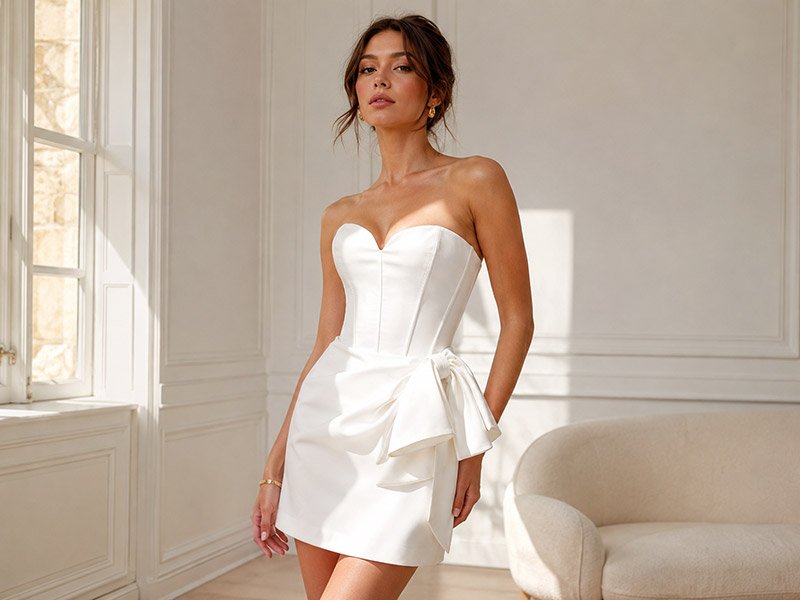
Campaign Hero Styles
- Strong front, side and back proportions
- Clear visual details at camera distance
- Stable bust and waist structure
- Clean surface finishing
- Production methods suitable for planned quantities
Core Commercial Styles
- Reliable fit across the size range
- Efficient cutting and sewing methods
- Stable material supply
- Clear color extension potential
- Strong value at the target retail position
- Repeat-order readiness

Ceremony and Dinner Styles
- Comfortable sitting and walking
- Appropriate neckline and hem security
- Wrinkle response under a graduation gown
- Photographic performance in daylight
- Refined lining and internal finishing
- Wearability beyond graduation day

Graduation Party Styles
- Stretch recovery
- Bust support
- Cut-out placement
- Mini-length balance
- Lining coverage
- Skin contact with sequins or trims
- Movement during dancing and sitting

Repeatable Collection Blocks
- Core fit logic
- Grading behavior
- Approved construction principles
- Measurement standards
- Reliable material categories
- Reorder documentation

Custom Graduation Dress Product Range

White Mini Dresses
White mini dresses remain central to graduation capsules because they are recognizable, youthful and highly suitable for photography. Common silhouettes include A-line, fitted, skater, sheath and softly structured mini dresses.
Important controls include opacity, hem security, lining coverage, zipper smoothness and size-based length grading. A mini dress approved in one sample size can become too short or proportionally unbalanced when length increments are not planned across the size range.
Poplin, crepe, satin, lace, jacquard and lined mesh can all work, but material selection must match the intended structure and retail position.

A-Line Graduation Dresses
A-line dresses offer reliable movement and broad commercial appeal. They can be developed as clean mini dresses, fitted-waist midis, lace occasion dresses or structured jacquard styles.
Key development points include waist placement, skirt volume, hem balance, fabric body and lining attachment. Too much volume can appear juvenile, while insufficient volume can lose the intended silhouette.
A-line shapes are strong candidates for multi-color programs and repeat orders because the fit is often more adaptable than close bodycon silhouettes.

Satin Graduation Dresses
- Surface marking and needle sensitivity
- Seam puckering
- Zipper waviness
- Grain direction
- Drape and bias behavior
- Pressing temperature
- Packing folds
- Light reflection under photography

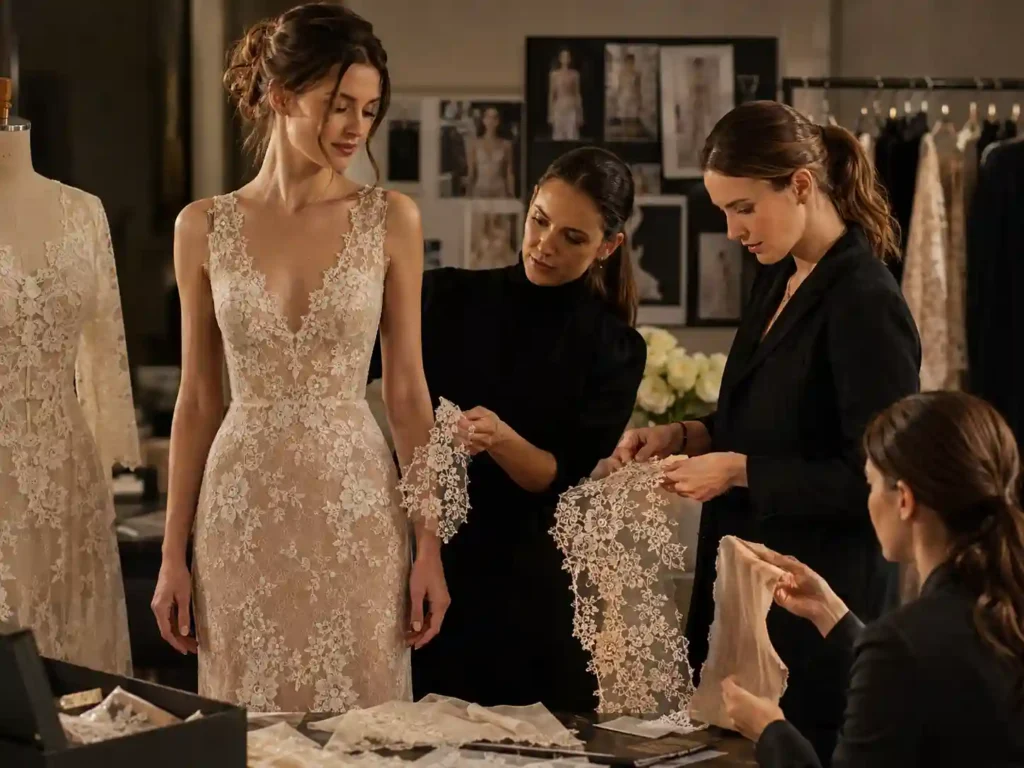
Lace Graduation Dresses
- Motif placement
- Lace direction
- Joining method
- Edge finishing
- Skin feel
- Lining color
- Seam visibility
- Pattern matching
- Reinforcement around closures

Corset Graduation Dresses
Corset and bustier styles create a strong fitted shape for campaign and party ranges. Their performance depends on cup position, underbust balance, boning distribution, waist contour, lining structure and closure security. The development team reviews whether the target look can be achieved without excessive stiffness or visible internal components. Different size groups may require adjusted support logic rather than simple proportional grading.
Bulk production needs clear internal construction references, including cup type, boning length, casing, seam allowance, top-edge stabilization and lining attachment.
Bodycon Graduation Dresses
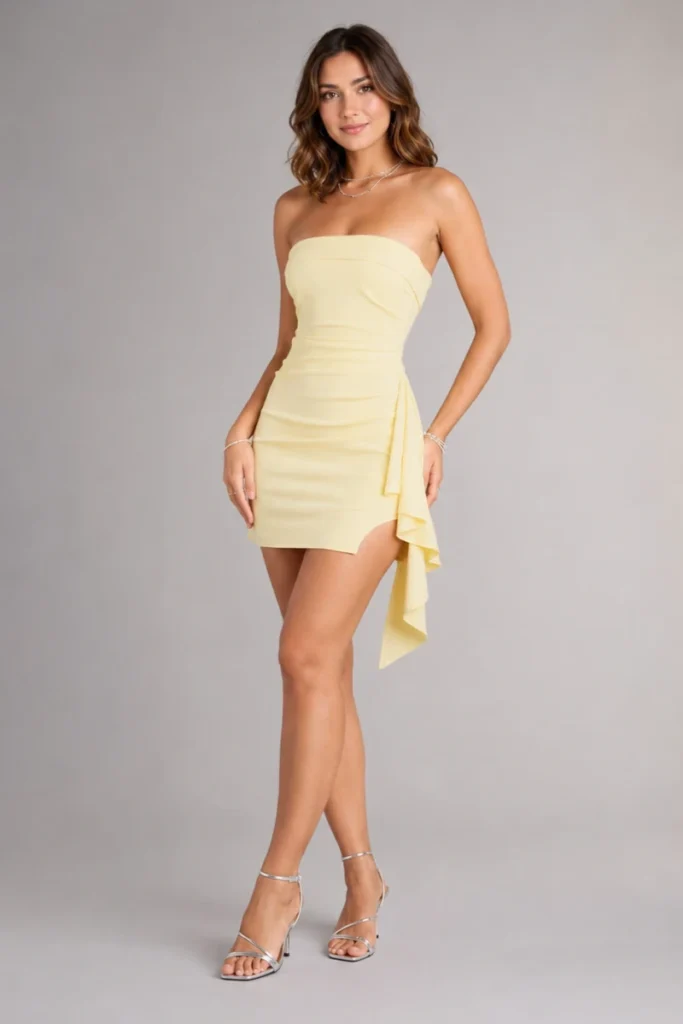
Bodycon dresses require accurate fabric stretch and recovery data. A visual sample made from one stretch fabric cannot be safely reproduced in a different jersey without pattern review. Important factors include:
- Fabric weight
- Two-way or four-way stretch
- Recovery after wear
- Opacity when stretched
- Seam elasticity
- Waist and hip contour
- Hem movement
- Lining or power-mesh support
White fitted dresses require extra opacity checks because fabric becomes more transparent across high-tension areas.

Graduation Midi Dresses
Midi dresses suit ceremonies, dinners and refined seasonal assortments. Common directions include lace midis, fitted crepe silhouettes, soft chiffon dresses, corset midis and A-line occasion styles.
Proportion needs careful review. Waist level, skirt break, slit height and hem length influence whether the dress feels modern, formal or mature.
Midi dresses also require movement testing during sitting, stairs and walking. Slits, wrap sections and narrow hems should be assessed beyond standing fit.

Formal Graduation Dresses
Formal graduation programs may include long satin dresses, chiffon gowns, embellished maxis and structured evening silhouettes. They can overlap with prom, spring formal and graduation dinner demand. Long styles require control over:
- Full garment length
- Heel allowance
- Train or back-hem balance
- Skirt weight
- Lining movement
- Slit reinforcement
- Embellishment weight
- Packing and hanging methods
Formal products should be allocated to production teams experienced with long hems, delicate surfaces and structured bodices.
Design for Every Graduation Wearing Moment
Ceremony Under Gown
Graduation Photography
Family Celebration
Family events often require refined coverage and long-duration comfort. A polished A-line, lace midi, soft crepe dress or structured day style can move from ceremony to lunch or dinner.
Comfort considerations include armhole movement, sitting ease, lining softness, waistband pressure and closure placement.
Graduation Dinner
Graduation Party
Spring Formal Crossover
Graduation dresses often overlap with spring formal, cocktail and occasionwear demand. A versatile style can extend the sales period beyond a single event. Color extensions, alternative lengths and material variations can help one approved silhouette serve graduation, formal dinners, birthday events and summer occasions.
Graduation Dresses Developed for the US Market
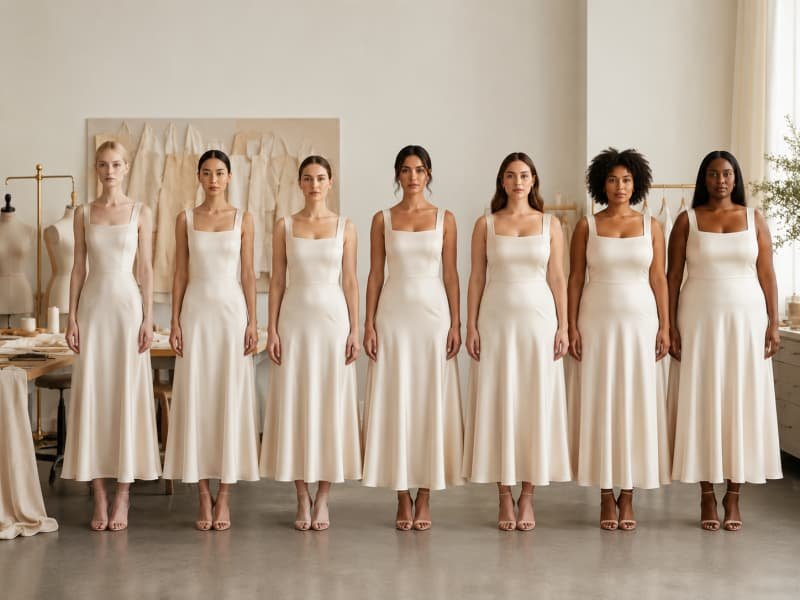
Fit Across Diverse Size Ranges

Photography and Online Presentation

Wearing Security
Return-risk Reduction
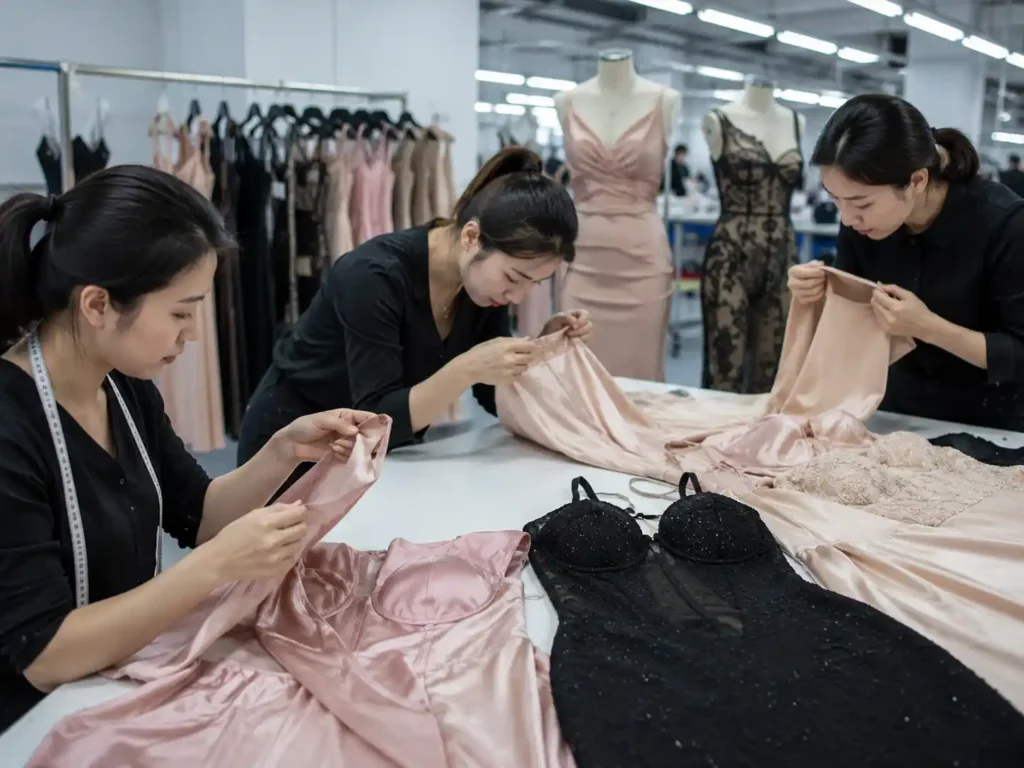
Light-color complaints, inconsistent sizing, insecure necklines, visible internal construction and poor packaging recovery can increase returns.
Development and QC should focus on measurable causes rather than generic quality claims. Opacity, finished measurements, seam appearance, closure security and post-packing presentation all need defined standards.
Plan White, Ivory and Pastel Colorways Carefully
Pure White
Pure white creates the strongest graduation association and photographs with high contrast.
Main fabric, lining, zipper tape, cups and internal support should be reviewed together. An internal component can become visible even when its color appears close under factory lighting.
Soft White
A physical swatch, lab dip or approved material reference is more reliable than color names alone.
Ivory
Lace, lining and main fabric should be viewed in the same lighting before approval.
Cream
Cream works for refined daywear, lace, jacquard and vintage-inspired graduation styles.
It requires clear brand approval because some markets may not classify deeper cream shades as traditional graduation white.
Blush
The full layered garment should be approved rather than relying on the top-fabric swatch.
Powder Blue
Soft Yellow
Black and Statement Colors
Black, navy, red or bright colors can support evening parties, spring formal crossovers and broader occasionwear use. Including limited statement colors may extend collection life after graduation season.
Compare Fabrics by Dress Result and Production Risk
Material selection should begin with the intended silhouette, wearing occasion, price position and production plan. The most expensive fabric is not automatically the strongest choice for the garment.
| Material | Best Applications | Main Strength | Main Risk | Key Production Focus |
|---|---|---|---|---|
| Satin | Slip, corset, halter and formal dresses | Fluid drape and reflective occasion finish | Needle marks, seam puckering, pressing marks and zipper waviness | Grain direction, stitch setting, handling, pressing and packing |
| Crepe | A-line, midi and structured mini dresses | Controlled drape, clean surface and lower shine | Weight and hand-feel variation between qualities | GSM, stretch, lining, recovery and batch consistency |
| Cotton Poplin | Summer minis, day ceremony dresses and structured shapes | Fresh hand feel and clear silhouette | Wrinkling, shrinkage and light-color transparency | Pre-shrinkage, pressing, opacity and seam finishing |
| Lace | Romantic minis, midis and occasion styles | Texture, visual depth and premium detail | Motif mismatch, skin irritation and visible joining | Placement, cutting direction, lining and edge finishing |
| Mesh | Ruched, fitted, layered and corset dresses | Stretch, transparency control and layered effects | Distortion, excessive transparency and inconsistent recovery | Stretch direction, lining coverage and seam stabilization |
| Chiffon | Midi, formal and softly layered dresses | Light movement and elegant drape | Snagging, transparency and cutting movement | Layering, cutting control, narrow hems and seam handling |
| Jersey | Bodycon and comfort-led styles | Stretch, close fit and movement | Poor recovery, show-through and measurement change | GSM, stretch percentage, recovery and elastic seams |
| Jacquard | Structured premium minis and A-line styles | Texture, body and strong visual structure | Thickness, motif direction and limited drape | Pattern balance, placement, pressing and seam bulk |
Fabric sourcing may include nominated materials, new sourcing, alternative material proposals, color development, lining matching and trim coordination. Final timing depends on material availability, custom colors, special finishes and approval requirements.
Control White and Light-color Dresses at Every Stage

Test Opacity Under Relevant Lighting
Review methods may include:
- Main fabric over the proposed lining
- Fabric stretched to the expected wearing tension
- Front, side and back garment views
- Daylight observation
- Indoor retail lighting
- Studio lighting
- Camera flash where relevant
For fitted white styles, fabric weight and recovery should be considered together. Adding a lining can improve coverage but may change stretch, fit, drape and comfort.

Match Main Fabric, Lining and Internal Components
Lining color affects the finished shade. A bright optical-white lining can make a warm ivory shell look uneven. A deep cream lining can make soft white appear yellow.
Internal components may also show through:|
- Cup foam
- Boning casing
- Power mesh
- Seam tape
- Interlining
- Zipper tape
- Elastic
- Labels
Material boards should show the full combination rather than isolated components. Approval under consistent lighting reduces unexpected differences during bulk production.

Reduce Visible Seam and Construction Shadows
Light fabrics reveal seam allowances, overlocking, darts and internal reinforcement. Construction should be selected according to fabric thickness and transparency.
Control points include:
- Seam allowance width
- Overlock thread shade
- Dart trimming
- Understitching
- Lining attachment
- Interlining shape
- Reinforcement placement
- Edge finishing
A technically strong seam can still look poor if the internal shape becomes visible from the outside. Surface appearance and structural strength need to be reviewed together.

Protect Surface Cleanliness
Cleanliness controls should address:
- Machine oil
- Tailor’s chalk
- Pen marks
- Handprints
- Dark fibers
- Dust
- Loose threads
- Metal contact
- Floor or table contact

Control Pressing Without Creating Shine or Imprints
Satin, crepe, lace and structured fabrics respond differently to heat and pressure. Excessive pressing can create shine, flatten texture, mark seam allowances or distort the silhouette.
Pressing references should define:
- Heat setting
- Steam use
- Pressure level
- Use of protective cloth
- Molded bust handling
- Lace and embellishment protection
- Hanging or cooling time
The approved garment appearance should be repeatable without depending on individual operator judgment.

Pack for Clean Arrival and Shape Recovery
Packing must protect white garments from dirt, dye transfer, hardware pressure and permanent folds.
Options may include:
- Clean tissue between folded sections
- Protective covers over metal trims
- Separate wrapping for embellished surfaces
- Garment bags for structured or formal styles
- Hanger packing where shape requires it
- Controlled fold positions
- Carton loading limits
- Moisture protection based on route and season
A garment passing final inspection can still arrive poorly if packing does not match the material and construction.
Design Details Converted into Production Standards
Neckline Shape and Depth
Strap Width and Position
Straps influence bust support, armhole shape and overall proportion. Thin straps create a delicate look but may twist, stretch or carry insufficient support. Development checks include: Strap width,Front and back placement,Finished length,Adjustability,Hardware size,Reinforcement,Color matching.
Bust Shape and Support
Waist Position and Contour
Ruching and Draping
Cut-outs and Open Backs
Zipper and Closure Placement
Slits, Hems and Dress Length
Slit height and hem length should be measured from fixed points rather than judged visually. Mini styles require careful grading, while midi and formal dresses need movement and sitting checks. Hem construction should match the fabric. Narrow rolled hems, blind hems, faced hems and lined hems create different weights and movement.
Hidden Support and Functional Trim Options
Built-in Cups
Boning
Power Mesh
Anti-slip Elastic
Adjustable Straps
Hook and Eye
Invisible Zippers
Zipper tape color, puller, length and seam stabilization influence the finished appearance. Satin and light fabrics need careful handling to avoid rippling.
Internal Stabilization
Stay tape, elastic and reinforcement patches can control necklines, open backs, cut-outs and stress points. Internal elements should be recorded in the construction standard for bulk repetition.
Workmanship Planned by Style Complexity
Clean Commercial Construction
Key risks include:
- Uneven hems
- Twisted side seams
- Visible lining
- Poor zipper alignment
- Incorrect waist placement
- Inconsistent topstitching
- White-fabric marks
Fit-sensitive Construction
Bodycon, ruched and close-fitting dresses respond directly to stretch percentage, recovery and seam elasticity.
Workmanship controls include:
- Stretch-compatible stitches
- Reinforced stress points
- Stable ruching distribution
- Clean seam bulk
- Correct elastic tension
- Hem recovery
- Consistent finished measurements
A style may require revised patterns when the production fabric differs from the sample fabric.
Structured Bodice Construction
Important production references include:
- Internal front and back photos
- Boning map
- Cup specification
- Seam construction
- Closure method
- Top-edge finishing
- Support tape position
- Lining attachment
Delicate Fabric Construction
Control methods may include:
- Fabric resting
- Directional cutting
- Fine needle selection
- Reduced machine tension
- Protective handling
- Narrow seam finishing
- Pressing trials
- Hanging checks for long or bias garments
Embellished and Decorative Construction
Sequins, beads, rhinestones, embroidery, pearls, lace appliqué, bows, pleating and print placement introduce additional risk.
Each craft should be reviewed by:
- Visual effect
- Weight
- Skin contact
- Attachment strength
- Placement consistency
- Cutting loss
- Sewing interference
- Repair method
- Packing protection
Private Labels and Retail-ready Graduation Packaging

Main and Size Labels

Care and Content Labels
Care labels should reflect confirmed fiber content, care method, country requirements and brand formatting. Placement should avoid visible lines, skin irritation and interference with open-back or sheer designs.

Hangtags and Tickets

Individual Protection
Light-color garments may require tissue, clean polybags, protective sleeves or garment bags. Embellished products may need separation between decorated surfaces.
Polybag size should prevent excessive compression while controlling movement inside the carton.

Folding and Hanger Packing

Carton and Shipping Marks
Carton quantities, size ratios, color ratios, carton marks and barcode requirements should be confirmed before packing begins.
A packing summary helps align warehouse receiving, retail distribution and e-commerce fulfillment.
Graduation Dress Sample Development Process
Project Brief Review
The first step confirms the development basis, including whether the project starts from a tech pack, reference image, original sample, or mixed direction. The team should also clarify whether the request is for the sample purpose, target fit, fabric direction, launch date, and expected order stage.
Fabric and Trim Direction
Fabric, lining, zipper, cups, boning, elastic, lace, mesh and decorative trims are reviewed against the design. Where exact materials are unavailable, alternative options should be judged by garment effect rather than surface similarity alone.
Pattern Development
First Sample
Fit Review
Fit review compares the sample against the agreed fit model, measurement chart and design priorities. Comments should identify measurable actions and distinguish fit changes from styling preferences.
Revision Sample
Photo-ready Sample
PP Sample
Bulk Readiness Review
Before production begins, the team confirms whether the style is fit confirmed, visually confirmed, PP basis approved, pending limited refinement, ready for pilot or first-piece review, or ready for bulk release.
Photo-ready Samples and Production-ready Samples
Photo-ready Sample
A photo-ready sample focuses on campaign presentation. The garment should communicate the intended silhouette, color, drape and design details clearly under photography.
Typical photo priorities include:
- Front, side and back proportions
- Surface finish
- Color under lighting
- Hem balance
- Neckline appearance
- Bow, lace or embellishment placement
- Pressing
- Camera-facing fit
Some production details may still require confirmation, including final bulk fabric, care labels, internal trims, graded measurements or packing.
The sample status should be recorded so visual approval is not mistaken for full production approval.
Production-ready Sample
A production-ready sample supports manufacturing decisions and repeatable quality.
The standard should align:
- Approved main fabric and lining
- Confirmed color
- Final trims
- Finished measurements
- Construction method
- Internal support
- Workmanship points
- Labels
- Packing
- QC checkpoints
A strong production-ready sample gives the brand team, pattern team, material team, production line and QC team the same reference before bulk begins.
Sample Approval and Bulk Readiness Checklist
Visual approval alone does not define a production standard. The following checklist separates material, fit, construction, branding and next-stage decisions.
| Approval Area | Points to Confirm | Possible Status | Production Meaning |
|---|---|---|---|
| Material | Main fabric, lining, color, hand feel, opacity, stretch, trims | Pending / Confirmed / Revise | Determines sourcing and batch standard |
| Fit and Measurements | Bust, waist, hip, length, straps, neckline, ease, tolerance | Fit Approved / Revise | Defines pattern and grading basis |
| Construction | Seams, lining, cups, boning, zipper, hems, slit, reinforcement | Confirmed / Trial Required | Defines sewing and first-piece controls |
| Visual Details | Silhouette, drape, gathering, lace, bow, embellishment, placement | Photo Ready / Confirmed | Defines campaign and appearance standard |
| Labels and Packing | Main label, care label, hangtag, barcode, folding, polybag, carton | Pending / Confirmed | Defines branded delivery requirements |
| Next Stage | Revision, photo use, PP sample, pilot run, bulk release | In Review / PP Basis / Bulk Ready | Establishes the next project action |
A sample may carry more than one status. For example, a garment can be photo ready while material and label confirmation remain pending. Recording the exact status prevents misunderstandings between creative and production teams.








Multi-style Graduation Collection Production Planning
Order Breakdown
- Style
- Color
- Size
- Quantity
- Material
- Workmanship level
- Approval status
- Delivery group
Style Classification
- Standard commercial styles
- Fit-sensitive styles
- Structured styles
- Delicate-material styles
- Embellished styles
- Fast-response styles
- Repeat styles
- High-risk workmanship styles
Priority Management
Production planning should reflect:
- Photo deadlines
- Launch dates
- Material arrival
- Approval status
- Complexity
- Quantity
- Shipping route
- Replenishment potential
Material Coordination
Material arrival should be matched with sample and production priority.
Production Path Allocation
Complex products should be matched with teams experienced in the relevant construction rather than allocated only by open capacity.
Version and Comment Control
Multiple styles create a high risk of mixed comments and outdated files.
Development and production teams need clear style codes, version records and confirmation status.
Protect the Graduation Season Launch Calendar
Confirm the Launch Window
- Campaign photography date
- Product upload date
- Store launch date
- Warehouse receiving date
- Graduation selling period
- Replenishment cutoff
Lock Collection Direction
- Campaign priorities
- Commercial priorities
- Photo-only developments
- Test styles
- Repeat styles
- Backup options
Start Material Work Early
Material work may include:
- Swatches
- Lab dips
- Strike-offs
- Trim boards
- Alternative sourcing
- Bulk booking
Sequence Sample Stages
First samples, fit revisions, photo samples and PP samples should be scheduled according to their purpose.
A photo sample deadline should not remove the time needed for fit and production corrections.
Preserve Production and QC Buffers
Plan Shipping and Replenishment
Sea, air or combined shipping routes should match the warehouse date and commercial priority. Replenishment planning may begin before launch for proven styles or after early sales data for test styles.
Graduation Dress Quality Control by Risk Point
Quality control should focus on the areas most likely to affect fit, appearance, wearability and retail presentation. Graduation dresses require additional attention to light colors, fitted silhouettes and camera-visible finishing.

Incoming Material Inspection
- Fabric shade
- Roll-to-roll color difference
- Width
- Weight
- Stretch
- Recovery
- Surface defects
- Shrinkage
- Opacity
- Hand feel
- Trim color
- Zipper and accessory function

Cutting Control
Cutting checks may include:
- Grain direction
- Fabric face direction
- Shade grouping
- Lace motif placement
- Print placement
- Nap direction
- Panel numbering
- Bundling
- Cut-piece measurements
Satin, lace, jacquard and directional fabrics need especially disciplined cutting.

Sewing Control
- Neckline stability
- Strap reinforcement
- Cup and boning placement
- Zipper installation
- Seam puckering
- Gathering distribution
- Slit reinforcement
- Lining attachment
- Hem level
- Decorative attachment

Light-color Cleanliness
- Oil
- Dust
- Chalk
- Pen marks
- Handprints
- Dark fibers
- Loose threads
- Hardware marks
- Packaging contamination

Visual Appearance
Final visual checks examine:
- Symmetry
- Drape
- Surface smoothness
- Seam appearance
- Gathering
- Lace or embellishment placement
- Pressing
- Lining exposure
- Zipper shape
- Hem balance

Label and Packing Accuracy
- Main label
- Size label
- Care label
- Hangtag
- Barcode
- Price ticket
- Polybag
- Folding
- Size and color ratio
- Carton marks
- Carton quantity
Manufacturing Capacity Backed by Development and Compliance
16 Owned Womenswear Factories
Owned factories provide direct control for core styles, important development programs and products requiring close sample-to-bulk coordination.
20+ Coordinated Satellite Factories
12,000+ Supporting Workers
300 Sewing Lines
50+ Quick-response and Flexible Lines
Flexible lines can support selected test, repeat or time-sensitive programs when materials, approvals and production conditions are ready.
High-density Sample Development
The development system includes product review, fabric and trim coordination, pattern work, sample making, fit correction, revision management and production-readiness review.
Social Audit Foundation
Standards and Project Requirements
Projects can be reviewed against relevant BSCI expectations, ISO 9001 principles, AATCC, ASTM, OEKO-TEX®, EN, China GB, GOTS-related documentation, and brand-specific testing protocols.
Graduation Dress Programs Managed at Brand Scale

US Online Graduation Capsule
Region: United States
Channel: Online fashion and social commerce
Program Size: 18 styles
Total Order: 42,000 pieces
Product Mix: White mini dresses, corset dresses, satin styles, lace midis and fitted party dresses
The range required campaign samples ahead of bulk approval, creating two parallel priorities: visual readiness for photography and production readiness for manufacturing.
The main technical risks involved white-fabric opacity, cup and boning visibility, mini-length grading, satin seam appearance and consistency across different silhouettes.
Duolan Approach:
- Grouped styles by commercial, structured and delicate-fabric categories
- Reviewed main fabric and lining combinations under strong lighting
- Separated photo-sample status from PP approval
- Defined critical measurements for fitted and mini silhouettes
- Used first-piece checks for structured bodices
- Coordinated individual labels, barcodes and e-commerce packing
Program Outcome:
The collection moved from campaign sampling into planned bulk allocation with style-specific production and QC points. Repeatable fit blocks and confirmed light-color standards created a clearer foundation for future white-dress updates.
Multi-channel Occasion Graduation Program
Region: North America
Channel: Online, specialty retail and selected wholesale accounts
Program Size: 26 styles
Total Order: 76,000 pieces
Product Mix: Crepe A-line dresses, lace occasion midis, chiffon dresses, satin minis, formal maxis and party styles
The main challenge was maintaining one recognizable collection direction across different wearing occasions and price levels.
Several styles shared colors but used different fabric surfaces, creating potential shade differences between satin, chiffon, lace and lining.
Duolan Approach:
- Divided the assortment into campaign, core, occasion and party groups
- Built a coordinated color and lining review
- Prioritized campaign and high-volume styles in the sample calendar
- Applied separate workmanship standards for lace, chiffon, satin and structured products
- Broke bulk planning down by style complexity, quantity and material readiness
- Confirmed packing groups for retail and online channels
Program Outcome:The program gained a clearer production path for 26 styles without treating every garment as an identical manufacturing task. Material, construction and packing decisions were connected to the role of each style in the range.

Repeat Graduation Collection Expansion
Region: United States
Channel: Established occasionwear brand
Program Size: 12 styles
Total Order: 28,800 pieces
Product Mix: Approved fit blocks updated through new necklines, colors, lace details and satin options
The brand wanted to expand proven silhouettes without losing fit consistency. Some styles used the same base pattern but required different fabrics and support structures.
The main risk came from assuming an approved woven block could be transferred directly into stretch satin, lace overlays or fitted mesh.
Duolan Approach:
- Preserved original fit and measurement records
- Reviewed every new fabric against the established block
- Adjusted patterns where stretch, drape or thickness changed
- Reconfirmed lining, zipper and internal support
- Used focused revision samples rather than restarting the full development path
- Updated workmanship and packing references for the new variants
Program Outcome:
The collection expanded through controlled updates while protecting the original fit direction. Documentation supported a more efficient transition from proven styles to new seasonal versions.
Frequently Asked Questions About Graduation Dress Manufacturing
Duolan develops fashion graduation dresses including white mini dresses, A-line dresses, satin dresses, lace dresses, corset dresses, bodycon dresses, midi dresses, formal dresses, chiffon dresses, mesh styles, sequin dresses and graduation party dresses.
Product direction can begin from a tech pack, reference image, original sample, sketch or collection brief.
No. Duolan specializes in fashion women’s dresses for graduation ceremonies, photography, dinners, parties and seasonal retail collections. Academic robes, caps, hoods, tassels and institutional regalia belong to a separate apparel category.
Yes. Reference images can establish the intended silhouette and visual direction. Development still requires review of fabric, measurements, structure, construction, target fit, quantity and sample purpose.
Where information is missing, our team can identify the decisions required before pattern and sample work begins.
Opacity is reviewed through main-fabric and lining combinations, garment tension, seam visibility and lighting. Fitted areas may be checked separately because stretched fabric can become more transparent.
Cups, power mesh, seam tape, zipper tape and internal support also need color and visibility checks.
Yes. Photo-ready samples can support campaign photography and range presentation. Their status should remain separate from PP or production approval.
A photo sample may still require final material, measurement, trim, label or construction confirmation before bulk release.
Fit control starts with an agreed sample size, fit-model measurements, garment measurement chart and grading rules.
Critical areas such as cups, boning, neckline depth, strap length, mini length and slit height may require controlled grading rather than simple proportional enlargement.
Common options include satin, crepe, cotton poplin, lace, mesh, chiffon, jersey and jacquard.
The right choice depends on silhouette, structure, opacity, stretch, drape, price position, wearing scenario and production quantity. Material should be selected by garment result rather than fabric name alone.
Yes. Multi-style programs are organized by style, material, complexity, approval status, quantity, production path and delivery priority.
Clear style codes, sample records and production plans help prevent mixed comments and outdated versions.
Bulk readiness normally requires alignment on fabric, lining, trims, color, measurements, construction, workmanship, labels, packaging, QC points and sample status.
Fit approval, visual approval and photo readiness do not automatically mean the style is fully ready for production.
Timing depends on style complexity, material availability, custom color requirements, number of samples, revision scope and intended sample stage.
A project review allows the team to provide a more accurate schedule for first, revision, photo and PP samples.
Bulk timing depends on material booking, order quantity, number of styles, workmanship, approval status, production allocation, inspection, packing and delivery requirements.
The schedule should be planned backward from the warehouse receiving or launch date, with time protected for QC and shipping.
Useful information includes:
- Product type
- Tech pack or reference images
- Number of styles
- Fabric direction
- Colorways
- Size range
- Target quantity
- Target market
- Sample purpose
- Launch date
- Label requirements
- Packaging requirements
Send the available information first. Our team can identify remaining points needed for development or production review.

Start Your Graduation Dress Development Review
Share your graduation collection direction, tech packs, reference images, original samples or early product ideas with Duolan. Our team will review the available information and help identify the most suitable development, sampling or production path.
A useful project submission may include:
- Brand or company name
- Target market
- Product categories
- Number of styles
- Tech packs, sketches or reference images
- Fabric and color direction
- Size range
- Estimated quantity by style
- Target launch or delivery date
- Label and packaging requirements
- Main quality concerns
- Current stage: development, revision, PP or bulk production
You do not need to have every specification finalized before making contact. Send the information already available, and we will review product direction, fabric and fit risk, sample purpose, workmanship complexity, timeline basis and production feasibility.


