Skip to content
Custom Destination Dress Manufacturer for Fashion Brands
Develop resort, vacation, wedding guest and destination occasion collections through a dress-focused development and manufacturing system.
- Coordinate destination collections containing 10–30 styles across different silhouettes, fabrics, colors and occasion levels.
- Access 16 owned womenswear factories, 20+ satellite factories, 300 sewing lines and 50+ flexible production lines.
- Support printed resort dresses, wedding guest dresses, cocktail styles, reception looks and travel-ready fashion dresses.
- Plan bulk production according to complexity: 15–20 days for simple styles, 20–30 days for regular styles and 30–45 days for complex styles.
What Defines a Destination Dress Collection?
Resort and Vacation Dressing
- Breathability for warm and humid destinations
- Drape suitable for relaxed but polished silhouettes
- Lining coverage without unnecessary weight
- Hem balance for beach, hotel and city environments
- Print scale matched to garment panels and body proportions
- Wrinkle behavior after folding, transport and storage
- Strap, neckline and opening stability during movement
Destination Occasion Dressing
- Satin, crepe, mesh, chiffon, lace or lightweight structured fabrics
- Controlled bust, waist and hip shaping
- Stable halter, backless or asymmetric necklines
- Lining selected for opacity, comfort and color accuracy
- Refined hems, invisible zippers and clean internal finishing
- Decoration designed for visual effect without excessive weight
- Fit suitable for standing, walking, sitting and dancing
Travel-ready Fashion Dressing
Travel-ready fashion dresses must maintain visual quality after packing, transport, handling and destination wear. A fabric may look elegant in a studio but perform poorly after several hours inside a suitcase. A backless dress may photograph well yet feel unstable during an evening event. Travel readiness therefore requires product decisions before sampling, not only garment steaming before photography.
Evaluation areas include:
- Crease recovery after folding
- Fabric surface sensitivity
- Color response under natural and artificial light
- Comfortable lining and seam placement
- Secure straps, necklines, closures and openings
- Garment weight suitable for travel
- Packaging method matched to fabric and decoration
- Easy preparation before retail display or campaign use
Duolan connects travel performance with silhouette, fabric, workmanship and packing. The objective is not to make every dress wrinkle-free. The objective is to select a material and construction route appropriate for the brand’s destination, price position and visual direction.

Built for Established Destination-focused Fashion Brands
Resort Fashion Brands
Resort and vacation brands need more than lightweight dresses. They manage print stories, seasonal color groups, destination campaigns, commercial silhouettes and repeatable fabric families across several launches.
Duolan can support:
- Printed maxi, midi and mini dresses
- Halter, slip, cut-out and backless silhouettes
- Coordinated fabric and color directions
- Photo samples for resort campaigns
- Multi-style production planning
- Repeat standards for carry-over silhouettes
Development work focuses on how the garment moves, photographs, packs and performs in warm-weather environments. Fabric drape, lining, transparency, strap stability and print placement are reviewed as connected decisions rather than separate production tasks.
Occasionwear Product Teams
Duolan supports development around:
- Bust and waist balance
- Satin, crepe, chiffon, mesh and lace behavior
- Stable necklines and back openings
- Refined lining and clean finishing
- Size grading across fitted silhouettes
- Sample-to-bulk workmanship control
Buying and Product Teams
Buying offices, sourcing departments and product development teams require a supplier capable of working through files, approvals, risk points and production milestones with discipline. Product appearance alone does not provide enough information for supplier evaluation.
Duolan coordinates:
- Tech pack and reference review
- Fabric and trim preparation
- Pattern and sample development
- Comment and revision tracking
- PP or production-ready confirmation
- Multi-style bulk scheduling
- Inline inspection and final quality review
- Packing and shipment preparation
Communication can be handled by email, WhatsApp, WeChat, video meeting, annotated images, documents and structured project updates.
Reduce Destination Dress Development Risks Early
Destination dresses combine visual expectations with climate, travel, fit and event requirements. Each risk should lead to a defined control point before a problem reaches campaign photography, bulk production or market delivery.
Unclear Destination Positioning
- Destination and season
- Wearing occasion
- Day or evening use
- Formality level
- Target retail position
- Core silhouettes
- Campaign and selling window
Fabric Silhouette Mismatch
A dress can lose its intended shape when the fabric does not support the silhouette. Fluid satin may collapse around a structured bodice. Stiff fabric may remove movement from a draped maxi. Lightweight chiffon may require lining that changes the original volume.
Control actions include:
- Fabric hand-feel review
- Drape and recovery assessment
- Stretch and structure evaluation
- Transparency review
- Lining compatibility check
- Sample garment testing
Material selection is reviewed against the garment effect, fit direction, sewing method and bulk availability. Appearance on a swatch card is only one part of the decision.
Opacity and Coverage Failure
Warm-weather destination collections often use pale colors, lightweight fabrics, open backs and high slits. Coverage can change significantly under outdoor sunlight, flash photography or strong retail lighting.
Duolan reviews:
- Outer fabric transparency
- Lining color and coverage
- Seam visibility
- Bust and hip opacity
- Slit opening during movement
- Mesh layering
- White and pastel color risk
Opacity is checked on the garment, not only on a folded fabric swatch. Lining weight and shade are selected to support coverage without damaging the intended drape or color.
Fit Comments Lose Accuracy
Fit comments can become ineffective when visual feedback is not translated into measurement and pattern changes. A note such as “make the waist cleaner” may involve dart position, side seam shape, fabric tension, lining allowance or waist measurement.Duolan converts comments into:
- Pattern correction
- Measurement updates
- Balance adjustments
- Construction changes
- Revised fit priorities
- Clear next-sample objectives
Each revision should move the garment closer to a defined standard. Repeated surface alterations without paper-pattern correction can create unstable results during grading and bulk production.
Sample Cannot Enter Bulk
An attractive sample may depend on unavailable materials, hand-adjusted construction or workmanship that cannot be repeated efficiently. Bulk risk grows when production feasibility is not reviewed during development.
Duolan evaluates:
- Material continuity
- Trim supply
- Decoration repeatability
- Construction sequence
- Required skill level
- Measurement control
- Inspection access
- Production line suitability
A production-ready sample should provide a usable foundation for PP confirmation, costing, line planning and quality inspection rather than operate as an isolated presentation piece.
Launch Window Becomes Compressed
Destination collections often depend on resort seasons, wedding calendars, holiday events, campaign shoots and travel periods. Late fabric confirmation or repeated sample changes can remove the time reserved for production, inspection and shipping. Timeline control covers:
- Brief confirmation
- Material preparation
- Pattern and sampling
- Fit revision
- Photo sample
- PP approval
- Bulk production
- Quality inspection
- Packing and freight
Duolan plans backward from the required warehouse or launch date.
Build a Commercial Destination Dress Collection
Campaign Statement Styles
- Strong front, side and back views
- Clear movement for video and photography
- Stable internal structure
- Controlled decoration weight
- Fabric suitable for the intended destination
- Construction that remains repeatable
Core Commercial Dresses
Core commercial dresses carry more of the collection volume. They require clear fit, accessible styling and reliable production rather than excessive design complexity. Suitable directions include:
- Printed midi dresses
- Clean halter dresses
- Fluid maxi dresses
- Ruched fitted dresses
- Refined slip dresses
- Easy occasion silhouettes
The pattern, fabric and color options should allow efficient size grading and repeat orders. Duolan considers which details create perceived value and which details increase cost without improving the selling proposition.
Daytime Resort Styles
Daytime destination dresses need breathability, easy movement and enough coverage for travel, dining, shopping or hotel environments. Relaxed does not mean uncontrolled. Development areas include:
- Shoulder and neckline stability
- Lightweight lining
- Comfortable armhole depth
- Secure wrap or tie construction
- Hem length suitable for movement
- Print scale and placement
- Pocket or closure feasibility
Duolan evaluates how the dress performs beyond a static photograph. Walking, sitting, wind exposure and strong daylight can reveal construction issues hidden during studio review.
Evening Destination Styles
Evening dresses require stronger polish, cleaner fit and more controlled surfaces while remaining compatible with travel and warm climates.
Product directions may include:
- Satin halter dresses
- Draped mesh dresses
- Fitted crepe midis
- Embellished mini dresses
- Open-back maxis
- Refined cocktail silhouettes
Lining, zipper placement, bust support and internal finishing become more important as the level of formality rises. Duolan connects visual refinement with wearability and bulk workmanship standards.
Repeatable Carry-over Styles
- Approved pattern version
- Measurement specification
- Grading rules
- Material and trim references
- Construction notes
- Quality checkpoints
- Packing requirements
Coordinated Supporting Styles
- Short and long versions
- Sleeve and sleeveless variations
- Solid and printed options
- Day and evening adaptations
- Simplified commercial versions
- Coordinated fashion sets
Custom Resort and Vacation Dress Categories

Printed Maxi Dresses
- Artwork repeat and scale
- Print direction on panels
- Color approval through strike-off
- Placement around bust and seams
- Grading impact on the print
- Hem balance and fabric consumption
- Opacity in outdoor lighting
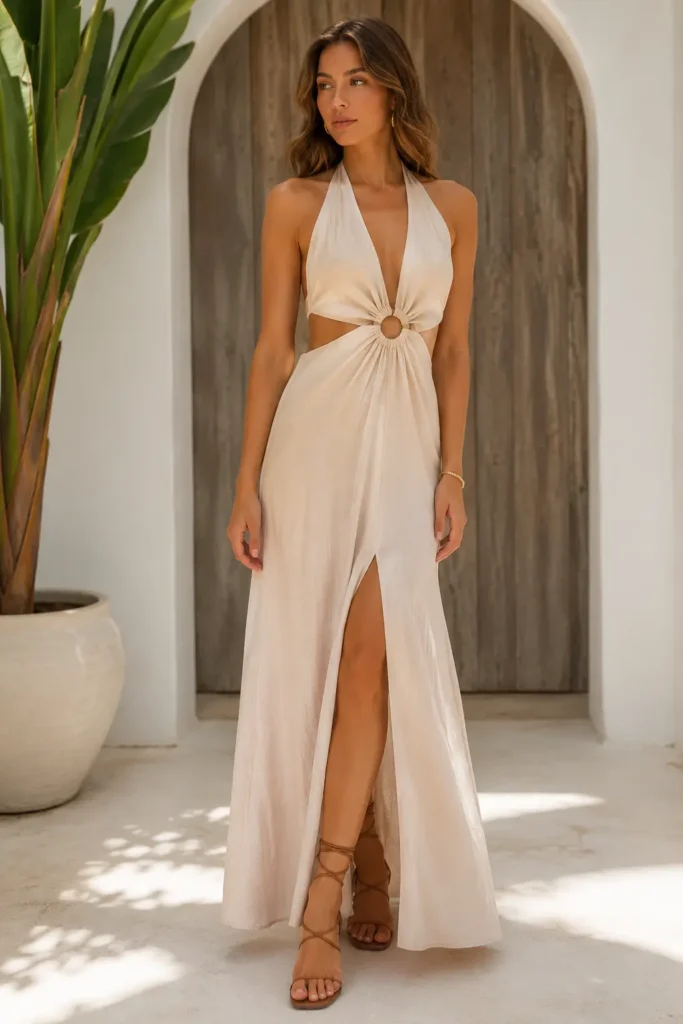
Halter Vacation Dresses
- Neck pressure and comfort
- Bust support
- Side coverage
- Armhole shape
- Back opening stability
- Tie or hardware strength
- Lining and facing control

Lightweight Midi Dresses
- Waist and hip ease
- Skirt volume
- Lining length
- Slit height
- Sleeve or strap comfort
- Zipper or elastic construction
- Wrinkle response

Slip and Bias Dresses
- Grain and bias accuracy
- Bust shaping
- Strap placement
- Side seam behavior
- Neckline stability
- Hem hanging time
- Satin or crepe surface protection

Resort Evening Dresses
- Cleaner waist and bust fit
- Stable open-back structures
- Controlled shine
- Lightweight but secure lining
- Refined closures
- Movement for dinner and social events
- Packability without excessive bulk
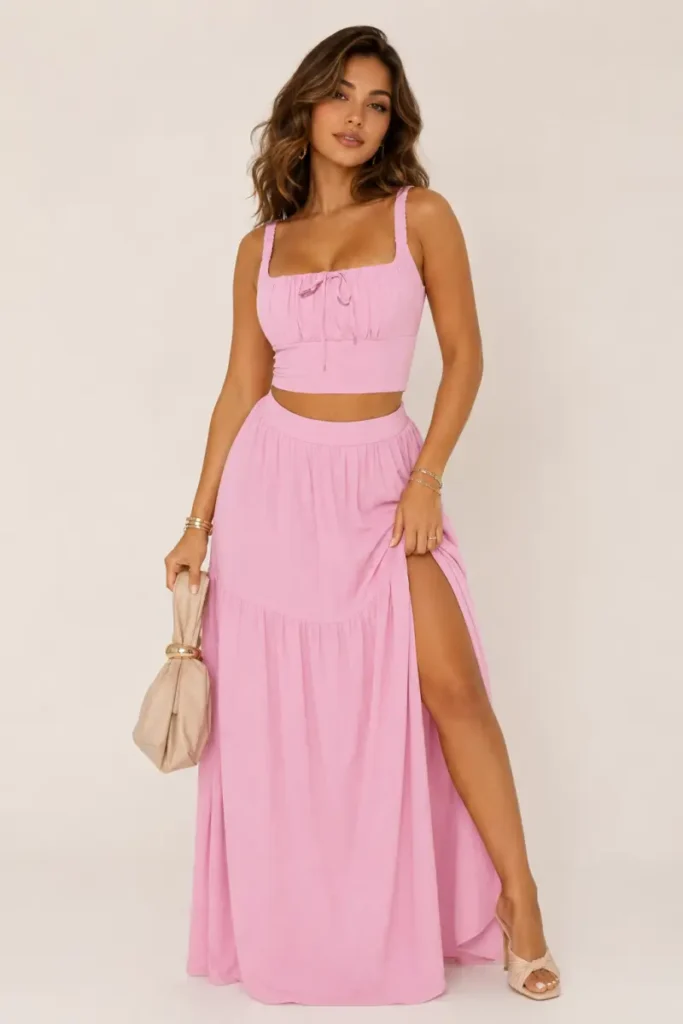
Coordinated Destination Sets
- Shared material allocation
- Top and skirt proportion
- Waist fit compatibility
- Print alignment
- Separate size ordering
- Packaging method
- Product code management
Destination Occasion Dresses for Social Events

Wedding Guest Dresses
- Midi and maxi proportions
- Color stories for wedding seasons
- Satin, crepe, chiffon or lace selection
- Stable necklines and openings
- Comfortable lining
- Photography under daylight and evening light
- Fit suitable for sitting, dining and dancing

Bridesmaid Dresses
Bridesmaid programs require color consistency, coordinated silhouettes and fit logic across multiple body shapes. One design may need several neckline, sleeve or length options within a shared fabric family.
Control areas include:
- Lab dip and shade approval
- Fabric continuity
- Size grading
- Bust and waist balance
- Lining color
- Length options
- Repeat production records
Duolan can coordinate a family of styles under one material and color direction. Each silhouette still receives its own fit and pattern review rather than relying on one generalized block.

Cocktail Dresses
Cocktail dresses often rely on fitted proportions, shorter lengths, refined surfaces and stronger visual detail. Common constructions include ruching, asymmetric necklines, draped mesh, satin, body-conscious shapes and decorative finishes.
Key controls include:
- Bust support
- Waist definition
- Hem and slit security
- Zipper movement
- Lining comfort
- Surface protection
- Decoration attachment
Duolan reviews how the dress looks during movement, not only on a mannequin. Fit, seam placement and fabric recovery become critical for styles worn across several hours.

Reception Dresses
- Refined mini and midi shapes
- Satin or crepe surfaces
- Open backs and halter necks
- Draping and ruching
- Controlled sparkle
- Secure internal finishing
- Travel-aware packaging

Rehearsal Dinner Dresses
- Ivory and light-color opacity
- Neckline and bust stability
- Satin needle-mark risk
- Lace edge finishing
- Clean zipper construction
- Comfortable seating fit
- Photography readiness

Resort Evening Dresses
Resort evening collections serve destination dinners, cruise events, hotel gatherings and social celebrations. Products should retain destination ease while providing a more elevated silhouette.
Suitable directions include:
- Fluid halter maxis
- Draped mesh midis
- Backless satin dresses
- Metallic or sequin minis
- Fitted crepe dresses
- Lace and chiffon combinations
Duolan coordinates material, support, fit and finishing so the garment remains refined without becoming overly heavy or difficult to travel with.
Silhouettes Developed for Destination Collections
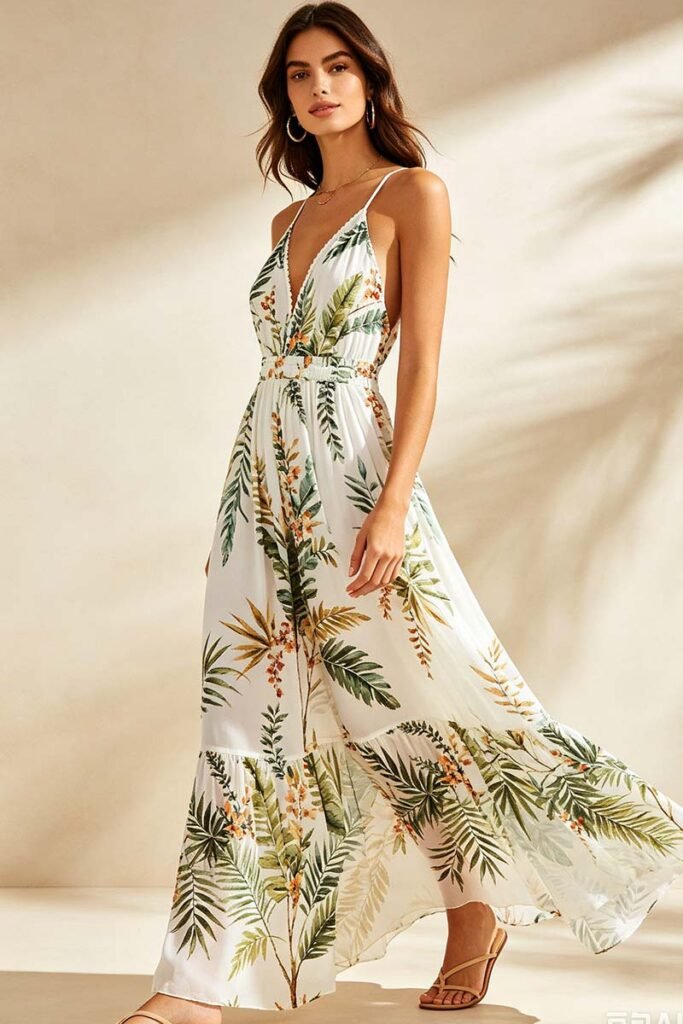
Destination Maxi Dresses

Refined Midi Dresses

Destination Mini Dresses

Halter Dresses

Backless Dresses

Slip Dresses

Body-conscious Dresses

Draped Dresses
Match Dress Design to Destination Scenarios
Location and occasion affect fabric, fit, construction and risk control. The matrix below helps product teams connect a destination concept with a more suitable development direction before material sourcing or sampling begins.
| Destination Scenario | Recommended Dress Direction | Material Priorities | Fit and Construction Focus | Main Production Risk |
|---|---|---|---|---|
| Tropical Resort | Printed maxi, halter midi, relaxed slip dress | Breathable, fluid, lightweight, controlled opacity | Movement, strap stability, hem balance | Transparency and print distortion |
| Beach Wedding Guest | Refined midi or flowing maxi | Chiffon, crepe, lightweight satin, soft lining | Wind stability, coverage, comfortable waist | Lining exposure and unstable openings |
| Cruise Dinner | Resort evening dress, draped midi | Crepe, satin, mesh overlay, refined stretch | Bust balance, clean waist, seated comfort | Wrinkling and surface damage |
| City Destination Event | Cocktail mini, fitted midi, asymmetric dress | Structured crepe, stretch woven, satin | Contour, zipper, neckline and hem security | Fit inconsistency across sizes |
| Rehearsal Dinner | Slip dress, clean halter, lace midi | Satin, crepe, lace, lightweight woven | Camera fit, pale-color opacity, clean finishing | Needle marks and visible seam tension |
| Reception Event | Embellished mini, backless midi, draped dress | Mesh, sequin, metallic, satin | Support, closure security, decoration weight | Decoration loss and wearing discomfort |
| Resort Evening | Fluid maxi, open-back dress, mesh midi | Satin, crepe, mesh, chiffon | Back stability, lining, refined movement | Sample-to-bulk drape variation |
| Holiday Destination Party | Sequin mini, metallic midi, fitted party dress | Sequin mesh, metallic knit, stretch fabrics | Lining comfort, support, seam strength | Scratching, weight and decoration durability |
Fabrics Selected for Climate, Movement and Appearance
Fluid Fabrics for Movement
- Fabric weight and fall
- Transparency under strong light
- Resistance to seam slippage
- Surface texture
- Print definition
- Gathering and pleating behavior
- Hem finish
- Bulk shade consistency

Satin and Crepe Surfaces
Satin and crepe are widely used across wedding guest, reception, cocktail and resort evening dresses. Each surface creates different development requirements. Satin review covers:
- Shine level
- Face and reverse construction
- Needle-mark sensitivity
- Seam puckering
- Pressing response
- Snagging risk
- Packing pressure marks
Crepe review covers:
- Surface grain
- Drape
- Body and recovery
- Stretch level
- Opacity
- Tailoring response
- Edge stability
A low-cost satin may create excessive shine, visible needle marks or unstable seams. A heavy crepe may provide excellent coverage but remove movement from a draped design. Duolan matches the material with the intended silhouette, retail position and production method rather than selecting only by fabric name.

Stretch, Mesh and Fitted Fabrics
Stretch fabrics, mesh and jersey materials support body-conscious, ruched, lined and layered destination dresses. Performance depends on stretch direction, recovery, weight, transparency and heat response.
Review areas include:
- Two-way or four-way stretch
- Recovery after extension
- Weight per square meter
- Surface sheerness
- Color change when stretched
- Lining compatibility
- Seam elasticity
- Shrinkage and dimensional stability
A fitted dress pattern must be developed around the actual material. Replacing one stretch fabric with another can change bust coverage, waist tension, hip fit and finished length. Mesh overlays also require attention to seam placement, lining shade and skin contact.
Duolan uses material behavior to guide pattern ease, construction and grading. Fit standards should specify whether measurements are taken relaxed, stretched or under another defined condition.

Lace, Printed and Decorative Fabrics
Lace, printed fabrics, sequin mesh and decorative surfaces bring visual identity to destination occasion collections. Their development risks extend beyond basic sewing.
Lace requires:
- Motif scale review
- Edge placement
- Pattern matching
- Lining selection
- Seam concealment
Printed fabric requires:
- Artwork review
- Repeat size
- Strike-off approval
- Color control
- Placement around seams and gathers
Decorative fabric requires:
- Weight assessment
- Skin comfort
- Decoration loss control
- Lining and edge protection
- Packing method
Duolan coordinates material approval with garment sampling. A flat swatch cannot reveal how a motif, print or sequin surface will behave around darts, ruching, open backs or fitted curves.

Control Prints, Color, Lining and Opacity
Print Scale and Repeat
Placement Print Control
Color Development
Lining Compatibility
Opacity Under Light
Bulk Shade Consistency
Pattern and Fit Development for Destination Dresses
Bust, Waist and Hip Balance
Development review includes:
- Bust point position
- Cup or dart shaping
- Underbust support
- Waist seam level
- Side seam balance
- Hip contour
- Front and back length
- Fabric stretch and recovery
Grading follows the approved base pattern and client size standard. Bust, waist and hip growth may require different rules rather than one uniform enlargement.
Halter and Backless Stability
Duolan reviews:
- Strap attachment points
- Neck pressure
- Bust coverage
- Armhole depth
- Side seam position
- Back opening shape
- Elastic or grip requirements
- Tie, hook or hardware strength
- Lining and clean edge construction
Bulk inspection identifies critical points such as strap length, neckline symmetry, back opening depth and attachment strength. A beautiful sample cannot become a production standard until support construction is repeatable.
Draping, Ruching and Slit Control
Control points include:
- Gather ratio
- Drape anchor points
- Pleat direction
- Seam allowance
- Waist and side-seam balance
- Lining relationship
- Slit height
- Slit reinforcement
- Visual comparison with the approved sample
Duolan uses sample images, technical notes and pattern markings together. Operator skill remains important, but a production standard should not rely only on individual interpretation.
Neckline and Strap Engineering
Spaghetti straps, cowl necklines, asymmetric necklines and low backs require controlled dimensions and construction. Small variations can change coverage, symmetry and wearing confidence.
Development review may include:
- Strap finished width
- Strap length and adjustability
- Hardware dimensions
- Neckline drop
- Front and back opening
- Cowl volume
- Armhole position
- Edge reinforcement
- Facing or lining construction
For adjustable straps, hardware size and finish should match fabric weight and product positioning. For cowl necklines, the pattern must create controlled drape without excessive exposure. For asymmetric styles, the garment should remain balanced on the body.
Duolan records critical dimensions in the specification and reviews them again during PP and bulk inspection.
Workmanship and Special Process Control

Fine Strap Construction
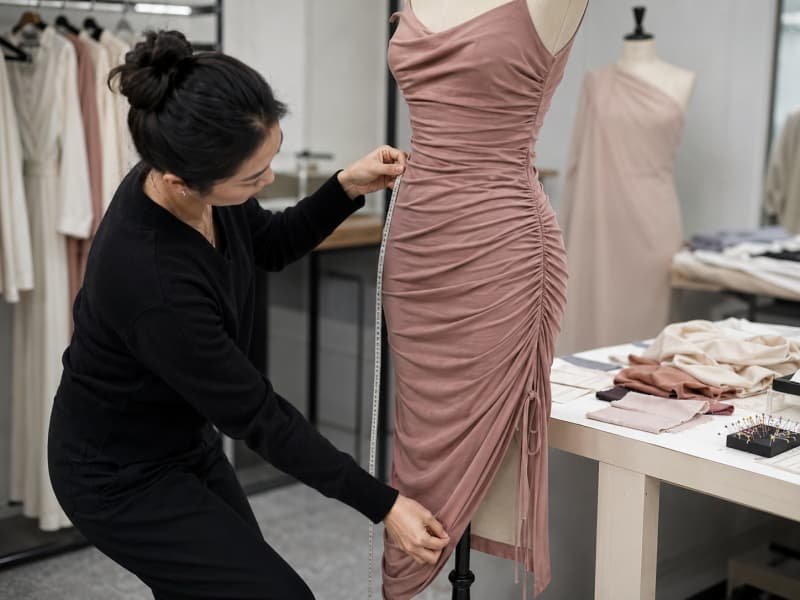
Draping and Ruching
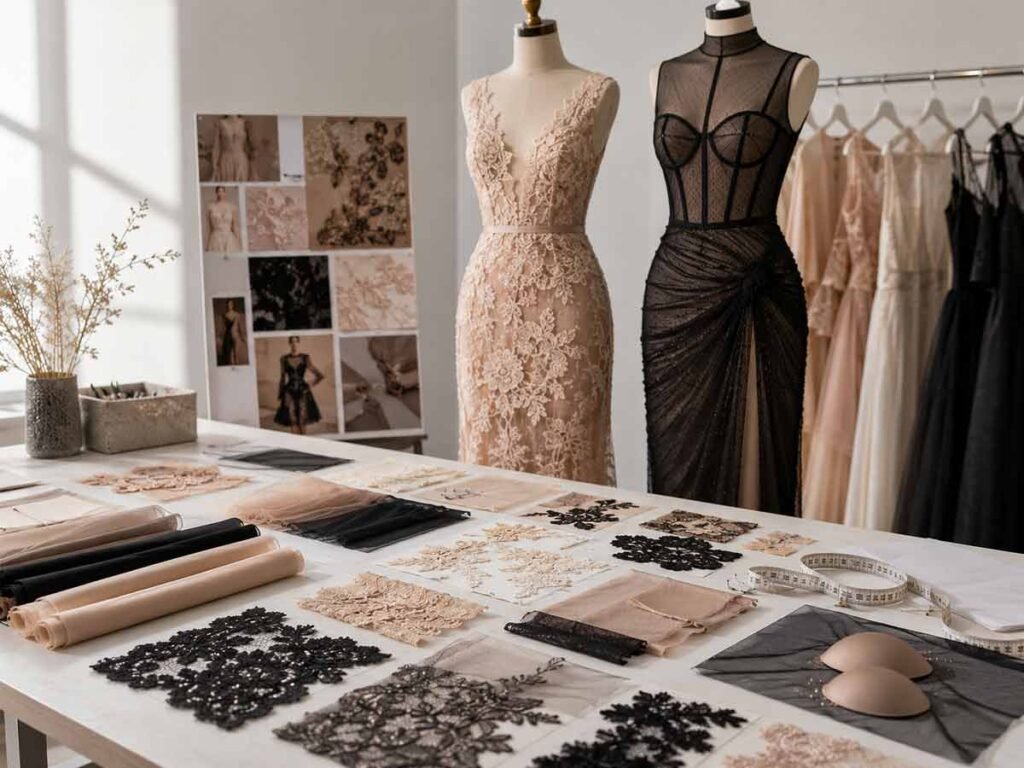
Lace and Mesh Finishing

Sequin and Beading

Invisible Zippers and Closures

Printing and Surface Processes
Custom Development Paths for Destination Collections
Tech Pack Development
Reference Image Development
Original Sample Review
Custom Print Development
Full Collection Development
Private Label Delivery
Feasibility Review Before Sampling Begins
Design and Product Review
- Tech pack or reference images
- Original garment
- Collection mood
- Wearing occasion
- Target market
- Size standard
- Target quantity
- Price position
- Launch date
- Sample purpose
Material and Construction Review
Material and construction must support the same product goal. Duolan reviews whether the proposed fabric can create the required drape, support, opacity and surface quality. Evaluation includes:
- Fabric composition and weight
- Stretch and recovery
- Drape and structure
- Transparency
- Lining requirements
- Seam and edge finishing
- Zipper and closure route
- Decoration feasibility
- Bulk material availability
- Expected production handling
A fabric substitution is assessed as a product change, not only a sourcing change. Different stretch, shine, thickness or recovery can alter fit and pattern balance. Decorative processes may also affect fabric stability, hand feel and lead time. Where risk is high, Duolan may recommend a material swatch review, workmanship trial, print strike-off or partial structure test before the complete sample. Early trials can reduce unnecessary full-sample revisions.
Timeline and Production Review
A sample plan must fit the launch calendar and expected bulk route. Duolan reviews which approvals are needed before fabric booking, photography, buying meetings or production. Planning considers:
- Material sourcing status
- Custom color or print preparation
- Pattern complexity
- Sample stages
- Comment turnaround
- Photo sample requirement
- PP approval
- Bulk complexity
- Inspection buffer
- Shipping method
Sample timing is confirmed after style complexity, material readiness and sample purpose are reviewed. Fixed promises made before those variables are known can create avoidable delays later. The review also considers whether the intended workmanship is suitable for the expected quantity. A handcrafted sample solution may need a more repeatable bulk method. A clear feasibility review gives the brand a stronger basis for approving development investment.
Sampling Stages from Concept to Production
Prototype Sample
Fit Sample
Revised Sample
Photo-ready Sample
Salesman Sample
PP Sample
Measurement and Grading Control Across Sizes
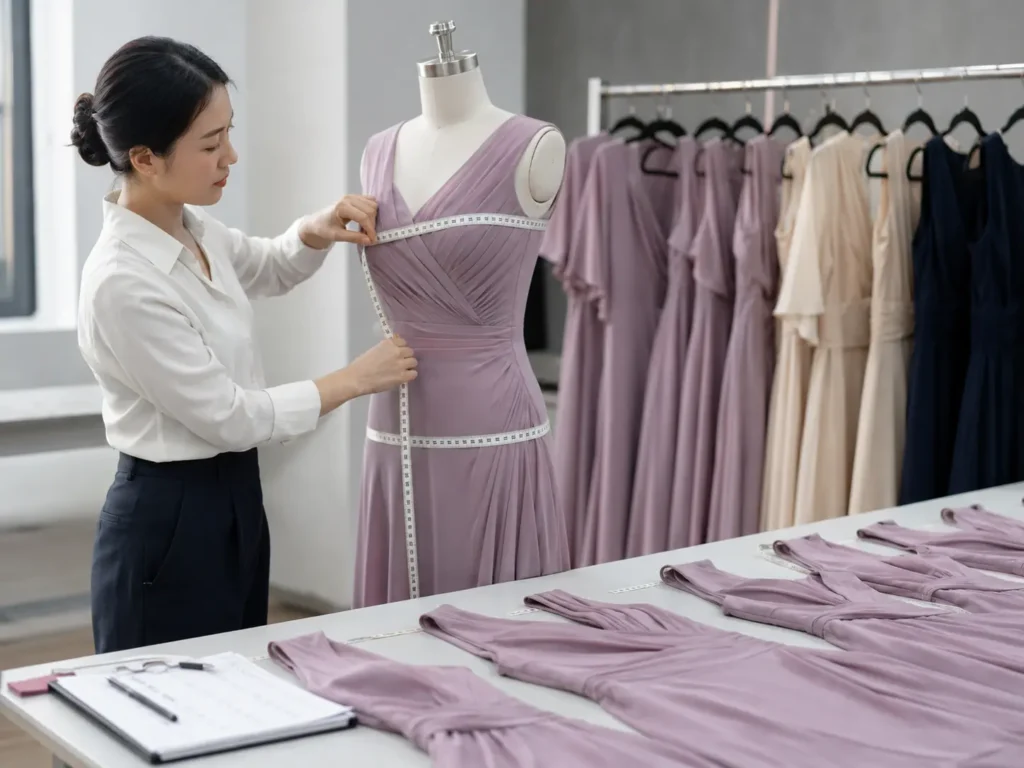
Define Critical Measurement Points
- Bust
- Underbust
- Waist
- High hip
- Full hip
- Front body length
- Back body length
- Strap length
- Armhole
- Neckline drop
- Back opening
- Slit height
- Skirt length
- Hem opening
- Zipper length
Build Grading Around Structure
- Bust and underbust growth
- Waist and hip increments
- Shoulder and armhole changes
- Strap length
- Neckline depth
- Back opening
- Slit position
- Dress length
- Ease distribution
- Fabric stretch allowance

Connect Comments to QC
Fit comments become useful only when they are transferred into pattern, specification and inspection instructions. Duolan reviews comment wording, proposed action and affected measurements together. Examples include:
- “Raise neckline” becomes a defined neckline-drop adjustment.
- “More bust coverage” may change cup shape, side coverage and armhole.
- “Reduce waist pulling” may change width, dart shape or fabric tension.
- “Lower slit” becomes a defined slit-height measurement.
- “Shorten straps” becomes an updated finished length and adjustment range.
Tolerance should reflect the importance and construction of each point. Critical support measurements may require tighter control than a fluid hem opening. PP measurement review confirms the production basis, while inline and final inspection check bulk garments according to the approved specification.

Control the Transition from Sample to Bulk
Confirm the Approval Status
Before bulk starts, Duolan identifies what has actually been approved. A sample may be:
- Fit confirmed
- Visual direction confirmed
- Photo-ready only
- PP basis confirmed
- Pending minor correction
- Pending material replacement
- Pending color approval
- Pending packaging approval
Different approval states create different production risks. A photo sample made from substitute material cannot become the material standard. A fit-approved sample with unfinished labels cannot confirm branded delivery. A visually approved garment may still require measurement or workmanship clarification.
Duolan records the remaining decisions and confirms whether another sample, revised specification, material approval or PP version is required. Production should begin from a defined status rather than an informal “looks good” message.
Lock Materials and Workmanship
- Outer fabric
- Lining
- Trims
- Color
- Decoration
- Measurements
- Construction
- Label files
- Packing instructions
- Critical quality points
Duolan identifies which details can be repeated reliably and which require line trials, first-piece confirmation or additional operator guidance. The objective is to carry development knowledge into production rather than restart product interpretation after the order is placed.
Design the Production Path
Orders are broken down by style, color, size, quantity, complexity and timing. Duolan classifies styles according to construction and risk, then matches them with a suitable production route.
Planning may include:
- Core factory allocation
- Flexible line allocation
- Special-process coordination
- Print or embroidery scheduling
- Pilot production
- First-piece review
- Multi-line production
- Multi-factory coordination
- Inline inspection points
- Final packing sequence
A 20-style collection should not be treated as one undifferentiated order. A lightweight printed maxi, embellished mini and fitted satin midi require different production preparation. Structured order planning supports clearer timing, quality control and escalation when a risk appears.
Production Planning for Multi-style Collections
Allocate Styles by Complexity
- Simple woven dress
- Regular lined dress
- Fitted or stretch dress
- Satin-sensitive style
- High-risk halter or backless style
- Printed garment
- Embellished or special-process style
- Fast replenishment style

Coordinate Materials and Processes
- Fabric booking
- Dye-lot and print-lot planning
- Lining and trim readiness
- Artwork or strike-off approval
- Special-process timing
- Cutting sequence
- Sewing-line start
- Finishing and inspection
- Packing material arrival
Manage Launch and Repeat Orders
A launch order may require balanced delivery across hero styles and commercial styles. Repeat orders may require faster material confirmation, preserved patterns and production records. Duolan can support:
- Launch production
- Multi-style seasonal orders
- Rolling repeat orders
- Best-selling style replenishment
- Split shipment
- Capacity scale-up
- Production standard preservation
Regular bulk lead times are planned according to style complexity:
- Simple styles: approximately 15–20 days
- Regular styles: approximately 20–30 days
- Complex styles: approximately 30–45 days
Timing begins after production requirements and material readiness are confirmed. Custom fabric, special processes, quantity and approval speed can affect the final schedule. The project calendar should also reserve time for inspection, packing and freight.
Quality Control Across Destination Dress Production
Fabric Inspection
Shade and Print Check
Cutting Inspection
First-piece Confirmation
Inline Workmanship Check
Measurement Inspection
Final Appearance Check
Packing and Shipment Check
Plan Production Around the Selling Window
Destination collections should be planned backward from the warehouse, campaign or launch date. The timeline below separates development, production, quality and freight so every stage receives a realistic approval and execution window.
| Project Stage | Main Work | Required Brand Input | Duolan Control Focus | Timing Guidance |
|---|---|---|---|---|
| Collection Brief | Confirm occasion, silhouettes, market, quantity and launch | Brief, references, size range, target quantity, calendar | Product and feasibility review | Begin before material and sample commitments |
| Material Direction | Source or confirm fabric, lining, trims, print and colors | Fabric reference, Pantone, artwork, quality target | Drape, opacity, stretch, color and bulk availability | Custom colors and prints require extra approval time |
| Pattern and First Sample | Develop pattern, construction and first garment | Tech pack, measurements, original sample or reference | Silhouette, fit, structure and workmanship | Timing confirmed after complexity and material review |
| Fit and Revision | Review comments and update pattern or specifications | Consolidated comments and approval priorities | Pattern correction and decision tracking | Clear comments improve revision control |
| Photo or Sales Sample | Prepare selected styles for campaign or buying review | Sample size, model data, shoot or meeting deadline | Surface, visual balance and presentation | Schedule separately from PP approval |
| PP and Material Lock | Confirm production basis | Approved sample, BOM, color, trims, labels and packing | Bulk readiness and critical-point confirmation | Must precede bulk start |
| Bulk Production | Cutting, sewing, finishing and inline inspection | Confirmed order breakdown | Style allocation, first piece and inline QC | Simple: 15–20 days; regular: 20–30 days; complex: 30–45 days |
| Final Inspection | Measurement, appearance, packing and shipment check | Inspection standard or third-party requirement | Final garment and delivery readiness | Reserve time before freight booking |
| Freight | Courier, air or sea delivery | Destination, incoterm, forwarder and arrival date | Documents, carton and shipping coordination | Courier: 3–7 days; air: 5–8 days; sea: 20–35 days |
| Repeat Order | Reconfirm material, pattern, quantity and delivery | Updated order and any product changes | Standard preservation and material continuity | Begin soon after sales data becomes available |
A Dress-focused Manufacturing System Built for Scale
16 Owned Factories
20+ Satellite Factories
12,000+ Supporting Workers
300 Sewing Lines
50+ Flexible Lines
High Development Density







Compliance Readiness for Global Fashion Programs
Social Audit Foundation
The Duolan manufacturing system has completed SMETA audit requirements, including a SMETA 2-Pillar audit and corresponding social audit record. Audit information can form part of a supplier evaluation process together with factory profile, production capability and quality procedures.
Brand teams may request:
- Relevant audit documents
- Factory information
- Social responsibility records
- Corrective action information where applicable
- Production-site confirmation
Audit validity, scope and selected production site should be reviewed for each formal program rather than assumed from a general statement.
Standard Coordination
Duolan can coordinate project requirements connected with BSCI, ISO 9001, AATCC, ASTM, OEKO-TEX®, EN standards, China GB standards, GOTS and brand-specific requirements where relevant.
Each standard has a different purpose, scope and documentation requirement. Product testing, material certification, management-system review and social audit are not interchangeable.Before production, the project team should confirm:
- Destination market
- Required tests
- Fiber and care-label rules
- Performance standards
- Inspection level
- Required third-party documents
Quality and Delivery Documents
Documentation may include material composition, BOM information, size specifications, approved sample records, inspection files, packing lists, carton details and shipping documents according to project needs.
Duolan can also coordinate brand-nominated laboratories, inspectors, freight forwarders and packaging instructions.
Clear documentation supports consistent execution across development, bulk production, final inspection and repeat orders.
Representative Destination Dress Program Examples
United States Resort Collection
Project profile: An established US resort and vacation fashion label planned an 18-style spring and summer program totaling 42,600 garments. The range included printed maxis, halter midis, lightweight mini dresses, fluid slips and coordinated destination sets.
Main challenge: Six printed styles used different repeat scales, while four pale-color dresses required improved opacity without losing movement. Campaign samples had to be prepared before the main production approval, creating two separate sample objectives.
Development route:
- Artwork and repeat review for six prints
- Fabric comparison for drape and outdoor opacity
- Pattern development across five core silhouettes
- Separate photo-sample and PP-sample schedules
- Lining adjustments on pale and semi-sheer styles
- Order breakdown by print, solid color and construction complexity
Production structure: Hero printed maxis and halter styles remained under closer core-factory control. Commercial midis and simplified solid-color versions were allocated to matched production lines after first-piece confirmation.
Program outcome: The collection entered bulk with print, lining, measurement and packaging standards separated clearly by style. Shared materials across related products simplified trim and color coordination. A reusable pattern and specification base was retained for later color and print extensions.

European Wedding Guest Edit
Project profile: A European occasionwear company prepared a 24-style wedding guest and destination event edit totaling 68,400 garments. Products included satin midis, crepe maxis, draped mesh dresses, cocktail minis and refined bridesmaid options.
Main challenge: The collection contained nine color families across satin, mesh, lining and trim. Several fitted styles showed visible seam tension and neckline instability during early review. The required launch window also included showroom samples before the final production order.
Development route:
- Color grouping across outer fabric, lining, zipper and thread
- Fit review around bust, waist, hip and neckline
- Separate salesman and PP sample planning
- Satin seam and pressing trials
- Mesh lining and coverage review
- Grading control for fitted and halter silhouettes
- PP material and workmanship locking before bulk
Production structure: Styles were classified as regular lined dresses, satin-sensitive styles, fitted mesh products and embellished cocktail garments. Each category followed different line preparation and inspection points.
Program outcome: Color and material decisions were confirmed before bulk cutting. Critical measurements and neckline controls were added to the inspection basis. Shared construction standards supported repeatable production across related satin and crepe styles.

Australian Vacation Party Range
Project profile: An Australian fashion brand planned a 12-style vacation party collection totaling 27,600 garments for resort events, holiday dinners and destination nightlife. The range included backless dresses, ruched body-conscious styles, metallic minis and open-back maxis.
Main challenge: Several designs combined stretch fabric, mesh layers and open-back construction. The brand required strong campaign movement while maintaining bust coverage, back stability and comfortable lining in warm weather.
Development route:
- Stretch and recovery assessment
- Negative-ease and size-grading review
- Back-opening and strap stability testing
- Ruching anchor-point control
- Metallic surface and packing assessment
- Video review for walking and turning
- First-piece confirmation on high-risk styles
Production structure: Fitted stretch dresses were grouped by shared material behavior. Metallic and decorative styles followed separate handling and packing controls. The production calendar prioritized campaign products before the remaining commercial styles.
Program outcome: The collection structure separated visual samples from production standards and defined critical controls for straps, openings, lining and surface handling. The same approved pattern foundations could later support repeat colors and revised seasonal fabrics.

Custom Destination Dress Frequently Asked Questions
Duolan develops resort dresses, vacation dresses, wedding guest dresses, bridesmaid styles, cocktail dresses, reception looks, rehearsal dinner dresses, resort evening dresses and related fashion sets. Product capabilities include maxi, midi, mini, halter, backless, slip, draped, body-conscious, satin, mesh, chiffon, lace, printed and embellished styles. Each project is reviewed according to fabric, fit, construction, quantity and launch requirements.
Traditional bridal gowns are not Duolan’s main product direction. The stronger focus covers wedding guest, bridesmaid, reception, rehearsal dinner, cocktail and destination occasion dresses developed for fashion retail programs. Brands requiring bridal-related event collections can submit references for a product-fit review, while highly specialized couture bridal gowns may require a different manufacturing category.
Yes. Duolan can coordinate multi-style resort and vacation collections containing hero products, commercial styles, daytime dresses, evening dresses and repeatable silhouettes. Development may include fabric sourcing, custom prints, pattern making, sample stages, size grading, photo samples, PP confirmation, multi-style production planning, quality control, private labels and packing.
Brands can provide a tech pack, reference images, original sample, collection brief, size chart, fabric direction, artwork, color references and target quantity. The launch or campaign date should also be shared. When files are incomplete, Duolan reviews the available information and identifies the decisions required before a reliable sample route, fee and timeline can be confirmed.
Sample timing depends on style complexity, material readiness, custom print or color preparation, special processes and the purpose of the sample. Duolan confirms the calendar after reviewing the design basis. A simple visual proto, fitted satin dress, printed maxi and embellished reception style do not require the same preparation. Clear files and consolidated comments improve timeline control.
Duolan can coordinate fabrics, linings, trims, print development and special processes through established apparel supply resources. Material review considers composition, weight, drape, stretch, recovery, opacity, surface, color, sewing behavior, bulk availability and commercial position. Brand-nominated fabrics can also be reviewed when technical and supply information is available.
Opacity is evaluated on fabric and completed garments under suitable lighting. High-risk areas include bust, hip, thigh, slit openings and mesh overlap. Duolan reviews outer fabric, lining shade, lining weight, seam visibility and movement. Coverage is balanced with drape, climate suitability and the intended visual direction rather than solved by adding heavy layers automatically.
Yes. Halter and backless development can include strap angle, bust coverage, armhole shape, neck pressure, back opening, waist stability, elastic, ties, hardware, concealed support and lining. The approved solution depends on fabric, garment weight, size range and wearing scenario. Critical measurements and attachment points are transferred into PP and bulk inspection standards.
Regular production guidance is approximately 15–20 days for simple styles, 20–30 days for regular styles and 30–45 days for complex styles after material and production requirements are ready. Quantity, custom fabric, print, embroidery, decoration, approval speed and factory allocation can change the final schedule. Inspection, packing and shipping time should be planned separately.
Duolan completes a bulk-readiness review before production. The process confirms sample status, fabric, lining, trims, color, measurements, workmanship, labels, packing and critical quality points. Orders are then broken down by style complexity and assigned to a suitable production route. First-piece confirmation, inline inspection, measurement checks, final review and packing verification support the approved standard.

Start Your Destination Dress Development Project
Share your collection brief, tech pack, reference images, original sample or fabric direction with Duolan. Our team will review the destination scenario, product structure, material needs, fit risks, sample purpose, quantity, production route and launch timing before recommending the next development step.
For a more accurate review, please include:
- Company or brand name
- Brand website or social profile
- Destination dress category
- Tech pack or reference images
- Fabric and color direction
- Print artwork where applicable
- Planned number of styles
- Quantity by style or total quantity
- Colorways and size range
- Sample purpose
- Campaign or showroom deadline
- Required warehouse or launch date
- Label and packaging requirements
- Quality, testing or compliance requirements
Duolan supports communication by email, WhatsApp, WeChat, voice call, video meeting and structured project files.