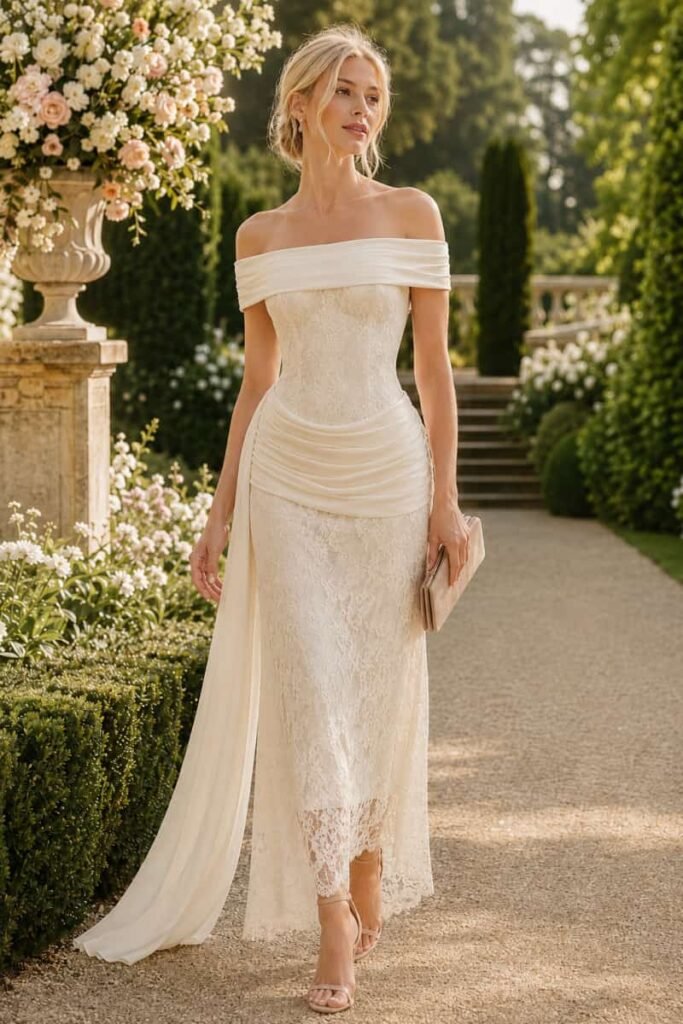
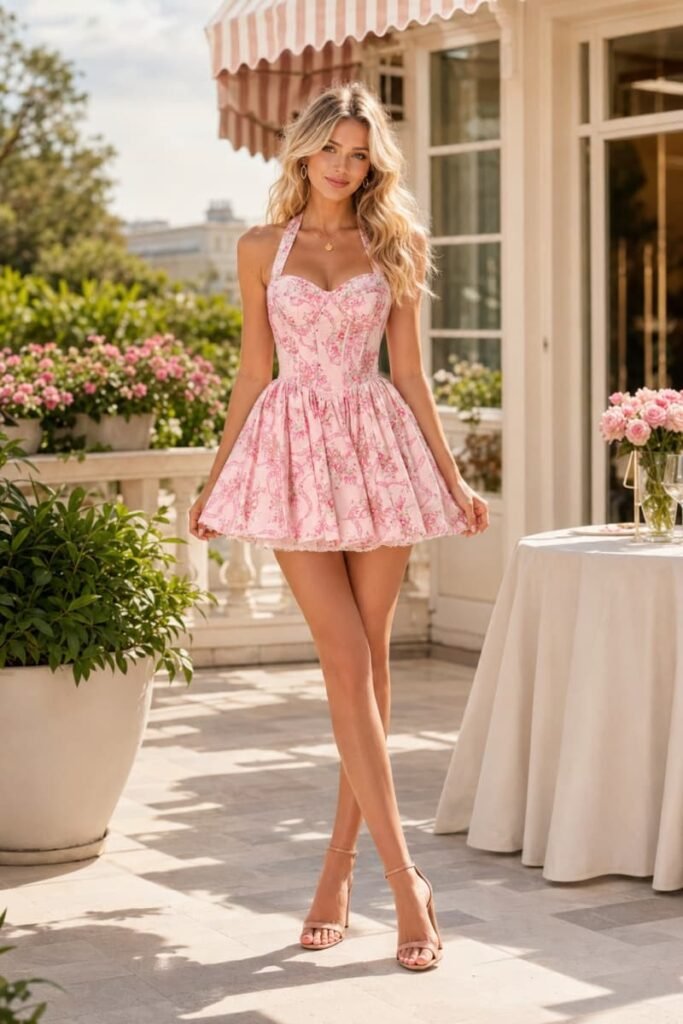
...

Custom Garden Party Dress Manufacturer

Dress-focused development and manufacturing for seasonal garden party, wedding guest, brunch and outdoor occasion collections.

  • Seasonal programs commonly cover 10–30 coordinated styles across mini, midi and maxi lengths.
  • Product directions include floral prints, lightweight woven fabrics, lace, embroidery, ruffles and structured bodices.
  • Order programs can be planned around 20,000–80,000 total garments across styles, colors and size ranges.
  • Six controlled stages connect collection review, material development, sampling, PP approval, bulk production and final delivery.

Built for Established Fashion and Occasionwear Teams

Duolan supports structured dress programs with defined product direction, seasonal timing, sampling requirements and planned bulk production. Different teams receive support based on the decisions they need to make during development, sourcing and manufacturing.

Fashion Dress Brands

Fashion dress brands need more than a factory able to copy a reference image. Product teams must balance visual impact, fit, fabric behavior, target price, launch timing and repeat-order potential. Duolan supports garden party collections from early silhouette review through fabric sourcing, pattern development, sampling, PP confirmation and controlled bulk production. Programs may include floral hero dresses, commercial midi silhouettes, lighter maxi styles and wedding guest extensions, all developed around a consistent seasonal direction.

Occasionwear Brands

Occasionwear collections require a careful balance between refined appearance and commercial wearability. Garden party dresses must feel polished enough for weddings, celebrations and daytime events without becoming heavy evening gowns. Duolan reviews neckline coverage, bodice support, lining, skirt movement, print placement, decorative details and outdoor comfort before the style enters production. The aim is a dress that photographs well, fits the intended occasion and remains stable across the full size range.

Product Development Teams

Product development teams often manage many styles, material options, comments and approval dates at once. Duolan organizes each project around clear development inputs, sample purpose, fit priorities, material status and pending decisions. Tech packs, reference images, original samples, moodboards and previous fit comments can form the review basis. Each development round should answer a defined question rather than producing another sample without a clear approval target.

Sourcing and Buying Teams

Sourcing teams assess more than price. They need accurate quotation foundations, transparent sample planning, manufacturing capacity, compliance readiness, quality checkpoints and reliable production communication. Duolan supports formal project evaluation using style information, quantity, colorways, size range, target launch date, packing requirements and testing needs. Production planning then connects the approved sample with material locking, workmanship standards, QC requirements and shipment preparation.

What Defines a Commercial Garden Party Dress
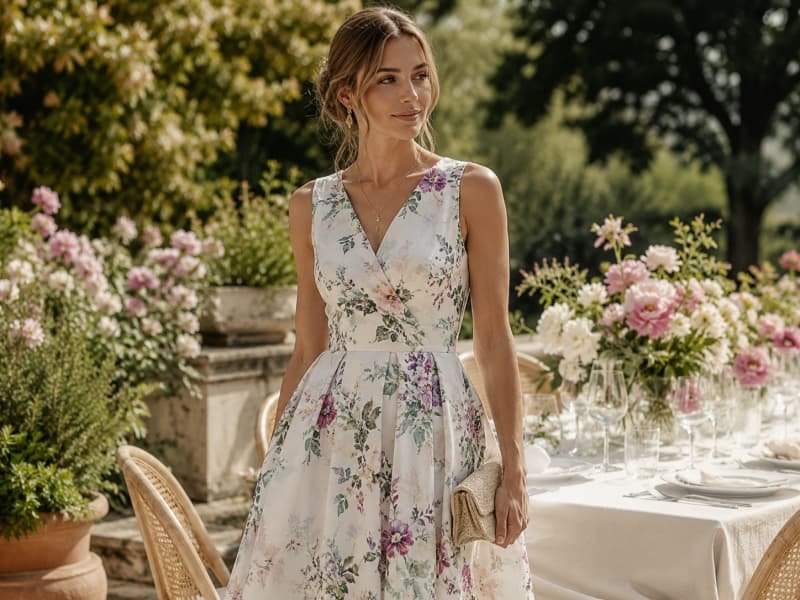
A garden party dress is not one fixed silhouette. It is a seasonal product direction built around outdoor social occasions, spring and summer dressing, wedding guest demand, daytime elegance and commercially wearable fashion.

Daytime Occasion Balance

A commercially successful garden party dress sits between a casual day dress and a formal evening garment. The fabric, neckline, sleeve coverage, skirt volume and decorative level must feel polished without becoming overly ceremonial. A cotton poplin midi may rely on clean structure and a shaped waist, while a printed chiffon maxi needs controlled transparency, movement and lining. The development decision depends on occasion, target retail position, climate and wearing duration.

Outdoor Wear Performance

Outdoor use changes garment requirements. Bright natural light exposes transparency, uneven lining and color inconsistency more clearly than indoor lighting. Grass, steps, seating and movement influence hem length, slit position, skirt volume and train design. Straps, off-shoulder necklines and fitted bodices must remain secure during walking and sitting. Fabric weight should support the intended silhouette without causing excessive warmth, collapse or wind sensitivity.

Collection-Level Commerciality

Garden party demand rarely depends on one floral dress. A stronger program combines image-led styles with commercial shapes, multiple lengths, coordinated colors and varied levels of formality. Hero products may use statement florals, embroidery or sculpted sleeves. Commercial styles may use familiar A-line, wrap, ruched or fit-and-flare shapes. Color extensions and repeatable fabric platforms help the collection move from launch into replenishment or seasonal continuation.

Risks Controlled Before Garden Party Dress Sampling

Lightweight fabrics, floral artwork, pale colors, fitted bodices and decorative construction create risks that may not appear clearly in a sketch. Duolan reviews the main variables before they become repeated sample problems or bulk losses.

Print Scale Mismatch

A floral repeat may look balanced on a flat artwork file but become too large across a small bodice or too dense across a full skirt. Seams, darts, waist panels, gathers and grading can interrupt the print rhythm. Duolan reviews artwork scale, repeat direction, garment panels and visual focal areas before sample cutting. Placement-sensitive designs may require a strike-off, engineered layout or defined cutting direction.

Fabric Silhouette Conflict

A soft chiffon cannot hold the same shape as crisp poplin, while a rigid organza will not create the same fluid movement as viscose. Fabric weight, drape, recovery, transparency and surface finish must support the intended shape. Duolan compares the design target with fabric behavior before pattern development. Alternative materials are evaluated by effect, sewing stability, availability, price impact and bulk repeatability.

Light Color Transparency

Ivory, blush, pale blue, butter yellow and soft floral grounds can become noticeably transparent under daylight. Outer fabric, lining color, lining weight, seam allowance and body coverage all affect the result. Duolan checks opacity using layered swatches and garment sections rather than relying only on fabric held under indoor light. Lining length and attachment points are also reviewed to prevent shadows, twisting or visible edges.

Fit Comment Confusion

Comments such as “make it more flattering” or “the bust feels wrong” do not directly tell a pattern team what to change. Fit feedback must be converted into measurable actions involving neckline depth, bust width, dart intake, waist position, strap length, armhole shape, skirt balance or ease. Duolan records the intended correction and its effect on adjacent measurements before beginning the next sample round.

Sample Bulk Difference

An attractive development sample is not automatically ready for production. Fabric batches, replacement trims, line construction methods, pressing, print placement and packing can change the final appearance. Duolan connects the approved version to BOM details, measurements, workmanship notes, color standards, PP confirmation and QC checkpoints. Complex styles may receive first-piece review before full production release.

Seasonal Timing Pressure

Garden party and wedding guest collections depend on clear selling windows. Late fabric approval can delay sampling; delayed comments can compress PP confirmation; rushed production can remove QC and shipping buffers. Duolan plans backward from the requested launch date and identifies decisions that control the calendar. Styles with custom print, embroidery, lace or complex structure should begin earlier than standard commercial shapes.

Build a Balanced Garden Party Dress Collection
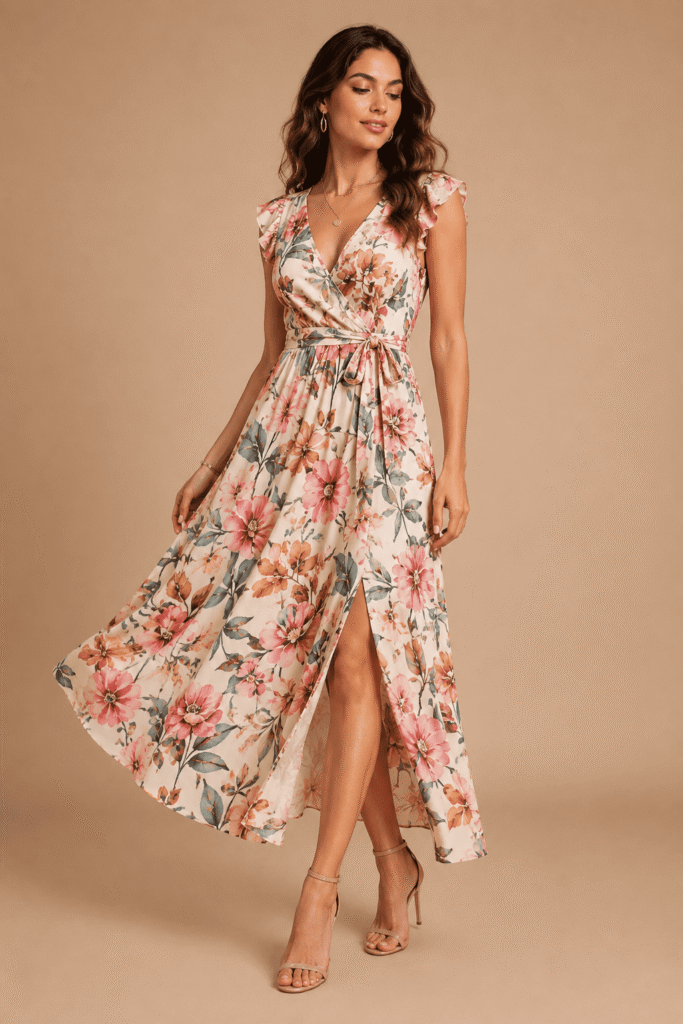
A strong seasonal program combines visual identity, commercial breadth and production logic. Duolan helps organize different silhouettes, materials and occasion levels so the collection feels connected rather than assembled from unrelated single styles.

Floral Hero Dresses

Hero dresses carry the strongest campaign image. Large-scale florals, engineered prints, sculpted sleeves, shaped bodices, full skirts or dramatic maxi proportions may create the visual focus. Development must protect the design impact while controlling fabric consumption, print placement, internal support and production complexity. Hero pieces often require earlier sampling because photography, campaign approval and promotional planning depend on their final appearance.

Commercial Midi Dresses

Midi lengths frequently provide the broadest garden party selling range. A-line, fit-and-flare, wrap, ruched and panelled silhouettes can move across brunch, wedding guest and daytime celebration use. Commercial success depends on balanced neckline coverage, stable waist placement, comfortable skirt movement and size consistency. Fabric and construction should support repeated colorways or prints without requiring a completely new production method for every option.

Lightweight Maxi Dresses

Maxi dresses bring movement and event-level presence, but length and weight require control. Tiered seams, lining length, slit height, hem sweep and strap stability affect real wear. Chiffon, georgette, viscose and lightweight crepe may require different seam, pressing and lining solutions. Development also considers packing and transport because long soft skirts can crease, twist or lose shape when folded without a defined method.

Structured Garden Dresses

Cotton poplin, faille, organza blends and structured woven fabrics support fitted bodices, square necklines, corset-inspired seams and fuller skirts. Pattern balance becomes critical because a small shift in waist seam, bust shaping or panel width can change the whole silhouette. Internal support should remain clean and discreet. Construction must be designed for repeated production rather than relying on sample-room corrections that are difficult to reproduce on the line.

Wedding Guest Styles

Wedding guest dresses need occasion value without entering bridal gown territory. Suitable directions include floral midi dresses, refined maxi silhouettes, lace combinations, satin day dresses and softly structured cocktail shapes. Color, coverage and decorative level should work across ceremonies, receptions and outdoor venues. Production planning pays close attention to lining, comfort, strap security, hem control and the consistency of visible details across the size range.
5. Floral Ruffle Dresses (1)

Brunch and Day Styles

Brunch and daytime party dresses broaden the collection beyond formal events. Cotton blends, linen blends, printed viscose and lighter crepe can support easier silhouettes while maintaining a defined brand look. Shirt-inspired bodices, wrap fronts, tiered skirts, puff sleeves and refined cut-outs may work well. Commercial versions should remain easy to wear, easy to style and stable enough for repeat colors, regional assortments or seasonal replenishment.

Garden Party Dress Styles We Develop

Duolan develops mini, midi and maxi dresses across floral, structured, softly draped and occasion-focused directions. Every silhouette is reviewed for material behavior, fit priority, construction feasibility and production repeatability.

Floral Mini Dresses

Floral mini dresses rely on proportion. Print scale, skirt length, waist placement and sleeve volume must remain balanced across sizes. Lightweight fabrics often need partial or full lining to protect coverage without adding bulk. Duolan reviews hem movement, back length, neckline security and print interruption at seams before production standards are locked.

A-Line Midi Dresses

A-line midi dresses suit broad garden party and wedding guest assortments. The pattern must distribute volume cleanly from waist or high hip without creating excess bulk. Poplin, crepe, satin and printed woven fabrics produce different results. Key controls include waist balance, side-seam fall, hem level, lining width and zipper installation.
Extended Flared Dresses

Fit-and-Flare Dresses

Fit-and-flare construction depends on a controlled transition from bodice to skirt. Bust shaping, waist seam position and skirt fullness must work together. A bodice that is too long or a skirt that begins too low changes the visual proportion. Duolan reviews support, ease, seam matching and pressing so the shape remains consistent beyond the sample room.

Tiered Maxi Dresses

Tiered maxi dresses require controlled panel ratios. Each tier influences weight, gathering density and finished length. Uneven gathering can cause twisting or visual imbalance. Fabric shrinkage and seam growth also affect the final hem. Development records tier dimensions, gathering ratios, lining structure, seam finish and pressing method for reliable bulk execution.
Halter Wedding Guest Dresses

Halter Garden Dresses

Halter styles concentrate support around the neck, upper bodice and back. Strap width, neckline shape, bust coverage and back opening must feel secure during movement. Soft fabric may need internal stabilization; structured fabric may require shaping around the chest. Duolan checks pressure points, closure placement and grading before the style moves toward approval.

Off-Shoulder Dresses

Off-shoulder dresses must hold position without restricting movement. Elastic strength, neckline circumference, sleeve shape and internal grip influence stability. Ruffles or gathered overlays should sit evenly around the body. Duolan reviews how the neckline behaves when arms move, how the elastic recovers and whether the construction remains clean from the exterior.

Corset-Inspired Dresses

Corset-inspired garden dresses use panel lines, cups, boning or shaped seams to create definition without the weight of formal corsetry. Cup position, bust balance, waist contour and internal support need careful development. Boning channels, lining, seam allowance and zipper stress points must be engineered for repeatable production and comfortable wear.

Wrap and Ruched Dresses

Wrap and ruched dresses offer fit flexibility but require precise control. Wrap overlap must protect coverage across the size range, while ruching density should remain consistent from sample to bulk. Stretch, recovery and seam stability influence the result. Duolan defines attachment points, gathering distribution, tie dimensions and critical measurements before production.

Fabrics Selected for Drape, Coverage and Scale

Fabric selection begins with the finished garment result. Weight, surface, transparency, stretch, recovery, shrinkage, print method and availability are assessed together so the chosen material supports both the design and the production program.

Material DirectionBest-Suited Garden Party StylesMain PerformanceKey Development RiskProduction Control
Printed ChiffonTiered midi, flutter sleeve, soft maxiLight movement and layered floral effectTransparency, seam puckering, print variationStrike-off approval, lining test, fine seam control
Cotton PoplinStructured midi, puff sleeve, fit-and-flareCrisp shape and clean volumeExcess stiffness, shrinkage, seam bulkPre-shrinkage review, pattern ease, pressing standard
Cotton VoileDay dress, gathered midi, lightweight maxiBreathable hand feel and soft volumeHigh transparency and distortionFull or partial lining, gentle handling, seam stability
Linen BlendsBrunch, resort-inspired, shaped day dressesNatural texture and warm-weather valueCreasing, shrinkage, shade variationComposition review, wash test, pressing and packing plan
Viscose or RayonWrap, ruched, fluid midi and maxiSoft drape and comfortable movementGrowth, shrinkage, cutting distortionRelaxation time, shrinkage test, controlled cutting
CrepeWedding guest, commercial midi, fitted dressesBalanced drape, coverage and shapeSurface snagging or different batch hand feelBatch approval, seam test, pressing temperature control
Lace or EmbroideryOccasion midi, bodice overlay, statement sleevesRefined texture and event-level detailMotif direction, edge finish, backing and distortionPlacement plan, lining match, motif inspection
Light Satin or OrganzaCocktail extension, structured day occasionShine, volume or clean formal finishNeedle marks, seam puckering, pressing damageSewing trial, handling standard, protective packing

Floral Print and Color Development for Brand Collections

Floral identity depends on more than choosing attractive artwork. Repeat scale, base fabric, color separation, garment panel shape and collection palette must work together. Duolan connects print approval with sample development and bulk material control.

Artwork, Repeat and Garment Proportion

A floral file should be reviewed against the garment rather than evaluated only on screen. Large motifs may dominate a mini bodice, while a small dense repeat can lose impact across a full maxi skirt. Darts, princess seams, waist panels, gathers and tier seams interrupt the artwork differently. Duolan reviews repeat dimensions, motif direction and panel placement before sampling.

For all-over prints, the development team confirms whether the artwork is directional or non-directional. Directional prints may increase fabric consumption because every piece must face the same way. Border prints and placement florals require a cutting layout based on size grading and seam position. A motif placed correctly on the base size may move toward an armhole, dart or waist seam after grading, so placement rules need to account for the full size range.

Artwork review should also consider the distance from major motifs to neckline, waist and hem. Facial or highly recognizable motifs require stricter placement than abstract botanicals. When visual consistency matters, Duolan can recommend engineered placement zones or cutting markers. When commercial efficiency has greater priority, a non-directional repeat may provide better fabric utilization and easier bulk control.

Before production, approved print information should connect to the BOM, fabric specification and inspection standard. The reference should identify artwork version, repeat size, ground color, target fabric and any placement requirement. Such records prevent an approved sample from being followed by a slightly altered bulk print.
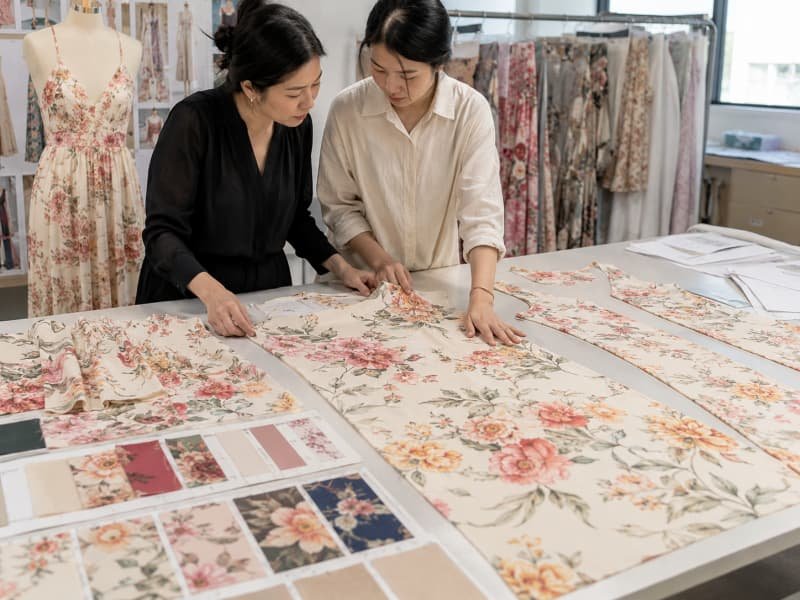
Strike-Off, Ground Color and Surface Result

The same floral artwork can produce different results on chiffon, satin, cotton poplin, viscose or textured crepe. Fiber content, weave, absorbency and surface shine change color depth and edge definition. A digital print on smooth satin may look brighter and sharper than the same file on matte crepe. The base fabric must therefore be confirmed before final color evaluation.

Strike-off approval provides a controlled step between artwork and full fabric production. Evaluation should cover hue, saturation, motif sharpness, ground coverage, penetration and visual result under relevant lighting. Pale grounds deserve special attention because small shade differences become visible across large skirt panels. Darker motifs may also show through to the reverse side, affecting seam appearance and lining choice.

Duolan can coordinate strike-off review with the garment development path. If the final base fabric is not ready for the first prototype, the sample proposal should state whether a substitute material is being used and which decisions remain provisional. Fit may be reviewed on substitute fabric, but final drape, color and print approval should move to the correct material before PP confirmation.

Bulk print inspection checks more than visual beauty. Shade variation across rolls, repeat consistency, printing defects, skew and usable width can influence cutting. Roll allocation and shade grouping become important when a dress uses large panels or matching components. The approved strike-off should remain available as a reference during fabric receipt and final garment inspection.

Collection Palette and Colorway Planning

Garden party collections often use soft palettes, botanical greens, floral pinks, blue grounds, ivory neutrals and seasonal accent colors. A coherent range does not require every dress to use the same print. It needs a controlled relationship between ground colors, motif tones, solid fabrics, lining, trims and campaign styling.

Duolan can review how many colorways should share one fabric platform and where a separate material may be justified. Using one approved base fabric across several prints may simplify testing and fit consistency. However, different ground colors can change opacity, lining visibility and colorfastness requirements. White or blush versions may require a different lining solution from navy or green versions, even when the outer construction is identical.

Lab dips, print strike-offs, thread colors, zipper tape, buttons and labels should be reviewed as one color system. A slightly mismatched zipper may be hidden on a printed dress but highly visible on a solid pastel style. Lace edge, embroidery thread and lining shade also influence the perceived finish. Color approval should therefore include all visible components, not only the main fabric.

For multi-style programs, a color matrix can reduce duplication and material confusion. Each style should identify approved color name, Pantone or brand reference where applicable, fabric version, lining shade, trim color and packaging identification. Clear color records make repeat orders more stable and help prevent old and new seasonal shades from being mixed.

3Australia|Resort Colorway and Print File Program (1)

Lining, Opacity and Comfort Under Outdoor Light

Garden party dresses are judged in daylight, during movement and over several hours of wear. Outer fabric, lining, internal support and garment length must work together without making the dress heavy, transparent or restrictive.

Daylight Opacity Control

Opacity should be evaluated with the selected outer fabric, lining and seam construction layered together. White, ivory, blush, yellow and pale floral grounds often appear acceptable indoors but reveal underwear lines, seam allowance or lining edges outdoors. Duolan reviews swatches and garment sections under stronger light and identifies areas needing full lining, double layers or targeted coverage. Bust, hip, upper thigh and skirt opening areas may require different solutions.

Lining Selection and Attachment

Lining affects coverage, drape, comfort, static, heat and garment recovery. A heavy lining can pull down chiffon or reduce skirt movement. A lining with too little width can restrict walking even when the outer skirt looks full. Duolan compares lining composition, weight, color, stretch and hand feel with the outer fabric. Attachment points, hem length, neckline finishing and zipper connection are defined to prevent twisting or visible pulling.

Movement and Wearing Comfort

A dress should remain secure while walking, sitting, raising the arms and moving between indoor and outdoor spaces. Neckline depth, shoulder width, strap length, slit height and skirt sweep influence confidence during wear. Duolan reviews movement on a mannequin or fit model according to the style objective. Internal elastic, grip tape, concealed support, adjustable straps or hook-and-eye security may be recommended where the exterior design needs additional stability.

Design Details That Control Fit and Appearance

Small construction decisions determine whether a garden party dress looks refined, feels secure and remains consistent during bulk production. Duolan translates visual references into measurable, repeatable garment details.

Neckline and Bust Coverage

Neckline shape must work with bust width, shoulder position, fabric behavior and intended occasion. Square, sweetheart, plunge, halter and off-shoulder designs each require different support. Development reviews neckline depth, edge stability, cup position, under-bust shaping and exposure during movement. Any internal tape, mesh, cup or elastic should remain discreet and comfortable.

Waist and Bodice Balance

The visual waist may sit at the natural waist, raised waist or dropped position. Even a small shift changes body proportion and skirt fall. Duolan checks front and back waist level, bodice length, dart direction, side-seam balance and closure tension. Structured styles may require panel shaping or support; softer dresses may use elastic, ties or gathering while still preserving the intended silhouette.

Sleeves and Strap Security

Puff sleeves, flutter sleeves, slim straps and halter ties create different stress points. Sleeve-head volume should match the fabric, while elastic openings need controlled tension. Straps require correct width, attachment, reinforcement and length adjustment. Duolan checks symmetry, arm movement, seam strength and how the detail grades across sizes so the approved sample does not become unstable in larger or smaller sizes.

Ruffles and Tier Ratios

Ruffles and tiers create movement but can become bulky or uneven when ratios are not controlled. The pattern should define finished width, cut width, gathering amount, seam position and edge finish. Soft chiffon requires different handling from crisp cotton. Duolan records ratios and sewing sequence to maintain even distribution across every production line and size.

Closures and Openings

Invisible zippers, buttons, ties, hooks and elastic openings affect dressing ease and garment stability. Zippers must lie flat without waves, especially on satin, crepe and fitted bodices. Hooks should remain concealed and strong. Wrap overlap, back openings and side slits require coverage checks. Closure specifications are locked with the approved sample and BOM before bulk release.

Hem and Skirt Control

The hem determines how a dress moves and photographs. Full circle, half circle, panelled, gathered and bias skirts each behave differently. Stretch, grain direction and hanging time can change the final level. Duolan checks skirt balance before hemming and defines the suitable finish, including narrow roll hem, clean turned hem, facing, binding or lining-supported edge. Long styles may require extra leveling before final inspection.

Tech Packs, Patterns and Measurement Control

A refined sample begins with a clear development basis. Duolan reviews design files, garment measurements, material direction and fit priorities before translating the style into pattern and sample actions.

Tech Pack Review Before Sampling

A complete tech pack gives the development team a common reference for quotation, pattern work, material sourcing and quality control. Duolan reviews flat sketches, construction notes, measurement specifications, BOM information, fabrics, trims, stitches, colorways, labels, packaging, tolerance and target quantity.

The review does not mean changing an approved brand specification without permission. Its purpose is to identify gaps or conflicts before they become physical sample problems. A sketch may show a high waist while the measurement table creates a natural waist. A neckline dimension may conflict with the desired coverage. A proposed zipper may be too heavy for fine chiffon. A lining length may become visible through a high slit. Such issues are marked for confirmation.

When the tech pack is incomplete, development can begin from a controlled set of references such as a design sketch, original sample photographs, moodboard, target measurements, fabric idea or previous fit comments. Missing information should be completed as the project progresses. A reference image alone may support an initial feasibility review, but accurate costing and production require decisions on material, construction, sizing, quantity and packaging.

The final development record should capture every approved change. Updated measurements, revised construction, alternate materials and confirmed trims should feed into the next sample version. Clear revision control protects the project from old information being used during PP or bulk production.

Pattern Development by Fabric Behavior

Patterns cannot be separated from fabric behavior. A fitted bodice in stable poplin requires different ease and shaping from the same design in stretch crepe. A bias satin skirt may grow after hanging, while viscose can change after relaxation or pressing. Chiffon tiers may need added control to prevent twisting, and organza volume may require reduced fullness to avoid stiffness.

Duolan develops or adjusts patterns around silhouette, fabric, lining and support. The pattern team reviews bust balance, waist contour, armhole shape, shoulder position, neckline stability, hip ease, skirt fall and hem level. Structured styles may use princess seams, panels, cups, boning or internal waist support. Soft dresses may rely on gathering, drape, ties or elastic, but still require measured control.

Pattern corrections follow the sample objective. A first prototype may focus on overall proportion, while a fit sample needs the correct fabric direction and measurement priorities. Photo-ready samples may require stronger visual finishing, and PP samples must reflect production materials and construction. Treating every sample as the same stage creates confusion and unnecessary revisions.

Grading should preserve the design relationship across sizes rather than enlarging every area equally. Neckline depth, strap position, waist seam, skirt volume and print placement need review throughout the requested range. Brand size charts and target-market fit remain the primary reference.

Measurement and Fit Comment Discipline

Measurement control turns visual feedback into actions that can be checked. Core points for garden party dresses may include bust, waist, high hip, hip, shoulder width, neckline depth, armhole, sleeve opening, strap length, bodice length, skirt length, slit height, lining length and hem sweep.

Fit comments should identify the observed issue, intended result and required adjustment. “Tight at bust” may involve width, cup volume, dart position or fabric stretch. “Waist too low” may require a bodice length correction rather than only raising the seam at the front. “Skirt feels heavy” may come from fabric choice, gathering ratio, lining width or hem finish. Duolan translates comments into pattern, measurement or construction changes and records the revised version.

Photos from front, side and back help explain balance, while close-ups clarify neckline, armhole and seam issues. Measurements taken on the sample confirm whether the garment follows the current specification. Comments should be consolidated before the next revision to avoid conflicting instructions from different teams.

Before PP approval, the measurement specification, tolerance, grading direction and fit basis should be aligned. Production QC then checks against the approved standard rather than relying on visual judgment alone.

1.Bust Fit (1)

Sample Development for Production Decisions

Every sample should answer a defined question. Duolan separates visual, fit, material and production decisions so development progresses toward an approved and reproducible garment rather than repeated prototypes without a clear endpoint.

First Prototype

The first prototype establishes silhouette, proportion and construction direction. It may use confirmed or near-equivalent fabric depending on material readiness. The review focuses on whether the design translates into a wearable garment, whether major structural decisions are workable and which areas need correction. Unresolved material or trim substitutions are recorded so the team does not treat provisional details as final approvals.

Fit Sample

A fit sample evaluates how the garment sits and moves on the intended body standard. Correct or representative fabric becomes important because stretch, drape and support influence fit. Duolan checks measurement results, balance, neckline security, bodice contour, waist position, arm movement, skirt fall and length. Fit comments are converted into pattern and measurement revisions before the next round.

Revision Sample

A revision sample should verify defined corrections rather than restart the development process. Duolan records requested changes, completed actions and remaining review points. Before-and-after images and key measurements can help product teams assess progress efficiently. When comments affect connected areas, the review explains the relationship—for example, raising the waist may alter bodice length, skirt position and zipper balance.

Photo-Ready Sample

Photo-ready samples prioritize visual presentation for campaign, e-commerce or showroom use. Fabric, color, print placement, finishing and garment balance need to represent the intended commercial result. A photography sample may require more refined pressing and presentation, but it should not introduce decorative or construction choices that cannot be repeated in bulk. Any non-production element must be clearly identified.

Salesman Sample

Salesman samples support internal selling, market appointments, retailer presentations or assortment decisions. Multiple styles may need to arrive within one coordinated window. Duolan plans sample priority, shared materials and approval dependencies across the range. The aim is to provide consistent presentation while preserving enough technical information for later revisions and bulk transition.

PP Sample

The pre-production sample forms the main visual and construction basis for bulk manufacturing. Production fabric, lining, trims, measurements, workmanship, labels and packing direction should be confirmed as far as required by the project. Duolan reviews the PP sample against the latest approved records and identifies any remaining condition before production release. Complex styles may move through a first-piece check after PP approval.

From Approved Sample to Stable Bulk Production

Bulk consistency depends on standards created before the line starts. Duolan converts the approved sample into material, measurement, workmanship and QC references that production teams can follow and inspection teams can verify.

Approval Status Review

Before bulk release, Duolan confirms whether the current garment is visually approved, fit approved, PP approved or still pending refinement. Different approval levels support different actions. A photo sample may be suitable for campaign use but not for production. A fit-approved sample may still use substitute fabric. The production-readiness review separates confirmed decisions from provisional ones.

Material and Color Locking

Main fabric, lining, trims, thread, zipper, elastic, cups, support materials and decorative components are checked against approved references. Colorway records link outer fabric with lining and visible trims. Print artwork, strike-off, repeat, ground color and fabric base are recorded. Unapproved substitutions should not enter production simply because an original component becomes unavailable.

BOM and Measurement Control

The production BOM identifies the materials and components required for every style and color. Measurement specifications and tolerance provide the inspection basis. Revised dimensions must replace obsolete versions. Duolan checks whether construction changes from sampling affect consumption, trim quantity, pattern or packing. A clear document set reduces line decisions based on memory or verbal instructions.

Workmanship Translation

Sample-room methods may differ from efficient production-line methods. Duolan reviews seam type, edge finish, gathering sequence, zipper installation, lining attachment, decorative placement and pressing so the approved result can be reproduced at scale. Critical details are supported by reference samples, close-up images or workmanship notes. High-risk operations may receive an early sewing trial.

First-Piece Confirmation

Complex bodices, pale fabrics, large floral placement, lace, embroidery and shape-sensitive styles can benefit from first-piece or pilot review. The check verifies fit, construction, material behavior and visible details before the full quantity is released. Early verification reduces the risk of discovering a repeated issue after hundreds or thousands of garments have passed the same operation.

Inline and Final Control

During production, Duolan monitors critical measurements, visible workmanship, print or embroidery placement, material use and style priorities. Final inspection reviews appearance, measurement, labels, packing and shipment requirements against the agreed standard. Third-party inspection can be coordinated where required. Delivery is treated as complete only when garments and packing are ready for the agreed shipment structure.

Workmanship Built for Lightweight Occasion Dresses

Fine fabrics and visible fashion details expose workmanship clearly. Duolan develops sewing and finishing methods around fabric stability, exterior appearance, skin comfort and repeatability across production quantities.

Fine Fabric Seams

Chiffon, voile, satin and lightweight viscose can pucker, stretch or show needle damage. Needle size, thread, seam type, handling tension and pressing temperature must match the material. Sewing trials help define a clean result before production. Seam allowance should remain controlled and protected so the inside finish does not show through pale or transparent outer layers.

Invisible Zipper Control

Invisible zippers should close smoothly and lie flat without rippling. Fine satin and crepe reveal distortion easily, while fitted bodices place additional stress on the closure. Duolan reviews zipper weight, tape color, seam stabilization, top hook, waist-seam alignment and pressing. Production checks focus on symmetry, smoothness and the relationship between fit and closure tension.

Clean Lining Attachment

Lining should support the garment without pulling the outer layer. Neckline, armhole, zipper, waist and slit attachment require different solutions. Understitching, tacking and internal securing points help the lining remain hidden. Duolan checks lining length, width and movement so it does not climb, twist or extend below the outer hem during wear.

Controlled Gathering

Gathering should look even rather than accidental. The pattern defines the ratio between the gathered panel and the seam it joins. Production marks help distribute fullness consistently. Soft fabrics may need gentle handling to avoid stretching, while crisp fabrics can create excessive bulk if the ratio is too high. Inline checks compare left and right balance and tier continuity.

Lace Edge Finishing

Lace may be used as an overlay, insert, trim or shaped edge. Motif direction, seam placement, backing and edge finishing influence the final quality. Some designs require hand-guided motif cutting or appliqué; others can use stable production seams. Duolan reviews how lace joins the base fabric, whether stitches remain visible and how the edge behaves after pressing and packing.

Embroidery Stabilization

Embroidery can distort lightweight cloth when density and backing are not balanced. Artwork size, stitch direction, thread, stabilizer and placement should be tested on the intended fabric. Duolan checks whether the embroidery changes drape or creates skin discomfort. Bulk inspection compares motif position, thread color, skipped stitches, puckering and backing removal.

Narrow Hem Execution

Narrow rolled hems suit chiffon, georgette and soft lightweight skirts, but the finish must remain even around curves and bias areas. Fabric growth can create a wavy edge if the skirt is hemmed too early. Duolan allows suitable leveling where needed, then checks hem width, stitch balance and full circumference appearance before final pressing.

Final Pressing and Shape

Pressing is part of construction, not only presentation. Excess heat can mark satin, flatten textured fabric or distort seams. Insufficient pressing leaves bulky joins and uneven hems. Duolan defines temperatures and handling according to material and decorative details. Final shaping protects neckline, sleeve volume, ruffles, pleats and skirt movement before packing.

Decorative Processes With Bulk Repeatability

Garden party dresses often depend on floral texture, surface detail and controlled volume. Every decorative process is reviewed for design value, material compatibility, production stability, inspection method and cost effect before bulk approval.

ProcessSuitable ApplicationMain RiskDevelopment ControlBulk QC Focus
Digital Floral PrintingAll-over chiffon, viscose, satin and crepeShade variation, blurred detail, repeat inconsistencyApproved artwork, fabric base and strike-offRoll shade, repeat, defects and skew
Screen PrintingBold motifs and defined color separationsHand-feel variation and registration errorColor separation and production trialRegistration, coverage and curing
EmbroideryBodice panels, sleeves, waist and hem detailsPuckering, density and placement deviationTest panel, stabilizer and motif mapPosition, thread, distortion and backing
Lace ApplicationNeckline, sleeve, panel inserts and overlaysMotif mismatch and visible seam linesLace direction and joining methodMotif continuity, edge and lining
Ruffles and FlouncesNeckline, sleeves, tiers and asymmetric skirtsUneven width and distorted edgePattern ratio and sewing sequenceSymmetry, gathering and edge finish
Smocking and Elastic ShirringBack bodice, waist and sleeve areasUneven tension and poor recoveryElastic specification and stitch trialStretch, recovery and consistent rows
PleatingSkirt panels, sleeves and decorative insertsUneven depth and loss of shapePleat type, fabric test and heat responsePleat width, direction and stability
Beads or Pearl DetailsNeckline, bodice and selective accentsDetachment, weight and skin discomfortPlacement map and attachment testPosition, security and reverse finish

Plan Backward From the Garden Party Selling Window

Seasonal timing should begin with the warehouse or launch requirement, not the date production happens to start. Duolan maps development, approvals, material preparation, bulk manufacturing, inspection and shipment around the intended selling period.

Development and Sample Planning

The calendar begins by defining the target launch, campaign shoot, sales meeting or retailer delivery date. Styles are then classified by development difficulty. Standard commercial silhouettes using available fabrics may move faster than custom floral prints, embroidered panels, lace placement or structured bodices.

A structured plan can include eight decision stages: collection direction, material and artwork confirmation, first sample, fit revision, photo or salesman sample, PP approval, bulk production and delivery. Every stage should identify who provides the next input and what happens if approval is delayed.

Sampling windows are confirmed after reviewing style count, fabric readiness, pattern complexity and sample purpose. Duolan does not apply one generic lead time to every dress. A simple commercial shape and a corset-inspired embroidered maxi require different development paths. The sample proposal should state the planned duration, materials available, pending confirmations and any process needing external coordination.

Multi-style programs require priority control. Campaign hero dresses may need to reach photography first, while commercial styles continue through fit review. Shared fabrics or prints can be grouped to reduce repeated development. Styles with long-lead trims or special artwork should be identified before easier products consume the available schedule.

PP Approval and Bulk Preparation

Bulk planning should not begin with an incomplete approval basis. Before release, the team confirms sample status, production fabric, print or color standard, trims, measurements, workmanship, labels, packing and target quantity. Any item still pending receives a responsible person and deadline.

Material preparation and production booking may overlap with final sample work only where the risk is understood and authorized. For example, greige fabric or standard lining may be secured earlier, while final print production waits for strike-off approval. Ordering all finished material before the garment direction is stable can create expensive waste; waiting too long can remove production capacity and shipment buffers.

Duolan breaks orders down by style, color, size, quantity, material path and construction complexity. Standard dresses, complex bodices, special embroidery and print-sensitive styles may follow different lines or factories within the manufacturing network. Production dates should reflect those differences rather than treating the whole collection as one block.

For programs of 10–30 styles, a shared timeline helps product, sourcing and production teams track approvals without mixing versions. Style-level status, material readiness and PP confirmation determine the final line release order.

Inspection, Packing and Delivery Buffers

A realistic calendar leaves time for inline correction, final inspection, packing review and shipment preparation. Removing every buffer may create an attractive early quotation but weak delivery reliability. Garden party collections often have fixed spring, wedding season or event-driven windows, so predictable execution matters more than an unsupported promise of speed.

Packing information should arrive before the production tail end. Label artwork, care instructions, hangtags, size stickers, barcode files, polybag warnings, carton marks and assortment ratios require review. Late changes can delay packing even after garments are finished.

Shipment planning considers express, air, sea, FOB, CIF, DDP, split shipment and designated forwarder arrangements according to the project. Campaign or launch-critical styles may ship earlier while balance quantities follow by a different method. Such decisions should be planned rather than made after the warehouse deadline is already at risk.

Duolan provides stage updates during sampling and production so teams can see what has been completed, what needs approval and which issue may affect the next milestone. The goal is a controlled route from brief to warehouse arrival.

Packing List​

Multi-Style Production for Seasonal Dress Programs

A collection order cannot be managed as one undivided quantity. Duolan separates styles by materials, construction, risk and timing, then connects each group to an appropriate production and inspection path.

Style Complexity Review

Every style is classified before line planning. A simple printed wrap dress, lined chiffon maxi, structured poplin midi and embroidered corset dress require different operators, preparation and control points. Complexity review covers pattern, fabric handling, decorative processes, internal structure, pressing and inspection. Such classification helps prevent a difficult product from being placed on a line designed for easier garments.

Material Path Planning

Main fabric, lining, print, lace, embroidery and trims may arrive on different schedules. Duolan tracks material readiness by style rather than assuming the whole order becomes ready together. Shared fabrics can be grouped for cutting and shade control. Styles with custom printing or embroidery receive their own approval path so delayed artwork does not obscure the status of standard products.

Production Line Matching

Line allocation reflects order quantity, construction, operator skill and required timing. Core styles can remain under direct control within owned factories, while suitable repeat or scale-up programs may use coordinated satellite capacity. High-risk details may stay on specialized lines. Production instructions, approved references and QC checkpoints must follow the style wherever it is manufactured.

Priority and Launch Control

Campaign pieces, retailer commitments and early warehouse deliveries may carry different priorities. Duolan maps those priorities before production starts. A partial release can be considered when material, inspection and packing conditions allow. The aim is not to rush random styles, but to protect the launch sequence while maintaining approved quality standards.

Repeat Order Readiness

Repeat production should begin from preserved records rather than rebuilding the style from memory. Approved pattern, measurement specification, BOM, fabric reference, print file, workmanship notes, label details, packing method and QC points form the repeat basis. Material availability and color continuity are rechecked because a repeat order may use a new production batch.

Order Scale Coordination

Duolan supports programs commonly structured around 10–30 styles with total quantities of 20,000–80,000 garments. The exact production route depends on unit quantity, color count, size ratio, material availability and complexity. Larger totals do not remove the need for style-level management; they make clear order breakdown, line allocation and inspection discipline more important.

Quality Control for Garden Party Dresses

Quality control begins before cutting and continues through material review, sample approval, production, packing and shipment. Garden party dresses receive checks focused on pale colors, lightweight fabrics, floral placement, lining, fit and decorative workmanship.

Fabric Inspection

Received fabric is checked for shade, width, visible defects, surface condition and specification according to project requirements. Lightweight and printed fabrics may also need skew, repeat and opacity review. Rolls with visible variation are separated before cutting. Shrinkage or relaxation requirements are confirmed where fabric behavior may affect measurement or garment balance.

Print and Color Review

Bulk print is compared with the approved reference for color, ground shade, repeat, sharpness and overall visual effect. Shade grouping helps prevent different tones appearing within the same garment or shipment group. Placement-sensitive styles are checked against cutting instructions. Thread, zipper, lining and decorative components are reviewed within the full colorway rather than as isolated materials.

Opacity and Lining Check

QC checks coverage under suitable light, especially at bust, hip, upper thigh, slit and seam areas. Lining should remain smooth, concealed and correctly attached. The outer skirt must move without restriction. Pale garments are protected from oil, dirt and handling marks during production. Final inspection also confirms that lining does not extend beyond the outer hem.

Measurement and Balance

Garments are measured against the approved specification and tolerance. Critical points vary by style but often include bust, waist, hip, neckline, strap, bodice length, sleeve opening, skirt length, slit and hem sweep. Visual balance is checked from front, side and back. Measurements alone cannot identify a twisted skirt or uneven waist, so dimensional and appearance checks work together.

Workmanship Inspection

Seams, gathering, ruffles, hems, zippers, lining, lace, embroidery and visible topstitching are checked according to the approved sample and workmanship instructions. Fine fabrics are reviewed for puckering, needle marks and pressing shine. Decorative components are checked for secure attachment and correct position. Interior finishing should remain clean and comfortable against the body.

First-Piece Review

Risk-sensitive styles may receive first-piece confirmation before full production. The review compares material, measurements, construction and appearance with the approved basis. Any correction is made before the same issue spreads through the quantity. Styles using structured bodices, custom print placement, embroidery or difficult lightweight fabrics receive priority for early verification.

Inline Production Checks

Inline inspection monitors key operations while correction remains possible. QC staff review critical measurements, seam construction, print direction, lining attachment, gathering, zipper installation and style-specific risks. Multi-style orders are checked according to priority and production status. Findings are communicated to the line for corrective action rather than stored until final inspection.

Final Packing Review

Final checks cover garment appearance, measurement sampling, labels, hangtags, size identification, folding, polybags, assortment, carton marks and shipping instructions. Pale and embellished dresses receive protection suited to the material. Where required, Duolan coordinates third-party inspection and provides packing or shipment status information before dispatch.

Labels, Packaging and Delivery for Dress Programs

Brand presentation continues after production. Labels, folding, protective materials, carton planning and shipment documents must suit the garment, sales channel and receiving structure without damaging delicate surfaces or delaying delivery.

Brand Labels and Care Information

Main labels, size labels, care labels and country-of-origin information are reviewed against approved artwork and placement instructions. Care content should reflect fabric composition, decoration and intended market requirements. Soft or transparent dresses may need label placement that avoids visible shadows or skin irritation. Production checks confirm wording, language, size, orientation and secure attachment.

Hangtags and Product Identification

Hangtags, barcode labels, price tickets, size stickers and internal product codes support retail and warehouse handling. Multi-style programs need clear identification by style, color and size to avoid assortment errors. Duolan follows approved files and packing specifications, then verifies attachment position and barcode readability where required. Retailer-specific or marketplace labeling can be incorporated after requirement review.

Garment Protection and Packing

Chiffon, lace, embroidery, ruffles, cups and pale surfaces need protection suited to their structure. Folding should avoid crushing bodices, marking satin or permanently creasing decorative details. Tissue, shaping support or individual protective layers may be used according to the product. Polybag size should allow the garment to fit without excessive compression, while warning text and ventilation requirements follow the agreed specification.

Carton and Shipment Coordination

Carton dimensions, assortment, weight, carton marks and packing lists are planned around the receiving requirement. Duolan supports express, air, sea, FOB, CIF, DDP, split shipment and designated forwarder coordination according to the confirmed arrangement. Shipment documents, packing status and dispatch sequence are managed as part of the project rather than treated as a separate task after production.

A Manufacturing System Built for Brand Dress Programs

Duolan combines long-term dress development experience with owned manufacturing, coordinated capacity and specialized supply-chain resources. Scale is used to support multi-style development, controlled bulk production, repeat orders and seasonal delivery.

30+ Years Experience

Duolan’s leadership has worked in fast-fashion womenswear development since the 1990s, with long-term involvement in dress design, fabric development, pattern understanding and commercial product execution. The experience is especially relevant to fashion dresses, occasionwear, fitted silhouettes and decorative processes where visual effect must connect with production feasibility.

16 Owned Factories

Owned womenswear factories provide direct control for core styles, key accounts and products requiring close development-to-production coordination. They support pattern, sample, sewing, quality and delivery management within a structured manufacturing network. Factory allocation depends on style type, construction, quantity and launch priority rather than using one production location for every garment.

20+ Satellite Factories

Long-term satellite factories provide additional capacity for suitable repeat, scale-up and seasonal volume programs. Coordination is based on production capability and product fit. Approved standards, materials, measurements and QC requirements follow the order across locations. Satellite capacity is not used as a substitute for control; it expands flexibility within a managed supply structure.

12,000+ Workers

The wider manufacturing network includes more than 12,000 workers across core and supporting production regions. Such capacity supports multi-style programs, seasonal peaks and repeat production. Headcount alone does not guarantee delivery, so Duolan combines available labor with style classification, line planning, material readiness and inspection checkpoints.

300 Sewing Lines

Approximately 300 sewing lines across the manufacturing system allow styles to be matched with suitable construction capability and quantity. Standard woven dresses, stretch silhouettes, lined occasionwear and decorative products may follow different production paths. Line selection reflects fabric handling, workmanship difficulty, operator experience and delivery requirements.

50+ Quick-Response Lines

More than 50 quick-response and flexible lines support launch orders, rolling demand and time-sensitive replenishment where materials and approvals are ready. Quick response is managed through preserved product standards, material planning and production priority. It does not remove the need for PP approval, first-piece review or quality control.

Garden Party Dress Program Case Studies

The following anonymized project profiles reflect the multi-style order structures Duolan is positioned to support. Brand names and commercially sensitive files remain confidential, while quantities illustrate realistic collection planning within the stated operating range.

United States Wedding Guest Program

An established US occasionwear label planned an 18-style spring garden party and wedding guest edit with a total order structure of 42,800 garments. The range included floral chiffon midis, fitted crepe dresses, tiered maxis and two corset-inspired hero styles.

The main development risk involved pale floral grounds, inconsistent lining coverage and different bust structures across the range. Several reference garments used similar visual language but required different pattern and support solutions. Duolan separated the collection into soft-drape, structured-bodice and commercial woven groups.

Floral strike-offs were reviewed against the intended chiffon and crepe bases. Lining colors were tested under outdoor-level light, and the two structured styles received focused review for cup position, waist contour and zipper stability. Fit comments were consolidated by style group to avoid repeated changes across related patterns.

Before bulk release, approved material, color, measurement and workmanship information was organized by style. The order moved through PP review, first-piece checks for the higher-risk bodices, inline measurement control and final packing verification. Campaign-critical styles were prioritized within the production plan while the remaining commercial styles followed the main delivery schedule.

The project structure demonstrates how a seasonal edit can retain one visual direction while using different material and production paths.

US Occasionwear Collection​

United Kingdom Occasionwear Collection

A UK fashion dress brand developed a 24-style garden occasion collection planned around 63,600 garments. The assortment combined floral midi dresses, lace-panel styles, printed maxis, gathered sleeve dresses and refined solid-color options intended for weddings, race-day dressing and spring celebrations.

The initial challenge involved collection balance. Too many styles relied on similar soft shapes, while several decorative concepts carried high sewing time without adding enough commercial distinction. Duolan reviewed the assortment by silhouette, fabric platform, process and intended selling role.

The range was reorganized into hero, commercial and extension groups. Shared base fabrics were used across selected colorways, reducing unnecessary material variation. Print scale was adjusted for smaller bodices and fuller skirts. Lace application was limited to areas where motif continuity and visible value justified the additional process. Ruffle ratios and sleeve volumes were standardized across related styles while preserving individual design details.

Sampling followed separate priorities for campaign pieces, fit-sensitive styles and easier commercial products.Quality checks focused on print shade, lace direction, lining, sleeve symmetry, hem balance and packing presentation.

The program illustrates how product editing and process selection can protect visual impact while keeping a large collection manufacturable.

Australian Spring Summer Drop

An Australian fashion label planned a 12-style spring and summer garden party capsule totaling 28,400 garments. Products included linen-blend midis, printed viscose wrap dresses, embroidered cotton styles and lightweight maxis designed for outdoor events, resort venues and daytime celebrations.

Climate and wearing comfort were central. The brand required breathable materials, reliable light-color coverage and relaxed movement without losing a refined silhouette. Duolan reviewed fabric weight, shrinkage, opacity, lining coverage and pressing behavior before final sampling.

Linen-blend styles received wash and crease consideration, while viscose dresses were allowed appropriate relaxation before cutting and hem balancing. Embroidery density was tested to prevent lightweight cotton from becoming stiff or distorted. Wrap overlap and tie positions were adjusted to protect coverage across the size range. Partial lining was used where full lining would have added unnecessary heat and weight.

The collection was divided by fabric and decorative process for production. Shared colors and trims were recorded across styles, while individual QC points covered embroidery placement, wrap coverage, slit height, lining length and final garment measurement. Packing methods protected embroidery and reduced excessive compression of long skirts.

The capsule demonstrates how material and construction decisions can be aligned with climate, occasion and order scale.

Development and Manufacturing Evidence

Every image should prove a defined capability. Use real photographs from Duolan’s sample room, fabric review, pattern development, production, quality and packing processes rather than decorative stock images.

Collection Brief Review

Show a development meeting with moodboards, style sheets or collection references. The caption should explain that product direction, target occasion, material ideas, style roles and launch timing are reviewed before sample work begins. Sensitive brand information can be covered while preserving the evidence of an organized review process.

Floral Fabric Selection

Show floral swatches alongside solid companions, lining and trims. The caption should identify the review of print scale, fabric hand feel, drape, opacity and collection color relationship.Avoid photographing random fabrics without explaining which garment decision the selection supports.

Print Strike-Off Approval

Show an approved strike-off beside the artwork or garment reference.
The caption should state that ground color, motif scale, sharpness and fabric surface are checked before bulk printing. Include a ruler or repeat reference where appropriate to make the evidence more informative.

Pattern Development

Show paper patterns, CAD output, measurement sheets or pattern adjustments for a garden party style. The caption should connect pattern work with neckline, bust, waist, skirt volume and fabric behavior. A close-up of marked corrections provides stronger evidence than a distant pattern-room image.

Sample Cutting

Show fabric relaxation, placement checking or cutting of a floral or lightweight style. The caption should explain grain direction, print orientation, panel placement or material handling. For directional florals, the image can demonstrate how all pieces follow one visual direction.

Fit Review

Show front, side and back review on a mannequin or fit model, together with pins, tape marks or comment notes.

The caption should identify the specific area being reviewed, such as waist position, neckline coverage, strap length or skirt balance.

Lining and Opacity

Show outer fabric layered with lining under strong light or a garment section checked for coverage. The caption should explain how pale colors, seams and slit areas are assessed before approval. Images should demonstrate a real control action rather than only displaying lining fabric.

Workmanship Detail

Show a close-up of an invisible zipper, narrow hem, lace join, ruffle, gathering, embroidery or bodice structure. The caption should identify the workmanship standard and the risk being controlled, such as puckering, motif continuity, seam bulk or skin comfort.

PP Sample Confirmation

Show the PP sample with material card, trim board or approval record. The caption should state that production fabric, trims, measurements and construction are aligned before bulk release. Confidential signatures or brand details may be covered.

Inline Measurement

Show QC measuring a critical point during production. The caption should identify the measurement and approved specification being checked. Suitable examples include bust, waist, bodice length, skirt length, slit height or strap length.

Packing Inspection

Show labels, folding, polybags, size identification and carton preparation. The caption should explain that packing is checked against the brand specification before shipment. Pale or embellished garments should visibly receive suitable protection.

Shipment Preparation

Show finished cartons, packing lists, carton marks or loading preparation. The caption should connect production completion with final quality, packing status and agreed shipment arrangement. Avoid using a generic container photograph without product-related evidence.

Custom Garden Party Dress Frequently Asked Questions

Duolan develops mini, midi and maxi dresses for garden parties, wedding guest edits, brunch, spring formal events, cocktail occasions and outdoor celebrations. Suitable directions include floral chiffon, cotton poplin, lace, embroidered, tiered, wrap, ruched, halter, off-shoulder, fit-and-flare and corset-inspired dresses. Each project is reviewed according to design, fabric, structure, quantity and target market.
Yes. Duolan supports coordinated multi-style programs rather than only isolated garments. Collection planning may cover silhouette balance, fabric platforms, floral direction, colorways, hero products, commercial products, sample priorities, PP approvals and bulk production paths. Programs commonly include 10–30 styles, with total quantities planned across styles, colors and size ratios.
A complete tech pack is the strongest starting point. Useful information includes flat sketches, measurement specifications, BOM, fabric and trim details, construction notes, colorways, size range, labels, packaging, quantity and launch date. Reference images, original sample photographs, moodboards, previous fit comments and fabric ideas can also support an initial feasibility review.
Duolan can coordinate floral artwork review, repeat scale, fabric selection, strike-offs and bulk print control according to the project. The final route depends on print method, colors, fabric composition, quantity and artwork complexity. Print approval should connect the correct artwork version with the approved base fabric, ground color and garment placement requirements.
Common directions include chiffon, cotton poplin, cotton voile, linen blends, viscose, rayon, crepe, lace, embroidered fabric, light satin and organza. Selection depends on silhouette, coverage, climate, movement, target price and production requirements. Duolan evaluates drape, structure, support, stretch, skin feel, opacity, shrinkage and bulk availability before recommending a direction.
Outer fabric and lining are assessed together under stronger light, with attention to bust, hip, thigh, slit and seam areas. Duolan reviews lining color, weight, width, length and attachment. Some styles need full lining, while others work better with partial or targeted coverage. The solution should protect opacity without making the garment heavy or restrictive.
The schedule is confirmed after reviewing style complexity, fabric availability, print or embroidery needs, sample purpose and number of styles. A standard commercial woven dress and a structured embroidered maxi require different plans. Duolan provides a sample proposal identifying the development path, pending approvals, planned timing and any material or process risk affecting the schedule.
Comments are consolidated and converted into pattern, measurement, material or workmanship actions. Duolan records the requested result, completed correction and remaining review point. Photos, key measurements and revision notes help teams compare versions. The next sample is prepared around a defined approval goal, such as fit, visual direction, photography or PP readiness.
Before production, Duolan reviews approval status and locks the required fabric, lining, trims, colors, measurements, construction, labels and packing information. The approved sample connects with BOM records, workmanship notes and QC checkpoints. High-risk styles may receive first-piece confirmation, followed by inline checks and final packing review.
Please provide the style files, approved or target sample basis, main and lining fabrics, trims, colorways, size range, quantity by style or color, target delivery date, quality requirements, labels and packing instructions. Duolan then evaluates material readiness, production route, critical risks, PP requirements, QC checkpoints and delivery planning.

Start Your Garden Party Dress Program

Send Duolan your collection brief, tech packs, reference images, original sample photographs, floral artwork, fabric direction or current fit comments. Please include the number of styles, target quantities, intended size range, sales market, desired launch date and any required labeling, testing or packing standards.

After receiving the files, our team will review:

  • Product and collection direction
  • Fabric, lining and trim requirements
  • Floral artwork or color development
  • Pattern, fit and measurement priorities
  • Sample purpose and revision path
  • Decorative process feasibility
  • Bulk production structure
  • Quality and packing requirements
  • Target timeline and delivery route

Clear project information allows development and quotation to begin from a realistic basis. Duolan will identify the main confirmations needed before sampling and explain which decisions may affect material cost, sample timing, production planning or delivery.


Australia|Soft Formal and Garden Occasion Drop

Start Your Apparel Development Project

OEM/ODM Manufacturing Support for Fashion Brands

Share your collection details, estimated quantities, target market, development timeline, and technical requirements. The production team will review your request and provide a tailored manufacturing solution based on your product category, fabric selection, construction needs, and delivery schedule.

Fashion Manufacturing Support with Scalable Production Capacity

From sample development to bulk production, Duolan supports fashion brands with confidential OEM/ODM manufacturing, stable quality management, flexible production planning, and coordinated multi-factory execution for seasonal and capsule collections.

Need Direct Assistance?

Seraphinite AcceleratorOptimized by Seraphinite Accelerator
Turns on site high speed to be attractive for people and search engines.