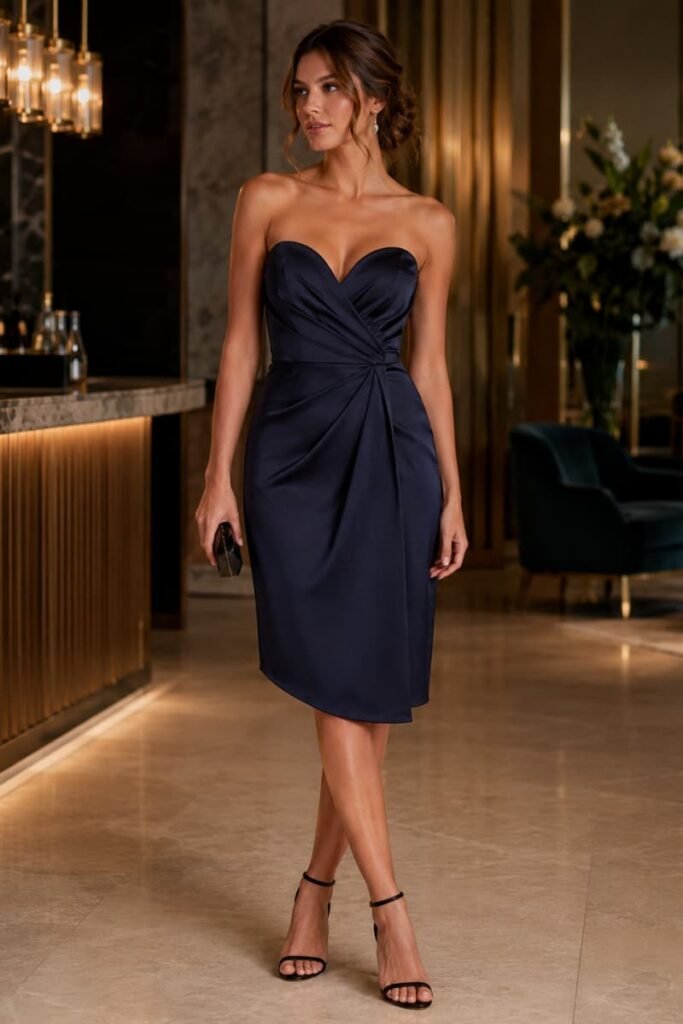
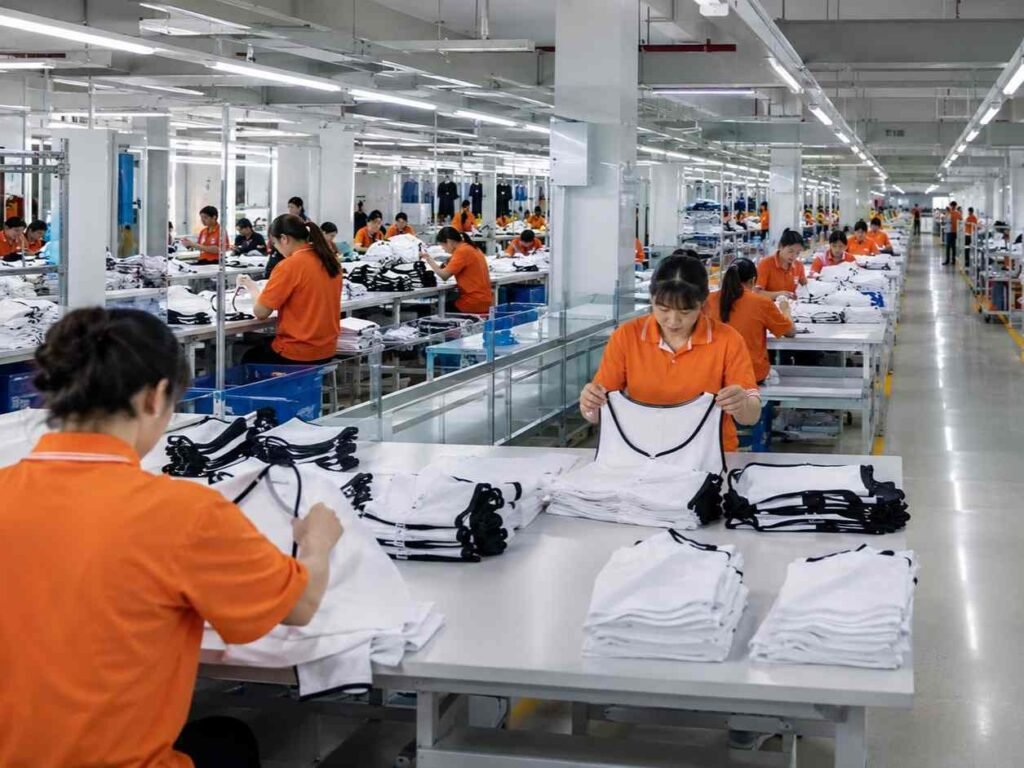
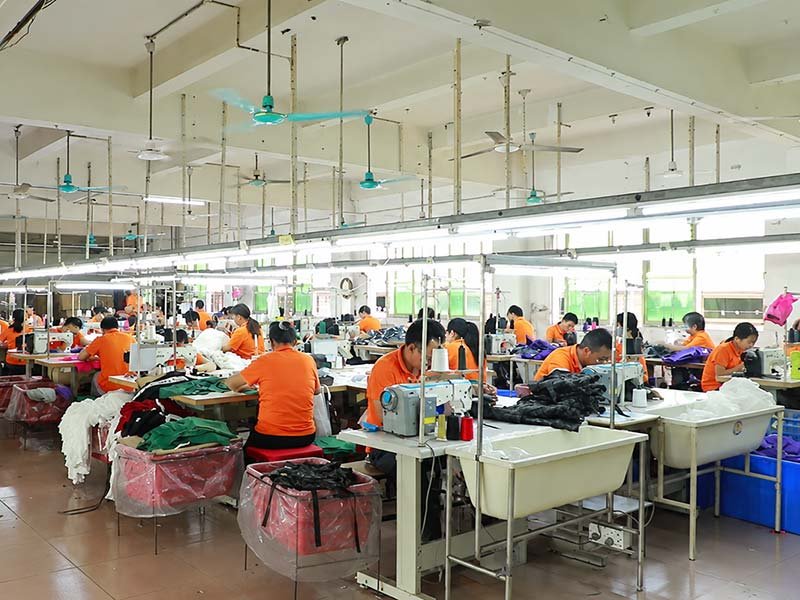
...

Custom Tube Dress Manufacturer

Dress-focused development and manufacturing for fashion brands building fitted, strapless and occasion-driven tube dress collections.

  • 8 core tube dress directions covering mini, midi, maxi, bodycon, ruched, double-layer, structured and embellished silhouettes.
  • 6 critical fit zones reviewed from the upper edge and bust through the waist, hip, hem and full-length balance.
  • Standard jersey, rib and ponte samples are commonly planned within 7–10 working days after material direction is confirmed.
  • Structured, printed or embellished designs usually require 12–18 working days, depending on fabric, support construction and trim development.
  • Development support includes fabric review, pattern engineering, fit correction, PP approval, bulk production, QC, labels and retail packaging.

Manufacturing Strength Built for Brand-level Tube Dress Programs

Duolan combines long-term dress development experience with a structured manufacturing network designed for multi-style programs, seasonal launches, repeat orders and production growth.

30+ Years Development

Duolan’s dress development foundation comes from more than 30 years of work across fashion product research, fabric development, pattern interpretation and commercial womenswear manufacturing. The value lies in understanding how trend direction, fabric behavior, fit expectations, price positioning and production feasibility must work together before a tube dress can move from an image or sketch into a repeatable product.

16 Owned Factories

Core development, sensitive styles and priority programs can be assigned within a network of 16 owned womenswear factories. Direct manufacturing control supports closer communication between development, pattern, sampling, production and quality teams, especially when upper-edge support, stretch balance, lining, ruching or body-contour fit must remain consistent from sample approval into bulk production.

20+ Satellite Factories

More than 20 long-term satellite factories add production flexibility for repeat orders, volume expansion and seasonal peaks. Styles are not distributed randomly. Production paths are considered according to fabric type, dress structure, workmanship sensitivity, order quantity and delivery schedule, helping multi-style orders move through suitable lines without weakening approved construction standards.

12,000+ Workers

The wider manufacturing structure includes more than 12,000 workers across core and regional production resources. Scale becomes valuable when a brand must coordinate 10–30 styles, several colorways, mixed size ratios and staged deliveries rather than placing one isolated dress order. Capacity planning is connected to style complexity and approval status.

300 Sewing Lines

Approximately 300 sewing lines support different product structures and production volumes. Basic double-layer jersey styles, ruched bodycon dresses, lined woven tube dresses and embellished party versions do not require the same manufacturing path. Line matching helps protect efficiency without treating every style as an identical garment.

50+ Quick-response Lines

More than 50 quick-response and flexible lines support launch quantities, commercial tests, repeat production and urgent replenishment. Fast response does not mean removing approval controls. Material locking, PP confirmation, first-piece review and inline inspection remain part of the production path when fit or construction carries higher risk.

Tube Dress Manufacturing for Established Fashion Teams

Duolan works with dress-focused organizations that need more than garment assembly. Each team receives support based on its development responsibilities, approval process and production risk.

Fashion Dress Brands

Dress-focused brands need silhouettes that look strong in campaigns while remaining wearable, graded and repeatable across commercial quantities. Duolan supports product direction, fabric matching, pattern development, fit correction, sample stages, brand trims and bulk control. Tube mini, midi and maxi dresses can be developed as single hero products or as connected collection groups with consistent fit language and material direction.

Product Development Teams

Product teams need manufacturing partners who understand design intent before cutting the first sample. Duolan reviews reference images, technical files, target fabric, support requirements, size standards, sample purpose and launch timing. Feedback is separated into fit, visual, construction, material and production points so each revision has a clear purpose rather than becoming an uncontrolled list of changes.

Buying Teams

Buying teams often manage quotation, approvals, compliance, production status, quality checkpoints and delivery schedules across many styles. Duolan supports structured communication through sample plans, revision notes, material confirmations, PP approval records, production path planning, inspection coordination and packing instructions. Clear documents reduce dependence on verbal memory when projects move from sampling to large-scale production.

Sourcing Offices

Sourcing offices require factory transparency, product specialization, documentation readiness and reliable project follow-through. Duolan can support supplier capability review, factory visits, sample evaluation, brand-manual execution, third-party inspection and shipment preparation. The working model is suited to teams managing multiple labels, regional markets or several internal approval departments.

What Custom Tube Dress Manufacturing Actually Includes

Custom tube dress manufacturing covers the complete path from product direction to branded delivery. Changing a color or attaching a label represents only a small part of the work.

Product Development

Development starts by clarifying the intended silhouette, wearing occasion, target market, retail position, fit priority and sample purpose. Duolan can work from a tech pack, original sample, sketch, moodboard or reference image. Fabric direction, support structure, lining, stretch requirements, closure method and commercial feasibility are reviewed before the development route is confirmed.

Controlled Manufacturing

Manufacturing standards are created through approved materials, measurements, workmanship points, sample comments, PP confirmation and production instructions. Tube dresses require particular attention to upper-edge stability, fabric recovery, opacity, seam direction, body compression and hem behavior. Bulk production begins only after critical variables are clear enough for repeatable execution.

Branded Delivery

Brand delivery includes woven labels, care labels, hangtags, barcode stickers, size identification, individual packing, carton ratios and shipping marks. Packaging decisions are reviewed together with garment structure, since silicone grippers, shaped bust areas, delicate satin, sequins and double-layer jersey can react differently to folding, compression and transport.

Tube Dress Styles Developed Around Brand Collections

Tube dresses can move from clean commercial basics to highly visual partywear. Each direction requires its own balance of fabric, pattern, support, construction and production control.

Tube Mini Dresses

Tube mini dresses are central to going-out, party, birthday and social-event collections. Development focuses on secure upper-edge fit, hem stability, body coverage and balanced compression. Stretch jersey, rib, ponte, velvet and double-layer constructions are common options. Short length increases the effect of vertical stretch, so finished length must be reviewed on body rather than judged only from flat measurements.

Tube Midi Dresses

Tube midi dresses require controlled body shaping through the bust, waist, high hip, full hip and lower skirt. A style can look smooth on a hanger but create horizontal drag lines when negative ease, fabric weight or recovery is poorly balanced. Slits, ruching, mesh overlays and shaped seams can be added while preserving walking comfort and visual proportion.

Tube Maxi Dresses

Tube maxi dresses combine strapless stability with long-length control. Fabric weight, vertical stretch, hem growth and body movement become more important as length increases. Lightweight jersey may pull downward, while heavy double-layer fabric can increase pressure around the upper edge. Pattern length, support level and packing method must be developed as one system.

Bodycon Tube Dresses

Bodycon tube dresses need controlled stretch rather than maximum tightness. Fabric recovery, opacity, seam strength and size grading determine whether the garment holds shape after wear. Pattern balance must distribute pressure across the bust, waist and hip instead of forcing the upper edge to carry all support. Double-layer jersey and compact stretch blends are often used for stronger coverage.
Strapless Bodycon Dresses

Ruched Tube Dresses

Ruching can improve visual texture and body adaptability, but poorly anchored gathering creates uneven sides, twisted seams and inconsistent bulk appearance. Development includes gathering ratio, elastic length, stitch security, left-right balance, lining connection and placement by size. Ruched areas also change fabric consumption and production time, making early construction confirmation important.

Double-layer Dresses

Double-layer construction improves opacity, surface smoothness and body coverage. The inner and outer layers must have compatible stretch and recovery. Unequal shrinkage or uncontrolled cutting can create bubbling, twisting or length difference after wear and washing. Layer connection points, seam allowance, hem method and upper-edge construction should be confirmed during sampling.

Structured Tube Dresses

Structured versions may use woven stretch fabric, internal facing, cups, boning, power mesh, silicone gripper or concealed closures. Support should remain clean from the outside and comfortable against the body. Structured tube dresses need more development time because bust shaping, top-edge contour, internal components and opening method must work together before grading.

Embellished Tube Dresses

Sequins, rhinestones, embroidery, foil, metallic surfaces and decorative mesh can turn a tube silhouette into a partywear statement. Decoration affects stretch, weight, skin comfort, seam construction, cutting loss and packing protection. Placement should be tested on the garment rather than approved only from artwork, especially around the bust, side seams, slit and hem.

Tube Dress Programs for Commercial Fashion Scenarios

A strong tube dress line is organized around selling occasions, product roles, material groups and launch timing rather than a disconnected list of similar fitted dresses.

Going-out Collections

Going-out collections often combine clean black tube minis, ruched color options, mesh-panel styles and one or two visual hero pieces. Commercial planning should balance wearable core shapes with campaign-led designs. Duolan can organize shared fabrics, aligned size standards and related construction details so the collection feels consistent while avoiding unnecessary duplication in development and material ordering.

Partywear Drops

Partywear programs may include metallic finishes, sequins, rhinestones, velvet, satin or contrast mesh. Visual impact must remain compatible with movement, skin comfort and repeated production. Sample development should confirm embellishment placement, lining coverage, support structure, closure and packing before the selling window becomes too close for controlled correction.

Vacation Capsules

Vacation tube dresses usually require lighter fabrics, stronger color direction, prints, comfortable stretch and travel-friendly packing. Midi and maxi lengths need special review for vertical growth and hem movement. Printed programs also require artwork scale, strike-off, placement and batch color control. A capsule may connect tube dresses with matching skirts, tops or lightweight cover pieces.

Summer Collections

Summer tube dresses need comfort, opacity and clean body lines without excessive weight. Lightweight materials can improve wearability but may expose undergarment lines or become transparent under stretch. Fabric selection should therefore consider color, GSM, recovery, lining and target retail position. Core colors, seasonal tones and print extensions can share one approved fit block.

Birthday Edits

Birthday and event edits often depend on a small group of high-impact styles supported by easier commercial versions. Rhinestones, draping, cut-outs, asymmetric hems and corset-inspired support can be applied selectively. The development plan should identify which details create visible value and which details only increase cost, sample time or production risk.

Holiday Programs

Holiday collections usually carry strict launch windows and higher visual expectations. Development must move backward from campaign photography, online launch, wholesale delivery or retail-floor dates. Materials with longer sourcing cycles, special colors, sequins and custom packaging should be confirmed earlier than basic stretch-jersey styles to protect final production and inspection time.

Tube Dress Risks Reviewed Before Sampling Begins

Many tube dress problems originate before sewing starts. Fabric, pattern, upper-edge structure, grading and sample purpose must be aligned early enough to prevent repeated corrections.

Top-edge Slippage

A strapless dress can slide when the upper-edge circumference, bust contour, fabric recovery or internal support is unsuitable. Making the opening smaller is not always the answer; excessive tightness can create pressure marks, rolling and discomfort. Duolan reviews upper-bust measurement, elastic tension, gripper options, facing, lining and garment weight before confirming the support direction.

Edge Rolling

Rolling often appears when a narrow top edge is combined with soft fabric, heavy garment weight or incorrect tension. Fold-over construction, elastic insertion, facing width, seam allowance and pressing method all influence stability. Sampling should include movement checks rather than flat-table appearance alone, because rolling commonly appears only after the dress is worn.

Weak Recovery

High stretch without adequate recovery can cause the dress to loosen during wear. Recovery affects upper-edge security, knee and hip shape, hem appearance and repeat wear. Fabric testing should compare original width, stretched width and recovered width. Duolan also considers whether heat, washing, printing or special finishing may change the recovered shape.

Transparency Under Stretch

A fabric may look opaque in relaxed condition but become transparent across the bust and hip. Light colors, low GSM, strong negative ease and bright retail lighting increase exposure. Coverage can be improved through material weight, color choice, double layering, lining or reduced compression. Opacity should be checked on body or over a contrasting base.

Side-seam Twisting

Twisted side seams can come from fabric skew, cutting direction, uneven stretch, incorrect pattern balance or layer movement. The problem becomes highly visible on fitted silhouettes. Fabric relaxation, grain direction, cutting consistency, notching and sewing control help preserve vertical seam position from upper edge to hem.

Uneven Compression

A dress may feel secure at the bust but excessively tight at the hip, or comfortable at the waist but loose at the upper edge. Each body zone requires its own ease logic. Pattern engineering should distribute tension based on fabric performance and intended fit rather than reducing every horizontal measurement by one fixed percentage.

Grading Distortion

A base-size sample may fit well while larger sizes lose support or smaller sizes become over-compressed. Upper edge, bust, waist, hip, dress length and slit position should not all grade with identical rules. Brand size standards, target body measurements and fabric recovery guide the grading plan.

Bulk Variation

A strong sample can still fail in bulk when fabric lots, elastic tension, lining, stitch construction or measurement methods change. Production control requires locked materials, PP reference, workmanship instructions, first-piece checking, inline measurement and final inspection. Approved visual appearance must be translated into measurable manufacturing standards.

Fabric Systems Selected for Fit, Coverage and Recovery

Tube dress fabric selection must balance softness, stretch, recovery, opacity, surface quality, support and bulk availability. A material name alone does not define performance.

Stretch Jersey

Stretch jersey is widely used for clean bodycon and ruched tube dresses. Development should confirm composition, GSM, stretch direction, recovery, shrinkage, skew, pilling and opacity. Lower weight may reduce material cost but can increase body-line exposure and return risk. Commercial jersey works best when fabric performance matches the intended compression and selling price.

Double-layer Jersey

Double-layer jersey provides stronger coverage, smoother body presentation and more controlled compression. Inner and outer layers should recover at similar rates. Cutting, seam connection and hem construction must prevent layer separation or bubbling. Weight also matters: a heavy double layer can pull downward and increase the support required at the upper edge.

Rib Knit

Rib structures create vertical texture and flexible body fit. Rib width, density and recovery influence whether the dress looks refined or overly casual. Loose ribs may widen around the hip and fail to recover; compact ribs offer better hold but can feel heavier. Seam waviness and stripe alignment also require attention.

Ponte Knit

Ponte provides cleaner structure, stronger opacity and a smoother body line than many lightweight jerseys. It is suited to fitted midi dresses, shaped seams and more polished collections. Thickness and recovery should remain compatible with the upper edge, since a heavy ponte dress may require stronger internal support or a closure rather than a simple pull-on construction.

Nylon-spandex Blend

Nylon-spandex blends can provide smooth handfeel, strong stretch and close body contour. Surface shine, snagging, heat sensitivity and dye behavior vary by quality. The fabric may work well for sleek going-out dresses, but garment construction must avoid needle damage, seam puckering and excessive compression around the upper edge.

Stretch Velvet

Stretch velvet creates depth and seasonal richness for party and holiday collections. Pile direction must remain consistent during cutting, while pressure and steaming must be controlled to avoid shine marks. Velvet weight can affect strapless stability. Lining, facing, seam bulk and packaging require early confirmation.

Stretch Satin
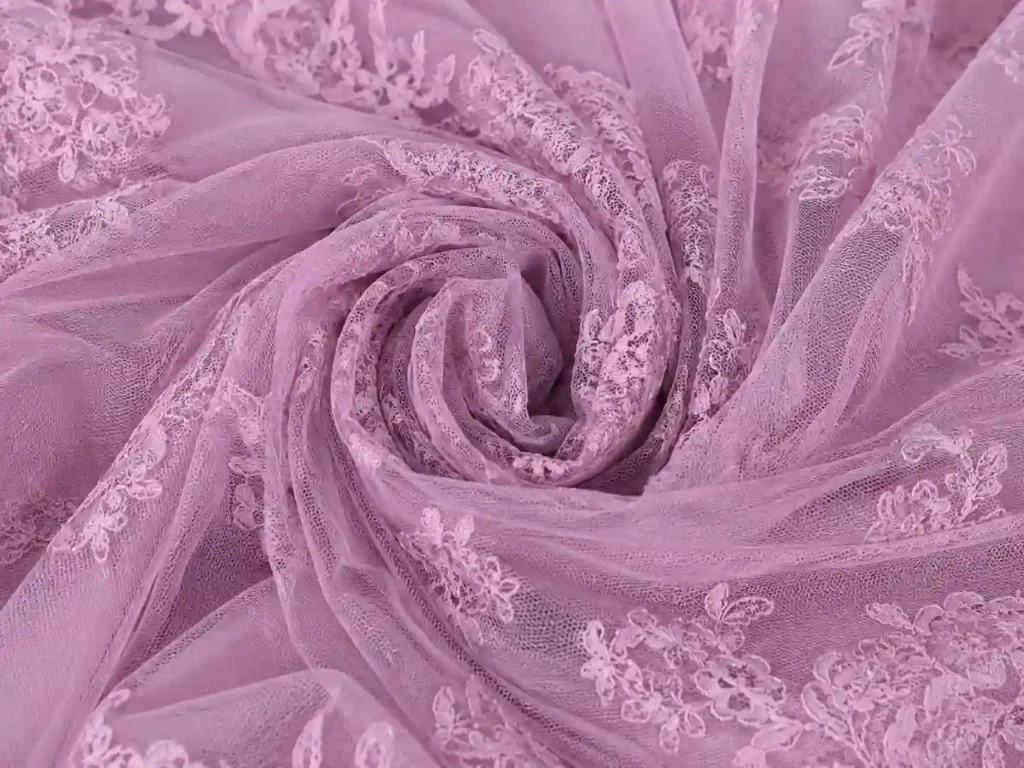
Stretch satin offers a polished evening look but requires disciplined handling. Shine makes seam waviness, needle marks, scratches and pressure visible. Stretch satin may also need lining or internal support because surface elegance does not guarantee upper-edge stability. Fabric weight, stretch level, pressing and packing should be tested before bulk planning.

Mesh Overlay

Stretch mesh can add transparency, print, ruching or surface texture over a supportive base. Mesh and lining must have compatible stretch, recovery and color. Seam placement, coverage, print alignment and edge finishing need review. A lightweight mesh layer may also shift during sewing unless pattern notches and layer control are clearly defined.

How Fabric Choice Changes Tube Dress Performance

The comparison below provides a development starting point. Final material selection depends on silhouette, target compression, color, lining, price position, order quantity and launch schedule.

MaterialStretch & RecoveryCoverageSupport LevelBest-suited Tube DressesMain Production Risk
Lightweight JerseyHigh stretch; recovery variesLow to mediumLightSummer mini, ruched stylesTransparency, body-line exposure, edge rolling
Medium JerseyBalanced stretch and recoveryMediumMediumCommercial mini and midiLot-to-lot recovery change
Double-layer JerseyStronger compressionHighMedium to highBodycon, premium basicsLayer twisting, extra weight
Rib KnitFlexible with textured recoveryMediumMediumCasual fitted mini and midiRib widening, seam waviness
Ponte KnitControlled stretchHighHighStructured midi, polished fitsWeight pulling on upper edge
Nylon-spandexSmooth, high stretchMedium to highMediumSleek club and going-out stylesSnagging, needle marks, over-compression
Stretch VelvetMedium stretchHighMediumHoliday and party dressesPile direction, pressure marks
Stretch SatinLimited to medium stretchMediumLight without structureEvening and occasion stylesSeam marks, slipping, insufficient support
Mesh OverlayDepends on mesh and baseControlled by liningBase-dependentPrinted, ruched and layered stylesLayer shifting, coverage inconsistency

Engineering Stable Tube Tops Without Visible Straps

A secure tube dress relies on coordinated pattern, fabric and internal structure. Support should match garment weight, intended movement and brand appearance without creating visible bulk.

Elastic Edge Systems

Elastic width, composition, recovery and application tension determine how the upper edge holds against the body. Narrow elastic may feel clean but can roll or create concentrated pressure. Wider elastic distributes force more evenly but requires suitable facing depth. Tension should be tested in sample form, since the same elastic behaves differently in jersey, satin, velvet and layered structures. Key controls include:
  • Relaxed and extended elastic length
  • Attachment method
  • Seam stretch
  • Recovery after wear
  • Wash stability
  • Skin comfort
  • Bulk consistency

Silicone Gripper Systems

Silicone gripper can improve stability when the design allows direct contact with the skin. Width, surface pattern, flexibility and attachment method affect comfort and hold. A strong gripper does not compensate for incorrect pattern balance. Heat, washing and skin-sensitivity requirements should also be considered before the component is placed into a global-market program. Key controls include:
  • Gripper width and softness
  • Continuous or segmented placement
  • Attachment security
  • Edge visibility
  • Skin-contact comfort
  • Cleaning instructions
  • Replacement availability for repeats

Internal Support Systems

Structured tube dresses may use facing, cups, light boning, side support, power mesh or hidden stay components. Support must follow bust position and body contour while remaining invisible from the outer shell. Internal parts should be selected according to fabric weight, neckline shape, target size range and wearing occasion rather than added automatically. Key controls include:
  • Cup shape and placement
  • Boning length and ending points
  • Power-mesh tension
  • Facing depth
  • Lining coverage
  • Side-seam support
  • Comfort at contact areas

Closure and Entry Systems

Pull-on construction works well when fabric stretch and recovery support repeated dressing. Woven or highly structured versions may require an invisible zipper, concealed hook, back opening or internal fastening. Closure choice affects pattern shape, seam placement, fitting sequence and production time. Key controls include:

  • Entry opening
  • Zipper length
  • Hook position
  • Seam reinforcement
  • Lining connection
  • Skin protection
  • Final top-edge alignment

Pattern Control for Secure and Balanced Tube Dress Fit

Tube dress fit should hold the body without relying on excessive tightness. Pattern balance, fabric behavior and targeted negative ease create security more effectively than simply reducing every measurement.

Upper-edge Contour

The upper edge should follow the body’s front, side and back contour rather than remain a flat horizontal circle. Bust shape, back width and fabric recovery influence the required curve. A secure opening can still appear clean when pressure is distributed correctly. Fit review checks gaping, cutting-in, rolling and movement after sitting or raising the arms.

Bust Balance

Bust shaping affects support, center-front length and side-seam position. A flat pattern may pull upward at the front or drop at the side when volume is not considered. Stretch styles can use contour and controlled ease, while structured styles may require darts, seams, cups or internal shaping. Bust balance should be reviewed in the intended sample size.

Waist Shaping

Waist definition should connect smoothly from bust to hip without creating diagonal drag lines. Excessive reduction can pull the dress upward during movement; insufficient shaping produces loose fabric and weak visual contour. Ruching, cut-outs and seam placement also change how waist shaping should be distributed.

Hip Distribution

Full hip and high hip require separate control. A dress may fit the full hip but form loose folds above it, or fit the high hip while becoming over-compressed across the seat. Pattern adjustment should reflect the target body profile and fabric stretch. Midi and maxi styles also require enough movement below the hip.

Vertical Balance

Stretch fabrics can shorten on the body when horizontal tension increases. Garment length should therefore be checked at center front, center back and side seam after fitting. Long styles may also grow under their own weight. Vertical balance determines whether the hem sits level and whether ruching or slits remain in the intended position.

Hem Stability

Mini hems can ride upward, while midi and maxi hems may wave, twist or grow. Hem depth, stitch type, fabric recovery and garment compression influence the result. Double-layer dresses require special care because inner and outer layers may move differently. Finished hem behavior should be checked after pressing and wear simulation.

Tube Dress Grading for Consistent Fit Across Sizes

Duolan can develop from proprietary brand size charts, US numerical sizes, alpha sizing or market-specific measurement standards. Grading rules are adjusted around fabric and support behavior.

Base-size Definition

Development begins by confirming the base sample size and target body profile. Brands may work with US 0–16, XXS–XXL or proprietary naming. The same size label can represent different body measurements across brands, so the approved size chart and intended fit remain more important than a generic market chart.

Eight Core POMs

Tube dress measurement control commonly includes at least eight core points: upper-edge circumference, bust, waist, high hip, full hip, center-front length, center-back length and hem opening. Structured or detailed versions may require cup placement, boning length, slit height, ruching length, zipper length and lining measurements.

Zone-based Grading

Upper edge, bust, waist and hip should not automatically use one identical grade increment. The upper edge must remain secure, while the hip requires enough progression for movement and body shape. Stretch recovery and support structure guide the grading relationship between zones.

Length Progression

Length grading affects coverage, visual proportion, slit placement and hem balance. Mini dresses may require controlled length increases to preserve the intended look. Midi and maxi dresses may need additional review around knee, calf and floor clearance rather than a single vertical increment.

Fabric-adjusted Ease

Negative ease is tested according to fabric stretch and recovery. Two fabrics with the same stated elastane percentage may produce different pressure and recovery. Sample fitting determines whether the grade should remain close to the base block or require separate adjustments by material group.

Size-set Approval

A size set may be requested when the size range is broad, the structure is sensitive or brand fit standards are strict. Review can focus on a selected lower, middle and upper size before full production. The goal is to confirm grading logic, not only check isolated measurements.

Construction Details Protecting Tube Dress Fit and Appearance

Close-up workmanship determines whether a tube dress remains secure, smooth and commercially presentable after movement, washing, packing and repeated wear.

Upper-edge Finishing

Upper-edge finishing may use fold-over elastic, enclosed elastic, facing, binding, lining turn-back or structured internal support. The finish must lie flat without rolling, twisting or showing from the outside. Stitch stretch and elastic tension are checked together because a clean appearance means little if the seam breaks during dressing.

Elastic Attachment

Elastic should be distributed evenly and joined without a bulky overlap. Uneven application creates localized tightness, wavy edges and inconsistent garment measurements. Production instructions can define elastic specification, cut length, joining method, attachment ratio and approved appearance. Random operator adjustment should not replace a locked standard.

Side-seam Control

Side seams should remain vertical and balanced from upper edge to hem. Fabric skew, unmatched notches, layer movement and uneven feeding can pull the seam forward or backward. Fitted dresses make even small deviations visible. Inline checks focus on seam position, smoothness, stitch security and left-right symmetry.

Lining Connection

Lining can improve opacity, support and internal cleanliness, but poor connection causes bubbling or visible pulling. Lining stretch, recovery and length should remain compatible with the shell. Connection points may include upper edge, side seam, zipper, slit or hem depending on the structure. The lining should support movement rather than restrict it.

Ruching Anchoring

Ruching must maintain the intended distribution across sizes and production lots. Gathering ratio, elastic specification, stitch path, starting and ending positions and backing structure should be controlled. Loose gathers can shift during wear, while excessive density creates weight and uneven bulk. Symmetry is checked before and after pressing.

Zipper Installation

An invisible zipper in a fitted tube dress must open smoothly without creating a ridge along the body. Seam stabilization, zipper length, top closure, lining attachment and waist matching affect appearance. Stretch fabrics may need reinforcement around the zipper so the surrounding seam does not grow or ripple.

Slit Reinforcement

Midi and maxi tube dresses often use side, back or front slits for movement. Slit height, lining finish, seam strength and bar-tack placement must balance mobility and coverage. High tension at the slit opening can cause tearing unless the area is stabilized and tested during fitting.

Hem Construction

Coverstitch, twin-needle, blind hem, clean-finished lining or narrow turn-up may be used according to material and product position. Hem choice affects stretch, weight and surface appearance. Wavy hems often result from excessive feeding, incorrect tension or insufficient relaxation before sewing and pressing.

Custom Design Options Built Around Brand Direction

Design customization should preserve fit, wearability and production repeatability. Every visual change is reviewed for its effect on material, pattern, workmanship, timing and cost.

Length and Silhouette

Mini, midi and maxi lengths can be developed from one design direction, but each length needs its own balance. Straight, tapered, flared and mermaid-inspired lower shapes respond differently to stretch and movement. Collection extensions should be sampled or pattern-reviewed rather than created through simple length changes alone.
Neckline Variation

Neckline Shape

Straight, curved, sweetheart, dipped and asymmetric tube necklines require different contour and support. A visually minimal edge may still need facing, elastic, gripper or internal shaping. The neckline should suit the fabric, bust coverage and intended size range while remaining stable during movement.

Ruching and Draping

Side ruching, center-front gathering, asymmetric draping and drawstring adjustment can reshape a basic tube silhouette. Placement affects body proportion and fabric consumption. Adjustable features also require secure channels, cord length, stopper choice and washing considerations. Draping should be translated into repeatable seam and notch instructions.

Cut-outs and Panels

Cut-outs, contrast mesh, lace panels and color-block sections add visual identity but change tension around the body. Panel edges need clean stabilization, while stretch compatibility between materials must be tested. Cut-out placement also influences coverage and grading, especially across larger sizes.

Surface Decoration

Prints, embroidery, rhinestones, sequins, foil and metallic effects may be integrated into tube dress programs. Decoration is reviewed for stretch restriction, body contact, weight, placement, washing and packing. Strike-offs or local tests may be required before the complete sample is made.

Branding and Packaging

Woven labels, heat-transfer labels, care labels, hangtags, size tabs, barcode stickers, protective bags and retail packaging can follow brand manuals. Placement, dimensions, material, language and artwork version should be confirmed before bulk production. Packaging specifications are treated as part of the final product standard.

What We Review Before Development Starts

Clear project information improves fabric judgment, sample accuracy, quotation basis and timeline planning. Brands can begin with complete technical files or with partial development references.

Tech Pack

A complete tech pack may include flat sketches, construction details, POMs, grading, BOM, colorways, artwork and label requirements. Duolan reviews missing information, conflicting notes and production-sensitive details before quoting or sampling. A file is not treated as final merely because it is detailed.

Reference Images

Reference images can communicate silhouette, mood, neckline, length, ruching or surface direction. Duolan separates the visible design intent from assumptions that cannot be confirmed from an image, such as fabric composition, internal support, back construction, measurements and lining. Questions are raised before development begins.

Original Sample

An original sample can be measured and studied for fabric, pattern, construction, support, workmanship and fit. Replication may still require adjustments for a new size standard, material, price position or market. Brand ownership and confidentiality requirements should be confirmed before sample handling.

Fabric Direction

Brands may provide a swatch, composition, GSM, handfeel, stretch requirement, color standard or reference garment. Duolan evaluates whether the proposed material supports the silhouette, coverage, recovery, target cost and bulk timeline. Alternative directions can be discussed when the original option is unstable or unavailable.

Size Standards

Body measurements, garment measurements, grade rules, fit comments and preferred sample size help establish the fit target. Without a brand size chart, a development basis can be discussed, but final production should move toward a confirmed measurement standard rather than assumptions.

Commercial Plan

Target quantity, colorways, size range, retail position, launch date, packaging and market requirements affect material sourcing and production planning. A 20-style seasonal order requires a different approach from one prototype or one repeat style. Commercial context helps Duolan recommend an appropriate sample and production path.

Turning Fit Comments into Controlled Revisions

Sample comments become useful only when the team understands their cause, priority and effect on the next development stage.

Fit Corrections

Fit comments may cover gaping, pressure, drag lines, side-seam movement, length or coverage. Duolan reviews whether the cause comes from pattern shape, material behavior, support structure or measurement. Changing one number without identifying the cause can create a new problem elsewhere.

Visual Adjustments

Visual feedback may involve neckline curve, ruching position, slit height, drape, proportion or surface finish. These points are separated from technical fit corrections so the revised sample preserves the intended aesthetic while maintaining construction feasibility.

Material Changes

A fabric change can affect stretch, recovery, opacity, garment weight and cost. Material revisions are therefore not treated as simple substitutions. Pattern, lining, elastic and support may need adjustment before the new material can produce an equivalent result.

Construction Changes

Changes to elastic, facing, zipper, cups, boning, lining or seam method influence fit and manufacturing. Duolan records the revised construction direction and considers whether the alteration is suitable for grading and bulk production rather than only one sample.

Pending Decisions

Some comments depend on a brand decision, such as choosing between two neckline depths, materials or support options. Pending points are listed clearly so the project does not move forward on unconfirmed assumptions. The revision schedule begins once required decisions and materials are available.

Revision Summary

A revision summary can include approved points, required changes, pending decisions, updated measurements, material status and next sample purpose. The record helps the brand team, pattern team, sample room and production team work from the same direction.

Locking Tube Dress Standards Before Bulk Production

Sample approval should lead to a controlled production basis. Materials, measurements, construction and brand details must be specific enough to repeat across lines, sizes and production lots.

Main Fabric Lock

Composition, GSM, width, stretch direction, recovery, color, finish and approved supplier reference are recorded. A visually similar fabric may not create the same fit. Substitution requires review when performance or batch availability changes.

Lining Lock

Lining affects coverage, stretch, comfort and garment movement. Material, color, weight, recovery and connection method are confirmed. Inner-layer length must also remain compatible with the shell to avoid bubbling or pulling.

Support Components

Elastic, silicone gripper, facing, cups, boning, power mesh and closures are defined by specification and placement. Small component changes can alter support and comfort. Bulk availability should be checked before production release.

Measurement Standard

Approved POMs, grade rules, tolerances and measuring method become part of the production basis. Tube dresses should be measured in a consistent relaxed condition, with additional instructions for elastic edges, ruching or stretch-sensitive points.

Workmanship Standard

Seam type, stitch construction, edge finishing, ruching ratio, zipper insertion, slit reinforcement and hem method are confirmed. Close-up photos or approved sample references help production teams understand the expected visual result.

Brand and Packing Lock

Labels, care information, hangtags, barcode, individual packing, fold method, assortment and carton marks are finalized. Artwork version, placement and language must be approved early enough to avoid holding completed garments at the packing stage.

Moving Approved Tube Dress Samples into Bulk Production

Bulk production begins with a readiness decision, not with an automatic release. The approved sample must be translated into materials, instructions, line planning, checkpoints and final delivery standards.

Approval Status

Duolan confirms whether the sample is fit-approved, visually approved, PP-approved or still pending refinement. A photo-approved sample is not automatically a production standard if fabric, measurement, workmanship or branding remains open.

Order Breakdown

Orders are divided by style, color, size and quantity. Each style is classified by construction and risk, such as standard stretch, structured, embellished, printed or high-fit sensitivity. The breakdown guides material planning and line allocation.

Production Path

Basic jersey styles, ruched dresses, stretch-satin versions and embellished party pieces can follow different production paths. Core and satellite factories are matched according to complexity, timing and quantity. Multiple styles are coordinated as a program rather than treated as unrelated orders.

First-piece Review

Fit-sensitive or complex styles can undergo first-piece or pilot confirmation before full production is released. The review focuses on material, measurement, upper-edge construction, workmanship and visual appearance. Problems found at this stage are easier to correct than after thousands of pieces are completed.

Inline Control

Inline checks monitor measurements, seam position, elastic application, ruching balance, lining, closures, surface quality and color. Findings are communicated while production remains adjustable. Final inspection alone cannot replace control during the sewing process.

Final Inspection

Final checks cover appearance, measurements, workmanship, quantity, size and color assortment, labels, packing and carton information. Third-party inspection can be coordinated according to brand requirements. Reference samples and approved files should be available for comparison.

Production Timing

Many tube dress programs reserve approximately 25–45 production days after PP approval and material readiness. Multi-style, embellished or specially developed programs may require 35–60 days. The confirmed schedule depends on material lead time, order structure, approval speed, packaging and seasonal capacity.

Reorder Preservation

Approved patterns, measurements, materials, workmanship points, label files and packing instructions are preserved for repeat planning. Reorders still require material and color confirmation, but a controlled reference file reduces repeated development and protects consistency across seasons.

Manufacturing Capacity for Multi-style Tube Dress Programs
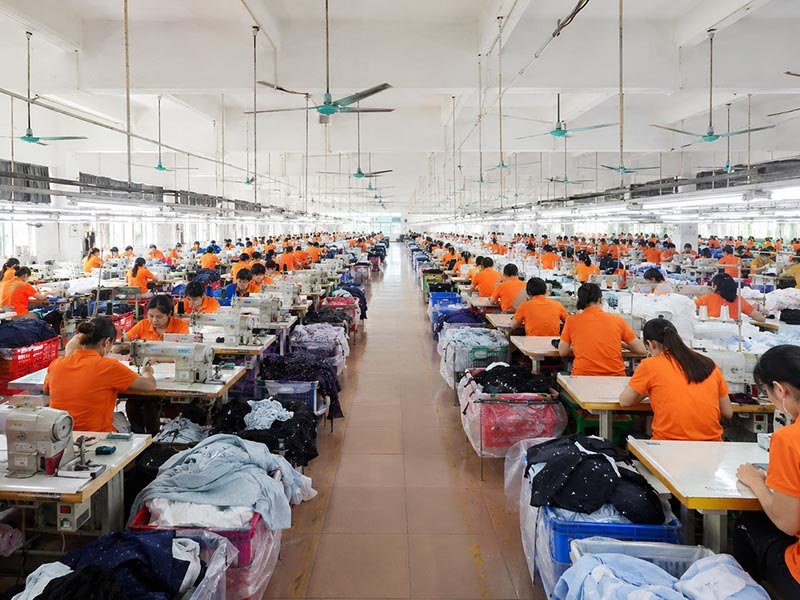
Duolan’s manufacturing network supports development, launch orders, repeat production and scale-up programs through coordinated factory and line planning.

Core Factory Control

Owned factories are used for priority projects, sensitive styles and programs requiring closer communication between development and production. Core control is valuable when fit, internal support, material handling or brand-standard execution carries higher risk.

Flexible Capacity Network

More than 20 satellite factories provide additional capacity for repeat orders, replenishment and seasonal volume. Long-term cooperation allows resources to be matched according to product type rather than added only after capacity becomes tight.

Multi-style Coordination

Fashion brands commonly place 10–30 styles within one program. Materials, sample approvals, colorways, size ratios and delivery dates are tracked by style. Production priority can be adjusted around campaign dates, material arrival and commercial importance.
factory Custom-Dress-Manufacturer-for-Product-Directors-banner2 dl

Quick-response Support

More than 50 flexible lines support test quantities, launch orders and repeat demand. Quick-response planning is strongest when approved materials, patterns and production files are already preserved, allowing speed to come from preparation rather than skipped controls.

Special Process Network

Printing, dip dyeing, embroidery, washing and decorative processes can be coordinated through long-term supporting resources. Process suitability is reviewed against fabric stretch, surface quality, color control, cost, timing and bulk repeatability before the style is released.

Scale-up Planning

Programs can move from development into launch quantities, repeat orders and higher-volume production through planned capacity allocation. Scale-up review considers whether one line, multiple lines or multiple factories are appropriate while protecting the same approved standard.

Quality Control Focused on Tube Dress Performance

Tube dress quality cannot be judged only by loose threads or final appearance. Material behavior, support, fit, seam balance and bulk consistency are checked through connected production stages.

Fabric Weight Check

Fabric weight is compared with the approved direction because GSM affects opacity, compression, drape and garment weight. A lighter bulk lot can change fit even when composition remains similar. Fabric width, handfeel and surface are also reviewed before cutting.

Stretch Recovery Check

Stretch and recovery are checked to understand how the dress behaves during dressing and wear. Weak recovery can cause upper-edge loosening, hip bagging and permanent growth. Testing may compare relaxed, extended and recovered measurements.

Opacity Check

Light colors and highly stretched zones are reviewed under suitable lighting. Coverage is checked across the bust, hip and seat rather than only in relaxed fabric form. Lining or double-layer effectiveness is also verified.

Top-edge Stability

Elastic, gripper, facing, cups or internal support are checked for placement, tension and comfort. The upper edge should remain aligned without rolling, gaping or excessive pressure. Movement review may be added for sensitive styles.

Measurement Control

Core POMs are checked according to approved measuring methods and tolerances. Elastic openings, ruching and curved edges require consistent relaxation before measurement. Selected sizes can be reviewed during production to confirm grading execution.

Seam and Symmetry

Side seams, center lines, ruching, darts, panels, slits and hems are checked for alignment and symmetry. Twisting, puckering and uneven tension become especially visible on close-fitting silhouettes.

Appearance and Color

Surface marks, shine changes, stains, needle damage, print placement, embellishment and shade difference are reviewed. Satin, velvet, mesh and metallic fabrics require material-specific handling and inspection.

Packing Verification

Labels, size stickers, barcodes, fold direction, individual bags, assortment, carton quantity and shipping marks are checked before shipment. Packing should protect the garment without crushing support structures or damaging delicate surfaces.

Compliance Support for Global Fashion Brand Requirements

Duolan supports brand audit, testing, documentation and inspection requirements through a manufacturing system familiar with international womenswear programs.

SMETA Audit Record

The manufacturing system has completed SMETA audit work, including SMETA 2-Pillar audit and related social-audit records. Current documents and scope should be reviewed during formal supplier evaluation.

Brand Manual Execution

Product, workmanship, packaging, labeling and inspection requirements can be aligned with brand manuals. Project teams review specific instructions rather than assuming one universal standard applies to every market or label.

Testing Coordination

Fabric composition, colorfastness, dimensional stability, pilling, seam strength and other tests may be coordinated according to product and market requirements. Test scope is confirmed by project rather than added as a generic claim.

Standards Alignment

Projects can be reviewed against relevant BSCI, ISO 9001, AATCC, ASTM, OEKO-TEX, EN, China GB, GOTS-related or brand-specific requirements where applicable. Support for a standard should not be confused with holding every certification listed.

Third-party Inspection

Duolan can cooperate with nominated inspection companies, prepare reference samples, production files and packing information, and support corrective action when inspection findings require review.

Documentation Readiness

Available project documents may include BOM, measurement chart, sample approval, material confirmation, QC checklist, packing specification, carton details and production status updates. Document scope depends on the cooperation model and brand requirements.

Packaging and Delivery Planned Around Launch Windows

Packaging protects garment structure, brand presentation and warehouse accuracy. Delivery planning works backward from campaign, online launch, wholesale or retail-floor dates.

Garment Protection

Stretch jersey may require controlled folding to reduce creasing, while satin, velvet, sequins and rhinestones need protection from friction and pressure. Structured upper edges should not be crushed during extended storage or transport.

Brand Identification

Woven labels, care labels, size tabs, hangtags, barcode stickers and price tickets are checked against approved artwork and placement. Multi-market programs may require different care language, barcode or carton information.

Individual Packing

Individual bags, tissue, protective layers, folding boards or hangers can be selected according to garment material and distribution method. Bag size should fit the product without excessive compression or uncontrolled movement.

Carton Planning

Size and color ratios, pieces per carton, carton dimensions, weight limits and shipping marks are confirmed before packing. Multi-style programs require clear separation and packing lists to reduce receiving errors.

Launch-date Planning

Planning works backward from warehouse arrival through freight, inspection, packing, production, PP approval, sample revision and material sourcing. Approval delays reduce the time available for production and logistics buffers.

Shipment Coordination

Duolan can cooperate with nominated forwarders or discuss suitable shipping arrangements. Final timing depends on destination, transport method, customs process, inspection, carton completion and document readiness.

Representative Tube Dress Programs for Fashion Brands

The following anonymized program profiles show realistic order structures for established dress brands. Brand identities and unreleased designs are omitted, while development challenges and operating data remain specific.

US Going-out Program

A US going-out dress brand planned an 18-style tube dress drop totaling 42,600 pieces across three color groups and a US 0–14 size range. The range included double-layer mini dresses, ruched midi styles, mesh overlays and two rhinestone hero pieces.

The main development risks were inconsistent upper-edge hold between fabrics, transparency in pale colors and horizontal drag lines across the high hip. Duolan separated the collection into three material and fit groups rather than forcing one pattern block across all styles.

Actions included:

  • Medium-weight jersey for commercial core styles
  • Double-layer construction for pale shades
  • Separate upper-edge elastic specifications by material group
  • High-hip and full-hip pattern correction
  • Two focused fit-sample rounds
  • PP review for one style from each construction group
  • First-piece confirmation before full production release

The program moved into bulk after the second focused fit round. Production was organized by construction group, while common labels and packing standards were applied across all 18 styles.

UK Partywear Program

A UK partywear brand organized 12 tube and strapless styles totaling 24,800 pieces in UK sizes 6–16. The program included stretch velvet, shimmer jersey, stretch satin and ruched mesh-over-jersey designs.

The original brief placed heavy emphasis on visual finish but provided limited internal-construction guidance. Stretch satin styles lacked sufficient support, while mesh ruching changed position between sample sizes.

Duolan reviewed the collection by support level and introduced:

  • Internal facing and concealed elastic for satin styles
  • Power-mesh support for selected bust areas
  • Locked ruching start and end positions
  • Material-specific seam and needle guidance
  • Size-set review across selected lower, middle and upper sizes
  • Separate packing protection for velvet and metallic surfaces

The 12-style program was divided into four production groups. PP references, material cards and workmanship close-ups were retained for production and future repeat review.

1 US Partywear Program

Australian Vacation Program

An Australian vacationwear brand prepared 26 styles totaling 68,400 pieces across tube midi dresses, printed maxi dresses, light ruched minis and matching separates. The range covered five print families and AU sizes 6–16.

Major risks included vertical growth in maxi lengths, opacity in light ground colors, print scale inconsistency and launch pressure across a broad style list. Duolan prioritized hero styles, common fabric groups and early print confirmation.

The working plan included:

  • Print strike-offs before full garment sampling
  • Separate length review for mini, midi and maxi groups
  • Double-layer construction for selected light colors
  • Shared fit blocks within compatible fabric groups
  • Multi-style sample tracking by priority
  • Production release in approved material groups
  • Staged packing and shipment preparation

The program followed a 42-day multi-style bulk plan after PP and material approval. Style files were preserved to support color extensions and repeat production after launch.

Custom Tube Dress Manufacturing Frequently Asked Questions

Yes. Reference images can establish silhouette, neckline, length, ruching and visual direction. Duolan will identify missing information such as fabric, back construction, support, lining, measurements and branding. Development begins after the sample purpose and key assumptions are clear enough to avoid uncontrolled interpretation.

Yes. Duolan can work with proprietary brand measurements, US numerical sizing, alpha sizes or market-specific specifications. The team reviews base size, POMs, grading, tolerances and measuring methods. Fabric stretch and support may require discussion before the size chart is applied to a fitted tube silhouette.

Common options include medium-weight jersey, double-layer jersey, rib knit, ponte, nylon-spandex, stretch velvet, stretch satin and mesh-layered constructions. The right material depends on compression, opacity, support, surface effect, season, price position and order structure rather than fabric name alone.

Upper-edge stability comes from pattern contour, fabric recovery, elastic, facing, silicone gripper, lining and internal support. Duolan selects the support level according to garment weight, neckline, size range and wearing occasion. Making the dress tighter is not treated as the only solution.

Not every style requires lining. Lightweight, pale or structured styles often benefit from lining or double-layer construction. Lining can improve coverage and support but may add weight, heat or movement restriction. Shell and lining stretch must remain compatible.

Standard jersey or rib tube dress samples are commonly planned within 7–10 working days after materials and requirements are confirmed. Structured, printed or embellished versions often require 12–18 working days. Focused revisions may require 5–8 working days. Final timing follows project review.

Material lead time, color development, number of styles, sample approvals, special processes, packaging, order quantity and seasonal capacity all affect timing. Many programs reserve 25–45 production days after PP and material approval, while complex multi-style programs may require 35–60 days.

Yes. Duolan is structured for multi-style collection programs. Styles are grouped by material, fit, construction, complexity and approval status. A project with 10–30 styles can be planned through prioritized samples, shared material groups, separate production paths and consolidated brand packaging.

Yes. Support may include woven labels, care labels, size tabs, hangtags, barcode stickers, individual bags, protective tissue, assortment, carton marks and packing lists. Artwork, placement, language and packing ratios should be approved before bulk completion.

Confidentiality arrangements can be reviewed before unreleased designs, technical files or original samples are shared. Project access should remain limited to relevant development and production teams. Brand names, labels and unreleased designs are not displayed publicly without permission.

Start Your Tube Dress Development Project

Share the information already available for your tube dress program. A complete tech pack is useful, but a reference image, original sample, size chart or material direction can also provide a starting point. Duolan will review the intended silhouette, fabric behavior, upper-edge support, fit priorities, sample purpose, order structure and launch schedule before recommending the next development or production path.

Clear project information helps us prepare a more relevant response instead of a generic quotation. Useful files and details include:

  • Tech pack, sketch, reference image or original sample photos
  • Target fabric, composition, GSM, stretch or handfeel
  • Base size, size chart and expected size range
  • Tube mini, midi, maxi or collection direction
  • Required support, lining, cups, gripper or closure
  • Colorways, prints or embellishment requirements
  • Expected style count and order quantity
  • Label, barcode and packaging specifications
  • Target market and launch date
  • Sample, quotation, supplier evaluation or bulk-production requirement

Start Your Apparel Development Project

OEM/ODM Manufacturing Support for Fashion Brands

Share your collection details, estimated quantities, target market, development timeline, and technical requirements. The production team will review your request and provide a tailored manufacturing solution based on your product category, fabric selection, construction needs, and delivery schedule.

Fashion Manufacturing Support with Scalable Production Capacity

From sample development to bulk production, Duolan supports fashion brands with confidential OEM/ODM manufacturing, stable quality management, flexible production planning, and coordinated multi-factory execution for seasonal and capsule collections.

Need Direct Assistance?

Seraphinite AcceleratorOptimized by Seraphinite Accelerator
Turns on site high speed to be attractive for people and search engines.