 Skip to content
Custom Cowl Neck Dress Manufacturer
Dress-focused development and controlled manufacturing for established fashion brands, product teams, sourcing offices and multi-style collection programs.
Duolan develops cowl neck dresses from design direction to production-ready garments, with close control over neckline depth, fold volume, fabric drape, bust coverage, grain direction and bulk consistency.
- 30+ years of fashion dress development background
- 16 owned womenswear factories and 20+ coordinated satellite factories
- 50+ quick-response and flexible production lines
- First-sample planning commonly starts from 7–12 working days after material confirmation
- Structured for 10–30-style programs and 20,000–80,000-piece seasonal orders
- SMETA 2-Pillar audited manufacturing foundation
What Professional Cowl Neck Manufacturing Must Control
Design Translation
The review identifies:
- Intended front, back or double-cowl structure
- Target depth and fold volume
- Mini, midi or maxi proportions
- Strap, halter or shoulder construction
- Lining and coverage requirements
- Potential differences between photography and everyday wear
Fabric Behavior
Duolan evaluates:
- Weight and thickness
- Drape and recovery
- Surface shine
- Stretch direction
- Transparency
- Face and reverse appearance
- Bulk availability
- Lining compatibility
Wearing Stability
Development checks cover:
- Bust coverage
- Armhole security
- Strap angle and length
- Shoulder balance
- Neckline return
- Lining attachment
- Side-seam stability
- Movement allowance
Bulk Repetition
One approved sample is not enough. The pattern, material, measurements, fold geometry, sewing method and pressing standard must be converted into repeatable production instructions.
Duolan prepares bulk around:
- Approved pattern and size specification
- Locked fabric and lining
- Confirmed neckline measurements
- Workmanship reference
- PP sample or approved production basis
- First-piece review
- Inline measurement and appearance checks
- Final packing standard
Cowl Neck Dress Risks and Control Actions
Production problems often begin before sewing. Early review connects every visible risk with a defined development or production action.
| Project Risk | Visible Result | Duolan Control Action |
|---|---|---|
| Fabric too stiff | Flat or artificial folds | Compare weight, drape and reverse appearance before pattern confirmation |
| Fabric too light | Weak coverage or unstable neckline | Review opacity, lining, fold allowance and neckline depth |
| Incorrect grain direction | Twisted body or uneven drape | Mark grainline and bias direction in pattern and cutting instructions |
| Excessive cowl depth | Bust exposure during movement | Adjust neckline width, drop, anchor points and inner control |
| Uneven shoulder tension | One fold hangs lower than the other | Balance strap length, shoulder angle and neckline endpoints |
| Weak side-seam balance | Side seams rotate toward front or back | Correct pattern balance and allow bias-cut panels to settle |
| Lining mismatch | Lining pulls the outer shell | Match lining weight, stretch, cut direction and attachment points |
| Sewing tension too high | Wavy seams and visible puckering | Test needle, thread, stitch length and machine tension |
| Incomplete PP standard | Bulk differs from approved sample | Lock measurements, material, workmanship, labels and packing before cutting |
| Poor packing method | Creases, pressure marks or damaged shine | Select folding, tissue, hanger or individual protection by fabric type |
Custom Cowl Neck Dress Product Directions
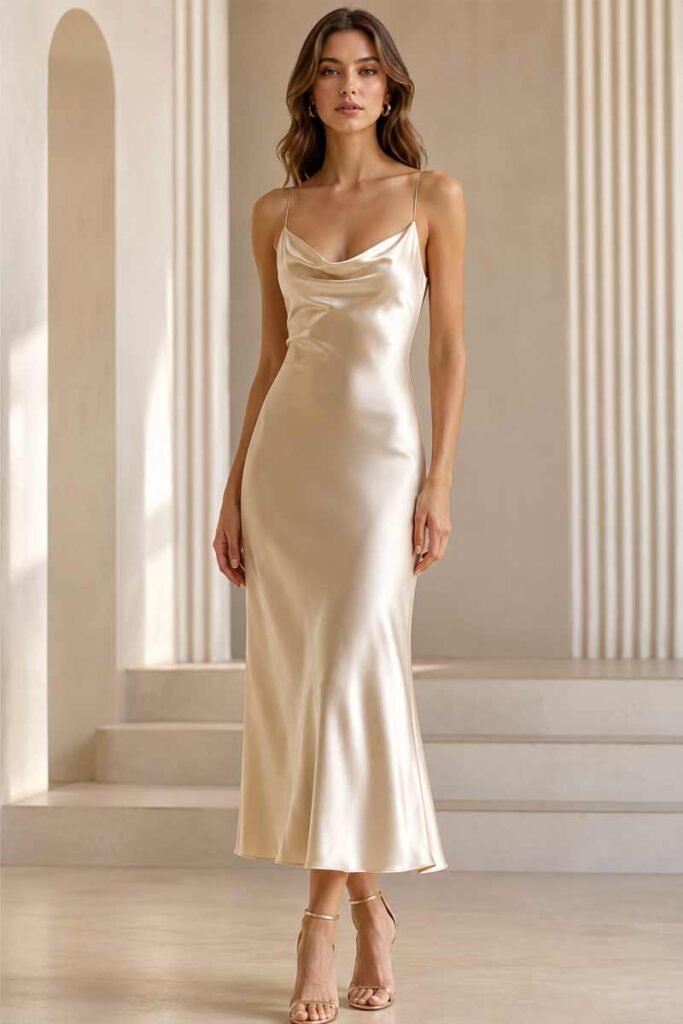
Satin Slip Dress
A satin cowl neck slip dress relies on controlled fluidity rather than heavy structure. Development normally focuses on neckline drop, fold softness, bust coverage, strap position, bias behavior and hem balance. Satin-back crepe offers greater body and a more controlled fall. Adjustable straps may improve fit flexibility, although slider position, strap extension and hardware finish must be confirmed. Suitable directions include:
- Going-out collections
- Holiday capsules
- Wedding guest edits
- Evening programs
- Minimal occasion lines

Bias-Cut Midi Dress
A bias-cut cowl neck midi dress follows the body through diagonal fabric movement. Pattern balance must account for stretch under garment weight, especially around the neckline, waist, hip and side seams. Cut panels may need controlled resting before assembly or hemming. Measurement review should distinguish pattern dimensions from settled garment dimensions. Suitable directions include:
- Premium contemporary collections
- Occasionwear programs
- Minimal evening capsules
- Elevated resort lines

Cowl Neck Mini
- Party collections
- Birthday edits
- Going-out programs
- Holiday event lines

Cowl Neck Maxi
Maxi length adds garment weight, which can pull the neckline lower and increase stress on shoulder points. The effect becomes stronger with bias-cut construction, heavy satin, long linings or added trains. Development must balance neckline volume with total garment length. Hem circumference, slit position, body length and fabric recovery are reviewed before final approval.
Suitable directions include:
- Resort collections
- Evening edits
- Destination events
- Formal occasion lines

Back Cowl Dress
A back cowl creates a strong visual feature but requires stable shoulder and waist engineering. Excessive back depth may pull the front neckline upward, distort side seams or affect bust fit. Development options include internal back support, shoulder stabilisation, cross-back straps, waist anchoring or controlled back-neckline width. Front and back balance are reviewed as one structure.
Suitable directions include:
- Resort evening lines
- Cocktail collections
- Summer occasion programs
- Photo-led fashion drops
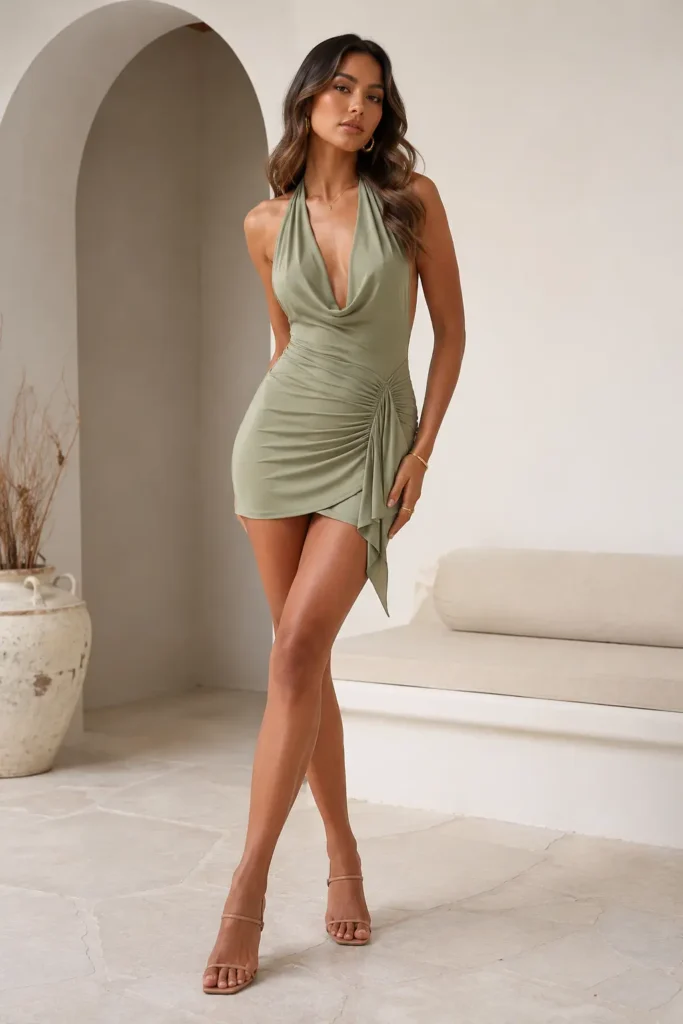
Halter Cowl Dress
A halter cowl transfers garment support toward the neck and upper back. Neckline fold, bust shaping, neck comfort and armhole coverage must work together. Possible structures include tied halter, fixed halter, button closure or metal hardware. Weight distribution is checked during fitting to avoid excessive neck pressure or unstable bust positioning.
Suitable directions include:
- Vacation collections
- Partywear programs
- Resort capsules
- Warm-season occasion lines

Long-Sleeve Cowl Dress
Long sleeves add coverage and seasonal versatility while creating extra pattern interactions at the shoulder, armhole and upper bodice. Fluid jersey, stretch satin and lightweight woven fabrics each require different construction methods. Development considers sleeve mobility, neckline return, shoulder drag, waist shape and lining strategy. Suitable directions include:
- Autumn and winter occasionwear
- Holiday programs
- Evening jersey collections
- Modest fashion edits

Asymmetric Cowl Dress
Asymmetric cowl structures may combine one-shoulder construction, diagonal folds, side draping or uneven hems. Pattern geometry becomes more complex because visual imbalance must still produce structural balance. Duolan reviews support points, drape direction, internal stability, side-seam position and scale consistency before production.
Suitable directions include:
- Statement occasionwear
- Fashion-led party collections
- Editorial capsules
- Limited seasonal drops
Cowl Neck Collections for Key Fashion Occasions

Going-Out Programs
- Satin mini dresses
- Open-back midi dresses
- Adjustable spaghetti straps
- Side slits
- Body-skimming shapes

Occasionwear Collections
Occasionwear needs visual refinement without sacrificing comfort. Fabric quality, neckline shape, lining, seam cleanliness, hem finish and pressing standards carry greater importance.
Programs may include:
- Wedding guest styles
- Cocktail dresses
- Formal midi dresses
- Evening maxi dresses
- Event-ready color capsules
Duolan coordinates material selection, pattern balance, photo samples, PP approval and bulk finishing around the required delivery window.

Resort Dress Lines
Resort cowl dresses often combine light fabrics, open backs, long hems and relaxed movement. The style may appear loose, yet shoulder support, neckline control and fabric recovery still need disciplined development.
Relevant directions include:
- Back cowl maxi dresses
- Printed fluid dresses
- Halter cowl silhouettes
- Lightweight midi dresses
- Vacation evening styles
Material sourcing also considers climate, packing recovery and destination wear.

Holiday Capsules
- Party mini dresses
- Satin midi dresses
- Embellished cowl styles
- Long-sleeve evening dresses
- Multi-color capsule programs

Wedding Guest Edits
- Soft satin midi dresses
- Draped maxi dresses
- Pastel seasonal colors
- Floral printed cowl dresses
- Coordinated occasion separates
Seasonal Fashion Drops
- 10–30 styles per program
- Shared fabric families
- Coordinated color stories
- Mini, midi and maxi balance
- Photo-sample priorities
- Staged bulk production
- Repeat-order preparation
Engineering the Cowl Neckline for Stable Drape
Cowl Depth, Width and Fold Volume
- Intended center-front drop
- Neckline width between anchor points
- Fold allowance
- Bust-level relationship
- Fabric face and reverse visibility
- Target number and softness of folds
- Expected wearing position
Shoulder Anchors and Strap Balance
- Front attachment point
- Back attachment point
- Finished strap length
- Adjustable range
- Hardware width
- Strap stretch
- Seam allowance
- Reinforcement method
Bust Coverage and Internal Control
Cowl dresses vary from modest soft drapes to deep evening necklines. Coverage must match brand positioning, target market and wearing occasion.
Control options may include:
- Inner modesty panel
- Partial front lining
- Full bodice lining
- Neckline stay
- Hidden tack points
- Internal elastic
- Shoulder stabilisation
- Controlled facing depth
Internal control should not flatten the cowl or create visible pulling. Lining attachment is therefore tested at selected points rather than joined without consideration.
Bust fit also influences drape. Excessive ease may cause the neckline to shift, while insufficient ease may stretch the folds open. Armhole shape, side-bust position and waist contour are reviewed together with the neckline.
During fitting, the garment is assessed from front, side and movement positions. Sitting, walking and arm movement can reveal exposure or shifting that is not visible on a static mannequin.
Front, Back and Double-Cowl Structures
A front cowl primarily affects bust coverage and front-body balance. A back cowl affects shoulder support, back depth and front-neckline position. Double-cowl construction combines both risks and requires controlled weight distribution. Front-cowl development checks:
- Fold symmetry
- Bust placement
- Armhole coverage
- Waist balance
- Facing or lining visibility
Back-cowl development checks:
- Back-depth stability
- Shoulder tension
- Waist anchoring
- Strap movement
- Undergarment compatibility
Double-cowl development checks:
- Front-to-back pull
- Shoulder stretch
- Total fabric weight
- Side-seam balance
- Movement security
Draping and Design Development Before Pattern Approval
Reading the Design Direction
A mood image may combine camera angle, styling, garment pinning and model posture. Duolan separates visual direction from production structure before creating a sample.
The review considers:
- Front, side and back appearance
- Neckline depth
- Number and direction of folds
- Shoulder and strap position
- Bust and waist relationship
- Skirt silhouette
- Fabric surface
- Wearing occasion
- Required size range
Open questions are identified before cutting. A reference with hidden back construction, unclear lining or uncertain fabric weight may need development assumptions. Those assumptions should be recorded and confirmed rather than left to the sample maker.
Draping on the Form
Draping allows the team to observe gravity, fold depth and fabric movement in real scale. It is particularly useful for deep cowls, asymmetric necklines, bias-cut satin, back drapes and fluid jersey.
The process may involve:
- Marking shoulder anchors
- Testing neckline extension
- Adjusting fold distribution
- Checking fabric face visibility
- Reviewing bust coverage
- Balancing side seams
- Recording drape lines
- Transferring the result into pattern form
Different fabrics may require separate drape trials. A pattern developed in soft satin cannot automatically deliver the same result in heavier crepe.
A draped trial is not always a finished sample. Its purpose is to define structure before detailed sewing begins, reducing unnecessary full-sample revisions.
Converting Drape Into Pattern
After the intended form is achieved, drape lines and control points are translated into a repeatable paper or digital pattern.
Pattern conversion records:
- Grainline
- Fold allowance
- Neckline edge
- Shoulder point
- Bust reference
- Waistline
- Side-seam position
- Notches
- Facing or lining relationship
Production repeatability depends on these records. A fold created only by hand manipulation cannot be reliably copied across hundreds or thousands of garments unless its pattern source and assembly method are controlled.
Duolan also reviews marker efficiency and cutting direction.
Reviewing Commercial Feasibility
An attractive prototype must also fit the target price, launch date and order structure. Design review therefore includes commercial feasibility.
Key questions include:
- Is the proposed fabric available for bulk?
- Does true bias cutting create acceptable consumption?
- Can neckline handling remain stable across all sizes?
- Does the lining support the intended retail position?
- Are special trims necessary?
- Will pressing and packing protect the surface?
- Can the style be repeated during replenishment?
Where risk is high, Duolan can propose controlled alternatives without removing the main design identity. Options may include adjusted neckline volume, a different satin weight, partial lining, revised strap construction or a more production-stable grain plan.
Fabric Selection for Cowl Neck Dress Development
Fabric choice determines fold softness, coverage, shine, body contour and production stability. Material review should consider the complete garment rather than relying only on composition or fabric name.
| Fabric Direction | Drape Character | Stretch | Coverage | Main Production Risk | Suitable Applications |
|---|---|---|---|---|---|
| Lightweight Satin | Deep, fluid folds | Low | Low to medium | Needle marks, seam waviness, transparency and pressure marks | Slip, party and wedding guest dresses |
| Stretch Satin | Fluid with closer fit | Medium | Medium | Uneven recovery, seam extension and shine variation | Body-skimming mini and midi dresses |
| Satin-Back Crepe | Controlled fluidity | Low | Medium to high | Reverse-face handling and batch consistency | Occasion and premium midi dresses |
| Fluid Crepe | Soft with less shine | Low to medium | Medium | Grain distortion and inconsistent handfeel | Contemporary and office-to-evening styles |
| Chiffon | Light layered movement | Low | Low | Transparency, edge finishing and layer alignment | Resort, maxi and occasion overlays |
| Viscose Blend | Natural fluid movement | Low to medium | Medium | Shrinkage, relaxation and dimensional change | Resort and contemporary collections |
| Fluid Jersey | Soft stretch drape | High | Medium | Neckline stretching, seam recovery and hanger growth | Long-sleeve and fitted cowl dresses |
Satin and Bias-Cut Production Control
Selecting the Right Satin
Selection criteria include:
- Fabric weight
- Surface reflection
- Reverse-side appearance
- Drape
- Stretch and recovery
- Opacity
- Snag resistance
- Color consistency
- Required lining
- Bulk availability
Duolan compares the material against the desired cowl depth, silhouette, size range and price position before sample approval.
Controlling Bias-Cut Movement
Bias cutting allows woven fabric to follow the body with greater fluidity. The same flexibility can also create twisting, growth and measurement variation.
Control begins with:
- Accurate grain marking
- Fabric relaxation
- Consistent cutting direction
- Panel identification
- Controlled handling
- Suitable seam construction
- Garment settling before final hemming
Long skirts and heavy fabrics may continue to lengthen after assembly. Hem levelling should therefore follow the agreed settling process rather than being completed too early.
Side-seam movement is checked during fitting and pilot production. A balanced paper pattern may still shift after sewing if the fabric has uneven tension or panels are handled differently.
Sewing Without Visible Damage
Key checkpoints include:
- Needle size and point
- Thread fineness
- Stitch density
- Upper and lower tension
- Presser-foot pressure
- Seam allowance
- Operator handling
- Rework limitation
Fine edges, narrow straps, invisible zippers and curved neckline areas receive additional attention. Seam appearance is reviewed under direct light because defects may be less visible under normal factory lighting.
Pressing and Packing Satin
Excessive heat, moisture or pressure can alter satin shine and create permanent marks. Pressing tests are made according to fabric composition and surface sensitivity.
Control points include:
- Temperature
- Steam level
- Pressing pressure
- Protective cloth
- Seam pressing direction
- Cooling time
- Hanger recovery
- Folding position
Packing is selected according to garment length, embellishment, fabric sensitivity and delivery method. Tissue protection, hanger packing or reduced fold pressure may be used for styles that crease easily.
Carton quantity should protect the garments rather than maximise compression. Packing approval forms part of the production standard.
Pattern, Fit and Size Control Across Collections

Measurement Point Definition
- High-shoulder point to hem
- Bust
- Waist
- Hip
- Armhole depth
- Front neckline drop
- Neckline width
- Finished strap length
- Adjustable strap range
- Back depth
- Slit height
- Hem opening

Fit Balance on Body
Fit review considers how each area affects the next. Tightness at the bust may pull the neckline open. Excess waist ease may shift the garment. A narrow hip can raise the hem or twist side seams.
Duolan assesses:
- Bust-to-neckline relationship
- Armhole coverage
- Waist position
- Hip ease
- Side-seam direction
- Back balance
- Strap security
- Skirt movement
- Hem level
Fit comments are translated into paper-pattern and specification changes rather than handled only through sample alteration.

Grading Sensitive Details
- Neckline depth by size
- Fold volume
- Bust development
- Strap position
- Armhole coverage
- Waist and hip progression
- Body length
- Slit position
- Hem balance

Revision and Comment Discipline
Fit comments may arrive through measurement sheets, annotated photos, PDF files, video calls or physical samples. Every comment should lead to a defined action. Duolan organises comments into:
- Fit
- Measurement
- Fabric
- Construction
- Visual appearance
- Trim
- Label
- Packing
- Open questions
A revision summary records what changed, what remains pending and what requires confirmation. Updated patterns, specifications and workmanship notes should move together so later teams follow one approved direction.
Manufacturing Details Behind a Refined Cowl Dress
Neckline Edge Finish
Neckline Stabilisation
Strap Construction
Adjustable Hardware
Lining Connection
Side-Seam Balance
Invisible Zipper
Fine Hem Finish
Slit Reinforcement
Seam Tension
Pressing Standard
Packing Protection
OEM and ODM Development for Brand Programs
Tech Pack Production
- Technical drawings
- Measurement chart
- Construction notes
- BOM
- Colorways
- Size range
- Label files
- Packing instructions
Reference Image Development
- Front, side and back references
- Preferred length
- Target fabric
- Size standard
- Required coverage
- Target quantity
- Launch date
Original Sample Review
- Pattern balance
- Fabric and lining
- Neckline structure
- Sewing method
- Measurements
- Fit concerns
- Improvement requests
- Brand-specific changes
Design Direction Support
Existing Block Extension
An approved fit block can reduce repeated fit work across related styles. Cowl neckline variations, lengths, straps, backs and skirt shapes may be developed from a controlled base.
Block use requires review because fabric stretch, bias direction and neckline weight can still change the fit. Every variation is checked before entering bulk.
Collection Development
- 10–30 styles per development program
- Shared material groups
- Coordinated size standards
- Photo-sample priorities
- Staged approvals
- Production waves
- Repeat-order records
Structured Sampling From Brief to Approved Standard
Project Brief Review
A clear brief allows the team to separate visual questions from technical and production questions before work starts.
Planning reference: 1–2 working days after complete information is received.
Fabric and Trim Review
Lab dips, custom colors or special trims may extend the schedule. Stock materials can shorten initial development but still require bulk confirmation.
Planning reference: 2–7 working days depending on sourcing and color requirements.
Pattern and Draping
The first pattern is linked to supplied measurements or an agreed fit basis.
Planning reference: 2–5 working days after material direction is clear.
First Sample Sewing
The timeline is confirmed before sample work begins rather than promised without technical review.
Internal Sample Review
Photos, videos or notes may be shared before shipment where useful. Internal review does not replace brand fitting but helps identify visible issues early.
Revision Sample
Revision timing depends on comment scope and material availability. A focused pattern and workmanship revision may take approximately 5–8 working days. Major fabric, structure or sizing changes require a revised schedule.
A comment-response summary helps keep the next round aligned.
Controlled Transition From Sample to Bulk Production

Bulk Readiness Review

Material Locking

Order Breakdown

First-Piece Confirmation
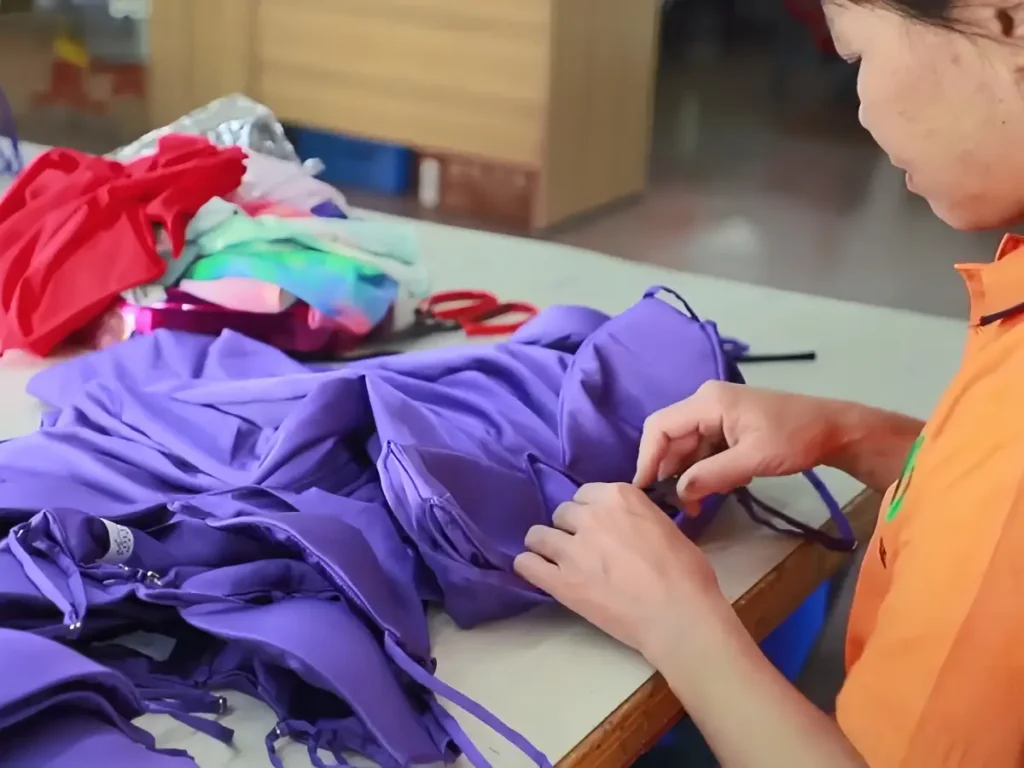
Inline Control

Final Release
Turning Samples Into Production-Ready Standards
Separate Every Sample Purpose
Different sample stages answer different questions. A first prototype evaluates design direction, proportion and construction. A fit sample reviews measurements and wearing balance. A revised sample confirms agreed corrections. A photo sample supports campaign or ecommerce preparation. A PP sample establishes the production basis.
Combining every purpose into one undefined sample often leads to unclear approvals. Duolan identifies the required stage before development begins. Relevant stages may include:
- First prototype
- Fit sample
- Revised sample
- Salesman or photo sample
- Size-set sample
- PP sample
- Shipment reference sample
Record Every Approved Decision
- Main fabric
- Lining
- Color
- Pattern
- Measurements and tolerances
- Neckline depth and width
- Strap setting
- Construction
- Stitching
- Pressing
- Labels
- Packaging
Close Open Questions Before Bulk
Open questions should be visible before material purchasing or cutting starts. Examples include final color, lining length, strap hardware, slit height, label placement and folding method.
Clear closure reduces rushed decisions during production.
Protect Reorder Consistency
Approved patterns, specifications, BOM records, workmanship points and packing details create the basis for future repeat orders. Reorder review still checks material availability, color batches, size requirements and delivery timing. A retained record reduces repeated development and helps preserve the approved product identity across seasons.
Cowl Neck Dress Quality Control Checkpoints
Quality management begins with design and material decisions, continues through sampling and production, and finishes only after packing and shipment review.

Fabric Batch Control

Grainline Accuracy

Neckline Geometry

Bust and Armhole

Seam Appearance

Lining Position

Garment Balance

Pressing and Surface

Packing Accuracy
Manufacturing Capacity for Multi-Style Dress Programs
Owned Factory Control
- Clear production responsibility
- Direct standard transfer
- Core-style management
- Process follow-up
- Quality coordination
- Repeat-order preparation
Quick-Response Lines
More than 50 quick-response and flexible lines support sample-to-order transitions, launch orders, selected test programs, replenishment and collection timing. Line selection depends on:
- Style complexity
- Fabric behavior
- Quantity
- Color count
- Size range
- Required delivery
- Inspection needs
Satellite Factory Flexibility
More than 20 long-term satellite factories provide coordinated capacity for production peaks, replenishment and different workmanship requirements. Satellite capacity is not treated as uncontrolled outsourcing. Project allocation should follow approved samples, production instructions, QC checkpoints and delivery planning.
Multi-Base Coordination
Compliance, Communication and Brand-Level Project Discipline
Compliance Foundation
Structured Communication
Project communication can cover:Development brief,Fabric options,Open questions,Sample progress,Comment response,Revision summary,PP confirmation,Production timeline,QC findings,Packing and shipment.
English communication, email, WhatsApp, WeChat, voice calls and video meetings support cross-border coordination. Important decisions are recorded so sampling, merchandising, production and QC teams follow the same approved information.
Confidentiality and Boundaries
Representative Cowl Neck Dress Project Cases
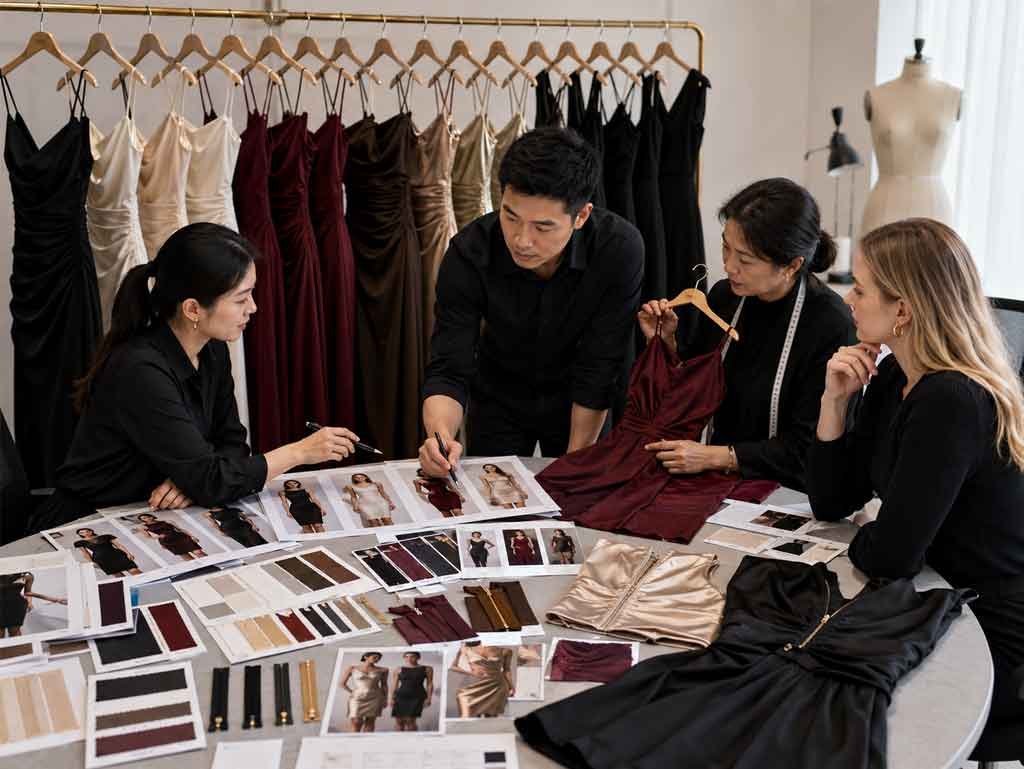
United States Going-Out Brand
Region: United States
Program: Satin going-out and party dress collection
Styles: 18
Total quantity: 42,600 pieces
Colorways: 2–4 per style
Size range: US 0–14
The program included cowl neck mini dresses, satin midi dresses, open-back styles and asymmetric draped dresses. The main concern was keeping neckline depth, bust coverage and satin appearance consistent across multiple silhouettes and colors.
Duolan organised the project through shared material groups and separate pattern routes. Deep-cowl styles received neckline and movement review before approval. Bias-cut styles were assessed for side-seam rotation and hem growth. Adjustable strap standards were aligned across related products.
Development actions included:
- Fabric drape comparison
- Neckline measurement method
- Bust-coverage review
- Strap hardware confirmation
- Bias-cut settling process
- PP sample standards
- Three production waves
The 18 styles followed one coordinated approval structure, allowing image-led styles and commercial styles to progress without mixing their technical requirements.

United Kingdom Occasionwear Brand
Region: United Kingdom
Program: Wedding guest and occasion dress collection
Styles: 24
Total quantity: 67,200 pieces
Colorways: 2–3 per style
Size range: UK 6–20
The collection combined cowl neck midi dresses, draped maxi dresses, long-sleeve evening styles and satin-back crepe silhouettes. Key priorities included formal appearance, secure coverage, broad-size grading and delivery before the spring event calendar.
The initial development review identified three major risks:
- Deep necklines increasing unevenly through grading
- Lightweight satin showing lining and seam impressions
- Long bias skirts changing length after assembly
Duolan separated styles by fabric and construction risk. Selected sizes were reviewed for cowl depth and bust coverage. Satin-back crepe was used for styles requiring stronger body, while lightweight satin remained on softer slip silhouettes. Long bias garments followed a controlled settling and hem-levelling process.
The program moved through photo-sample, fit, PP and staged production milestones, giving campaign-critical styles earlier priority.

Australian Resort Fashion Brand
Region: Australia
Program: Resort and vacation evening collection
Styles: 12
Total quantity: 28,800 pieces
Colorways: 3 per style
Size range: AU 6–18
The range focused on back-cowl maxis, halter cowl dresses, fluid printed midis and lightweight evening styles. The brand required movement, open-back impact and comfortable wear in warm climates.
Development challenges included front-to-back balance on deep back cowls, lightweight fabric transparency, long-hem movement and packing recovery after international transit.
Duolan reviewed:
- Shoulder and waist anchoring
- Front bust stability
- Back-cowl depth
- Partial and full lining options
- Print direction
- Hem circumference
- Folding and tissue protection
Production was split into two delivery groups according to launch priority. Shared trims and coordinated color approvals reduced unnecessary variation while preserving different silhouettes across the collection.
Packaging and Delivery for Retail-Ready Dresses
Individual Garment Protection
Satin Fold Planning
Labels and Hangtags
Carton Assortment
Shipment Coordination
Duolan can support sample courier, air freight, sea freight, nominated forwarders, FOB, CIF, DDP and staged shipment arrangements according to project requirements.
Delivery Planning
Bulk production commonly requires approximately 25–40 days after PP approval and material readiness for regular programs. Complex multi-style, multi-color or special-process programs may require 35–50 days.
Frequently Asked Questions About Cowl Neck Dresses

Start Your Custom Cowl Neck Dress Project
Share the strongest information currently available, whether it is a complete tech pack, reference image, original garment, fabric direction or collection brief. Duolan will review the cowl structure, material behavior, fit priorities, sample path, production feasibility and required confirmation points before preparing the next project step.
For a more accurate development and production review, please include:
- Company or brand name
- Website or social profile
- Country and target market
- Product type and wearing occasion
- Tech pack, sketch or reference images
- Preferred fabric or swatch reference
- Front, back or double-cowl direction
- Target neckline depth
- Size range and fit standard
- Number of styles
- Quantity per style and color
- Target launch or delivery date
- Main label, care label and hangtag requirements
- Packing and shipment instructions
- Current requirement: sample, quotation, supplier review or bulk production
Project files and design information can be handled according to agreed confidentiality requirements.


