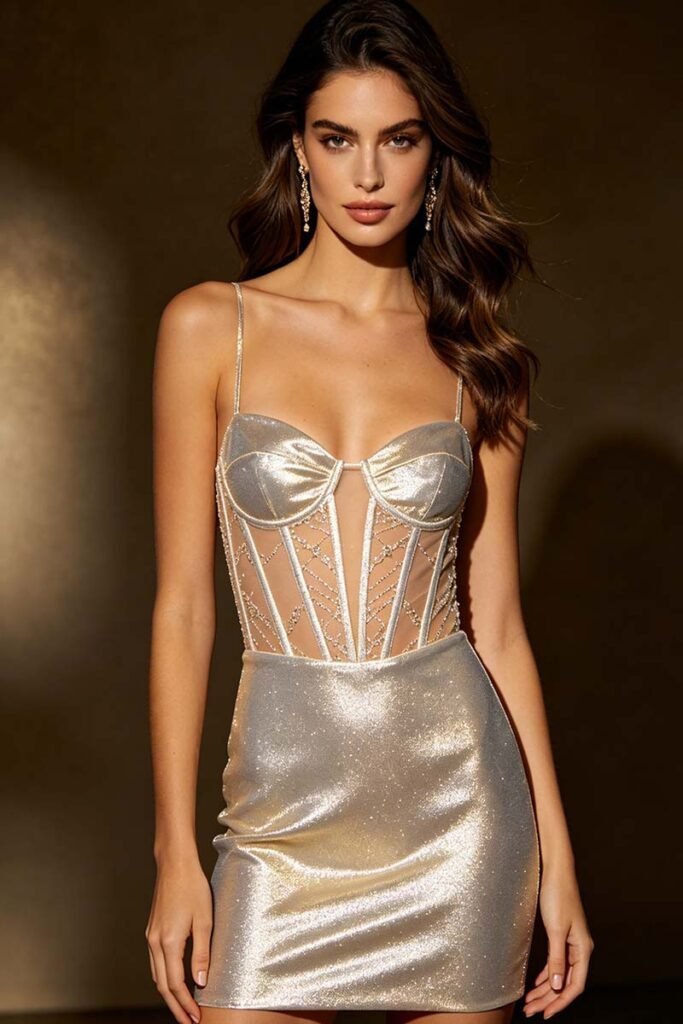
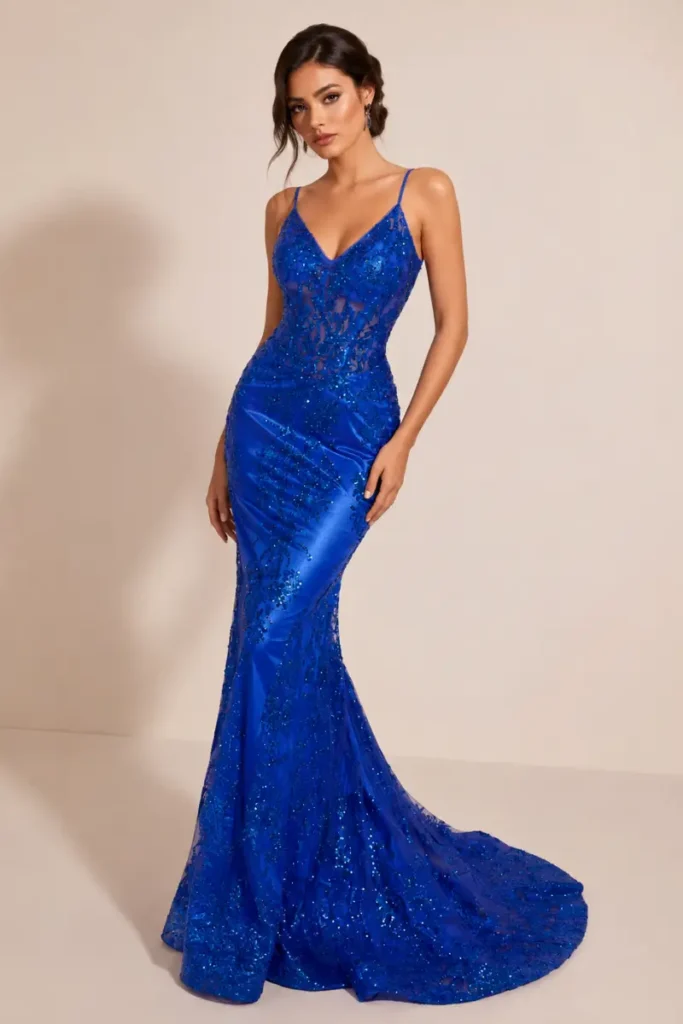
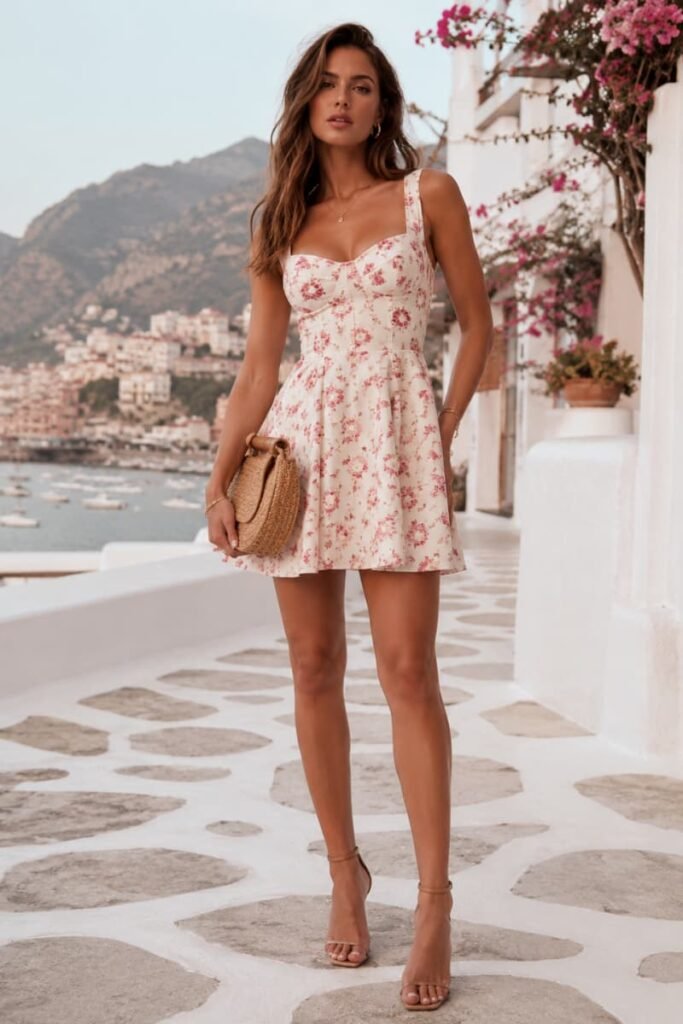
...

Custom Sweetheart Neckline Dress Manufacturer

Dress-focused development and manufacturing for fashion brands building structured, fitted, party, occasion, and going-out collections.

  • 8 commercial sweetheart dress directions covering mini, midi, bodycon, cocktail, party, occasion, prom, and wedding guest programs.
  • 6 critical fit checkpoints covering neckline contour, bust point, cup position, side coverage, strap balance, and waist alignment.
  • 5 sample purposes supported: first prototype, fit sample, photo-ready sample, salesman sample, and PP sample.
  • 4 quality stages covering incoming materials, cutting, inline production, and final packing inspection.

Duolan turns tech packs, design sketches, reference images, original samples, and fabric directions into production-ready sweetheart neckline dresses. Development covers neckline engineering, pattern balance, internal bust support, material selection, sample refinement, bulk preparation, production control, branded packing, and repeat-order coordination.

Built for Structured Fashion Dress Development

Sweetheart neckline projects require more than general dress production. Duolan works with established fashion teams that need defined development standards, controlled samples, commercial production planning, and reliable repeat-order execution.

Fast-Fashion Dress Brands

Sweetheart neckline dresses often sit inside high-frequency mini, midi, bodycon, going-out, party, and event-driven collections. Fast-fashion teams need multiple styles developed in parallel without losing control of neckline proportions, fabric behavior, size grading, or launch timing. Duolan organizes each style around its design basis, sample purpose, target material, fit priorities, production complexity, and bulk path. The result is a clearer route from first review to approved sample, PP confirmation, launch order, and later replenishment.

Occasionwear Brands

Occasionwear depends on visual completion, secure fit, balanced coverage, and strong photography performance. A sweetheart neckline may need soft romance for wedding guest styles, deeper shaping for party dresses, or greater internal support for prom and formal silhouettes. Duolan evaluates the relationship between neckline depth, bust construction, fabric weight, lining, boning, straps, closure, and skirt proportion before finalizing the development direction. Each decision must support the intended wearing occasion and future production repeatability.

Product Development Teams

Product teams usually arrive with technical files, range plans, reference garments, fit comments, target prices, and delivery windows. Duolan translates those materials into measurable actions for pattern, sourcing, sampling, structure, workmanship, and production preparation. Unclear points are separated from confirmed points before work begins. Fit comments are converted into pattern and measurement changes rather than passed through as general remarks. Development records support version control across sample rounds and later bulk production.

Buying and Sourcing Teams

Buying and sourcing teams need more than an attractive sample. They need accurate documents, traceable approvals, stable material standards, defined inspection points, and a production route that can support several styles or repeat orders. Duolan coordinates sample status, material confirmation, production readiness, bulk checkpoints, branded packing, and shipment preparation through a structured workflow. Capability reviews, video meetings, factory visits, production updates, and third-party inspection coordination can be arranged according to project requirements.

Complete Sweetheart Dress Manufacturing Capabilities

Development is organized as a connected system rather than a list of isolated services. Each stage prepares the technical basis required by the next stage.

Design Review

Duolan reviews the intended silhouette, neckline character, wearing occasion, fit direction, fabric effect, internal support, closure, decoration, and commercial positioning. Reference images are analyzed for construction feasibility instead of copied without evaluation.

Fabric and Trim Sourcing

Material selection considers drape, stretch, recovery, opacity, weight, surface sensitivity, support, color availability, and bulk consistency. Linings, cups, boning, zippers, straps, elastics, grip tapes, and decorative trims are matched to the garment structure.

Pattern Development

Pattern work addresses neckline contour, bust point, cup position, side coverage, waist shaping, strap placement, back balance, skirt fall, and movement. Base-size measurements and grading rules are reviewed before progressing toward a complete size range.

Sample Development

Samples can be prepared for visual direction, fit approval, internal presentation, photography, sales review, PP confirmation, or production preparation. The sample objective determines the required material accuracy, fit depth, finishing level, and review process.

Production Preparation

Before bulk cutting, Duolan confirms the approved sample status, fabric, lining, trims, color, measurements, tolerance priorities, workmanship points, labels, packaging, and order breakdown by style, color, size, and quantity.

Bulk and Delivery Control

Production follows defined material, cutting, sewing, finishing, inspection, packing, and shipment checkpoints. Complex sweetheart styles may receive additional first-piece checks, structure reviews, or risk-focused inline inspections.

Why Sweetheart Necklines Need Specialist Control

A sweetheart neckline concentrates several fit and construction risks within a small area. An attractive sketch can become unstable when curve geometry, bust position, support, fabric, grading, and sewing methods are not developed as one system.

Development RiskWhat Can Go WrongDuolan Control Direction
Neckline gapingThe upper edge stands away from the body, especially at the center front or upper cupReview neckline contour, fabric stretch, stay tape, cup shape, seam tension, and negative ease
Uneven heart curvesLeft and right curves appear different after sewing or pressingCheck pattern symmetry, cutting direction, notch accuracy, sewing sequence, and first-piece appearance
Incorrect bust pointThe visual apex sits too high, low, narrow, or wideAlign bust point, cup position, dart or princess seam, neckline depth, and target body measurements
Limited side coverageSide bust exposure increases during movement or across larger sizesReview side seam height, cup width, strap position, lining coverage, and grading rules
Weak strapless supportThe bodice slips, rotates, collapses, or relies excessively on tightnessEvaluate boning, under-bust stability, grip tape, cup structure, waist anchoring, closure, and lining
Distorted size gradingLarger or smaller sizes lose the intended heart shapeGrade curve depth, cup spacing, coverage, straps, center front, and internal support independently
Fabric-driven deformationStretch, weight, bias movement, or soft drape changes the necklineTest fabric behavior before final pattern approval and adjust reinforcement accordingly
Bulk inconsistencyApproved sample details shift during cutting, sewing, pressing, or finishingLock materials, measurements, construction points, PP reference, first-piece checks, and inline controls

Custom Sweetheart Neckline Dress Collections
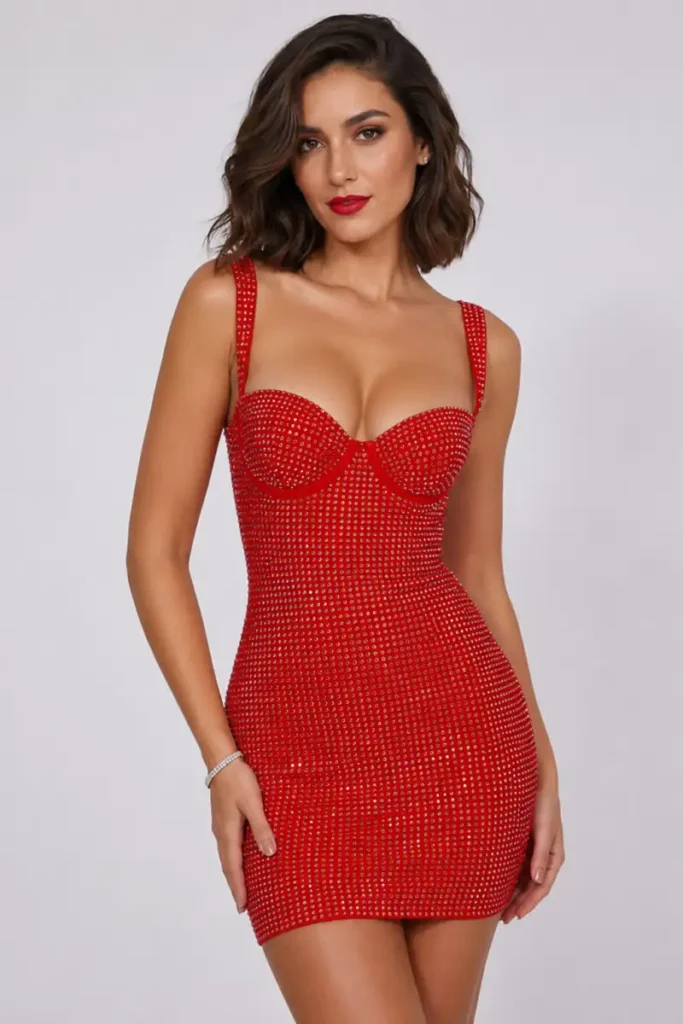
Duolan develops sweetheart neckline dresses across commercial fashion categories rather than treating the neckline as a single formalwear feature. Each category receives a different balance of curve, coverage, support, fabric, length, and construction.

Sweetheart Mini Dresses

Mini dresses need a clear relationship between upper-body structure and short skirt proportion. A deep neckline combined with a short hem may require greater side coverage, stronger cup control, or a more secure back closure. Development can include bodycon, fitted woven, A-line, ruched, corset-inspired, draped, embellished, or long-sleeve versions. Stretch recovery, waist position, skirt ride-up, lining length, and movement are reviewed alongside neckline appearance.

Sweetheart Midi Dresses

Midi lengths allow the neckline to carry a refined cocktail, wedding guest, dinner, or occasionwear direction. Fabric drape becomes more visible across the longer body, making waist balance, hip shaping, slit placement, and skirt fall important. Satin, crepe, stretch woven, mesh overlays, lace, and structured jersey can create different commercial outcomes. Development may include slim, column, fit-and-flare, corset, gathered, or softly draped silhouettes.

Sweetheart Maxi Dresses

Maxi styles require neckline stability and lower-body balance to work together. A fitted structured bodice can support a fluid skirt, while a softer upper construction may suit draped or resort-led designs. Weight distribution, waist seam strength, skirt volume, lining, train-free hem control, slit reinforcement, and packing method require early review. Sweetheart maxi dresses can serve prom, formal, party, holiday, wedding guest, and evening social collections without entering bridal specialization.

Sweetheart Bodycon Dresses

Bodycon styles place greater pressure on fabric recovery, negative ease, bust containment, seam strength, and transparency control. The neckline should remain stable while the wearer moves, sits, and raises the arms. Duolan evaluates stretch direction, garment compression, cup shape, lining tension, waist shaping, zipper necessity, and hem recovery. Ponte, double knit, stretch crepe, power mesh combinations, and structured stretch fabrics can support different levels of shaping.

Sweetheart Party Dresses

Party dresses may combine a sweetheart neckline with ruching, sequins, metallic surfaces, crystal details, mesh, cut-outs, bows, corset seams, or asymmetric draping. Decoration cannot be evaluated separately from fit. Added weight may pull the neckline, rough edges may affect comfort, and stretch interruption can change the curve. Duolan reviews decorative placement, seam allowances, lining protection, reinforcement, and bulk workmanship before production planning.

Cocktail Peplum Dresses​

Sweetheart Cocktail Dresses

Cocktail styles need polished proportions and a secure fit without appearing overconstructed. Common directions include satin midi dresses, fitted mini dresses, lace overlays, draped skirts, clean crepe silhouettes, and refined corset-inspired bodices. Neckline depth, cup coverage, waist shaping, zipper installation, surface finish, and pressing quality influence the final appearance. Development focuses on balancing visual refinement with production efficiency and wearer comfort.

Sweetheart Occasion Dresses

Occasionwear requires a stronger finish standard across material appearance, fit, internal construction, and photography performance. Sweetheart designs may include structured cups, boning, mesh inserts, satin drape, lace placement, or subtle embellishment. Duolan considers event context, brand price position, size range, wear duration, sitting comfort, movement, and repeat-order potential. The aim is a garment that presents well on the body and remains controllable through bulk production.

Sweetheart Wedding Guest Dresses

Wedding guest programs require elegance without moving into bridal gown production. Suitable directions include satin midi dresses, floral sweetheart styles, soft fit-and-flare silhouettes, lace-trimmed designs, structured cocktail dresses, and refined maxi dresses. Color planning, opacity, neckline coverage, bra compatibility, lining, comfort, and seasonality influence development. Duolan supports wedding guest collections as part of broader occasionwear and event-driven fashion programs.

Sweetheart Neckline Design Variations

A single neckline direction can be expanded into a coordinated range when straps, sleeves, structure, fabric, coverage, and closure are developed with clear commercial logic.
Strapless Bodycon Dresses

Strapless Sweetheart

Strapless versions depend on internal support rather than shoulder straps. Boning placement, under-bust stability, grip tape, cup shape, waist anchoring, back closure, and upper-edge tension must work together. Excessive tightness is not a substitute for sound structure. Duolan reviews whether the target fabric and bodice length can support the design before confirming the sample method.
Spaghetti Strap Slip Dresses

Spaghetti Strap Sweetheart

Fine straps create a lighter visual direction but should not carry the entire weight of the dress. Strap position influences cup balance, side coverage, neckline shape, and comfort. Attachment points need reinforcement, especially on satin, mesh, and embellished fabrics. Adjustable hardware, fixed straps, crossover backs, and decorative strap constructions can be assessed according to the desired appearance and size range.

Wide Strap Sweetheart

Wide straps provide greater stability and can support refined day, cocktail, formal, or extended-size designs. Strap angle, neckline entry point, armhole shape, shoulder width, and back position affect the upper-body balance. Options include self-fabric straps, gathered straps, pleated straps, lace straps, or structured panel straps. Pattern work should prevent the strap from pulling the neckline outward or creating excess armhole tension.

Off-Shoulder Sweetheart

Off-shoulder designs combine neckline shaping with sleeve mobility. Sleeve tension can pull the neckline, restrict movement, or cause the upper bodice to rotate. Duolan reviews sleeve position, elastic use, underarm construction, bodice support, lining, and movement allowance. The intended look may range from soft romantic draping to a clean structured band, with different sewing and fitting requirements.

Puff Sleeve Sweetheart

Puff sleeves add volume near the neckline and may alter the visual balance of the upper body. Sleeve head volume, elastic tension, shoulder position, armhole depth, lining, and gathering distribution require control. The neckline should remain the central design feature rather than being distorted by sleeve weight. Woven, organza, mesh, satin, and lightweight jacquard sleeves each require different construction approaches.

Long Sleeve Sweetheart

Long sleeves can extend sweetheart designs into transitional, holiday, formal, and evening collections. Sleeve material may match the body or use lace, mesh, jersey, or sheer woven fabric. Arm movement, cuff design, shoulder balance, sleeve stretch, and neckline stability are reviewed together. Fitted sheer sleeves require particular control of seam comfort, recovery, and the transition between sleeve and structured bodice.

Corset Sweetheart

Corset-inspired styles may include separate cups, boning channels, panel seams, under-bust shaping, lace-up backs, hook-and-eye closures, or visible topstitching. The corset appearance must be separated from true support requirements. Duolan reviews where structure is essential, where decorative seams are sufficient, and how the bodice can be produced consistently without excessive rigidity or discomfort.

Ruched Sweetheart

Ruching can soften the neckline, add texture, improve visual coverage, or shape the waist and bust. Poorly controlled ruching may create asymmetry, excessive thickness, seam twisting, or inconsistent bulk appearance. The direction, density, anchoring, lining, and stretch relationship need specification. Ruching placement should reinforce the intended silhouette rather than hide unresolved pattern problems.

From Design Reference to Commercial Production

A reference image communicates visual direction but rarely provides enough information for reliable development. Duolan separates visible design details from the technical decisions required for fit, manufacturing, costing, and repeat production.

Decode the Design Intention

The first review identifies the intended neckline character: deep or moderate, sharp or soft, structured or draped, youthful or refined. The team also reviews silhouette, garment length, fit level, target occasion, price position, fabric effect, and styling details. A dress inspired by the same image may require very different construction for a stretch bodycon program, a woven satin collection, or a structured occasionwear line.
Key review points include:
  • Target neckline depth and center-front shape
  • Bust coverage and intended bra compatibility
  • Strap, sleeve, or strapless direction
  • Fabric surface and movement
  • Cup, lining, boning, or reinforcement needs
  • Closure and dressing method
  • Size range and fit intention
  • Decoration, print, lace, or sequin placement
  • Target quantity and launch timing

Convert Appearance into Specifications

Visible styling is translated into pattern, measurement, material, and workmanship information. A neckline curve requires measurable depth and width. A fitted bust requires cup position, bust point, side coverage, and seam shape. A clean edge may require understitching, stay tape, fusible support, or controlled seam allowance. A reference garment can provide useful direction, but Duolan still checks whether its fit, fabric, and construction are suitable for the new brand standard.
The development basis may include:
  • Front, back, and side technical views
  • Measurement chart and POM definitions
  • Base size and grading direction
  • Fabric and lining specifications
  • Cup, boning, tape, elastic, and closure details
  • Stitching and finishing notes
  • Label and packaging requirements
  • Sample purpose and approval criteria

Protect the Brand Look

Production engineering should preserve the visual reasons a style was selected. Duolan does not remove defining details merely to simplify production. The team identifies which elements create recognition—such as the curve depth, corset seam map, satin drape, ruched bust, sleeve volume, or decorated edge—and which details can be adjusted to improve fit, comfort, stability, or bulk execution.

For example, a deep reference neckline may need slightly more side coverage for the target size range while retaining its center-front character. A soft satin bodice may require hidden reinforcement to prevent rolling. A heavy embellished fabric may need a lighter lining or stronger waist support. Each adjustment should protect the intended design rather than flatten it into a generic factory version.

4.Regional Brand Category Extension (1)

Sweetheart Neckline Curve Engineering

A stable sweetheart neckline depends on controlled geometry. Curve depth, center-front shape, cup position, upper-edge tension, bust point, and side coverage must remain visually balanced on the body and reproducible across production.

Curve Depth and Center Front

The center-front depth establishes the visual character of the neckline. A deeper V-shaped center feels more dramatic, while a shallower rounded center supports wider commercial coverage. Depth cannot be selected independently from cup height, bust point, fabric stretch, and internal support. A curve drawn too low may expose the cup edge, collapse between the breasts, or create excessive tension at the center front. Duolan reviews:
  • Vertical depth from reference points
  • Center-front notch or rounded transition
  • Relationship between curve depth and cup bridge
  • Seam allowance behavior at the tightest curve
  • Understitching, clipping, and turning requirements
  • Stay tape or stabilizer placement
  • Lining roll and edge visibility
  • Pressing access without flattening cup volume
For structured styles, the center front may need a stable bridge or internal reinforcement. For soft draped styles, excessive stabilization can make the neckline look rigid. The pattern and sewing method are selected according to the intended effect.

Left and Right Symmetry

Sweetheart curves expose asymmetry immediately. Small differences in pattern cutting, fabric grain, seam allowance, cup attachment, pressing, or top-edge tension can make one side appear higher or fuller. Symmetry must be controlled before and during sewing rather than corrected through final pressing. Control points include:
  • Mirrored pattern verification
  • Grainline and fabric direction
  • Paired cutting and component numbering
  • Matching notch positions
  • Equal seam allowance handling
  • Cup and princess-seam alignment
  • Consistent tape or elastic tension
  • First-piece visual comparison
  • Final measurement from fixed reference points
Pattern symmetry alone does not guarantee garment symmetry. Fabrics with directional stretch, bias movement, sequins, lace motifs, or surface pile may react differently on each side. Material preparation and sewing sequence remain part of the control system.

Bust Point and Cup Relationship

The bust point influences where the curve rises, where fullness is distributed, and how securely the garment contains the body. When the cup or princess seam sits too high, the neckline can appear shallow and restrictive. When it sits too low, the upper edge may gape and support may weaken. The relationship changes across body shapes and cannot be solved by chest circumference alone. Duolan considers:
  • Horizontal bust-point spacing
  • Vertical bust-point level
  • Cup height and width
  • Apex position within the cup
  • Princess-seam or dart shaping
  • Under-bust location
  • Side cup coverage
  • Center-front bridge
  • Strap entry point
  • Intended cleavage and coverage
A brand-defined fit block and approved model feedback provide the strongest basis. When only a reference image is available, the first sample becomes an important measurement and proportion review tool.

Side Coverage and Edge Stability

Side coverage affects security, appearance, arm movement, and bra compatibility. A narrow side cup may look clean from the front yet expose the bust during movement. A high side edge can improve security but interfere with the armhole or create an unintended formal appearance. Strap position, side seam height, back level, and cup width must be balanced together. Edge stability may be supported through:
  • Carefully calculated neckline length
  • Stay tape or clear elastic
  • Fusible reinforcement
  • Lining with suitable recovery
  • Power mesh sections
  • Controlled understitching
  • Cup attachment
  • Boning near the side seam
  • Strap or sleeve anchoring
  • Stable back closure
The final method depends on fabric, silhouette, size range, and the degree of internal structure. Over-reinforcement can create visible stiffness, while insufficient support leads to rolling, stretching, or gaping.

Bust Support and Internal Construction

Internal structure should support the intended silhouette without creating unnecessary hardness, bulk, or discomfort. Every component needs a defined function and a clear production method.
3Corset Sewing (1)

Cups and Bust Shaping

Cup selection begins with the visual goal and target fit. Soft foam cups can provide coverage and shape without strong lift. Molded cups create more defined volume but require accurate positioning. Removable cups may suit casual stretch styles, while integrated cup structures are more appropriate for corset-inspired, strapless, prom, and fitted occasion designs. Development checks include:
  • Cup size relative to the base garment size
  • Cup height, width, projection, and apex
  • Distance between cups
  • Cup edge visibility
  • Attachment to lining or seam structure
  • Compatibility with underwire or boning
  • Behavior after pressing and packing
  • Grading method across the size range
A single cup specification should not be forced across every size when coverage and shape become unbalanced. Cup and pattern grading need to support one another.

Boning and Bodice Stability

Boning can maintain vertical shape, resist rolling, distribute tension, and support a strapless or corset-inspired bodice. It should not be added without a structural reason. Placement usually follows panel seams, side seams, cup boundaries, center front, or back closure areas. Duolan evaluates:
  • Plastic, spiral steel, or other appropriate options
  • Boning width and stiffness
  • Channel position and seam integration
  • Top and bottom finishing
  • Interaction with waist seam and lining
  • Comfort during sitting and movement
  • Visibility through outer fabric
  • Risk of twisting or piercing
  • Bulk sewing consistency
Heavy boning in lightweight satin may create visible ridges. Soft boning in a high-tension strapless bodice may provide insufficient stability. Material and construction decisions must be tested together.

Grip, Elastic, and Reinforcement

A strapless neckline may use silicone grip elastic to reduce downward movement, but grip tape cannot replace correct fit and bodice anchoring. Stay tape can control stretch along curved edges. Power mesh can reinforce selected lining areas. Under-bust elastic may improve stability in certain designs. Fusible materials can support shape when selected according to fabric weight and surface sensitivity.

Key questions include:

  • Where should tension be added?
  • Where must stretch remain available?
  • Will reinforcement show through the outer fabric?
  • Can the garment be worn comfortably for several hours?
  • Will elastic recover after repeated wear?
  • Does the support method change the neckline appearance?
  • Can the same method be reproduced consistently in bulk?

Local reinforcement is often more effective than making the entire bodice rigid.

Lining and Closure Systems

Lining controls comfort, opacity, support, seam protection, and interior appearance. Full lining may suit occasion and satin dresses, while partial lining can reduce bulk in stretch or mesh designs. The lining must work with the outer shell rather than pull against it. Closure options may include:

  • Invisible zipper
  • Exposed decorative zipper
  • Hook-and-eye extension
  • Lace-up back
  • Corset eyelets
  • Elasticated back panel
  • Smocked back
  • Combination zipper and hook
  • Side zipper
  • Pull-on stretch construction

The closure affects dressing ease, fit adjustment, production time, and size tolerance. Zipper placement must not interrupt boning, cup seams, lace motifs, or decorative panels without a planned construction solution.

Fabric and Lining Selection by Dress Effect

Material choice controls more than surface appearance. Weight, stretch, recovery, drape, opacity, friction, grain stability, and pressing response directly affect neckline shape, support, fit, workmanship, packing, and bulk consistency.

The following table provides development directions rather than fixed material rules. Final selection should be reviewed against the design, sample size, size range, target quantity, color plan, price position, and launch schedule.

Fabric DirectionSuitable Sweetheart Dress EffectMain Development RisksControl Priorities
SatinPolished cocktail, occasion, wedding guest, formal, and party dressesNeedle marks, seam waviness, pressure marks, scratching, transparency, neckline rollingWeight, weave stability, lining, reinforcement, needle and thread selection, seam handling, pressing, protective packing
Stretch JerseyFitted mini, bodycon, club, and going-out dressesNeckline stretching, gaping, transparency, poor recovery, seam ripplingGSM, stretch direction, recovery, negative ease, lining tension, clear elastic, neckline stabilization
CrepeRefined fitted, cocktail, work-to-evening, and midi dressesSurface puckering, uneven drape, bulk at structured seamsFiber content, weight, recovery, seam type, fusible selection, pressing temperature
MeshSheer panels, draped overlays, sleeves, corset inserts, and party stylesExcess transparency, seam visibility, stretching, edge distortion, discomfortStretch and recovery, mesh density, lining coverage, seam placement, elastic control, edge finishing
LaceRomantic occasion, cocktail, bridesmaid, and wedding guest dressesMotif mismatch, visible seam interruption, edge fraying, uneven stretchMotif placement, paired cutting, seam concealment, backing fabric, edge finishing, color matching
Sequin FabricStatement party, holiday, prom, and event dressesAdded weight, missing sequins, scratching, broken needles, bulky seams, neckline pullingBase fabric, sequin direction, edge clearance, lining, weight support, seam cleaning, repair standard
VelvetHoliday, evening, winter occasion, and premium fitted dressesPile crushing, shade direction, seam marking, difficult pressingNap direction, cutting consistency, seam handling, lining, low-pressure finishing, hanging and packing
Chiffon or OrganzaSoft drape, layered skirts, sleeves, overlays, and romantic occasion dressesFraying, seam visibility, transparency, edge distortion, weak bust supportLayer planning, lining, narrow seams, stabilizing underlayers, controlled gathering, reinforcement at structured areas

Matching Lining to Function

Lining should be selected according to function rather than treated as a hidden generic material.

  • Opacity lining: prevents show-through in light satin, mesh, lace, and pale colors.
  • Support lining: uses stable woven or power mesh areas to help control the bust and waist.
  • Comfort lining: protects skin from sequins, boning, lace edges, embroidery, and internal seams.
  • Stretch lining: moves with bodycon fabrics without restricting recovery.
  • Partial lining: reduces heat and bulk while covering only the areas requiring opacity or structure.

Fabric Confirmation Before Sampling

A clear fabric request should include the intended appearance, composition preference, weight direction, stretch, recovery, opacity, handfeel, color, target quantity, and acceptable alternatives. Duolan can work with brand-nominated fabrics, supplied swatches, original samples, photographs, or internal sourcing directions.

Material availability affects sample accuracy and production timing. When the exact bulk fabric is not yet available, the sample plan should identify whether a substitute is suitable for visual review, fit review, construction testing, or only early pattern evaluation.

Pattern, Bust Balance and Fit Development

Sweetheart neckline fit is evaluated through shape, coverage, support, movement, and visual proportion. Chest circumference alone cannot define a stable upper bodice.

Base Pattern and Bust Balance

Pattern development begins with the brand’s base measurements, fit block, technical file, original sample, or approved reference basis. The upper bodice must distribute volume across the cup, center front, side panel, waist, and back without pulling the neckline out of shape.
Core checks include:
  • Bust circumference and high-bust relationship
  • Bust-point distance and level
  • Cup width, height, and projection
  • Center-front length
  • Under-bust and waist level
  • Side seam position
  • Armhole or strap entry
  • Back width and closure position
  • Bodice length and waist seam
  • Balance between front and back
A tight waist combined with excess bust length may create folds below the cup. A short center front may pull the neckline down. A wide cup position may reduce side coverage. Fit corrections are made through measurable pattern changes rather than general tightening.

Strap and Shoulder Balance

Straps influence neckline tension, cup position, armhole shape, and comfort. A strap placed too far outward can pull the curve open or slip from the shoulder. A strap placed too far inward may change the intended visual direction and compress the neckline.
Development considers:
  • Front strap entry
  • Back strap position
  • Strap angle
  • Strap width and elasticity
  • Adjustable or fixed construction
  • Hardware strength
  • Reinforcement at attachment points
  • Size grading
  • Bra compatibility
  • Movement during wear
For wide straps or sleeves, shoulder slope and arm movement require additional review. For fine straps, reinforcement must remain clean and unobtrusive.

Waist and Lower-Body Relationship

The neckline cannot be evaluated separately from the rest of the dress. Waist shaping controls how the bodice stays in position. A stable waist can reduce pressure on straps and upper edges. Skirt weight may pull on the bodice, particularly in maxi, embellished, layered, or heavy satin designs.
Fit assessment includes:

  • Natural or raised waist placement
  • Waist seam level
  • Front and back waist balance
  • Hip and seat shaping
  • Skirt weight
  • Slit position
  • Ruching or drape tension
  • Lining interaction
  • Zipper behavior
  • Hem and movemen

Movement and Wear Review

Static mannequin appearance is only one stage of fit judgment. Sweetheart dresses should be reviewed during walking, sitting, arm movement, torso rotation, and normal dressing actions. Movement may reveal neckline gaping, side exposure, strap pressure, zipper strain, boning discomfort, or skirt pull.

Depending on the sample purpose, Duolan can support:

  • Flat measurement review
  • Mannequin review
  • Model fitting feedback
  • Brand fit comments
  • Front, side, and back photography
  • Movement observations
  • Revision summaries
  • Production-readiness checks

Measurement and Size Grading Discipline

Sweetheart neckline grading requires more control than increasing every measurement by the same interval. Curve depth, cup spacing, bust coverage, straps, side height, and internal support need coordinated progression across sizes.

Measurement Points That Matter

A structured measurement chart should define fixed points rather than rely on visual assumptions. Depending on the design, 8–12 neckline and bust-related POMs may be needed in addition to standard garment measurements. Recommended points include:

  • Neckline depth from high shoulder point or approved reference
  • Neckline width at defined level
  • Center-front bodice length
  • Bust-point distance
  • Bust-point height
  • Cup height
  • Cup width
  • Under-bust circumference
  • Strap length
  • Front strap position
  • Back strap position
  • Waist seam level
  • Across-front and across-back
  • Zipper length
  • Internal boning length

Grading the Neckline Shape

The heart curve should remain recognizable across the full range without creating excessive exposure in larger sizes or a disproportionately high neckline in smaller sizes. The grade may require independent adjustments to curve width, center-front depth, cup distance, side coverage, and strap position.

Grading review asks:

  • Does the curve still match the design identity?
  • Is the cup centered over the body?
  • Does side coverage remain secure?
  • Is neckline depth commercially appropriate?
  • Does strap position remain balanced?
  • Does the internal support scale with garment tension?
  • Are size transitions smooth rather than abrupt?

For expanded size programs, additional fit review may be required rather than relying only on computer grading.

Tolerance and Bulk Measurement

Tolerance should reflect the sensitivity of each measurement. A small variation at the neckline, cup, strap, or center front may have a greater visual and functional effect than the same variation at a less sensitive area.

Critical measurements may include:

  • Neckline depth
  • Bust-point spacing
  • Cup placement
  • Strap length
  • Under-bust
  • Waist
  • Side height
  • Center-front length
  • Boning position
  • Zipper and closure alignment

Duolan identifies priority POMs for sample review, PP confirmation, inline checks, and final inspection. Tolerances should be agreed before production rather than decided after garments are completed.

Bust and Neckline Stability​

Technical Files Required Before Sampling

Complete technical information improves sample accuracy, quotation clarity, and production readiness. Duolan can begin with different development bases, but each missing decision should be identified before it becomes an uncontrolled assumption.

Design Views

Provide front, back, side, interior, and detail views where available. Show the intended neckline curve, straps or sleeves, seam positions, cup construction, back closure, waist seam, skirt silhouette, slit, ruching, and decoration.

Measurement Basis

Include the sample size, base measurements, POM chart, measurement method, fit block, and required size range. Mark neckline depth, bust point, cup dimensions, side coverage, straps, waist placement, and bodice length clearly.

Material Direction

Specify shell fabric, lining, cups, boning, elastics, grip tape, zipper, hooks, hardware, lace, mesh, sequins, embroidery, labels, and packaging. Add composition, weight, stretch, opacity, handfeel, and color references where possible.

Construction Details

Show seam type, edge finishing, cup attachment, boning channels, lining method, zipper application, hem, slit reinforcement, strap adjustment, topstitching, and special workmanship. Interior photographs can clarify complex details.

Sample Objective

State whether the sample is for initial direction, fit review, photography, sales presentation, PP approval, or bulk preparation. The purpose changes material accuracy, finishing level, review priorities, and timeline.

Commercial Information

Provide target quantity, colorways, size breakdown, target delivery window, sales market, labeling, packing, inspection, and shipment requirements. Commercial information helps determine whether the proposed construction remains suitable for bulk.

Feasibility Review Before Pattern Cutting

Duolan reviews construction risks before committing materials and sample labor. The goal is not to reject ambitious designs, but to identify the development route required for a controlled result.

Neckline Feasibility

The curve is reviewed against cup position, coverage, fabric stretch, reinforcement, and intended size range. Extremely deep, narrow, or sharply curved designs may require additional pattern testing or internal support.

Fabric Feasibility

Material behavior is checked for drape, recovery, opacity, surface sensitivity, seam stability, and support. Soft or bias-moving fabrics may need structure beneath the visible layer. Heavy decorated materials may require stronger anchoring.

Support Feasibility

Strapless, corset, and fitted designs are evaluated for cup, boning, waist stability, grip tape, closure, and lining. Support should match garment weight and expected movement without creating excessive compression.

Workmanship Feasibility

Complex ruching, lace placement, sequin edges, mesh panels, cups, boning, zippers, and internal finishing are reviewed for repeatability. A detail that can be completed once by hand may still require adjustment for stable bulk production.

Timeline Feasibility

Material development, custom colors, special trims, embroidery, sequins, print, pleating, testing, sample revisions, PP approval, and packing preparation can affect the project schedule. Required approval dates are mapped against the target launch window.

Commercial Feasibility

Duolan reviews whether the material, construction, quantity, color split, size range, and finishing level support the intended production plan. Cost improvement should protect the design features responsible for the garment’s value.

Controlled Sweetheart Dress Sample Development

Sampling is treated as a managed development path. Each stage has a purpose, required input, visible output, and decision point before the project moves forward.

Project Brief Review

Duolan organizes the design basis, product type, sample objective, target fabric, size, quantity, fit direction, launch date, and missing information. Open questions are confirmed before pattern work begins.

Material Preparation

Shell fabric, lining, cups, boning, tape, elastic, zipper, straps, and decorative components are sourced or prepared. Substitutes are identified clearly when exact bulk materials are not yet available.

Pattern Development

The pattern team builds or adjusts the base pattern around neckline geometry, bust point, cup, side coverage, waist, straps, back balance, and skirt silhouette.

Structure Testing

High-risk areas may receive partial tests before the full sample. Cup placement, boning, neckline edge, mesh joining, lace position, sequin clearance, ruching, or closure can be checked separately.

Sample Sewing

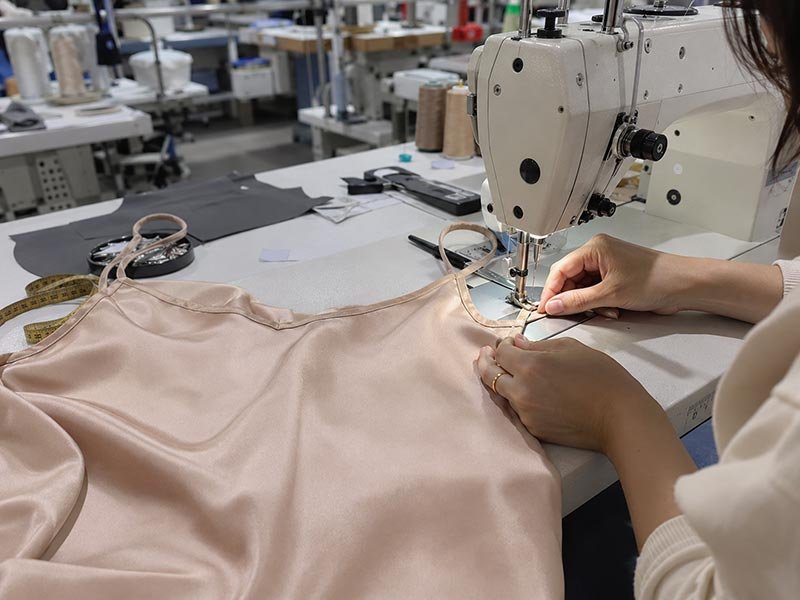
The first sample is assembled according to the confirmed development basis. Construction points affecting appearance, support, comfort, and production repeatability receive focused attention.

Internal Review

Measurements, visual balance, neckline symmetry, bust position, structure, workmanship, fabric behavior, and finishing are checked before the sample is presented or shipped.

Brand Review

The brand team evaluates fit, design, fabric, appearance, comfort, and commercial suitability. Front, side, back, interior, and detail feedback provides a stronger basis than general comments.

Revision Summary

Comments are categorized into pattern, measurement, fabric, construction, workmanship, trim, and visual changes. Unclear points are confirmed before the revised sample begins.

PP and Bulk Readiness

After fit and visual direction are approved, the team confirms whether the sample can serve as a PP basis or whether additional material, workmanship, color, packing, or production checks remain necessary.

Sample lead time is confirmed in the Sample Plan after style complexity, material readiness, sample purpose, and required structure are reviewed. Complex corset, sequin, mesh, and special-material styles need sufficient preparation rather than an artificial fixed deadline.

Fit Comments Become Measurable Corrections

Development comments are converted into controlled pattern, measurement, construction, and material actions. The aim is to prevent the same problem from returning in the next sample or bulk order.

Neckline Comments

Comments such as “too open,” “too flat,” “not feminine enough,” or “gaping at center front” are translated into changes to depth, curve width, cup position, edge length, reinforcement, and tension.

Bust and Cup Comments

Feedback on cup height, projection, coverage, spacing, support, or comfort is linked to bust point, cup specification, seam shaping, lining, boning, and under-bust control.

Strap and Sleeve Comments

Strap slipping, pressure, incorrect placement, sleeve restriction, or armhole exposure is converted into measurable position, length, angle, width, and pattern corrections.

Waist and Body Comments

Loose waist, drag lines, excess front length, tight back, skirt pulling, or zipper strain is reviewed through front-back balance, waist position, seam shaping, and fabric behavior.

Material Comments

Feedback on shine, weight, stretch, transparency, stiffness, softness, recovery, or surface appearance is separated from pattern problems. A material change may require a new fit review.

Revision Records

The revision summary records what changed, where it changed, why it changed, and which documents require updating. Pattern, measurement chart, BOM, construction notes, and sample photographs should remain aligned.

Sweetheart Dress Sewing and Workmanship Details

The strongest visual design can be weakened by unstable seam handling, bulky internal construction, uneven curves, or poor finishing. Workmanship standards are defined around both exterior appearance and interior function.

Clean Neckline Edges

Curved edges require accurate seam allowance, controlled clipping, understitching, turning, and pressing. Satin may show pressure marks, jersey may stretch, mesh may distort, and lace may require concealed support. The finished edge should lie flat without rolling, rippling, exposing lining, or changing the intended curve.

Cup Attachment

Cups must sit at the approved height and remain symmetrical. Attachment should prevent movement without creating visible stitching, ridges, or hard edges. The cup, lining, outer shell, princess seam, underwire, and boning should meet cleanly. Bulk production requires clear placement references rather than relying on operator judgment.
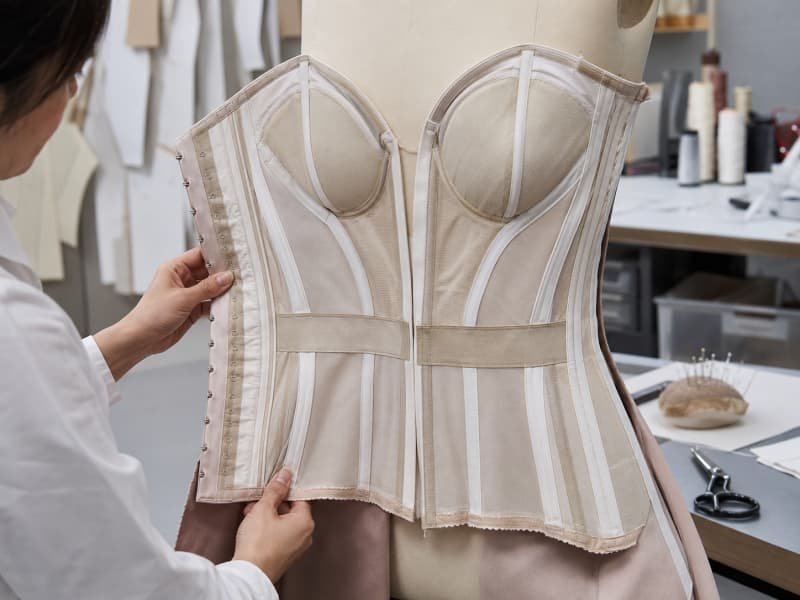
Boning Channels
Boning channels should follow the approved panel lines, remain straight, and end safely without piercing or discomfort. Channel width, seam allowance, boning length, top and bottom protection, and lining concealment require consistency. The structure should support the dress without creating obvious external ridges.

Strap Reinforcement

Fine straps need secure attachment and clean finishing. Reinforcement must resist pulling while remaining hidden. Adjustable hardware should match strap width and intended load. Wide, gathered, or decorative straps require balanced placement so they do not distort the neckline or armhole.

Lining Control

Lining should not roll above the neckline, pull the outer fabric, hang below the hem, twist around the body, or expose internal components. Stretch compatibility, seam joining, understitching, tack points, waist attachment, and hem method are selected according to garment construction.

Invisible Zipper Setting

An invisible zipper should remain straight through the neckline, waist seam, boning area, and skirt. Pattern matching, seam thickness, hooks, zipper guard, lining attachment, and top-edge alignment influence the result. Structured bodices may require additional reinforcement around the zipper.

Lace and Mesh Joining

Sheer and decorative fabrics reveal seam placement. Lace motifs may need mirrored cutting or controlled placement. Mesh seams should remain comfortable and stable without excessive bulk. Joining methods must preserve stretch where required while keeping cup, lining, and support areas concealed.

Sequin Edge Preparation

Sequins near seams and neckline edges can interfere with stitching, damage needles, create thickness, or scratch the wearer. Controlled clearance, removal, replacement, lining, seam protection, and repair standards are prepared before production. Added material weight is considered in the bodice support plan.

Approved Sample to Controlled Bulk Production

An approved sample does not automatically guarantee production readiness. Duolan checks whether the design, materials, documents, workmanship, and packing requirements are sufficiently locked for bulk execution.

Bulk Readiness Review

The review identifies the current sample status:

  • Fit confirmed
  • Visual direction confirmed
  • PP basis approved
  • Material approval pending
  • Workmanship refinement pending
  • Packaging approval pending

The team also confirms whether the order is a launch order, repeat order, scale-up order, or replenishment program.

Different order stages carry different risks.

Material and Workmanship Locking

Before cutting, production-critical details are confirmed:

  • Shell fabric lot, color, weight, stretch, and handfeel
  • Lining, cups, boning, tape, elastic, zipper, and trims
  • Print, embroidery, sequins, pleating, washing, or finishing
  • Neckline, cup, strap, zipper, lining, and hem workmanship
  • Main label, size label, care label, hangtag, barcode, and packing

A Material and Workmanship Confirmation Summary can be prepared for structured projects.

Order Breakdown and Production Path

Bulk orders are separated by style, color, size, quantity, complexity, material, workmanship risk, and required delivery timing. The project may be assigned to a single production unit or coordinated across suitable factories and lines according to the order structure.Planning considers:

  • Standard styles
  • Complex structured styles
  • Fast-response requirements
  • Special-process styles
  • First-piece or pilot needs
  • Multi-style priorities
  • Packing and shipment sequence
  • Repeat-order material continuity

First-Piece and Pilot Production Control

Complex sweetheart neckline dresses may require verification before full production proceeds. The purpose is to confirm that approved standards remain achievable under real cutting, sewing, finishing, and production conditions.

Neckline First Piece

The first completed bodice is checked for heart-curve symmetry, center-front depth, edge stability, cup position, side coverage, lining roll, and pressing result. Differences are corrected before the same issue spreads through the line.

Structured Bodice Pilot

Corset, strapless, boned, underwired, or heavily fitted styles may receive a small pilot check. Boning, cup attachment, waist stability, closure, comfort, and external smoothness are assessed under production workmanship.

Satin Handling Check

Satin first pieces are reviewed for needle marks, seam waviness, scratches, pressure marks, shine variation, zipper impressions, and pressing. Handling and packing methods can be adjusted before larger quantities are completed.

Mesh and Lace Check

Mesh stretch, lining coverage, seam visibility, motif placement, paired cutting, elastic tension, and edge finishing are checked. Visual alignment is especially important when the neckline depends on transparent or decorative sections.

Sequin and Embellishment Check

Sequin direction, neckline clearance, missing decorations, seam bulk, scratching, repair method, lining, and added weight are reviewed. Special-process components should match the approved strike-off, sample, or placement reference.

Measurement Verification

Critical POMs are checked on first pieces, including neckline depth, bust point, cup position, under-bust, waist, straps, side height, center-front length, and garment length. Results guide line adjustments before continued production.

Quality Control for Sweetheart Neckline Dresses
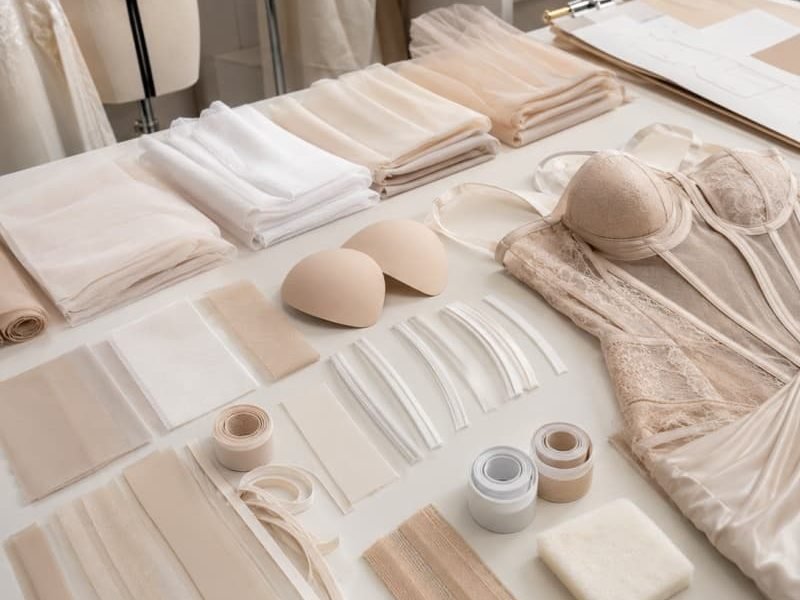
Quality control follows the product risk rather than relying only on a final visual check. Sweetheart dresses receive attention at material, cutting, sewing, finishing, measurement, and packing stages.
2. Lining and Support Material Readiness (1)

Incoming Material Control

Incoming shell fabric, lining, cups, boning, tape, elastics, zippers, straps, labels, and decorative materials are reviewed against the approved direction. Checks may include:
  • Color and shade
  • Fabric weight
  • Width and usable width
  • Stretch and recovery
  • Opacity
  • Handfeel and surface
  • Shrinkage requirement
  • Defects and contamination
  • Trim dimensions
  • Cup and boning specification
  • Zipper color and function
  • Label and packaging accuracy
Material problems should be identified before cutting rather than hidden through later workmanship.

Cutting Control

Cutting affects symmetry and fit before sewing starts.

Priority points include:

  • Pattern version
  • Grainline
  • Directional fabric
  • Paired components
  • Lace or print placement
  • Sequin direction
  • Shade grouping
  • Component numbering
  • Notches and drill marks
  • Cup, lining, and reinforcement pieces
  • Cutting quantity
  • Bundle identification

Sweetheart curves, cups, and mirrored panels require careful pairing.

Inline Sewing Control

Inline inspection focuses on the operations most likely to change fit or appearance. Checks include:
  • Neckline curve and symmetry
  • Cup position and attachment
  • Bust point
  • Boning position
  • Stay tape or elastic tension
  • Strap position and reinforcement
  • Side coverage
  • Waist seam alignment
  • Zipper installation
  • Lining control
  • Lace, mesh, or sequin joining
  • Critical measurements
  • Seam quality and tension
High-risk styles can receive additional checkpoints instead of waiting for final inspection.

Finishing and Final Control

Final inspection verifies both garment presentation and technical requirements. Review points include:

  • Overall shape and balance
  • Neckline appearance
  • Front, side, and back symmetry
  • Measurement within agreed tolerance
  • Cup, boning, straps, zipper, and closure
  • Loose threads, stains, holes, and damage
  • Pressing and surface condition
  • Label placement
  • Hangtag and barcode
  • Folding or hanger presentation
  • Polybag and carton information
  • Assortment accuracy

Third-party inspection can be coordinated according to brand requirements.

Manufacturing Capacity for Brand-Level Dress Programs

Duolan is supported by a multi-level womenswear manufacturing network built around fashion dress development, flexible order planning, complex workmanship, repeat production, and scaled delivery.

16 Owned Factories

Owned factories provide stronger control over core programs, high-priority styles, development-sensitive products, quality requirements, and production coordination. Key sweetheart neckline styles can be matched to teams familiar with fitted, structured, party, occasion, satin, mesh, sequin, and corset-inspired construction.

20+ Satellite Factories

Long-term satellite factories provide additional capacity for repeat orders, scale-up production, rolling replenishment, and seasonal concentration. Production allocation depends on style complexity, material, workmanship, quantity, timing, and quality requirements rather than factory availability alone.

12,000+ Manufacturing Workers

The wider supporting manufacturing structure includes more than 12,000 workers across owned and coordinated production resources. Scale is used to support multi-style planning and delivery flexibility, not as a substitute for product-specific control.

Multi-Region Capacity

Supporting resources across Guangdong, Guangxi, Guizhou, Sichuan, Jiangxi, and other manufacturing areas provide production buffering and order allocation options. Core control remains connected to development, materials, workmanship, quality, and delivery requirements.

South China Supply Chain

Access to established fabric, trim, accessory, print, embroidery, washing, dyeing, and finishing resources supports faster material review and more suitable matching for fashion-led dresses. Special processes are evaluated for fabric compatibility, bulk repeatability, cost, and timing.

Dress-Focused Experience

Duolan’s manufacturing background is built around fashion womenswear and dress development rather than a general garment catalog. The leadership team’s industry experience dates back to product development work beginning in 1996, with the manufacturing system continuing to expand from 2008 onward.

Multi-Style Collections and Repeat-Order Support

Sweetheart neckline development can extend beyond one isolated style. Duolan supports coordinated ranges built around shared materials, related fits, differentiated silhouettes, and planned production stages.

Length and Silhouette Range

A collection may combine mini, midi, and maxi lengths while preserving a recognizable neckline direction. Bodycon, fit-and-flare, slim column, corset, draped, ruched, and softly structured silhouettes can serve different sales occasions within one range.

Fabric Family Planning

One approved fabric direction can support several related styles when weight, drape, stretch, opacity, and color remain suitable. Shared fabrics can improve collection coherence, material planning, shade control, and repeat-order efficiency.

Colorway Coordination

Hero colors, commercial core colors, seasonal colors, and extended colors can be planned according to fabric availability and order distribution. Lab dips, color standards, shade control, and trim matching should be confirmed before production.

Multi-Style Sampling

Sampling can be prioritized by hero styles, highest-risk structures, shared fit blocks, material groups, or launch timing. Early confirmation of high-risk sweetheart curves, cups, support, and fabrics can improve the efficiency of related styles.

Launch Order Planning

The first production order may include several styles across defined color and size quantities. Production planning separates standard, complex, decorated, and high-risk styles before assigning the most suitable path.

Repeat and Scale-Up

Approved patterns, BOMs, workmanship points, material records, packaging instructions, and QC priorities provide a stronger basis for repeat orders. Reorders still require material, color, quantity, timing, and specification review before production begins.

Private Label, Packaging and Supplier Coordination

Brand delivery requirements extend beyond garment sewing. Labels, packaging, compliance documents, inspection, communication, and shipment preparation are included in project planning.

Main and Size Labels

Woven, printed, heat-transfer, or other brand-approved label directions can be coordinated according to artwork, material, placement, dimensions, color, folding method, and durability requirements.

Care and Content Labels

Care labels should reflect confirmed fiber content, care instructions, country requirements, size, and brand information. Final wording remains subject to brand and market approval.

Hangtags and Barcodes

Hangtags, price tickets, barcode stickers, size stickers, product identifiers, and retailer-specific attachments are prepared according to approved artwork and placement instructions.

Garment Packing

Sweetheart dresses can be folded, hanger packed, individually bagged, tissue protected, or prepared according to warehouse and retail requirements. Structured cups, satin, sequins, boning, lace, and special surfaces may require protective packing.

Audit and Standards Support

The manufacturing system has completed SMETA and SMETA 2-Pillar audit work and maintains a social audit record. Projects can be aligned with brand-specific quality, social responsibility, testing, and product requirements.

Inspection and Shipment

Duolan can coordinate internal inspections, third-party inspection arrangements, carton marking, packing lists, shipment preparation, and agreed trade terms. FOB, CIF, DDP, split shipment, and overseas warehouse arrangements can be reviewed according to project conditions.

Anonymized Sweetheart Dress Project Cases

The following anonymized project structures show how product, sample, fit, material, production, and launch requirements can be organized for established fashion programs.

United States Going-Out Brand

Project scope: 18 sweetheart neckline styles across bodycon minis, corset-inspired minis, ruched midis, and fitted party dresses.

Order volume: 48,600 garments across the full program, with four main color directions and a brand-defined size range.

Initial challenge: Several reference designs used deep neckline curves on stretch fabrics. Early review identified a risk of center-front gaping, inconsistent cup position, limited side coverage, and neckline distortion after grading. The brand also needed the collection aligned for a fixed seasonal launch.

Development response: Duolan grouped the range by fabric and upper-bodice structure. Higher-risk strapless and corset styles were prioritized for pattern and structure testing. Neckline depth, bust-point spacing, cup dimensions, side height, straps, and waist anchoring were converted into measurable review points. Stretch recovery and opacity were checked before sample approval.

Sample control: The 18 styles moved through two structured review rounds. Comments were separated into curve, cup, strap, waist, fabric, and workmanship changes. Related styles shared confirmed fit and construction directions where suitable.

Bulk control: PP references, critical measurements, material standards, cup placement, clear elastic, lining, zippers, labels, and packing were locked before production. Higher-risk styles received first-piece neckline checks.

Project result: All 18 styles entered the planned bulk program with one coordinated production path, defined QC points, and repeat-order records for future color extensions.

United Kingdom Occasionwear Brand

Project scope: 12 satin sweetheart neckline styles, including fitted midi dresses, softly draped cocktail dresses, wide-strap occasion styles, and structured wedding guest dresses.

Order volume: 24,000 garments across three core colors and two seasonal colors.

Initial challenge: The visual direction depended on clean satin surfaces and soft light reflection. The original material direction showed needle marks, seam waviness, pressure impressions, and visible lining at the neckline. Several styles also needed stronger bust support without creating a rigid corset appearance.

Development response: Duolan compared satin weight, weave stability, shine, drape, opacity, and pressing response. Lining and localized reinforcement were adjusted according to each silhouette. Curve geometry, cup placement, side coverage, zipper installation, and waist balance were reviewed on the first samples.

Sample control: Selected high-risk styles used partial construction tests before full samples. Fit feedback focused on neckline stability, bust position, strap balance, waist seam, skirt fall, and sitting comfort. Satin handling instructions were added to the workmanship notes.

Bulk control: Fabric lots, shade, lining, reinforcement, stitch direction, seam handling, pressing, hanging, protective film, and garment packing were confirmed before cutting. First-piece inspection focused on neckline symmetry and surface condition.

Project result: The collection retained the intended satin appearance while using differentiated internal structures for strapless, strapped, and draped styles. Production standards were recorded for future occasionwear developments.

Australian Partywear Brand

Project scope: 22 sweetheart neckline styles combining mesh, sequins, stretch crepe, lace, and corset-inspired bodices.

Order volume: 66,000 garments across the complete launch, with mini, midi, long-sleeve, strapless, and embellished variations.

Initial challenge: The range contained several construction conflicts. Sequin weight pulled against soft necklines, mesh panels created inconsistent coverage, lace motifs needed symmetry, and fine straps carried too much structural load. The launch also required several styles to progress in parallel.

Development response: Duolan separated the styles into material and risk groups. Sequin edges were cleared around seam lines, mesh density and lining coverage were reviewed, lace placement was mirrored where needed, and internal waist support was added to reduce strap load. Decorative details were retained while production-sensitive areas received clearer workmanship specifications.

Sample control: Hero styles and highest-risk structures were developed first. Confirmed neckline, cup, lining, boning, and strap solutions were then adapted to related styles. Stage updates showed material status, structure tests, sample progress, and remaining approval points.

Bulk control: The 22 styles were divided by complexity, special process, material, and delivery priority. Sequin, lace, and mesh styles received targeted inline checks. Packing methods protected cups, sequins, lace surfaces, and structured bodices.

Project result: The collection moved into a coordinated launch order with defined construction families, risk-based inspection points, and records prepared for replenishment and future partywear extensions.

Frequently Asked Questions About Sweetheart Dress Manufacturing

Yes. A complete tech pack provides the strongest basis for quotation, pattern development, material sourcing, measurement review, sampling, and production preparation. Recommended information includes technical views, base size, POM chart, fabric, lining, cups, boning, trims, construction, colors, quantity, labels, packing, and target delivery timing.
A reference image can support an initial feasibility review. Duolan will identify visible design details, likely structure, fabric direction, fit risks, and missing specifications. Reference images should not be treated as complete production instructions. Additional measurements, material decisions, internal construction, sample purpose, and commercial information will still be required.
Suitable options include satin, stretch jersey, crepe, mesh combinations, lace, velvet, chiffon overlays, organza, and sequin fabrics. The best choice depends on the desired structure, drape, stretch, opacity, support, surface effect, price position, and production plan. Material performance is reviewed against the neckline and bodice structure.
Yes. Strapless designs require an evaluation of cups, boning, under-bust support, waist anchoring, grip tape, lining, back closure, fabric stability, and size grading. Duolan confirms the development method after reviewing the design and target material.
These components can be developed according to the required support and silhouette. They are not added automatically. Each component affects comfort, fit, appearance, cost, sewing, grading, and bulk production. The most suitable combination is established through sample review.
Gapping is controlled through neckline contour, edge length, bust-point placement, cup shape, fabric recovery, reinforcement, lining, stay tape, elastic tension, straps, waist stability, and size grading. The correct solution depends on the cause rather than one universal sewing method.
Yes. Brand measurement charts, POM definitions, grading rules, fit blocks, original samples, and fit comments can be used as the development basis. Sweetheart neckline projects should clearly define depth, width, bust point, cups, side coverage, straps, under-bust, waist, and center-front length.
Sample timing is confirmed after reviewing style complexity, material readiness, technical information, sample purpose, and construction risk. A standard fitted dress, structured strapless style, heavily embellished dress, and custom-material project require different preparation. The Sample Plan identifies included work, confirmation points, and expected timing.
Reference production periods are generally 15–20 days for simple styles, 20–30 days for regular styles, and 30–45 days for complex styles. Timing begins after the PP basis, BOM, fabrics, trims, order information, payment milestone, and production requirements are confirmed. Material development, special processes, inspection, and packing may affect the schedule.
Yes. Multi-style orders are broken down by style, color, size, quantity, material, complexity, workmanship risk, and delivery priority. Duolan’s manufacturing network supports collection development, launch orders, repeat orders, replenishment, and scale-up programs.
Consistency is supported through approved samples, patterns, measurement charts, BOMs, material standards, workmanship notes, PP confirmation, material locking, first-piece checks, inline inspection, final inspection, labels, and packing instructions.
Yes. Main labels, size labels, care labels, hangtags, barcodes, polybags, tissue, hangers, carton marks, and brand-specific packing can be coordinated according to approved artwork and instructions.
Third-party inspection can be coordinated according to project requirements. Inspection standards, timing, sample references, critical measurements, packing status, and access arrangements should be agreed before the inspection date.
Send the company name, website, product type, tech pack or reference image, sample size, target fabric, quantity, colorways, size range, sample purpose, launch date, labels, packing, and required delivery window. Duolan will review the development basis and identify missing information.

Start Your Sweetheart Dress Development Project

Send Duolan a clear project brief so the team can review the neckline direction, fabric, internal support, fit requirements, sample purpose, production quantity, and launch timing before confirming the development path.

For the most accurate review, please provide:

  • Company and brand name
  • Company website
  • Country and target sales market
  • Product type and intended occasion
  • Tech pack, design sketch, reference image, or original sample photos
  • Sweetheart neckline depth and coverage direction
  • Sample size and required size range
  • Measurement chart or brand fit standard
  • Shell fabric and lining direction
  • Cup, boning, underwire, grip tape, strap, and closure requirements
  • Colors and estimated quantities
  • Sample purpose
  • Target launch date
  • Label, barcode, hanger, folding, and packaging requirements
  • Inspection and delivery requirements

After receiving the files, Duolan will review the development basis, material direction, fit priorities, structural risks, sample route, and bulk-production considerations. Confidential product information can be discussed through email, WhatsApp, video meeting, or a structured project review.


Start Your Apparel Development Project

OEM/ODM Manufacturing Support for Fashion Brands

Share your collection details, estimated quantities, target market, development timeline, and technical requirements. The production team will review your request and provide a tailored manufacturing solution based on your product category, fabric selection, construction needs, and delivery schedule.

Fashion Manufacturing Support with Scalable Production Capacity

From sample development to bulk production, Duolan supports fashion brands with confidential OEM/ODM manufacturing, stable quality management, flexible production planning, and coordinated multi-factory execution for seasonal and capsule collections.

Need Direct Assistance?

Seraphinite AcceleratorOptimized by Seraphinite Accelerator
Turns on site high speed to be attractive for people and search engines.