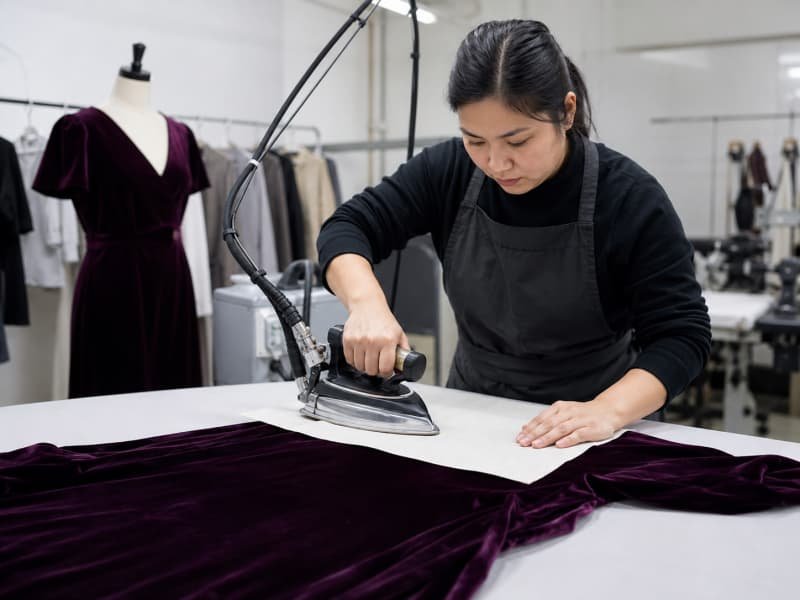
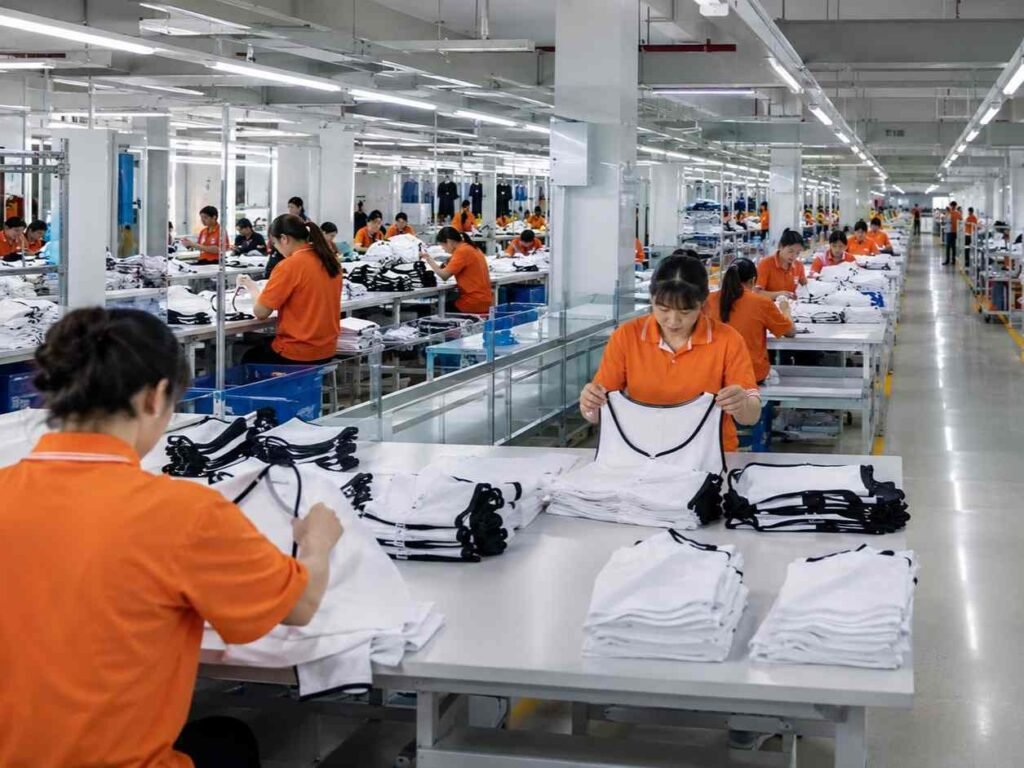
...

Custom Draped Dress Manufacturer

Draped dress development built around fabric behavior, controlled pattern engineering, fit accuracy and repeatable bulk production.

  • Development support for tech packs, reference images, original samples and collection briefs.
  • 8 core drape variables reviewed: fabric weight, fluidity, stretch, recovery, opacity, grain, surface and pressing response.
  • 10 critical fit areas checked across bust, neckline, waist, hip, side seam, slit, lining, strap, hem and movement.
  • Structured programs for 10–30 styles and total seasonal orders of 20,000–80,000 pieces.
  • Sample standards transferred into fabric, measurement, workmanship, QC, labeling and packing controls before bulk release.

Draped Dress Manufacturing for Established Fashion Teams

Duolan supports dress-focused companies with defined product direction, seasonal development plans, structured sample approval and continued production requirements.

Global Fashion Brands

Global fashion brands require more than an attractive first sample. Product teams need disciplined documentation, material coordination, repeatable construction and reliable delivery across several styles, colors and size ranges. Duolan organizes draped dress projects around approved standards, clear revision records and production checkpoints, allowing development, sourcing, pattern, production and quality teams to work from the same reference.

Regional Dress Brands

Regional leaders often operate frequent launches with concentrated category focus. Draped minis, asymmetric midis, occasion dresses and going-out silhouettes may need to move through sampling, launch orders and repeat production within one selling season. Duolan supports such programs through style-by-style feasibility review, coordinated fabric selection and a production path matched to complexity and timing.

Product Development Teams

Development teams focus on design intent, silhouette, fabric movement, fit priority and sample purpose. Duolan translates sketches, tech packs, reference garments and comments into measurable development actions. Each round can address drape position, fold depth, anchor points, body balance, construction and production readiness instead of treating sample changes as isolated visual corrections.

Buying Teams

Buying teams usually compare suppliers by sample accuracy, commercial feasibility, documentation, production discipline and delivery reliability. Duolan prepares projects around fabric confirmation, measurement specifications, workmanship points, PP approval and QC checkpoints, giving procurement teams a clearer basis for supplier assessment and order release.

Sourcing Offices

Sourcing offices need a supplier capable of connecting technical communication with organized manufacturing. Duolan can coordinate sample development, material requirements, production scheduling, inspection preparation, packaging and shipping arrangements while providing structured updates for the brand, regional office and nominated partners.

Multi-brand Groups

Multi-brand groups may manage different price levels, fit standards and selling calendars under one sourcing structure. Duolan evaluates every program according to product complexity, target market, material direction, volume and launch window, helping separate premium draped styles, core commercial dresses and repeat-order programs into suitable development and production paths.

What Strong Draped Dress Programs Require

A successful draped dress program depends on coordinated design translation, material control, pattern engineering, fit review and bulk replication rather than surface appearance alone.

Accurate Design Translation

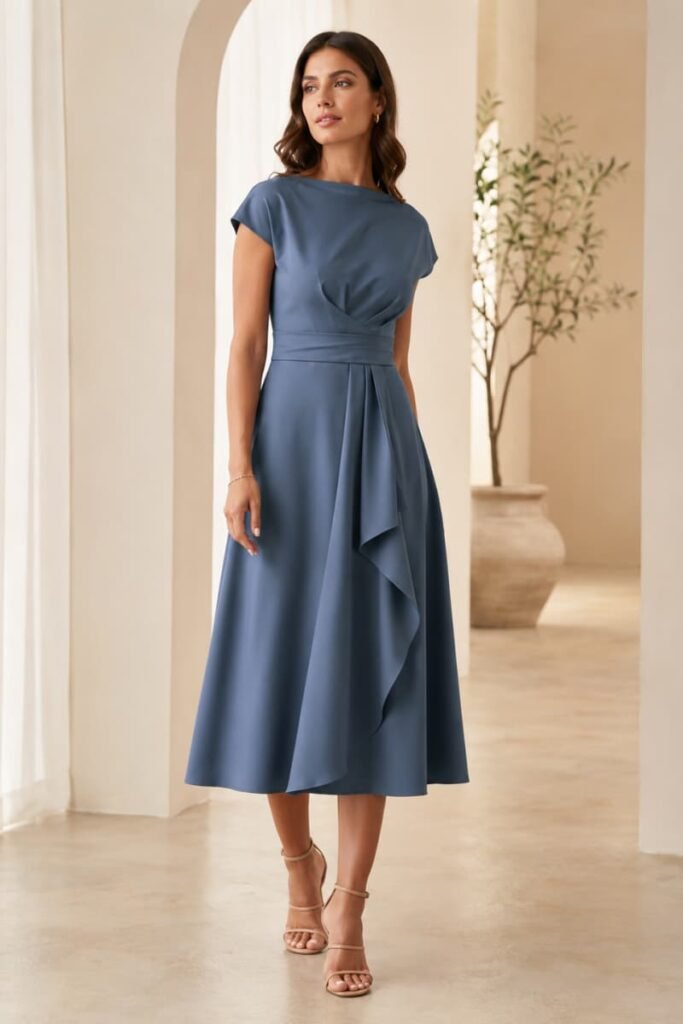
A reference image may show a fluid waist fold, asymmetric hip drape or cowl neckline without explaining the pattern shape, fabric grain or internal support. Development must identify where the drape begins, where it is anchored, how much fabric creates the fold and how the silhouette changes during movement.

Fabric-Drape Matching

Satin, jersey, crepe, chiffon, mesh and velvet create very different fold shapes. Material selection must consider weight, fluidity, stretch, recovery, transparency, surface reflection and shrinkage. A fabric that looks close in a swatch may produce a completely different garment after cutting, sewing, lining and pressing.

Industrial Pattern Control

Visual draping on a mannequin must become a controlled pattern suitable for cutting, grading and repeated sewing. Pattern development defines grain direction, fold allowance, anchor location, seam balance and the relationship between the draped outer layer and inner construction.

Fit and Body Balance

Draping changes body proportions. Excess volume can widen the waist or hip, while insufficient volume can expose tension lines. Fit review must examine neckline stability, bust coverage, waist placement, hip balance, side seams, slit height, hem level and comfort during standing, walking and sitting.

Grading Logic

Mechanical grading can distort a draped design. Larger sizes may require adjusted cowl depth, fold allowance, anchor location or gathering distribution. Critical measurements and visual proportions must be reviewed together so the drape remains intentional across the approved size range.

Workmanship Consistency

Drape anchoring, gathering distribution, lining attachment, seam tension, zipper insertion and pressing determine whether the approved appearance can be repeated. Small variations in tack position or seam handling can create visible differences across a production batch.

Production-ready Approval

A visually approved sample may still lack a confirmed fabric batch, measurement tolerance, lining method, workmanship note or packing standard. Production readiness requires every critical point to be converted into a record that can guide sourcing, cutting, sewing, QC and final inspection.

Repeat Production Records

Repeat orders become more stable when approved patterns, measurements, material references, workmanship notes, packaging details and quality findings are preserved. Each completed order can provide a stronger technical base for color extensions, length variations, new collections and replenishment.

Common Draped Dress Development Risks

Draped garments can look simple in photography while carrying hidden risks in material behavior, body balance, construction and size consistency.

Fabric Too Rigid

Rigid fabric produces sharp, bulky folds instead of the intended fluid movement. The silhouette may stand away from the body, add unwanted volume or create pressure at anchor points. Duolan reviews fabric weight, handfeel, diagonal movement and pressing behavior before the full sample is completed.

Fabric Too Soft

Very soft material may collapse, stretch or lose the intended drape line. A cowl neckline can become too deep, side draping may fall below the target position and waist folds can lose shape after wearing. Pattern allowance, stabilization and lining interaction must be adjusted for the material.

Uneven Fold Distribution

Gathering can become crowded at one point and empty at another, creating an unbalanced visual result. Controlled notches, anchor marks, stitch guides and construction notes help operators distribute the volume according to the approved sample rather than relying only on individual judgment.

Distorted Side Seams

Side draping often pulls a seam forward or backward. Once the side seam rotates, the waist, hip and hem can appear unbalanced. Pattern correction must account for drape tension, fabric stretch and garment weight before measurements are locked.

Lining Restriction

A lining that is too short, narrow or firmly attached can prevent the outer shell from falling naturally. A lining that is too loose may twist or show through an opening. Lining pattern, attachment position and ease need independent review.

Size-to-size Distortion

The same fold allowance cannot always serve every size. Smaller sizes may appear overloaded, while larger sizes may lose the intended visual depth. Grading should preserve proportion, coverage and anchor position instead of adding equal increments everywhere.

Sample-Bulk Difference

A sample may be made slowly by an experienced sample machinist, while bulk requires a repeatable sewing method. Complex folds, hidden tacks and hand shaping must be translated into production instructions, first-piece checks and inline inspection points.

Pressing Damage

Steam, pressure and temperature can flatten folds, mark satin or change the surface of velvet and synthetic blends. Pressing direction, temperature control, protective layers and final shaping must be confirmed before bulk finishing.

How to Evaluate a Draped Dress Manufacturer

Supplier selection should focus on the ability to convert a design into a controlled product standard, not only on whether a factory has sewn dresses before.

Relevant Dress Experience

Ask for draped, ruched, cowl, twisted, asymmetric and gathered dress examples. Review close-up workmanship, inside construction, lining and size consistency rather than relying only on styled campaign photography.

Material Understanding

A capable team should explain why a fabric supports or weakens the target effect. Discussion should cover drape, weight, stretch, recovery, opacity, shine, shrinkage, pressing and batch stability.

Pattern Engineering

Confirm whether the supplier can interpret mannequin draping, reference images and existing samples into industrial patterns. Pattern revisions should reflect fit comments, fabric changes and construction adjustments.

Measurement Discipline

Request a clear approach to points of measurement, tolerance priorities and size grading. Draped styles require special attention to visual anchor points as well as standard bust, waist, hip and length measurements.

Sample Revision System

A structured supplier records each correction instead of relying on chat history alone. Revision summaries should show what changed, what remains pending and which standard will guide the next sample.

Bulk Replication Method

Ask how the approved sample becomes a production standard. Strong answers include material locking, PP approval, first-piece verification, construction notes, inline QC and packing checks.

Manufacturing Scalability

A supplier should explain how multi-style orders, complex dresses, repeat orders and seasonal peaks are allocated. Production capacity has value only when styles are matched with suitable lines, timing and quality controls.

Compliance Readiness

Formal brand programs often require social audit records, testing coordination, third-party inspection support, labeling accuracy and organized shipping documents. Capability should be verified through current records and project-specific requirements.

Custom Draped Dress Styles We Develop

Duolan develops draped silhouettes across commercial, occasion, party, going-out and resort collections, with each category evaluated by fabric, fit, structure and intended selling scenario.
Going-out Mini Dresses

Draped Mini Dresses

Draped mini dresses rely on controlled body proportion because a short hem leaves little room for imbalance. Side gathering, asymmetric skirts and twisted waist details must remain secure during movement. Jersey, stretch satin, crepe and mesh combinations are common, with close attention to hip coverage, lining length, recovery and hem stability.

Draped Midi Dresses

Midi lengths provide more space for diagonal folds, cascading panels and waist-to-hip draping. Fabric weight becomes critical because excessive weight can pull the bodice downward. Development usually focuses on waist placement, skirt fall, slit position, movement and the relationship between the outer drape and lining.

Draped Maxi Dresses

Maxi silhouettes can use long fluid folds, cape-like panels or asymmetric cascades. Long fabric lengths increase weight, stretching and hem variation. Pattern balance, grain direction, shoulder support, lining and packing recovery need careful control before the style is released for production.

Draped Party Dresses

Party styles often combine close fit, shine, cut-outs, mesh, draping and short lengths. Visual impact must remain wearable.

Development evaluates neckline security, body coverage, zipper stress, skin contact, movement and photographic appearance under strong lighting.

Draped Occasion Dresses

Occasion dresses require polished drape placement, refined finishing and reliable coverage. Satin, crepe, chiffon, velvet and lined mesh may be used according to season and price position. Fit, lining, color depth and formal appearance receive greater emphasis than trend detail alone.

Draped Going-out Dresses

Going-out programs often favor body-following jersey, asymmetric necklines, waist ruching and hip draping. Commercial success depends on flattering proportions across several sizes. Stretch direction, recovery, opacity, seam placement and drape retention after repeated wear are key development points.

Draped Vacation Dresses

Vacation dresses may use flowing viscose blends, chiffon, lightweight crepe or printed woven fabrics. Designs need movement, comfort and travel suitability. Long hems, tie details, shoulder stability, transparency, wrinkle behavior and easy packing become central to material and construction decisions.

Draped Bodycon Dresses

Bodycon draping must work with negative ease and fabric recovery. Side folds can improve visual balance, but excessive tension may create transparency or seam rotation. Grading should manage bust-waist-hip differences while preserving fold distribution and coverage.

One-shoulder Draped Dresses

One-shoulder designs require balanced support because garment weight is carried asymmetrically. Neckline tension, armhole position, shoulder width, internal stabilization and side-seam alignment must be reviewed together. Draping should enhance the diagonal silhouette without pulling the bodice out of position.

Cowl-neck Dresses

Cowl depth depends on fabric fluidity, bias direction and neckline width. A deep cowl can create elegant movement but may require coverage control, stabilization or an inner layer. Pattern development tests both the hanging shape and the neckline position during movement.
6 Draped Dresses

Asymmetric Draped Dresses

Asymmetry creates strong campaign appeal but increases production sensitivity. Different left and right components require clear pattern numbering, matching notches, assembly sequence and visual checkpoints. Hem level, side balance, zipper placement and packing presentation must follow the approved standard.

Long-sleeve Draped Dresses

Long sleeves add weight and movement to the upper body. Draped bodices need enough support to avoid neckline distortion when the arms move. Sleeve cap balance, cuff opening, underarm comfort, fabric stretch and waist anchoring are reviewed during fitting.

Draping Structures and Custom Design Options

Every draping method changes pattern shape, fabric consumption, sewing sequence, fit behavior and production risk. Structure should be selected according to the intended silhouette and material.

Cowl Draping

Cowl draping uses controlled excess fabric to create soft hanging folds around the neckline, back, waist or hip. The result depends on bias behavior, fabric weight and anchor width. Development reviews cowl depth, coverage, neckline recovery, facing or lining support and how the fold returns after wearing or packing.
  • Best for satin, silky woven, crepe and selected jersey.
  • Key control: bias direction and neckline stability.
  • Main risk: excessive depth or uneven collapse.

Side Draping

Side draping gathers or folds fabric toward one seam, creating waist and hip shaping. The pattern must compensate for horizontal pull so the side seam remains correctly positioned. Anchor length, gathering ratio, zipper placement, lining release and hem balance all affect the final result.
  • Best for bodycon, midi and asymmetric dresses.
  • Key control: side-seam alignment.
  • Main risk: twisting and uneven fold concentration.

Waist Ruching

Waist ruching distributes volume across a defined area to create shape and visual softness. The correct ratio depends on fabric thickness and stretch. Too much volume appears bulky; too little creates random wrinkles. Stitch guides, elastic recovery and lining construction should be confirmed during sampling.
  • Best for jersey, mesh and stretch satin.
  • Key control: even distribution.
  • Main risk: inconsistent waist appearance.

Twist-front Draping

Twist-front construction rotates or interlocks fabric sections to form a focal point. Pattern pieces often require controlled stretch and a clear assembly sequence. The twist must sit flat, remain centered and avoid exposing seam allowances or creating excessive thickness.

  • Best for soft knit and lightweight woven fabrics.
  • Key control: twist direction and tension.
  • Main risk: bulkiness or off-center placement.

Knot Draping

Knotted details may be functional or constructed as fixed decorative elements. A functional knot changes fit during wear, while a fixed knot improves production consistency. Material thickness, reinforcement, seam concealment and wash behavior should be evaluated before choosing the construction.

  • Best for vacation, resort and going-out dresses.
  • Key control: knot volume and attachment.
  • Main risk: stretching or unstable shape.

Wrap Draping

Wrap structures use overlapping panels to create diagonal movement and adjustable or fixed closure. Coverage at the neckline, waist and skirt opening must be tested through movement. Hidden snaps, ties, internal buttons or fixed stitching may be used according to the intended fit.

  • Best for midi, maxi and occasion dresses.
  • Key control: coverage and closure.
  • Main risk: opening during movement.

Cascade Draping

Cascade draping forms a vertical or diagonal waterfall effect using flounces, circular sections or shaped panels. Grain direction and edge finishing determine how the cascade falls.
Added weight can distort the base garment, so support and seam placement require early review.

  • Best for occasion, cocktail and asymmetric dresses.
  • Key control: edge finish and panel balance.
  • Main risk: uneven length and excessive weight.

Asymmetric Draping

Asymmetric draping combines unequal folds, diagonal seams, one-sided panels or irregular hems. Clear left-right pattern identification and visual inspection standards are essential. Production teams need an approved reference because conventional symmetry checks do not apply.
  • Best for statement and campaign styles.
  • Key control: approved visual reference.
  • Main risk: inconsistent interpretation across units.

Build a Complete Draped Dress Collection

A strong collection combines visual statement styles with commercially repeatable silhouettes, coordinated materials, balanced lengths and a production plan suited to the launch calendar.

Plan the Silhouette Architecture

Collection development begins by deciding how mini, midi and maxi lengths work together. A balanced program may include fitted side-draped minis for volume sales, asymmetric midis for occasion use and fluid maxis for visual storytelling. Neckline, sleeve, waist and hem variations should feel related without becoming repetitive. Duolan can review a collection brief by product role:
  • Hero styles for campaigns and showroom presentation.
  • Core commercial styles for broader size and color volume.
  • Supporting styles that share fabric or construction.
  • Reorder candidates with stable material and repeatable workmanship.
  • Visual tests carrying higher complexity or seasonal risk.

Coordinate Fabrics and Colorways

Using a controlled material family can improve collection unity, sourcing efficiency and production planning. Satin may cover evening and occasion silhouettes; jersey may support going-out and bodycon dresses; chiffon and crepe can extend resort or formal directions.

Material planning also considers:

  • Which styles can share main fabric or lining.
  • Whether color standards remain consistent across several bases.
  • Which colorways justify separate material commitments.
  • Whether shine, texture and transparency align with the collection mood.
  • How fabric allocation supports launch orders and repeat production.

Organize Multi-style Sampling

Programs containing 10–30 styles require priorities. Duolan can separate first-priority samples, fitting references, campaign samples, buying-meeting samples and PP samples.
Shared questions—such as target fit, lining color, zipper standard or label position—can be solved across the collection instead of repeated style by style.

A clear development calendar records:

  • Material readiness.
  • Pattern and first-sample order.
  • Fit review sequence.
  • Revision deadlines.
  • Photo-sample requirements.
  • PP and bulk decision points.

Fabric Performance for Draped Dress Development

Material choice determines fold definition, body movement, fit, sewing behavior, pressing and bulk consistency. Comparison should focus on garment result rather than fabric name alone.

FabricDrape CharacterSuitable ApplicationsMain Development RiskProduction Control
SatinFluid, reflective, smoothOccasion, asymmetric midi, cowl neck, evening stylesNeedle marks, seam puckering, pressing shine, surface pullsFine needle selection, controlled tension, protective pressing, careful packing
Stretch SatinFluid with body stretchFitted draped minis, bodycon occasion stylesUneven recovery, zipper waviness, stress whiteningStretch-direction review, recovery test, stabilized seams
JerseySoft, elastic, body-followingSide-ruched, twist-front, going-out and bodycon dressesTransparency, growth, uneven gathering, seam twistingGSM review, stretch and recovery check, controlled gathering ratio
CrepeControlled fluidity with lower shineMidi, work occasion, asymmetric and wrap dressesSurface variation, shrinkage, inconsistent handfeelBatch approval, grain control, pressing trial
ChiffonLightweight, floating, layeredCascade, maxi, resort and formal drapingFraying, transparency, unstable cutting, uneven hemLayer planning, edge testing, cutting control, hanging allowance
MeshSoft or stretch-transparentLayered bodycon, ruched panels, cut-out coverageDistortion, transparency, snagging, lining mismatchRecovery check, lining test, reinforced anchor points
Cupro or Viscose BlendLiquid movement, soft handfeelCowl, slip-inspired, resort and fluid midi dressesGrowth, shrinkage, seam slippage, color variationStability testing, seam-strength review, batch control
VelvetRich, directional, weightedHoliday, party and premium draped dressesNap mismatch, shade variation, pressure marksOne-direction cutting, protected pressing, careful packing
Sequin BaseWeighted, visual, structured movementStatement party and occasion dressesExcess weight, skin irritation, edge damage, zipper stressSupport review, lining coverage, sequin clearing, reinforced closure

Fabric and Trim Coordination Before Sampling

Material sourcing for a draped dress starts with the intended silhouette and production outcome, followed by swatch comparison, color control, lining coordination and bulk availability.

Main Fabric Direction

Duolan reviews reference images, composition expectations, weight, stretch, transparency, handfeel, shine and target price position. Swatches are compared by garment effect rather than surface appearance only. A selected material should support the fold shape, fit and intended selling scenario.

Lining Compatibility

Lining influences coverage, comfort, movement and outer-shell drape. Weight, stretch, color and attachment method are reviewed together. A rigid lining can restrict folds, while an overly soft lining may twist or become visible through openings.

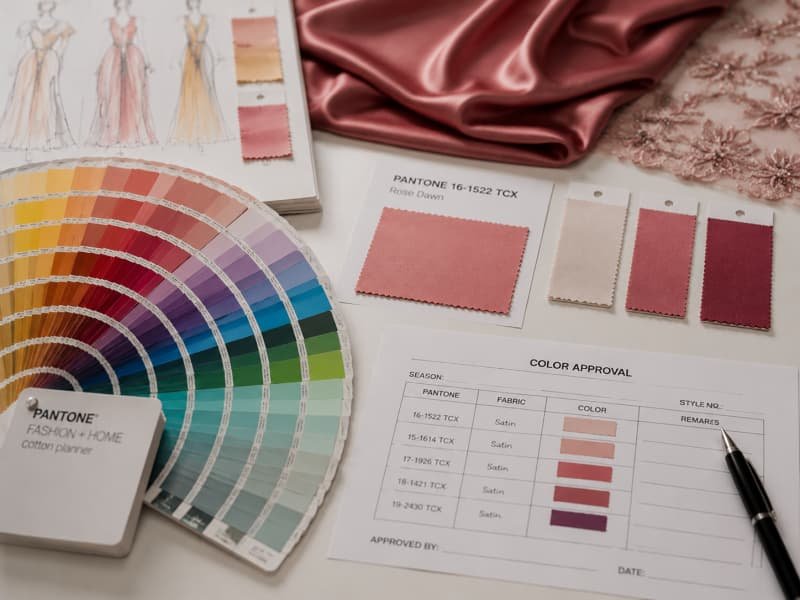
Color Development

Color may be selected from available shade cards, approved swatches or lab-dip development depending on material and quantity. Satin, velvet, chiffon and mesh reflect color differently, so approval should consider lighting, lining shade and surface texture.
3. Trim and Closure Readiness (1)

Closure Selection

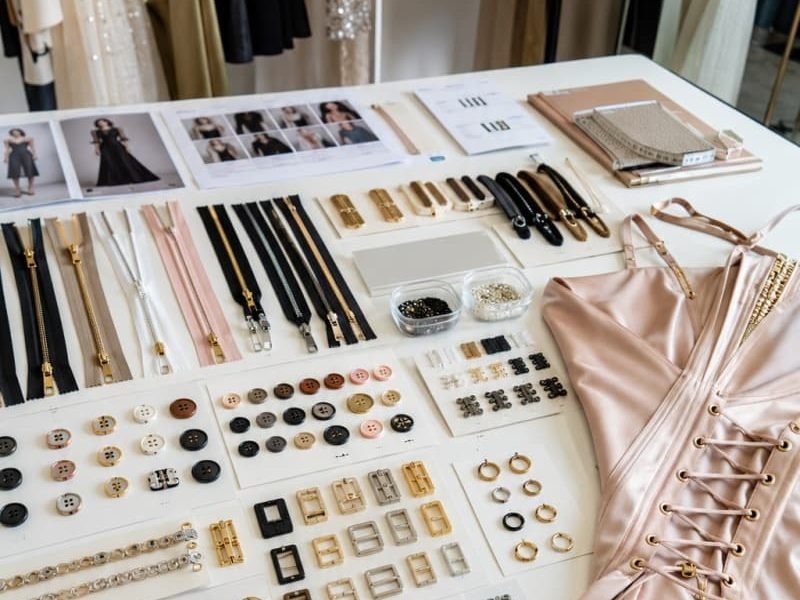
Invisible zippers, side zippers, center-back zippers, hooks, snaps and wrap closures affect drape placement. Zipper tape stiffness and insertion tension must suit the main material. A poorly matched closure can create rippling or pull folds out of position.

Support Components

Selected designs may require shoulder tape, clear elastic, internal stay, bust cups, boning, grip tape or reinforcement. Support should stabilize the garment without making the draped exterior look rigid or visibly constructed.
Label and Packing Records​

Label and Packing Materials

Main labels, care labels, hangtags, barcodes, polybags and folding methods form part of production readiness. Packing trials are especially important for satin, velvet and structured draping because pressure can flatten folds or leave marks.

Design Feasibility Review Before Sampling

Duolan reviews the relationship between design, fabric, fit, workmanship, cost, timing and bulk consistency before recommending a development path.

Fabric Feasibility

The review asks whether the proposed material can create the required fold depth, fluidity and support. Stretch, opacity, grain, surface sensitivity and batch availability are considered. Alternative directions may be suggested when the original material produces unstable results or conflicts with the production plan.

Fit Feasibility

Coverage, support, waist and hip balance, neckline stability, slit movement and size expansion are assessed. A visually striking concept may require changed anchor points, added support or revised proportions before it can work across the intended size range.

Pattern Feasibility

Some reference images depend on hand draping without an industrial sewing path. Pattern feasibility identifies panel shape, seam position, grain direction, fold allowance, closure placement and grading requirements needed to make the appearance repeatable.

Workmanship Feasibility

Complex tacking, hidden attachment, very narrow hems or difficult material combinations may create inconsistent results in bulk. Duolan evaluates whether the effect can be standardized through construction changes, guides, reinforcement or a pilot stage.

Commercial Feasibility

Fabric consumption, cutting loss, labor content, special processes, lining, trims and QC requirements affect cost. Review protects the visual elements that create product value while identifying low-impact complexity that may be simplified.

Timeline Feasibility

Material sourcing, pattern development, first sample, fitting, revision, PP approval, production, inspection, packing and shipment must fit the launch calendar. Complex draped styles require more decision points than a basic dress and should be scheduled accordingly.

From Draping Concept to Industrial Pattern

A draped design becomes production-ready only after visual folds, fabric behavior and body balance are translated into controlled pattern pieces, sewing marks and grading rules.

Analyze the Visual Structure

Development starts by locating the visible and hidden structure:
  • Drape origin and end point.
  • Fold direction and depth.
  • Gathering or pleat ratio.
  • Anchor and reinforcement points.
  • Main seams and closure.
  • Relationship between shell and lining.
  • Intended symmetry or asymmetry.
  • Areas affected by movement.
Reference images can hide important information. Side, back and interior construction may need interpretation through sketches, trial draping or a reference sample.

Build the First Pattern

Pattern work converts the visual idea into cuttable components. Grain direction is selected according to fluidity, stretch and stability. Extra volume is placed where folds need to form, while the underlying silhouette controls fit.
Pattern development considers:
  • Straight grain, cross grain or bias behavior.
  • Seam allowance suitable for material and construction.
  • Notches and match points for fold distribution.
  • Balance between front, back and side seams.
  • Closure integration.
  • Lining and facing patterns.
  • Reinforcement at stress points.

Correct Through Fitting

The first sample reveals how material, pattern and body shape interact. Comments may require changes to cowl depth, waist level, hip volume, fold position, neckline tension, side-seam balance or hem angle.
Corrections are returned to the pattern rather than left as manual sewing adjustments. A controlled pattern record reduces dependence on individual operators and provides a stronger base for grading.

Prepare Production Markings

Production patterns require more information than sample patterns. Anchor points, gathering limits, tack locations, left-right identification, placement lines and assembly references should be visible and understandable. Difficult sections can be supported by workmanship notes or approved detail photographs.

Fit Review Across Front, Side and Back
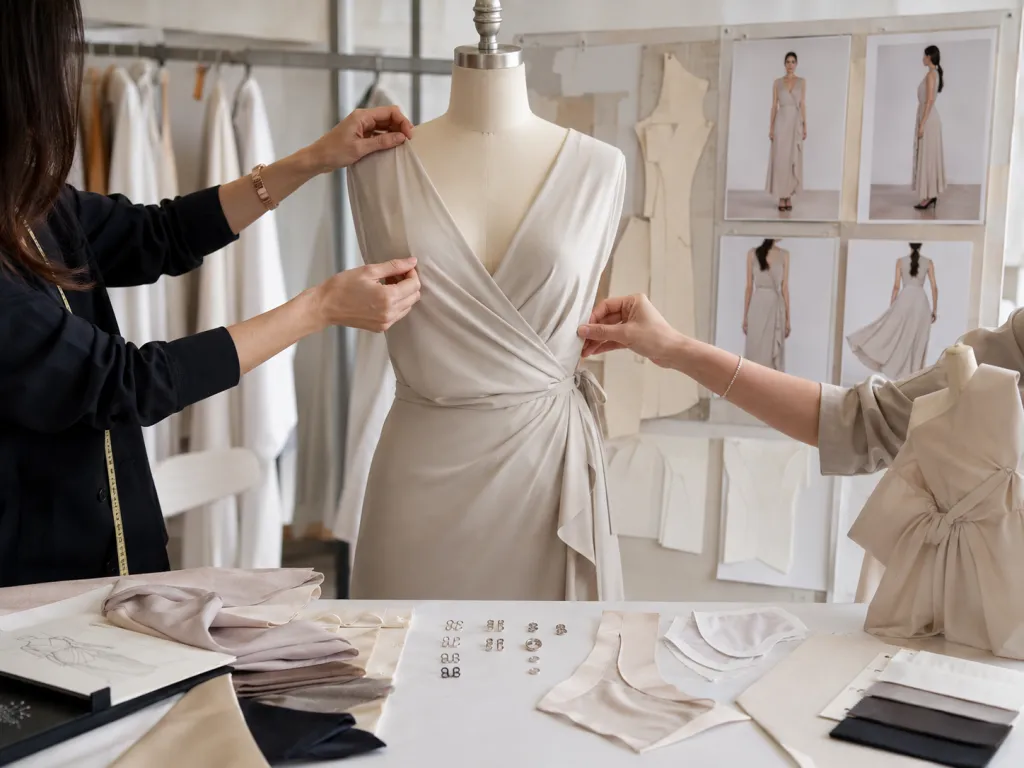
Draped dresses must be reviewed as three-dimensional garments. A strong front image does not compensate for rotated seams, unstable necklines or distorted back balance.

Front Balance Review

Front fitting checks neckline position, bust coverage, waist level, fold direction, visual center and hem relationship. Draping should flatter the body without hiding construction problems. For fitted styles, tension lines around the bust, waist and hip reveal whether the pattern or material needs adjustment.Key checkpoints:

  • Neckline depth and stability.
  • Bust coverage and support.
  • Waist placement.
  • Left-right visual balance.
  • Fold volume and anchor location.
  • Front hem and slit opening.

Side Profile Review

The side view shows whether draping is pulling the garment forward or backward. Side seams should remain close to the intended position unless deliberate asymmetry is built into the design. Hip projection, waist shaping, zipper behavior and lining tension are easier to diagnose from the side.Key checkpoints:

  • Side-seam alignment.
  • Bust-to-waist contour.
  • Hip balance.
  • Drape projection.
  • Zipper flatness.
  • Front-back hem balance.

Back and Movement Review

Back fitting checks neckline security, shoulder balance, closure, waist level and skirt fall. Movement testing includes walking, sitting, lifting the arms and turning. Dresses intended for party, occasion or vacation use must remain secure and visually balanced beyond a static fitting pose.Key checkpoints:
  • Back neckline and strap position.
  • Closure and seam tension.
  • Waist and hip balance.
  • Lining exposure.
  • Movement comfort.
  • Fold recovery after movement.

Measurement and Grading Control for Draped Dresses

Measurement control combines standard body points with visual drape references. Critical points vary according to neckline, waist structure, length, stretch and asymmetric construction.

Bust Measurement

Bust circumference alone cannot define fit. Bust point position, neckline coverage and fabric stretch influence how the drape sits. Structured or one-shoulder designs may require additional checks for upper bust, underbust and diagonal support.

Waist Position

A draped waist can visually shift even when circumference is correct. Measurement should define both waist level and anchor location. Side-ruching styles need clear distances from the waistline to gathering start and end points.

Hip Balance

Hip circumference affects fold tension and side-seam position. Grading should preserve enough fabric for movement while avoiding excessive volume. Bodycon designs may require separate stretch and recovery consideration.

Body Length

Shoulder-to-waist, waist-to-hem and total body length influence the location of every draped feature. Shortening or lengthening only the hem can move the visual balance away from the intended body area.

Neckline Depth

Cowl and asymmetric necklines require vertical depth, width and coverage checks. Larger sizes may need adjusted depth or internal stabilization rather than proportional enlargement alone.

Slit Position

Slit height is measured from a defined point and reviewed during movement. Draping can pull a slit higher than expected, especially in fitted or wrap constructions.

Drape Anchor Points

Anchor positions should be recorded from stable seams or measurement lines. Visual comments such as “move the folds slightly upward” need conversion into measurable distances for production.

Size Grading Logic

Grading rules may vary across body measurements, fold allowances and anchor points. Approved size sets or priority-size fittings can confirm whether visual proportions remain stable before a full size range is produced.

Draped Dress Sample Development Process

Sampling follows a controlled sequence from project review to production readiness. Each stage has a defined purpose and approval basis.

Project Brief Review

Duolan reviews product category, target market, reference, price position, quantity, size range, sample purpose and launch timing. Missing information is identified before development decisions are made.

Technical Risk Review

Fabric behavior, drape structure, pattern complexity, fit sensitivity, closure, lining and workmanship risks are assessed. Early clarification reduces late-stage redesign.

Material Preparation

Main fabric, lining, closures, support components and color direction are prepared or proposed. Material readiness and approval timing are included in the sample plan.

Pattern Development

Patterns are created or adjusted from tech packs, reference images, original samples or development direction. Drape allowance, grain, anchor points and construction are defined.

First Sample Sewing

The first sample tests silhouette, fabric response, fit, construction and visual expression. It is not treated as a final production standard.

Internal Review

The sample is checked on a mannequin or fit model, measured and photographed. Visible problems are identified before shipment when possible.

Brand Review

The brand evaluates fit, appearance, material, details and commercial direction. Comments can be organized by category to avoid mixed instructions.

Revision Development

Approved comments are transferred to pattern, measurements, material or workmanship records. Revised samples focus on unresolved priorities rather than restarting the project.

PP Readiness

Once fit, fabric, color, construction, labeling and packing direction are aligned, a PP or approved production reference can be prepared for bulk control.

Sampling time is confirmed after fabric readiness, complexity and sample purpose are reviewed. The sample proposal identifies development scope, approval points and revision timing instead of using one fixed promise for every style.

Sample Revision and Approval Discipline

Comments become useful only when they are converted into clear technical changes, updated records and defined approval status.

Categorized Sample Comments

Feedback is separated into fit, measurements, material, drape position, construction, appearance and production concerns. Categorization prevents one correction from creating an unnoticed problem elsewhere. Typical review groups:
  • Fit and body balance.
  • Measurements and tolerance.
  • Fabric, lining and color.
  • Drape shape and anchor points.
  • Construction and finishing.
  • Labels, packing and presentation.

Version-controlled Revisions

Sample rounds can be recorded as V1, V2 and V3 or by sample purpose. Each revision summary identifies:

  • Changes completed.
  • Points retained.
  • Decisions still pending.
  • Materials used.
  • Next approval requirement.

Version control gives design, sourcing and manufacturing teams a shared understanding of the current standard.

Visual and Technical Approval

A sample may receive visual approval while technical details remain open. Duolan distinguishes fit confirmation, visual confirmation, material confirmation and PP basis. Such separation prevents premature bulk release. Approval should cover: Silhouette and fit,Drape position and fold depth,Main fabric and lining,Measurements,Workmanship,Labels and packing.

Production Reference Package

The approved garment is supported by the current pattern, measurement specification, material details, construction notes and visual references.

Production teams and QC inspectors then work from a common basis instead of interpreting informal messages.

Draped Dress Workmanship Control Points

Small construction differences can change the entire appearance of a draped dress. Workmanship standards must define how volume is created, held and finished.

Drape Anchoring

Anchor points hold folds at the intended position. Tack size, thread tension, reinforcement and concealment should suit the material. Satin may show needle marks, while jersey may stretch under concentrated pressure. Approved anchor locations need pattern marks and visual references.

Gathering Distribution

Gathering must follow a controlled ratio and defined area. Operators should know where volume begins, where it ends and how it is distributed. Uneven gathering changes waist and hip proportions and can create visible differences across pieces.

Hidden Reinforcement

Internal tape, elastic, stay stitching or reinforcement may be required at necklines, shoulders, side seams and fold anchors. Support should stabilize the garment without creating visible rigidity, bulk or surface impressions.

Seam Tension

Lightweight satin, chiffon and mesh can pucker when thread, needle or feed tension is unsuitable. Stretch jersey may wave or grow.

Seam trials help confirm stitch formation, seam allowance and handling before full production.

Lining Connection

Lining attachment should allow the shell to move naturally. Connection points, ease, hem relationship and closure integration are reviewed. A restricted lining can pull the outer drape flat; excess lining may twist or show.

Edge Finishing

Rolled hems, narrow hems, clean-finished edges and lined edges create different visual weights. Chiffon cascades need light finishing, while stretch edges require recovery. Edge tests should match the approved movement and appearance.

Zipper Integration

A zipper placed near draping can interrupt fold flow or create rippling. Tape stiffness, seam stabilization, zipper length and insertion sequence must suit the material. Closure function is checked during fitting and first-piece review.

Pressing and Shaping

Pressing shapes seams and folds but can also flatten draping, mark satin or crush velvet. Temperature, steam, pressure, protective cloth and final hand shaping are confirmed according to material. Finished garments should recover correctly after packing.

Sample-to-Bulk Readiness Control

Bulk production begins only after the approved direction has been converted into locked material, measurement, construction and presentation standards.

Confirm Approval Status

The sample status is identified as fit confirmed, visual confirmed, PP basis or pending refinement. Clear status prevents a partially approved garment from being treated as the final production reference.

Lock Production Materials

Main fabric, lining, closures, support components, labels and packing materials are confirmed. Color, weight, handfeel, stretch and other critical properties are recorded according to project requirements.

Lock Measurements

Critical points, tolerance priorities and grading rules are reviewed. Draped anchor positions and visual references are included where standard measurements alone cannot describe the intended appearance.

Lock Workmanship

Seam method, gathering distribution, tack position, reinforcement, lining connection, zipper insertion, hem finish and pressing requirements are aligned with the approved sample.

Confirm Production Path

Style complexity, quantity, material, delivery timing and risk level are reviewed before allocation. Complex draped dresses may require first-piece verification or a pilot stage before full release.

Issue Bulk Confirmation

A Bulk Start Confirmation or Production Readiness Note can summarize the approved basis, remaining conditions and production path. The goal is not additional paperwork; it is preventing avoidable interpretation gaps before volume begins.

Bulk Production Path for Draped Dress Programs

Multi-style production is divided by style complexity, material, critical construction points, quantity and required delivery timing.

Order Breakdown

Orders are separated by style, color, size and quantity. Each style is identified as regular, complex, quick-response or high-risk workmanship. Such classification supports better material, line and QC planning.

Production Allocation

Core high-control styles can be matched with suitable owned-factory resources, while repeat or scale-up programs may use coordinated production capacity. Allocation follows product requirements rather than volume alone.

Material and Detail Lock

Fabric batch, color, weight, lining, zipper, labels, packaging and key workmanship are checked before line release. Sensitive materials or details may receive added confirmation.

First-piece Verification

For styles with strong fit, structure or visual sensitivity, the first piece or pilot stage is checked before the full run is released. Drape position, measurements, workmanship and pressing receive focused review.

Inline Production Control

Production teams monitor critical points while garments are being sewn.

Early findings can be corrected before the same variation spreads through a large quantity.

Final Delivery Readiness

Finished garments, measurements, appearance, labels, barcodes, packing and shipment requirements are checked against the agreed standard. Final delivery may be arranged by express, air, sea, FOB, CIF, DDP or split shipment according to the program.

Quality Control for Draped Dress Production

Quality control focuses on the points most likely to change fit, drape, visual consistency and delivery readiness.

Incoming Material Control

Main fabric, lining and trims are checked against approved direction. Review may include color, shade, handfeel, weight, stretch, recovery, surface condition, shrinkage and relevant testing requirements. Draped-dress priorities include:
  • Fabric-batch consistency.
  • Surface marks on satin or velvet.
  • Mesh and chiffon defects.
  • Stretch and recovery variation.
  • Lining color and compatibility.
Sewing and First-piece QC​

First-piece Control

The first production garment is compared with the approved sample and technical records. Drape position, fold depth, gathering, measurements, side seams, neckline, lining, zipper and pressing are reviewed before full release. A first-piece note can identify:
  • Approved points.
  • Required corrections.
  • Sensitive operations.
  • QC checkpoints for the line.

Inline Quality Control

Inline inspection monitors workmanship during production rather than waiting until completion. Inspectors check anchor placement, fold distribution, seam tension, symmetry or intended asymmetry, measurement stability and material handling. Early correction reduces: Repeated seam puckering,Shifted drape positions,Twisted side seams,Uneven gathering,Inconsistent pressing,Size-to-size visual difference.

Final and Packing Control

Final inspection checks measurements, overall appearance, construction, trimming, pressing, labels, barcodes, size assortment, packaging and carton details. Third-party inspection can be coordinated where required. A garment is considered ready for shipment only after product and packing requirements have been checked against the agreed standard.

Duolan’s Dress-focused Manufacturing System

Duolan combines long-term dress development experience with an organized network for sampling, multi-style production, repeat orders and scalable delivery.

Nearly 30 Years

Chairman Jerry Li and the manufacturing team have worked in fast-fashion womenswear development since the 1990s. Experience covers fashion-dress design interpretation, fabric development, pattern expression, decorative workmanship and commercial production.

16 Owned Factories

Owned womenswear factories provide core control for key styles, sample-to-bulk transition and high-attention programs.

Production allocation considers style complexity, fabric, workmanship and launch requirements.

20+ Satellite Factories

Long-term satellite partners add capacity flexibility for repeat orders, scale-up programs and seasonal concentration. Coordination is based on suitable product and quality requirements rather than uncontrolled subcontracting.

12,000+ Workers

The extended manufacturing structure includes more than 12,000 workers across supporting regions.

Scale supports multi-style programs, production balancing and larger seasonal order requirements.

300 Sewing Lines

Approximately 300 garment sewing lines provide broad production organization across the manufacturing group. Program planning separates regular, complex, quick-response and high-risk styles.

50+ Flexible Lines

More than 50 quick-response and flexible production lines support launch programs, selected replenishment and time-sensitive style groups when materials and approvals are ready.

High Development Density

Monthly sample-development capacity ranges from approximately 15,000 to 35,000 samples or development units, supporting around 3,000–8,000 style-development and sampling processes each month across the wider system.

Material Supply Network

Duolan works within the mature South China textile and garment supply environment, supported by fabric, trim, accessory, printing, embroidery, washing and special-process resources.

Compliance, Documentation and Brand Coordination

Formal supply relationships require organized approvals, traceable project records and the ability to follow market- and brand-specific requirements.

SMETA Audit Foundation

Duolan’s manufacturing system has completed SMETA and SMETA 2-Pillar audit processes and maintains related social-audit records. Current documents can be discussed during supplier evaluation according to project and confidentiality requirements.

Standards Coordination

Production can be planned around relevant client and market requirements involving quality, testing, labeling and documentation. Requirements related to BSCI, ISO 9001, AATCC, ASTM, OEKO-TEX?, EN, China GB, GOTS or other standards are evaluated according to the actual factory, material and program.

Structured Development Files

Projects may use a development brief, feasibility note, sample plan, review note and revision summary. Clear records reduce information loss between sales, sourcing, pattern, sample and production teams.

Bulk Control Records

Production preparation may include BOM alignment, material confirmation, measurement specification, PP reference, workmanship points, production timeline and QC checkpoints.

Inspection and Packing Support

Duolan can coordinate internal inspection, client-specific requirements and third-party inspection where needed. Labels, barcodes, polybags, carton marks and packing assortments are checked before shipment.

International Communication

Project communication is supported through email, WhatsApp, WeChat, voice calls, video calls and online meetings. Images, videos, documents, tables and annotated comments can be used throughout sample and bulk stages.

Draped Dress Development Case Studies

The following anonymized projects illustrate how multi-style draped dress programs can be managed through material, fit, sample and bulk controls.

US Going-out Collection

Region: United States

Program: 16 styles / 31,680 pieces

Product Mix: Side-draped minis, twist-front midis, one-shoulder jersey dresses and asymmetric mesh-overlaid styles

Colorways: 2–4 colors per style

Size Range: Brand US size range

The main challenge was maintaining flattering waist and hip draping across multiple stretch fabrics and sizes. Early references showed strong visual direction but lacked measurable drape anchors and gathering limits.

Duolan separated the program into three material groups: compact jersey, stretch satin and mesh-lined construction. Pattern records added gathering start and end points, anchor distances and side-seam controls. Priority sizes were fitted before grading was finalized. First-piece review focused on side-seam rotation, transparency, zipper waviness and gathering distribution.

Result: All 16 approved styles moved into one coordinated production program. The 31,680-piece order was divided into two production paths according to material and construction. Shipment was arranged in two planned releases to support the brand’s launch sequence.

UK Occasionwear Program

Region: United Kingdom

Program: 12 styles / 24,600 pieces

Product Mix: Satin asymmetric midis, cowl-neck dresses, draped maxi dresses and crepe wrap styles

Colorways: 3 colors per style

Development Focus: Surface quality, fit, formal finish and packing recovery

The original satin direction created seam puckering and pressure marks after pressing. Several asymmetric silhouettes also showed unequal hem drop after hanging.

Duolan compared two satin weights and one crepe-satin alternative, then adjusted needle, seam tension, grain direction and pressing method. Hem review was completed after hanging trials. Lining ease and zipper stabilization were updated before PP approval. Packing trials tested whether the folds recovered after carton compression.

Result: Twelve styles and 36 style-color combinations were approved for bulk. Production was organized by satin and crepe groups. The 24,600-piece program was completed through a controlled 30-day regular production window after material and PP approval, followed by final packing and label checks.

Australia|Influencer Resort and Festival Capsule

Australian Resort Collection

Region: Australia

Program: 22 styles / 58,400 pieces

Product Mix: Chiffon cascade maxis, viscose-blend cowl dresses, draped resort midis and wrap silhouettes

Colorways: 2–5 colors or prints per style

Launch: Seasonal resort delivery

The project combined lightweight solids and prints across 22 styles. Key risks included chiffon cutting instability, uneven maxi hems, print placement, transparent areas and inconsistent fold depth between colors.

Duolan grouped styles by material, print process and construction. Chiffon styles received cutting and edge-finishing trials; selected maxis were reviewed after hanging. Print placement references, lining coverage and drape anchor points were recorded by style. Production priority followed the brand’s campaign, core-sales and supporting-style categories.

Result: The 58,400-piece program covered more than 70 style-color combinations and was released through three coordinated production groups. Campaign-priority styles were packed first, followed by core and supporting deliveries within the agreed seasonal shipment plan.

Custom Draped Dress Frequently Asked Questions

Yes. Reference images can provide visual direction, but development also requires target market, size range, material direction, quantity, fit expectations and desired changes. Duolan reviews missing views, construction uncertainty and production risks before preparing a sample path.
Yes. A complete tech pack improves quotation, pattern, measurement, BOM, labeling and packing accuracy. Duolan also reviews unclear or conflicting details and can request confirmation before sampling or production.
Common options include satin, stretch satin, jersey, crepe, chiffon, mesh, cupro or viscose blends and velvet. Selection depends on fold shape, fit, stretch, opacity, price position, season and bulk plan.
Duolan can develop industrial patterns from draping references, sketches or original samples. Fold allowance, grain, anchor points, seam balance, closure, lining and grading requirements are defined during pattern and sample development.
Drape start and end points, anchor locations, gathering limits and visual references can be added to pattern and workmanship records. First-piece and inline checks compare production against the approved sample.
Yes. Brand measurement specifications can be followed and reviewed according to fabric, silhouette and construction. Critical points and grading logic may be discussed when the proposed measurements conflict with drape balance or coverage.
Revision count depends on reference clarity, material readiness, fit complexity and decision speed. Each round should solve defined priorities. Duolan records completed changes, retained points and pending approvals before the next version.
Bulk control includes material locking, PP reference, measurement standards, workmanship notes, first-piece verification, inline inspection, final inspection and packing checks. High-risk styles may use a pilot stage before full release.
Yes. Programs of 10–30 styles can be organized by priority, material group, sample purpose, complexity and launch timing. Shared fit, fabric, labeling and packaging standards can be coordinated across the collection.
Send available tech packs, reference images, original-sample photos, fabric direction, size chart, colorways, target quantity, launch timing, labels and packing requirements. Duolan will identify missing information and propose the next review stage.

Start Your Draped Dress Development Program

Send the available project information to Duolan for an initial development and manufacturing review. A complete file is helpful, but a project can also begin with reference images, an original sample, a fabric idea or a collection brief. Our team will assess style complexity, drape structure, material direction, fit priorities, sample purpose, target quantity and production timing before recommending the next step.

For a more accurate review, please include:

  • Tech pack, sketch, reference image or original-sample photos.
  • Target draped style, length, neckline and silhouette.
  • Preferred fabric, composition, weight, stretch or handfeel.
  • Size range, measurement specification and fit market.
  • Colorways and approximate quantity by style.
  • Required sample type and approval purpose.
  • Target launch date or required delivery window.
  • Label, barcode, packaging and testing requirements.
  • Current quality or production concerns.

US Dress-heavy Brand

Start Your Apparel Development Project

OEM/ODM Manufacturing Support for Fashion Brands

Share your collection details, estimated quantities, target market, development timeline, and technical requirements. The production team will review your request and provide a tailored manufacturing solution based on your product category, fabric selection, construction needs, and delivery schedule.

Fashion Manufacturing Support with Scalable Production Capacity

From sample development to bulk production, Duolan supports fashion brands with confidential OEM/ODM manufacturing, stable quality management, flexible production planning, and coordinated multi-factory execution for seasonal and capsule collections.

Need Direct Assistance?

Seraphinite AcceleratorOptimized by Seraphinite Accelerator
Turns on site high speed to be attractive for people and search engines.