Skip to content
Custom Resort Set Manufacturer for Fashion Brands
Dress-focused development and manufacturing for coordinated resort collections, seasonal drops and repeat production programs.
- Resort programs structured around 10–30 styles and total order volumes of approximately 20,000–80,000 pieces.
- Two-piece and three-piece sets developed with connected control over proportion, fit, fabric, print, color and packing.
- More than 30 years of fashion product development experience supporting design interpretation and commercial production.
- A manufacturing network supported by 16 owned womenswear factories and more than 20 long-term satellite factories.
- Custom fabrics, original prints, pattern development, fit samples, PP approval and bulk production coordinated through one project path.
- SMETA audit and SMETA 2-Pillar social audit records available for relevant manufacturing operations.
Duolan helps established fashion brands, buying teams and product development teams turn resort concepts into coordinated, production-ready collections. Each project is reviewed around product structure, market position, fabric behavior, print execution, fit priorities, order scale and launch timing before sampling or production begins.
Built for Brand-level Resort Collection Programs
Established Fashion Brands
- Preserving the intended brand language across every coordinated set.
- Balancing campaign pieces with commercially repeatable styles.
- Maintaining consistent fit blocks across related tops and bottoms.
- Planning materials that can support several styles without weakening product identity.
- Converting approved samples into repeatable production standards.
- Retaining development records for future colors, repeat orders and seasonal extensions.
Buying and Product Teams
Buying and product teams usually manage several pressures at the same time: collection timing, target margin, technical accuracy, sample comments, internal approval and production readiness. Duolan organizes project information around measurable actions rather than informal discussion.
Support can include:
- Feasibility review before pattern work begins.
- Fabric, print, lining and trim coordination.
- Sample-stage identification and revision tracking.
- Measurement and workmanship confirmation.
- PP sample and bulk-readiness review.
- Production progress and quality checkpoints.
- Packing, barcode and warehouse requirement alignment.
Clear responsibilities and recorded confirmation points reduce information loss between design, merchandising, technical, sourcing and production teams.
Sourcing Offices
Sourcing offices need a manufacturer capable of meeting brand manuals, testing requirements, inspection procedures and delivery schedules across multiple product groups. Duolan provides centralized project coordination supported by a multi-factory manufacturing structure.
The evaluation path may cover:
- Factory and audit documentation.
- Category and production-capacity matching.
- Sample-room and pattern-development capability.
- Material and special-process resources.
- Quality-control responsibilities.
- Third-party inspection coordination.
- Label, packaging and shipping-document requirements.
- Repeat-order and capacity-expansion planning.
Project information remains organized by style, color, size, quantity, process complexity and delivery target, allowing sourcing teams to evaluate more than price alone.
What a Resort Set Manufacturer Should Deliver
More Than Two Matching Garments
- Overall visual balance.
- Top length against bottom rise.
- Bust coverage and waist exposure.
- Skirt or trouser volume.
- Fabric weight across both pieces.
- Lining and transparency control.
- Closure position and wearing sequence.
- Styling as a set and as separates.
Commercially Connected Product Planning
Resort sets often carry more commercial flexibility than single garments. A coordinated outfit can be sold as one complete look, separated into individual SKUs or extended into additional colorways. Manufacturing decisions must support the intended retail structure. For set-based selling, size pairing, barcodes, labels, folding and polybag control need to prevent missing or mismatched components. For separate selling, each piece requires independent SKU logic while still retaining fabric and color consistency. Mix-and-match collections create further requirements because one top may coordinate with shorts, trousers and skirts across several deliveries.
Duolan evaluates:
- Fixed-size sets such as S/S, M/M and L/L.
- Independent top and bottom sizing.
- Separate SKU and barcode structures.
- Shared-fabric programs across several garments.
- Core color and seasonal print extensions.
- Repeat-order material availability.
- Packing formats for ecommerce, retail and distribution centers.
A clear commercial structure at development stage reduces costly packing, stock and replenishment problems later.
A Controlled Development-to-Delivery Path
Duolan can manage the path from initial concept to finished shipment through connected development and manufacturing stages.
The working sequence may include:
- Collection and style review.
- Fabric and print direction.
- Pattern development.
- First prototype.
- Fit and measurement review.
- Revision and technical update.
- Photo or sales sample.
- PP sample.
- Bulk-readiness confirmation.
- Production-path planning.
- Inline and final quality control.
- Set-pairing and packing inspection.
- Shipment preparation.
- Repeat-order file retention.
The goal is not only to make an attractive sample. The goal is to establish a version that design teams can approve, production lines can reproduce, quality teams can inspect and future orders can repeat.

Resort Set Risks Controlled Before Bulk Production
Proportion Mismatch
A set may contain two well-made garments and still look visually wrong when worn together. Common causes include an overly long blouse, incorrect trouser rise, excessive exposed waist, unbalanced sleeve volume or a skirt waistband positioned away from the intended body line.
Duolan checks:
- Top length against bottom rise.
- Shoulder width against lower-body volume.
- Neckline depth and overall exposure.
- Waist seam and natural waist position.
- Skirt or trouser length against the intended footwear and occasion.
- Proportion across the planned size range.
Fit review therefore considers the complete outfit, not only separate measurement tolerances.
Fabric Inconsistency
- Confirming usable weight for each garment.
- Reviewing transparency under normal and strong light.
- Testing shrinkage before final pattern approval.
- Checking fabric direction and surface reflection.
- Separating dye lots during cutting.
- Comparing hand feel between both pieces.
- Confirming lining where the bottom requires greater coverage.
Print Misalignment
- Repeat dimensions.
- Artwork orientation.
- Placement on major garment areas.
- Size grading influence.
- Cutting efficiency.
- Matching requirements at visible seams.
- Print behavior after gathering or pleating.
- Strike-off and sample approval standards.
Color Variation
Color mismatch is highly visible in a coordinated set. Variation may come from different dye lots, mixed fabric rolls, inconsistent print backgrounds, lining show-through or different surface directions. Color control can include:
- Lab-dip or strike-off confirmation.
- Approved swatch reference.
- Light-box review where required.
- Roll-to-roll shade grouping.
- Cutting by confirmed shade lot.
- Top-and-bottom comparison during sewing and finishing.
- Finished-set inspection before packing.
- Reorder comparison against retained standards.
Color approval needs to reflect the finished garment, not only a small fabric cutting.
Size Pairing Errors
- Style-color-size breakdowns.
- Component identification before packing.
- Independent quantity reconciliation.
- Barcode and size-sticker verification.
- Pairing tables for fixed or mixed sizing.
- Final set-count checks.
- Carton-level reconciliation.
- Packing approval before full-scale completion.
Sample-to-Bulk Difference
A visually approved sample can still fail in bulk when materials, seam methods, pressing, tolerances or production instructions are not fully locked. Fast approval without a production basis creates uncertainty. Before production, Duolan reviews:
- Current sample approval status.
- Confirmed fabric, lining and trims.
- Measurement and grading basis.
- Workmanship standards.
- Print and color references.
- Open technical questions.
- Packaging requirements.
- First-piece or pilot-run needs.
- QC inspection points.
Bulk starts only after the required production information is aligned.
Custom Resort Set Styles for Seasonal Collections

Shirt Shorts Sets
- Shirt length that can be tucked, tied or worn open.
- Sleeve volume suited to the intended climate and styling.
- Short rise, inseam and leg opening.
- Elastic, drawstring or structured waistband options.
- Pocket placement without disturbing the print.
- Sufficient coverage in lightweight fabrics.
- Consistent print orientation across both garments.

Blouse Trouser Sets
A blouse and wide-leg trouser set can move from daytime resort use to dinner or event settings. The silhouette needs controlled balance between upper-body detail and lower-body movement.
Development may focus on:
- Neckline and bust coverage.
- Sleeve or shoulder treatment.
- Blouse length against trouser rise.
- Waist shaping and internal support.
- Trouser drape and leg volume.
- Pocket construction.
- Lining or partial lining.
- Hem depth and pressing recovery.
- Sitting and walking comfort.
Viscose, crepe, satin-like wovens, lightweight twill and linen blends can be selected according to the target price and visual mood.

Crop Skirt Sets
- Crop length by size.
- Bust support and neckline security.
- Back closure and elastic recovery.
- Natural waist versus high-waist positioning.
- Skirt sweep and movement.
- Slit height and walking comfort.
- Gathering distribution.
- Print scale across narrow and wide garment areas.
- Lining coverage.
- Complete-look and separate-wear balance.

Halter Skirt Sets
Halter tops paired with skirts suit beach-to-dinner and destination-event collections. Fit accuracy becomes especially important around the neck, armhole, bust and back.
Duolan reviews:
- Strap width and neck pressure.
- Bust placement.
- Side coverage.
- Back opening.
- Lining and internal support.
- Waist connection between both pieces.
- Skirt volume and slit placement.
- Closure access.
- Fabric weight and stretching risk.
- Size grading around the bust.
Soft woven fabrics can create fluid movement, while structured fabrics may require more exact shaping and internal construction.

Camisole Midi Sets
- Adjustable or fixed strap engineering.
- Neckline stability.
- Bust dart or panel shaping.
- Back fit.
- Skirt waist comfort.
- Bias-cut or straight-grain behavior.
- Side-seam control.
- Invisible zipper quality.
- Lining movement.
- Hem consistency.
- Surface protection during pressing and packing.

Vest Trouser Sets
Tailored or semi-tailored vest sets bring resort dressing into polished travel, yacht, city-break and destination-event settings. Construction must stay light enough for warm climates without losing shape.
Development may cover:
- Vest neckline and front balance.
- Button placement.
- Bust shaping.
- Armhole finish.
- Partial or full lining.
- Trouser rise and waistband construction.
- Pleat direction.
- Pocket opening stability.
- Pressing and crease retention.
- Fabric recovery after packing.
Linen blends, lightweight suiting, textured polyester blends and soft twill are common options depending on the required structure.

Wrap Skirt Sets
Wrap tops and wrap skirts provide adjustable fit and movement, yet overlap depth and tie placement need disciplined testing. Insufficient overlap can create exposure during walking or sitting.
Duolan evaluates:
- Wrap direction.
- Overlap depth.
- Tie length and attachment.
- Neckline control.
- Internal fastening.
- Waist adjustment range.
- Skirt opening during movement.
- Print alignment at wrap edges.
- Hem shape.
- Lining requirements.
- Grading across sizes.
A mock-up or fit sample may be used before final fabric when wrap geometry carries higher risk.

Kimono Layered Sets
Kimono-led sets can combine an outer layer with a camisole, shorts, trousers or skirt. Three-piece structures increase styling flexibility but also increase color, size and packing complexity.
Development points include:
- Outer-layer length and sleeve width.
- Inner-top coverage.
- Bottom proportion.
- Shared or contrasted print direction.
- Belt construction.
- Fabric weight across three components.
- Size-pairing logic.
- SKU structure.
- Complete-set packing.
- Individual-piece presentation.
- Quantity reconciliation before shipment.
Building a Balanced Resort Set Collection
Define the Collection Architecture
A strong resort program normally contains several product roles. Treating every style as a statement piece can create high sampling cost, uneven retail performance and difficult production planning.
A balanced architecture may include:
- Campaign sets: Visually distinctive outfits used for lookbooks, social content and leading collection imagery.
- Commercial sets: Easier silhouettes with broader fit tolerance and repeat potential.
- Travel-focused sets: Lightweight, packable styles with lower wrinkle sensitivity and comfortable movement.
- Day-to-evening sets: Looks that shift from daytime use to dinner or social occasions through fabric, neckline or styling.
- Occasion crossover sets: Polished silhouettes suitable for destination events, brunches and holiday gatherings.
- Repeatable core sets: Stable shapes that can return in new colors, prints or fabrics.
Duolan can review how many styles belong in each role, how silhouettes relate to one another and where a shared fabric or fit block improves commercial coherence.
Build a Connected Material Story
Fabric selection should reinforce the collection mood without forcing every style into one material. A material story may combine a structured cotton, fluid viscose, linen blend and controlled satin while maintaining a consistent color and surface direction.
Material planning considers:
- Which fabrics can serve multiple styles.
- Which pieces need greater opacity or support.
- Where natural texture adds resort value.
- Which fabrics accept custom print effectively.
- How many minimums are created by separate qualities.
- Whether one bottom fabric can coordinate with several tops.
- Which styles require lining.
- Whether pre-shrinking, washing or special finishing is needed.
- Reorder availability.
- Target cost allocation across the assortment.
Shared materials can improve color consistency and purchasing efficiency, but forced material reuse may weaken fit or garment performance. Each decision is evaluated against the intended product role.
Plan Color and Print Hierarchy
Color planning needs more structure than selecting several attractive shades. A clear hierarchy helps stores, ecommerce platforms and marketing teams present the collection as one story.
A resort program may use:
- Two or three core solids.
- One light neutral.
- One high-impact seasonal shade.
- One main print family.
- One supporting microprint or texture.
- Controlled contrast trims.
- Repeated color references across sets and separates.
Print allocation also matters. A strong placement print may belong on one campaign set, while a smaller repeat can support several commercial styles. Solid versions of the same silhouette can improve reorder potential.
Duolan reviews print scale against pattern pieces, garment volume and size grading. A maxi skirt requires different artwork judgment from a cropped blouse. One collection may therefore use related artwork at two scales rather than forcing one repeat across every SKU.
Sequence Development by Launch Priority
Not every style should enter sampling on the same day. High-risk fabrics, original prints, structured tops and special processes need earlier review. Simpler coordinated sets can follow after shared materials and fit directions are confirmed.
A development sequence may prioritize:
- Core fabric and print confirmation.
- Main campaign silhouettes.
- Fit-block validation.
- Commercial variations.
- Color extensions.
- Photo or sales samples.
- PP samples.
- Bulk-production allocation.
Early sequencing protects the launch calendar and prevents critical styles from waiting behind easier samples. Duolan can separate styles into standard, complex, print-dependent and high-risk categories before creating a development plan.
Engineering Balanced Proportions Across Every Resort Set

Align Top Length With Bottom Rise
Top length and bottom rise create the central visual relationship in most resort sets. A difference of 1–2 cm can noticeably change waist exposure, perceived leg length and overall balance.
Development checks may include:
- Finished top length from shoulder or high-point shoulder.
- Front and back length difference.
- Natural waist position.
- Trouser or skirt rise.
- Waistband depth.
- Expected overlap or exposed-waist area.
- Styling tucked, untucked or tied.
- Size-grading influence.
- Fabric relaxation after hanging.
- Shrinkage after care testing.
A cropped top may need different length grading from a standard blouse. Simple proportional grading can create excessive exposure in larger sizes or a visually long top in smaller sizes. Duolan reviews the intended look on the body rather than relying only on mathematically scaled measurements. For adjustable or wrap silhouettes, the usable fit range is checked through movement and tying positions. For elastic-waist bottoms, relaxed and stretched waist measurements are both considered.

Balance Volume Across the Body
- An oversized shirt with very wide trousers may overwhelm the frame unless the shirt length or sleeve volume is controlled.
- A fitted halter top can support a fuller maxi skirt, but bust stability must remain sufficient.
- A cropped blouse with gathered sleeves may need a cleaner skirt waist to avoid concentrated volume.
- A tailored vest works best when trouser pleats and waistband construction reinforce the same level of structure.
- Shoulder line.
- Bust ease.
- Sleeve opening.
- Waist definition.
- Hip ease.
- Trouser thigh and hem.
- Skirt sweep.
- Gathering ratio.
- Pleat depth.
- Fabric drape.
- Intended footwear and wearing scenario.

Control Coverage and Wearing Security
- Armhole exposure.
- Neckline opening.
- Bust movement.
- Strap position and pressure.
- Back opening.
- Side-seam coverage.
- Wrap overlap.
- Skirt slit height.
- Trouser transparency.
- Lining length.
- Closure accessibility.
- Undergarment compatibility.

Grade the Complete Look
Top and bottom patterns are often graded separately, but the completed set must retain its intended proportion across the full size range. Duolan can compare:
- Top length progression.
- Bust and waist balance.
- Bottom rise progression.
- Skirt or trouser length.
- Exposed-waist area.
- Strap placement.
- Print scale.
- Pocket position.
- Slit height.
- Waistband depth.
- Set-pairing assumptions.
A size chart should identify whether both garments follow the same alpha sizing or require separate specifications. Mixed-size selling may improve end-wearer fit, while fixed-size sets simplify retail and packing. The preferred structure needs to be decided before barcodes and packaging are created.
Custom Print and Color Development for Resort Collections
Color Development
- Pantone or physical color reference.
- Lab-dip development.
- Review under agreed lighting.
- Comparison on the actual fabric quality.
- Approval comments.
- Bulk-lot comparison.
- Shade grouping.
- Finished-garment review.
Print Development
Original print development begins with more than uploading artwork. Repeat size, orientation, color count, printing method and garment geometry determine whether the final result supports the design. Duolan reviews:
- Artwork resolution.
- Repeat dimensions.
- Directional or non-directional layout.
- Main motif scale.
- Background color.
- Color separation where required.
- Placement near seams.
- Print behavior on gathers, pleats and wraps.
- Size-grading influence.
- Fabric width and cutting efficiency.
Large tropical or botanical motifs may need separate scale decisions for a cropped top and wide skirt. Geometric prints can require more exact alignment at button plackets, center fronts and side seams. Irregular or engineered placement may increase cutting loss and production complexity.
Strike-off Approval
- Color accuracy.
- Registration.
- Edge definition.
- Background coverage.
- Hand feel.
- Fabric distortion.
- Print-through.
- Wash response where required.
- Surface cracking or fading.
- Relationship to trims and lining.
Placement Control
Placement prints and directional repeats can lose their intended effect when tops and bottoms are cut independently. Duolan can prepare placement references by pattern area and define which positions require exact control. Examples include:
- Central motifs on a blouse front.
- Border prints at skirt hems.
- Stripe direction across shirt and shorts.
- Mirrored motifs on wrap panels.
- Pattern spacing around a waistband.
- Avoiding dominant motifs over pockets or darts.
- Maintaining visual balance across sizes.
Bulk inspection compares the garment against approved placement tolerance. Exact matching at every seam may not be commercially necessary, while prominent front or center areas may need tighter control. The required standard should be defined before costing.
Fabric Directions for Resort Sets That Wear Correctly

Linen and Blends
- Lightweight qualities for shirts and blouses.
- Higher weight or lined options for trousers and skirts.
- Wrinkle level.
- Shrinkage after washing.
- Seam puckering.
- Fabric slippage.
- Color variation.
- Garment-wash response.
- Surface changes after pressing.
- Reorder consistency.

Cotton Poplin
Cotton poplin supports crisp shirts, shorts, fitted tops and structured skirts. It performs well for solids and many prints, yet weight and finishing need to match the silhouette.
Key considerations include:
- Opacity in light colors.
- Crispness versus softness.
- Shrinkage.
- Seam appearance.
- Gathering bulk.
- Wrinkle recovery.
- Print penetration.
- Pocket and placket stability.
- Washing performance.
- Pressing standard.
A lighter poplin may suit a voluminous blouse, while shorts may require a denser quality or lining. Shared appearance does not always require identical construction.

Cotton Voile
Cotton voile offers softness and airflow for warm destinations. Its lightweight structure can also create transparency, seam slippage and limited recovery.
Duolan reviews:
- Full or partial lining.
- Double-layer construction.
- Gathering ratio.
- Seam width.
- Reinforcement at straps and openings.
- Print density.
- Shrinkage.
- Care instructions.
- Ironing sensitivity.
- Packing presentation.
Voile performs especially well for relaxed blouses, skirts, kimono layers and softly gathered sets. Fitted trousers generally require a more stable quality.

Viscose and Rayon
Viscose creates fluid movement and strong print clarity, making it suitable for shirts, wide-leg pants, skirts and relaxed coordinated outfits.
Control priorities include:
- Fabric shrinkage.
- Growth after hanging.
- Width variation.
- Seam stability.
- Colorfastness.
- Print registration.
- Skewing.
- Surface abrasion.
- Pressing marks.
- Measurement recovery.
Patterns may require adjustment after shrinkage tests. Long skirts and wide trousers should be rested before final hemming when the fabric has higher relaxation potential.

Lightweight Crepe
Crepe provides fluidity with a less reflective surface than satin. It can support polished resort sets, occasion crossover outfits and easy-care travel pieces. Evaluation points include:
- Drape.
- Opacity.
- Stretch or mechanical give.
- Seam puckering.
- Snagging.
- Edge fraying.
- Pressing temperature.
- Lining needs.
- Color consistency.
- Recovery after folding.
Crepe weights can vary widely. The correct quality is chosen according to whether the set uses a camisole, blouse, skirt, trouser or tailored vest.

Satin Wovens
- Face direction.
- Shade appearance under different light.
- Seam impression.
- Needle marks.
- Pressing shine.
- Bias stretching.
- Lining movement.
- Snag risk.
- Hem finish.
- Protective packing.
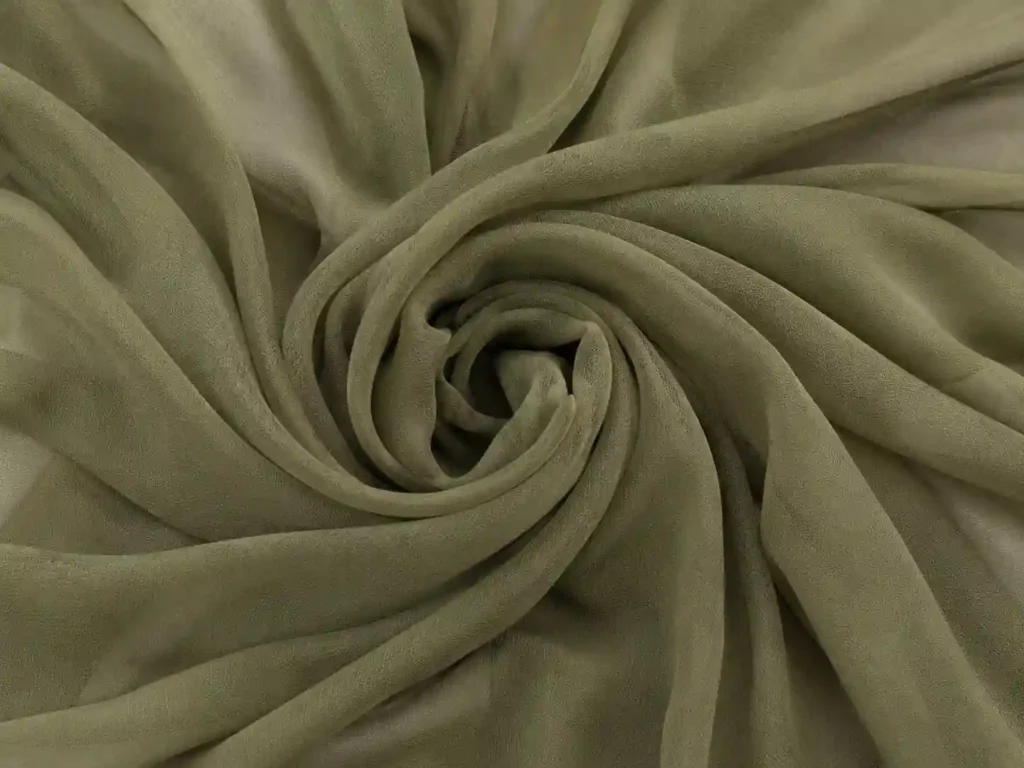
Chiffon Layers
- Shell and lining relationship.
- Gathering ratio.
- Seam finish.
- Hem method.
- Slit coverage.
- Print scale.
- Fabric distortion.
- Static behavior.
- Snagging.
- Packing recovery.
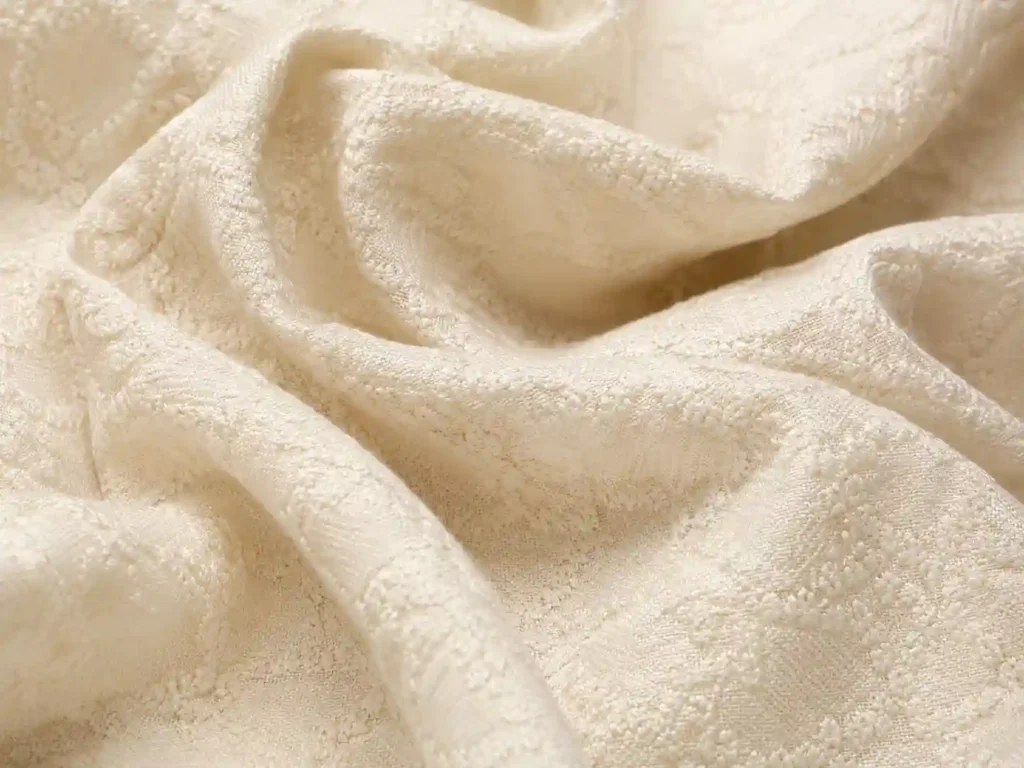
Textured Wovens
- Pattern direction.
- Texture distortion.
- Stripe or motif matching.
- Shrinkage.
- Seam bulk.
- Ironing pressure.
- Lining decisions.
- Repeat-order availability.
- Cutting utilization.
- Color continuity.
Start From Tech Packs, References or Collection Direction
Complete Tech Pack
Duolan checks:
- Whether measurements support the intended silhouette.
- Whether construction notes match the fabric.
- Whether tolerances are realistic.
- Whether trim specifications are available.
- Whether print artwork is production-ready.
- Whether top and bottom pairing is clearly defined.
- Whether any detail creates a bulk-production risk.
Reference Images
Reference images can communicate silhouette and visual mood, but they do not automatically define construction, fabric, measurements or fit.
The review identifies:
- Visible design features.
- Likely fabric behavior.
- Hidden construction requiring clarification.
- Fit assumptions.
- Brand-specific changes.
- Copyright or originality concerns.
- Details needing technical confirmation.
- Suitable sample path.
Duolan does not simply copy an image. The visible direction is converted into a developable structure aligned with the brand’s intended product position.
Original Sample
An original garment allows direct evaluation of proportion, construction, fabric and wearing effect. Development may preserve the overall direction while changing material, fit, detail or quality.
The review may include:
- Garment measurements.
- Pattern balance.
- Construction sequence.
- Seam and finishing quality.
- Fabric composition and weight.
- Trim details.
- Fit weaknesses.
- Production limitations.
- Required brand changes.
Any alteration affecting cost, fit or appearance is clarified before a new sample is produced.
Design Sketch
A sketch can carry stronger originality than a market reference, but technical decisions still need to be built around the visual idea.
Duolan can help define:
- Fabric category.
- Structure.
- Opening method.
- Lining.
- Support.
- Measurement logic.
- Top-and-bottom relationship.
- Workmanship.
- Sample checkpoints.
- Bulk feasibility.
Complex areas may be tested through partial mock-ups before completing the full garment.
Fabric Print Direction
Some collections begin with an exclusive fabric, print or color story. Product shapes are then selected around material behavior.
The review considers:
- Fabric weight and drape.
- Width and usable area.
- Shrinkage.
- Transparency.
- Print repeat.
- Direction.
- Cutting loss.
- Suitable silhouettes.
- Target retail position.
- Reorder availability.
The material should guide product development without forcing unsuitable structures.
Collection Brief
Duolan can assist by organizing:
- Product roles.
- Silhouette mix.
- Fabric families.
- Color hierarchy.
- Print allocation.
- Development priority.
- Sample stages.
- Production risk.
- Launch timing.
- Repeat potential.
Pattern and Fit Development for Coordinated Separates
Build Patterns Around Fabric Behavior
- Drape.
- Stretch.
- Recovery.
- Shrinkage.
- Transparency.
- Seam stability.
- Weight.
- surface direction.
- Lining structure.
- intended looseness.
Control Upper-body Fit and Security
- Shoulder line.
- Bust position.
- Neckline opening.
- Armhole coverage.
- Strap length.
- Back width.
- Under-bust support.
- Side-seam position.
- Hem level.
- Fastening security.
- Mobility.
- Undergarment compatibility.
Develop Bottom Fit for Movement
- Waist position.
- Relaxed and stretched waist.
- Front and back rise.
- Hip ease.
- Crotch balance.
- Thigh and leg opening.
- Skirt sweep.
- Slit height.
- Lining movement.
- Pocket placement.
- Hem level.
- Seat comfort.
Grade the Set as One Look
Grading rules need to preserve the outfit’s proportion. Independent grading can cause the top to lengthen too quickly, the skirt rise to change visually or the intended exposed-waist area to disappear. Duolan reviews:
- Grade increments by measurement point.
- Top length progression.
- Bottom rise progression.
- Waistband depth.
- Strap placement.
- Neckline depth.
- Armhole shape.
- Slit height.
- Pocket position.
- Print placement.
- Finished set balance.
The brand’s size chart, fit model information and previous fitting comments provide valuable guidance. When no established fit standard exists, Duolan can develop a base size for review before completing the full grading structure.
A Controlled Sampling Path From Concept to Approval
Sample timing varies with material availability, print development, structure and comment speed. The following ranges provide a planning reference and are confirmed after project review.
| Sample Stage | Main Purpose | Planning Range | Main Confirmation |
|---|---|---|---|
| Development Review | Confirm design basis, material direction and key risks | 2–4 working days | Feasibility notes and missing information |
| First Prototype | Establish silhouette, structure and proportion | 7–12 working days | Shape, construction and initial fit |
| Complex or Print Sample | Test original print, special process or high-risk structure | 12–20 working days | Artwork, material, process and appearance |
| Fit Sample | Evaluate measurements, balance, coverage and movement | 7–12 working days | Fit comments and measurement corrections |
| Revised Sample | Apply consolidated technical comments | 5–8 working days | Pattern, detail and workmanship changes |
| Photo or Sales Sample | Prepare an approved visual version for internal or sales use | 7–12 working days | Color, appearance and styling readiness |
| PP Sample | Lock the production basis before bulk release | 7–10 working days after material lock | Fabric, trims, measurements, workmanship and packing basis |
What Makes a Resort Set Sample Production-ready
Fit, Measurement and Grading Basis
A visually acceptable sample is not ready for production until the measurement structure is clear. The approved garment needs a confirmed base-size specification, tolerances and grading direction.
The review covers:
- Finished measurements.
- Measurement method.
- Top and bottom relationship.
- Fit comments.
- Pattern corrections.
- Grade rules.
- Stretch or elastic behavior.
- Wash or relaxation influence.
- Critical points requiring tighter tolerance.
- Intended size-pairing format.
Measurements should reflect the approved wearing effect. A relaxed garment can still need controlled shoulder, bust, waist and rise points. A stretch waistband requires both relaxed and extended values. A wrap garment may need usable overlap measurements in addition to standard width.
Where brand fit blocks already exist, Duolan aligns the sample with those standards. New product blocks can be retained for later resort collections.
Material, Color and Trim Locking
The material basis may include:
- Fabric composition.
- Weight or approved hand feel.
- Color reference.
- Approved lab dip.
- Print artwork and strike-off.
- Lining.
- Interlining.
- Elastic.
- Zipper.
- Buttons.
- Labels.
- Thread.
- Packaging material.
For coordinated sets, the material file also defines whether both pieces share one fabric lot, use different weights or require separate lining specifications.
Workmanship and Construction Standard
A sample can hide production uncertainty when internal construction is not documented. Seam type, stitch density, edge finish, reinforcement, pressing and special-process details need a clear basis.
Critical workmanship points may include:
- Neckline finishing.
- Strap attachment.
- Armhole stability.
- Elastic application.
- Waistband construction.
- Zipper installation.
- Pocket reinforcement.
- Lining attachment.
- Slit finishing.
- Print placement.
- Hem method.
- Final pressing.
Duolan can mark key areas through photos, construction notes or a workmanship sheet. High-risk sections may receive a first-piece check or pilot run before full production.
Packing and Bulk-release Readiness
Production readiness includes the final commercial format. Labels, barcodes, size stickers, set pairing, folding and carton instructions must match the sales model.
Before bulk release, Duolan reviews:
- Approved sample status.
- Open comments.
- BOM readiness.
- Packing method.
- Set or separate SKU logic.
- Barcode files.
- Size stickers.
- Polybag warnings.
- Carton assortment.
- Warehouse labels.
- Inspection standard.
- Delivery target.
The output can be summarized in a Bulk Start Confirmation or Production Readiness Note, allowing the brand team to see which elements are locked and which remain pending.
Construction Details That Define Resort Set Quality
Resort products often appear simple, making workmanship more visible. Clean edges, stable openings, controlled gathers and secure closures strongly influence retail presentation.

Clean Neckline Finishing
Necklines sit close to the face and become a primary quality signal. Poorly controlled edges may wave, twist, stretch or reveal lining.
Duolan reviews:
- Facing or binding width.
- Seam allowance control.
- Understitching.
- Stabilization.
- Lining roll.
- Topstitch consistency.
- Strap connection.
- Neckline symmetry.
- Pressing.
- Movement during wear.
The finishing method is selected according to fabric weight, transparency, stretch and product position. Lightweight fabrics need stability without a heavy appearance.

Stable Waist Construction
Waistbands connect the visual and functional center of many resort sets. They need to remain comfortable while supporting pockets, gathers, zippers or elastic.
Checks include:
- Waistband height.
- Interlining.
- Elastic quality.
- Stretch ratio.
- Seam strength.
- Closure position.
- Gathering distribution.
- Lining connection.
- Twisting resistance.
- Finished measurement.
Elastic channels require controlled width and joining. Structured waistbands require clean corners, even topstitching and stable pressing.

Comfortable Elastic Application
Elastic can improve fit range, but incorrect tension creates tightness, twisting, uneven gathering or early recovery loss.
Development covers:
- Elastic width.
- Composition.
- Recovery.
- Joining method.
- Stretch ratio.
- Channel size.
- Gathering balance.
- Skin contact.
- Heat sensitivity.
- Measurement after relaxation.
Elastic behavior is tested before final measurement approval. The garment should recover after stretching without becoming restrictive.

Controlled Sheer Coverage
Lightweight resort fabrics may become transparent under sunlight or strong store lighting. Coverage solutions need to protect wearability without removing fluidity.
Options include:
- Full lining.
- Partial lining.
- Double-layer panels.
- Pocket-bag coverage.
- Skin-tone lining choices.
- Increased fabric weight.
- Print density.
- Revised seam position.
- Longer inner shorts.
- Modesty panels.
Coverage is reviewed on-body where possible because a tabletop inspection may not reveal stretching or backlighting.

Balanced Lining Structure
Lining affects opacity, drape, comfort and garment movement. An unsuitable lining can pull the shell, add heat or change the silhouette.
Duolan evaluates:
- Lining composition.
- Weight.
- Stretch.
- Length.
- Attachment points.
- Hem freedom.
- Color.
- Static behavior.
- Shrinkage.
- Care compatibility.
Trousers may require only pocket and upper-body coverage, while a skirt may need a full lining. Tops may use self-lining around the bust while keeping other areas light.

Accurate Print Placement
Print quality involves more than color. Motif position, direction and seam interruption influence the completed look.
Inspection points include:
- Center-front placement.
- Placket alignment.
- Border position.
- Stripe direction.
- Pocket interruption.
- Waistband orientation.
- Major motif balance.
- Size variation.
- Cutting tolerance.
- Set-level appearance.
The approved sample or placement diagram defines which areas require tighter control.

Clean Hem Finishing
Hems influence drape, movement and perceived quality. The correct method depends on fabric, shape and product position.
Options may include:
- Double-turn hem.
- Blind hem.
- Narrow hem.
- Rolled hem.
- Baby hem.
- Faced hem.
- Binding.
- Coverstitch where appropriate.
- Weighted or structured finish.
- Hand-finished detail for selected products.
Long skirts and bias garments may need resting before hemming. Uneven hem lines are corrected before final pressing.

Secure Openings and Fastenings
Zippers, buttons, hooks, ties and drawstrings need to support repeated dressing without damaging lightweight fabrics.
Duolan checks:
- Zipper length and insertion.
- Hook-and-eye placement.
- Button security.
- Buttonhole size.
- Tie reinforcement.
- Drawstring exit.
- Internal fastening.
- Placket stability.
- Closure comfort.
- Spare-component requirements.
High-stress points can receive additional reinforcement while maintaining a clean appearance.
Sizing and Pairing Logic for Two-piece Resort Sets
Sales format affects development, grading, barcodes, packing and replenishment. The set structure should be confirmed before labels and purchase-order breakdowns are finalized.
| Sales Structure | Size Method | Manufacturing Control | Packing and Inventory Logic |
|---|---|---|---|
| Fixed-size Set | Top and bottom use the same alpha or numeric size | Confirm complete-set fit across each size; control top and bottom quantity equally | One set SKU, one barcode and one paired polybag |
| Separate-size Pairing | Top and bottom sizes can differ | Maintain two size breakdowns and a defined pairing matrix | Combined-order system or two linked SKUs; stronger packing verification |
| Mix-and-match Separates | Every garment sells independently | Preserve shared fabric, color, print and fit compatibility | Independent SKUs, barcodes and replenishment records |
| Three-piece Set | Outer layer, inner top and bottom sold together | Reconcile three component quantities and fit relationships | One complete-set SKU or optional-component structure |
Fixed-size sets simplify retail handling but may not fit every body proportion equally. Separate sizing improves fit flexibility while creating additional SKU and pairing work. Mix-and-match programs can increase selling options but require disciplined fabric, color and reorder control.
Duolan can review the intended channel, warehouse method and size chart before recommending a packing structure. Set-pairing checks are incorporated into final inspection rather than handled as an informal packing task.
How Approved Resort Sets Move Into Bulk Production
Run a Bulk-readiness Review
The review asks:
- Is fit fully confirmed?
- Is visual approval separate from technical approval?
- Does the current sample serve as a PP basis?
- Are material substitutions still pending?
- Are color and print standards approved?
- Are measurements and tolerances complete?
- Are labels and packing instructions ready?
- Does the order require a first-piece check?
- Is any construction point unsuitable for scale production?
The result can be recorded through a concise Production Readiness Note.
Break Down the Order Structure
Duolan may classify styles as:
- Standard construction.
- Complex structure.
- Print dependent.
- Special-process dependent.
- Fast-response.
- High-risk material.
- Repeat style.
- New fit block.
Confirm First-piece Standards
Inspection can focus on:
- Measurement.
- Fit-sensitive construction.
- Fabric direction.
- Print placement.
- Color use.
- Elastic tension.
- Waistband shape.
- Lining.
- Closure.
- Hem.
- Pressing.
- Label and packing position.
Maintain Production-stage Visibility
Progress control follows meaningful production nodes rather than generic status messages.
Updates may cover:
- Material arrival.
- Cutting.
- Special-process completion.
- First-piece confirmation.
- Sewing progress.
- Inline findings.
- Finishing.
- Final inspection.
- Packing.
- Shipment preparation.
Where several factories or lines are involved, standards remain centrally coordinated. Approved references, measurement files, workmanship notes and QC points are shared across the selected production path.
Manufacturing Capacity for Multi-style Resort Programs
16 Owned Factories
The value includes:
- Stronger connection between development and manufacturing.
- Direct handling of important fit and construction standards.
- Production allocation based on style complexity.
- Faster technical escalation.
- Controlled first-piece confirmation.
- Stable support for recurring styles.
20+ Satellite Factories
Long-term satellite factories provide additional flexibility for repeat orders, volume expansion and production peaks.
Duolan coordinates:
- Factory matching.
- Material allocation.
- Approved standards.
- Production timing.
- Quality requirements.
- Packing requirements.
- Delivery consolidation.
Satellite capacity is used as part of an organized network rather than uncontrolled outsourcing. Style suitability and production risk guide allocation decisions.
12,000+ Supporting Workers
Regional manufacturing support across several production bases creates capacity depth for multi-style orders and seasonal peaks.
The main value is not the workforce number alone. A broader manufacturing base can support:
- Parallel production.
- Different garment categories.
- Repeat-order expansion.
- Delivery-risk buffering.
- Specialized process allocation.
- Large seasonal programs.
Project coordination remains centralized so brand teams do not need to manage each production point independently.
300 Sewing Lines
Line allocation can consider:
- Lightweight woven sets.
- Tailored sets.
- Fitted tops.
- Fluid skirts.
- Wide-leg trousers.
- Lined products.
- Print-sensitive styles.
- Repeat programs.
50+ Quick-response Lines
More than 50 quick-response and flexible lines support faster-moving development, initial launches, replenishment and selected repeat programs.
Quick response remains connected to production readiness. It does not remove the need for:
- Material availability.
- Approved standards.
- Clear order breakdown.
- First-piece control.
- Quality checkpoints.
- Realistic packing and logistics time.
The flexible structure helps brands move from early launch quantities into larger repeat programs.
High Development Density
Duolan’s wider system can support approximately 15,000–35,000 sample developments per month across the manufacturing network, depending on style complexity and project stage.
Development density supports:
- Multiple brands.
- Parallel seasonal collections.
- Several sample stages.
- Revised samples.
- Photo samples.
- PP samples.
- Complex material coordination.
Capacity is most valuable when paired with accurate project organization, consolidated comments and clear sample priorities.
Planning Resort Production Around Your Launch Calendar
Start With the Required Market Date
Duolan reviews:
- Online launch date.
- Store launch date.
- Campaign photography.
- Sales-sample deadline.
- Internal range review.
- Purchase-order issue date.
- Warehouse booking window.
- Shipping mode.
- Customs and receiving buffer.
- Planned repeat window.
Allocate Time by Development Risk
Revised samples commonly need approximately 5–8 working days after consolidated comments and material confirmation. PP samples may require approximately 7–10 working days after final materials are locked.
These ranges are planning references. Actual timing is confirmed after reviewing:
- Style count.
- Fabric readiness.
- Artwork status.
- Number of colors.
- Sample stage.
- Construction complexity.
- Special-process lead time.
- Comment and approval speed.
Protect Bulk and Quality Time
The production period needs to include:
- Material inspection.
- Cutting.
- Printing or special processes.
- Sewing.
- First-piece confirmation.
- Inline inspection.
- Finishing.
- Final inspection.
- Packing.
- Shipment preparation.
Sequence Styles Within One Collection
A 10–30-style collection rarely needs every style to finish at the same moment. Duolan can plan by launch priority and risk.
A phased sequence may include:
- Print and fabric development.
- Campaign styles.
- Core commercial sets.
- Supporting separates.
- Photo samples.
- PP approval.
- Early bulk styles.
- Complex bulk styles.
- Final packing waves.
- Shipment consolidation.
Several delivery windows can be considered where a brand prefers early arrival of priority styles. Any split-delivery structure needs aligned carton, documentation and warehouse instructions.
Quality Control for Fabric, Fit, Color and Pairing

Inspect Materials Before Cutting
- Fabric quality.
- Width.
- Weight or hand feel.
- Color.
- Print.
- Defects.
- Shade variation.
- Stretch direction.
- Transparency.
- Shrinkage.
- Skewing.
- Roll identification.

Confirm Measurements and Construction Early
First-piece and early-production checks verify whether pattern, seam and assembly standards are being followed.
Key controls include:
- Critical garment measurements.
- Top-to-bottom proportion.
- Neckline and armhole shape.
- Waistband construction.
- Elastic tension.
- Zipper and button position.
- Lining.
- Print placement.
- Pocket location.
- Slit height.
- Hem.
- Label position.
Findings are corrected while production volume remains limited. Updated actions need to reach all relevant lines and inspection teams.

Inspect Workmanship During Production
Inline inspection focuses on recurring risks rather than waiting until finished goods are completed.
Review points can include:
- Seam quality.
- Stitch consistency.
- Puckering.
- Gathering distribution.
- Loose or skipped stitches.
- Strap reinforcement.
- Closure security.
- Lining attachment.
- Print direction.
- Shade separation.
- Measurement drift.
- Pressing marks.
Inspection frequency can be adjusted for complex styles, new processes and higher-risk fabrics. Satin, chiffon, wrap structures and original prints generally require different focus points from standard cotton sets.

Verify Complete Sets Before Shipment
- Correct top and bottom style.
- Correct color.
- Correct size.
- Barcode consistency.
- Size-sticker accuracy.
- Label placement.
- Missing components.
- Quantity balance.
- Folding method.
- Polybag format.
- Carton assortment.
- Carton marks.
- Final appearance.
Preserving Standards Across Resort Set Repeat Orders
Approved Pattern Files
Final pattern versions and grading information provide the foundation for repeat production.
Records can include:
- Base-size pattern.
- Revision history.
- Grade rules.
- Critical balance points.
- Fit comments.
- Style-specific warnings.
Before a repeat order, the retained pattern is checked against any new fabric, size extension or design change. A different fabric may require controlled pattern adjustment even when the visual style remains unchanged.
Measurement Standards
Retained measurement files help preserve fit across seasons and production locations.
Standards may include:
- Measurement points.
- Base-size values.
- Tolerances.
- Elastic ranges.
- Wrap overlap.
- Strap lengths.
- Top-bottom proportion.
- Final approved comments.
A repeat order is reviewed against the most recent approved version rather than an outdated early sample.
Fabric Color Records
Information may include:
- Supplier.
- Composition.
- Quality code.
- Approved swatch.
- Lab dip.
- Print strike-off.
- Dye-lot notes.
- Shrinkage result.
- Care requirement.
- Replacement options.
Print Artwork Files
Retained artwork reduces development time for recurring prints and color extensions.
Records can preserve:
- Repeat file.
- Color separation.
- Approved scale.
- Placement reference.
- Strike-off.
- Fabric base.
- Size-related notes.
- Cutting direction.
New colorways can begin from a controlled artwork version rather than rebuilding the print.
BOM and Trim References
Retained information may cover:
- Shell fabric.
- Lining.
- Interlining.
- Elastic.
- Zipper.
- Buttons.
- Thread.
- Labels.
- Hangtags.
- Packing materials.
QC Packing Standards
Standards can include:
- Critical workmanship points.
- Measurement focus.
- Print placement.
- Set pairing.
- Barcode use.
- Folding.
- Polybag.
- Carton assortment.
- Warehouse marks.
- Inspection records.
MOQ and Cost Planning for Resort Set Programs
Understand What Drives MOQ
- Fabric-mill minimums.
- Dye-lot minimums.
- Printing method.
- Number of colors.
- Artwork setup.
- Trim minimums.
- Style count.
- Size breakdown.
- Set or separate-SKU structure.
- Construction complexity.
- Packing materials.
- Production allocation.
- Reorder planning.
Build a Useful Quotation Basis
An accurate quotation needs enough information to understand product construction and commercial requirements.
Useful inputs include:
- Tech pack or reference.
- Fabric composition and weight.
- Colorways.
- Print artwork.
- Size range.
- Quantity by style and color.
- Lining.
- Trims.
- Labels.
- Packaging.
- Testing requirements.
- Inspection standard.
- Delivery destination.
- Target timing.
A quote based only on an image may need assumptions. Duolan identifies those assumptions so the brand team can compare costs on a consistent basis.
Plan Cost Across the Collection
Cost engineering should protect the product direction rather than remove every distinctive feature.
Collection-level options may include:
- Using a shared fabric across several styles.
- Concentrating colors.
- Reusing approved trims.
- Simplifying hidden construction.
- Adjusting print scale.
- Replacing a costly process with a visually similar method.
- Moving complexity into campaign styles.
- Keeping commercial styles easier to repeat.
- Designing color extensions from proven patterns.
- Planning total volume across 10–30 styles.
Duolan can identify where a change affects appearance, fit, lead time or quality. The final decision remains connected to the intended retail position.
Branding, Packing and Delivery for Resort Set Orders

Brand Labels
Control covers:
- Artwork.
- Dimensions.
- Color.
- Material.
- Fold type.
- Placement.
- Stitching.
- Size coding.
- Country-of-origin information.
- Approval sample.

Care Composition Labels
Duolan coordinates:
- Approved wording.
- Language requirements.
- Fiber percentages.
- Care symbols.
- Label order.
- Placement.
- Size.
- Printing clarity.
- Durability.
- Style mapping.

Hangtags Barcodes
Checks may include:
- SKU.
- Style number.
- Color.
- Size.
- Price information.
- Barcode.
- QR code.
- Tag attachment.
- Spare tags.
- Scan verification.

Set Pairing Polybags
Packing must prevent top-bottom mismatch and missing pieces.
Options can include:
- Both garments folded in one polybag.
- Individual inner bags inside one set bag.
- Garment banding.
- Set-identification stickers.
- Separate polybags for independent SKUs.
- Three-piece component checklists.
Pairing tables and barcode verification are completed before full packing. The format is reviewed against warehouse and ecommerce requirements.

Carton Warehouse Marks
Control points include:
- Carton dimensions.
- Quantity.
- Size assortment.
- Net and gross weight.
- PO number.
- Style and color.
- Carton sequence.
- Destination.
- Warehouse marks.
- FBA or retailer labels where applicable.

Shipping Documentation
Documents may include:
- Commercial invoice.
- Packing list.
- Carton details.
- Origin documents where required.
- Inspection reports.
- Test reports.
- Shipping marks.
- Booking information.
- Forwarder instructions.
- Delivery records.
Compliance Readiness for Global Fashion Brand Programs
Factory Social Audit
Relevant Duolan manufacturing operations have completed SMETA audit and SMETA 2-Pillar social audit processes, with supporting social-audit records available for qualified review.
Brand teams may request:
- Audit scope.
- Applicable facility.
- Audit date.
- Corrective-action status.
- Facility information.
- Production-category relevance.
Documentation should always be checked for current validity and project applicability before supplier approval.
Quality Management
Quality requirements are organized through material inspection, sample approval, first-piece confirmation, inline checks, final inspection and packing control.
Programs can be aligned with:
- Brand quality manuals.
- Inspection standards.
- Measurement tolerances.
- Approved samples.
- AQL requirements.
- Third-party reporting.
- Corrective-action procedures.
- Shipment-release conditions.
The exact quality plan is established according to product risk and order requirements.
Textile Testing
- Fiber composition.
- Colorfastness.
- Shrinkage.
- Pilling.
- Seam strength.
- Fabric strength.
- Dimensional stability.
- Print performance.
- Restricted substances.
- Care-label verification.
Label Compliance
Labels must reflect approved composition, care, origin and market requirements. Review can cover:
- Fiber naming.
- Percentage order.
- Care instructions.
- Country of origin.
- Responsible company information.
- Language.
- Placement.
- Legibility.
- Permanence.
- Packaging warnings.
Brand legal and compliance teams should provide or approve final market-specific content.
Brand Manuals
- Product development.
- Material approval.
- Sample stage.
- Bulk standard.
- Inspection.
- Packing.
- Documentation.
- Shipment.
Third-party Inspection
External inspection can be coordinated with nominated agencies or brand representatives.
Preparation includes:
- Inspection booking.
- Order readiness.
- Sample and specification availability.
- Carton access.
- Quantity reconciliation.
- Corrective action.
- Reinspection where required.
- Report retention.
Release conditions are confirmed before dispatch.
Resort Set Development Cases From Brief to Bulk

US Vacation Collection
A US multi-channel fashion brand planned an 18-style vacation drop containing shirt-and-short sets, halter-and-skirt sets, camisole-and-trouser sets and lightweight three-piece looks.
Project scope:
- 18 coordinated styles.
- 42,600 total pieces.
- Sizes XS–XL.
- Seven solid colorways.
- Four original print groups.
- Fixed-size and separate-SKU structures.
- One primary warehouse delivery window.
The main risk involved maintaining print scale and color continuity across tops, shorts, skirts and trousers using different pattern dimensions. Several bottoms also required greater opacity than the matching tops.
Duolan separated the development into print, fit and packing workstreams. Two print scales were created from the main artwork family. Tops used the smaller repeat, while selected skirts and wide-leg trousers used a larger repeat. Lightweight tops retained the intended soft hand feel; bottoms received revised fabric weight or lining according to transparency testing.
Three coordinated fit rounds were completed for the higher-risk halter and wrap sets. The fixed-size styles used one set barcode, while separate-selling pieces received independent SKUs.
Before production, all 18 styles completed PP review. Bulk was divided by material and structure rather than visual collection order. Final packing reconciled 21,300 complete two-piece equivalents through barcode, size and color checks before shipment release.

European Printed Drop
A European fashion group developed a 24-style printed resort capsule for ecommerce and selected retail stores. The collection combined blouses, cropped tops, skirts, shorts and fluid trousers.
Project scope:
- 24 styles.
- 68,400 total pieces.
- Sizes EU 34–44.
- Nine print-color combinations.
- Three shared viscose qualities.
- Two planned shipment windows.
- Individual-piece and coordinated-set sales.
The main challenge involved controlling shrinkage, print direction and garment length across fluid viscose fabrics. Several prints contained directional leaves and borders that could not be cut as non-directional repeats. Long skirts also showed hanging growth during early development.
Duolan completed shrinkage review before final pattern approval and created directional cutting markers. Border placement was defined by garment area, and selected skirts were rested before final hemming. The top and bottom patterns were graded together to preserve waist exposure and motif position.
Production was divided into two shipment waves. Commercial shirt and trouser sets entered the earlier wave, while more complex border-print skirts followed after additional placement confirmation.
All nine print-color combinations were approved through strike-offs and garment samples. Packing files separated individual SKUs while retaining collection-level color references. Both planned delivery windows were completed through coordinated production, inspection and document preparation.

Australian Resort Occasion Line
An Australian fashion label developed a 12-style resort and occasion crossover program designed for holiday events, destination dinners and summer social occasions.
Project scope:
- 12 styles.
- 26,800 total pieces.
- Sizes AU 6–16.
- Five color directions.
- Halter, wrap and camisole structures.
- Satin, crepe and chiffon combinations.
- Three-piece options in selected styles.
The main risks involved bust security, back coverage, lining movement and set proportion. The designs needed a light resort appearance while remaining suitable for social-event wear.
Duolan developed upper-body mock-ups for the two highest-risk halter styles before completing the full skirts. Strap position, side coverage and internal support were adjusted during fit review. Chiffon outer layers were paired with lighter linings that maintained movement without excessive transparency. Satin components were controlled by fabric direction to avoid visible shade differences.
A fixed-size structure was retained for eight sets, while four styles used separate top and bottom SKUs. Three-piece styles received a component-pairing checklist during packing.
The program moved into bulk after pattern, lining, color and workmanship standards were locked. Following the initial 26,800-piece delivery, the brand prepared a 21,600-piece color-extension repeat using retained patterns, BOM files and QC references.
Frequently Asked Questions About Custom Resort Sets

Start Your Resort Set Development Project
Send available project information to Duolan for a structured development or production review. Complete files help us assess fabric suitability, print direction, pattern needs, sample stages, MOQ conditions, cost factors and lead time more accurately.
Useful information includes:
- Tech packs, sketches, reference images or original-sample photos.
- Planned resort set types and number of styles.
- Fabric composition, weight, texture or reference swatches.
- Print artwork, Pantone colors or collection mood boards.
- Size range and existing fit standards.
- Estimated quantity by style and color.
- Labels, hangtags, barcodes and packing manuals.
- Testing, audit or inspection requirements.
- Target launch date and required delivery location.
- Current stage: concept, sample, PP approval, bulk order or repeat production.
Duolan will review the product structure, material path, fit risks, sample sequence, production conditions and missing information before recommending the next step. Early-stage files are also welcome; send what is currently available and the team will identify which decisions are needed before accurate sampling or quotation.