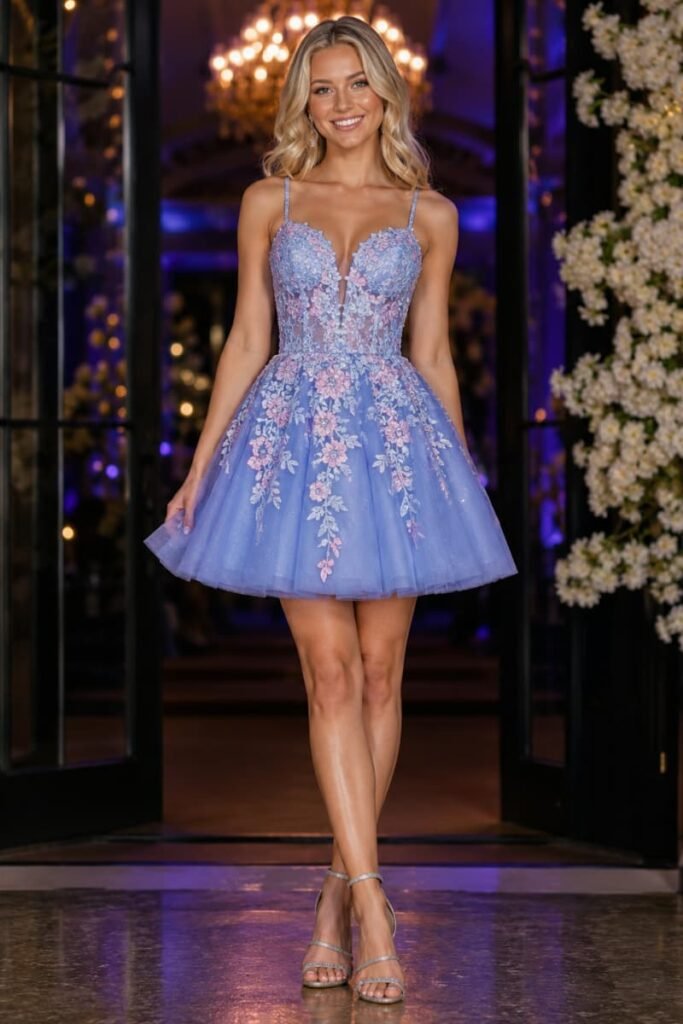
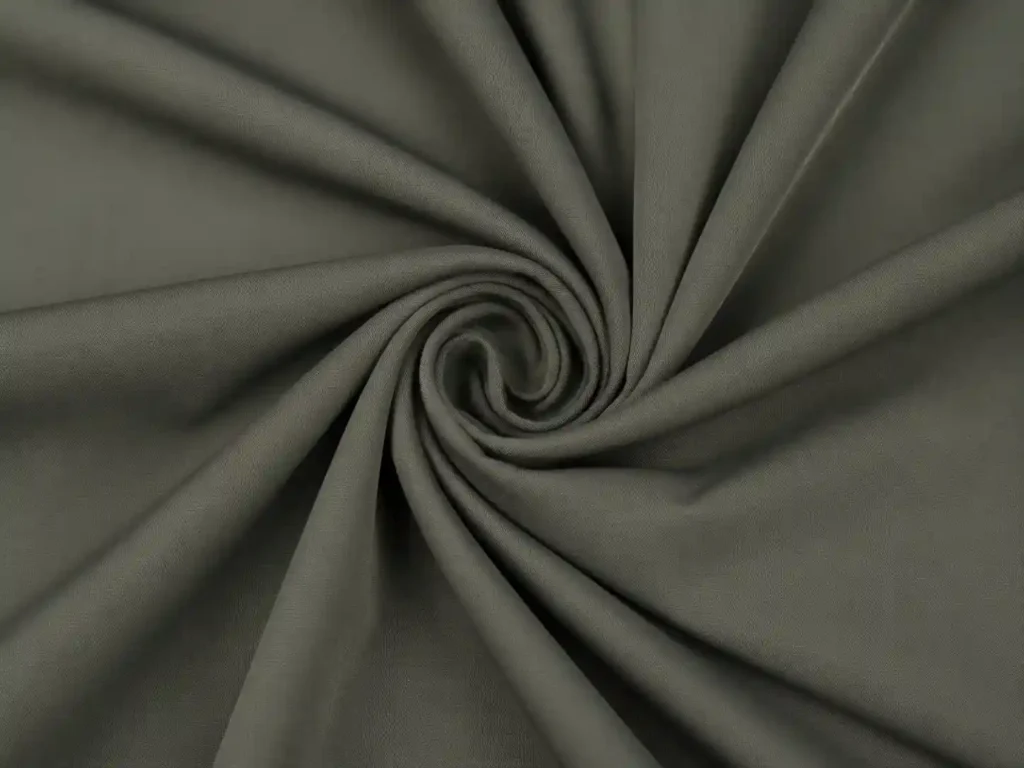
...

Custom Appliqué Dress Manufacturer

Dress-focused development and manufacturing for fashion brands building appliqué-led party, occasion, evening, vacation, and statement collections.

Duolan develops complete appliqué dresses from design direction, Tech Packs, reference garments, original samples, or collection briefs. Our work connects motif design with fabric behavior, pattern engineering, fit, support structure, workmanship, bulk repeatability, and packaging protection.

  • 8 core appliqué technique families supported across fashion dress development
  • Motif placement reviewed across front, side, back, seams, darts, closures, and grading
  • Brand programs commonly involve 10–30 styles and 20,000–80,000 total pieces
  • Complex styles move through mock-up, sample review, and production-readiness control
  • Bulk timing is evaluated by material readiness, construction difficulty, handwork density, and launch date
  • Core production is supported by 16 owned factories and a wider coordinated manufacturing network

Built for Established Fashion and Occasionwear Brands

Duolan works with fashion teams that require more than decorative surface work. Our role is to develop commercially viable dresses, confirm production standards, and support repeatable manufacturing across seasonal collections and recurring programs.

Fashion Dress Brands

Fashion-led brands need appliqué details that strengthen the collection identity without making production unstable. We help evaluate silhouette, motif scale, color direction, placement density, fabric response, fit, construction, and expected production volume before the first complete sample is released.

Occasionwear Brands

Occasionwear programs often combine mesh, lace, organza, structured bodices, fitted waists, layered skirts, and hand-positioned motifs. Duolan coordinates the decorative concept with coverage, support, movement, comfort, and finishing standards required for event-driven products.

Product Development Teams

Development teams need accurate interpretation of artwork, specification files, comments, and sample purpose. We turn design information into material selections, pattern instructions, motif maps, construction details, review points, and a clear path toward PP approval.

Buying and Sourcing Teams

Sourcing teams often evaluate several risks at once: factory capacity, communication discipline, sample accuracy, material control, quality checkpoints, compliance readiness, and delivery coordination. Duolan provides a structured project path instead of isolated answers from separate departments.

Multi-brand Fashion Groups

Multi-brand groups may require different price bands, silhouettes, motif levels, size ranges, and launch calendars. Our manufacturing structure supports program segmentation, style-level planning, documentation control, production-path matching, and repeat-order standard preservation.

Designer-led Collections

Design-led teams need room for visual expression, but every visual decision must still work in sampling and production. Duolan helps translate artistic direction into controlled motif dimensions, repeatable placement, suitable attachment methods, and commercially manageable workmanship.

What Strong Appliqué Dress Manufacturing Requires

A capable supplier must manage the entire garment, not only the decorative motif. Product success depends on how design, fabric, fit, structure, workmanship, production timing, and quality standards connect.

Complete Dress Development

The project must cover silhouette, pattern, lining, support, closures, seams, hem, fit, labels, packing, and appliqué work as one coordinated product. Separating the motif from the garment structure often creates late-stage changes and unstable production.

Material Compatibility

Every motif adds weight, stiffness, thickness, texture, or movement. Base fabric and decorative material must be reviewed together so the finished dress keeps the intended drape, contour, transparency, stretch, recovery, and comfort.

Controlled Placement

A placement drawing must account for the body line, seam locations, darts, zipper position, neckline, armhole, slit, waist seam, and skirt movement. Visual balance on a flat sketch may change after the garment is worn.

Fit and Grading Discipline

Motifs can visually widen, lengthen, lift, or interrupt the body line. Fit and grading decisions must preserve both measurement accuracy and motif proportion across the complete size range.

Production-ready Samples

A strong sample should confirm more than appearance. It should clarify fabric, fit, support, attachment method, motif count, placement, finishing, bulk risks, packing method, and the next approval stage.

Bulk Repeatability

Approved motifs, measurements, attachment methods, reference points, thread colors, tolerances, finishing rules, and packing standards must become production instructions that operators and inspectors can follow consistently.

Appliqué Dress Risks Controlled Before Production

Appliqué dresses carry combined risks from decorative materials, fabric behavior, fit, handwork, and bulk replication. Each risk needs a visible control action before quantities are released.

Project RiskWhat Can Go WrongDuolan Control Point
Motif scale mismatchFlowers or lace shapes overpower the silhouette or disappear visuallyFull-scale artwork, placement mock-up, mannequin review
Base fabric distortionMesh, tulle, satin, or stretch fabric puckers under motif weightFabric behavior review and attachment trial
Uneven left-right placementBust, waist, hip, or shoulder motifs appear unbalancedCenterline, balance points, mirrored references, first-piece check
Edge liftingPetals, lace edges, or cut motifs curl after wear or packingEdge construction review and anchor-point definition
Seam interferenceMotifs block zippers, distort darts, or create heavy seam intersectionsPlacement engineering around seams, darts, and closures
Fit change after decorationAdded weight or stiffness changes bust, waist, or skirt balanceFit review after full decoration, not before decoration only
Grading inconsistencySmall sizes look crowded while larger sizes appear emptySize-level motif strategy and grading review
Handwork variationMotif angle, spacing, stitch density, or height changes between operatorsApproved reference sample, templates, operator samples
Bulk deviationProduction no longer matches the approved sampleMaterial locking, PP basis, first-piece confirmation, inline comparison
Packing damage3D flowers flatten, sequins scratch, or lace catchesProtective folding, tissue separation, shape support, carton review

Custom Appliqué Dress Styles We Develop
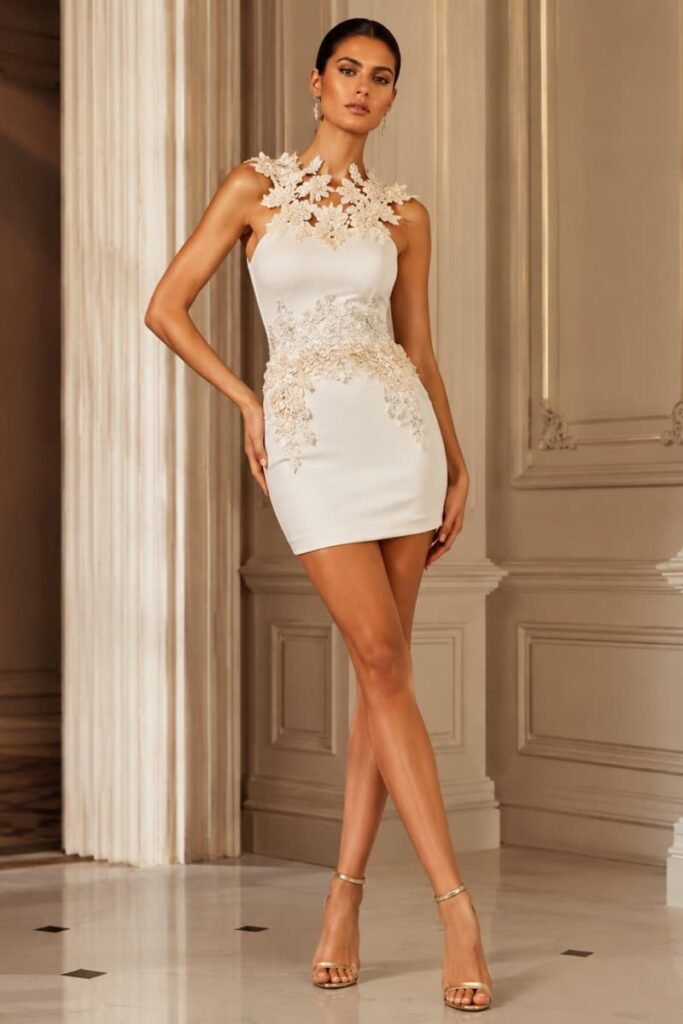
Our product scope covers commercial fashion dresses and visually distinctive occasion styles. Each silhouette receives a different approach to motif distribution, support, fit, movement, and production engineering.

Appliqué Mini Dresses

Mini dresses require disciplined proportion because a small garment area can become visually crowded very quickly. We assess motif scale against bodice length, waist position, hem movement, sleeve shape, and target retail image. Placement can be concentrated at the neckline, bust, waist, hip, shoulder, or hem while preserving clean negative space.
Lace Appliqué Dresses​

Appliqué Midi Dresses

Midi silhouettes provide more room for progressive motif placement, border effects, scattered florals, waist-focused compositions, and vertical arrangements. Development work considers walking movement, slit position, lining length, skirt volume, and how the design reads in full-body campaign photography.

Appliqué Maxi Dresses

Maxi dresses can support large floral compositions, cascading motifs, dimensional petals, lace mapping, and statement back details. Weight distribution is critical. Heavy decoration must not pull the neckline, twist the side seam, collapse the skirt, or disturb the intended drape.

Bodycon Appliqué Dresses

Bodycon products need coordinated stretch, recovery, lining, seam elasticity, motif flexibility, and contour control. Stiff appliqué placed across high-extension zones may restrict movement or cause rippling. We separate structural, low-stretch, and high-stretch areas before confirming the attachment plan.

Corset Appliqué Dresses

Corset and bustier styles combine cups, boning, princess seams, waist shaping, lining, closures, and decorative positioning. Motifs must enhance the structure without hiding balance points, creating excessive thickness, or interfering with the support system.

Strapless Appliqué Dresses

Strapless styles require stable upper-edge construction, grip, cup support, underbust balance, and controlled motif weight. Heavy flowers near the neckline can pull the bodice outward, so placement and internal support must be developed together.

A-line Appliqué Dresses

A-line dresses suit scattered florals, border motifs, waist transitions, and gradual density changes. Placement planning follows the flare, skirt panels, side seams, and hem circumference so the pattern looks balanced from front, side, and back.

Two-piece Dress Sets

Coordinated tops and skirts require motif continuity without forcing an exact visual match at every body position. We plan spacing, waist alignment, closure clearance, top-to-skirt proportion, and separate packing protection for decorated components.

Appliqué Dresses for Occasion-led Collections

Appliqué can create a recognizable visual identity across event-focused programs. Duolan develops individual styles within a wider collection structure rather than treating every dress as an unrelated product.
Lace and Appliqué Halter Dresses​

Cocktail Collections

Cocktail dresses benefit from concentrated decoration, controlled shine, shaped bodices, shorter proportions, and strong photography impact. Motif density can be limited to strategic zones so the product remains visually elevated without becoming too heavy or expensive.

Partywear Programs

Partywear often combines ruched mesh, fitted silhouettes, metallic surfaces, asymmetric necklines, cut-outs, or statement florals. Development balances visual drama with comfort, movement, quick dressing, and repeatable production.

Birthday Edits

Birthday dresses frequently use oversized flowers, sculptural appliqué, bright color, sparkle, body-focused fit, or dimensional shoulder details. We review whether each feature can survive production handling, garment packing, warehouse storage, and final wear.

Graduation Collections

Graduation lines often use white, ivory, pastel, navy, or black. Transparency, lining, modest coverage, camera response, and size consistency become especially important. Appliqué placement must remain clean under strong lighting and full-body photography.

Homecoming Lines

Homecoming dresses need strong front-view impact, secure movement, fitted waists, and reliable size execution.

Short hemlines and shaped bodices leave little tolerance for poor placement or fit imbalance.

Wedding Guest Dresses

Wedding guest products require refined decoration without entering bridal-gown construction. Lace motifs, floral appliqué, organza petals, tonal beading, and elegant placement can support midi, maxi, fitted, draped, or asymmetric silhouettes.

Holiday Party Drops

Holiday programs often require sequins, velvet, mesh, lace, jewel tones, metallic accents, and denser decorative surfaces. Early material confirmation protects the campaign, production, and shipping calendar during peak-season capacity pressure.

Resort Occasion Styles

Resort occasion dresses combine lightweight bases, floral themes, tropical colors, open backs, halter necklines, and fluid skirts. Motif weight and packing method must protect the airy appearance expected from vacation-led collections.

From Statement Styles to Commercial Bestsellers

A successful appliqué program normally needs several levels of visual intensity. Duolan helps brands balance campaign impact, commercial wearability, cost structure, and repeat-order potential across one coordinated assortment.

Campaign Hero Styles

Hero styles carry the strongest decoration, silhouette, or dimensional treatment. They may use larger motifs, denser placement, hand-positioned flowers, dramatic asymmetry, or complex construction. These products need earlier mock-ups, more detailed costing, and stricter packing control.

Commercial Fashion Styles

Commercial styles retain a clear appliqué identity while reducing excessive handwork, weight, material variety, and difficult placement. Motifs can focus on the neckline, shoulder, waist, sleeve, or hem to create recognition without overloading the garment.

Repeatable Core Dresses

Core products should have stable materials, understandable fit, clear construction, controlled motif counts, and repeatable attachment methods. The design must support replenishment without relying on rare materials or highly variable manual processes.

Collection Support Styles

Support styles complete the assortment through simpler silhouettes, restrained motif use, coordinated color, and shared materials. They help organize price architecture and allow stronger decorative styles to remain commercially balanced.

Appliqué Techniques for Custom Dress Development

Appliqué is not a single decoration method. Each technique creates a different surface, edge, weight, stiffness, labor requirement, and bulk-control challenge.

Flat Fabric Appliqué

Flat fabric motifs can create graphic florals, abstract shapes, contrast panels, letters, or layered artwork. Edge treatment may involve turned edges, satin stitching, raw-edge control, laser cutting, or concealed attachment depending on the target finish and base fabric.

Lace Motif Appliqué

Individual lace motifs can be arranged around necklines, bodices, waistlines, sleeves, mesh panels, and hems. Development focuses on motif selection, cut-edge cleanliness, pattern direction, color continuity, seam crossing, and secure attachment without visible bulk.

Embroidered Appliqué

Embroidered motifs provide sharper outlines, controlled color, textured surfaces, and repeatable artwork. Stitch density, backing, thread type, motif weight, edge stiffness, and placement on curved areas must be reviewed before final approval.

Three-dimensional Florals

3D flowers may use organza, chiffon, tulle, mesh, satin, lace, or mixed materials. Petal shape, layer count, center construction, flower height, anchor points, recovery after packing, and skin contact all influence final quality.

Layered Appliqué

Layered motifs combine several fabrics, textures, colors, or shapes. The method creates visual depth but increases thickness and stitch complexity. Layer order and attachment sequence must prevent trapped wrinkles, heavy edges, and unstable surfaces.

Laser-cut Appliqué

Laser cutting supports clean repeated shapes and intricate artwork on compatible materials. Edge response varies by fiber content, finish, thickness, and heat sensitivity. Trial cutting is required before bulk material is committed.

Beaded Appliqué

Beads, pearls, sequins, stones, and embroidery can be added to prebuilt motifs or applied after placement. Weight, abrasion, snagging, skin comfort, attachment security, and packing protection become major control points.

Mixed-media Appliqué

Mixed-media designs combine fabric flowers, lace, embroidery, beads, sequins, cords, feathers, or dimensional centers. A clear attachment sequence and risk review are required because every material reacts differently during sewing, pressing, cleaning, packing, and wear.

Appliqué Materials and Decorative Components

Material selection determines whether a motif looks refined, stays secure, feels comfortable, and remains repeatable in production. Duolan reviews decorative components by visual effect and manufacturing behavior.

Organza Flowers

Organza provides light volume, crisp petal edges, transparency, and strong color response. Excessive heat can flatten or distort the shape, while rough edges may affect comfort. Petal cutting, layer count, center construction, and packing recovery require early trials.

Tulle Petals

Tulle creates soft volume with minimal weight. Open structures need secure but discreet anchor points. Fine tulle may snag during handling, so cutting, bundling, storage, and assembly procedures must protect the motif before attachment.

Chiffon Florals

Chiffon flowers create softer edges and natural movement. Fraying, uneven cutting, color variation, and collapsed volume can occur without controlled preparation. Layering and edge behavior should be tested before full sampling.

Lace Motifs

Lace motifs offer detailed edges and tonal richness. Selection must consider motif repeat, cut boundaries, thread density, stretch, backing, color lot, and the ability to source enough matching material for the complete order.

Embroidered Patches

Embroidered patches can deliver sharper shapes and repeatable visual results. Backing stiffness and stitch density may create ridges on lightweight fabrics, so attachment areas and internal reinforcement should be evaluated carefully.

Fabric-cut Motifs

Custom-cut motifs can repeat a collection print, texture, or color story. Fabric stability, grain direction, edge finish, shrinkage, and dimensional consistency all affect the final appearance.

Pearl Components

Pearls add controlled dimension and elegance but increase weight and abrasion risk. Size, finish, color consistency, hole quality, attachment method, spacing, and replacement allowance should be recorded in the production specification.

Sequin Components

Sequins may be used inside motifs, around edges, or across embroidered surfaces. Reflection, edge sharpness, stitch security, color lot, orientation, and skin contact need review, especially on fitted or unlined zones.

Rhinestone Accents

Rhinestones can add focal brightness to floral centers or decorative clusters. Stone size, setting method, adhesive performance, heat exposure, fabric compatibility, and packing pressure influence durability.

Matching Base Fabrics With Appliqué Effects

A strong appliqué dress begins with the correct relationship between base fabric and decorative weight. Duolan reviews stretch, drape, transparency, recovery, thickness, heat response, snagging risk, and bulk availability.

Mesh

Mesh supports floating motifs, illusion panels, corset sections, and body-contoured placement. Stretch direction, recovery, transparency, hole size, seam stability, and lining coverage determine whether the garment remains secure and smooth.

Tulle

Tulle works well for layered skirts, transparent overlays, floral placement, and dimensional volume. Soft and stiff tulles behave differently. Motif weight must be distributed so the base does not collapse, twist, or form visible tension lines.

Organza

Organza creates structure, light reflection, and sculptural volume. It can also show needle marks, seam bulk, pressing damage, and surface distortion. Attachment methods must preserve the crisp appearance.

Lace
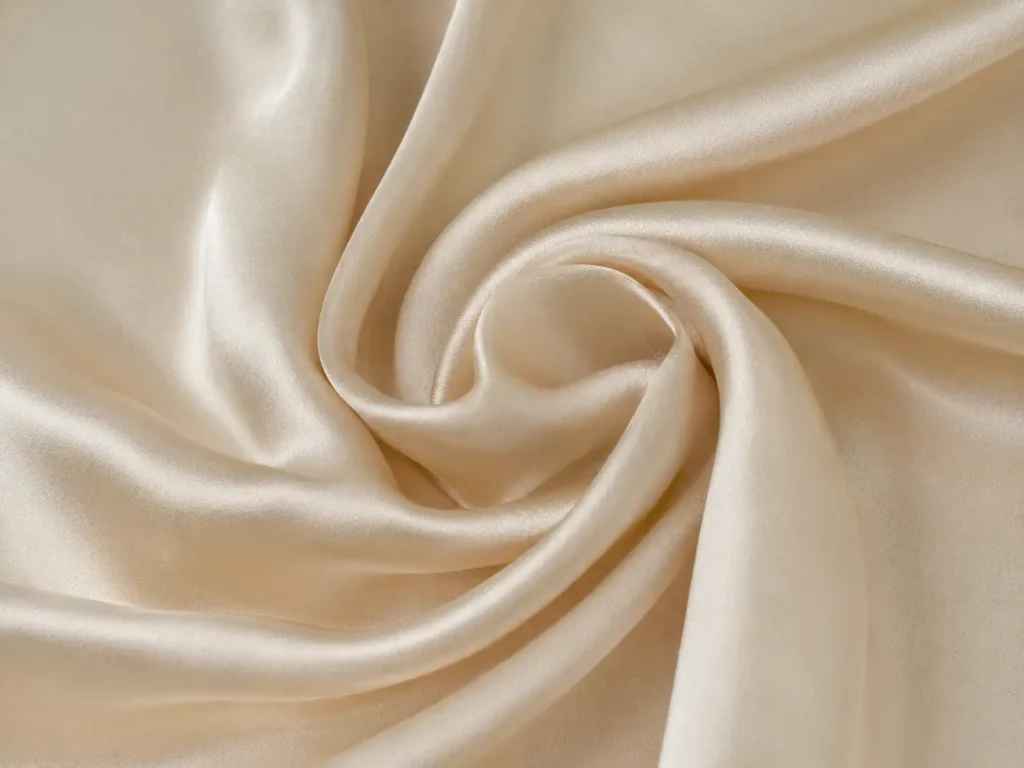
Lace can serve as a full base, panel, overlay, or source of individual motifs. Pattern direction, edge placement, stretch, transparency, motif repeat, seam matching, and lining color need coordinated review.

Satin

Satin provides shine and fluidity but can reveal needle marks, puckering, seam tension, pressing damage, and motif attachment points. Motif placement should avoid unnecessary stitching across highly visible smooth zones.

Crepe

Crepe offers controlled drape, body, and a less reflective surface. It supports both flat and dimensional appliqué, but fabric thickness and stretch must match the intended contour and motif structure.

Chiffon

Chiffon creates softness and movement but offers limited support for heavy motifs. Lightweight flowers, lace pieces, scattered accents, or reinforced placement zones are more suitable than dense heavy decoration.

Stretch Fabrics

Stretch bases require motifs and attachment methods that allow movement. Decoration across bust, waist, hip, or body-contoured zones must be tested under extension so the motif does not restrict fit or cause surface buckling.

Lining and Support Behind Refined Appliqué Dresses

The visible surface depends on the internal construction. Lining, interlining, cups, boning, elastic, grip, reinforcement, and seam support protect fit and comfort beneath decorative work.

Full Lining

Full lining controls transparency, protects the skin from thread ends and decorative backs, improves dressing comfort, and supports a cleaner internal finish. Lining stretch and weight must suit the shell fabric and silhouette.

Partial Lining

Partial lining can preserve illusion areas while covering bust, waist, hip, or skirt zones. Coverage boundaries must align with motif placement so the dress looks intentional rather than visibly interrupted.

Interlining Support

Interlining can stabilize bodices, waist areas, zipper zones, and sections carrying dense decoration. The support should not make the garment board-like or create visible edges.

Cups and Bust Support

Cup size, cup position, underbust balance, neckline shape, padding thickness, and motif placement must work together. Large appliqué near cups can visually distort the bust if the placement is not reviewed on a mannequin.

Boning Systems

Boning supports strapless, corset, bustier, and shaped bodices. Appliqué must not block boning channels, create pressure points, or add heavy thickness at seam intersections.

Grip and Reinforcement

No-slip tape, elastic support, stay tape, clear elastic, and localized reinforcement can stabilize necklines, shoulders, armholes, waists, and closures. Each addition should be planned before decorative placement is finalized.

Motif Scale, Density, and Color Planning

Motif design affects silhouette, perceived body proportion, garment weight, handwork time, and cost. Our development review converts visual direction into measurable decoration standards.

Motif Scale

A floral element that looks balanced on a sketch may appear oversized on a petite sample or too small on a maxi silhouette. We assess actual dimensions against bust width, waist length, skirt area, neckline depth, and target sample size.

Placement Density

Density can be concentrated, scattered, graduated, bordered, mirrored, asymmetric, or fully covered. The selected structure must preserve fabric movement and prevent excessive weight in high-motion or high-stretch zones.

Negative Space

Controlled empty areas help the motif read clearly and protect the silhouette from visual overload. Negative space is especially important on fitted mini dresses, shaped bodices, and styles with cut-outs or asymmetric construction.

Tone-on-tone Color

Tone-on-tone motifs create texture without strong contrast. Close color matching requires attention to dye lots, surface reflection, opacity, thread color, backing, and lighting response.

Contrast Color

Contrast appliqué increases visual impact but also makes placement error, stitch visibility, asymmetry, and color inconsistency easier to notice. Reference standards must be more exact.

Multicolor Artwork

Multicolor motifs increase the number of materials, color approvals, placement decisions, and inspection points. Artwork should define individual colors, sequence, orientation, and acceptable shade variation.

Gradient Placement

A gradient may move from dense to light, dark to bright, large to small, or waist-focused to hem-focused. Production needs clear count, spacing, and zone references rather than relying on operator judgment alone.

Visual Weight

Motif size, color, texture, shine, and dimensional height create visual weight even when the physical weight is low. Placement should support the intended body line and campaign image.

Appliqué Placement Engineered Around the Dress

Placement must follow the garment structure and the moving body. Duolan maps decoration around balance lines, seams, closures, support zones, stretch areas, and visible focal points.

Neckline Placement

Neckline motifs must respect edge stability, facing, lining, closure, strap attachment, and skin contact. Heavy flowers near a narrow neckline may pull the edge outward or create uncomfortable thickness.

Bust Placement

Bust motifs can visually alter cup position and body proportion. Placement should be checked on a mannequin and worn sample, not only on a flat garment.

Waist Placement

Waist-focused appliqué can define shape, connect bodice and skirt, or create a belt effect. Motif thickness must not interfere with waist seams, internal structure, or side-seam smoothness.

Hip Placement

Hip decoration requires careful density control because dimensional or high-contrast motifs can widen the silhouette. Stretch and sitting movement must also be considered.

Shoulder Placement

Shoulder flowers and dimensional elements need secure anchoring, comfortable weight, and clear packaging support. The motif must not pull the neckline or collapse during hanging.

Sleeve Placement

Sleeve motifs must allow elbow and arm movement. Decoration near underarm seams, cuffs, or narrow sleeve sections can affect mobility and create abrasion.

Zipper Clearance

Motifs near zippers need clearance for operation, seam allowance, pressing, and replacement. Decorative edges should not catch in the teeth or hide construction defects.

Slit and Hem Placement

Motifs around slits and hems must allow walking, pressing, and consistent hem finishing. Border placement should follow the true finished hem circumference rather than the unassembled panel shape.

Pattern and Fit Development for Appliqué Dresses

Decoration changes how a dress hangs, stretches, and moves. Pattern decisions must be reviewed after considering fabric and motif behavior, especially on fitted and structured silhouettes.

Bust Balance

Bust balance involves cup position, neckline height, underbust level, side coverage, strap angle, and motif placement. Decorative focal points should support the intended visual line rather than create an uneven or misplaced appearance.

Waist Definition

Waist fit must remain clean beneath appliqué, seams, boning, lining, and closures. Dense decoration can make a shaped waist feel thicker, so internal and external layers require coordinated control.

Hip Contour

Bodycon and fitted skirts need smooth contour without stress lines. Stiff or densely attached motifs across high-extension areas can restrict movement and cause the base fabric to ripple.

Skirt Fall

Motif weight can pull lightweight skirts, disturb asymmetric hems, or change drape. Placement should distribute weight in a way that preserves the approved silhouette.

Neckline Stability

Strapless, halter, off-shoulder, and asymmetric necklines rely on precise pattern balance and support. Decorative weight near the edge must be assessed during fitting.

Garment Balance

Front and back length, side seam position, waist level, shoulder balance, and hem alignment should remain stable after all decoration is applied. A fit sample without final decorative weight may not reveal the full result.

Keeping Motif Proportions Across Size Grading

Grading an appliqué dress involves more than enlarging the garment pattern. Motif count, spacing, position, scale, and visual balance may require separate decisions across the size range.

Fixed-size Motifs

A fixed motif may look balanced in one size but too dense in a smaller size or too sparse in a larger size. Spacing or quantity may need adjustment while preserving the design identity.

Scaled Motifs

Scaling artwork can maintain proportion, but not every material can be reproduced in multiple sizes economically. Lace repeats, prebuilt flowers, embroidered patches, and molded centers may have fixed dimensions.

Additional Motif Counts

Larger sizes may require additional motifs to keep visual coverage balanced. Extra quantity must be defined by size rather than decided during sewing.

Repositioned Motifs

Bust points, waist widths, shoulder lengths, and skirt circumferences change through grading. Placement should follow finished measurements and body landmarks.

Size-range Review

Programs covering 5–8 sizes benefit from checking at least the base size plus selected edge sizes when motif density, stretch, coverage, or support may change visibly.

Placement Tolerances

Acceptable position tolerance depends on motif size and visual contrast. Small centered motifs need tighter control than scattered low-contrast florals.

What to Include in Your Appliqué Dress Tech Pack

Clear development information improves sample accuracy, costing, material planning, and timeline evaluation. Complete files are helpful, but Duolan can also begin with reference images, original samples, sketches, or partial specifications.

Flat Sketches

Provide front and back views, plus side or interior views where structure matters. Mark motif zones, closures, seams, darts, slits, lining, support, and special construction.

Measurement Specification

Include the sample size, points of measurement, tolerance expectations, body or garment measurement basis, and target fit. Highlight bust, waist, hip, length, neckline, strap, slit, and support priorities.

Fabric Direction

State preferred composition, weight, stretch, drape, transparency, handfeel, surface, color, and alternative acceptance. Fabric photos alone may not communicate performance.

Motif Artwork

Provide artwork dimensions, color references, orientation, repeat, layers, material idea, and any approved visual references. Vector files support cleaner reproduction for custom-cut or embroidered motifs.

Placement Map

Mark motif positions with dimensions from stable garment points such as center front, neckline, waist seam, side seam, zipper, shoulder, or hem.

Construction Details

Define seam type, lining, cups, boning, closures, hems, edge finishes, elastic, reinforcement, and internal cleanliness standards.

Bill of Materials

List shell, lining, interlining, motifs, thread, beads, sequins, stones, zipper, labels, packaging, and color requirements where available.

Project Timing

Share sample purpose, sample deadline, campaign date, intended production timing, target quantity, colorways, size range, and destination market.

From Design Brief to Production-ready Sample

A sample should become a decision tool and future production basis. Duolan organizes development through defined stages rather than treating every sample as the same deliverable.

Brief Review and Clarification

We begin by identifying the intended occasion, silhouette, sample purpose, fabric direction, motif concept, fit priority, target quantity, launch timing, and available files. Missing decisions are listed before development moves forward.

Material and Motif Preparation

Base fabrics, linings, support materials, motif materials, threads, decorative centers, closures, and trims are reviewed. Custom colors, embroidered artwork, lace motifs, or 3D flowers may require separate preparation.

Pattern and Structural Development

Pattern work establishes fit, proportion, support, seam position, closure, lining, and garment balance. Decoration is mapped around the confirmed construction rather than added without structural coordination.

Appliqué Mock-up

A partial mock-up can test motif scale, edge, color, attachment, base-fabric reaction, spacing, and dimensional recovery before a complete decorated garment is built.

First Sample

The first sample establishes the main direction for silhouette, fabric, fit, construction, decoration, and visual proportion. It is reviewed internally before photos, measurements, and comments are shared.

Revision and Approval Path

Comments are organized into fit, measurement, fabric, motif, visual, construction, workmanship, and production-related actions. The next stage may be a revised sample, photo sample, salesman sample, fit sample, or PP basis.

Workmanship Standards for Appliqué Dresses

Strong workmanship is visible in the clean relationship between motif, fabric, garment structure, and internal finishing. Inspection must go beyond loose threads.

Clean Motif Edges

Edges should match the approved finish without unintended fraying, curling, scorching, adhesive marks, uneven embroidery, or visible backing.

Secure Anchor Points

Each motif should have enough attachment points to resist normal handling and wear. Dimensional elements need security without flattening the intended shape.

Smooth Base Fabric

The shell should remain free from puckering, stretching, bubbling, twisting, or tension lines caused by dense stitching or heavy motifs.

Controlled Stitch Visibility

Thread color, stitch placement, tension, knotting, and back finish should match the approved standard. Visible stitches must appear intentional.

Consistent Motif Angle

Flowers, leaves, lace shapes, and graphic motifs should follow the approved direction. Uncontrolled rotation can make the bulk order look inconsistent.

Balanced Left and Right

Mirrored or paired motifs require consistent height, distance, angle, and spacing across bust, shoulder, waist, hip, sleeve, and hem areas.

Comfortable Inner Surface

Thread ends, knotting, bead anchors, motif centers, boning, seam allowances, and backing should not create sharp or rough contact against the body.

Clean Closure Areas

Zippers, hooks, buttons, lacing, and openings should operate freely without catching motifs or creating uneven decorative gaps.

Pressing Without Damage

Pressing should maintain seam quality and garment shape without flattening 3D elements, glazing fabric, marking satin, melting synthetic components, or distorting petals.

Appliqué Attachment and Edge-finishing Methods

The correct method depends on motif structure, base fabric, visual standard, expected wear, production volume, and acceptable handwork level.

MethodSuitable ApplicationsMain AdvantagesMain Control Points
Hand tacking3D flowers, delicate lace, dimensional petalsDiscreet, flexible, adaptable to curved areasStitch count, anchor location, thread security, operator consistency
Machine edge stitchingFlat fabric motifs, stable embroidered shapesRepeatable and efficientStitch width, tension, corner control, puckering
Satin-stitch edgingGraphic motifs and embroidered bordersClean defined edgeDensity, stiffness, thread coverage, base-fabric distortion
Concealed anchoringLace, organza, dimensional motifsMinimal visible stitchingAnchor spacing, edge lifting, repair access
Layer-by-layer fixingMulti-layer flowers and mixed motifsBetter shape controlAssembly order, thickness, center security
Embroidered attachmentIntegrated motifs and patch-style artworkStrong visual definitionBacking, stitch density, weight, skin comfort
Supporting adhesiveSelected stable components before sewingTemporary positioning and cleaner sewingHeat response, residue, aging, wash behavior; not used as the only security method unless approved
Combined fixationHeavy or mixed-media appliquéHigher security and controlled appearanceProcess sequence, bulk thickness, inspection access

Handling Three-dimensional Flowers During Production

3D flowers require controlled handling from motif preparation through final packing. Shape can be damaged long before the garment reaches final inspection.

Controlled Motif Storage

Finished flowers should be stored by type, color, size, and production lot. Overfilled containers can crush petals, while mixed storage can cause color transfer, tangling, or count errors.

Bundling and Issue Control

Motifs can be issued by garment or production bundle according to the approved count. Controlled issue reduces missing elements and inconsistent density.

Sewing-stage Protection

Operators need enough workspace to avoid folding or trapping petals under the presser foot. Attachment order should keep completed motifs away from later seam operations.

Finishing Protection

Steam, heat, pressure, thread trimming, stain removal, and final pressing must be planned around the flower material. Direct pressure may permanently flatten some constructions.

Hanging and Movement

Heavy shoulder or neckline flowers may deform during prolonged hanging. Garment support and hanger selection should match the decorated weight.

Packing Recovery

Before shipment, packing trials can confirm whether flowers recover naturally or require tissue shaping, inserts, protective rings, alternative folding, or hanging delivery.

Bulk Consistency Control for Appliqué Placement

Consistent placement depends on references, templates, training, first-piece verification, and repeated comparison. Handwork alone should never rely on individual memory.

Placement Templates

Templates or marked guides can define center, height, spacing, angle, and garment-zone boundaries for repeatable positioning.

Garment Reference Marks

Stable reference points may include center front, waist seam, neckline edge, side seam, zipper, shoulder point, princess seam, or finished hem.

Operator Reference Samples

Each production group should work against an approved reference or controlled operator sample showing attachment, spacing, direction, and finishing.

First-piece Confirmation

The first completed decorated garment is checked before wider release. Fit-sensitive or high-workmanship styles may also require a pilot run.

Inline Comparison

Production pieces are compared against the approved reference throughout sewing and decoration. Early correction prevents repeated deviation.

Count Verification

Motif counts can be checked by garment, size, bundle, or production lot. Count control supports visual consistency and material reconciliation.

Tolerance Control

Centered, mirrored, high-contrast, or small motifs require tighter placement tolerance. Scattered low-contrast designs may allow controlled variation.

Final Visual Inspection

Front, side, back, symmetry, orientation, dimensional recovery, closure clearance, and overall balance are reviewed after finishing.

Quality Checkpoints Across Appliqué Dress Production

Quality is managed through connected checkpoints rather than a single final inspection. Each stage protects a different risk.

Incoming Fabric Check

Fabric is reviewed for shade, width, surface, weight, stretch, defects, and lot consistency before cutting. Material differences can change both fit and motif appearance.

Motif Incoming Check

Motifs are checked for size, color, construction, edge, backing, center, count, dimensional shape, and visible defects before issue.

Pre-production Review

Approved sample, measurement, placement, workmanship, material, label, packing, and critical risks are reviewed before production begins.

Cutting Control

Cut panels must follow grain, direction, shade grouping, numbering, and pattern version. Transparent or delicate bases require careful handling.

First-piece Check

The first completed garment verifies structure, fit, motif placement, attachment, finishing, measurements, and appearance before wider release.
Inline Correction​

Inline Inspection

Inspectors check construction, decoration, spacing, stitch security, symmetry, surface condition, measurements, and recurring defects during production.

Finishing Inspection

Pressing, motif shaping, loose threads, stains, zipper operation, lining, labels, hems, and three-dimensional recovery are checked after assembly.

Final and Packing Check

Finished pieces are reviewed against approved standards, quantity, color, size, labels, folding, protection, carton arrangement, and shipment requirements.

Durability, Wear, and Packaging Evaluation

Testing requirements depend on fabric, motif, market, care instruction, wearing occasion, and brand standard. Duolan can coordinate project-specific evaluation before production release.

Attachment Security

Anchor points, stitching, beads, stones, flower centers, and layered components can be checked by approved pull, handling, or wear procedures suited to the product.

Seam Strength

Decoration should not weaken nearby seams or create stress concentration. Fitted and structured products require particular attention around bust, waist, hip, zipper, slit, and armhole zones.

Snagging Risk

Lace edges, sequins, petals, beads, stones, and raised embroidery may catch on the garment itself or adjacent pieces. Surface and packing trials help identify risk.

Colorfastness

Shell, lining, motifs, threads, beads, and decorative surfaces may respond differently to moisture, rubbing, cleaning, or storage. Required testing should reflect the intended care method.

Dimensional Stability

Fabric and motifs can shrink or relax at different rates. Material review and care testing help protect placement and garment measurements.

Packing Compression

Dimensional products should be reviewed under the intended folding and carton arrangement. Recovery after unpacking determines whether additional protection is needed.

Production Path for Custom Appliqué Dresses

Production planning changes according to fit sensitivity, motif complexity, handwork level, material readiness, order quantity, and delivery timing.

Material Preparation

Shell, lining, interlining, motif materials, threads, beads, sequins, closures, labels, and packaging are confirmed and organized by style, color, size, and production lot.

Cutting and Numbering

Panels are cut, checked, numbered, and bundled with attention to shade, direction, transparency, delicacy, and later motif placement.

Base Construction

Selected seams or structural sections may be assembled before decoration, while other designs require flat-panel appliqué before garment construction. The sequence is defined during development.

Motif Positioning

Motifs are placed using approved maps, templates, reference marks, operator samples, and defined tolerances.

Motif Attachment

Hand, machine, embroidery, layered, or combined attachment methods follow the confirmed process. Count and workmanship are controlled during issue and assembly.

Garment Assembly

The decorated components move through full assembly with protection for petals, beads, lace edges, mesh, satin, and other sensitive surfaces.

Finishing and Shaping

Garments are cleaned, pressed, shaped, inspected, measured, and prepared for final appearance review without damaging decoration.

Protective Packing

Each garment is folded or hung according to the approved method. Tissue, inserts, bags, and carton arrangement protect the motif during storage and shipment.

What Determines Appliqué Dress Manufacturing Cost

A reliable quotation reflects the complete production structure. Appliqué cost is influenced by far more than the number of visible flowers.

Base Fabric

Composition, weight, width, finish, color, stretch, transparency, minimum dye quantity, defect rate, and cutting behavior affect material cost and utilization.

Motif Construction

Flat cut motifs, lace pieces, embroidered patches, layered flowers, beaded motifs, and mixed-media elements require different preparation and assembly work.

Motif Count and Coverage

Total motif count, size mix, placement density, garment coverage, and size-level changes influence material use and labor time.

Attachment Time

Hand tacking, concealed anchoring, edge stitching, embroidery, layering, reinforcement, and combined fixation create different labor requirements.

Pattern and Structure

Cups, boning, corset seams, cut-outs, lining, draping, ruching, slits, asymmetric construction, and difficult closures add development and manufacturing complexity.

Colorways and Sizes

Additional colors may require separate motif lots, thread, lab dips, approvals, cutting groups, and line controls. Wider size ranges can require grading and placement adjustments.

Quality Requirements

Tighter placement tolerance, full measurement, additional inspection, third-party inspection, testing, replacement allowance, and detailed reporting affect the control plan.

Packaging Protection

Three-dimensional motifs may require extra tissue, shape supports, individual bags, special folding, hanging, larger cartons, or lower carton compression.

Packaging That Protects Appliqué Details

Packaging must protect the visual finish while meeting warehouse, transport, retail, and sustainability requirements. Standard compression can damage dimensional flowers and raised decoration.

Tissue Separation

Tissue can prevent petals, sequins, stones, embroidery, lace edges, and textured surfaces from catching or rubbing against other garment areas.

Shape Support

Three-dimensional flowers may need internal tissue, support rings, soft inserts, or protected folding zones to preserve height and petal direction.

Garment Bags

Individual bags protect against moisture, dust, abrasion, and handling. Bag size should avoid excessive pressure on raised motifs.
Australian Partywear Label and Packing Project​

Flat Packing

Flat packing can be efficient for selected products when fold lines avoid dimensional areas and the garment recovers after unpacking.

Hanging Packing

Hanging may suit structured or heavily decorated dresses but requires hanger support, garment length control, stronger outer protection, and different freight planning.

Carton Pressure

Carton quantity, dimensions, stacking, garment weight, and transport method influence compression. Trial packing helps determine the correct unit count and arrangement.

Appliqué Dress Development Case Studies

The following anonymized programs reflect the scale and decision structure Duolan is built to support. Project information is presented without disclosing brand identities or protected designs.

United States Occasionwear Program

An established American occasionwear brand developed 18 appliqué dress styles across mini, midi, strapless, corset, and fitted silhouettes. The combined order reached 36,800 pieces across four color directions and six core sizes.

The main challenge was maintaining visual balance between dense bodice decoration and cleaner skirts while using mesh, crepe, organza flowers, cups, boning, and concealed zippers. Several early layouts placed dimensional flowers too close to princess seams and zipper openings.

Duolan separated the program into structured bodices, stretch-fitted styles, and lightweight occasion dresses. Motif mock-ups confirmed flower height, center construction, thread color, and base-fabric response before complete samples. Placement maps were revised around bust points, waist seams, boning channels, and closures.

During production, first-piece confirmation and inline motif comparison were used for higher-density styles. Packaging trials added tissue shaping around selected flowers. The final program moved through phased production to protect campaign and warehouse dates.

United Kingdom Partywear Drop

A UK partywear brand developed 12 statement styles with a total order of 24,600 pieces. The range included asymmetric mini dresses, ruched mesh dresses, tonal floral midi dresses, and two-piece sets in three colorways and seven sizes.

The main challenge was combining fast visual impact with commercially manageable workmanship. Original references used excessive flower counts and hand attachment in high-stretch zones, creating cost pressure and fit restriction.

Duolan rebalanced the assortment into statement, commercial, and supporting styles. Large flowers were reserved for shoulders and focal waist areas, while selected styles used smaller embroidered motifs and controlled scattered placement. Stretch zones received revised spacing and more flexible attachment.

Size grading included motif-density checks at both ends of the size range. Production used operator samples, motif issue counts, and left-right reference points. The brand retained the intended visual identity while reducing unnecessary handwork and improving range consistency.

European Multi-brand Collection

A European fashion group developed 26 appliqué-led styles across two labels and five delivery groups. The combined order reached 72,400 pieces, with different price bands, color stories, fit standards, and decoration levels.

The main risk was project complexity. Several teams submitted overlapping comments, while shared motifs appeared across different silhouettes and fabrics. Without disciplined documentation, artwork versions, placement, and color approvals could easily become mixed.

Duolan organized the project by brand, style, color, size range, motif family, sample status, and delivery group. Shared materials were consolidated where appropriate, while fit-sensitive corset and bodycon products followed separate sample and production paths.

Approved motifs, placement maps, BOMs, pattern versions, PP references, and packing instructions were preserved by style. Core factories handled high-risk structured products, while suitable coordinated lines supported stable commercial styles. The phased structure protected delivery sequencing and future repeat-order preparation.

Quality, Social Audit, and Market Requirements

Global fashion programs require more than an attractive sample. Factory readiness, social responsibility, quality management, testing coordination, documentation, and brand-specific execution all influence supplier approval.

SMETA Audit Foundation

Duolan’s manufacturing system has completed SMETA audit work, including SMETA 2-Pillar audit records, supporting social-responsibility evaluation for international cooperation.

Brand-specific Standards

Projects can be reviewed against brand manuals covering measurements, workmanship, restricted substances, testing, labeling, packaging, inspection, reporting, and delivery documentation.

Testing Coordination

Material and garment testing can be coordinated according to product, destination, care instruction, and brand requirements, including relevant AATCC, ASTM, EN, China GB, OEKO-TEX?, GOTS, or other specified frameworks where applicable.

Third-party Inspection

Pre-production, inline, final, or shipment inspections can be coordinated with brand teams or nominated third-party inspection providers according to agreed requirements.

Documentation Control

Approved samples, BOMs, measurement charts, workmanship instructions, color records, motif specifications, packing manuals, inspection reports, and shipment documents support controlled execution.

Factory Visits

Factory visits, sample-room reviews, production-line visits, video meetings, and project-specific capability discussions can be arranged for qualified programs.

Why Fashion Brands Choose Duolan

Duolan combines dress development, decorative workmanship, structured manufacturing, and production-risk control. The value lies in connecting every stage rather than offering an isolated service.

Complete Garment Capability

We develop the dress around the appliqué, not the appliqué in isolation. Pattern, fit, lining, support, construction, decoration, finishing, and packing remain connected.

Dress-focused Experience

Our work is centered on fashion dresses, occasion dresses, party dresses, bodycon styles, satin, mesh, corset, halter, backless, vacation, and event-led collections.

Development Before Production

Fabric, motif, placement, fit, workmanship, cost, and timing risks are reviewed before bulk commitments are made.

Sample-to-bulk Discipline

Approved samples are converted into locked materials, measurable placement, clear workmanship, first-piece standards, inspection points, and packing instructions.

Multi-style Coordination

Programs involving 10–30 styles can be organized by complexity, sample status, material, color, size, production priority, and delivery group.

Scalable Manufacturing

Owned factories, satellite capacity, flexible lines, specialist resources, and coordinated production planning support launch orders, repeat orders, and volume growth.

Custom Appliqué Dress Frequently Asked Questions

Yes. Reference images can establish silhouette, decoration, color, or visual direction. We will clarify fabric, fit, structure, motif, size, quantity, and sample purpose before confirming the development path.
Yes. Tech Packs can include sketches, measurements, BOM, construction, motif artwork, placement maps, labels, packaging, quantities, and timing. Missing information can be reviewed before sampling.
Our development scope includes flat fabric appliqué, lace motifs, embroidered appliqué, 3D florals, layered appliqué, laser-cut motifs, beaded or sequined appliqué, and mixed-media decoration.
We use approved placement maps, reference measurements, templates, garment marks, operator samples, first-piece checks, inline comparisons, and final visual inspection according to the design.
Timing is evaluated after reviewing material readiness, motif development, pattern complexity, structure, handwork, sample purpose, and required approval date. Complex custom motifs may require a mock-up before the complete sample.
Fabric minimums, custom motifs, colorways, size breakdown, handwork, production setup, and project stage all influence quantity planning. We review the complete program before confirming terms.
Reference timing is approximately 15–20 days for simple styles, 20–30 days for regular styles, and 30–45 days for complex styles after production requirements are fully confirmed.
Yes. Motif scale, count, spacing, position, grading, and visual balance are reviewed according to the size range. Selected edge sizes may be checked when the design is highly size-sensitive.
Yes. Woven labels, printed labels, care labels, size labels, hangtags, barcode labels, garment bags, tissue, inserts, hangers, folding, and carton requirements can be integrated.
Send available Tech Packs, reference images, original-sample photos, motif artwork, size charts, fabric direction, quantity, colorways, launch timing, labels, packing requirements, and destination market.

Start Your Custom Appliqué Dress Project

Share your product direction with Duolan for an initial development and manufacturing review. Clear information helps our team evaluate motif construction, base fabric, fit, pattern structure, attachment method, sampling path, order quantity, production timing, quality controls, and packaging protection more accurately.

You may submit:

  • Company name and website
  • Country and destination market
  • Product category and wearing occasion
  • Tech Pack, sketch, reference image, or original-sample photos
  • Appliqué type, motif artwork, preferred material, and placement direction
  • Base fabric, lining, support, and construction requirements
  • Sample size, complete size range, and fit priorities
  • Number of styles and colorways
  • Estimated quantity by style or complete program
  • Campaign date, launch date, or required delivery date
  • Label, hangtag, retail packaging, and carton requirements
  • Testing, inspection, audit, or documentation requirements

After receiving the available information, our team will identify the current project stage, key development risks, missing decisions, sample route, quotation basis, and next production step.


2.lace occasion case (1)

Start Your Apparel Development Project

OEM/ODM Manufacturing Support for Fashion Brands

Share your collection details, estimated quantities, target market, development timeline, and technical requirements. The production team will review your request and provide a tailored manufacturing solution based on your product category, fabric selection, construction needs, and delivery schedule.

Fashion Manufacturing Support with Scalable Production Capacity

From sample development to bulk production, Duolan supports fashion brands with confidential OEM/ODM manufacturing, stable quality management, flexible production planning, and coordinated multi-factory execution for seasonal and capsule collections.

Need Direct Assistance?

Seraphinite AcceleratorOptimized by Seraphinite Accelerator
Turns on site high speed to be attractive for people and search engines.