...

Custom Dip Dye Dress Manufacturer

Dress-focused development and manufacturing for fashion brands creating controlled dip dye, ombré and gradient dress collections.

Duolan connects fashion dress development with controlled special-process coordination, helping brand teams translate color concepts into production-ready garments.

  • 3 gradient production routes assessed: true dip dye, controlled ombré application and gradient printing.
  • 4 core bulk references locked: base fabric, approved shade, placement map and approved PP sample.
  • 2–3 mature process partners available in each special-process direction, including dip dye, printing, embroidery and washing.
  • 16 owned womenswear factories and 20+ long-term satellite factories support multi-style programs and scalable production.

Dip Dye Dress Development for Established Fashion Brands

Dip dye dresses require more than an attractive color transition. Successful programs depend on design interpretation, fabric behavior, pattern engineering, controlled dye application and repeatable bulk standards working together.

Fashion Dress Brands

Duolan supports established fashion labels developing resort, vacation, party, occasion and going-out dress collections. Development begins with the intended retail position, silhouette, fabric direction, color story and launch calendar. The team reviews whether dip dye strengthens the garment concept or whether another gradient method offers better consistency, cost control or visual precision. Brand teams may submit a tech pack, reference image, original sample, color card or collection brief. Early evaluation focuses on design feasibility, fabric response, placement proportion, construction risks and the production route required for the intended quantity.

Product Development Teams

Product teams need accurate translation from visual direction to measurable standards. Duolan helps define where the gradient begins, how long the transition area should be, how the darkest zone is distributed and how the effect changes across different garment lengths. Fit, construction and color development are reviewed together.

A visually attractive dye test cannot move directly into production unless the fabric, pattern, sewing structure, trims and finishing process also remain stable.

Buying and Sourcing Teams

Buying and sourcing teams often need to compare suppliers on more than price. Key questions include whether the factory understands adult fashion dresses, whether the special process can be repeated in bulk and whether the supplier can maintain records for future reorders. Duolan organizes development references, sample comments, approved materials, workmanship points, size standards and production checkpoints before bulk release. The objective is a clear production basis rather than an attractive but isolated sample.

Multi-brand Fashion Groups

Multi-brand groups may manage several silhouettes, price levels and delivery windows in one season. Duolan can separate programs by fabric, construction complexity, dyeing risk and launch priority, then match each style to an appropriate development and production path. Core styles can remain under direct factory control, while suitable volume, repeat and replenishment programs can be supported through the wider manufacturing network under unified project standards.

More Than a Garment Dyeing Service

A capable dip dye dress partner must understand both the visual process and the completed garment. Dyeing knowledge without dress development creates fit and construction risks. Dress manufacturing without controlled color-process knowledge creates shade, placement and repeatability risks.

Dress Development Knowledge

Fashion dresses react differently to dyeing depending on silhouette, fabric weight, panel direction, hem shape, gathering, lining and trim selection. A circle skirt does not enter a dye bath in the same way as a narrow bodycon dress. A high-low hem cannot use the same placement standard as a straight maxi dress. Duolan evaluates the effect as part of garment development. Pattern shape, skirt volume, seam position, fabric direction and size grading are considered before the dye standard is confirmed.

Special-process Knowledge

Dip dye production involves fiber compatibility, dye selection, immersion control, transition length, fixation, washing and finishing. Slight changes in fabric lot, process timing, concentration or garment handling can alter the final result. The special process must be tested on the intended production fabric. A color result developed on a substitute swatch may not represent the final bulk fabric, particularly when fiber composition, surface finish, weight or pretreatment changes.

Integrated Production Control

A complete production path connects the design reference, fabric approval, dye sample, pattern, garment sample, size standard, PP sample and QC criteria. Each approval becomes a production reference. Duolan coordinates dress development and special-process execution within one project structure. Responsibilities, approval points and acceptable variation are defined before bulk production begins, reducing uncertainty between the sewing factory and process partner.

Risks to Control Before Sampling and Bulk Production

Dip dye variation can create visual character, but uncontrolled variation creates commercial risk. Each risk requires a measurable control point before the order advances.

Fabric Rejects Color

Some fabrics absorb dye unevenly, resist the intended shade or lose handfeel after processing. Fiber content, yarn structure, fabric finish and previous treatment influence the result. Control begins with composition verification and a process test on the intended fabric. Dye chemistry and finishing conditions are selected according to the material rather than the reference image alone.

Gradient Starts Incorrectly

A gradient beginning several centimeters too high or too low can change the visual balance of the entire dress. The issue becomes more visible on short silhouettes or styles with a defined waist-to-hem proportion. Duolan defines the starting point, transition zone and darkest area through measurements, annotated images and approved samples.

Front and Back Mismatch

Garment handling during immersion can produce uneven front-to-back depth, twisted transition lines or inconsistent side seams. Full skirts and garments with uneven weight distribution require additional control. Hanging position, fold arrangement, immersion depth and alignment references are reviewed during process trials.

Sizes Lose Proportion

Applying one fixed measurement across all sizes may create inconsistent visual proportions. A gradient that looks balanced on size S may appear too shallow or too high on size XL. Placement can be controlled by fixed distance, garment-length percentage or a size-specific rule, depending on the intended visual effect.

Sample Cannot Be Repeated

A visually successful hand process may still be unsuitable for production if timing, concentration, handling and finishing parameters were not recorded. Bulk readiness requires a repeatable process basis, approved shade range, placement tolerance and inspection method rather than reliance on operator memory.

Reorders Shift in Shade

New fabric lots, dye lots, water conditions and finishing differences may change repeat-order color. Previous production cannot be reproduced from a photograph alone. Reorders are reviewed against retained references, approved color standards, fabric records and earlier process notes before production is released.

Dip Dye Dress Categories We Can Develop
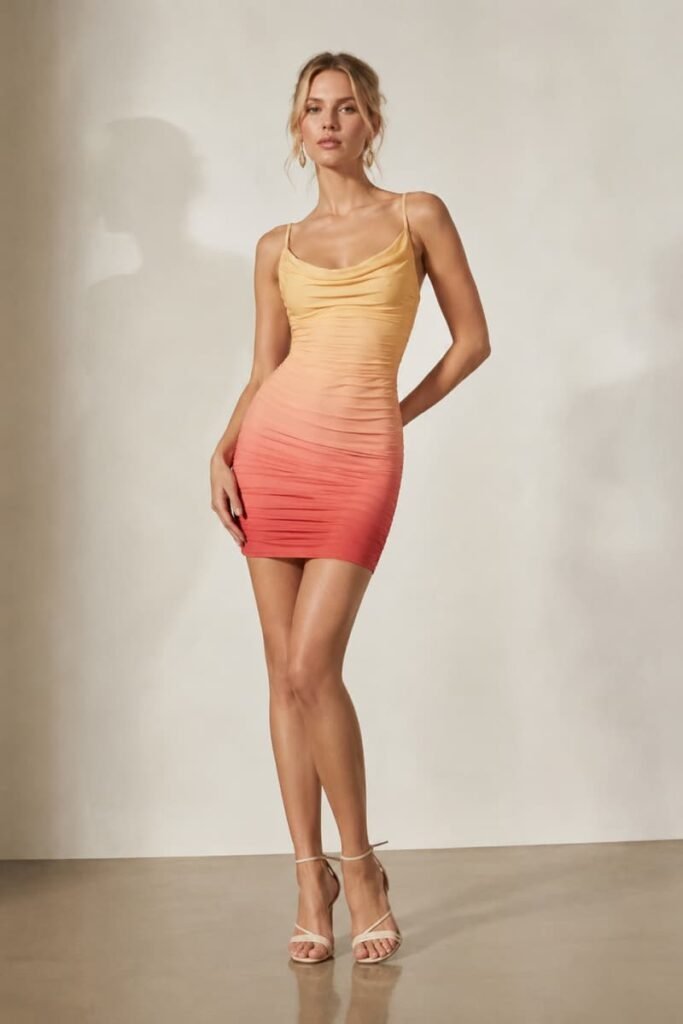
Duolan develops dip dye and gradient effects around the commercial role of each dress. Silhouette, fabric, color position and wearing occasion determine the most suitable production route.

Dip Dye Mini Dresses

Mini dresses require precise control because a small placement shift occupies a larger percentage of the visible skirt. Clean transitions can be used around the hem, while stronger two-tone effects may create a sharper party or going-out identity. Development reviews skirt length, body fit, lining, hem construction and transition height. Stretch bodycon minis also require dimensional checks after wet processing, since shrinkage or recovery changes can affect both fit and dye placement.

Ombré Midi Dresses

Midi dresses provide more vertical space for controlled color development. Gradients may begin below the hip, around the knee or closer to the hem depending on silhouette and styling. Bias-cut, panelled and gathered midi dresses need separate assessment. Fabric movement can make an identical physical dye line appear visually different across the body. Placement is therefore judged on both flat measurements and a dressed form.

Gradient Maxi Dresses

Maxi dresses are well suited to elongated color transitions, sunset combinations and deep hem treatments. Larger fabric areas create strong visual impact but also increase the importance of front-to-back alignment, side-seam continuity and batch shade control. Full skirts, tiers and asymmetric panels may require fabric-level or panel-level processing rather than finished-garment immersion. The selected route depends on construction and the desired degree of natural variation.

Resort Dresses

Resort programs often use viscose, rayon, lightweight cotton, chiffon and flowing blends. Dip dye can create a relaxed artisanal character while preserving a coordinated collection color story. Fabric drape, transparency, wet-process stability and destination climate all influence development. Packaging and moisture control also matter because soft rayon and viscose garments can crease or distort if finishing and packing are not planned correctly.

Vacation Dresses

Vacation dresses may combine gradient effects with cut-outs, ruching, halter necklines, open backs or tiered skirts. The dye process must not weaken elastic recovery, stain contrast trims or disturb neckline and strap stability. Duolan reviews the garment as a complete product, including fit points, finishing, labels, care instructions and retail presentation.

Party Dresses

Party dresses frequently combine fitted shapes, shiny surfaces, mesh panels, lining and decorative details. A gradient effect must work with the intended lighting, movement and body contour. For satin, mesh, sequins or bonded structures, true dip dye may not always be the most reliable route. Controlled printing, panel treatment or selective color application may provide better visual precision and bulk consistency.

Occasion Dresses

Occasion dresses require refined color transitions, stable construction and clean finishing. A slight shade mismatch across panels, lining or trims becomes highly visible on formal silhouettes. Development may include color placement around a draped bodice, pleated skirt, asymmetric hem or layered overlay. Each layer must be assessed separately before a unified finished effect is approved.

Bodycon Dresses

Bodycon dresses demand close control of stretch, opacity, recovery and dimensional stability. Wet processing can change fabric extension, garment measurements and seam behavior. The process route is tested against the final stretch fabric and lining system. Placement standards also account for body elongation when worn, since the visible gradient may shift after the garment stretches over the body.

Build a Coordinated Dip Dye Dress Collection

A strong gradient collection does not repeat one color effect across unrelated silhouettes. It builds a controlled visual language across hero styles, commercial shapes and repeatable core products.

Define the Collection Color Architecture

Color development begins with the role of each style. A hero maxi dress may carry the strongest multi-stage gradient, while commercial midi and mini styles use simplified versions of the same palette.

Duolan can help organize:

  • Primary and secondary color stories
  • Light-to-dark and color-to-color transitions
  • Shared base shades across several silhouettes
  • Hero effects for campaign and editorial styles
  • Simplified effects for higher-volume commercial products
  • Repeat colors suitable for later replenishment

A coordinated plan reduces isolated development decisions and makes fabric, trim and color approvals easier to manage across the range.

Match Effects to Silhouettes

Not every dress should receive the same transition length or darkest color coverage. A full maxi dress may support a gradual 40% lower-body transition, while a fitted mini may require a compact hem-focused effect. Silhouette review covers:
  • Garment length
  • Skirt circumference
  • Panel construction
  • Gathering and pleating
  • Body fit
  • Movement
  • Lining
  • Visual focal points
The goal is collection consistency without forcing identical placement onto structurally different garments.

Separate Hero and Volume Styles

Complex effects can be reserved for styles carrying strong campaign value. Commercial styles may use fewer color stages, more controlled placement or gradient printing where consistent replication is commercially important. Separating development levels allows product teams to balance visual differentiation, cost structure, production control and delivery timing. A program can include high-impact statement pieces without making every style equally complex.

Plan Launch, Repeat and Extension

A successful gradient dress may later return in another color story, length or neckline. Pattern records, approved fabric direction, shade references, placement maps and QC standards create a reusable production asset. Collection planning can therefore include: Initial seasonal launch, Repeat color, Extended length, Alternative sleeve or neckline, Coordinated skirt or top, Replenishment standard, Regional color adaptation.

Choose the Right Gradient Production Method

True dip dye, controlled ombré, gradient printing and tie dye produce different visual results and carry different production controls. Method selection should follow the desired appearance, fiber composition, garment construction, order scale and acceptable piece-to-piece variation.

Production MethodVisual CharacterPlacement RepeatabilitySuitable DirectionMain Control Focus
True Dip DyeNatural immersion transition with subtle organic variationModerate; controlled through depth, timing and handlingFlowing dresses, hem treatments, artisanal resort effectsFiber response, immersion depth, transition tolerance, shade grouping
Controlled Ombré ApplicationSmoother light-to-dark or color-to-color fadeModerate to high depending on application routeOccasion, party and refined gradient dressesColor stages, transition smoothness, application consistency
Gradient PrintingHighly repeatable graphic or photographic gradientHigh when artwork and print setup are lockedComplex color layouts, exact placement, synthetic fabricsArtwork scale, print registration, color profile, panel alignment
Tie DyeIrregular clouds, spirals, folds or resist patternsIntentionally variableCasual, festival, vacation and statement productsFolding method, pattern distribution, shade range, acceptable variation

A production recommendation is made after reviewing the original design, intended fabric and commercial requirement. The most visually authentic method is not always the most suitable method for every quantity, fabric or retail position.

Fabric Selection for Dip Dye Dress Development

Fabric determines color depth, transition quality, handfeel, shrinkage and production repeatability. Evaluation must use the intended bulk fabric rather than a visually similar substitute.

Stretch Jersey and Blends

Stretch jersey supports fitted mini, midi and bodycon dresses, but dyeing and finishing may affect stretch recovery, dimensions and opacity. Elastane content can limit processing conditions and influence the final shade. Testing covers fabric extension, recovery, shrinkage, spirality, seam behavior and worn placement. The approved gradient must be assessed on the body because stretching can visually lengthen or shift the color transition.
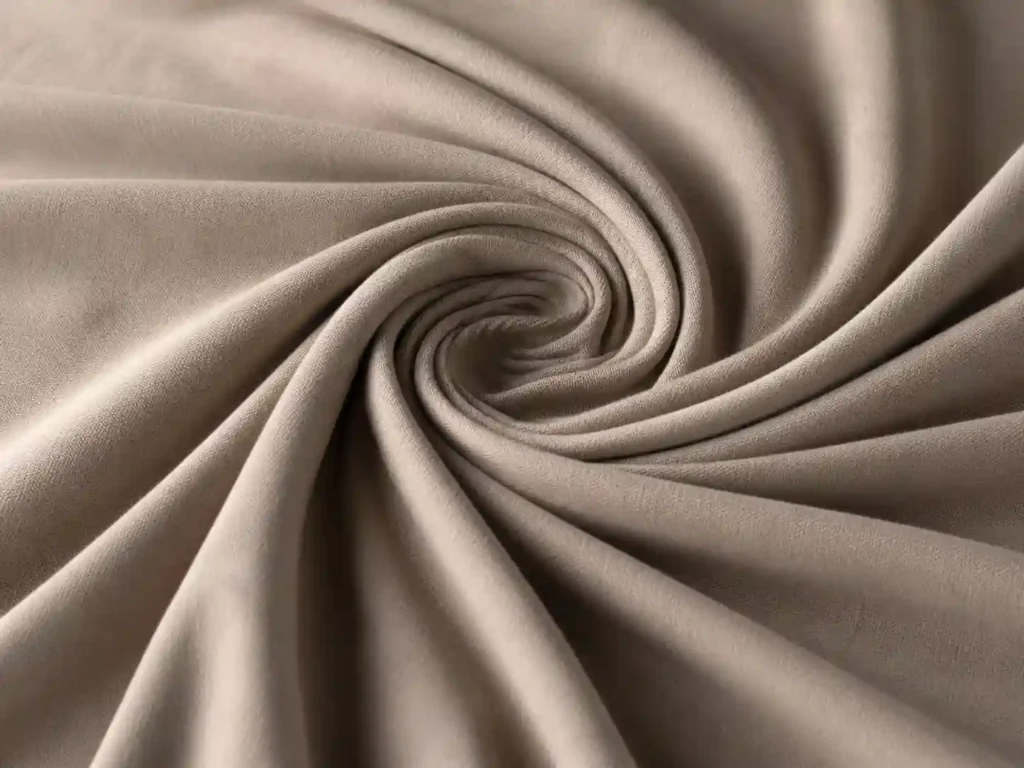
Cotton and Blends

Cotton offers good dye affinity with suitable reactive systems and can support clean hem dips, washed gradients and casual resort effects. Blended fabrics require separate testing because each fiber may absorb color differently. Cotton-polyester blends may produce a heathered or uneven visual result unless the process is designed around the blend. Pretreatments, softeners and surface coatings can also affect absorption. 

Silk and Silk Blends
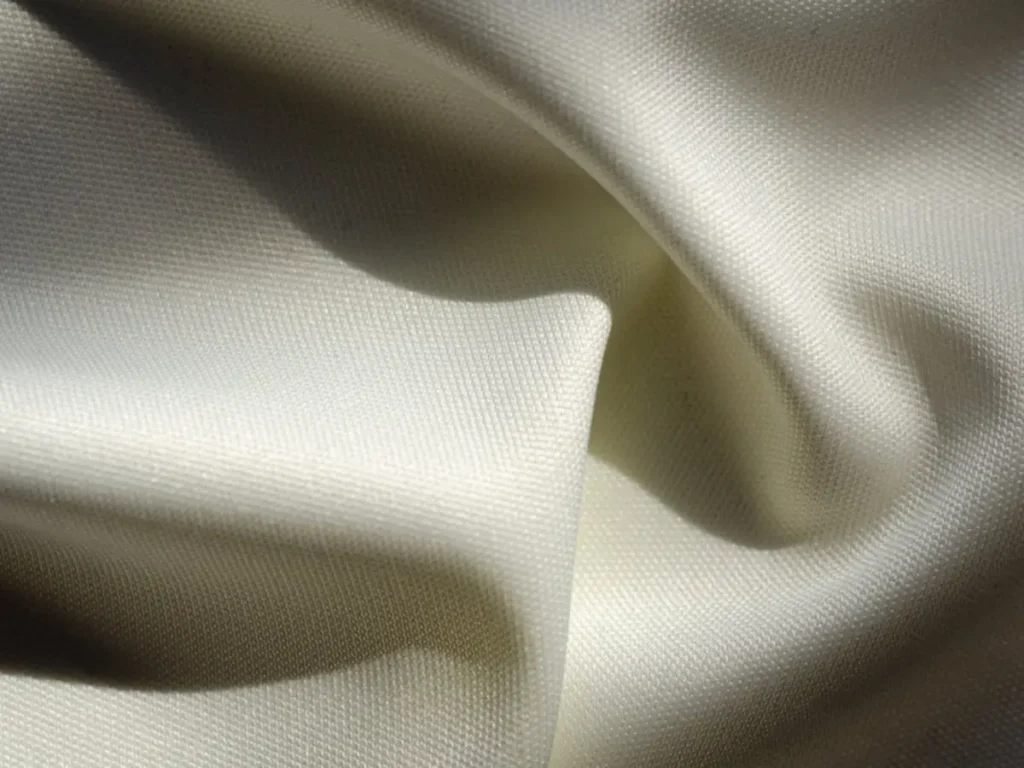
Silk can produce refined color depth and fluid ombré effects, making it suitable for premium occasion and evening dresses. Process control must protect luster, handfeel, fabric strength and surface appearance. Silk blends may react differently across fibers. Lining, thread and trims must also be checked for compatibility. Strong chemicals, excessive heat or unsuitable handling may alter the fabric surface. Small process trials are important before developing a complete sample.

Polyester Fabrics

Polyester generally requires disperse-dye systems and controlled heat conditions. Some constructions are better suited to gradient printing or sublimation than finished-garment dip dye. Evaluation covers:

  • Heat tolerance
  • Surface finish
  • Print or dye route
  • Color saturation
  • Migration risk
  • Pleat stability
  • Lining response
  • Trim compatibility

For satin-like polyester or delicate formal fabrics, a printed gradient may offer more precise bulk placement and protect the intended surface appearance.
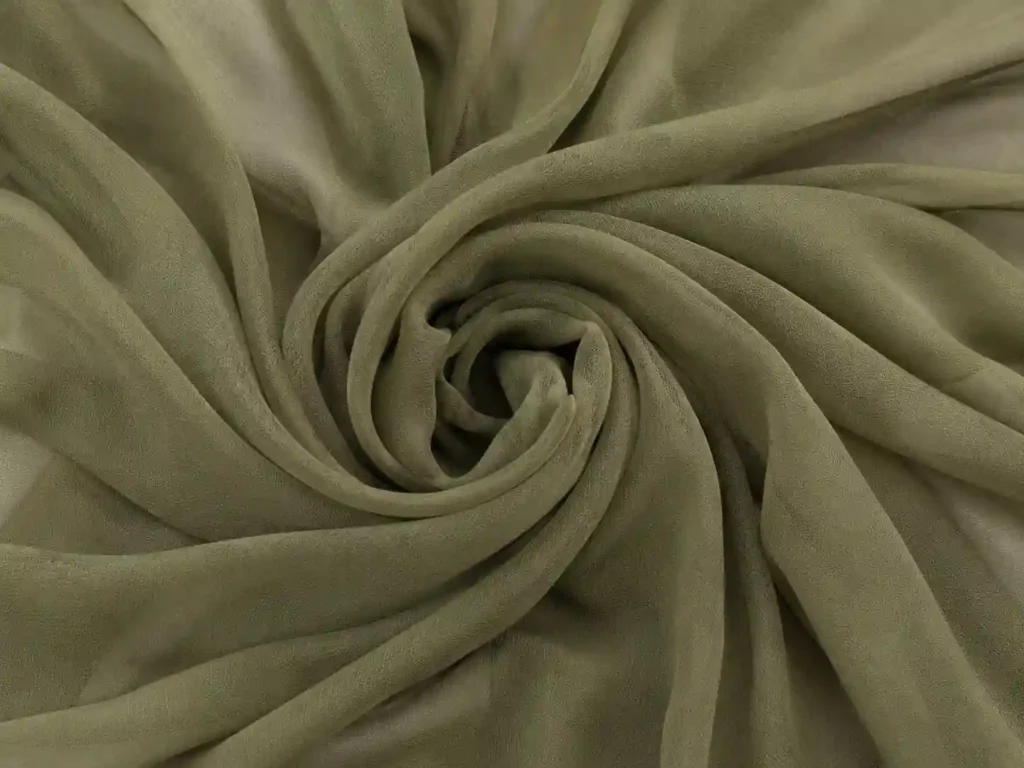
Chiffon and Mesh

Lightweight chiffon and mesh create soft layered gradients but introduce transparency, movement and alignment challenges. Several layers may produce a deeper combined shade than a single layer, while gathered areas can visually darken the transition.
Development must consider:

  • Number of layers
  • Lining color
  • Sheerness
  • Edge finishing
  • Panel overlap
  • Front-to-back alignment
  • Heat sensitivity
  • Distortion during wet handling

A test should be viewed both flat and on a dress form.

Rayon and Viscose

Rayon and viscose are widely used for flowing resort, vacation and maxi dresses because of their soft drape and strong color response with suitable dye systems. Their absorbency can support rich gradients, but wet processing may also increase shrinkage, distortion and surface sensitivity. Development should confirm:

  • Fiber composition and blend ratio
  • Fabric weight
  • Weave or knit structure
  • Dimensional stability
  • Wet strength
  • Color depth
  • Handfeel after finishing
  • Pressing behavior

Full skirts and bias-cut viscose dresses require additional measurement control after processing.

Control Gradient Placement Across Every Dress Size

Gradient placement is a design specification, not a visual note. Duolan converts the intended effect into measurable references that can be checked during sampling and bulk production.

Define the Placement Coordinates

The approved standard can identify:
  • Starting point from hem, waist or another stable reference
  • End point of the transition
  • Length of the blended color zone
  • Position of maximum color depth
  • Front and back alignment
  • Side-seam relationship
  • Acceptable visual movement
Measurements are supported by annotated sample photographs and physical references. A verbal instruction such as “fade higher near the hem” is not sufficient for bulk control.

Select a Size-scaling Rule

Three placement approaches may be considered:

  • Fixed distance from the hem
  • Percentage of total garment length
  • Size-specific measurements

Fixed distance supports a consistent hem treatment, while proportional placement may preserve visual balance across a broad size range.

A size-specific rule is useful when grading, skirt shape or market fit standards create meaningful length differences. The chosen method is documented before the size set or PP sample is approved.

Protect Seam and Panel Continuity

Panelled dresses, princess seams, godets and side inserts can interrupt a gradient if pieces are processed separately without a placement plan. Finished-garment processing may improve continuity but can create handling and absorption challenges.Duolan reviews: Panel direction, Seam position, Grain line, Fabric lot, Cutting identification, Processing sequence, Assembly stage, Inspection reference.The process route is selected according to the construction rather than convenience alone.

Adjust for Volume and Asymmetry

Ruching, pleating, tiering, full skirts and high-low hems distort flat placement measurements. A straight line on a flat garment may become curved, hidden or visually uneven when worn.

Development uses a combination of measurement, garment form review and movement assessment. Special placement maps may be required for asymmetric hems, draped panels or circular skirts.

From Color Direction to Approved Dye Standard

Color approval must move from inspiration to a physical and measurable production reference. Photographs, monitor colors and verbal descriptions cannot control bulk shade alone.

Color Source Review

Development may begin from Pantone references, fabric swatches, an original garment, artwork, campaign imagery or a collection palette. The source is reviewed against the intended fabric and production method. A visual reference can guide direction, but the final approval must be made on the correct material.

Base Fabric Confirmation

The starting fabric shade influences every gradient result. White, optical white, ivory, ecru and colored bases produce different transitions. Fabric composition, lot, finish and weight are confirmed before final color approval. A late fabric substitution requires renewed color assessment.

Lab Dip or Process Swatch

A lab dip, strike-off or dip-dye swatch establishes the initial color direction. For a gradient, the sample should also represent transition behavior rather than only the deepest shade. Several options may be prepared when color depth, saturation or fade length requires comparison.

Light-source Evaluation

Color can shift under daylight, store lighting, studio lighting and warm indoor light. Approved references should be evaluated under the lighting conditions relevant to the brand and market. A controlled lightbox may be used where the project specification requires formal shade comparison.

Garment Sample Approval

A swatch cannot prove how color behaves across a full dress. The garment sample confirms placement, drape, visual proportion, front-to-back relationship and interaction with lining or trims. The approved garment becomes a key production reference together with the color standard.

Reorder Reference Preservation

Repeat production is reviewed against retained shade references, approved images, fabric information and earlier process notes. New material lots and production conditions are assessed before release. The aim is controlled continuity, while recognising the defined variation inherent in the selected process.

Fit and Construction Shape the Final Dye Effect

Dip dye cannot be developed independently from pattern and garment engineering. Construction changes the visible area, movement and color density of the finished dress.

A-line and Circle Skirts

A-line and circle skirts create increasing fabric width toward the hem. The same immersion depth covers a larger fabric area and may form a curved visual transition when worn. Circle skirts also introduce grain-direction changes around the hem. Fabric absorption and drape can appear different across bias and straight-grain sections. Trials should evaluate the complete skirt rather than a narrow rectangular swatch.

Fitted Bodycon Shapes

Bodycon dresses stretch vertically and horizontally on the body. A gradient approved on a hanger may lengthen, narrow or move after dressing. Pattern ease, fabric recovery, lining tension and seam stability are reviewed together. Measurements are checked after processing and after recovery to confirm that the wet process has not altered fit.

Ruched and Gathered Dresses

Ruching concentrates fabric and visually deepens color in folded areas. A smooth transition on flat fabric may appear uneven once gathering is applied. Development must decide whether dyeing occurs before or after gathering, how gathers are distributed and which visual variation is acceptable. Drawstrings, elastic channels and gathered seams also require stain and compatibility checks.

Panelled and Seamed Dresses

Princess seams, side panels and godets can break the gradient if color position differs between pieces. Panel identification and cutting direction become important when pre-treated fabric or printed gradients are used. Finished-garment processing can improve continuity but may create shade concentration around seams. The selected route is verified through a garment-level sample.

High-low and Asymmetric Hems

A fixed vertical dip may create unequal visible coverage on an asymmetric dress. The front, side and back hem positions may require different reference measurements. A placement plan should show the intended visual line around the complete garment. Review on a dress form is necessary before approval.
Medium-Link-Chain

Lined and Trimmed Dresses

Lining, thread, zippers, elastic, labels and decorative trims may absorb, repel or transfer color differently from the shell fabric. Some components can be added after processing; others must remain in the garment for construction reasons. The development plan identifies which parts are dyed, protected, processed separately or assembled later.

Developing a Production-ready Dip Dye Dress Sample

A reliable sample path begins after the design basis, fabric direction, sample purpose and color objective are understood. Timing depends on material readiness, construction complexity and the number of process trials required.

Project Brief Review

Duolan reviews the product category, retail position, reference image, tech pack, target quantity, size range, desired launch date and compliance requirements. Missing information is identified before pattern or process work begins.

Feasibility Assessment

The team evaluates whether the effect should be achieved through finished-garment dip dye, panel treatment, controlled ombré application, gradient printing or another route. Fabric, structure, trims, quantity and acceptable variation guide the recommendation.

Material Preparation

Production-intended fabric and key trims are sourced or confirmed. Composition, weight, drape, opacity, stretch and finishing are checked. Color development should not be finalized on an unrelated substitute fabric.

Process Trial

Small swatches, panels or trial garments are used to evaluate color depth, transition behavior, shrinkage, handfeel and finishing. Several trials may be required for multi-color or delicate constructions.

Pattern Development

Pattern work translates the silhouette, fit and size standard into a garment suitable for the selected process. Areas affected by shrinkage, gathering, lining or asymmetry receive additional attention.

First Garment Sample

The first garment brings together fit, fabric, construction and color placement. Internal review checks measurements, workmanship, visual balance and process feasibility before submission.

Revision and Comment Control

Comments are separated into fit, measurement, fabric, construction, visual and production-related actions. Each revision is recorded so that changes do not create contradictions between pattern, color and bulk standards.

PP and Bulk Readiness

Before production, the approved direction is converted into a bulk basis covering fabric, shade, placement, measurements, workmanship, finishing, labeling and packaging. The final route is confirmed only after unresolved risks are identified and closed.

Controlled Special-process Support for Dip Dye Dresses

Duolan manages dip dye dress projects through a coordinated development and manufacturing system. Core dress development remains connected to mature special-process resources rather than being separated into unrelated supplier activities.

Central Project Ownership

The project team organizes the design basis, pattern, sample status, fabric direction, color approval, workmanship points and production timeline.

Special-process instructions are linked to the approved garment standard, reducing information loss between development, dyeing, sewing and QC.

Process Partner Matching

Duolan maintains 2–3 mature cooperating resources in each special-process direction, including dip dye, printing, embroidery and washing.

Partners are selected according to: Fabric type, Process route, Color complexity, Garment structure, Order quantity, Testing requirement, Delivery schedule, Bulk risk.

Trial and Approval Control

Process swatches, panels or trial garments are reviewed before bulk application. Color, transition, shrinkage, handfeel and repeatability are considered together. A visually attractive trial is not released if the route cannot be transferred reliably to production.

Standard Transfer to Bulk

Approved references are converted into production instructions covering material, placement, process sequence, acceptable variation, inspection points and finishing requirements. Production and QC teams work from the same confirmed basis.

Sample-to-Bulk Consistency for Dip Dye Production
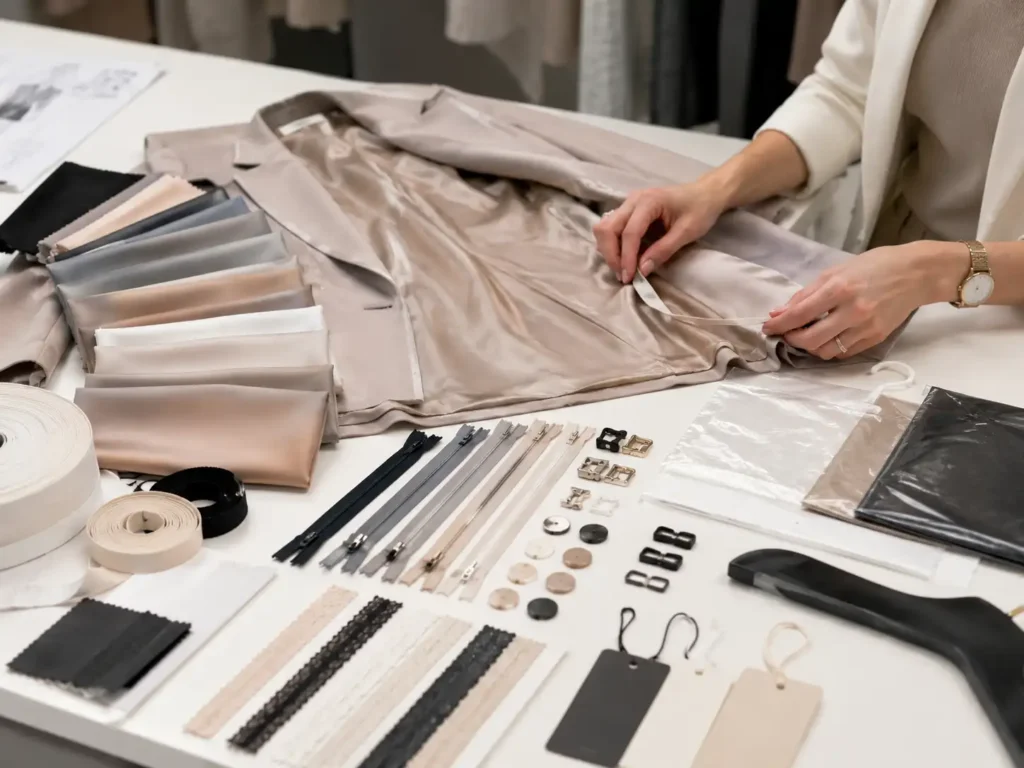
Bulk consistency begins before the production line starts. Material, color, placement, construction and inspection standards must be locked while the approved sample is still available for comparison.

Lock the Production-critical References

The production basis should include:
  • Approved shell fabric
  • Confirmed lining
  • Key trims
  • Base fabric shade
  • Approved gradient color
  • Placement map
  • Size-specific rule
  • Garment measurements
  • Workmanship details
  • Washing and finishing
  • Labeling
  • Packaging
A single sample without supporting records is not enough for a multi-style or repeat program.

Define Acceptable Variation

True dip dye may contain controlled natural variation. The approved standard should separate acceptable character from defects.

Possible criteria include:

  • Permitted shade range
  • Placement tolerance
  • Transition smoothness
  • Front-to-back relationship
  • Side-seam continuity
  • Stain restrictions
  • Uneven saturation limits
  • Piece grouping rules

The brand team can then evaluate production against an agreed visual standard rather than subjective impressions.

Plan the Production Path

Orders are broken down by style, color, size, quantity, fabric, construction complexity and process risk. The production path may include trial processing, first-piece confirmation, staged release or separate handling for high-risk styles. For multi-style collections, complex gradient products can be scheduled earlier so that approvals do not delay simpler commercial styles.
SMETA Record​

Preserve Records for Reorders

Pattern versions, BOM details, fabric references, color standards, placement instructions, QC notes and packaging requirements become reusable production assets. Repeat production begins with a review of material changes, new dye lots, process capacity and previous inspection records. Reorders should not restart from memory.

Managing Shade Variation from Development to Reorders

Color variation can enter through the base fabric, dye batch, processing sequence, finishing or inspection environment. Control must continue from the first swatch through later replenishment.

Fabric-lot Control

Different fabric lots may vary in base shade, absorbency, finish and weight. Even when the same color recipe is used, the final garment may appear different. Bulk fabric is reviewed before processing, and lot separation is maintained where required.

Approved Shade Range

A central approved reference can be supported by an acceptable light and dark range where the process contains natural variation. The range must be narrow enough to protect collection consistency while remaining realistic for the selected method.

Lightbox Comparison

Controlled lighting helps separate true shade differences from environmental lighting changes. Evaluation conditions are selected according to the project and brand manual. Visual review should use the same lighting basis across approvals and inspections.

Shade Grouping

Where controlled variation remains acceptable, garments may be grouped by shade to prevent visibly different pieces from entering the same set, store delivery or coordinated presentation. Grouping rules are defined before final inspection.

Batch Identification

Production batches, fabric lots and process lots should remain traceable. Identification supports inspection, corrective action and reorder review. Untraceable mixed batches make shade investigation significantly more difficult.

Reorder Review

New production is compared with retained references and earlier records. Material substitutions, unavailable dyes or changed finishing conditions are disclosed and assessed before approval. A fresh lab or process confirmation may be required even when the style has been produced before.

Testing Colorfastness, Shrinkage and Garment Stability

Testing plans depend on the target market, fiber composition, dye system, end use and brand manual. Relevant tests can be arranged through qualified laboratories or agreed internal procedures before shipment.

Test AreaWhat It EvaluatesWhy It Matters for Dip Dye DressesProject Stage
Washing ColorfastnessShade change and staining after washingConfirms whether gradient colors remain stable and whether color transfers to lining or adjacent areasDevelopment or PP stage
Dry and Wet RubbingSurface color transfer under frictionImportant for deep hem shades, light accessories and skin-contact areasFabric or garment approval
Perspiration ResistanceColor behavior under acidic and alkaline perspirationRelevant for fitted, summer, resort and occasion dressesBefore bulk release when required
Dimensional StabilityLength and width change after care treatmentProtects fit, hem length and gradient placementFabric and garment development
Spirality and DistortionTwisting or skewing after wet processingImportant for jersey, bias and lightweight constructionsSample evaluation
Color MigrationMovement of color into lighter fabrics, labels or packagingProtects contrast panels, lining, labels and folded garmentsFinishing and packing review
Composition and Restricted SubstancesFiber accuracy and chemical complianceSupports market, retailer and brand-specific requirementsAccording to compliance plan
Seam and Trim CompatibilityResponse of thread, zipper, elastic and trimsPrevents contrast staining, failure or visual mismatchSample and PP review

Duolan has completed a SMETA 2-Pillar audit and maintains a SMETA social audit record. Additional testing, labeling, documentation and brand-specific requirements are reviewed according to the relevant market and project manual.

Workmanship Standards Beyond the Dye Effect

A strong gradient cannot compensate for weak garment construction. Workmanship inspection protects fit, appearance, durability and retail presentation after the special process is complete.

Side-seam Alignment

Side seams should remain balanced without twisting, mismatched gradient height or uncontrolled color concentration. Inspection compares both construction and color continuity.

Hem Shape

Circular, curved and lightweight hems require even trimming, controlled stitching and suitable pressing. Dip dye placement is checked against the final finished hem rather than an unfinished cut edge.

Lining Length

Lining must provide coverage without extending below the shell or creating an unintended color block. The lining shade is assessed under natural movement and lighting.

Zipper Installation

Invisible and exposed zippers require clean insertion, stable seam tension and controlled color contact. Zippers may need protection or later assembly depending on the process route.

Gather Distribution

Uneven gathers can change both silhouette and visible color density. Distribution, elastic tension and drawstring function are checked against the approved sample.

Neckline and Strap Stability

Halter, open-back and narrow-strap dresses depend on accurate balance and reinforcement. Wet processing must not stretch straps, distort necklines or weaken attachment points.

Clean Surface Finish

Stains, uncontrolled splash marks, process residue, pressing gloss and water marks are evaluated separately from approved gradient variation. The intended artistic effect does not justify unrelated surface defects.
Label and Packing Records​

Label and Packaging

Dark dye areas may transfer to light labels, tissue or adjacent garments if fixation and drying are insufficient. Care labels, hangtags, folding method, polybags and moisture condition are reviewed before packing.

Verify the Process Before Full Production Release

High-risk gradient dresses may require a process trial, first-piece review, size check or controlled pilot before full quantity is released.

Process Trial

A trial confirms that the selected fabric, dye system, transition method and finishing route can achieve the approved direction.

The trial also reveals shrinkage, handfeel and repeatability risks before a complete production quantity enters processing.

First-piece Confirmation

The first completed garment is compared with the approved reference for: Shade, Placement, Measurements, Construction, Finishing, Labeling, Packaging basis.

Deviations are corrected before broader release.

Size-set Review

Selected sizes confirm whether grading and placement rules preserve fit and visual proportion.

Size review is especially important for mini dresses, fitted styles, asymmetric hems and broad size ranges.

Bulk Release Decision

Bulk release follows confirmation of materials, process instructions, approved references, QC checkpoints and production timing.

Unresolved high-risk points remain on hold rather than being transferred into full production.

Quality Control Through Every Production Stage

Quality control follows the product from incoming fabric to packed shipment. Each checkpoint uses confirmed references rather than general descriptions such as “good quality.”

Incoming Fabric Review

Fabric composition, width, weight, appearance, base shade and lot information are checked according to the project requirement. Defects and lot differences are identified before cutting or dye processing.

Material and Trim Confirmation

Lining, thread, zippers, elastic, labels and decorative components are compared with approved references. Compatibility with the special process is confirmed before assembly.

Cutting Identification

Panels, sizes, fabric lots and directional pieces are identified to protect shade and construction consistency. Panel mixing can create visible color differences after assembly.

Process-stage Inspection

Dip depth, transition zone, shade development, stains and handling consistency are reviewed during the special process. Early detection prevents an entire batch from following an incorrect direction.

First-piece Review

The first completed unit confirms how dyeing, sewing, finishing and measurements work together. Production standards are adjusted before wider release where required.

Inline Workmanship Inspection

Seams, gathering, hems, zippers, straps, lining and measurements are checked while production is active. Corrective action is easier before garments reach final finishing.

Finished Garment Comparison

Completed garments are compared with approved shade, placement and workmanship references. Shade grouping and batch traceability are maintained where required.

Packing and Shipment Check

Labels, care information, barcodes, size stickers, folding, polybags, carton marks and shipment quantities are verified. Final packing conditions should protect light fabrics and reduce moisture or color-transfer risk.

Representative Dip Dye Dress Program Cases

The following anonymized program structures use rounded commercial data consistent with established-brand collection orders. Brand identities and confidential product details are withheld.

US Resort Gradient Program

Program structure
  • 18 dress styles
  • 34,000 total pieces
  • 6 gradient-focused styles
  • 4 coordinated color stories
  • Size range XS–XL
  • Maxi, midi and relaxed mini silhouettes
Development challenge

The collection used lightweight viscose and rayon qualities with different weights and surface finishes. Applying one dye process across all fabrics would have produced inconsistent depth, shrinkage and transition behavior.

Duolan approach

Each fabric group received a separate compatibility and process review. Gradient styles were divided into long-transition maxi effects, controlled midi hem dips and simpler commercial mini placements. Placement references combined fixed hem measurements with garment-length proportions. Base fabric lots, approved shade standards and process samples were separated by material group.

Production control

High-risk maxi styles entered process trials before full release. Color, shrinkage and handfeel were checked before final garment measurements were confirmed. Shade grouping and batch identification were included in the inspection plan.

Program outcome

The collection received a unified visual language without forcing one production method across all six gradient styles. Development records created a basis for future color extensions and replenishment review.

UK Party Ombré Collection

Program structure

  • 24 styles
  • 52,000 total pieces
  • 5 ombré and gradient styles
  • 2 main fabric families
  • Mini and midi silhouettes
  • Multiple fitted and ruched constructions

Development challenge

Stretch bodycon fabrics, mesh overlays and lined party dresses reacted differently to wet processing. The product team required strong visual impact while protecting recovery, opacity, fit and neckline stability.

Duolan approach

True immersion, controlled ombré application and gradient printing were compared by style. Fitted stretch dresses received post-process dimensional and recovery checks. Mesh-overlay styles were reviewed on dress forms because layered fabric changed the visible shade depth. Placement maps were adjusted by size rather than using one fixed depth for the complete range.

Production control

Approved references covered shell fabric, lining, color, transition position, garment measurements and finishing. First-piece reviews focused on side-seam balance, ruching distribution, color transfer and zipper areas.

Program outcome

Complex visual effects were concentrated in five campaign styles, while related commercial styles used more repeatable gradient routes. The program balanced collection impact with controlled bulk execution.

Ombré and Gradient Effects​

European Occasionwear Gradient Program

Program structure
  • 27 styles
  • 76,000 total pieces
  • 7 gradient statement styles
  • 3 planned delivery waves
  • Midi and maxi occasion silhouettes
  • Satin, chiffon and layered constructions
Development challenge

The range combined several fabrics, asymmetric hems, layered skirts and refined color transitions. Delivery waves required consistent standards across different production periods, while satin-like surfaces could not tolerate aggressive processing.

Duolan approach

Fabric and construction reviews separated styles suitable for true dye treatment from styles better served by controlled printing or panel processing. Asymmetric dresses received full-circumference placement maps. Layered chiffon styles were approved on garment forms to account for combined transparency and color density.

Production control

Patterns, BOM information, color references, PP samples, placement maps and QC points were preserved for each delivery wave. Material changes and new fabric lots required renewed shade review before production.

Program outcome

A structured approval system allowed the seven statement styles to maintain a coordinated color direction while using different technical routes. Records supported later delivery waves without restarting development from visual references alone.

Why Fashion Brands Choose Duolan

Duolan combines dress-focused development, special-process coordination and scalable manufacturing support for brands managing complex collections, multiple styles and repeat production.

Nearly 30 Years’ Development Background

Duolan’s manufacturing foundation comes from long-term experience in fast-fashion womenswear and fashion dress development. The team’s background includes product development, fabric direction, silhouette understanding and commercial execution for European and American fashion markets. 

Dress-focused Product Capability

Core product directions include mini, midi, maxi, party, occasion, vacation, resort and going-out dresses. Development teams understand fitted, draped, layered, decorated and visually expressive fashion dresses where fabric, construction and process must be assessed together.

16 Owned Womenswear Factories

Owned factories provide direct control for core styles, complex products and priority programs.

Production planning can match styles to suitable lines according to construction, material, quantity and timing.

20+ Satellite Factory Partners

Long-term satellite factories add capacity flexibility for repeat, replenishment, scale-up and seasonal volume. Programs remain connected through confirmed samples, production files, workmanship standards and QC checkpoints.

Mature Special-process Resources

Duolan works with 2–3 mature partners in each direction including printing, dip dye, embroidery and washing. Special-process resources are selected according to fabric, garment structure, effect, quantity and delivery requirements.

Brand Compliance Readiness

Duolan has completed a SMETA 2-Pillar audit and maintains a SMETA social audit record. The manufacturing system can coordinate brand-specific testing, labeling, packing, documentation and quality requirements according to the relevant manual and market.

Dip Dye Dress Frequently Asked Questions

Dip dye describes a process where part of a fabric or garment is immersed to create color coverage or transition. Ombré describes the visual result of one shade gradually changing in depth or moving into another shade. An ombré effect may be achieved through dip dye, controlled application, printing or another method. The correct route depends on fabric, garment structure, quantity and required repeatability.
Rayon, viscose, cotton, silk and certain compatible blends can respond well when the correct dye system is used. Polyester normally requires a different dye or print route. Fabric finish, weight, construction and prior treatment also influence absorption. Duolan reviews the intended bulk fabric and arranges a process test before the final method is confirmed.
Pantone references can guide color development, but final approval should be made on the intended production fabric. Fiber, base shade, finish and dye route affect the result. A lab dip, process swatch or garment sample establishes the physical color reference used for bulk comparison.
Yes. Reference images can define silhouette, color direction and gradient position. Additional information such as fabric preference, size range, quantity, target market and launch date improves the feasibility review. A reference image is converted into measurable garment and process standards before bulk production.
Placement can be defined by a fixed distance from the hem, a percentage of garment length or size-specific measurements. Annotated images, physical samples and measurement references show the start point, transition zone and deepest color area. Panel, seam, gathering and asymmetric-hem effects are also considered.
True dip dye may contain controlled natural variation. The project should define acceptable shade range, placement tolerance, transition character and unacceptable defects. When exact piece-to-piece repetition is essential, a gradient print or more controlled application route may be recommended.
The team reviews garment length, grading and silhouette before choosing a placement rule. Some designs use a constant hem depth; others use proportional or size-specific placement. A size set can confirm whether the visual balance remains consistent across the range.
Yes. Relevant tests may include washing colorfastness, dry and wet rubbing, perspiration resistance, dimensional stability and color transfer. The required methods and acceptance standards are selected according to fabric, target market and brand manual. Third-party laboratory testing can be coordinated when required.
Reorders are reviewed against retained color references, approved samples, fabric information, previous process notes and QC records. New fabric or dye lots may require renewed confirmation. The goal is controlled continuity while respecting the defined variation of the selected process.
Useful information includes a tech pack, reference image, original sample, fabric direction, Pantone colors, gradient placement, size range, estimated quantity, launch date, testing requirements and packaging guide. Duolan reviews development feasibility, production risks and the recommended next step.

Submit Your Dip Dye Dress Project

Share your design direction and current development stage with Duolan. Our team can review the dress structure, proposed fabric, gradient effect, color references, size range, target quantity and launch calendar before recommending a sampling and production path.

For a more accurate assessment, include:

  • Tech pack, sketch, reference image or original sample
  • Dress category and intended retail market
  • Preferred fabric or fiber composition
  • Pantone colors, swatches or visual color references
  • Gradient starting point and transition direction
  • Size chart and target size range
  • Estimated order quantity by style and color
  • Required launch or delivery timing
  • Testing, labeling and packing requirements
  • Current need: feasibility review, sample development, quotation or bulk production

A clear project brief allows our development team to identify material, fit, process and production risks before they become sample revisions or bulk delays.


Start Your Apparel Development Project

OEM/ODM Manufacturing Support for Fashion Brands

Share your collection details, estimated quantities, target market, development timeline, and technical requirements. The production team will review your request and provide a tailored manufacturing solution based on your product category, fabric selection, construction needs, and delivery schedule.

Fashion Manufacturing Support with Scalable Production Capacity

From sample development to bulk production, Duolan supports fashion brands with confidential OEM/ODM manufacturing, stable quality management, flexible production planning, and coordinated multi-factory execution for seasonal and capsule collections.

Need Direct Assistance?

Seraphinite AcceleratorOptimized by Seraphinite Accelerator
Turns on site high speed to be attractive for people and search engines.