 Skip to content
Women's Clothing Manufacturer in China
Dress-focused development and scalable manufacturing for established fashion brands, sourcing teams and product development departments.
- 30+ years of women’s fashion development experience behind the manufacturing system.
- 16 owned fashion factories supported by 20+ long-term satellite factories.
- 300 sewing lines, including 50+ quick-response and flexible production lines.
- Stable monthly capacity of approximately 6.5 million garments, with higher peak capacity available through coordinated allocation.
- Monthly sample development capacity of approximately 15,000-35,000 pieces or development rounds.
- Core focus on fashion dresses, occasionwear, partywear, fitted silhouettes, coordinated sets and refined fashion tops.

Duolan at a Glance
Dress-focused Positioning
Duolan is structured around fashion-led dresses and coordinated women’s collections rather than broad commodity apparel. Development strength is concentrated in mini, midi and maxi dresses, occasion and party styles, fitted silhouettes, vacation lines, fashion sets and refined tops. The focus supports brands seeking stronger control over drape, fit, structure, visual finish and collection consistency instead of a factory offering an undifferentiated list of garment categories.
Established Brand Fit
Full Development Chain
Manufacturing Network
Material and Process Access
Compliance Readiness
Duolan’s core manufacturing system has completed SMETA and SMETA 2-Pillar auditing. Project teams can coordinate brand-specific requirements related to social compliance, material documentation, product testing, inspection, labeling and quality standards. References to BSCI, ISO 9001, AATCC, ASTM, OEKO-TEX, EN, China GB and GOTS are handled according to the actual factory, material, market and project scope rather than presented as blanket certificates for every order.
Built for Established Fashion Businesses
Global Fashion Brands
Leading Regional Labels
Fast-growing regional labels often run frequent drops, deeper SKU plans and concentrated selling windows. Their pressure comes from developing many styles without losing visual consistency or overloading a single production path. Duolan can separate hero styles, commercial volume styles and construction-sensitive items, then match them to appropriate sample and production resources. The result is a clearer route from collection brief to launch order, repeat order and scaled seasonal volume.
Sourcing and Product Teams
Risks Evaluated Before Manufacturer Approval
Supplier approval usually depends on how clearly development and production risks are identified before they become missed launch dates, rejected samples or bulk inconsistencies.
| Project Stage | Common Risk | Duolan Control Point | Working Evidence |
|---|---|---|---|
| Product direction | Design intent is interpreted too literally or misses the commercial silhouette | Product and feasibility review before pattern work | Development brief and feasibility note |
| Fabric selection | Drape, stretch, opacity or handfeel does not support the target shape | Fabric behavior and trim compatibility review | Swatch comparison and material confirmation |
| Pattern and fit | Bust, waist, hip, shoulder or length balance does not follow the intended fit | Pattern review, measurement priorities and fit comments | Measurement chart and revision summary |
| Complex details | Boning, cups, mesh, sequins, gathering or cut-outs work in one sample but are unstable in bulk | Construction and workmanship feasibility review | Detail mapping and trial construction |
| Sample approval | Visual approval is mistaken for production approval | Stage-based sample purpose and PP standard | Sample review note and approval checklist |
| Bulk transition | Approved details are not converted into production standards | BOM, material, workmanship and tolerance locking | Bulk readiness note and PP reference |
| Quality execution | Problems are found only at final inspection | Pre-production, inline and final checkpoints | QC records and corrective follow-up |
| Delivery | Material approval, sample comments or packaging decisions compress the production window | Backward planning from launch and delivery dates | Production timeline and status updates |
| Reorder | New lots drift from the original fit, material or workmanship | Preservation of approved records and repeat-order review | Pattern, BOM, sample and QC archive |
Women's Clothing Categories We Develop

Fashion Dresses

Occasion Dresses

Party Dresses

Bodycon Dresses
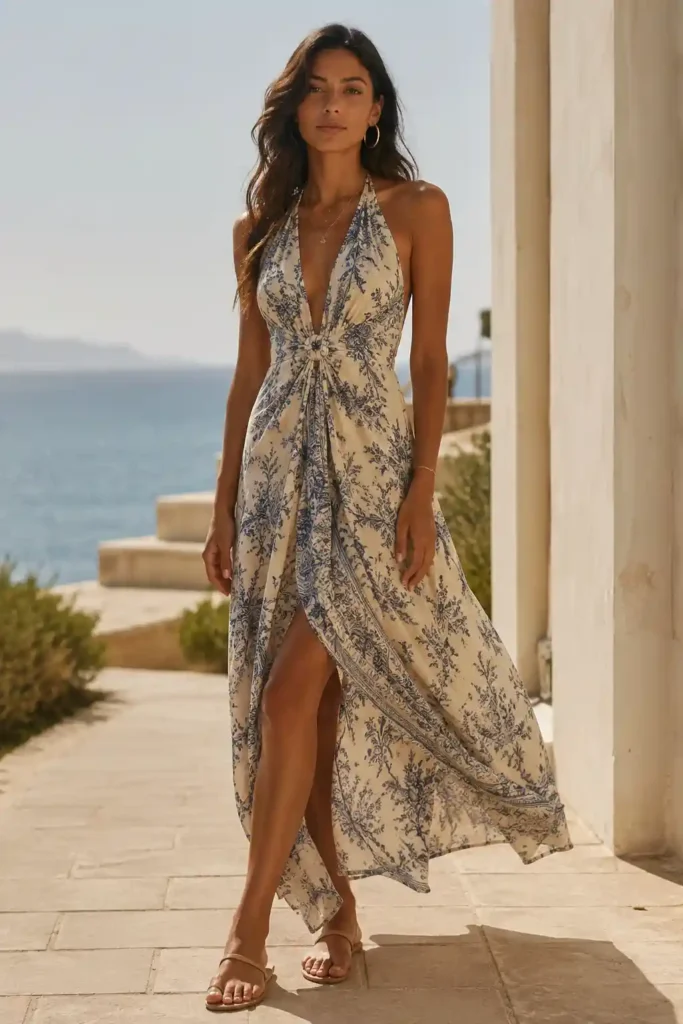
Vacation Dresses

Fashion Sets

Refined Fashion Tops

Skirts and Extensions
From Product Direction to Collection-ready Womenswear
Product Direction Review
Development starts by clarifying the collection’s role in the market. Duolan reviews the target region, retail channel, expected price level, product category, selling occasion and launch date. The team then identifies which styles are intended as visual statements, which are likely volume drivers and which require early testing because of structure or material risk. A twelve-style occasion capsule, for example, may include three strong image styles, five commercial fitted dresses, two fluid midis and two coordinated extensions. Each group needs a different development priority.
The review also separates visual references from production requirements. A mood image may communicate color, neckline and attitude but offer no reliable information about fabric composition, lining, internal support, measurement or closure. Those gaps are recorded before sampling so design language can be translated into decisions. Early clarification reduces conflicting comments later and helps determine whether the project should begin with a pattern test, material test, visual prototype, fit sample or production-oriented sample.
Silhouette and Range Planning
Silhouette planning balances variety with brand consistency. A collection built only from tight mini dresses may look repetitive, while a range with unrelated shapes may lack identity. Duolan can help organize fitted, fluid, structured and coordinated silhouettes around shared design codes. Neckline families, waist positions, skirt volumes, lengths and support methods are reviewed across the range so one style does not solve fit or coverage in a way that conflicts with the rest of the collection.
Size planning is integrated early. The brand’s base size, body measurements, fit preference and grading rules are more important than a generic factory chart. Critical points may include bust, underbust, waist, high hip, full hip, torso length, shoulder width, strap length, neckline depth, slit height and finished garment length. Styles with cups, boning, cut-outs or negative ease need additional grading logic because visual proportions and support can change significantly across sizes.
Fabric and Color Direction
Fabric selection is evaluated against silhouette, target cost and bulk stability. The team considers composition, weight, stretch, recovery, drape, surface, opacity, shrinkage, colorfastness, pressing behavior and availability. A satin selected for a bias dress may be visually attractive but unsuitable if it shows every seam, stretches unpredictably or arrives with unstable shade variation. A mesh for a fitted party dress may require specific recovery and lining support to avoid distortion after wear.
Color planning also affects sampling and production. Core colors, fashion colors and print options may require separate lab dips, strike-offs or bulk lot controls. Duolan can group styles around shared fabric bases where appropriate, reducing unnecessary fragmentation while preserving design variety. Material and color decisions are linked to approval timing, because late changes can require new samples, revised costing, new production tests and a reset of the launch plan.
Development and Launch Planning
Duolan plans backward from the target delivery or launch window. A typical path includes collection confirmation, fabric and trim review, first samples, fit revisions, photo-ready samples where needed, PP approval, bulk material locking, production, inspection, packing and shipment. Planning references are confirmed by style: standard fashion samples are often evaluated around 7-15 working days after material direction is ready; structured or heavily embellished styles may require 15-25 working days. Revision rounds are commonly planned within 5-10 working days, depending on comments and material changes.
Bulk timing is reviewed only after PP status, material readiness and production complexity are clear. Standard fashion programs are often planned around 25-45 days after approvals and material availability, while intensive embellishment, printing, washing or multi-process styles may require 40-60 days. These ranges are planning references rather than automatic promises.
Fabric, Trim and Special Process Coordination

Fashion Fabrics
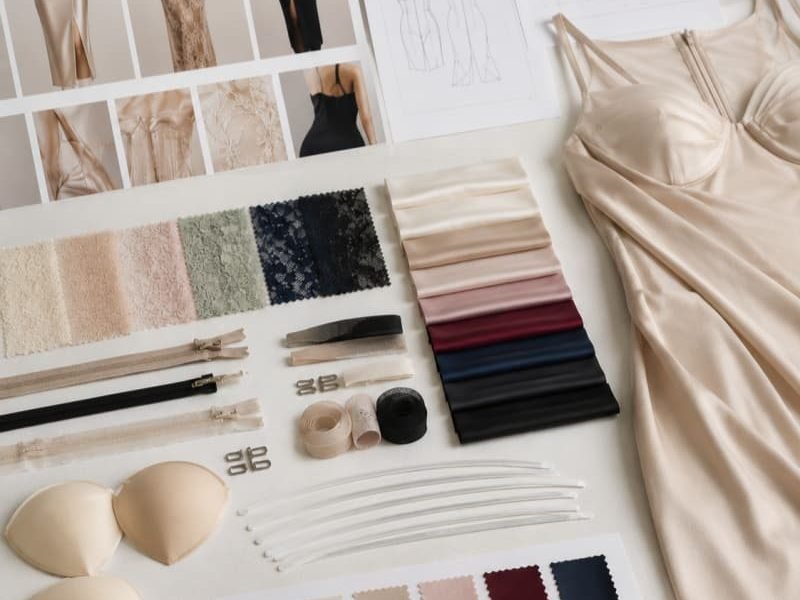
Linings and Support Materials
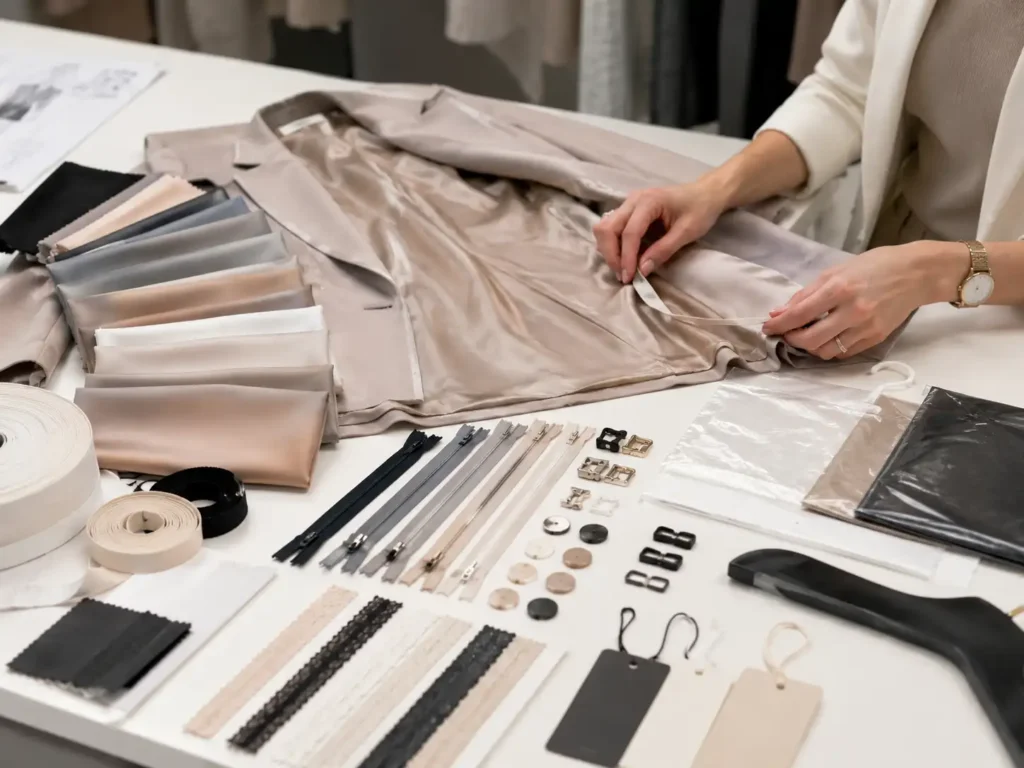
Zippers and Functional Trims

Printing and Dye Processes

Embroidery and Embellishment

Labels and Packaging Materials
Production-ready Sample Development
Development Basis and Sample Purpose
Each style begins with a defined development basis: tech pack, original sample, reference image or mixed brief. Duolan records the target market, sample purpose, fit priorities, fabric direction, visual goals and intended next stage. A sample for fit approval should not be managed in the same way as a photo sample or a PP reference. The purpose determines which details must be accurate first and which points can remain open for later refinement.
A concise Sample Development Brief can include base size, measurement chart, critical POMs, silhouette goal, coverage, support, drape, closure, lining, color, trim and target timing. When information is incomplete, the team identifies the missing decisions instead of filling every gap silently. The result is a clearer project start and fewer revision rounds caused by different assumptions between design, sourcing, pattern and sample teams.
Feasibility Review Before Cutting
Before pattern work begins, the style is reviewed for high-risk points. A corset dress may depend on cup position, boning direction, underbust balance and back closure. A bias satin dress may depend on grain, seam control, rest time and hem behavior. A halter or backless style may depend on neckline stability, anchor points and skin coverage. The review determines whether the first sample should prioritize fit, visual styling, material behavior or construction testing.
Duolan can provide a brief feasibility note covering suitable fabric direction, likely construction route, missing specifications, special-process dependencies and bulk concerns. The aim is not to reject creative ideas, but to identify which details need testing and which choices may compromise cost, wearability or repeat production. Early risk identification is more efficient than discovering during a completed sample that the selected fabric cannot support the intended shape.
Pattern, Fit and Design Detail Mapping
Pattern development converts design language into measurable construction. Neckline depth, bust shaping, waist position, hip ease, torso length, shoulder balance, strap angle, slit height, gathering ratio, drape point and finished length are mapped against the brand’s size standard. Design details are also marked for production: zipper length, seam placement, cup and boning position, lining boundary, cut-out shape, trim placement, hem method and closure sequence.
Common base ranges such as XS-XL can be supported, while extended sizes require confirmed grading rules rather than proportional enlargement alone. Structured, fitted and cut-out styles often need specific grading controls to preserve coverage and visual proportion. Fit comments are translated into pattern and workmanship actions, then summarized so the next sample addresses the approved direction rather than repeating general comments without technical ownership.
Review, Revision and Bulk-readiness Path
During sampling, staged updates can cover project start, material status, critical construction points and pre-shipment review. Before a sample is sent, Duolan can provide mannequin, flat and detail images or short video evidence according to the style. The review note identifies confirmed points, open points and recommended focus areas. Comments are consolidated into a revision summary linked to pattern, measurement, material or workmanship changes.
A production-ready sample should align six areas: fit and measurements; fabric and color; trims and accessories; construction and finishing; BOM and technical documents; PP or golden-sample approval status. Standard first-sample planning is commonly reviewed within 7-15 working days after materials and requirements are ready. Complex structures or embellishment can require 15-25 working days. Revision timing is usually assessed within 5-10 working days. Final timing is stated in the sample proposal after feasibility review.
Expertise for Complex Fashion Dress Development

Satin Construction
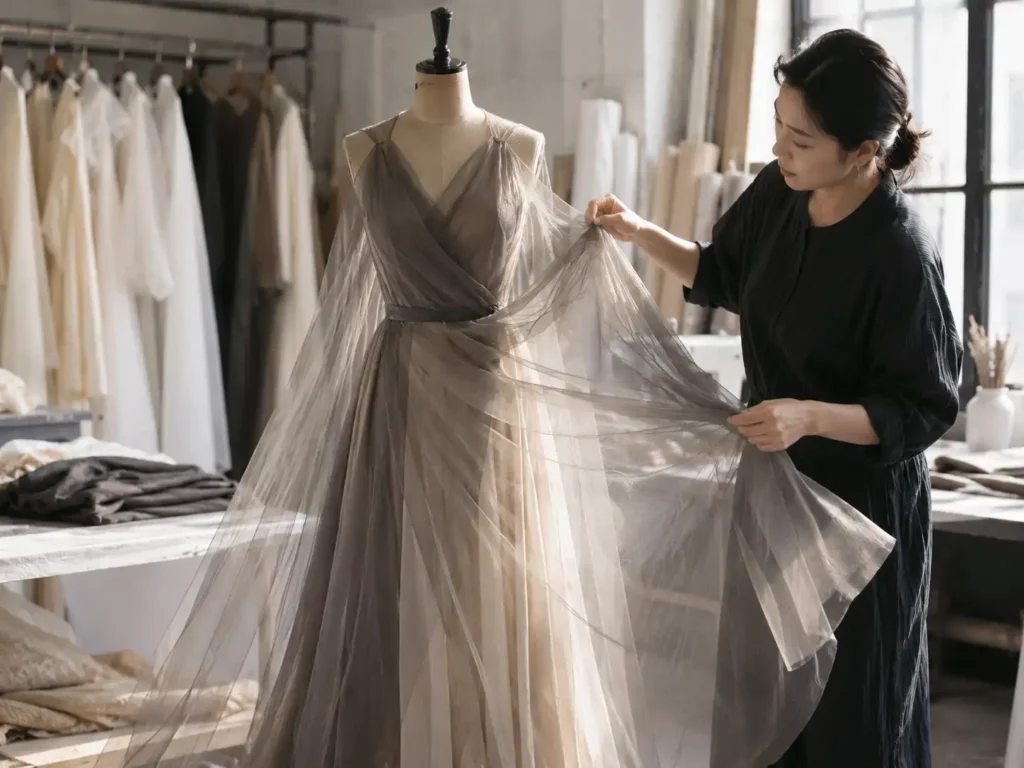
Mesh Layering

Sequin and Beaded Work

Corset and Bustier Structure

Halter and Backless Fit

Bodycon Engineering
Flexible Development Paths for Brand Projects
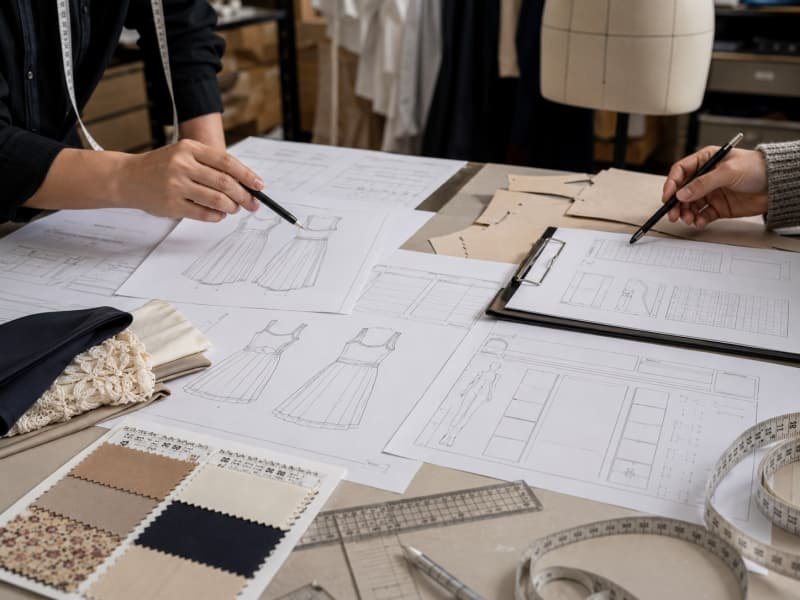
Tech Pack Development

Reference Image Development

Original Sample Development

Collaborative ODM Development
A Scalable Womenswear Manufacturing System
Core Factory Control
Duolan’s sixteen owned fashion factories provide the central base for development-sensitive styles, core programs and orders requiring close coordination. Core factories can maintain stronger links between pattern, sample, technical, production and quality teams. Projects with structured dresses, fitted silhouettes, delicate materials or complex details benefit from a production path where approved standards remain visible from pre-production review through first-piece confirmation and inline control.
The wider manufacturing system includes approximately 300 sewing lines and more than 50 quick-response or flexible lines. Line allocation is based on garment type, construction sequence, fabric handling, special processes, order size and required timing. The objective is not simply to find an empty line. A satin dress, corset style, mesh garment and embellished party dress may require different operators, equipment arrangements and inspection priorities even when order quantities are similar.
Satellite and Regional Capacity
More than twenty long-term satellite factories support repeat orders, volume expansion, parallel style programs and seasonal peaks. Regional production resources in Guangxi, Guizhou, Sichuan and Jiangxi add capacity buffering and labor availability. Allocation is controlled according to the sensitivity of each style. High-risk development and key image styles can remain under tighter core-factory control, while stable repeat styles or suitable volume programs can be distributed with approved samples, BOM, measurement charts, workmanship notes and QC requirements.
A multi-factory system should not mean uncontrolled subcontracting. Production-readiness review determines whether an order stays in one factory, uses multiple lines or is divided by style group. Shared standards, first-piece confirmation, reporting and inspection points are established before scaling. Satellite capacity is used to extend a controlled manufacturing system, not replace technical ownership.
Capacity for Multi-style Programs
The system reports stable monthly capacity of approximately 6.5 million garments, peak capacity up to approximately 10 million pieces and an additional monthly allocation range of approximately 1-2 million pieces when suitable resources are available. Monthly sample development capacity is approximately 15,000-35,000 pieces or rounds, supporting around 3,000-8,000 style development and sampling processes.
For a brand program of 10-30 styles and 20,000-80,000 total pieces, capacity planning focuses on style complexity, shared materials, colorways, size ratios, approval status and delivery sequence. A mixed order may be divided into stable commercial styles, construction-sensitive styles and process-dependent styles.
Integrated Supply Support
The manufacturing network connects fabric, trim, pattern, sample, special process, sewing, quality, packing and shipping coordination. Printing, embroidery, washing, dye effects and decorative applications can be routed through experienced supporting factories.
Order and production teams track material readiness, approvals, production priorities and shipment documentation. Preserved patterns, BOM details, fit comments and quality records support later repeat programs, allowing cooperation to accumulate production memory rather than restarting from zero each season.
From Approved Sample to Scalable Production
Bulk Readiness Review
Order Breakdown and Routing
Material and Workmanship Locking
PP and First-piece Confirmation
Controlled Production Execution
Final Inspection and Packing
How MOQ, Cost and Lead Time Are Evaluated
Order planning is based on the full product structure rather than one universal threshold. Fabric minimums, color count, size breakdown, special trims, construction time, packaging and delivery priorities all influence the most efficient production arrangement.
| Project Factor | MOQ and Allocation Effect | Cost Effect | Timing Effect |
|---|---|---|---|
| Main fabric | Mill or dye-lot requirements may set the minimum by color | Fabric utilization, dyeing and testing | Sourcing, lab dip and bulk production |
| Number of colorways | More colors divide cutting and sewing quantities | Setup, shade control and smaller material lots | Additional approvals and line changes |
| Size range | Wide ratios require grading and balanced cutting plans | Marker efficiency and handling | Size-set confirmation and cutting preparation |
| Lining and support | Cups, boning, interfacing and elastic may carry separate minimums | Added material and construction | Sourcing and trial construction |
| Special trims | Custom zippers, hardware or labels may require tooling or purchase minimums | Development and unit allocation | Sampling and trim delivery |
| Printing or embroidery | Artwork, screens, strike-offs and process setup influence viable volume | Setup and process cost | Approval and external processing |
| Sequins or handwork | Dense embellishment increases labor and replacement allowance | Higher labor, QC and loss allowance | Longer sewing and inspection cycle |
| Packaging | Custom hangers, inserts, barcodes and cartons affect setup | Packing material and handling | Artwork and packaging approval |
| Delivery window | Compressed schedules may require reserved lines or split production | Capacity and logistics choices | Production, inspection and freight buffers |
| Repeat potential | Preserved patterns, materials and standards improve later planning | Reduced redevelopment and clearer forecasting | Faster restart when materials remain available |
Duolan evaluates development, launch and repeat production as separate stages. A program may begin with samples and a defined launch quantity, then move into replenishment after sales data is available. The recommended structure depends on material economics and production efficiency, not a headline minimum used for every style.
For timeline planning, standard first samples are commonly assessed within 7-15 working days once requirements and material direction are ready. Complex structured, embellished or multi-process styles may require 15-25 working days. Standard bulk programs are often planned around 25-45 days after PP approval and material readiness; complex programs may require 40-60 days. Final timing is confirmed only after style review, approvals, material status and delivery requirements are known.
Quality Control from Development to Delivery
Development Quality Review
Fabric and Trim Control
Pattern and Measurement Control
Pre-production Standard
Inline Process Control
Final Garment and Packing Review
Compliance Readiness for Global Fashion Brands
SMETA Audit Base
Brand-specific Standards
Material Documentation
Testing Coordination
Inspection and Documents
NDA and Confidentiality
Evidence Behind Development and Production
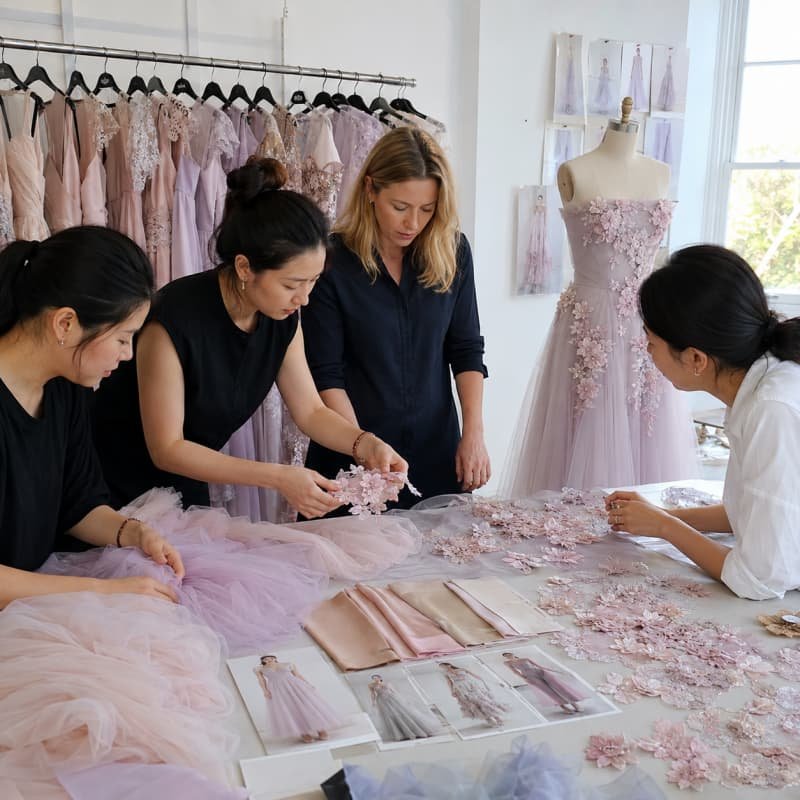
US Occasionwear Program
Order profile: 18 styles, 36,000 total pieces across fitted mini, satin midi, mesh and embellished party dresses. Quantities ranged from approximately 1,200 to 3,200 pieces per style, with four core colors and a brand-specific XS-XL size chart.
Development challenge: The range combined three fabric families and several support structures. Early samples showed inconsistent bust position between corset and halter styles, while the satin group required cleaner zipper and seam handling.
Duolan approach: Styles were divided into structured, fluid and embellished groups. Pattern teams locked bust, underbust, waist and strap priorities; fabric teams confirmed stretch, lining and satin weight; production teams tested zipper, boning and sequin finishing before PP approval. Bulk was routed through separate lines while shared quality checkpoints kept fit and finishing aligned.
Working result: The program moved into bulk after controlled sample and PP rounds, with critical fit points, material standards and packing instructions preserved for repeat planning.

UK Party Collection
Order profile: 12 styles, 24,600 total pieces, including sequin minis, rhinestone mesh, draped jersey and two coordinated skirt sets. Style quantities ranged from approximately 1,500 to 2,800 pieces with concentrated holiday delivery timing.
Development challenge: Decorative fabrics created weight, scratching and seam-bulk risks. Several styles needed a strong image effect for campaign photography while remaining suitable for repeated wear and warehouse handling.
Duolan approach: Decorative zones were mapped before cutting. Seam areas were cleared or protected, linings were selected for skin comfort, edge finishes were tested and replacement allowance was planned for sequin loss. Photo samples and PP samples were managed as different approval stages. Packing trials checked surface pressure and snagging before cartons were finalized.
Working result: Style groups were scheduled around embellishment lead times, reducing late process congestion and allowing final inspection and packing to remain inside the planned delivery path.

Multi-style Seasonal Drop
Order profile: 26 styles, 72,000 total pieces across fashion dresses, vacation maxis, refined tops and skirt sets. The range used seven colorways, two prints and a size structure extending beyond the core XS-XL range for selected styles.
Development challenge: Many styles had different approval statuses, and the brand needed hero styles ready for photography before the complete bulk program. Print, extended grading and repeatable color standards created separate timing dependencies.
Duolan approach: A priority matrix separated photo-critical, fit-sensitive, print-dependent and stable commercial styles. Print strike-offs, grading review and material locking were scheduled early. Hero samples followed an accelerated review path, while bulk routing used multiple lines according to construction family. Status updates tracked approvals, material readiness, production and packing by style group.
Working result: The order was managed as linked production streams rather than one undifferentiated batch, supporting campaign needs while preserving a controlled route for the full seasonal delivery.

Development Evidence

Production and QC Evidence
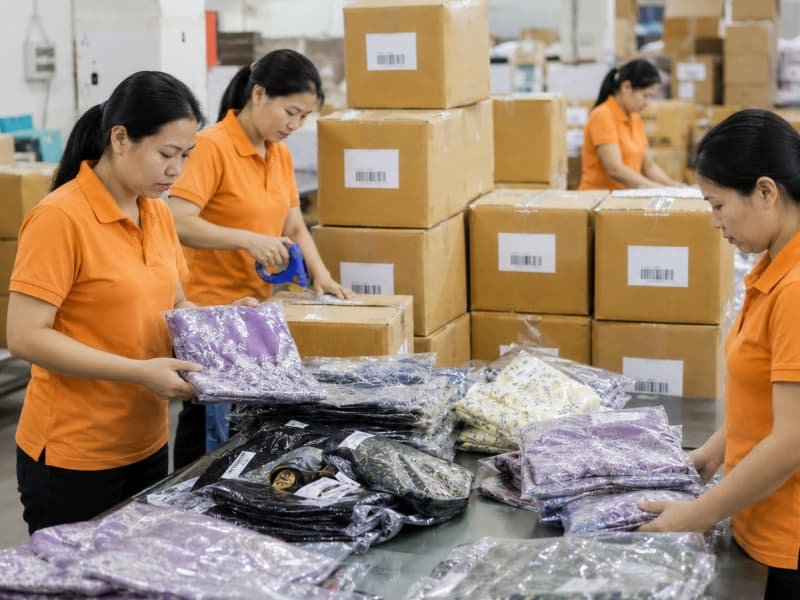
Packing and Delivery Evidence
Frequently Asked Questions
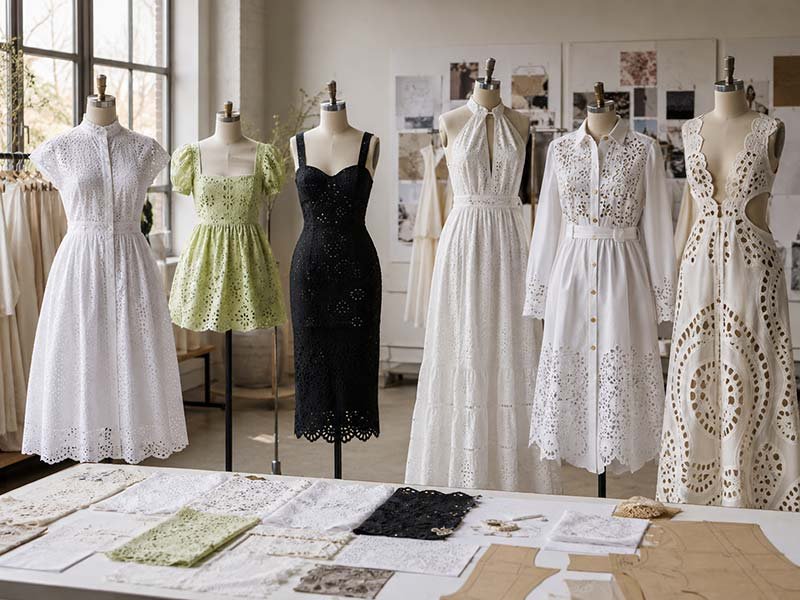
Submit Your Womenswear Project for Evaluation
Share the information currently available for your women’s clothing program. A complete brief helps Duolan assess the product direction, material and fit risks, sample route, production feasibility, timeline and quotation basis with greater accuracy. Projects can begin from a tech pack, original sample, reference images or a collection mood. The first review does not require every technical detail to be finished; the team can identify which information is sufficient to begin and which decisions should be confirmed before sampling or bulk production.
Please include where available:
- Company or brand profile and target market.
- Product categories and number of styles.
- Tech packs, reference images or original sample information.
- Fabric, color and trim direction.
- Base size, size range and measurement standard.
- Estimated quantity by style, color and size.
- Sample purpose and current approval status.
- Target launch, delivery or warehouse date.
- Quality, testing, inspection and compliance requirements.
- Labels, barcodes, packaging and shipping expectations.


