...

Full-Package Women's Clothing Manufacturing

Dress-focused product development and manufacturing for established fashion brands, buying teams, sourcing offices, and multi-style collection programs.

  • 30+ years of fast-fashion womenswear development experience behind the Duolan manufacturing system.
  • 16 owned factories and 20+ coordinated satellite factories support development, production allocation, repeat orders, and seasonal volume changes.
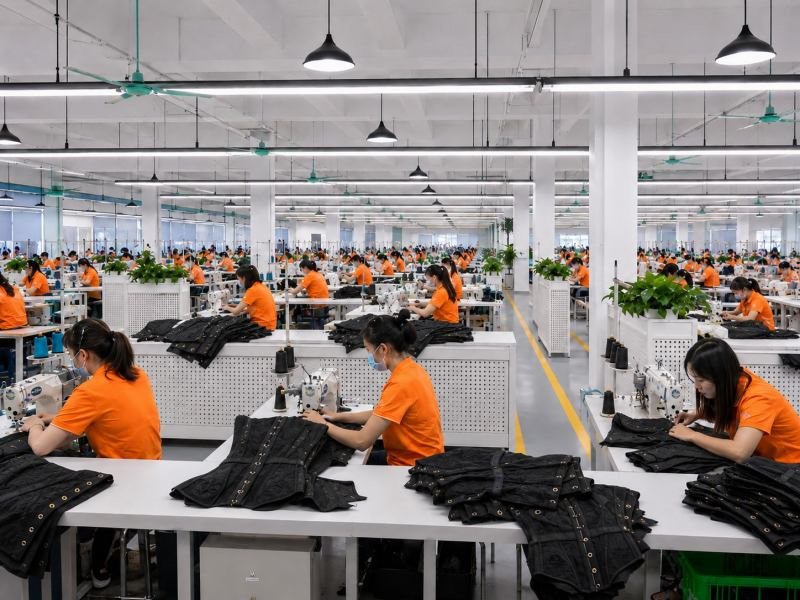
  • 300 sewing lines plus 50+ quick-response and flexible lines support multi-style programs, launch orders, and replenishment planning.
  • Stable monthly capacity is approximately 6.5 million garments, with higher peak capacity available through coordinated production planning.
  • SMETA and SMETA 2-Pillar audit records support brand-level supplier evaluation and social compliance review.

From collection briefs, tech packs, reference garments, or approved design directions, Duolan coordinates fabric and trim development, pattern making, sampling, production readiness, bulk manufacturing, quality control, branded packing, and shipment preparation through one managed project path.

What Full-Package Manufacturing Includes

Full-package women’s clothing manufacturing places product development, material coordination, sample execution, bulk production, quality control, packing, and delivery preparation under one accountable manufacturing system. The brand retains approval authority while Duolan coordinates the technical and production work needed to move a concept toward repeatable commercial production.

Project Review

The project begins with a review of product category, design intent, target market, launch timing, expected quantity, price position, size standard, and required approvals. A clear starting review prevents a collection brief, reference image, or tech pack from moving into development with unresolved assumptions.

Product Development

Design directions are translated into decisions on silhouette, proportion, fit, construction, material behavior, support structure, finishing, and production feasibility. The objective is not to alter the brand identity, but to define a workable route that protects the intended appearance and commercial positioning.

Material Sourcing

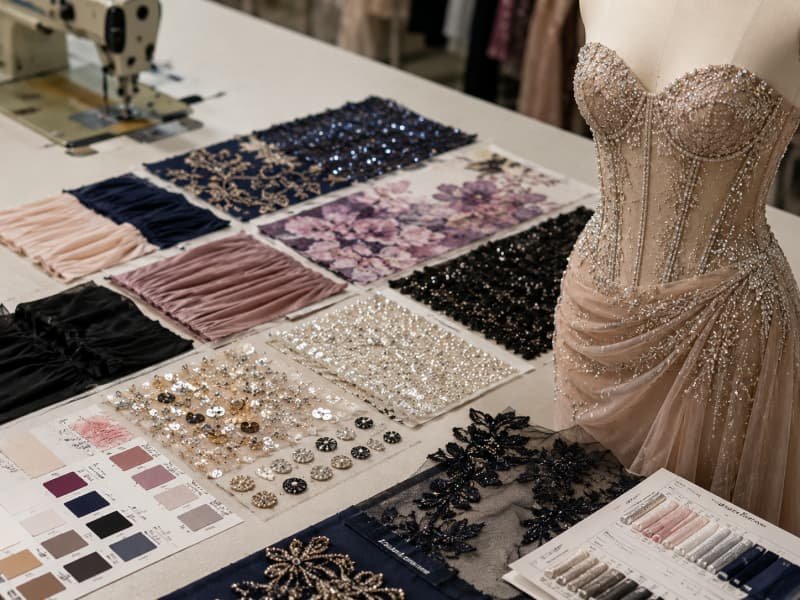
Main fabric, lining, interlining, zippers, elastic, cups, boning, labels, trims, and packaging materials are evaluated together. Selection considers drape, stretch, opacity, recovery, handfeel, color, availability, testing needs, production loss, and compatibility with the target garment structure.

Pattern Making

Patterns are developed or corrected around the chosen fabric, base size, intended fit, seam construction, support points, and grading logic. For fitted dresses and shape-sensitive products, bust balance, waist position, hip contour, neckline security, skirt fall, and movement require coordinated pattern decisions.

Sample Development

Sample stages are defined by purpose rather than treated as one repeated prototype. A project may require a first proto, fit sample, revised sample, photo or salesman sample, size-set sample, and pre-production sample. Each round has a defined review target and revision record.

Bulk Production

Before line release, the approved direction is converted into a production standard. Materials, measurements, construction points, workmanship, labels, packing, production route, and quality checkpoints are aligned so the approved sample can be reproduced across sizes, colors, lines, and production batches.

Quality Control

Quality control starts before sewing. Fabric behavior, shrinkage, color, support materials, trim function, sample standards, PP approval, first-piece checks, inline inspection, final inspection, pressing, labeling, barcode accuracy, packing, and carton details form one connected control path.

Delivery Preparation

Completed garments are checked against quantity, labeling, packing, carton marks, documentation, and forwarding instructions. Shipment preparation can follow the brand’s nominated forwarder, distribution plan, warehouse requirements, and phased delivery priorities when the order structure requires separate release dates.

Built for Structured Fashion Programs

Duolan is best matched with organizations that already have a clear market position, defined product direction, planned development activity, and a need for reliable movement from concept to commercial production.

Established Fashion Brands

Fast-moving fashion brands usually manage seasonal drops, repeatable silhouettes, commercial core styles, image styles, and event-led capsules at the same time. Duolan supports the technical and manufacturing work behind those programs, including multi-style sampling, material coordination, production allocation, quality control, and repeat-order standard preservation.

Buying and Product Teams

Buying, design, technical, and product development teams need comments converted into measurable actions. Duolan organizes fabric direction, pattern changes, sample purpose, fit priorities, BOM details, PP standards, production milestones, and inspection points so approvals can move through an ordered workflow rather than through disconnected messages.

Sourcing Offices and Groups

Sourcing offices and multi-brand fashion groups often need one supplier to coordinate multiple styles, materials, factories, quality expectations, documents, and delivery dates. Duolan’s owned-factory control and coordinated manufacturing network can support category allocation, multi-line production, reporting, confidentiality, audit review, and long-term program planning.

Control Risks Before They Reach Bulk

Full-package service creates value when unclear decisions become confirmed standards before cost, quality, or timing problems spread across a multi-style order. Duolan links each common risk to a defined review point and a visible project output.

Risk AreaWhat Can Go WrongDuolan Control PointVisible Output
Design translationVisual direction is interpreted differently by design, pattern, sampling, and production teams.Design intent and feasibility review before pattern or material commitment.Development review note
Fabric mismatchDrape, stretch, opacity, recovery, or weight cannot support the target silhouette.Fabric behavior review, swatch comparison, lining check, and alternative recommendation.Material direction and swatch board
Fit driftComments are discussed visually but not converted into measurement or pattern actions.Comments classified by fit, measurement, structure, and visual preference.Revision summary and updated spec
Sample-to-bulk gapA sample looks correct but lacks locked materials, workmanship, and production references.Bulk readiness review with PP basis, BOM, measurements, trims, workmanship, and packing.Production readiness note
Complex workmanshipBoning, lining, drape, sequin attachment, mesh coverage, or closures vary in production.First-piece or pilot verification before full line release.Pilot or first-piece confirmation
Multi-style delayMaterials, comments, approvals, and line priorities move at different speeds.Style-level scheduling and critical-path planning by complexity and material readiness.Production path and timeline plan
Quality discovered lateDefects are found only during final inspection, leaving little correction time.Pre-production, first-piece, inline, final, and packing checkpoints.QC updates and inspection records
Reorder inconsistencyOriginal material, pattern, fit, or production settings are not preserved.Archive approved pattern, BOM, workmanship, QC, packaging, and issue records.Reorder reference file

One Workflow from Brief to Shipment

Each stage has a purpose, an approval point, and a handover condition. The workflow keeps design, sourcing, technical development, production, quality, and delivery teams aligned around the same commercial product.

Brief Review

Review the brand profile, product category, reference materials, expected quantity, size and color plan, price position, launch calendar, packaging, and market requirements. Missing information is identified before costing or sampling begins.
By Silhouette​

Direction Check

Evaluate silhouette, fabric behavior, fit, support, construction, special processes, and commercial feasibility. Decisions likely to affect cost, timing, or bulk repeatability are raised before pattern work advances.

Material Plan

Source or develop fabrics, linings, interlinings, trims, labels, and packaging. Swatches, color direction, substitute options, supply lead time, testing needs, and bulk availability are reviewed together.

Pattern Development

Create or correct the base pattern, measurements, seam construction, support areas, and grading logic. Pattern work follows the actual fabric and sample purpose rather than relying on a generic block.

Sample Rounds

Run the agreed sample sequence and provide staged updates. Each review separates fit comments, visual preferences, material changes, construction issues, and production-related points before the next sample round starts.
Bulk Quality Benchmark

Bulk Readiness

Confirm approval status, material standards, measurements, workmanship, BOM, labels, packing, production route, quality checkpoints, and any first-piece or pilot requirement before full production release.

Production Control

Break the order down by style, color, size, quantity, complexity, and process. Match each group to the appropriate line or factory while tracking material readiness, key operations, inline quality, and schedule status.
9 Packaging and Global Delivery Planning

Packing and Delivery

Complete final inspection, pressing, labels, barcodes, packing, carton marks, quantity verification, and shipment documentation. Delivery preparation follows the required forwarding route and release priorities.

Full Package, CMT, or Private Label

The right manufacturing model depends on how much product development, material management, and production coordination already exists inside the brand. Duolan can review available files and recommend the route with the clearest responsibility split.

ResponsibilityFull PackageCMT / Cut-and-SewPrivate Label
Product directionReviewed and translated with the manufacturerNormally defined by the brandSelected from an existing product base
Tech pack and patternDeveloped, completed, or refined as requiredUsually supplied and production-readyExisting blocks with limited changes
Fabric and trimsSourced and coordinated against design, cost, and lead timeOften supplied or nominated by the brandChosen from preset options
SamplingStage-based development through fit and production readinessExecution against supplied standardsLimited fit and detail changes
Bulk standardApproved sample, BOM, measurements, workmanship, and packing locked togetherBrand supplies most production referencesStandardized factory references
Project managementOne managed path across development, materials, production, QC, and deliveryBrand coordinates more external inputsSimplified prebuilt route
Best fitMulti-style fashion programs requiring development and manufacturing supportTechnically prepared teams with established sourcing resourcesPrograms prioritizing speed through standardized products

Three Ways to Start Development

A full-package program does not require the same starting file for every style. Duolan can begin from complete technical documentation, an original or reference garment, or a structured collection brief.

Complete Tech Pack

Suitable for teams with established technical development.
Duolan reviews whether the files are ready for sourcing, pattern execution, sampling, costing, and production planning.

  • Measurements and grading rules
  • BOM and construction details
  • Fabric and trim specifications
  • Labels, packing, quantity, and launch date

Reference Garment

Suitable when the desired fit, construction, fabric behavior, or market benchmark is easier to communicate through a physical garment or detailed reference. The review separates inspiration from production-ready specifications.
  • Silhouette and fit priorities
  • Materials and internal structure
  • Construction and finishing
  • Required changes and authorization boundaries

Collection Brief

Suitable for a planned drop, capsule, occasion line, or seasonal dress program. A clear brief helps coordinate the relationship between image styles, commercial styles, materials, price levels, and development timing.

  • Brand and target market
  • Moodboard and product categories
  • Target price position
  • Style count, quantities, and launch calendar

Women's Fashion Categories We Develop

Duolan’s full-package system is centered on fashion-driven dresses and coordinated womenswear. Product development decisions change by silhouette, wearing occasion, material behavior, internal structure, and expected production volume.
Fashion Dresses

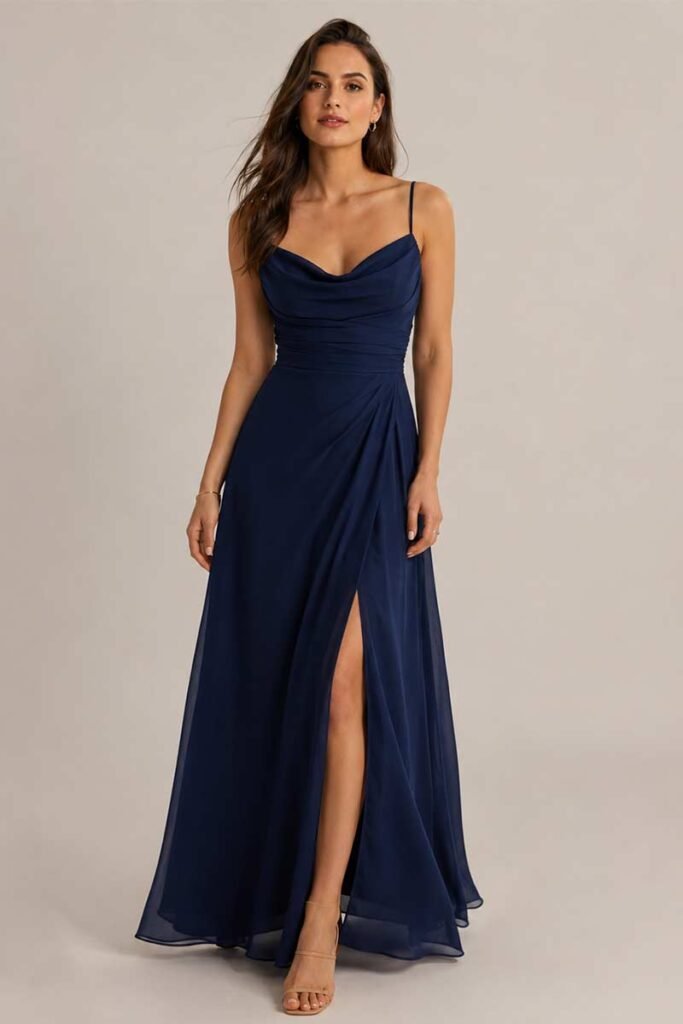
Mini, midi, and maxi fashion dresses require balanced decisions across silhouette, color, surface detail, fabric movement, and construction cost. Duolan can coordinate fitted, relaxed, asymmetric, cut-out, ruched, draped, halter, one-shoulder, and backless directions while keeping the style suitable for sampling, grading, sewing, pressing, and commercial repeat production.

Occasion Dresses

Cocktail, wedding guest, formal, semi-formal, graduation, homecoming, and event-led dresses often carry higher expectations for shape, lining, support, finish, and visual consistency. Development focuses on bust and waist balance, neckline security, skirt fall, internal coverage, zipper stability, clean interior construction, and presentation under event lighting and photography.

Party Dresses

Party and going-out products rely on fast visual impact but still need controlled wearing performance. Sequin, mesh, lace, metallic, embellished, satin, cut-out, corset, and bodycon styles are evaluated for skin contact, transparency, weight, stretch, support, attachment strength, movement, pressing, packing friction, and the ability to reproduce the approved look across production batches.

Fitted Dresses

Bodycon, bandage-inspired, corset, bustier, and contour-led dresses demand closer control of stretch, recovery, negative ease, lining, cups, boning, neckline hold, waist shaping, hip contour, and grade balance. The pattern cannot be separated from fabric behavior. Fit comments are converted into measurable adjustments before the style becomes a bulk standard.

Fashion Sets

Two-piece sets, skirt sets, coordinated tops, and occasion combinations need consistency across proportion, color, fabric batch, trim finish, size pairing, and packing. Duolan can manage a set as one selling unit while preserving separate pattern, construction, labeling, and quality references for each component.

Refined Fashion Tops

Corset tops, bodysuit-related tops, halter tops, fitted knit tops, mesh or lace tops, and occasion separates can support a dress-led collection. Development considers neckline security, bust coverage, support, closure, hem finish, stretch, attachment points, pairing with skirts or trousers, and extension from an approved dress fit block.

Design Decisions Built for Production

Strong development connects the brand’s visual language with fabric behavior, fit, construction, cost, and repeatability. Duolan reviews the decisions hidden behind the reference image before a pattern or sample commits the project to the wrong route.

Interpreting the Product Direction

A reference image shows an appearance, but it rarely explains the intended wearer, retail position, size standard, fabric handfeel, internal construction, comfort expectation, or production quantity. Duolan begins by identifying the role of the style inside the collection. An image-led hero piece may accept higher workmanship complexity, while a commercial repeat style needs a more stable material and construction route. Occasion products may prioritize support and presentation; vacation products may prioritize movement, print, lightness, and packability; fitted products may prioritize contour and recovery. The review also separates essential design signatures from details that can be adjusted without weakening the brand expression. Neckline shape, cut-out position, waist placement, skirt volume, drape direction, closure, lining coverage, and embellishment density are discussed as product decisions, not visual decoration alone. A clear direction prevents design, sourcing, pattern, sample, costing, and production teams from building different interpretations of the same style.

Turning Ideas into Specifications

Once the intended result is clear, the design is translated into measurable and repeatable standards. Silhouette becomes pattern shape and balance; drape becomes fabric weight, bias direction, seam placement, and pressing method; support becomes cups, boning, elastic, interlining, grip tape, straps, or internal panels; transparency becomes mesh density, lining type, coverage area, color matching, and seam finish. Decorative details are converted into size, placement, spacing, density, attachment method, color, finish, and tolerance. The same discipline applies to zippers, hooks, buttons, eyelets, lace, labels, hangtags, and packing presentation. Cost is reviewed at the decision level. A detail may increase labor, material loss, process steps, inspection time, or packing risk without adding equal retail value. Duolan can propose options that preserve the strongest visible effect while improving production stability or cost alignment. The brand remains the approval authority, while the manufacturing team makes the production consequences visible before sampling advances.

Balancing Appearance and Repeatability

A development sample can sometimes achieve a strong appearance through hand adjustment, special handling, or one-off workmanship that cannot be repeated reliably across thousands of units. Production-led design review looks beyond the first sample. Seams must remain stable after grading; drape must survive cutting direction and batch variation; support materials must retain shape across sizes; decorative placement needs an executable guide; lining must protect coverage and movement; pressing must be achievable without shine, flattening, or distortion. For a multi-style collection, the same review also considers shared fabrics, coordinated colors, common trims, reusable fit blocks, compatible construction methods, and production sequencing. Those decisions reduce unnecessary variation and make future color extensions or reorders easier. The goal is not to simplify every design. The goal is to select complexity deliberately and document the elements that must remain consistent from approved sample to bulk production.

Fabric and Trim Sourcing with Technical Control

Material selection determines how a garment looks, fits, feels, costs, performs in production, and reaches the market. Duolan coordinates sourcing with pattern, sample, workmanship, and delivery decisions rather than treating fabric purchase as a separate task.

Matching Fabric to Silhouette

The material review starts with the intended silhouette and wearing experience. Satin requires decisions on weight, surface sensitivity, luster, drape, snagging, seam impression, color depth, and pressing. Stretch jersey requires composition, weight, stretch direction, recovery, opacity, growth, and shrinkage control. Mesh requires elasticity, transparency, edge behavior, skin contact, lining compatibility, and seam stability. Lace requires motif scale, edge use, placement, joining, backing, and color coordination. Sequin materials require base fabric strength, density, weight, seam clearance, skin protection, shedding risk, and packing protection. Woven fabrics used for structured dresses require body, fusing compatibility, crease recovery, and stability around necklines, waist panels, zippers, and support areas. Duolan can compare swatches and alternatives against the target appearance, price position, quantity, and launch date before the material becomes part of the sample route.

Building the Complete Material System

A dress is not defined by its main fabric alone. Lining influences opacity, comfort, movement, color depth, static behavior, and the quality of the interior finish. Interlining stabilizes necklines, waistbands, plackets, cups, bust panels, and tailored areas. Boning, cups, grip tape, elastic, zippers, hooks, eyelets, buttons, lace, cords, labels, hangtags, and packaging need clear specifications for size, color, material, finish, strength, placement, and bulk availability. Small trim changes can create a visible difference between an approved sample and production. Duolan uses swatch boards, trim cards, color references, and BOM information to connect each component with the correct style and sample version. For collections with several fabrics or colorways, material grouping can reduce fragmented sourcing while keeping the product range visually varied. The resulting material plan supports costing, sampling, production preparation, testing, and reorder reference.

Alternatives, Color, and Bulk Locking

Material sourcing often requires decisions when the preferred option has an unsuitable minimum, unstable color, long delivery, inconsistent stretch, limited repeat availability, or a cost that conflicts with the intended retail position. Duolan can evaluate alternatives by comparing the properties that matter to the style rather than matching appearance alone. A replacement for satin must be reviewed for drape and seam behavior; a replacement for stretch mesh must be reviewed for recovery and transparency; a replacement lining must preserve coverage, handfeel, and stretch compatibility. Color approval may involve lab dips, strike-offs, printed panels, embroidery samples, metallic finishes, or trim plating references depending on the design. Before bulk production, approved fabric, lining, trims, color references, and packaging materials are linked to the BOM and PP basis. Material locking reduces unapproved substitutions and creates a clearer standard for production, inspection, and future repeat orders.

Pattern, Fit, Size, and Sample Development

Fashion dresses succeed or fail on the body. Duolan links pattern engineering, fabric behavior, sample purpose, comments, size standards, and production feasibility so each round moves toward a defined approval rather than becoming another isolated prototype.

Pattern Development Around Real Materials

Pattern work begins with the intended silhouette, base-size measurements, body proportions, fabric stretch or drape, support requirements, seam construction, and the purpose of the sample. A fitted jersey dress needs controlled negative ease and recovery; a satin slip needs grain, bias, neckline, strap, and hang-balance decisions; a corset style needs cup position, boning lines, waist shaping, closure, and internal support; a halter or backless dress needs neckline security and tension distribution. Duolan can work from a supplied pattern, develop from a tech pack, correct a reference garment, or build a base pattern around an approved design direction. The pattern team reviews bust balance, waist placement, hip contour, shoulder balance, armhole shape, neckline coverage, skirt fall, vent or slit position, and movement. Seam allowances, notches, construction marks, and grading logic are prepared with future production in mind rather than added after the visual sample is approved.

Fit Comments Converted into Actions

Useful fit communication separates measurable correction from visual preference. Duolan organizes comments into fit adjustment, measurement change, pattern balance, construction change, material response, visual refinement, and production-related risk. A neckline that appears loose may involve pattern shape, elastic length, fabric recovery, strap position, or support construction; a skirt that twists may involve grain, cutting, seam balance, or fabric relaxation; a bodice that rides up may involve length balance, stretch, waist tension, or cup position. Comments are summarized before the next sample round so the pattern team, sample team, material team, and project contact follow the same priorities. Updated measurements, marked photos, revision notes, and sample references can be used according to the program. The method reduces repeated interpretation and gives the brand a clearer basis for approving fit, appearance, and production readiness.

Sample Stages and Lead-Time Control

Sample timing is issued after style complexity, material availability, special processes, and required sample purpose are reviewed. A simple visual prototype and a lined, boned, embellished, or fit-sensitive occasion dress do not follow the same route. The Sample Plan can identify first proto, fit sample, revised sample, photo or salesman sample, size-set sample, and pre-production sample as separate stages when required. Duolan normally provides staged updates at sample launch, at critical development points, and before completion so unresolved fabric, fit, or structure decisions can be addressed before the sample is finished. Revised-sample timing is confirmed after comments are classified and material changes are understood. Size development follows the brand’s base-size chart and grading rules; alpha, numeric, or market-specific size systems can be handled when the required measurement standard is supplied. A project-specific schedule is more reliable than a single advertised number applied to every garment.

Workmanship Standards for Fashion-Driven Garments

Clean workmanship is not a single inspection result. It comes from selecting suitable seam, support, lining, closure, decorative, pressing, and finishing methods for the material and silhouette before bulk production begins.
2Stretch Seam Control (1)

Seams and Stretch

Seam type, thread, stitch density, seam allowance, reinforcement, and stretch compatibility are selected around fabric behavior and garment stress. Fitted knits need stretch without seam cracking or waviness; satin needs controlled handling to reduce puckering and visible needle marks; mesh and lace require clean joining and stable edges. High-stress areas such as straps, zippers, slits, waist seams, and attachment points receive targeted reinforcement.

Lining and Interior

The interior affects comfort, confidence, coverage, movement, and perceived quality. Lining length, color, stretch, handfeel, opacity, seam finish, and attachment must match the outer material and wearing occasion. Structured products may require clean support panels and protected boning; sequin or beaded products need skin protection; light colors require coverage checks under strong light and seated movement.
Trim and Support Materials​

Support and Closures

Cups, boning, interlining, elastic, grip tape, straps, hooks, eyelets, zippers, lacing, and internal panels work as one support system. Position and tension matter as much as component quality. Closure length, zipper behavior, hook security, eyelet finish, strap load, and neckline hold are reviewed in the sample and first-piece stages so support remains functional across the size range.

Hems and Drape

Hem construction influences weight, movement, line, and visual finish. Narrow hems, blind hems, baby hems, binding, facing, lining connection, weighted areas, and curved or bias hems require different handling. Fabric relaxation and leveling can be important for bias or fluid skirts. Pressing and hanging control help prevent uneven length, flare distortion, seam impression, and loss of intended drape.

Decorative Attachment

Sequins, beads, rhinestones, pearls, embroidery, lace appliques, bows, flowers, and metal trims need defined placement, density, attachment, seam clearance, skin-contact protection, and repair standards. Production instructions must show where decoration stops at seams, zippers, darts, and hems. Inspection checks shedding, sharp edges, missing pieces, color variation, secure attachment, and packing abrasion.

Pressing and Presentation

Final appearance depends on controlled pressing, shaping, thread cleaning, stain removal, surface protection, folding, and packing. Satin, velvet, coated, pleated, metallic, and embellished materials can be damaged by incorrect heat, pressure, or handling. The finishing method is aligned before production, then checked against the approved sample so silhouette, sheen, pleats, seams, and decoration arrive in saleable condition.

From Approved Sample to Bulk Standard

Sample approval does not automatically mean a style is ready for thousands of units. Duolan runs a structured transition so the production line, material team, technical team, quality team, and brand team use the same approved references.

Bulk Readiness Review

Before production starts, the current sample status is identified: fit confirmed, visual confirmed, suitable as a PP basis, or still pending refinement. The order purpose also matters. A launch order, repeat order, scale-up order, or phased program may require a different production route and control level. Duolan reviews main fabric, lining, trims, colors, measurements, workmanship points, labels, packing requirements, quality expectations, and outstanding approvals. Styles are classified by fit sensitivity, material sensitivity, special process, visual risk, and production complexity. The review also considers whether one factory or line can carry the program efficiently or whether coordinated allocation is more suitable. The output can be summarized as a Bulk Start Confirmation or Production Readiness Note, giving the project team a clear view of what is locked, what still requires approval, and what must be monitored during production.

First-Piece and Pilot Verification

For fit-sensitive, structure-sensitive, material-sensitive, or workmanship-heavy styles, Duolan can verify a first piece, a controlled pilot quantity, or critical operations before full line release. Corset and bustier dresses may require another check of cup position, boning, waist balance, lining, and closure. Bodycon products may require stretch, recovery, seam, opacity, and size checks. Satin products may require seam appearance, handling, pressing, and packing checks. Sequin, mesh, lace, halter, and backless products may require attachment, coverage, support, edge finish, or tension verification. Pilot control is not a substitute for PP approval. It checks whether the approved standard can be executed by the assigned production route. Issues found at this stage are easier to isolate and correct before they spread across several thousand garments.

Locking the Production Reference

Production references need to be usable on the factory floor and at inspection. The approved PP or golden sample is aligned with the BOM, measurement specification, grading rules, fabric and trim cards, construction details, workmanship sheet, placement references, label files, barcode information, folding method, polybag details, and carton requirements. Critical points are translated into checkpoints for first-piece, inline, final, and packing inspection. For multi-style programs, each style receives its own controlled reference while shared materials and processes remain linked across the collection. Approved patterns, material details, production notes, quality issues, and correction records can be archived for repeat orders. The result is not merely an attractive sample; it is a documented standard that can be taught, produced, checked, and reused.

Project Management with Visible Milestones

A managed program turns discussions into actions, approvals, and production records. Duolan separates development, sampling, bulk preparation, production, quality, packing, and reorder work so each stage can be tracked without mixing unresolved decisions.

Inquiry Review

The initial files are checked for product match, development stage, material direction, quantity, size and color plan, quality requirements, and target date. The reply identifies missing information and the most suitable next step instead of returning a generic quotation.

Development Brief

Design intent, sample purpose, fit priorities, material expectations, structure, special processes, target price position, and approval responsibilities are summarized for the internal development route.

Material Coordination

Swatches, color work, trims, lining, support materials, substitutions, availability, and sourcing risks are tracked against the style and sample version to avoid detached material decisions.

Sample Tracking

Sample launch, critical-point update, completion review, comments, revision summary, and the next sample objective are separated. Complex styles receive earlier clarification when fit, structure, or material behavior may change the result.

Bulk Preparation

Approval status, BOM, measurements, workmanship, labels, packaging, material readiness, production path, and quality checkpoints are confirmed before line release.

Production Timeline

Orders are broken down by style, color, size, quantity, process, and complexity. Milestones are planned backward from required delivery, with attention to material arrival, pilot work, line loading, inspection, packing, and shipping buffer.

Quality Updates

Critical production and quality information can be shared through first-piece notes, inline photos, measurement records, issue-and-correction updates, final inspection, and packing confirmation according to the agreed reporting level.

Reorder Record

Approved patterns, BOM data, materials, construction, fit, quality findings, packaging, and production history are retained as reference for color extensions, repeat orders, length changes, or collection expansion.

Scale for Multi-Style Brand Programs

Manufacturing scale matters only when it is organized around the product. Duolan combines direct factory control, flexible lines, coordinated capacity, sample development depth, and specialist process resources for programs that may grow from development into repeat production.

16 Owned Factories

Owned factories provide direct control for priority styles, complex products, technical development, and key production standards. Factory allocation follows garment category, workmanship, material, fit sensitivity, quantity, and required timing rather than using one line for every style.

20+ Satellite Factories

Long-term coordinated factories add capacity for repeat orders, seasonal peaks, regional production support, and style allocation. The network is managed as production capacity, not presented as a substitute for approval, factory suitability review, or quality control.

300 Sewing Lines

A large sewing-line base supports parallel execution across multiple styles, colors, and production paths. The benefit for a fashion program is the ability to separate complex, standard, repeat, and time-sensitive products rather than forcing all styles through one production sequence.

50+ Flexible Lines

Quick-response and flexible lines support development-to-order transition, launch quantities, selected test programs, replenishment, and shorter production paths when materials and approvals are ready. Suitability is evaluated by style complexity and capacity status.

6.5M Monthly Capacity

Stable monthly production capacity is approximately 6.5 million garments, with peak capacity reported at up to 10 million through the wider manufacturing system. Capacity is planned against confirmed orders, materials, factories, lines, and quality requirements.

High Sample Throughput

The wider development system reports monthly sample capacity of approximately 15,000 to 35,000 pieces or sample events and can support thousands of style-development workflows. Scale is paired with stage-based review so output volume does not replace sample purpose or technical control.

Special Processes Managed as Production Systems

Decorative and finishing processes create value only when material, placement, construction, loss, testing, timing, and inspection are planned together. Duolan coordinates specialist resources around the garment rather than adding processes after the sample direction is fixed.

Print Development
Digital, transfer, screen, and other print routes are evaluated by fabric composition, stretch, color depth, artwork scale, repeat, placement, handfeel, fixation, shrinkage, and order quantity. Strike-offs or printed panels can confirm color and artwork behavior before garment sampling. Bulk control reviews lot consistency, placement, registration, curing, and how printed areas interact with seams, gathers, pleats, and cut components.

Embroidery

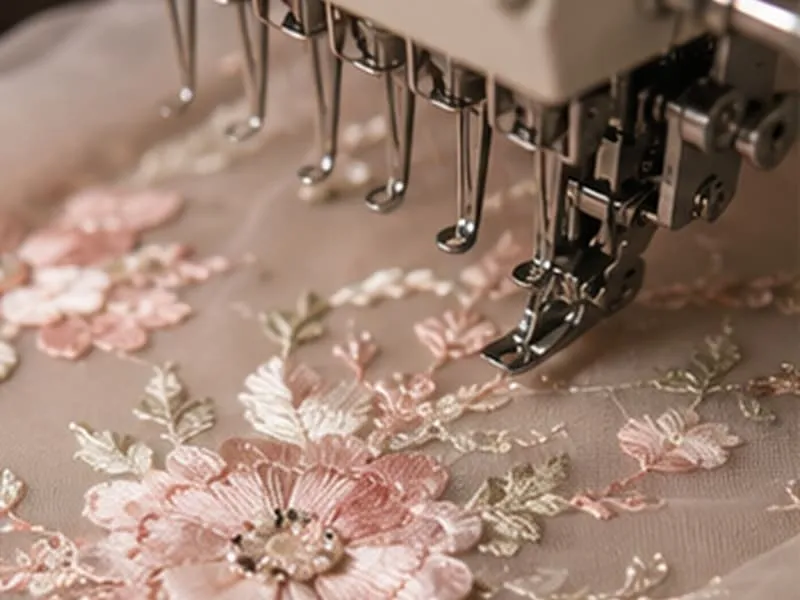
Embroidery is planned around motif size, stitch density, backing, thread, fabric stability, placement, seam interference, skin contact, and garment weight. Lightweight satin, mesh, lace, stretch fabric, and structured panels require different stabilization. Sample approval should show placement and surface effect, while production instructions define reference points, tolerance, trimming, loose threads, backing removal, and final pressing.

Sequin and Beading

Sequin, pearl, bead, rhinestone, and combined decoration require base-material review, density, weight, attachment, seam clearance, skin protection, missing-piece standards, repair method, and packing protection. Hand and machine processes may require different capacity and timing plans. The production route must also address cutting loss, needle risk, lining, zipper zones, pressing limits, and abrasion during transport.

Dyeing and Wash

Dip dye, garment dye, wash effects, and finishing are evaluated for fabric composition, color migration, shrinkage, measurement change, seam behavior, trim compatibility, and batch variation. Sample effects need a production recipe and tolerance rather than a visual reference alone. Post-process measurement, handfeel, color, and appearance checks help determine whether the garment remains consistent with the approved fit and presentation.

Pleating and Setting

Pleating, heat setting, crinkle, and shaped finishing depend on fiber content, heat response, panel dimensions, seam order, shrinkage, storage, and packing. Pleats can change width, length, volume, and visual rhythm. Development checks the process on the actual material, then defines how panels are cut, pleated, assembled, pressed, protected, and packed so the final garment retains the approved structure.

Decorative Finishing

Appliques, bows, flowers, fringe, feathers, metallic trims, lace placement, laser-cut details, and combined surface treatments are reviewed for attachment, comfort, durability, production order, repair, inspection, and packaging. The strongest visual solution is selected together with a repeatable production method and an appropriate control standard.

Quality, Compliance, and Delivery Control

Quality is built through connected decisions from development to packing. Duolan uses product-specific checkpoints so fit, materials, workmanship, branding, and final presentation remain aligned with the approved production standard.

Development Review

Identify risk in stretch, opacity, support, drape, shrinkage, surface sensitivity, complex seams, decoration, and construction before the sample route is finalized.

Material Inspection

Review incoming fabric and trims for relevant points such as color, width, weight, appearance, defects, stretch, shrinkage, function, and agreement with approved references.

Pre-Production

Align PP sample, BOM, measurement specification, grading, workmanship, labels, packaging, critical operations, and inspection points through production preparation.

First-Piece Check

Verify the assigned production route against the approved standard, especially for fitted, structured, satin, mesh, lace, sequin, backless, halter, or other sensitive styles.

Inline Inspection

Check measurements, seam appearance, construction, matching, attachments, closures, lining, decoration, color, workmanship, and issue correction while production is still active.

Final Inspection

Review appearance, measurements, workmanship, color consistency, pressing, labels, hangtags, barcodes, quantity, and required brand presentation before packing release.

Packing Control

Confirm folding, protective materials, polybags, size stickers, barcodes, assortments, carton quantity, carton marks, and handling needs for sensitive surfaces or decoration.

Compliance Support

Duolan factories have completed SMETA and SMETA 2-Pillar audits. Project requirements can be reviewed against applicable brand standards and relevant frameworks such as BSCI, ISO 9001, AATCC, ASTM, OEKO-TEX, EN, China GB, GOTS, or specific testing instructions.

Anonymous Full-Package Project Profiles

The following anonymized profiles reflect the style counts and order scales commonly managed in established fashion programs. Brand names, labels, unreleased designs, and proprietary documents are not displayed. The examples focus on development logic, production control, and commercial order structure.

US Occasionwear Collection

An established US occasionwear label prepared an 18-style capsule covering corset minis, satin midis, lined mesh dresses, and embellished party styles. The confirmed production plan totaled approximately 42,000 garments across four color groups and a five-size range. The main development risk came from different support and lining requirements across styles that shared a similar visual direction. Duolan grouped the collection into structured, fluid, stretch, and embellished production paths. Fabric and lining choices were reviewed by silhouette; fit comments were separated from visual changes; high-risk styles moved through first-piece verification before line release. The production standard connected approved PP samples, BOM details, measurements, workmanship points, label files, and packing references. The order was scheduled by material readiness and complexity rather than by style number alone, allowing the collection to move through coordinated production and inspection without treating all 18 styles as one undifferentiated order.

Going-Out Multi-Style Program

A fashion-led program for the US and Australian markets included 24 styles and approximately 68,000 garments. The range combined fitted jersey dresses, halter and backless shapes, cut-out styles, metallic fabrics, two-piece sets, and refined tops. Six material groups and several special trims created a risk of fragmented sourcing and inconsistent fit. Duolan organized shared fabric and trim families, then assigned separate development priorities to contour-led, support-led, and surface-sensitive products. Comments were issued through revision summaries, with fabric changes and production-related points separated from fit preference. Three production paths were used to match style complexity and timing. First-piece and inline checks focused on neckline security, stretch recovery, seam behavior, lining coverage, trim attachment, and color consistency. The project structure allowed the range to retain one collection direction while using different technical routes where the garments required them.
Case-01|United-States-Limited-Going-out

Partywear Repeat Order

A repeat partywear program covered 12 proven styles and approximately 26,000 garments, including new color extensions and updated decorative details. The commercial priority was speed without losing the fit and workmanship established in the original launch. Duolan retrieved approved pattern, measurement, BOM, material, construction, packing, and quality references, then reviewed which components remained available and which needed replacement. Color work and trim finish were confirmed before production. Updated decoration was tested for placement, attachment, skin contact, and packing abrasion. The repeat order used familiar production references and selected lines, while first-piece checks verified the new color and surface details. Reusing controlled standards reduced unnecessary redevelopment and kept attention on the changes that could alter the approved result. The case illustrates how full-package manufacturing continues after the first order through record preservation, material review, controlled modification, and repeat production planning.

Australian Partywear Launch​

Full-Package Manufacturing Frequently Asked Questions

It can include project review, product development, fabric and trim sourcing, pattern making, sampling, fit revision, costing, bulk readiness, production planning, manufacturing, quality control, labels, branded packing, shipment preparation, and reorder reference. The exact scope is confirmed in the project plan because some brands supply complete technical files while others require deeper development support.
Full package places more development and sourcing responsibility with the manufacturer. CMT normally begins when the brand already controls patterns, materials, technical standards, and production inputs. Duolan can review the available files and identify whether a full-package, development-plus-production, or execution-led route is more suitable.
No. Development can begin from a complete tech pack, an original garment, detailed reference images, or a structured collection brief. Clear information on product purpose, target market, quantity, size standard, material direction, quality, price position, and launch date improves the accuracy of the development path and quotation.
Yes. Main fabrics, linings, interlinings, zippers, elastic, cups, boning, buttons, hooks, eyelets, lace, decoration, labels, hangtags, and packaging can be coordinated. Selection considers appearance, performance, availability, bulk repeatability, process compatibility, testing needs, cost, and lead time.
Lead time is confirmed after reviewing style complexity, material availability, pattern status, special processes, sample purpose, and approval requirements. The Sample Plan can separate first proto, fit, revision, photo, size-set, and PP stages. Revised-sample timing is updated after comments and material changes are classified.
Yes. Pattern and grading work can follow a supplied base-size chart, measurement specification, grade rule, fit block, original sample, or market-specific size system. The development review should identify priority fit points, intended ease, fabric behavior, and any tolerance or measuring-method requirements.
Duolan conducts a bulk readiness review covering approval status, fabric, lining, trims, color, measurements, workmanship, labels, packing, quality points, and production route. Fit-sensitive or complex styles may require first-piece or pilot verification before full line release.
Quotation is based on the actual product route: fabric and trim specifications, consumption, loss, pattern and sample work, construction, labor, special processes, washing or finishing, testing, labels, packing, order quantity, color and size structure, quality requirements, and delivery conditions. A clearer brief produces a more useful commercial review.
Duolan factories have SMETA and SMETA 2-Pillar audit records. The team can review project requirements connected with brand-specific standards and relevant frameworks such as BSCI, ISO 9001, AATCC, ASTM, OEKO-TEX, EN, China GB, GOTS, and required product testing. Applicable documents and status must be confirmed for the selected factory and project.
Share the brand website, product category, tech pack or reference images, target quantity, base size and size range, color plan, fabric direction, labels and packaging, quality or compliance needs, target launch date, and delivery destination. Incomplete information can still be reviewed, and Duolan can identify the next points requiring confirmation.

Start Your Full-Package Manufacturing Project

Share the information already available, whether the project is at collection planning, sample development, PP confirmation, first production, scale-up, or repeat-order stage. Duolan will review product fit with the dress-focused manufacturing system, identify material and technical questions, assess the likely sample or bulk path, and outline the information needed for a useful quotation and timeline. A complete brief allows faster evaluation, but an early-stage project can begin with reference images and a clear commercial direction.

  • Company and brand website
  • Product category and number of styles
  • Tech packs, original samples, or reference images
  • Target quantity by style, color, and size
  • Base-size chart, grading rules, or fit standard
  • Fabric, lining, trim, label, and packaging direction
  • Required quality, testing, audit, or compliance information
  • Target launch date, delivery date, and destination

Recommended form fields: Name, Company, Work Email, Tel / WhatsApp, Brand Website, Project Stage, Product Category, Target Quantity, Target Timeline, Message, and Upload Your Files. The submit button can use: Send Project.
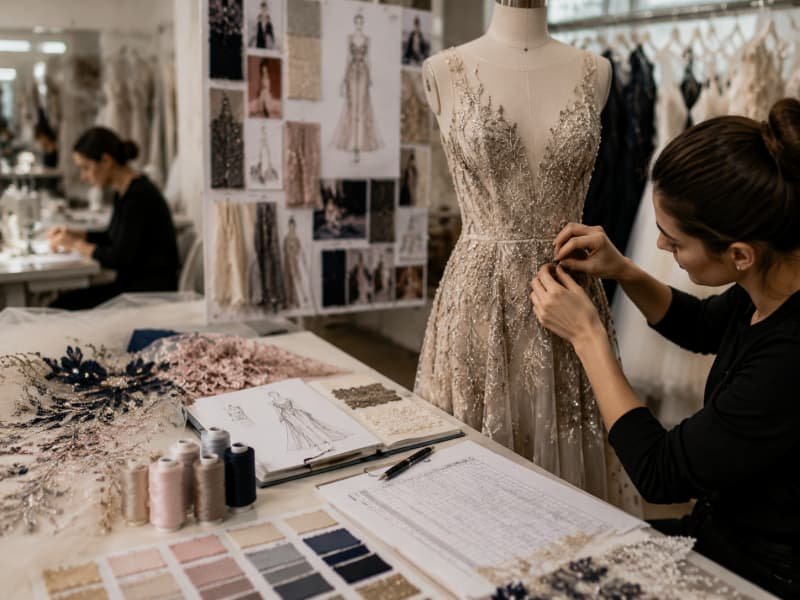

Start Your Apparel Development Project

OEM/ODM Manufacturing Support for Fashion Brands

Share your collection details, estimated quantities, target market, development timeline, and technical requirements. The production team will review your request and provide a tailored manufacturing solution based on your product category, fabric selection, construction needs, and delivery schedule.

Fashion Manufacturing Support with Scalable Production Capacity

From sample development to bulk production, Duolan supports fashion brands with confidential OEM/ODM manufacturing, stable quality management, flexible production planning, and coordinated multi-factory execution for seasonal and capsule collections.

Need Direct Assistance?

Seraphinite AcceleratorOptimized by Seraphinite Accelerator
Turns on site high speed to be attractive for people and search engines.