Skip to content
Custom Dress Manufacturing Solutions
Dress-focused development, sampling, bulk production, and quality-controlled delivery for established fashion brands, product teams, and sourcing offices.
- 30+ years of fashion dress development and manufacturing experience
- 16 owned apparel factories supported by 20+ coordinated satellite factories
- 300 sewing production lines plus 50+ flexible-response lines
- 15,000-35,000 sample developments per month across the manufacturing group
- 6.5 million pieces of stable monthly capacity, with higher peak capacity available
- SMETA and SMETA 2-Pillar audited manufacturing foundation

Built for Brand-Level Dress Programs
Established Fashion Brands
Seasonal collections require consistent design language, controlled sampling, accurate fit, dependable materials, and enough manufacturing capacity to support launch orders and replenishment. Duolan works around collection calendars rather than treating each style as an unrelated order. Product priorities, material risks, approval stages, and production paths are reviewed before capacity is committed, helping brand teams maintain stronger control across fashion dresses and related sets.
Product Development Teams
Buying and Sourcing Teams
Multi-Brand Fashion Groups
A multi-brand group may develop different aesthetics, price levels, launch dates, and market requirements in the same season. Duolan can separate programs by style complexity, fabric direction, construction risk, quantity, and required production route. Core styles can remain under tighter factory control, while repeat or scale-up orders can use coordinated capacity after standards are locked. The result is a manufacturing structure designed for continuity, not isolated transactions.
Control the Risks Behind Custom Dress Production
Design Translation Risk
Fabric Mismatch Risk
Fit Comment Risk
Sample-to-Bulk Risk
Multi-Style Timing Risk
A collection with 10-30 styles may include standard items, structured pieces, embellished styles, imported materials, and different approval stages. Treating the order as one production block creates avoidable delays. Duolan breaks programs down by style, color, size, quantity, complexity, material status, process route, and launch priority, then assigns milestones and manufacturing paths around the agreed delivery window.
Reorder Consistency Risk
Repeat orders can drift when pattern versions, fabric references, trim codes, workmanship notes, or packing instructions are not preserved. Duolan records approved production references for future review, including pattern version, BOM, fabric and trim direction, measurement standard, PP or approved sample status, key QC points, and packing details. Every reorder still requires batch review, but the project does not need to restart from zero.
Eight Controlled Stages from Brief to Delivery
Project Review
Product Planning
Material Direction
Pattern and Fit
Sample Development
Readiness Review
Before bulk production, Duolan confirms sample status, pattern version, material direction, color, measurements, workmanship, labels, packaging, order structure, and delivery targets. Higher-risk dresses may require first-piece confirmation, a small pilot run, or a critical-operation trial. The review creates a clearer release basis for production and QC teams.
Bulk and QC
Delivery and Reorder
Delivery planning works backward from the required warehouse or launch window, taking approvals, production, final inspection, packing, documentation, and logistics into account. Approved pattern versions, BOM references, material direction, workmanship standards, QC notes, and packing instructions can be retained for repeat-order review, color extensions, length changes, or scale-up production.
Dress Categories Built for Fashion Collections
Fashion Dresses

Party Dresses
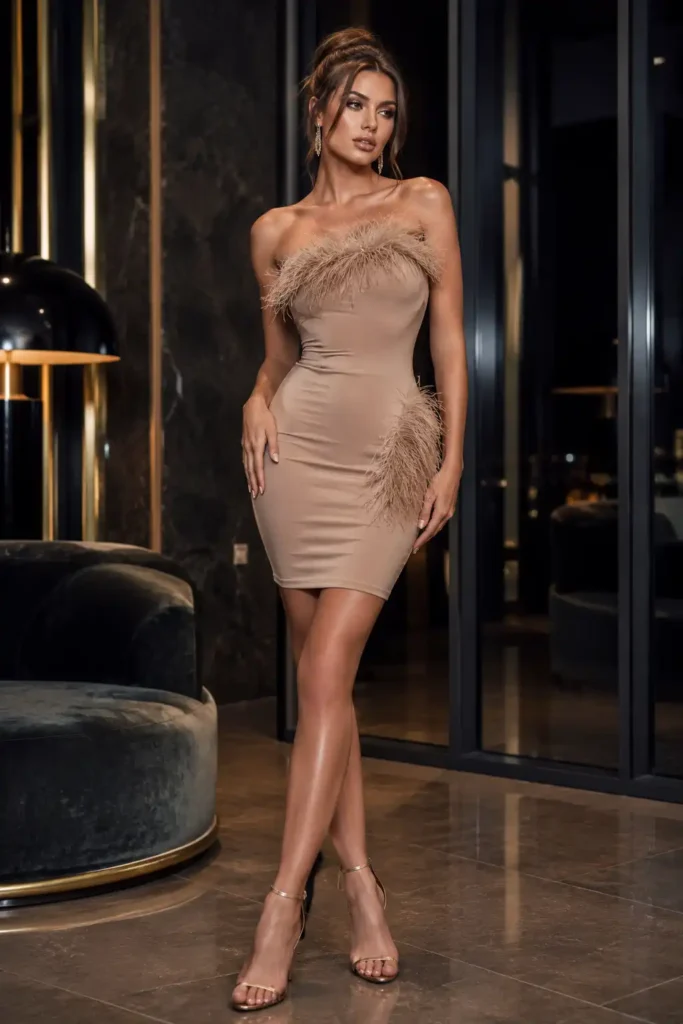
Party dresses often depend on immediate visual impact, close fit, sparkle, cut-outs, gathering, ruching, mesh, sequins, rhinestones, or shaped necklines. Duolan reviews comfort and production stability alongside appearance. Key controls may include lining coverage, skin-contact areas, embellishment security, zipper stress, slit reinforcement, seam stretch, hem balance, and packing protection for delicate surfaces.

Occasion Dresses

Bodycon Dresses

Corset Dresses

Resort Dresses

Wedding Guest Dresses
Wedding guest dresses sit between commercial occasionwear and elevated seasonal fashion. The collection may need satin midis, draped maxis, fitted minis, soft floral dresses, one-shoulder silhouettes, or structured evening pieces. Duolan focuses on refined appearance, repeatable fit, fabric finish, color control, clean internal workmanship, and bulk consistency rather than bridal-gown construction.

Fashion Sets
Coordinated tops, skirts, and two-piece dress sets can extend a collection without creating an entirely separate product language. Duolan reviews matching color and material lots, proportion between pieces, waistband and closure compatibility, size-pairing logic, separate packing needs, and styling consistency. Sets can also support bestseller extensions by carrying a proven fabric, trim, print, or silhouette into additional selling options.
Start from the Development Input You Have
Develop from Tech Packs and Specifications
- Specification review: Key measurements, points of measure, grading assumptions, tolerances, and base-size logic are checked for internal consistency.
- Material review: Main fabric, lining, trims, closures, support materials, decorative components, and packaging are assessed for availability and product compatibility.
- Construction review: Seams, facings, binding, boning, cups, gathers, pleats, cut-outs, lace placement, embellishment, hems, and closures are reviewed for production feasibility.
- Project output: The brand receives clarification questions, risk notes, recommended sample stage, missing-information list, and a realistic development route.
Develop from Reference Images or Samples
Reference-led development requires more judgment because a visual image rarely explains hidden construction, fabric composition, body measurements, lining, support, or closure details.
Duolan begins by identifying the visible design language and separating it from assumptions that must be confirmed.
- Visual analysis: Silhouette, length, neckline, sleeve, waist position, opening, seam placement, gathering, drape, surface decoration, and styling details are reviewed.
- Hidden structure: Lining coverage, cups, boning, elastic, facing, reinforcement, closures, seam allowance, and internal finishing are proposed according to the intended wearing effect.
- Original sample review: When a physical sample is provided, measurements, construction, fabric behavior, fit concerns, and redevelopment goals can be documented before pattern work begins.
- Brand adaptation: The aim is not blind duplication. Proportion, material, fit, comfort, price level, and production method are adjusted to the brand brief and target market.
A reference image can start development, but the sample should not begin until the project has a confirmed silhouette, material direction, fit expectation, and list of critical details.
Develop from a Collection Direction
Some teams begin with a moodboard, occasion concept, target consumer, retail price range, color story, launch date, and early style ideas. Duolan can help convert the collection direction into a development sequence while the brand retains creative ownership and final approval.
- Range structure: Hero pieces, core commercial styles, premium statement items, repeatable shapes, and supporting sets are identified.
- Material plan: Fabrics and trims are grouped by drape, structure, stretch, surface, color, and sourcing lead time to reduce unnecessary fragmentation.
- Sample priority: Photo-shoot pieces, fit-risk styles, imported-material styles, and complex-workmanship items are started earlier than straightforward extensions.
- Commercial review: Construction difficulty, material yield, embellishment density, lining, labor content, and expected quantity are considered before the range becomes too expensive or too slow to produce.
The final development route may include a small group of direction-setting samples first, followed by related styles once fit, fabric, and workmanship principles are confirmed.

Build a Collection with Clear Product Roles
A strong dress range balances visual identity, commercial reliability, price structure, and reorder potential. Duolan helps manufacturing decisions follow the role of each style instead of applying the same development effort to every item.
Hero Pieces
Hero pieces create campaign impact and define the season. They may use corset structures, cut-outs, sculpted drape, sequins, rhinestones, mesh layering, statement prints, or complex surface work. Development starts early because material tests, fit correction, process trials, and packing protection may be required. The approval standard should cover appearance and bulk repeatability, not photography alone.
Core Sales Styles
Premium Statements
Repeatable Extensions
Match Fabrics to the Intended Dress Result
Fabric selection controls silhouette, fit, comfort, workmanship, cost, and bulk consistency. Material approval should cover measurable behavior and visual performance, not only color and handfeel.
| Material Direction | Best-Suited Dress Results | Main Development Checks | Common Production Risks | Duolan Control Direction |
|---|---|---|---|---|
| Satin and charmeuse | Slip, draped, bias-cut, occasion, and evening dresses | Weight, weave, luster, drape, opacity, snag resistance, seam behavior, lining | Needle marks, puckering, shine variation, pulling, press marks, surface damage | Review fabric structure and weight; test seam and press settings; confirm lining and packing protection |
| Stretch jersey | Bodycon, fitted, ruched, and cut-out dresses | Stretch percentage, recovery, GSM, opacity, shrinkage, colorfastness | Bagging, transparency, seam popping, twisting, size instability | Align negative ease with recovery; test seams and hem; confirm size-spec behavior under tension |
| Mesh and power mesh | Layered, sheer, panelled, sleeve, and cut-out designs | Stretch direction, recovery, transparency, edge stability, skin feel | Curling, distortion, exposed seam allowance, insufficient coverage | Confirm panel direction, lining coverage, reinforcement, seam method, and tolerance for stretch areas |
| Lace | Occasion, cocktail, layered, and romantic dresses | Motif scale, repeat, edge, stretch, color, backing, placement | Misaligned motifs, high cutting loss, visible joins, fraying | Approve motif placement, joining method, scallop use, underlayer, and cutting plan before bulk |
| Sequin fabric | Party, evening, statement, and holiday dresses | Base fabric, sequin size, density, direction, skin contact, weight | Sequin loss, broken needles, scratching, heavy seams, inconsistent direction | Create workmanship trial; define seam clearing, lining, reinforcement, placement, and packing method |
| Chiffon and georgette | Flowing maxi, layered, ruffle, resort, and occasion dresses | Weight, transparency, grain stability, drape, shrinkage, color | Slippage, distortion, uneven hems, visible seam puckering | Rest and cut with grain control; confirm layer count, lining, seam type, and hem method |
| Crepe and structured woven | Tailored, fitted, work, cocktail, and clean occasion dresses | Weight, stretch, recovery, crease, surface, fusing response | Bulk at seams, shine from pressing, poor shape retention | Match construction to weight; test fusing and pressing; confirm internal support and seam balance |
| Velvet and surface-sensitive fabric | Holiday, evening, fitted, and premium dresses | Pile direction, shade, pressure marks, stretch, seam behavior | Shading, crushing, seam slippage, inconsistent nap direction | Lock nap direction, cutting plan, handling method, pressing protection, and garment packing |
Material approval may include swatches, lab dips, strike-offs, trim boards, wash or shrinkage checks, stretch and recovery review, opacity assessment, and workmanship trials. Final tests depend on the fabric, market, end use, and brand standard.
Control Pattern, Fit, and Internal Structure

Bust and Cup Position

Waist and Body Balance

Neckline and Strap Stability

Lining and Transparency

Openings, Slits, and Zippers

Grading and Size Runs
Develop Samples That Can Move into Production
Feasibility and Sample Route
Before sample work starts, Duolan reviews the design input, intended market, target fit, fabric direction, internal structure, workmanship, size basis, quantity, and timing. The sample type is selected according to the decision required.
- First prototype: Confirms silhouette, proportion, construction concept, and early material direction.
- Fit sample: Focuses on body balance, measurements, ease, support, opening, and movement.
- Revised sample: Applies agreed pattern, material, and workmanship changes with a clear comment record.
- Photo or salesman sample: Prioritizes visual presentation while keeping important construction details aligned.
- PP sample: Becomes the production basis only when materials, measurements, workmanship, labels, and key details are approved.
A typical planning reference is 7-15 working days for a first sample after specifications and usable materials are ready. Straightforward revisions may require 5-10 working days.
Structured Sample Updates
Long periods without information create avoidable uncertainty.
For multi-style or complex projects, Duolan can provide staged updates around agreed checkpoints, such as material arrival, pattern completion, key construction review, sample completion, and pre-shipment inspection.
- Material status: Main fabric, lining, trims, color, lab dip, strike-off, or substitute options.
- Pattern status: Base pattern prepared, critical structure reviewed, or fit issue awaiting clarification.
- Workmanship status: Embellishment trial, lace placement, boning, cup, ruching, pleating, zipper, or seam method checked.
- Completion status: Measurements, visual details, pressing, finishing, and sample photos reviewed before dispatch.
Updates are not intended to replace formal approval.
They allow design and product teams to identify misunderstandings before a completed sample reaches the review meeting.
Comment Translation and Revision Control
- Pattern and fit: Measurement changes, body balance, neckline, cup, waist, hip, length, opening, or movement.
- Fabric behavior: Drape, stretch, recovery, transparency, shrinkage, surface, or weight.
- Workmanship: Seam method, gathering, lining, boning, zipper, lace, embellishment, hem, or internal finish.
- Visual preference: Color, proportion, trim choice, decorative density, or styling direction.
- Production concern: A detail that works once in the sample room but needs another method for stable bulk execution.
Sample Approval and Bulk Basis
Sample approval should state what has actually been approved. A fit-approved sample may still use substitute fabric. A visually approved photo sample may not include final labels or packing. A PP sample should align the approved pattern, materials, measurements, construction, critical workmanship, and brand presentation.Before bulk release, Duolan checks:
- Sample status and version
- Main fabric, lining, trim, color, and BOM
- Base-size measurements, grading basis, and tolerance
- Key construction and workmanship points
- Labels, artwork, placement, and packaging
- Required tests, inspections, and reporting
- Order breakdown and production route
The output can be summarized in a Production Readiness Note or Bulk Start Confirmation so development, production, and QC teams work from the same reference.
Execute Workmanship with Repeatable Standards
Seam and Edge Control
Ruching and Draping
Lace and Mesh Placement
Zippers and Closures
Internal Support
Pressing and Final Shape
Develop Special Processes before Bulk Release

Embroidery Development

Sequin and Beading

Rhinestone Application

Printing and Color Effects

Pleating and Textural Work

Washing and Finishing
Confirm Production Readiness before Bulk Manufacturing
A sample becomes a production basis only after open decisions are closed. Duolan reviews five control areas before the order moves into full manufacturing, with first-piece or pilot verification for higher-risk styles.
Confirm the Approval Status
Lock Materials and BOM
Lock Measurements and Grading
Lock Workmanship and Appearance
Plan the Production Route
Orders are broken down by style, color, size, quantity, material status, process requirement, and delivery priority. Standard styles, structured styles, high-risk embellishment, printed items, wash items, and fast-replenishment lines may follow different routes. . Many standard dress programs are planned around 35-50 days after PP approval and material readiness, while multi-process or large collection orders require an individual schedule.

Manufacturing Capacity Organized around Dress Programs
Scale is useful only when the manufacturing system can assign the right factory, line, process resource, QC focus, and timeline to each product. Duolan combines owned-factory control with coordinated capacity for multi-style and repeat-order programs.
| Manufacturing Foundation | Current Group-Level Fact | Value for Fashion Programs |
|---|---|---|
| Owned apparel factories | 16 | Core development, priority styles, complex workmanship, and critical production can remain under closer direct control |
| Coordinated satellite factories | 20+ | Additional capacity supports repeat orders, scale-up production, peak seasons, and differentiated manufacturing routes |
| Sewing production lines | 300 | Multi-style, multi-color, and multi-stage orders can be separated by complexity and timing rather than forced through one line |
| Flexible-response lines | 50+ | Supports sample-linked production, controlled trial runs, replenishment, and fast-moving programs with confirmed standards |
| Stable monthly capacity | Approximately 6.5 million pieces | Provides a manufacturing base for long-term seasonal programs and large multi-brand order portfolios |
| Peak monthly capacity | Up to approximately 10 million pieces | Additional capacity can be planned for seasonal concentration or approved scale-up requirements |
| Monthly sample development | Approximately 15,000-35,000 sample developments | Supports multiple development projects, sample stages, revisions, and collection work running in parallel |
| Monthly style-development workflows | Approximately 3,000-8,000 styles | Allows a large development organization to handle simultaneous fashion programs and technical follow-up |
| Special-process coordination | Multiple established partners for printing, gradient dyeing, embroidery, and washing | Process capacity can be matched to fabric, design, quantity, workmanship risk, and delivery requirement |
| Audit foundation | SMETA and SMETA 2-Pillar audit records | Supports supplier qualification discussions with established fashion companies and sourcing organizations |
Duolan does not assign an order based on available space alone. Product structure, fabric, process, quantity, launch priority, quality risk, and repeat potential help determine the manufacturing route. Core standards remain linked through approved samples, BOM records, production instructions, QC checkpoints, and packing requirements.
Quality Control across Development and Production

Material Inspection

Pre-Production Alignment

First-Piece Verification

Inline Workmanship Checks
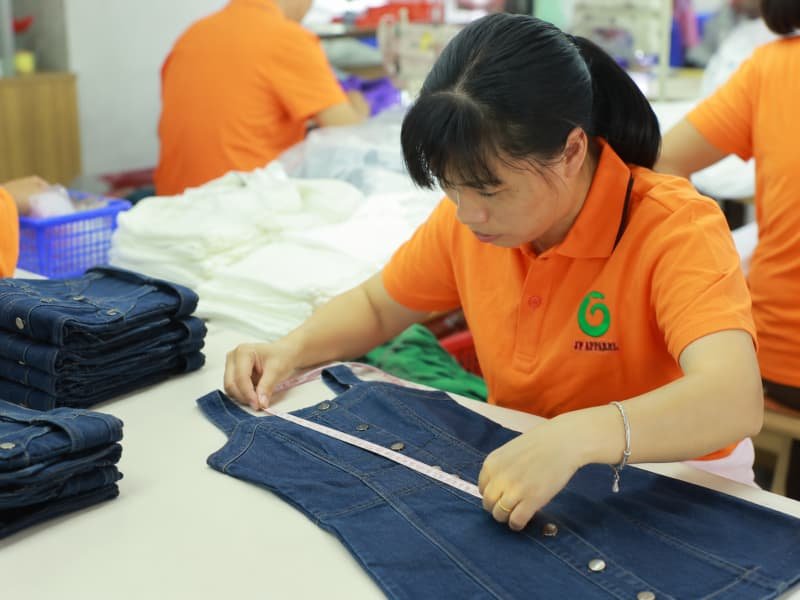
Fit-Critical Measurement

Final Garment Inspection

Packing and Carton Control

Visible QC Records
Photo records can be provided around agreed control points, including pre-production references, inline measurements, critical workmanship, identified problems, correction, final garments, packing, cartons, and shipment preparation. Sensitive documents, logos, labels, and unreleased designs remain protected. The record helps remote teams understand what was checked and how an issue was handled.
Compliance Support for Established Fashion Programs
Social Audit Foundation
Product and Material Standards
Inspection and Documentation
Duolan can cooperate with nominated third-party inspection companies, approved testing laboratories, client QC teams, packaging manuals, barcode rules, carton requirements, label files, and shipment documents. Required reports and approval records should be agreed before production. Design files, tech packs, samples, labels, and unreleased collection information are handled as confidential project materials, and NDA arrangements can be discussed.
Preserve Standards for Repeat Orders and Growth
Production Reference Files
Batch-to-Batch Review
Bestseller Extensions
Proven styles can develop into new colors, lengths, sleeves, necklines, prints, fabrics, embellishment levels, or matching separates. Duolan begins from the locked production reference, then identifies which change affects pattern, material, fit, process, price, or lead time. Scale-up orders can also be assigned to additional lines or coordinated factories after the production standard is clear and transferable.
Representative Dress Manufacturing Programs
US Occasionwear Collection
Project scope: 18 styles, 6 principal color directions, and 42,600 total pieces across mini, midi, and maxi occasion dresses. The range included satin drape, fitted crepe, one-shoulder shapes, mesh panels, and selected rhinestone details.
Development challenge: The collection had one launch window, but fabric lead times and fit risk differed widely. Satin styles required seam and handling trials, fitted items needed closer base-size review, and decorated styles required application tests before cost and production planning were finalized.
Duolan actions: Styles were grouped by material, structure, and approval risk. Photo-priority pieces entered sampling first; fitted styles followed a dedicated fit review; rhinestone placements were trialed before bulk costing; PP references recorded lining, zipper, measurements, surface finish, and packing protection. Production was separated across suitable lines while shared color and trim standards remained centralized.
Result: All 18 styles moved through one coordinated launch program with individual readiness status, material confirmation, and quality checkpoints rather than a single undifferentiated schedule.

European Partywear Program
Project scope: 24 styles and 68,400 pieces, including bodycon mini dresses, corset bodices, sequin surfaces, mesh layering, lace inserts, cut-outs, and embellished party styles.
Development challenge: Several styles looked similar in concept but required very different manufacturing methods. Sequin direction changed panel appearance, corset support affected fit and comfort, mesh transparency required controlled lining, and dense embellishment influenced garment weight and packing.
Duolan actions: The program used fabric and workmanship trials, cup and boning review, mesh coverage checks, approved placement references, first-piece confirmation for higher-risk styles, and separate production paths for standard stretch garments and process-intensive items. Inline QC focused on seam elasticity, zipper stress, support structure, sequin security, lining coverage, symmetry, and final surface condition.
Result: A 24-style program was managed through shared milestones while retaining style-specific technical and QC standards, supporting a total order above 60,000 pieces without treating complex and standard styles as equal production tasks.

Multi-Channel Dress Reorder
Project scope: 12 established styles, 4 new color extensions, and 26,800 pieces for a multi-channel fashion label. The order covered fitted midis, commercial minis, draped styles, and two coordinated sets.
Development challenge: The original styles had proven sales, but new fabric lots, trim availability, updated barcode requirements, and extended colors created consistency risks. Recreating the style from old photographs would have introduced pattern, fit, and finishing variation.
Duolan actions: Pattern versions, BOM references, approved measurements, PP samples, material direction, key workmanship points, and packing records were reviewed. New fabric lots were checked for weight, stretch, recovery, shade, and surface. Color extensions were approved before cutting, and the updated barcode and carton rules were added to packing QC.
Result: The repeat order began from established production assets while still validating the new materials and commercial requirements. The process supported replenishment without treating the program as a completely new development project.

Custom Dress Manufacturing Frequently Asked Questions

Start Your Dress Development Project
Send the information already available, even when the collection is still being organized. A stronger initial brief allows Duolan to review product fit, material direction, sample route, production complexity, capacity planning, quality requirements, and the path from approval to bulk manufacturing. Useful files include tech packs, sketches, reference images, original sample photos, size specifications, BOMs, artwork, label files, packing manuals, and quality standards.
Please include:
- Company and brand website
- Target market and dress category
- Number of styles and expected total quantity
- Reference images, tech packs, or original sample details
- Target fabric, trims, color, or Pantone references
- Base size, size range, and fit standard
- Required sample stage and approval calendar
- Target launch or warehouse date
- Testing, audit, inspection, and packing requirements
- Current development or production concerns
Duolan will review the available information and identify the next development, sampling, or production step. A detailed quotation and timeline depend on confirmed materials, construction, quantities, size range, workmanship, packaging, approvals, and delivery requirements.