...

Custom Travel-Friendly Dress Manufacturer

Fashion-led travel dresses developed for packing, movement, repeated wear, easy care, and controlled bulk production.

Duolan supports established fashion brands, product teams, buying offices, and sourcing teams through fabric evaluation, pattern development, sampling, performance review, bulk manufacturing, quality control, and branded delivery.

  • Travel programs can be planned across 10–30 coordinated styles and 20,000–80,000 total pieces.
  • Development reviews can cover eight product dimensions: wrinkle recovery, packability, garment weight, drying behavior, breathability, stretch recovery, opacity, and care requirements.
  • Core styles can be managed through 16 owned womenswear factories, supported by 20+ long-term satellite factories.
  • 300 sewing lines and 50+ quick-response lines support multi-style development, launch orders, repeat orders, and seasonal volume.
  • Travel claims are reviewed against fabric behavior, garment construction, care instructions, and required testing evidence.

A Dress Manufacturing System Built for Brand Programs

Travel-focused development requires more than a lightweight fabric. Brand teams need coordinated product development, controlled samples, stable materials, repeatable workmanship, organized production, and clear approval records. Duolan combines dress specialization with a structured manufacturing network built for multi-style fashion programs.

30+ Years Development

Duolan’s manufacturing foundation comes from more than three decades of womenswear product development experience. Long-term work in fashion dresses has created deeper understanding of silhouette balance, fabric drape, fit, visual proportion, decorative workmanship, and commercial production. Travel dress development benefits from the same discipline because functional requirements must still produce a garment with strong fashion value.

16 Owned Factories

Owned womenswear factories provide greater control over core styles, development-sensitive products, fit-critical dresses, and repeat programs. Important travel styles can remain within controlled production routes where approved fabrics, sewing methods, measurements, pressing standards, and packing requirements are easier to preserve from sample approval through repeat orders.

20+ Satellite Factories

Long-term satellite factory relationships create additional flexibility for seasonal launches, repeat orders, volume extensions, and different workmanship levels.
Production allocation is not based only on available capacity. Style complexity, material type, construction risk, delivery schedule, and quality requirements determine the most suitable manufacturing path.

300 Sewing Lines

A broad line structure supports several dress categories at the same time, including jersey travel dresses, lightweight woven dresses, shirt dresses, wrap dresses, resort maxis, and easy-care business styles. Multi-style programs can be divided by construction requirements instead of forcing all products through one production route.

50+ Response Lines

Quick-response and flexible lines support sample-to-order transitions, selected launch quantities, sales-driven replenishment, and urgent extensions of approved styles. Speed does not replace approval discipline. Materials, measurements, workmanship, packaging, and quality checkpoints remain controlled before production begins.

SMETA Audit Foundation

Duolan’s manufacturing system has completed SMETA and SMETA 2-Pillar audit processes. Brand-specific social compliance, quality, testing, documentation, and inspection requirements can be reviewed during supplier evaluation. Relevant records are shared through the appropriate business process rather than used as unsupported marketing claims.

What Makes a Dress Truly Travel-Friendly?

A travel-friendly dress is developed to remain comfortable, presentable, easy to manage, and commercially reliable through packing, transportation, movement, washing, repeated wear, and changing environments. No single fiber creates every benefit. Performance comes from the full relationship between fabric, fit, construction, trims, care method, and product validation.

Wrinkle Recovery

Wrinkle recovery measures how well a garment regains an acceptable appearance after folding, compression, sitting, or storage. A material may resist sharp creases yet still show seam impressions, pressure marks, or surface distortion. Fabric composition, knit or weave structure, finishing, garment construction, and packing method all influence the result.

Compact Packability

Packability involves more than folding a dress into a small space. Zippers, buttons, elastic, pockets, gathered seams, pleats, linings, and embellishments can create bulk or pressure points. A packable design should reduce unnecessary volume while preserving shape, comfort, coverage, and visual finish after unpacking.

Controlled Garment Weight

Lightweight construction can improve luggage efficiency and warm-climate comfort, but excessive weight reduction may create transparency, weak seams, unstable hems, poor drape, or a low-value appearance. Target garment weight should be developed around silhouette, coverage, durability, lining needs, and the intended retail position.

Drying Performance

Drying speed depends on fiber absorption, fabric thickness, garment layers, seam density, elastic areas, pockets, linings, and local climate.

A fast-drying shell fabric does not guarantee a fast-drying garment when the lining, waistband, pocket bags, or reinforced sections retain moisture.

Climate Comfort

Comfort in warm, humid, cool, or air-conditioned environments requires different material decisions. Breathability, moisture movement, surface feel, lining construction, sleeve shape, neckline coverage, and garment ease must work together. One fabric direction rarely performs equally well across every destination and use condition.

Stretch Recovery

Stretch can improve long sitting, walking, bending, and extended wear. Recovery matters equally. Poor recovery may cause bagging at the hip, seat, elbow, neckline, or waist. Stretch direction, percentage, fabric weight, pattern reduction, seam type, and fit allowance require coordinated development.

Easy-Care Stability

Easy care should include realistic washing, drying, pressing, shrinkage, twisting, color stability, surface appearance, and measurement control. A garment cannot be positioned as easy care when the recommended process is difficult to follow or when repeated washing changes fit, shape, handfeel, or appearance.

Multi-Scenario Styling

Travel wardrobes often require one dress to move between flights, sightseeing, business meetings, resort settings, dinners, and social occasions. Versatility comes from silhouette, coverage, color, styling flexibility, pocket placement, layering options, and finish quality—not from a generic “day-to-night” label.

Built for Established Fashion and Travel Collections

Duolan works with established fashion brands, lifestyle labels, travel apparel teams, resort collections, ecommerce fashion groups, buying offices, and product development departments seeking a serious dress manufacturing partner. Each group approaches travel apparel with different commercial priorities, approval systems, and risk controls.

Fashion Brand Teams

Fashion brands need travel function without losing recognizable design language. Development may involve signature silhouettes, specific necklines, proportion standards, color stories, and established fit blocks. Duolan works from tech packs, reference garments, original samples, mood directions, or approved brand standards to preserve the intended fashion identity.
  • Brand-specific silhouette and fit
  • Defined visual direction
  • Seasonal launch planning
  • Repeat-order consistency

Travel Lifestyle Labels

Travel-focused labels often begin with performance needs, then require stronger fashion execution.
A useful manufacturing partner must understand drying behavior, packability, stretch, wrinkle recovery, pockets, and care requirements while maintaining shape, drape, color, and retail presentation.

  • Function-led product briefs
  • Wear-scenario evaluation
  • Material and construction matching
  • Claim-support planning

Resortwear Brands

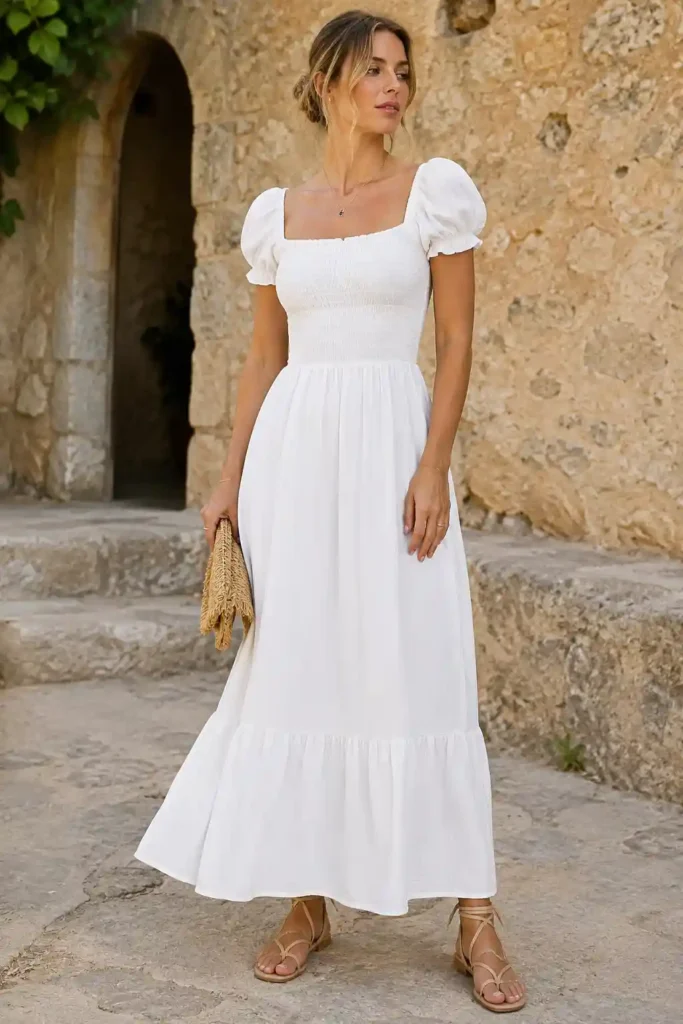
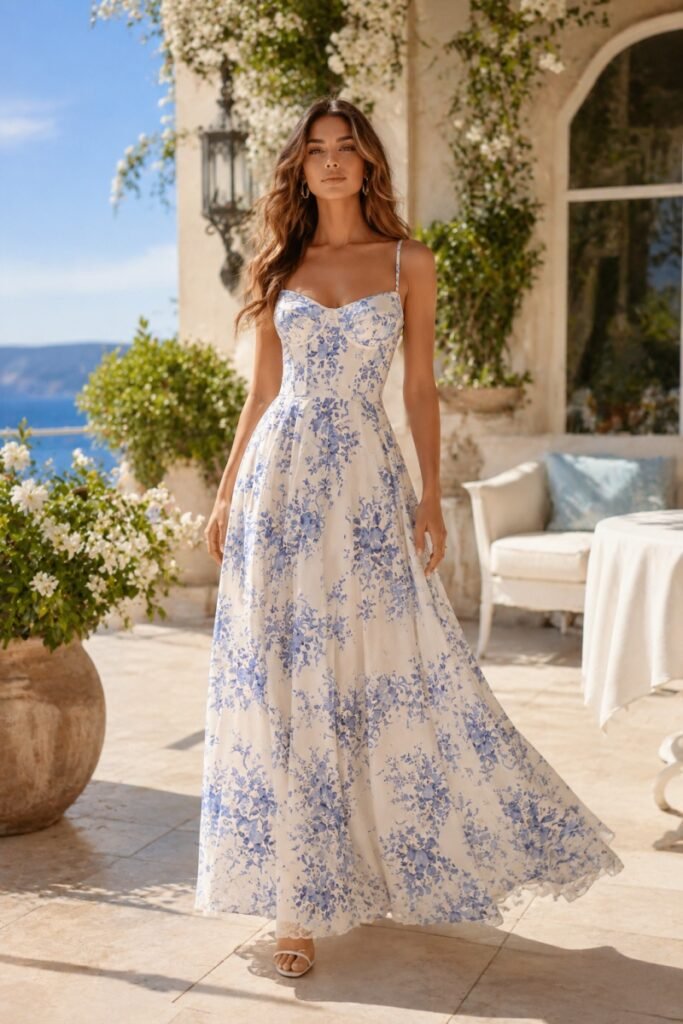
Resortwear programs balance lightweight comfort, print, movement, coverage, color, and destination styling. Maxi dresses, wrap dresses, relaxed midis, adjustable silhouettes, and evening-ready styles often share a collection.

Fabric transparency, lining, colorfastness, packing marks, and hem balance require close control.

  • Warm-climate materials
  • Print and color coordination
  • Packable silhouettes
  • Resort-to-dinner styling

Ecommerce Fashion Groups

Online fashion groups need products with strong photography value, consistent sizing, clear product descriptions, reliable replenishment, and fewer avoidable returns. Travel-related claims must match the real garment experience. Fit, opacity, pocket function, care instructions, and appearance after packing can directly affect reviews and return rates.
  • Camera-ready samples
  • Size consistency
  • Repeatable color and fit
  • Product-claim accuracy

Product Development Teams

Product teams require clear development records, coordinated comments, material options, fit review, revision tracking, and production readiness. Samples must support decisions rather than serve only as visual prototypes. Every revision should move the garment closer to an approved, repeatable manufacturing standard.
  • Stage-based sampling
  • Consolidated review notes
  • Fit and material decisions
  • Bulk-readiness confirmation

Buying and Sourcing Offices

Sourcing teams evaluate capacity, factory structure, compliance, quality systems, documentation, lead time, and scalability. Duolan can support supplier review through factory information, sample assessment, production planning, audit records, QC procedures, and program-level manufacturing discussions.
  • Supplier capability review
  • Production-path planning
  • Inspection coordination
  • Long-term order support

Travel Scenarios That Shape Dress Development

A travel dress should be developed around real use conditions. Long sitting, repeated movement, warm climates, business meetings, resort dinners, washing access, luggage space, and styling expectations all affect the design brief. Duolan converts each use scenario into material, pattern, construction, testing, and packing decisions.
Long Sleeve Midi Dresses​

Long-Haul Flights

Flight-oriented dresses need comfortable waist and hip ease, stable necklines, non-irritating seams, temperature adaptability, and acceptable appearance after hours of sitting. Excessively tight waistbands, rigid zippers, rough labels, unstable wrap fronts, or fabrics with weak recovery can reduce wearability. Pattern balance and material recovery should be reviewed in seated and standing positions.

Urban Sightseeing

City travel involves walking, stairs, public transport, frequent sitting, weather changes, and carrying personal items. Dresses may require secure pockets, safe hem lengths, stable straps, controlled side openings, and movement allowance. Lightweight construction should not compromise opacity, seam strength, or garment shape during extended activity.

Business Travel

Business travel dresses must unpack well, coordinate with jackets or knit layers, and maintain a polished appearance through meetings and transport. Matte surfaces, controlled drape, stable collars, secure closures, low-bulk seams, and easy-care materials often matter more than decorative complexity. Color consistency and repeat-order availability also support corporate wardrobe programs.

Resort Vacations

Resort dresses often combine flowing silhouettes, prints, adjustable fits, lightweight materials, and evening presentation. Key risks include transparency, unstable necklines, dragging hems, color transfer, weak straps, and lining discomfort. Fabric and construction should support movement, heat, packing, photography, and social settings.

Cruise and Holiday

Cruise and holiday collections may include daytime, poolside, excursion, dinner, and event-ready dresses. A coordinated capsule can use related colors and materials across several silhouettes while varying coverage and formality. Packing volume, crease behavior, sea-air humidity, and layered styling should influence the development plan.
Classic Button-front Shirt Dresses​

Day-to-Night Wear

Day-to-night dresses need a balanced silhouette rather than excessive features. A clean neckline, controlled fit, useful pocket design, refined fabric, secure coverage, and removable or adjustable elements can extend styling options. Construction should remain light enough for travel yet polished enough for dinner and social settings.

Where Travel Dress Projects Commonly Lose Control

Travel performance can fail even when the initial fabric sounds suitable. The main risks often appear after cutting, sewing, washing, packing, wearing, or repeating production. Each product promise needs a corresponding development check, approval point, and production control.

Product PromiseCommon FailureDevelopment ControlProduction Check
Wrinkle RecoveryFabric recovers, but seams and hems retain pressure marksReview fabric structure, seam construction, pressing, lining, and packing methodCompare packed garment with approved recovery standard
Lightweight PackingGarment becomes transparent, unstable, or visually weakBalance fabric weight, opacity, lining, seam strength, and silhouetteCheck garment weight, coverage, hem balance, and packed volume
Quick DryingShell dries faster than lining, waistband, or pocketsEvaluate the complete garment rather than one swatchReview layered areas after agreed wash and drying conditions
Stretch ComfortFabric bags at hip, seat, waist, or necklineMatch stretch percentage, recovery, pattern reduction, and seam typeCheck measurements and recovery after wear simulation or washing
Easy CareGarment shrinks, twists, fades, pills, or loses shapeConfirm care method and required testing before approvalCompare bulk fabric and finished garments against approved results
BreathabilityLightweight fabric still feels hot due to lining or fitReview fiber, structure, lining, ease, and body coverage togetherCheck finished construction, not only material data
Functional PocketsPockets distort the silhouette or fail under loadDevelop pocket size, opening, reinforcement, and placement with the patternInspect pocket shape, symmetry, reinforcement, and garment balance
PackabilityZippers, buttons, pleats, trims, or folds create permanent marksPlan folding route and reduce concentrated pressure areasConduct packing review with final labels and packaging
Multi-Scenario WearGarment appears too casual, revealing, or restrictive in key settingsDefine occasion range before finalizing silhouette and detailsReview styling, coverage, movement, and finish against the approved brief
Repeat OrdersMaterial shade, handfeel, measurements, or workmanship changesPreserve approved specifications, sample records, and material referencesCompare repeat production with retained standards and QC records

Custom Travel Dress Styles for Brand Collections

Duolan develops travel-friendly dresses as fashion products, not generic utility garments. Each silhouette needs a separate relationship between appearance, performance, movement, packing, care, and production. A brand collection may combine several categories while sharing approved material families, color directions, fit standards, and packaging rules.

Jersey Travel Dresses

Jersey dresses offer movement, soft packing, and reduced crease visibility, making them useful for flights, city travel, and casual business wardrobes. Development must control fabric weight, stretch direction, recovery, cling, opacity, seam growth, neckline stability, and hem behavior. Suitable directions include fitted midi dresses, relaxed T-shirt dresses, ruched dresses, sleeveless columns, and long-sleeve travel styles. Pattern reduction must match stretch performance. Excessive negative ease can create transparency and recovery problems, while excessive ease may produce an unstructured appearance. Recommended review points:
  • Fabric weight and stretch ratio
  • Recovery at hip and seat
  • Shoulder and neckline stability
  • Hem growth after hanging
  • Pilling and surface durability
  • Wash shrinkage and twisting

Wrinkle-Recovery Midis

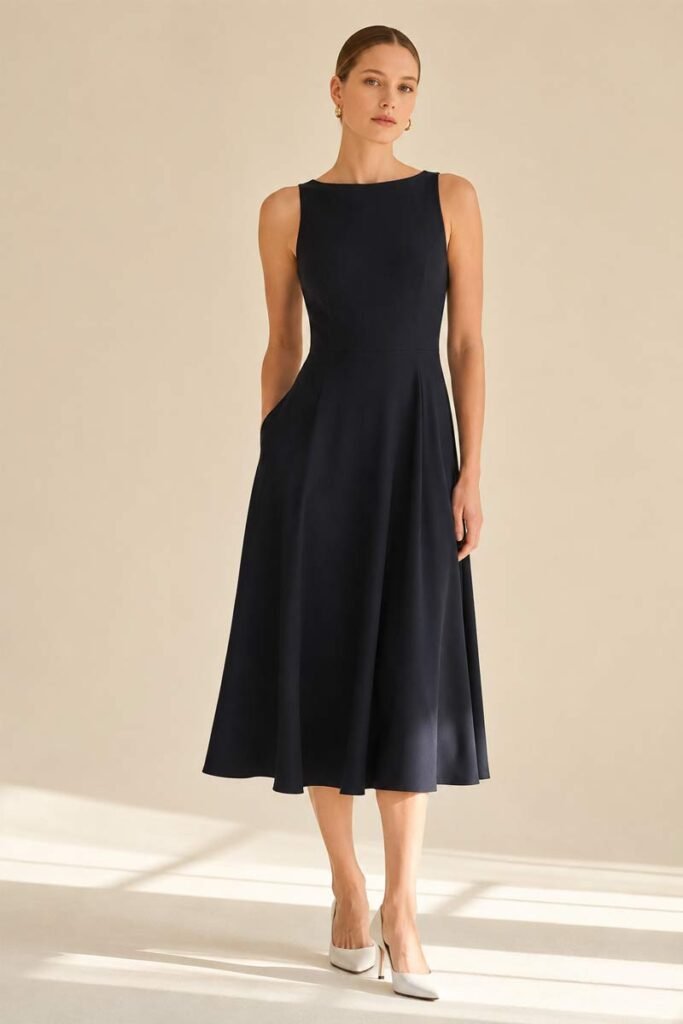
Midi dresses suit business travel, city programs, lifestyle collections, and day-to-night edits. Their longer body area makes fabric drape and crease behavior highly visible. Polyester crepe, stretch woven fabrics, stable jersey, and selected blends can support improved recovery, depending on the required handfeel and silhouette. Construction should reduce seam puckering, pressing marks, bulky facings, and unstable hems. Shirt-dress versions require collar, placket, cuff, and belt control. Fitted versions require balanced waist and hip ease. Flowing versions need stable grain direction and hem leveling. Recommended review points:
  • Compression and hanging recovery
  • Seam and hem impressions
  • Sitting comfort
  • Lining compatibility
  • Garment weight
  • Pressing and packing method

Packable Maxi Dresses

Packable maxi dresses are suited to resort, cruise, vacation, and warm-climate collections. Long silhouettes create strong visual impact but can increase garment weight, packing volume, hem distortion, and seam growth. Fabric selection must support movement without becoming transparent, heavy, or difficult to recover after folding. Wrap fronts, elasticized backs, adjustable straps, tiered skirts, and side openings may improve flexibility, but each detail changes packing behavior and production complexity. Full linings can increase bulk and drying time; partial lining or strategic opacity solutions may be more suitable. Recommended review points:
  • Total garment weight
  • Folded volume
  • Hem balance
  • Transparency under light
  • Strap and neckline security
  • Packing recovery

Stretch Shirt Dresses

Stretch shirt dresses work well for business travel, city wear, and polished lifestyle ranges. They require crisp yet comfortable construction, stable collars, controlled plackets, smooth sleeve movement, and balanced waist shaping. Stretch woven fabric can improve mobility, but uneven stretch or weak recovery may distort button lines and pocket placement. Belted styles need belt-loop strength and waist-position control. Side pockets should not pull the skirt outward. Full-front openings require button spacing which remains secure while sitting and walking.

Recommended review points:

  • Collar and placket shape
  • Bust opening control
  • Sleeve mobility
  • Pocket balance
  • Belt position
  • Wash and press appearance

Travel Wrap Dresses

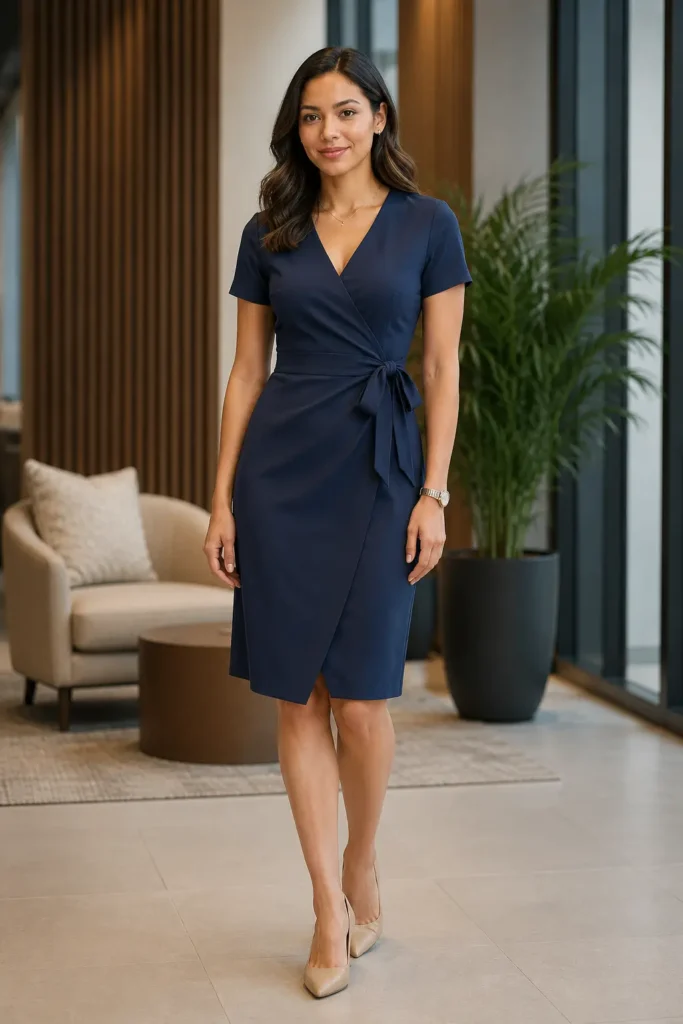
Wrap dresses offer size flexibility, adjustable fit, and strong styling value. Poorly developed wrap structures can open during movement, shift at the waist, expose the neckline, or create excessive bulk when tied. True-wrap and mock-wrap constructions should be selected according to the intended fit consistency and production requirements. Internal security points, snap placement, tie length, waist position, skirt overlap, and bust coverage require careful sampling. Stretch fabrics need recovery control, while woven versions need enough wearing ease. Recommended review points:
  • Front overlap depth
  • Neckline stability
  • Tie strength and length
  • Waist placement
  • Seated coverage
  • Size grading consistency
Utility Shirt Dresses​

Utility Pocket Dresses

Pocketed travel dresses appeal to city travelers, active commuters, cruise collections, and hands-free travel concepts. Pocket usefulness depends on size, opening angle, placement, reinforcement, and the effect of loaded weight on the garment silhouette. Invisible side-seam pockets may add limited bulk but can pull lightweight skirts. Patch pockets provide stronger function but change the visual direction. Zipped pockets improve security but require careful zipper selection and low-bulk construction.

Recommended review points:

  • Phone and passport capacity
  • Pocket opening comfort
  • Reinforcement method
  • Loaded garment balance
  • Visibility from front view
  • Wash and packing behavior
Work-to-evening Dresses​

Day-to-Night Dresses

Day-to-night styles should look appropriate across multiple settings without relying on excessive convertible features. Refined matte fabrics, controlled necklines, elegant sleeve shapes, stable fit, clean closures, and subtle shaping often create greater versatility than complex transformation systems. A removable belt, adjustable strap, reversible sash, detachable layer, or styling-compatible neckline can extend use. Every movable component must remain secure, easy to understand, and suitable for bulk production. Recommended review points:
  • Styling range
  • Coverage and support
  • Surface appearance
  • Accessory attachment
  • Packing simplicity
  • Photography and retail presentation

Active-Inspired Travel Dresses

Active-inspired travel dresses combine mobility, stretch, fast drying, and low-maintenance materials with a fashion-led silhouette. They can suit walking-focused travel, commuter collections, outdoor city use, and warm-climate programs. The main development challenge is avoiding an overly athletic appearance when the brand requires a refined fashion position. Seaming, pocket design, elastic use, logo placement, neckline finish, and fabric sheen should align with the intended retail environment.

Recommended review points:

  • Stretch and recovery
  • Moisture behavior
  • Seam comfort
  • Pocket security
  • Fabric sheen
  • Fashion silhouette

Define the Product Promise Before Selecting Fabric

A fabric name alone cannot define a travel dress. Product teams should first confirm where the dress will be worn, how it will be packed, what care method will be accepted, which performance claims are required, and how the style should fit within the brand’s assortment.

Consumer and Climate

Identify the intended wearer, destination climate, temperature range, humidity, expected activity level, and layering conditions. A warm-climate resort dress requires different fabric and lining decisions from a polished dress designed for flights, meetings, and air-conditioned interiors.

Packing Method

Confirm whether the garment will be folded flat, rolled, compressed, placed in a packing cube, hung in a garment bag, or sold as a packable product. Packing method changes the importance of crease recovery, pressure marks, trim selection, and folding construction.

Wear Duration

Define whether the garment is intended for short dinners, all-day sightseeing, long flights, business hours, repeated wear, or several activities in one day. Longer wear increases the importance of seam comfort, stretch recovery, waistband pressure, opacity, and temperature management.

Care Method

Confirm machine wash, hand wash, cold wash, line dry, tumble dry, steaming, ironing, or dry-clean expectations.
Care instructions must match material behavior, trims, printing, color, structure, and the target user’s likely travel conditions.

Performance Priorities

Rank the functions rather than requesting every possible benefit. A project may prioritize wrinkle recovery, low weight, quick drying, breathability, stretch, UV-related performance, water resistance, or pocket security. Competing priorities may require trade-offs.

Fashion Position

Define silhouette, fit, neckline, length, sleeve, drape, surface effect, color, print, and retail price position.

Travel function should support the brand’s visual language rather than replace it.

Quantity and Range

Provide style count, color count, size range, planned quantity, launch timing, repeat potential, and market destination. Material availability, testing, production path, and cost structure depend on program scale and schedule.

Approval Evidence

Clarify which documents are required before bulk: approved samples, fit comments, measurement chart, BOM, lab dips, strike-offs, test reports, care instructions, packing manual, inspection standard, and branded artwork.

Fabrics for Travel Performance and Fashion Appeal

Material selection should support the intended silhouette, fit, climate, use scenario, care method, retail position, and production plan. Duolan reviews composition, structure, weight, stretch, recovery, drape, surface, opacity, lining needs, color behavior, finishing, availability, and repeat-order stability before recommending a direction.

Polyester Crepe

Polyester crepe is often considered for wrinkle-conscious business, city, and day-to-night dresses. Its textured surface can reduce the visibility of minor creases, while stable versions may support color consistency and repeat production. Crepe quality varies widely in handfeel, weight, sheen, drape, and breathability.
Suitable styles:
  • Business travel midis
  • Wrap dresses
  • Relaxed tailored dresses
  • Day-to-night silhouettes
Key controls:
  • Seam puckering
  • Static behavior
  • Surface shine
  • Opacity
  • Pressing temperature
  • Batch handfeel
A heavier crepe may create stronger drape but add packing weight. A lighter crepe may improve portability but require lining or careful seam construction.

Stretch Woven Blends

Stretch woven fabrics can support shirt dresses, fitted midis, utility dresses, and business travel styles. Small amounts of elastane may improve sitting comfort and movement, but the full result depends on stretch direction, recovery, fabric density, and pattern engineering.
Suitable styles:

  • Stretch shirt dresses
  • Tailored travel midis
  • Utility pocket dresses
  • Fitted day dresses

Key controls:

  • Warp and weft stretch
  • Recovery after extension
  • Seam compatibility
  • Button-placket stability
  • Shrinkage
  • Surface abrasion

Too much pattern reduction may create stress and shine. Too much ease may remove the polished silhouette expected from a woven dress.

Jersey Fabrics

Jersey is valued for soft packing, movement, and reduced sharp creasing. Available directions include viscose jersey, modal blends, polyester-spandex jersey, cotton-spandex, interlock, ponte, rib, and compact knits.
Suitable styles:
  • Fitted travel dresses
  • Relaxed columns
  • Ruched midis
  • Long-sleeve travel dresses
  • Active-inspired styles
Key controls:
  • Fabric weight
  • Stretch recovery
  • Curling
  • Pilling
  • Skew and twisting
  • Hanging growth
  • Opacity
A jersey which feels soft on a swatch may lose shape in a long dress. Garment length, seam construction, and hanging behavior require sample-level evaluation.

Interlock and Ponte

Interlock and ponte structures offer greater stability than many single jerseys. They can support polished silhouettes, cleaner seams, better opacity, and reduced cling. Heavier versions may become bulky or warm, while lighter versions can lose the structured appearance expected from business and city travel collections.
Suitable styles:

  • Structured jersey midis
  • Polished sheath dresses
  • Clean A-line dresses
  • Business travel styles

Key controls:

  • Total garment weight
  • Heat comfort
  • Seam thickness
  • Pressing marks
  • Stretch recovery
  • Pilling

Nylon-Spandex Fabrics

Nylon-spandex fabrics can provide stretch, recovery, low weight, abrasion resistance, and faster moisture release in active-inspired travel dresses. Surface sheen, body cling, and an overly athletic appearance must be managed carefully for fashion collections.
Suitable styles:

  • Walking travel dresses
  • Active city dresses
  • Secure-pocket styles
  • Warm-climate movement dresses

Key controls:

  • Shine level
  • Stretch direction
  • Heat sensitivity
  • Seam type
  • Color migration
  • Pilling and snagging

Modal Blends

Modal blends can offer softness, fluid drape, comfort, and a premium handfeel. Performance varies by blend ratio, knit construction, finishing, and weight. Modal-rich fabrics can be sensitive to growth, pilling, wet handling, or slower drying than fully synthetic alternatives.
Suitable styles:

  • Soft jersey midis
  • Relaxed flight dresses
  • Draped travel styles
  • Elevated lounge-to-city dresses

Key controls:

  • Wet dimensional stability
  • Hanging growth
  • Pilling
  • Recovery
  • Drying time
  • Colorfastness

Lyocell Blends

Lyocell and TENCEL™-type material directions may support smooth handfeel, drape, comfort, and refined lifestyle positioning. Woven and knitted versions behave differently. Wrinkling, fibrillation, shrinkage, color variation, and drying expectations should be reviewed according to the exact construction and finish.
Suitable styles:

  • Relaxed shirt dresses
  • Resort midis
  • Fluid utility dresses
  • Refined casual travel styles

Key controls:

  • Wrinkle behavior
  • Surface change after washing
  • Colorfastness
  • Shrinkage
  • Draping
  • Care instructions

Viscose Blends

Viscose and rayon blends are commonly used for fluid vacation, resort, and printed dresses. They can create attractive movement and a soft surface, but may crease, shrink, distort, or weaken when wet depending on construction and finishing.
Suitable styles:

  • Printed maxis
  • Wrap dresses
  • Resort midis
  • Flowing day dresses

Key controls:

  • Pre-shrink behavior
  • Skew and twisting
  • Wet strength
  • Colorfastness
  • Print stability
  • Hem growth

Recycled Polyester Blends

Recycled polyester blends can support travel collections seeking lower-impact material directions while retaining color, print, durability, and easy-care benefits associated with suitable polyester constructions. Recycled content should be supported by appropriate material documentation when claims are made.
Suitable styles:

  • Printed travel dresses
  • Crepe midis
  • Active-inspired styles
  • Resort collections

Key controls:

  • Certification documents
  • Batch consistency
  • Handfeel
  • Pilling
  • Shade matching
  • Function retention

Lightweight Wovens

Lightweight wovens include selected polyester, nylon, blended poplin, crepe, georgette, and fine twill directions. They can reduce packing weight and support warm-climate collections. Low weight increases the importance of opacity, seam slippage, puckering, static, and lining decisions.

Key controls:

  • Fabric weight
  • Opacity
  • Seam slippage
  • Tear strength
  • Pressing marks
  • Lining compatibility

Printed Dress Fabrics

Print can reduce the visibility of minor creases and support strong travel or resort storytelling. Print suitability depends on base fabric, method, colorfastness, registration, repeat scale, handfeel, shrinkage, and garment placement.

Key controls:

  • Strike-off approval
  • Repeat alignment
  • Color tolerance
  • Print handfeel
  • Wash durability
  • Placement consistency

Linings and Support Layers

Lining can improve opacity, comfort, structure, and finish but may increase drying time, heat, bulk, and packing weight. Full lining, half lining, bodice lining, skirt lining, mesh support, pocketing, and local reinforcement should be selected according to the garment.

Key controls:

  • Fiber compatibility
  • Stretch compatibility
  • Color and opacity
  • Static behavior
  • Seam bulk
  • Movement allowance

Use Functional Fabrics Only Where Performance Matters

Functional finishes and technical materials can add value when linked to a defined travel use. Performance language should remain specific, evidence-based, and suitable for the destination market. Duolan reviews the garment requirement first, then works with nominated, sourced, or approved material options.

Wrinkle-Related Performance

“Wrinkle-free” is an absolute claim which may not match real garment behavior. A more controlled development target focuses on wrinkle resistance, crease visibility, compression recovery, hanging recovery, and acceptable appearance under defined conditions.
Review areas:
  • Swatch versus garment behavior
  • Seam and hem impressions
  • Folding duration
  • Compression level
  • Recovery time
  • Steam or iron dependence

Quick-Dry Direction

Quick-dry development should evaluate the full garment. Shell, lining, waistband, pocket bags, elastic, thread, labels, and layered areas may dry at different rates. Testing conditions should reflect the approved care method and intended climate.

Review areas:

  • Water absorption
  • Fabric thickness
  • Layered construction
  • Air-dry conditions
  • Retained moisture areas
  • Wash-to-wear expectations

Breathable Construction

Breathability depends on more than fiber content. Fabric density, surface treatment, lining, garment ease, body coverage, and humidity can change comfort. Air-permeable material may still feel warm in a tight, fully lined dress.
Review areas:

  • Fabric structure
  • Garment ease
  • Lining coverage
  • Sleeve and neckline design
  • Climate range
  • Skin contact

Moisture Management

Moisture-wicking or moisture-management directions may suit active-inspired travel dresses. Such properties should be selected for real movement conditions rather than added as a generic claim. Surface feel and fashion appearance remain important.
Review areas:
  • Moisture movement
  • Drying behavior
  • Odor-management limitations
  • Wash durability
  • Fabric sheen
  • Skin comfort

UV-Related Claims

UV-related properties require material evidence and market-appropriate claim language. Fabric color, density, stretch, wetness, wear, and washing can affect protection. A garment claim should not rely on an unverified supplier description.
Review areas:
  • Test method
  • Fabric condition
  • Stretch effect
  • Coverage area
  • Wash retention
  • Label wording

Water-Resistant Direction

Light water resistance may suit selected outdoor-city or commuter dresses, but finishing can affect breathability, handfeel, drape, color, and wash care. Water-resistant is not equivalent to waterproof.
Review areas:

  • Finish type
  • Spray performance
  • Wash durability
  • Breathability trade-off
  • Surface appearance
  • Care instructions

Test Travel Performance Before Bulk Production

Testing should follow the approved product promise, material risk, destination market, and brand standard. Not every dress requires every test. A structured matrix helps product teams select relevant checks before approving materials, samples, claims, care instructions, and bulk production.

Test or ReviewMain Risk ControlledSuitable ProductsRecommended Stage
Dimensional StabilityShrinkage, growth, twisting, fit changeAll washable travel dressesFabric review and approved sample
Wrinkle or Crease RecoveryPoor appearance after folding or compressionPackable, business, city travel stylesMaterial shortlist and finished sample
Stretch and RecoveryBagging, neckline growth, hip distortionJersey, stretch woven, active-inspired dressesFabric review, fit sample, bulk fabric
Pilling ResistanceSurface wear from seats, bags, and repeated useJersey, modal blends, active fabricsFabric approval
Abrasion ResistanceSurface damage during travel and frequent wearUtility and active-inspired stylesFabric approval
Colorfastness to WashingFading or color transferWashable colored and printed dressesFabric or print approval
Crocking or RubbingColor transfer onto luggage or other garmentsDark and saturated colorsLab dip or bulk fabric
Seam SlippageSeam opening in lightweight woven fabricsResort, shirt, wrap, and maxi dressesFabric review and pilot sewing
Opacity ReviewUnwanted transparency in light or stretch conditionsLight colors, fitted styles, lightweight fabricsSample fitting and lighting review
Fabric Weight VerificationBulk fabric differs from approved handfeel or coverageAll weight-sensitive stylesIncoming material inspection
Drying-Time ReviewGarment remains wet in layered areasQuick-dry and warm-climate dressesFinished sample
Wash AppearancePuckering, twisting, shape loss, trim damageEasy-care dressesApproved sample
Print DurabilityFading, cracking, bleeding, or handfeel changePrinted travel collectionsStrike-off and finished sample
Function RetentionPerformance reduces after repeated washingFinished or technical fabricsDevelopment or third-party test
Garment Weight ReviewFinished product becomes too heavy for packingMaxi, lined, tiered, or utility dressesApproved sample
Packability ReviewPermanent marks, bulky folds, trim damagePackable travel stylesFinal development sample
Measurement VerificationFit differs after washing or productionAll graded programsSample, inline, and final inspection
Care-Label ConfirmationInstructions do not match actual behaviorAll stylesBefore PP approval

Test methods, sample quantities, acceptance criteria, and laboratory requirements should be confirmed with the brand team. Third-party testing can be coordinated when required by market, claim, retailer, or internal compliance policy.

Control Fabric Variation Before Cutting Begins

Approved swatches and development samples do not automatically guarantee stable bulk materials. Incoming fabric inspection, batch identification, shade control, weight verification, stretch review, and defect management help prevent approved styles from changing during production.

Approved Material Reference

Bulk fabric should be compared with the approved material direction for color, handfeel, surface, weight, stretch, recovery, transparency, drape, and finish. A small shade difference may become visually stronger across a long dress or multi-panel skirt.
Control points:
  • Approved swatch or cutting
  • Lab dip or strike-off
  • Composition and construction
  • Color tolerance
  • Handfeel reference
  • Performance documents

Shade and Batch Control

Roll-to-roll shade variation can create visible panel differences, especially in solid dark colors, satin-like surfaces, or garments with large uninterrupted panels. Fabric rolls should be identified and managed according to project requirements.
Control points:
  • Shade-band review
  • Lot separation
  • Panel allocation
  • Cutting plan
  • Light-source comparison
  • Repeat-order reference

Weight and Width Review

Fabric weight affects opacity, drape, warmth, recovery, garment weight, and cost. Usable width affects consumption and marker efficiency. Bulk materials should remain within the approved production standard.

Control points:

  • GSM or relevant weight measure
  • Usable width
  • Edge condition
  • Roll length
  • Consumption impact
  • Approved tolerance

Stretch Direction and Recovery

Stretch percentage alone is not enough. Direction, recovery speed, force, relaxation, and wash behavior affect fit. Bulk fabric which stretches more or recovers less than the sample fabric can change garment measurements and appearance.
Control points:

  • Warp and weft stretch
  • Multi-directional stretch
  • Recovery
  • Relaxation time
  • Pattern compatibility
  • Batch comparison

Surface and Print Inspection

Travel garments often use smooth surfaces, matte technical fabrics, prints, fine jerseys, or lightweight wovens where defects remain visible. Inspection should identify stains, holes, lines, uneven finish, print defects, color variation, snagging, and contamination before cutting.
Control points:
  • Surface defects
  • Print registration
  • Repeat consistency
  • Color marks
  • Snags or pulls
  • Finish uniformity

Material Locking

After approval, the production basis should record the confirmed fabric, lining, trims, color, width, weight, stretch, treatment, and relevant test requirements. Replacements or lot changes should return to review rather than enter production without confirmation.
Control points:
  • BOM confirmation
  • Supplier reference
  • Batch information
  • Substitution process
  • Approval record
  • Reorder preservation

Design Details That Improve Travel Wearability

Travel-friendly design works best when functional details remain visually integrated with the brand’s style language. Pockets, adjustable elements, closures, linings, seams, and support structures should solve a defined use problem without adding unnecessary bulk, weight, irritation, or production instability.

Secure Travel Pockets

Pocket design should begin with the intended item: phone, passport, card, key, or small travel accessory. Size alone does not create a functional pocket. Opening angle, depth, placement, reinforcement, closure, and loaded balance determine whether the pocket works. Side-seam pockets can remain visually subtle but may pull lightweight skirts. Patch pockets can carry more weight but change the silhouette. 

Stable Necklines

Travel involves sitting, reaching, walking, and repeated movement. Necklines should remain secure in all intended positions. Wrap fronts, deep V-necks, halters, square necks, and soft cowls may need internal support, controlled stretch, modesty points, or lining. Neckline stability should be reviewed during fitting, not only on a flat sample. Strap tension, bust position, fabric recovery, and size grading all affect coverage.

Adjustable Straps

Adjustable straps can improve fit across markets and body proportions. Hardware should remain lightweight, smooth, colorfast, and suitable for repeated washing. Strap width and construction must support the garment without cutting into the shoulder. Slider placement should avoid pressure during sitting or backpack use. Adjustment range must remain consistent across sizes.

Flexible Waist Construction

Elasticized backs, internal drawcords, adjustable ties, partial elastic, and stretch panels can improve sitting comfort and size flexibility. Waist construction should not create bulky gathers, twisting, pressure, or an overly casual appearance. Elastic quality, recovery, attachment method, extension limit, and wash stability require confirmation.

Low-Bulk Closures

Concealed zippers, lightweight snaps, buttons, hooks, ties, and pull-on constructions offer different benefits. Heavy zippers may create pressure marks during packing. Small buttons can open under movement. Poorly positioned hooks may irritate the body. Closure selection should consider garment weight, fit, use frequency, laundering, packing, and repair risk.

Secure Side Openings

Slits and vents improve movement and visual flow, especially in midi and maxi dresses. Opening height must balance stride, sitting coverage, and brand styling. Reinforcement should prevent seam splitting without creating a stiff or bulky corner. Openings should be checked during walking, stairs, sitting, and packing.

Bra-Compatible Solutions

Many travel wardrobes prioritize easy dressing and dependable support. Bra-friendly shoulder width, strap placement, neckline depth, back coverage, and armhole shape can expand usability. Strap keepers or internal support elements may be considered when suitable. Any support solution should remain comfortable, discreet, washable, and consistent across sizes.
Lining and Opacity Review​

Lightweight Linings

Lining improves opacity, finish, and comfort, but the wrong lining can trap heat, cling, restrict stretch, slow drying, or create packing bulk.Full, partial, bodice-only, skirt-only, and local lining options should be evaluated.
Lining stretch and recovery must match the shell in fitted or active-inspired styles.

Reinforced Openings

Pocket edges, slit ends, drawcord exits, button areas, strap joints, and zipper bases receive concentrated stress. Reinforcement should be strong without producing visible stiffness, pressure marks, or excess layers. Reinforcement method depends on fabric weight, stretch, transparency, and finish.

Reduced Trim Bulk

Large hardware, dense decoration, heavy buttons, thick labels, and multiple layers can undermine packability. Travel dresses benefit from carefully selected trims which maintain fashion value with lower weight and lower pressure risk. Decorative elements should also withstand washing, rubbing, folding, and repeated handling.

Low-Profile Seams

Flat, narrow, clean seams can improve comfort and packing, but seam selection must match fabric strength, stretch, fraying, transparency, and production needs. A seam which looks minimal may fail under load or create puckering. Seam allowance, stitch type, thread, needle, tension, pressing, and finishing should be evaluated together.

Pack-Safe Decoration

Prints, embroidery, pleats, ruching, light embellishment, and surface treatments can add identity to a travel collection. Decorations should not scratch, snag, transfer color, crack, distort, or create permanent pressure marks during packing. Special processes require development samples and bulk-control standards before approval.

Fit Engineering for Sitting, Walking, and Extended Wear

Travel fit should be evaluated through movement and time, not only a standing photo. Waist pressure, bust stability, hip movement, shoulder comfort, hem safety, neckline security, and fabric recovery all affect the real wearing experience.

Waist and Hip Balance

A dress can match the measurement chart yet still feel restrictive while sitting. Waist position, front-to-back balance, hip ease, stretch behavior, seam placement, and lining construction determine comfort. For fitted styles, negative ease should be based on actual fabric performance. For woven styles, wearing ease should preserve shape without excessive pulling. Side seams and waist seams should remain level after movement.

Bust and Neckline Stability

Bust shape and neckline security are affected by fabric stretch, pattern contour, strap position, shoulder angle, underarm shape, lining, and grading. Wrap dresses, halters, fitted bodices, and deep necklines require extra fit control. Evaluation should include standing, sitting, reaching, bending, and walking. Fashion styling should not depend on constant adjustment.

Shoulder and Arm Movement

Sleeve shape, armhole depth, shoulder width, back width, fabric stretch, and seam construction affect travel comfort. A polished shirt dress can become restrictive when lifting luggage or carrying a bag. Movement allowance should be developed without creating excess fabric or a dropped armhole which changes the intended silhouette.

Hem and Opening Safety

Mini, midi, and maxi lengths create different risks. Mini dresses need seated coverage and controlled ride-up.

Midi dresses need comfortable stride and stair movement. Maxi dresses need safe walking length, stable hems, and reduced dragging.

Slits, wrap overlaps, and side openings should be graded carefully across sizes.

Measurement and Grading

Brand size charts, target-market fit, approved blocks, and garment-specific requirements guide pattern development. Key points of measure may include bust, waist, hip, shoulder, armhole, sleeve, bodice length, garment length, slit height, strap length, and pocket position. Tolerance should reflect fabric behavior and construction rather than one generic standard. Repeat programs benefit from retained pattern, grading, and measurement records.

Fit Sample Review

Fit comments should be consolidated and connected to the pattern. A clear review can identify whether a problem comes from measurement, balance, fabric, construction, stretch, support, or styling. Sample updates may include: Pattern correction, Ease adjustment, Neckline stabilization, Strap relocation, Hem correction, Pocket repositioning, Grading review, Revised measurement chart.

Engineer Packability Without Sacrificing Dress Shape

Packability should be developed as a garment property. Fabric recovery alone cannot prevent pressure marks caused by zippers, buttons, seam intersections, belts, pleats, linings, labels, or dense folds. A controlled review combines folding method, compression, recovery, appearance, and packaging.

Choose the Folding Route

The preferred folding route should avoid concentrated pressure on collars, cups, zippers, buttons, decorated areas, sharp pleats, and structured seams. Long dresses may require more than one approved fold method depending on retail packing and consumer use. A consistent folding standard also helps reduce random pressure marks during warehousing and transport.

Review Compression Behavior

Packing cubes and compact luggage can apply sustained pressure. Compression review may examine surface creasing, seam impressions, trim marks, lining bunching, print transfer, and shape distortion. The goal is not a promise of zero wrinkles. The goal is an acceptable recovery standard based on the product position and intended use.

Observe Hanging Recovery

After unpacking, a dress may recover immediately, after hanging, after light steaming, or only after ironing. The required recovery level should match the brand claim and care guidance.

Hanging review should note: Recovery time,Remaining crease locations,Seam impressions,Hem shape,Lining alignment,Surface change.

Control Pressure Points

Zipper pulls, buttons, hooks, sliders, buckles, belt ends, thick seams, and folded labels can leave marks on sensitive materials. Trim position and packing arrangement should reduce direct pressure against visible garment areas. Protective tissue, folding boards, or alternative trim positioning may be considered for sensitive styles.

Protect Pleats and Drapes

Pleated, ruched, gathered, twisted, or draped designs can travel well when their construction and packing method are stable. Poorly controlled folds may flatten, twist, or create uneven volume. Heat-set pleats, soft gathers, fixed drapes, and decorative knots require separate evaluation.

Align Retail Packaging

Final packing should consider polybag dimensions, folding size, labels, hangtags, spare parts, moisture protection, carton compression, and warehouse handling. A garment which passes a development packing review can still change when final branded materials are added.

Balance Easy Care, Climate Comfort, and Appearance

Travel wear often promises lower maintenance, yet care performance depends on the complete garment. Fabrics, linings, elastics, trims, prints, labels, and construction must respond consistently to the approved washing and drying method.

Machine-Wash Programs

Machine-wash suitability requires review of shrinkage, twisting, seam appearance, color, print, elastic, zipper, button, lining, and surface change. Delicate fabrics may need a wash bag, low temperature, gentle cycle, or specific drying instructions. Care language should reflect validated conditions rather than a broad “machine washable” statement.

Hand-Wash Travel Use

Hand-wash suitability may support long trips where laundry access is limited. A garment should release water at a manageable rate, avoid severe color bleeding, maintain shape, and dry without heavy deformation. Dense waistbands, double layers, pockets, and lined bodices may dry more slowly than the outer fabric.

Warm and Humid Climates

Hot and humid destinations require attention to fabric surface, airflow, garment ease, lining, color, sleeve, and drying.

Lightweight material alone does not guarantee comfort. Tight fit, dense lining, or moisture-retaining sections can reduce performance.

Air-Conditioned Environments

Business travel and indoor events often shift between outdoor heat and cold interiors. Dresses may need layering compatibility, stable sleeves, non-clinging surfaces, and a silhouette which works with jackets, cardigans, or lightweight outer layers.

Repeat-Wear Appearance

A travel dress may be worn several times between full washes. Surface pilling, odor retention, bagging, wrinkles, static, makeup transfer, and shape recovery influence repeat wear. Fabric and care claims should remain realistic. Garment hygiene and use instructions should not be overstated.

Static and Cling

Synthetic and lightweight materials can create static or cling, especially in dry interiors. Lining, finishing, fabric structure, garment ease, and care method may reduce or increase the effect. Static behavior should be considered alongside wrinkle recovery, weight, and drying benefits.

Private Label and Packing for Travel Programs

Branded delivery should protect the garment, communicate accurate care information, support inventory handling, and preserve the travel-focused product story. Labels and packaging are reviewed alongside fabric, testing, folding, and destination-market requirements.

Main Brand Labels

Main labels should match the approved branding, material, dimensions, color, placement, and attachment method. Neck labels require comfort review, especially for dresses intended for long wear or warm climates. Printed, woven, heat-transfer, and other label formats should be selected according to fabric and care requirements.

Size and Care Labels

Size labels and care labels must remain readable, secure, and compatible with the garment. Care instructions should reflect actual material and finished-garment behavior.Required information may include: Fiber composition, Washing method, Drying method, Ironing guidance, Country or market requirements, Brand-specific content.

Performance Hangtags

Travel-performance hangtags can explain wrinkle recovery, packing, care, pocket, stretch, or material features. Claims should remain supported by approved evidence. Avoid unsupported absolute wording. Clear, limited, and accurate language creates greater long-term trust.
Barcode and SKU Control

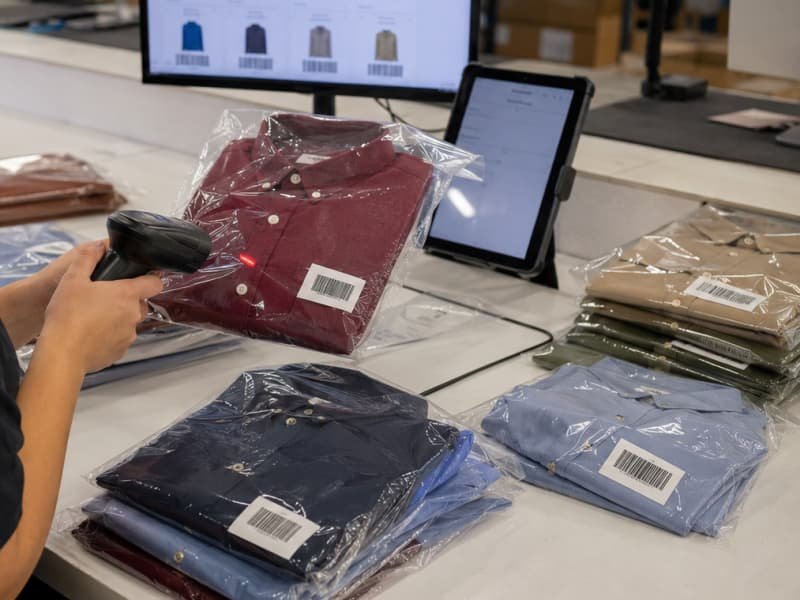
Multi-style programs often include several colors, sizes, delivery groups, and market codes. Barcode, SKU, assortment, carton, and packing-list accuracy support warehouse and retail operations. Order breakdown should be confirmed by style, color, size, quantity, destination, and packing method.
Hanger Folding​

Compact Folding

Compact folding can reduce packing volume, but excessive compression may damage appearance. Folding dimensions should match garment length, fabric behavior, trim placement, and polybag size. Sensitive surfaces may require tissue, board support, or alternative folding.

Carton Planning

Carton planning should consider garment weight, fold pressure, humidity protection, shipping method, stacking, destination, and warehouse handling. Overpacked cartons can create deep creases or damaged trims. Underfilled cartons can allow movement and distortion.

From Travel Concept to Production-Ready Dress

Duolan uses a staged development route to convert brand direction into an approved garment standard. Every stage should resolve specific decisions before the project advances. The route can be adjusted for tech-pack development, reference-image projects, original-sample improvement, or complete collection programs.

Project Brief Review

The team reviews product category, target market, travel scenario, style count, quantity, launch date, material direction, performance priorities, fit standard, care expectation, testing requirement, labels, and packaging.
Missing information is identified before costing or sampling moves too far. Clear inputs reduce generic fabric proposals and repeated development work.

Feasibility Review

Design, material, fit, function, workmanship, cost, and timing are reviewed together. The purpose is to identify conflicts early.
Examples include: A light fabric with strong opacity requirements, A fitted shape with limited stretch, A quick-dry claim with a heavy lining, A packable goal with rigid hardware, A launch date which leaves no testing buffer.

Fabric Shortlist

Material options are compared according to composition, construction, weight, stretch, recovery, drape, opacity, surface, care, availability, color, and target price band.
Brand-nominated fabrics can be reviewed. Alternative fabrics may be proposed when the original direction is unstable, unavailable, unsuitable, or difficult to repeat.

Pattern Development

The pattern converts the intended silhouette into measurable garment construction. Fit block, fabric behavior, movement, neckline, waist, hip, length, pockets, openings, and grading are considered.
Travel-specific fit points such as seated comfort, strap security, pocket load, and extended wear may be added to the review.

Prototype Sample

The first prototype evaluates design translation, material effect, silhouette, construction, proportion, and basic fit. A prototype is not automatically a production standard.
Early review should separate visual comments from fit, material, function, and workmanship comments.

Fit Review

Fit review checks measurements, balance, movement, neckline security, waist pressure, hip ease, sleeve mobility, hem, slit, and pocket position.
Consolidated comments help avoid contradictory changes. Pattern revisions should be recorded clearly.

Travel Performance Review

Relevant functions are evaluated according to the approved brief. Review may include packing recovery, garment weight, drying behavior, stretch recovery, opacity, pocket use, washing, or care.
Additional laboratory testing can be arranged when formal claims or market standards require it.

Revision Sample

The revised sample incorporates approved comments and provides a clearer basis for final fit, visual, material, construction, and function decisions.
Revision notes should distinguish completed changes, remaining decisions, and any new risk introduced by a change.

Photo or Sales Sample

When required, photo or sales samples should reflect the approved visual direction while remaining aligned with future production. Temporary sample solutions which cannot be reproduced reliably in bulk should be avoided.
Color, surface, fit, length, and styling details should be suitable for brand presentation.

PP Sample

The pre-production sample should represent the intended bulk basis, including approved fabric, lining, trims, color, measurements, workmanship, labels, and packaging direction as required.
Any remaining exceptions should be recorded before production begins.

Bulk Readiness Review

Before bulk production, Duolan reviews approval status, BOM, material readiness, measurements, workmanship, quality points, testing, packaging, delivery schedule, and production route.
The output may be summarized through a Bulk Start Confirmation or Production Readiness Note.

Production and QC

Orders are divided by style, color, size, quantity, material, complexity, workmanship, and timing. Production checkpoints are aligned with approved samples and project records.
Inline inspection, measurement review, final inspection, packing QC, and shipment preparation follow the confirmed quality plan.

Lock the Approved Standard Before Bulk Production

Sample approval should lead into a controlled production standard. Duolan reviews approved materials, measurements, construction, labels, packaging, quality points, testing, and delivery requirements before assigning the most suitable manufacturing route.

Confirm Approval Status

A sample may be visually approved, fit approved, PP approved, approved with comments, or still awaiting a material decision. Production should not begin on an unclear approval basis.
Any open point should have an owner, deadline, and defined effect on production.

Lock Materials

Fabric, lining, zippers, buttons, elastic, labels, thread, packaging, and special components should be recorded in the BOM or relevant production documents.
Material substitutions require review because small changes can affect color, fit, recovery, drying, drape, and care.

Lock Measurements

The approved measurement chart, points of measure, grade rules, tolerance, and sample reference guide production and QC.
Stretch fabrics, long garments, elastic areas, and bias sections may need specific measurement methods or relaxation conditions.

Lock Workmanship

Seam type, stitch density, reinforcement, closure, lining, pocket, hem, pressing, and finishing details should be confirmed.
Critical areas can be supported by photos, diagrams, approved components, or retained samples.

Confirm PP Basis

The PP sample should represent the intended production standard as closely as possible. Any difference between PP and bulk materials or trims should be documented and approved.

Confirm Testing

Required fabric or garment testing, reports, acceptance limits, and completion timing should be clear before production.
High-risk claims should not remain unresolved until final inspection.

Plan Production Route

Orders are assessed by style complexity, fabric, workmanship, quantity, timing, quality risk, and repeat potential.
Core styles, complex styles, printed styles, fast-response programs, and volume orders may follow different lines or factory routes.

Confirm Packing and Delivery

Folding, polybags, labels, barcodes, assortments, cartons, inspection, destination, shipping method, and required delivery window should be confirmed before packing materials are finalized.

Quality Control from Fabric Approval to Packing

Quality control begins during product development. Travel dress risks can originate from fabric, pattern, lining, stretch, pockets, fit, care, claims, sewing, pressing, packing, or repeat production. Duolan connects each risk with an approval record or inspection point.

Development Risk Review

Before sampling, the team reviews material suitability, structure, fit, function, workmanship, care, testing, and production feasibility. Examples include lightweight fabrics with heavy pockets, quick-dry claims with absorbent linings, fitted styles with unstable stretch, or packable products with rigid trims.

BOM and Material Reuse

Material Approval

Approved swatches, colors, prints, weights, stretch, surface, handfeel, opacity, and required performance create the material basis.

Bulk material is checked against the approved reference before cutting.

Sample Standard

Prototype, fit, revision, photo, and PP samples serve different purposes. The final production basis should be clearly identified.

Approved comments, measurements, BOM, workmanship, and quality points should align with the sample standard.

Pre-Production Review

Before line start, production teams review style construction, material, measurements, critical workmanship, pressing, labels, packaging, and known risks. Complex or unfamiliar details may require a first-piece or pilot confirmation.
First-piece Confirmation​

First-Piece Inspection

The first production pieces help verify measurements, appearance, seam quality, pocket placement, closure function, hem, lining, labels, and packing direction before larger output continues. Corrective action should be completed before the issue spreads across the order.

Inline Inspection

Inline checks monitor critical measurements, workmanship, assembly, color, matching, labels, and recurring defects during production. Inspection frequency and scope can be adjusted according to style risk, brand standard, and order size.

Final Inspection

Final inspection can cover appearance, measurements, workmanship, function, labels, barcodes, assortment, packaging, and carton information according to the agreed inspection standard. Third-party inspection can be coordinated when required.
factory Innovative Packaging Solutions for Women’s Fashion clothing dl

Packing QC

Packing QC checks folding, polybag, labels, barcode, size, color, assortment, moisture protection, carton quantity, markings, and shipping documents. Travel garments with sensitive crease behavior may require extra folding and carton-pressure control.

Repeat-Order Comparison

Repeat orders should be compared with retained standards for fabric, shade, handfeel, measurements, fit, workmanship, packing, and approved changes. Reorder consistency depends on preserving the first order’s production records.

Manufacturing Capacity for Multi-Style Travel Collections

Duolan’s manufacturing network combines dress development, owned-factory control, flexible capacity, material coordination, special-process support, quality management, and brand-level project organization. Scale is used to support product programs rather than presented as an isolated number.

Dress-Focused Development

Duolan concentrates on fashion dresses, occasion dresses, party dresses, resort and vacation dresses, fitted dresses, and related fashion products. Travel collections benefit from existing knowledge of drape, fit, silhouette, lining, coverage, stretch, and fashion presentation.

Owned Factory Control

Sixteen owned womenswear factories provide a controlled base for core products, development-sensitive styles, repeat orders, and programs requiring closer sample-to-bulk alignment.
Production allocation follows product needs rather than a single-factory model.

Flexible Manufacturing Network

More than twenty long-term satellite factories and regional production resources support volume changes, repeat programs, seasonal peaks, and different workmanship routes.
Relevant supporting manufacturing resources include more than 12,000 workers across associated regional bases.

Multi-Style Organization

Three hundred sewing lines and more than fifty quick-response lines support multi-style development and production. Typical brand programs may include 10–30 styles with 20,000–80,000 total pieces per order.
Style complexity, material, timing, and risk determine line allocation.

Material and Process Resources

Duolan operates within the mature South China apparel supply chain, with access to fabric, trims, accessories, printing, embroidery, dyeing, washing, and finishing resources.
Special processes are evaluated for material compatibility, appearance, cost, timing, and bulk repeatability.

Compliance and Documentation

The factory system has completed SMETA and SMETA 2-Pillar audit processes. Requirements connected with BSCI, ISO 9001, AATCC, ASTM, OEKO-TEX®, EN, China GB standards, GOTS, and brand-specific standards can be reviewed according to each project.

Selected Travel Dress Program Profiles

The following confidential program profiles illustrate commercial order structures commonly handled for established fashion brands. Brand names and proprietary design details remain protected. Product quantities reflect multi-style orders within Duolan’s regular cooperation range.

US Urban Travel Capsule

Region: United States
Program: Urban travel and business lifestyle dresses
Order structure: 18 styles
Total order: 42,000 pieces
Style quantity range: 1,600–3,400 pieces
Product mix: Stretch shirt dresses, jersey midis, wrap dresses, utility-pocket dresses, and polished day-to-night styles
Challenge:
The collection needed to move between flights, city travel, meetings, and evening dining. Original design references included lightweight materials, but several options created transparency, placket pulling, weak pocket support, or poor recovery after sitting. The brand also required coordinated colors and a consistent fit direction across jersey and woven products.
Development approach:
  • Grouped the 18 styles into jersey, stretch woven, and crepe material families
  • Prioritized four high-risk styles for early sampling
  • Reviewed sitting comfort, pocket load, neckline security, and fold recovery
  • Adjusted pocket placement and reinforcement on three utility styles
  • Revised waist ease and shirt-dress placket balance
  • Standardized labels, folding dimensions, and carton packing across the program
Production control:
Approved materials, measurement charts, workmanship notes, and packing rules were locked before line allocation. Core repeat styles remained within controlled factory routes. First-piece checks focused on pocket balance, placket shape, stretch recovery, and hem alignment.
Result:
The complete order entered production with a unified fit and material system. Five core silhouettes were retained as repeat-order foundations, allowing later color and sleeve extensions without rebuilding the full development process.

European Resort Travel Collection

Region: Europe
Program: Resort, cruise, and warm-climate travel dresses
Order structure: 24 styles
Total order: 68,000 pieces
Style quantity range: 1,800–4,200 pieces
Product mix: Printed maxis, wrap midis, adjustable-strap dresses, relaxed shirt dresses, and dinner-ready resort styles
Challenge:
The collection required lightweight packing, fluid movement, warm-climate comfort, and strong campaign visuals. Several light-colored and printed materials showed transparency, seam slippage, color variation, or unstable hems. Full lining improved opacity but increased weight and drying time.
Development approach:
  • Divided products into printed woven, lightweight crepe, and soft jersey groups
  • Used partial lining and local coverage solutions where suitable
  • Reviewed print strike-offs, colorfastness, opacity, and seam performance
  • Adjusted maxi lengths and slit positions for walking safety
  • Revised strap attachment and neckline support
  • Developed a folding method which reduced pressure on adjustable hardware
Production control:
Printed lots were separated and tracked. Garment panels were planned according to shade and print consistency. Critical maxi styles received hem-level checks after fabric relaxation. Packing QC reviewed folding, hardware position, and carton pressure.
Result:
The 24-style collection maintained a consistent destination mood while using controlled material families. Eight styles moved into repeat production, including new colorways and print extensions based on preserved fit and construction standards.
3.Australian Resort Program twist (1)

Australian Warm-Climate Travel Program

Region: Australia
Program: Warm-climate lifestyle and travel dresses
Order structure: 12 styles
Total order: 28,800 pieces
Style quantity range: 1,800–3,000 pieces
Product mix: Lightweight midis, active-inspired travel dresses, relaxed columns, and easy-care shirt dresses
Challenge:
The collection required low garment weight, movement, easy washing, warm-climate comfort, and clean ecommerce presentation. Early fabric proposals performed well in drying reviews but appeared overly athletic, while softer options showed weak recovery and surface pilling.
Development approach:

  • Compared matte nylon blends, compact jersey, and lightweight stretch woven fabrics
  • Prioritized surface appearance alongside drying and recovery
  • Adjusted fit to reduce cling in high-heat conditions
  • Added secure low-profile pockets to selected styles
  • Reviewed garment weight, wash appearance, pilling, and recovery
  • Simplified internal construction to reduce drying time without losing coverage

Production control:
Bulk materials were checked for weight, stretch, recovery, surface, and shade. First-piece inspection emphasized seam comfort, pocket reinforcement, neckline stability, and garment balance. Care labels were aligned with the approved wash and drying direction.
Result:
The final range achieved a stronger fashion position than the original activewear-led concept. Four silhouettes became continuing seasonal styles with new colors planned around the preserved material and fit standards.

Why Fashion Brands Choose Duolan for Travel Dresses

Travel dress development sits between fashion manufacturing and performance-led product engineering. A supplier needs enough dress knowledge to protect silhouette and enough process discipline to verify materials, samples, claims, production, and repeat orders.

Dress-Focused Expertise

Duolan’s core strength remains womenswear and fashion dresses. Travel function is developed within established knowledge of fit, drape, silhouette, lining, support, proportion, and visual finish. The final product should look like a strong fashion dress before it communicates any performance benefit.

Fashion and Function Balance

Material and function decisions are reviewed against the brand’s visual direction. Lightweight, stretch, drying, or wrinkle-recovery goals should not create an overly athletic, transparent, shapeless, or low-value result. Trade-offs are identified before sample approval.

Fabric-Risk Evaluation

Duolan reviews weight, composition, structure, stretch, recovery, opacity, handfeel, surface, drape, care, color, availability, and bulk stability. Material proposals are connected to the intended dress rather than presented as a generic fabric catalogue.

Production-Ready Sampling

Samples are used to resolve material, fit, construction, performance, care, and production questions. Revision summaries and approval records create a clearer route from prototype to PP sample and bulk production.

Sample-to-Bulk Control

Approved sample details are converted into materials, measurements, workmanship, quality checkpoints, labels, packaging, and production instructions. Bulk readiness review reduces the risk of a good sample becoming an inconsistent order.

Scalable Manufacturing

Owned factories, satellite factories, 300 sewing lines, and 50+ quick-response lines support multi-style programs, core styles, launch orders, repeat orders, and seasonal volume. Production paths are selected according to product requirements rather than capacity alone.

Frequently Asked Questions About Travel Dress Manufacturing

A travel-friendly dress combines suitable fabric behavior, comfortable fit, controlled construction, manageable care, packability, and reliable appearance across intended travel conditions. Relevant properties may include wrinkle recovery, low weight, drying performance, stretch, breathability, opacity, pockets, and multi-scenario styling. The final definition should follow the brand’s specific product promise.
Duolan can develop dresses with improved wrinkle resistance or recovery by reviewing fabric construction, finishing, garment design, seams, linings, pressing, and packing. Absolute “wrinkle-free” claims should be avoided unless supported by an agreed standard. Finished-garment recovery should be reviewed because seams, hems, and trims may behave differently from a fabric swatch.
Suitable options may include polyester crepe, stretch woven blends, jersey, interlock, ponte, nylon-spandex, modal blends, lyocell blends, viscose blends, and recycled polyester blends. The best direction depends on silhouette, climate, care method, stretch, opacity, drape, price position, and required performance.
Packability can be reviewed through folding method, compressed storage, unpacking, hanging recovery, seam impressions, trim pressure, lining behavior, and final appearance. Garment weight and folded volume may also be recorded. Conditions should reflect the intended product claim and packaging method.
Quick-dry development can be evaluated when relevant to the product. The complete garment should be reviewed because linings, waistbands, pockets, elastic, and layered sections may dry slower than the shell. Formal claims may require agreed testing or third-party verification.
Verification depends on the claim, destination market, brand policy, material documentation, and required test method. Review may include internal development checks, supplier reports, garment testing, or third-party laboratory testing. Claim wording should remain aligned with available evidence.
Useful files include tech packs, reference images, original samples, measurement charts, fit standards, fabric directions, color references, performance requirements, testing standards, target quantities, launch dates, label artwork, and packaging instructions. Partial information can still be reviewed, followed by a list of missing decisions.
Yes. Duolan can support multi-style programs across jersey, woven, business travel, resort, city, and active-inspired dress directions. Collection planning may cover style roles, material families, color direction, sample priority, fit standards, production route, and repeat potential.
Control begins with approved samples, confirmed BOM details, material references, measurement charts, workmanship standards, PP approval, first-piece checks, inline inspection, final inspection, and packing QC. Repeat orders benefit from retained patterns, specifications, samples, and production records.
Reference production times begin after PP approval, materials, order details, payment conditions, labels, packaging, and production requirements are confirmed. Simple styles may require about 15–20 days, standard styles about 20–30 days, and complex styles about 30–45 days. Material sourcing, printing, testing, inspection, and shipping remain separate considerations.

Start Your Travel Dress Development Project

Share the information already available, even when several details remain under review. A clear project brief helps Duolan assess material direction, fit priorities, construction risk, sample route, testing needs, production timing, and bulk feasibility more accurately.

Useful information includes:

  • Company and brand name
  • Website or brand profile
  • Target market and sales channel
  • Travel scenario and climate
  • Dress categories and style count
  • Tech packs, reference images, or original samples
  • Fabric composition, weight, stretch, handfeel, or performance direction
  • Required wrinkle recovery, packability, drying, stretch, opacity, or care goals
  • Size range and fit standard
  • Colorways and print requirements
  • Planned quantity by style
  • Target launch and delivery dates
  • Testing, inspection, and compliance requirements
  • Main labels, care labels, hangtags, barcodes, and packaging files

Duolan will review the supplied information and identify the next suitable path: material evaluation, pattern and sample development, production-ready sample review, bulk quotation, repeat-order planning, or supplier capability evaluation.


3.European Resort Dress Development (1)

Start Your Apparel Development Project

OEM/ODM Manufacturing Support for Fashion Brands

Share your collection details, estimated quantities, target market, development timeline, and technical requirements. The production team will review your request and provide a tailored manufacturing solution based on your product category, fabric selection, construction needs, and delivery schedule.

Fashion Manufacturing Support with Scalable Production Capacity

From sample development to bulk production, Duolan supports fashion brands with confidential OEM/ODM manufacturing, stable quality management, flexible production planning, and coordinated multi-factory execution for seasonal and capsule collections.

Need Direct Assistance?

Seraphinite AcceleratorOptimized by Seraphinite Accelerator
Turns on site high speed to be attractive for people and search engines.