Skip to content
Mini Dress Manufacturing
Dress-focused development, sampling and scalable production for established fashion brands building commercial mini dress collections.
Duolan turns defined design direction into production-ready mini dresses through coordinated fabric development, pattern engineering, fit review, sampling, workmanship validation and controlled bulk execution. The manufacturing structure supports style-sensitive collections rather than isolated sewing orders.
- 30+ years of fashion dress development and market-led product experience.
- 16 owned womenswear factories supported by 20+ long-term satellite factories.
- 300 sewing lines, including 50+ quick-response and flexible production lines.
- 3,000-8,000 styles supported through development and sampling workflows each month.
- Experience across bodycon, satin, corset, mesh, sequin, halter, backless and structured mini dresses.
- SMETA and SMETA 2-Pillar audited manufacturing system for brand qualification programs.
Built for Established Fashion and Product Teams
Fashion Brand Teams
- Collection-level fabric and silhouette planning
- Multi-style sampling and revision coordination
- Controlled transition from approval to repeat production
Product Development Teams
- Fit priority and measurement review
- Pattern correction linked to written comments
- Production-readiness decisions before bulk release
Sourcing and Buying Offices
- Structured style, color, size and quantity breakdown
- Capacity planning across owned and supporting factories
- Documented quality and delivery checkpoints
Complete Mini Dress Manufacturing Scope
Project Feasibility Review
Fabric and Trim Development
Pattern and Fit Engineering
Sampling and Revision
Bulk Production Control
Inspection and Delivery
Inspection begins before sewing and continues through first-piece review, inline checks, final inspection and packing verification. Mini dress controls focus on body length, coverage, bust support, strap length, transparency, side-seam balance, hem level, closures, embellishment attachment and size consistency. Branded packing and shipping documents complete the delivery path.
Mini Dress Styles Built for Commercial Collections
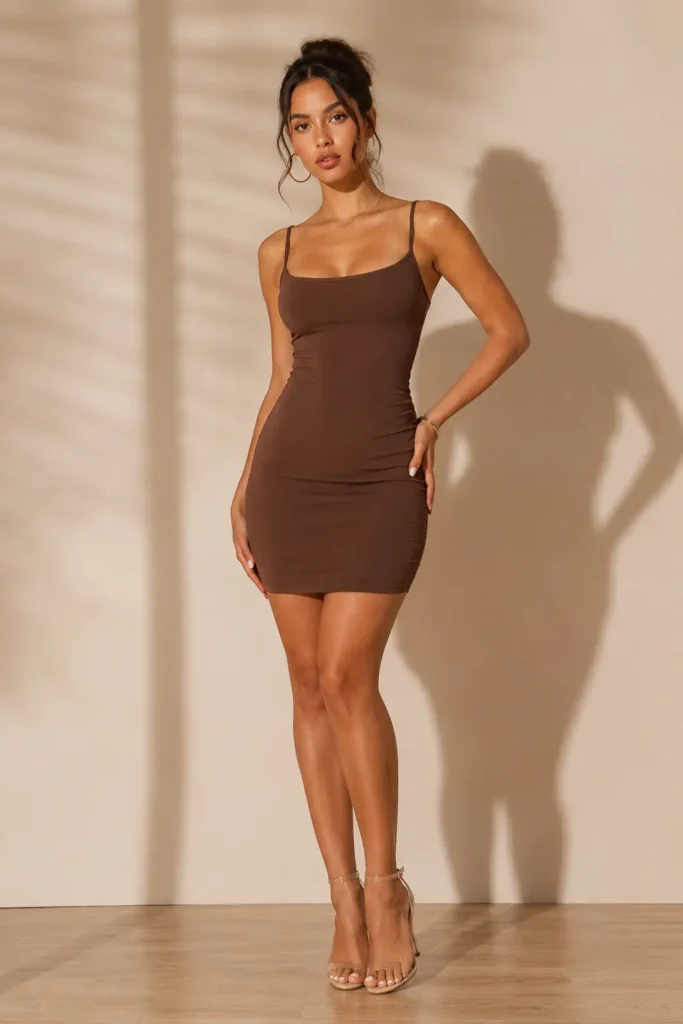
Bodycon Mini Dresses

Corset Mini Dresses
Corset mini dresses require disciplined cup placement, boning position, underbust balance, waist shaping, back closure and lining. Attractive front construction can fail when the support system does not match the fabric or size range. Duolan tests internal structure, pressure points, neckline security and grading before bulk. Suitable directions include bustier minis, lace-up corset styles, satin corset dresses and embellished party silhouettes.

Satin Slip Minis

Sequin Party Minis

Halter Mini Dresses

Backless Cut-out Minis
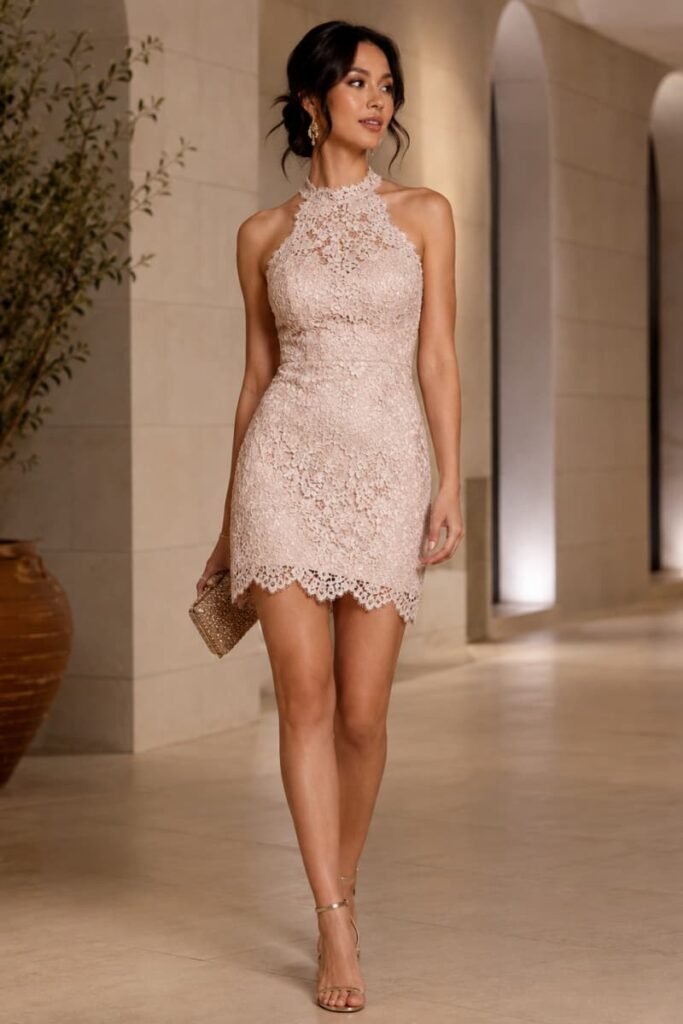
Mesh Lace Minis

Structured Blazer Minis
Control Mini Dress Risks Before Production
Short silhouettes amplify errors that may remain less visible in longer garments. A small change in body length, strap tension, stretch recovery or lining coverage can alter wearability, photography and return risk. Duolan links each risk to a measurable development or production control before volume is released.
| Risk Area | Commercial Effect | Duolan Control Standard |
|---|---|---|
| Body length and hem position | Coverage may look acceptable while standing but fail during walking, sitting, turning or reaching. | Define the point of measure, review movement on the fit sample, confirm hem balance and apply a controlled tolerance in bulk. |
| Fabric opacity | Light colors, stretched areas or flash photography may reveal underwear, seam allowances or internal construction. | Review fabric under normal and strong light, confirm lining zones, check opacity at target stretch and lock the approved fabric lot. |
| Stretch and recovery | The dress may loosen, ride up or change measurement after wearing, steaming or repeated handling. | Record stretch direction, recovery behavior, relaxation, shrinkage and cutting direction; verify bulk lots against the approved sample basis. |
| Bust and neckline support | Strapless, halter, corset and cut-out styles may slip, gape or create pressure at the wrong points. | Review cup position, neckline curve, boning, elastic, strap tension and closure strength during fit and grading. |
| Waist-hip balance | Fitted minis may show drag lines, side-seam movement, horizontal wrinkles or upward migration. | Correct pattern contour, waist shaping, hip ease, seam placement and fabric tension rather than altering the surface only. |
| Hem construction | Light fabrics may flip or wave; heavy decoration may pull the hem down; stretch hems may tunnel. | Select a hem method by fabric behavior, test stitch and pressing settings, and review the finished hem after rest. |
| Closure performance | Invisible zippers, lacing, hooks or elastic may distort the silhouette or fail under stress. | Confirm zipper length, insertion method, reinforcement, hook position and opening allowance on the sample and first piece. |
| Sample-to-bulk consistency | Approved fit and visual details may drift when materials, operators, lines or factories change. | Lock PP standards, BOM, measurements, workmanship points and inspection checkpoints; validate first-piece and inline results before full release. |
Fabric and Lining Engineering for Mini Dresses
Stretch Jersey and Bodycon Fabrics
- Review points: GSM, composition, stretch direction, recovery, shrinkage and opacity
- Fit points: bust-waist-hip contour, riding-up risk, seam tension and hem stability
- Bulk controls: lot matching, fabric relaxation, cutting direction and approved stitch settings

Satin and Drape-led Fabrics
- Review points: drape, grain, surface marks, needle holes, puckering and crease recovery
- Construction points: neckline, straps, lining, bias behavior, hem flow and pressing
- Bulk controls: shade grouping, clean handling, approved pressing and protective packing
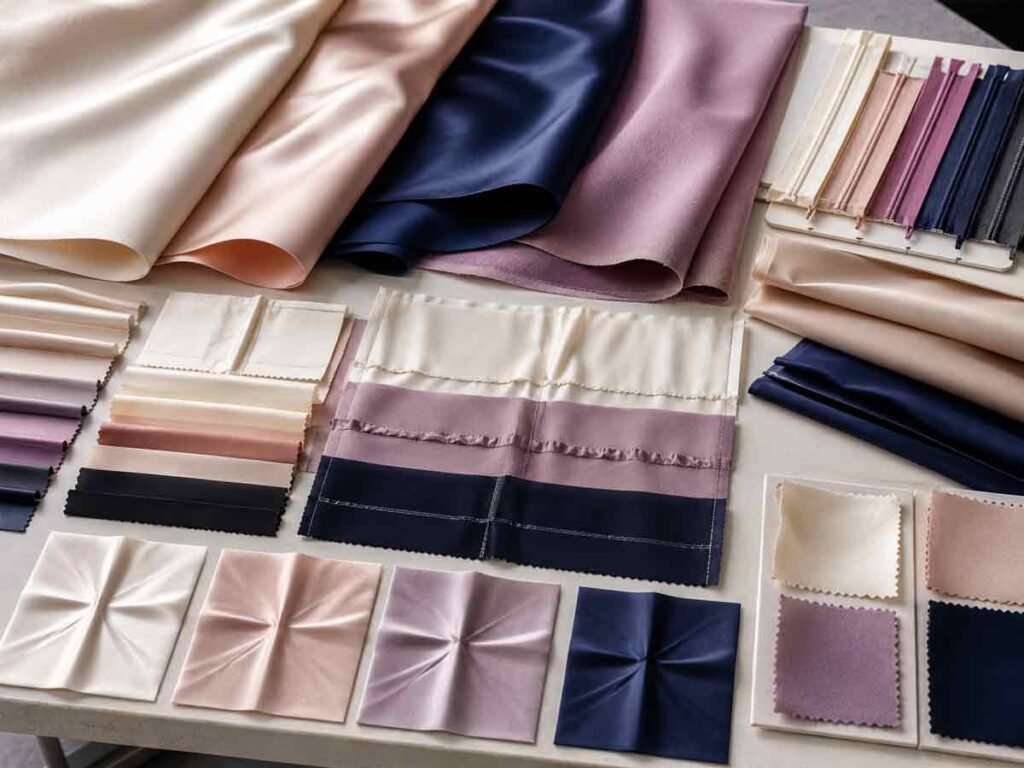
Mesh, Lace and Sheer Materials
- Review points: outer-to-lining stretch, transparency, motif placement and edge behavior
- Fit points: coverage zones, neckline security, side-seam stability and layered movement
- Bulk controls: placement markers, symmetry standards, lining length and seam visibility

Sequin and Embellished Materials
- Review points: decoration density, base-fabric strength, weight, abrasion and seam clearing
- Construction points: lining protection, edge comfort, reinforcement and balanced placement
- Bulk controls: process routing, attachment checks, protective packing and handling discipline

Pattern, Length and Fit Engineering
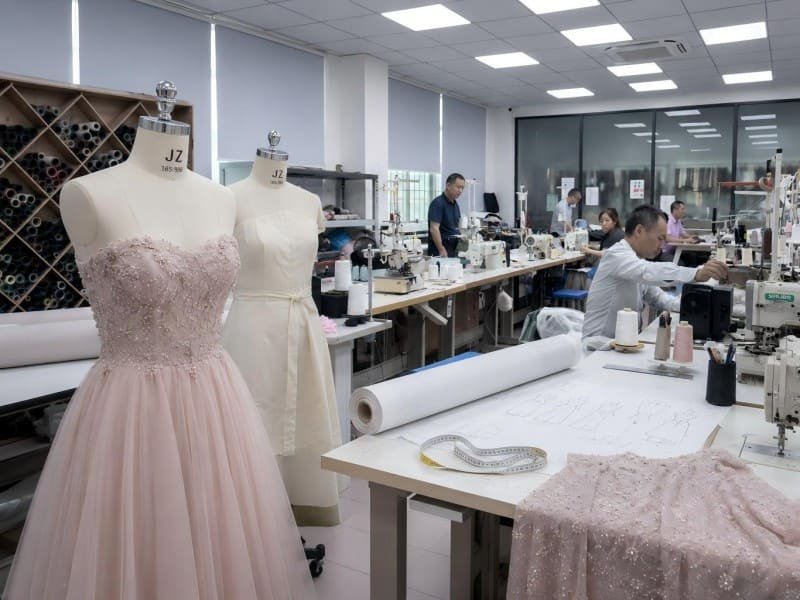
Define Measurements Around the Intended Silhouette

Review Length During Real Movement

Correct the Pattern, Not Only the Sample Surface

Grade Proportion Across the Full Size Range
A successful sample size does not guarantee a stable commercial size range. Mini dress grading must preserve neckline position, bust support, waist level, cut-out placement, strap length, skirt proportion and hem coverage. Programs commonly expand from a core fit sample into XS-XL or a broader brand-defined range. Duolan follows the supplied grading rules or develops a grading proposal around the target market, fabric behavior and intended fit. Mechanical increases can distort a short silhouette. Adding equal length at every size may change the design proportion, while insufficient vertical growth can reduce coverage in larger sizes. Stretch fabrics need different grade logic from rigid woven fabrics. Structured corset minis need cup and boning review by size, not only circumference changes. Duolan links grading to the size chart, fit comments, PP sample and measurement tolerance so approved proportions remain visible during bulk inspection and future reorders.
Development Can Start From Different Inputs
Tech Pack and BOM
Reference Images
Original Sample
Sketch and Moodboard
Fabric Direction
Existing Style Redevelopment
Mini Dress Sample Development From Brief to Approval
Project Review and Sample Planning
Typical planning ranges begin after reference materials and essential decisions are available. Standard knit or woven mini dresses often require about 7-12 working days for a first sample. Corset, heavily embellished, engineered lace, structured or multi-layer styles often require about 12-20 working days. Custom fabric, lab dips, printed strike-offs or special trims can add 7-21 days before the garment sample is ready. Final timing is confirmed against the actual development route rather than promised from the style name alone.
Pattern, Material and Workmanship Preparation
Material and pattern preparation happen together. A change from rigid satin to stretch satin alters fit, seam construction and grading. A change in sequin density alters weight, lining and hem balance. A change in zipper type can affect the side seam and opening allowance. Early alignment prevents a technically correct pattern from being built around the wrong material assumptions.
First Sample and Internal Review
An internal review does not replace brand approval. It creates a cleaner sample and a more focused feedback process. Complex styles may receive a short review note listing the points already verified and the areas needing brand confirmation. The sample is then shipped with project identification, sample type, measurement information and tracking details so the receiving team knows how to evaluate it.
Fit Comments and Pattern Revision
Fit comments work best when they connect observation, measurement and desired result. Duolan can work from annotated photos, fit-session videos, measurement sheets, written comments or live review calls. Comments are sorted into pattern, measurement, fabric, construction and workmanship actions. Conflicting comments are clarified before the revised sample begins. A typical revision may require about 5-10 working days after comments and materials are confirmed, while complex redesign or new material development requires a new schedule.
Revision records preserve the reason behind each change. A lowered neckline may require strap, cup and lining adjustments. A tighter waist may change zipper tension and hip movement. A shorter hem may require new lining and movement review.
PP Approval and Production Readiness
A PP sample should represent the approved production basis in fabric, color, trims, measurements, construction, labels and workmanship. Duolan reviews open issues before PP development and records any approved exceptions. A typical PP sample may require about 7-12 working days after bulk materials are ready, although special workmanship or multiple approval rounds can extend the schedule.
Approval is followed by a production-readiness check. Fabric, lining, trims, colors, measurements, tolerances, workmanship points, labels, packaging and inspection requirements are locked. Higher-risk mini dresses may enter first-piece confirmation or a small pilot stage before the full run is released. The result is a controlled path from sample approval into manufacturing, not an abrupt handover between separate teams.

Construction Details That Hold the Silhouette

Bust and Cup Support

Straps and Necklines

Lining and Coverage

Zippers and Closures

Seams and Stress Points

Hems and Edge Finishing
Special Workmanship for High-Impact Mini Dresses

Sequin Application

Beading and Rhinestones

Embroidery and Lace

Printing and Placement

Ruching and Draping

Washing and Finishing
From Approved Sample to Controlled Bulk Production
Bulk Readiness Review
Duolan first confirms the approval status: fit approved, visual approved, PP basis or still pending refinement. The order purpose is also identified as launch order, test order, repeat order or scale-up order. Fabric, lining, trims, colors, measurements, tolerances, workmanship points, labels and packaging are checked against the approved basis. Open issues are listed before production planning begins.
The review prevents a visually approved sample from hiding unresolved production risks. A temporary zipper, substitute lining or hand-corrected hem may be acceptable in an early sample but unsuitable for bulk. A sequin placement may need a cutting marker. A bodycon fabric may require relaxation and lot control. A corset mini may need a first-piece check for cup and boning alignment. The output is a concise production-readiness note that shows what is locked and what still needs approval.
Production Path and Timeline Plan
First-piece and Pilot Confirmation
Higher-risk styles are verified before the full run is released. First-piece confirmation checks measurements, pattern balance, fabric response, construction, closure function, workmanship and visual details under production conditions. A small pilot may be used when the style depends on complex corset structure, dense sequins, layered mesh, satin handling or sensitive fit. Process settings and corrective actions are recorded for the production line.
Early verification is especially valuable when a sample was made by highly skilled sample technicians. Bulk operators, cutting methods and production equipment can produce different results unless the method is transferred clearly. Duolan uses approved samples, construction instructions, measurement points, workmanship references and first-piece results to bridge the gap. Full output begins only after critical points are aligned.
Repeat Production and Standard Preservation
Repeat orders benefit from preserved patterns, size specifications, BOM records, approved workmanship and previous inspection findings. Duolan reviews current material lots, colors and order requirements before reusing the standard. A repeat order may still require a confirmation sample or first piece when fabric, factory, quantity, color or construction has changed. The goal is to reproduce the approved product while recognizing new variables rather than assuming the previous order will repeat automatically. Reorder planning also considers demand speed and capacity. Strong-performing mini dresses may need replenishment during a selling window. Archived standards shorten preparation, while flexible lines and satellite capacity can support scale-up when the style is suitable. Quality checkpoints remain tied to the approved basis so faster replenishment does not remove fit, material or workmanship controls.
Bulk Planning for Multi-Style Mini Dress Programs
Classify Styles Before Capacity Is Assigned
Each style is classified by fabric behavior, fit sensitivity, structure, workmanship and material readiness. A simple stretch mini, a bias satin slip, a corset dress and a fully sequined party mini require different sewing skills and preparation. Duolan identifies standard, fit-sensitive, material-sensitive, structure-sensitive and embellishment-sensitive styles before capacity is assigned. The classification guides sample priorities, technical support, line selection and inspection intensity.
Color and size structure also influence planning. A style with six colors and an extended size range creates more cutting, bundling, labeling and inspection combinations than a single-color core style. Nominated fabric, custom lab dips, printed artwork and special trims may create separate readiness dates. The plan keeps these variables visible so one delayed input does not obscure the status of the full collection.
Match Production Resources to Product Risk
Core high-risk styles can remain under tighter control within owned factories and experienced lines. Standard or repeat styles can use established production routes. Flexible lines support priority launches, pilot orders and replenishment where the garment and material are ready. Satellite factories add capacity for approved, transferable styles when order volume grows. Special processes such as print, embroidery, washing and embellishment are routed through long-term supporting resources with defined sample and production standards.
Factory count alone does not create stability. Product-to-line matching, material readiness and technical transfer decide whether capacity is useful. Duolan uses production files, approved samples, first-piece checks and inline inspection to keep the style standard visible when several lines or factories are involved. The same approach supports seasonal peaks without treating every order as an emergency.
Build Delivery in Controlled Waves
Staged delivery can protect launch dates when several mini dress groups have different preparation needs. Ready standard styles may enter production first. Structured or embellished styles can follow after workmanship and material confirmation. Shipping waves are planned around sales priority, complete color-size assortments, packing requirements and freight strategy. A partial shipment is not released merely because units are finished; the assortment and launch purpose must remain useful to the receiving team.
Progress is tracked through sample status, material status, cutting, sewing, special process, inspection, packing and shipment preparation. Order changes are assessed for their effect on fabric, capacity and delivery rather than accepted without impact review. A clear program plan helps brand teams manage photography, launch, replenishment and warehouse intake with fewer surprises.

Mini Dress Quality Control Across Six Checkpoints
Development Risk Review
Fabric and Trim Inspection
PP Standard Locking
First-piece Confirmation
Inline Inspection
Final and Packing Check
Final inspection confirms finished measurements, appearance, workmanship, labels, barcodes, folding, polybags, size-color assortment and carton marks. AQL requirements or third-party inspection can be coordinated according to the brand program. Shipment release follows correction and recheck of identified issues rather than packing first and reviewing later.
Branding, Packing and Shipment Preparation

Main and Size Labels
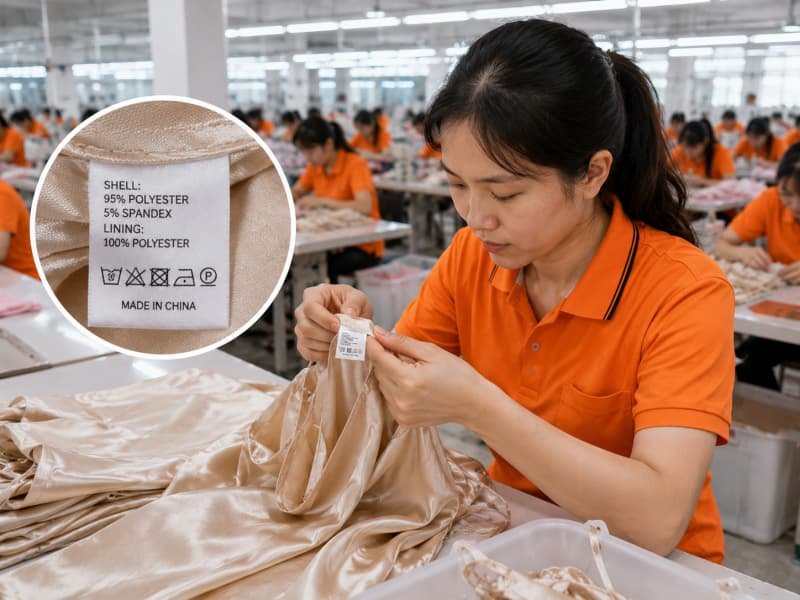
Care and Content Labels

Hangtags and Barcodes

Garment Protection

Carton Assortment

Shipment Documents
Manufacturing Capacity for Multi-Style Programs
Duolan combines owned-factory control with a long-term supporting network. The scale matters because mini dress collections frequently mix simple, fitted, structured and decorated styles within one launch calendar. Capacity is valuable only when development standards, production routes and quality checkpoints remain coordinated.
| Manufacturing Fact | Scale | Value for Mini Dress Programs |
|---|---|---|
| Owned womenswear factories | 16 factories | Core, complex and high-priority mini dress programs can remain under direct manufacturing control. |
| Satellite factory network | 20+ long-term partners | Approved repeat styles and volume increases can gain additional capacity without rebuilding the supply network. |
| Supporting workforce | 12,000+ workers | Multi-region production support provides capacity buffering during seasonal peaks and large launch programs. |
| Sewing lines | 300 lines | Several style groups, colorways and delivery waves can run in parallel when materials and standards are ready. |
| Flexible production lines | 50+ lines | Pilot orders, priority launches, replenishment and selected fast-response programs receive dedicated routing. |
| Stable monthly capacity | Approx. 6.5 million pieces | Large brand programs can move from launch quantities into repeat and scale-up production. |
| Peak monthly capacity | Up to 10 million pieces | The manufacturing network can absorb seasonal concentration through coordinated capacity planning. |
| Style development workflows | 3,000-8,000 styles monthly | Large numbers of samples, revisions and multi-style projects can be managed through specialized development teams. |
Compliance, Confidentiality and Supplier Qualification
Audit and Social Responsibility
Duolan relies on a manufacturing system that has completed SMETA audit and SMETA 2-Pillar audit. Relevant audit records and supplier capability information can be reviewed under the appropriate qualification process.
Factory allocation for a program is discussed alongside the required social responsibility, production and documentation expectations rather than presenting an audit name without identifying the manufacturing route.
- SMETA audit completed
- SMETA 2-Pillar audit completed
- Factory-specific document review available during qualification
Market and Brand Standards
- Material and product testing planned by market and garment risk
- Brand manuals, restricted substances and quality standards can be incorporated
- Third-party laboratories or inspection agencies can be coordinated when required
Design Confidentiality
Unreleased styles, tech packs, original samples, print artwork, labels, pricing and production information can be protected through NDA and controlled internal access. Project references used for capability presentation are anonymized or approved before publication. Development files remain connected to the responsible team, while factory and process sharing is limited to the information needed to execute the garment. Confidentiality supports long-term cooperation and protects both design value and launch timing.
- NDA support before full design disclosure
- Restricted handling of unreleased styles and brand files
- Anonymous case presentation unless written approval is available
Anonymized Case: 18-Style Mini Dress Program
Program Scope and Commercial Target
A US fashion brand planned an occasion and going-out mini dress drop with 18 styles and a total order quantity of 48,600 pieces. The range covered XS-XL, six principal color families and four product groups: six stretch bodycon minis, four satin slip or draped minis, five corset and structured minis, and three mesh or sequin statement styles. Individual style quantities ranged from 1,800 to 4,200 pieces according to commercial priority. The launch required coordinated photography samples, final fit approval, branded labels, barcode files and four staged shipping waves.
The main challenge was not total capacity. Each product group had a different risk profile and material readiness date. Stretch styles needed opacity and recovery control. Satin styles needed color, drape and pressing discipline. Corset styles needed cup, boning and back-closure stability. Mesh and sequin styles required lining, placement and protective packing. A single production route would have created unnecessary waiting and transferred risk between unrelated styles.
Development Route and Sample Decisions
The project began with technical files, reference samples, a brand size chart and target launch dates. Duolan divided the 18 styles into standard, fit-sensitive, structure-sensitive and embellishment-sensitive groups. Material boards were prepared by group rather than style alone, allowing compatible linings, zippers and support components to be reviewed together. Standard first samples were planned within 8-12 working days after material direction was confirmed. Structured and embellished samples followed a 13-18 working-day route, including workmanship swatches for sequin placement and corset support.
Twelve styles reached approval after one formal revision. Six styles required a second revision because of bust support, strap tension, lining length, satin hem balance or sequin weight. Comments were returned to the pattern, measurement and construction files. PP samples used bulk-intent materials and approved labels so production readiness could be assessed before capacity was released.
Pattern, Fabric and Workmanship Corrections
Bodycon styles were corrected around hip tension and riding-up risk. Two light colors received partial double layers after opacity review. Satin styles used adjusted seam tension, neckline stabilization and a revised hem process after the first samples showed minor waviness. One bias-inspired style was allowed to rest before final hem leveling. Corset styles received revised cup position, boning termination and zipper reinforcement. A lace-up back style gained a modest internal support panel so the external lacing remained decorative rather than carrying the full load.
For the statement group, sequin density near the hem was reduced without changing the front visual effect, lowering weight and improving edge comfort. Mesh lining coverage was lengthened by 1.5 cm on two styles after movement review. Placement markers were added for lace and sequin panels, while protective packing was specified for decorated surfaces. Each correction was linked to the approved pattern, BOM or workmanship reference so the production lines did not rely on verbal instructions.

Production Allocation and Quality Control
Quality control concentrated on body length, bust-waist-hip measurements, neckline security, strap length, lining coverage, zipper position, hem level, decoration attachment, labels and size-color packing. Inline findings were corrected before the next quantity block. Final inspection and packing checks followed the brand quality plan, with complete barcode and carton verification for each shipping wave. The first shipment left 34 days after PP release for the ready group; the final wave completed 49 days after the last material approval.
Commercial Outcome and Reorder Readiness
The 48,600-piece program shipped across four planned waves, allowing the brand to begin photography, launch and warehouse intake before the most complex styles were completed. Approved patterns, measurement specifications, BOM records, color references, label files and workmanship standards were archived by style. The staged route preserved the launch priority without forcing satin, corset and embellished products into the same production timing as standard styles.
The project also created a clearer reorder path. Strong-performing styles could be reviewed against the original material lot, color and approved standard rather than redeveloped from zero. Capacity expansion remained conditional on material availability and first-piece confirmation, protecting the fit and visual result during scale-up. The case shows how a multi-style mini dress program can combine speed with technical control when styles are separated by risk and readiness.
Mini Dress Manufacturing Frequently Asked Questions

Start Your Mini Dress Manufacturing Project
Send the available project information for a structured development and production review. Duolan will evaluate the mini dress category, material direction, fit sensitivity, construction, workmanship, expected quantity and delivery requirement before recommending the most suitable sample or bulk path. Complete files are welcome, yet a project can also begin with reference images, an original sample or a defined collection direction. All unreleased designs and brand files can be handled under NDA. Accurate information allows the team to identify risks early, plan realistic timing and prepare a quotation that reflects the actual garment rather than a generic dress category.
- Company or brand name and destination market
- Tech pack, sketches, reference images or original sample photos
- Target fabric, lining, colors and special workmanship
- Expected quantity by style, color and size range
- Target price range or commercial position
- Required sample type and fit approval process
- Launch date, delivery date and preferred shipping route
- Label, barcode, packaging, testing and inspection requirements
Suggested form fields: Name, Company, Work Email, Tel or WhatsApp, Target Market, Mini Dress Category, Expected Quantity, Development Stage, Target Timeline, Message and Upload Files.