...

Midi Dress Manufacturing

Dress-focused development and manufacturing for established fashion brands, from fabric and pattern review to controlled bulk delivery.

  • 8 core midi silhouettes supported across satin, crepe, jersey, chiffon, mesh, lace, velvet and sequin material directions.
  • Midi-specific controls cover waistline position, front and back length, slit height, lining length, hem sweep, drape and grade rules.
  • 16 owned factories, 20+ coordinated satellite factories, 300 sewing lines and 50+ flexible lines support multi-style programs and repeat production.
  • Monthly development infrastructure supports approximately 15,000-35,000 sample developments and 3,000-8,000 style development workflows.
  • Reference bulk production windows: 15-20 days for simple styles, 20-30 days for standard styles and 30-45 days for complex styles after approvals and material readiness.
  • SMETA and SMETA 2-Pillar audit foundation supports onboarding discussions with fashion groups, product teams and sourcing offices.

Built for Established Midi Dress Programs

Midi dress programs require more than sewing capacity. Duolan works with teams that manage defined collections, structured development calendars, measurable fit standards and ongoing production plans.

Fashion Brands

For fashion brands with a clear product identity, midi dress manufacturing begins with silhouette discipline. Fabric weight, waist placement, body ease, neckline balance, skirt fall and finish quality must match the intended retail position. Duolan supports branded programs that may include statement pieces, commercial core styles and repeatable color extensions. Development work can start from a tech pack, original sample, reference garment, sketch or collection direction, followed by material review, pattern development, fit correction, sample revision and controlled bulk conversion.

Product Teams

Product and buying teams need a manufacturer that turns comments into measurable actions. A note such as ‘the skirt feels heavy’ may involve fabric weight, panel shape, waist seam position, lining, hem finish or sweep. A comment such as ‘the midi length looks short’ may require reviewing torso length, waist placement, shoe context and grade rules rather than adding a fixed amount to every size. Duolan organizes feedback into pattern, measurement, material and workmanship actions so every revision can be reviewed against a defined purpose.

Sourcing Groups

Sourcing offices and multi-brand groups often manage multiple styles, markets and delivery windows at once. Their priority is not only sample approval, but production routing, document control, factory visibility, quality checkpoints and capacity planning. Duolan’s owned and coordinated manufacturing network allows styles to be matched by fabric, construction complexity, order volume and timing. Core styles, complex styles, replenishment orders and seasonal launches can follow different production paths while remaining under one development and quality coordination structure.

What Brands Need from a Midi Dress Manufacturer

Strong midi dress supply depends on six connected capabilities. Each one protects product proportion, sample efficiency, production consistency and the commercial life of the approved style.

Category Focus

Midi dresses sit between mini and maxi proportions, so design balance cannot be reduced to a single finished length. The manufacturer must understand fitted, fluid, structured, layered, pleated and occasion-driven midi shapes, along with how each silhouette behaves across different heights and sizes.

Fabric Control

Material selection must connect appearance with production behavior. Drape, stretch, recovery, opacity, shine, surface sensitivity, shrinkage, seam response and pressing behavior determine whether an approved concept can remain stable during cutting, sewing, finishing, packing and repeat production.

Pattern Accuracy

The paper pattern must translate brand fit direction into bust, waist, hip, torso and skirt relationships. Midi length also depends on waistline position, front and back balance, slit placement, hem sweep and grading. Pattern work therefore controls the entire silhouette, not only garment measurements.

Production-ready Samples

A useful sample supports fit review, fabric evaluation, construction approval and production planning. First prototypes, fit samples, revised samples, salesman samples and pre-production samples serve different decisions. Each version needs a clear purpose, recorded comments and an agreed route toward bulk readiness.

Bulk Consistency

Approved appearance must be converted into locked materials, measurement specifications, workmanship instructions, labeling, packaging and quality checkpoints. First-piece confirmation, inline inspection and final inspection reduce the risk of length variation, seam puckering, lining exposure, slit inconsistency and pressing damage.

Reorder Scalability

Repeat production should not restart from memory. Approved patterns, BOM records, material references, color standards, measurement tolerances, workmanship notes, packing instructions and QC records create a reusable production asset for replenishment, new colors, related lengths and future collection extensions.

Control Midi Dress Risks Before Bulk Production

Midi dress risks become expensive after cutting begins. Early review connects each commercial risk with a measurable control point and visible evidence before production moves forward.

RiskCommercial ImpactDuolan ControlEvidence
Length endpoint looks unbalancedStyle appears shorter, heavier or less refinedReview waist position, torso proportion, front/back length and intended footwearFit photos, POM sheet, approved pattern
Fabric and silhouette mismatchPoor drape, unwanted cling, weak structure or low visual valueCompare weight, stretch, recovery, opacity and seam response before final samplingSwatches, drape comparison, trial sample
Grading changes the silhouetteLarger or smaller sizes no longer follow the approved shapeControl grade rules for waist, hip, length, slit and hem sweepSize spec, graded nest, size-set review
Slit position becomes unstableExposure, restricted movement or inconsistent appearanceSet slit height from garment landmarks and reinforce stress pointsPOM record, movement review, sewing detail
Lining ends at the wrong levelVisible lining edge, transparency or pullingCoordinate lining length, ease, slit opening and attachment methodLining spec, sample photos, final measurement
Sample and bulk differReturns, delayed launch and costly correctionLock approved sample, material direction, workmanship and first-piece standardPP basis, first-piece report, inline QC
Packing damages finishSatin creases, pleats collapse or embellishment marks the surfaceSelect folding, interlining, hanger or protection method by material and structurePacking trial, carton check, shipment photos

Midi Dress Styles Developed for Brand Collections

A midi collection needs varied silhouettes without losing category consistency. Every style below carries a different fabric, fit and production logic, allowing a brand to build hero pieces, commercial styles and repeatable core shapes.

A-line Midi

A-line midi dresses rely on controlled waist definition and a skirt that opens without looking stiff. Crepe, woven viscose, satin-back fabrics and selected cotton blends can support different market positions. Development focuses on waist seam level, dart control, side-seam balance, hem sweep and fabric weight. Bulk risks include uneven hems, side seams twisting after pressing and excessive volume in larger sizes. Pattern and material must be reviewed together before the final shape is approved.

Fit-and-Flare Midi

Fit-and-flare styles need a stable upper body and a skirt release point that supports movement. The waist may be shaped through seams, darts, panels or internal support, while the skirt can use circular, gored or pleated construction. Fit review covers bust balance, armhole comfort, waist tension and skirt fall. Production control focuses on panel matching, seam alignment, hem leveling and consistent pressing so the flare remains clean across sizes.

Bodycon Midi

Bodycon midi dresses depend on stretch percentage, recovery, negative ease and opacity. Jersey, double knit, ponte, power mesh and lined stretch fabrics require different pattern reductions and seam choices. Length can visually shorten when fabric stretches around the body, so finished measurement alone is not enough. Duolan reviews waist, hip, thigh, back rise area, slit movement and lining tension, then checks whether the approved fit can be repeated without growth, shine or transparency.

Slip Midi

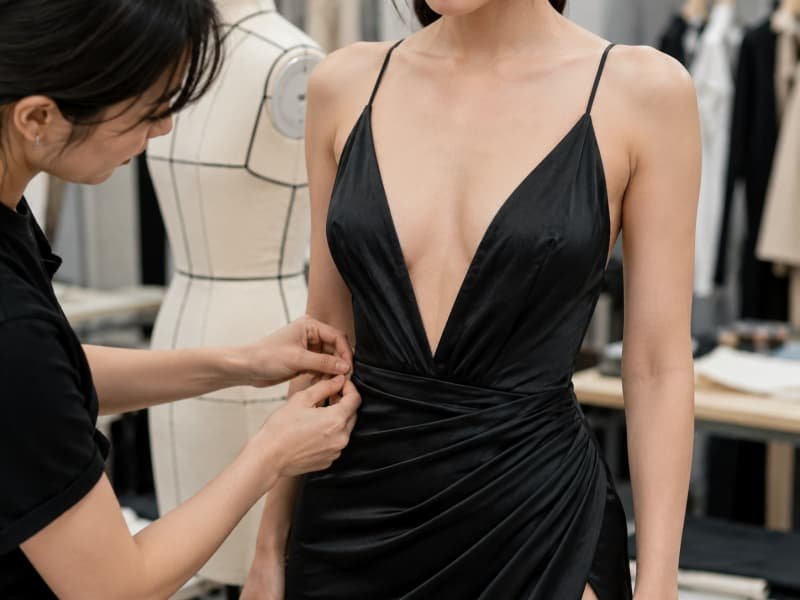
Slip midi dresses look simple but reveal every imbalance. Bias direction, neckline shape, strap position, bust coverage, side-seam movement and hem level all affect the final result. Satin and fluid woven fabrics may need resting time after cutting and careful handling to reduce distortion. Sampling checks drape, neckline stability, underarm coverage and movement. Bulk production requires controlled cutting, seam handling, pressing and packing to protect shine and prevent rippling.

Wrap Midi

Wrap midi dresses must hold coverage while allowing movement. Front overlap, waist tie position, neckline tension, skirt opening and internal fastening work as one system. Lightweight woven materials need enough overlap and stabilization, while stretch wraps need recovery and controlled edge finishes. Duolan reviews movement, sitting coverage and tie placement on the sample, then converts approved overlap and fastening points into measurable bulk instructions.

Shirt Midi

Shirt midi dresses combine tailoring details with dress proportion. Collar roll, front placket, shoulder line, sleeve balance, waist shaping and skirt volume must remain aligned. Poplin, twill, viscose, linen blends and soft crepe create different results. Development considers whether the style is structured, relaxed, belted or fitted. Production focuses on placket straightness, button spacing, collar symmetry, pocket placement and hem balance across the size range.
Corset-inspired Cocktail Dresses

Corset Midi

Corset midi dresses need support without visible distortion or discomfort. Cup position, neckline, boning channels, under-bust seam, waist shaping, lining, zipper and back construction must match the intended body contour. Satin, mesh, lace and structured woven fabrics react differently around internal support. Sampling evaluates bust balance, waist fit, bone length and movement. Bulk control requires accurate component placement, seam allowance discipline and repeated checks at high-risk construction points.

Pleated Draped Midi

Pleated and draped midi dresses depend on controlled fabric behavior. Pleat depth, drape direction, grain, anchoring points, waist bulk and hem weight determine whether the approved shape survives production and packing. Chiffon, satin, jersey and crepe require different methods. Duolan develops reference markings and construction sequences, then checks symmetry, fall and recovery. Packing trials are important when pleats, gathers or asymmetric drapes can be flattened or shifted in transit.

Midi Dresses Across Collection Roles

The same midi length can serve very different selling occasions. Product direction should connect silhouette, material, coverage, movement and visual intensity with a defined role inside the collection.
Cocktail-Programs_pleat

Cocktail

Cocktail midi dresses need a refined body line, controlled neckline and enough movement for social settings. Satin, crepe, lace, mesh and fitted knits can serve different price positions. Strong programs balance visual detail with repeatable construction so the style remains suitable for multiple colors or seasonal updates.

Wedding Guest

Wedding guest midi dresses often require elevated fabric, flattering proportion and polished finishing without moving into bridal gown construction. Draped, pleated, wrap, halter, one-shoulder and fitted silhouettes can cover different dress codes. Color, opacity, movement and photography performance are important development checks.

Work-to-Evening

Work-to-evening midi dresses need controlled coverage, wearable movement and enough visual value for after-work use. Crepe, jersey, woven stretch and refined prints are common directions. Pattern work focuses on waist comfort, neckline stability, sleeve movement, sitting ease and a length that works with different footwear.

Contemporary Occasion

Contemporary occasion styles combine cleaner lines with selected details such as asymmetric necklines, draping, cut-outs, lace inserts or subtle embellishment. Commercial success depends on making the design distinctive without creating unnecessary production risk. Development separates important visual features from details that complicate fit, cost or consistency.

Resort

Resort midi dresses often use lighter fabrics, prints, open backs, halter necks, ties or relaxed volume. Fabric transparency, wind movement, travel packing and beach-to-dinner versatility influence the design. A coordinated collection can extend one print or material across dresses, skirts and sets while retaining a coherent fit direction.

Party

Party midi dresses may use bodycon fits, ruching, sequins, metallic surfaces, mesh, lace or dramatic slits. Visual impact must be supported by skin comfort, lining, stretch recovery, seam strength and secure embellishment. Strong development prevents a photo-ready concept from becoming unstable during repeated wear or bulk production.

Engineering Balanced Midi Dress Proportions

Midi proportion is created by relationships, not a single length measurement. Waist position, torso balance, skirt opening, slit height, lining, fabric fall and grading all influence where the garment appears to finish on the body.

Waistline and Torso Balance

Waist placement changes the entire midi silhouette. A high waist can lengthen the lower body and support a fuller skirt, while a natural waist creates a more classic division. A dropped waist requires enough torso length and careful hip shaping to avoid pulling. Duolan reviews neckline, bust point, under-bust level, waist seam and hip position as one vertical system. For fitted styles, the waist must look defined without pushing excess fabric above or below the seam. For loose or draped styles, the waist treatment still controls where volume begins and how the garment reads in photographs.

Length Endpoint and Core POMs

A midi specification should identify more than center-back length. Core points normally include front length, back length, waist position, side length, slit height, lining length and hem sweep. Strap length, shoulder slope, neckline depth and torso measurements may also change the visual endpoint. The approved length must be reviewed on the intended fit model and against the brand’s footwear and styling direction. When grading, length growth should preserve the approved proportion rather than applying an automatic increase that makes upper sizes look too long or lower sizes look too short.

Movement, Sweep and Slits

Walking comfort depends on the relationship between skirt shape, fabric resistance, hem sweep and slit design. A narrow bodycon midi may need a back, side or front slit, while an A-line style can gain movement from panel shape and sweep. Slit height should be measured from a stable garment landmark and reviewed during walking, sitting and stepping. Reinforcement at the slit top must suit fabric weight and stretch. Lining requires compatible opening and ease so it does not restrict movement or become visible when the outer skirt opens.

Grading and Size Inclusivity

Grading a midi dress is not a uniform enlargement. Bust, waist and hip growth interact with torso length, skirt circumference, slit position, neckline coverage and hem level. Fitted dresses need controlled ease and recovery; fluid dresses need enough volume without excessive bulk. Duolan follows the approved size specification and reviews high-risk points on graded patterns. Size-set requirements can be planned around the brand’s base, lower and upper anchor sizes, with fit comments converted into measurable pattern and construction corrections before bulk cutting.

Match Fabrics to Midi Dress Silhouettes

Fabric approval should answer four questions: does the material create the intended silhouette, can the pattern control its behavior, can the sewing method protect the surface, and can bulk production repeat the approved result? Duolan reviews drape, structure, stretch, recovery, opacity, weight, skin feel, seam response and finishing requirements before the material becomes a production standard.

FabricBest Midi DirectionsKey BehaviorLiningBulk Risk
SatinSlip, bias, draped, occasionDrape, shine, seam response, pressingUsually requiredPuckering, crease marks, shade variation
CrepeA-line, wrap, work, occasionWeight, grain, surface, shrinkageDepends on weightTwisting, uneven fall, surface damage
JerseyBodycon, ruched, fittedStretch, recovery, opacity, growthOptional or partialBagging, shine, seam wave, transparency
ChiffonPleated, layered, printedTransparency, movement, hem behaviorFull or strategicUneven hem, snagging, layer mismatch
MeshLined bodycon, panels, overlaysStretch direction, recovery, coverageUsually requiredSeam distortion, exposure, edge weakness
LaceCocktail, occasion, panelledMotif scale, stretch, edge finishCommonly requiredMotif mismatch, fraying, seam bulk
VelvetParty, winter occasion, fittedNap direction, pressure marks, stretchOften requiredShade direction, crushing, seam movement
Sequin FabricParty, statement, holidayWeight, backing, skin contact, cut lossRequired for comfortSequin loss, scratching, seam bulk, packing marks

Pattern, Fit and Grading for Midi Dresses

A stable midi dress begins with a pattern system that reflects the brand’s fit direction, the selected material and the construction method. Fit approval should create a repeatable production basis rather than a one-time sample appearance.

Pattern from Fit Direction

Development starts by clarifying the intended body relationship: close, shaped, semi-fitted, relaxed or fluid. The pattern team then reviews bust point, neckline, shoulder, armhole, waist, hip, side seam, center back, zipper, slit and hem geometry. A reference image may show the intended look but rarely explains ease, internal support or movement. Duolan converts visual direction into measurable pattern decisions and records the priorities that must remain visible after fitting. For corset, halter, backless and one-shoulder styles, support and coverage require additional attention before the first sample is cut.

Fabric-specific Corrections

The same pattern cannot be transferred mechanically between satin, crepe, jersey, mesh, lace and structured woven fabrics. Stretch and recovery change negative ease. Bias-cut satin can lengthen and shift after hanging. Mesh may need stabilized seams and a different lining relationship. Lace placement may change seam positions. Velvet requires nap direction and low-pressure handling. Duolan reviews material behavior during sampling and adjusts pattern shape, seam choice, reinforcement, lining and construction sequence so the approved fit remains achievable on the actual production material.

Grading and POM Control

Size grading connects the approved base sample with the full sales range. Core points can include bust, waist, hip, front length, back length, waist-to-hem, slit height, hem sweep, lining length, strap position and sleeve measurements where applicable. Grade rules follow the brand’s size specification and market. High-risk points are checked for proportion, not only numeric growth. The final pattern version, measurement table and tolerance requirements are aligned before production so cutting, sewing and QC teams work from the same controlled reference.

Construction Details That Protect the Silhouette

Clean midi dress manufacturing depends on many small controls. Structure, seam balance, lining, slits, hems and trims must support the approved silhouette without creating discomfort, distortion or inconsistent finishing.

Bodice Stability

Necklines, bust seams, straps, armholes and upper-body panels determine whether a midi dress stays in position. Stability may come from shaped seams, elastic, stay tape, interfacing, cups, boning, lining or internal support. The selected method must suit fabric weight and stretch. Sampling checks gaping, rolling, pressure points and movement. Production instructions define reinforcement, seam allowance, attachment order and pressing so upper-body fit does not vary from line to line.

Waist and Side Seams

Waist seams establish proportion and can reveal misalignment immediately. Side seams must fall cleanly without twisting toward the front or back. Duolan reviews dart intake, panel matching, seam stretch, zipper interaction and waist reinforcement. For satin and fine crepe, handling and pressing are controlled to reduce rippling. For stretch styles, seam type and feed balance prevent growth. Bulk checks compare left-right symmetry, waist level and side-seam position against the approved standard.

Slits and Movement

Slits combine design, mobility and exposure control. Position, height, overlap, lining opening, top reinforcement and hem finish must work together. A slit placed correctly on the pattern can still shift if fabric stretches, the waist moves or seam allowance is inconsistent. Duolan reviews walking and sitting movement during sampling, then records the measurement point and reinforcement method. Inline inspection checks slit height and top security before the garment reaches final pressing.

Lining and Opacity

Lining can control transparency, support fit, improve comfort and protect delicate surfaces. It should not pull the outer layer, show below the hem or restrict the slit. Stretch outer fabrics need compatible lining stretch; fluid woven styles need enough lining ease; sequins and lace require skin protection. Development defines lining length, attachment points, seam finish and opening method. Bulk inspection checks coverage, twisting, seam show-through and visible lining edges under normal movement.

Hem and Pleating

Midi hems are highly visible and can expose cutting, hanging and pressing errors. Hem method depends on weight, transparency, curve and desired finish. Chiffon may need a narrow rolled hem, satin may require controlled blind or narrow finishing, and structured woven styles may use deeper hems for weight. Pleated or draped styles require reference marks and controlled anchoring. Duolan checks level, sweep, stitch visibility, pressing marks and pleat recovery before packing.

Zippers and Trims

Invisible zippers, exposed zippers, hooks, buttons, ties, belts, buckles and decorative trims influence fit and production reliability. Zipper length and placement must support dressing without distorting the waist or hip. Heavy trims require reinforcement; delicate trims need surface protection. Duolan reviews trim function, attachment strength, color match and skin contact during development. Bulk control includes placement templates, pull checks where required, visual inspection and packing protection for exposed details.

From Design Brief to Development Plan

Clear project inputs allow faster technical decisions. Duolan reviews the design direction, product purpose, material status, fit priorities and launch requirements before confirming the most suitable development route.

Brand Inputs

A project can begin with a tech pack, original sample, reference garment, sketch, CAD, mood board or collection brief. Useful commercial information includes target market, intended retail position, size range, colorways, order structure and launch date. Material references, trims, labels, packaging and testing requirements should be shared when available. Missing information is listed before sampling so key decisions are not discovered after the garment is already made.

Feasibility Review

Duolan examines whether fabric behavior, pattern shape, support, slit design, lining, embellishment, sewing sequence and finishing can deliver the intended result. High-risk details are raised early. A satin slip may need bias and seam handling review; a jersey bodycon style may need stretch and opacity testing; a corset midi may need cup, boning and zipper evaluation. Timing is reviewed against material sourcing, sample stages, special processes and bulk complexity rather than promised before the product route is understood.

Development Output

The development response can include clarification points, material direction, sample purpose, expected approval stages, risk notes and a proposed timing path. Sample fee and lead time are presented with the development scope so the brand team knows what is included and which approvals affect progress. The goal is a controlled route from concept to fit-reviewed sample, final revision, PP basis and bulk planning, supported by clear records rather than informal messages.

Production-ready Midi Dress Sampling

Sampling is a decision process, not a single garment. Each stage should answer a defined question about appearance, fit, fabric, construction or production readiness before the next stage begins.

First Sample Direction

The first sample checks whether design interpretation, silhouette, fabric direction and core construction are moving toward the intended result. It may be a first proto, fit sample or development sample depending on the project. Duolan identifies which details are provisional and which are ready for evaluation. Photos, measurements and staged updates help the brand team review high-risk points before the sample is finished. Complex styles may require early confirmation of drape, cup shape, slit, mesh coverage, pleating or embellishment placement.

Fit and Revision

Fit comments are converted into measurable actions. Duolan separates pattern changes, measurement corrections, material changes and workmanship improvements, then prepares a revision summary. A comment such as ‘raise the waist’ must be checked against bust length, hip level, skirt proportion and zipper position. A request for more movement may involve sweep, slit, fabric or lining. Revision timing is confirmed inside the sample plan according to the number and complexity of requested changes.

PP and Bulk Basis

A pre-production or bulk-basis sample should represent the approved material, fit, measurements, construction and visible finish closely enough to guide production. Remaining open points are listed rather than assumed. Before bulk starts, Duolan aligns fabric, lining, trims, color, measurement specification, workmanship points, labels and packaging. Sample stages can include first proto, fit sample, revised sample, salesman sample and PP sample according to the brand’s internal approval system.

Development communication normally includes three visible update points: start confirmation, key technical updates for high-risk details and pre-completion notice with review guidance. This rhythm keeps approvals active and reduces late-stage surprises.

Pattern-and-PP-Sample-Reuse_-1024x768 (1)

Lock the Standard Before Bulk Production

Sample approval alone does not control production. A bulk readiness review confirms what has been approved, what remains open and which records will guide material booking, cutting, sewing, inspection and packing.

Approval Status

Duolan first identifies whether the latest sample is fit confirmed, visually confirmed, a PP basis or still pending refinement. The order purpose is also clarified: launch order, test order, repeat order or scale-up order. A concise Production Readiness Note records the current status so no team treats an unfinished sample as a final manufacturing standard.

Material and BOM Lock

Fabric, lining, trims, color, labels, packaging and special processes are aligned before production. Approved references, supplier details, color standards and replacement rules are recorded in the BOM. Material tests, shrinkage review, print or embroidery approval and special-process trials are scheduled where required. Any substitute needs approval because small changes in stretch, weight, shine or trim size can alter the fitted result.

Production Path

Styles are routed by complexity, material, quantity, delivery window and special-process needs. A simple crepe A-line dress, a stretch bodycon style and a corset sequin midi should not follow the same line plan. High-risk styles may use first-piece or pilot confirmation before full-line release. Reference production windows after approvals and material readiness are 15-20 days for simple styles, 20-30 days for standard styles and 30-45 days for complex styles.

First-piece and Inline Control

The first completed units are checked against the approved sample, measurements and workmanship points. Inline inspection then follows high-risk areas such as waist level, length, slit, lining, zipper, seam quality, embellishment and pressing. Problems are corrected while production remains active rather than waiting for final inspection. Records from the approved sample, first-piece review and inline findings create a clear basis for final acceptance.

Scalable Manufacturing for Multi-style Programs

Capacity becomes valuable only when it is organized. Duolan combines owned factories, coordinated factories, flexible lines, development teams and production planning to support different style complexities and order stages.

16 Owned Factories

Owned manufacturing bases provide direct control for core styles, complex development and strategically important programs. Production can be assigned according to fabric, construction and quality requirements rather than placed wherever space happens to be available.

20+ Satellite Factories

Long-term coordinated factories provide elastic capacity for replenishment, seasonal concentration and multi-style programs. Allocation remains linked to approved standards, production planning and quality checkpoints instead of unrecorded subcontracting.

300 Sewing Lines

A large sewing-line base supports parallel production across different dress categories. Line matching considers operator skill, material handling, structure, order quantity and delivery sequence, especially when a collection contains both commercial and complex styles.

50+ Flexible Lines

Flexible lines support shorter production runs, urgent replenishment, style transitions and development-to-launch programs. Their value comes from faster changeover and controlled execution, not from treating every order as a micro-run.

6.5M Monthly Capacity

Stable monthly capacity is approximately 6.5 million garments, with higher peak capacity available across the manufacturing network. Capacity planning is translated into style allocation, line dates, QC timing and delivery sequencing for each confirmed program.

3,000-8,000 Styles

Monthly infrastructure can support approximately 3,000-8,000 style development and sampling workflows, backed by pattern, sample, fabric, trim, technical, merchandising and project coordination teams. Development density supports multi-style collection calendars.

Quality Control from Development to Shipment

Midi dress quality is built through connected checkpoints. Fit, material, workmanship, measurements, pressing and packing must be controlled before defects become repeated across an order.

Development Stage​

Development Quality

Quality begins during design interpretation and sampling. Fabric behavior, pattern balance, lining, support, slit design, seam method and pressing are reviewed before bulk approval. Sample measurements and fit comments create the first controlled standard. High-risk features receive visible notes so the production and inspection teams understand which details carry the most commercial risk.

Material and Pre-production

Fabric and lining are checked for specification, shade, visible defects and project requirements before cutting. Color references, trims, labels and packaging are matched to approved records. A pre-production meeting aligns the latest sample, pattern version, measurement table, workmanship instructions, critical points and packing method. Special processes such as print, embroidery, pleating, washing or embellishment are confirmed before full release.

Sewing and Inline Inspection

First-piece and inline checks focus on the points most likely to change the midi silhouette: waist position, front and back length, side-seam balance, slit height, lining length, hem sweep, neckline, zipper, seam puckering, stretch recovery and embellishment security. Measurements are compared with the approved specification and tolerance. Corrective action is introduced during production so repeated issues can be stopped before final inspection.
FBA-Optimized Packaging Solutions dl

Final and Packing Review

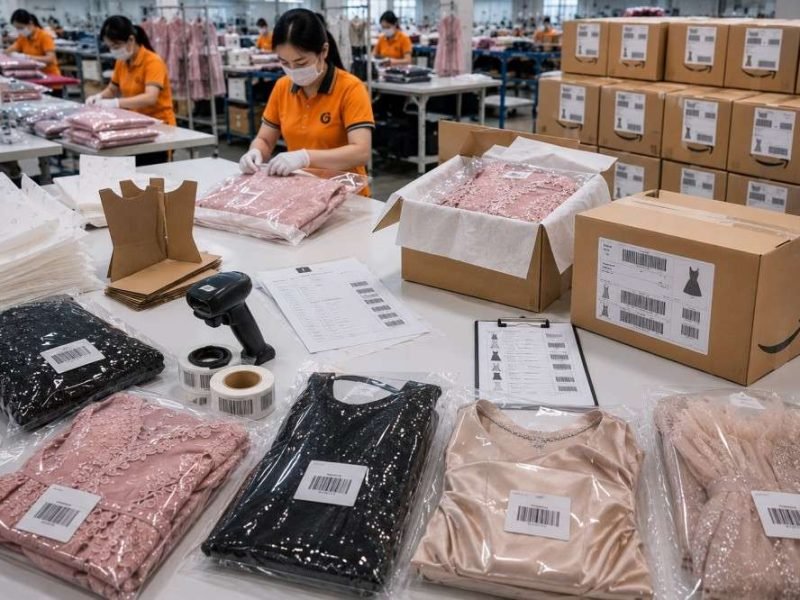
Final inspection reviews appearance, measurements, workmanship, color, cleanliness, labeling, size identification and packing. Satin, pleated, velvet and embellished styles receive material-specific attention because poor pressing or packing can damage an otherwise approved garment. Carton quantity, assortment, barcode, hangtag and shipping marks are checked against order requirements. Inspection records and shipment photos support traceability for repeat orders and later review.

Midi-specific checkpoints can cover more than ten visible areas, including waist level, front length, back length, slit height, lining length, hem balance, side-seam position, drape, zipper flatness, transparency, pressing and packing marks.

Packing, Delivery and Repeat-order Consistency

The approved garment must arrive with the same shape, surface and identification expected at inspection. Packing and delivery choices are planned according to material sensitivity, retail preparation and launch timing.

Garment Protection

Packing methods are selected by fabric and structure. Satin may need tissue or controlled folding to reduce pressure lines. Pleated styles need enough space to protect the fold direction. Sequin garments require skin and surface protection. Structured bodices may need shaped support or hanger packing. A packing trial can be reviewed before bulk packing so the carton method does not flatten drape, shift embellishment or create permanent marks.

Label and Packing Accuracy

Brand labels, care labels, hangtags, size stickers, barcodes, polybags, carton marks and assortment ratios are checked against approved requirements. Documentation and physical packing must match. Duolan can coordinate FOB, CIF, DDP, split shipment and brand-nominated forwarder arrangements according to the confirmed project. Typical transit references are 3-7 days by express, 5-8 days by air and 20-35 days by sea, subject to destination and logistics conditions.

Repeat-order Records

Reorders should build on approved production assets. Pattern version, size specification, BOM, fabric reference, color record, workmanship standard, QC findings, packing method and delivery notes are retained for the next production round. Before replenishment, material availability and batch behavior are reviewed again. The retained record supports repeat colors, length extensions, related styles and faster planning without assuming that every new batch will behave identically.

Compliance, Testing and Confidential Development

Brand onboarding requires clear boundaries between completed audits, project-specific standards and confidential design handling. Duolan presents each area accurately so qualification work can proceed with the right documents.

Social Audit Foundation

Duolan’s manufacturing system has completed SMETA audit and SMETA 2-Pillar audit and maintains a SMETA social audit record.

Relevant reports and onboarding documents can be reviewed according to project and confidentiality requirements.

Factory allocation should also be aligned with the approved manufacturing scope before production.

Market Standards

The manufacturing system can coordinate quality, testing and product requirements connected with BSCI, ISO 9001, AATCC, ASTM, OEKO-TEX, EN, China GB standards, GOTS and specific brand standards when applicable. These references should not be described as certificates held for every factory or every product. Required tests, responsible parties, laboratories, sample quantities and approval timing are defined by the destination market and program.

NDA and Design Security

Tech packs, patterns, BOMs, unreleased styles, labels, packaging files, sample photos and collection information can be handled under an NDA. Internal sharing should remain limited to the teams and factories assigned to the program. Public photography, case presentation and reference use require brand approval. Clear version control also protects development accuracy by preventing old files or unapproved design details from entering sampling or production.

Anonymized Midi Dress Collection Program

The following anonymized structure reflects the scale and working pattern of Duolan’s established brand programs. Commercial names and design details are removed, while the order logic shows how a multi-style midi collection can move through development and controlled production.

Project Scope

The program contained 18 styles and 48,600 garments across six midi silhouettes: fitted jersey, satin slip, crepe A-line, wrap, structured corset and pleated occasion. The range used four main material groups, five color families and an XS-XXL size structure. Individual style quantities varied according to commercial role, allowing higher volume on repeatable core shapes and controlled quantities on visually complex styles. Delivery planning separated photography samples, launch production and later replenishment preparation.

Development Challenges

The collection combined materials with very different behavior. Satin needed seam and pressing control; jersey required recovery and opacity review; corset styles needed bust support and zipper balance; pleated styles needed controlled anchoring and packing. Midi proportion also had to remain coherent across silhouettes. Waistline, front and back length, slit height, lining length and hem sweep were reviewed as shared category checkpoints while each style retained its own fit and construction logic.

Sample and Approval Route

Development was organized by risk rather than by style number. Core woven styles moved through first sample and fit revision. Stretch and corset styles received additional material and structure checks. Photo and salesman samples were separated from bulk-basis approvals when the material or finish differed. Comments were recorded by pattern, measurement, fabric and workmanship category, followed by revision summaries and a bulk readiness review before material booking and line allocation.

Production Allocation

The 18 styles were divided into three production paths. Commercial woven styles followed stable sewing lines with shared material controls. Stretch fitted styles were assigned to teams experienced in feed balance, negative ease and recovery. Structured and embellished styles used dedicated technical follow-up and first-piece confirmation. Allocation reduced unnecessary line changes and allowed QC plans to focus on the risks of each style group instead of applying one generic checklist.

Quality and Delivery Control

Approved patterns, measurement tables, BOMs, visual references and workmanship notes were issued before production. Inline checks focused on waist level, length, slit, lining, seam quality and surface handling. Packing methods differed for satin, pleated and structured styles. Shipment planning matched carton preparation, inspection, documentation and the required delivery route. Pattern, BOM, QC and packing records were retained to support repeat colors and later extensions without restarting the program from memory.
United States|Refined Midi and Satin-crepe Occasion Capsule

Midi Dress Manufacturing Frequently Asked Questions

A tech pack is the strongest starting point, but development can also begin from an original sample, reference garment, sketch, CAD or collection brief. Useful details include intended silhouette, fabric direction, size range, colorways, quantity plan, target market, labels, packaging, testing requirements and delivery date. Duolan reviews missing information before sampling and identifies which decisions must be confirmed early.
Yes. A reference image can communicate silhouette and visual direction, but it rarely contains enough information for production. Duolan clarifies fabric behavior, fit, measurements, support, lining, closures, seam methods and finish. The development team then converts the visual reference into a controlled pattern and sample route. Original samples or measured references can improve accuracy when available.
The best fabric depends on silhouette and market position. Satin suits slip and draped occasion styles; crepe supports A-line, wrap and work dresses; jersey works for bodycon and ruched fits; chiffon supports layered and pleated shapes; mesh and lace require coverage planning; velvet and sequins serve statement programs. Weight, stretch, recovery, opacity and seam response must be reviewed before approval.
Length control combines waist position, torso balance, front and back length, side length, slit height, lining length and hem sweep. Grade rules follow the brand’s specification and should preserve the approved visual proportion. Duolan checks the pattern nest and high-risk points before production. Size-set review can be planned according to the brand’s base, lower and upper anchor sizes.
Yes. Pattern development can follow a tech pack, original sample or defined fit direction. Duolan reviews bust, waist, hip, torso, neckline, armhole, side seam, zipper, slit and skirt geometry, then adjusts the pattern for the selected fabric and construction. Grading follows the approved size specification, with measurement tolerances and version control aligned before bulk production.
Sampling time depends on material readiness, pattern complexity, support structure, special processes and the sample purpose. Duolan presents a Sample Proposal that states the first-sample lead time, revision lead time, included work and approval points for the specific style. Complex satin, corset, mesh, lace, pleated or embellished styles normally require more technical review than clean woven shapes.
Reference production windows after approvals and material readiness are 15-20 days for simple styles, 20-30 days for standard styles and 30-45 days for complex styles. Final timing depends on order quantity, material booking, colorways, special processes, size range, inspection, packing and delivery requirements. A production-readiness review is completed before the confirmed schedule is issued.
Duolan aligns the approved sample, pattern version, measurement table, BOM, fabric, lining, trims, color, workmanship points, labels and packing before cutting. First-piece confirmation and inline inspection focus on high-risk midi details such as waist level, length, slit, lining, hem, zipper, drape and pressing. Final inspection checks measurements, appearance, workmanship and packing against the approved basis.
Duolan’s manufacturing system has a SMETA and SMETA 2-Pillar audit foundation. Projects can coordinate requirements connected with AATCC, ASTM, OEKO-TEX, EN, China GB, GOTS, ISO 9001, BSCI and brand-specific standards when applicable. Required tests, laboratories, responsible parties and approval timing must be confirmed for the destination market and allocated factory.
Yes. NDA arrangements can cover tech packs, patterns, BOMs, unreleased styles, labels, packaging, sample photos and collection information. Project files can be restricted to assigned teams and manufacturing units. Public use of product photos, brand names or case details requires approval. Version control also helps prevent old or unauthorized files from entering development and production.

Start Your Midi Dress Development Review

A focused development review gives both teams a clearer starting point than a general quotation request. Share the available design files, material direction, fit requirements, expected style count, quantity structure and launch timing. Duolan will review the silhouette, fabric behavior, pattern and construction risks, sample route, bulk readiness needs and production path. When details are incomplete, the development team will identify the missing decisions before sampling begins. For multi-style programs, include the collection structure and indicate which styles are commercial core shapes, visual statement pieces or repeat candidates. Files may include tech packs, sketches, original-sample photos, size specifications, fabric references, trim details, label artwork, packaging instructions and inspection requirements. A clear brief supports more accurate material sourcing, sample planning, cost review and delivery evaluation.

  • Product type, style count and intended collection role
  • Tech pack, reference images, original sample or design files
  • Fabric, lining, trim, color and special-process direction
  • Size range, fit priorities and measurement specification
  • Quantity by style, color and size where available
  • Label, packaging, testing, inspection and delivery requirements

Start Your Apparel Development Project

OEM/ODM Manufacturing Support for Fashion Brands

Share your collection details, estimated quantities, target market, development timeline, and technical requirements. The production team will review your request and provide a tailored manufacturing solution based on your product category, fabric selection, construction needs, and delivery schedule.

Fashion Manufacturing Support with Scalable Production Capacity

From sample development to bulk production, Duolan supports fashion brands with confidential OEM/ODM manufacturing, stable quality management, flexible production planning, and coordinated multi-factory execution for seasonal and capsule collections.

Need Direct Assistance?

Seraphinite AcceleratorOptimized by Seraphinite Accelerator
Turns on site high speed to be attractive for people and search engines.