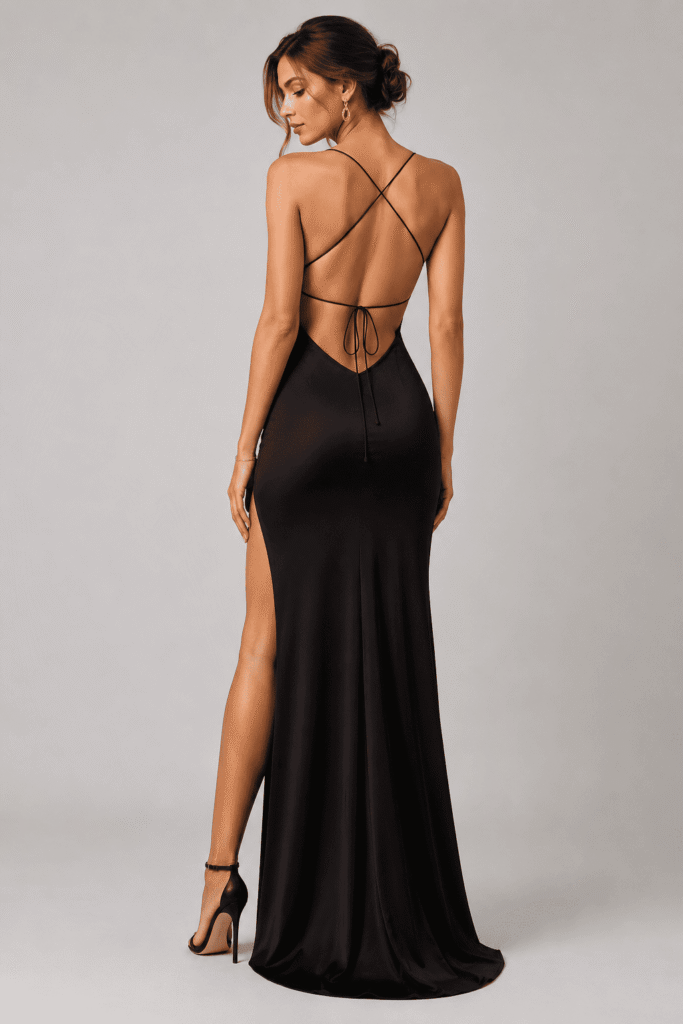
...

Dance Dress Manufacturing for Fashion Brands

Fashion-led dress development built around movement, visual impact, controlled sampling, and repeatable bulk production.

  • Typical brand programs cover 10-30 coordinated styles across mini, midi, bodycon, halter, backless, mesh, satin, fringe, and sequin directions.
  • Representative order programs range from 20,000 to 80,000 pieces, organized by style complexity, color, size, material, workmanship risk, and delivery window.
  • Duolan supports development through 16 owned factories, 20+ satellite factories, 300 sewing lines, and 50+ flexible production lines.
  • Monthly development capacity supports 3,000-8,000 styles through fabric review, pattern making, sample revision, PP confirmation, and bulk handover.

Fashion Dance Dresses, Not One-Off Competition Costumes

Duolan focuses on brand-level fashion dresses created for movement, nightlife, social dancing, performance-inspired styling, and controlled bulk production. The core service differs from individual ballroom tailoring, professional ballet tutus, dance shoes, or personal made-to-measure competition gowns.

Best-Fit Programs

Duolan is well aligned with fashion collections where movement matters but commercial styling, consistent grading, visual finish, and repeatable production remain central. Suitable projects include sequin mini dresses, fringe party dresses, stretch mesh bodycon styles, satin dresses with fluid skirts, halter and backless silhouettes, ruffled dresses, asymmetrical hems, and performance-inspired capsule collections. Development can begin from a tech pack, original sample, reference image, sketch, fabric direction, or a coordinated collection brief.

  • Brand collections and multi-style seasonal drops
  • Private-label fashion dance dresses
  • Party, going-out, social-dance, and event-focused lines
  • Test orders, launch orders, repeat orders, and scale-up programs

Different Specialist Categories

Professional ballroom competition gowns, classical ballet tutus, basic leotards, dance shoes, and one-piece personal measurement projects follow a different product system. Those categories often require individual fitting, sport-specific rules, or specialist footwear and tutu construction.

Duolan’s strongest position is fashion-led dress development for established brands that need a clear route from design direction to approved sample, graded size range, documented workmanship, and bulk delivery.

  • No positioning around single-piece personal tailoring
  • No focus on dance shoes or classical tutu programs
  • No generic ready-stock assortment
  • No lowest-price manufacturing message

Built for Established Fashion and Product Teams

Different teams evaluate a dance dress supplier through different operating pressures. Duolan structures development around design clarity, material behavior, fit control, bulk readiness, documentation, and launch timing rather than a generic factory introduction.

Fashion Brands

Seasonal fashion brands need silhouettes that move well, photograph clearly, and remain commercially wearable. Development must balance trend direction with fabric availability, target price architecture, size grading, packaging, and repeat order potential.

Occasionwear Teams

Occasionwear programs often combine satin, mesh, sequins, drape, fitted bodices, open backs, slits, and decorative surfaces. Product teams need early risk review before visual details create fit, comfort, or bulk consistency problems.

Partywear Labels

Partywear lines rely on sparkle, body contour, short lengths, fringe, cut-outs, and confident color. Strong execution requires stable stretch, secure coverage, abrasion control, clean inside finishing, and repeatable embellishment placement.

Product Developers

Development teams need comments translated into measurable pattern, material, construction, and quality actions. A sample should support fit review, internal approval, photography, PP confirmation, and future bulk production.

Buying Teams

Buying teams focus on approved standards, production discipline, status visibility, inspection points, packing accuracy, and shipment coordination. Multi-style orders need clear separation by risk, material, color, size, and launch priority.

Sourcing Offices

Sourcing offices require factory transparency, audit readiness, English communication, file control, issue escalation, third-party inspection coordination, and a manufacturing path that can absorb repeat orders or seasonal scale.

Movement Risks Hidden by Static Fitting

A dress can look correct on a hanger or fitting model and still fail during walking, turning, sitting, arm movement, or repeated wear. Early risk identification protects fit, visual balance, comfort, and bulk consistency.

Neckline Movement

Low, halter, strapless, and asymmetric necklines can open, roll, shift, or expose lining when the upper body moves. Pattern shape, support, elastic tension, strap position, and fabric recovery must work together.

Hem Rise

Short fitted dresses may climb during walking or repeated movement. Skirt length alone does not solve the issue; hip shaping, ease, stretch direction, lining, seam placement, and fabric friction influence stability.

Weak Recovery

A fabric may stretch easily yet fail to return to its original shape. Poor recovery creates bagging at the waist, hip, seat, neckline, or elbow-contact areas and makes bulk garments look tired after limited wear.

Skirt Imbalance

Circular, asymmetrical, layered, and ruffled skirts can twist, collapse, or pull toward heavier sections. Grain, seam distribution, decoration weight, lining, and hem construction determine movement balance.

Decoration Failure

Sequins, stones, beads, and fringe may detach, scratch skin, catch on neighboring panels, or distort stretch zones. Placement and attachment methods need trialing before full production.

Bulk Variation

Approved samples can change when material lots, stitch settings, embellishment density, lining, pressing, or operator methods differ. Production standards must convert visual approval into measurable instructions.

Dance Dress Styles We Develop and Manufacture
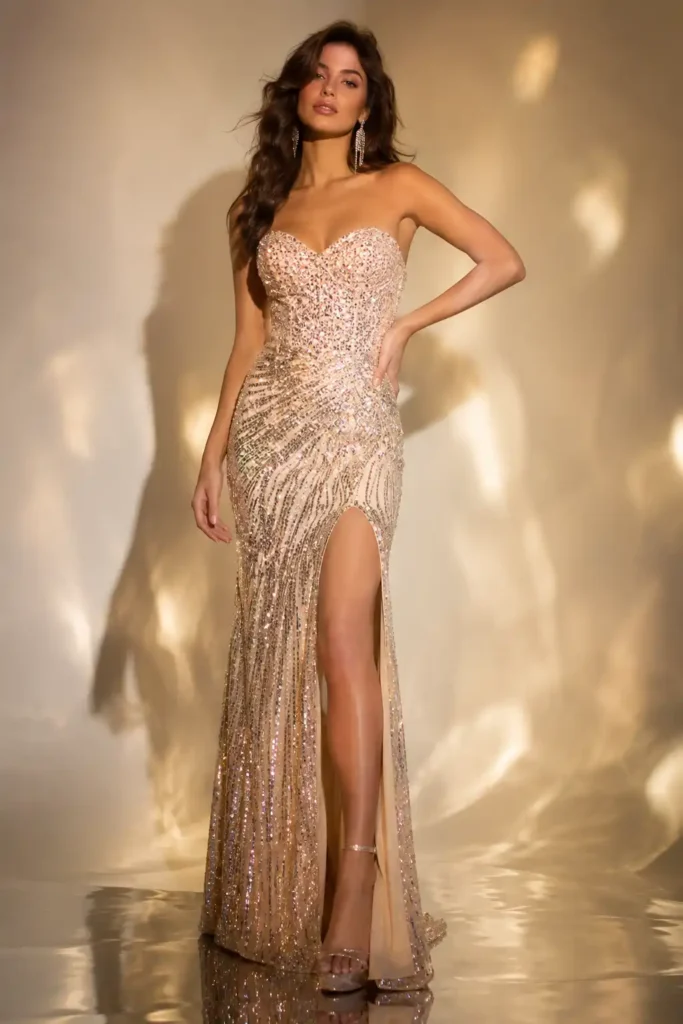
Product coverage centers on fashion dresses with movement, visual energy, body confidence, and commercial repeatability. Each direction receives a different fabric, pattern, construction, and finishing path.

Sequin Dance Dresses

Developed with attention to ground-fabric stability, sequin density, edge finishing, lining coverage, seam bulk, and abrasion. Stretch sequins require compatible thread, seam allowance control, and careful treatment around zippers, armholes, necklines, and hems.

Fringe Dance Dresses

Fringe length, row spacing, attachment angle, base-fabric recovery, and weight distribution shape the final movement. Development checks whether fringe swings freely, tangles, reveals the base at rest, or pulls the garment out of balance.

Mesh Dance Dresses

Stretch mesh, power mesh, soft mesh, and layered mesh serve different functions. Coverage, transparency, recovery, seam comfort, lining boundaries, color matching, and edge finishing must be confirmed before grading and bulk production.

Satin Dance Dresses

Satin adds fluidity and light response but also exposes seam tension, needle marks, pressing errors, grain distortion, and uneven hems. Pattern balance, resting, lining, needle selection, and controlled handling are essential.
Bodycon Mini Dresses​

Bodycon Dance Dresses

Bodycon programs require stable bust-waist-hip balance, controlled negative ease, reliable recovery, opacity, seam stretch, and clean contour. Movement review focuses on hem rise, neckline shift, side-seam rotation, and lining roll.

Halter Dance Dresses

Halter pressure, neckline security, underarm shape, back closure, bust support, and strap stretch influence comfort and stability. The pattern must distribute tension without dragging the neckline or distorting the bodice.

Backless Dance Dresses

Backless silhouettes depend on front support, side-body containment, closure placement, strap anchoring, lining, adhesive or bra compatibility, and clean edge control. Open-back styling must remain secure during real movement.

Ruffled Dance Dresses

Ruffles can create bounce, volume, and energy, yet poor grain direction or unequal fullness causes twisting and uneven fall. Layer order, seam bulk, edge finish, and fabric weight are evaluated during sample development.

Collections Built Around Real Fashion Scenarios

A strong program is more than a list of dresses. Silhouette mix, color direction, fabric families, embellishment language, price architecture, hero products, commercial styles, and launch timing need to work as one collection.

Nightlife Collections

Bodycon minis, asymmetric necklines, cut-outs, mesh panels, sequins, and compact silhouettes developed for visual impact, movement stability, and repeatable fit across a coordinated size range.

Party Drops

Birthday, celebration, holiday, and event-driven collections combining sparkle, satin, fringe, ruffles, bold color, and statement trims while keeping production paths realistic.

Social Dance Edits

Fashion dresses created for social venues where walking, turning, sitting, and prolonged wear matter. Comfort, coverage, hem behavior, and secure necklines receive more attention than static photography alone.

Festival Capsules

Lightweight layers, metallic surfaces, fringe, cut-outs, print, mesh, and bold trims arranged into a controlled capsule with clear material and production timing.
5.Animal-Inspired Prints (1)

Performance-Inspired Lines

Stage energy translated into commercially wearable dresses through selective embellishment, movement-focused skirts, secure bodices, and simplified constructions suitable for brand production.

Holiday Programs

Multi-style party collections planned backward from photography, buying calendar, warehouse receiving, and selling windows. Complex trims and special processes are prioritized early.

Fabric Selection for Movement, Shape and Impact
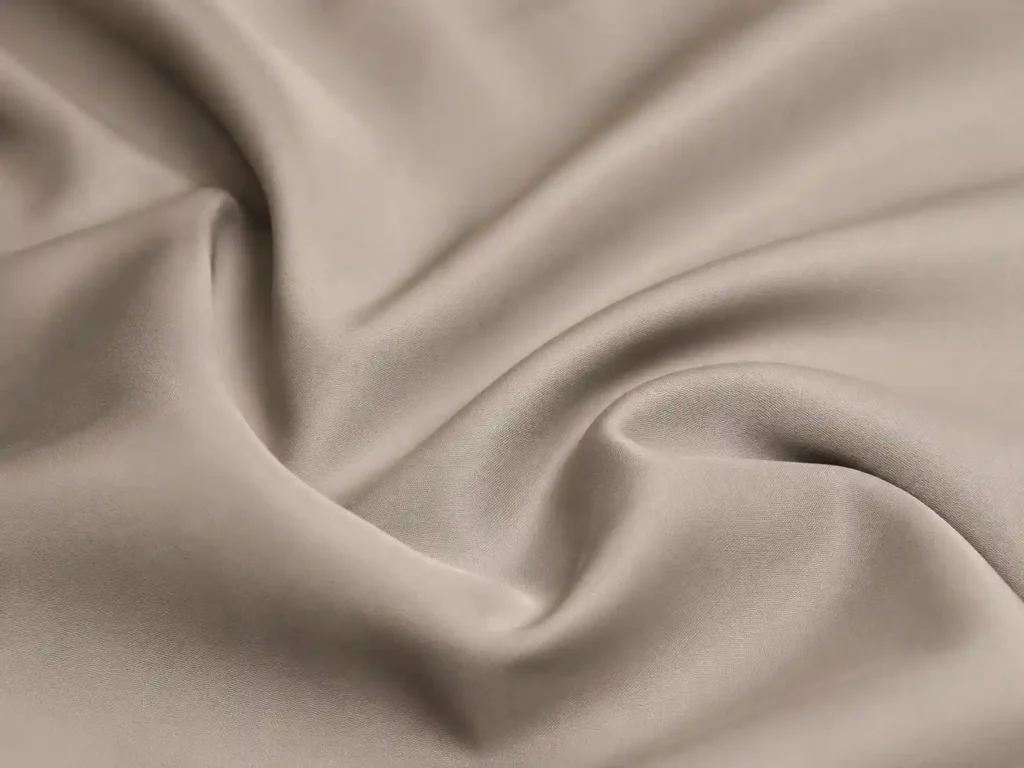
Fabric choice determines far more than appearance. Stretch direction, recovery, drape, weight, transparency, friction, surface stability, seam response, and finishing behavior shape how a dance dress fits, moves, photographs, and repeats in bulk.

Stretch Jersey and Ponte

Stretch jersey and ponte are frequently selected for fitted dance dresses, bodycon minis, ruched styles, and structured stretch silhouettes. Development begins with stretch direction and recovery rather than fiber content alone. A fabric with high extension but weak recovery may feel comfortable during fitting yet lose neckline tension, waist definition, or hem stability after repeated movement. Heavier ponte supports contour and reduces transparency, while lighter jersey offers fluidity but may reveal seam ridges or underwear lines.
  • Stretch map: widthwise, lengthwise, or four-way behavior is recorded before pattern cutting.
  • Recovery review: fabric is extended, released, rested, and compared for shape return.
  • Opacity check: light and dark colors are reviewed under stretch, not only in a relaxed state.
  • Seam compatibility: thread, stitch type, seam allowance, and tension are tested against recovery.
  • Bulk control: approved hand feel, weight, color, and stretch behavior are locked by material reference.

Mesh and Power Mesh

Mesh gives visual lightness, layering, transparency, and body shaping, but different mesh categories cannot be treated as interchangeable. Soft mesh is suited to drape and overlay.

Power mesh is selected where containment or support is required. Stretch mesh panels must recover at a rate compatible with the main fabric, or seams may ripple and edges may pull.

Color matching also needs care because mesh appears different when layered over skin, lining, or another fabric.

  • Coverage zones are mapped around bust, underarm, side body, back, and slit openings.
  • Lining boundaries are positioned to remain clean during movement.
  • Skin-contact seams are reviewed for scratch, bulk, and edge pressure.
  • Mesh stretch and main-fabric stretch are compared before joining.
  • Layer count is tested for transparency, heat, weight, and visual depth.

Satin and Fluid Wovens

Satin and fluid woven fabrics create elegant light response, clean drape, and strong skirt movement, yet they are sensitive to grain, handling, needle choice, pressing, seam tension, and hanging time. Bias sections can lengthen after cutting or assembly. Hem balance may change after the garment rests. Small construction errors become visible as puckering, drag lines, shine marks, or uneven fall.

Production planning therefore includes controlled cutting, careful bundling, appropriate needle settings, and stable pressing.

  • Grain and bias direction are confirmed on pattern and marker files.
  • Panels may require resting before final hem leveling.
  • Needle and stitch trials reduce holes, pulling, and seam impression.
  • Lining weight is matched to avoid changing drape.
  • Pressing temperature and pressure are tested on production fabric.

Sequin and Embellished Bases

Sequin fabrics, beadwork, rhinestones, and composite decorative surfaces create high visual value but increase weight, abrasion, seam bulk, trimming time, and quality-control requirements. Ground fabric stability matters as much as decoration density. Stretch embellished fabrics must preserve elasticity at stress zones. Decorative edges around zippers, armholes, side seams, and hems may need clearing or protective finishing. Placement methods are confirmed before bulk so every size retains the intended visual rhythm.
  • Decoration weight is reviewed against bodice support and skirt balance.
  • Seam paths are checked for hard particles, bulk, and needle risk.
  • Lining or facing separates rough surfaces from skin.
  • Attachment methods are trialed for movement and repeated handling.
  • Bulk inspection uses placement references, density standards, and retention checks.

Fit Engineering for Dresses Designed to Move

Fit control begins with the relationship between silhouette, fabric behavior, body balance, support, and movement. A size chart provides measurements; pattern engineering turns those measurements into a stable garment.
Bust and Neckline Balance​11

Bust, Neckline and Strap Security

Bust and neckline stability are critical in halter, one-shoulder, strapless, plunge, and backless dresses. A secure result does not come from tightening one edge. Pattern shape, cup or lining structure, elastic tension, strap angle, closure position, side-body containment, and fabric recovery share the load. Excess tension can pull the neckline downward or create neck pressure. Insufficient tension allows opening, shifting, or lining exposure.

  • Neckline curves are checked in relaxed and movement positions.
  • Strap anchor points are tested for direction of force.
  • Underarm shape balances coverage with arm mobility.
  • Support layers are selected according to fabric weight and openness.
  • Closure locations are positioned away from high-friction movement zones.

Waist, Hip and Hem Stability

Dance-ready fitted dresses need a controlled relationship between waist definition, hip contour, skirt ease, and hem behavior. Excessive negative ease may create horizontal drag lines, side-seam rotation, zipper strain, or hem rise. Too much ease may reduce silhouette clarity and cause shifting. Pattern review looks at front-to-back balance, seat shape, side seam, lining stretch, slit position, and fabric recovery. The goal is a close fit that remains stable rather than simply tight.
  • Bust-waist-hip measurements are assessed with fabric stretch and recovery.
  • Front and back lengths are balanced to keep hems level.
  • Side seams are checked for rotation during walking and sitting.
  • Slit height is reviewed in standing, stride, and seated positions.
  • Lining ease is synchronized with the shell.

Arm and Upper-Body Mobility

Halter, off-shoulder, one-shoulder, long-sleeve, and fitted upper-body styles react differently when arms lift or rotate.

Armhole depth, sleeve cap, neckline shape, side seam, and bodice length affect mobility.

Adding extra ease without control can create gaping; removing too much can pull the whole dress upward.

Sample review studies where tension begins and which pattern line should be corrected.

  • Arm lift is checked without allowing the neckline to open.
  • Bodice lift is compared against waist and hem movement.
  • Sleeve and armhole stretch are matched where applicable.
  • Underarm seams are reviewed for friction and strength.
  • Asymmetric styles are checked on both sides of the body.
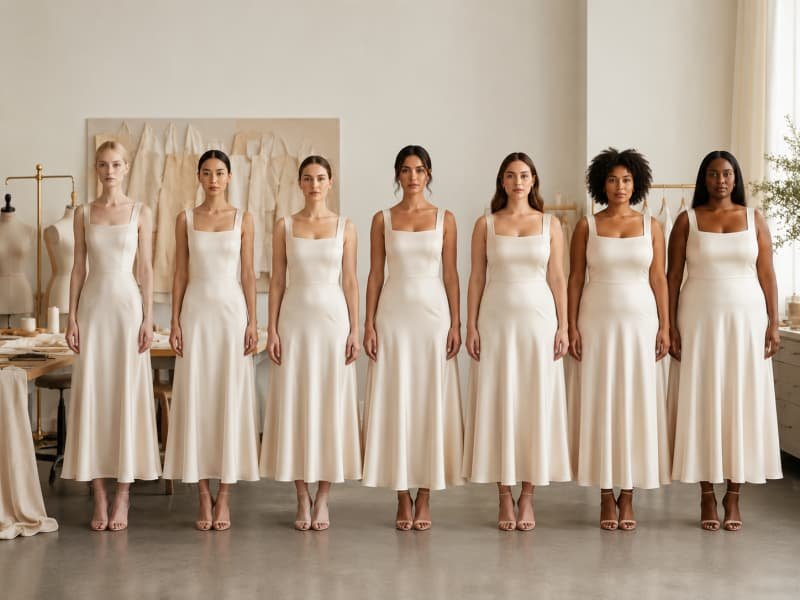
Grading Across the Size Range

A strong sample size does not guarantee a stable full size range. Grading must preserve neckline proportion, waist placement, skirt length, slit position, strap length, visual balance, and the intended amount of body contour. Many brands work with XS-XL or broader ranges, while numbered sizing may extend across multiple blocks. The final range is developed against the brand’s base block, fit model, market, and garment category rather than a universal rule.
  • Critical points receive controlled grade rules instead of simple proportional enlargement.
  • Stretch-sensitive styles use different grade logic from non-stretch satin or woven styles.
  • Necklines, straps, cut-outs, and slits are checked for proportional change.
  • PP measurements and tolerances are linked to the approved grading file.
  • Extended sizes may require additional fit review depending on structure.

Controlling Skirt Movement Without Losing Wearability

Skirt movement comes from a controlled combination of pattern volume, grain, fabric weight, layer count, hem finish, seam distribution, lining, and decoration. Different visual effects require different technical paths.

Movement DirectionPattern and Material LogicMain RiskDevelopment Check
Circular SwingCircular or partial-circle volume with balanced grain and controlled hemUneven drop, excessive lift, twistingRest garment, level hem, turn test, compare front/back balance
Ruffle BouncePlanned fullness ratio, light-to-medium fabric, even attachmentHeavy seams, collapsed ruffles, asymmetric bounceTrial fullness, seam bulk check, wash/steam response
Fringe ResponseControlled fringe length, row spacing, base recovery, balanced weightTangling, pulling, patchy coverageSpin test, repeated movement, attachment review
Layered Mesh FlowCompatible mesh weights, controlled layer lengths, clean joiningStatic cling, twisting, transparency changeLayer test, lining review, movement video
Asymmetric MotionBalanced panel weight despite uneven hem or drapeGarment pulling toward the heavy sideHanging review, walking test, seam distribution check
Bodycon StabilityRecovery-focused stretch, controlled negative ease, stable liningHem rise, side-seam rotation, baggingWalk, sit, stretch, recovery and measurement review
Satin FluidityGrain-controlled panels, stable cutting, suitable lining and hemBias growth, seam puckering, uneven hemResting period, final leveling, pressing trial

Embellishment Engineered for Real Movement

Decorative work must support the garment rather than overpower it. Visual density, stretch zones, weight distribution, skin contact, seam paths, attachment method, and bulk repeatability are reviewed before production. Relevant manufacturing resources include approximately 150-300 embroidery systems across the wider factory group, including multi-head and sequin embroidery capability, supported by specialist process partners for embroidery, printing, washing, dyeing, and finishing. Equipment allocation depends on the approved design and production path.

Sequins

Sequin size, backing, density, direction, and seam clearing influence weight, flexibility, and comfort. Edge areas may need trimming or protective finishing. Stretch bases require attachment methods that preserve extension and recovery.

Rhinestones

Stone size, spacing, adhesive or heat application, backing fabric, and placement around stress zones determine retention. Trial panels are checked after flexing, handling, packing, and appropriate care testing.

Fringe

Fringe rows are planned around the garment’s movement and visual coverage. Attachment lines must remain secure without creating hard ridges. Length and weight are balanced to reduce tangling and distortion.

Beading

Beads and pearls add dimensional value but can increase local weight and abrasion. Placement avoids high-friction seams, while reinforcement and lining protect the base fabric and skin.

Embroidery

Flat embroidery, sequin embroidery, motif placement, and appliqué require stable backing, clean edges, compatible stretch, and repeatable positioning. Placement files are checked against each size.

Ruffles and Appliqué

Ruffles, flowers, layered appliqué, and decorative panels depend on grain, fullness, edge finish, and attachment order. Trial assembly verifies bounce, symmetry, and production efficiency.

From Design Direction to Production-Ready Samples

Sampling is managed as a decision path, not a single sewing task. Every stage answers a different question about design, fit, material, workmanship, presentation, or production readiness.

Brief Review

Review product purpose, market, target retail level, quantity, size range, launch date, design reference, and sample objective. Missing information is clarified before pattern work begins.

Material Direction

Identify shell, lining, support materials, trims, zippers, elastic, sequins, fringe, stones, labels, and packaging components. Alternatives are evaluated against look, cost, timing, and bulk feasibility.

Pattern Development

Translate sketch, tech pack, original sample, or reference image into a working pattern. Structure, ease, grain, stretch, support, seam paths, and grading potential are considered from the first version.

First Sample

Build the initial garment to evaluate silhouette, proportion, material behavior, construction, and visual direction. Internal checks identify obvious issues before external review.

Fit Review

Measure key points, study balance, neckline, bust, waist, hip, length, slit, straps, lining, and movement behavior. Comments are translated into pattern and construction actions.

Revision Sample

Apply confirmed adjustments to pattern, material, workmanship, or finishing. A revision summary records what changed and what still requires approval.

Photo or Sales Sample

Prepare a presentation-focused version when photography, line review, or selling activity is required. Visual finish may be prioritized while production details continue to be locked.

PP and Bulk Readiness

Confirm fabric, color, trims, construction, measurements, grade rules, labels, packing, workmanship points, and quality checkpoints before production release.

Indicative planning ranges are confirmed after design and material review. Straightforward first samples are commonly scheduled around 7-12 working days after development basis and materials are ready. Complex sequin, fringe, multilayer mesh, boned, or heavily embellished styles may require 12-20 working days. Revision timing depends on comment scope and material availability.

Movement Review Beyond Static Fitting

Movement checks are selected according to garment purpose and construction. The aim is to identify opening, shifting, pulling, exposure, seam stress, decoration interference, and recovery problems before production standards are locked.

Arm Lift

Checks neckline opening, strap shift, underarm pressure, bodice lift, sleeve mobility, and whether the dress pulls upward from the waist.

Walking Stride

Reviews slit opening, hem rise, lining exposure, skirt freedom, front-back balance, and seam rotation during normal movement.

Turn and Spin

Evaluates skirt swing, fringe response, decoration weight, asymmetric balance, layer separation, and the return position after rotation.

Seated Position

Checks waist comfort, back opening, neckline security, slit behavior, zipper pressure, fabric wrinkling, and hem coverage.

Side Bend

Reveals side-body gaping, strap movement, mesh tension, cut-out stability, and whether the garment shifts away from its intended position.

Leg Extension

Used when relevant to review slit control, skirt width, seam stress, lining limitation, and coverage at larger movement angles.

Repeated Stretch

Assesses seam compatibility, fabric recovery, neckline and waist retention, decoration attachment, and shape change after repeated extension.

Garment Recovery

Compares the garment before and after movement to identify bagging, twisting, hem change, seam distortion, or loss of contour.

Construction Details Protecting Fit During Movement

Workmanship quality is defined through specific construction choices. Seam type, reinforcement, lining, elastic, zipper, strap, slit, hem, decorative edges, and finishing must match fabric behavior and garment use.

Stretch-Compatible Seams

Stretch fabrics require seams that extend and recover with the garment. Stitch type, thread, needle, seam allowance, differential feed, and machine tension are selected through trial rather than habit. A seam can look clean while relaxed yet crack, pop, tunnel, or restrict movement under extension. Stress areas around side seams, waist joins, armholes, crotch-connected linings, and fitted skirt panels receive additional attention.
  • Seam extension is compared with fabric extension.
  • Thread and stitch density are adjusted to reduce breakage.
  • Bulk is controlled where mesh, lining, elastic, or sequins meet.
  • Reinforcement is added only where it does not create rigid spots.
  • Production samples are checked under repeated stretch.

Straps, Necklines and Closures

Straps and closures carry concentrated loads during movement. Attachment points may require reinforcement, yet excessive stiffness can create visible bumps or discomfort. Halter straps need stable length and smooth neck contact. Backless styles need secure anchoring and clean edge finishing. Zippers must remain flat without distorting stretch or decorative fabrics. Hook-and-eye, elastic, ties, buttons, snaps, and hidden support structures are selected according to garment tension and styling.
  • Attachment angles follow the direction of force.
  • Zipper tape and surrounding fabric are stabilized where needed.
  • Neckline edges are tested for roll, stretch-out, and gaping.
  • Closures are positioned to support dressing and movement.
  • Skin-contact areas are reviewed for scratch and pressure.

Lining, Support and Coverage

Lining is not an afterthought in dance dresses. It controls opacity, comfort, body support, seam concealment, and the movement of the outer shell. A lining that is too tight can restrict the garment. A lining that is too loose may roll, twist, or show through openings. Power mesh, stretch lining, woven lining, cups, boning, elastic, facing, and internal bodysuit solutions are considered according to silhouette and exposure.
  • Shell and lining stretch rates are matched.
  • Coverage boundaries are checked during movement.
  • Support components are balanced against fabric weight.
  • Internal edges remain clean around cut-outs and low backs.
  • Lining attachment avoids pulling the outer garment.

Hems, Slits and Decorative Edges

Hems and slits define both movement and visual finish. Narrow hems, baby hems, coverstitch, binding, raw decorative edges, horsehair braid, faced hems, or weighted finishes create different behavior. Slit reinforcement must stop tearing without producing a hard point. Sequin and bead edges may require clearing, binding, facing, or lining protection. Final hem leveling is especially important for circular, bias, satin, and layered skirts.
  • Hem finish is chosen according to weight and movement.
  • Slit endpoints are reinforced and checked in stride.
  • Decorative edges are protected from skin and snagging.
  • Bias or fluid skirts rest before final leveling.
  • Bulk workmanship references are photographed and documented.

Locking Approved Samples Into Bulk Production

Production starts only after approved visual direction is translated into measurable material, pattern, construction, quality, and packing standards. Six control points keep the bulk order aligned.

Material Lock

Approved shell, lining, trims, elastic, zippers, decorative components, labels, and packaging are recorded by specification, color, supplier reference, or approved swatch.

Pattern Lock

Final pattern, grade rules, notches, seam allowance, grain, placement, length, slit, strap, neckline, and key construction notes are released under controlled version management.

PP Standard

The PP or golden sample becomes a shared visual and technical reference after measurements, workmanship, material, labeling, and packing points are confirmed.

Pre-Production Review

BOM, spec sheet, process sheet, approved materials, risk points, inspection focus, packing, and delivery requirements are aligned before line release.

First-Piece Check

Complex or sensitive styles may enter a first-piece or pilot confirmation before full production. Fit, workmanship, decoration, and measurement issues are corrected before scale.

Inline and Final Control

Production checks focus on measurements, seam quality, color, decoration position, lining, labels, packing, and agreed risk points, followed by final quality and packing status confirmation.

Quality Checks for Movement and Bulk Consistency

Quality control begins during development and continues through material approval, PP standard, first-piece review, inline inspection, final inspection, packing, and shipment preparation.

Inspection AreaControl FocusPrimary Risk Controlled
Fabric and ColorShade, hand feel, stretch, recovery, weight, surface, defects, lot consistencyMixed appearance, weak recovery, transparency, material substitution
MeasurementsBust, waist, hip, length, straps, neckline, slit, key POMs and toleranceFit inconsistency, hem rise, coverage change, grading drift
Seams and Stress PointsStitch quality, extension, reinforcement, seam allowance, thread, puckeringSeam opening, restricted movement, visible distortion
Neckline and StrapsPosition, tension, attachment, elastic, closure, edge stabilitySlipping, gaping, breakage, discomfort
Lining and SupportCoverage, stretch match, cups, boning, power mesh, edge finishExposure, roll-out, restriction, weak support
EmbellishmentPosition, density, attachment, surface damage, abrasion, missing partsDrop-off, scratch, visual inconsistency, weight imbalance
Skirt and HemBalance, layer length, slit, ruffle, fringe, hem level, pressingTwisting, uneven movement, pulling, poor visual finish
Labels and PackingBrand labels, care labels, size labels, hangtags, barcode, assortment, carton marksWarehouse rejection, incorrect assortment, retail delay
Shipment ReadinessFinal quantity, packing status, documents, split shipment, forwarder coordinationReceiving problems, delayed launch, incomplete delivery

Manufacturing Paths for Multi-Style Dress Programs

Duolan organizes production by style complexity, material, workmanship risk, quantity, approval status, and launch window. Factory scale supports control only when the correct product is assigned to the correct path.

Core Factory Control

Key styles, complex fit, sensitive satin, mesh layering, sequin work, and high-visibility products can be placed under direct core-factory control for stronger development-to-bulk continuity.

Flexible Production Lines

More than 50 flexible lines support test orders, launch programs, repeat orders, and controlled replenishment where style count and timing require responsive planning.

Large-Scale Sewing Network

Around 300 sewing lines across the wider manufacturing structure support multi-style allocation, parallel production, repeat-order scaling, and seasonal concentration.

Sample and Pattern Resources

Approximately 650-1,200 pattern, sample, CAD, plotting, sample-sewing, and sample-finishing units support product development, while 300-400 pattern and sample-room specialists operate across the wider group.

Special Process Capacity

Approximately 150-300 embroidery systems and 150-400 printing-related systems support selected embroidery, sequin embroidery, print, transfer, and decorative development, supplemented by established process partners.

Production Coordination

Orders are broken down by style, color, size, quantity, fabric, complexity, and timing. Pilot runs, special-process coordination, multi-line allocation, and multi-factory distribution are used when project structure requires them.

Stable monthly capacity across the wider system is approximately 6.5 million garments, with peak capacity reported up to 10 million. Dance dress programs are not placed into capacity generically; material, structure, embellishment, size range, and workmanship sensitivity determine allocation.

Timelines Planned Backward From Launch

A predictable schedule depends on approval discipline, material readiness, sample purpose, production complexity, inspection, packing, and shipping buffers. Timing is built backward from the required receiving or launch date.

Development Basis

Reference, tech pack, size chart, material direction, quantity, sample objective, target market, and launch date are reviewed before timing is confirmed.

Sample Planning

Standard first samples may be planned around 7-12 working days after materials and development basis are ready. Complex embellished or multilayer styles may require 12-20 working days.

Revision Control

Comments are consolidated by fit, pattern, material, construction, decoration, and finishing. Revision timing is confirmed according to scope and component availability.

Bulk Readiness

PP sample, fabric, trims, color, measurements, workmanship, labels, packing, and quality checkpoints are locked before production release.

Production Window

Standard programs are commonly evaluated around 30-45 days after full approval and material readiness. Heavy embellishment, multiple special processes, or large multi-style programs may require 45-60 days or a phased plan.

Delivery Coordination

Express, air, sea, FOB, CIF, DDP, split shipment, designated forwarder, overseas warehouse, and multi-destination delivery can be coordinated according to timing and cost structure.

Representative Dance Dress Production Case Studies

The following anonymized cases reflect realistic brand-order structures in the 10-30 style and 20,000-80,000 piece range. Brand names and unreleased product details remain confidential.

US Nightlife Collection

An established US fashion label developed an 18-style nightlife and social-dance drop covering sequin minis, fringe bodycon dresses, stretch mesh panels, halter necklines, and asymmetric hems. The order totaled 48,600 pieces across 3 color groups and sizes XXS-XL. Development focused on hem rise, neckline security, stretch recovery, fringe balance, and sequin abrasion. First samples were separated into visual, fit, and complex-workmanship groups so high-risk styles could be corrected earlier. Bulk release followed material lock, revised patterns, PP approval, first-piece checks, and decoration-position references. Production was divided by construction sensitivity rather than equal line loading, helping preserve fit and surface consistency across the collection.

European Occasionwear Group

A European multi-brand group placed a 24-style party and occasion program totaling 72,000 pieces. The assortment combined satin slip dresses, mesh-layered midis, ruffled minis, embellished bodycon styles, and open-back silhouettes in sizes XS-XXL. Main development issues included satin seam impression, bias growth, lining visibility, backless support, ruffle symmetry, and mixed-fabric color matching. Sample reviews locked grain, lining, strap length, slit position, pressing, and hem leveling. Complex satin and mesh styles entered pilot confirmation before full production. Packing was organized by brand, color, size, barcode, and receiving window for coordinated delivery across multiple channels.

US Fashion Apparel Program​

North American Fashion Group

A North American fashion group developed a 12-style performance-inspired capsule with 26,400 pieces across bodycon, halter, one-shoulder, fringe, and sequin directions. The commercial goal was stage energy without a competition-costume appearance. Development simplified selected decorative details while preserving movement and camera impact. Eight movement checks were used on sensitive styles, including arm lift, stride, seated position, turn, repeated stretch, and recovery. Grading focused on neckline proportion, strap length, bust-waist-hip balance, and hem stability. Production standards included approved material boards, pattern version control, first-piece review, inline measurement checks, and final packing confirmation.

Compliance, Documentation and Confidential Development

Established brands need more than garment production. Audit foundation, test coordination, document control, technical communication, and confidentiality shape whether a supplier can enter a formal supply chain.

Audit Foundation

Duolan’s manufacturing system has completed SMETA and SMETA 2-Pillar audits and maintains a social-audit record. Factory and project information can be organized for formal supplier evaluation and scheduled visits.

Standards Coordination

Material, garment, labeling, packaging, inspection, and testing requirements are reviewed against the destination market and brand manual. Coordination can include AATCC, ASTM, OEKO-TEX®, EN, China GB, GOTS, BSCI, ISO 9001, or specific requirements where applicable.

NDA and File Control

NDA execution can begin before unreleased designs, tech packs, samples, artwork, or collection plans are shared. Access to files, patterns, sample records, material references, and product images can be controlled according to project needs.

Dance Dress Manufacturing Frequently Asked Questions

Duolan develops fashion-led dance dresses for brands, including sequin, fringe, mesh, satin, bodycon, halter, backless, ruffled, asymmetric, party, going-out, social-dance, and performance-inspired styles. The main strength is multi-style development and controlled bulk production rather than individual competition tailoring.
Duolan is not positioned around one-piece personal ballroom gowns, classical ballet tutus, dance shoes, or individual made-to-measure competition costumes. Brand programs combining fashion styling, movement, embellishment, graded sizing, and repeatable production are the best fit.
Yes. Development may begin from a tech pack, sketch, original sample, reference image, fabric direction, mood board, or collection brief. The team first clarifies silhouette, target fit, material, construction, price level, quantity, sample purpose, and launch timing.
Indicative first-sample planning is commonly 7-12 working days after materials and development basis are ready. Complex sequin, fringe, multilayer mesh, boned, or heavily embellished styles may require 12-20 working days. A confirmed schedule follows design and material review.
Checks are selected by style and may include arm lift, walking stride, turn, seated position, side bend, leg extension, repeated stretch, and garment recovery. Review points include neckline movement, hem rise, slit opening, lining exposure, seam stress, decoration movement, and shape return.
Yes. Grading can follow the brand’s block, size chart, fit model, market, and product category. XS-XL or wider ranges are possible, while structured, open, fitted, or extended-size programs may require additional fit review before final grade approval.
Development reviews base-fabric stability, stretch zones, decoration density, weight, attachment, seam paths, skin contact, edge finishing, and placement. Trial panels or samples are used before bulk standards are locked, followed by first-piece and inline checks.
Approved fabric, trims, color, pattern, measurements, construction, decoration, labels, packing, and quality checkpoints are transferred through BOM, technical documents, PP sample, pre-production review, first-piece confirmation, inline inspection, and final checking.
Yes. The wider manufacturing system includes 16 owned factories, 20+ satellite factories, 300 sewing lines, and 50+ flexible lines. Allocation is based on style complexity, material, workmanship, quantity, approval status, and delivery window.
Yes. NDA execution can be arranged before unreleased tech packs, samples, artwork, or collection plans are shared. File access, pattern records, samples, and product images can be managed according to agreed confidentiality requirements.

Start Your Dance Dress Development Program

Share enough information for a structured development and production review. A complete brief helps the team evaluate product fit, material direction, sample path, workmanship risk, factory allocation, timing, quality requirements, and delivery structure before quotation. Useful files include a tech pack, reference images, original sample photos, sketches, size chart, BOM, color standards, fabric swatches, embellishment artwork, label files, packaging details, inspection manual, and target launch calendar.

  • Company or brand name, website, country, and sales market
  • Product category, collection direction, and number of styles
  • Reference images, tech pack, sketch, or original sample
  • Target fabrics, lining, trims, embellishment, and colorways
  • Sample size, full size range, fit block, and grading requirements
  • Estimated quantity by style, color, and size
  • Sample purpose and target approval date
  • Bulk delivery date, shipping mode, and receiving structure
  • Label, barcode, packing, carton, and compliance requirements
  • NDA, audit, testing, inspection, and documentation needs

Start Your Apparel Development Project

OEM/ODM Manufacturing Support for Fashion Brands

Share your collection details, estimated quantities, target market, development timeline, and technical requirements. The production team will review your request and provide a tailored manufacturing solution based on your product category, fabric selection, construction needs, and delivery schedule.

Fashion Manufacturing Support with Scalable Production Capacity

From sample development to bulk production, Duolan supports fashion brands with confidential OEM/ODM manufacturing, stable quality management, flexible production planning, and coordinated multi-factory execution for seasonal and capsule collections.

Need Direct Assistance?

Seraphinite AcceleratorOptimized by Seraphinite Accelerator
Turns on site high speed to be attractive for people and search engines.