...

Sorority Rush Dress Manufacturing

Dress-focused development and manufacturing for established fashion brands planning coordinated sorority recruitment collections across multiple rounds, silhouettes, materials, sizes, and launch dates.

  • 5 recruitment moments planned as one coordinated product program
  • 8 core dress directions spanning daywear, sisterhood, and preference looks
  • 10-30 styles commonly managed within a seasonal brand program
  • 20,000-80,000 total pieces across a typical multi-style brand order
  • 16 owned factories, 20+ satellite factories, and 300 sewing lines
  • Production-ready sampling, PP approval, inline control, and shipment preparation

Built for Established Fashion and Product Teams

Duolan supports organized dress programs with defined market positioning, development requirements, launch calendars, and repeat-production potential. The strongest fit comes from teams managing collections rather than isolated garment requests.

Established Fashion Brands

For dress-focused labels, fast-fashion groups, premium ecommerce brands, and regional market leaders building a seasonal rush edit. Support covers assortment structure, material coordination, fit development, sample revisions, production planning, labeling, packaging, and future replenishment. A clear brand direction, target quantity, desired launch window, and commercial size range allow the project team to evaluate the most suitable development and manufacturing path.

Product and Buying Teams

For design, merchandising, development, and purchasing teams coordinating many styles at the same time. Duolan works from tech packs, reference images, original samples, line plans, size standards, or collection briefs. Project decisions are organized around fabric behavior, fit priorities, construction risk, sample purpose, approval stages, production readiness, quality checkpoints, and shipment preparation rather than a single quotation number.

Sourcing Offices and Groups

For sourcing offices, multi-brand groups, and procurement teams evaluating supplier depth, factory structure, social audit readiness, product specialization, and scalable delivery. Duolan can present the manufacturing path behind the program: owned and satellite factories, sample and pattern resources, special-process coordination, bulk allocation, first-piece review, inline inspection, final inspection, and documentation support for brand-specific requirements.

What Sorority Rush Dress Manufacturing Covers

Sorority rush dress manufacturing is a seasonal collection-development service for fashion brands. It connects recruitment-round styling, commercial assortment planning, material selection, pattern engineering, samples, bulk standards, quality control, and delivery into one managed program.

A Collection Program, Not Greek-Letter Merchandise

The manufacturing scope centers on fashion dresses worn during recruitment activities, including relaxed open-house looks, philanthropy day dresses, refined sisterhood styles, preference-round cocktail dresses, and energetic bid-day pieces. Greek-letter T-shirts, one-off chapter uniforms, ready-stock resale, and individual consumer customization follow a different supply model. Duolan focuses on branded fashion collections developed for retail, ecommerce, and multi-channel distribution. A project may include mini, midi, sundress, babydoll, skater, halter, one-shoulder, fitted, satin, mesh, floral-print, white, pastel, or structured occasion styles. Product planning begins with the target campus market, price band, release date, style count, color strategy, size standard, and expected order structure. The goal is a coherent dress line with clear commercial roles, not a random group of fashionable references.

From Design Direction to Repeatable Bulk Standards

Development can start from a complete tech pack, a reference image, an original sample, a moodboard, a seasonal line plan, or a combination of materials and silhouettes. The initial review identifies missing specifications, fabric and trim risks, fit-sensitive areas, sample stages, likely production routes, and approval points. After the sample direction is accepted, the team aligns measurements, material details, lining, closures, construction methods, labels, packaging, and workmanship references before bulk release. Approved information is carried into BOM records, pattern files, sample comments, PP references, production notes, QC checkpoints, and reorder files. A reliable sorority rush program therefore depends on collection logic, technical translation, controlled approval, and manufacturing discipline working together.

Control Rush-Season Risks Before They Reach Bulk
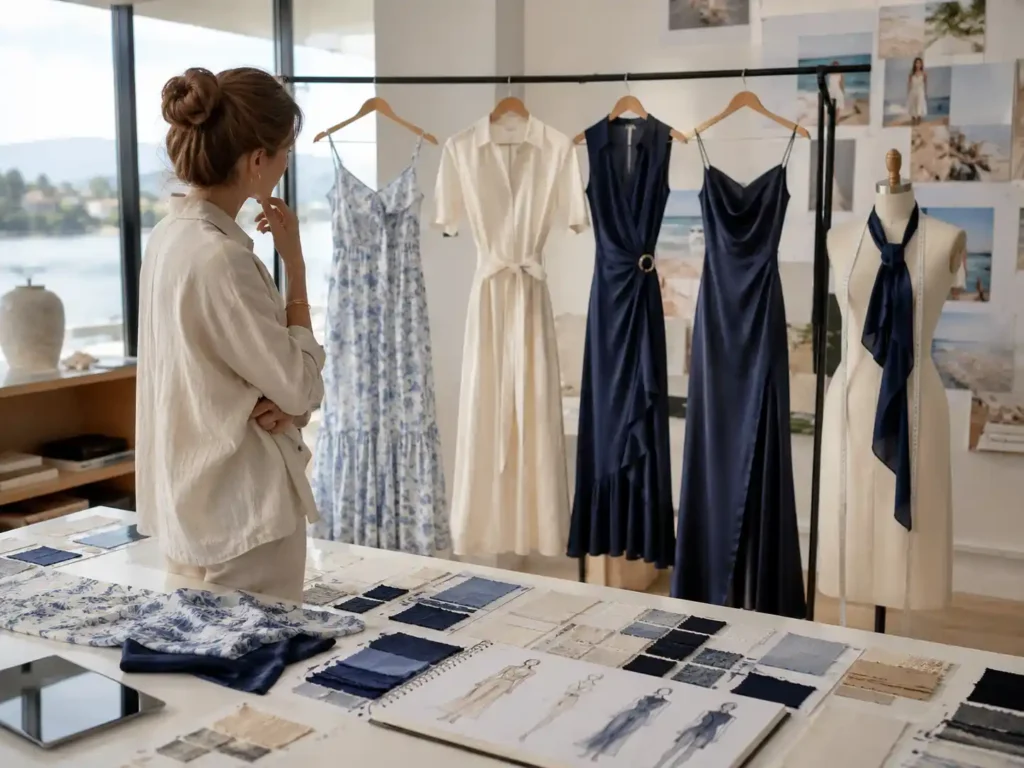
Seasonal sell-through depends on more than attractive samples. Material opacity, fit, style balance, sample discipline, production allocation, and launch timing need control before the order reaches full volume.

Round Mismatch

A dress may look appropriate in isolation yet miss the tone of the intended recruitment stage. Open-house and philanthropy styles usually need ease, movement, and daytime polish, while sisterhood and preference looks require a more refined visual level. Duolan reviews the role of each style inside the line so silhouettes, coverage, color, and finishing support the planned assortment rather than compete with it.

White-Dress Transparency

White and pale shades can reveal undergarments, seam allowances, pocket bags, lining edges, or construction shadows under strong daylight and photography. Fabric opacity is reviewed together with weight, stretch, lining shade, lining length, seam construction, and target retail price. A visually clean white dress often requires decisions that cannot be postponed until the final inspection stage.
Fit Accuracy​

Fit Drift

Mini, fitted, halter, one-shoulder, corset-inspired, and backless dresses react strongly to small pattern changes. Bust balance, waist position, strap angle, neckline stability, skirt length, and movement allowance are reviewed against the chosen fabric. Comments are translated into pattern corrections before grading, reducing the risk of a sample fitting well in one size while the commercial size run becomes unstable.

Sample-Bulk Difference

An attractive prototype is not automatically a production standard. Material substitutions, unclear seam methods, changed trims, missing tolerances, or incomplete packing details can create visible bulk differences. Duolan uses approved samples, BOM alignment, measurements, workmanship notes, PP references, and production-readiness checks so the factory, pattern team, production line, and QC team work from the same basis.

Multi-Style Confusion

A 10-30 style rush program may include several fabrics, print routes, lining systems, closures, and fit levels.
Treating every style as one production block creates avoidable delays. Orders are divided by style, color, size, quantity, material readiness, construction sensitivity, and launch priority, then matched to suitable sample and bulk paths with clear approval dependencies.

Launch-Window Delay

Rush collections are tied to campus and back-to-school timing. Late fabric approval, repeated fit changes, delayed print strike-offs, or incomplete packaging files can compress production and shipping. The program calendar is built backward from the required warehouse date, with separate checkpoints for sample review, PP approval, material booking, bulk release, inspection, packing, and transport.

Develop Styles Around Recruitment Rounds

Recruitment rules vary by university and chapter, so the product line should be built around a defined target market rather than one universal dress code. The matrix below gives a commercial planning framework for brand teams.

Recruitment MomentRecommended Product DirectionDevelopment PrioritiesCommercial Role
Open HouseRelaxed mini dresses, sundresses, clean A-line shapesBreathability, easy movement, daylight coverage, youthful polishEntry commercial styles and accessible opening-price pieces
PhilanthropyFloral, pastel, babydoll, skater, and day dressesComfort through long activities, non-restrictive fit, stable straps, easy careFresh visual stories with broad wearability
SisterhoodRefined mini or midi dresses, one-shoulder and halter shapesBalanced neckline, waist definition, photography, seated comfortElevated commercial styles and campaign-supporting looks
PreferenceCocktail, satin, fitted, structured, or lined mesh dressesDrape, support, lining, closure quality, hem control, visual finishHigher-value statement pieces and occasionwear crossover
Bid DayBright color, playful silhouette, easy-to-move styles and setsEnergy, comfort, color consistency, social-media performanceCelebration styles, color extensions, and fast-moving add-ons

Build a Commercial Rush Collection

A strong line combines recognition, volume, wearability, repeat potential, and controlled novelty. Each style should have a clear job inside the assortment and a realistic path from sampling to replenishment.

Hero Style

The campaign-facing style carries the strongest seasonal message through silhouette, color, print, or detail. It must photograph well from front, side, and movement angles while remaining manufacturable. Development focuses on proportion, recognizable features, fabric behavior, and visible finishing. A hero style may not carry the highest volume, but it should establish the visual language for the entire rush edit.

Commercial Core

Core styles use familiar silhouettes, reliable fit blocks, wearable colors, and materials that support repeatable production. A-line minis, refined day dresses, easy halters, and balanced fitted shapes often serve this role. Commercial styles should be easy to understand online, comfortable across multiple activities, and stable enough for color extensions or repeat orders after initial sales data becomes available.

Repeatable Style

Repeat potential depends on preserved patterns, BOM details, color and material references, workmanship notes, and consistent grading. The strongest repeat styles are not necessarily the simplest; they are the styles with controlled fit, available materials, clear construction, and reliable production output. A repeat file should make later color, length, or neckline extensions easier without rebuilding the product from the beginning.

Photo-Ready Style

Rush-related fashion is highly visual. Photo-ready styles need controlled opacity, clean neckline placement, flattering waist balance, stable straps, and a hem that behaves well while standing, walking, and sitting. Fabric sheen, print scale, lining, and seam placement can change how the product appears under outdoor light or studio photography, so the sample review should include image performance as well as garment measurements.

Easy-Wear Style

Long recruitment days reward dresses with breathable materials, secure coverage, manageable closures, and movement allowance. Easy-wear styles should still look polished, but comfort is built through armhole shape, under-bust ease, skirt sweep, strap stability, lining choice, and seam placement. The commercial value comes from broad usability beyond rush week, improving the chance of full-price sell-through and repeat wear.

Extension Style

A successful fit block can support length changes, sleeve options, neckline variations, print updates, coordinated separates, or color capsules. Extension styles allow the line to grow without creating a completely new risk profile for every SKU. Duolan reviews which pattern, material, and workmanship elements can be retained so visual variation does not weaken production consistency or create unnecessary development cost.

Sorority Rush Dress Styles Duolan Can Develop

The product range below is organized by recruitment use, commercial role, and technical risk. Every direction can be adapted through length, neckline, sleeve, print, color, lining, trim, and fit specifications to match a defined brand identity.

White Mini Dresses

White mini dresses can serve preference, bid-day, or chapter-specific retail edits, but clean appearance depends on fabric opacity, lining shade, seam allowance control, pocket placement, closure choice, and hem depth. Suitable directions include A-line, fitted, skater, corset-inspired, halter, and refined day silhouettes. Development should test the garment under strong light and photography, not only under factory-room lighting. 

Floral Sundresses

Floral sundresses are well suited to open-house and philanthropy moments, especially in warm climates. Product decisions include print scale, repeat direction, neckline, strap width, smocking or shirring, skirt volume, lining, and wrinkle behavior. Print strike-offs should be reviewed against the full garment proportion because an attractive swatch can become visually crowded or weak after cutting. Commercial value improves when the same print supports two or three complementary silhouettes.

Birthday Dresses​

Pastel Day Dresses

Pastel dresses create a soft, polished daytime mood but require disciplined color management. Lab dips, fabric composition, dye lot, lining shade, thread color, zipper tape, and trims should be aligned before approval.
Crepe, cotton blends, light woven fabrics, and textured materials can produce very different levels of formality. A pastel program often benefits from a controlled color family rather than unrelated shades across every style.
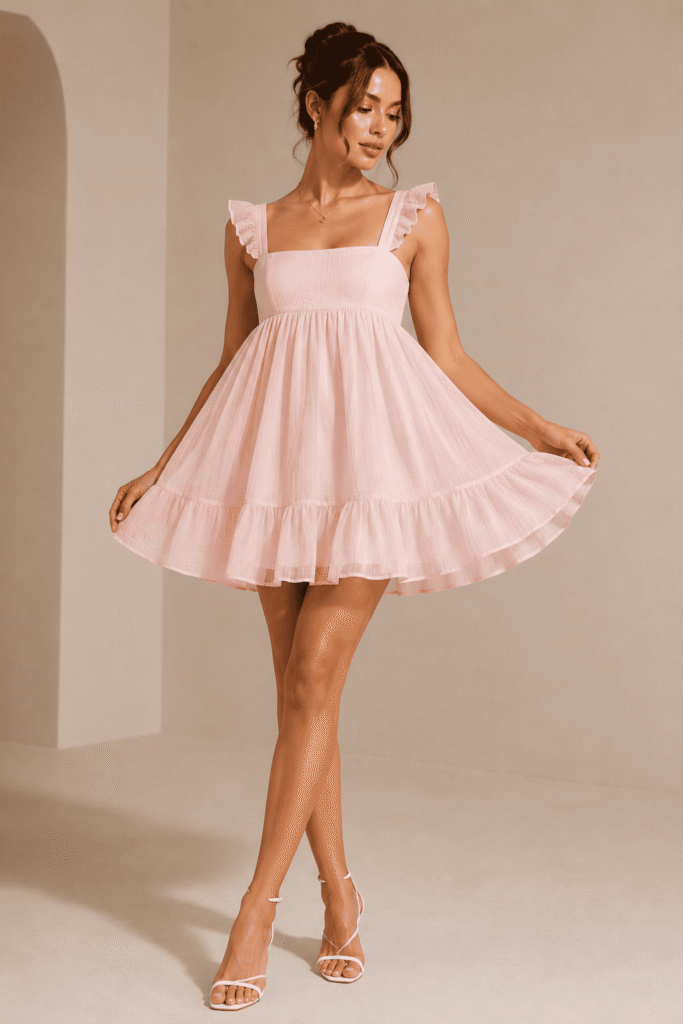
Babydoll Dresses

Babydoll dresses offer youthful volume and comfort, yet the seam position, bust fit, gathered ratio, skirt length, and fabric weight need balance. Too much gathering can create bulk at the upper body; too little can flatten the intended shape. Lining and pocket decisions also change the fall of the skirt. Strong development keeps the silhouette playful while preventing the garment from appearing oversized or losing proportion in larger graded sizes.

Skater A-Line Dresses

Skater and A-line dresses can become dependable commercial styles because the waist focus and skirt movement suit many recruitment activities. Key controls include waist placement, skirt sweep, flare distribution, hem leveling, zipper behavior, lining, and grading. The same block can support sleeveless, cap-sleeve, halter, or one-shoulder variations. Material choice determines whether the product feels crisp and structured, soft and feminine, or light and casual.

Halter Shoulder Styles

Halter and one-shoulder dresses provide strong visual differentiation, but neckline stability and strap engineering are critical. Development reviews neck pressure, strap length, underarm coverage, bust balance, elastic or grip support, closure access, and movement. Asymmetrical styles also require careful left-right alignment during cutting and sewing. These silhouettes work best when the interior structure supports the intended look without adding visible bulk or discomfort.

Fitted Bodycon Dresses

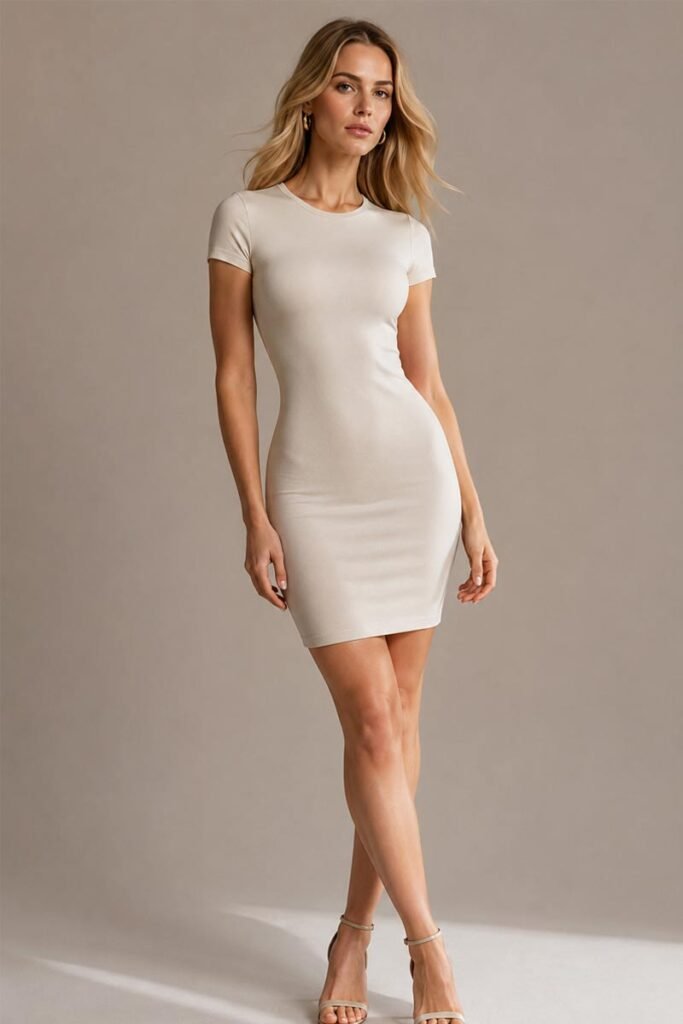
Fitted and bodycon dresses depend on fabric stretch, recovery, weight, opacity, seam direction, and accurate negative ease. The pattern cannot be graded mechanically without reviewing how the material behaves across bust, waist, hip, and hem. Lining, mesh panels, ruching, boning, or corset-inspired details can improve shape but also increase production sensitivity. Fit approval should happen before final grading and before bulk material is fully released.

Preference Cocktail Dresses

Preference-round cocktail dresses carry a more elevated mood through satin, structured crepe, lined mesh, draping, corset-inspired support, refined cut-outs, or controlled embellishment. The finish must remain polished from neckline to hem, including lining coverage, zipper insertion, seam smoothness, pressing, and movement. These styles often sit at a higher price point, so the sample should communicate both visual value and a clear production method suitable for repeatable bulk output.

Turn Rush Trends Into Commercial Dress Design
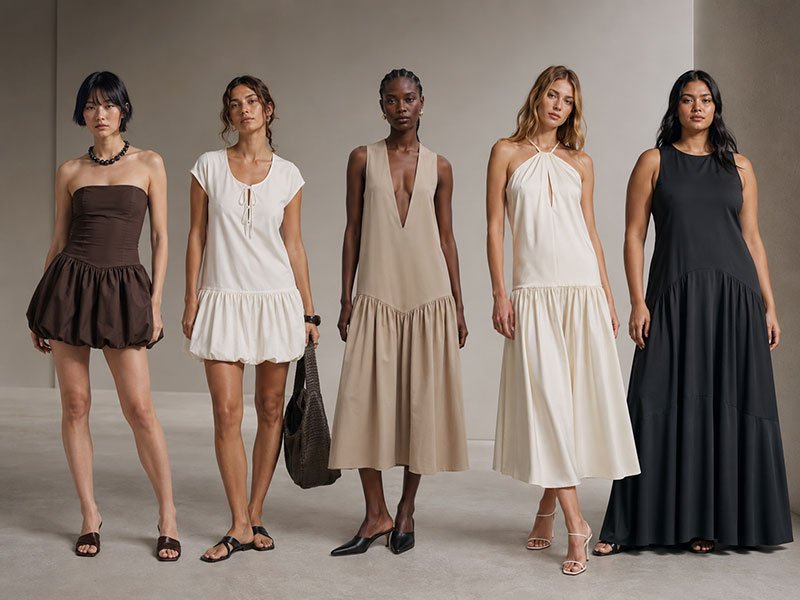
Trend references become valuable only after silhouette, material, color, fit, cost, and manufacturing feasibility are aligned. Duolan translates a seasonal mood into a product structure that can be sampled, reviewed, sold, and repeated.

Silhouette Planning

A coherent line needs deliberate shape variation. Mini lengths may include fitted, A-line, babydoll, skater, and structured forms; midi styles can add polish without making the collection overly formal. The design review checks how many styles compete for the same visual role, where fit blocks can be reused, and whether the range contains enough contrast in neckline, waist treatment, sleeve, and skirt movement. The result should look like one collection while giving the merchandising team clear product choices.

Color and Print System

White, soft pastels, fresh brights, small florals, engineered placements, and clean solids can all work within rush assortments, but color needs hierarchy. A controlled palette may include one white story, one pastel family, one print group, and one stronger accent. Lab dips and strike-offs should be reviewed with fabric texture, lining, thread, zipper tape, and trim finishes. Color planning also affects material minimums, cutting efficiency, replenishment, and consistency across multiple factories or production lines.

Commercial Role Balance

Every reference does not deserve equal development investment. The line should separate campaign styles, high-volume commercial styles, lower-risk repeats, visual social-media pieces, and extensions based on proven blocks. Complex details belong where they increase perceived value, not where they create cost without a clear retail purpose. Duolan can review which designs need full new pattern development and which can share fabrics, trims, or construction systems to create a stronger assortment with fewer avoidable variables.

Coverage and Wearability

Rush-season style requires a careful balance between youthful visual appeal and secure wear. Neckline depth, underarm coverage, back exposure, slit height, mini length, lining, bra compatibility, strap stability, and seated comfort should be considered before the first sample. A design may look strong in a flat sketch yet fail during walking, sitting, outdoor heat, or photography. Early wearability review protects the original concept while reducing later fit comments and preventable return reasons.

Choose Fabrics by Climate, Drape and Coverage

Material selection begins with the intended silhouette and wearing environment. Breathability, opacity, stretch, recovery, drape, wrinkle behavior, lining, color stability, and bulk availability all influence the final product and production plan.

Lightweight Wovens

Rayon blends, viscose blends, lightweight polyester wovens, and similar fluid materials can support sundresses, soft minis, gathered skirts, and relaxed day styles. Evaluation covers drape, shrinkage, seam slippage, wrinkle behavior, print clarity, transparency, and lining. Very light fabrics may need French seams, narrow overlock, reinforced strap attachment, or a carefully selected lining. The chosen construction should protect the fluid look rather than make the garment heavy.

Cotton Blends

Cotton and cotton-blend fabrics can create fresh daytime dresses with breathable hand feel and familiar commercial appeal. Poplin, lawn, voile, seersucker, and stretch cotton each produce different structure and opacity. Testing should consider shrinkage, colorfastness, wrinkling, seam appearance, and wash behavior. Cotton-based fabrics may look simple, yet poor pre-treatment or inconsistent finishing can change fit and garment dimensions after care.

Crepe Textures

Crepe and textured woven fabrics are useful for refined day dresses, A-line minis, fitted shapes, and occasion styles because surface texture can improve coverage and visual depth. Weight, stretch, recovery, drape, and pressing response vary widely between qualities. A structured crepe may support clean seams and waist definition, while a lighter crepe can soften gathers and movement. Bulk selection should consider both garment effect and reliable repeat availability.

Chiffon Layers

Chiffon suits feminine, layered, floral, or movement-focused styles, but transparency and seam construction require planning. The product may use full lining, partial lining, double layers, flounces, ruffles, or sheer sleeves depending on the design. Cutting stability, layer alignment, hem consistency, snag risk, static, and pressing are key production concerns. Print scale also needs evaluation because light layers can alter saturation and create unintended overlap effects.

Satin Directions

Satin brings preference-round polish through sheen, drape, and smooth surface, but it exposes sewing and pressing errors more clearly than textured fabrics. Development reviews face and back, weight, shine level, stretch, needle marks, seam puckering, water spotting, abrasion, and color difference. Bias-cut and fitted satin styles require separate pattern logic. Lining, interfacing, zipper installation, and pressing methods should be finalized before production is released.

Stretch and Mesh

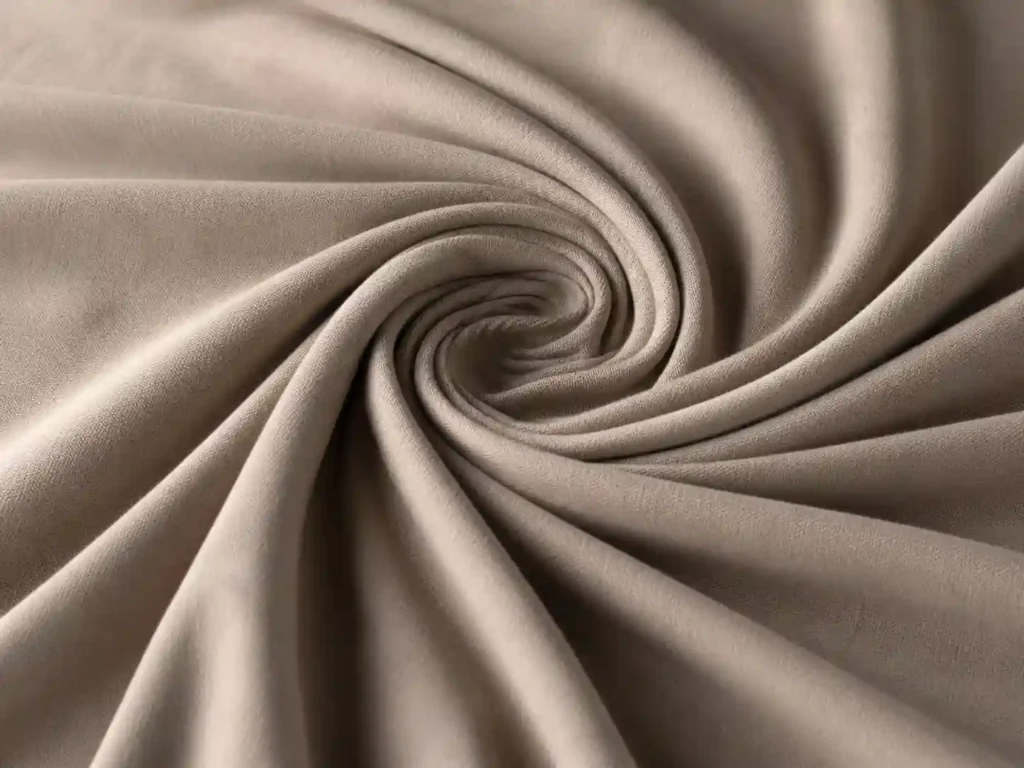
Jersey, stretch woven, power mesh, soft mesh, and lined mesh systems can support fitted silhouettes, ruching, layered coverage, or selective transparency. Material weight and recovery must match the intended negative ease and support level. Testing should review opacity at stretch, seam recovery, snagging, edge finishing, lining interaction, and measurement relaxation. A fabric that looks stable on a hanger may behave differently after several hours of wear, so fit review must include movement and recovery.

Control White, Pastel and Printed Dress Results

Light colors and prints create much of the visual identity in rush collections, yet they also expose material, color, and cutting inconsistencies. The control plan begins before sample approval and continues through bulk material release. 

White Opacity Control

White fabric is reviewed under strong light, over contrasting underlayers, and across stretch or movement where relevant. The decision covers shell opacity, lining color, lining length, seam allowance visibility, pocket bags, interfacing, zipper tape, and hem construction. A brighter white lining is not always the cleanest solution; the best lining shade depends on the shell, skin-tone show-through, and photography. Bulk fabric should be checked again because opacity can change between qualities or dye lots.

Pastel Color Matching

Pastel shades can shift noticeably with fiber composition, finishing, lighting, and lining. Lab dips are reviewed for hue, depth, undertone, and consistency with thread, zipper, buttons, labels, and trims. Color approval should specify the viewing condition and the accepted reference. When several styles share one color family, fabric differences must be considered so the collection feels coordinated even when the exact material and surface texture are not identical.

Floral Print Development

Custom or selected florals require decisions on artwork scale, repeat, color count, base fabric, strike-off, hand feel, and bulk printing method. The print should be evaluated on a garment panel or sample, not only on a small swatch. Placement, direction, matching at seams, cutting waste, and color continuity can affect both appearance and cost. Multiple silhouettes can share the same print when scale and panel shape support a coherent collection story.

Bulk Shade Consistency

Shade control covers fabric rolls, cut-part bundling, replenishment material, lining, trims, and repeat orders. Rolls can be grouped by shade, cutting can be managed by garment bundle, and visible components can be checked before assembly. For repeats, the original color reference, supplier, composition, finish, and batch notes should be preserved. Exact shade matching across seasons is not always possible, so the approval process should define the acceptable visual standard before production starts.

Engineer Fit, Size and Pattern Balance

Fit development connects brand identity with commercial sizing. The pattern team reviews body contour, garment ease, material behavior, support, movement, and grading before approved measurements become a bulk reference.

Base-Size Fit Before Commercial Grading

The base sample size should be confirmed by the brand, for example US 4, UK 8, EU 36, AU 8, or an internal equivalent. Duolan can follow an existing specification or help organize measurement logic when the file is incomplete. Fit review focuses on bust and under-bust balance, waist position, high and low hip, body length, strap length, neckline, armhole, skirt length, slit height, hem width, and movement allowance. The pattern is adjusted according to the selected fabric rather than treated as a fixed geometric template. Stretch and recovery affect negative ease; satin drape affects bias and seam behavior; lightweight wovens affect transparency and seam stability; structured crepe affects contour and pressing. Commercial grading normally begins after the base-size fit, proportions, and critical measurements are accepted. A typical program may use five to seven sizes, while extended or size-inclusive ranges require separate proportion review and additional fit validation.

Critical Fit Points by Sorority Dress Type

Mini dresses require hem and body-length control so the garment remains balanced while standing, walking, and sitting. Halter and one-shoulder styles need secure neckline geometry, stable strap angles, and controlled underarm exposure. Babydoll shapes depend on seam placement, gathering, bust ease, and skirt volume. Fitted and bodycon dresses need consistent stretch assumptions across sizes, while corset-inspired or structured styles require cup position, boning placement, waist contour, and back-closure alignment. White and light dresses add an opacity dimension to fit because fabric tension can increase show-through. Before approval, the review may include front, side, and back images, garment measurements, movement checks, and written comments linked to pattern corrections. The objective is not a visually attractive sample in one pose; it is a fit direction that can be graded, inspected, photographed, and repeated in bulk.

Construction Details That Protect Comfort and Appearance
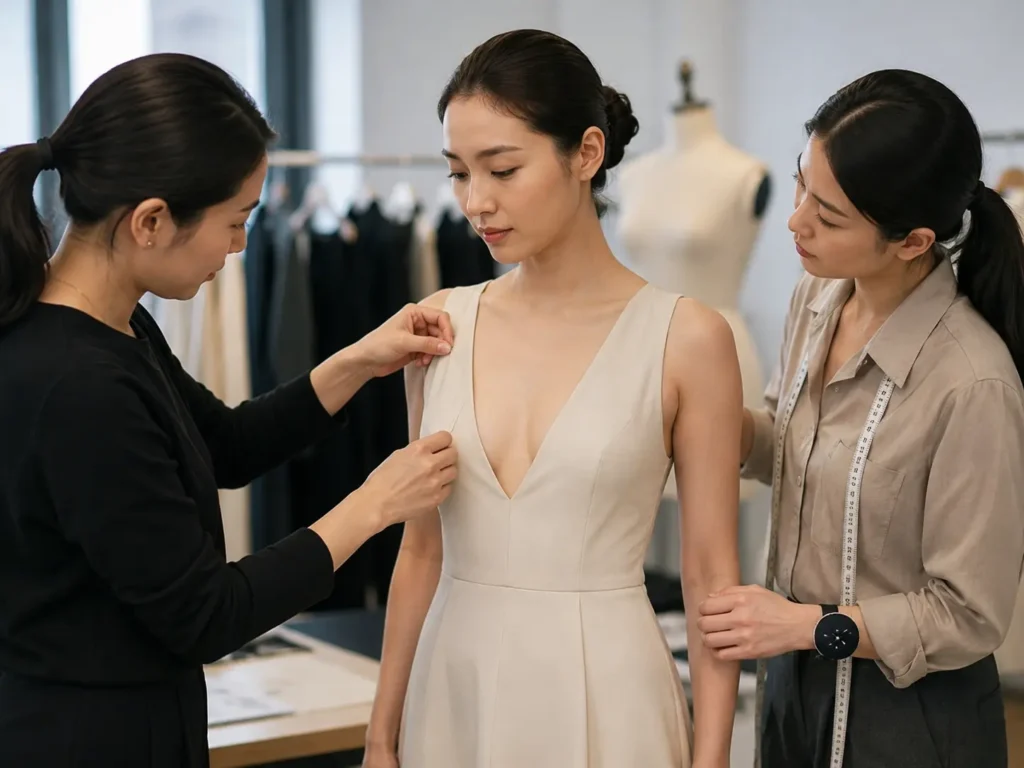
Small internal decisions determine whether a dress stays secure, looks refined, and remains repeatable in bulk. Construction is selected around silhouette, material, price level, wearing conditions, and inspection requirements.

Neckline Stability

Neckline edges can use clean facing, narrow binding, lining turn, elastic support, stay tape, understitching, or internal stabilization depending on the design. Halter, one-shoulder, strapless, square-neck, and low-back shapes require different solutions. The goal is a clean outer line with enough stability to resist stretching, rolling, gaping, or shifting during movement. Edge method, seam allowance, pressing, and topstitch visibility should be confirmed on the sample.

Bust and Waist Shape

Darts, princess seams, gathering, ruching, cups, boning, interfacing, elastic, and lining can shape the bust and waist. More structure is not automatically better; the interior should support the target silhouette without creating stiffness, visible ridges, or discomfort. Fitted and preference-round styles may need stronger control, while day dresses may rely on lighter shaping. Placement tolerances matter because small shifts can change the visual balance across the entire size range.

Lining and Coverage

Lining is selected for opacity, slip, hand feel, stretch compatibility, color, breathability, and seam interaction. Full lining, bodice lining, skirt lining, partial lining, double-layer shell, or modesty panels may be used depending on the style. The lining length should support movement and visual coverage without pulling the shell or showing at the hem. White, chiffon, mesh, and light pastel products require especially careful shell-lining evaluation.

Closures and Access

Invisible zippers, metal zippers, buttons, hooks, tie backs, elastic panels, side openings, and back openings affect both appearance and dressing ease. Closure length and position should allow entry without distorting the garment. Zipper tape color, seam smoothness, top stop, hook placement, and reinforcement are reviewed in the sample. Structured styles may require extra support near the opening so the closure carries load without rippling or separating.

Seams and Hems

Seam type should match fabric weight, transparency, stretch, and fray behavior. Options can include overlock, clean binding, French seam, coverstitch, narrow hem, blind hem, rolled hem, or faced hem. Chiffon needs light, controlled finishing; satin exposes puckering and pressing; stretch materials need recovery; white fabrics reveal bulky seam allowances. Hem depth and method also affect drape, flare, and the visual line across multiple sizes.

Gathering and Detail

Gathering, pleating, ruching, flounces, bows, lace, mesh panels, trim, and light embellishment require measurable specifications. Gather ratios, pleat depth, ruffle width, placement points, stitch density, reinforcement, and finishing should be defined so visual details remain consistent across garments. Complex features may need a construction trial or first-piece confirmation before full release. The most effective detail is one that adds visible value while remaining stable through production, packing, and wear.

Develop Production-Ready Sorority Rush Samples

Sampling is managed as a sequence of decisions, not a one-time sewing task. Each stage should clarify fit, material, appearance, construction, and the path toward a PP or bulk-production standard.

Project Review

Development begins with the style list, intended recruitment moment, reference images, tech pack status, target fabric, sample purpose, target size, color direction, quantity, price level, and required launch date. The team identifies missing information and ranks the main risks before confirming the development path. A complete tech pack improves speed and accuracy, while reference-led projects can still begin with a structured brief and staged specification completion.

Material Direction

Fabric and trim choices are reviewed against silhouette, coverage, drape, stretch, color, construction, target cost, and bulk availability. Swatches, lab dips, print strike-offs, lining options, zipper or trim boards, and alternative materials may be used before the first sample. Material timing should be separated from garment-making time because custom colors, prints, or nominated fabrics can change the sample calendar.

Pattern Development

CAD patterns are developed or corrected around the base size, fabric behavior, style lines, and expected fit. Key points include neckline geometry, bust balance, waist placement, body length, skirt movement, strap angle, and closure access. Reference images are interpreted rather than copied mechanically. Where the design is incomplete, the development team records assumptions and highlights decisions needing approval before the sample moves forward.

First Sample

The first sample tests the design direction, proportion, material effect, basic construction, and key fit. A planning reference is 10-15 working days for straightforward styles after materials and specifications are ready, and 15-25 working days for structured, fitted, print-dependent, or detail-sensitive styles. Final timing is confirmed after review because nominated fabrics, custom artwork, special trims, or incomplete files can extend the schedule.

Fit and Revision

Comments should identify the purpose of each change: fit, proportion, material, workmanship, visual effect, or production feasibility. Revisions are linked to updated measurements, pattern corrections, material changes, and construction notes. A common planning reference for one revision round is 5-10 working days after clear comments and materials are available. Complex changes may require a second fit or a focused construction trial rather than one combined revision.

PP Readiness

Before bulk, the accepted sample is reviewed with BOM, measurements, fabric and color references, lining, trims, construction, labels, packaging, and QC points. The result may be a PP sample, golden sample, approved production basis, or a production-readiness note depending on the program. The objective is a shared reference for the brand team, project manager, pattern room, production line, material team, and inspection team.

Lock the Standard Before Bulk Production

Approved appearance alone is not enough for a 20,000-80,000 piece multi-style order. Production starts after critical materials, measurements, workmanship, labeling, and packaging references are aligned and traceable.

Control AreaWhat Must Be ConfirmedWorking Reference
Approved SampleFit-approved, visual-approved, PP basis, or clearly noted pending itemsSample approval record and reference photos
Fabric and ColorComposition, weight, stretch, opacity, drape, shade, print, shrinkageSwatch, lab dip, strike-off, bulk lot reference
Lining and TrimsLining quality, zipper, hooks, buttons, elastic, cups, boning, labelsBOM and trim approval board
MeasurementsCritical POMs, base-size spec, grading, tolerance, garment lengthApproved measurement chart
ConstructionSeam, hem, lining method, reinforcement, gather ratio, closure methodTech pack and workmanship notes
Pilot or First PieceFit-sensitive, structure-sensitive, print-sensitive, or complex detailsFirst-piece or pilot confirmation note
Quality CheckpointsFabric, inline, measurement, workmanship, appearance, packingInspection checklist and client protocol
Labels and PackingMain label, care label, hangtag, barcode, bag, carton, carton markPacking guide and shipment preparation file

Plan Multi-Style Production by Complexity and Timing

A rush collection is divided into workable production paths instead of entering the factory as one undifferentiated order. Style, color, size, quantity, material readiness, construction risk, and delivery priority guide the allocation.
Reference Style Breakdown​

Order Breakdown

The order is split by style, color, size, quantity, target delivery, fabric source, print or dye route, lining, trims, and complexity. A 10-30 style program may include straightforward day dresses, fitted commercial styles, structured preference dresses, and print-dependent pieces, each with different approval and production needs. Clear breakdown improves material booking, cutting plans, line allocation, inspection focus, and shipment planning.

Production Path

Styles are classified as standard, fit-sensitive, structure-sensitive, special-process, quick-response, or high-risk. Standard dresses can move through regular lines, while corset-inspired, satin, mesh-layered, print-placement, or detailed occasion styles may require first-piece review, specialist lines, or closer technical supervision. The most suitable path is chosen according to product risk and timing, not only available capacity.

Material Coordination

Fabric, lining, trims, labels, packaging, and special-process materials are tracked against the production release. Custom prints, lab dips, embroidery, washing, or decorative components may have separate lead times and approval points. Material locking is coordinated with the final style list and color plan so substitutions or late changes do not enter production without review. Shade and roll grouping can also be planned before cutting.
Inline Correction​

Pilot Verification

For styles with sensitive fit, structure, workmanship, or visual balance, a pilot or first-piece stage can verify the line setup before full volume. The review may cover measurements, neckline, cup or boning position, lining, zipper, seam quality, gathering, hem, pressing, and overall appearance. Pilot verification is designed to catch production interpretation issues while they are still limited to a small quantity.

Line and Factory Allocation

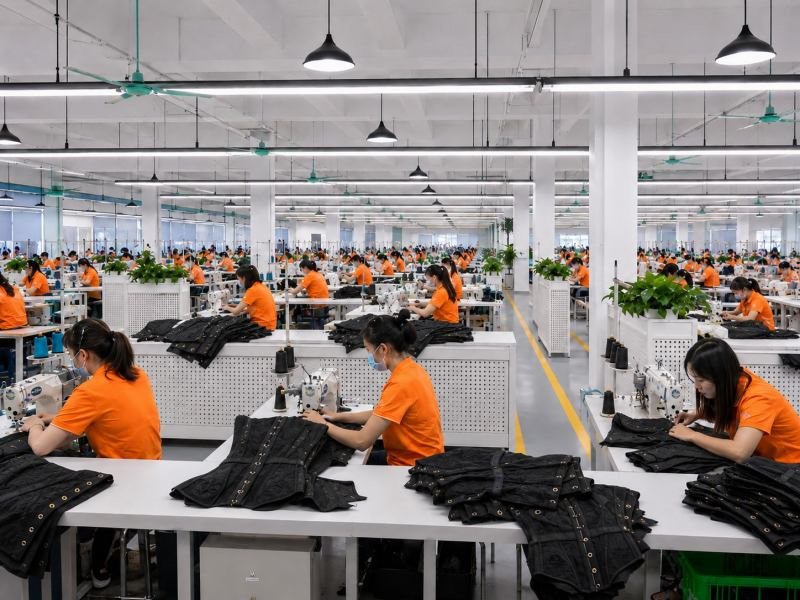
Duolan operates through 16 owned factories, 20+ satellite factories, 300 sewing lines, and 50+ flexible lines. Core development and key styles can remain under direct factory control, while repeat, scale-up, or multi-style programs can be allocated across suitable lines. Allocation should preserve the approved standard, with shared files, technical references, material controls, and inspection checkpoints across the production network.

Reorder Preservation

Repeat orders depend on more than stored patterns. The team also preserves BOM records, material sources, color references, measurements, workmanship notes, label and packing requirements, inspection points, and prior production feedback. Before a repeat is released, material batches, trim availability, line conditions, and requested changes are reviewed. The objective is stable reproduction with controlled improvements, not an assumption that every previous input remains unchanged.

Quality Control for Rush Dress Programs

Quality control follows the risks of the product. White opacity, fit, measurement, color, print, lining, closures, construction, pressing, labeling, and packing are checked at the stages where correction is still possible.

Fabric Inspection

Bulk fabric can be checked for shade, width, weight, defects, print consistency, shrinkage, colorfastness requirements, and roll condition according to the program. White, pastel, satin, stretch, and printed materials receive risk-specific attention. Fabric inspection results guide cutting, shade grouping, replacement decisions, and the need for further testing before production consumes the full lot.

Cutting Control

Markers, grain direction, nap, print direction, shade grouping, bundle identity, and critical placement are controlled during cutting. Asymmetrical designs, florals, border prints, one-shoulder pieces, and satin surfaces may require additional attention. Accurate numbering and bundle handling help prevent shade mixing or left-right mismatch. Cut-part checks can identify dimension or placement issues before sewing adds cost.

Inline Inspection

Inline checks focus on the points most likely to drift during production: measurements, neckline shape, straps, gathering, zipper insertion, lining, seams, hem, print placement, decoration, and pressing. Findings are communicated while the line is active so methods can be corrected before the same issue spreads through a large quantity. Complex styles can use more frequent checkpoints or a dedicated first-piece reference.

Measurement Control

Critical points may include bust, under-bust, waist, high hip, low hip, body length, strap length, armhole, neckline, skirt length, slit height, hem width, and lining length. Sampling and bulk tolerances follow the agreed size specification or brand manual. Measurement review should consider garment relaxation and stretch behavior where relevant, especially for bodycon, mesh, jersey, and elasticated constructions.

Final Garment Check

Finished garments are reviewed for stains, damage, skipped stitches, open seams, puckering, loose threads, asymmetry, color difference, print defects, lining exposure, zipper function, trim security, pressing marks, and overall appearance. Inspection can follow the brand protocol, third-party requirements, or an agreed internal plan. Garments are considered shipment-ready only after product and packing checks are completed.

Packing Verification

Style, color, size ratio, quantity, main label, care label, hangtag, barcode, size sticker, polybag, folding, carton quantity, carton mark, and shipping documents are checked against the approved guide. Retail and ecommerce programs often have precise warehouse requirements, so packing files should be confirmed before bulk completion. Final verification reduces preventable receiving issues even when garment quality is acceptable.

Work Backward From the Rush Launch Window

The calendar starts with the required warehouse arrival date and moves backward through shipping, final inspection, packing, bulk production, PP approval, revision, first sample, artwork or color approval, material readiness, and project review.

Development and Approval Timing

Straightforward first samples are commonly planned at 10-15 working days after specifications, fabric, and trims are ready. Structured, fitted, print-dependent, or detail-sensitive styles are commonly planned at 15-25 working days. One clear revision round may require approximately 5-10 working days, depending on the amount of pattern change, material replacement, or new construction testing. These ranges are planning references rather than automatic promises. Nominated fabrics, custom colors, print strike-offs, custom trims, incomplete tech packs, delayed comments, or multiple fit rounds can extend the schedule. A 10-30 style program is often divided into sample waves so the brand can review the highest-priority styles first and keep development moving while later styles are still being prepared.

Bulk, Inspection and Shipping Timing

A common bulk-planning reference is 30-45 days after PP approval, material readiness, and final order confirmation. Complex embellishment, multiple custom prints, extensive structure, large color counts, or split-factory allocation may require additional time. Final inspection, packing, carton preparation, and shipment booking should be included in the backward plan rather than added after sewing is complete. Air freight can protect a limited launch quantity or urgent replenishment, while sea freight supports the main volume when the calendar allows. Split shipment may be considered when launch priorities differ by style or color. The final schedule should show approval deadlines, material dependencies, bulk release, inspection, packing, transport mode, and the required brand-warehouse date.

Scale, Equipment and Compliance for Brand Programs

Duolan combines dress-development specialization with a multi-factory manufacturing structure. Scale is used to support many styles, different complexity levels, flexible allocation, repeat orders, and brand-specific quality or compliance requirements.

Manufacturing Network

16 owned womenswear factories and 20+ long-term satellite factories provide a layered structure for development, core production, repeat orders, scale-up, and capacity balancing. The network is supported by more than 12,000 workers across associated manufacturing bases. Factory allocation is matched to style complexity, process route, quantity, and timing rather than treating every dress as the same production task.

Sewing Capacity

The group operates 300 garment sewing lines, including 50+ quick-response and flexible lines. Stable monthly capacity is approximately 6.5 million pieces, with peak capacity reaching about 10 million pieces and additional expansion space. Capacity data is relevant only after product, material, line skill, and delivery needs are reviewed, because dress programs require suitable capacity rather than capacity alone.

Development Resources

The wider development organization includes approximately 750-1,200 people across product planning, trend research, design, fabric and trim development, pattern, sample making, process engineering, costing, sample quality, and project coordination. Monthly sample-development capacity is stated at approximately 15,000-35,000 pieces or style instances, supporting 3,000-8,000 style-development and sampling workflows across the group.

Relevant Equipment

The group reports approximately 650-1,200 pattern and sample-development machines or systems, 7,000-9,000 core sewing machines, 150-400 printing units, 150-300 embroidery units, 1,000-1,800 pressing and finishing units, and 3,000-6,000 inspection, packing, handling, and auxiliary units. Equipment is matched to product needs, including CAD pattern work, automatic cutting, printing, embroidery, pressing, measurement, needle detection, labeling, and packing.

Audit Readiness

Duolan factory systems have completed SMETA audit and SMETA 2-Pillar audit, with a SMETA social audit record. Projects can also be coordinated around requirements linked to BSCI, ISO 9001, AATCC, ASTM, OEKO-TEX, EN standards, China GB standards, GOTS, and brand-specific manuals. Exact certification, testing, labeling, or documentation requirements should be shared during supplier review and project planning.

Supply-Chain Support

Material and process coordination includes fabric, trims, accessories, printing, dip dyeing, embroidery, washing, and finishing resources. Mature support factories are available for special processes, while the South China textile and accessory ecosystem improves response for material search, color development, process trials, and replacement options. The value lies in coordinated product decisions, not simply access to a large supplier list.

Representative Sorority Rush Collection Program

The following confidential-format example reflects the order structures Duolan commonly plans for established dress brands. It illustrates how a multi-style seasonal program can move from collection review to controlled bulk delivery without naming a protected brand or disclosing proprietary designs.

Program Scope and Commercial Structure

A U.S. fashion brand planned an 18-style sorority rush edit covering open house, philanthropy, sisterhood, preference, and bid-day selling moments. The range included six floral or pastel day dresses, four white mini dresses, three refined halter or one-shoulder styles, three fitted preference dresses, and two bright celebration styles. The order totaled 48,000 pieces across four color families and six commercial sizes, with individual style quantities adjusted according to expected demand and retail role. The line used five principal material systems: lightweight printed woven, cotton-blend poplin, textured crepe, satin, and stretch mesh with lining. Shared colors, linings, zippers, and selected fit blocks reduced unnecessary variation while preserving clear visual differences across the collection.

Development, Risk Control and Timing

Sampling was divided into three waves of six styles. Day dresses moved first because their fabrics and construction were ready, followed by white styles requiring opacity and lining confirmation, then fitted and structured preference pieces requiring more fit review. Straightforward first samples averaged about 12 working days after material readiness; fitted or structured styles averaged about 19 working days. Two white styles changed lining shade and one fitted style revised waist contour and strap angle before grading. The production-readiness review locked fabrics, lab dips, print strike-offs, measurements, lining, zippers, workmanship, labels, barcodes, and packing. Higher-risk styles completed first-piece verification before full line release.

Bulk Allocation and Delivery Result

Bulk production was divided by material and construction complexity rather than evenly by style count. Printed day dresses and cotton-blend styles moved through separate suitable lines; fitted mesh and satin styles received closer inline measurement and workmanship checks. The main production window was planned at 38 days after final material and PP approval, followed by final inspection, packing verification, and shipment preparation. Reorder files preserved patterns, BOM information, color references, size specifications, workmanship notes, labels, packing standards, and production feedback. The program structure allowed later replenishment decisions to focus on proven styles and colors rather than restarting development from the beginning.

What the Program Demonstrated

The strongest outcome was not the number of garments alone. The project created one controlled reference system for eighteen styles while respecting different fabrics, fit risks, and commercial roles. Sampling waves gave the brand earlier visibility into core products. White-dress checks prevented opacity decisions from reaching bulk. Fit approval preceded grading on sensitive styles. Production allocation followed construction needs. Reorder data remained usable after shipment. The same operating logic can be adapted for programs ranging from 10 to 30 styles and approximately 20,000 to 80,000 pieces, subject to material, complexity, size range, and delivery review.

Sorority Rush Dress Manufacturing Frequently Asked Questions

Duolan can develop mini, midi, sundress, babydoll, skater, A-line, halter, one-shoulder, fitted, bodycon, white, pastel, floral, satin, mesh, and preference-round cocktail directions. The exact range is selected according to the target campus market, brand identity, price level, recruitment moments, and launch plan.
Yes. A collection can be planned around open house, philanthropy, sisterhood, preference, and bid day, with different styles serving campaign, commercial, repeat, and extension roles. Multi-style programs are reviewed by silhouette, material, color, fit, sample wave, production route, and delivery priority.
A complete tech pack is preferred, but a structured review can also begin from reference images, original samples, sketches, moodboards, a line plan, fabric direction, size chart, target quantities, target market, and launch date. Missing specifications are identified before sample development is confirmed.
The shell is reviewed for opacity under strong light and, where relevant, at stretch. Lining shade, lining length, seam allowances, pocket bags, interfacing, zipper tape, and hem construction are considered together. Bulk material is checked again because opacity and shade can change between qualities or lots.
Yes. Color development can include lab dips, while print development can include artwork review, scale, repeat, strike-off, base fabric, color count, placement, and bulk printing method. Final timing depends on the artwork, material, printing route, revision rounds, and approved color reference.
Duolan can follow a brand size chart or help organize the measurement logic when files are incomplete. Base-size fit is approved before grading. A typical commercial program may use five to seven sizes, while extended ranges require separate proportion review, grading validation, and additional fit checks.
Planning references are 10-15 working days for straightforward first samples and 15-25 working days for structured, fitted, print-dependent, or detail-sensitive styles after materials and specifications are ready. One revision commonly requires 5-10 working days. Final timing is confirmed after style review.
MOQ is reviewed by project structure rather than promoted as a headline. Fabric and color minimums, trims, printing, construction, line efficiency, style count, size breakdown, packaging, and future production plan all affect the quantity basis. Multi-style launch programs are evaluated as a complete commercial structure.
A common planning reference is 30-45 days after PP approval, material readiness, and final order confirmation. Complex prints, embellishment, extensive structure, large color counts, or multi-factory allocation may require more time. Inspection, packing, booking, and transport are planned separately.
Project files, tech packs, artwork, samples, patterns, product information, and commercial details can be handled under agreed confidentiality requirements. Share any NDA, document-control procedure, nominated access rules, or data-handling expectations before the project begins so the working process can be aligned.

Start Your Sorority Rush Dress Program

Share enough project information for a focused development and manufacturing review. Duolan will assess the style mix, materials, fit priorities, sample stages, quantity structure, production route, compliance needs, and launch calendar before confirming the next step. Complete files support a faster review, while reference-led projects can begin with a clear collection brief and supporting images. Confidential materials can be submitted with your preferred NDA or document-control requirements.

  • Company and brand name, website, target market, and sales channel
  • Recruitment season, launch date, number of styles, and commercial role of each group
  • Tech packs, sketches, reference images, original sample photos, or collection moodboard
  • Target fabrics, colorways, print artwork, lining, trims, and special-process requirements
  • Base sample size, complete size range, fit priorities, and brand measurement standard
  • Target quantity by style or total program, including launch, repeat, or scale-up plan
  • Label, barcode, polybag, carton, warehouse, inspection, testing, and compliance requirements
  • Known risk points such as white opacity, fitted silhouettes, custom prints, or urgent delivery

Start Your Apparel Development Project

OEM/ODM Manufacturing Support for Fashion Brands

Share your collection details, estimated quantities, target market, development timeline, and technical requirements. The production team will review your request and provide a tailored manufacturing solution based on your product category, fabric selection, construction needs, and delivery schedule.

Fashion Manufacturing Support with Scalable Production Capacity

From sample development to bulk production, Duolan supports fashion brands with confidential OEM/ODM manufacturing, stable quality management, flexible production planning, and coordinated multi-factory execution for seasonal and capsule collections.

Need Direct Assistance?

Seraphinite AcceleratorOptimized by Seraphinite Accelerator
Turns on site high speed to be attractive for people and search engines.