...

Australian Apparel Compliance Solutions

Compliance-ready dress development and manufacturing for Australian fashion brands, sourcing teams and product development departments.

Duolan translates market, retailer and brand requirements into controlled actions across materials, sampling, labels, bulk production, inspection, packing and shipment records. The role is manufacturing implementation and third-party coordination, not independent legal certification.

  • 30+ years of dress development and manufacturing experience
  • 16 owned fashion factories and 20+ long-term satellite factories
  • 300 sewing lines, including 50+ quick-response and flexible lines
  • 6.5 million pieces of stable monthly capacity across the manufacturing system
  • SMETA audit completed, including a SMETA 2-Pillar audit record
  • Typical brand programs: 10-30 styles and 20,000-80,000 total pieces per order

Built for Established Australian Fashion Operations

The strongest projects begin with a clear sales market, defined product categories, approved development standards and a realistic launch calendar. Duolan supports organizations that need a dress-focused manufacturing system capable of turning compliance documents into controlled production records. 

Established Fashion Brands

Support is designed for premium, contemporary, occasionwear, partywear, resortwear and multi-channel dress brands managing recurring collections. Work can begin from a tech pack, approved sample, reference garment, fabric direction or seasonal collection brief. Development decisions are recorded so approved standards remain usable during bulk production and reorder planning.

Sourcing and Buying Teams

Sourcing managers and buying departments often need a factory to follow vendor manuals, restricted substance requirements, testing protocols, care-label guides, inspection standards and packaging rules at the same time. Duolan separates each requirement by stage, owner and evidence so critical points are not buried inside email threads or general production comments.

Product and Technical Teams

Product developers, fit technicians and quality teams need accurate translation from comments into patterns, measurements, fabric decisions, construction instructions, BOM updates and PP-sample checkpoints. Duolan manages feedback as technical actions rather than forwarding messages between departments, reducing information gaps before production starts.

From Compliance Brief to Controlled Manufacturing

Australian apparel compliance support links product requirements with the manufacturing process. It may include product classification, material records, testing coordination, care-label execution, supplier audit information, production inspection, retail packaging and shipment documentation. Final legal responsibility and independent certification remain with the relevant brand, importer, retailer, adviser or nominated laboratory.
JF Apparel sewing line 1 duolan

Manufacturing Implementation

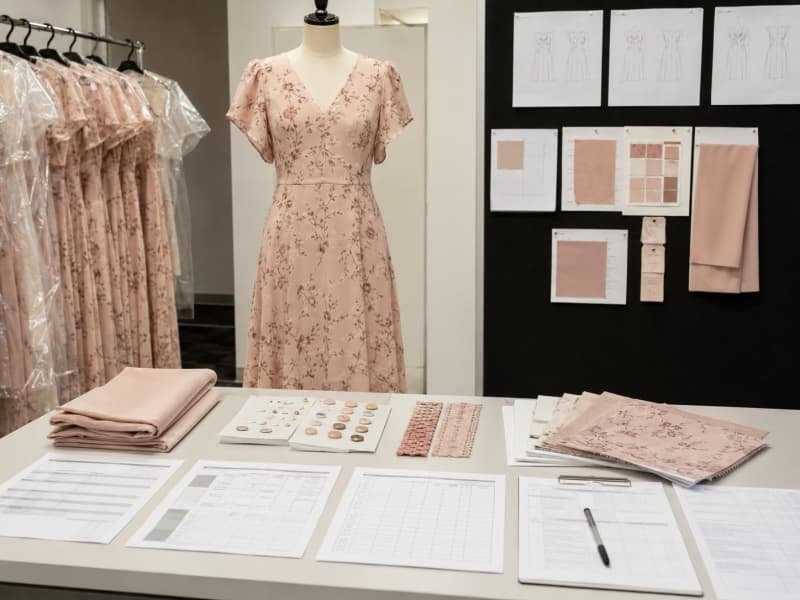
Duolan converts approved requirements into factory controls: material identification, fabric and trim confirmation, sample records, label artwork checks, placement standards, PP-sample review, first-piece approval, inline inspection, final inspection, packing verification and shipment-file preparation. Every instruction is connected to a physical product or production document.

Independent Verification

Testing, certification and legal opinions should come from qualified independent organizations where required. Duolan can prepare specimens, provide material and production information, submit samples to a nominated laboratory, host third-party inspection, respond to findings and preserve the approved production basis. Reports are never presented as Duolan-issued certificates.

Australian Apparel Compliance Scope

Compliance is not one certificate. A commercially ready dress program may combine mandatory Australian information rules, product-specific safety rules, brand standards, retailer manuals, voluntary certifications and internal quality targets. Duolan separates these layers before sampling so each requirement has a defined production action and evidence record.

Compliance AreaProduction ActionEvidence or Record
Care labellingApply approved care wording in English, authorised international care symbols, or both; confirm label material, position, attachment and bulk consistency.Approved artwork, sample label, placement photo, PP-sample check and final packing inspection.
Product classificationIdentify adult fashion apparel, children’s apparel, nightwear or another regulated category before testing and label planning.Product-category note, intended-use confirmation and relevant test request.
Material and chemical protocolMap brand RSL, retailer protocol or nominated laboratory requirements to outer fabric, lining, trims, coatings, prints and embellishments.BOM, material supplier records, batch references, test samples and laboratory reports.
Country-of-origin informationUse approved wording that matches the actual manufacturing path and brand or retailer instructions.Label artwork, production location record and packaging approval.
Environmental claimsLink recycled, organic, lower-impact or similar claims to available certificates and traceable material records before artwork approval.Scope certificate, transaction evidence where applicable, supplier declaration and approved claim wording.
Social responsibilityProvide available audit information and support supply-chain questionnaires, corrective actions and qualified brand review.SMETA record, factory profile, production-site list and corrective-action documentation.
Retail packaging and warehouse rulesControl barcode, size sticker, polybag, fold, carton assortment, carton mark and shipment-file requirements.Packing approval, barcode scan, carton checklist, packing list and carton list.

Risks We Control Before Production

Late compliance decisions often become sample rework, material replacement, missed testing windows, relabelling, repacking or delayed shipment. Duolan brings the most expensive risks forward, while changes are still manageable and before approved materials or production capacity are locked.

Late Requirement Review

A testing protocol or retailer manual received after sample approval may change materials, labels, packaging or inspection rules. Duolan requests the applicable documents at project start and creates an open-point list before pattern, sample and material decisions progress.

Material Record Gaps

Outer fabric may be documented while lining, elastic, metal hardware, rhinestones, print paste or packaging materials remain unclear. Duolan builds a material map by component and records supplier, colour, batch and intended use where project requirements call for traceability.

Label Data Mismatch

Tech pack, BOM, artwork, sample label and bulk label can show different care wording, size, composition, style code or origin information. A controlled approval path aligns content, dimensions, position, print quality and bulk attachment before packing.

Untested Substitution

A fabric or trim substitution after testing can break the connection between the approved report and the product being shipped. Duolan flags substitutions, separates affected stock and requests written approval or repeat testing before release.

Unsupported Claims

Words such as recycled, organic, sustainable or eco-friendly need suitable evidence and careful wording. Duolan checks whether requested claims are supported by available material documents before labels, hangtags or packaging are produced.

Incomplete Shipment Files

A passed inspection does not complete a program when reports, packing records, carton data or requested supplier files are missing. Shipment readiness includes document reconciliation, not only finished-garment count.

Information Reviewed Before Development Starts

Clear inputs allow the factory team to separate product development, market compliance, brand standards and logistics requirements. Incomplete files can still be reviewed, but missing decisions are recorded with their effect on sampling, testing, quotation or delivery planning.

Market and Product Information

  • Australian sales channel and intended retail environment
  • Adult womenswear, children’s apparel or product-specific category
  • Dress type, intended use and any performance or marketing claims
  • Target launch date, delivery date and shipping method
Bulk Production Documentation​

Brand Compliance Documents

  • Vendor manual and supplier onboarding forms
  • Testing protocol, RSL or restricted-material requirements
  • Care-label, hangtag and packaging guide
  • Quality manual, measurement tolerance and inspection standard
Development and Order Files

  • Tech pack, reference garment, design sketch or approved sample
  • BOM, fabric direction, colourways and nominated materials
  • Brand size chart, fit model notes and grading rules
  • Style-by-style quantity, size breakdown, packing ratio and carton requirements

Compliance-to-Production Workflow

Eight controlled stages connect the brand brief with shipment-ready goods. Each stage produces a decision, document or physical approval before the next stage carries the requirement deeper into production.

Product Classification

Confirm product category, intended use, target market, sales channel and any special safety or information requirements.

Requirement Mapping

Separate mandatory rules, brand standards, retailer requirements, laboratory protocols and voluntary certification goals.

Material Review

Map outer fabric, lining, trims, elastic, hardware, embellishment, print, coating, labels and packaging materials.

Development Controls

Add compliance-related points to the sample brief, BOM, pattern notes, workmanship standard and open-issue list.

Testing Preparation

Prepare representative specimens, colour and material details, forms, batch references and nominated laboratory submissions.

Label Approval

Confirm wording, symbols, dimensions, print quality, placement, attachment and relationship with garment care performance.

Bulk Verification

Lock approved materials, PP basis, first piece, measurement standards, inline checks, final inspection and packing rules.

Shipment Records

Reconcile inspection status, test reports, packing data, carton marks, lists, declarations and required supplier documents.

Fabrics and Trims Prepared for Testing

A laboratory result is only useful when the tested material matches the approved garment and the bulk order. Duolan manages fabric and trim information as a production system, linking material behaviour, component identity, sampling decisions, testing status and bulk purchasing records.

Component-Level Material Map

A dress may contain outer fabric, contrast panels, lining, interlining, elastic, boning, cups, zipper tape, metal hardware, lace, rhinestones, sequins, thread, labels and packing materials. Components are listed by use and colour so the testing plan does not rely on a single generic fabric description.

Performance Testing Preparation

Depending on the product and protocol, preparation may cover dimensional stability, colourfastness, pilling, seam strength, stretch and recovery, print durability, embellishment attachment, appearance after care or other specified tests. Duolan prepares representative specimens and records how the results affect care instructions or production controls.

Chemical Protocol Coordination

Brand RSL or retailer requirements can apply to fabric, coatings, print systems, metal trims, plastics, adhesives and decorative components. Duolan supports nominated laboratory testing and follows the agreed sampling plan, while final pass criteria remain defined by the applicable protocol and independent report.

Colour and Batch Control

Approval is tied to the relevant colour and material source. Lab dips, strike-offs, bulk fabric, lining and trims are compared against approved references. A material change, new supplier, new finish or new colour may require a documented review before production continues.

Substitution Review

Substitution is treated as a technical decision, not a purchasing shortcut. The team reviews appearance, hand feel, weight, stretch, opacity, shrinkage, care method, cost, lead time and testing impact. Written approval is requested when the new option changes the approved basis.

Bulk Material Locking

Approved fabric and trims are transferred into the BOM, purchasing instructions, PP sample and incoming-material checks. Factory teams receive clear references for supplier, colour, specification and critical performance points, reducing the chance of an unrecorded change during scale production.

Care Labels Built into the Product

Australian clothing and textile products covered by the mandatory information standard require adequate care instructions. Approved instructions may use English wording, authorised international care symbols, or both. Duolan treats the care label as a controlled product component connected to material performance, garment construction, artwork approval and final packing inspection.

Content Alignment

Care wording is checked against the approved material and garment-care basis. Brand-provided composition, size, style, origin and tracking information is reconciled with the BOM and artwork. Any wording outside Duolan’s manufacturing role is returned for formal approval rather than guessed by the factory.

Label Construction

Label substrate, print method, edge finish, fold type, size and attachment must suit the garment. Satin, mesh, bodycon and lightweight dresses may need softer or narrower labels, while complex lined garments require a position that remains readable without creating discomfort or visible distortion.

Placement Approval

Placement is reviewed on the sample and documented by measurement or reference photo. Side seam, centre back, lining seam or another location is selected according to brand instructions, garment structure, visibility and wearer comfort. PP sample approval becomes the bulk reference.

Bulk Verification

Incoming labels are checked against approved artwork. Sewing teams receive the approved position and attachment method. Final inspection confirms presence, content, orientation, print quality, attachment and consistency with size and style before garments enter retail packing.

Compliance Risks by Dress Category

Different dress constructions create different testing, care and production risks. Duolan combines category knowledge with the brand protocol so controls reflect the way the garment is built, worn, cleaned, packed and inspected.

Dress CategoryPrimary Risk AreasKey Control Points
Satin and slip dressesShrinkage, colour variation, seam puckering, needle marks, pressing shine, water marks and packing creases.Fabric test, grain and bias review, sewing trial, pressing standard, care basis and protective packing.
Stretch bodycon dressesStretch and recovery, opacity, dimensional stability, seam strength, size consistency and label comfort.Weight and stretch check, fit review, recovery test, graded measurement control and bulk batch comparison.
Mesh and layered dressesTransparency, lining coverage, stretch mismatch, seam damage, colour migration and edge stability.Layer map, opacity review, compatible lining, seam trial, edge finish and fit-position inspection.
Corset and bustier dressesCup position, boning ends, support, anti-slip components, hook-and-eye strength, zipper stress and size grading.Structure sample, fit model review, support-point measurement, trim specification and first-piece approval.
Sequin and embellished dressesAttachment strength, sharp contact, shedding, weight, abrasion, lining comfort, care instructions and packing pressure.Workmanship panel, pull check, backing and lining review, density control, PP sample and protected packing.
Printed and resort dressesColourfastness, strike-off accuracy, print placement, shrinkage, light fabrics, transparency and colour continuity.Strike-off approval, bulk fabric comparison, placement marker, care test and colour-batch control.
Children’s nightwear, when applicableProduct-specific flammability classification, testing and prescribed warning information for covered sizes and garments.Specialist review, nominated laboratory testing, approved warning label and separate production controls.

Sampling That Protects Bulk Production

Sampling is managed as a sequence of controlled decisions rather than a single garment-making step. Timeline confirmation follows review of four critical inputs: sample purpose, material readiness, size standard and construction complexity. Complex corset, embellished, layered or special-process styles may require an additional structure trial or workmanship panel before the wearable sample is approved.

Development Review

Clarify intended silhouette, fabric effect, fit priority, care implications, label requirements, testing needs and final sample purpose.
Material and Cutting QC

Material Preparation

Confirm available development fabric, trims and substitutes; identify which components are provisional and which can become production basis.

Pattern and Structure

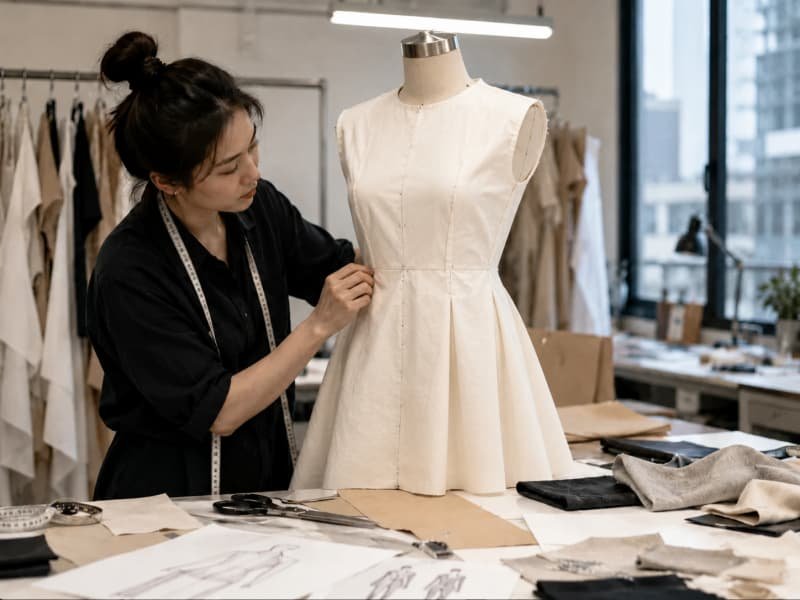
Build or adjust the pattern, support, lining, opening, seam and balance logic before sewing hides the root cause of fit problems.

Sample Construction

Create the sample with recorded materials and workmanship points, then inspect measurements, appearance, function, labelling and open risks.

Revision Control

Translate comments into pattern, spec, BOM, construction, fabric or label actions. A revision summary keeps changes visible across teams.

PP and Bulk Readiness

Lock the approved sample basis, measurements, materials, label and packing rules, then issue a production-readiness note before cutting starts.

Duolan’s manufacturing system supports 3,000-8,000 style-development and sampling workflows per month across the group. Capacity does not replace technical review; it provides the organization needed to run multi-style programs without treating every sample as an isolated request.

Bulk Production Control Points

Approved samples are converted into a production-ready standard before bulk starts. Duolan uses a structured manufacturing network with 300 sewing lines, 50+ quick-response and flexible lines, stable monthly capacity of approximately 6.5 million pieces, and additional peak capacity for large or parallel collection programs.

Bulk Readiness Review

Confirm approved-sample status, fabric, lining, trims, colour, measurements, workmanship points, labels, packing and open approvals before production release.

Order Breakdown

Split the order by style, colour, size and quantity. Identify standard, complex, special-process and elevated-risk styles, then assign the most suitable production path.

Incoming Material Check

Verify material identity, colour, specification, visible defects and approved references. Test-related or claim-related components receive additional document checks where required.

First-Piece Approval

Review measurements, silhouette, construction, support, trims, label placement and critical appearance points before the line proceeds at scale.

Inline and Final Inspection

Monitor recurring defects during production, then inspect finished garments against approved sample, tolerance, workmanship, label and packing standards.

Shipment Readiness

Reconcile order quantity, inspection status, packing records, carton data, reports and requested documents before release to the nominated logistics path.

A typical established-brand order may contain 10-30 styles and 20,000-80,000 total pieces. Production planning therefore focuses on style-level risk and shared delivery milestones, not only the total garment count.

Fit and Size Control for Australian Dress Programs

Australian brands may use different size numbering, fit models and commercial ease from US, UK or European ranges. Duolan follows the brand-supplied size chart and approved fit basis rather than converting sizes by a generic international chart. Five fit zones receive focused review: bust, waist, hip, length balance and support or opening stability.

Base-Size Fit

The base size establishes silhouette, balance, wearing ease, neckline, armhole, strap, bust support, waist position, hip contour, slit level and hem relationship. Comments are converted into measurable pattern or construction changes, not subjective notes such as “make it better.”

Grading Logic

Grading is checked against garment structure and stretch behaviour. Corset cups, boning, waist seams, cut-outs, strap positions, slits and placement details may need controlled movement across sizes rather than a uniform increase at every point.

Measurement Tolerance

Tolerance is agreed by measurement point and garment type. High-impact points such as bust width, waist, strap length, zipper length, cup position and total length may require tighter control than decorative or low-impact measurements. Approved tolerance becomes part of final inspection.

Size-Set Review

A size set or selected graded sizes can be reviewed before full production when fit risk is high. The route depends on the number of sizes, fabric behaviour, order quantity and brand protocol. Findings are recorded before remaining sizes proceed.

Social Audit and Supplier Onboarding Support

Established fashion groups often evaluate production capability, quality management, social responsibility, document control and supply-chain visibility together. Duolan can provide qualified organizations with structured supplier information and available audit records while supporting project-specific questionnaires and corrective-action follow-up.

Audit Record

Duolan’s manufacturing system has completed a SMETA audit and holds a SMETA 2-Pillar audit record. Audit scope, site information, validity and document availability should be reviewed for each sourcing program rather than described as a blanket approval for every product or legal obligation.

Factory Information

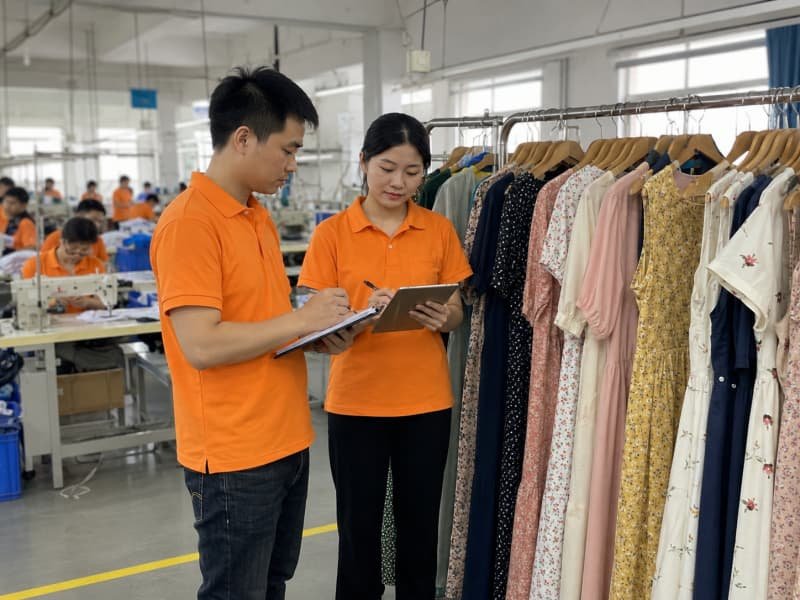
The wider system includes 16 owned fashion factories, 20+ long-term satellite factories and regional production support involving more than 12,000 workers. Qualified reviews can cover relevant production sites, development organization, manufacturing flow, QC process, special-process coordination and shipment support.

Onboarding Documentation

Available materials may include company profile, factory profile, production-flow overview, quality-control path, compliance coordination statement, capacity summary, site list and requested supplier forms. Sensitive records are shared after project and recipient qualification.

Retail Packaging and Shipment Documentation

Retail readiness extends beyond garment quality. Barcode, size sticker, care label, hangtag, polybag, fold, carton assortment and warehouse data must match the approved order. Duolan separates legal information, brand artwork, retailer rules and logistics instructions so each item is checked against the right source.

Garment Identification

Brand label, care label, size label, style code, colour code, hangtag and other approved identifiers are checked for content, position, orientation and attachment. Mixed-size or mixed-style packing receives added reconciliation against the order breakdown.

Unit Packing

Polybag type, warning wording where applicable, adhesive placement, size sticker, barcode, tissue, protective layer and folding method are confirmed before scale packing. Satin, sequins, rhinestones, structured cups and special trims may need tailored protection.

Carton Control

Carton assortment, ratio, quantity, carton number, dimensions, weight, mark and retailer label are compared with the packing guide. Barcode scanning or label verification can be included where the program requires it.

Shipment File

The shipment record can include packing list, carton list, inspection status, test reports supplied for the order, requested declarations, commercial documents and nominated-forwarder information. File content is agreed according to delivery terms and brand procedures.

Third-Party Testing and Inspection Support

Duolan can work with brand-nominated laboratories, inspection companies, social-audit organizations and compliance advisers. Independent organizations define their own scope, sampling rules, pass criteria and report language; Duolan focuses on accurate product preparation, site access, corrective action and production alignment.

Nominated Laboratory

The team prepares representative samples, colour and component information, forms and supporting production records according to the nominated process. Failed or conditional results are reviewed against the affected material or style before a correction or retest route is confirmed.

Third-Party Inspection

Pre-production review, during-production inspection, pre-shipment inspection and packing verification can be arranged with the approved provider. Inspectors receive relevant PO, specification, approved sample, tolerance, packaging and defect information according to the agreed inspection scope.

Corrective Action

When a finding appears, affected stock is identified, the root cause is reviewed and corrective action is documented. Depending on the issue, action may involve material segregation, pattern correction, rework, label replacement, repacking, repeat inspection or retesting before release.

Anonymized Australian-Market Dress Program

The following anonymized program structure reflects the scale and operating pattern of established-brand orders handled by Duolan. It is presented as a representative execution example rather than a named legal-certification claim.

Program Profile

  • 18 dress styles across occasionwear, satin, stretch mesh and embellished categories
  • 42,600 total pieces with a brand-supplied AU 6-16 size chart
  • Four coordinated colour stories and multiple shared fabrics and trims
  • Retail packing, barcode, care-label and carton instructions supplied by the brand
  • Nominated third-party testing and pre-shipment inspection

Initial Risk Review

The team separated 13 standard-risk styles from 5 elevated-risk styles.

Elevated points included stretch-mesh opacity, satin care and pressing, corset support, sequin attachment and label placement on lined garments.

Four styles required a material, construction or label action before PP-sample approval.

Execution Controls

  • Created a component map for outer fabrics, linings, hardware, embellishments and labels
  • Linked test specimens to colour, supplier and intended bulk material
  • Issued style-level PP comments and a bulk-readiness checklist
  • Used first-piece review and inline checkpoints for the five elevated-risk styles
  • Verified care labels, barcodes, pack ratios and carton marks before final packing

Production Outcome

The order was organized into three coordinated production waves to protect shared material and delivery milestones.

Approved materials, PP references, label files, measurement standards and packing instructions were preserved as the reorder basis.

Final release followed nominated inspection and reconciliation of the agreed shipment documents.

Why Duolan for Australian Dress Programs

Compliance-ready manufacturing needs more than a factory that can sew and more than a consultant who can identify a rule. Duolan combines dress development, material judgment, sample control, multi-factory organization, QC discipline and document coordination inside one project-management path.

Dress-Focused Experience

30+ years of industry and product-development experience support fashion dresses, occasion dresses, party dresses, fitted dresses, resort styles and detail-driven programs.

Manufacturing Network

16 owned fashion factories and 20+ long-term satellite factories provide controlled core production, flexible allocation and scalable repeat-order support.

Structured Capacity

300 sewing lines, 50+ flexible and quick-response lines, and approximately 6.5 million pieces of stable monthly capacity support multi-style brand programs.

Development Scale

The group can support 3,000-8,000 style-development and sampling workflows per month, allowing parallel collection work with organized sample and revision tracking.

Material and Process Resources

Long-term fabric, trim, print, embroidery, dyeing, washing and special-process partners allow style-specific development without treating every decorative request as a generic add-on.

Audit and Quality Foundation

SMETA and SMETA 2-Pillar audit records, stage-based quality control, third-party inspection support and document preparation strengthen formal supplier evaluation.

Frequently Asked Questions

No. Duolan is a dress development and manufacturing partner. Independent laboratories, auditors, advisers and relevant legal entities remain responsible for their own reports, certifications and opinions. Duolan implements approved requirements in materials, samples, production, labels, inspection and packing.
Support may cover applicable care-label instructions, product-category review, brand testing protocols, RSL requirements, material records, supplier onboarding, social-audit information, QC, retail packing and shipment documents. Final scope depends on product type, sales channel and current requirements.
Australian care-labelling rules allow covered products to use English care instructions, the five recognised international care symbols, or both. Symbol use and artwork rights should be handled through the brand’s approved process. Duolan follows the approved artwork and production instructions.
Duolan can review garment construction, materials and available care-test results, then flag conflicts or production risks. Final legally approved wording should come from the responsible brand, importer, retailer, adviser or qualified authority.
Yes. Representative fabrics, linings, trims, prints, coatings or embellishments can be prepared for a nominated laboratory before bulk release. The testing plan should specify components, colours, sampling method, protocol and pass criteria.
A proposed substitution is reviewed for appearance, composition, weight, stretch, opacity, shrinkage, care, colour, cost, lead time and testing impact. A change that affects the approved basis is held for written approval or additional testing.
Yes. Retailer manuals can be mapped into label, barcode, packing, carton, inspection and document checkpoints. Requirements outside manufacturing scope are listed as brand-owned or third-party actions rather than silently assumed by the factory.
Yes. Duolan can support approved pre-production, during-production, pre-shipment and packing inspections. Relevant order, specification, approved-sample and packing information should be supplied according to the inspector’s scope.
Recommended inputs include product category, target market, tech pack or reference sample, fabric direction, size chart, testing protocol, label guide, packaging manual, style quantity, colourways and target delivery date. Partial files can be reviewed with an open-point list.
Project files, unreleased designs, label artwork, samples and commercial information are handled for project evaluation and execution. NDA review can be arranged before sensitive documents or supplier-evaluation records are exchanged.

Review Your Australian Compliance Requirements

Send the documents already available, even when the project is still being organised. Duolan will review the product category, dress construction, material direction, sample basis, testing path, care-label requirements, quality checkpoints, packaging rules, target quantity and delivery schedule. The response will identify the recommended development or production route, open decisions and the files needed before quotation, sampling or bulk release.

Useful project information includes:

  • Company or brand name and website
  • Australian sales channel and product category
  • Tech pack, reference garment or design images
  • Testing protocol, RSL or nominated laboratory details
  • Fabric, lining, trim and colour requirements
  • Brand size chart, fit comments and measurement tolerance
  • Care-label, hangtag, barcode and packaging artwork
  • Style count, quantity, colourways and size breakdown
  • Target delivery date and shipping arrangement

Confidential product files and unreleased designs can be reviewed under an agreed NDA. Supplier-evaluation and audit documents are shared with qualified organizations after project scope and recipient details are confirmed.


Start Your Apparel Development Project

OEM/ODM Manufacturing Support for Fashion Brands

Share your collection details, estimated quantities, target market, development timeline, and technical requirements. The production team will review your request and provide a tailored manufacturing solution based on your product category, fabric selection, construction needs, and delivery schedule.

Fashion Manufacturing Support with Scalable Production Capacity

From sample development to bulk production, Duolan supports fashion brands with confidential OEM/ODM manufacturing, stable quality management, flexible production planning, and coordinated multi-factory execution for seasonal and capsule collections.

Need Direct Assistance?

Seraphinite AcceleratorOptimized by Seraphinite Accelerator
Turns on site high speed to be attractive for people and search engines.