 Skip to content
Sustainable Dress Development Solutions
Dress-focused material, design, sampling, and production decisions for responsible collections built to perform commercially at scale.
- Nearly 30 years of fashion dress development experience behind the Duolan manufacturing system.
- 16 owned apparel factories, 20+ coordinated satellite factories, 300 sewing lines, and 50+ flexible production lines.
- Typical brand programs cover 10-30 styles and approximately 20,000-80,000 total garments per order cycle.
- Development support spans fabric and trim review, pattern engineering, fit correction, sample stages, PP confirmation, bulk production, QC, packing, and delivery coordination.
- Focus categories include occasion, party, bodycon, corset, satin, mesh, sequin, resort, wedding guest, and refined fashion dress programs.
- SMETA audit and SMETA 2-Pillar audit foundation, with project-based coordination for material documents, testing, and brand-specific requirements.
What Is Sustainable Dress Development?
Material Responsibility
Material decisions begin with more than fiber names. Composition, supplier documentation, color process, handfeel, stretch, recovery, opacity, drape, durability, bulk availability, and replacement risk all influence the result. A recycled satin may support one occasion dress but fail on another because surface shine, seam marking, snagging, or weight differs from the approved concept. Responsible selection means choosing a material with credible documentation and enough performance stability for the garment structure.
Commercial Product Responsibility
A dress also needs to fit, wear, sell, and reproduce consistently. Excess sample rounds, unstable trims, unclear construction, weak seams, poor opacity, and unapproved bulk substitutions can create more waste than a well-planned development process. Duolan treats fit review, pattern correction, sample purpose, PP approval, BOM control, and QC checkpoints as part of responsible development because product failure, returns, rework, and short usable life carry environmental and commercial costs.
Built for Brand-Level Sustainable Dress Programs
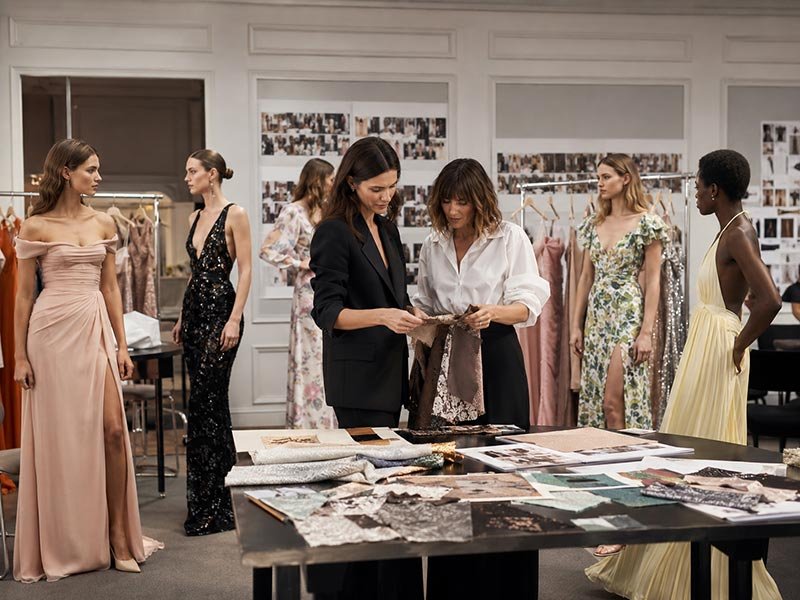
Global Fashion Brands

Product Development Teams

Buying and Sourcing Offices

Established Dress Brands
Where Sustainable Dress Projects Commonly Lose Control
Unverified Material Claims
- Confirm composition and supplier reference.
- Check certificate scope and validity.
- Define required transaction or testing records.
Performance Mismatch
- Review drape, stretch, recovery, weight, and opacity.
- Test construction-sensitive areas before full sampling.
- Compare alternatives by garment result, not fiber name alone.
Excessive Sample Rounds
Unclear sample purpose often creates avoidable repetition. A visual prototype, fit sample, photo sample, salesman sample, and PP sample do not serve the same decision. Duolan defines the sample objective, material status, fit priorities, and approval criteria before work starts. Swatches, lab dips, trim cards, partial mock-ups, or construction trials may be used first when a specific fabric, color, support detail, or decorative process carries higher risk.
- Set sample purpose before pattern work.
- Separate visual approval from production approval.
- Record comments and revision priorities by stage.
Complex Material Mixing
Occasion and party dresses commonly combine main fabric, lining, interlining, cups, boning, elastic, zippers, hooks, lace, mesh, sequins, beads, metal parts, labels, and packaging. Mixed systems may improve shape and appearance, yet they also increase sourcing, traceability, testing, durability, and end-of-life complexity. Duolan reviews which layers are structurally necessary, which details can be simplified, and which materials must remain separate to protect fit, comfort, and production stability.
- Identify essential and non-essential layers.
- Standardize trims where appearance permits.
- Lock every approved component into the BOM.
Sample-to-Bulk Drift
- Compare bulk arrivals with approved references.
- Check roll-to-roll and lot variation.
- Release full production only after critical points are confirmed.
Late Compliance Review
- Confirm target market and test plan early.
- Align labels and packaging with approved materials.
- Reserve time for third-party testing or inspection when required.
Our Sustainable Dress Development Framework
From Sustainability Brief to Material Feasibility
Project foundation: Development begins with target market, dress category, collection role, expected price position, quantity, size range, colorways, launch date, material restrictions, desired certifications, test protocol, packaging requirements, and available design information. Tech packs, original samples, reference images, mood boards, or a collection list can all serve as a starting point, but the next action depends on how complete the product direction is.
Material feasibility: Fabric selection is reviewed against drape, stretch, recovery, opacity, handfeel, support, seam behavior, color process, bulk availability, documentation, and expected order scale. Main fabric cannot be judged separately from lining, interlining, cups, boning, zippers, elastic, lace, mesh, decorative elements, labels, and packaging. Where a nominated material creates performance or sourcing risk, alternative directions can be compared before full sample investment.
Decision output: A useful early-stage result is not a generic promise. It is a clearer material route, a list of missing information, identified garment risks, and a recommended sample path. Brands can then decide which options deserve swatches, lab dips, partial trials, or first samples.
From Design Direction to Production-Ready Sample
Design translation: Reference imagery is interpreted through garment construction. Neckline balance, bust shape, waist position, hip ease, skirt fall, slit placement, back exposure, strap tension, cup position, boning direction, lining coverage, and trim location all influence whether the intended look will work on the body. Pattern engineering and fit correction are adjusted around material behavior rather than copied mechanically from a flat image.
Controlled sample stages: Duolan can support first proto, fit sample, revised sample, photo-ready sample, salesman sample, and pre-production sample according to project needs. Each stage should answer defined questions. A first proto may confirm proportion and construction; a fit sample may focus on body balance and measurements; a PP sample should represent the approved production basis. Clear comments are converted into pattern, measurement, material, and workmanship changes, with revision summaries keeping the project organized.
Production readiness: Before bulk release, the approved sample, pattern, graded size specification, BOM, fabric, lining, trims, color standards, workmanship details, label content, packaging, and inspection points must agree. Complex styles may require a first-piece or pilot run before full production.
From Bulk Planning to Delivery Records
Production path: Orders are broken down by style, color, size, quantity, material, workmanship sensitivity, and delivery timing. A program containing 10-30 styles may include regular styles, high-risk fitted styles, embellished products, and fast-reorder candidates. Duolan matches those differences to suitable owned factories, production lines, special-process resources, and internal milestones rather than treating the order as one undivided block.
Quality controls: Fabric inspection, cutting controls, first-piece confirmation, inline QC, measurement checks, appearance review, workmanship checks, packing verification, and final inspection protect the approved standard. Critical points vary by category: seam marking for satin, recovery for bodycon, cup and boning positions for corset products, coverage for mesh, and attachment security for sequins or beads.
Delivery and continuity: Final garment, packing, barcode, label, carton, and shipment requirements are checked before release. Approved patterns, BOMs, swatches, QC notes, and packing standards can be retained for repeat production, helping later reorders follow the same confirmed basis.

Dress Categories Developed Around Responsible Product Decisions

Satin Occasion Dresses

Bodycon Dresses

Corset and Bustier Dresses

Mesh Layered Dresses

Sequin and Embellished Dresses

Resort and Vacation Dresses

Cocktail and Wedding Guest Dresses

Fashion Sets and Coordinated Looks
Compare Responsible Materials by Dress Performance
A responsible material should be selected by garment result, evidence, production stability, and order suitability. No fiber direction is automatically correct for every dress. The table below shows the type of review needed before sampling or bulk commitment.
| Material Direction | Best For | Performance Focus | Sustainability Opportunity | Main Risk | Required Duolan Review |
|---|---|---|---|---|---|
| Recycled polyester satin | Occasion, cocktail, bridesmaid, party | Luster, drape, seam marking, snagging, color | Recycled content with project-level documentation | Handfeel and shine may vary by supplier or lot | Composition, certificate scope, weight, surface, lining, sewing and pressing trial |
| Recycled stretch jersey | Bodycon, fitted midi, going-out dresses | Stretch, recovery, opacity, compression | Recycled content in a performance fabric | Growth, transparency, spirality, weak recovery | GSM, stretch ratio, recovery, wash response, pattern reduction, seam trial |
| Certified cellulosic woven | Resort, day, fluid midi and maxi styles | Drape, softness, shrinkage, wrinkle behavior | Certified or traceable cellulosic sourcing | Excess shrinkage, low structure, color variation | Supplier documents, shrinkage, colorfastness, structure, lining and finishing |
| Organic cotton blends | Day, casual, shirt, summer and structured styles | Breathability, stability, handfeel, shrinkage | Organic fiber content and responsible sourcing | Limited drape for fluid silhouettes; shrinkage risk | Blend ratio, weave, weight, pre-treatment, shrinkage, pressing and fit review |
| Certified or recycled mesh | Layered, ruched, sleeve, panel and overlay dresses | Transparency, stretch, recovery, softness | Documented content in lightweight overlays | Recovery, snagging, edge distortion, shade mismatch | Stretch direction, recovery, color match, lining coverage, seam and edge trial |
| Mono-material concept | Selected simple dresses with compatible trims | Construction simplicity and material compatibility | Easier material identification and possible end-of-life handling | Often unsuitable for corset, sequin or multi-layer support systems | Structural feasibility, closure options, opacity, durability, comfort and bulk availability |
Designing Dresses for Fit, Wearability and Longer Use

Fit Stability
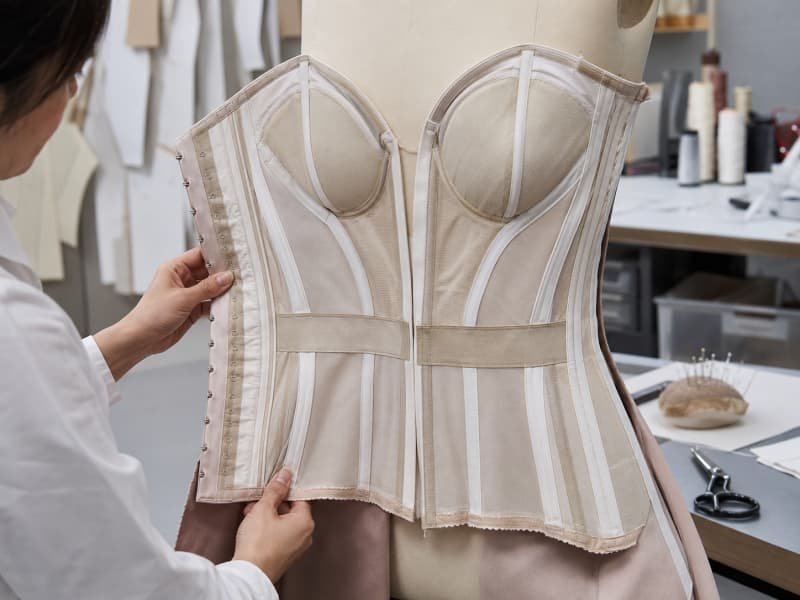
Support Architecture

Lining and Opacity

Serviceable Details
Closures and decorative parts affect product life. Zippers should run smoothly without catching lining; buttons and hooks need secure attachment; lace and mesh edges should resist fraying; sequins and beads should avoid high-friction zones; labels should not irritate skin; and hems should suit the fabric weight and wearing scenario. Duolan translates small details into measurable specifications for size, material, finish, placement, attachment, and QC so later replacements or reorders remain possible.
A More Controlled and Efficient Sampling Path
Confirm the Development Basis First
Use the Right Sample for Each Decision
Build a Timeline Around Approvals
A reliable timeline starts after design basis, sample purpose, and material direction are clear. Standard projects usually move through document review, fabric and trim preparation, pattern making, sample sewing, internal inspection, shipment, brand review, and revision. Complex materials, custom colors, embellishment, special dyeing, or multiple fit rounds add time because each approval affects the next operation.
For planning purposes, Duolan recommends setting calendar checkpoints rather than relying on a single sample-day promise. A representative 10-30 style program may stagger priority styles, photo samples, PP approvals, and lower-risk styles so the collection does not wait for every item to reach the same stage. Final timing is evaluated from actual style complexity, material readiness, quantity, approval speed, and shipment method.

Material Yield Planning Before Bulk Cutting
Pattern and Width Review
Marker and Spreading Controls
Cutting Release and Record Control
Bulk cutting should start only after fabric approval, shrinkage or relaxation requirements, marker basis, size ratio, shade grouping, and critical placement are confirmed. Incoming material differences can change usable width, shade, handfeel, or defect allowance, so final marker release should reflect the actual bulk lot.
Duolan links cutting records with order, style, color, size, and production path. For repeat orders, retained patterns, marker references, approved swatches, and material notes help the next production cycle start from a known standard. Any new fabric lot still requires review rather than automatic reuse of an old consumption figure.

Processes and Trims Evaluated Before They Add Risk
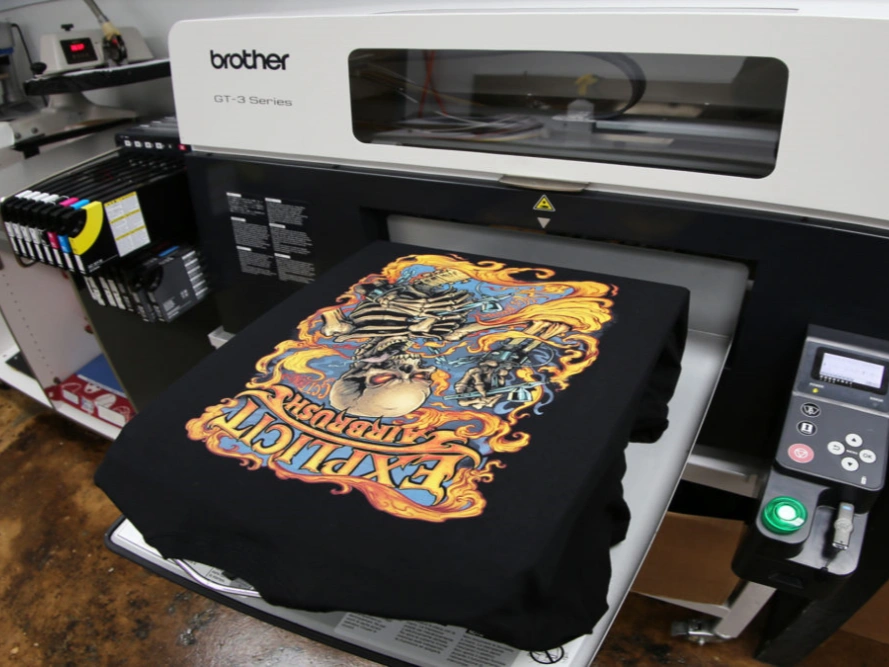
Printing and Dyeing

Embroidery Systems
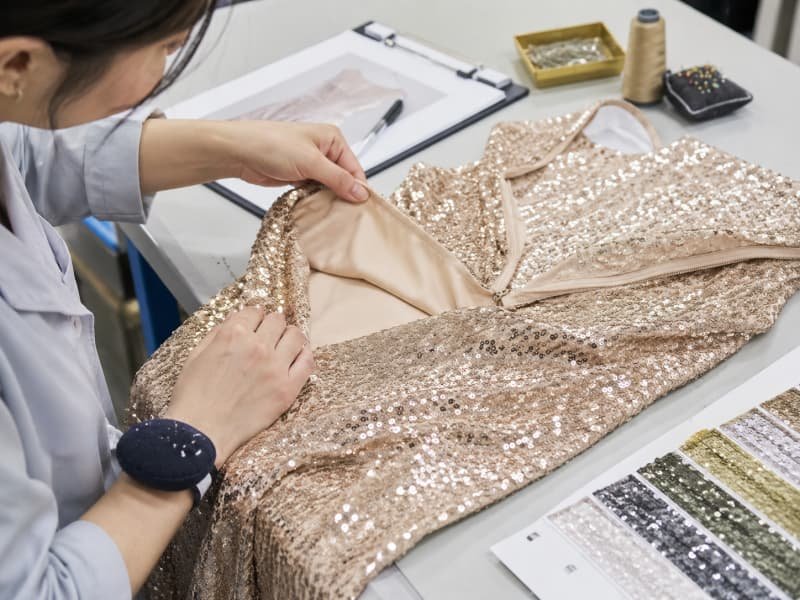
Sequins and Beading

Pleats, Ruching and Draping

Corset Components
Boning, cups, interlining, stay tape, elastic, gripper, eyelets, lace-up cords, hooks, zippers, and lining create a structural system. Each component needs size, material, finish, strength, placement, and supplier confirmation. Eyelet areas may need reinforcement; boning ends require protection; cups must match neckline and grading; zippers must support tension; and lining should cover internal structure without adding unnecessary bulk. All approved parts enter the BOM.
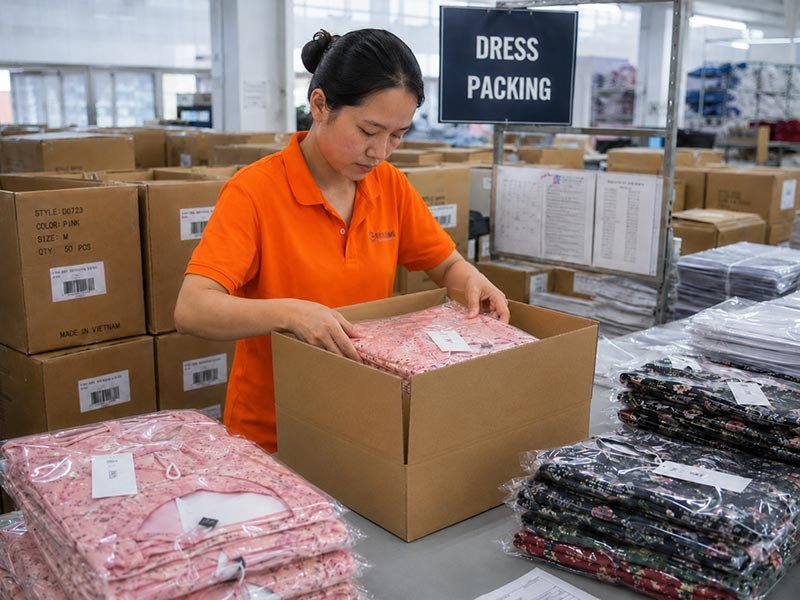
Labels and Packaging
Material Traceability and Compliance Documentation Support
Material Identity Records
Approval and Production Records
Certification and Testing Support
Delivery and Reorder Files
Lock Sustainable Decisions Before Bulk Production
Lock the Product File
Order purpose influences control depth. A launch order, repeat order, and scale-up order may use the same silhouette but carry different quantity, line allocation, timing, and inspection needs. Duolan reviews whether the style can move directly into production or requires a small correction, process trial, first-piece confirmation, or pilot run.
Verify Materials and First Pieces
For bodycon, corset, halter, backless, satin, sequin, mesh-layered, and shape-sensitive occasion styles, Duolan prefers first-piece or pilot verification before the full run. Critical measurements, support positions, seam appearance, lining, closure, decoration, pressing, and wearer-facing comfort are reviewed while changes remain manageable.
Control Production and Reorders
Production is organized by style complexity, materials, critical construction points, and timing. Inline QC checks selected operations before problems spread through the quantity. Final quality review covers measurements, appearance, workmanship, trim security, labels, packaging, and client-specified requirements. Third-party inspection can be coordinated when included in the project plan.
For repeat orders, retained standards support continuity, but the new material lot and production path still require confirmation. The objective is to reproduce an approved product basis, not to assume previous success removes the need for inspection.
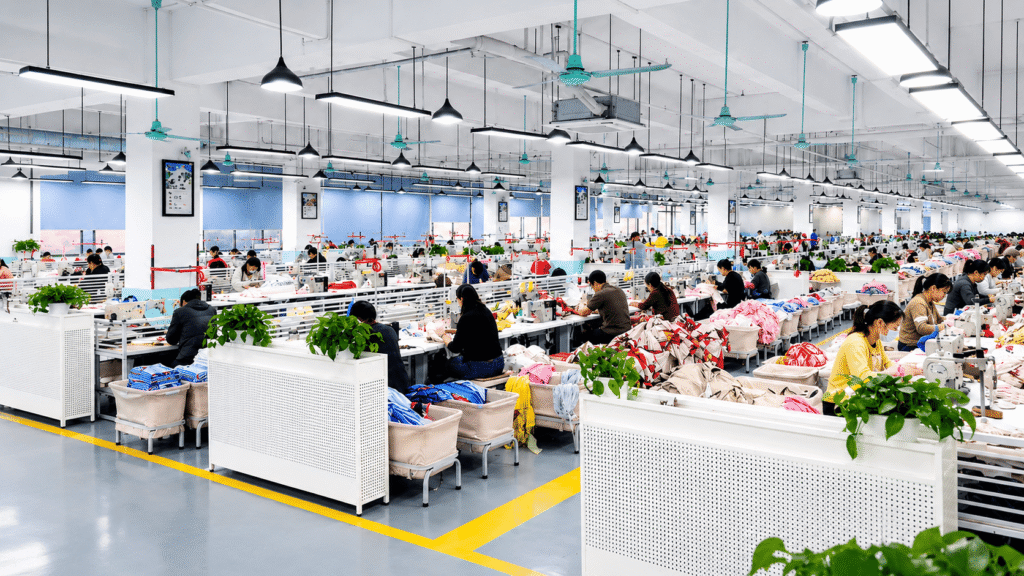
Quality Controls Protecting Product Life and Brand Value
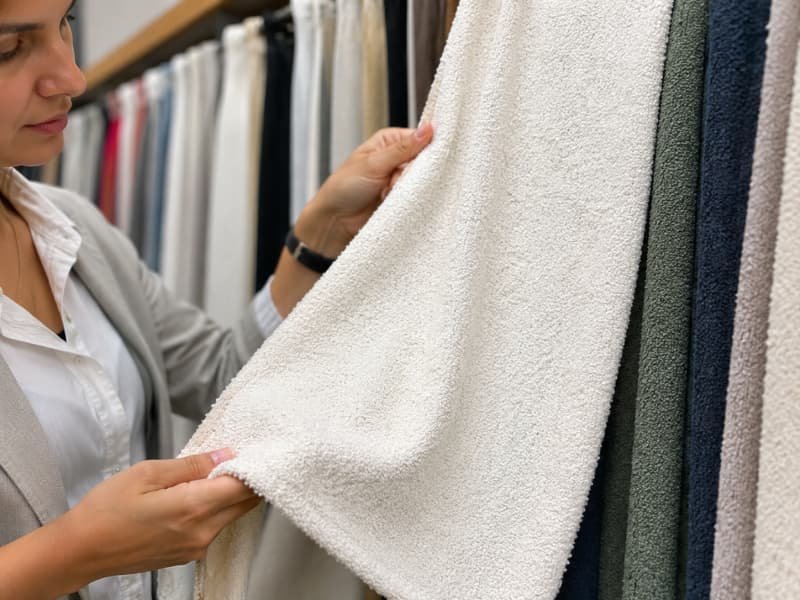
Fabric Inspection

Pattern and Measurement

Sewing Workmanship
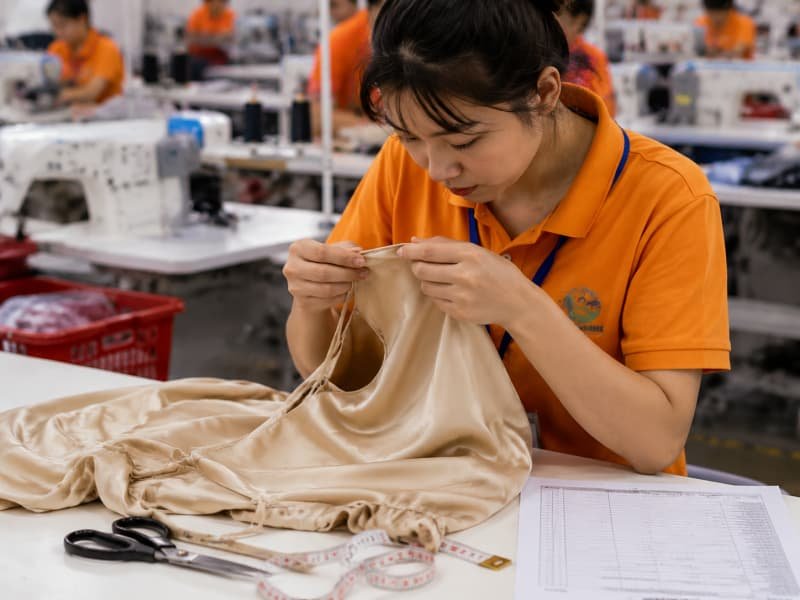
Inline Checkpoints

Final Inspection

Reorder Consistency
A Dress-Focused Development and Manufacturing System
Fabric and Cutting Base
Pattern and Sample Base
Core Sewing Capacity
Printing Resources
Embroidery Resources
Finishing and Inspection Base
Approximately 1,000-1,800 finishing units support washing, drying, pressing, fusing, stain removal, shaping, and garment finishing. A further 3,000-6,000 inspection, packing, handling, barcode, weighing, carton, and material-movement units support final delivery preparation across the group. Those figures sit within a system of 16 owned factories, 20+ satellite factories, and multi-region manufacturing coordination.
How Responsible Decisions Move Through Real Programs
The following anonymized program scenarios reflect Duolan’s normal cooperation range of 10-30 styles and approximately 20,000-80,000 total garments per brand order. Figures illustrate realistic planning structures rather than fixed commitments for every project.
| Program | Styles | Total Units | Size Range | Sample and Approval Window | Bulk, QC and Packing Window |
|---|---|---|---|---|---|
| Responsible Occasion Capsule | 18 | 36,000 | US 0-14 | 34 calendar days | 45 calendar days |
| Multi-Style Party and Going-Out Program | 26 | 72,000 | XS-XL | 39 calendar days | 52 calendar days |
Responsible Occasion Capsule
Program structure: Eighteen styles covered satin midi dresses, crepe cocktail dresses, mesh-overlay styles, fitted wedding guest dresses, and two corset-led statement pieces. The total order was 36,000 garments across US sizes 0-14. Materials included recycled-content satin options, certified cellulosic directions, stretch lining, mesh, zippers, cups, boning, hooks, labels, and branded packaging.
Development route: Priority styles entered fabric and construction review first. Satin surface, mesh recovery, lining coverage, and corset support were tested through swatches, partial trials, first samples, fit review, and PP confirmation. The 34-day sample and approval window used staggered priorities rather than waiting for all eighteen styles to finish together.
Production control: Bulk was organized by material and construction sensitivity. High-risk fitted styles received first-piece confirmation before full release. The 45-day production, QC, and packing window included incoming material review, inline checkpoints, final measurement and appearance inspection, label and barcode verification, and carton preparation. Project records retained approved patterns, BOMs, swatches, and packing requirements for potential repeat orders.

Multi-Style Party and Going-Out Program
Program structure: Twenty-six styles covered bodycon minis, ruched mesh dresses, sequin party dresses, halter silhouettes, cut-out midis, and coordinated fashion sets. Total quantity reached 72,000 garments across XS-XL, with multiple colorways and different decoration levels. The order was divided by material, decoration, fit sensitivity, and required production route.
Development route: Stretch and recovery were reviewed for bodycon styles; mesh opacity and lining were confirmed for layered products; sequin placement, backing, skin comfort, and seam clearance were checked for embellished items. Sample approvals were sequenced across 39 calendar days, including first proto, fit or visual revision where needed, and PP confirmation for production-sensitive styles.
Production control: Selected products ran through specialized decoration resources before garment assembly. First pieces and inline checks focused on fit, ruching ratio, zipper, lining, sequin attachment, and measurement stability. The 52-day bulk, QC, and packing window included line allocation across suitable owned-factory resources, final inspection, barcode and packing review, and split shipment preparation based on launch priorities.

Evaluate a Sustainable Dress Development Supplier
Dress Category Depth
Material Evidence
Ask how composition, supplier, certificate scope, color, finish, bulk availability, and replacement risk are confirmed. A supplier should distinguish between a general mill certificate and documentation applicable to the selected order. Request the process for swatches, lab dips, alternative materials, test requirements, and approval records before production.
Sample Discipline
Production Readiness
Check whether bulk release requires approved fabric, color, lining, trims, pattern, graded measurements, BOM, workmanship notes, PP sample, label, packaging, and QC points. Ask whether complex styles receive a first-piece or pilot review and how material substitutions or late changes are controlled.
Quality and Durability
Compliance Readiness
Scale and Timing
Continuity and Confidentiality
Ask how tech packs, patterns, artwork, samples, BOMs, fit comments, and brand information are handled. Review the process for NDA support, project access, retained approval files, change control, and repeat production. Long-term cooperation depends on confidentiality and organized records as much as initial sample quality.
Sustainable Dress Development Frequently Asked Questions

Submit Your Sustainable Dress Project for Review
Share the available project information and Duolan will evaluate the material direction, dress structure, sample route, production feasibility, documentation needs, quality controls, and manufacturing path. A complete tech pack is helpful but not mandatory. Reference images, original-sample photographs, a collection list, fabric ideas, sustainability requirements, target quantities, size standards, and launch timing can provide enough foundation for an initial review.
Please include:
- Company or brand name, website, country, and target market.
- Dress categories, number of styles, colorways, size range, and estimated quantities.
- Tech packs, reference images, original-sample photos, or collection mood boards.
- Preferred fabric composition, performance needs, restricted materials, and acceptable alternatives.
- Required certificates, test protocols, social-compliance documents, or vendor-manual requirements.
- Target sample stage, photo or sales milestone, launch date, and bulk delivery window.
- Main labels, care labels, hangtags, barcode, packaging, warehouse, and shipment requirements.
- Fit, quality, traceability, durability, or sample-to-bulk concerns requiring special attention.
Project files can be handled under confidentiality arrangements. After review, the team can outline missing information, suitable material and sample steps, main risk points, production-readiness requirements, and the next commercial action.


