 Skip to content
AATCC Apparel Testing Coordination
AATCC-related testing is most useful when brand requirements, laboratory submissions and factory controls remain connected. Duolan coordinates the manufacturing side of the program, from test-plan review and specimen preparation to report tracking, corrective action, retesting and bulk-production alignment for fashion dresses and coordinated womenswear collections.
- 10-30 styles commonly managed within one seasonal collection program
- 20,000-80,000 garments commonly planned within one brand order program
- 2-5 working days for an initial requirement and document review when files are complete
- Tracking by style, color, sample stage and material lot, not only by one report number
- Coordination with brand-nominated or project-approved third-party laboratories
What Is AATCC Apparel Testing Coordination?

Requirement Interpretation
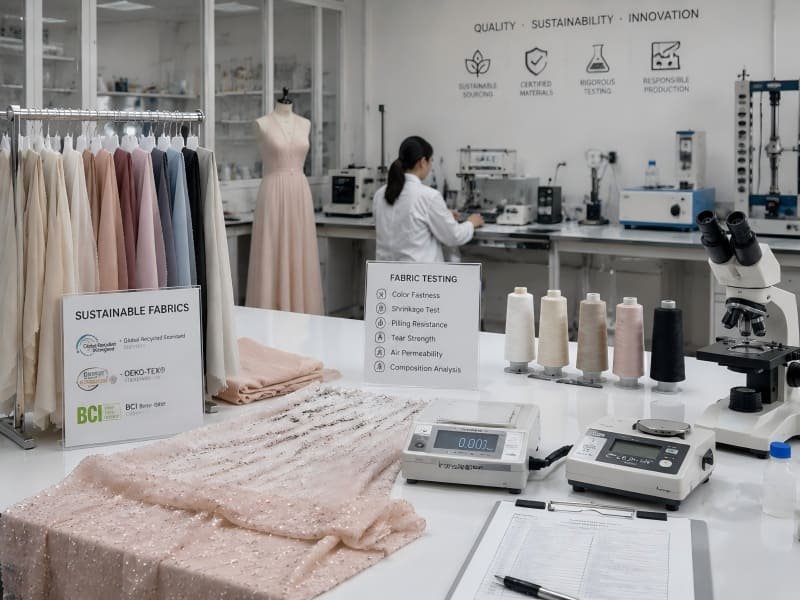
Laboratory Coordination
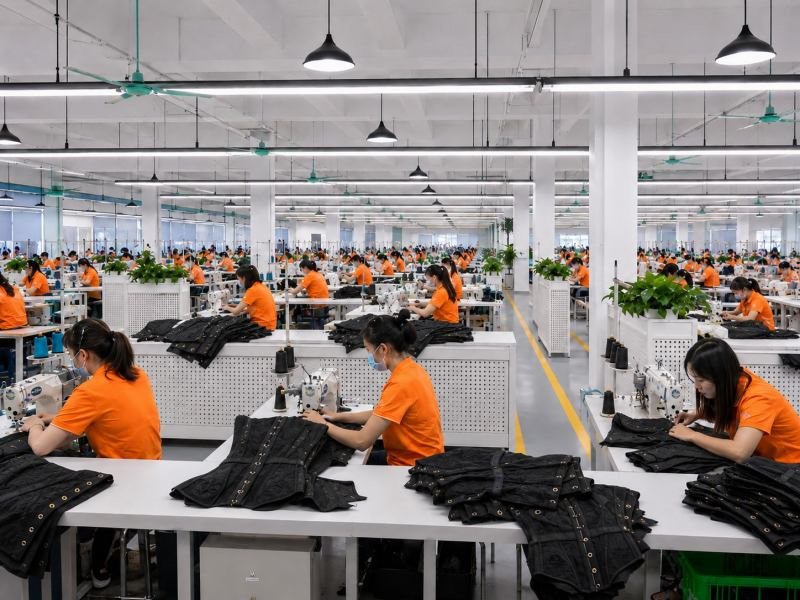
Production Implementation
A passed report has value only when it is linked to the material, color, treatment and garment version used in production. Duolan connects approved results with fabric references, trim cards, BOM records, PP samples, production instructions and quality checklists. Material replacement, new dye lots, changed care instructions or revised workmanship are reviewed because they can alter the relevance of an earlier result.
Who Controls Each Testing Decision?
Reliable coordination begins with a clear division of responsibility. AATCC methods provide standardized procedures, while the brand defines the commercial acceptance standard. The laboratory executes the agreed test, and Duolan carries the requirement through development and production. No single party should silently change the method, test condition, sample identity or pass/fail requirement.
| Party | Primary Responsibility | Required Project Evidence |
|---|---|---|
| AATCC | Develops and maintains textile test methods, evaluation procedures and technical resources. | Method title, applicable edition and required conditions referenced by the project. |
| Brand or Retailer | Defines the product specification, target market, required methods, care route and acceptance criteria. | Testing manual, vendor guide, product specification or written project instruction. |
| Third-Party Laboratory | Performs the confirmed test under its stated capability and reports the observed result. | Submission confirmation, laboratory report, method reference, result and comments. |
| Duolan | Reviews manufacturing risk, prepares identified specimens, coordinates submission, tracks status, supports correction and links approved requirements to production. | Test matrix, specimen record, report tracker, corrective-action record and bulk-control file. |
Duolan is a dress-focused manufacturer and testing coordinator, not an independent accredited laboratory. Final method selection, laboratory approval and acceptance criteria follow the written brand protocol or the specification agreed for the project.
Testing Risks That Disrupt Fashion Launches
Incomplete Test Scope
Incorrect Specimen Identity
Late Submission Timing
Uncontrolled Report Status
Repeating a Failed Test
Retesting without correction can reproduce the same result and consume the available schedule. A failed item is reviewed against the fabric article, dyeing or printing route, finishing condition, care instruction, specimen state and production process. The responsible material or manufacturing source then prepares a defined corrective action. A new specimen is identified as a corrected version rather than quietly substituted.
Tested Sample and Bulk Mismatch
Start With Complete Testing Information

Brand Testing Manual

Style and Tech Pack Files

Material and Trim Records

Target Market and Care Route

Laboratory and Approval Route

Quantity and Launch Calendar
From Testing Protocol to Bulk Release
Receive Project Requirements
Review Product Risk
Build the Test Matrix
Confirm Laboratory Details
Prepare Identified Specimens
Track Testing Status
Close Failures and Retests
Release Production Controls
How Apparel Testing Requirements Are Evaluated
Product Use and Market Position
Fiber, Fabric and Construction
Color and Combination Risk
Care Label and Test Condition
Decoration and Finishing
Method, Edition and Acceptance Grade
Evidence Before Submission
Planning Windows
Testing Priorities for Fashion Dress Materials
Fashion dresses combine appearance-led materials with fit, comfort and production constraints. The matrix below does not replace a brand protocol; it shows how garment knowledge helps determine where coordination attention is needed before the final method list is confirmed.
| Dress or Material Direction | Main Manufacturing Risk | Coordination Focus |
|---|---|---|
| Satin and high-luster woven dresses | Seam puckering, water marking, shade variation, snagging, dimensional change and pressure marks. | Confirm fabric article, dye lot, care route, pressing limits, lining and whether the tested specimen reflects final construction. |
| Bodycon and fitted stretch dresses | Growth, poor recovery, transparency, twisting, dimensional change and fit variation after care. | Record stretch direction, weight, recovery, negative ease, lining, size standard and final-intent fabric lot. |
| Mesh and sheer-panel dresses | Color transfer, snagging, seam distortion, coverage change and interaction with lining or elastic. | Evaluate shell, lining and contrast components together where required; identify mesh weight and stretch by panel. |
| Sequin, bead and rhinestone dresses | Attachment loss, abrasion, skin contact, backing damage, snagging and restricted care. | Confirm decoration method, density, backing, lining, trim source, care instruction and whether the finished garment must be submitted. |
| Printed or coated dresses | Color change, cracking, transfer, print damage, finish variation and batch inconsistency. | Link the report to print or coating recipe, curing condition, colorway, supplier lot and final care route. |
| Contrast-color dresses | Staining, migration and transfer between deep and light components during wear, storage or care. | Identify all adjacent materials, including lining, zipper tape, labels and elastic; confirm composite testing needs. |
| Corset and bustier dresses | Mixed materials, cups, boning, interlining, adhesive, elastic and limited care options. | Separate laboratory performance questions from structural QC; verify the final internal material package and PP construction. |
| Garment-washed or specially finished styles | Changed dimensions, color, hand feel, surface appearance and component performance after treatment. | Test or evaluate the finished treatment condition and lock the approved wash or finishing recipe before bulk production. |
When Testing Enters Dress Development

Material Sourcing Review

Lab Dip and Color Approval

Development Sample Stage

Revised and Fit Samples

PP and Golden Sample Stage

Bulk Material and Shipment Verification
Coordination With Approved Testing Laboratories
Laboratory Requirement Confirmation
Submission Form Preparation
Specimen Quantity and Condition
Courier and Receipt Tracking
Technical Question Follow-Up
Report Distribution and Closure
Report Tracking by Style, Color and Lot

Sample Identity Control

Status and Ownership Control

Document and Production Link
Corrective Action Before Retesting
Verify the Result
Define the Affected Scope
Review Likely Root Cause
Agree the Correction
Prepare a Controlled Retest Sample
Update Production Controls
Connecting Approved Results to Bulk Production
Tested Specimen Record
Material Approval and BOM
PP and Golden Sample
Incoming Material Control
First-Piece and Inline Control
Multi-Factory Production Control
Final Inspection and Shipment
Final garment inspection verifies appearance, measurements, workmanship, stains, damage, closures, labels, barcode, size-color identity and packing. Garment needle detectors are included among the listed inspection resources for applicable products. Laboratory testing validates defined properties; final inspection confirms production execution. Shipment release follows the agreed inspection and documentation route rather than relying on either control alone.
Repeat Orders and New Lots
Approved patterns, measurements, material references, test reports, PP samples, QC notes, labels and packing files can support repeat orders.
New fabric lots, colors, suppliers, finishes or revised care instructions still receive a fresh relevance review.
Previous reports are useful evidence, not permanent coverage for every future production change.
Laboratory Testing and Factory Quality Control

Incoming Fabric Review

Trim and Support Review

Cutting and Bundle Control

First-Piece Approval

Inline and Final Inspection

Label and Packing Verification
A Manufacturing System Built for Brand Requirements
30+ Years of Dress Development Experience
16 Owned Womenswear Factories
20+ Satellite Factories
300 Garment Production Lines
50+ Flexible-Response Lines
SMETA 2-Pillar Audit Record
Representative Program: 18 Styles and 42,600 Pieces
Program Profile
Risk Review

Corrective Route
Bulk Alignment
Program Outcome
Records That Keep Testing Programs Controlled
Testing Requirement Review
Style and Material Matrix
Submission Checklist
Test Status Tracker
Corrective-Action Record
Bulk Testing Alignment Record
AATCC Apparel Testing Frequently Asked Questions
No. Duolan is a fashion-dress manufacturer that supports AATCC-related testing requirements through project-approved third-party laboratories. Duolan reviews the product and brand protocol, prepares identified specimens, coordinates submission, tracks reports, supports corrective action and links approved requirements to bulk production. The selected laboratory performs the test and issues the report.
The brand, retailer or agreed product specification normally defines the required methods and acceptance criteria. Duolan reviews whether the stated scope matches the garment, materials, colorways, care route and production stage, then raises missing or conflicting instructions for written confirmation. The laboratory confirms its ability to perform the agreed work.
Yes. Provide the latest testing manual, vendor guide, product specification, style list and target market. Duolan can convert the requirements into a style and material matrix, identify open points, coordinate samples and maintain report status. Final instructions should identify the controlling document when several manuals or retailer programs apply.
Yes, when the laboratory accepts the project and the brand authorizes the route. Duolan can support form preparation, specimen identification, courier coordination, pending questions, report tracking, corrective action and retesting. Laboratory fees, turnaround and accredited scope are subject to the selected facility and confirmed quotation.
The required specimen depends on the method, brand protocol and product risk. Base fabric may be suitable for some material properties, while contrast combinations, prints, coatings, decorations, garment washes or mixed constructions may require a composite or finished-garment specimen. Duolan confirms the intended condition before submission.
High-risk material review can begin during sourcing, while formal testing should use the sample stage required by the brand. Initial file review can commonly be planned within 2-5 working days. Final-intent testing often needs confirmed material, color, treatment and care instructions so the result remains relevant to PP and bulk production.
The report and specimen identity are verified, the affected scope is mapped and likely material or process causes are reviewed. A defined corrective action is agreed before a new specimen is prepared. The retest sample receives a new version or lot reference, and any successful correction is transferred into the BOM, PP sample and production controls.
Not automatically. Relevance depends on whether bulk uses the same material article, color route, lot conditions, finishing, components, construction and care instruction represented by the test. New lots, suppliers, colors, treatments or substitutions require review under the brand protocol. Factory QC also remains necessary throughout production.
Yes, where lot information is available and required by the program. Records can connect style, color, sample stage, supplier article, material lot, report number, PP sample and bulk lot. The level of traceability should be agreed before submission because some early development samples may not yet have a final bulk-lot identity.
Yes. NDA-based cooperation can begin before receiving testing manuals, tech packs, unpublished styles, supplier records, reports, patterns, labels, pricing or launch information. Public case material should remain anonymous unless written authorization permits brand and project disclosure.

Send Your Testing Requirements for Review
Share the available testing manual, style list and production plan for an initial coordination review. Duolan will assess the document structure, garment and material risks, specimen stage, laboratory route, report tracking needs and connection with sampling and bulk production. The review does not promise a laboratory result; it establishes what must be confirmed, who owns each decision and how the testing program can fit the development and launch calendar. For a useful review, include:
- Brand testing manual, retailer guide, required methods and target market
- Tech packs, style list, reference images and current sample stage
- Shell fabric, lining, trims, colorways, finishing and care instructions
- Nominated laboratory, approved facility list and available reports
- Quantity by style and color, size range and total order volume
- PP target, cutting date, inspection window and shipment deadline
- Failed reports, corrective samples or unresolved laboratory questions
- NDA request for confidential collections and technical files


