...

Custom Dress Manufacturer for Multi-Style Cost Comparison

Compare every dress on the same commercial basis before sampling, collection approval, and bulk production.

  • 10-30 styles per program: Organize a collection by style, fabric family, construction level, craft level, quantity split, and target price position.
  • 20,000-80,000 total units: Plan commercial quantities across hero styles, core sales styles, supporting styles, and repeat-ready products.
  • Eight cost drivers reviewed: Main fabric, lining, trims, structure, workmanship, special craft, order structure, packaging, and delivery conditions.
  • Three commercial routes: Compare the original direction, a cost-balanced direction, and a premium direction without reducing every style to one average price.

Duolan reviews tech packs, reference images, original samples, fabric directions, target quantities, size ranges, colorways, packaging standards, and launch dates. Early figures remain estimates until materials, measurements, workmanship, final BOM, quantity split, packaging, and Incoterm are confirmed.

Cost Review Built for Established Fashion Teams

Multi-style costing becomes valuable when product, sourcing, and commercial teams need one shared view of design ambition, manufacturing difficulty, target margin, and launch timing.

Fashion Brand Teams

A seasonal dress program needs more than a unit-price list. Brand teams need to know which styles support visual impact, which styles carry sales volume, which materials can be shared, and where a high-cost detail protects the collection identity. Duolan connects style-level cost drivers with product role, target price position, and future reorder potential.

Product Development Teams

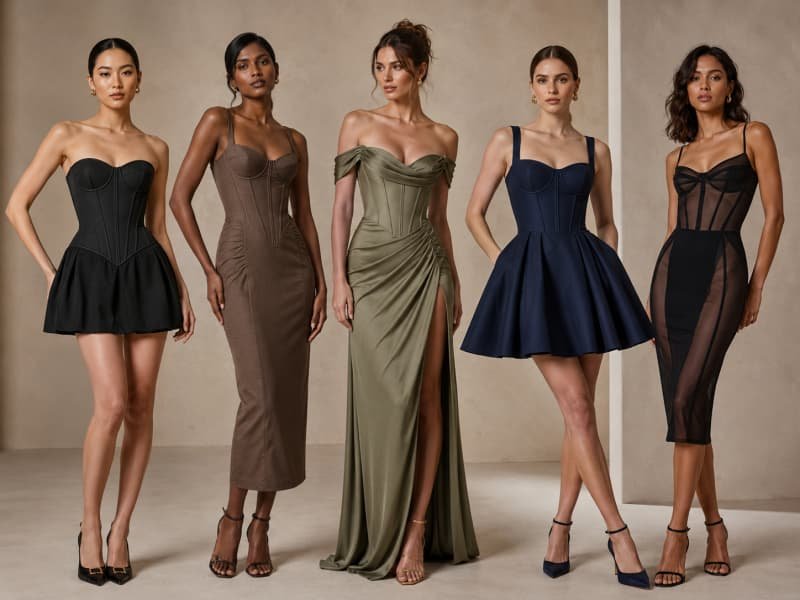
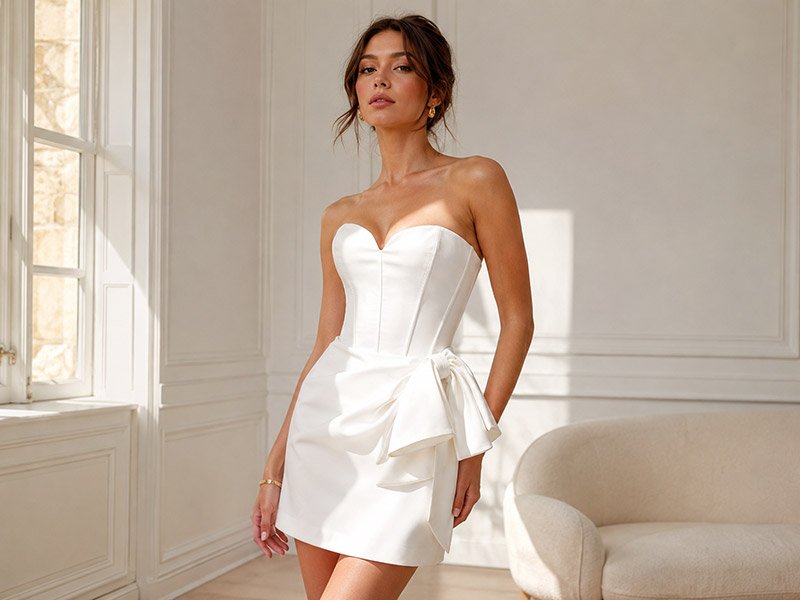
Development teams need fabric, fit, structure, and craft decisions translated into measurable manufacturing requirements. A corset mini dress, bias-cut satin midi, mesh ruched dress, and jersey bodycon style may share a similar retail mood while carrying very different pattern, support, sewing, finishing, and quality risks.

Sourcing and Procurement

Procurement teams need comparable quotation scope, clear assumptions, version control, sample-to-bulk continuity, and production-path visibility. Duolan records what is included, what remains provisional, which facts can change the cost, and which confirmation is required before a figure becomes production-ready.

Why Multi-Style Quotations Become Hard to Compare

A lower figure is not necessarily a lower manufacturing cost. Quotation scope, material grade, construction assumptions, quantity allocation, and quality requirements must match before a decision has commercial value.

Different Quote Scope

One figure may include fabric, labels, polybags, cartons, inspection, and FOB handling, while another excludes several items. A clear quotation basis prevents a visually lower offer from becoming a higher landed cost later.

Unclear Fabric Basis

Terms such as satin, mesh, lace, jersey, or crepe are not complete specifications. Composition, weight, width, stretch, opacity, surface finish, color method, shrinkage, and bulk availability all affect cost and garment performance.

Hidden Style Complexity

Two dresses can look equally simple in a flat image while carrying different pattern pieces, layers, support components, seam operations, hand finishing, and pressing requirements. Style complexity must be mapped before comparison.

Quantity Split Confusion

A 50,000-piece program divided across 20 styles, several colors, and a broad size range does not create the same efficiency as 50,000 pieces in three styles. Per-style and per-color allocation matters.

Sample and Bulk Gap

A sample may use substitute fabric, limited trims, or manual handling that cannot represent final bulk economics. Costing needs a clear status: estimate, reviewed, sample-updated, or production-confirmed.

Late Cost Changes

Unconfirmed lining, color, embellishment density, packaging, testing, or delivery conditions can move the final cost after product approval. Early risk notes keep commercial decisions aligned with product decisions. 

Comparable Costing Starts with a Common Basis

Every style should be reviewed under the same stage, specification depth, quantity logic, quality level, packaging scope, delivery condition, and currency basis.

Comparable

Tech packs, material specifications, quantity by style and color, size range, workmanship standards, packaging, testing, delivery date, and Incoterm are aligned. Differences in cost can be traced to real product or production differences.

Partially Comparable

Most commercial conditions match, but one or more items remain open, such as final fabric, lining specification, print method, embellishment density, color count, packaging, or sample status. The open items are marked and sensitivity is explained.

Not Comparable

Figures are based on different materials, different quantities, different quality standards, or different included services. A ranking by unit price would create a misleading sourcing decision, so the basis must be rebuilt first.

Send the Information Available at Your Current Stage

A useful review can begin from a complete tech pack, a reference image, an original sample, or a collection brief. More confirmed information produces a narrower cost range and a clearer development path.

Tech Pack Guide for Dress Development & Manufacturing

Tech Pack Ready

Send technical drawings, BOM, measurement specification, construction details, fabric and trim requirements, colorways, size range, quantity by style, packaging standard, testing requirements, delivery date, and target Incoterm. Duolan checks missing information before building a style-by-style matrix.

Reference Image Ready

Send front, back, and detail images with target silhouette, fabric direction, intended fit, target price position, quantity, and launch date. The first review identifies which features can be costed, which require development assumptions, and which need a sample or detail trial.

Original Sample Ready

Provide sample photos, measurements, fabric information where known, details to retain, areas to improve, and the intended commercial quantity. Replication cost depends on material identification, pattern analysis, construction, finishing, and any required improvement.

Collection Plan Ready

Send a style list, collection mood, priority styles, color story, fabric direction, price architecture, quantity plan, and launch calendar. Duolan can group related styles, identify shared material opportunities, and separate complex image styles from repeatable commercial styles.

Receive More Than a List of Unit Prices

The review is organized to support product selection, sample priority, budget allocation, and production planning across the full dress program.

Style Cost Matrix

A line-by-line view of each style, quotation status, main material basis, complexity level, quantity basis, major cost driver, and next confirmation.

Complexity Map

Styles are grouped by standard construction, fit sensitivity, structural sensitivity, or craft sensitivity so sampling and production paths are not treated as identical.

Quotation Basis Note

Included services, provisional assumptions, exclusions, currency, trade term, packing basis, and validity conditions are recorded beside the figure.

Target Price Review

The design direction is compared with the target commercial range. Misalignment is explained through material, structure, workmanship, order split, or delivery factors.

Optimization Options

Alternative materials, shared trims, lining changes, construction refinement, craft-density adjustments, color concentration, or packaging standardization are proposed where appropriate.

Production Path Advice

Each style is matched to a suitable sample route, workmanship trial, line type, quality checkpoint, and bulk readiness requirement.

Eight Cost Drivers Behind Every Dress Style

A dress price becomes explainable when each component is linked to garment behavior, manufacturing work, order efficiency, and quality risk. Duolan maps the following drivers before recommending a commercial route.

Main Fabric

Cost depends on composition, weight, width, finish, color method,cutting direction, actual consumption, shrinkage, inspection, and expected wastage. A lower price per meter can still produce a higher garment cost when width, shrinkage, defect rate, or marker efficiency is unfavorable.

Lining and Support

Lining, interlining, cups, boning, power mesh, elastic, support tape, and anti-slip materials influence coverage, shape, stability, comfort, and fit. Their value is measured by performance, not by their small visible area.

Trims and Closures

Zippers, hook-and-eye sets, eyelets, rings, sliders, buttons, lace edges, labels, and decorative components carry material cost, application time, color matching, testing, and supply risk.

Pattern and Structure

Panel count, bias cutting, draping, cup shaping, open-back balance, cut-outs, gathers, pleats, asymmetric lines, and internal support affect development time, cutting efficiency, sewing operations, tolerance control, and repeatability.

Sewing Workmanship

Seam type, stitch density, clean finishing, lining attachment, invisible zipper installation, edge control, hand tacking, pressing, and final shaping determine labor minutes and the level of skill required.

Special Craft

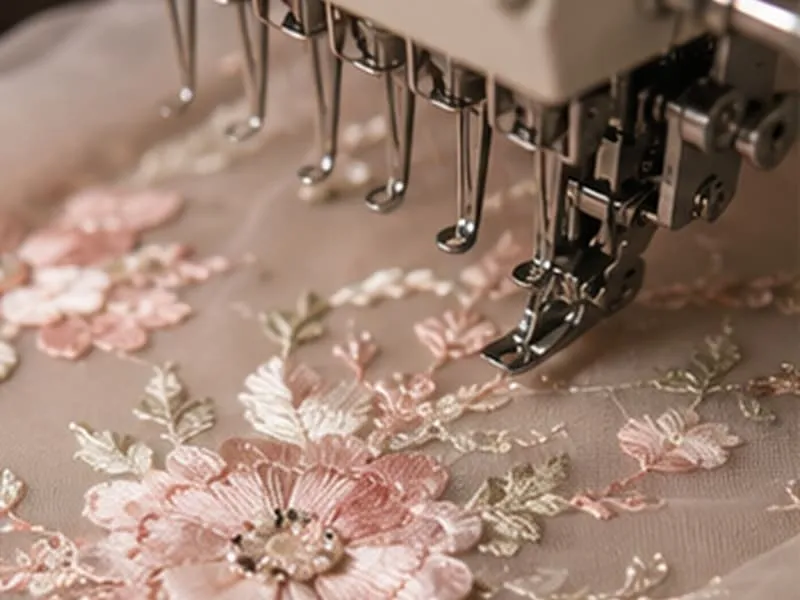
Sequin, beading, pearl, rhinestone, embroidery, lace placement, printing, dye effects, pleating, ruching, and washing add development trials, material loss, handling, inspection, and packaging protection.

Order Structure

Quantity per style, quantity per color, size split, delivery waves, repeat plan, fabric sharing, and line changeovers determine production efficiency. Total program volume alone is not enough.

Quality and Delivery

Testing, inspection level, measurement tolerance, needle control, barcode work, folding method, protective packaging, split shipment, urgent production, and trade terms influence final commercial cost and risk.

Classify Styles Before Comparing Their Costs
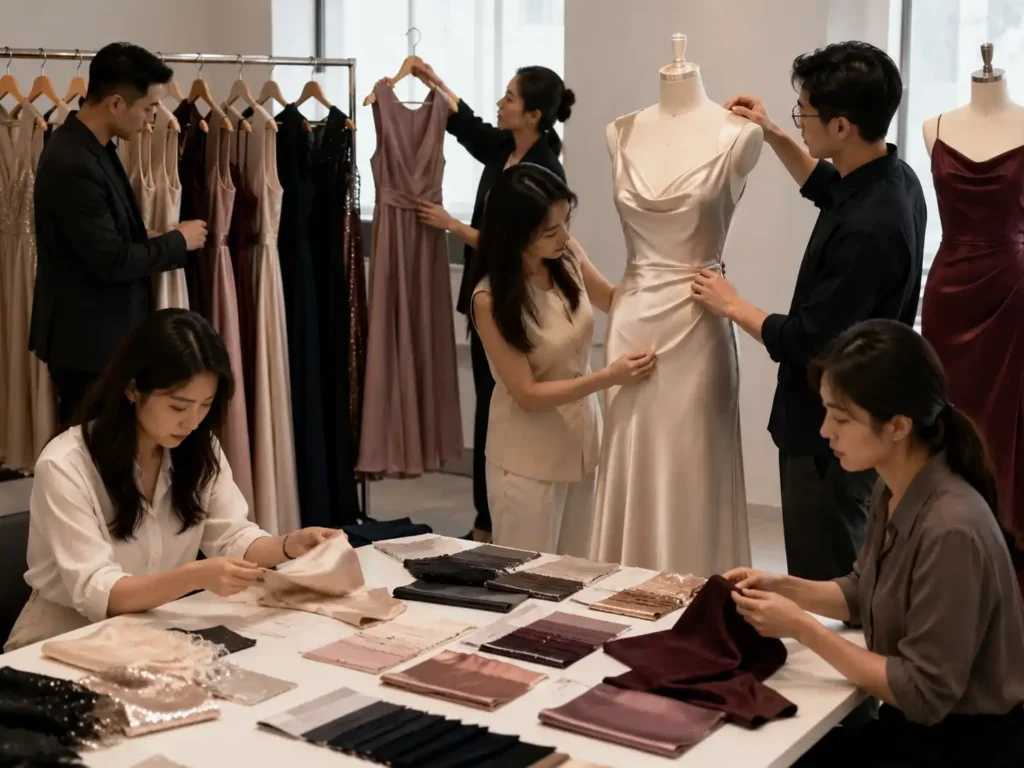
A four-level classification helps prevent a simple style from carrying the same development allowance as a corset or embellished party dress.

Standard Construction Styles

Simple woven shifts, basic slip shapes, straightforward jersey dresses, and regular zipper constructions can often be costed with fewer assumptions when material, measurements, and finish are clear. Main variables are fabric consumption, sewing minutes, color split, and packaging.

Fit-Sensitive Styles

Bodycon, strapless, halter, backless, high-slit, and deep-neck styles require closer control of stretch, recovery, support, coverage, neckline stability, and size grading. Fit risk can create sample revisions and bulk tolerance issues even when the sewing process appears simple.

Structure-Sensitive Styles

Corset, bustier, boned bodice, molded cup, multi-layer, or heavily paneled styles depend on internal architecture. Cup position, boning length, seam balance, lining tension, zipper strength, and body movement must work together before cost and production readiness are reliable.

Craft-Sensitive Styles

Sequin, beaded, rhinestone, embroidery, lace-placement, print-placement, pleated, or dyed styles need material trials and operation planning. Craft density, motif placement, loss allowance, handwork, repair method, and packing protection can dominate the final cost.

Use a Style-by-Style Cost Comparison Matrix

A structured matrix keeps estimates, confirmed facts, open decisions, and recommended actions visible across the collection. The example below shows the fields used for a disciplined review; prices are entered only after project files are assessed.

StyleProduct BasisCost StatusMain Cost DriverMain RiskRecommended Action
A01Satin slip midi; lined; invisible zipEstimateBias consumption and satin handlingSeam marking and packing pressureConfirm satin width, lining, and cutting direction
A02Corset mini; cups; boning; back zipDevelopment reviewInternal structure and panel workCup position, support, gradingMake structure trial before firm bulk costing
A03Printed mesh ruched midi; full liningMaterial reviewPrint, mesh consumption, ruching laborPrint alignment and transparencyConfirm print method, mesh stretch, and coverage
A04Sequin party mini; woven liningCraft reviewSequin fabric loss and hand finishingDropped sequins, skin feel, packingTest cutting route and edge finishing
A05Jersey bodycon maxi; double layerComparableFabric weight and double-layer useRecovery, opacity, length growthLock stretch and recovery standards
A06Halter backless midi; support liningFit reviewSupport construction and fittingNeck pressure and bust stabilityReview strap angle and internal support

Fabric Cost Must Be Read Through Garment Behavior

Cost per meter is only one line in the calculation. Width, consumption, shrinkage, stretch, defects, color process, cutting direction, and garment behavior determine the real cost per style.

Satin: Drape, Surface, and Handling

Satin cost changes with fiber content, weight, width, face finish, color consistency, and cutting direction. Bias-cut silhouettes consume more fabric and require careful marker planning. A lower-grade satin can create needle marks, seam puckering, shine variation, pulling, or packing creases that reduce visual value. Cost review should therefore connect material price with consumption, sewing method, pressing, lining, and protective packing. For a slip dress, the key question is not only whether the satin is affordable, but whether it drapes cleanly, remains opaque enough, recovers after packing, and can be repeated in bulk.

Mesh: Stretch, Coverage, and Print

Mesh must be assessed for stretch direction, recovery, weight, transparency, surface stability, print compatibility, and color consistency. Ruched or gathered styles can require materially higher consumption than a flat sketch suggests. Printed mesh adds strike-off work, print registration, color approval, and possible placement loss. Lining can be full, partial, double-layer, or support-based, and each route changes coverage, fit, sewing time, and cost. A comparable quotation therefore names the mesh specification, lining route, gathering ratio, print method, and quantity by color.

Sequin Fabric: Loss, Labor, and Protection

Sequin material cost is affected by base fabric, sequin size, density, pattern, weight, motif direction, and attachment method. Cutting can damage sequins or create edge areas requiring manual clearing and repair. Seam allowances may need extra preparation; lining protects skin; zippers and hems need careful finishing; final inspection needs a repair standard; packing requires protection against abrasion and snagging. A low initial fabric price can be offset by high cutting loss, slow sewing, repair work, and protective packing. The cost review must include the full handling path.

Jersey: Recovery, Opacity, and Size Stability

Bodycon and fitted dresses depend on fabric weight, stretch percentage, recovery, compression, opacity, shrinkage, spirality, and length growth. Double-layer construction improves coverage and structure but increases consumption and sewing time. A broader size range can require fit testing beyond simple grading because stretch behavior changes across body areas. Cost comparison should lock the intended fit, fabric performance, layer count, seam method, and size range before judging whether two jersey quotations are equivalent.

Internal Support Materials Protect Fit and Wearability

Lining and support components are often hidden, yet they control coverage, shape, comfort, stability, and return risk in fitted or occasion-led dresses. 

Lining Strategy

Lining can provide opacity, reduce friction, protect decorative surfaces, support drape, and improve finishing. Full lining, partial lining, cup lining, skirt lining, or double-layer construction create different material and sewing requirements. The correct route depends on the outer fabric, silhouette, color, target market, and intended wear.

Boning and Bodice Support

Boning type, width, flexibility, length, channel construction, and end finishing affect both cost and comfort. More boning does not automatically create better support. Placement must follow panel lines and fit priorities, while bulk production needs a repeatable length and position standard.

Cups and Bust Shaping

Cup type, size, coverage, thickness, shape, attachment, and relation to the pattern determine bust balance. A generic cup can distort the neckline or create fit inconsistency across sizes. Costing should include cup sourcing, pattern integration, sample testing, and any grade-specific adjustment.

Power Mesh and Elastic

Power mesh, elastic, anti-slip tape, and internal support tape can stabilize strapless, backless, corset, and fitted styles. Performance depends on modulus, recovery, width, placement, and stitch method. Components must be selected for both fit and durability rather than treated as interchangeable trims.

Construction Complexity Changes Sewing Time and Risk

Flat sketches do not reveal every operation. Panel count, seam shape, layer handling, clean finishing, pressing, and tolerance control determine how efficiently a style can move from sample to repeatable bulk production.

Pattern Pieces and Panels

Every added panel creates pattern work, cutting handling, notching, bundle control, sewing operations, alignment points, pressing, and inspection points. Corset seam lines, asymmetric cut-outs, curved waist panels, and multi-piece cups can create much more work than a simple front-and-back silhouette. More pieces also increase the chance of shade or orientation errors in directional materials.

Bias, Drape, and Gathering

Bias cutting improves movement and drape but increases consumption, marker constraints, handling, and risk of length growth. Gathering and ruching require a defined ratio, stitch method, distribution standard, and measurement reference. A reference image may show volume without showing how much fabric or labor is required to reproduce it consistently.

Lining Attachment and Clean Finish

A clean neckline or armhole can require understitching, internal securing, turn-through methods, hand tacking, or specialized pressing. Fully lined dresses involve joining outer and inner layers without twisting, bubbling, or visible lining. Clean finish should be costed as a construction standard, not added as a vague quality expectation after approval.

Closures, Hems, and Final Shape

Invisible zippers, corset backs, hook-and-eye closures, side zips, concealed plackets, rolled hems, horsehair braid, and shaped hems differ in labor and risk. Final pressing can be a decisive operation for satin, pleated, tailored, or structured styles. A production-ready cost must reflect the complete operation list, not only primary sewing seams.

Special Craft Needs Its Own Cost and Risk Review

Decorative value must be weighed against development trials, material loss, handwork, line efficiency, repair standards, inspection, wearability, and packing protection.

Sequin Work

Review base fabric, density, direction, edge clearing, seam repair, dropped-sequin tolerance, lining, skin contact, weight, and packing protection.

Beading and Pearls

Define bead size, placement, attachment method, reinforcement, handwork time, pull strength, spare components, repair rules, and abrasion protection.

Rhinestone Application

Confirm stone size, density, adhesive or mechanical attachment, heat sensitivity, placement artwork, wash or wear test, and replacement method.

Embroidery

Assess stitch count, thread type, motif size, backing, distortion risk, placement, color count, sample approval, machine time, and trimming.

Lace Placement

Control motif selection, mirrored placement, matching, seam integration, edge use, transparency, cutting loss, and approval standard.

Print and Dye Effects

Confirm artwork, scale, repeat, print method, strike-off, color standard, placement tolerance, shrinkage, handfeel, and bulk shade control.

Quantity, Colors, and Sizes Shape Production Efficiency

Program volume matters, but the distribution inside the program often matters more. Cost is influenced by how units are split across styles, colors, sizes, materials, delivery waves, and repeat plans.

Per-Style Quantity

A large total order divided across many styles creates more markers, cutting setups, operation learning, line changes, first-piece approvals, QC references, and packing instructions.

Per-Color Quantity

Additional colors create fabric or dye commitments, color approvals, trim matching, shade control, bundle separation, and line-change work. Shared colors can improve material and production coordination.

Size Range

A range such as XS-XL carries a different grading, fit, consumption, and stock structure from XXS-4XL. Fitted and structured dresses may need additional size validation rather than simple proportional grading.

Size Ratio

A balanced size ratio supports marker planning and packing. Late ratio changes can affect fabric need, cutting plans, carton assortment, and delivery readiness.

Shared Materials

Using the same lining, zipper, label, packaging, or compatible fabric family across several styles can improve procurement efficiency while preserving visible product differences.

Repeat Strategy

A style planned for reorder benefits from locked patterns, approved materials, retained workmanship standards, and preserved QC references. One-off assumptions should not be mixed with repeat-program economics.

Sample Fees and Bulk Unit Costs Serve Different Purposes

A sample fee supports development work. A bulk unit cost reflects a confirmed production standard, commercial quantity, and manufacturing route.
Sample Development Workflow​

Sample Development Cost

Sample work may include project review, pattern making, material preparation, trim matching, sample sewing, structure trials, craft trials, finishing, internal measurement, fit assessment, comments review, and development coordination. Complex dresses may need separate bodice, craft, or material trials before a complete sample is meaningful. Small material purchases and manual handling also differ from bulk procurement and line production. A sample fee therefore cannot be read as the unit price of one garment.
  • Cost status: Confirmed after style complexity, material route, sample purpose, and included revision scope are reviewed.
  • Useful output: A sample plan identifying what is being tested, what remains open, and how the sample can move toward production readiness.
factory-16

Bulk Production Cost

Bulk costing uses the approved or agreed production basis: final BOM, confirmed fabric and trims, measurements, workmanship, colorways, size range, quantity split, labels, packaging, testing, delivery condition, and trade term. A production figure becomes reliable only when the sample standard and commercial basis are aligned. Changes after approval are recorded because even a small change in lining, embellishment density, color count, or packing method can alter cost and timing.

  • Cost status: Estimate, reviewed, sample-updated, or production-confirmed.
  • Useful output: A clear link between approved product decisions and the final quotation basis.

Check Whether Design and Target Cost Truly Match

Duolan does not force every concept into any requested figure. The review identifies whether the current design is commercially aligned, adjustable, or structurally outside the intended price position.

Matched

Material, construction, craft, quantity, packaging, and delivery assumptions support the target range with a workable production path. Remaining confirmations are recorded before firm costing.

Adjustable

The core visual idea is viable, but one or more cost drivers need refinement. Options may include fabric width, lining route, support component, craft density, color allocation, shared trims, quantity split, or packaging.

Mismatch

The intended material, structure, handwork, order split, and quality level sit materially above the target range. A redesign, different price position, or revised collection role is required. Hiding the gap only creates late-stage failure.

Value Engineering Protects the Product Before Reducing Cost

Cost improvement should begin by identifying what creates sales value, fit value, and brand recognition. The aim is a stronger commercial route, not a cheaper-looking dress.

Protect the Non-Negotiables

The team first identifies features that must remain: silhouette, drape, bust support, opacity, neckline security, signature craft, visual motif, or premium handfeel. Removing a key value point can save cost while damaging conversion, returns, or brand consistency.

Locate the Real Cost Pressure

Cost pressure may come from fabric consumption, narrow width, high loss, excessive layers, a low-visibility component, labor-heavy finishing, fragmented colors, custom trims, or urgent delivery. The most visible detail is not always the most expensive one.

Build Two or Three Routes

A useful review can retain the original direction, create a cost-balanced route, and define a premium route. Each option states the material, structural, visual, quality, timing, and cost effect so commercial teams can choose knowingly.

Validate Before Approval

Alternative fabric should be checked for drape, stretch, recovery, opacity, shrinkage, surface, and shade. Construction changes should be checked for fit and appearance. Craft changes should be tested for attachment, density, and visual impact. A proposal is not accepted only because it looks cheaper on a spreadsheet.

Update the Production Basis

After the route is selected, BOM, pattern, workmanship, artwork, measurements, sample comments, packaging, and quotation status are updated together. Version control prevents an old cost from being compared with a new product standard.

Give Every Style a Commercial Role

A collection does not need one uniform cost level. Strong programs use different product roles to balance visual impact, sales volume, margin, content value, and reorder potential.

Hero Styles

High-impact silhouettes, strong craft, or distinctive materials support campaign images, social content, merchandising focus, and collection identity. Higher cost can be justified when the role is clear and the retail position supports it.

Core Sales Styles

Commercial silhouettes balance fit, material quality, wearability, manufacturing stability, and accessible price positioning. These styles often carry broader color or size plans and need disciplined repeatability.

Repeat-Ready Styles

Stable fabrics, controlled fit, repeatable construction, and preserved production standards make a style suitable for rolling replenishment, new colors, or seasonal adaptation.

Premium Styles

A premium route may retain higher-grade fabric, fuller lining, intricate craft, or more structured finishing. It should sit in a deliberate higher price band rather than be compared directly with a simplified commercial style.

Compare Original, Cost-Balanced, and Premium Routes

Three controlled routes help product and commercial teams discuss trade-offs without turning the review into a simple price-cutting exercise.


Decision AreaOriginal DirectionCost-Balanced DirectionPremium Direction
Main fabricSpecified material and finishSimilar performance with improved width, loss, or availabilityHigher-grade surface, handfeel, drape, or fiber content
Lining and supportOriginal layer and support planRetain required coverage and support; simplify low-value layersUpgraded lining, support, or internal finishing
ConstructionFull original panel and finish routeReduce low-visibility complexity while protecting silhouetteRetain intricate shaping and premium clean finish
CraftOriginal density and placementPreserve signature areas; reduce secondary density or spreadHigher density, handwork, placement control, or special finish
ColorsFull proposed color rangeConcentrate core colors or share material familiesCustom shades, additional lab work, or special finishes
PackagingOriginal custom packingStandardized branded packing with necessary protectionEnhanced protection, presentation, or retail-ready elements
Commercial roleDesign-led conceptCore sales or margin-balanced stylePremium image or limited-edition style
Review requirementCheck full feasibilityValidate substitutions and visible effectValidate premium materials and production tolerance

Control Cost Across Reorders, Not Only the First Order

Long-term cost stability comes from preserved standards, repeatable materials, clearer communication, and reduced redevelopment – not from repeated pressure on the same unit price.

Locked Patterns

Approved pattern files, grading rules, balance points, and fit comments reduce repeated interpretation and help future colors or reorders start from a known base.

Approved Material Library

Confirmed fabric, lining, elastic, zipper, cup, boning, label, and packaging references create a faster route for repeats and related styles.

Shared Components

Common linings, trims, labels, and packaging can support multiple styles when their performance and visible quality remain appropriate.

Workmanship Standards

Critical stitch, seam, support, craft, pressing, and finishing points are preserved so a repeat order does not depend on memory.

QC Reference Files

Measurement tolerances, defect examples, approved appearance, packing standards, and previous issues can be carried into later production.

Reorder Planning

Material lead time, reserved components, color continuity, line allocation, and selling-window timing are reviewed before a repeat becomes urgent.

Different Dress Families Carry Different Cost Logic

Duolan evaluates each family through fabric behavior, fit, internal structure, workmanship, craft, quality tolerance, and repeatability rather than using one generic dress formula.

Satin Dresses

Key cost points include fabric width, face quality, bias consumption, lining, seam method, pressing, zipper installation, surface protection, and packing. Slip, cowl, draped, ruched, and structured satin styles require different construction routes.

Corset Dresses

Cost is driven by panel architecture, cups, boning, support mesh, lining, closure, top-edge security, fit rounds, grading, and production tolerance. A corset sample should prove support and wearability before bulk economics are locked.

Mesh Dresses

Mesh cost depends on stretch, recovery, transparency, print or solid color, gathering ratio, lining coverage, seam finish, and motif placement. A ruched printed mesh dress can carry high consumption and labor even when the base fabric is light.

Sequin Dresses

Material density, direction, weight, cutting loss, edge clearing, seam repair, lining, skin protection, final repair, inspection, and packing determine cost. Sequin styles need a craft standard, not only a fabric swatch.

Bodycon Dresses

Fabric weight, stretch, recovery, opacity, compression, double-layer use, seam method, hem behavior, size grading, and length growth shape both cost and performance. Fit and material cannot be separated.
United Kingdom|Cocktail Backless Midi Capsule

Halter and Backless

Strap angle, neck pressure, bust support, side coverage, back stability, elastic, internal tape, closure, and fit testing determine whether the visual idea is wearable and repeatable. Support solutions add value when they reduce movement and return risk.

A Controlled Workflow Keeps Multi-Style Costing Current

Costing is managed as a living project record. Every product change, material confirmation, and quantity decision is tied to the correct style version.

Project Brief Review

Organize brand direction, style list, sample purpose, target market, price position, launch date, and commercial quantity.

Style File Check

Review tech packs, reference images, original samples, measurements, BOM, artwork, material notes, and missing information.

Material Basis Review

Confirm known materials, identify alternatives, note minimums, record provisional assumptions, and separate shared from style-specific components.

Preliminary Cost Mapping

Build an initial matrix with cost status, main drivers, open decisions, target cost alignment, and recommended next action.

Commercial Discussion

Review hero styles, core styles, quantity allocation, price bands, color concentration, and available optimization routes.

Sample Development

Develop priority styles, test structure or craft where needed, and record material, fit, workmanship, and revision decisions.

Cost Update

Update consumption, BOM, operation route, craft details, packaging, and quantity assumptions after sample and material review.

Bulk Readiness Review

Lock approved sample status, materials, measurements, workmanship, color, packing, testing, and production-path requirements.

Production Planning

Allocate styles by complexity, quantity, timing, and process; set first-piece, inline QC, final inspection, packing, and shipment checkpoints.

Lock Cost and Product Standards Before Bulk Starts

An approved sample alone is not a complete production instruction. Duolan runs a bulk readiness check so product decisions and commercial decisions enter manufacturing together.

Sample Status

Record whether the style is fit-approved, visually approved, PP basis, golden sample, or still pending a defined refinement. Ambiguous approval creates ambiguous costing and production risk.

Final Material Basis

Lock outer fabric, lining, support materials, trims, color standard, artwork, craft materials, labels, and packaging references. Approved alternatives are recorded by style.

Measurements and Grading

Confirm size chart, garment measurements, tolerance, fit comments, grade rules, and any size-specific structural requirement.

Workmanship Standard

Lock seam, stitch, construction, support, craft, pressing, finishing, and appearance points through the approved sample, workmanship sheet, or detail references.

Commercial Basis

Confirm quantity by style, color, and size; delivery wave; packing; testing; inspection; currency; trade term; and any client-nominated material or logistics requirement.

Production Path

Decide whether the style requires a trial, first-piece approval, specialist line, special-process coordination, or additional inline control before full output.

Plan Timing Around Decisions, Not Generic Promises

Sample and delivery timing becomes controllable when materials, product purpose, approval stages, and decision owners are clear. Complex styles and unconfirmed materials need a different route from repeat-ready products.

Development Timing

The clock starts after the available design basis, sample purpose, fabric direction, size reference, and priority are reviewed. Pattern work, material preparation, structure trials, craft trials, sewing, finishing, internal check, shipment, comments, and revisions are planned as separate nodes.

Approval Timing

Late comments, changing materials, an open size chart, or uncertain craft artwork can delay the next stage even when sewing capacity is available. The project plan identifies which confirmation belongs to the brand team and which action belongs to Duolan.

Bulk Timing

Production timing is built from material readiness, PP or approved standard, quantity split, line allocation, special-process route, first-piece control, inline inspection, final inspection, packing, and shipment preparation.

Launch Timing

Campaign shooting, showroom review, buying meetings, online launch, warehouse arrival, seasonal selling window, and reorder window are considered when priorities are set across 10-30 styles. Complex image styles may start earlier while repeatable core styles follow a faster route.

Compare Costs Only Under the Same Quality Standard

A cheaper quotation is not comparable when it removes material control, fit discipline, workmanship requirements, inspection, testing, or packing protection. Quality must remain visible in the cost basis. 

Design Risk Review
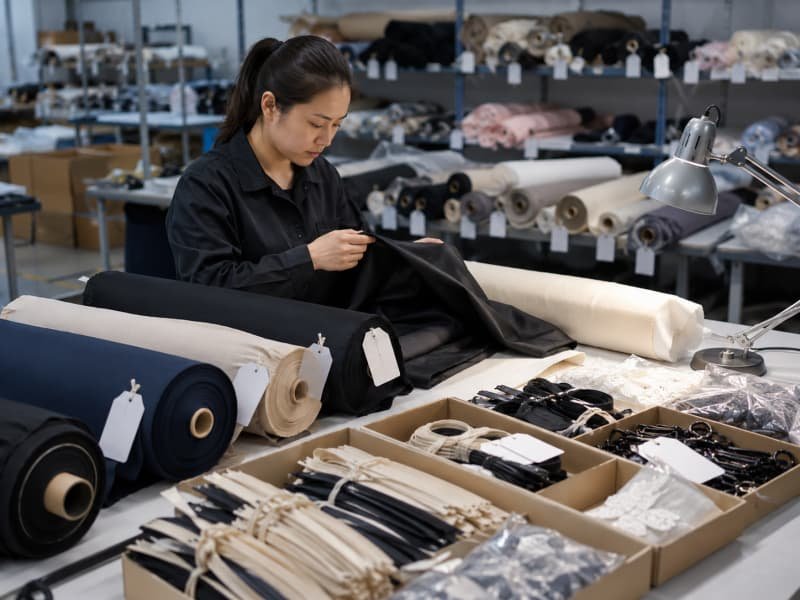
Before sampling, review whether fabric, fit, support, craft, and finish can achieve the intended visual result and remain repeatable in production.

Material Control

Check fabric identity, shade, width, weight where required, shrinkage, stretch, recovery, opacity, surface defects, print or craft quality, lining, and trims against the approved basis.
Production-ready Sample Standard​

Sample Standard

Use sample comments, measurements, fit priorities, approved appearance, BOM, workmanship references, and PP or golden sample status to establish the manufacturing standard.

Pre-Production Control

Confirm material arrival, markers, cutting direction, color and size allocation, operation method, critical measurements, special craft, labels, packing, and known risks before line start.

First-Piece Review

Check the first output against measurements, construction, appearance, support, craft placement, pressing, and finishing before production volume increases.
qc.png

Inline Inspection

Monitor measurements, workmanship, shade, defects, craft security, zipper, lining, symmetry, support placement, and recurring issues while correction is still possible.

Final Inspection

Review agreed inspection level, measurements, appearance, function, labeling, barcode, packing, assortment, carton information, and shipment quantity.

Packing Protection

Select folding, tissue, hanger, polybag, support insert, abrasion protection, or carton method according to satin surfaces, structured bodices, sequins, embellishment, or long hemlines.

Manufacturing Capacity for Multi-Style Brand Programs

Scale matters only when it supports organized style allocation, parallel development, controlled production, and repeat capacity. Duolan combines core control with flexible manufacturing resources.

16 Owned Factories

Core factories support direct control of priority styles, development-intensive products, approved standards, and key production programs.

20+ Satellite Factories

Long-term manufacturing partners add flexible allocation for repeat orders, volume expansion, process matching, and seasonal capacity needs.

300 Sewing Lines

A broad line base allows styles to be allocated according to product type, complexity, order size, and production timing rather than placing every style on one route.

50+ Flexible Lines

Quick-response and flexible lines support testing, rolling programs, priority styles, replenishment, and multi-style schedules that require more frequent changeovers.

3,000-8,000 Style Flows

The wider development system can support thousands of style-development and sampling flows per month across the group, providing organizational depth for parallel programs.

15,000-35,000 Sample Instances

Monthly sample-development capacity across the system supports repeated development, revisions, color or fit versions, and production-preparation samples for high-frequency fashion work.

The manufacturing system also includes more than 12,000 workers across core and coordinated facilities. Duolan factory operations have completed a SMETA 2-Pillar audit. Program-specific quality, social responsibility, testing, and documentation requirements can be aligned to the standards named by each brand, including relevant BSCI, ISO 9001, AATCC, ASTM, OEKO-TEX, EN, China GB, GOTS, or company-specific requirements where applicable.

Multi-Style Cost Planning Across Realistic Order Structures

The anonymized programs below reflect the recurring scale of current brand cooperation: 10-30 styles per order and 20,000-80,000 total pieces. Names and sensitive commercial figures are removed.

US Occasionwear Program

Order profile: 18 styles, 42,600 pieces, five dress families, six core colors, and three launch drops. The first style list combined satin slips, corset minis, mesh midis, fitted jersey dresses, and embellished party styles under one target range. Cost mapping showed that the greatest pressure came from bias satin consumption, corset support systems, and low-volume embellished colors rather than from basic sewing. Duolan separated four hero styles, nine core sales styles, and five repeat-ready styles. Two satin families were aligned to compatible widths and lining standards, while premium craft remained concentrated in the hero group. Sample priorities followed cost uncertainty and launch importance. The approved path created a clear quotation basis for every style and prevented premium image styles from distorting the target range of the commercial group.

US Partywear Collection

Order profile: 24 styles, 67,200 pieces, sequin, rhinestone, mesh, bodycon, and halter directions across two delivery waves. Early references contained varying embellishment density and incomplete lining information, making supplier prices impossible to compare. Duolan defined craft zones, density references, lining routes, support components, packing protection, and repair standards before rebuilding the matrix. Six high-craft styles retained premium execution; ten styles used controlled focal embellishment; eight commercial styles shared jersey, lining, zippers, labels, and packaging. Production planning placed structural and craft-sensitive styles on specialist routes and stable fitted styles on repeatable lines. The program moved forward with distinct price bands, clearer sample purposes, and fewer open assumptions before PP review.

Mesh-Layering_

North American Fashion Group

Order profile: 12 styles, 28,800 pieces, a resort-to-going-out capsule using printed mesh, crepe, satin, and light jersey. The original plan carried too many unique colors, prints, and trim specifications for the quantity allocated to each style. Duolan grouped products by material behavior and identified which visible differences required unique materials and which could be achieved through silhouette, color, or construction. Print artwork, mesh stretch, satin width, lining coverage, and size range were reviewed before costing. The final development plan preserved three campaign styles, built six core commercial styles around shared material families, and prepared three styles for color extensions. Cost comparison became more stable because print, lining, trim, packing, and quantity assumptions were recorded under one basis.

Frequently Asked Questions About Multi-Style Costing

Yes. Send a style list, tech packs, reference images, original samples, or a collection brief. Duolan organizes every style by material basis, complexity, quantity, quotation status, main cost driver, open decision, and recommended next step. A meaningful comparison requires the same quality, packaging, delivery, and trade-term basis.
Technical drawings, BOM, measurements, fabric specifications, colorways, size range, quantity by style and color, workmanship details, artwork, labels, packaging, testing requirements, delivery date, and Incoterm create the strongest basis. Incomplete projects can still be reviewed, but provisional assumptions will be marked.
Yes, when enough product and commercial information is available. The figure remains an estimate until fabric, consumption, structure, trims, workmanship, sample standard, final BOM, quantity split, packaging, and delivery basis are confirmed. Complex corset, craft, or fit-sensitive styles may need a trial before a reliable bulk figure is possible.
Visual similarity does not reveal fabric width, consumption, layer count, support materials, panel number, sewing operations, hand finishing, craft density, pressing, quality tolerance, or packing protection. A flat image can hide most of the work that determines repeatable production.
More styles create more development files, markers, cutting setups, line changes, first-piece approvals, QC references, and packing instructions. Quantity per color and size also affects material commitments and production efficiency. Total program volume alone cannot define the unit cost.
Yes, when the shared material meets the performance and visual needs of each style. Common lining, zippers, cups, boning, labels, or packaging can improve coordination. Shared outer fabrics should still be checked for drape, stretch, opacity, support, color, and cutting behavior by silhouette.
Sample fees and bulk unit prices serve different purposes. Sample fees support pattern, material preparation, trial work, sample sewing, internal review, and development coordination. Bulk prices use confirmed materials, approved standards, commercial quantities, production operations, packaging, and delivery conditions. Any agreed commercial treatment of sample fees is stated in the proposal.
Yes. Share the target range together with product, quantity, quality, packaging, and delivery information. Duolan can classify the design as matched, adjustable, or mismatched and explain which cost drivers create the gap. A target figure is useful only when the expected product standard is clear.
Material, pattern, construction, craft, color, size, quantity, packaging, testing, or delivery changes are linked to the correct style version. The quotation status and basis are updated so an older figure is not compared with a revised product standard.
Yes. The manufacturing system includes 16 owned factories, 20+ long-term satellite factories, 300 sewing lines, and 50+ flexible lines. Styles can be allocated by complexity, process, quantity, timing, and quality risk, with bulk readiness, first-piece, inline, final, and packing controls defined before shipment.

Send Your Style List for a Structured Cost Review

Share the information available now, even when several details remain open. Duolan can begin with tech packs, reference images, original samples, fabric ideas, or a collection brief and identify which facts are strong enough for preliminary costing. For a useful multi-style review, include the number of styles, product categories, target quantity by style, colorways, size range, material direction, target price position, labels, packaging, testing requirements, launch date, delivery destination, and preferred trade term. The team will organize the styles, review material and construction difficulty, identify cost-sensitive details, mark assumptions, and advise whether each style needs a direct estimate, material check, development sample, structure trial, craft trial, or bulk-readiness review. Clear information helps avoid generic answers and gives your product, procurement, and commercial teams a stronger basis for sample priority, collection budget, and manufacturing decisions.

  • Project files: Tech packs, style list, reference images, original sample photos, BOM, artwork, fabric specifications, and measurement charts.
  • Commercial details: Quantity per style and color, size range, target price position, packaging, testing, delivery date, destination, and Incoterm.
  • Recommended form fields: Name, company, country, website, email, WhatsApp, number of styles, project stage, quantity per style, target range, message, and file upload.
QC Checklist​

Start Your Apparel Development Project

OEM/ODM Manufacturing Support for Fashion Brands

Share your collection details, estimated quantities, target market, development timeline, and technical requirements. The production team will review your request and provide a tailored manufacturing solution based on your product category, fabric selection, construction needs, and delivery schedule.

Fashion Manufacturing Support with Scalable Production Capacity

From sample development to bulk production, Duolan supports fashion brands with confidential OEM/ODM manufacturing, stable quality management, flexible production planning, and coordinated multi-factory execution for seasonal and capsule collections.

Need Direct Assistance?

Seraphinite AcceleratorOptimized by Seraphinite Accelerator
Turns on site high speed to be attractive for people and search engines.