Skip to content
Custom Dress Manufacturer for Supplier Consolidation
Consolidate fragmented dress development and production into one accountable, dress-focused manufacturing system built for established fashion brands.
- 30+ years of dress development experience: long-term knowledge across fashion dresses, occasionwear, partywear, fitted silhouettes, structured styles, and repeat production.
- 16 owned womenswear factories plus 20+ coordinated satellite factories: core control for complex programs with flexible capacity for repeat orders and scale-up.
- 300 sewing lines and 50+ flexible lines: production paths can be matched to style complexity, order stage, workmanship risk, and launch timing.
- 15,000-35,000 monthly sample development capacity: support for multi-style programs, staged revisions, fit review, photo-ready samples, and PP development.
- SMETA and SMETA 2-Pillar audit records: a stronger foundation for approved supplier programs, social compliance review, and structured manufacturing cooperation.
Duolan coordinates product review, fabric and trim sourcing, pattern development, sampling, production allocation, quality control, packing, delivery, and reorder records through one project window. Supplier consolidation becomes a controlled transition rather than a risky factory switch.
Built for Brands Consolidating Dress Suppliers
Global Fashion Brands
- Central project ownership
- Unified development records
- Scalable production allocation
Buying Teams
Buying teams need accurate quotation bases, consistent sample standards, visible approval points, and clear responsibility from development through shipment. Fewer direct suppliers can reduce duplicated follow-up, separate inspections, and conflicting production updates.
- One reporting window
- Clear approval milestones
- Consolidated order tracking
Product Teams
Product teams focus on silhouette, fit, fabric behavior, construction, and commercial viability. Duolan translates design direction into measurable standards, revision actions, and production-ready references across multiple dress programs.
- Fit priority review
- Material-to-style matching
- Revision record control
Sourcing Offices
- Factory allocation logic
- Audit document support
- Multi-program coordination
Multi-brand Groups
- Brand-specific master files
- Separate fit standards
- Shared supply resources
Dress-focused Labels
- Dress-specialized development
- Complex style handling
- Repeat-order consistency
What Supplier Consolidation Means for Dress Programs
Commercial Consolidation Without Product Dilution
A fragmented sourcing base may require separate quotations, contracts, approvals, inspections, packing instructions, payment schedules, and shipment follow-up for every factory. Duolan creates a central manufacturing interface around the dress program. Style groups, order stages, material needs, and approval requirements are organized before production resources are assigned. Commercial communication becomes clearer while product decisions remain tied to the needs of each style.
- Fewer repeated actions: one project structure for quotations, development records, production updates, and shipment preparation.
- Better negotiation basis: fabric, trim, workmanship, color, and quantity decisions can be reviewed across a collection rather than style by style in isolation.
- Clear responsibility: Duolan remains accountable for project coordination even when several owned or long-term coordinated factories support the program.

Operational Consolidation With Controlled Allocation
One external interface does not mean every dress enters the same line. A satin slip dress, structured corset dress, stretch bodycon style, embellished party dress, and lightweight vacation dress require different technical judgments. Duolan classifies styles by fabric behavior, structure, workmanship sensitivity, quantity, timing, and repeat potential. Core factories, flexible lines, satellite capacity, and special-process partners are assigned under shared project standards.
- Core control: complex development, PP conversion, and brand-sensitive orders remain close to the owned production system.
- Flexible capacity: repeat orders, scale-up programs, seasonal peaks, and selected style groups can move through approved coordinated capacity.
- Backup planning: capacity remains diversified inside the manufacturing network rather than concentrated in one unsupported production point.

Why Fashion Brands Consolidate Dress Manufacturing
Fewer Handoffs
- Less duplicated communication
- Fewer document versions
- Clearer responsibility
Unified Standards
A dress collection needs common measurement methods, fit priorities, trim specifications, quality checkpoints, and packaging rules. Unified master files help different styles and production lines follow the same approved basis.
- Master measurement charts
- Approved BOM versions
- Shared QC checkpoints
Collection Control
Multiple styles must be managed as a collection, not as unrelated garments. Fabric direction, color balance, silhouette mix, launch priority, and price architecture need to stay coordinated through sampling and bulk production.
- Style grouping
- Priority planning
- Launch calendar alignment
Capacity Visibility
- Production path planning
- Milestone reporting
- Capacity reservation
Reorder Stability
Repeat orders often fail when previous materials, measurements, construction notes, or packing details cannot be reconstructed. Consolidated records preserve the approved basis for future production and bestseller extensions.
- Reorder file preservation
- Color and material history
- Previous QC references
Lower Operating Friction
- Fewer follow-ups
- Simpler reporting
- Cleaner escalation path
Risks Hidden Across Fragmented Dress Suppliers
Fragmentation creates technical and operational variation long before a defect reaches final inspection. Each risk needs a defined control point, an owner, and an approval record.
| Fragmented Risk | Commercial Impact | Duolan Control Point |
|---|---|---|
| Different fit interpretation | Silhouette, waist balance, bust coverage, hip contour, and dress length vary across a collection. | Master size chart, POM definitions, fit priority, pattern correction, and PP measurement review. |
| Fabric and lining mismatch | Drape, stretch, opacity, recovery, color, and handfeel no longer support the intended product effect. | Fabric behavior review, swatch approval, lab dip control, lining assessment, and bulk lot confirmation. |
| Unclear sample purpose | A visual sample may be treated as a fit or production standard before technical points are resolved. | Sample stage definition: prototype, fit, photo-ready, salesman, revision, or PP sample. |
| Multiple BOM versions | Trims, zippers, boning, cups, labels, and packaging can change without clear approval history. | Version-controlled BOM, trim board, material lock, and production-readiness note. |
| Inconsistent workmanship | Stitching, seam finish, lining coverage, embellishment security, pressing, and internal construction vary by factory. | Workmanship points, approved sample reference, first-piece confirmation, inline verification, and final inspection. |
| Split delivery schedules | Styles arrive too early, too late, or in the wrong sequence for photography, launch, stores, or replenishment. | Launch-date planning, production path, packing schedule, shipment split review, and milestone updates. |
| Weak repeat-order records | A bestseller returns with different fit, fabric tone, trim finish, or packaging. | Reorder review file, previous sample basis, material history, QC findings, and change confirmation. |
One Accountable System Across Your Dress Supply Chain
Brief Review
- Scope definition
- Missing information list
- Risk classification
Product Development
Reference images, sketches, tech packs, original samples, moodboards, and previous comments can enter different development paths.
- Development route
- Sample purpose
- Fit priorities
Material Coordination
- Swatch approval
- Trim board
- Material availability
Sample Management
- Three update points
- Comment response
- Revision history
Factory Allocation
Styles are classified as standard, complex, flexible, repeat, or high-risk process work before lines and factories are assigned.
- Owned core factories
- Flexible production lines
- Coordinated satellite capacity
Quality Control
Incoming materials, pre-production standards, first-piece output, inline workmanship, measurements, final inspection, packing, and shipment release follow shared checkpoints.
- Approved basis
- Inspection records
- Escalation control
Delivery Coordination
- Packing manual
- Shipment schedule
- Document coordination
Reorder Records
Approved measurements, patterns, BOM versions, workmanship points, material references, QC findings, and packing details remain available for repeat production.
- Change review
- Previous standard
- Bestseller continuity
Dress Categories We Can Consolidate

Fashion Dresses
- Mini, midi, maxi
- Woven and stretch
- Seasonal color programs

Occasion Dresses
- Cocktail and formal
- Wedding guest
- Graduation and social events

Party Dresses
- Sequin and embellished
- Metallic and velvet
- Statement silhouettes

Going Out Dresses
- Halter and backless
- Cut-out and ruched
- Mini and fitted

Vacation Dresses
- Printed and draped
- Lightweight woven
- Resort color stories

Bodycon Dresses
Bodycon and fitted dresses depend on fabric weight, stretch direction, recovery, opacity, seam stability, and graded bust-waist-hip balance. A good sample must remain stable across sizes and repeat orders.
- Stretch jersey
- Bandage structures
- Contour fit control

Structured Dresses
Corset, bustier, strapless, and shaped-bodice dresses require cup placement, boning, support layers, neckline stability, closure control, and clean internal finishing.
- Corset and bustier
- Strapless support
- Boning and cups

Fashion Sets
Coordinated tops, skirts, trousers, and matching sets can sit beside dress collections. Fabric, color, trim, and fit language remain aligned under one seasonal program.
- Matching separates
- Refined tops
- Collection extensions
Manage Collections, Not Isolated Dress Styles
Build a Commercial Collection Structure
A dress collection usually contains different roles. Image-led pieces create visual impact. Commercial styles carry volume. Fit-sensitive products need more development time. Repeatable silhouettes support future color and fabric extensions. Duolan groups styles by role before sampling so technical resources and approvals follow the commercial importance of each design.
- Hero styles: high visual value, complex workmanship, or campaign importance; early feasibility review and closer sample control.
- Commercial styles: clear fit, stable materials, repeat potential, and scalable construction; strong candidates for consolidated production.
- Supporting styles: coordinated silhouettes, colors, or price points used to complete the assortment without creating unnecessary complexity.
- Repeat foundations: approved blocks, recurring materials, and proven workmanship retained for future drops and bestseller extensions.
Control Multi-style Development Rhythm
Multiple styles should not enter sampling on the same day without priority. Duolan reviews sample purpose, material readiness, complexity, photo deadlines, internal review dates, and bulk potential. A series of 10-30 styles can be divided into priority waves so decisions from early samples improve later styles instead of repeating the same issues across the whole collection.
- Wave 1: high-risk and high-priority styles used to confirm fit direction, core materials, and workmanship language.
- Wave 2: commercial styles developed with confirmed standards from the first wave.
- Wave 3: supporting styles, color extensions, and lower-risk products prepared after the key design system is stable.
- Bulk route: approved styles grouped by complexity, material, quantity, and launch schedule for production allocation.
Consolidated Fabric and Trim Coordination

Fabric Direction
- Drape and body
- Stretch and recovery
- Opacity and lining

Alternative Sourcing
- Original match
- Commercial alternative
- Bulk-stable option

Color Control
- Lab dip approval
- Lot consistency
- Color under lighting
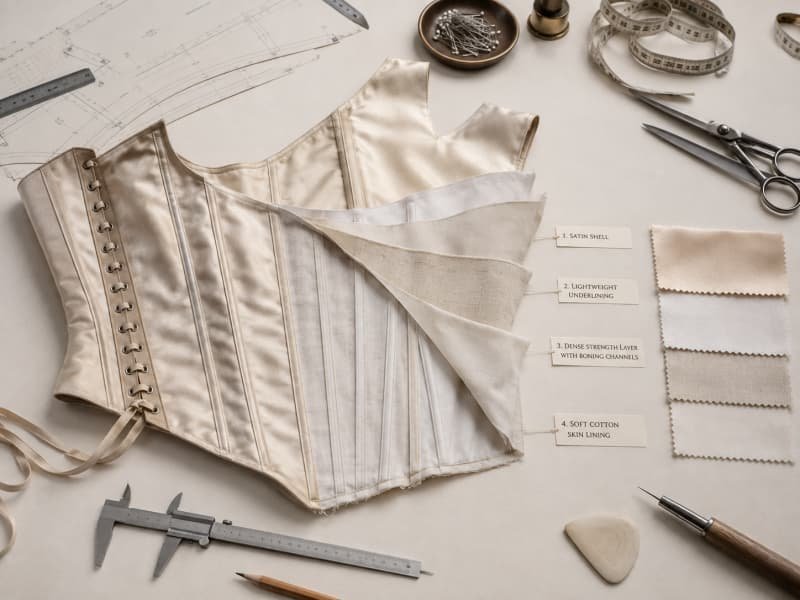
Lining Systems
- Coverage control
- Support and comfort
- Color and stretch match

Functional Trims
- Closure security
- Hidden support
- Wear comfort

Decorative Components
Lace trims, sequins, beads, rhinestones, appliques, fringe, bows, covered buttons, and metal accents affect brand value but also add weight, abrasion, placement, loss risk, and inspection needs.
- Placement standard
- Attachment security
- Bulk repeatability
Special Process Support Across Dress Programs
Printing
- Strike-off approval
- Placement and repeat
- Color stability
Embroidery
- Motif placement
- Density and backing
- Skin comfort
Sequin and Beading
Sequin, bead, pearl, and rhinestone work needs security, weight control, edge protection, lining coverage, replacement allowance, abrasion review, and packing protection.
- Attachment method
- Loss-risk inspection
- Comfort and lining
Pleating
- Pleat sample
- Width and direction
- Recovery review
Dyeing and Washing
- Color range
- Shrinkage control
- Trim compatibility
Rhinestone Decoration
- Placement map
- Bond strength
- Surface protection
Create One Master Standard for Repeat Production
Master Product File
The master product file keeps the approved product definition together. It can include the current tech pack, sample purpose, pattern basis, size chart, POM definitions, grading direction, BOM version, fabric and trim references, artwork, construction details, label placement, and packing instructions. Earlier drafts are not treated as active production standards once a later version is approved.
- Measurements: bust, underbust, waist, hip, body length, shoulder or strap length, armhole, slit height, hem opening, zipper length, and style-specific critical points.
- Construction: seam type, stitch requirement, lining coverage, support layers, boning, cups, closure, finishing, embellishment, pressing, and internal clean finish.
- Materials: main fabric, lining, interlining, mesh, elastic, trims, hardware, labels, packing materials, approved colors, and supplier references.
Production and Reorder File
The production file records the approved sample basis, bulk-readiness decisions, first-piece findings, inline issues, measurement results, final inspection findings, packing approval, shipment changes, and corrective actions.
A reorder review then compares any proposed fabric, color, trim, pattern, size, process, or factory changes against the previous approved standard.
- PP reference: physical sample, approved images, measurements, workmanship points, and open items closed before production release.
- QC reference: critical checkpoints, tolerances, defect focus, measurement method, label checks, and packing checks.
- Reorder control: previous material lot, color reference, pattern version, factory route, inspection findings, and any approved commercial change.
A Controlled Supplier Transition Roadmap
Scope Review
- Supplier map
- Product scope
- Risk priorities
File Audit
- File completeness
- Version check
- Reference gaps
Risk Classification
- Low-risk transfer
- Fit-sensitive transfer
- High-risk process transfer
Pilot Development
- Representative mix
- Controlled comparison
- Approval milestones
Bulk Validation
- First-piece confirmation
- Inline checkpoints
- Packing verification
Controlled Scale-up
- Wave expansion
- Capacity planning
- Reorder governance
Start With a Pilot Before Full Consolidation

Choose a Representative Pilot Mix
A balanced pilot can include three style types: a stable commercial style, a fit-sensitive style, and a workmanship- or process-sensitive style. A previous bestseller may also be included to test repeatability against an existing benchmark. The mix reveals whether communication, development, materials, fit, factory allocation, QC, and delivery controls can support the future portfolio.
- Commercial benchmark: a style with clear sales potential, normal workmanship, and realistic repeat volume.
- Fit benchmark: bodycon, halter, backless, strapless, corset, or another silhouette where balance and wearing security matter.
- Process benchmark: sequin, embroidery, printing, pleating, wash, or complex trim work used to test special-process control.
- Repeat benchmark: an existing style with approved sample, historic measurements, and known quality expectations.

Evaluate More Than Sample Appearance
Pilot review should cover response quality, technical questions, material judgment, revision accuracy, sample records, timeline discipline, PP readiness, first-piece performance, inline findings, packing accuracy, and issue ownership.
A beautiful sample alone cannot prove supplier-consolidation readiness. The pilot should demonstrate whether approved decisions survive the move into bulk production.
- Decision gate 1: development basis and material direction accepted.
- Decision gate 2: fit, visual effect, construction, and measurements approved.
- Decision gate 3: PP or production-ready basis confirmed.
- Decision gate 4: pilot bulk, quality, packing, and delivery reviewed before expansion.
Transfer Existing Styles Without Losing Product Identity
Reverse-engineer the Approved Product Basis
Duolan reviews the original garment from the outside and inside. Measurements are checked against any existing spec. Fabric composition, weight, stretch, recovery, opacity, drape, color, and finish are compared. Pattern balance, seam position, shaping, support, closure, lining, hem, embellishment, label placement, and packing marks are recorded. A transfer should distinguish intentional brand details from inconsistent workmanship inherited from the previous source.
- Visual identity: neckline, silhouette, waist position, body length, drape, volume, trim proportion, and surface appearance.
- Fit identity: bust coverage, waist balance, hip contour, ease, strap position, support, movement, and grade relationship.
- Construction identity: seam placement, lining, internal support, closure, edge finish, pressing, embellishment, and hidden functional parts.
- Commercial identity: target material level, cost-sensitive details, packaging, size range, sales role, and repeat potential.
Rebuild a Production-ready Standard
The transfer sample is compared with the original sample, images, measurements, and written requirements. Any mismatch is classified as visual, fit, material, construction, or production risk. Comments are translated back into the pattern, spec, BOM, and workmanship notes.
A new PP basis is created before bulk release. When the original material is no longer available, alternatives are evaluated by garment result rather than by fabric name alone.
- Comparison set: front, side, back, internal construction, measurements, fabric, trims, movement, and photo response.
- Revision record: comment, technical cause, correction action, affected document, and confirmation status.
- Bulk release: approved sample, locked materials, confirmed measurements, workmanship points, packing, QC focus, and factory path.
Control Sample-to-Bulk Consistency Across Programs
Fit Confirmation
- Pattern correction
- Spec update
- Critical measurement list
Material Locking
- Approved swatch
- BOM version
- Lot confirmation
Workmanship Standard
- Operation points
- Visual reference
- Critical process checks
PP Sample Basis
- PP measurement review
- Material confirmation
- Production-readiness note
First-piece Review
- Pilot run
- First-piece note
- Line correction
Inline Verification
- Inline findings
- Corrective action
- Final release basis
How Duolan Allocates Styles Across Factories

Owned Factories for Core Control
Owned factories support brand-sensitive programs, complex development, PP conversion, structured dresses, fit-sensitive silhouettes, and repeat products where consistency carries high commercial value. The owned system helps transfer sample knowledge into production, keeps critical decisions closer to the project team, and provides stronger accountability for core styles.
- Best suited for: corset, bustier, bodycon, halter, backless, satin, mesh-layered, embellished, and key commercial styles.
- Control value: sample-to-bulk transition, first-piece approval, workmanship discipline, fit consistency, and repeat-order standard preservation.
- Priority value: brand-sensitive launches, core assortment, urgent correction, and products carrying high repeat or reputational importance.

Coordinated Capacity for Flexibility and Scale
- Best suited for: stable constructions, proven repeat products, selected style groups, additional volume, and seasonal demand peaks.
- Allocation controls: factory suitability, sample reference, BOM, measurements, workmanship points, line readiness, and QC plan.
- Backup value: capacity buffer across regions, reduced dependence on one line, and stronger response when repeat demand rises.
Capacity Planning for Multi-style Dress Programs
Capacity planning connects style complexity, material readiness, approvals, line suitability, inspection, packing, and launch timing. Production speed becomes reliable only after the key decisions are locked.
| Program Type | Planning Reference | Main Conditions Before Start | Recommended Control |
|---|---|---|---|
| Simple dress styles | 15-20 days bulk production | PP basis approved; standard materials available; limited special processing; clear labels and packing. | Group similar operations, confirm first piece, run inline measurement and workmanship checks. |
| Standard fashion dresses | 20-30 days bulk production | Fabric, lining, trims, colors, measurements, workmanship, size split, packaging, and inspection method confirmed. | Production-readiness review, line allocation, first-piece confirmation, inline QC, packing check. |
| Complex or embellished dresses | 30-45 days bulk production | Special process, structure, trim security, lining, fit, pilot run, PP sample, and process capacity validated. | Pilot or first-piece stage, key-process inspection, embellishment count or placement control, final recovery and packing review. |
| Multi-style order program | 10-30 styles per order | Style priority, development wave, material schedule, line map, quality plan, packing sequence, and delivery window aligned. | Split by complexity and timing; reserve core lines for sensitive styles; coordinate repeat and launch priorities. |
| Brand order volume | 20,000-80,000 pieces per order | Color-size breakdown, material supply, factory allocation, production windows, inspection resources, and shipment plan confirmed. | Milestone reporting, weekly risk review, first-piece and inline evidence, carton and shipment reconciliation. |
| Group manufacturing base | 300 sewing lines + 50+ flexible lines | Capacity matched by product type, order stage, process sensitivity, and delivery requirement. | Owned factory control for core styles; coordinated capacity for repeat, scale-up, and seasonal peaks. |
One Quality Standard Across Lines and Factories

Fabric Inspection
- Lot and shade
- Fabric defects
- Behavior checks

Pre-production Review
The production team reviews the approved sample, BOM, size chart, critical measurements, workmanship points, labels, packing, and known risks before line release.
- PP basis
- Open-point closure
- Risk briefing

Measurement Standard
POM definitions and measuring methods are kept consistent across factories. Critical points receive clear tolerances and stronger checking frequency.
- POM drawings
- Tolerance levels
- Size-set review

First-piece Approval
- Line verification
- Early correction
- Approval note

Inline Inspection
Inline QC checks ongoing production against the approved basis. Findings are recorded by style, color, size, defect type, location, and corrective action.
- Workmanship checks
- Measurement checks
- Corrective follow-up

Special Process Check
- Process sample
- Placement control
- Security checks

Final Inspection
Finished garments are reviewed for quantity, measurements, workmanship, appearance, labels, barcodes, packing, carton data, and agreed inspection criteria before shipment release.
- Final sampling plan
- Packing verification
- Release decision

Reorder Comparison
- Previous standard
- Change approval
- Continuity check
Reduce Total Supply Cost Without Reducing Product Value
Find Cost Outside the Garment Price
A supplier may quote a low FOB price while creating higher operating cost through repeated revisions, separate courier shipments, inconsistent materials, unclear PP standards, frequent follow-up, late approvals, separate inspections, and split deliveries. Consolidation can remove duplicated activity when the technical and operational scope is designed correctly. The result should be measured across the full program, not through a single style quotation.
- Development cost: repeated patterns, duplicate swatches, separate sample shipments, repeated fit learning, and conflicting revisions.
- Management cost: multiple contacts, separate status reports, repeated internal meetings, different file formats, and fragmented escalation.
- Quality cost: rework, repair, rejected pieces, claim handling, inconsistent reorders, additional inspections, and emergency replacements.
- Timing cost: missed photo dates, delayed launches, shortened selling windows, airfreight, and lost replenishment opportunities.
Protect the Details Carrying Brand Value
Cost optimization should preserve the parts creating fit, appearance, durability, and market position. Material alternatives, trim simplification, construction changes, color planning, size breakdown, order grouping, and packaging decisions can be evaluated before bulk.
A cost change should show what changes in garment effect, risk, lead time, and repeatability. Duolan does not position supplier consolidation as a promise of the lowest price; the aim is a more controlled commercial result.
- Keep: silhouette, fit, support, fabric effect, visible workmanship, signature trims, and product reliability.
- Review: hidden construction, excessive process steps, unnecessary material duplication, low-value decoration, and fragmented color orders.
- Plan: shared materials across styles, reusable blocks, repeat colors, consolidated trims, and longer-term reorder visibility.
Consolidated Packing, Delivery and Reorder Coordination

Labels and Barcodes
- Artwork version
- Placement standard
- Barcode verification

Garment Protection
- Material-sensitive packing
- Shape protection
- Surface protection

Carton Planning
- Assortment accuracy
- Carton reconciliation
- Marking control

Inspection Timing
- Inspection booking
- Correction buffer
- Shipment release

Shipment Preparation
- Document alignment
- Split delivery
- Forwarder coordination

Reorder Records
- Previous packing basis
- Change confirmation
- Repeat accuracy
Compliance Support for Approved Supplier Programs
SMETA Audit Records
Duolan factories have SMETA audit and SMETA 2-Pillar audit records. Relevant documentation can support supplier qualification review and ongoing social compliance discussions.
- Audit record review
- Factory information
- Follow-up coordination
Quality Management
- QC manual alignment
- Inspection criteria
- Corrective action
Material Testing
- Fabric and color
- Trim performance
- Product-specific testing
Market Standards
- Requirement mapping
- Document readiness
- Testing coordination
Client Standards
Brand-specific requirements may cover restricted substances, social compliance, measurements, labels, packaging, barcodes, inspection, traceability, and shipment documentation.
- Manual review
- Factory briefing
- Record alignment
Factory Approval Support
Supplier questionnaires, factory profiles, audit records, capability information, production flow, quality checkpoints, and project documents can be organized for evaluation.
- Capability pack
- Factory disclosure
- Approval follow-up
One Project Window With Clear Milestones
Reliable coordination comes from records, milestones, and ownership rather than constant chasing. Duolan organizes communication around the decisions needed to move each style forward.
Visible Development Milestones
The project team receives a clear development path instead of isolated messages. A project can include brief review, feasibility questions, sample proposal, material direction, sample start confirmation, key-point update, sample completion, comment response, revision summary, and PP or bulk-readiness review. Important open points remain visible until closed.
- Project brief: product scope, style count, sample purpose, target market, size basis, quantity, launch timing, and consolidation goal.
- Sample plan: development method, included work, material needs, approval points, timeline basis, and expected next stage.
- Revision summary: comment, technical interpretation, action, affected pattern or document, and confirmation status.
- Bulk readiness: fit, visual, materials, measurements, workmanship, packing, quality, factory route, and remaining risks.
Structured Production Updates
Bulk orders are broken down by style, color, size, quantity, material, process, complexity, and delivery priority. Production updates should show completed milestones, current work, open risk, required decision, and expected next milestone.
The reporting format can be adapted to the brand team, but the internal production path remains clear.
- Production path plan: factory and line allocation, special-process route, pilot needs, key material dates, QC points, packing, and shipment sequence.
- Risk update: issue, affected style, quantity exposure, action owner, decision deadline, correction route, and timing effect.
- Shipment update: inspection result, packing completion, carton reconciliation, document status, delivery split, and forwarder handover.
Supplier Consolidation Across Three Order Profiles

US Occasionwear Program
- 18 styles
- 42,000 pieces
- Three production routes

Multi-brand Fashion Group
Order profile: 24 styles and approximately 68,000 pieces for two related fashion labels with different price bands and fit direction. The operating goal is one manufacturing interface while keeping each label’s size chart, design language, material level, packing, and reporting separate. Program route: shared supply resources are used where commercially suitable, including selected base fabrics, linings, zippers, labels, and cartons. Brand-specific patterns, fit blocks, trims, artwork, and QC focus remain separate. Styles are grouped by complexity, launch date, and repeat potential before factory allocation. Control focus: two master product systems under one project governance structure, controlled BOM versions, separate PP approvals, shared milestone reporting, factory disclosure, and consolidated shipment planning without mixing brand-specific standards.
- 24 styles
- 68,000 pieces
- Two brand standards

Repeat-order Consolidation
- 12 repeat styles
- 27,000 pieces
- Reorder standard rebuild
Frequently Asked Questions About Supplier Consolidation

Evaluate Duolan for Supplier Consolidation
Send the information already available, even when the supplier transition plan is still being formed. Duolan will review the dress categories, active style count, current supplier structure, technical files, material direction, fit and quality concerns, target quantities, launch timing, compliance requirements, packing needs, and preferred pilot scope. A more complete brief allows a more accurate development route, production path, lead-time basis, and capability response.
- Product scope: dress categories, number of active styles, new development versus existing styles, and seasonal or repeat-order plan.
- Commercial scope: target quantity, typical order range, colorways, size range, delivery window, launch market, and expected growth.
- Technical files: tech packs, original sample photos, size charts, BOMs, fabric references, previous comments, QC manual, and packing requirements.
- Current challenges: supplier count, inconsistent fit, material variation, delayed samples, quality issues, communication workload, repeat-order differences, or capacity limits.
- Pilot preference: representative styles, sample purpose, comparison basis, required approvals, inspection method, and desired next stage.